
Besieged in 1335 by an English force that dammed the loch to drown it. The captain went off to a saint's festival, and the defenders broke the dam.
In 1335 an English force besieging this island castle tried to drown it. They built a dam across the outflow of the loch and the water rose — a method that required only patience, provided somebody stayed to hold the dam.
After a month the captain, Sir John de Stirling, left the area to attend the festival of Saint Margaret of Scotland. The defenders, under Alan de Vipont, came out under cover of night, damaged the dam, and brought it down; the released water flooded the English camp. The account comes from the fourteenth-century chronicle of John of Fordun, and later historians have doubted it. It has the shape of a story told well, and the chronicle is the only authority for it, so it is set down here as Fordun’s version rather than as fact.
The island had been contested for a long time before that. A castle may have stood here as early as 1257, when the sixteen-year-old Alexander III was forcibly brought to it by his regents — the position, between Edinburgh, Stirling and Perth, made it worth holding. During the First War of Scottish Independence the invading English held the castle, and part of the present curtain wall may date from that occupation and may be their work. The Scots took it back before the end of the thirteenth century, possibly under William Wallace, and when the English besieged it again in 1301 Sir John Comyn broke the siege within the year.
Robert the Bruce visited in 1313 and again in 1323. It was after his death that the English returned, in support of the pretender Edward Balliol, and built their dam.
The remains are a scheduled monument in the care of Historic Environment Scotland. The castle is open in summer, and reached by ferry.
What follows is drawn from published sources, with each claim labelled by how firmly it is established.
History
A castle may have been built on Castle Island as early as 1257, when King Alexander III of Scotland, then sixteen years old, was forcibly brought there by his regents. The island lies at a strategically important position between Edinburgh, Stirling and Perth. During the First War of Scottish Independence, between 1296 and 1328, the invading English army held the castle. Part of the present fortification, the curtain wall, may date from this period and may have been built by the occupying English.
The castle was captured by the Scots before the end of the thirteenth century, possibly by the forces of William Wallace. English forces laid siege to Lochleven in 1301, but the garrison was relieved in the same year when the siege was broken by Sir John Comyn. Robert the Bruce is known to have visited the castle in 1313 and again in 1323. Following his death the English invaded again, and in 1335 laid siege to Lochleven in support of the pretender Edward Balliol.
According to the fourteenth-century chronicle of John of Fordun, the English attempted to flood the castle by building a dam across the outflow of the loch, and the water level duly rose. Drowning a garrison rather than storming it is an unusual siege method, and it required holding the dam for as long as it took. After a month the captain of the English force, Sir John de Stirling, left the area to attend the festival of Saint Margaret of Scotland. The defenders, under Alan de Vipont, took advantage of his absence to come out of the castle under cover of night and damage the dam, causing it to collapse and flood the English camp.
That account has been doubted by later historians. It is a good story with the shape of a good story, and the chronicle is the only authority for it — which is why it is reported here as Fordun's account rather than as established fact. The remains of the castle are protected as a scheduled monument in the care of Historic Environment Scotland. Lochleven Castle is open to the public in summer, and access is available by ferry.
People
-
Alexander III
Brought forcibly to Castle Island by his regents in 1257, aged sixteen — the earliest suggestion of a castle here.
-
Alan de Vipont
Led the defenders who broke out at night in 1335 and destroyed the English dam.
-
Sir John de Stirling
Captain of the English besieging force, whose departure to attend the festival of Saint Margaret gave the defenders their opportunity.
Connections
-

Photo: Tom Pennington / Wikimedia Commons / CC BY-SA 2.0 Another Scottish castle in the care of the state, likewise built and lost within the politics of a single family's ambition.
What to look for
-
The curtain wall
Part of the present fortification, possibly dating from the English occupation during the First War of Scottish Independence.
-
The island setting
Reached by ferry, in a position that commanded the ground between Edinburgh, Stirling and Perth.
What is said
Folklore and tradition, recorded as what is said — not as established fact.
-
The broken dam
According to John of Fordun's chronicle, in 1335 the besieged garrison broke out at night, damaged the English dam across the loch's outflow, and flooded the besiegers' camp. Later historians have doubted the account.
Plan your visit
- Location
- 56.2008°N · 3.3918°W
- Access
- Open access
- Terrain
- Moderate walking
- Time needed
- About 60 minutes
Nearby places

Fortified place · Medieval
Burleigh Castle
Perth and Kinross
A fifteenth- and sixteenth-century castle just outside Milnathort, north of Kinross.
- Near Kinross

Fortified place · Iron Age
Dumglow
Perth and Kinross
A burial cairn - a mound of stones raised over a grave - sits inside the ramparts of the fort on this summit.
- Near Dunfermline
- Some walking
Fortified place · Medieval
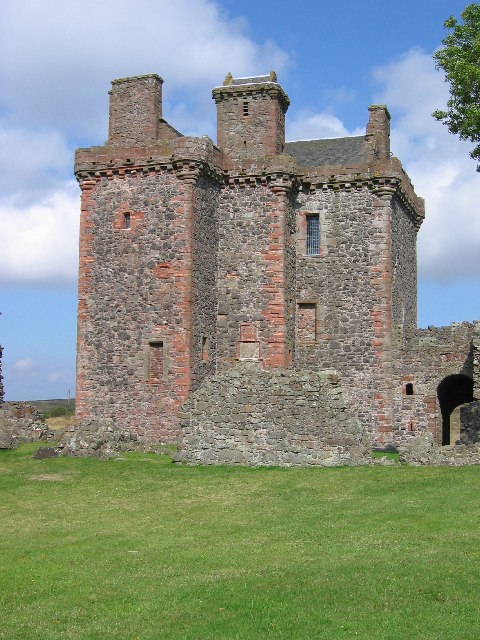
Balvaird Castle
Perth and Kinross
Carved heads support the roundels on the wall-walk, and the cap-house over the stair is a miniature tower house of its own: detail that may have be…
Fortified place · Medieval
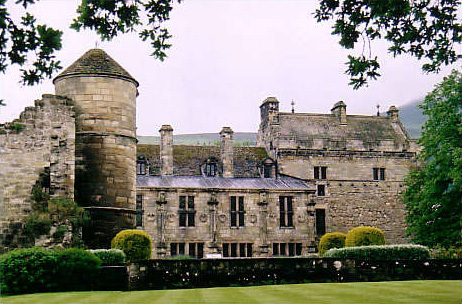
Falkland Palace
Fife
Falkland Palace is a major Scottish royal residence where a medieval hunting castle became a French Renaissance court, retaining the world’s oldest…
Questions people ask
- Did the defenders really flood the English camp?
- John of Fordun's fourteenth-century chronicle says so — that they broke out at night while the besieging captain was away and destroyed his dam. Later historians have doubted the account.
- How old is the castle?
- One may have stood on Castle Island as early as 1257. Part of the curtain wall may date from the English occupation during the First War of Scottish Independence.
- Did Robert the Bruce visit?
- Yes, in 1313 and again in 1323.
- Can it be visited?
- Yes. The castle is open to the public in summer, and access is by ferry. The remains are a scheduled monument in the care of Historic Environment Scotland.
Sources
The Ancient Codex, in your pocket
Get the Pocket Codex app
Carry the directory with you — Lochleven Castle and thousands of ancient places across Britain and Ireland, offline, wherever you roam.