Fortified place · Iron Age
Buckland Rings
Hampshire
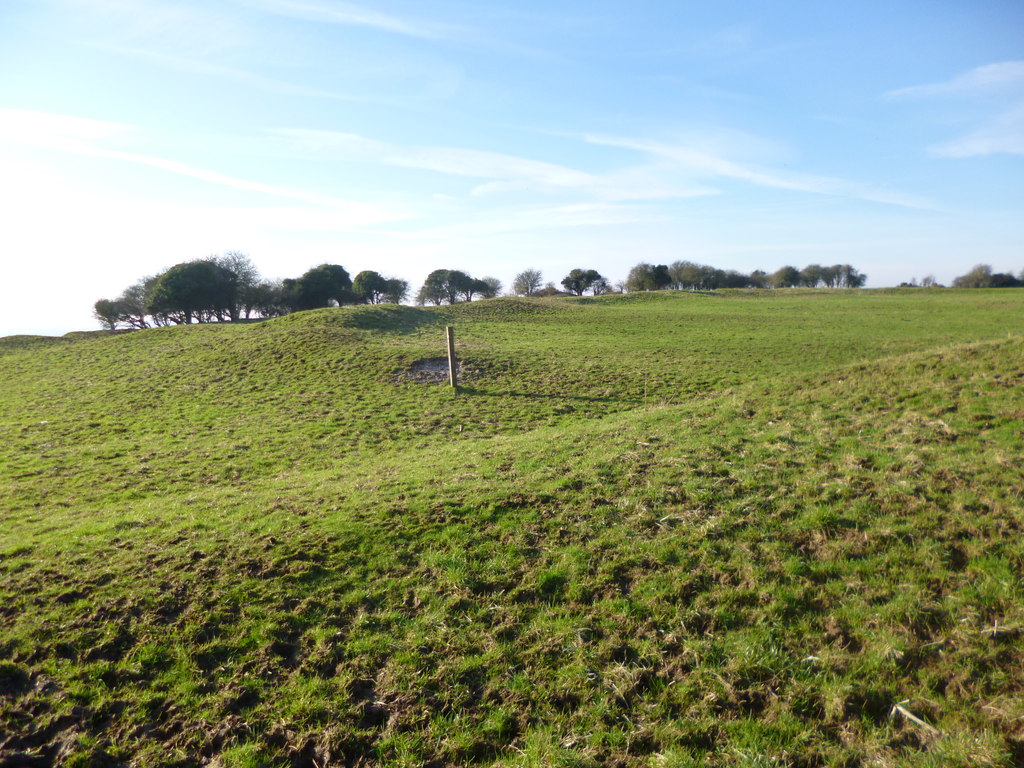
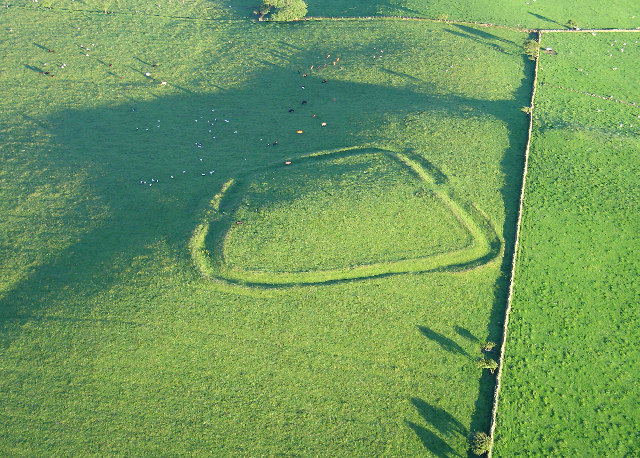
A triple-banked Iron Age (roughly 800 BC until the Roman conquest) enclosure standing just 27 metres above sea level, and rarer for it: this style…
- Easy path
By type
Page 3 of 14.
Search and filters apply to these 100 places.
Fortified place · Iron Age
Hampshire
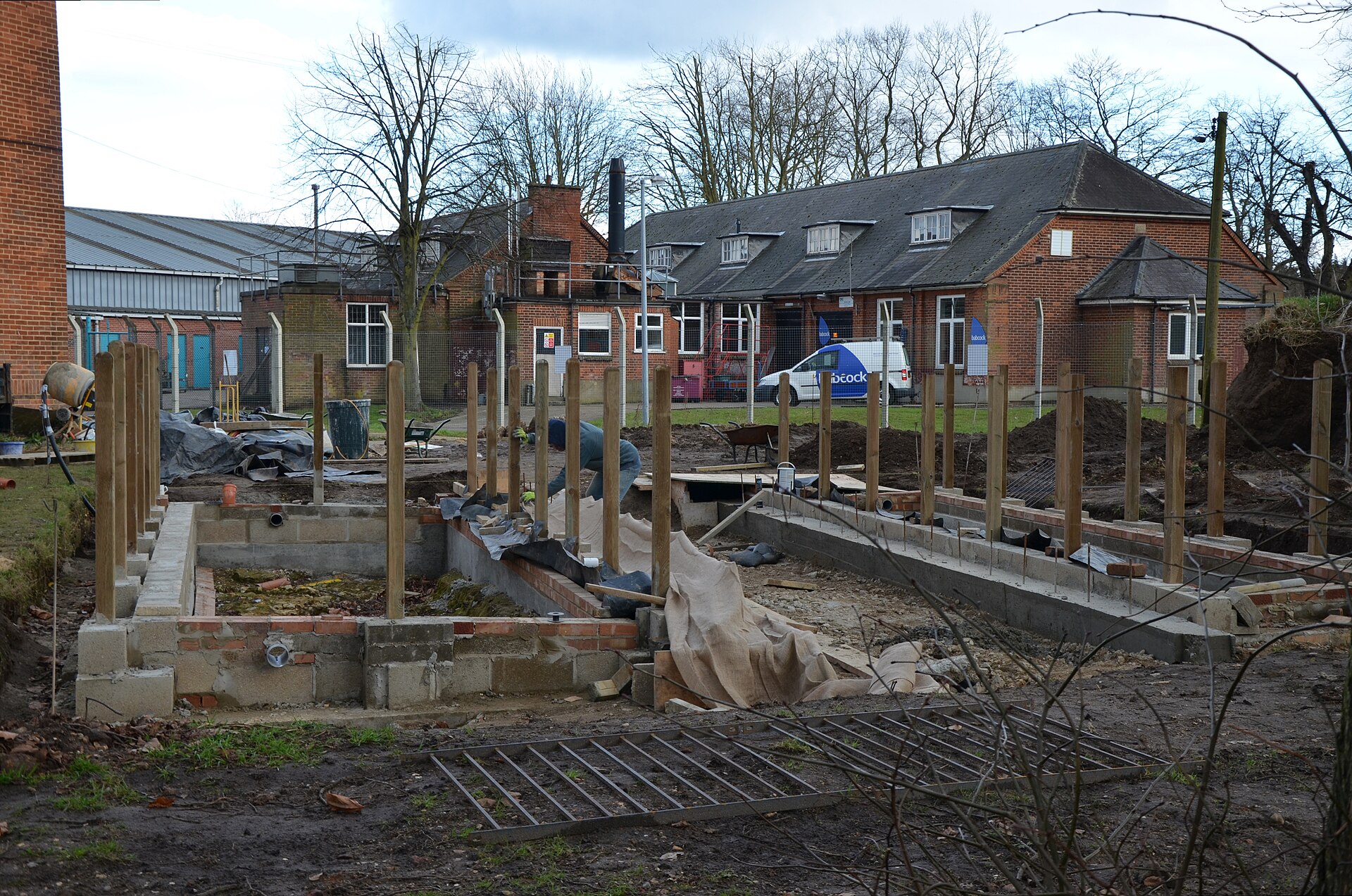
A triple-banked Iron Age (roughly 800 BC until the Roman conquest) enclosure standing just 27 metres above sea level, and rarer for it: this style…
Building or ruin · Roman
Herefordshire
Its rebuilt stone gateways, 22.3 metres wide, are the largest known at any Roman auxiliary fort in Britain: built for a cavalry garrison on a front…
Crossing or structure · Medieval
Derbyshire
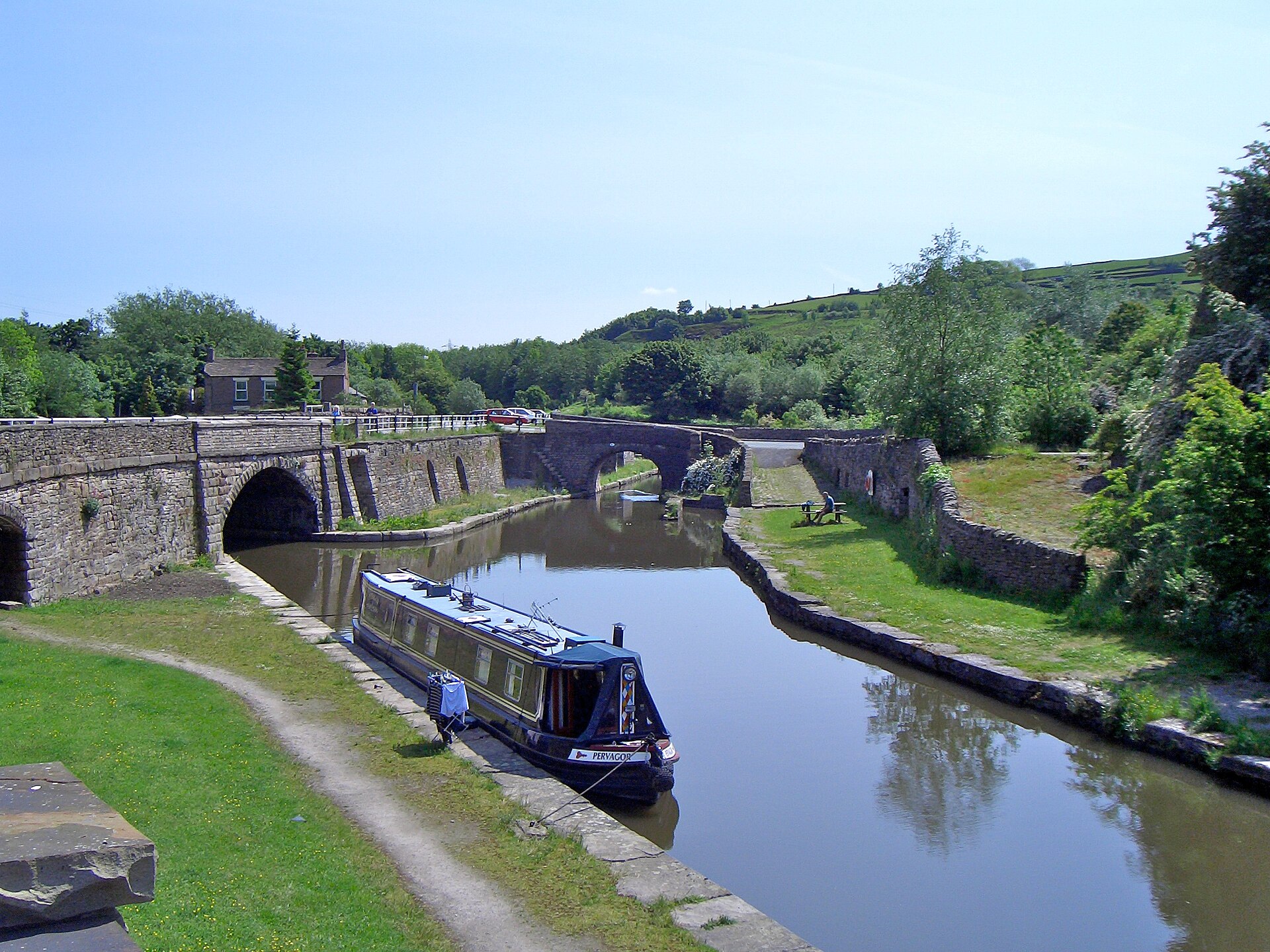
A derelict tramway-canal interchange rebuilt over three decades by volunteers alone, now a rare surviving example of a working limestone transhipme…
Building or ruin · Medieval
Wiltshire
Cut by bored, riot-prone New Zealand troops waiting for a ship home in 1919, it survives as Wiltshire's only hill figure that is neither a white ho…
Building or ruin · Medieval
Derbyshire
Beneath its heather moorland lie the buried remains of a colliery worked for nearly three centuries, protected as a Scheduled Monument (legally pro…
Fortified place · Medieval
Suffolk
A medieval circular bank-and-ditch castle enclosure, inside a thirty-hectare biological site of special scientific interest.
Building or ruin · Roman
Norfolk
Burgh Castle is one of England’s nine Saxon Shore forts, with exceptionally high Roman walls, a contested post-Roman monastic interpretation, Norma…
Fortified place · Medieval
Perth and Kinross
A fifteenth- and sixteenth-century castle just outside Milnathort, north of Kinross.
Fortified place · Medieval
Cumbria
One of a pair of fortified pele towers now half-lost, its survivor tree-ring dated to show a Tudor-era rebuild hidden inside a medieval shell: and…
Ancient place · Prehistoric
West Midlands
An oval mound 0.3 metres high in a Birmingham park, scheduled in 2002: and that, with a date in the Bronze Age, roughly 2500–800 BC, is the whole o…
Building or ruin · Medieval
Tyne and Wear
A fireplace carries the date 1633 and the initials LO. The tower was later swallowed into a farm building.
Ancient place · Iron Age
Somerset
A dry limestone gorge holding Britain's oldest dated cemetery, witch marks in a cave, and a rock named after a hymn that was probably written elsew…
Building or ruin · Roman
Monmouthshire
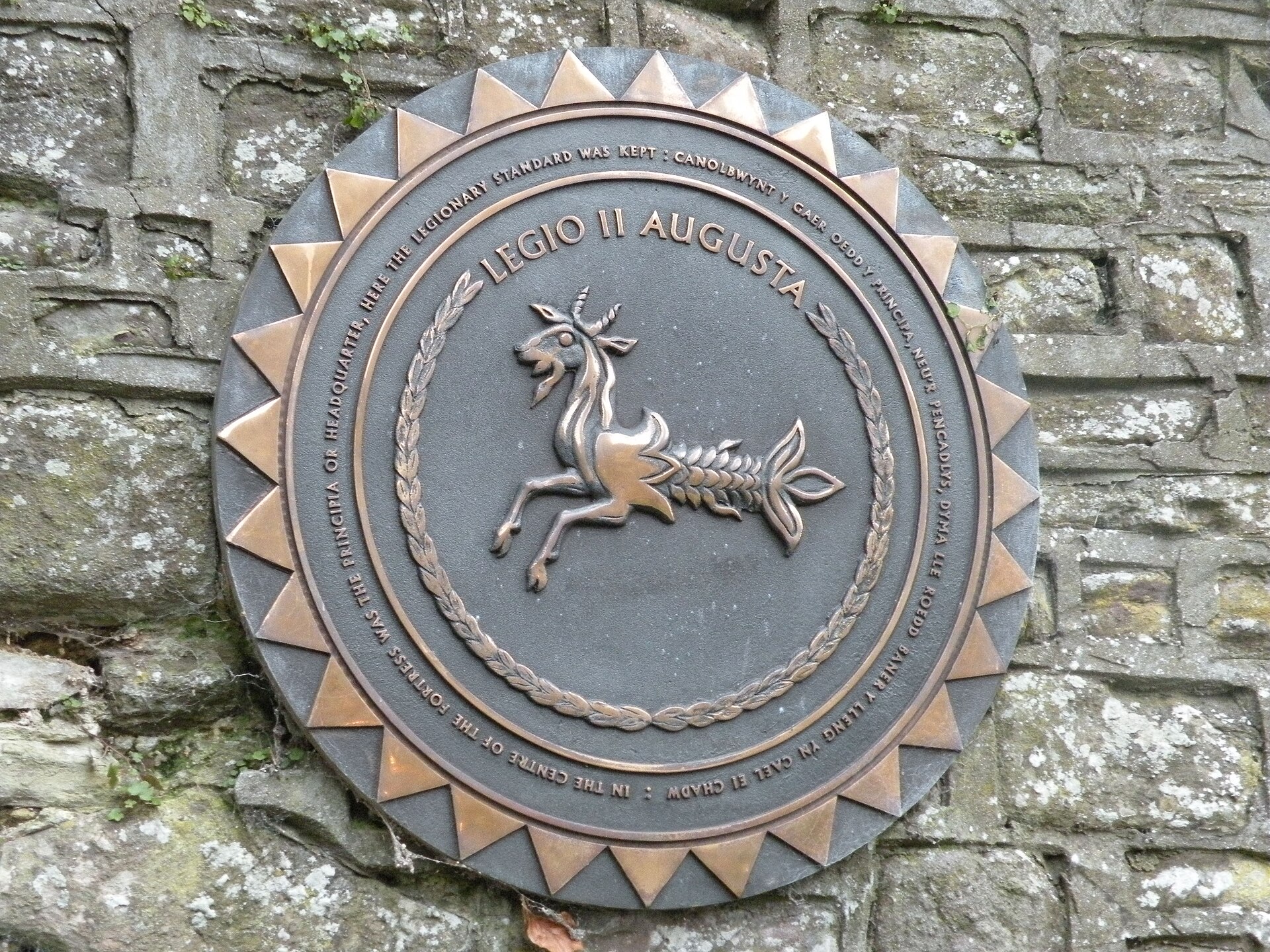
A single legionary fortress helped pin down the conquest of the fiercely resistant Silures tribe, yet nothing of its ramparts, barracks or gates su…
Fortified place · Iron Age
Leicestershire
A magnetometry survey found over 400 storage pits and roundhouse foundations packed inside a single set of ramparts: evidence that this was a worki…
Building or ruin · Roman
Lancashire
Burscough Roman fort is a major recent Lancashire discovery: a multi-phase auxiliary fort and later fortlet with evidence for long, intermittent oc…
Building or ruin · Medieval
Cheshire
A Gladstone family home turned adult-education college whose walled garden and scheduled ice house survive in public volunteer care, long after the…
Fortified place · Iron Age
Cheshire
A single earthwork sealed a headland the River Dee once defended on three sides: until 18th-century engineering rerouted the river and left the for…
Fortified place · Iron Age
Staffordshire
A seventh-century king of Mercia is said to have lived here, at a place called Wulfherecester - and no evidence has been found that the fort was re…
Fortified place · Iron Age
Wiltshire
A multivallate Iron Age: roughly 800 BC until the Roman conquest: hillfort, a settlement defended by banks and ditches on high ground, of some 9.2…
Fortified place · Iron Age
Hampshire
A double ring of earthen ramparts raised in two distinct building phases, then reused centuries later as a royal war-camp during the fight for the…
Fortified place · Iron Age
Shropshire
A protected defended site on a sandstone ridge south-east of Weston-under-Redcastle.
Tomb or burial place · Prehistoric
Wiltshire
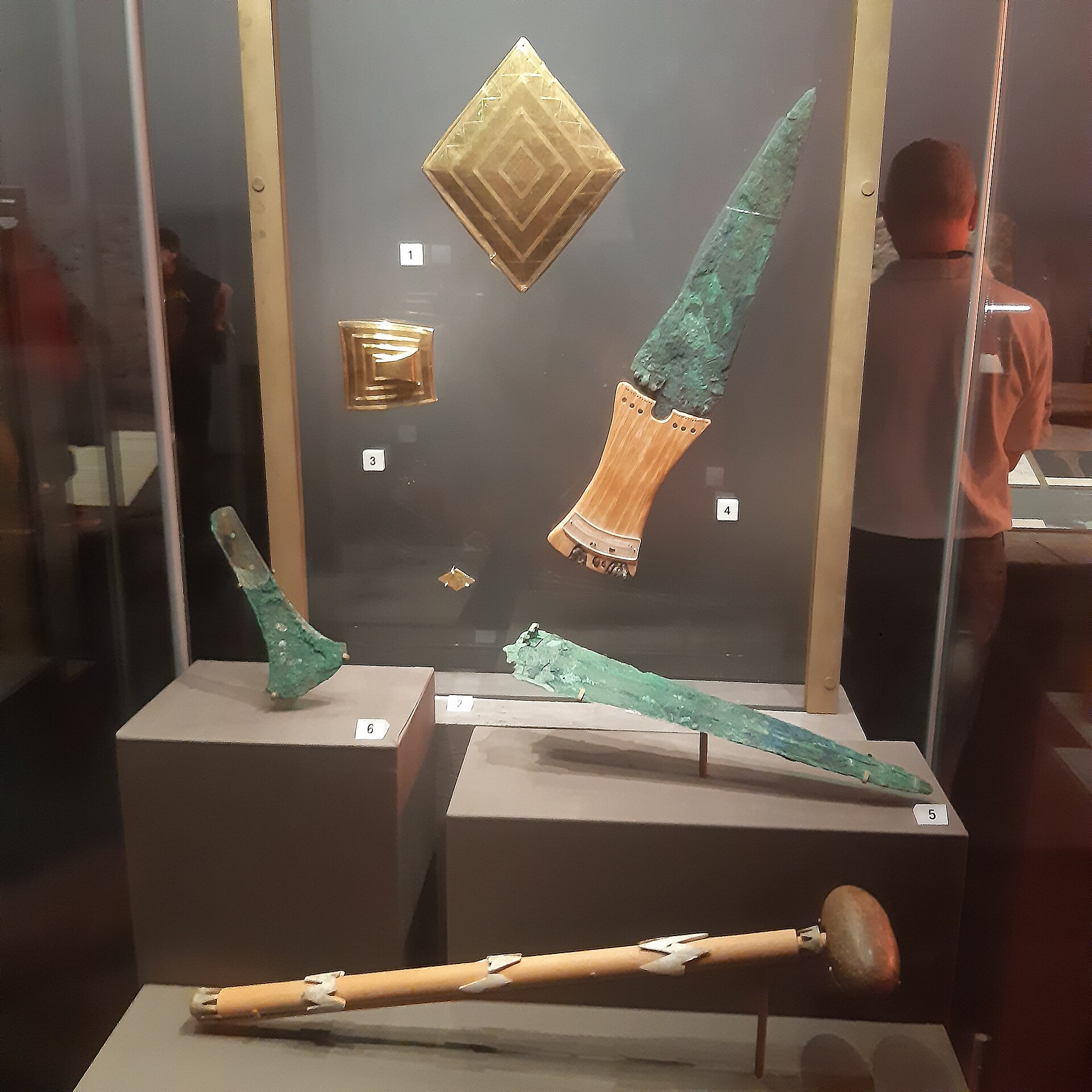
A single Bronze Age (roughly 2500–800 BC, when metalworking spread) burial on a Wiltshire ridge produced the richest grave goods found anywhere in…
Building or ruin · Iron Age
Dorset
Buzbury Rings is a multi-period Dorset enclosure where Neolithic origins: from the late Stone Age, about 4000–2500 BC in Britain: Iron Age defences…
Ancient place · Medieval
Suffolk
A great Pleistocene river of central England, destroyed by ice about 450,000 years ago: and, since the mid-2010s, argued not to have existed at all.
Building or ruin · Roman
County Durham
Cade's Road takes its name not from a Roman engineer or emperor but from John Cade, a Durham antiquarian (an early collector-scholar of antiquities…
Building or ruin · Medieval
Wiltshire
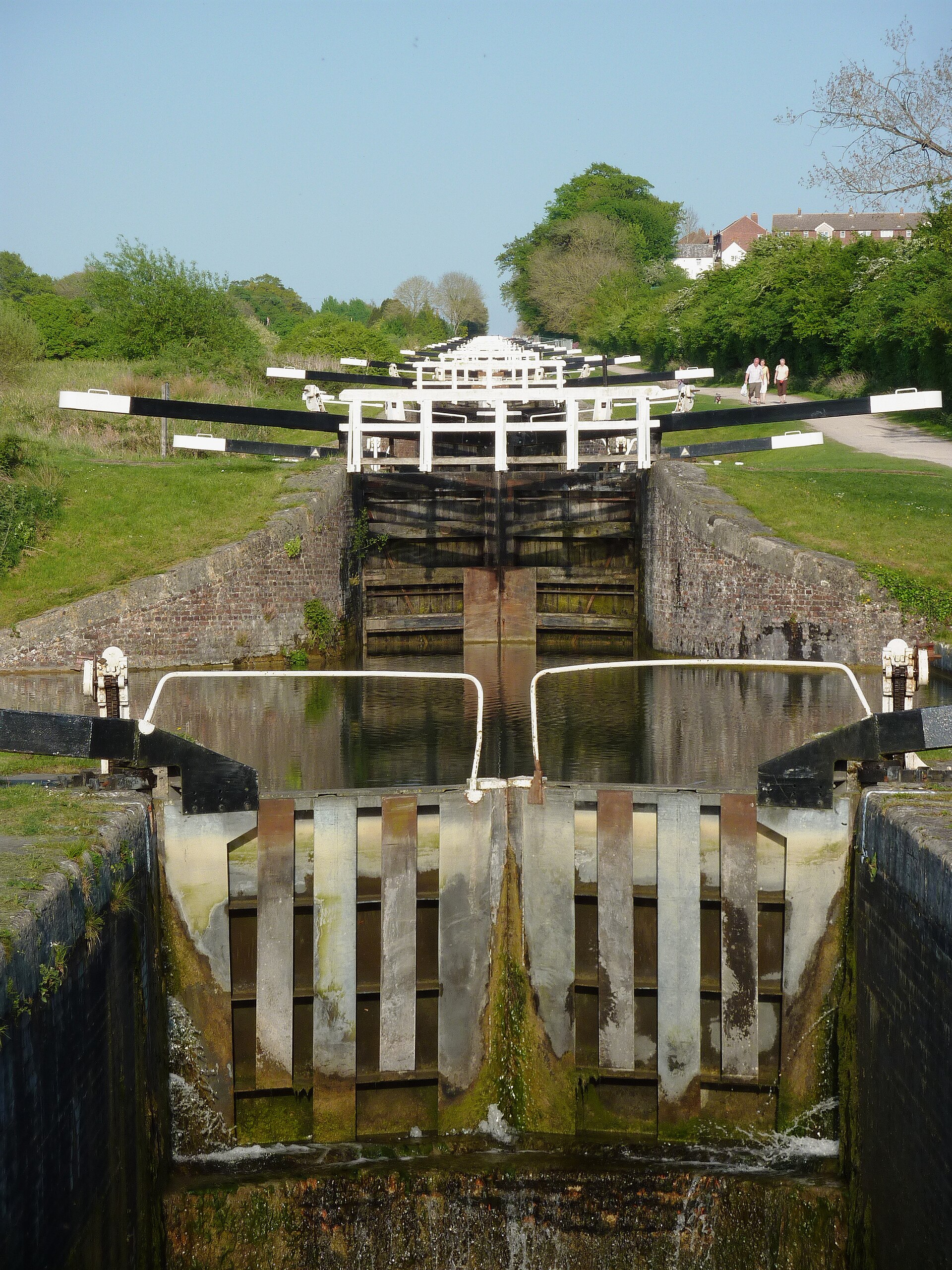
Sixteen locks climb a hillside in an unbroken straight line, their oversized sideways pounds built purely to store enough water to keep the flight…
Building or ruin · Roman
Gwynedd
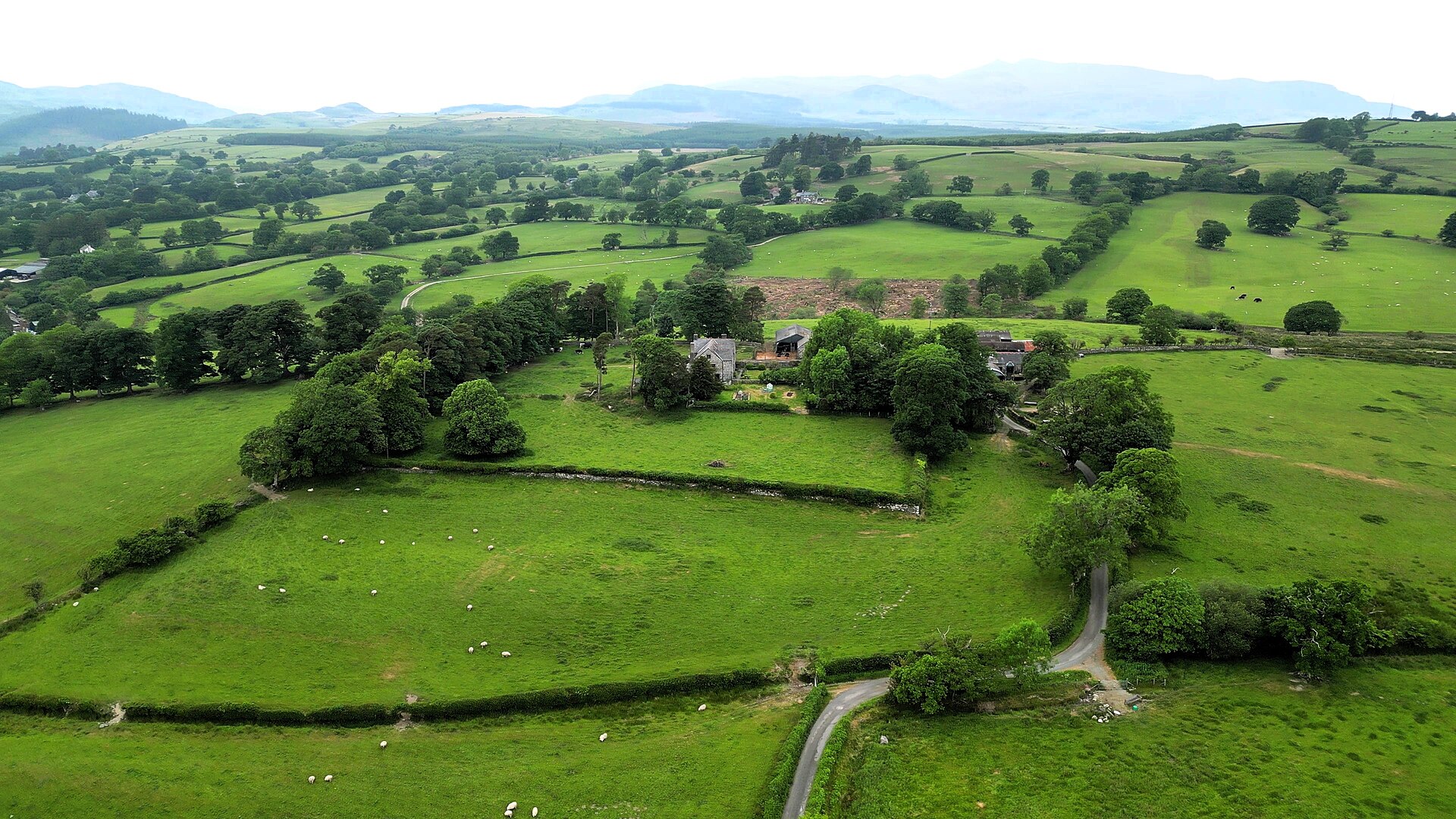
Caer Gai preserves a Roman road-junction fort whose walls, later Welsh literary associations and post-medieval (after about 1500) reuse reveal cent…
Fortified place · Roman
Isle of Anglesey
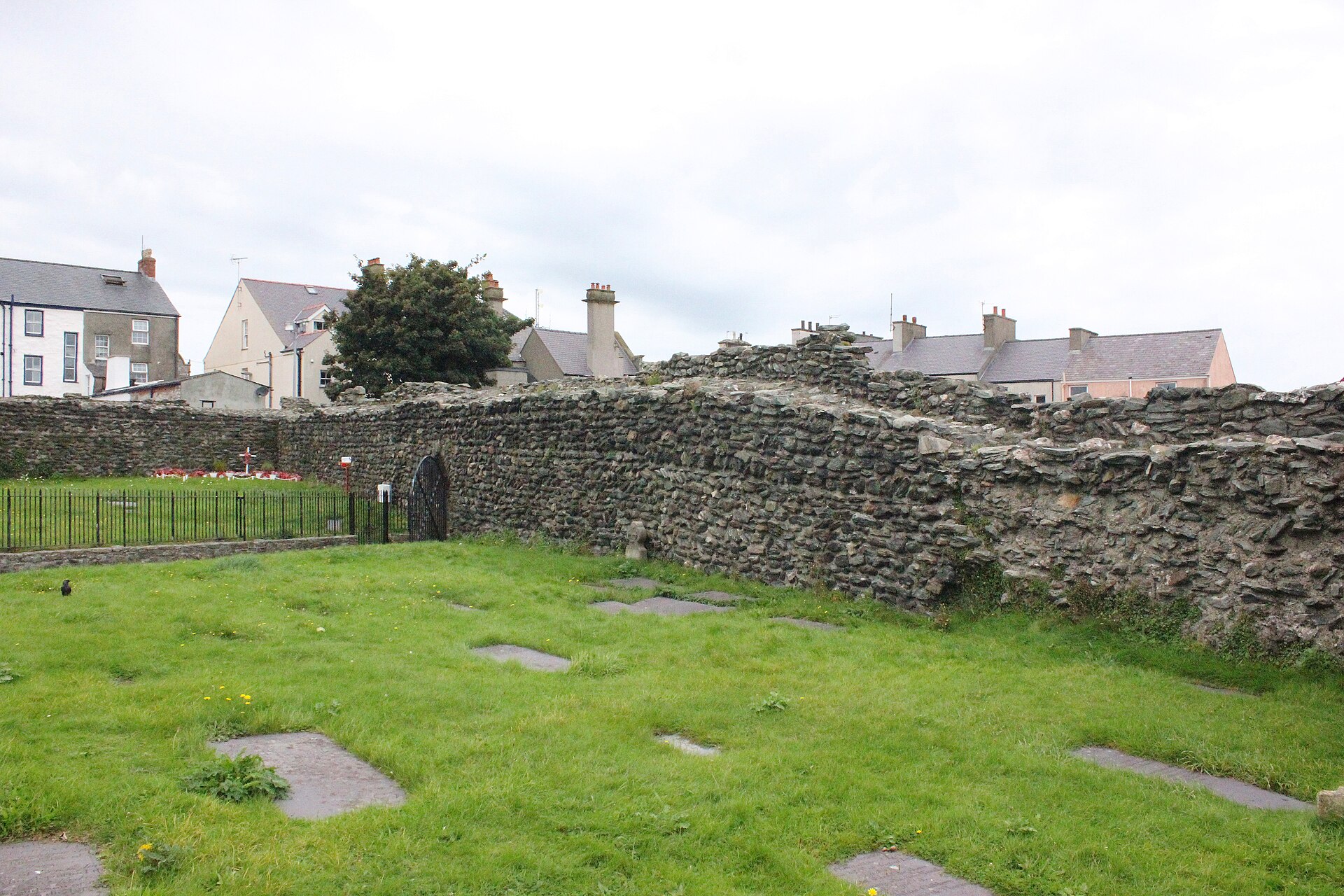
Caer Gybi is a rare Roman coastal fortlet at Holyhead whose substantial walls were reused for St Cybi’s monastery, linking late Roman defence with…
Fortified place · Roman
isle-of-anglesey
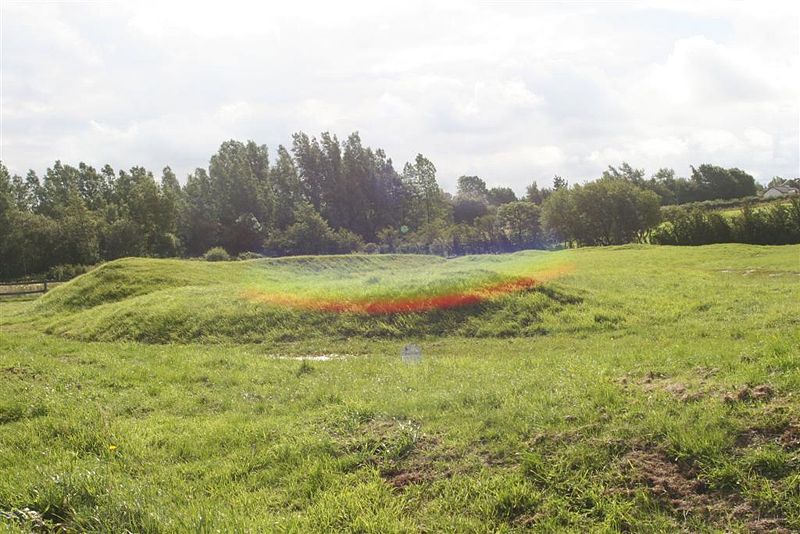
A double-banked enclosure on marshy ground west of Brynsiencyn where an 1865 dig found a Roman coin, a bronze brooch and Samian pottery: and, above…
Building or ruin · Medieval
Conwy
A Roman fort in the Llugwy valley where a later courtyard building may preserve the story of a garrison becoming a roadside posting station.
Building or ruin · Roman
Cumbria
A modest Lake District fell carries a Roman fort in its shadow and an earthwork (banks and ditches raised from the earth rather than quarried stone…
Fortified place · Roman
Newport
Caerleon is one of only three permanent legionary fortresses in Roman Britain, with unusually accessible remains of its baths, amphitheatre and bar…
Building or ruin · Roman
Powys
Two Roman forts of different generations at Caersws: one an oversized campaign camp in a bend of the Severn, the other a permanent fort with the vi…
Building or ruin · Medieval
Monmouthshire
A Cold War rocket-motor works turned Gulf War ammunition depot, its 400-odd bunkers now awaiting new life as a British Army barracks.
Fortified place · Iron Age
Surrey
One of the largest multivallate hillforts in southern England, its Iron Age (roughly 800 BC until the Roman conquest) ramparts were later reused wh…
Fortified place · Medieval
Argyll and Bute
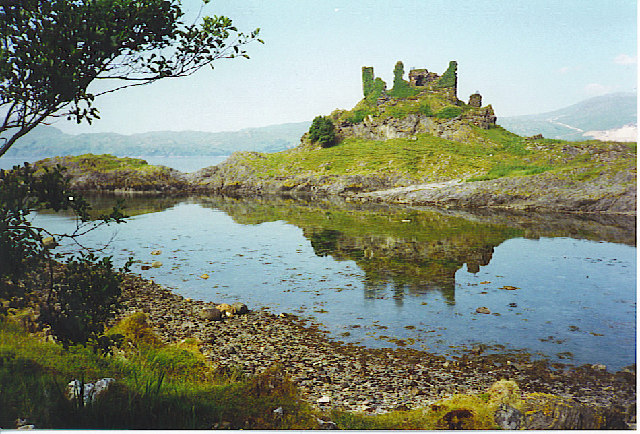
A single fortress split across two separate islets in the Treshnish Isles, held in turn by the heirs of Somerled and the Macleans of Duart for over…
Building or ruin · Roman
Hampshire
One of only six Roman towns in Britain that never grew into a medieval or modern town: its walls, amphitheatre and street grid survive under open f…
Building or ruin · Roman
Cumbria
Alone among the forts of Hadrian's Wall it sits inside the Vallum rather than beside the Wall itself, and it has been argued: controversially: to b…
Building or ruin · Medieval
Cambridgeshire
This former municipal pumping station preserves an unusually complete account of how Cambridge handled sewage, refuse and public health from the la…
Building or ruin · Roman
Conwy
The largest Roman military installation in its area, placed at the lowest ford of the Conwy and occupied into the late fourth century.
Building or ruin · Medieval
Hampshire
A late-Norman merchant's hall on Southampton's waterfront, saddled by a Victorian antiquarian (an early collector-scholar of antiquities, working b…
Sacred place · Medieval
isle-of-anglesey
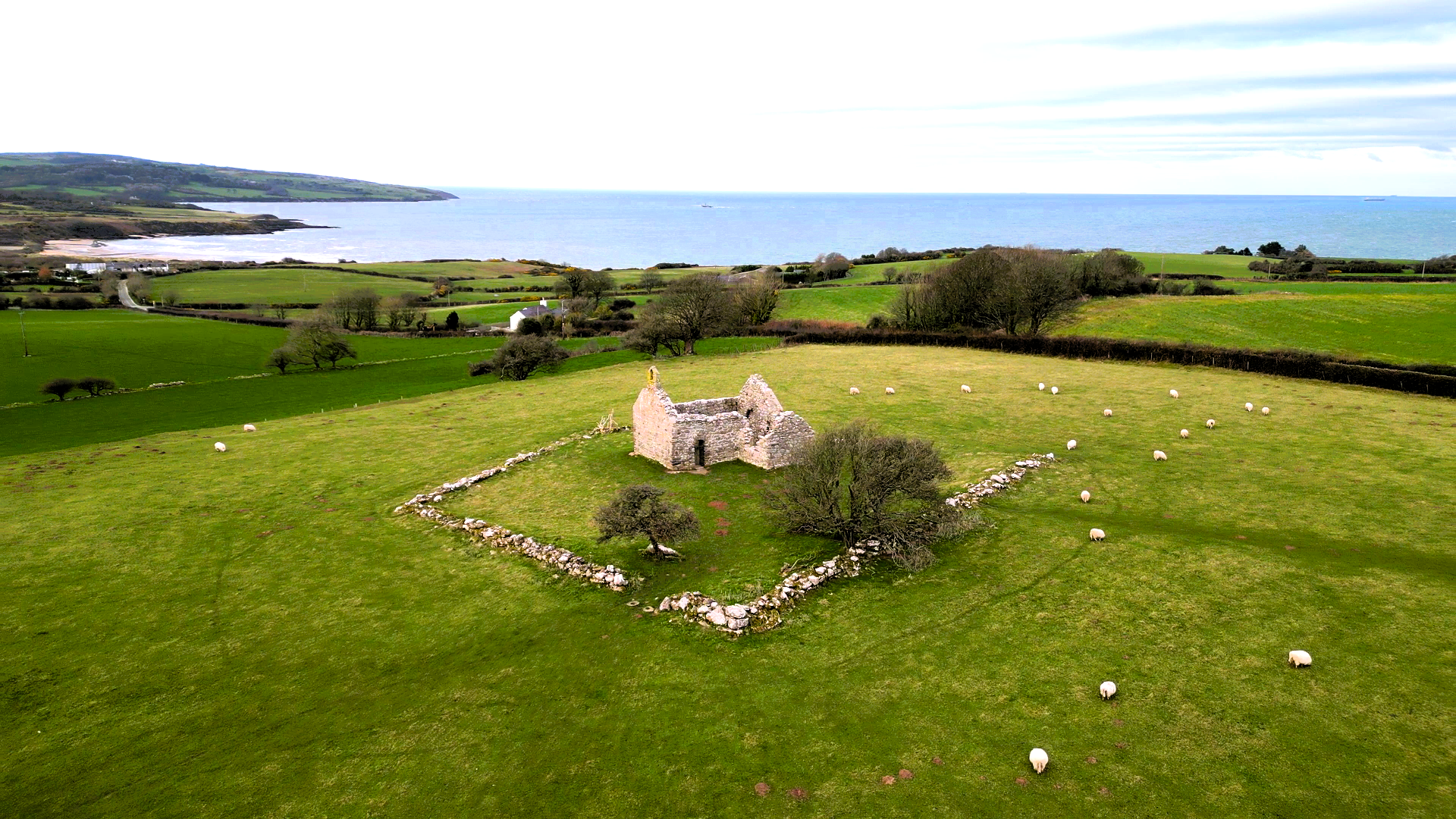
A roofless twelfth-century chapel on Anglesey whose purpose was never recorded, carrying an unusual sixteenth-century south chapel with a burial va…
Building or ruin · Roman
Lincolnshire
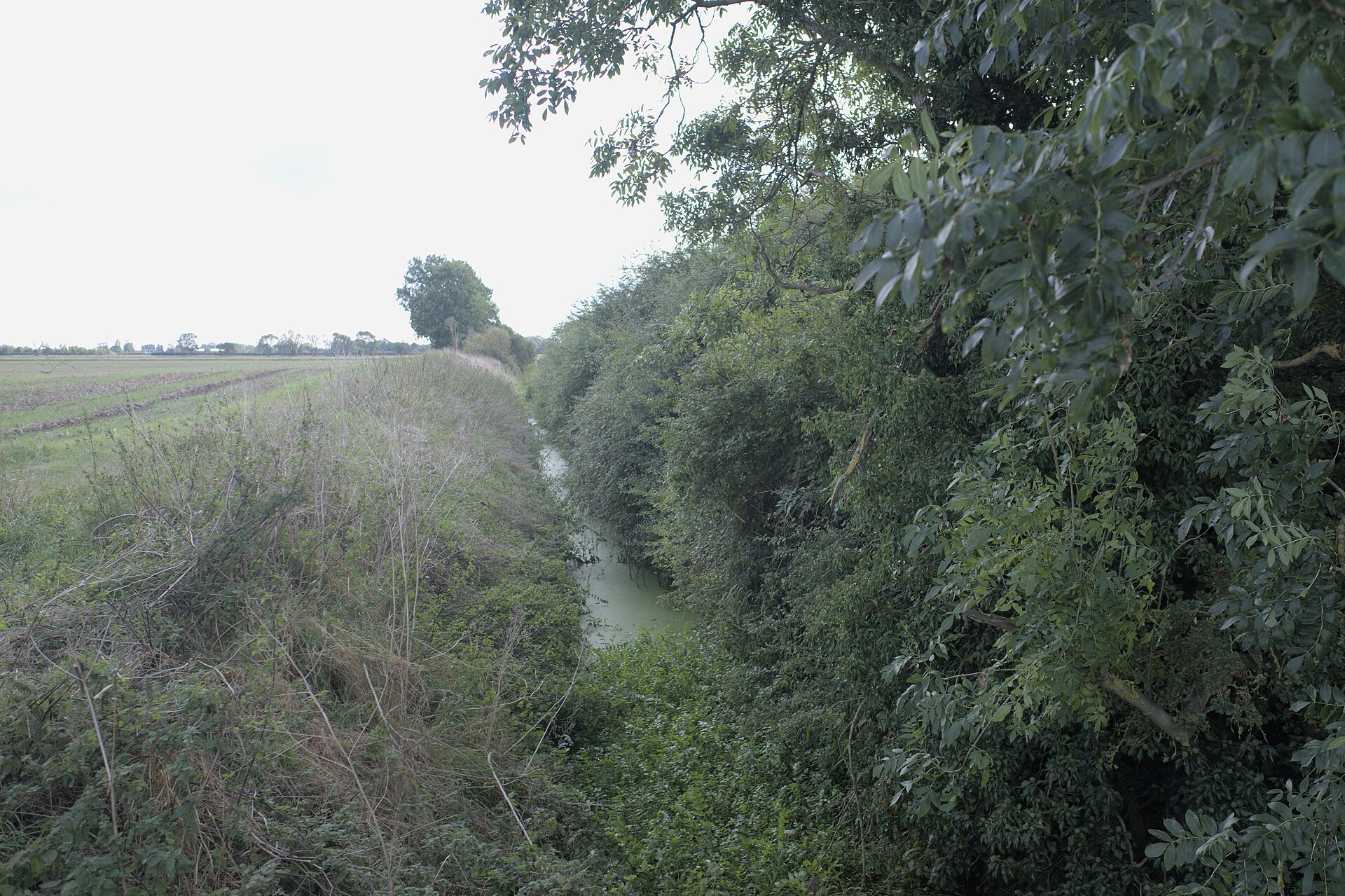
At over 57 miles it is the longest artificial waterway the Romans built anywhere in Britain, longer even than their canals on the Continent: and ar…
Fortified place · Roman
Cardiff
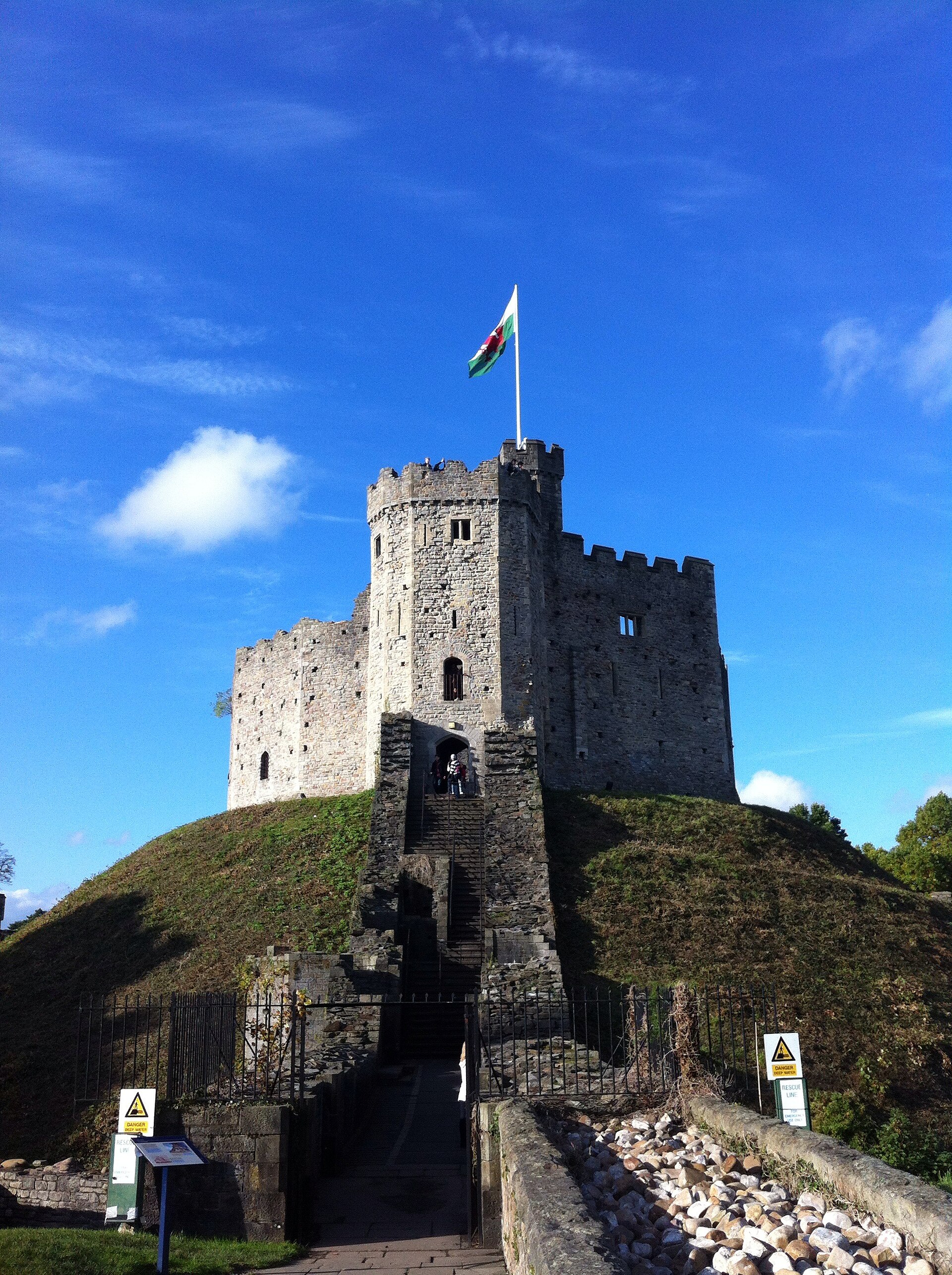
Beneath the mock-medieval towers of Cardiff Castle lie the walls of a Roman fort whose original Latin name has never been settled. Candidates drawn…
Building or ruin · Medieval
Oxfordshire
A Jacobean water-engineering marvel whose ornate centrepiece was dismantled and rebuilt whole in a country park, while its humble spring-house stil…
Sacred place · Prehistoric
Cornwall
The three-metre Carfury slab is unusually revealing because the 1957–58 excavation recorded its elliptical socket and packing stones, even though i…
Fortified place · Iron Age
South Yorkshire
A rampart (an encircling bank built for defence) described as unlike anything else in Northern England, guarding a cliff-edge enclosure whose build…
Fortified place · Medieval
Argyll and Bute
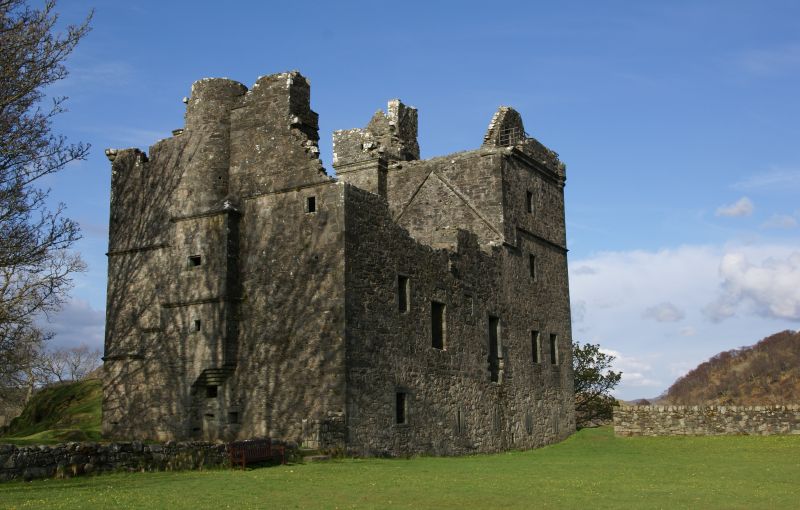
A ruined 16th-century tower house stands on raised ground about 2 kilometres north of Kilmartin, at the head of Kilmartin Glen in Argyll and Bute.…
Building or ruin · Roman
Perth and Kinross
A thirty-acre Roman fort at the meeting of the Tay and the Earn, held from the late second century into the early third.
Building or ruin · Roman
Northumberland
Carrawburgh, Roman Brocolitia, is a Hadrian’s Wall fort whose civilian settlement and exceptional sanctuary group illuminate military life, religio…
Building or ruin · Medieval
pembrokeshire
An early farming-period chambered tomb whose capstone and uprights preserve a small but legible piece of Pembrokeshire’s ancient funerary landscape.
Tomb or burial place · Prehistoric
Pembrokeshire
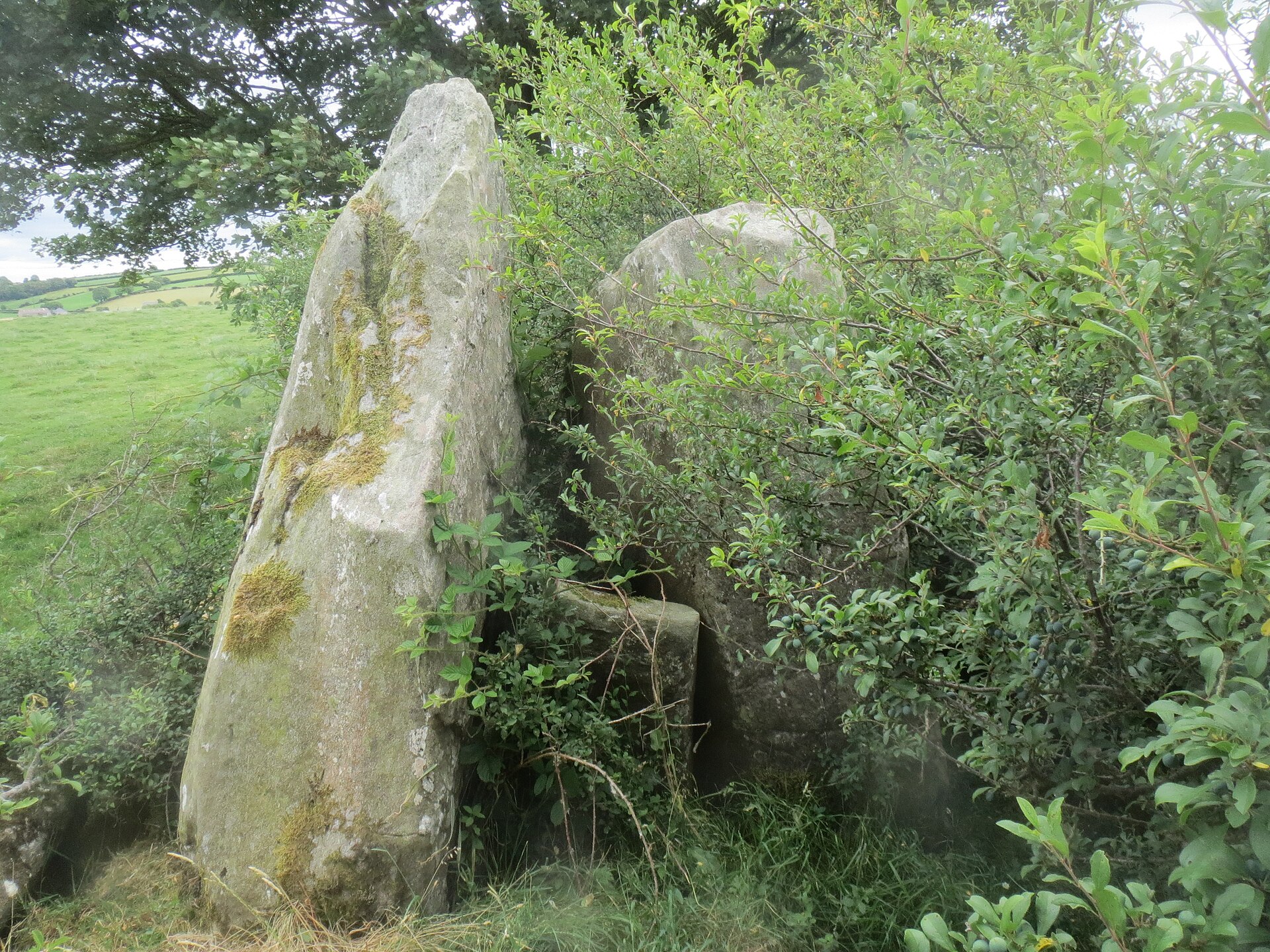
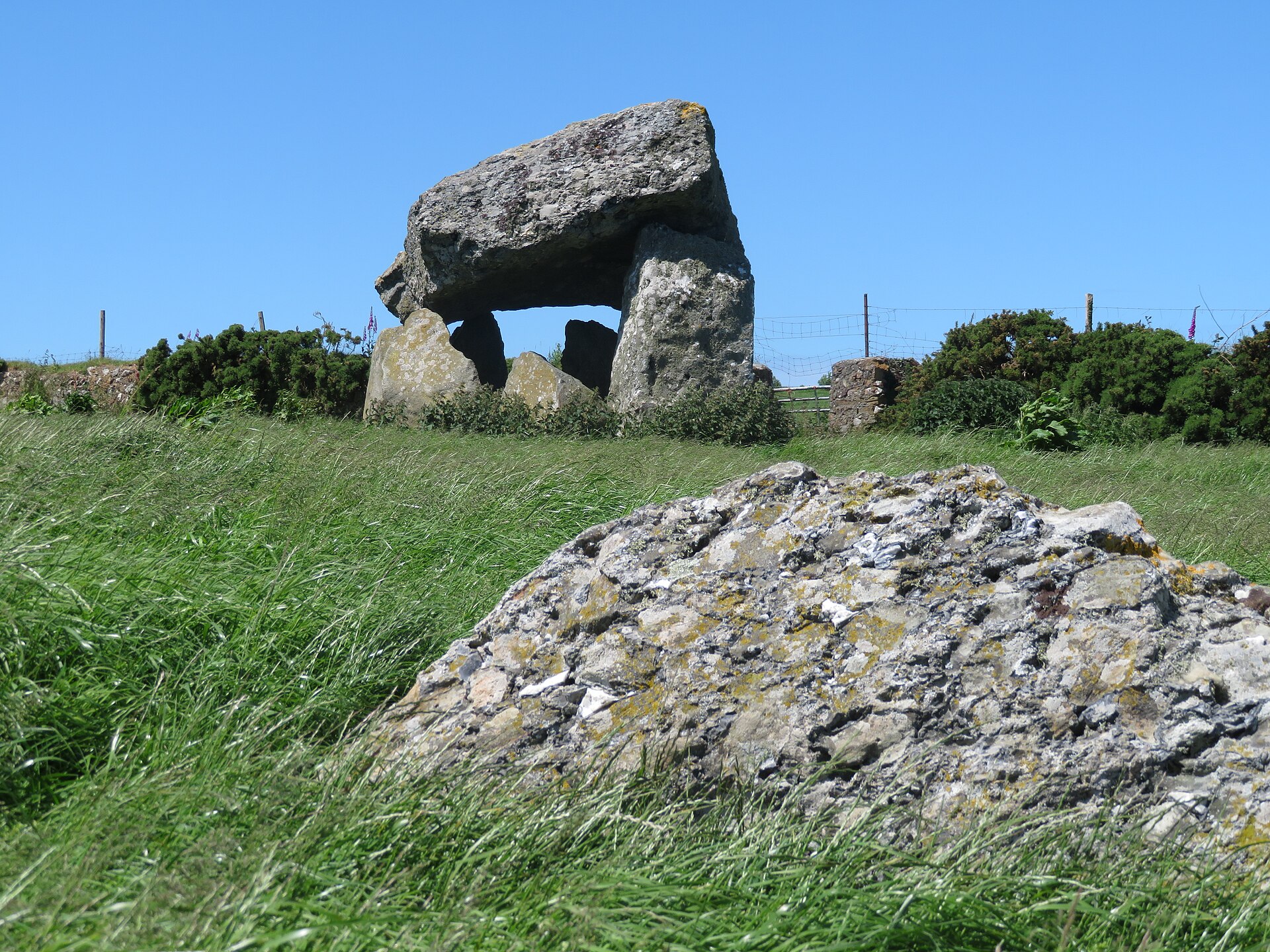
A burial monument five thousand years old, half a mile west of Abercastle, known also as Samson's Stone and the Longhouse.
Fortified place · Medieval
Argyll and Bute
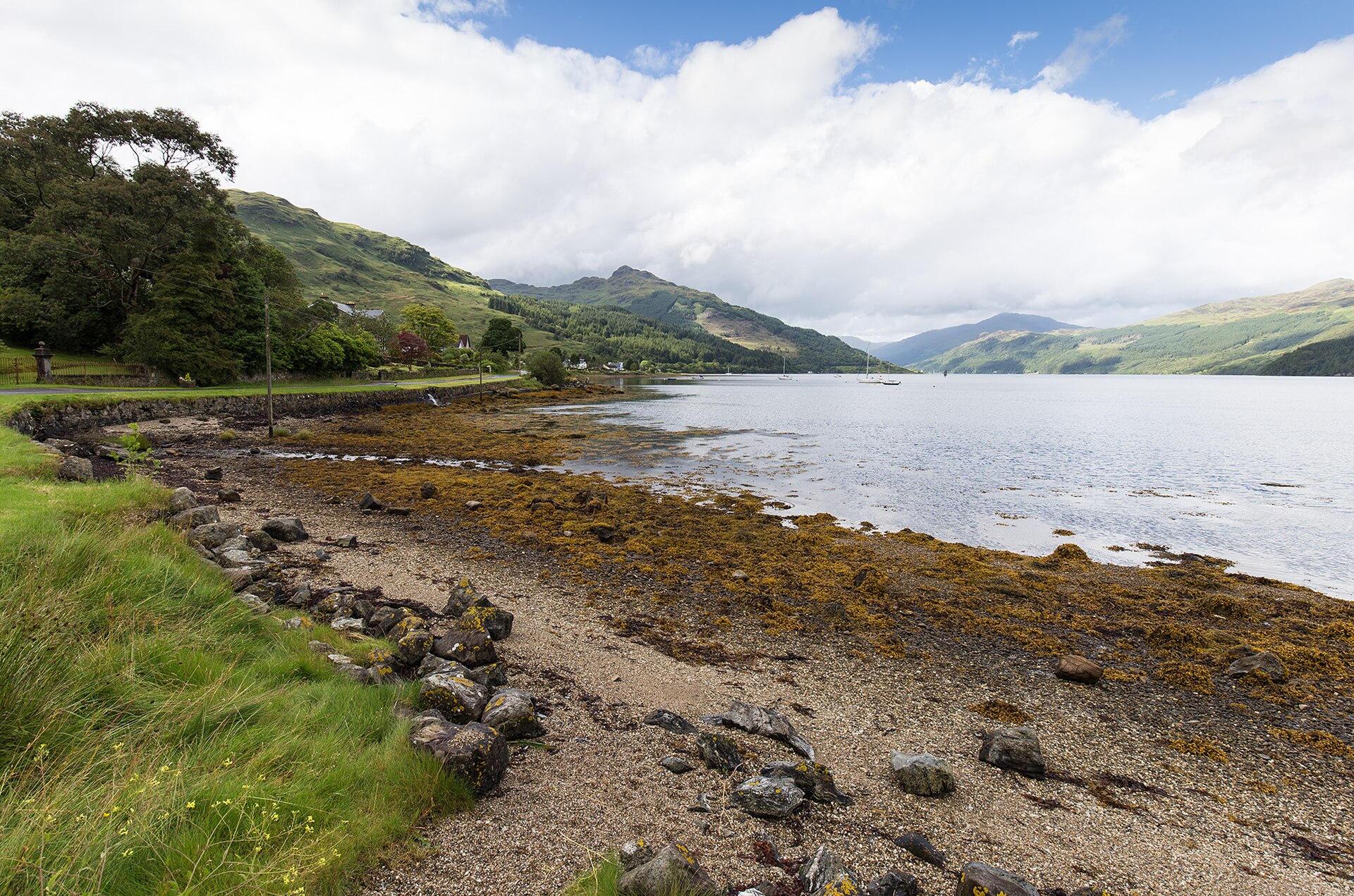
A Campbell stronghold built on a rock in Loch Goil, hosted a hunting king and a queen's overnight stay, then was deliberately burned by a Royal Nav…
Building or ruin · Roman
Derbyshire
The pink mica-sandstone roof would have glittered against the green Derbyshire hills, marking out a stone building that otherwise resembled a large…
Building or ruin · Medieval
Pembrokeshire
A Grade II* listed stone ruin of a medieval tenant farm at Penally, near St Florence.
Tomb or burial place · Prehistoric
Cornwall
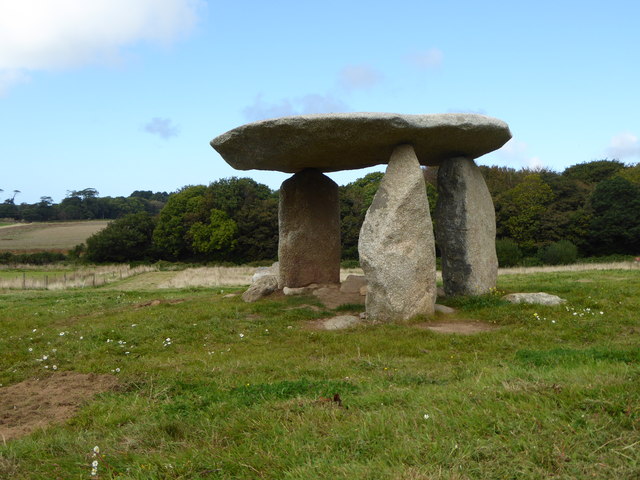
Carwynnen Quoit is a Neolithic (the first farming age, roughly 4000–2500 BC) portal dolmen whose ten-ton capstone was re-erected after almost half…
Fortified place · Iron Age
Cornwall
Castallack Round preserves the rampart (a defensive bank of earth or stone) of a Cornish enclosed settlement and the remains of a later courtyard h…
Building or ruin · Prehistoric
isle-of-anglesey
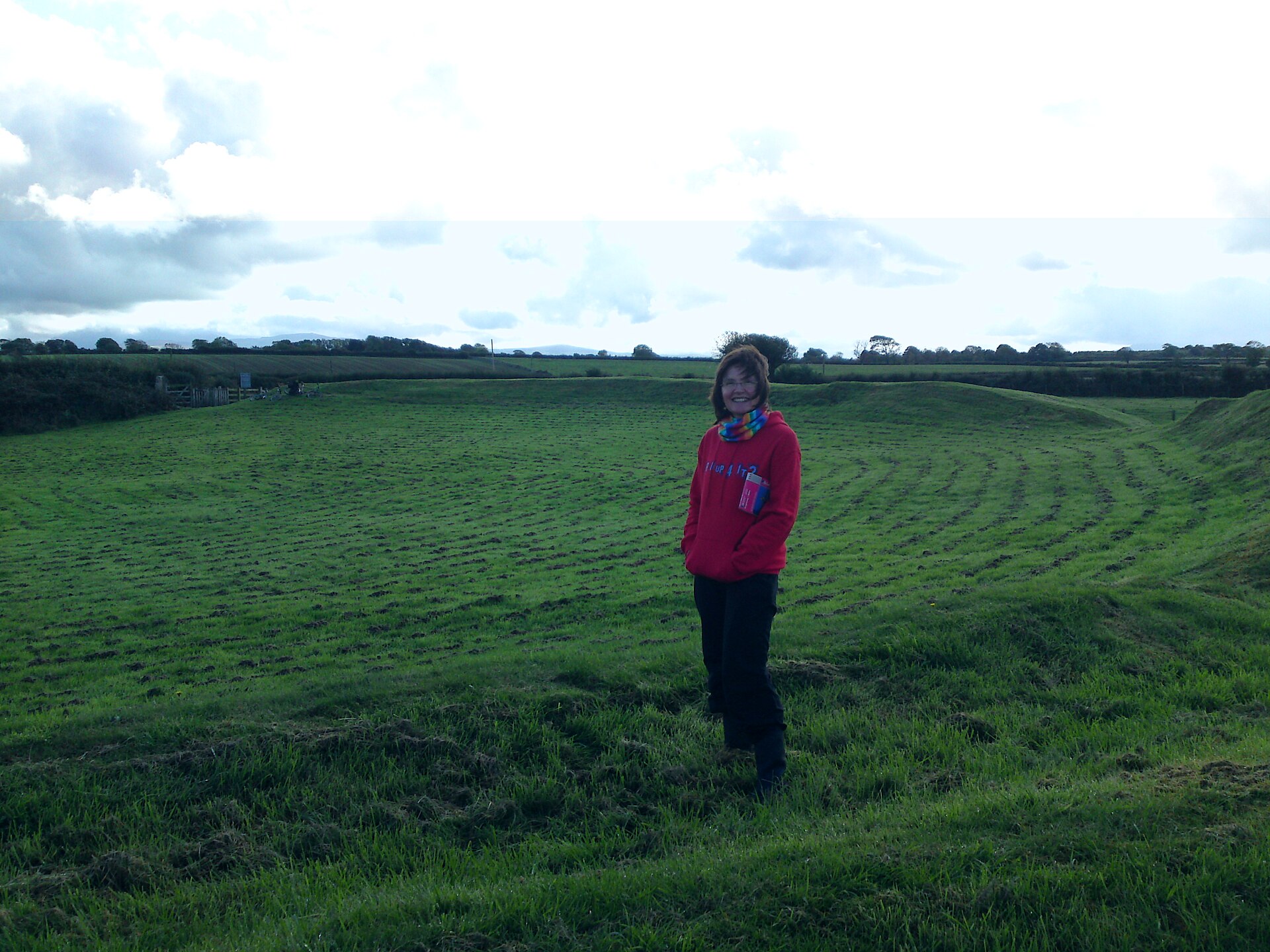
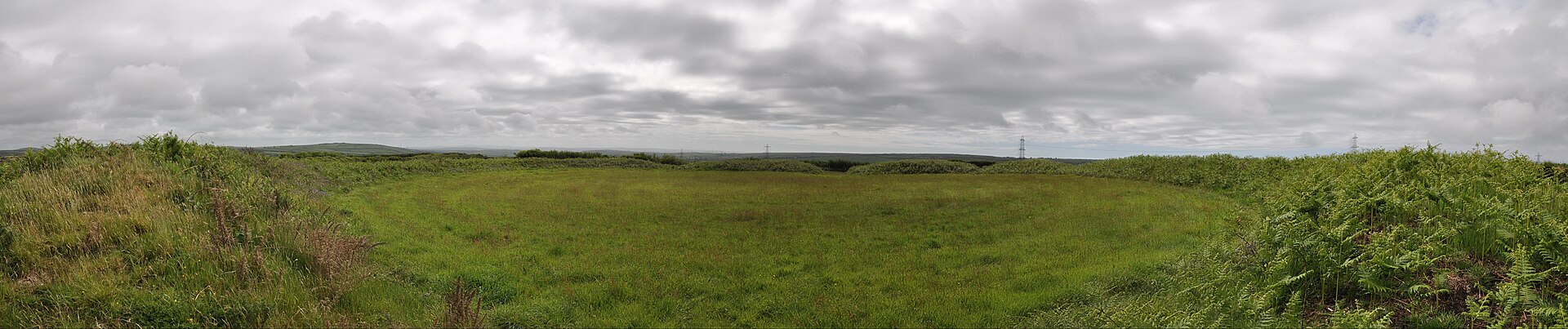
A grass-covered bank enclosing a level circle 54 metres across, first raised in the Neolithic: the last age of stone tools: and rebuilt in the Iron…
Fortified place · Iron Age
Lancashire
Castercliff is a scheduled Iron Age (the period from roughly 800 BC to the Roman conquest) multivallate hillfort, a settlement defended by multiple…
Fortified place · Iron Age
Wiltshire
A very large enclosure on the Wiltshire downs from the Iron Age, from about 800 BC until the Romans came, which may never have been defensive and w…
Fortified place · Iron Age
Devon
Castle Close is a modest but strategically placed Devon earthwork: a bank or ditch dug and heaped from the ground itself, with no masonry: whose li…
Fortified place · Medieval
Argyll and Bute
A 13th-century hall-castle on a Lismore promontory, raised on the site of an earlier Viking stronghold and named for a Danish prince said to haunt…
Building or ruin · Medieval
Fermanagh
Castle Coole is one of Ireland's most complete neo-classical estates, where a late-eighteenth-century mansion, concealed service system and layered…
Fortified place · Iron Age
Wiltshire
Three concentric ramparts survive as earthworks on the hill above south-east Tisbury.
Building or ruin · Roman
Pembrokeshire
Excavated by Mortimer Wheeler in 1922, the earthwork (a bank or ditch dug and heaped from the ground itself, with no masonry) turned out to hide a…
Building or ruin · Roman
Cumbria
Its west wall was raised eight feet thick on a natural cliff edge, prompting the archaeologist R. G. Collingwood to class it among the fortified ca…
Fortified place · Medieval
Greater London
A medieval earthwork on an Oxford college's ancient deer park survives as both a scheduled monument and Kingston's highest-rated wildlife site: pro…
Fortified place · Iron Age
Northumberland
Castle Knowe is a compact Iron Age hillfort, a defended settlement on high ground from the period before Rome arrived, in the Cheviots whose concen…
Fortified place · Medieval
Perth and Kinross
A sixteenth-century Z-plan seat of the Menzies chiefs, sold off in pieces after 1910 and bought back by the clan society half a century later.
Fortified place · Iron Age
derbyshire
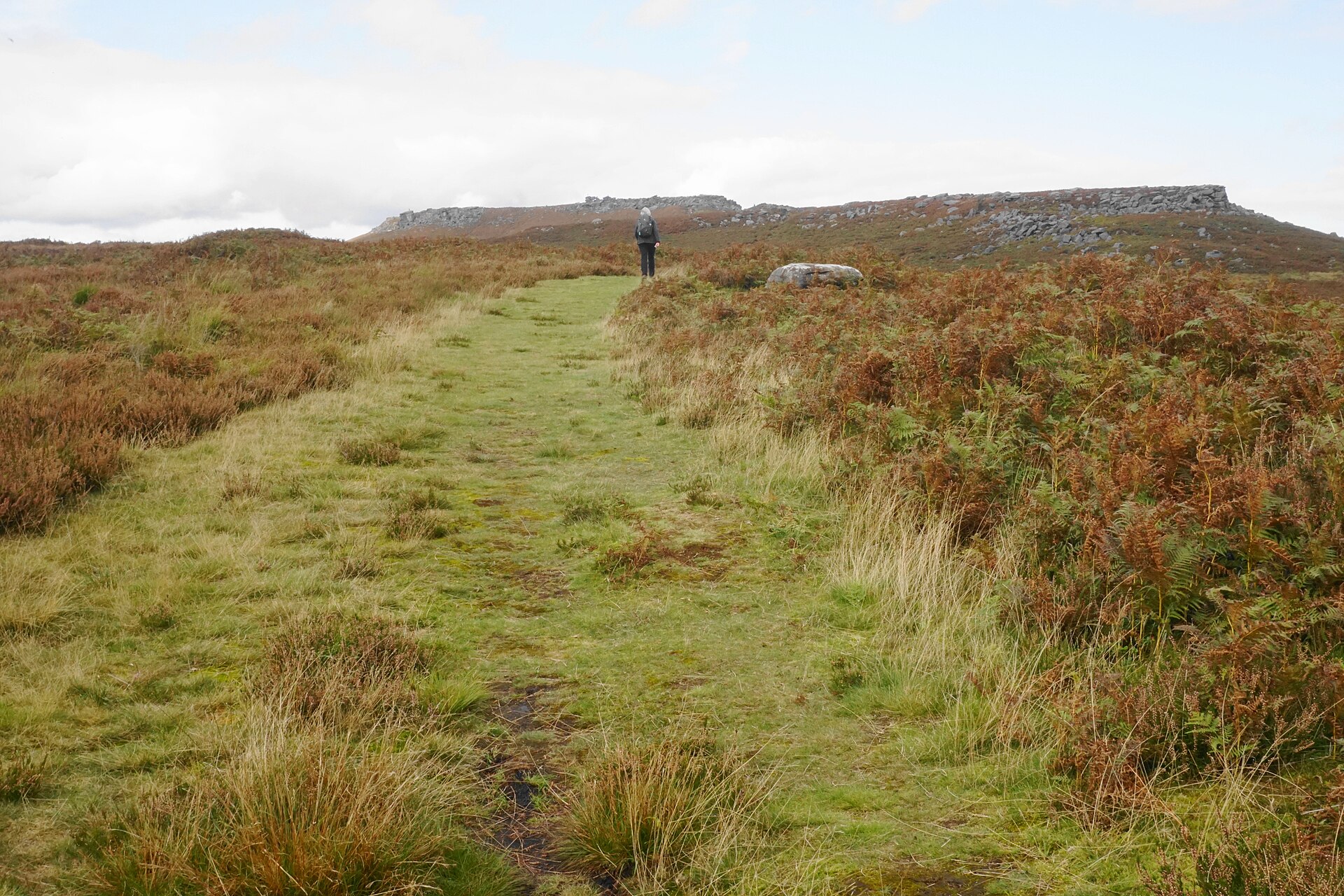
An Iron Age promontory fort that needed to defend one side only: the gritstone edge does the rest: and was found in 1957 to have been rebuilt again…
Fortified place · Iron Age
Wiltshire
Castle Rings is an Iron Age (the centuries before Rome arrived, from about 800 BC) settlement defended by banks and ditches on high ground. It hide…
Sacred place · Medieval
Renfrewshire
A church served by a college of priests, near the eastern end of Castle Semple Loch.
Building or ruin · Roman
Greater Manchester
Castleshaw guarded a key Pennine pass on the Roman road between Chester and York, where a fort, later fortlet and civilian settlement reveal shifti…
Fortified place · Iron Age
Greater Manchester
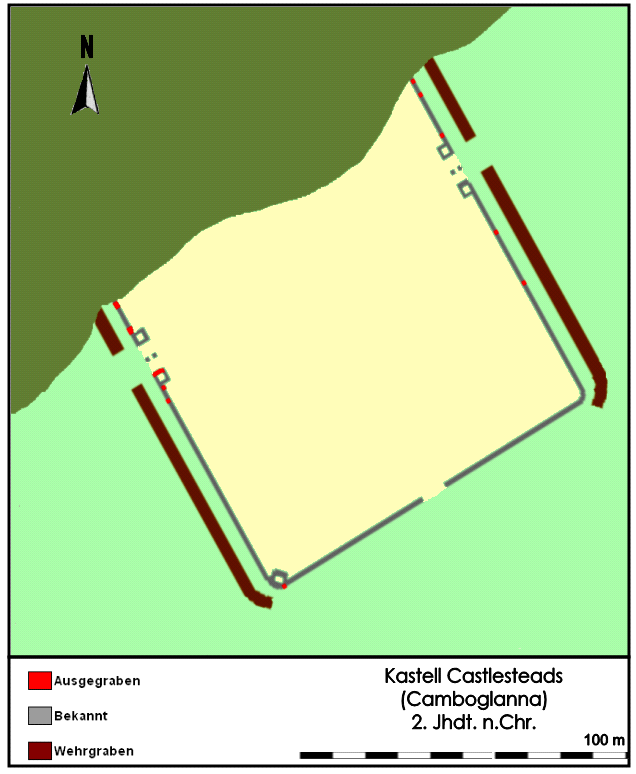
Castlesteads is a scheduled Iron Age (the period from roughly 800 BC to the Roman conquest) promontory fort (a coastal spur defended by banks throw…
Building or ruin · Medieval
Derbyshire
Nothing above ground survives to name it, yet the buried footings of a medieval hospital still lie protected under the turf at Castleton.
Fortified place · Medieval
Derbyshire
A ditch and bank cut into the hillside beneath Peveril Castle, tying the whole town of Castleton into its lord's medieval defences rather than leav…
Building or ruin · Roman
Cumbria
Its Latin name, Fortress of the Scouts, records a rare and specific Roman military role: this was the headquarters of the frontier's mounted reconn…
Building or ruin · Roman
North Yorkshire
A fort turned civilian town at a crossroads of Roman military roads, its continuity traceable in name from Cataractonium through Bede's Cetrecht to…
Ancient place · Medieval
South Yorkshire
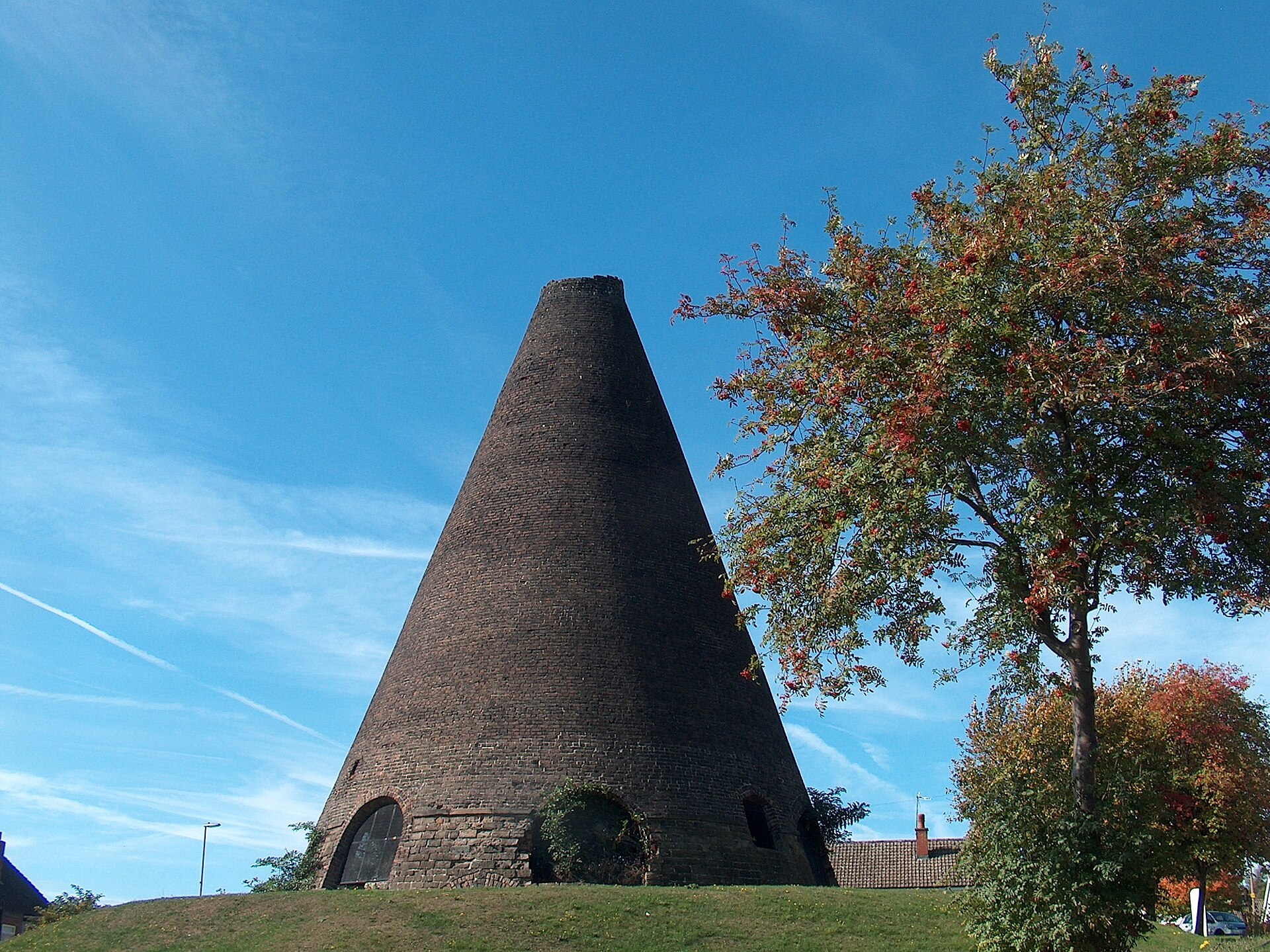
The oldest surviving glass cone in Western Europe, one of only four such furnaces left standing in Britain and the sole survivor in England outside…
Ancient place · Prehistoric
Staffordshire
Nothing here is visible from the ground. A timber circle of 225 postholes and a monument nicknamed the sunburst are known only from the air.
Building or ruin · Roman
Hertfordshire
A tribal dynasty whose kings' coins, wars and one captured chieftain's speech to the Roman Senate shaped how southeastern Britain entered the empire.
Building or ruin · Roman
North Yorkshire
A Roman training ground rather than a frontier post: two forts and an oddly-planned camp built, some argue, purely to drill soldiers in the art of…
Building or ruin · Medieval
Denbighshire
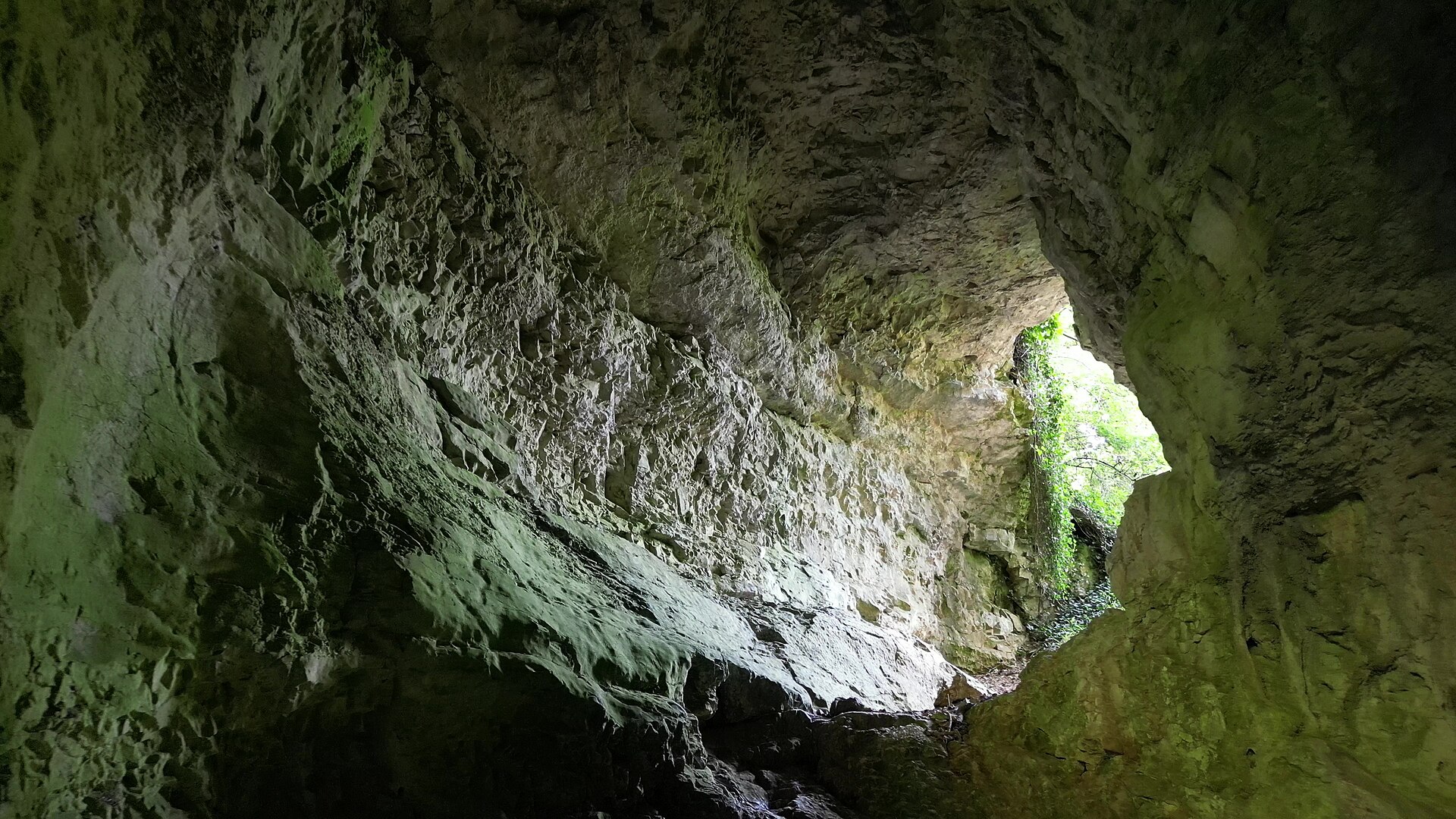
Four linked passages cut by a long-vanished course of the River Elwy have yielded human and animal bone reaching back to the Old Stone Age, among t…
Tomb or burial place · Medieval
Blaenau Gwent
Cefn Golau Cholera Cemetery is the only surviving cholera cemetery in South Wales, preserving the human cost of three nineteenth-century epidemics…
Ancient place · Medieval
South Yorkshire
The last of Sheffield's hundreds of cone-shaped steel furnaces to survive with its structure intact, a solitary reminder of an industry that once r…
Briefer entries: recorded and worth knowing, with fuller pages to come.
Building or ruin · Roman
Dorset
Bucknowle Farm is the first substantial Roman villa complex identified south of the Purbeck Hills, with evidence of Iron Age (the period from rough…
Building or ruin · Roman
Dorset
Bucknowle Roman Villa records four centuries of changing domestic, agricultural and bathing buildings, ending in a richly equipped fourth-century r…
Tomb or burial place · Medieval
County Tyrone
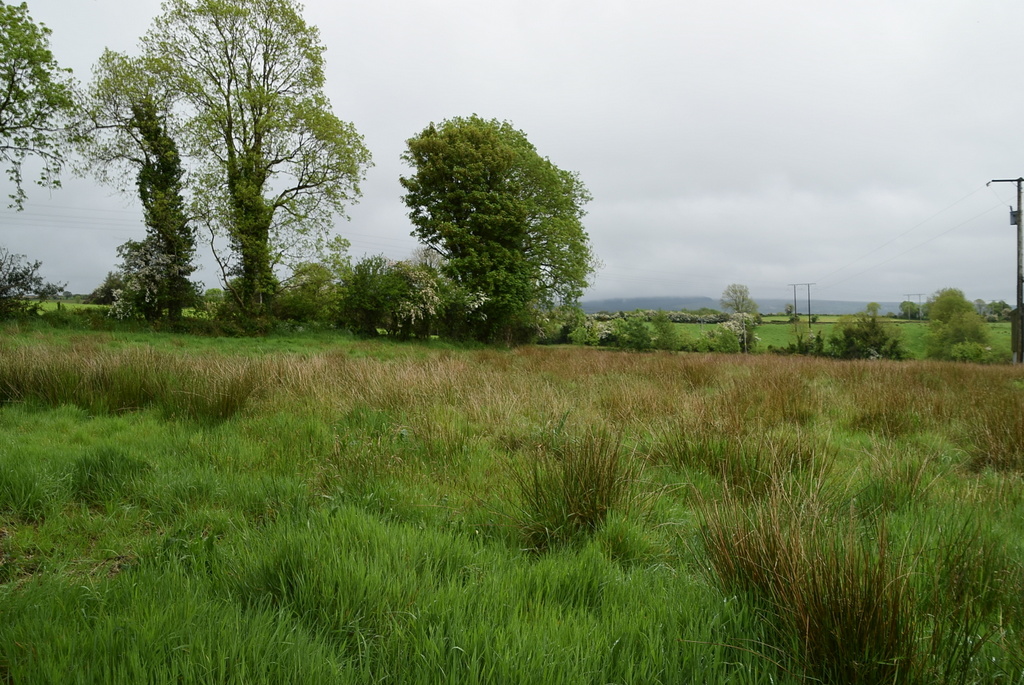
Bullock Park is a Tyrone townland whose protected stone burial chamber preserves an ancient monument within a nineteenth-century rural community.
Building or ruin · Roman
Newport
A broken lead pipe, 38 mm across and 99 cm long, once rose from a stone-lined grave to the surface of the ground. Its purpose was practical and uns…
Building or ruin · Roman
Gwynedd
The Caernarfon Mithraeum is a rare Roman mystery-cult temple near Segontium, identified from its distinctive architecture despite the loss of its s…
Building or ruin · Roman
norfolk
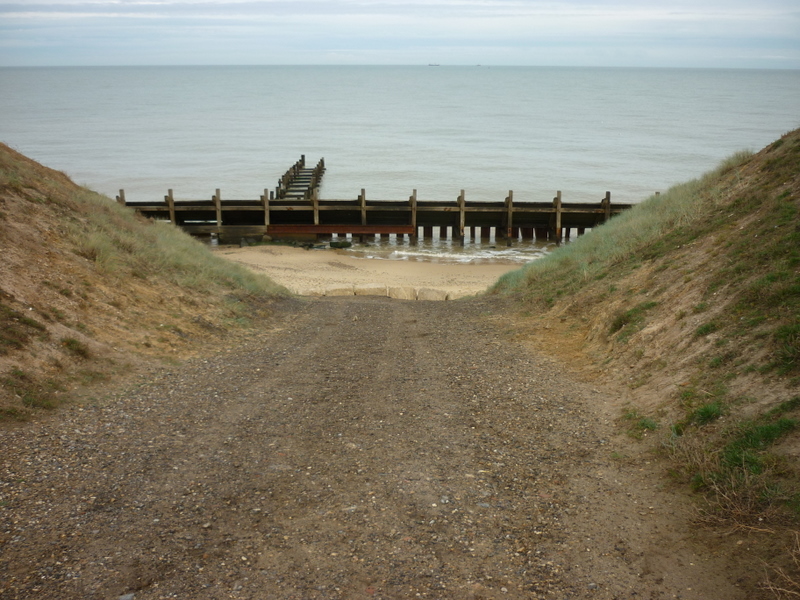
A Saxon Shore fort built around AD 200 on the north side of an estuary that no longer exists: most of it now under modern housing, with a Saxon set…
Building or ruin · Roman
Essex
Camulodunum, modern Colchester, was Britain’s first Roman provincial capital and the successor to a vast Iron Age (from around 800 BC up to the Rom…
Building or ruin · Roman
Kent
Canterbury Roman Museum preserves an in-situ c.300 mosaic pavement and hypocaust discovered after wartime bombing, making the buried courtyard hous…
Carved stone · Iron Age
Cornwall
Carminow’s pierced-wheel head, separate shaft and Victorian base make it a distinctive Cornish wayside cross whose repeated moves reveal changing t…
Tomb or burial place · Medieval
County Tyrone
Carncorran Glebe preserves the Giant’s Grave, a stone burial chamber from before written records whose unusually mismatched three-metre uprights cr…
Sacred place · Medieval
County Fermanagh
Carrick Church binds a 1483 O’Flanagan foundation to a 1528 family murder, while its graveyard and holy-well tradition preserve a long-lived sacred…
Tomb or burial place · Prehistoric
County Tyrone
Carrigans is an 859-acre County Tyrone townland where a Scheduled burial monument with an open court before its chambers gives deep archaeological…
Building or ruin · Medieval
cornwall
A Cornish round: one of the small circular enclosures found almost nowhere else: with a later annexe whose ditch stops short of the original one.
Settlement · Medieval
Cheshire
A whole village vanished here, leaving nothing but earthwork (earth moved and shaped into banks and ditches rather than built up in stone) traces o…
Ancient place · Prehistoric
Swansea
Over sixty stone heaps lie under the bracken. Most are field clearance; three excavated north-west of Arthur's Stone are burial monuments.
No places match those filters.





.jpg?width=800)



.jpg?width=800)





.jpg?width=800)