Fortified place · Iron Age
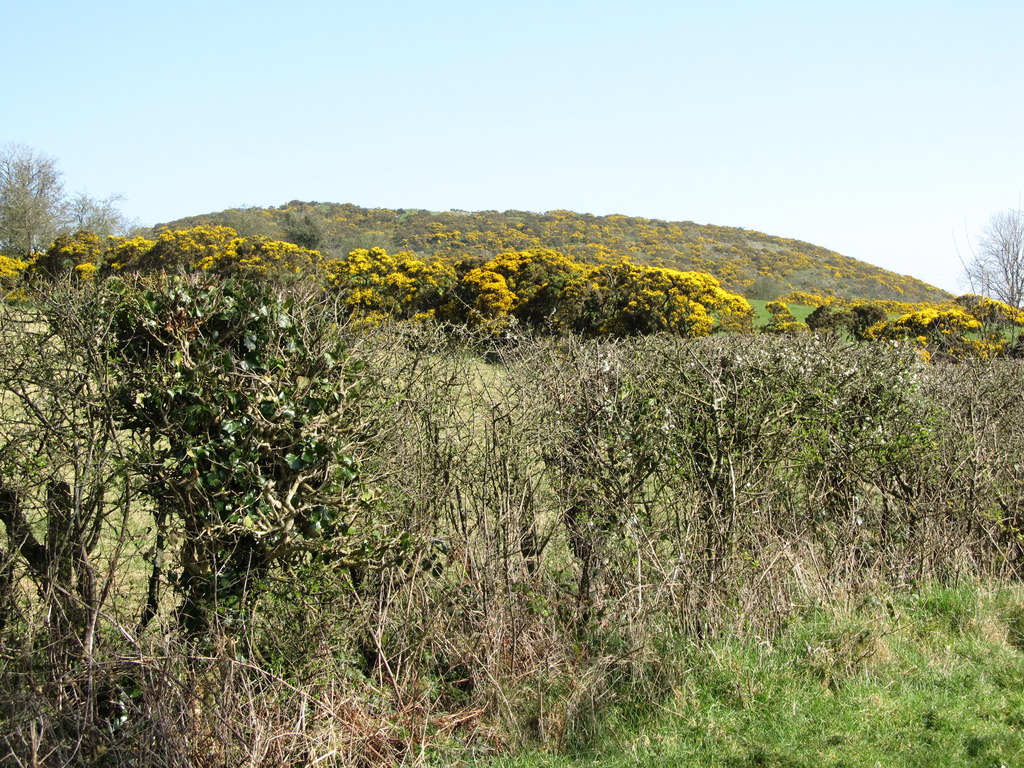
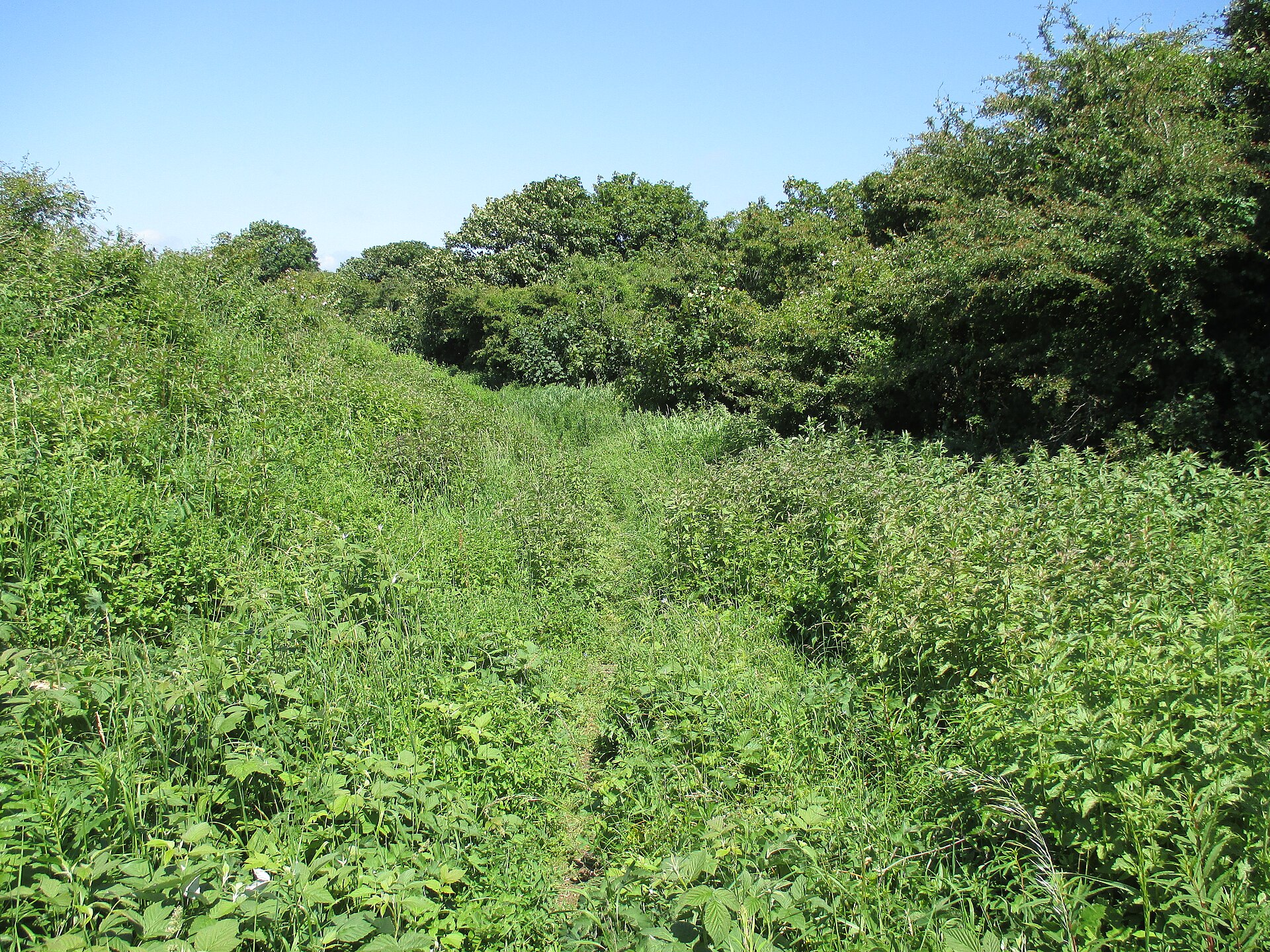
Hollingbury Castle
East Sussex
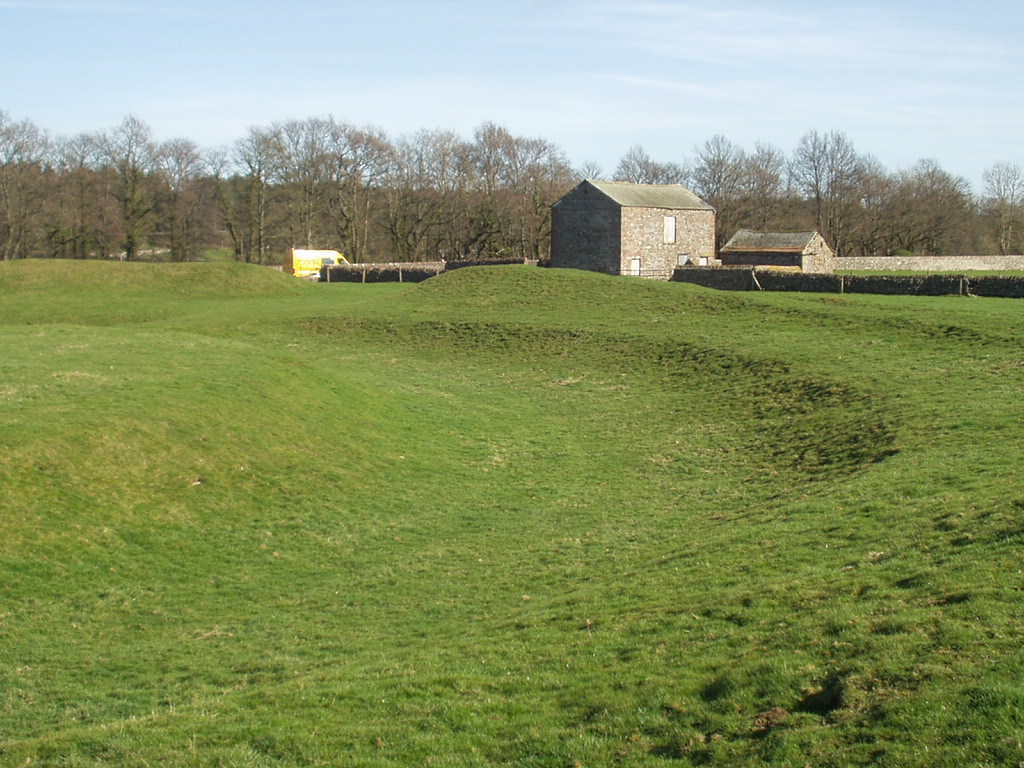
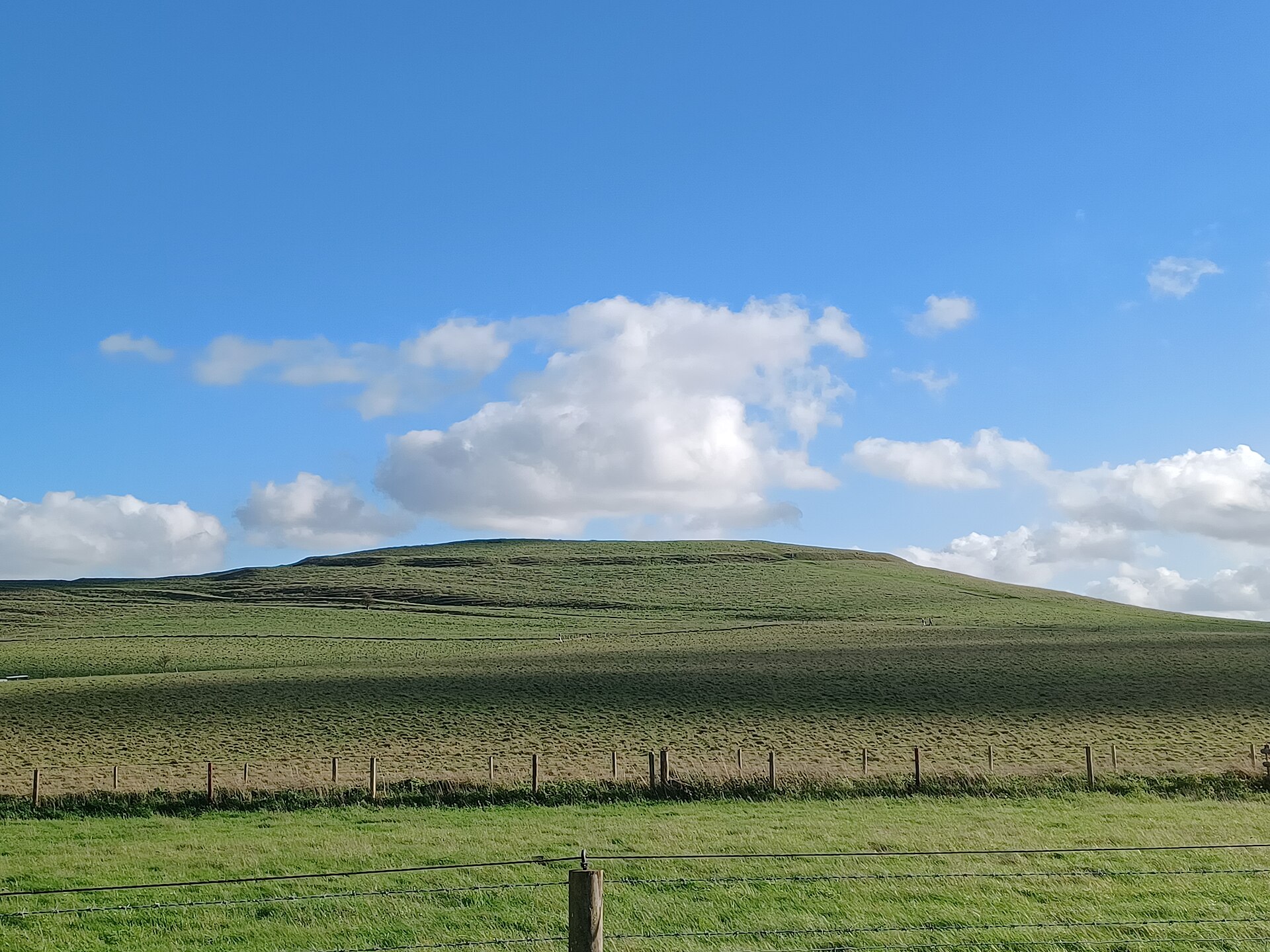
Hollingbury preserves a substantial defended settlement dating from from around 800 BC up to the Roman conquest on Brighton’s edge, where later exc…
- Near Brighton
- Some walking
By type
Page 7 of 14.
Search and filters apply to these 100 places.
Fortified place · Iron Age
East Sussex
Hollingbury preserves a substantial defended settlement dating from from around 800 BC up to the Roman conquest on Brighton’s edge, where later exc…
Sacred place · Pictish & early medieval
Essex
Holy Trinity Church is Colchester’s oldest standing building and its only surviving Anglo-Saxon structure, preserving a rare Saxon tower, later med…
Settlement · Prehistoric
Isle of Anglesey
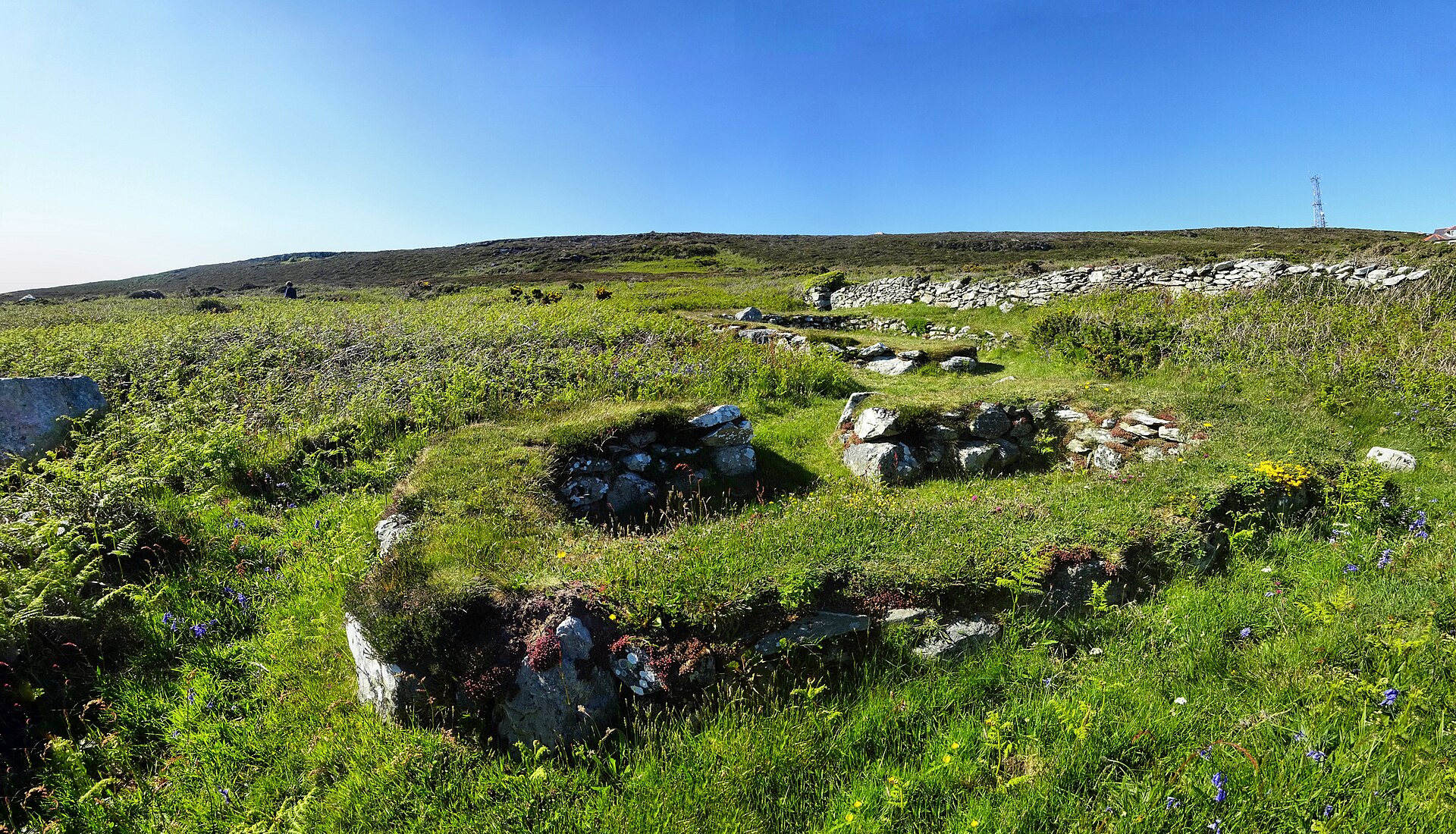
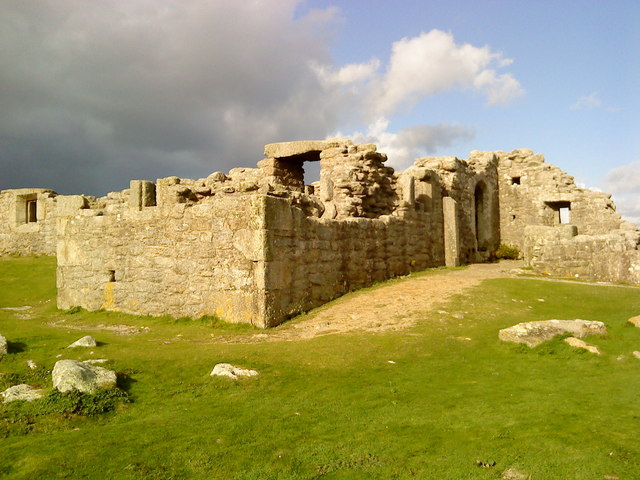
Holyhead Mountain Hut Circles are one of Wales’s best-preserved prehistoric (predating the written record in Britain) settlement groups, with recon…
Sacred place · Medieval
Kent
This Romney Marsh church ruin offers physical evidence of a lost medieval parish and possible deserted village, now interpreted through a sculpture…
Building or ruin · Roman
Lincolnshire
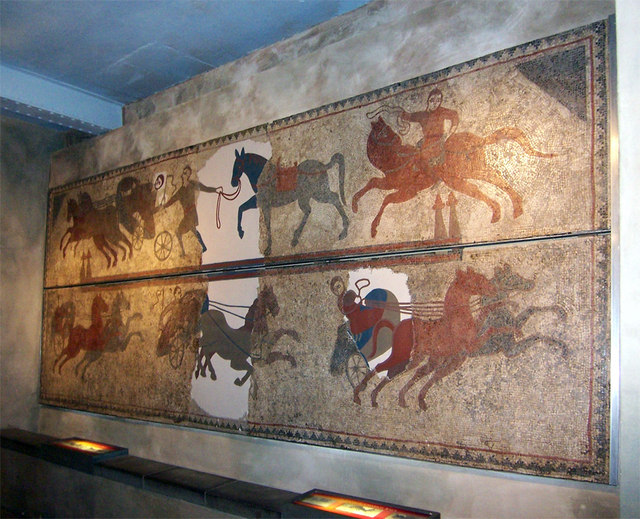
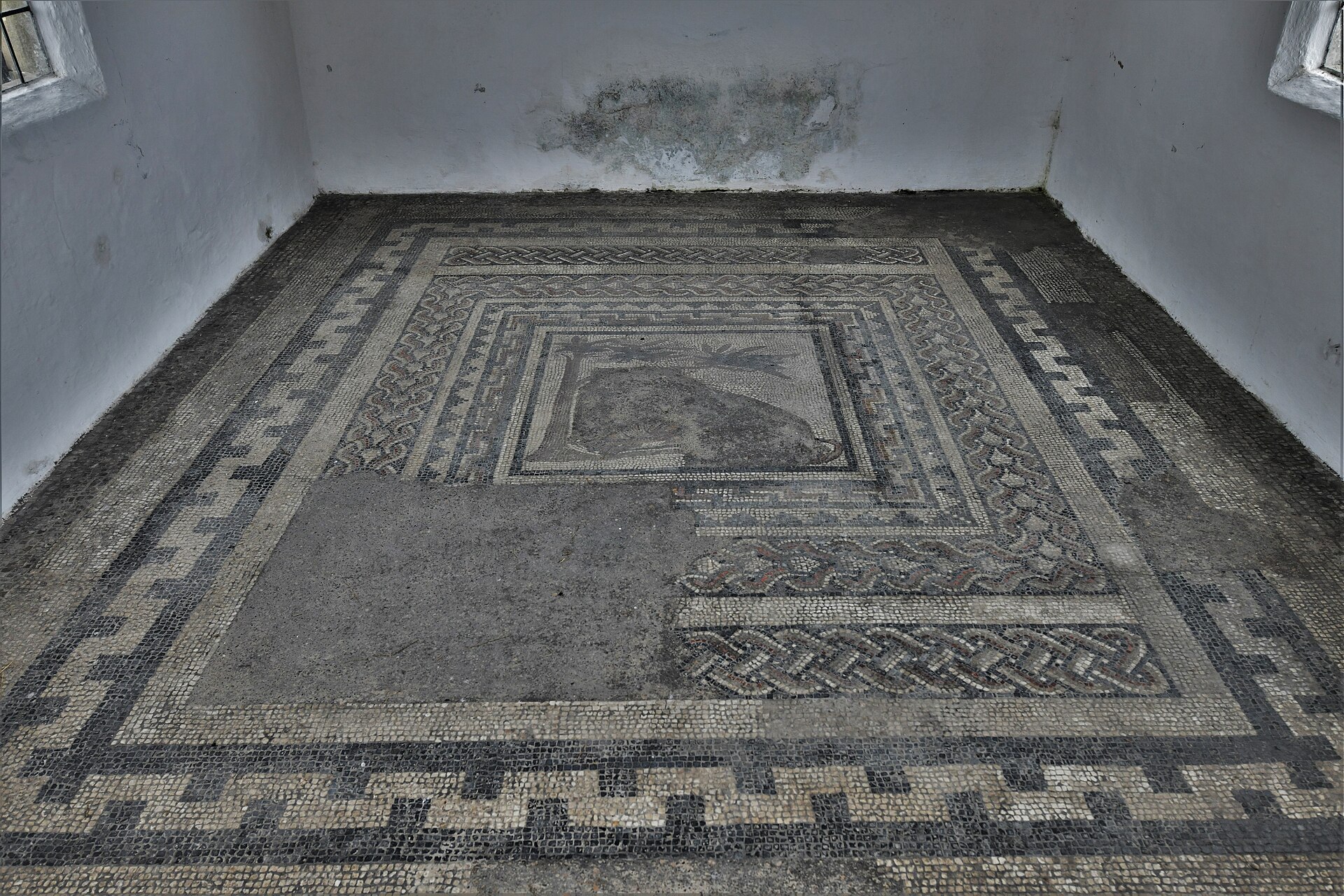
Its buried pavement yielded one of only thirteen known Orpheus mosaics from Roman Britain, and one of just two found this far north.
Sacred place · Medieval
Buckinghamshire
A 12th-century almshouse chapel became, without ever moving site, the seedbed of a Royal Grammar School still teaching boys eight centuries later.
Building or ruin · Medieval
West Yorkshire
The ruins of an Elizabethan country house between Batley and Morley, scheduled since 1997.
Fortified place · Roman
Northumberland
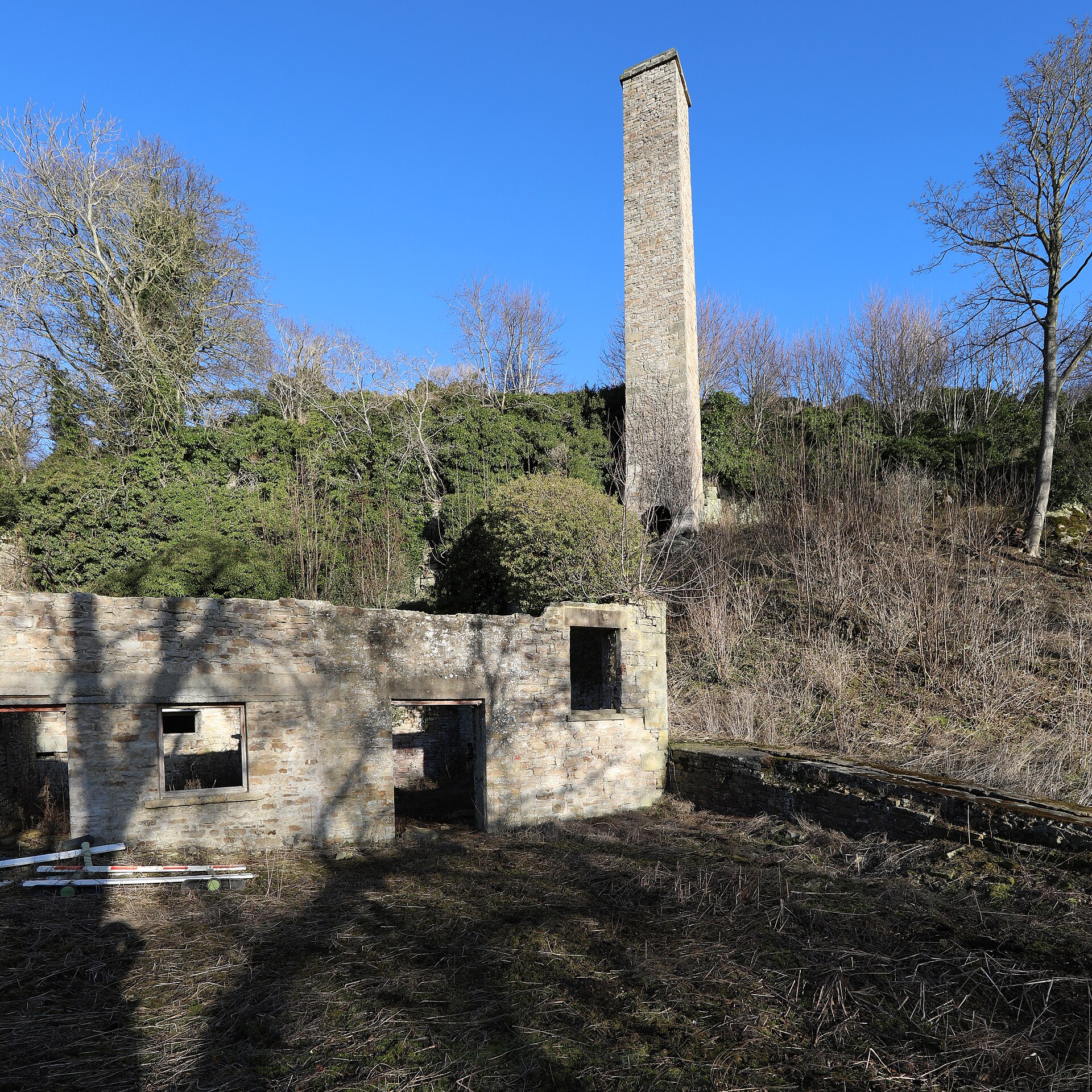
Huckhoe Settlement records at least four occupation phases across more than a millennium, from one of the region’s earliest defended enclosures to…
Ancient place · Iron Age
Northumberland
Humbleton Hill combines a long settlement sequence from before written records with the site of the 1402 Battle of Homildon Hill, layering early, l…
Building or ruin · Medieval
Devon
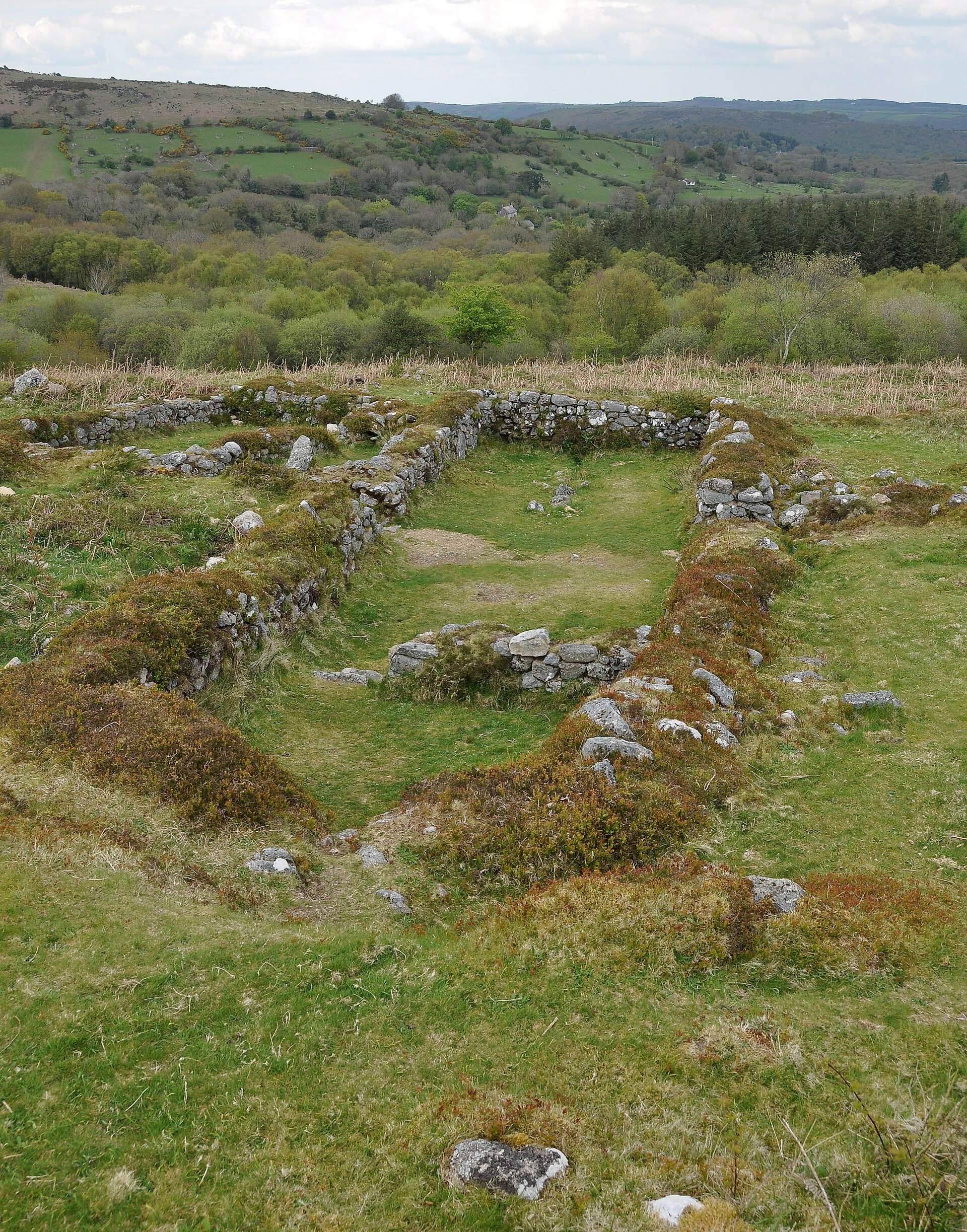
Hundatorra is a rare Dartmoor landscape where Bronze Age (roughly 2500–800 BC, when metalworking spread) settlement, a medieval farming hamlet and…
Building or ruin · Roman
Northumberland
Hunnum, or Halton Chesters, is a Hadrian’s Wall cavalry fort whose unusual L-shaped expansion and internal bath complex reveal changing garrison ne…
Fortified place · Iron Age
Northamptonshire
Its inner ramparts were burned so fiercely that timber-laced stone fused together: vitrification almost never found on an English hillfort (a defen…
Fortified place · Medieval
Perth and Kinross
The Ruthven name was suppressed by Act of Parliament in 1600, and the castle had to be renamed. It had been Ruthven Castle for centuries.
Fortified place · Iron Age
Devon
Huntsham Castle is a well-defined hillfort, a hilltop enclosure from the Iron Age, the centuries before Rome arrived, above the Lowman tributary va…
Building or ruin · Medieval
Monmouthshire
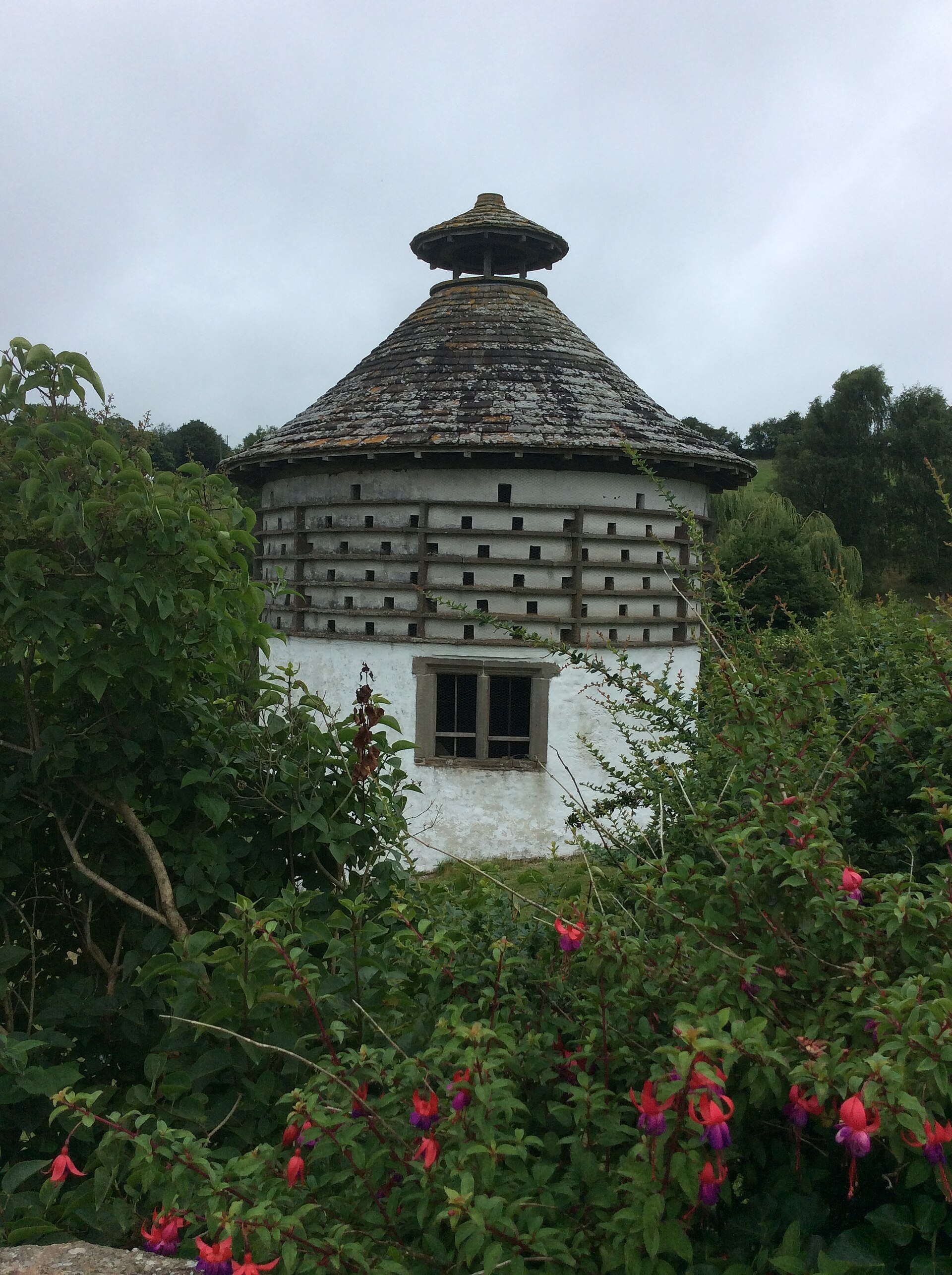
This unusually complete late-sixteenth-century dovecote preserves the scale and organisation of a gentry estate, and scholars identified it as one…
Building or ruin · Roman
Hertfordshire
A Roman underfloor heating system preserved exactly where excavators found it, and unlike its counterpart at Welwyn, one that warmed a house rather…
Building or ruin · Medieval
Kent
Ightham Mote is an exceptionally complete medieval moated manor, whose inward-facing courtyard plan and original features reveal how a defended hou…
Building or ruin · Roman
West Yorkshire
Its Roman name is disputed. Ptolemy's Olikana may be corrupt, may belong to another fort entirely, or the place may have been called after the rive…
Building or ruin · Medieval
Cheshire
One of only two surviving monastic manor buildings left in Cheshire, its stone hall and cottages saved from ruin by a 1990s-2002 restoration after…
Fortified place · Roman
Moray
A Roman fortress whose longest day Ptolemy recorded as 18.5 hours, one of only four such observations he held from Britain.
Settlement · Medieval
Leicestershire
One of England's best-preserved deserted medieval villages, its earthworks tracing streets abandoned when the abbey (a religious community led by a…
Fortified place · Medieval
Argyll and Bute
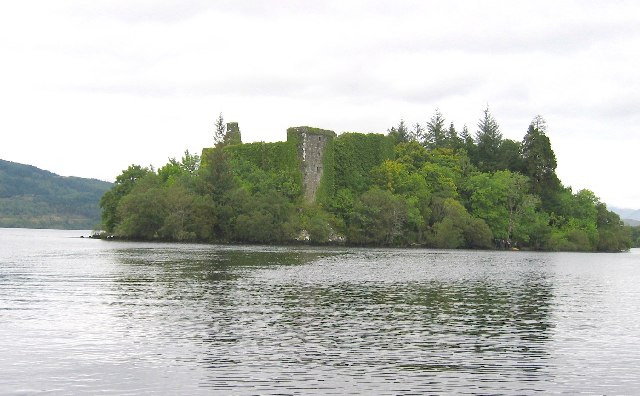
A rival Highland clan once held this island fortress against Robert the Bruce himself, and a captive heir to the Lordship of the Isles later spent…
Building or ruin · Medieval
Highland
A 13th-century stone quadrangle that has kept the same four corner towers and curtain wall since it was built, having hosted two battles without ev…
Building or ruin · Medieval
Highland
The red sandstone towers standing today are the third castle on this cliff: successor to a fortress whose 1428 parley ended with fifty Highland chi…
Sacred place · Medieval
Argyll and Bute
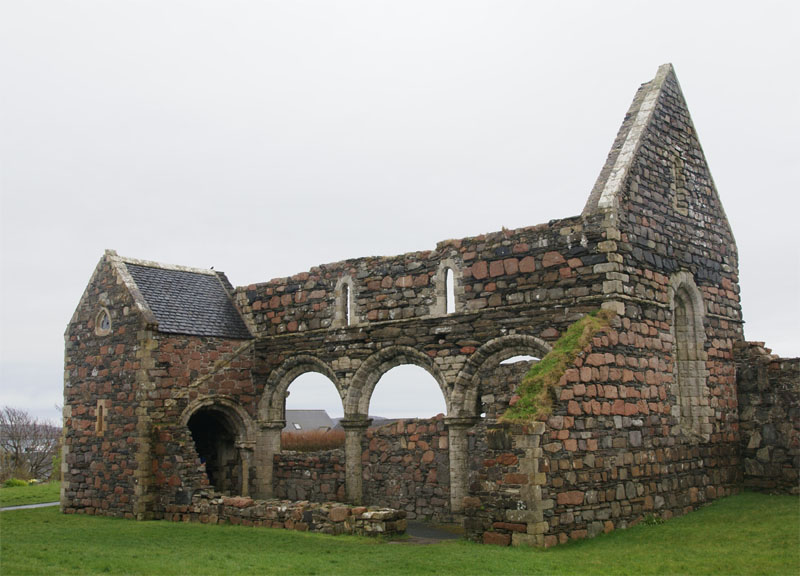
The ruined church, cloister and domestic ranges of the Iona Nunnery stand in a walled precinct beside Baile Mor, the only village on the island of…
Fortified place · Roman
Newport
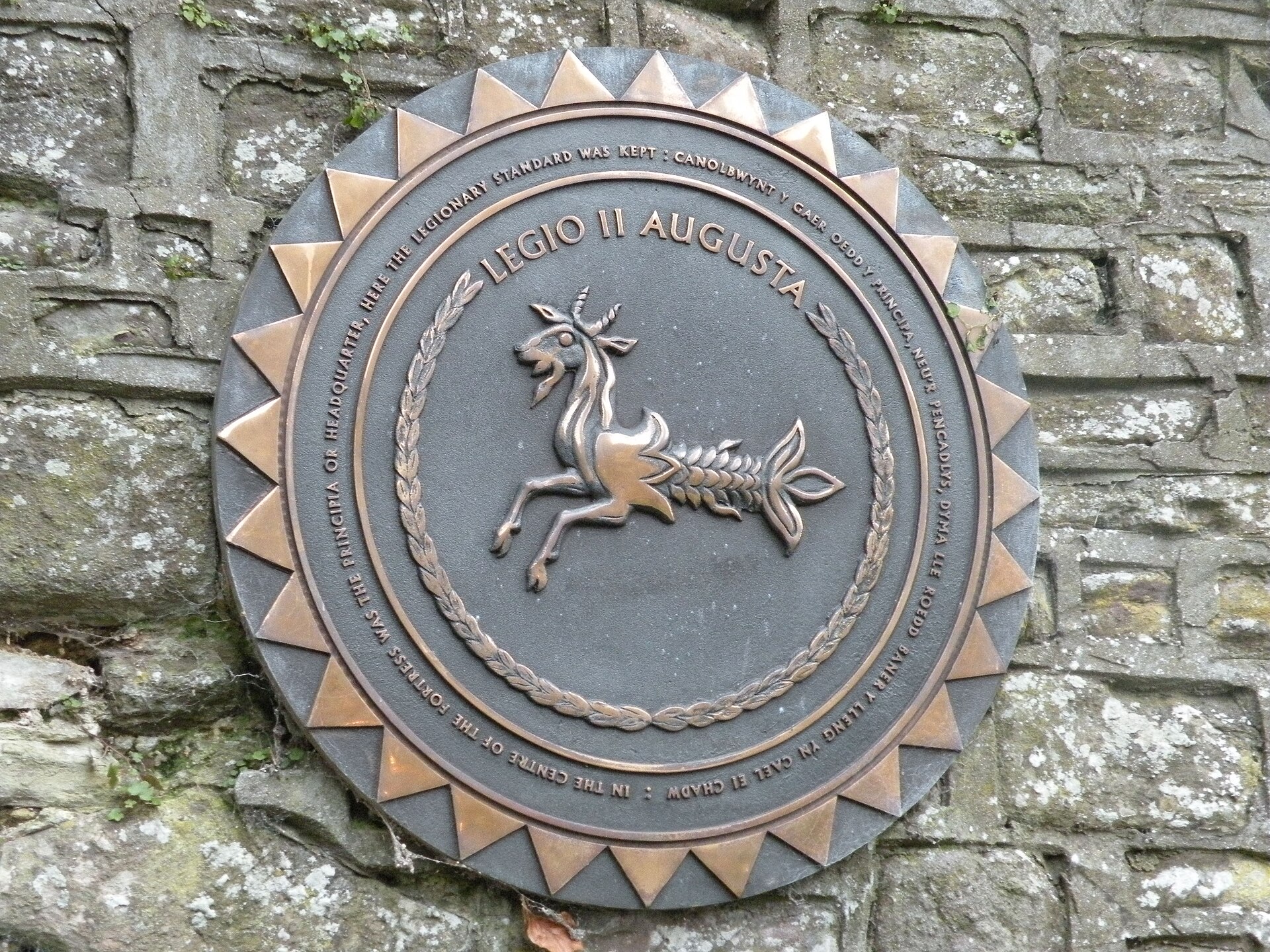
Isca Augusta was the headquarters of the II Augusta legion at Caerleon, a rare largely undisturbed permanent Roman fortress whose name, successive…
Building or ruin · Roman
Devon
Isca Dumnoniorum was Roman Exeter: a legionary fortress that became the Dumnonians’ civic capital and whose walls still shape the city.
Building or ruin · Roman
North Yorkshire
One of Roman Britain's most northerly civitas capitals, its buried amphitheatre only came to light through a 2011 geomagnetic survey: and two of it…
Tomb or burial place · Prehistoric
Kent
Jacket’s Field is a scheduled Early Neolithic long barrow, a prehistoric: a period predating the written record in Britain: burial mound, part of K…
Building or ruin · Medieval
Bristol
Scholars still argue whether this stone chamber served as a Jewish ritual bath or a place to cleanse the dead: either way it would be unique in Eng…
Building or ruin · Medieval
Greater London
The Jewel Tower is one of Westminster’s rare medieval survivors: built for Edward III’s personal treasure, later used for Lords’ archives and offic…
Building or ruin · Roman
Leicestershire
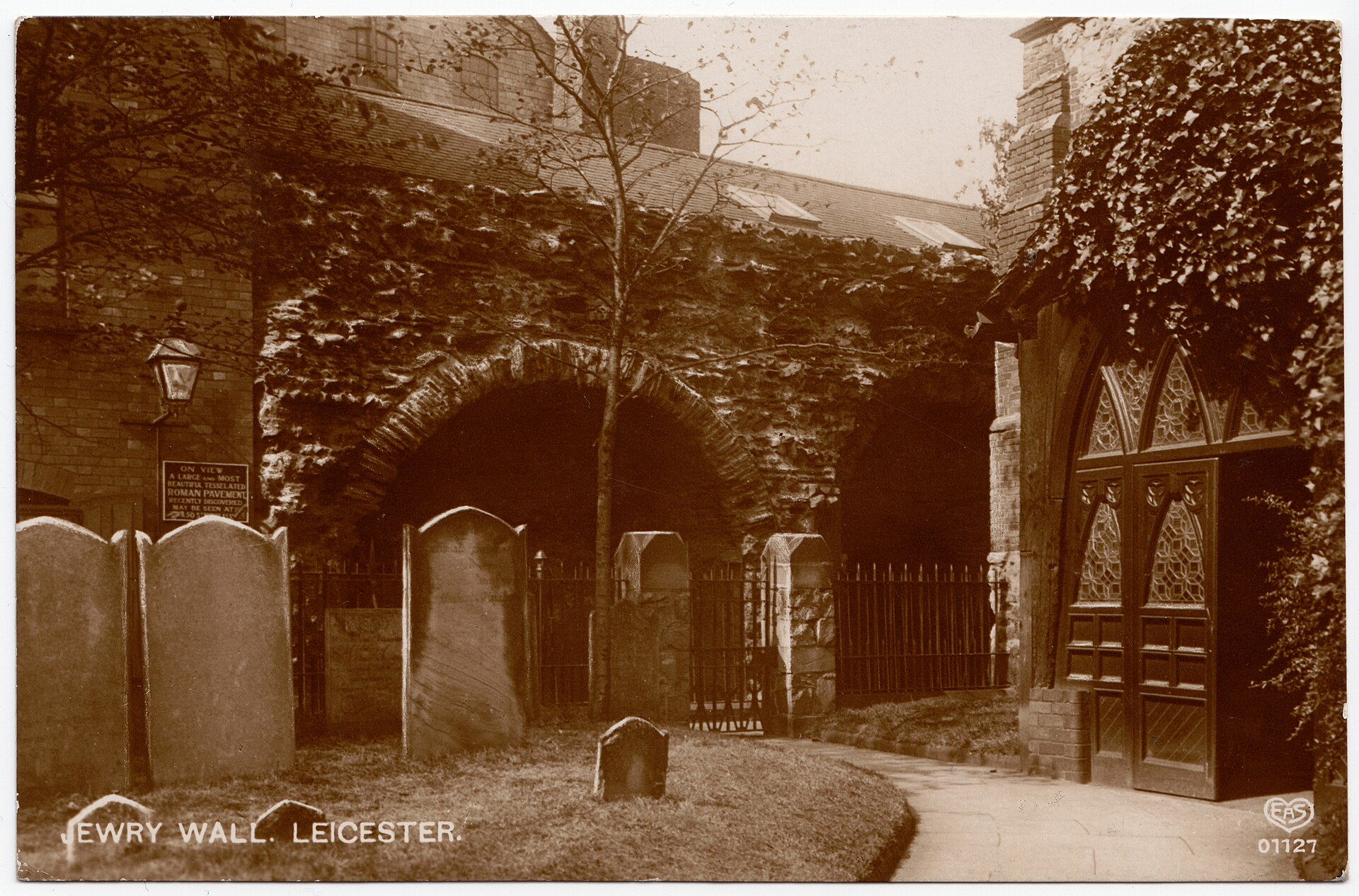
Two great arched openings still stand to full height in a wall raised around 125 AD: among the largest surviving pieces of Roman civil architecture…
Building or ruin · Roman
Dorset
Jordan Hill Roman Temple is a compact Romano-Celtic sacred precinct above Bowleaze Cove, where temple remains, animal offerings, burials and a poss…
Tomb or burial place · Prehistoric
Kent
Julliberrie’s Grave is Kent’s excavated Stour long barrow, a prehistoric: a period before written records reached Britain: burial mound, preserving…
Building or ruin · Medieval
North Yorkshire
A derelict lead-mining complex whose 3.3-kilometre smelting flue, built to appease angry farmers, once made it the most advanced lead mine in the c…
Fortified place · Iron Age
Cornwall
Kelly Rounds is a large Iron Age hillfort: an Iron Age settlement defended by banks and ditches on high ground, from the centuries before Rome arri…
Fortified place · Medieval
Newport
Kemeys Inferior Motte is a scheduled medieval earthwork (a bank or ditch dug and heaped from the ground itself, with no masonry) above the Usk whos…
Ancient place · Prehistoric
Wiltshire
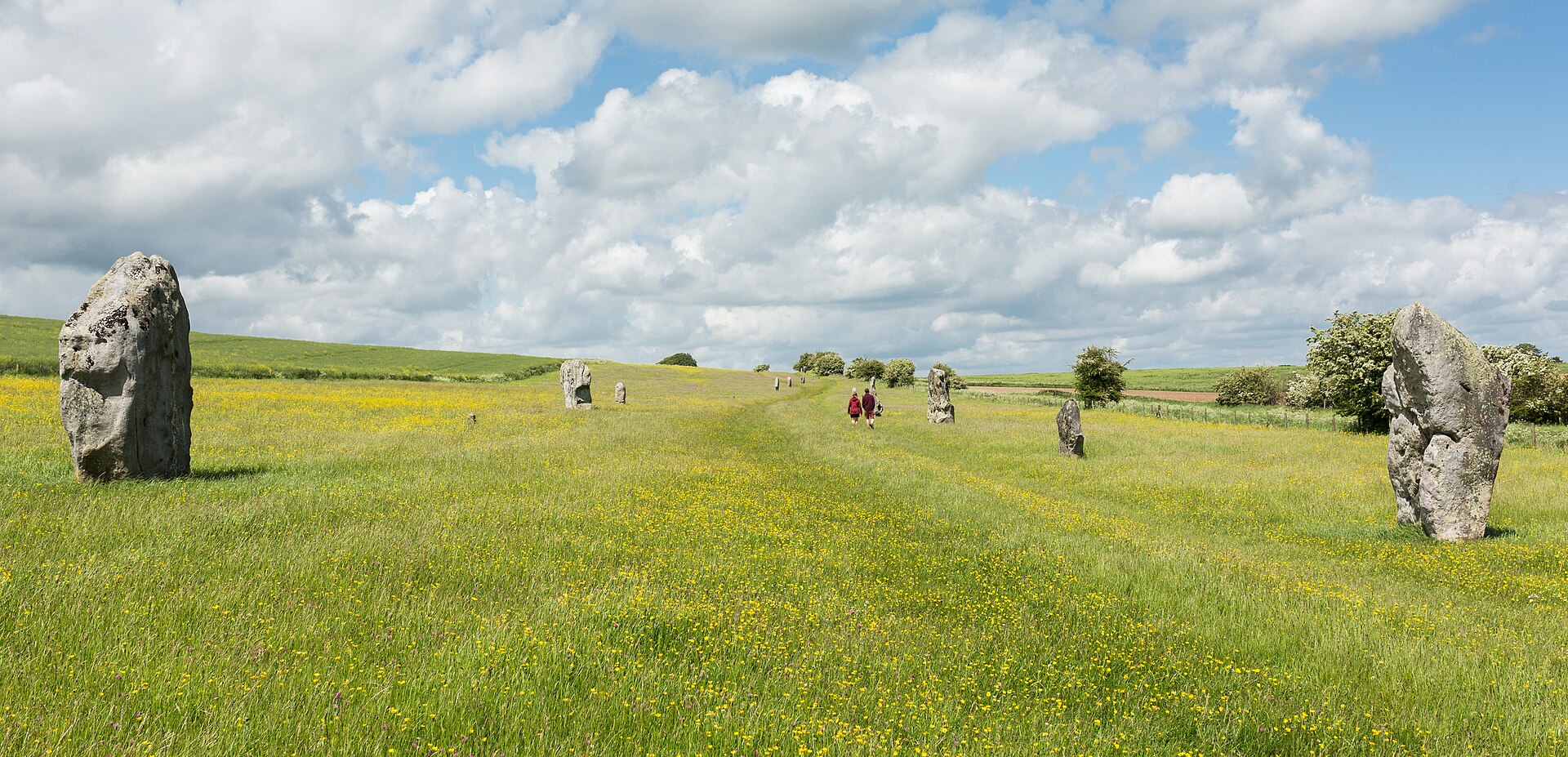
Excavation proved this double line of stones once ran two and a half kilometres between two Avebury monuments: and that most of it was deliberately…
Building or ruin · Prehistoric
Devon
Kents Cavern is one of Britain’s most important prehistoric (before any written account of Britain existed) sites: its deposits record deep geologi…
Sacred place · Medieval
County Durham
A medieval Durham hospital founded for poor people, rebuilt beside the Wear and later dissolved, with its gatehouse and hospital landscape still su…
Building or ruin · Medieval
Greater London
Kew Palace preserves the modest Dutch House at the heart of a lost royal complex, connecting George III’s family life, architectural experiments an…
Building or ruin · Medieval
Leicestershire
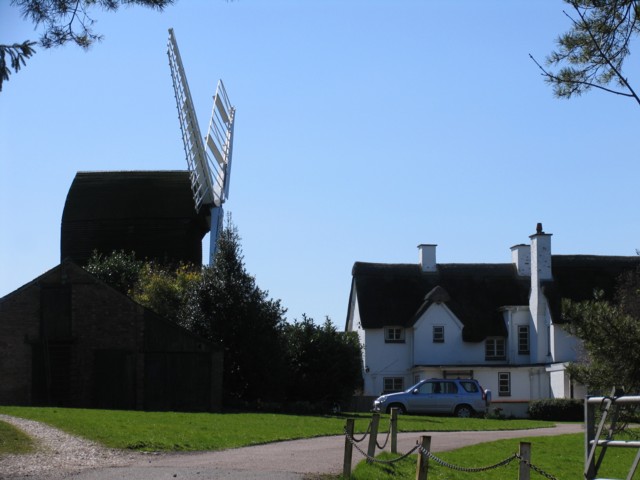
Kibworth Harcourt Mill is Leicestershire’s only surviving post mill, preserving early-18th-century machinery, millstones and 264 graffiti marks; it…
Sacred place · Medieval
Argyll and Bute
One of only a handful of Scottish chapels dedicated to St Constantine, a shadowy royal-saint whose cult is otherwise scarce in the historical record.
Fortified place · Medieval
Argyll and Bute
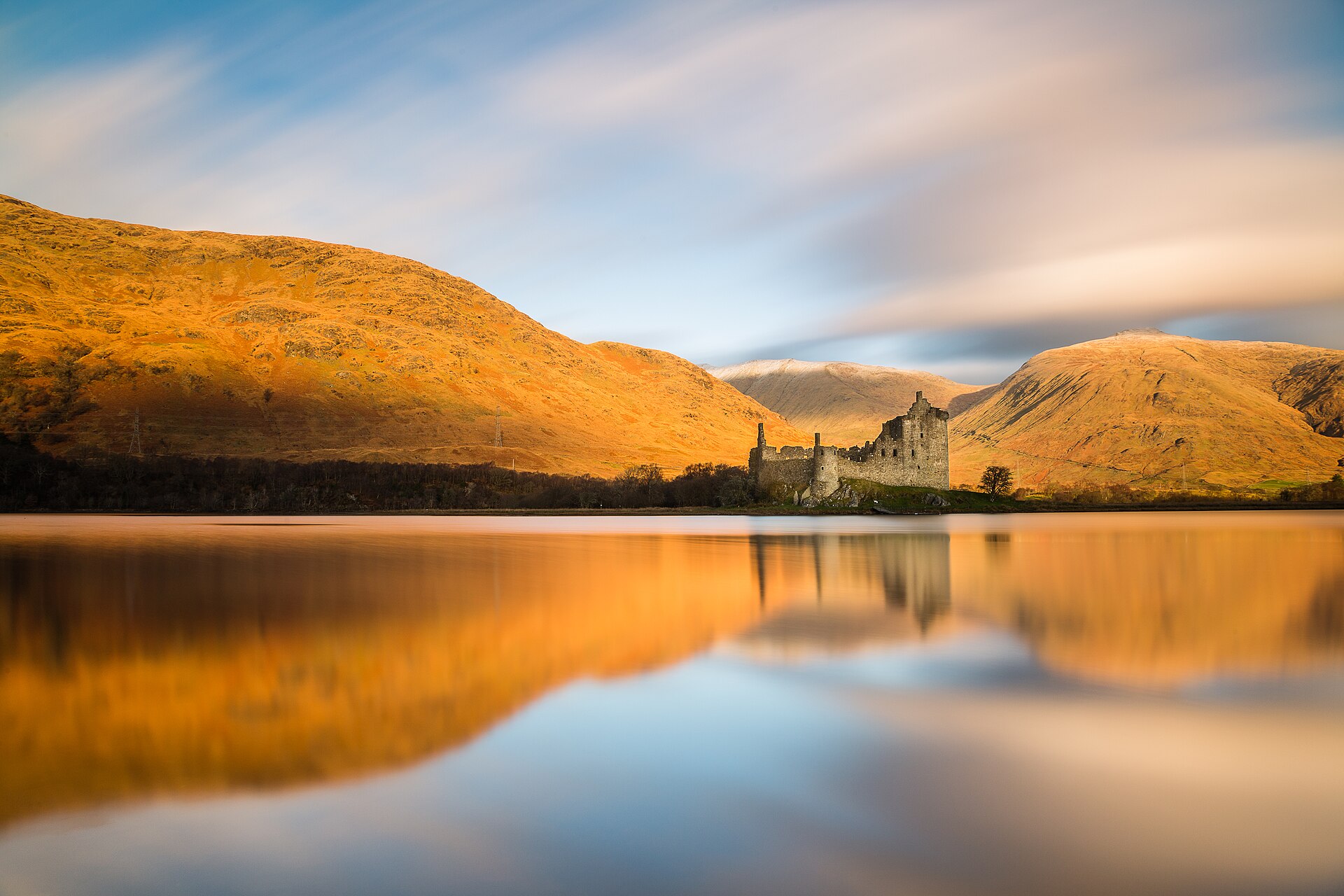
On a rocky peninsula at the north-eastern end of Loch Awe, the ruined shell of Kilchurn Castle rises around a five-storey tower house first raised…
Fortified place · Medieval
Argyll and Bute
A roofless tower house north of Cardross that gave its name to eighteen generations of Napiers, among them the shipbuilding dynasty that built the…
Fortified place · Medieval
Argyll and Bute
Its nickname, Crowner's Castle, preserves the memory of a hereditary legal office: coroner of Bute: held by one family for generations.
Sacred place · Medieval
North Ayrshire
Kilwinning’s ruined monastery once held revenues from fourteen parishes, granges and baronial jurisdiction, leaving an unusually wide medieval impr…
Fortified place · Iron Age
Gloucestershire
Its Old English name preserves the memory of a person, Cynemær, otherwise lost to record: a fortress whose ramparts still outline the hilltop despi…
Building or ruin · Prehistoric
Cornwall
King Arthur's Hall is a Neolithic (the first farming age, roughly 4000–2500 BC) rectangular stone enclosure on Bodmin Moor whose unusual water-fill…
Sacred place · Prehistoric
Cumbria
Despite its legendary name, this is a genuine Neolithic, the late Stone Age, henge, a bank and ditch enclosing a circular space, one half of a pair…
Building or ruin · Medieval
Cornwall
King Charles's Castle is a Tudor artillery fort on Tresco whose flawed high position exposed the limits of sixteenth-century coastal defence, befor…
Fortified place · Iron Age
Hampshire
A small Iron Age hillfort, a defended hilltop settlement from the centuries before Rome arrived, quarried on one side yet still carrying two crisp…
Building or ruin · Medieval
Nottinghamshire
King John’s Palace gives Clipstone’s sheep-grazed ruins an outsized story of royal hunting, Parliament, and the last illness of Eleanor of Castile.
Fortified place · Medieval
Hampshire
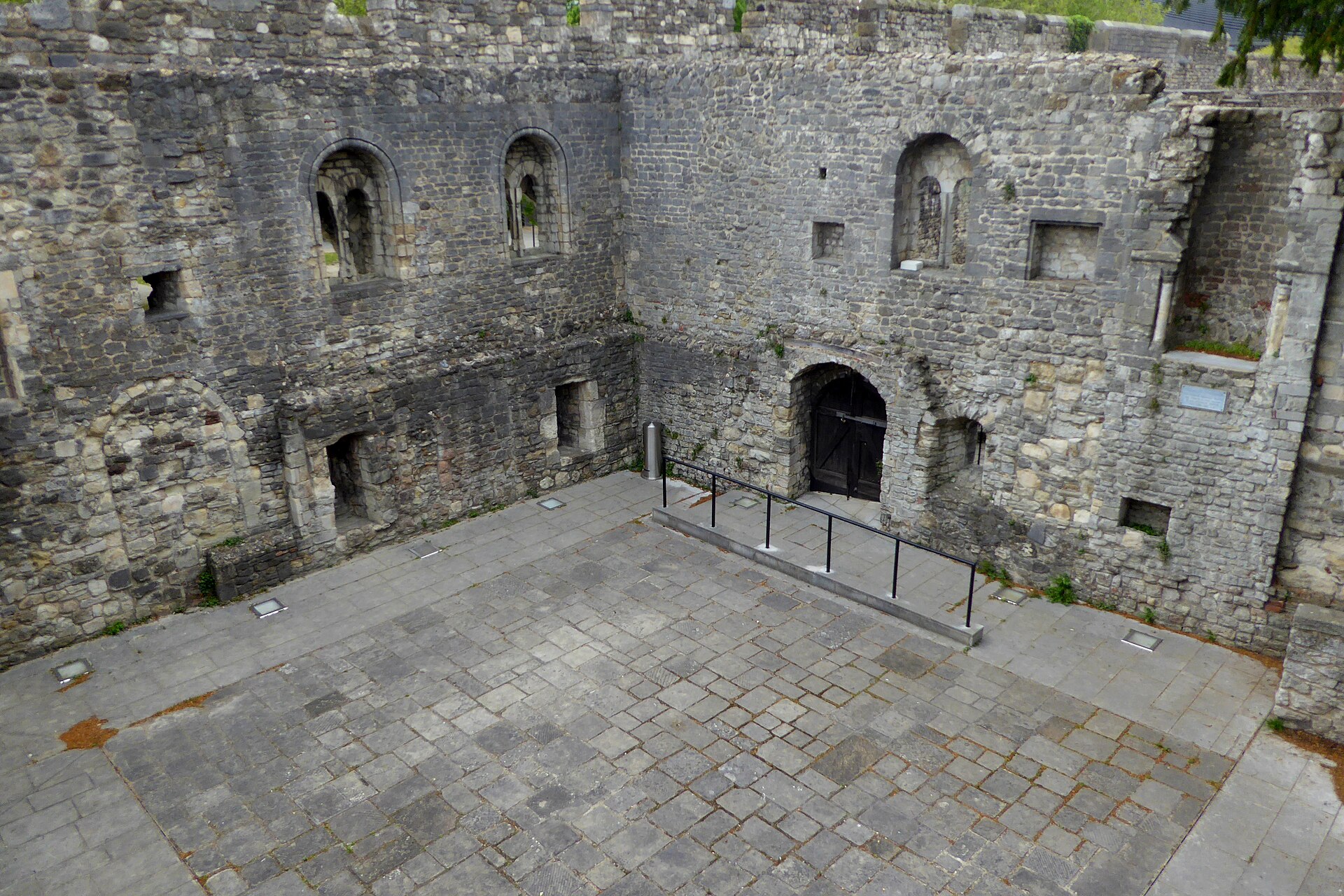
A merchant's wine store became a fortress by royal order, and its blocked archways may hold Britain's earliest surviving gunports.
Building or ruin · Pictish & early medieval
Leicestershire
King Lud’s Entrenchments is an unexcavated scheduled earthwork (a bank or ditch dug and heaped from the ground itself, with no masonry) within a cr…
Building or ruin · Medieval
Leicestershire
A Victorian schoolhouse built directly over a king's grave: the exact spot where DNA finally solved a five-century mystery in 2012.
Building or ruin · Roman
Lincolnshire
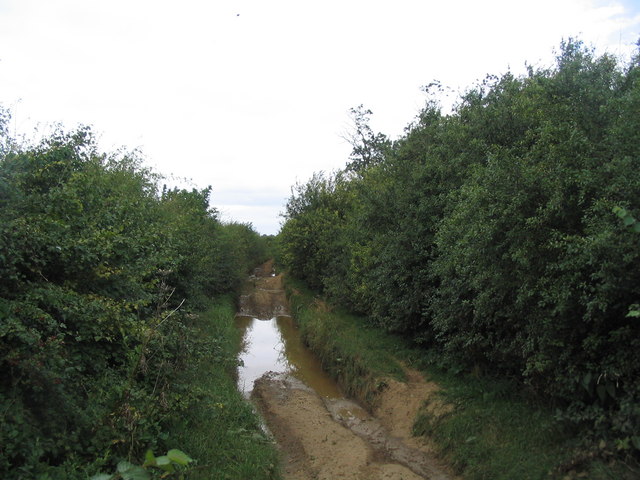
A working Roman road whose original engineering choices: kerbed gravel trenches, sand carriageway, deliberate north-south hauling of stone: can sti…
Building or ruin · Medieval
Bristol
Laid out on reclaimed marshland in 1650, the street still carries one of Bristol's densest runs of 17th-century merchant houses, several built usin…
Tomb or burial place · Medieval
Pembrokeshire
A late Stone Age burial chamber on high ground above Manorbier Bay, five miles east of Pembroke.
Tomb or burial place · Prehistoric
West Midlands
A prehistoric: from before written records reached Britain: burial mound beside a Roman road that later lent its name to a Civil War tradition and…
Fortified place · Medieval
Hertfordshire
A vanished royal residence of the Plantagenet kings survives only underground, its walls entirely gone but its footprint still protected in law.
Fortified place · Medieval
Hampshire
One of only two medieval gates left standing in Winchester, it carries a working parish church built into its own fabric: a gateway and a place of…
Fortified place · Iron Age
Staffordshire
A fort with a massive rampart on two sides and nothing built on the other two: because the escarpment already did the job.
Building or ruin · Medieval
Warwickshire
A potence: a pivoted ladder that swings round the interior: still lets a keeper reach every nesting box. The building still houses doves.
Building or ruin · Medieval
Northamptonshire
A house begun to a French pattern book in 1570 that became one of England's earliest Elizabethan prodigy houses, then was slowly stripped and aband…
Tomb or burial place · Prehistoric
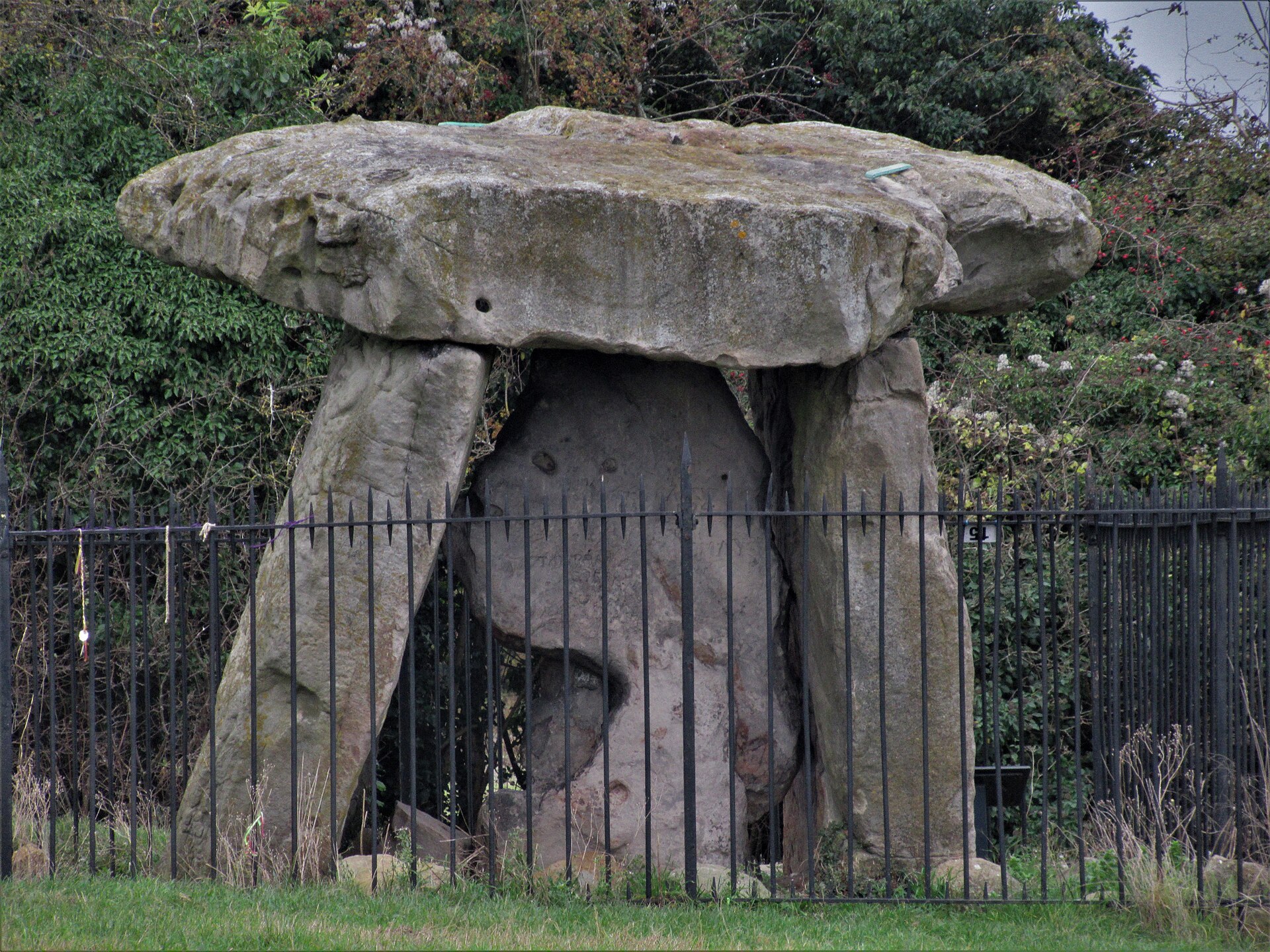
Kent
Kit’s Coty House preserves an Early Neolithic sarsen chamber near Aylesford, making a conspicuous fragment of Medway’s prehistoric: the time before…
Ancient place · Prehistoric
Wiltshire
This was the first causewayed enclosure ever recognised and excavated, the discovery that let archaeologists define a whole class of Neolithic (the…
Sacred place · Medieval
Kent
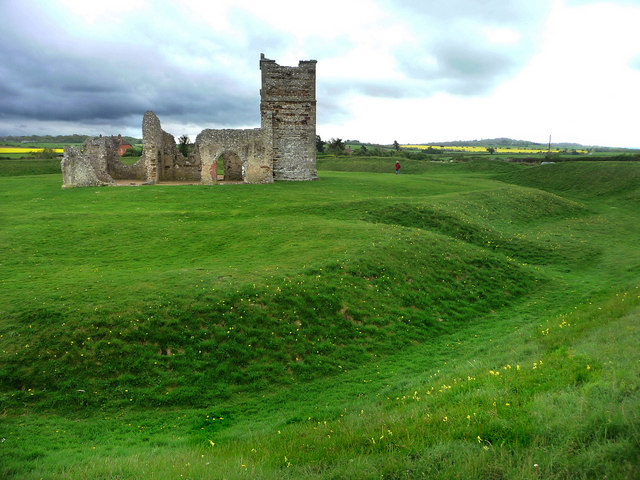
This rare round-plan church makes the uncertainty worth seeing: its architecture keeps the Templar legend alive while records point instead toward…
Fortified place · Iron Age
Wiltshire
Interpreters still disagree on whether this was an Iron Age hillfort, a Roman summer camp, or a cattle enclosure: and the surrounding downs hide tw…
Fortified place
Devon
Knowles Battery is a surviving Palmerston-era defence of Plymouth’s landward approaches, later transformed from artillery position into a scheduled…
Building or ruin · Roman
Northamptonshire
Beneath the streets of modern Towcester lies a walled Roman roadside town whose shops, bathhouse and stone-towered defences grew directly from a si…
Building or ruin · Medieval
Pembrokeshire
A ruined medieval complex that served high-ranking clergy, known also as Lamphey Court.
Sacred place · Medieval
Lancashire
Its oak choirstalls, carved in 1340, are the third oldest in England, and beneath the chancel (the part of a church around the altar) lie the burie…
Building or ruin · Roman
Lancashire
A single fragment of massive Roman wall, reused as the foundation stone of a name: Lancaster itself grew from the fort that once stood on this hill.
Building or ruin · Prehistoric
Cumbria
One in four polished stone axes ever examined in Britain was made from rock quarried on these fells: a single Neolithic (the late Stone Age, about…
Briefer entries: recorded and worth knowing, with fuller pages to come.
Building or ruin · Medieval
County Down
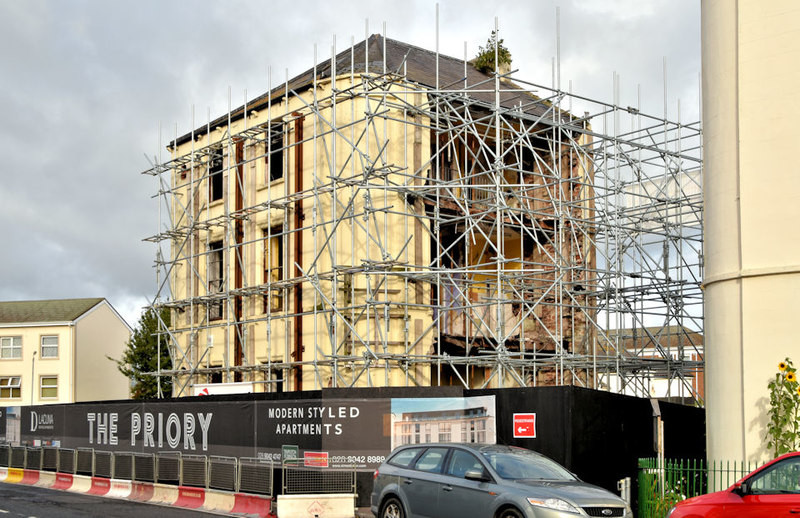
Holywood Priory layers a pre-640 monastic foundation with Anglo-Norman, Franciscan and parish-church phases, preserving a rare long religious conti…
Building or ruin · Medieval
Devon
Hound Tor brings together a weathered Dartmoor granite tor, a deserted medieval settlement and nearby prehistoric (from the era before writing arri…
Building or ruin · Roman
Northumberland
Housesteads is one of Hadrian’s Wall’s best-preserved forts, dramatically placed on the Whin Sill and revealing nearly three centuries of garrison…
Ancient place · Prehistoric
Northumberland
Howick House is an exceptionally early Mesolithic (the middle Stone Age, roughly 9000–4000 BC) dwelling site whose substantial post holes, hearths,…
Tomb or burial place · Prehistoric
Cornwall
Innisidgen preserves two Bronze Age entrance graves: roughly 2500–800 BC, when metalworking spread: on St Mary's, Isles of Scilly, where well-prese…
Building or ruin · Medieval
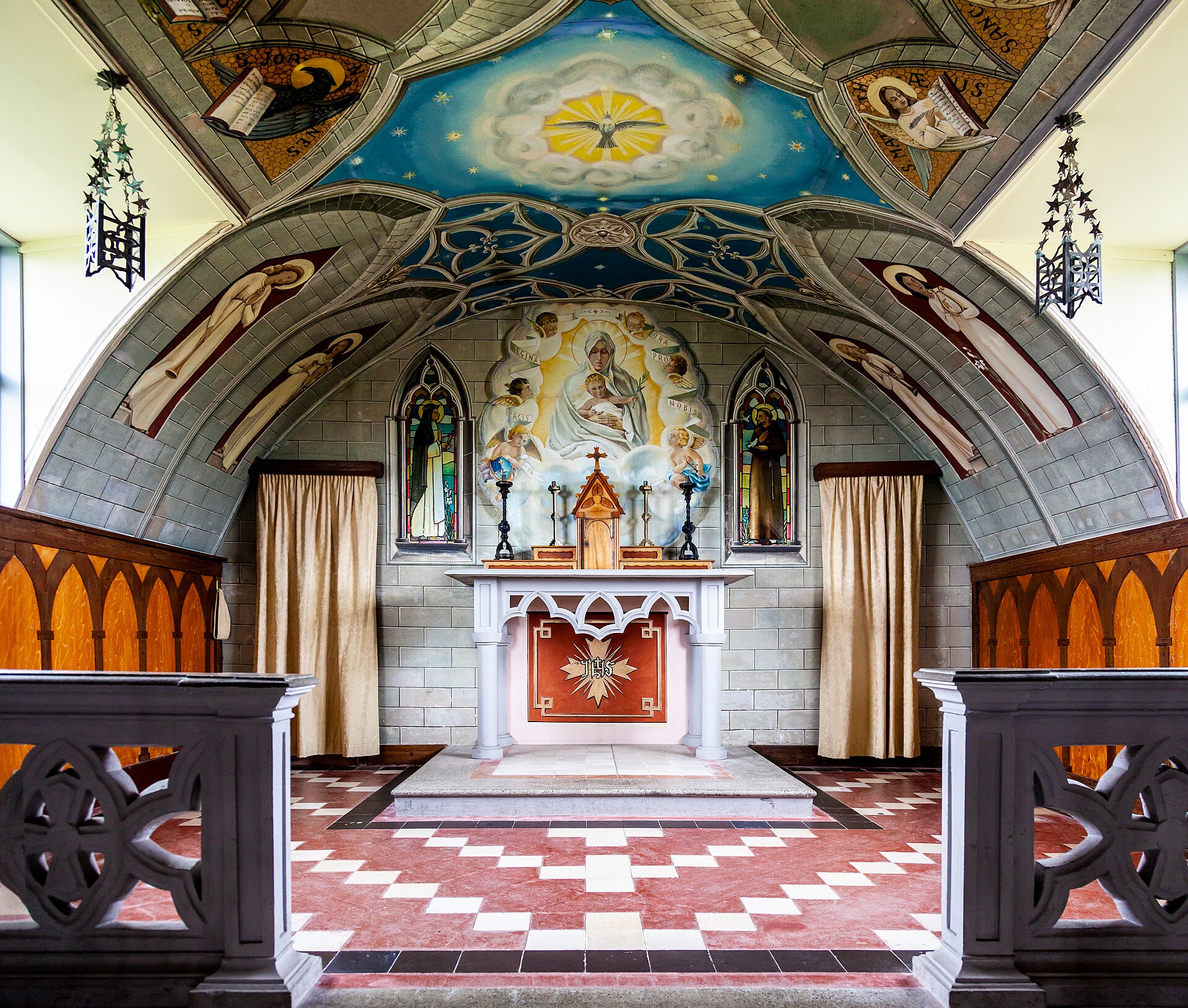
Orkney Islands
Two Nissen huts, joined end to end, decorated by a prisoner of war who stayed behind after his comrades were freed in order to finish the work.
Building or ruin · Roman
West Yorkshire
A square cropmark investigated in 1995 as a possible Roman marching camp, with post-holes showing a revetted defensive bank.
Building or ruin · Roman
Northumberland
Jenny’s Lantern preserves a defended hilltop settlement from the centuries before Rome arrived, embedded in an unusually extensive settlement and f…
Building or ruin · Roman
Greater London
Keston Roman villa preserves a rare continuous settlement sequence from prehistory through Roman Britain into an early Saxon village, with its maus…
Sacred place · Prehistoric
County Tyrone
Kilcroagh combines a small Tyrone townland’s landscape history with the striking quartz White Stone, a scheduled monument (a site protected by law…
Fortified place · Medieval
argyll-and-bute
Most duns are round. This one is D-shaped, and its double stair up the rampart and a round wall niche both survive intact.
Tomb or burial place · Prehistoric
County Tyrone
Killynaght pairs a named Tyrone townland with the Rocking Stone, a collapsed stone burial chamber protected as a Scheduled Historic Monument.
Sacred place · Medieval
Argyll and Bute
Within a six-mile radius of the village of Kilmartin, in Argyll north of Knapdale, stand more than 800 ancient monuments, of which some 150 date fr…
Building or ruin · Roman
Bristol
Bristol's only visible Roman bath suite survived here, along with mosaic floors and a hypocaust (underfloor heating system), buried beneath a 20th-…
Building or ruin · Pictish & early medieval
North Yorkshire
The Kirkdale Sundial is an unusually precise mid-eleventh-century Old English monument: it dates St Gregory’s rebuilding to Edward and Tostig’s tim…
Building or ruin · Pictish & early medieval
Cornwall
Kit Hill is East Cornwall's dominant country-park summit, where prehistoric barrows, a Civil War redoubt and extensive mining remains trace the cha…
Building or ruin · Medieval
Conwy
Klondyke Mill is the largest upstanding lead-mining structure in north Wales, a ruined monument to industrial optimism, failed ore processing and t…
Building or ruin · Roman
Northumberland
Knag Burn Gateway is an unusual later opening in Hadrian’s Wall, whose paired guard chambers and double gates show tightly controlled movement beyo…
Tomb or burial place · Prehistoric
County Down
Knock Iveagh is a County Down hill whose summit cairn (a mound of piled stones, often covering a burial), inauguration tradition, and surrounding s…
Sacred place · Medieval
Antrim
Knocklayd is a prominent Antrim Hills summit whose quartz passage tomb, surrounding standing stones and extraordinary townland boundary make it bot…
Building or ruin · Medieval
County Fermanagh
Knockmore brings together Fermanagh scarpland geology, protected upland habitat and fifteen summit caves, including Lettered Cave’s inscriptions fr…
Sacred place · Prehistoric
Dorset
One of Dorset's greatest ceremonial landscapes, prehistoric (from the era before writing arrived in these islands), where Stone Age henges and a de…
Building or ruin
Suffolk
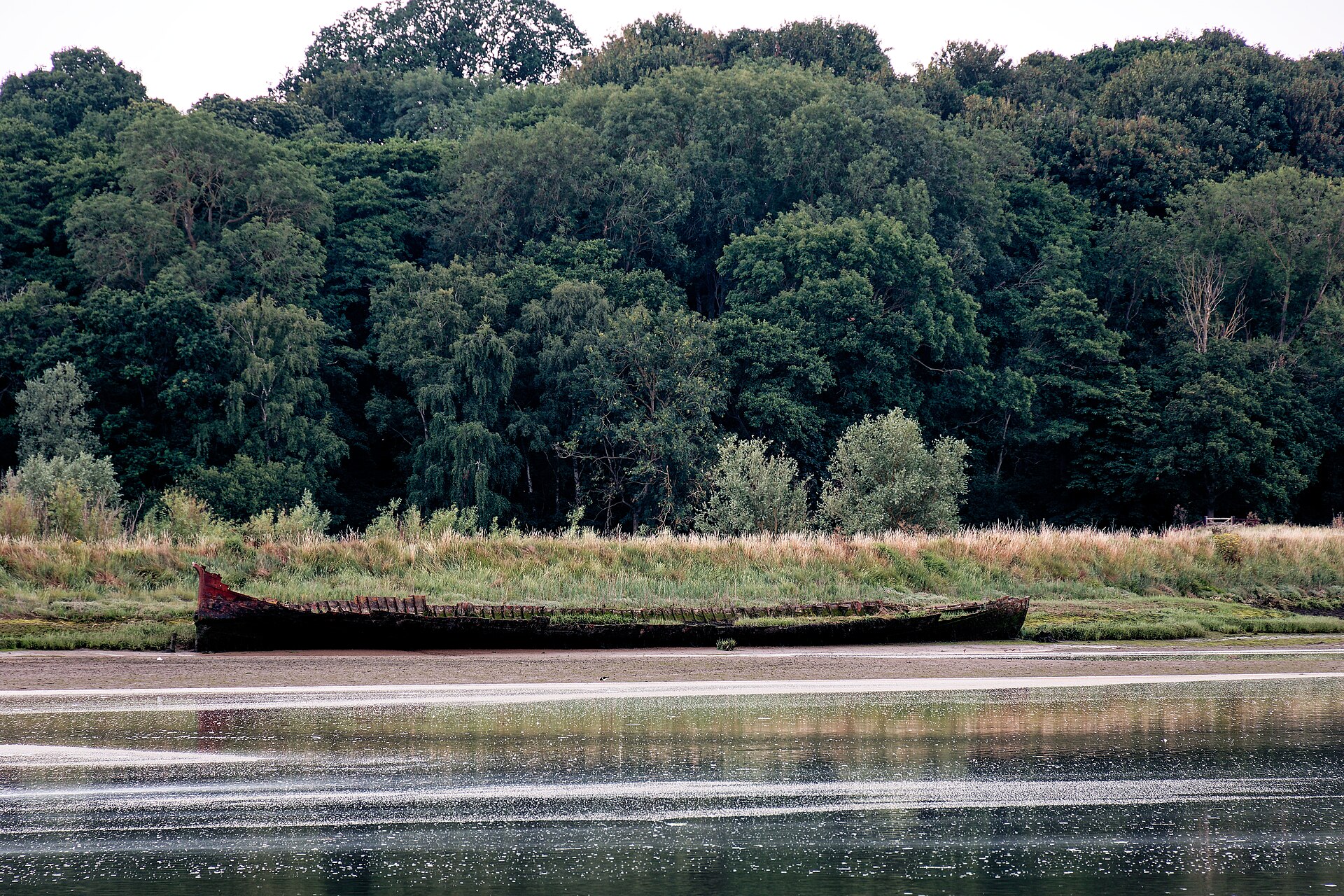
An early Hercules Linton design, launched six years before his Cutty Sark. Its scuttled hulk in the Deben was scheduled in 2023 for what it shows o…
Building or ruin · Roman
West Yorkshire
Castleford is built on it. The name may come from a Brittonic word carrying the sense of spear or blade.
No places match those filters.
















.jpg?width=800)

.jpg?width=800)













.jpg?width=800)