One of only a handful of Scottish chapels dedicated to St Constantine, a shadowy royal-saint whose cult is otherwise scarce in the historical record.
A small roofless chapel stands near Campbeltown on the Kintyre peninsula, its walls now reduced to the low, weathered outline typical of Argyll’s medieval kirks. The building dates from the 12th century and was set apart for the veneration of St Constantine, a figure remembered locally through the name it left behind: Kilchousland is an anglicised form of the Gaelic Chill Chuslainn, “St Constantine’s Chapel”.
Little beyond this survives in the written record. The chapel belongs to a scattering of small parish and estate chapels across Kintyre that served scattered rural communities before the Reformation reorganised parish worship, and its dedication is one of the few clues to who was thought worth praying to on this particular stretch of coast.
What follows is drawn from published sources, with each claim labelled by how firmly it is established.
The name
The name Kilchousland comes from the Scottish Gaelic Chill Chuslainn, meaning "St Constantine's Chapel" — cill (a church or cell) combined with a form of the saint's name, Chuslainn. The English form is a straightforward anglicisation of that Gaelic original.
History
In the 12th century a chapel was built on this site and dedicated to St Constantine, giving the place its lasting name. Little is recorded of the circumstances of its founding, but the dedication itself places it among the network of small local chapels raised across Kintyre in this period to serve scattered rural communities before the parish system was later reorganised.
Connections
-
Campbeltown
The burgh the chapel stands near, at the southern end of Kintyre.
-
Saint Constantine
The saint the chapel was dedicated to, and the figure preserved in its Gaelic name, Cill Chuslainn.
-

Photo: Leslie Barrie / Wikimedia Commons / CC BY-SA 2.0 Another ruined medieval chapel of the same Kintyre group, a short distance south.
-
Kintyre
The peninsula whose dense scatter of small medieval chapels this building belongs to.
What to look for
-
The cill in the name
Kilchousland opens with cill, the Gaelic word for a church, which is among the commonest first elements in west Highland place names. A cill name is usually taken as evidence that a church stood on the ground early, and often earlier than the building that survives there now.
-
The dedication to Constantine
The chapel was set apart for St Constantine, and the Gaelic form Cill Chuslainn carries his name rather than the site's owner or its landscape. A dedication is one of the few things a small chapel reliably records about the people who built it.
-
A twelfth-century date on a small building
The chapel belongs to the twelfth century, which puts it among the earlier surviving church buildings of Kintyre, though nothing in the written record says who paid for it or what parish arrangement it served.
-
What the record does not hold
Beyond the date, the dedication and the name, very little is documented. There is no account of its founding, its endowment, or the point at which it went out of use, and the published sources for Kintyre add no more.
Plan your visit
- Location
- 55.4405°N · 5.5559°W
- Nearest settlement
- Campbeltown
- Terrain
- Moderate walking
- Time needed
- About 30 minutes
- What survives
- A small ruined twelfth-century chapel survives near Campbeltown.
Opening & admission
No current access or admission details are recorded — check with local heritage authorities before travelling.
Nearby places
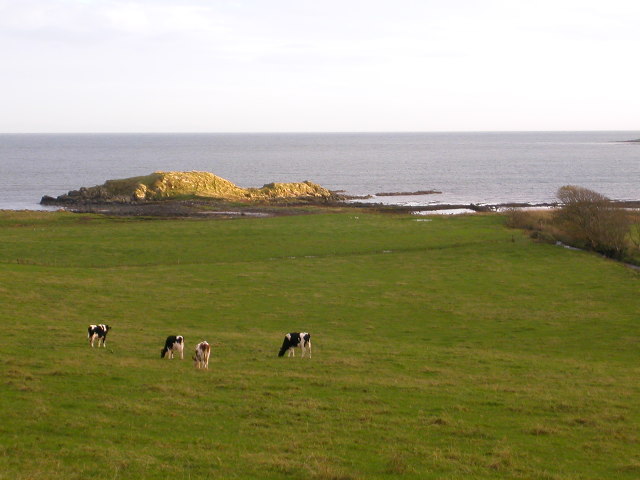
Fortified place · Medieval
Smerby Castle
Argyll and Bute
Two separate bonds, in 1594 and 1597, show the family here signing not as MacDonald but as M'Connall: a rare direct trace of how Gaelic Kintyre act…
- Near Campbeltown
- Rough ground
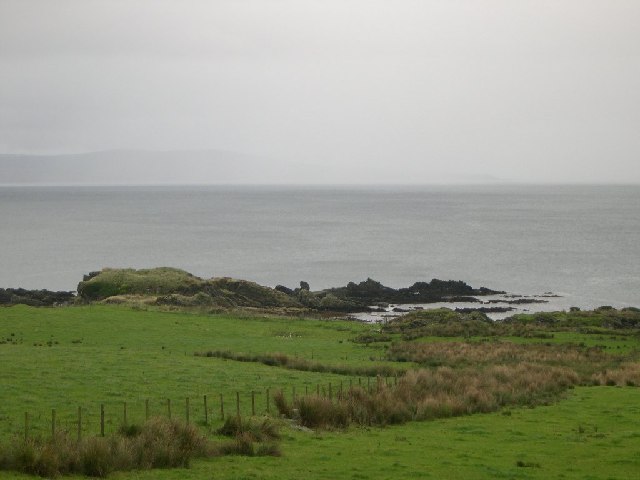
Fortified place · Medieval
Dun Ugadale
Argyll and Bute
Its Gaelic name preserves a memory of owls in the glen below, while a brooch once kept by its owners carries a tradition linking the fort to Robert…
- Near Ugadale
- Rough ground
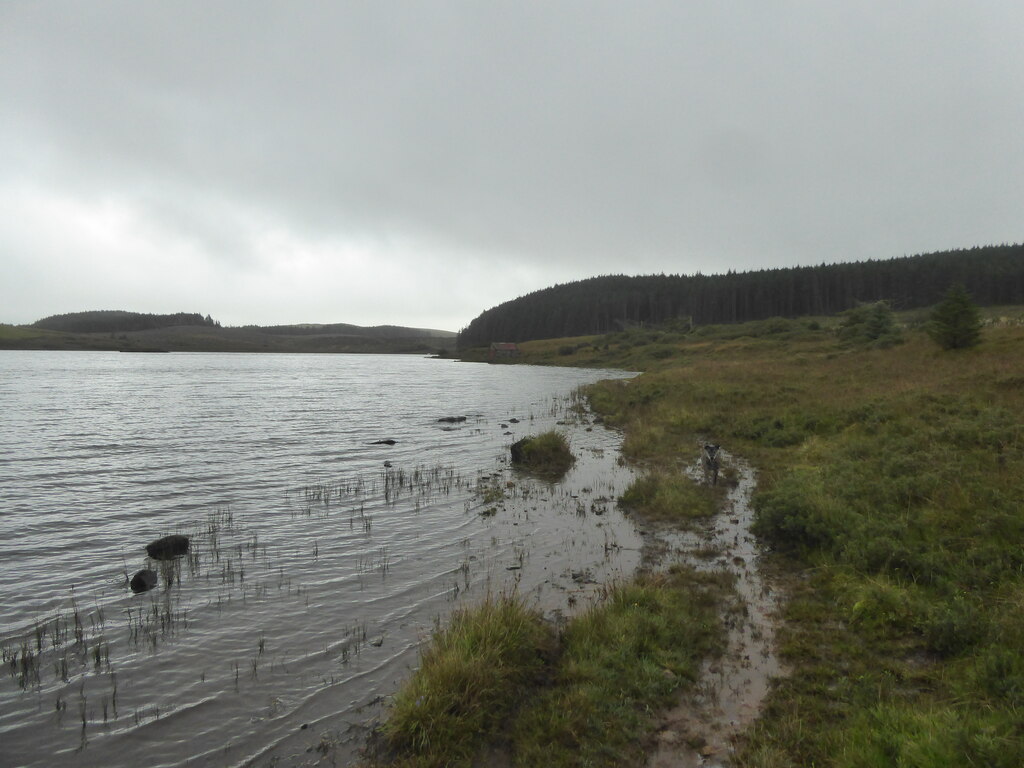
Fortified place · Medieval
Tangy Loch Castle
Argyll and Bute
A causeway now vanished beneath the water once linked this island stronghold to the shore, leaving a ruin that in the seventeenth century belonged…
- Near Campbeltown
- Rough ground
Fortified place · Medieval
Kildonan Dun
argyll-and-bute
Most duns are round. This one is D-shaped, and its double stair up the rampart and a round wall niche both survive intact.
Questions people ask
- What is Kilchousland Chapel?
- A medieval chapel near Campbeltown, Argyll and Bute, built in the 12th century and dedicated to St Constantine.
- What does the name Kilchousland mean?
- It anglicises the Scottish Gaelic Chill Chuslainn, meaning "St Constantine's Chapel".
- When was Kilchousland Chapel built?
- It dates from the 12th century.
- Who was the chapel dedicated to?
- St Constantine, the saint remembered in the chapel's Gaelic name, Chill Chuslainn.
- Where is Kilchousland Chapel located?
- Near Campbeltown on the Kintyre peninsula in Argyll and Bute, Scotland.
Sources
- Wikipedia: Kilchousland Chapel
- Newton, Norman. Kintyre. David & Charles, 2008.
Explore more: Sacred places · Medieval · Argyll and Bute
The Ancient Codex, in your pocket
Get the Pocket Codex app
Carry the directory with you — Kilchousland Chapel and thousands of ancient places across Britain and Ireland, offline, wherever you roam.