
A ruined medieval chapel on the Kintyre coast whose carved grave slabs are the strongest surviving evidence of the community that once worshipped here.
Weathered stone slabs, carved with crosses and worn smooth by centuries of Atlantic weather, lie among the low ruined walls of a small chapel near Southend, on the Kintyre peninsula in Argyll and Bute. Known also by its older name, Kilcomkill, the chapel was dedicated to St Columba, whose name is woven into countless place names across the west of Scotland’s coasts and islands.
Little beyond the roofless walls and this collection of carved grave slabs now marks the site, but the survival of the carvings gives the ruin a significance beyond its size. They stand as physical evidence of the burial practices and craftsmanship of the community that used the chapel across the medieval centuries, even where written records of the building itself are scarce.
What follows is drawn from published sources, with each claim labelled by how firmly it is established.
History
St Columba's Chapel, known also as Kilcomkill, was built near Southend on the Kintyre peninsula during the medieval period as a place of worship dedicated to St Columba. Over the centuries that followed the building fell into disrepair, and only its ruined walls stand at the site today. Among those ruined walls, a collection of carved grave slabs survives, marking the burials of people associated with the chapel. Cut and decorated by hands long unrecorded, these slabs remain the site's most distinctive feature and the clearest surviving evidence of the community that once gathered here.
Cultural influences
-
The chapel’s dedication to Saint Columba, also preserved in the name Kilcomkill, places its identity within the Christian traditions associated with the saint.
Connections
-
Southend
Southend gives the chapel its locality name; the ruin survives in the historic churchyard at Keil beside the village.
-
Saint Columba
The saint the chapel is dedicated to, whose name it carries in both its English and Gaelic forms.
-
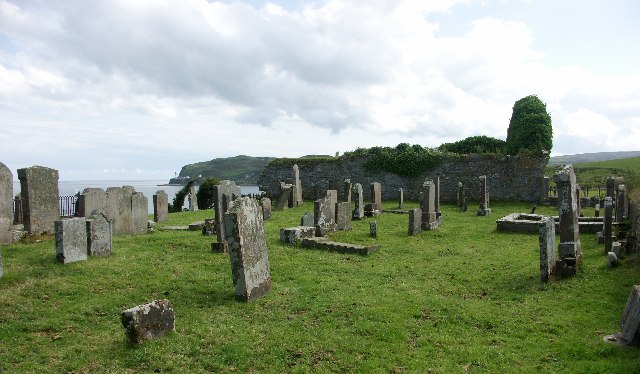
Photo: J M Briscoe / Wikimedia Commons / CC BY-SA 2.0 A second ruined medieval chapel on the same peninsula, dedicated to a different saint.
-
Keills Chapel
Another Argyll chapel known chiefly for its carved stones, the closest parallel for what survives at Southend.
-
Kintyre
The peninsula whose late medieval carved grave slabs this chapel’s collection belongs to.
What to look for
-
Carved grave slabs
A group of medieval grave slabs survives at the site, carved with decoration and marking burials associated with the chapel — the ruin's best-known feature.
-
The name Kilcomkill
The older name is built on cill, a church, joined to the Gaelic form of Columba's name, Colum Cille. It says the same thing as the modern dedication, and it is the form the site carried locally for far longer.
-
Why the slabs outlasted the building
A carved grave slab is a single thick piece of stone lying flat, of no use as walling and awkward to carry off. Roofs and dressed masonry were both, which is the usual reason a ruined chapel keeps its monuments and loses its walls.
-
Ruined chapel walls
The remaining walls of the chapel building outline its original footprint near Southend on the Kintyre peninsula.
Plan your visit
- Location
- 55.3084°N · 5.6675°W
- Nearest settlement
- Southend
- Terrain
- Moderate walking
- Time needed
- About 30 minutes
- What survives
- Ruined chapel walls and carved medieval grave slabs survive beside Southend.
Opening & admission
No current admission details are recorded — check the managing body's site before travelling.
Nearby places
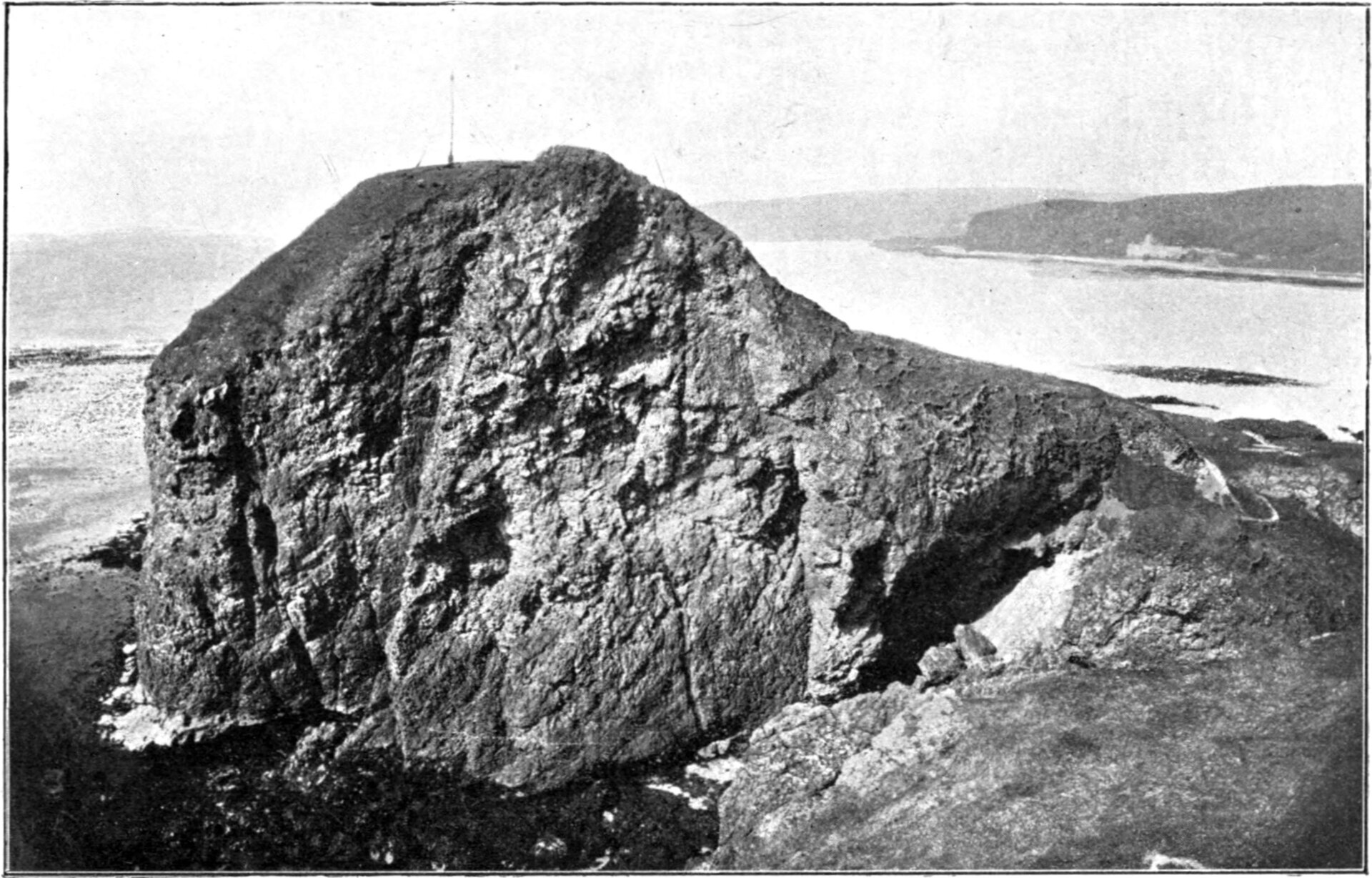
Fortified place · Medieval
Dunaverty Castle
Argyll and Bute
A single narrow path is the only way in: sea guards the other three sides: and in 1647 that natural trap became the site of one of Scotland's blood…
- Near Southend
- Rough ground
Sacred place · Medieval
Kilchousland Chapel
Argyll and Bute
One of only a handful of Scottish chapels dedicated to St Constantine, a shadowy royal-saint whose cult is otherwise scarce in the historical record.
- Near Campbeltown
- Some walking
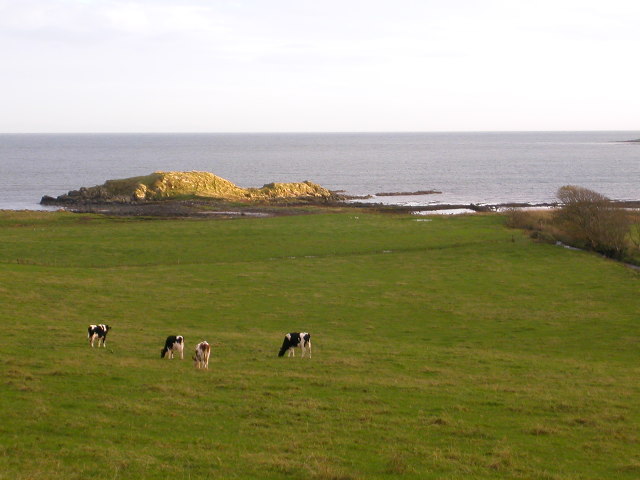
Fortified place · Medieval
Smerby Castle
Argyll and Bute
Two separate bonds, in 1594 and 1597, show the family here signing not as MacDonald but as M'Connall: a rare direct trace of how Gaelic Kintyre act…
- Near Campbeltown
- Rough ground
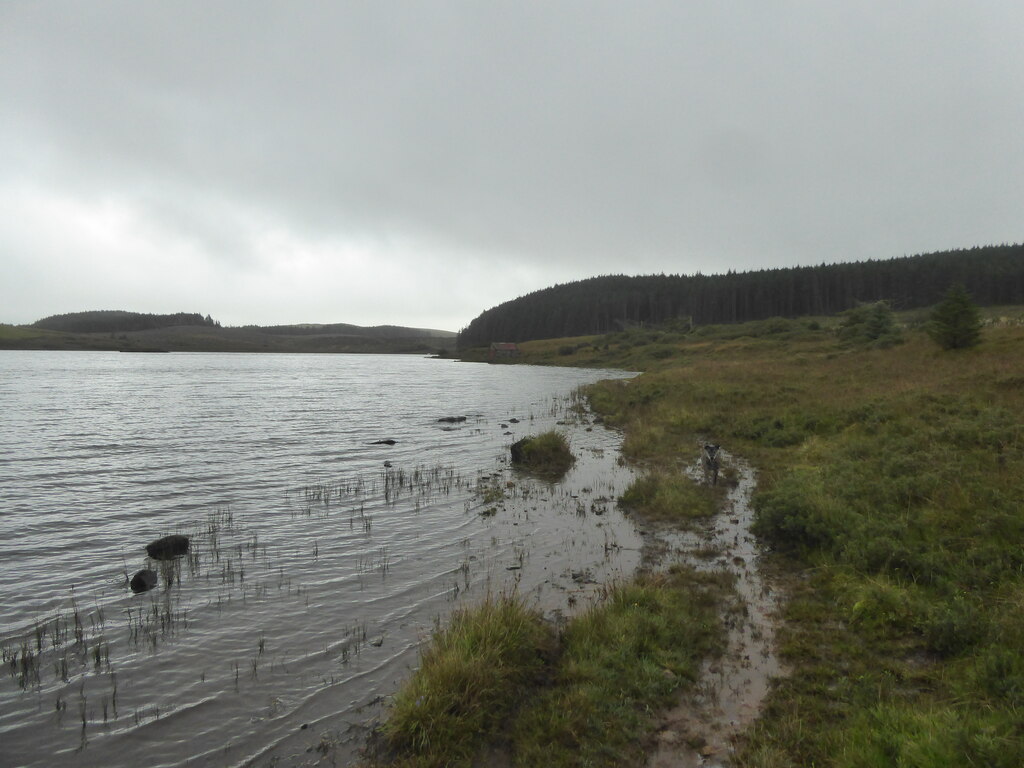
Fortified place · Medieval
Tangy Loch Castle
Argyll and Bute
A causeway now vanished beneath the water once linked this island stronghold to the shore, leaving a ruin that in the seventeenth century belonged…
- Near Campbeltown
- Rough ground
The setting
Keil cemetery and war graves beside St Columba’s Chapel at Southend.
Photo: John Ferguson / Wikimedia Commons / CC BY-SA 2.0
Questions people ask
- What is St Columba's Chapel, Southend?
- A ruined medieval chapel near Southend in Argyll and Bute, also known as Kilcomkill, notable for its carved grave slabs.
- Why is the chapel also called Kilcomkill?
- Kilcomkill is the older name for the site, preserving its association with St Columba, to whom the chapel was dedicated.
- What can be seen at the site today?
- Only the chapel's ruined walls survive, together with a group of carved medieval grave slabs, its best-known feature.
- Where is St Columba's Chapel located?
- Near Southend, on the Kintyre peninsula in Argyll and Bute, Scotland.
Sources
The Ancient Codex, in your pocket
Get the Pocket Codex app
Carry the directory with you — St Columba's Chapel, Southend and thousands of ancient places across Britain and Ireland, offline, wherever you roam.