
Two separate bonds, in 1594 and 1597, show the family here signing not as MacDonald but as M'Connall — a rare direct trace of how Gaelic Kintyre actually pronounced its own ruling name.
In 1598, Smerby Castle held a prisoner in chains. Angus MacDonald, eighth of Dunnyveg and head of Clan Donald South, had been sent to seek his father’s submission to the Crown; instead his own son James burned down his house at Askomull, left him burned, and had him captured. He was brought to this fortified house on the Isla Muller promontory and kept there, the family feud playing out inside its walls rather than on some distant battlefield.
The castle had come to that branch of the family only shortly before, when Ranald MacDonald was granted it by his father, James MacDonald, sixth of Dunnyveg. Locally the family who held it were not called MacDonald at all but MacConnell, the everyday Gaelic pronunciation of the name, and two surviving bonds from the 1590s — one signed by James Macdonald of Smerby in 1594, the other by Sir James MacDonald of Knockrinsay in 1597 — both carry that same M’Connall signature rather than the anglicised form.
What survives today is a ruin on its promontory north of Campbeltown, protected as a scheduled monument. It is a modest physical remnant for a site that, for one violent year at the end of the sixteenth century, was where the leadership of Clan Donald South turned on itself.
What follows is drawn from published sources, with each claim labelled by how firmly it is established.
The name
The castle is also recorded as Island Muller Castle, after Isla Muller, the promontory on which it stands. The family who held it were known locally as the MacConnells, a rendering of how MacDonald was actually pronounced in Gaelic Kintyre, and this spelling appears in their own signatures rather than only in later tradition.
History
In the sixteenth century Smerby Castle passed to Ranald MacDonald, granted by his father James MacDonald, sixth of Dunnyveg, head of the MacDonalds of Islay and Kintyre. The transfer placed a fortified house on the Isla Muller promontory in the hands of a cadet branch of the family, who came to be known locally as the MacConnells, a rendering of the Gaelic pronunciation of MacDonald.
In 1594 James Macdonald of Smerby put his name to a bond, signing not as MacDonald but as M'Connall, the spelling that reflected how the family's Gaelic name was actually pronounced in Kintyre. The signature is a rare direct record of that local form being used in a formal legal document rather than merely in speech. Three years later, in 1597, Sir James MacDonald of Knockrinsay signed a further bond under the same M'Connall spelling, showing the Gaelic form of the name was used by more than one branch of the family connected to Smerby, not simply as a quirk of a single household.
In 1598 Smerby Castle became a prison rather than a home. Angus MacDonald, eighth of Dunnyveg, had been sent to seek his father's submission to the Crown; his own son James instead burned down his Kintyre house at Askomull and captured him, leaving Angus burned and in chains. He was held at Smerby Castle, turning the fortified house into the setting for a feud that split the leadership of Clan Donald South.
People
-
Ranald MacDonald
Granted Smerby Castle by his father, James MacDonald, sixth of Dunnyveg.
-
James MacDonald, 6th of Dunnyveg
Head of the MacDonalds of Islay and Kintyre who granted Smerby Castle to his son Ranald.
-
Angus MacDonald, 8th of Dunnyveg
Held prisoner in chains at Smerby Castle in 1598 after being burned and captured by his own son.
-
James MacDonald (son of Angus)
Burned down his father Angus's house at Askomull and captured him, leading to his imprisonment at Smerby.
Cultural influences
-
Kintyre coastal position
The fortified house’s promontory setting and its connection to the MacDonalds of Dunnyveg shaped its role in south Kintyre clan politics.
Connections
-
Askomull
Angus MacDonald's Kintyre house, burned down by his own son James shortly before Angus was captured and imprisoned at Smerby.
-
Dunyvaig (Dunnyveg)
The seat of the MacDonalds of Dunnyveg, the branch of Clan Donald South from which Smerby's owners, Ranald and James MacDonald, descended.
-
Knockrinsay
Sir James MacDonald of Knockrinsay signed a 1597 bond under the same M'Connall spelling used at Smerby, linking the two branches of the family.
What to look for
-
The ruined fortified house
What remains stands on the promontory of Isla Muller, north of Campbeltown, and is protected today as a scheduled monument.
Plan your visit
- Location
- 55.4443°N · 5.5491°W
- Nearest settlement
- Campbeltown
- Terrain
- Rough ground — reasonable boots advised
- Time needed
- About 20 minutes
- Best time
- Daylight in dry weather, after confirming any local access conditions for the coastal ruin.
- What survives
- A ruined fortified house on the Isla Muller promontory.
- Facilities
- No dedicated visitor facilities are recorded at the ruin.
Opening & admission
No current admission details are recorded — check the managing body's site before travelling.
- Ruined fortified house on a coastal promontory (Isla Muller) north of Campbeltown; no public access route is documented
Nearby places
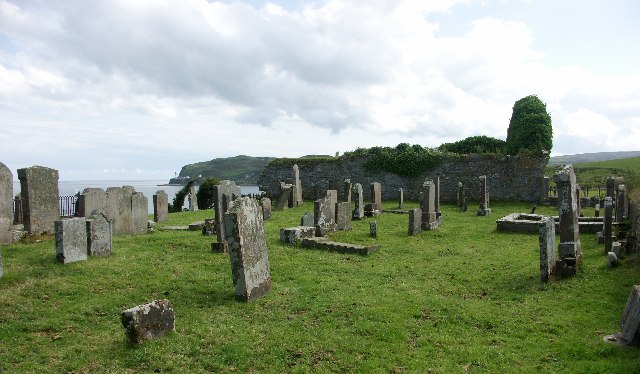
Sacred place · Medieval
Kilchousland Chapel
Argyll and Bute
One of only a handful of Scottish chapels dedicated to St Constantine, a shadowy royal-saint whose cult is otherwise scarce in the historical record.
- Near Campbeltown
- Some walking
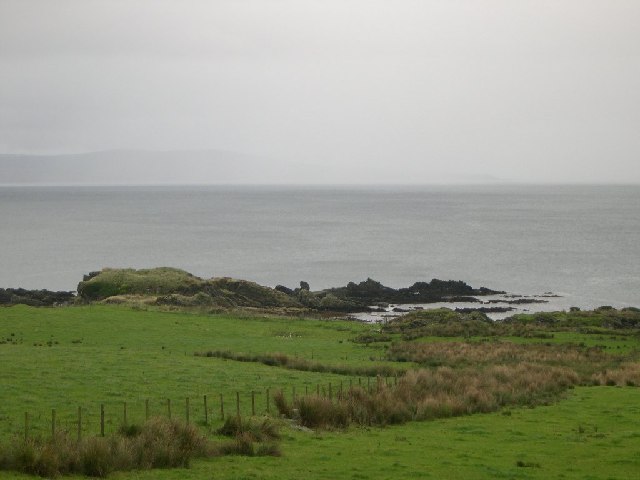
Fortified place · Medieval
Dun Ugadale
Argyll and Bute
Its Gaelic name preserves a memory of owls in the glen below, while a brooch once kept by its owners carries a tradition linking the fort to Robert…
- Near Ugadale
- Rough ground
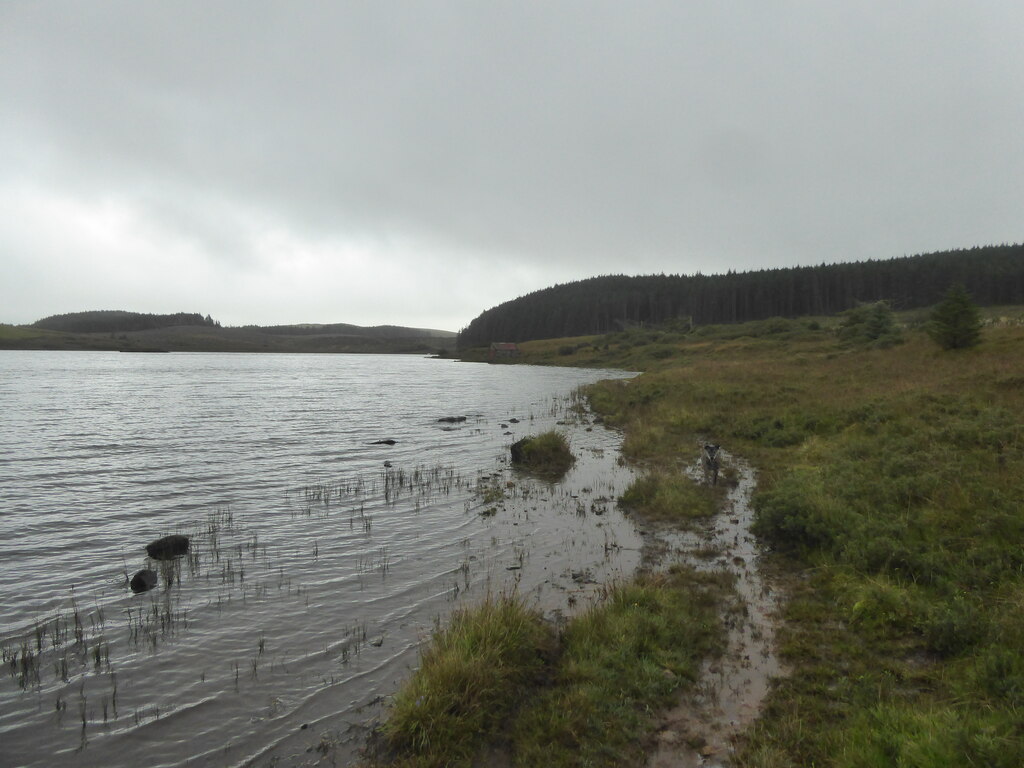
Fortified place · Medieval
Tangy Loch Castle
Argyll and Bute
A causeway now vanished beneath the water once linked this island stronghold to the shore, leaving a ruin that in the seventeenth century belonged…
- Near Campbeltown
- Rough ground
Fortified place · Medieval
Kildonan Dun
argyll-and-bute
Most duns are round. This one is D-shaped, and its double stair up the rampart and a round wall niche both survive intact.
Questions people ask
- What is Smerby Castle?
- A ruined fortified house on the Isla Muller promontory in Kintyre, Argyll and Bute, north of Campbeltown, protected today as a scheduled monument.
- Why is Smerby Castle also called Island Muller Castle?
- It takes that name from Isla Muller, the promontory on which the fortified house stands.
- Why was Angus MacDonald imprisoned at Smerby Castle?
- In 1598 his own son James burned his house at Askomull and captured him after Angus had been sent to seek his father's submission to the Crown; he was then held in chains at Smerby.
- What does 'MacConnell' mean at Smerby?
- It is the Gaelic pronunciation of MacDonald, used by the family who held Smerby, and appears as their actual signature — M'Connall — on bonds from 1594 and 1597.
- Is Smerby Castle protected today?
- Yes, it is protected in Scotland as a scheduled monument.
Sources
- Wikipedia: Smerby Castle
- Wikidata: Smerby Castle (Q7544428)
- Macdonald & Macdonald, The Clan Donald, Vol. 2 (1900)
Explore more: Fortified places · Medieval · Argyll and Bute
The Ancient Codex, in your pocket
Get the Pocket Codex app
Carry the directory with you — Smerby Castle and thousands of ancient places across Britain and Ireland, offline, wherever you roam.