A rival Highland clan once held this island fortress against Robert the Bruce himself, and a captive heir to the Lordship of the Isles later spent years shut inside its walls.
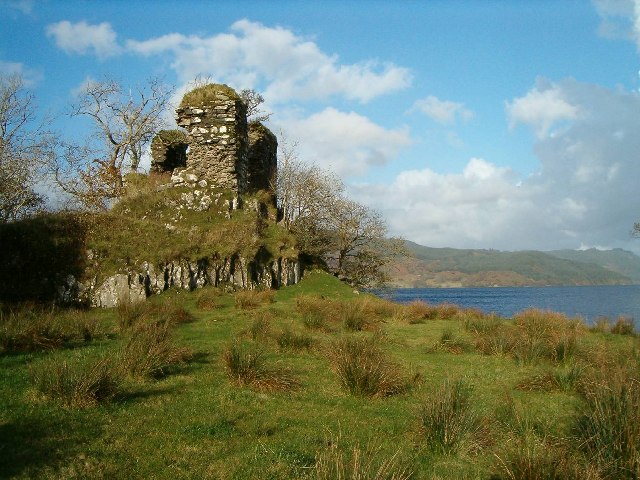
A small wooded island sits out in the dark water of Loch Awe, its shoreline given over almost entirely to a single ruined stronghold. The walls that remain are thick enough to have kept out attackers for centuries, rising straight from the rock with no room on the island for anything but the castle itself. It is an unusually complete example of a private island fortress, the kind of site that could only be reached, and only be taken, by boat.
For generations this was the power base of one of Argyll’s most important families, long before that family’s name became attached to any other stronghold in the region. Its story runs through a killing in battle, a siege against a future king of Scots, a royal marriage, and finally a long captivity that tied the island to the wider struggle for control of the Hebrides. By the time the castle fell out of use it had already outlived the medieval world that built it.
What follows is drawn from published sources, with each claim labelled by how firmly it is established.
History
The castle on Innis Chonnell may have been raised as early as the eleventh century, though its exact origins are uncertain. What is clear is that its thick outer walls and isolated position on the loch made it the original stronghold of Clan Campbell, the seat from which the family's early chiefs governed their growing territory in Argyll before they held any of the other castles later associated with their name.
Sir Colin Campbell, known in Gaelic as Cailean Mór, held Innis Chonnell as his seat during the late thirteenth century, at a time when rival Highland families were contesting control of the west. In 1296 he was killed fighting the Clan MacDougall at the Battle of Red Ford, a defeat that removed the Campbells' leader but did not end the family's hold on the island castle.
In 1308, in the middle of the Wars of Scottish Independence, John MacDougall held Innis Chonnell against Robert the Bruce, using the castle's island position to resist the future king directly. The episode placed the fortress at the centre of the wider contest for control of Argyll, caught between the Bruce cause and the rival claims of the MacDougalls.
Sir Colin Campbell's son, Sir Neil Campbell, married Mary, a sister of Robert the Bruce, tying the family by blood to the royal house it had fought to support. Sir Neil went on to fight for the Bruce at the Battle of Bannockburn in 1314, the decisive victory that secured Scottish independence and cemented Campbell loyalty to the crown for generations to come.
By the fifteenth century the Campbells had abandoned Innis Chonnell as their main residence, shifting their power base elsewhere as the family's fortunes grew. The island castle was not given up entirely, however: it continued to serve a harder purpose as a prison, holding men whose freedom threatened the political order of the western Highlands.
Among those held at Innis Chonnell was the young Domhnall Dubh, or Black Donald, son of Aonghas Óg and heir to the Lordship of the Isles, imprisoned there after the Battle of Bloody Bay off the coast of Mull in 1484. He later escaped, but after leading an invasion of Badenoch in 1503 he was recaptured and spent the following forty years imprisoned at Edinburgh Castle, never regaining the lordship he had been born to inherit.
Innis Chonnell Castle was in ruins by the nineteenth century, its walls left to the wooded island as the Campbells' centre of power moved permanently elsewhere. The castle and the island together are now protected as a single scheduled monument.
People
-
Sir Colin Campbell (Cailean Mór)
Held Innis Chonnell as chief of Clan Campbell and was killed fighting the Clan MacDougall at the Battle of Red Ford in 1296.
-
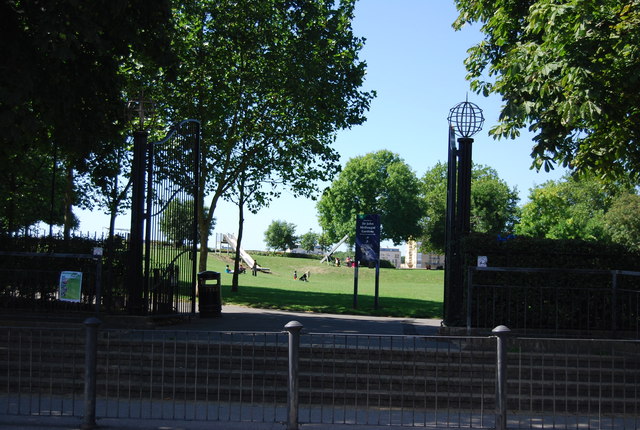
Portrait: N Chadwick / Wikimedia Commons / CC BY-SA 2.0 John MacDougall
Held Innis Chonnell Castle against Robert the Bruce in 1308 during the Wars of Scottish Independence.
-
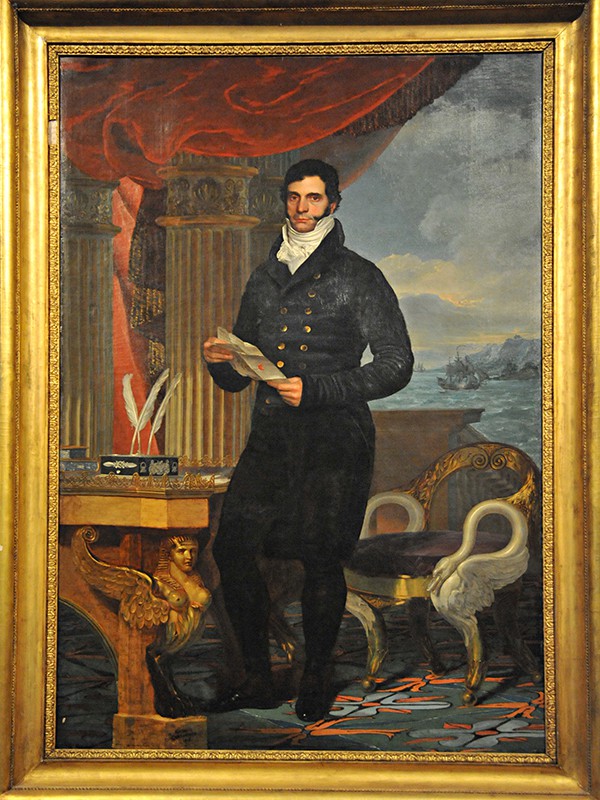
Portrait: Casimir Carbonnier / Wikimedia Commons / Public domain Sir Neil Campbell
Son of Sir Colin Campbell; married Robert the Bruce's sister Mary and fought for the Bruce at Bannockburn in 1314.
-
Domhnall Dubh (Black Donald)
Heir to the Lordship of the Isles, imprisoned at Innis Chonnell after the Battle of Bloody Bay in 1484 before later capture and forty years' imprisonment at Edinburgh Castle.
Connections
-
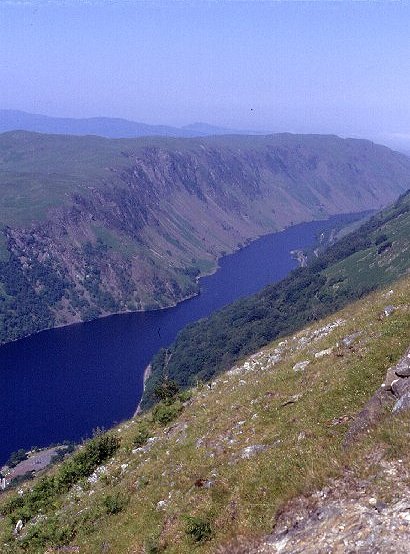
Photo: Micheletb / Wikimedia Commons / CC BY-SA 4.0 Clan Campbell
Innis Chonnell was the original stronghold and seat of the Campbell chiefs before the family's power base moved to other castles.
-
Photo: Wolfgang Fricke / Wikimedia Commons / CC BY 3.0 Clan MacDougall
A rival family who killed the Campbell chief at the Battle of Red Ford in 1296 and later held the castle itself against Robert the Bruce in 1308.
-
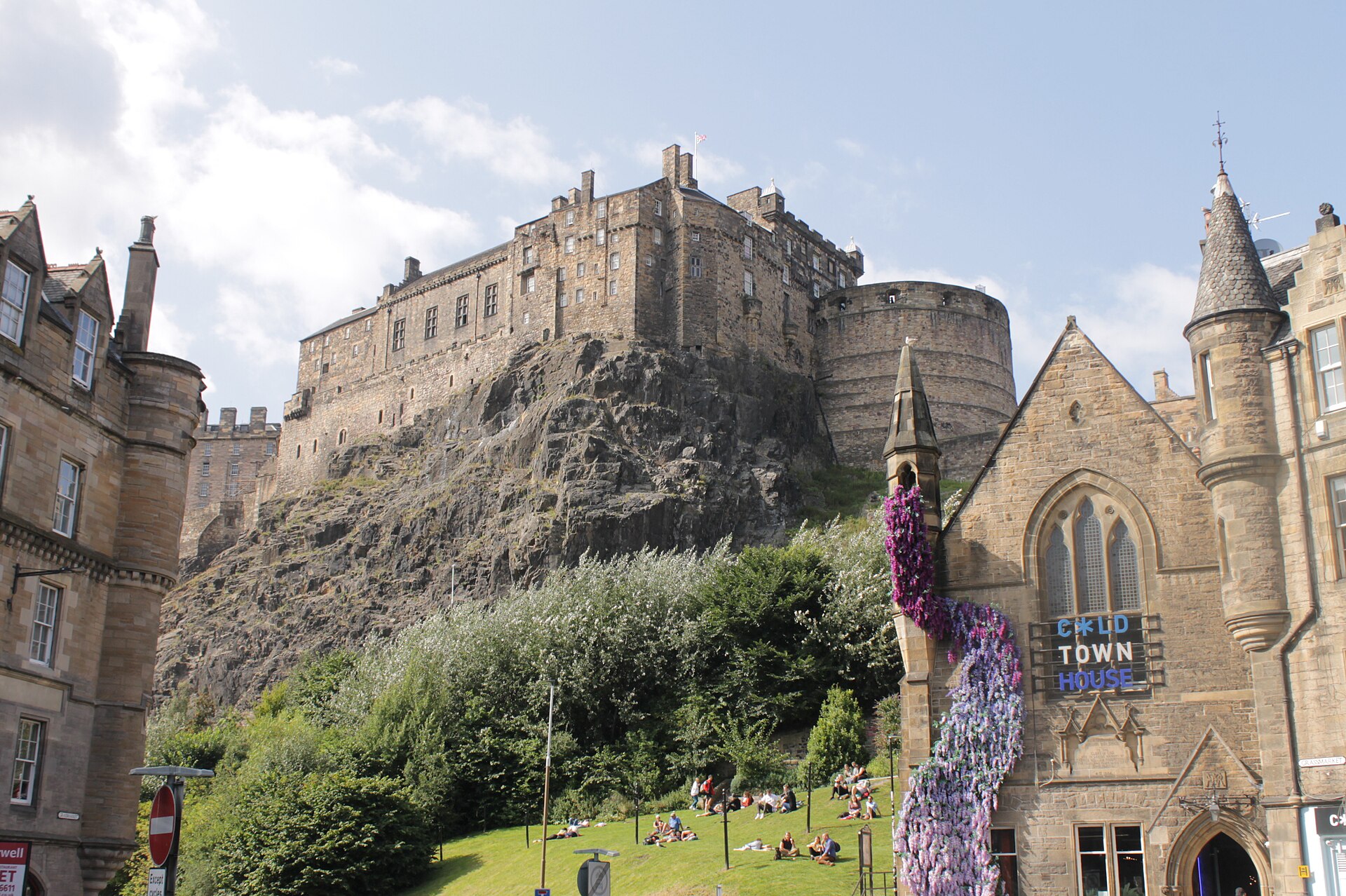
Photo: Stephencdickson / Wikimedia Commons / CC BY-SA 4.0 Domhnall Dubh, once held prisoner at Innis Chonnell, was later recaptured and imprisoned at Edinburgh Castle for forty years.
-
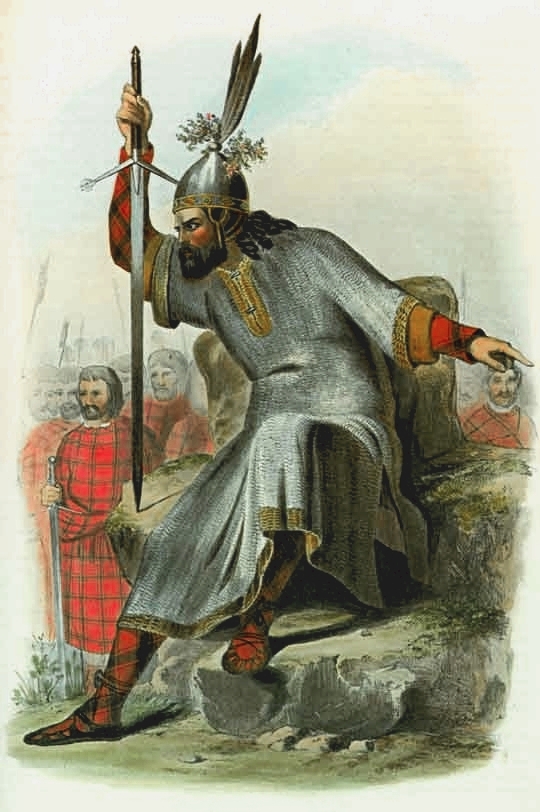
Photo: Robert Ronald MacIan / / Wikimedia Commons / Public domain Lordship of the Isles
Domhnall Dubh, imprisoned at Innis Chonnell, was the heir to the Lordship of the Isles, tying the castle to the wider Hebridean succession struggle.
-

Photo: Chris Heaton / Wikimedia Commons / CC BY-SA 2.0 Battle of Red Ford
In 1296 Sir Colin Campbell, chief of Clan Campbell and holder of Innis Chonnell, was killed fighting Clan MacDougall in this battle.
What to look for
-
Thick outer walls
The castle's defining feature is its unusually thick outer walls, built to withstand siege on an island where reinforcement or escape by land was impossible.
-
The wooded island setting
Innis Chonnell itself is small enough that the castle occupies almost the entire island, its ruins rising directly from the shoreline of Loch Awe.
Plan your visit
- Location
- 56.2568°N · 5.2675°W
- Terrain
- Rough ground — reasonable boots advised
- Time needed
- About 45 minutes
- What survives
- A ruined medieval castle survives on a small island in Loch Awe.
Opening & admission
No current admission details are recorded — check the managing body's site before travelling.
- The castle stands on a small island on Loch Awe, so reaching it is not straightforward.
- It is a ruin and a scheduled monument.
Nearby places
Fortified place · Medieval
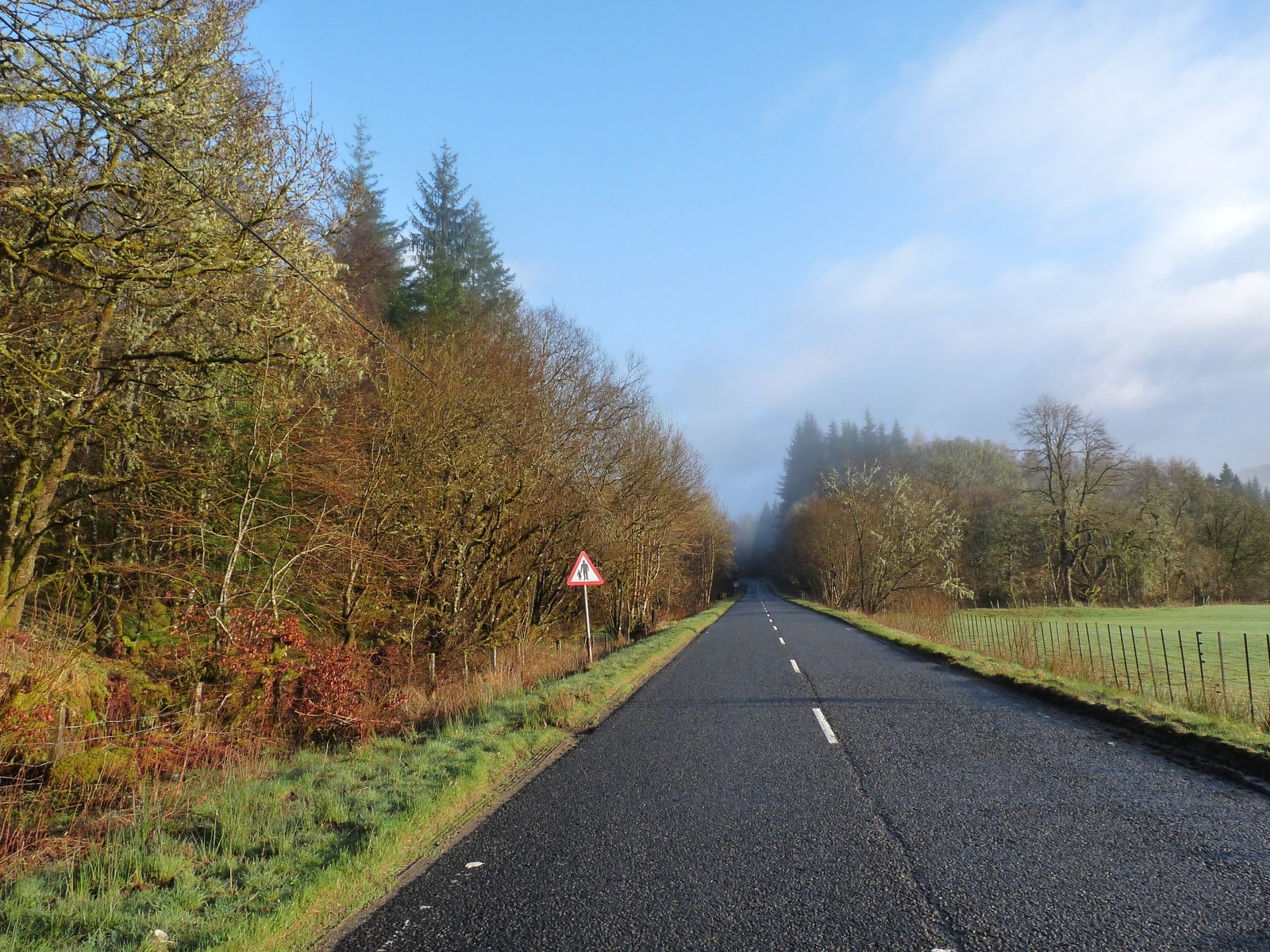
Fincharn Castle
Argyll and Bute
Known by three names and fought over twice in a single generation, its ruin marks a stronghold that changed hands between Scottish, English and Heb…
- Rough ground
Minor monument · Medieval
Dovecot, Carloonan, Inveraray Castle Estate
Argyll and Bute
The Carloonan dovecot: a stone house for pigeons, kept for winter meat: survives within the designed estate landscape of Inveraray Castle.
- Near Inveraray
Fortified place · Medieval
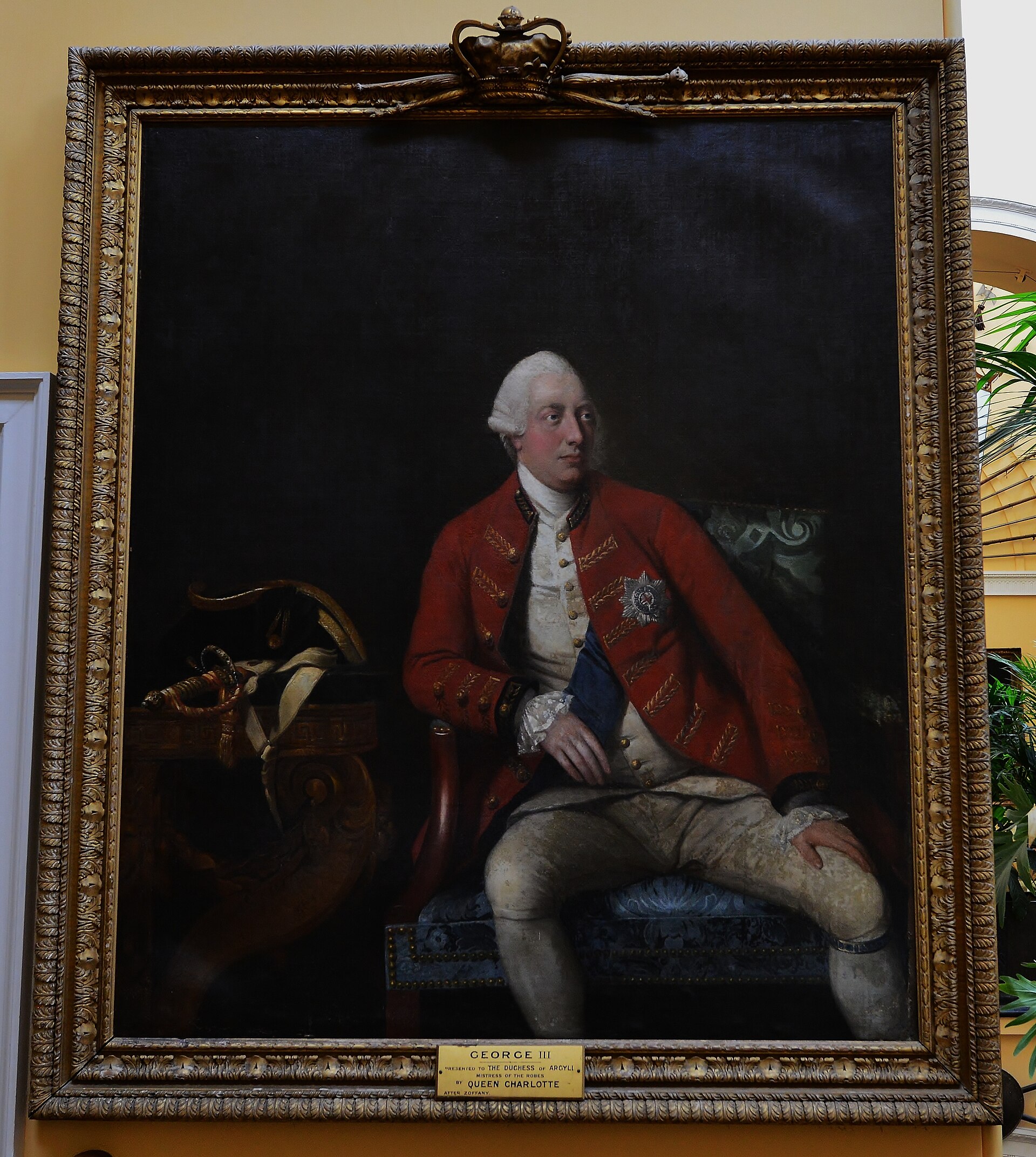
Inveraray Castle
Argyll and Bute
One of the first Gothic Revival buildings anywhere, raised by a Highland clan chief to replace a medieval stronghold rather than restore it.
- Near Inveraray
- Easy path
Fortified place · Medieval
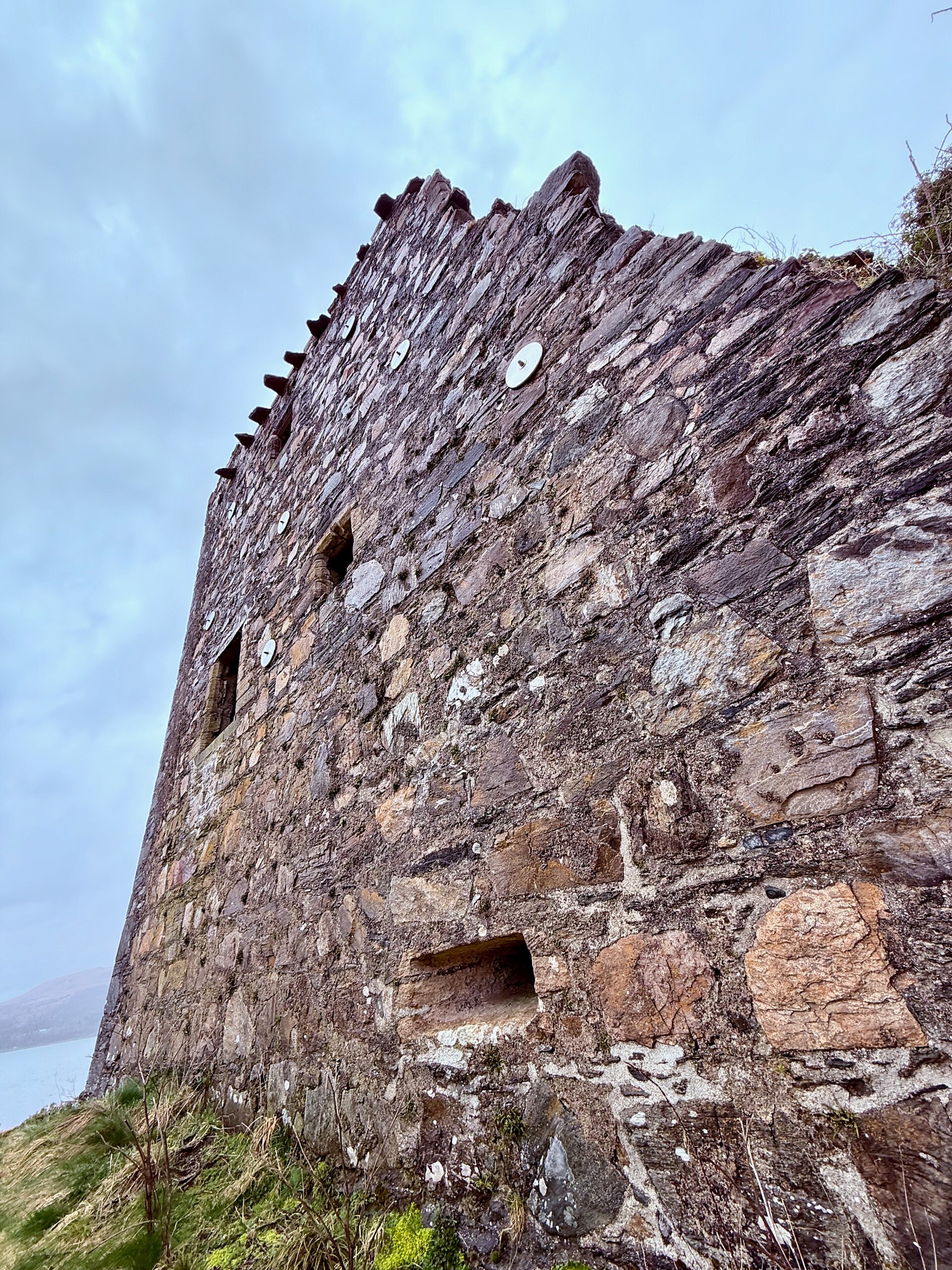
Old Castle Lachlan
Argyll and Bute
A clan stronghold bombarded into ruin by government order after Culloden: its fall traces the collapse of Jacobite Cowal in a single act of naval g…
- Near Strathlachlan
- Some walking
Questions people ask
- Who built Innis Chonnell Castle?
- Its exact origins are uncertain, but it may date from the eleventh century or earlier and was the original stronghold of Clan Campbell.
- Why is the castle significant to Clan Campbell?
- It was the seat of Cailean Mór, Sir Colin Campbell, the family's chief before the Campbells later moved their main residence elsewhere.
- Did Robert the Bruce attack the castle?
- In 1308 John MacDougall held Innis Chonnell against Robert the Bruce during the Wars of Scottish Independence.
- Who was imprisoned at Innis Chonnell?
- Domhnall Dubh, heir to the Lordship of the Isles, was held there after the 1484 Battle of Bloody Bay before later being recaptured and jailed at Edinburgh Castle.
- Is Innis Chonnell Castle protected today?
- Yes, the castle and its island are jointly designated as a scheduled monument.
Sources
- Wikipedia: Innes Chonnel Castle
- Historic Environment Scotland — Canmore
- Wikidata: Q32725
Explore more: Fortified places · Medieval · Argyll and Bute
The Ancient Codex, in your pocket
Get the Pocket Codex app
Carry the directory with you — Innes Chonnel Castle and thousands of ancient places across Britain and Ireland, offline, wherever you roam.