One of the first Gothic Revival buildings anywhere, raised by a Highland clan chief to replace a medieval stronghold rather than restore it.
Conical roofs rise over four round towers on the shore of Loch Fyne, Scotland’s longest sea loch, giving the castle at Inveraray a silhouette closer to a French chateau than a Highland keep. That is no accident: when the Campbell chiefs decided to remake their seat in the mid-18th century, they reached for an entirely new architectural language rather than repairing what stood there before.
The building replaced a 15th-century castle where, in September 1533, James V had lodged and been presented with a new lute carried from Glasgow by his servant Troilus. Two centuries later, Archibald Campbell, Earl of Ilay and soon to be 3rd Duke of Argyll, began transforming the estate, and the foundation stone of the new castle was laid in October 1746. What emerged, designed with William Adam and Roger Morris, became one of the earliest works of Gothic Revival architecture, built of local grey ashlar stone known as lapis ollaris.
The result was not universally admired. When the writer James Lees-Milne visited in 1943 he found the grey stone “ugly” and the house “grim and forbidding” — a reaction the building’s dramatic later history, including a fire that gutted much of it in 1975, has only added to.
What follows is drawn from published sources, with each claim labelled by how firmly it is established.
The name
The castle takes its name from the settlement of Inveraray, rendered in Scottish Gaelic as Caisteal Inbhir Aora. "Inver" denotes a river mouth, placing the name at the meeting of the River Aray with Loch Fyne.
History
In September 1533 James V stayed at the old castle of Inveraray, then the Campbell stronghold on this site, and was sent a newly bought lute from Glasgow, carried to him by his servant Troilus — a small domestic detail that survives from a much larger medieval building later swept away. From 1743 Archibald Campbell, Earl of Ilay, began improving the Inveraray estate in earnest, and within three years he had succeeded to the title of 3rd Duke of Argyll. His ambitions for the site went well beyond repair: he intended to replace the old castle entirely with a building in an unfamiliar new style.
The foundation stone of the present castle was laid in October 1746, marking the start of construction that would replace the 15th-century castle James V had known. Designers William Adam and Roger Morris shaped a building constructed of ashlar lapis ollaris, its roofs originally flat and crenellated in a plain, fortress-like profile.
Through the later 18th century the castle's interiors were reworked for the 5th Duke by the architect Robert Mylne, who added a sequence of neoclassical rooms that remain among those open to the public today. In the 1770s the Campbells went further still, demolishing the village of Inveraray itself and rebuilding it a short distance away so the castle could stand in a more secluded setting.
The castle's silhouette changed again after its early plain-roofed phase: a third floor with a pitched roof and dormer windows was added across all four wings, and steep conical roofs were raised on the four round towers, giving the building the fairy-tale profile it carries now rather than its original flat-topped form. In 1975 a devastating fire struck Inveraray Castle, and for a period the 12th Duke and his family lived in the castle's basement while restoration work went ahead, funded by a worldwide fundraising drive that reflected the building's standing well beyond Argyll.
Today the castle remains the private home of the 13th Duke of Argyll, whose family occupy apartments set between two of the towers, while the rest of the building is open to visitors and holds a collection of more than 1,300 pikes, muskets, swords and other weapons.
People
-
Archibald Campbell, 3rd Duke of Argyll
As Earl of Ilay he began improving the Inveraray estate from 1743 and laid the foundation stone of the present castle in October 1746.
-
William Adam
From 1746 he acted as superintending architect and contractor, corresponding with Roger Morris and overseeing construction for the 3rd Duke of Argyll.
-
Roger Morris
Archibald Campbell selected Morris’s Gothic design for the new Inveraray Castle in 1744; it became the basis of the castle begun in 1746.
-
Robert Mylne
Created a number of neoclassical interior rooms for the 5th Duke of Argyll later in the 18th century, several of which remain open to the public.
-
James Lees-Milne
Visited the house in 1943 and recorded an unfavourable impression of its grey stone and imposing appearance.
Cultural influences
-
Gothic Revival architecture
Inveraray Castle is counted among the earliest Gothic Revival buildings, a style that looked back to medieval forms rather than following the classical fashions dominant elsewhere in 18th-century Britain.
Connections
-
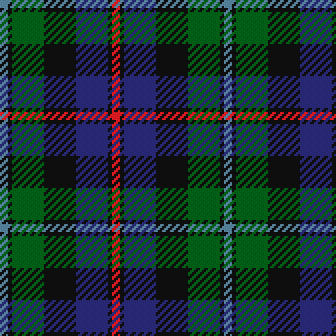
Photo: Micheletb / Wikimedia Commons / CC BY-SA 4.0 Clan Campbell
Inveraray Castle has been the seat of the Dukes of Argyll, chiefs of Clan Campbell, since the 18th century, and the clan's banner of arms flies over the castle when the duke is not in residence.
-
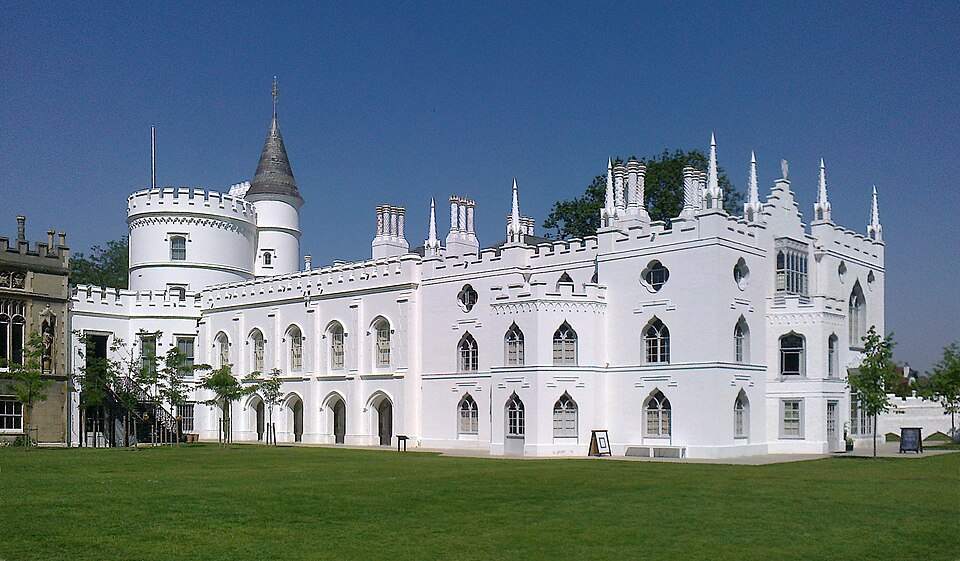
Photo: Chiswick Chap / Wikimedia Commons / CC BY-SA 3.0 Strawberry Hill House
Named alongside Inveraray Castle as one of the earliest examples of Gothic Revival architecture.
In culture
-
Downton Abbey (2012)
The castle featured as a filming location in this television production.
-
Great Estates Scotland (2014)
A television production that featured the castle.
-
Susan Calman's Secret Scotland (2020)
A television production that featured the castle.
-
An American Aristocrat's Guide to Great Estates
One of several productions filmed at the castle.
-
A Very British Scandal
A BBC miniseries that used the castle as a filming location.
-
The Diplomat (2024)
A production that featured the castle.
-
"Best of the West" festival
An event organised by the Duchess of Argyll and held at the castle each September until 2018.
What to look for
-
The four round towers
Steep conical roofs, added after the castle's original flat-roofed phase, cap the four crenellated circular towers that give the building its distinctive skyline.
-
The arms and armour collection
More than 1,300 pikes, muskets, swords and other weapons are displayed inside, forming one of the castle's principal visitor collections.
-
Robert Mylne's neoclassical interiors
A sequence of rooms created for the 5th Duke of Argyll later in the 18th century, contrasting with the building's Gothic Revival exterior.
-
The banner of arms
The duke's personal banner of arms is raised above the castle when he is in residence; at other times the Clan Campbell banner flies instead.
-
The estate's working landscape
A 16-acre garden sits within a 60,000-acre estate still used for commercial forestry, tenanted farming, wind and hydro power, and deer stalking.
What is said
Folklore and tradition, recorded as what is said — not as established fact.
-
The haunted castle
Inveraray Castle is reputedly haunted, though no specific account of an apparition or event is recorded beyond the general tradition.
Plan your visit
- Location
- 56.2375°N · 5.0736°W
- Nearest settlement
- Inveraray
- Access
- Paid entry — managed visitor site
- Terrain
- Easy going
- Time needed
- About 120 minutes
- Best time
- Visit during the current seasonal opening times published by Inveraray Castle, allowing time for the house and estate.
- What survives
- The castle is a maintained, occupied historic house open to visitors at stated times, with the wider estate forming part of the visit.
- Facilities
- Check the official visitor page for current facilities and access arrangements.
Opening & admission
A visitor attraction with paid entry to the castle and grounds — check the official Inveraray Castle site for current prices and opening times.
- Set in a 16-acre garden within a much larger estate
- Interior rooms open to the public include neoclassical staterooms
Nearby places
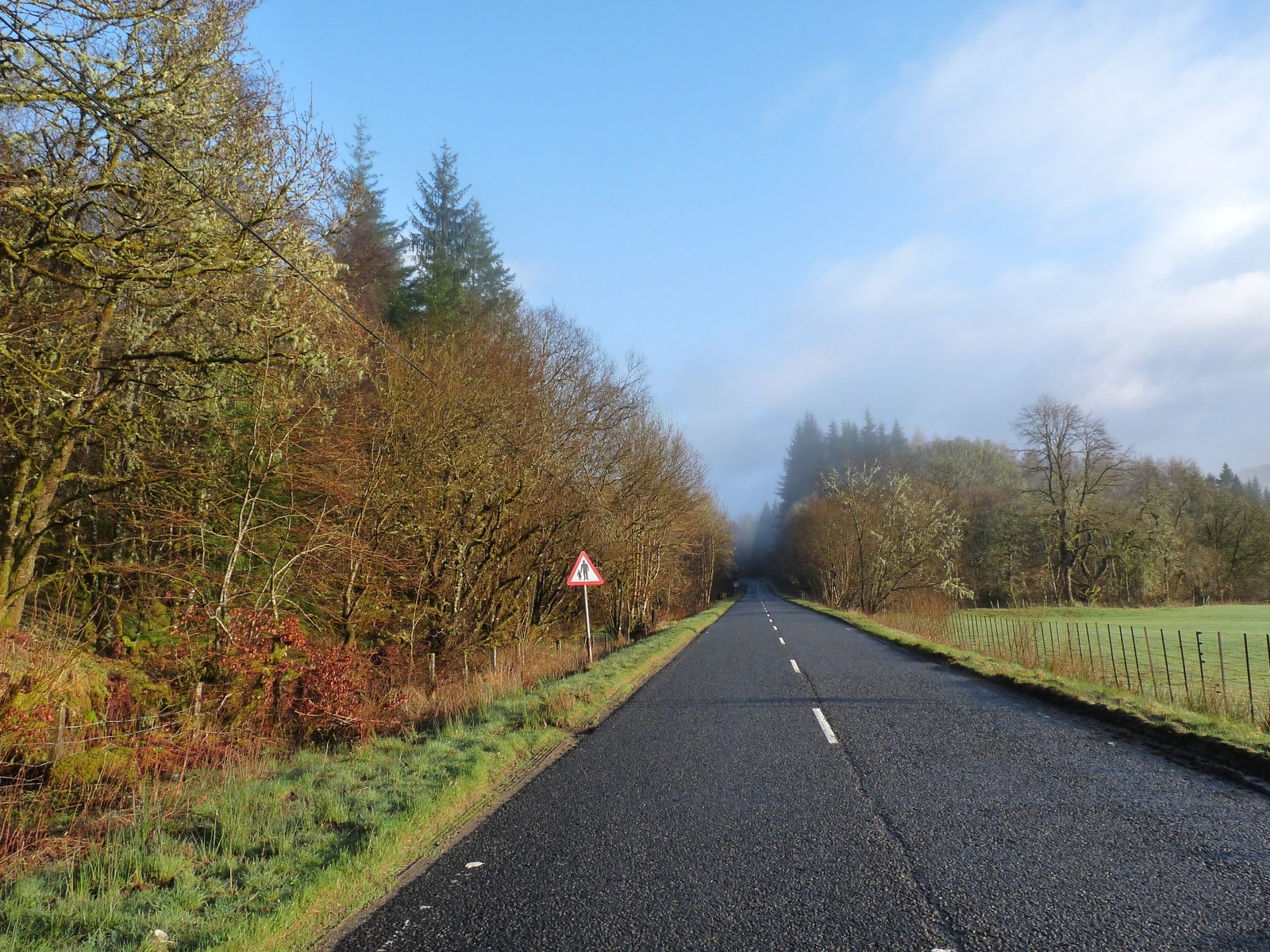
Minor monument · Medieval
Dovecot, Carloonan, Inveraray Castle Estate
Argyll and Bute
The Carloonan dovecot: a stone house for pigeons, kept for winter meat: survives within the designed estate landscape of Inveraray Castle.
- Near Inveraray
Building or ruin · Medieval
The Tinkers' Heart
Argyll and Bute
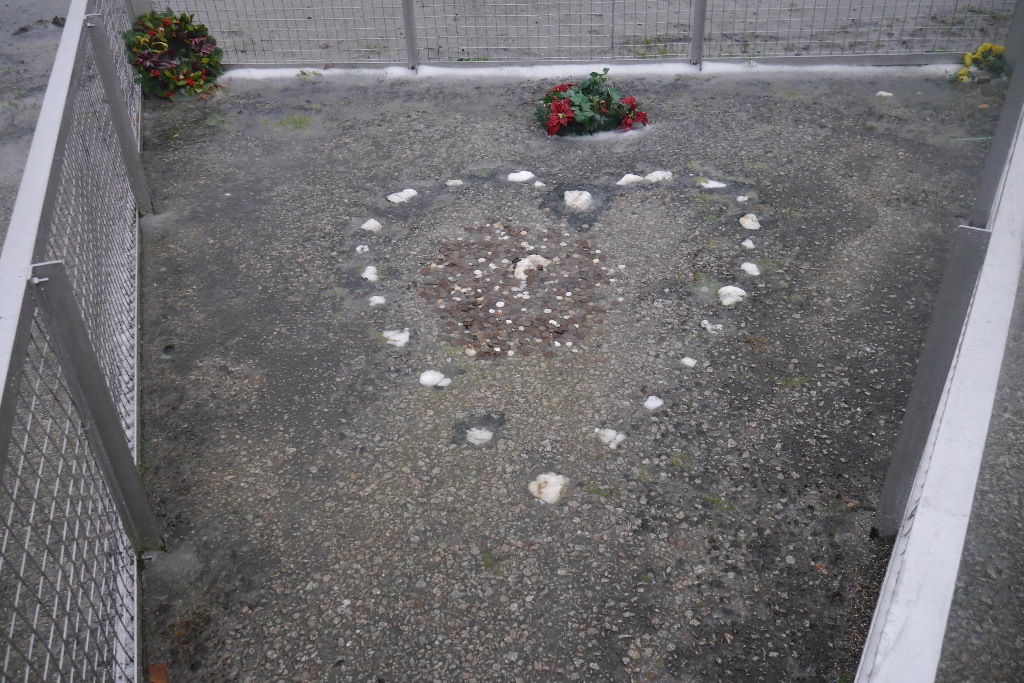
A heart of twenty-six quartz pebbles laid in a Loch Fyne field is, on current research, the only known permanent physical memorial to Scotland's Tr…
- Near Cairndow
- Easy path
Fortified place · Medieval
Innes Chonnel Castle
Argyll and Bute
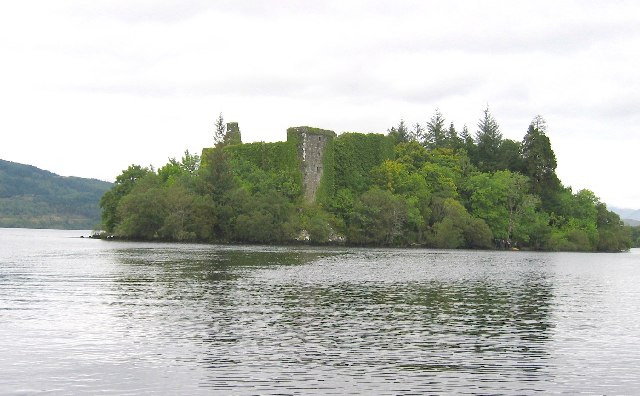
A rival Highland clan once held this island fortress against Robert the Bruce himself, and a captive heir to the Lordship of the Isles later spent…
- Rough ground
Sacred place · Medieval
Chapel of St Fyndoca
Argyll and Bute
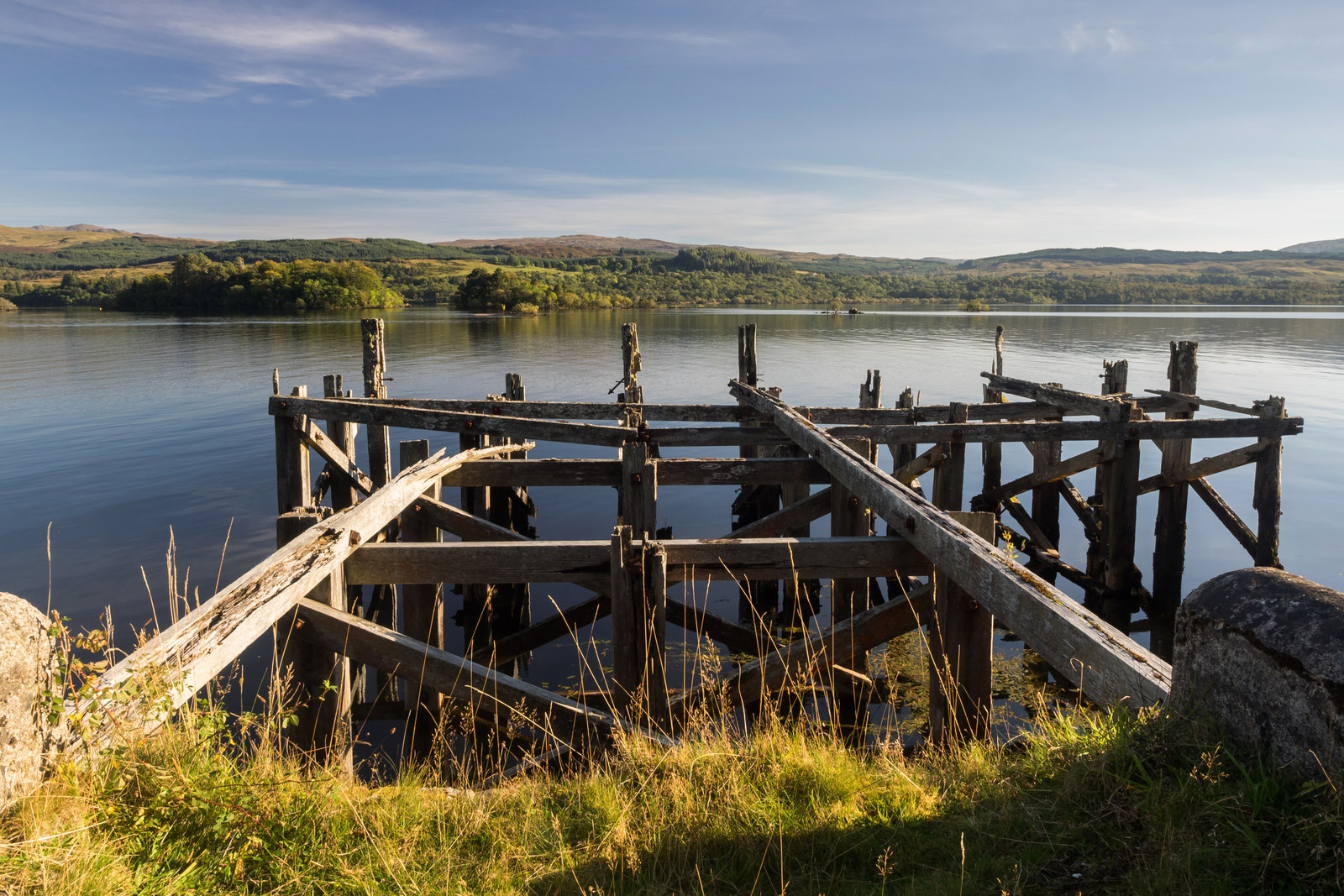
A carved grave-slab bearing arms for a galley and a boar's head ties this island ruin to the Campbells of Lochow, in a graveyard still used eight c…
- Near Cladich
- Rough ground
Questions people ask
- When was Inveraray Castle built?
- Construction began after the foundation stone was laid in October 1746, replacing an earlier 15th-century castle on the same site.
- Who designed Inveraray Castle?
- William Adam and Roger Morris worked on the new castle from the 1740s; Robert Mylne later added neoclassical interiors for the 5th Duke.
- Why is Inveraray Castle architecturally important?
- It is one of the earliest Gothic Revival buildings, alongside Strawberry Hill House, at a time when classical styles dominated British architecture.
- Did Inveraray Castle suffer any damage?
- A devastating fire struck the castle in 1975; the 12th Duke's family lived in the basement during restoration, funded by worldwide fundraising.
- Who lives at Inveraray Castle today?
- The 13th Duke of Argyll and his family occupy private apartments between two of the towers, while the rest is open to visitors.
Sources
- Wikipedia: Inveraray Castle
- Gazetteer for Scotland
- Inveraray Castle — history
Explore more: Fortified places · Medieval · Argyll and Bute
The Ancient Codex, in your pocket
Get the Pocket Codex app
Carry the directory with you — Inveraray Castle and thousands of ancient places across Britain and Ireland, offline, wherever you roam.