
A carved grave-slab bearing arms for a galley and a boar's head ties this island ruin to the Campbells of Lochow, in a graveyard still used eight centuries later.
Carved gravestones crowd the fenced burial ground around St Fyndoca’s broken chapel on Inishail, an island in Loch Awe. The small medieval building stands low among the vegetation, while the burial ground has remained in use for more than seven centuries.
The church here served the parish of Inishail, which once stretched across several smaller islands in the loch and land on both shores, so that parishioners had to cross open water to reach it. Recorded as early as 1257, when it was given to Inchaffray Abbey along with all its tithes, the church remained under the abbey’s control until the Reformation and was still functioning when the chronicler John of Fordun noted it around 1400.
Within the ruined walls stands a weathered early cross carved on both faces, and outside the walls a scatter of grave-slabs from the 14th and 15th centuries, one bearing the crucified Christ alongside a shield charged with a galley and a boar’s head, arms most likely tied to the Campbells of Lochow. The chapel fell silent in 1736, when a new church was built at Cladich across the loch, but its graveyard has continued in use into the present century, most recently for the burial of the 12th Duke of Argyll in 2001.
What follows is drawn from published sources, with each claim labelled by how firmly it is established.
The name
The chapel's dedication survives under several spellings of the same name — Fyndoca, Fyndoc, and Findoc — all referring to the saint to whom the church was dedicated, though nothing further is recorded of this figure in the surviving accounts of the parish.
History
In 1257 Athe Macnauchtan, son of Malcolm Macnauchtan, gave the church of St Findoc of Inchealt to the abbot and canons of Inchaffray Abbey, with the assent of his brother Sir Gilbert, a knight. The gift, recorded in the Origines Parochiales Scotiae, included all tithes owed to the church, and Inchaffray Abbey retained possession of Inishail parish church until the Reformation swept away such monastic holdings.
The parish church of Inishail is mentioned by the chronicler John of Fordun around 1400, confirming that the small island church still functioned as the parish's spiritual centre more than a century after it passed into Inchaffray Abbey's hands. The parish took in not only the island itself but several smaller islands in Loch Awe and land on both shores, so worshippers from the mainland had to cross the water to attend services here.
In 1529 Archibald Campbell, 4th Earl of Argyll, granted the lands of Barindryane to Duncan Makcaus on condition that he and his heirs keep the chapel of Saint Fyndoc in good repair and arrange for masses to be said for King James V and for the Earl's own predecessors and successors. Queen Mary confirmed this grant in 1556, tying the upkeep of the island chapel directly to a landholding on the mainland for another generation.
In 1618 the parish of Inishail was formally united with Glen Orchy parish, a merger that anticipated the chapel's eventual abandonment by folding its congregation into a wider administrative unit centred away from the island. The union reflected the practical difficulty of maintaining a parish whose church could only be reached by boat, a burden that grew harder to justify as the population and its needs shifted toward the mainland shore.
By 1736 the chapel on Inishail had fallen into such disrepair that services were discontinued in what records call the 'ruinous chapel', and a more commodious church was built instead at Cladich, on the south side of Loch Awe directly opposite the island. The move ended nearly five centuries of parish worship on Inishail and left the chapel to decay into the roofless ruin that survives today, its graveyard still in occasional use.
The graveyard continued to receive burials long after the chapel itself fell silent, among them members of the MacArthur clan and, in April 2001, the 12th Duke of Argyll. The remains of the chapel and its burial ground are now protected as a scheduled monument, recognising the site's historic and archaeological value.
People
-
Athe Macnauchtan
Son of Malcolm Macnauchtan who gave the church of St Findoc to Inchaffray Abbey in 1257.
-
Sir Gilbert Macnauchtan
Knight who assented to his brother Athe's gift of the church to the abbey.
-
Archibald Campbell, 4th Earl of Argyll
Granted lands in 1529 on condition that the chapel be maintained and masses said there.
-
Duncan Makcaus
Recipient of the 1529 land grant tied to maintaining the chapel of Saint Fyndoc.
-
Queen Mary
Confirmed the 1529 land grant in 1556, extending its conditions on the chapel's upkeep.
-
12th Duke of Argyll
Buried in the chapel's graveyard following his death in April 2001.
Connections
-
Inchaffray Abbey
Received the church of St Findoc as a gift in 1257 and held it as abbey property until the Reformation.
-
Glenorchy Parish Church, Dalmally
Now serves the parish that Inishail's chapel once served on its own.
-
Cladich church
Built in 1736 on the loch's south shore as the more accessible replacement for the ruinous island chapel.
-
Kilmartin
Home to a carved stone closely resembling one of the grave-slabs standing beside the chapel.
-
Campbells of Lochow
The heraldic grave-slab's galley-and-boar's-head arms are probably connected to this branch of Clan Campbell.
What to look for
-
The chapel walls
Fragments of the small chapel's walls stand on a slight rise, enclosing a space now choked with nettles and other weeds.
-
The early cross
A weathered stone cross, over five feet tall, carved with a similar design on both faces, stands near the centre of the ruined walls.
-
The heraldic grave-slab
A grave-slab carved with the crucified Christ, a chalice-bearing figure, and a shield bearing a one-masted galley and a boar's-head crest, probably linked to the Campbells of Lochow.
-
The Kilmartin-style slab
A six-foot stone bearing an armed man with sword and spear above two interlaced animals, comparable to carvings found at Kilmartin.
-
The iron-fenced burial ground
A larger enclosure protected by an iron fence, holding graves of the MacArthur clan and the burial of the 12th Duke of Argyll.
Plan your visit
- Location
- 56.3742°N · 5.0814°W
- Nearest settlement
- Cladich
- Access
- Reached on a public path
- Terrain
- Rough ground — reasonable boots advised
- Time needed
- About 45 minutes
- What survives
- Roofless chapel walls, carved grave-slabs and an old burial ground survive on Inishail, with vegetation and uneven ground around the ruins.
Opening & admission
Free to visit; check current access arrangements with the local landowner or Historic Environment Scotland before travelling.
- Located on the island of Inishail in Loch Awe, so a boat crossing is needed to reach it.
- The chapel is a ruin in an overgrown graveyard with uneven, weed-choked ground.
- Protected as a scheduled monument.
Nearby places
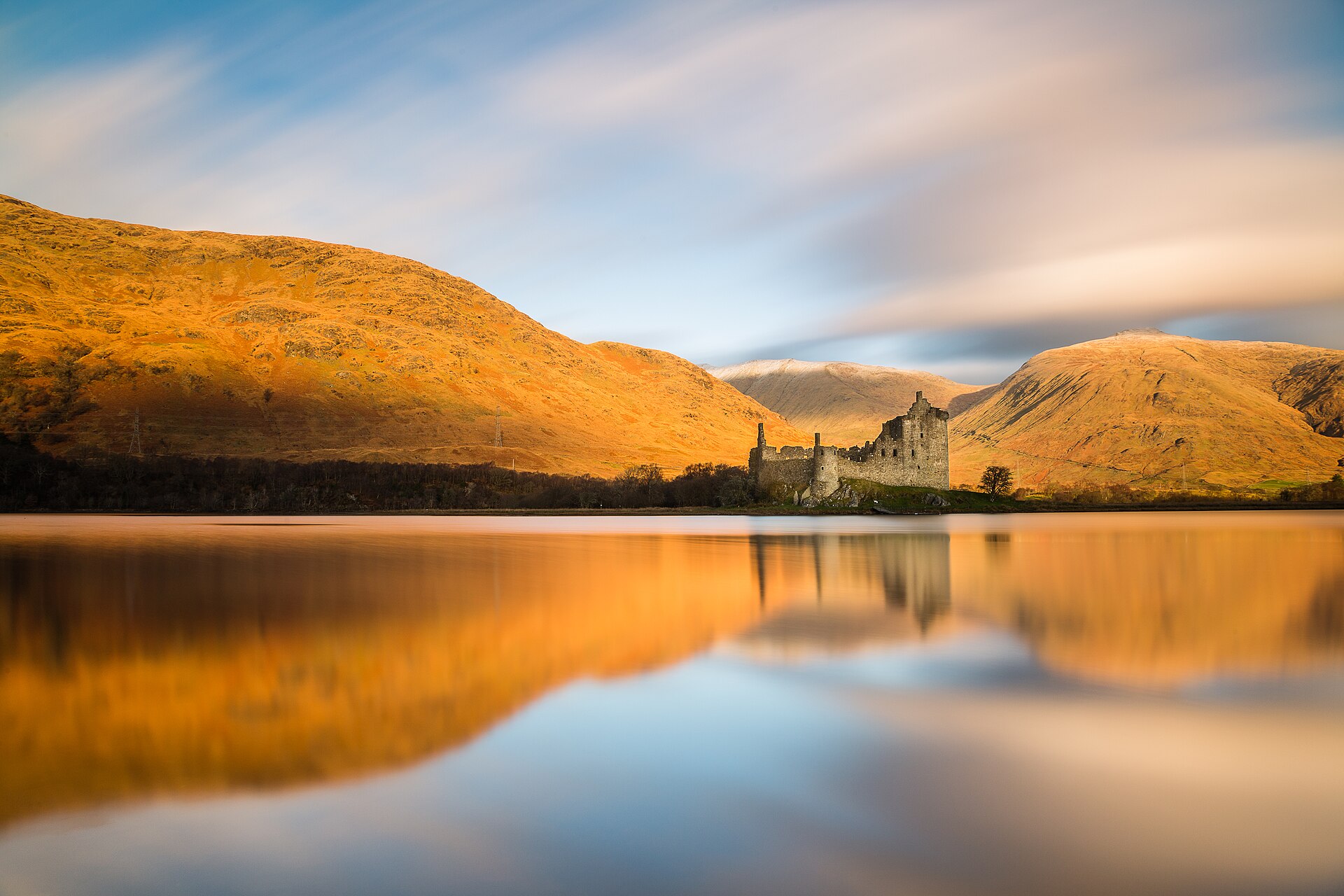
Fortified place · Medieval
Kilchurn Castle
Argyll and Bute
On a rocky peninsula at the north-eastern end of Loch Awe, the ruined shell of Kilchurn Castle rises around a five-storey tower house first raised…
- Near Dalmally
- Some walking
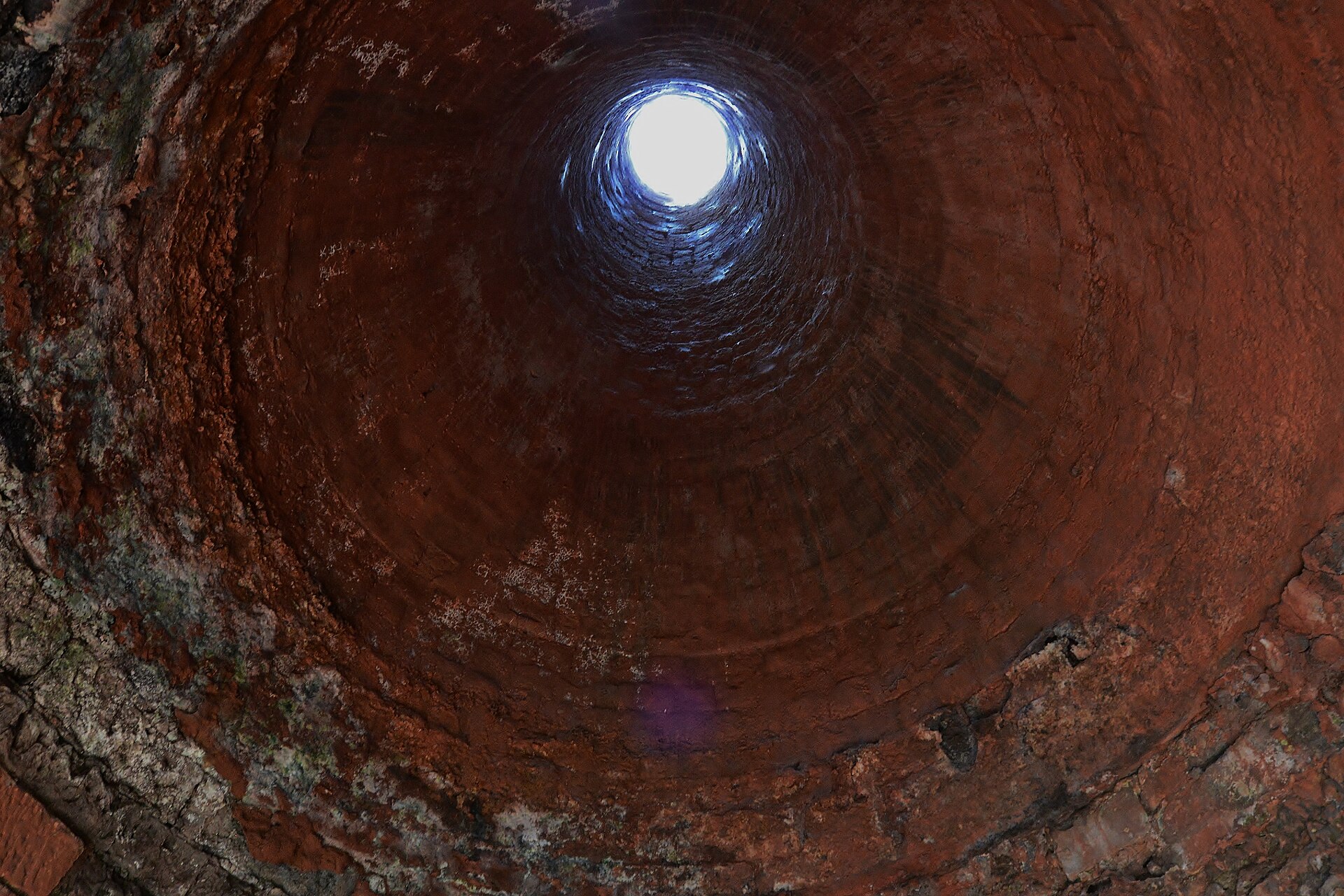
Building or ruin · Medieval
Bonawe Iron Furnace
Argyll and Bute
A charcoal-fired blast furnace that once employed 600 people to strip local woodland for fuel, shipping its pig iron south to Cumbria rather than f…
- Near Taynuilt
- Easy path
Minor monument · Medieval
Dovecot, Carloonan, Inveraray Castle Estate
Argyll and Bute
The Carloonan dovecot: a stone house for pigeons, kept for winter meat: survives within the designed estate landscape of Inveraray Castle.
- Near Inveraray
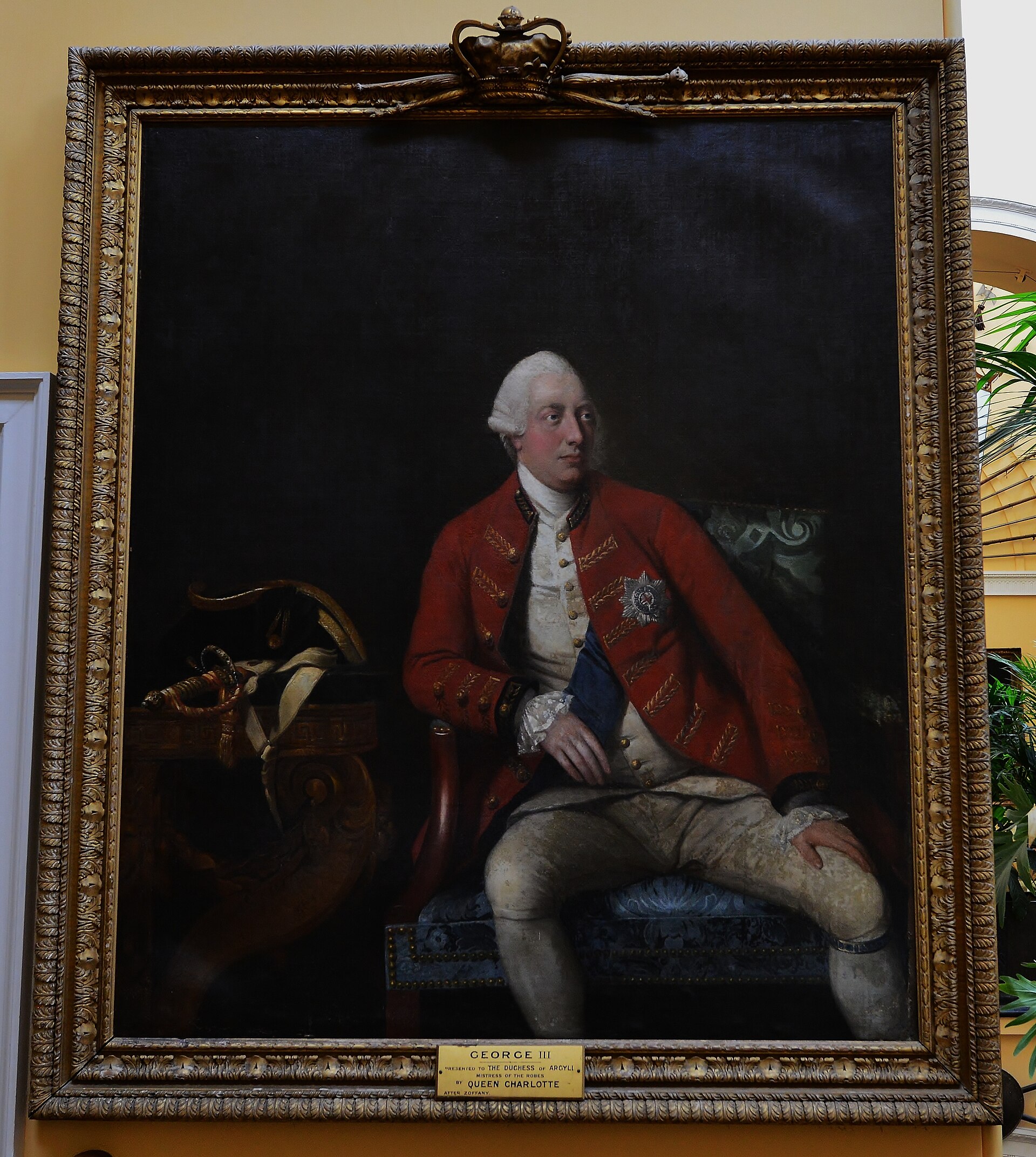
Fortified place · Medieval
Inveraray Castle
Argyll and Bute
One of the first Gothic Revival buildings anywhere, raised by a Highland clan chief to replace a medieval stronghold rather than restore it.
- Near Inveraray
- Easy path
Questions people ask
- Where is the Chapel of St Fyndoca?
- It stands on the island of Inishail in Loch Awe, Argyll and Bute, within the burial ground that once served the parish of Inishail.
- When was the chapel founded?
- It appears in records from 1257, when it was gifted to Inchaffray Abbey, though the church itself may be older than that first mention.
- Why did the chapel fall out of use?
- Services stopped in 1736 because the ruinous island chapel was hard to reach; a new, more accessible church was built at Cladich on the loch's south shore.
- Who is buried at the chapel?
- The graveyard holds medieval carved slabs, graves of the MacArthur clan, and the 12th Duke of Argyll, buried there after his death in April 2001.
- Is the site protected?
- Yes, the remains of the chapel and its burial ground are protected as a scheduled monument.
Sources
- Wikipedia: Chapel of St Fyndoca
- Wikidata: Chapel of St Fyndoca
- Origines Parochiales Scotiae
Explore more: Sacred places · Medieval · Argyll and Bute
The Ancient Codex, in your pocket
Get the Pocket Codex app
Carry the directory with you — Chapel of St Fyndoca and thousands of ancient places across Britain and Ireland, offline, wherever you roam.