A charcoal-fired blast furnace that once employed 600 people to strip local woodland for fuel, shipping its pig iron south to Cumbria rather than finishing it on site.
At the River Awe, Bonawe’s surviving furnace buildings preserve the stages of an ironworks: ore and charcoal entered the works, and iron bars emerged. The tallest building held a blast furnace kept alight for almost nine months at a time, while much of the workforce felled timber and made the charcoal that fed it.
The complex was raised in 1753 by an English ironmaster’s business, the Newland Company, based in Cumbria and run locally on its behalf by a company representative, Richard Ford. Cumbria supplied the capital and the management, and shipped over most of the building materials; the Highlands supplied the two things a charcoal furnace could not do without, abundant timber and a river fast enough to turn a water wheel. At its busiest the site supported some 600 people, the great majority cutting timber and burning charcoal in the surrounding hills rather than tending the furnace itself.
What made the operation unusual was what it did not do. There was no forge here, so the pig iron cast in the casting house could not be worked into finished goods beyond simple castings such as cannonballs; almost all of it went back to the company’s Cumbrian offices for further processing. That single fact shaped the whole site’s layout and its eventual fate, as cheaper coke-fuelled ironworking elsewhere in Scotland gradually undercut a business built entirely around charcoal.
What follows is drawn from published sources, with each claim labelled by how firmly it is established.
History
In 1753 the Newland Company, an ironmaking business based in Cumbria, established the works at Bonawe with the aim of producing pig iron. The location was chosen deliberately: the surrounding hillsides carried enough timber to keep a charcoal supply running, and the River Awe had the fall and flow needed to drive a water wheel. Most of the construction materials were brought north from Cumbria, and a local company representative, Richard Ford, was installed to manage the site day to day.
Central to the complex was the blast furnace itself, housed alongside four purpose-built structures: two stores for charcoal, one for iron ore and limestone, and the furnace building. Around these grew a wider settlement of workers' accommodation, a house for the company's representative, an aqueduct feeding the water wheel, and a pier where raw materials were landed and finished pig iron shipped out.
Bringing the furnace up to working temperature took around a week once it was lit, and thereafter it was kept in near-continuous operation for stretches of about nine months at a time. Sustaining that heat and the flow of raw material demanded a large workforce, and at its height the complex employed as many as 600 people, the bulk of them occupied not in the furnace itself but in felling timber and converting it into charcoal in the hills around Loch Etive.
At full output the furnace could cast up to 2,500 kilograms of pig iron in a single day, amounting to roughly 700,000 kilograms across a year. Because the site had no forge attached, this pig iron could not be worked into most finished goods on the spot; aside from simple cast items such as cannonballs, the metal was shipped from the pier back to the Newland Company's offices in Cumbria for further processing into saleable products.
From around 1750 the use of coke as a furnace fuel began to spread through the British iron trade, and in 1759 Scotland's own first coke-fired blast furnace was built near Falkirk. Coke-smelting was cheaper and less constrained by the supply of woodland than charcoal, and as it took hold elsewhere it steadily eroded the competitive position of a works like Bonawe that depended entirely on charcoal from managed local timber.
Output at Bonawe declined through the nineteenth century as the wider industry moved decisively to coke and to larger, more efficient ironworks. The site struggled on for well over a century after its founding, but production eventually fell away sharply, and the works closed for good in 1876, bringing to an end an operation that had run for more than a hundred and twenty years.
After closure the buildings survived largely intact rather than being demolished or built over, leaving the charging house, blowing house, casting house and ore and charcoal stores standing much as they had operated. The remains are now cared for as a scheduled monument managed by Historic Environment Scotland, which presents the site as one of the best-preserved charcoal-fired ironworks in Britain.
People
-
Richard Ford
Local representative who directed the Newland Company's ironworks at Bonawe from its founding in 1753.
Cultural influences
-
Charcoal ironmaking
Bonawe’s charcoal-fired technology depended on woodland fuel and water power, a system later made uncompetitive by coke-fired ironmaking.
Connections
-
The Newland Company, Cumbria
The Cumbria-based ironmaking business that built, owned and managed the Bonawe furnace, shipping most of its pig iron back to Cumbria for finishing.
-
Scotland's first coke-fired blast furnace, near Falkirk
Built in 1759, its more efficient coke-fuelled technology gradually made Bonawe's charcoal-based process uncompetitive, contributing to its eventual decline.
-
Cumbria
The Cumbria-based Newland Company established Bonawe in 1753 and shipped most of its pig iron south for further processing.
What to look for
-
The charging house
The southern wing of the furnace building, where raw ore, limestone and charcoal were loaded into the top of the furnace.
-
The blowing house and water wheel
North of the smelter, a bellows house was kept in constant motion by a water wheel on the building's eastern exterior wall, fed by an aqueduct from the River Awe.
-
The casting house
On the west side of the furnace, molten iron was poured into moulds here to form pig iron bars, with waste slag carried outside.
-
The charcoal and ore stores
Two large storehouses, dug into the slope so material could be loaded at the top and drawn off lower down, held over 2,500 cubic metres of charcoal between them, alongside a separate store for hematite and limestone.
-
The pier
A stone pier on the shore where raw materials were landed and finished pig iron was loaded for shipment south to Cumbria.
Plan your visit
- Location
- 56.4370°N · 5.2299°W
- Nearest settlement
- Taynuilt
- Access
- Paid entry — managed visitor site
- Terrain
- Easy going
- Parking
- Visitor parking is provided at the Historic Environment Scotland site.
- Time needed
- About 90 minutes
- Best time
- During published opening hours, allowing time for the furnace buildings and riverside complex.
- What survives
- A notably complete charcoal-fired ironworks survives, including furnace, stores, water-powered blowing house and pier.
- Facilities
- Historic Environment Scotland manages the restored visitor site; check the official page for current facilities.
Opening & admission
An admission charge likely applies; check Historic Environment Scotland's site for current prices and opening times.
- Managed as a visitor attraction with several restored buildings on site
- Scheduled monument
Nearby places
Building or ruin · Medieval
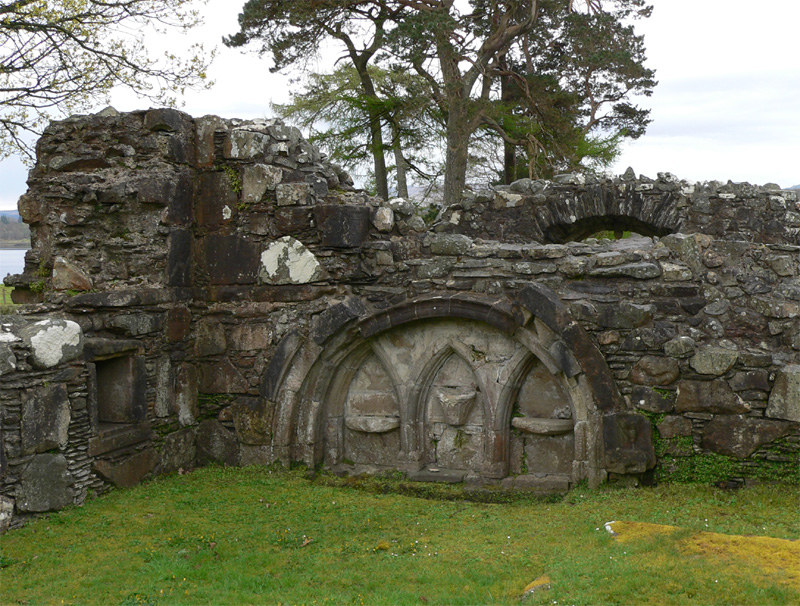
Ardchattan Priory
Argyll and Bute
Robert the Bruce is said to have held Scotland's last Gaelic-speaking parliament here in 1308, and local tradition credits its yews with furnishing…
- Near Bonawe
- Some walking
Sacred place · Medieval
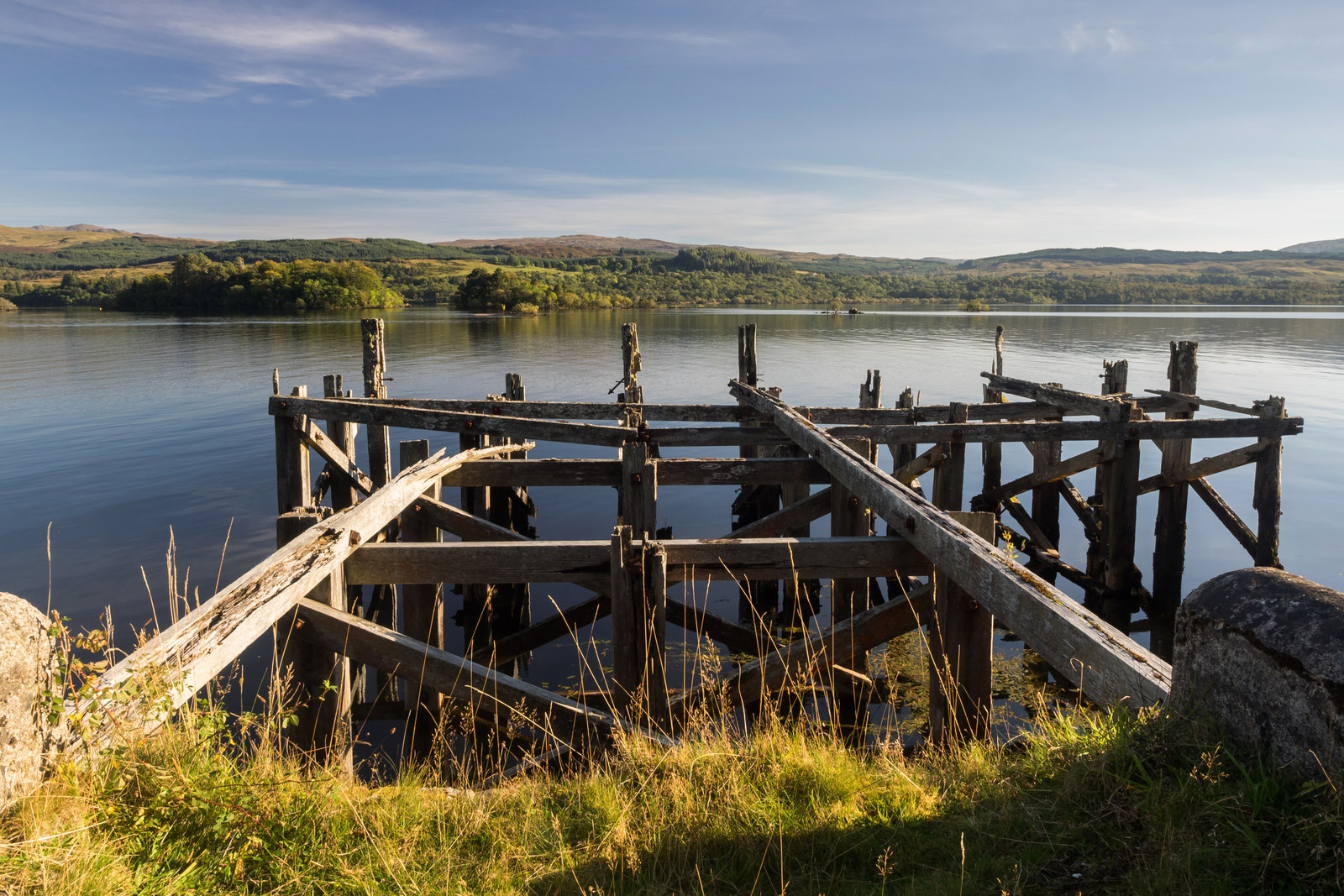
Chapel of St Fyndoca
Argyll and Bute
A carved grave-slab bearing arms for a galley and a boar's head ties this island ruin to the Campbells of Lochow, in a graveyard still used eight c…
- Near Cladich
- Rough ground
Fortified place · Medieval
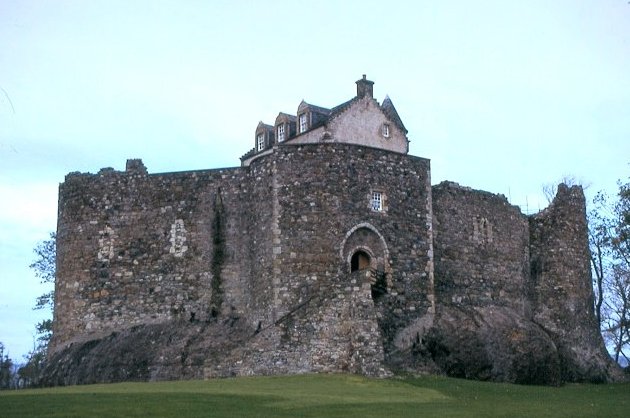
Dunstaffnage Castle
Argyll and Bute
One of the oldest stone castles in Scotland, Dunstaffnage was raised in the second quarter of the 13th century by the MacDougall lords of Lorn and…
- Easy path
Fortified place · Medieval
Kilchurn Castle
Argyll and Bute
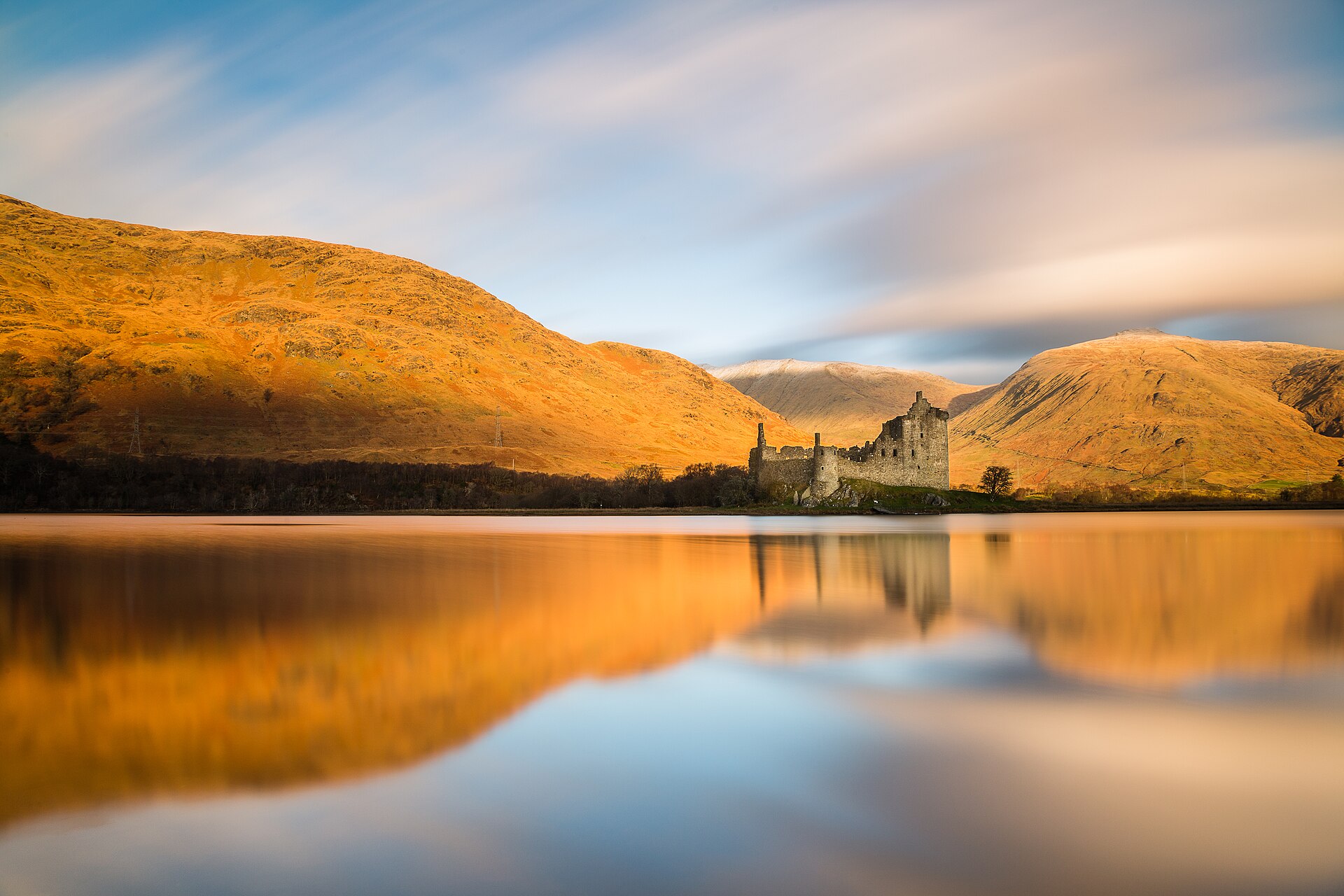
On a rocky peninsula at the north-eastern end of Loch Awe, the ruined shell of Kilchurn Castle rises around a five-storey tower house first raised…
- Near Dalmally
- Some walking
Questions people ask
- What was made at Bonawe Iron Furnace?
- Pig iron, cast from smelted ore and charcoal. The site had no forge, so only simple items like cannonballs were finished there; the rest was shipped to Cumbria for processing.
- When was the furnace built and by whom?
- It was built in 1753 by the Newland Company, an ironmaking business based in Cumbria, managed locally by Richard Ford.
- Why was Bonawe chosen as the site?
- The area had enough woodland to supply charcoal and enough water pressure in the River Awe to drive the furnace's water wheel.
- Why did the furnace eventually close?
- Coke-fired furnaces, cheaper than charcoal ones and pioneered in Scotland near Falkirk from 1759, made Bonawe less competitive, and it closed in 1876.
- Who manages the site today?
- Historic Environment Scotland manages the surviving remains, which are protected as a scheduled monument.
Sources
- Wikipedia: Bonawe Iron Furnace
- Historic Environment Scotland — Canmore
- Undiscovered Scotland — Bonawe Iron Furnace
Explore more: Building or ruins · Medieval · Argyll and Bute
The Ancient Codex, in your pocket
Get the Pocket Codex app
Carry the directory with you — Bonawe Iron Furnace and thousands of ancient places across Britain and Ireland, offline, wherever you roam.