
Robert the Bruce is said to have held Scotland's last Gaelic-speaking parliament here in 1308, and local tradition credits its yews with furnishing longbows for Bannockburn.
The ruined choir at Ardchattan Priory faces Loch Etive, with Ben Cruachan and the hills of Mull beyond the water. Valliscaulian monks settled this shoreline in 1230 after Duncan MacDougall, Lord of Argyll, endowed the community with land beside the loch; the site later became a private house, parish burial ground and historic garden.
The priory’s history reaches further than its architecture. Within a century of its founding, Robert the Bruce called an assembly of Argyll chiefs to meet at Ardchattan in 1308, an event since remembered as the last parliament conducted in Gaelic anywhere in Scotland. Long-standing local tradition also holds that Bruce inspected the priory’s yew trees around this time and had some cut for the longbows carried into battle at Bannockburn.
By the 16th century the priory had passed into the hands of Clan Campbell, who turned its south range into a family home while the choir and transepts continued to serve parish worship. After a new parish church was built in 1731–2 the old monastic church was abandoned except for burials, and its stone was gradually quarried away, leaving the roofless walls, carved stones and vaulted refectory that survive today, set within gardens now valued in their own right for their historical and horticultural interest.
What follows is drawn from published sources, with each claim labelled by how firmly it is established.
History
In 1230 Duncan MacDougall, Lord of Argyll, founded a monastic community at Ardchattan for the Valliscaulian order, drawing monks into a remote stretch of Loch Etive shoreline. According to the most widely believed account, Clan MacDougall appointed a man named Gillichattan Mor as bailie, or steward, to protect the priory's lands on their behalf — a role from which Clan Chattan is said to take its name.
In 1308, during his campaign through Argyll, Robert the Bruce convened a council of local chiefs at the priory, a gathering later believed to have been the last parliament in Scotland conducted in the Gaelic language. From the early 14th century the Prior of Ardchattan also held the chantership of Lismore Cathedral, linking the small monastic house to the wider ecclesiastical life of the diocese of Argyll.
In April 1510 the priory was formally incorporated as a cell of Beauly Priory, and the community may have adopted Cistercian observance at this point, though the surviving evidence for that change is slight. The arrangement folded Ardchattan into a wider network of religious houses even as its own independent identity began to fade.
The priory was annexed to the bishopric of the Isles in 1615, formally ending its monastic status, and during the 16th century its lands and buildings had already passed to Clan Campbell. The Campbells converted the south range of the conventual buildings into a private house, while the choir and transepts of the church continued in use for parish worship, keeping part of the medieval fabric alive even as its religious community disappeared.
The 15th-century refectory, the only claustral building to survive intact, was subdivided into smaller rooms in 1713 as the Campbell house around it continued to grow and change, absorbing the priory's working buildings into a private estate. Following the erection of a new parish church in 1731–2, the monastic church at Ardchattan fell out of regular use except for burials, and its stone was subsequently quarried for other building work, leaving the structure that stands today heavily ruined. The vaulted pulpit within the old refectory was later restored in 1960, a rare instance of conservation reversing centuries of slow removal.
People
-
Duncan MacDougall, Lord of Argyll
Founded the priory in 1230 for the Valliscaulian order.
-
Robert the Bruce
Held a council of local chiefs at the priory in 1308, said to be the last Gaelic-speaking parliament in Scotland.
-
Gillichattan Mor
Appointed bailie of the priory's lands by Clan MacDougall, a role from which Clan Chattan is said to take its name.
-
Séon Carsuel
Recorded among those buried at the priory.
-
Robert Bruce
Held a council of local chiefs at the priory in 1308, said to have been the last Gaelic-speaking parliament in Scotland.
Cultural influences
-
Valliscaulian monasticism
Ardchattan was founded for the Valliscaulian order and later tied to Beauly Priory, placing its remote Loch Etive community within wider medieval monastic networks.
Connections
-
Beauly Priory
Ardchattan was incorporated as a cell of Beauly Priory in April 1510.
-
Bishopric of the Isles
The priory was annexed to the bishopric of the Isles in 1615.
-
Clan Campbell
Took possession of the priory in the 16th century and converted its south range into a private dwelling.
-
Clan MacDougall
Founded the priory in 1230 and appointed the bailie whose title is linked to the origin of Clan Chattan.
-
Clan Chattan
Its origin is traditionally traced to Gillichattan Mor, appointed by Clan MacDougall as bailie of the priory's lands.
-
Lismore Cathedral
From the early 14th century the Prior of Ardchattan also held the chantership of Lismore Cathedral.
What to look for
-
The ruined priory church
A cruciform ruin combining a small 13th-century nave and transepts with a much larger 15th-century choir; the stone screen that once separated the choir from the rest of the church survives, along with a tomb chest and piscina further east.
-
Two 17th-century burial enclosures
A pair of later burial enclosures abut the medieval church, complicating the surviving plan of the ruins.
-
The 15th-century refectory
The only claustral building to survive, subdivided into smaller rooms in 1713; its vaulted pulpit was restored in 1960 and can still be seen.
-
The gardens
A woodland garden dating from the 1960s sits alongside an older formal garden near the priory, with a walled kitchen garden, shrub walks, herbaceous borders and a wildflower meadow planted under sorbus trees, all set within wider parkland with views over Loch Etive, Ben Cruachan and the hills of Mull.
-
The ancient yew trees
Some of the oldest trees on the estate, dating from the early 17th century when the site was first developed as a private garden alongside the house.
What is said
Folklore and tradition, recorded as what is said — not as established fact.
-
The Bannockburn yew trees
The priory's ancient yew trees are said to have been inspected personally by Robert the Bruce and cut to supply at least some of the longbows used at the Battle of Bannockburn.
Plan your visit
- Location
- 56.4626°N · 5.2944°W
- Nearest settlement
- Bonawe
- Access
- Private — no general public access
- Terrain
- Moderate walking
- Time needed
- About 60 minutes
- Best time
- During confirmed garden or private-site opening arrangements.
- What survives
- The priory church is heavily ruined, while the fifteenth-century refectory survives within private grounds.
- Facilities
- Facilities and access depend on the private house and garden’s current arrangements.
Opening & admission
Check the current arrangements before visiting, as this is a private house and garden.
- The priory ruins sit within the grounds of a private house
- The gardens have their own separate visitor website
Nearby places
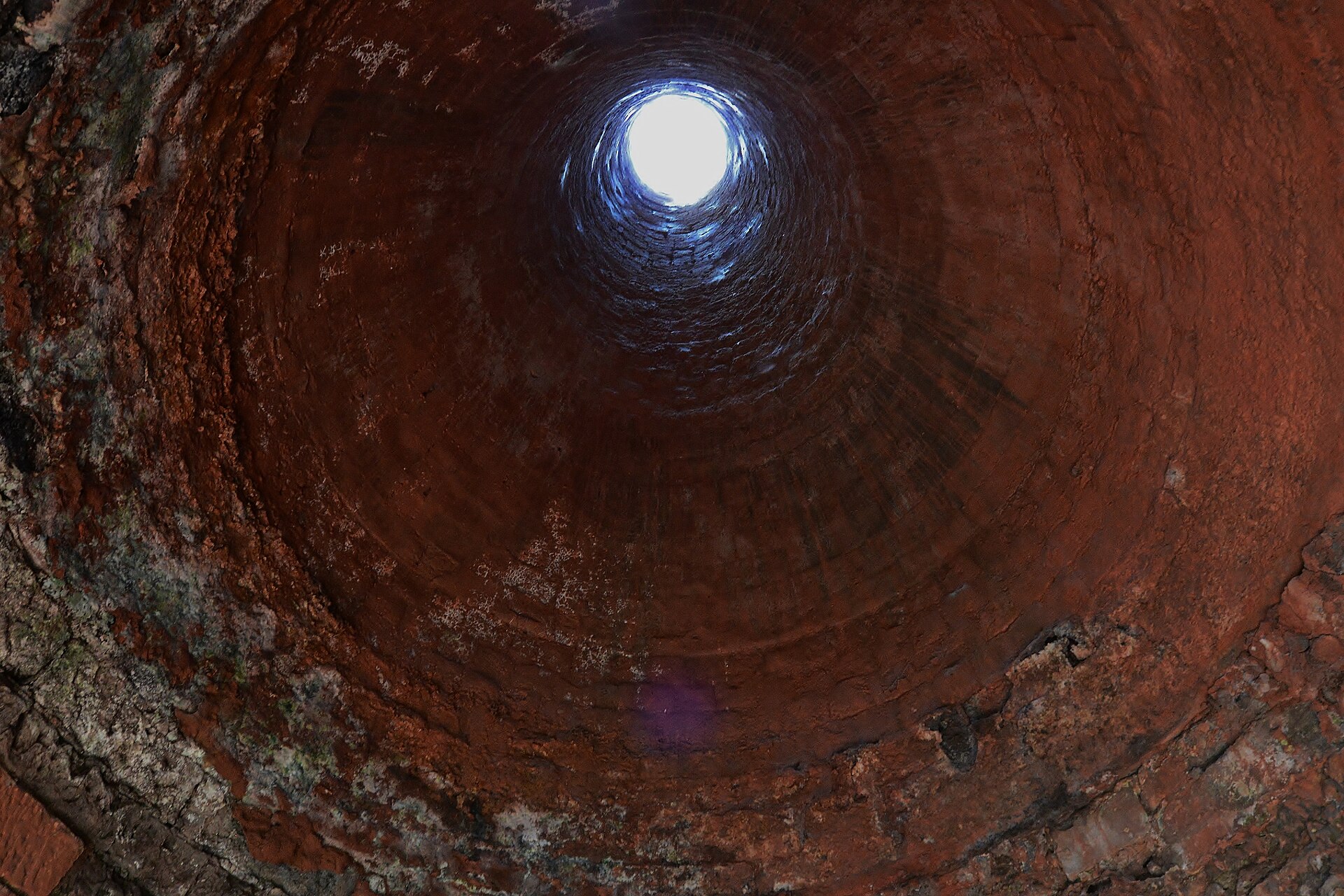
Building or ruin · Medieval
Bonawe Iron Furnace
Argyll and Bute
A charcoal-fired blast furnace that once employed 600 people to strip local woodland for fuel, shipping its pig iron south to Cumbria rather than f…
- Near Taynuilt
- Easy path
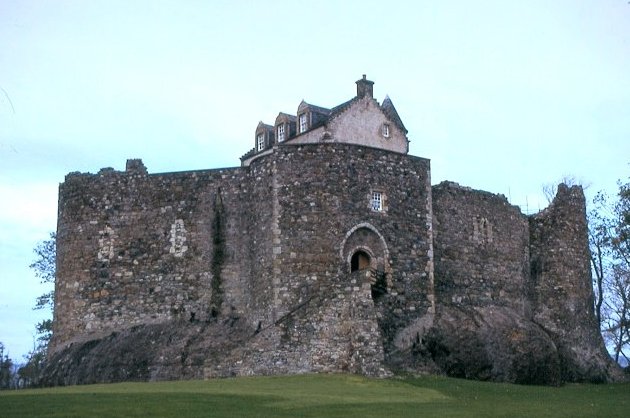
Fortified place · Medieval
Dunstaffnage Castle
Argyll and Bute
One of the oldest stone castles in Scotland, Dunstaffnage was raised in the second quarter of the 13th century by the MacDougall lords of Lorn and…
- Easy path

Fortified place · Medieval
Lochnell Castle
Argyll and Bute
A staircase inside is said to be carved from a sacred yew felled on nearby Bernera Island: timber that reportedly survived at least two fires which…
- Easy path
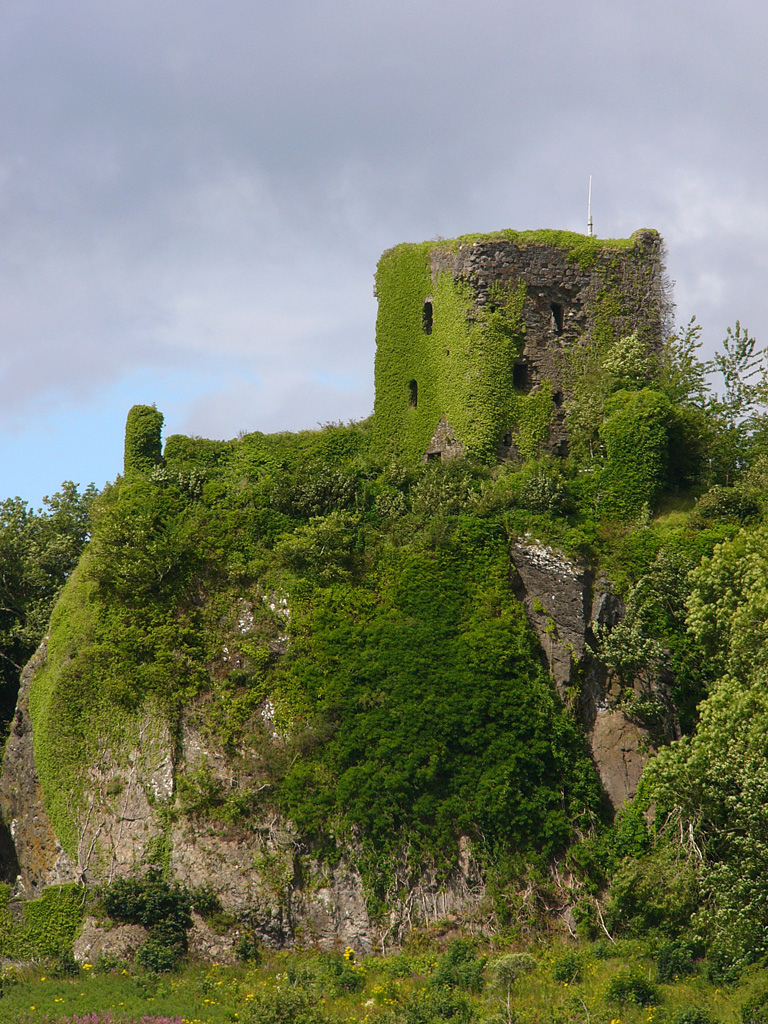
Fortified place · Medieval
Dunollie Castle
Argyll and Bute
The Irish annals name Dun Ollaigh three times over: attacked or burned in 686, 698 and 701: and then record it rebuilt in 714 by Selbach mac Fercha…
Questions people ask
- What was Ardchattan Priory?
- A Valliscaulian monastery founded in 1230 beside Loch Etive in Argyll, later incorporated as a cell of Beauly Priory and eventually absorbed by Clan Campbell as a private house.
- Why is Ardchattan Priory linked to Robert the Bruce?
- In 1308 Bruce held a council of local chiefs there, thought to be Scotland's last Gaelic-speaking parliament, and tradition holds he had its yew trees cut for Bannockburn longbows.
- Is Ardchattan Priory a protected monument?
- Yes. Historic Environment Scotland has designated the priory ruins, burial ground and carved stones as a scheduled monument, and the gardens are separately listed for their historical and scenic value.
- What survives of the priory buildings today?
- The ruined cruciform church with its stone choir screen, tomb chest and piscina, plus the 15th-century refectory with a vaulted pulpit restored in 1960; the rest was quarried for stone after 1731.
- Who is buried at Ardchattan Priory?
- Records note Séon Carsuel among the burials at the site, alongside generations of local families whose graves continued there after the monastic church became burial-only.
Sources
- Wikipedia: Ardchattan Priory
- Cowan, Ian B. & Easson, David E., Medieval Religious Houses: Scotland
- Watt, D.E.R. & Shead, N.F. (eds.), The Heads of Religious Houses in Scotland from the 12th to the 16th Centuries
- Historic Environment Scotland — scheduled monument designation
Explore more: Building or ruins · Medieval · Argyll and Bute
The Ancient Codex, in your pocket
Get the Pocket Codex app
Carry the directory with you — Ardchattan Priory and thousands of ancient places across Britain and Ireland, offline, wherever you roam.