Building or ruin · Roman
Milefortlet 4
Cumbria
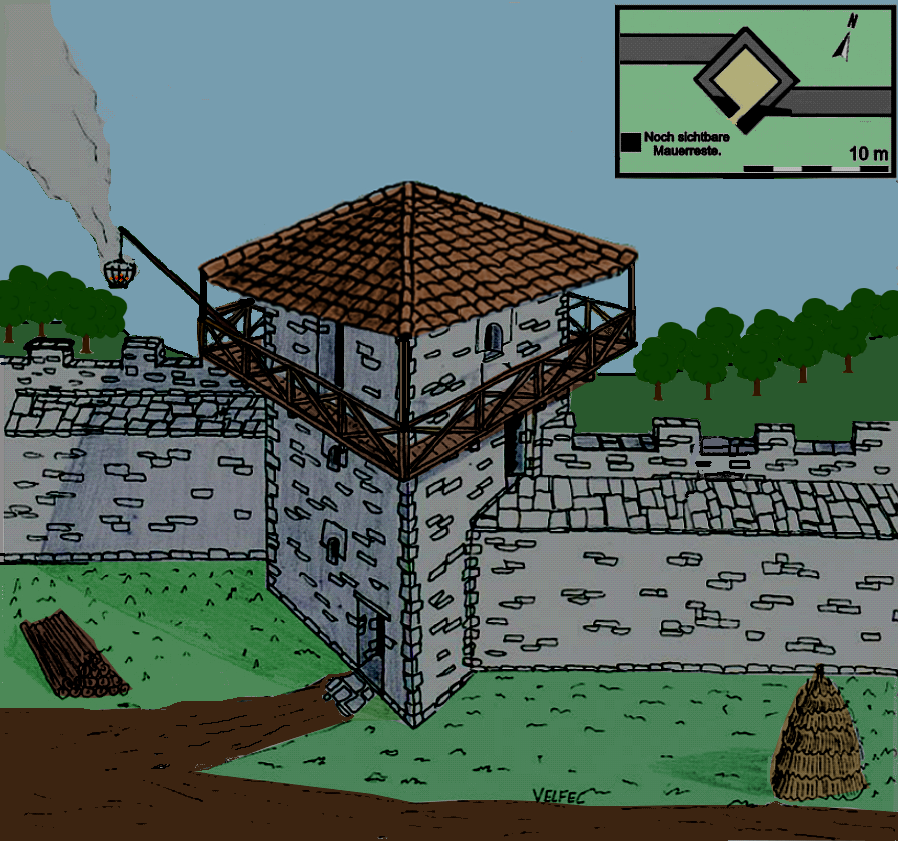
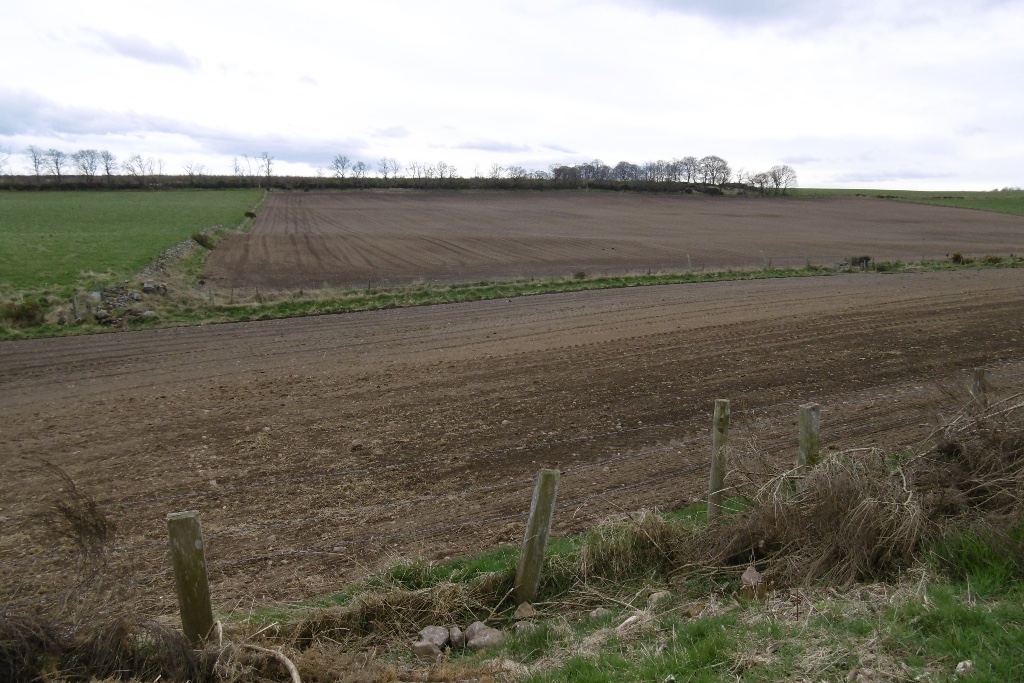
A fortlet with nothing above ground, found by its turfwork in 1945: and a tower beside it rebuilt from palisade to stone.
By type
Page 10 of 14.
Search and filters apply to these 100 places.
Building or ruin · Roman
Cumbria
A fortlet with nothing above ground, found by its turfwork in 1945: and a tower beside it rebuilt from palisade to stone.
Building or ruin · Roman
Cumbria
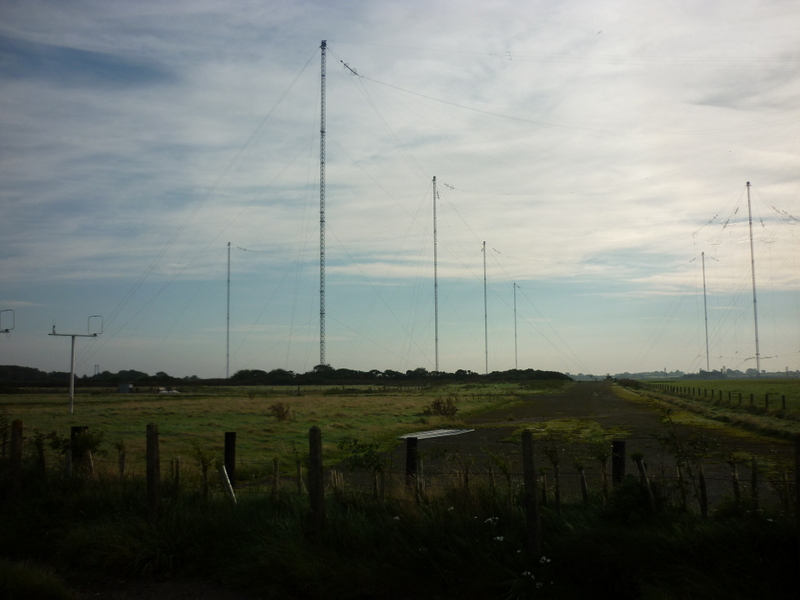
A Roman coastal watch-post reduced by wartime bulldozers to cropmarks in a field: excavated just before an airfield erased it in 1944.
Building or ruin · Roman
Cumbria
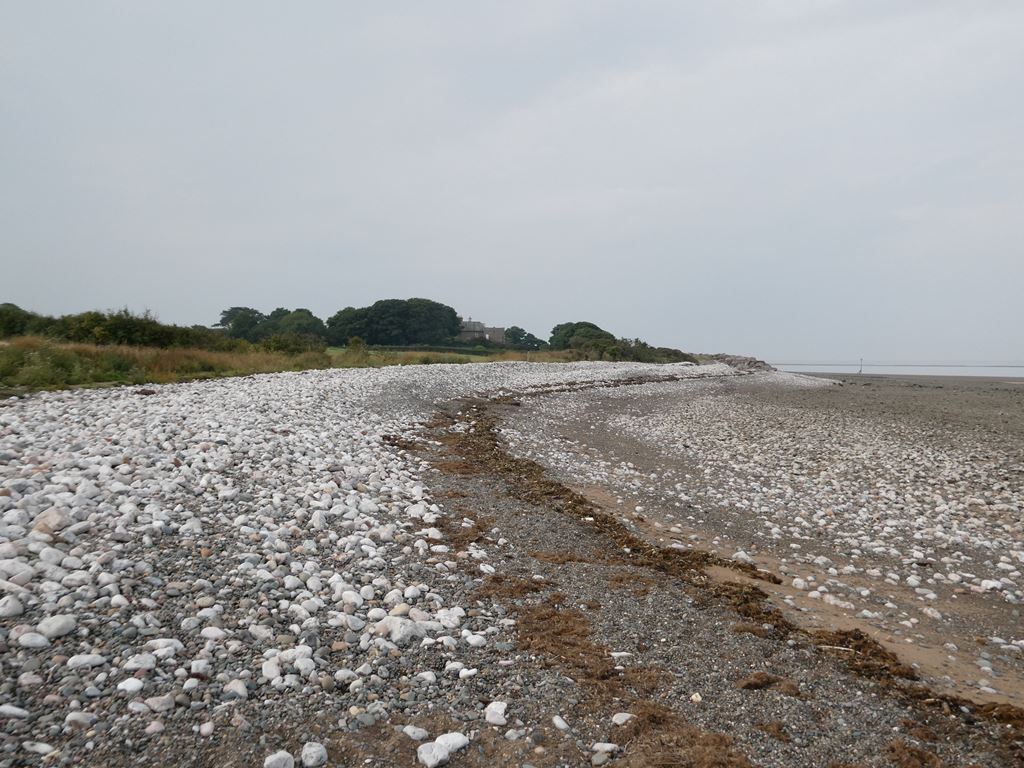
A vanished timber-and-turf outpost on the Solway shore, known today only through the shadows it left in a farmer's field when seen from the air.
Building or ruin · Roman
Cheshire
A goddess still stands carved into the living rock of a Roman quarry face: the only shrine of its kind in western Europe never moved from where it…
Sacred place · Medieval
Hertfordshire
A 14th-century chapel that outlived its own congregation, then outlived its own building: its ruin has been photographed as a fake haunting, leased…
Building or ruin · Medieval
Oxfordshire
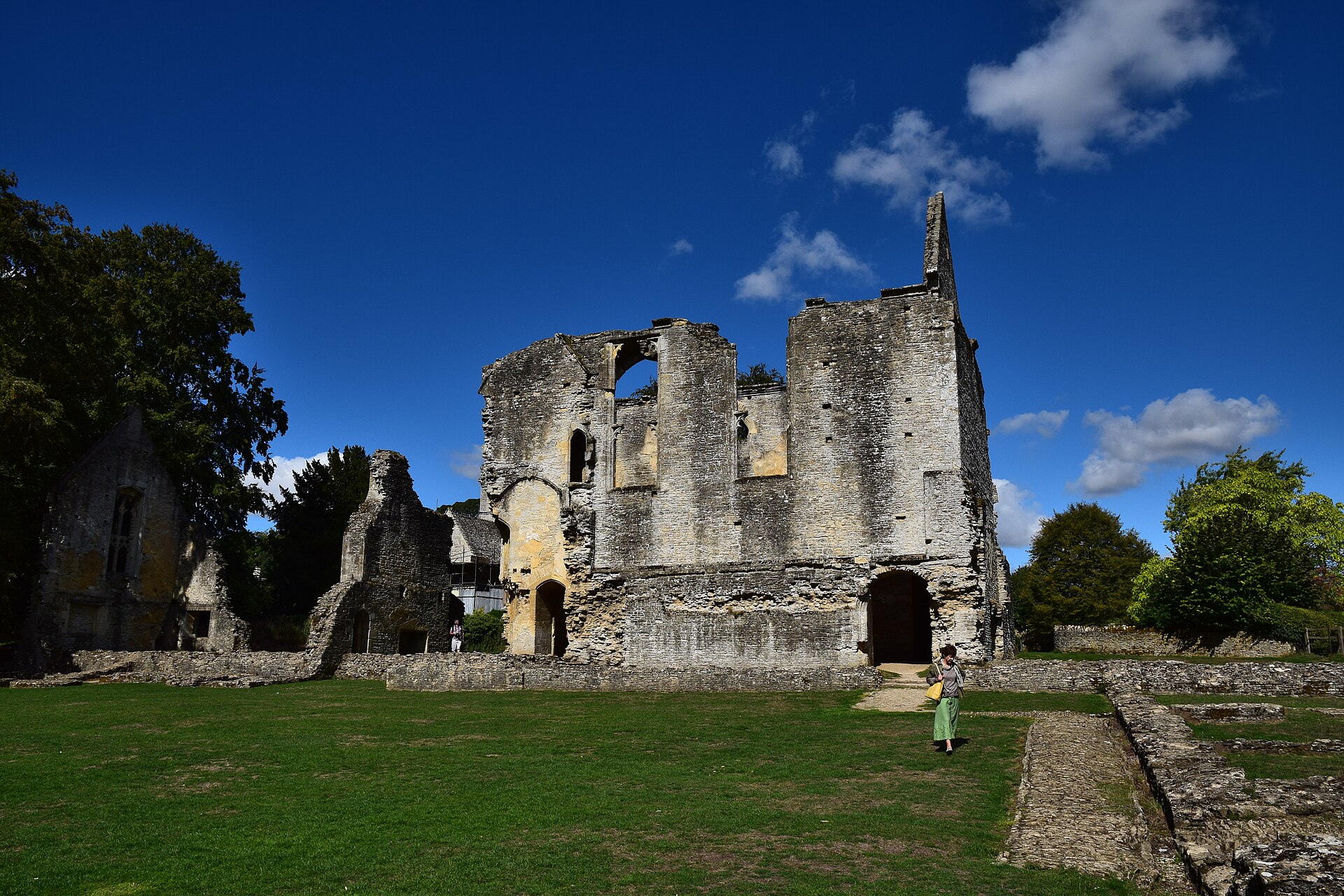
A ruined fifteenth-century manor house beside the River Windrush, in a village whose name records a minster: an early church served by a community…
Crossing or structure · Medieval
Berkshire
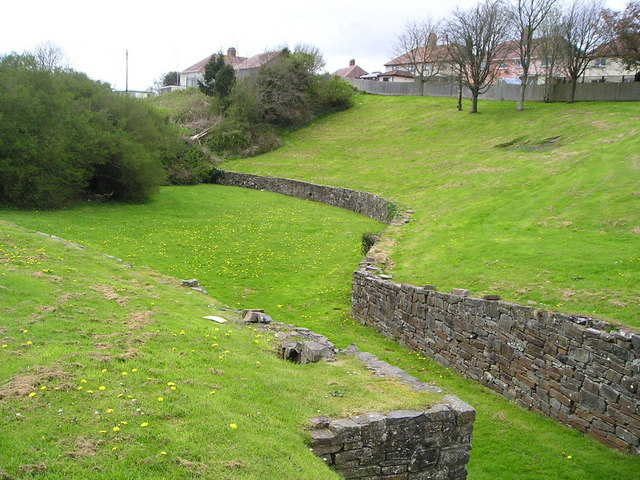
One of only two surviving turf-sided locks on the Kennet and Avon Canal, out of more than a dozen originally built this way.
Building or ruin · Medieval
Monmouthshire
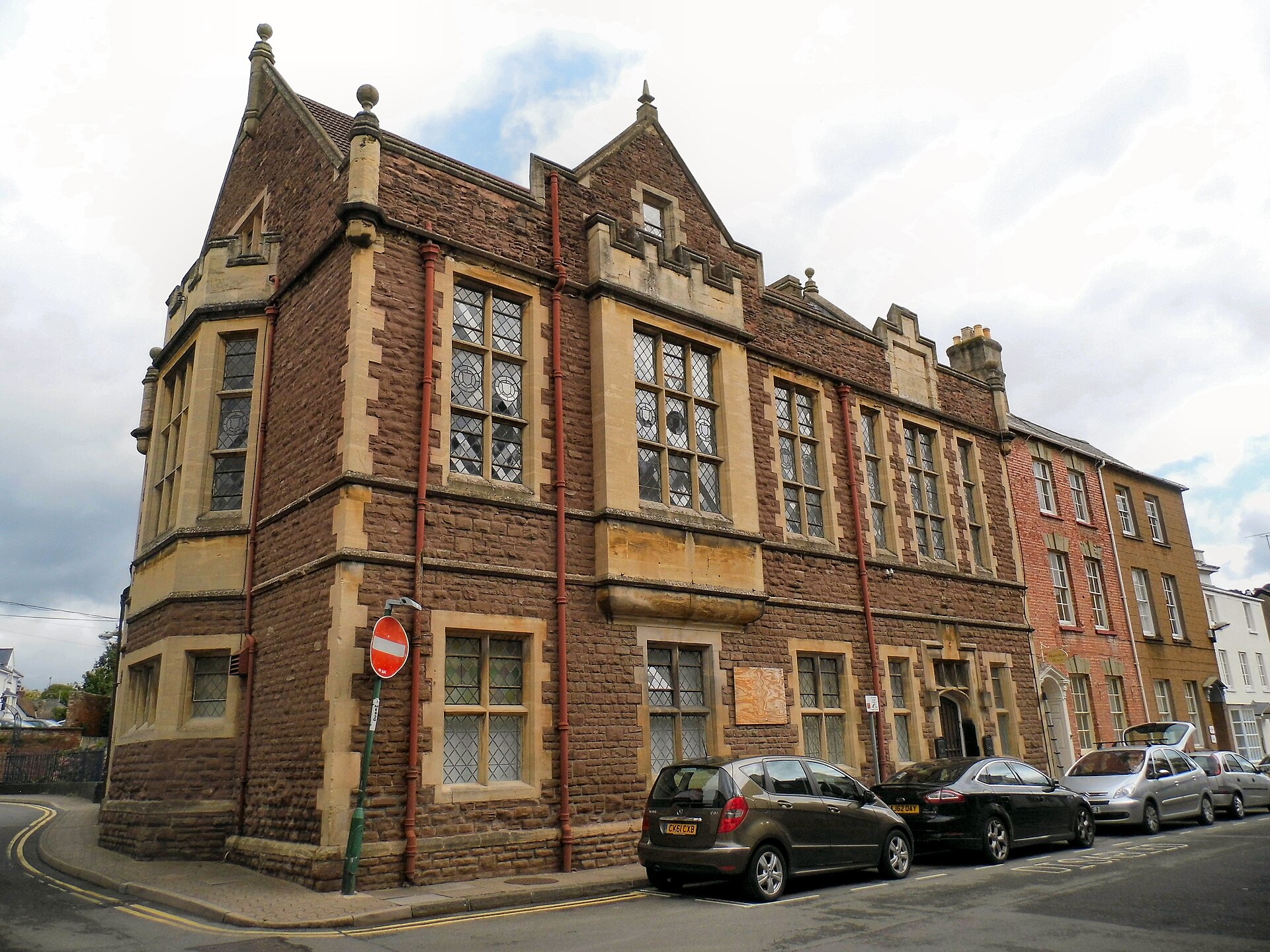
Monmouth Police Station is a Grade II mid-nineteenth-century building that records the town’s transition from its own force to county policing with…
Tomb or burial place · Prehistoric
Berkshire
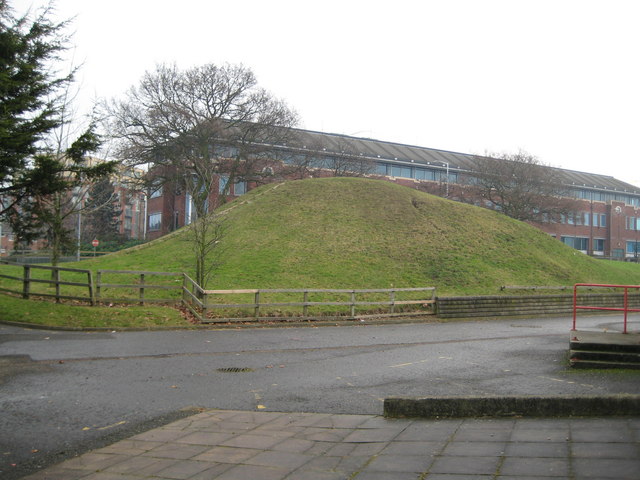
A 2017 dig proved the mound is roughly 1,500 years old, making it a contemporary of Sutton Hoo and finally settling a century-old dispute over whet…
Building or ruin · Roman
City of London
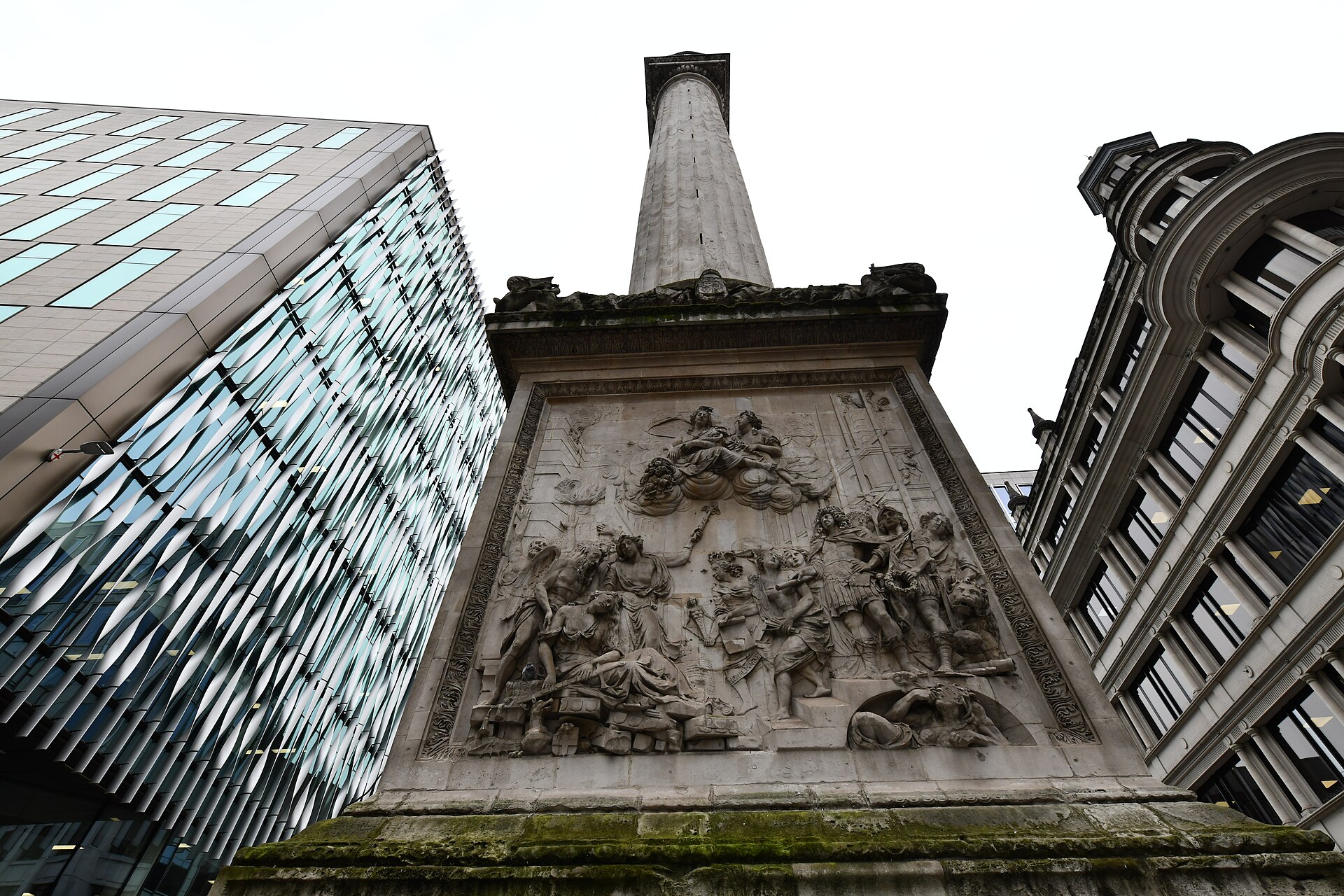
A fluted stone column built the exact distance from where the fire started: turning a measurement into a memorial, and doubling for decades as a wo…
Ancient place · Prehistoric
Wiltshire
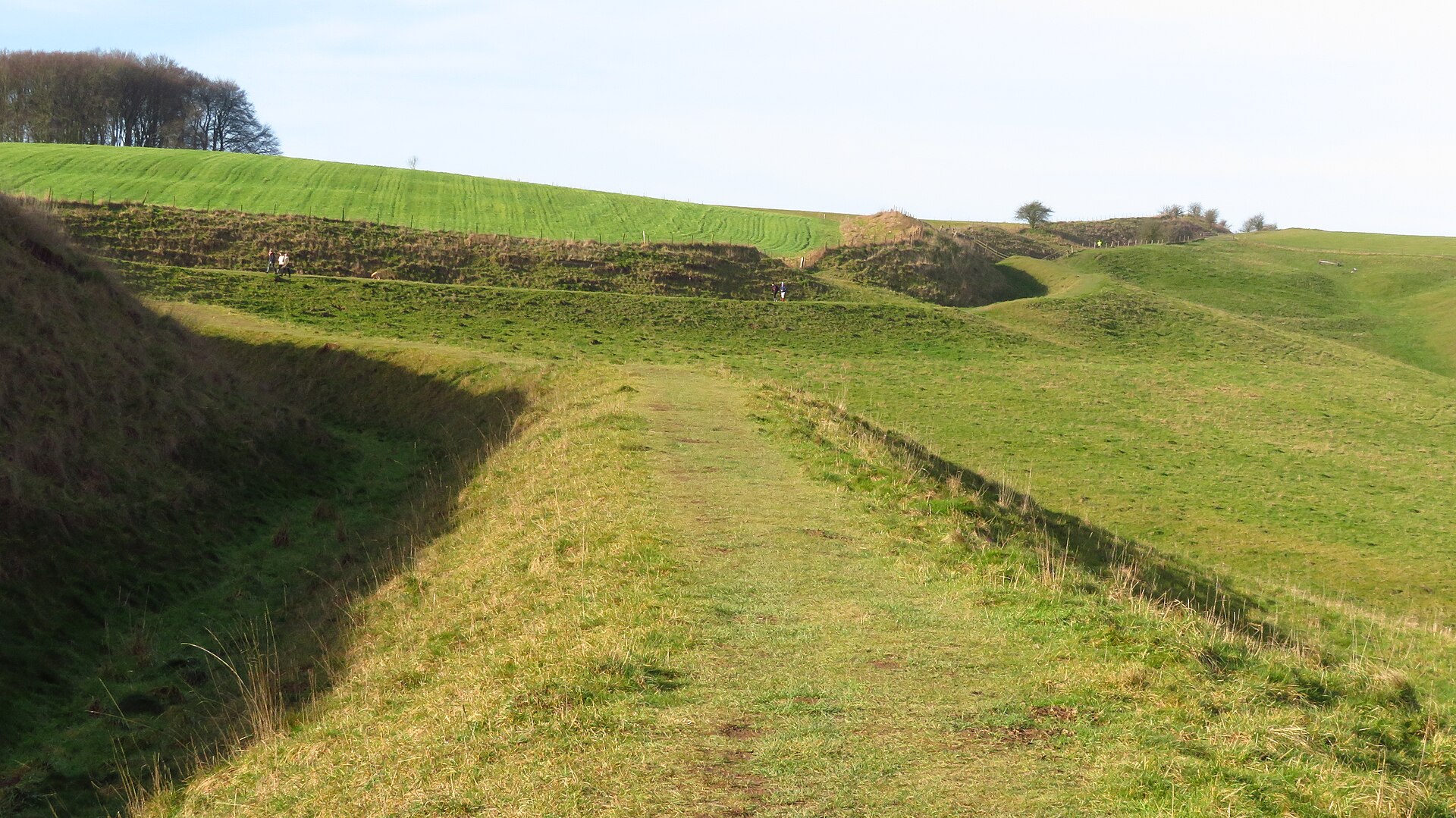
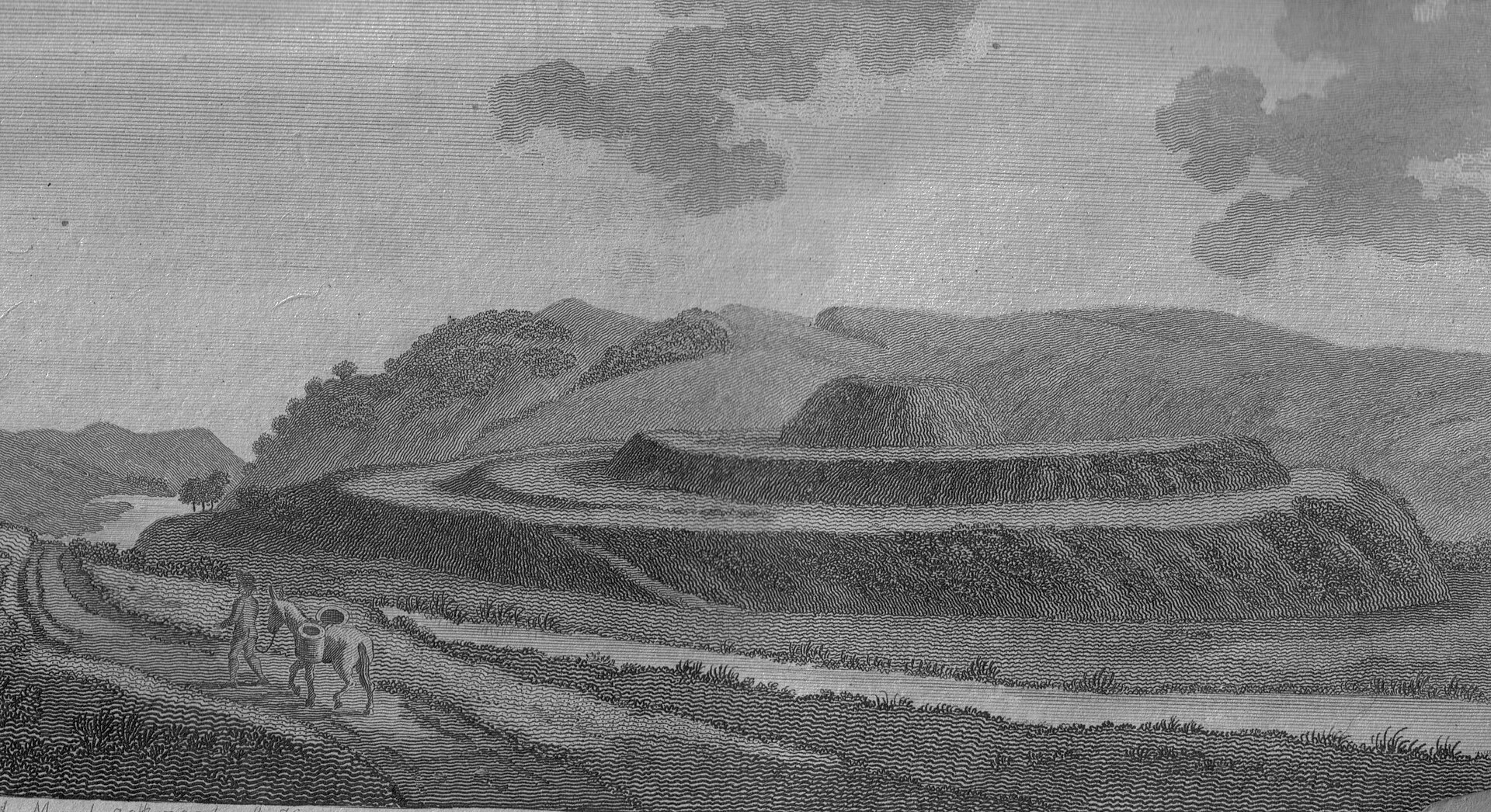
A near-perfect square of bank and ditch on open downland, one of a family of prehistoric (before any written account of Britain existed) farming en…
Fortified place · Medieval
Dumfries and Galloway
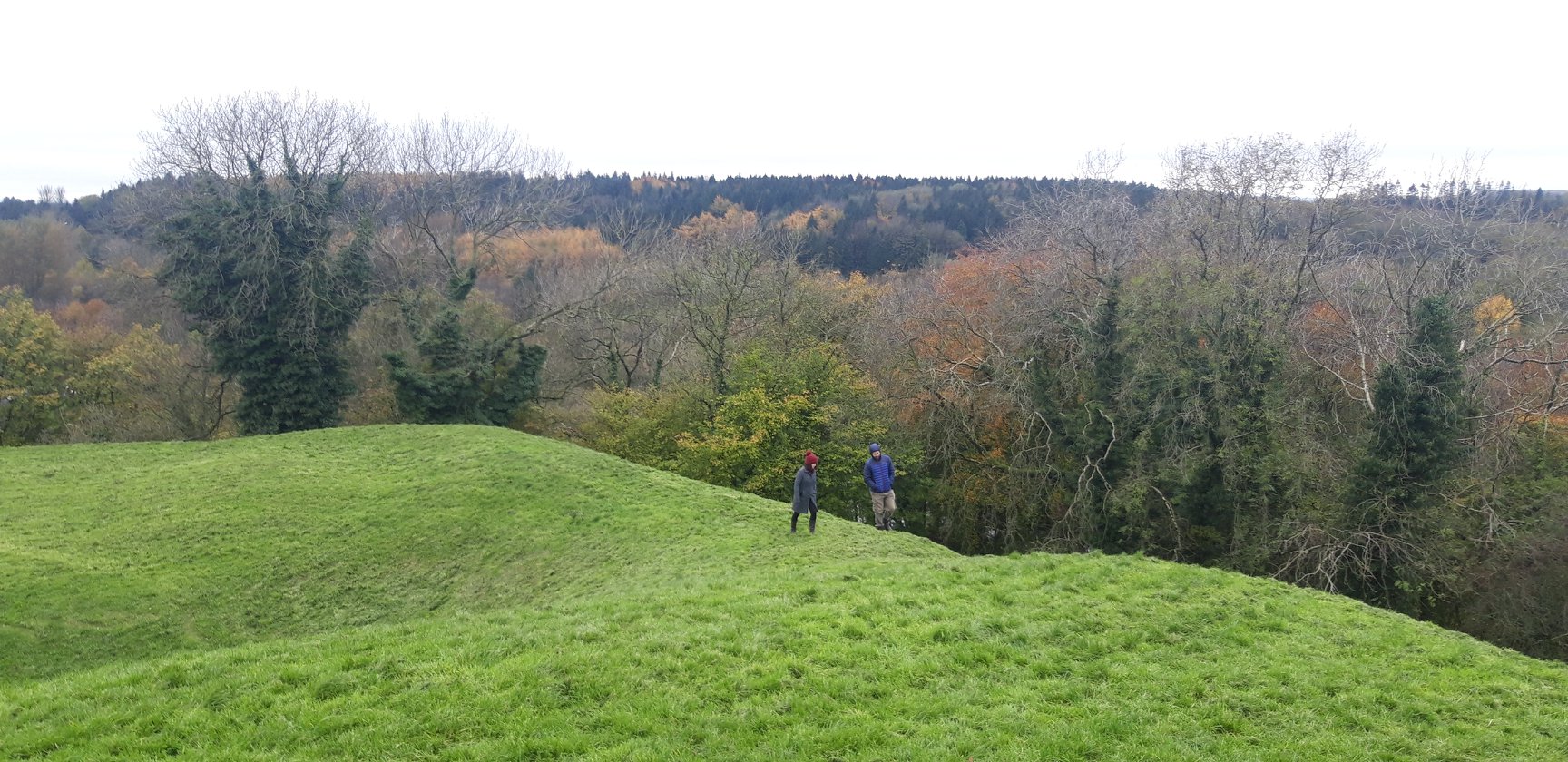
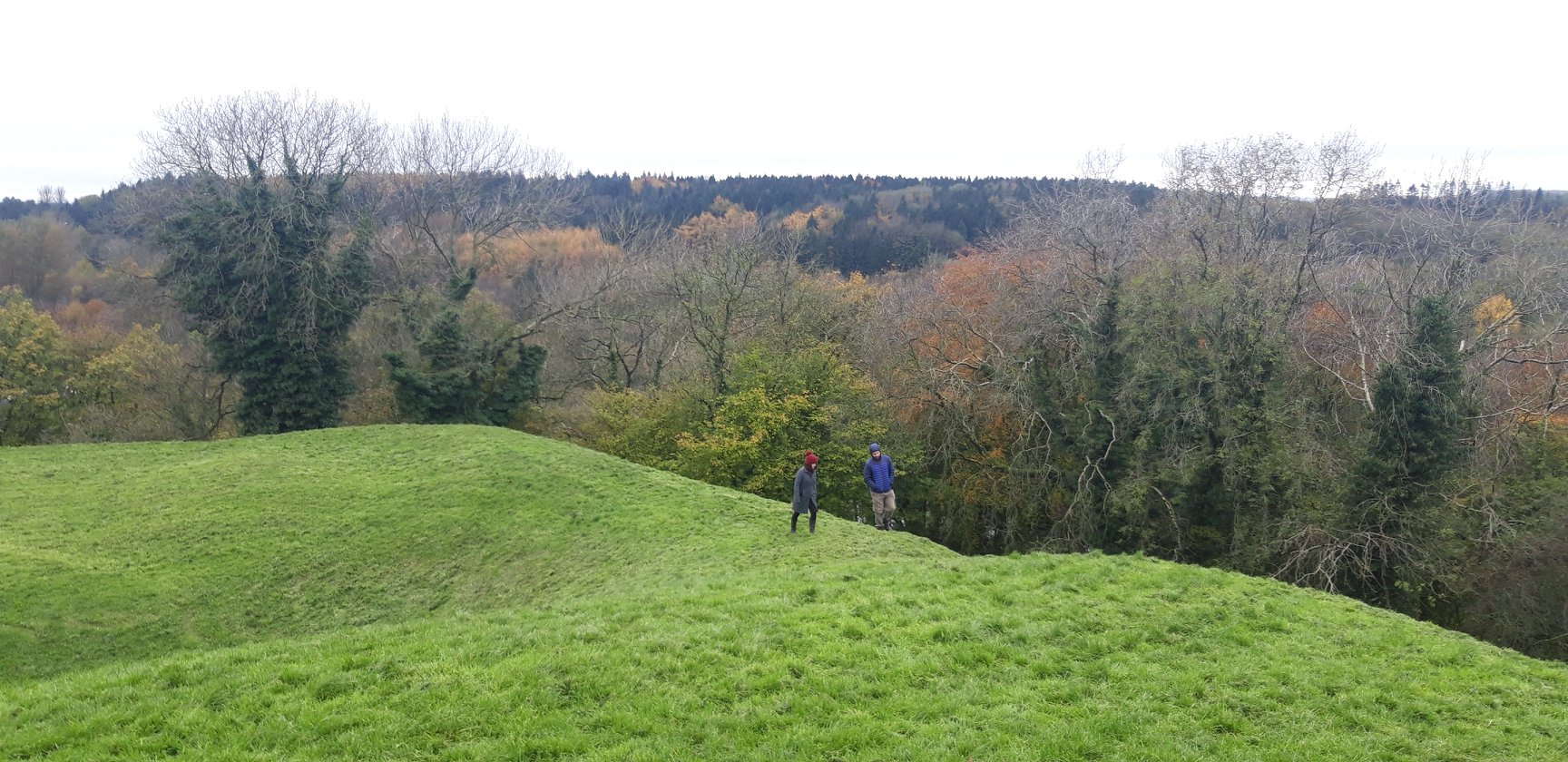
The Motte of Urr preserves the earthwork (earth moved and shaped into banks and ditches rather than built up in stone) of a twelfth-century baronia…
Sacred place · Prehistoric
Dorset
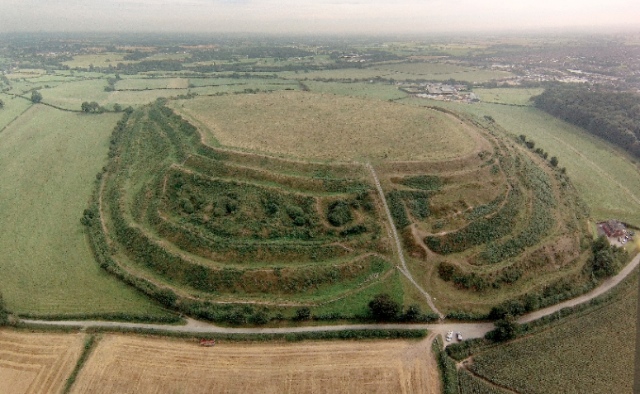
Mount Pleasant henge, a bank-and-ditch enclosure around a circular space, is a major late Stone Age Dorset monument whose vast earthwork, a bank-an…
Fortified place · Medieval
Argyll and Bute
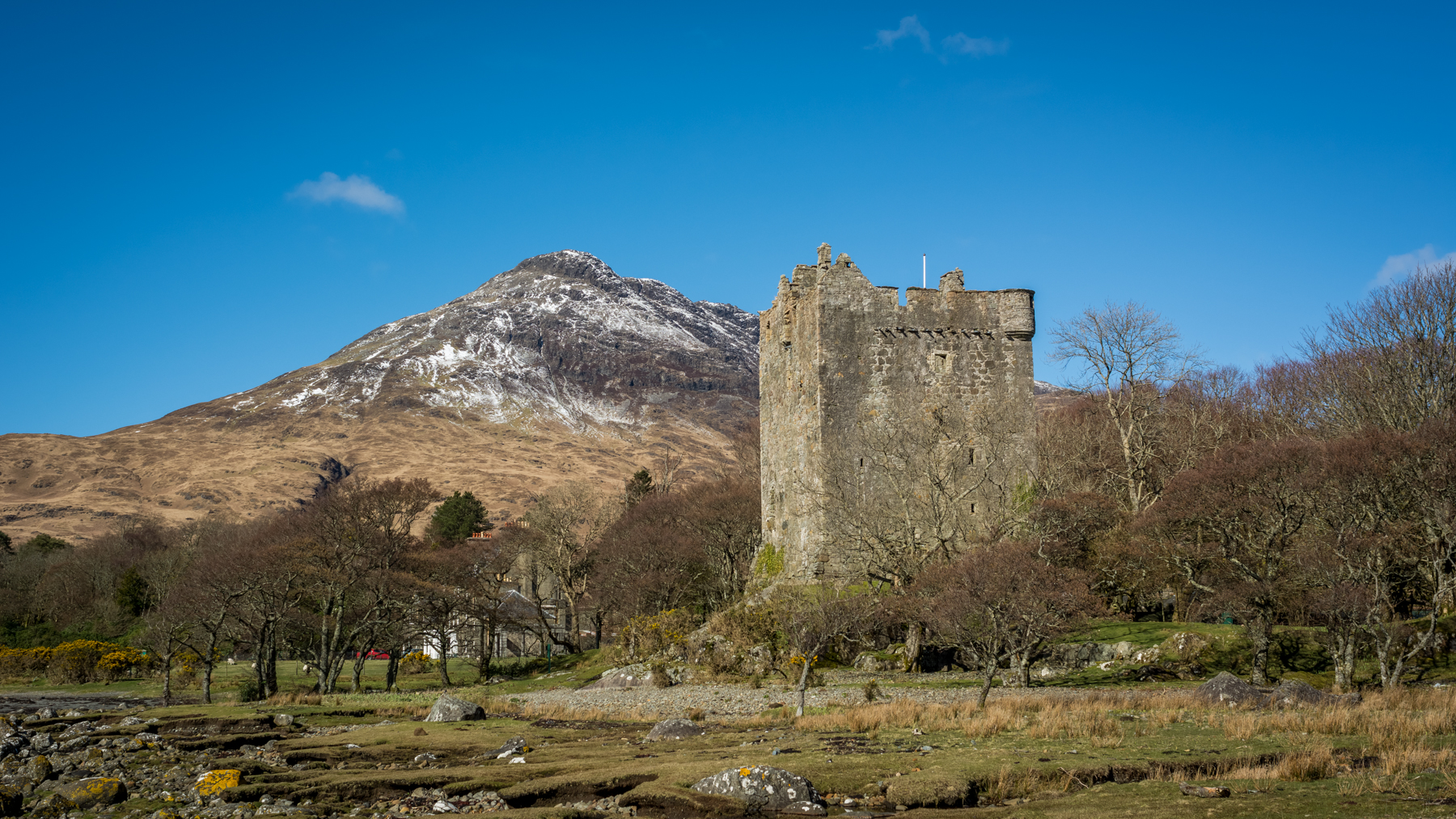
Its walls still stand almost to the parapet, with a working well surviving on the ground floor and a Powell and Pressburger film crew's footprints…
Tomb or burial place · Prehistoric
Cornwall
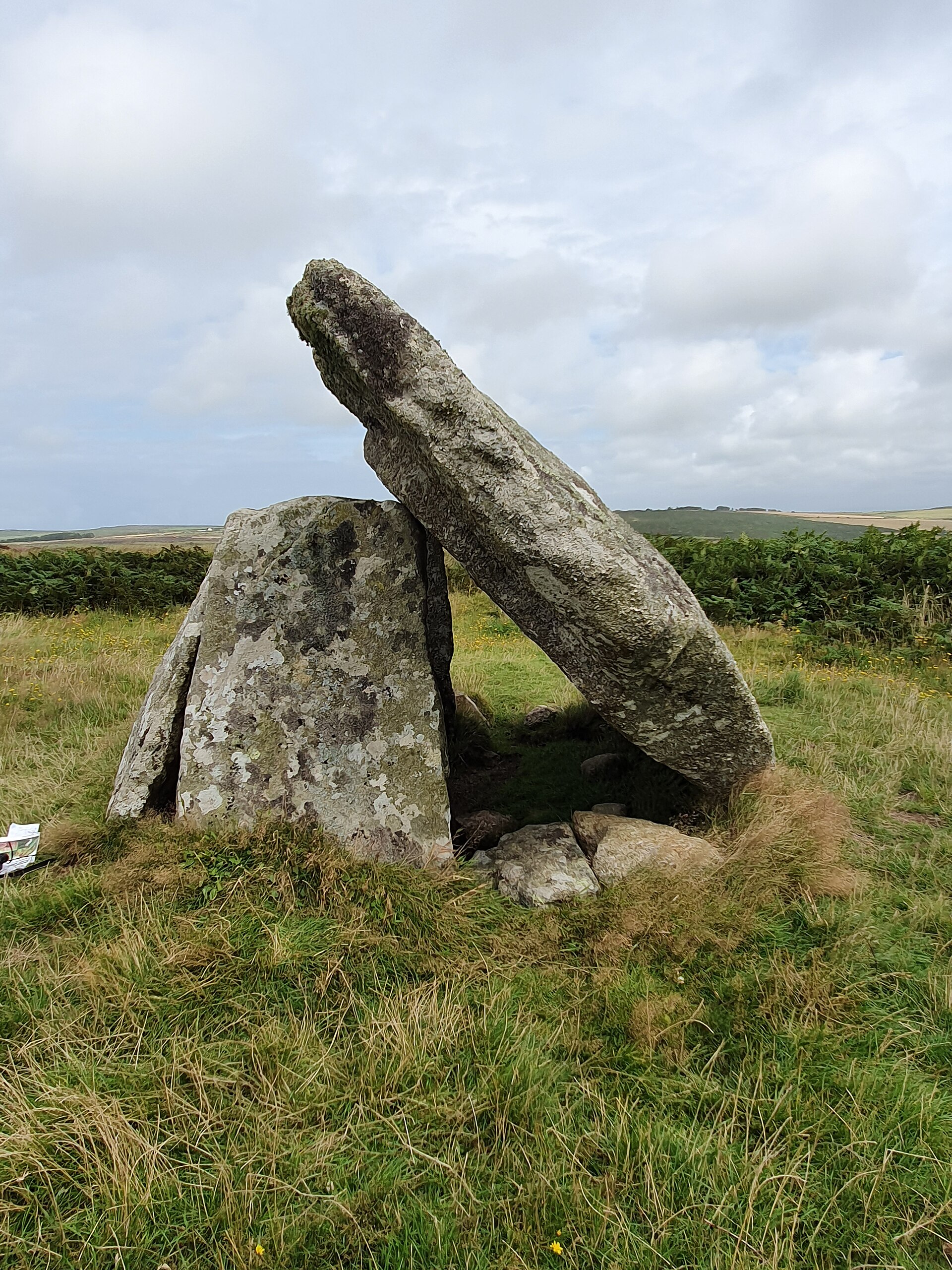
Mulfra Quoit is a Neolithic (the first farming period in Britain, roughly 4000–2500 BC) chamber tomb on Mulfra Hill whose slipped five-ton capstone…
Fortified place · Medieval
Shetland Islands
The most northerly fortified house in the British Isles: burnt by privateers in 1627 after less than thirty years of use, and its top floor later b…
Building or ruin · Roman
West Sussex
A protected archaeological site at Findon, with settlement from before and during Roman rule.
Settlement · Prehistoric
Cambridgeshire
A Bronze Age village that burned, collapsed into a river and was sealed in oxygen-starved silt: preserving whole roof timbers, textiles and meals i…
Building or ruin · Roman
Derbyshire
A gritstone altar and Centurial stone recovered from Navio identify the garrison’s religious practice and the officials who rebuilt the fort in 154…
Building or ruin · Medieval
West Yorkshire
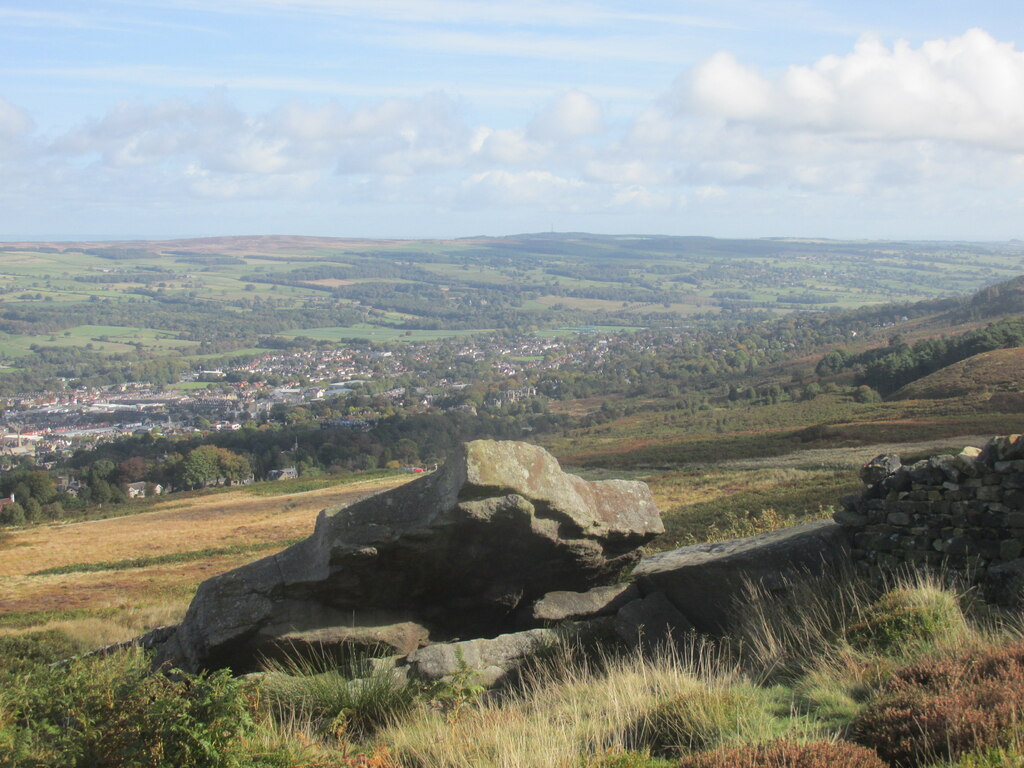
A rock shaped like the lid of a grand piano, a few hundred yards west of the Swastika Stone on the northern edge of Ilkley Moor.
Building or ruin · Medieval
Monmouthshire
The Nelson Rooms records Lady Llangattock’s philanthropy in Monmouth: first a working-men’s gymnasium, then the home of her renowned Nelson collect…
Fortified place · Prehistoric
Shetland Islands
A narrow finger of land reaches south from Scat Ness into the sea at the southern extremity of Shetland Mainland, and near its end, on a rocky spur…
Building or ruin · Medieval
Essex
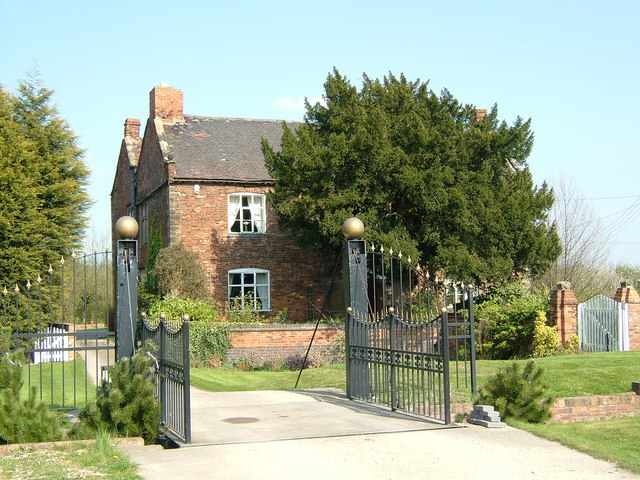
Nether Hall preserves a rare fifteenth-century Essex manorial complex, where a Grade I ruined gatehouse and listed farm buildings record the Colte…
Fortified place · Medieval
Tyne and Wear
A medieval defensive wall raised in the thirteenth and fourteenth centuries to protect the town from attack.
Building or ruin · Roman
Lincolnshire
A working Roman gate that traffic still passes beneath today, its limestone ring still carrying the road it was built to carry eighteen centuries ago.
Building or ruin · Roman
Isle of Wight
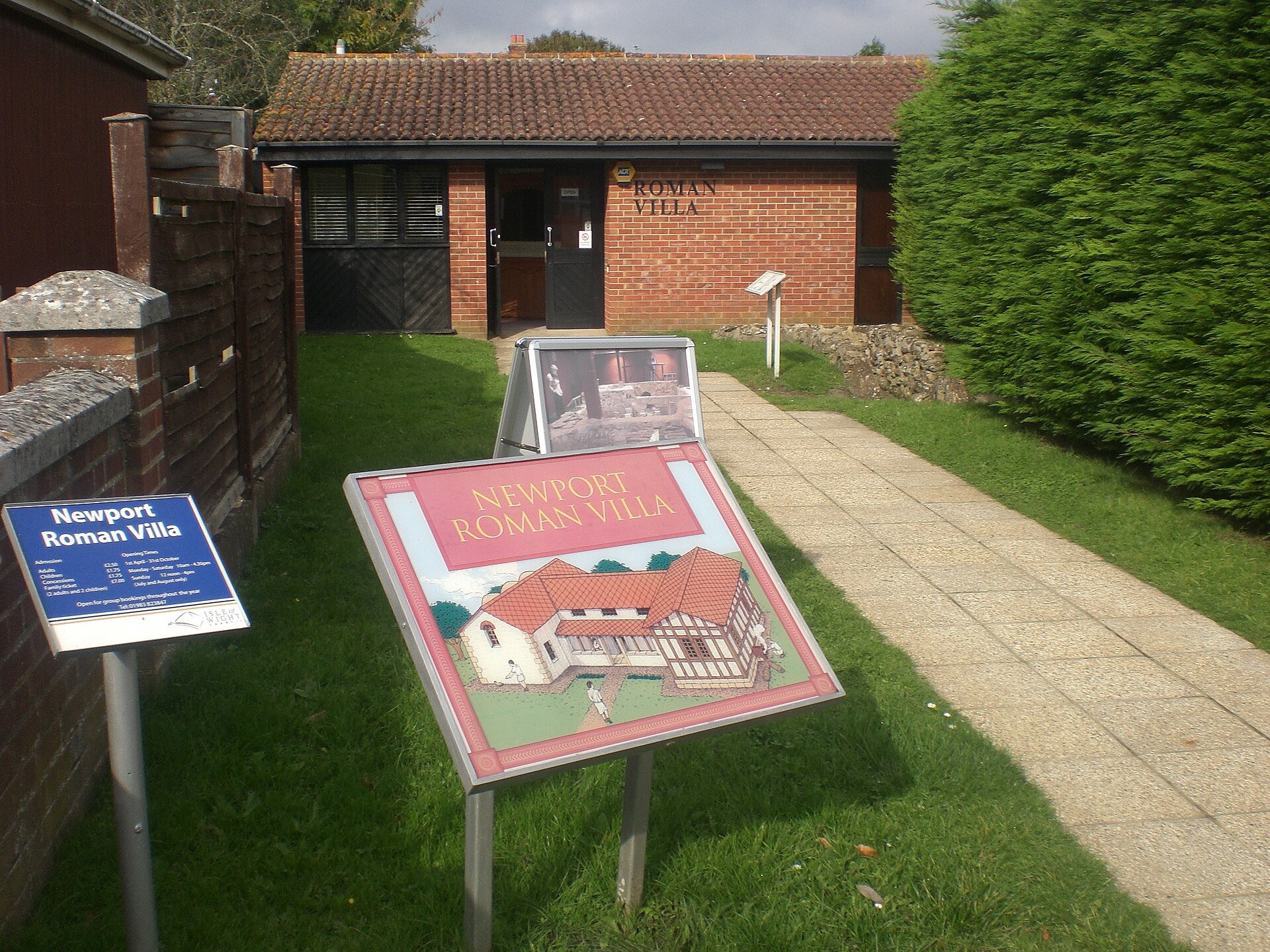
Newport Roman Villa is a well-preserved late Romano-British (Britain under Roman rule, AD 43–410) farmhouse whose bath suite, decorated rooms and r…
Fortified place · Pictish & early medieval
Greater Manchester
Nico Ditch is a six-mile early-medieval earthwork (a bank, ditch or mound shaped from soil rather than built in stone) crossing Greater Manchester…
Building or ruin · Roman
Neath Port Talbot
Nidum is a repeatedly occupied Roman auxiliary fort beneath modern Neath whose changing size, stone rebuilding, road-network position and uniquely…
Building or ruin · Prehistoric
Cornwall
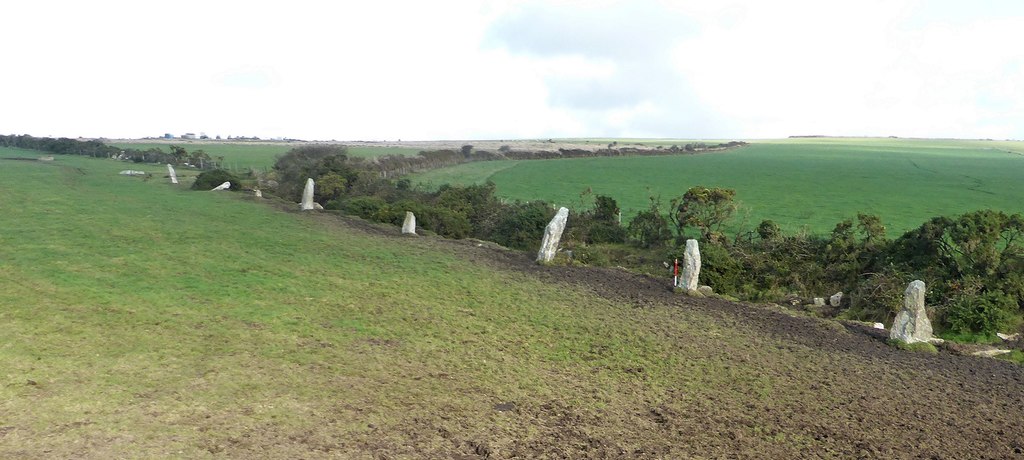
Nine Maidens is a late Neolithic (the first farming period in Britain, roughly 4000–2500 BC) Cornish stone row whose nine irregular stones align to…
Building or ruin · Medieval
Orkney Islands
A castle of the later sixteenth century near Pierowall on Westray, never fully completed.
Building or ruin · Medieval
Cambridgeshire
Tens of thousands of carved bone ships, dominoes and straw-work marquetry made by bored, ingenious captives survive in museums today: the largest b…
Building or ruin · Roman
Aberdeen City
A Roman marching camp misread for fifty years as a Danish fort, its true imperial origin restored only when its rectangular plan gave the game away.
Tomb or burial place · Prehistoric
Wiltshire
One grave here held a gold lozenge, a bronze dagger and a mace among the richest Bronze Age (roughly 2500–800 BC, when metal tools first spread) bu…
Building or ruin · Roman
Oxfordshire
The only Roman building left standing and open to visitors anywhere in Oxfordshire, with sixty rooms and nineteen mosaic floors surviving from a ho…
Building or ruin · Medieval
Greater London
Northolt Manor preserves the archaeological footprint of a moated medieval manor on a site occupied from at least the 7th or early 8th century, whi…
Tomb or burial place · Prehistoric
Gloucestershire
A chambered long barrow, a communal burial mound, whose stone passage and side chambers stood open to the sky for millennia before being sealed shu…
Sacred place · Medieval
Buckinghamshire
A private house built from the bones of one of the Oxford region's richest Augustinian monasteries, later home to Laurence Olivier and Vivien Leigh…
Building or ruin · Roman
West Sussex
The Roman town beneath Chichester, almost nothing of which stands above ground: and whose very name is a modern reconstruction from five scraps of…
Sacred place · Medieval
Rutland
A sixteenth- or seventeenth-century market cross, of the kind that served as a gathering point and market venue.
Tomb or burial place · Prehistoric
Dorset
Oakley Down is a scheduled Cranborne Chase cemetery whose thirty Bronze Age, the period from about 2500 to 800 BC, mounds and early excavated buria…
Building or ruin · Roman
Derbyshire
Trading on a name possibly given by Danish settlers, this is the oldest documented lead mine in Derbyshire: worked, on and off, for over five centu…
Fortified place · Medieval
Powys
An earthwork whose ditch faces Wales along its whole length: and whose radiocarbon dates now run from three centuries before Offa to two centuries…
Fortified place · Medieval
Northumberland
Ogle Castle shows why a Northumbrian manor needed crenellations: a captured Scottish king was held here, and its earthworks still surround a Grade…
Fortified place · Medieval
Argyll and Bute
A clan stronghold bombarded into ruin by government order after Culloden: its fall traces the collapse of Jacobite Cowal in a single act of naval g…
Sacred place · Medieval
Isle of Anglesey
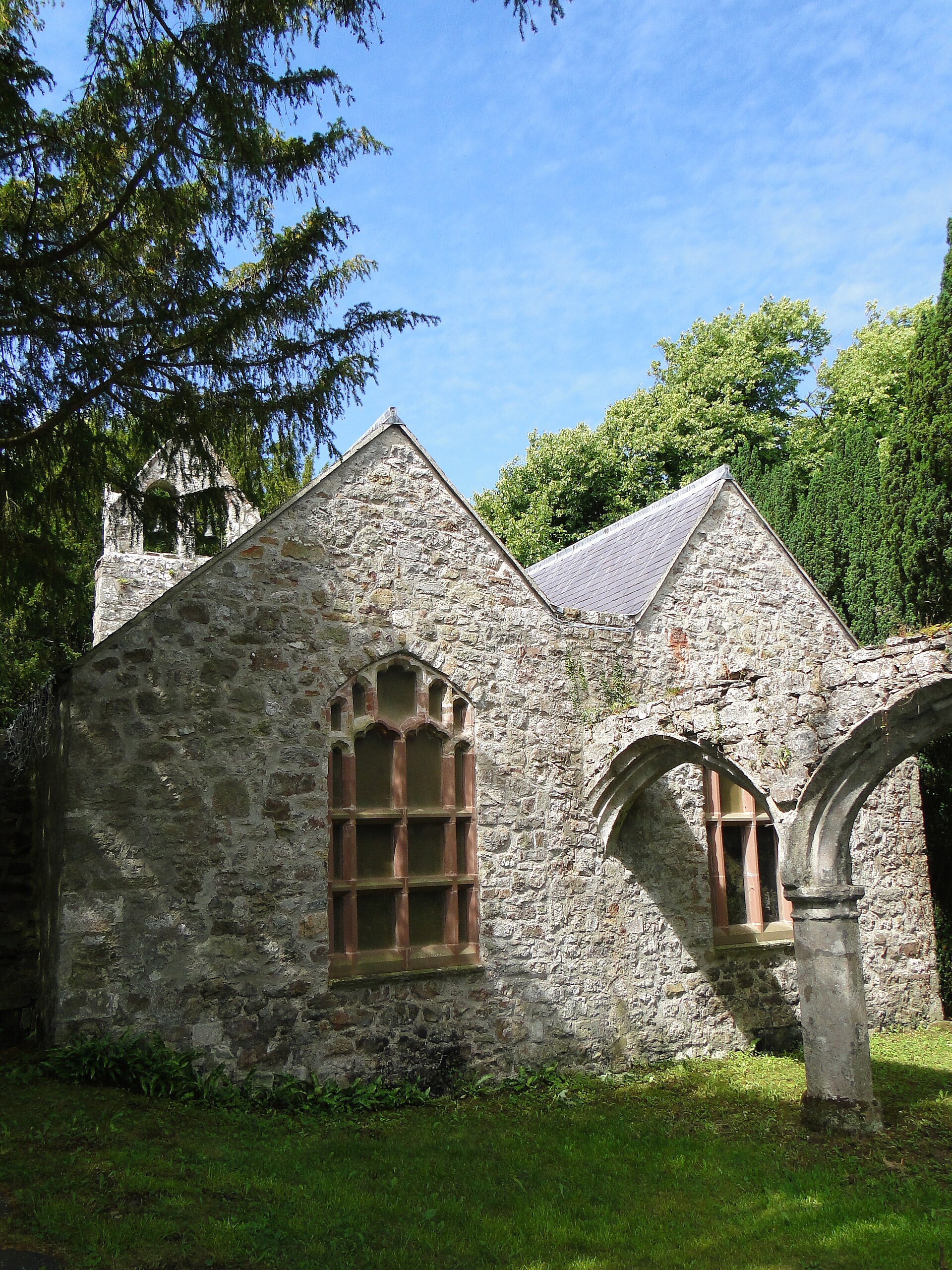
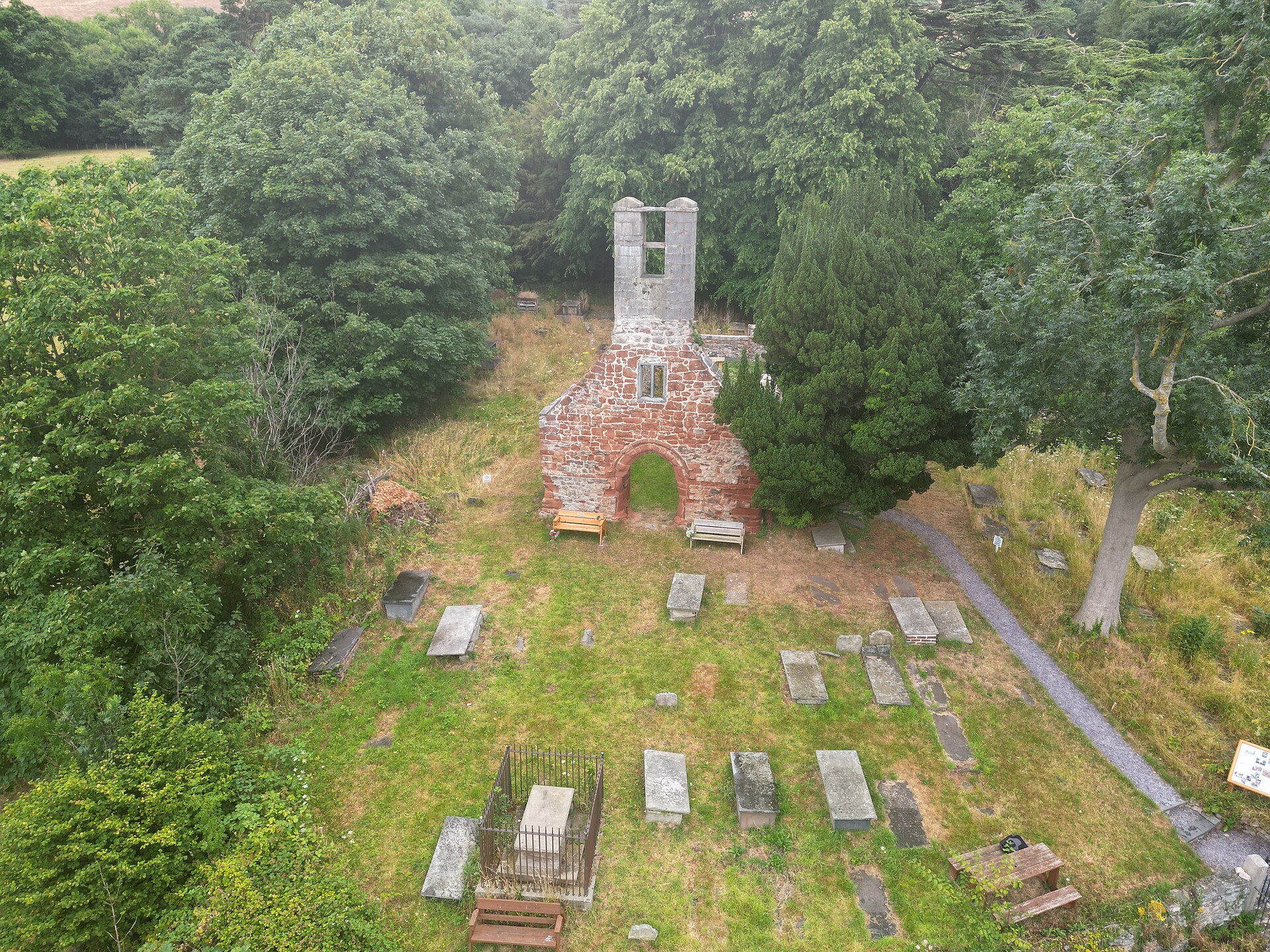
Old St Nidan’s is a partly ruined double-naved medieval church near the Menai Strait, preserving a six-arch arcade and relic traditions despite 19t…
Building or ruin · Medieval
Hertfordshire
A working Elizabethan statesman's house reduced to a porch, a chapel and a clock tower, built in part from the stones of a dissolved abbey (a relig…
Sacred place · Pictish & early medieval
Hampshire
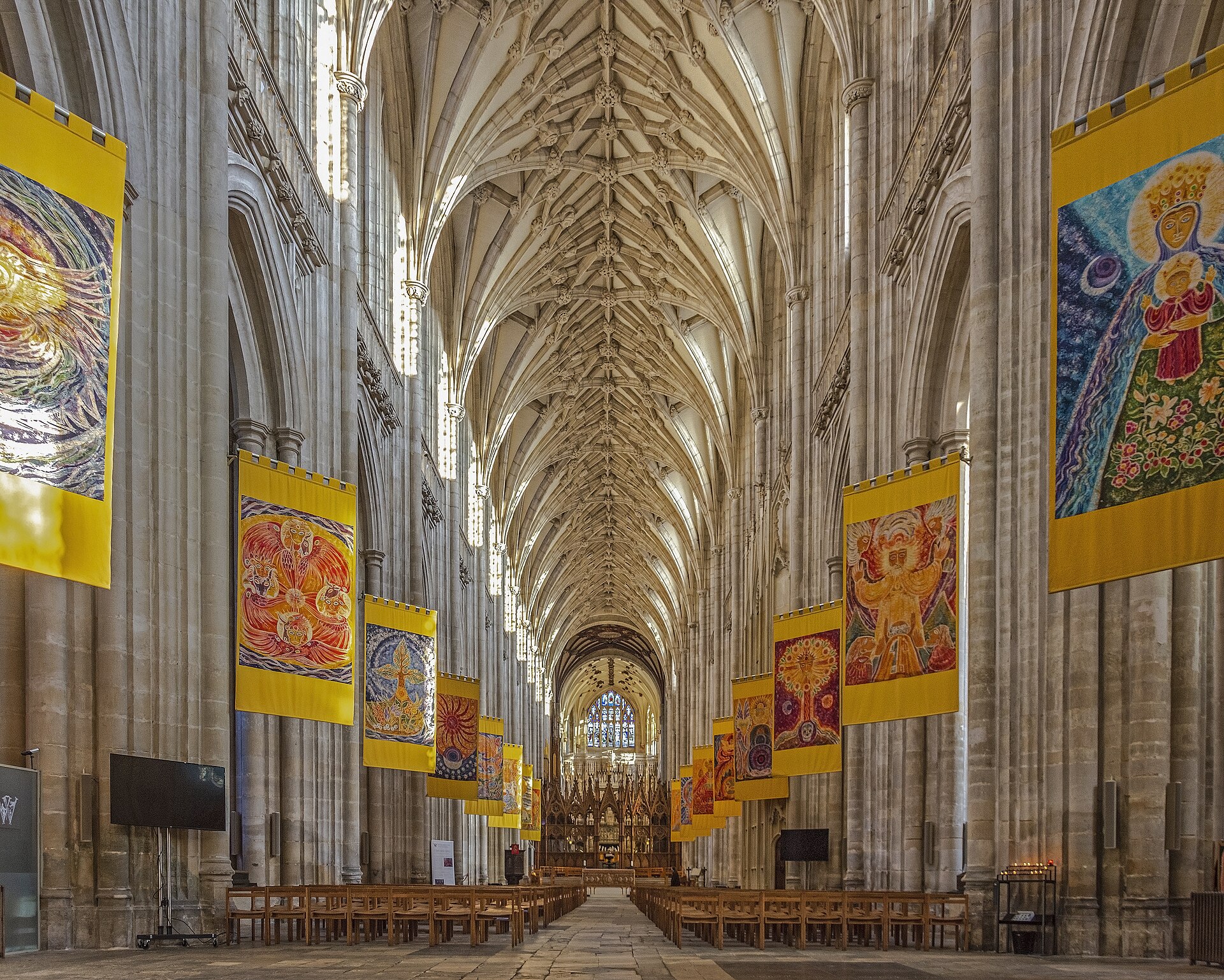
For over a century this was reputedly the largest church in Europe, and the resting place of Anglo-Saxon kings whose bones now lie in chests around…
Fortified place · Iron Age
Shropshire
Old Oswestry is one of Britain’s best-preserved Iron Age (from about 800 BC until the Romans came) hillforts, where four defensive phases and later…
Building or ruin · Medieval
Lancashire
A 14th-century rector's house standing to almost its full gable height, its private hall, kitchen courtyard and even a well still traceable on the…
Sacred place · Medieval
Worcestershire
Its 1990s restorers worked "to make it appear as though we had never been on the site": conservation by near-total restraint rather than repair.
Sacred place · Medieval
Denbighshire
A roofless medieval church whose paper trail: a 1291 tax record and a 1535 valuation of £418: survives more fully than the building itself.
Building or ruin · Medieval
East Sussex
A manor house whose owners ranged from a traditionally claimed Plantagenet founder to Jesuit theologians who trained Pierre Teilhard de Chardin, be…
Building or ruin · Medieval
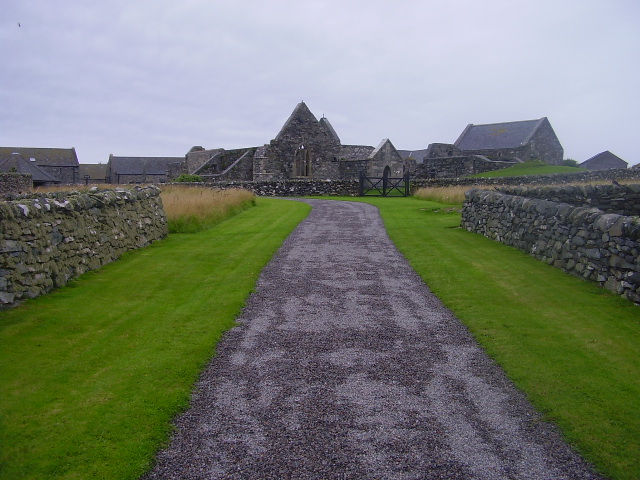
Argyll and Bute
A tidal island monastery so remote that its own priors barely surface in the record, yet it left one of the finest carved crosses in the Hebrides s…
Sacred place · Medieval
Gloucestershire
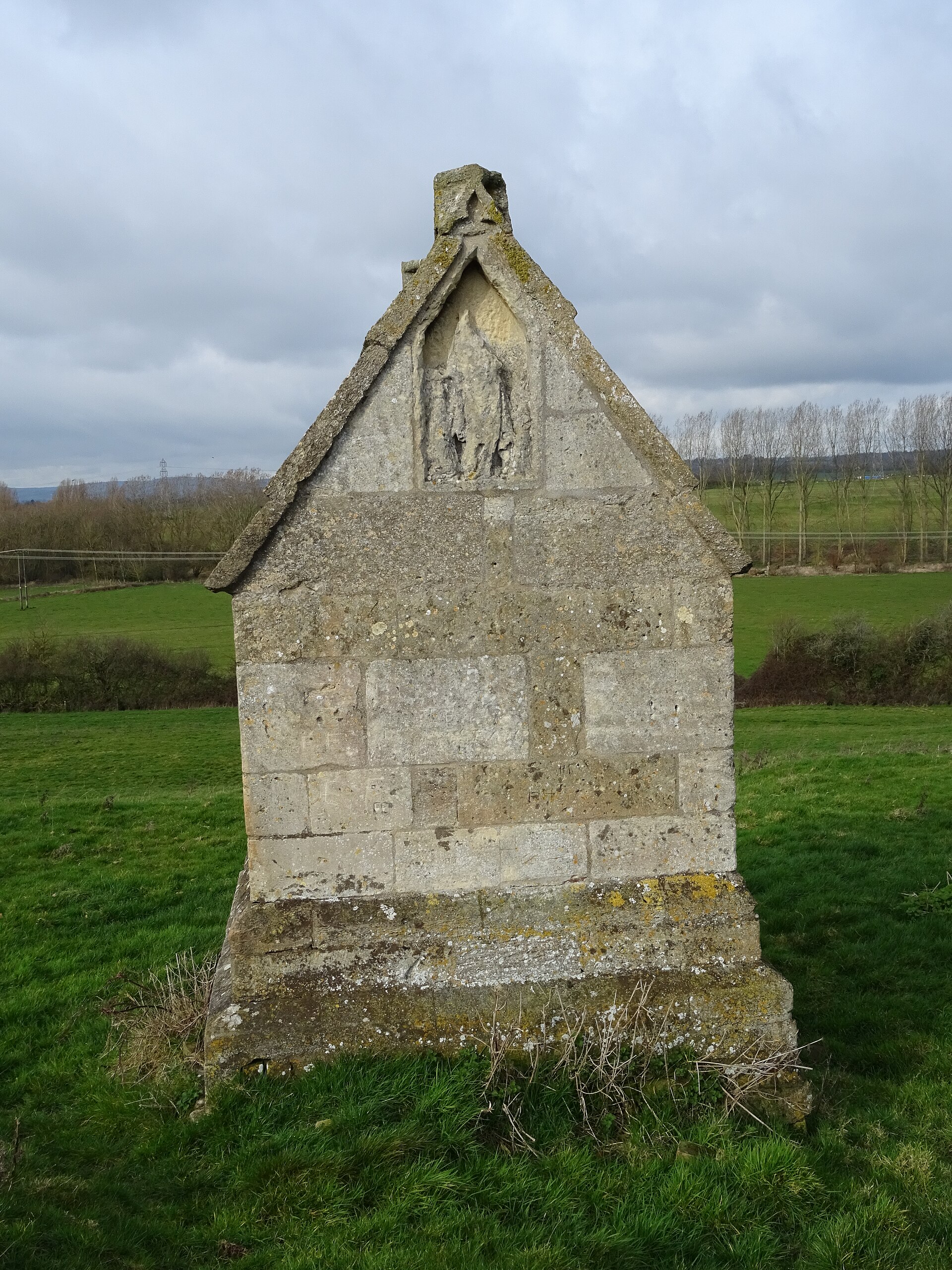
A 14th-century well house carved with Saint Anne, the Virgin Mary and an angel: physical record of a pilgrimage for cures revived as recently as 1989.
Building or ruin · Roman
Lancashire
A Roman fort so thoroughly buried beneath a country house that its very name is guesswork, pieced together from a scholarly quarrel over the Antoni…
Fortified place · Medieval
Oxfordshire
A rare English example of genuine concentric double-walling, possibly inspired by Crusader experience of Near Eastern fortresses or by masons retur…
Fortified place · Iron Age
Cornwall
Padderbury Top is a compact Cornish defended settlement whose surviving rampart, a defensive bank of earth or stone, and aerial traces preserve a l…
Sacred place · Medieval
Derbyshire
A gatehouse range rebuilt as a chapel in 1933 to honour two priests hanged, drawn and quartered for their faith in 1588.
Building or ruin · Medieval
Derbyshire
Padley Hall’s double courtyard preserves the setting where two hidden priests were seized in July 1588 and later became known as the Padley Martyrs.
Building or ruin · Roman
Somerset
Three temples built one after another on the same spot, in a double-octagonal plan: on a hill whose apt-sounding name turns out to be modern.
Tomb or burial place · Prehistoric
Isle of Anglesey
Pant-y-Saer is a partially collapsed Neolithic (the late Stone Age, about 4000–2500 BC in Britain) chamber tomb where excavation revealed repeated…
Building or ruin · Medieval
Nottinghamshire
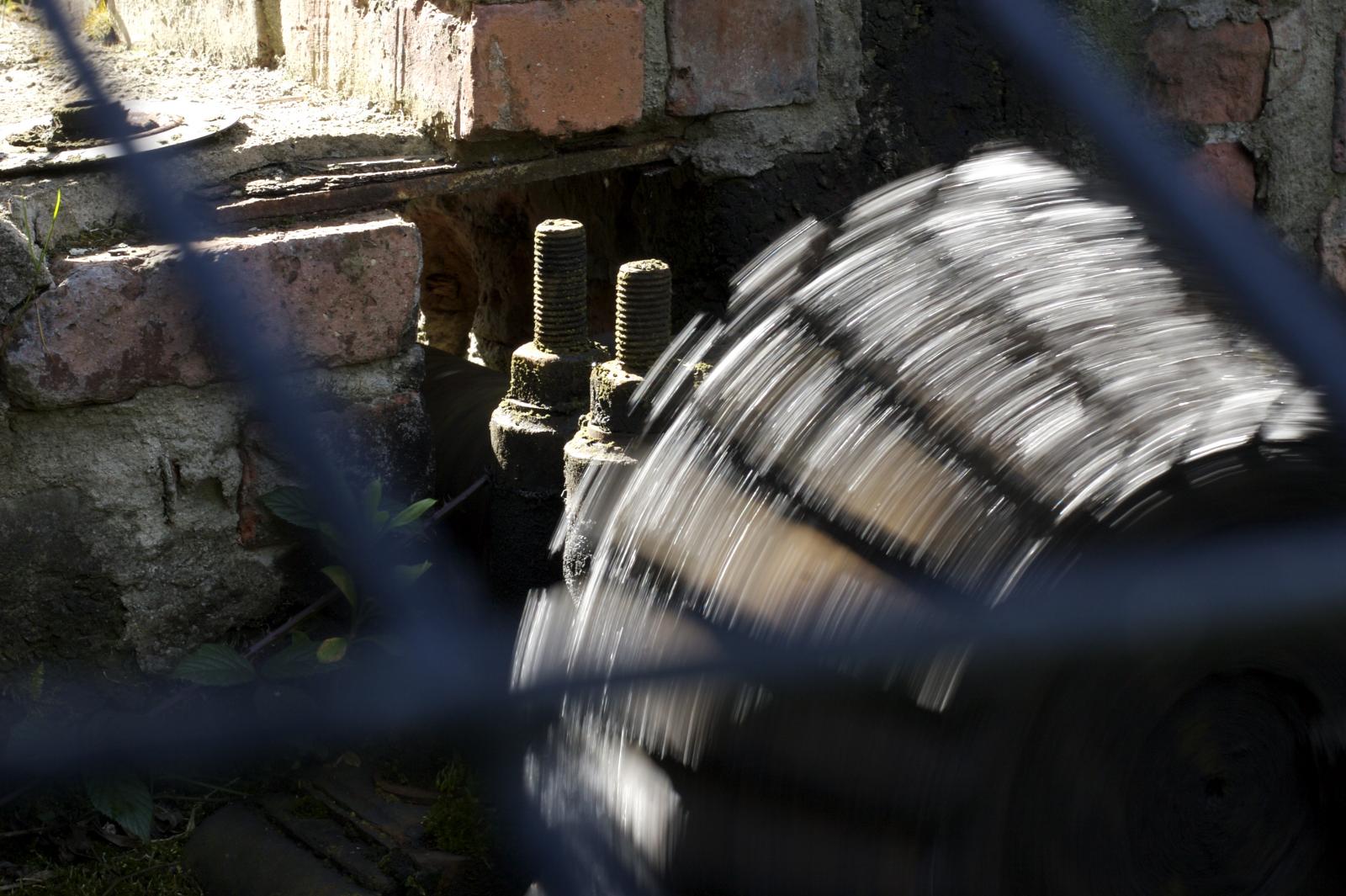
Papplewick preserves a working Victorian clean-water system whose original beam engines still demonstrate the engineering that transformed Nottingh…
Tomb or burial place · Prehistoric
Swansea
In 1869 workmen digging for road stone on the Gower Peninsula broke into a mound of limestone rubble and found it packed with broken human bone. Wh…
Building or ruin · Medieval
Greater London
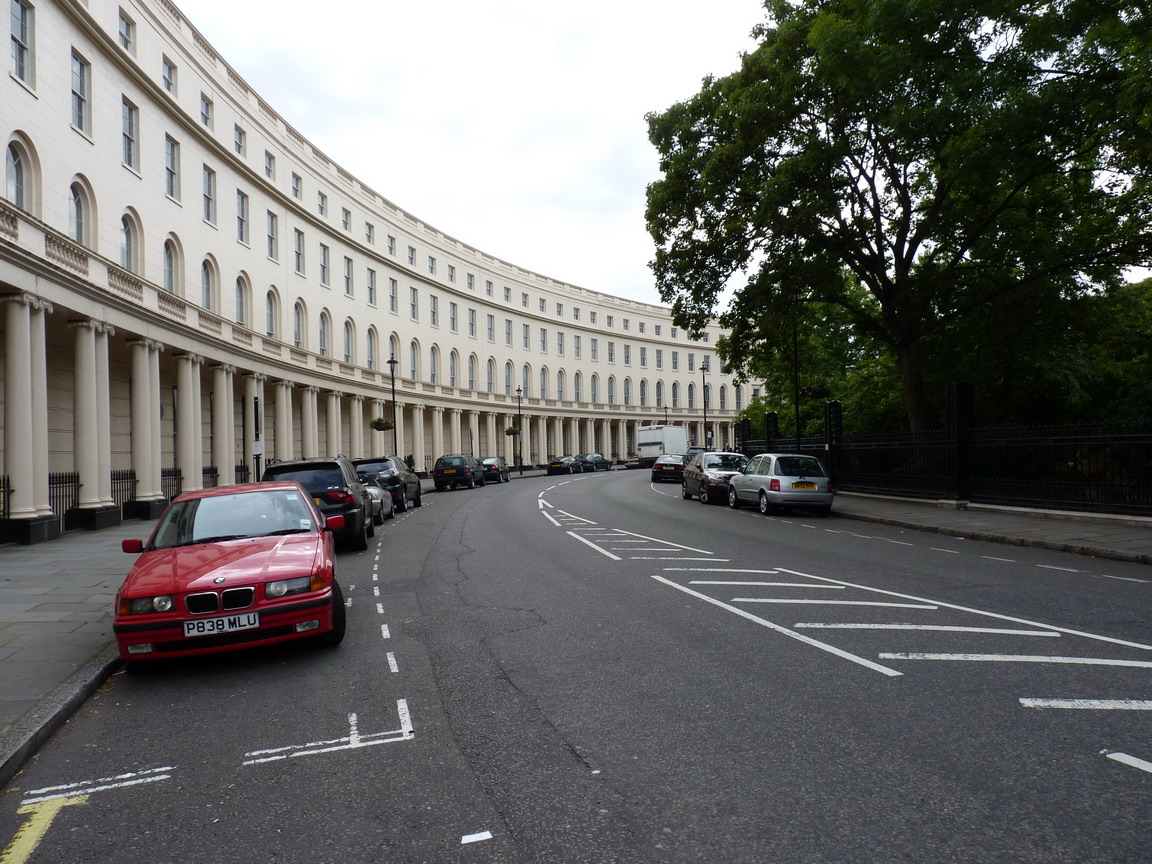
The Park Crescent West ice well is a rare, well-preserved 1780 urban ice store whose use by ice-trade pioneer William Leftwich captures the shift f…
Building or ruin · Medieval
Norfolk
Paston Great Barn is a 1581 Paston grain store whose exceptional architecture now supports Britain’s only building-based barbastelle maternity roos…
Building or ruin · Medieval
County Antrim
Patterson’s Spade Mill is the British Isles’ last water-powered spade mill operating in situ, preserving a critically endangered craft in Templepat…
Fortified place · Medieval
West Midlands
Photographed by the government in case bombing destroyed it, Peddimore Hall survived the Second World War intact: a moated manor whose earthworks p…
Fortified place · Medieval
Pembrokeshire
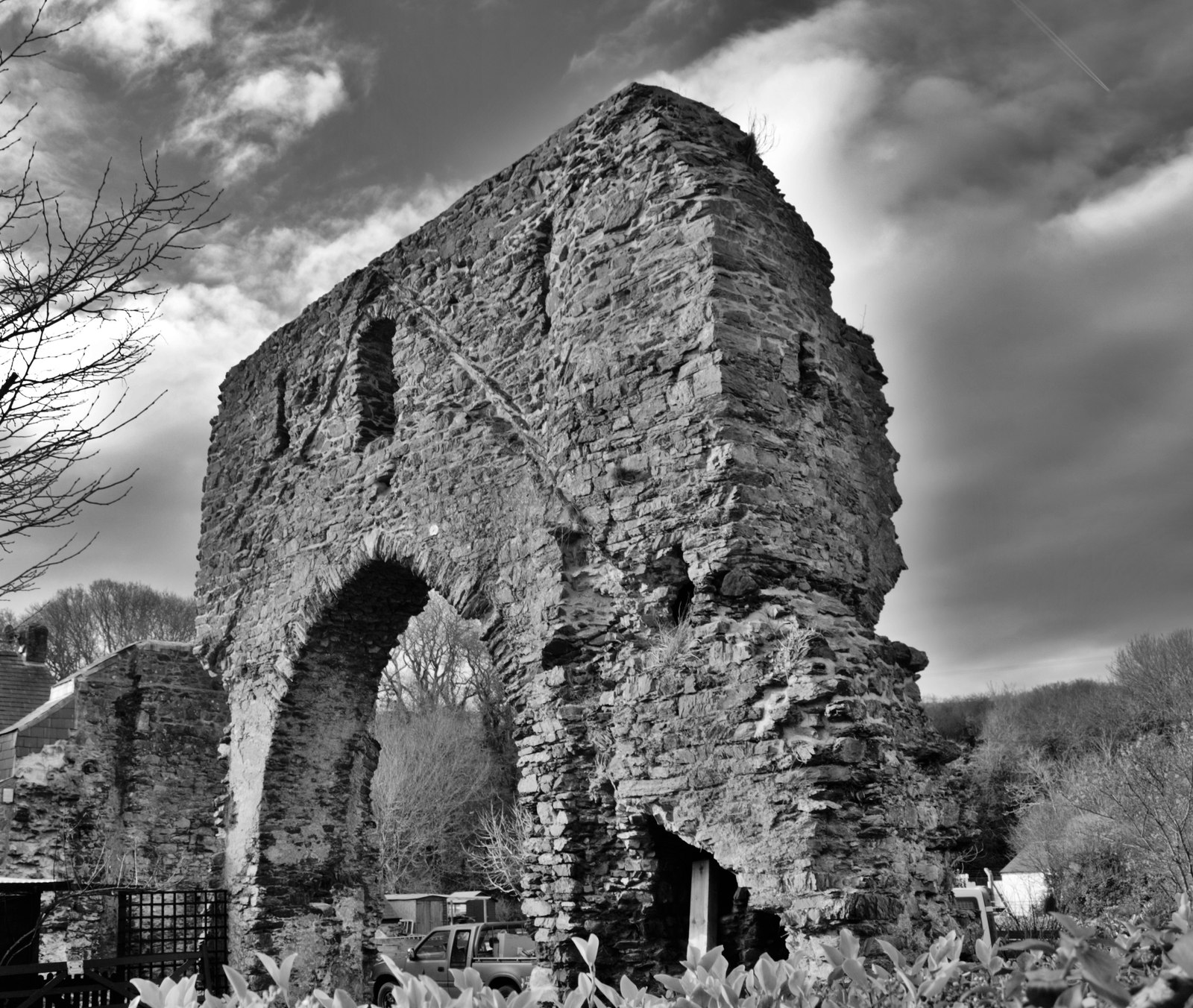
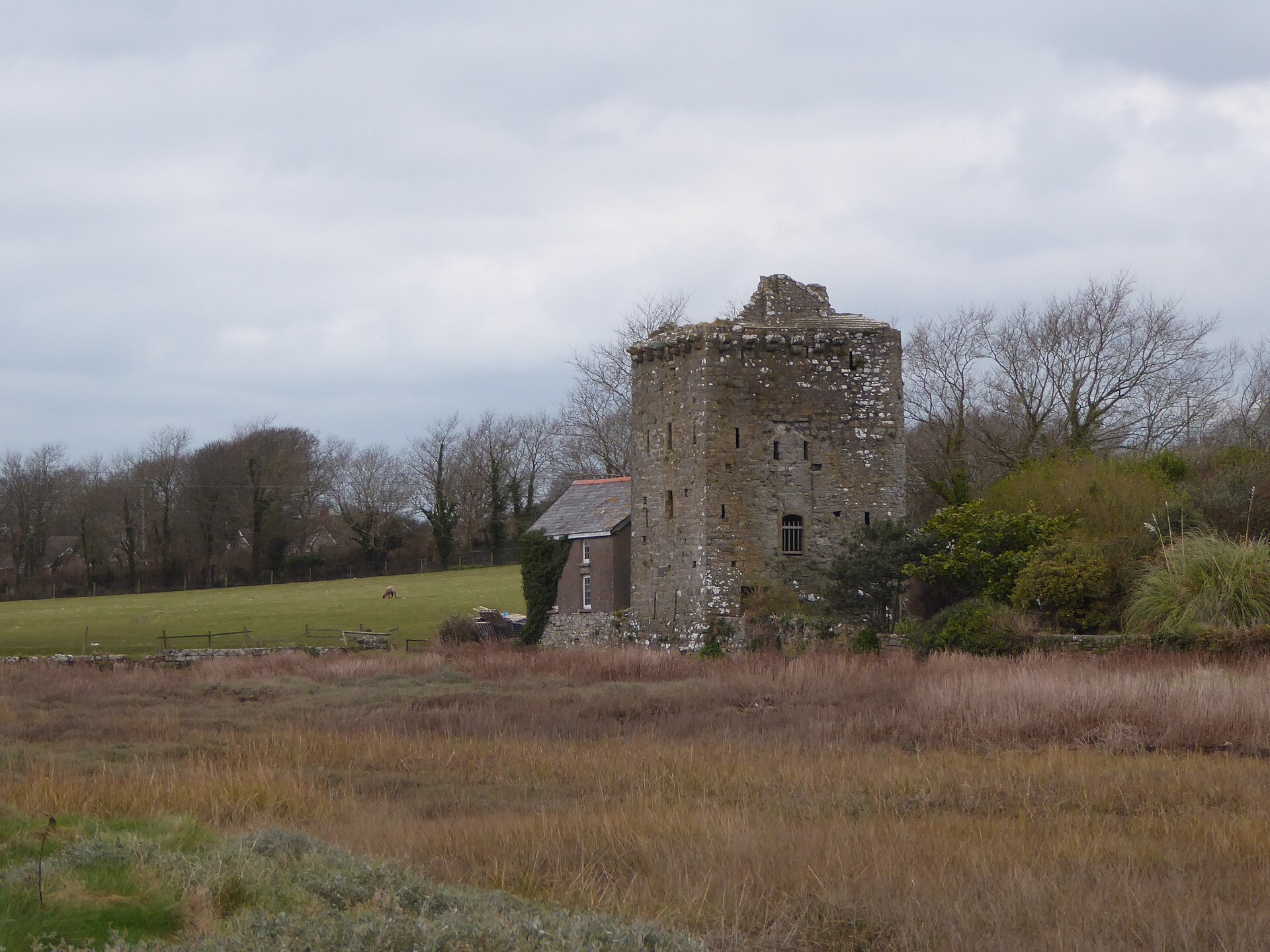
The only pele tower to survive anywhere in Wales, its rubble walls still carrying corbels for a vanished parapet walk and machicolations above a mo…
Building or ruin · Medieval
Gwynedd
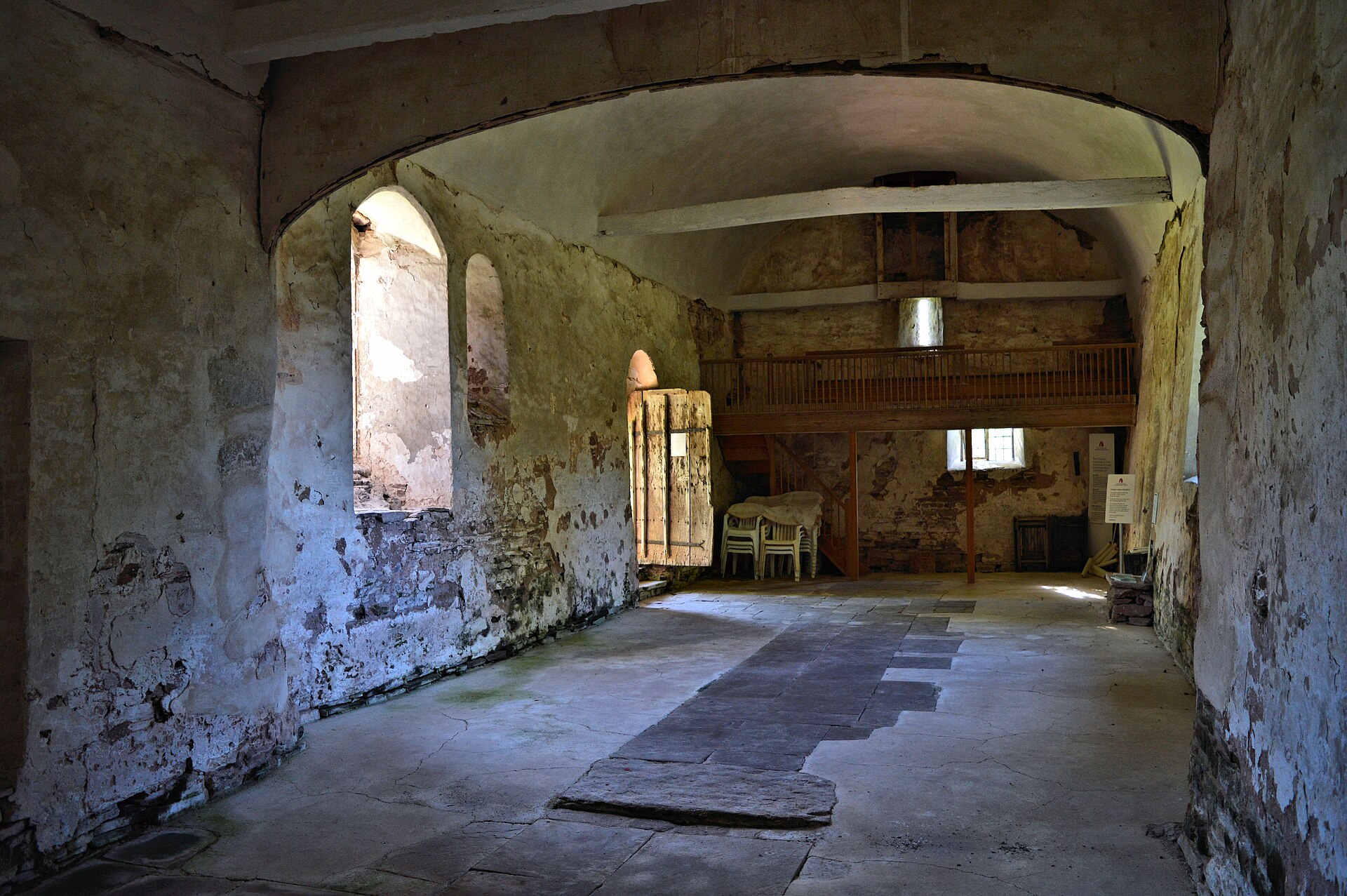
The present roof timbers of Pen y Bryn were felled between 1619 and 1624, dated by dendrochronology to the refurbishment that gave the two-storey m…
Building or ruin · Roman
Newport
Pen-toppen-ash is a complex of late prehistoric: a period before written records reached Britain: enclosures on Kemeys Graig, whose possible Roman…
Building or ruin · Medieval
gwynedd
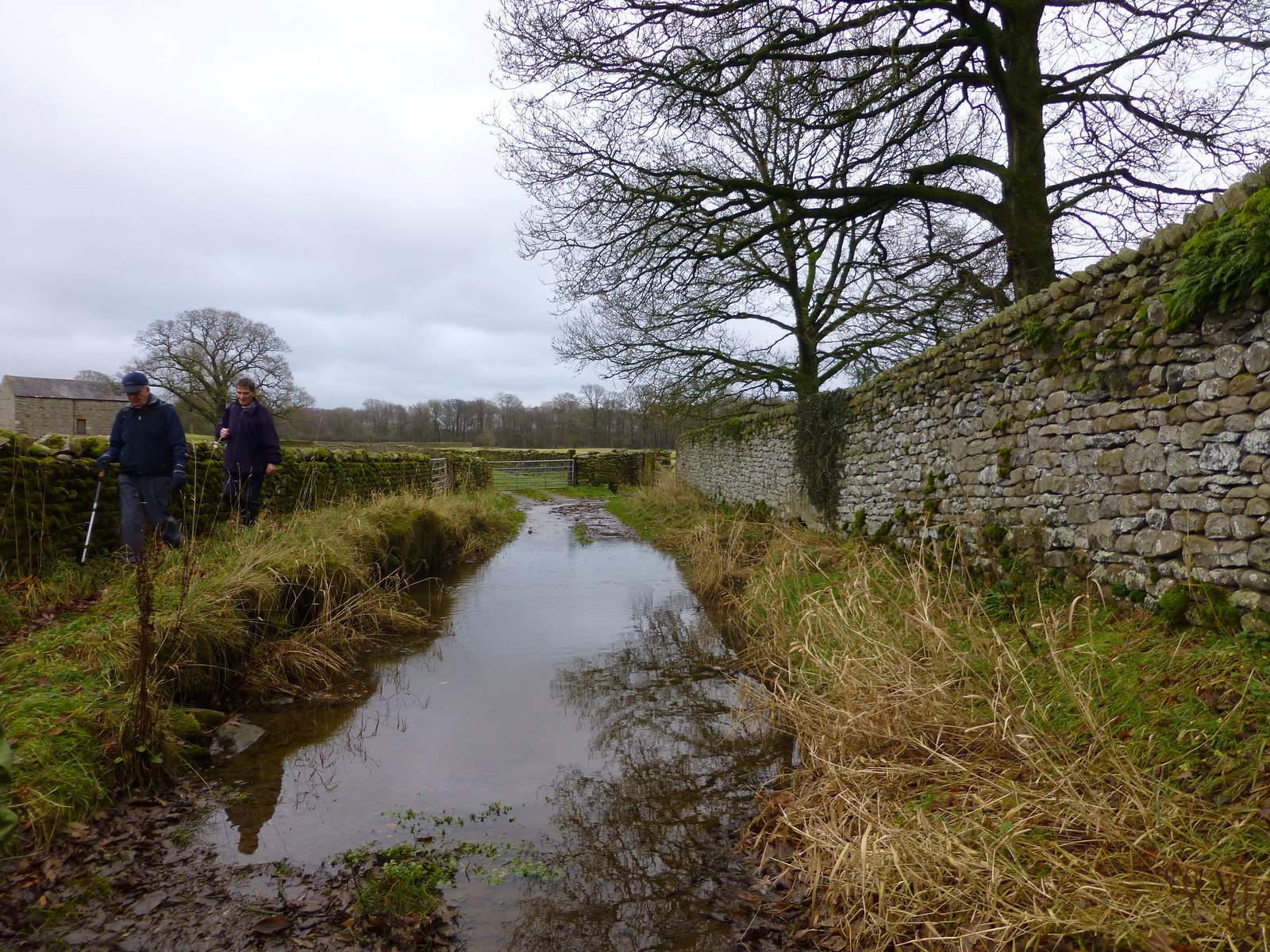
Two carved oak posts and the beam they carry make up the westernmost screen of their kind recorded in Wales, and the only one known in the old coun…
Building or ruin · Roman
Staffordshire
Named in a second-century Roman road-book, lost for centuries, and found again from the air in 1946.
Sacred place · Prehistoric
Isle of Anglesey
Penrhos Feilw’s paired Bronze Age (the period from about 2500 to 800 BC) stones are an enigmatic coastal landmark on Holy Island, their deliberate…
Building or ruin · Prehistoric
pembrokeshire
A sixteen-tonne capstone rests on the tips of three slender uprights, two and a half metres off the ground. One reading is that it was never meant…
Sacred place · Iron Age
Cornwall
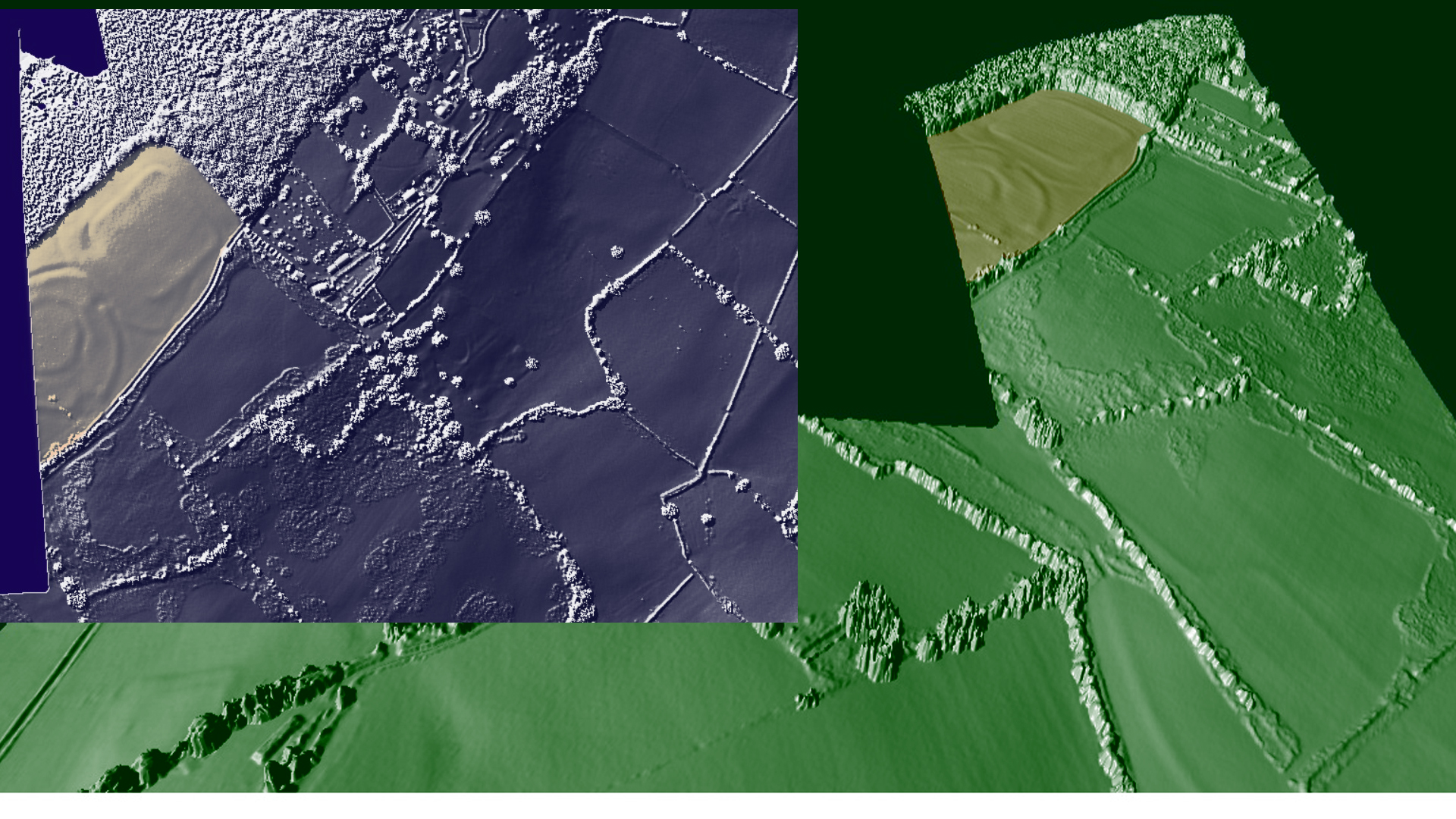
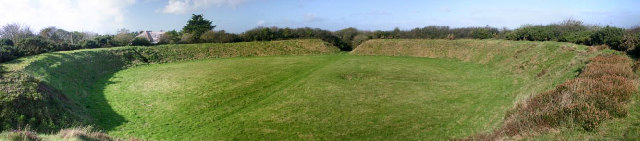
Perran Round is Cornwall’s best-preserved plen-an-gwary, an earthwork arena: a mound or ditch formed by moving soil, not by building: with uncertai…
Building or ruin · Medieval
Monmouthshire
A moated Herbert mansion with two drawbridges, a centre of Catholic recusancy, pulled down piecemeal by its own owner and reduced to one wall.
Tomb or burial place · Medieval
Isle of Anglesey
Perthi-Duon is an enigmatic collapsed Anglesey stone monument whose possible Neolithic (the closing Stone Age, roughly 4000–2500 BC) tomb status, e…
Building or ruin · Roman
Cumbria
Buried beneath a Carlisle suburb, this was the largest fort on Hadrian's Wall, built to house Roman Britain's only thousand-strong cavalry regiment.
Building or ruin · Roman
East Riding of Yorkshire
Its theatre-dedication stone is the only inscription anywhere in Roman Britain naming a magistrate: a rare fragment of civic life from a small prov…
Building or ruin · Roman
County Durham
A Roman fort, bridge, bath house and civilian town lie buried beneath a working village green: with one of only two surviving Roman river bridges i…
Building or ruin · Roman
Cumbria
Built decades before Hadrian's Wall existed, this signal tower was folded into the frontier at a deliberate forty-five-degree angle purely to keep…
Tomb or burial place · Prehistoric
Lancashire
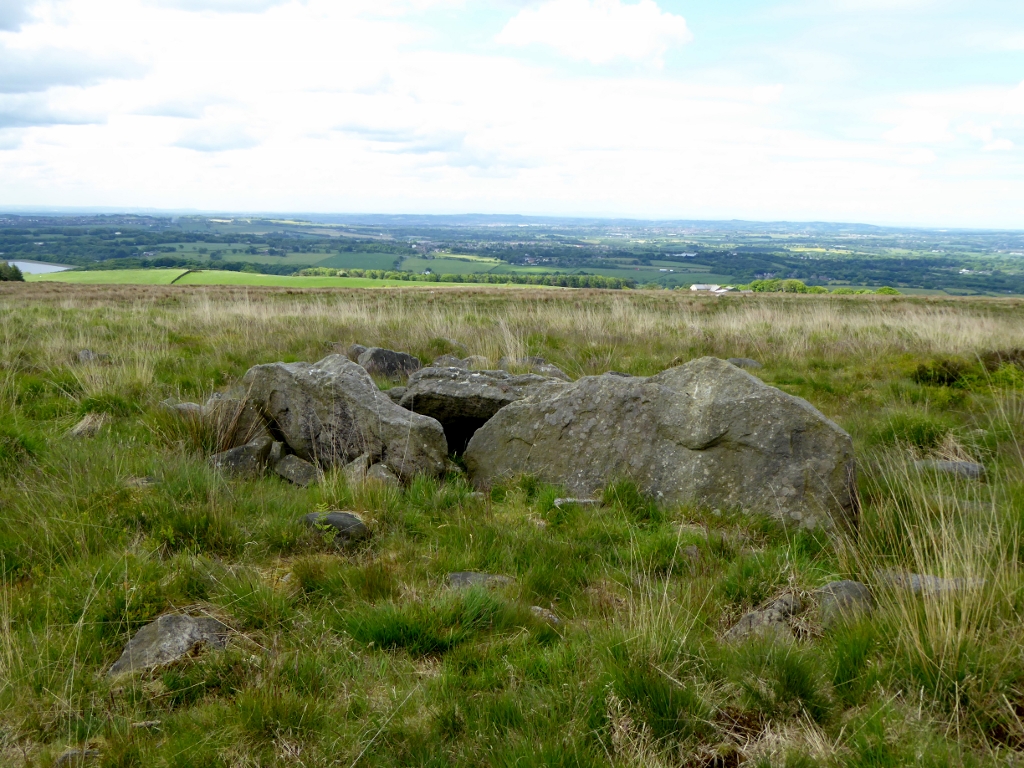
Pikestones is a robbed Neolithic chambered cairn, a Stone Age burial mound built around a stone chamber, on Anglezarke Moor, one of only two chambe…
Sacred place · Medieval
Pembrokeshire
A Tironensian priory: a religious house led by a prior, a rank below an abbot: founded by the Roche family near Milford Haven, reduced to four monk…
Briefer entries: recorded and worth knowing, with fuller pages to come.
Building or ruin · Roman
Carmarthenshire
East of the old town of Carmarthen stand the earthwork (earth moved and shaped into banks and ditches rather than built up in stone) remains of a R…
Fortified place · Prehistoric
County Londonderry
Mount Sandel Fort places an Iron Age (the centuries before Rome arrived, from about 800 BC) stronghold and John de Courcy’s medieval residence besi…
Settlement · Prehistoric
County Londonderry
Mount Sandel is one of Ireland’s oldest archaeological sites and preserves the country’s only confirmed Mesolithic (the middle Stone Age, roughly 9…
Sacred place · Medieval
Down
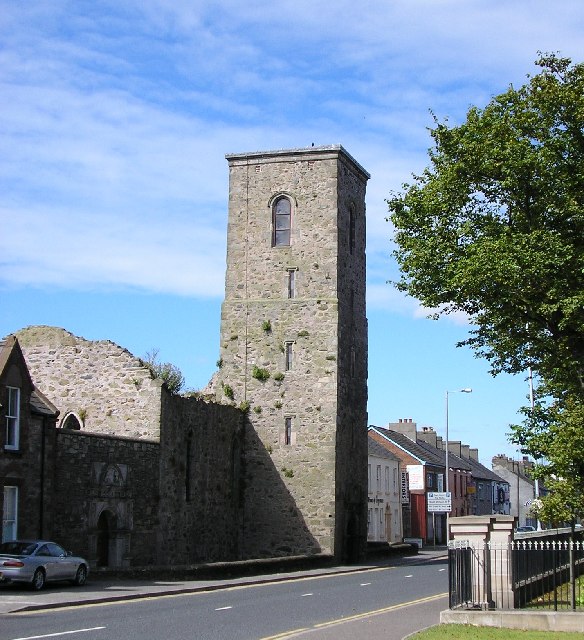
Movilla connects early Irish scholarship, Viking disruption and Augustinian renewal: its late-medieval ruins mark a monastery once taught by St Fin…
Sacred place · Prehistoric
County Antrim
Moyadam joins a medievally attested place-name, Maigh Doinn or “Donn’s plain”, with a surviving standing stone from before written records reached…
Building or ruin · Pictish & early medieval
Essex
Mucking is Britain’s largest excavation, exposing 3,000 years of settlement and one of the earliest, most extensive Anglo-Saxon communities and cem…
Fortified place · Medieval
County Tyrone
Muntober pairs a substantial Tyrone townland with the protected Black Fort rath (an early-medieval Irish farmstead ringed by an earth bank) and a r…
Sacred place · Iron Age
Armagh
Navan Fort is one of Ireland's great prehistoric (from the era before writing arrived in these islands) ceremonial monuments, where a huge Iron Age…
Building or ruin · Pictish & early medieval
County Down
Nendrum’s tide-mill remains are the earliest excavated of their kind, showing early medieval (roughly AD 400–1100, between the Romans and the Norma…
Sacred place · Medieval
County Down
Newtownards Priory preserves a medieval Dominican church whose layered nave (the western body of the building, where the congregation gathered), cl…
Tomb or burial place · Prehistoric
Cornwall
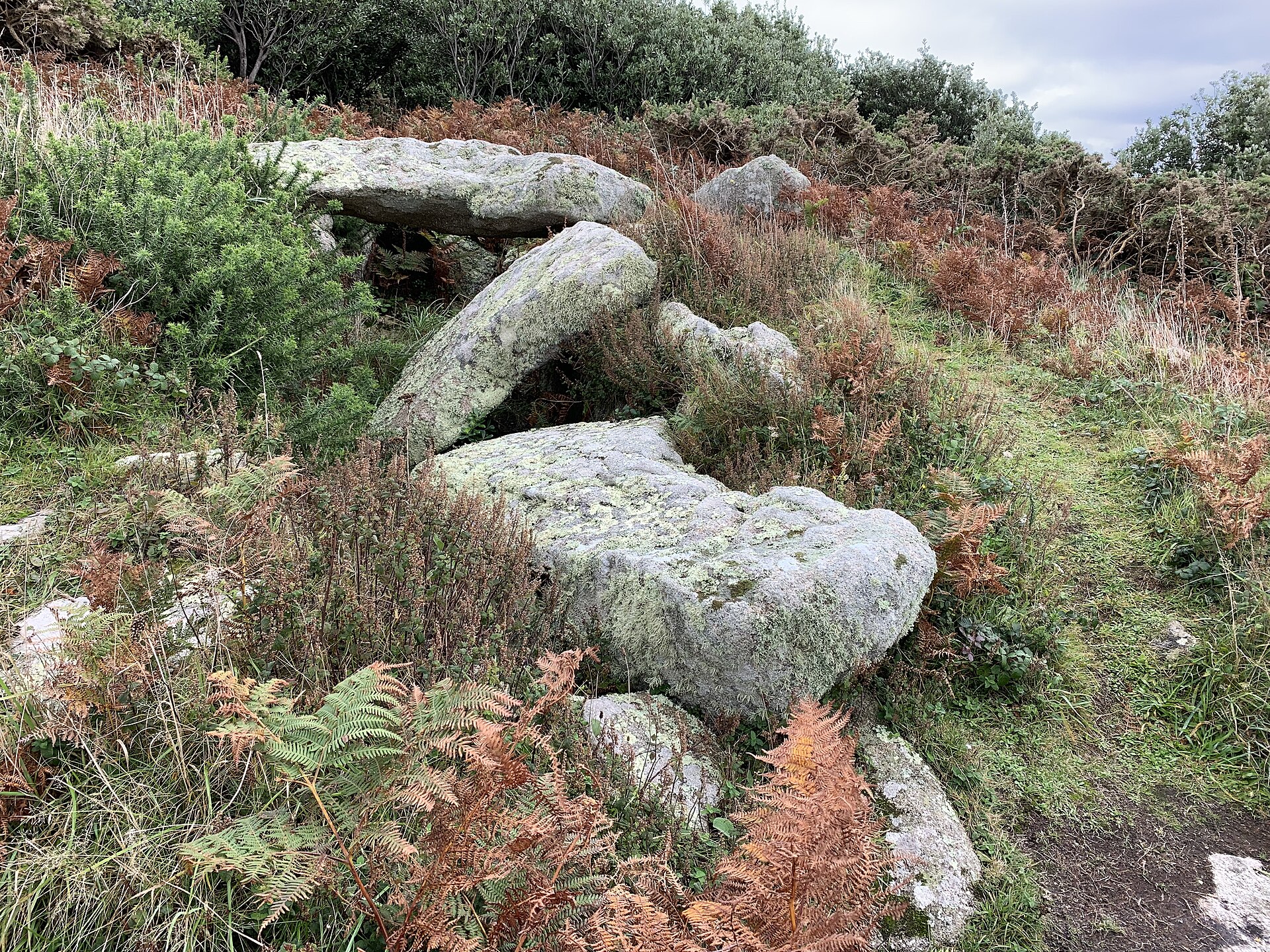
Obadiah’s Barrow: a burial mound of earth from from the era before writing arrived in these islands: is Gugh’s largest entrance grave, where a 1901…
Sacred place · Medieval
Isle of Anglesey
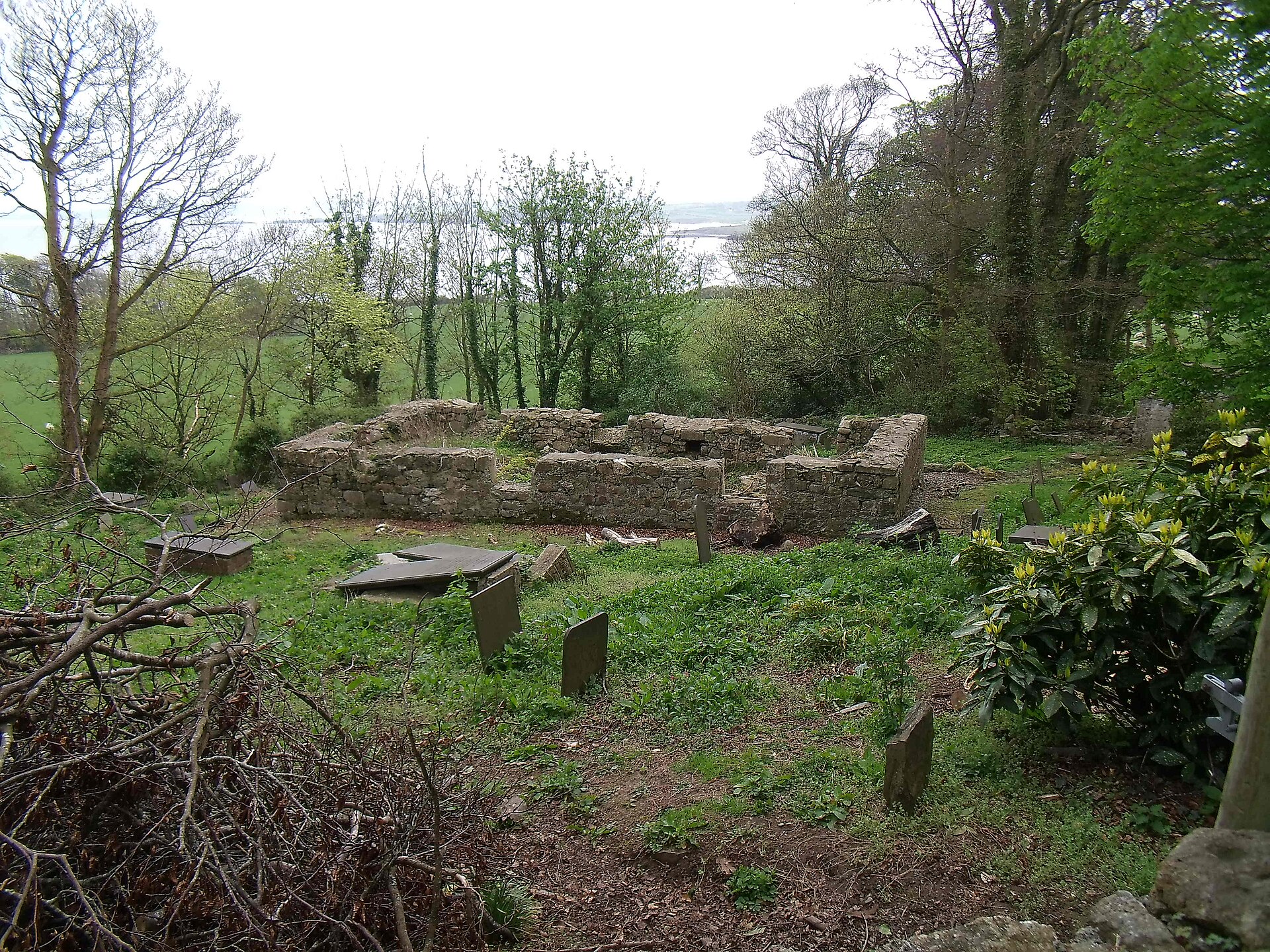
The Old Church of St Gwenllwyfo is a roofless medieval chapel whose reduced walls, lost furnishings and 12th-century font preserve the layered memo…
Building or ruin · Roman
Essex
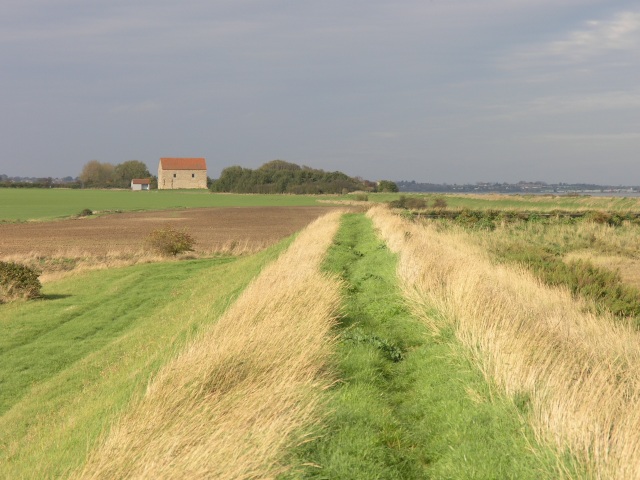
Othona was a late Roman Saxon Shore fort controlling the Blackwater and Colne estuaries, whose fabric was later reused in St Peter-on-the-Wall chapel.
Carved stone · Prehistoric
County Tyrone
Oughtboy turns an Irish hill-name and scheduled stone alignments into a single landscape story, where language, terrain and protected archaeology r…
Fortified place · Medieval
County Tyrone
Oughtdoorish brings together a large Tyrone townland, a protected rath (a ringfort, a farmstead enclosed by a circular bank and ditch), and a name…
Tomb or burial place · Prehistoric
Cornwall
Pawton Quoit is an early Neolithic portal tomb: a tomb from from the era before writing arrived in these islands where uprights lift one huge roofi…
Building or ruin · Roman
Norfolk
Peddars Way is a 46-mile long-distance route following a Roman road or earlier trackway, linking the Icknield Way, Norfolk coast and National Trail…
No places match those filters.






.jpg?width=800)




_-_geograph.org.uk_-_202248.jpg?width=800)



_-_geograph.org.uk_-_3090388.jpg?width=800)









%2C_Abergwyngregyn%2C_Gwynedd_-_04.jpg?width=800)