
The Motte of Urr preserves the earthwork (earth moved and shaped into banks and ditches rather than built up in stone) of a twelfth-century baronial centre whose ownership traces the changing fortunes of Berkeley, Balliol, Umfraville and Bruce power in Galloway.
The Motte of Urr is the compact earthwork remnant of a timber castle that once headed the barony of Urr. Though the buildings have gone, the raised mound still conveys the defensive logic of a twelfth-century lordly base.
Its history follows a succession of families and campaigns across Galloway: the Berkeleys, Balliols, Umfravilles, Percy and the Bruces. The castle appears to have been abandoned after the Bruce brothers’ campaign, leaving its motte as the main surviving marker.
What follows is drawn from published sources, with each claim labelled by how firmly it is established.
History
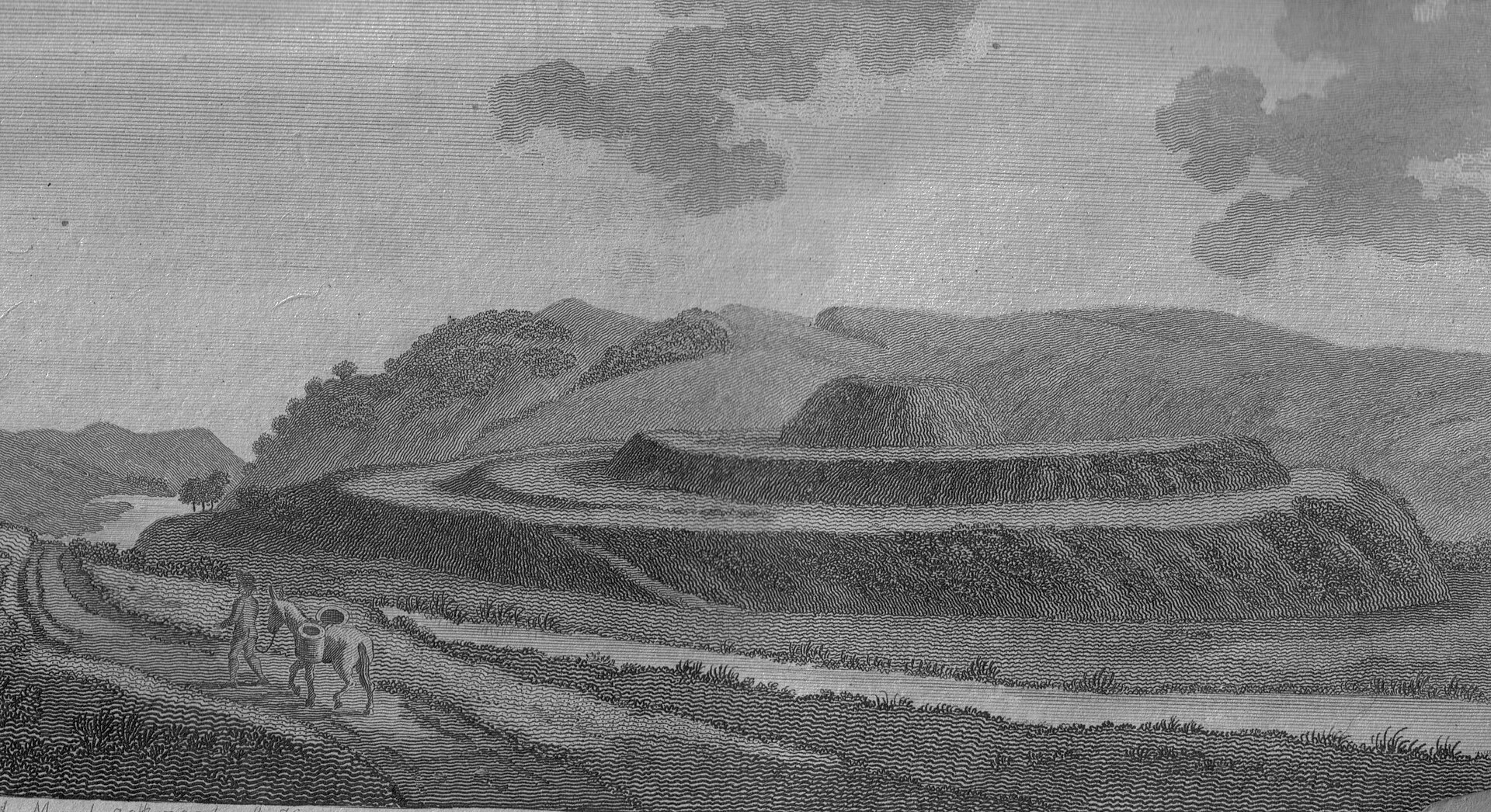
The Motte of Urr is the remains of a twelfth-century motte-and-bailey castle near the Haugh of Urr in Dumfries and Galloway. William I granted Urr to Walter de Berkeley in 1165, and Walter probably built the mound, surrounded by a timber palisade, as the caput or administrative centre of the barony. The motte was heightened in the later twelfth century, possibly after it had been slighted during the 1174 uprising in Galloway. This rebuilding episode shows that the earthwork was not static: its form was adjusted as the political and military circumstances of the lordship changed.
The castle and barony passed to the Balliol family, then to Ingram de Umfraville. Edward I granted them to Henry Percy after Umfraville’s forfeiture in 1296. The castle seems to have been abandoned following Robert and Edward Bruce’s 1307–08 campaign in Galloway, after which the barony was divided between the Crown and Thomas Randolph.
People
-
Walter de Berkeley
Received Urr from William I in 1165 and probably built the timber-palisaded motte as the centre of the barony.
Cultural influences
-
The Motte of Urr was shaped by its role as the caput of the barony of Urr, with the mound heightened after a possible slighting during the 1174 uprising in Galloway.
Connections
-
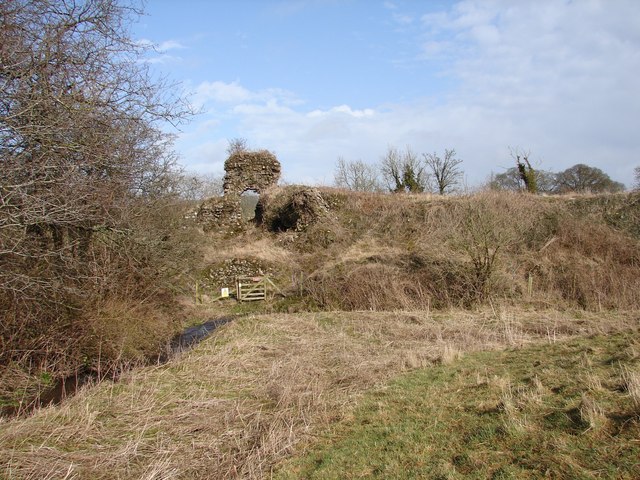
Photo: Chris Newman / Wikimedia Commons / CC BY-SA 2.0 A comparable medieval earthwork and masonry castle in the same Urr valley landscape, showing the region’s continued use of defended sites.
-
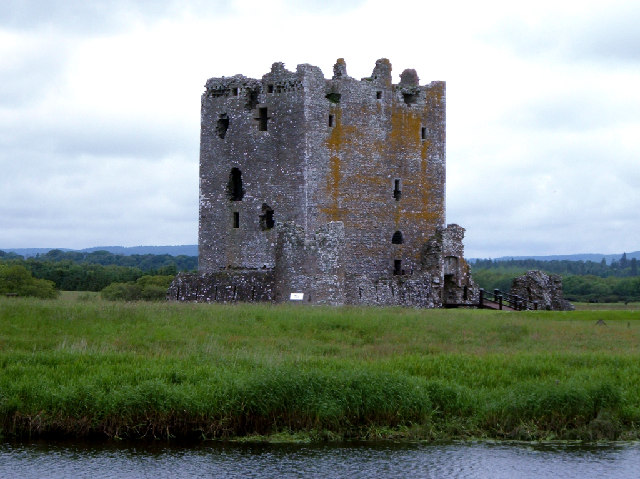
Photo: Alison Stamp / Wikimedia Commons / CC BY-SA 2.0 A later major stronghold in Galloway, providing a contrast with Motte of Urr’s earlier earthwork form.
-
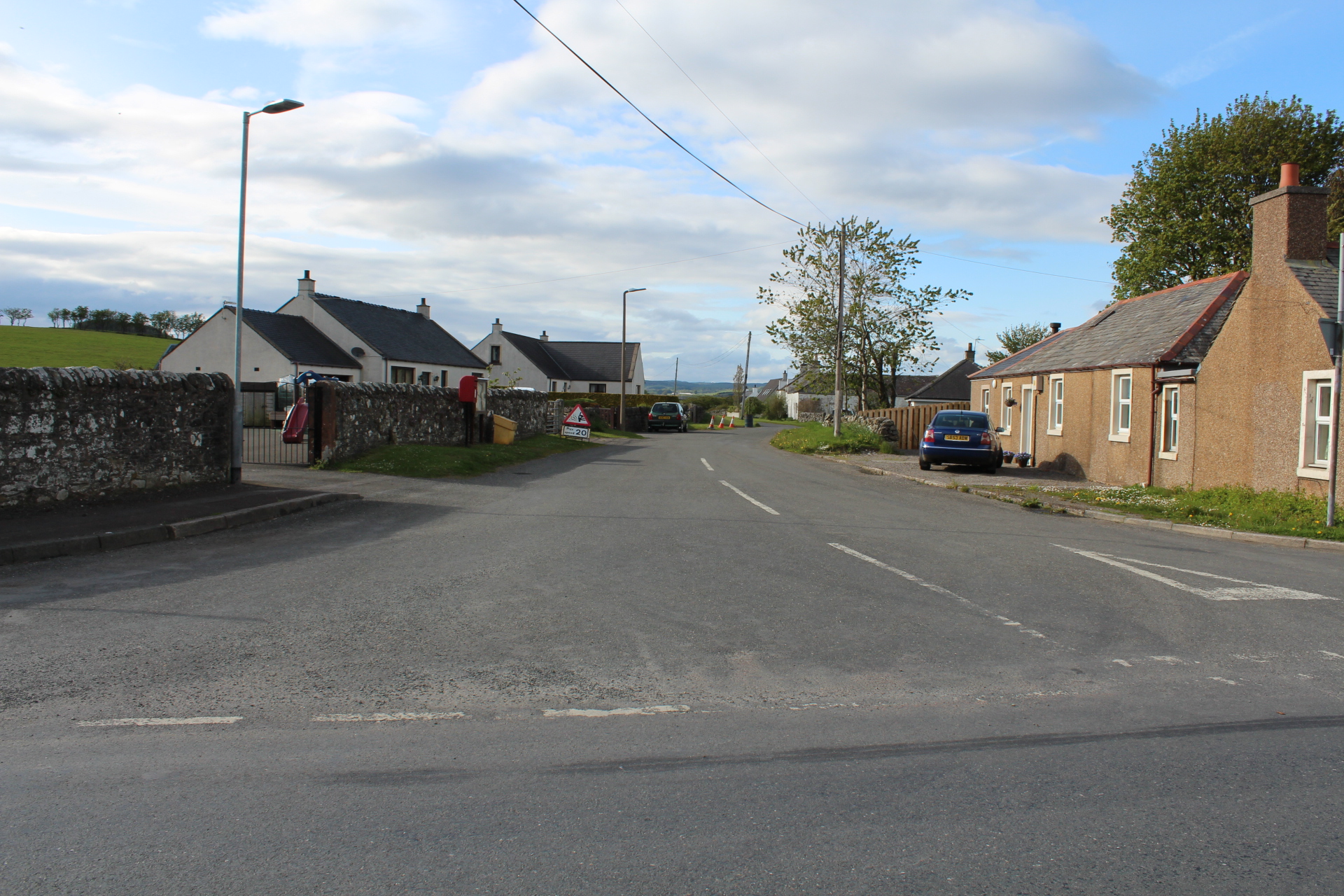
Photo: Billy McCrorie / Wikimedia Commons / CC BY-SA 2.0 Glenlochar Roman Fort, Camps and Road
An earlier Roman military landscape that places Motte of Urr within a long sequence of defended sites in south-west Scotland.
Discovery & excavation
Archaeological excavations at the Motte of Urr took place in 1951 and 1953.
Finds now held at: Motte of Urr.
What to look for
-
The motte
The raised motte is the surviving core of a twelfth-century earthwork castle, probably heightened after a possible slighting during the 1174 Galloway uprising.
-
The Haugh of Urr
The mound stands near the Haugh of Urr, the river-flat landscape from which the barony’s administrative centre controlled its surrounding estate.
-
The palisade line
The motte was originally surrounded by a timber palisade, showing that the earthwork served as the defended caput of Walter de Berkeley’s barony.
-
The abandoned castle’s trace
The surviving banks and mound preserve the landscape trace of a castle abandoned after the Bruce campaign in Galloway in 1307–08.
Plan your visit
- Location
- 54.9628°N · 3.8521°W
- Time needed
- About 60 minutes
Opening & admission
Public access arrangements are not confirmed for the excavated earthworks near Haugh of Urr; check current local guidance and do not enter private or managed land without permission.
Nearby places
Fortified place · Medieval
Buittle Castle
Dumfries and Galloway
Buittle combines a major Galloway motte-and-bailey castle complex, with an earth mound and an enclosed yard, with evidence of occupation from the M…
Fortified place · Medieval
Threave Castle
Dumfries and Galloway
Threave Castle is a powerful record of Black Douglas lordship in Galloway, combining a 14th-century tower house with one of Britain’s earliest purp…
- Near Newton Stewart
Fortified place · Roman
Glenlochar Roman Fort, Camps and Road
Dumfries and Galloway
Roughly seven acres of Roman fort lie buried on the eastern bank of the River Dee, opposite the hamlet of Glenlochar in the parish of Balmaghie. Fo…
Fortified place · Medieval
Orchardton Tower
Dumfries and Galloway
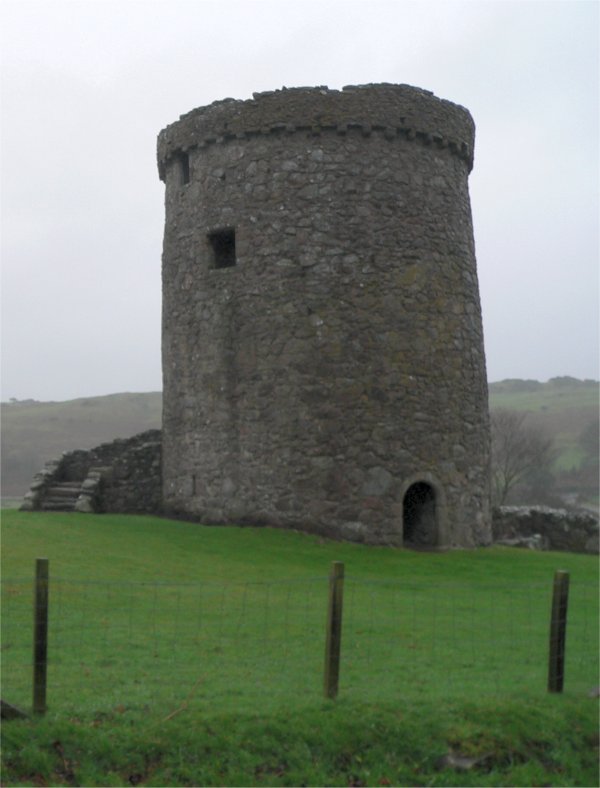
Orchardton is Scotland’s only cylindrical tower house, a deliberate fifteenth-century revival of an obsolete form within a later, more domestic tow…
- Some walking
Questions people ask
- What kind of castle was the Motte of Urr?
- It was a twelfth-century motte-and-bailey castle with a timber palisade.
- Who probably built it?
- Walter de Berkeley probably built it after receiving Urr from William I in 1165.
- When was it abandoned?
- It appears to have been abandoned after the Bruce brothers’ 1307–08 campaign in Galloway.
Sources
The Ancient Codex, in your pocket
Get the Pocket Codex app
Carry the directory with you — Motte of Urr and thousands of ancient places across Britain and Ireland, offline, wherever you roam.