Orchardton is Scotland’s only cylindrical tower house, a deliberate fifteenth-century revival of an obsolete form within a later, more domestic tower-house tradition.
A round stone shaft rises above the former fortified yard at Orchardton, its spiral stair buried within walls nearly two metres thick. The shape is so unusual that it is Scotland’s only cylindrical tower house, even though circular towers had long fallen from fashion when it was built.
Built by the Cairns family near Dalbeattie, the tower served living quarters within a fortified yard before later owners and inheritance disputes reshaped its story. Its unusual form now makes it one of Dumfries and Galloway’s most distinctive small castles.
What follows is drawn from published sources, with each claim labelled by how firmly it is established.
History
Orchardton Tower stands in Kirkcudbrightshire, four miles south of Dalbeattie and one mile south of Palnackie. It is Scotland’s only cylindrical tower house and is protected as a Scheduled Ancient Monument in the care of Historic Environment Scotland. The Cairns family were associated with the area from the early fifteenth century.
John Cairns received the former Douglas lands of Irisbuitle in 1456 and built the tower soon afterwards. Circular towers had been common in the thirteenth century but had largely given way to rectangular tower houses by the 1400s, making Orchardton an unusual choice about two centuries after the form had fallen out of fashion. Irish influence has been suggested, but no specific link is known.
The 11-metre-high tower is about nine metres across and once stood at the north-east corner of a fortified yard. A vaulted cellar occupied the ground floor, with a main room above and further upper rooms. The original first-floor doorway was reached by a possibly movable stair; the present north entrance and permanent stair are later alterations.
People
-
John Cairns
Received the lands of Irisbuitle in 1456 and built Orchardton Tower soon afterwards.
Cultural influences
-
Orchardton’s unusual round form reflects an architectural type common in the thirteenth century but already unfashionable when the tower was built in the fifteenth century.
Connections
-
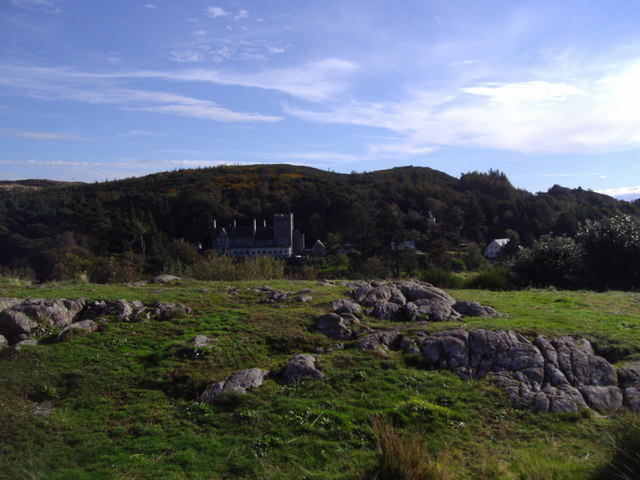
Photo: Ann Cook / Wikimedia Commons / CC BY-SA 2.0 An earlier defended hillfort in the same regional landscape, giving Orchardton Tower a deeper context of fortified settlement.
-
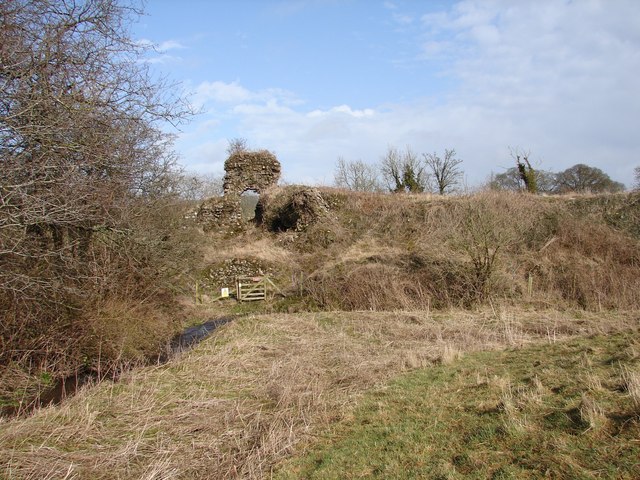
Photo: Chris Newman / Wikimedia Commons / CC BY-SA 2.0 A medieval castle that allows comparison between Orchardton’s tower-house form and earlier Galloway strongholds.
-
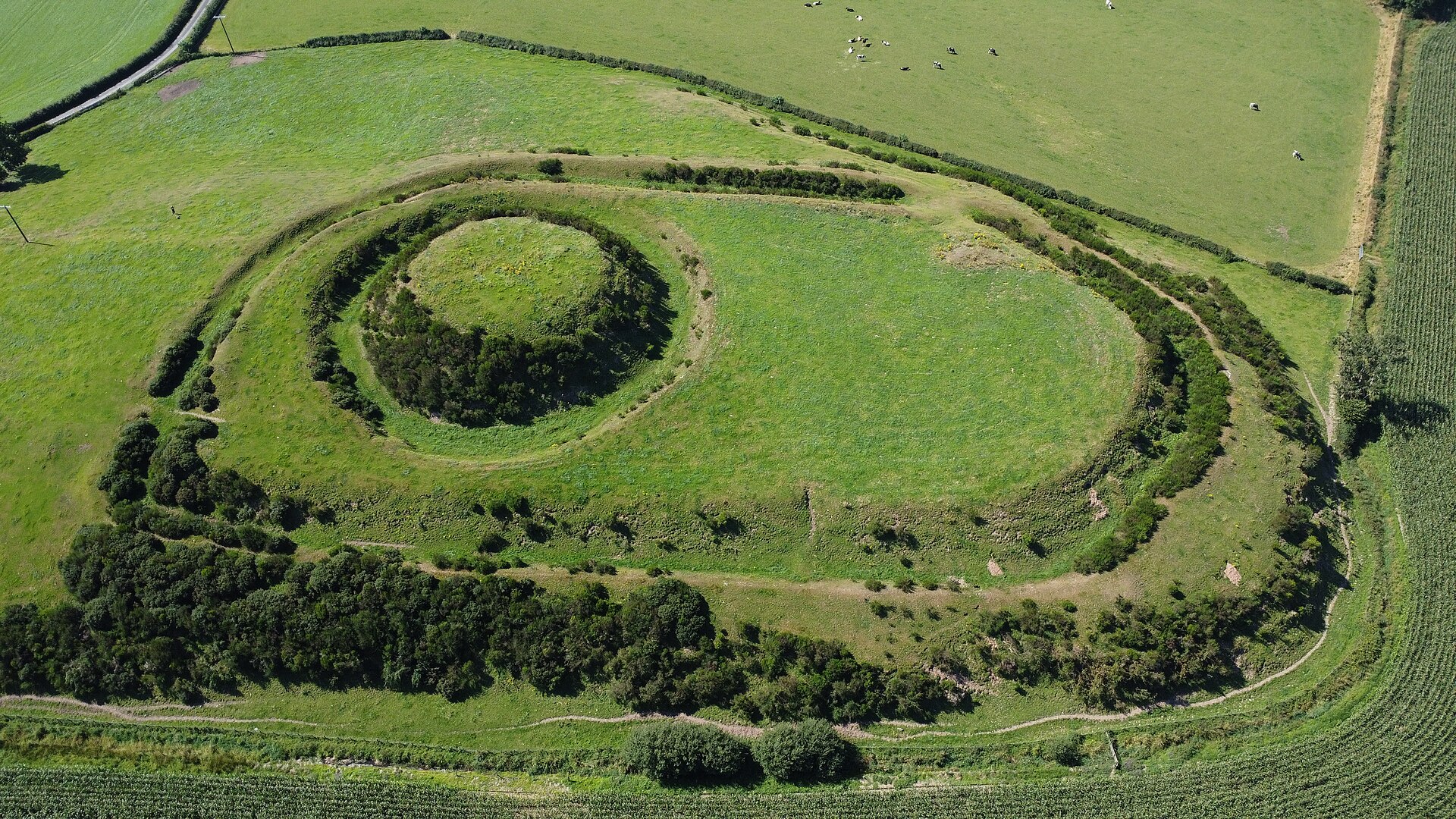
Photo: DsMaxwell / Wikimedia Commons / CC BY-SA 4.0 An earlier earthwork castle whose form helps trace the changing defensive traditions that preceded Orchardton Tower.
In culture
-
Guy Mannering
The legal struggle of Robert Maxwell of Orchardton helped inspire Sir Walter Scott’s novel Guy Mannering.
What to look for
-
The round tower
Scotland’s only cylindrical tower house rises eleven metres, an unusual fifteenth-century choice after round towers had largely fallen out of fashion.
-
The caphouse
The corbelled parapet and caphouse sit above the spiral stair, giving the round tower its distinctive defensive crown.
-
The vaulted cellar
The vaulted ground-floor cellar supported the main room above, part of a compact vertical household within the nine-metre-wide tower.
-
The first-floor door
The original first-floor doorway was probably reached by a movable stair; the north entrance and permanent stair are later alterations.
Plan your visit
- Location
- 54.8769°N · 3.8453°W
- Access
- Visible from a public way
- Terrain
- Moderate walking
- Parking
- Parking is available at the site.
- Start point
- The tower is approached on foot from the parking area; current access is to the exterior and low-level ruins only.
- Time needed
- About 45 minutes
- Best time
- Visit in daylight and dry conditions, when the tower and surrounding landscape can be viewed safely.
- What survives
- Orchardton is a largely intact free-standing circular fifteenth-century tower, Scotland’s only example of its type, with low surrounding ruins and surviving internal stone details; the tower interior is currently closed.
- Facilities
- No dedicated toilets or visitor centre are documented; use facilities in nearby settlements.
Opening & admission
Free exterior viewing. Open daily 9.30am–6.30pm from 1 April to 30 September and 9.30am–4.30pm from 1 October to 31 March.
- The tower interior is currently closed; visitors can explore the low-level ruins and view the tower from outside.
Nearby places
Fortified place · Prehistoric
Mote of Mark
Dumfries and Galloway
The Mote of Mark was a high-status sixth- and seventh-century fortified workshop in Rheged, with imported goods and evidence for skilled metalworking.
Fortified place · Medieval
Buittle Castle
Dumfries and Galloway
Buittle combines a major Galloway motte-and-bailey castle complex, with an earth mound and an enclosed yard, with evidence of occupation from the M…
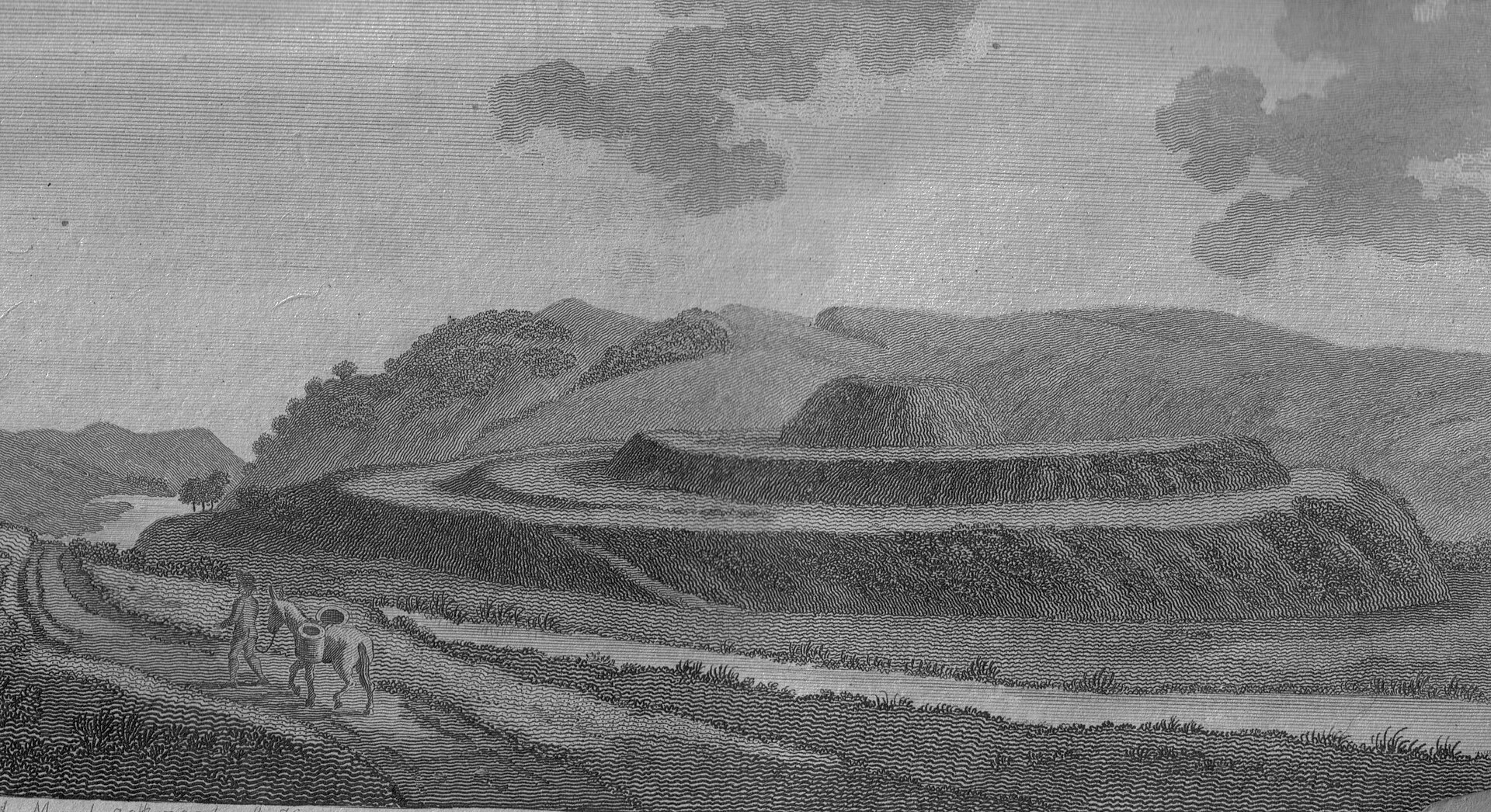
Fortified place · Medieval
Motte of Urr
Dumfries and Galloway
The Motte of Urr preserves the earthwork (earth moved and shaped into banks and ditches rather than built up in stone) of a twelfth-century baronia…
Sacred place · Medieval
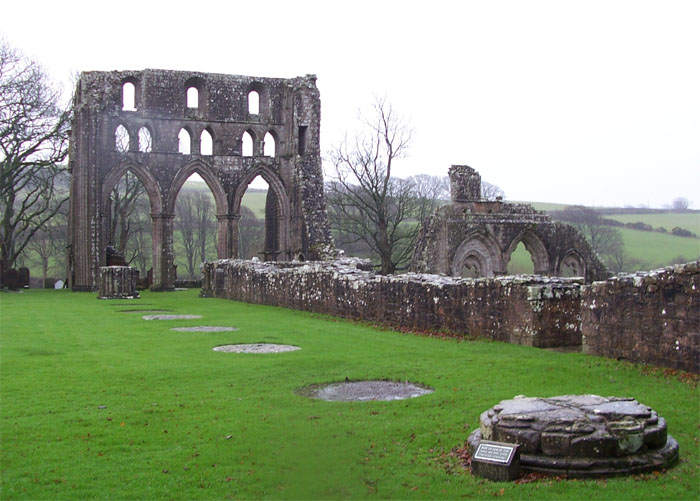
Dundrennan Abbey
Dumfries and Galloway
Dundrennan Abbey is a remarkably legible Cistercian ruin whose disciplined Romanesque (the round-arched style that came before Gothic) architecture…
Questions people ask
- Why is Orchardton Tower unusual?
- It is the only cylindrical tower house in Scotland.
- When was it built?
- John Cairns built it soon after he received the lands in 1456.
- How tall is the tower?
- It is about 11 metres high and around nine metres in diameter.
Sources
The Ancient Codex, in your pocket
Get the Pocket Codex app
Carry the directory with you — Orchardton Tower and thousands of ancient places across Britain and Ireland, offline, wherever you roam.