
Buittle combines a major Galloway motte-and-bailey castle complex, with an earth mound and an enclosed yard, with evidence of occupation from the Mesolithic — the middle Stone Age, roughly 9000–4000 BC — onward, and a medieval history tied to the Balliols, Bruces and Douglases.
Beside the Water of Urr, Buittle’s ruined castle mound rises next to the surviving buildings of its historic enclosed yard. The contrast captures a castle that shifted from a high medieval mound to a later tower-house residence, then to a working farmstead.
The place has a much longer past than its Norman-looking earthwork suggests. Excavation has found prehistoric, Roman and Romano-British evidence beneath the medieval landscape, while the castle’s owners were repeatedly caught up in Scotland’s contested kingship.
What follows is drawn from published sources, with each claim labelled by how firmly it is established.
History
Excavations on Buittle’s bailey between 1993 and 2000 indicated occupation from at least the Mesolithic. Finds include Neolithic, Bronze Age and Iron Age artefacts, evidence for a roundhouse, Roman and Romano-British pottery, a Romano-Celtic shrine and a Roman bronze cavalry stud. The evidence points to permanent Romano-British occupation from Agricola’s invasion of Galloway in AD 82–84.
A timber motte-and-bailey fortress was established around the turn of the eleventh century, later replaced by stone fortifications around 1200. The complex included a residential motte, inner bailey with a two-storey keep and chapel, and an outer bailey. It became a principal seat of the Lords of Galloway and passed through Dervorguilla of Galloway to John de Balliol.
Buittle changed hands during Scotland’s wars of succession: it was held by English forces in 1296, fell to Robert Bruce’s forces in 1308, passed to the Douglases, and later came to Edward Balliol and then the Crown. The motte was slighted in 1595; later residential life focused on the bailey tower house. The ruined motte was gifted to Balliol College in 1984.
People
-
Dervorguilla of Galloway
Heiress of Alan, Lord of Galloway, whose marriage to John de Balliol brought Buittle into the Balliol family’s power.
Cultural influences
-
Buittle’s position at a strategic Water of Urr crossing made it a seat of the Lords of Galloway and later a focus in the contest between Balliol, Bruce and Douglas power.
Connections
-
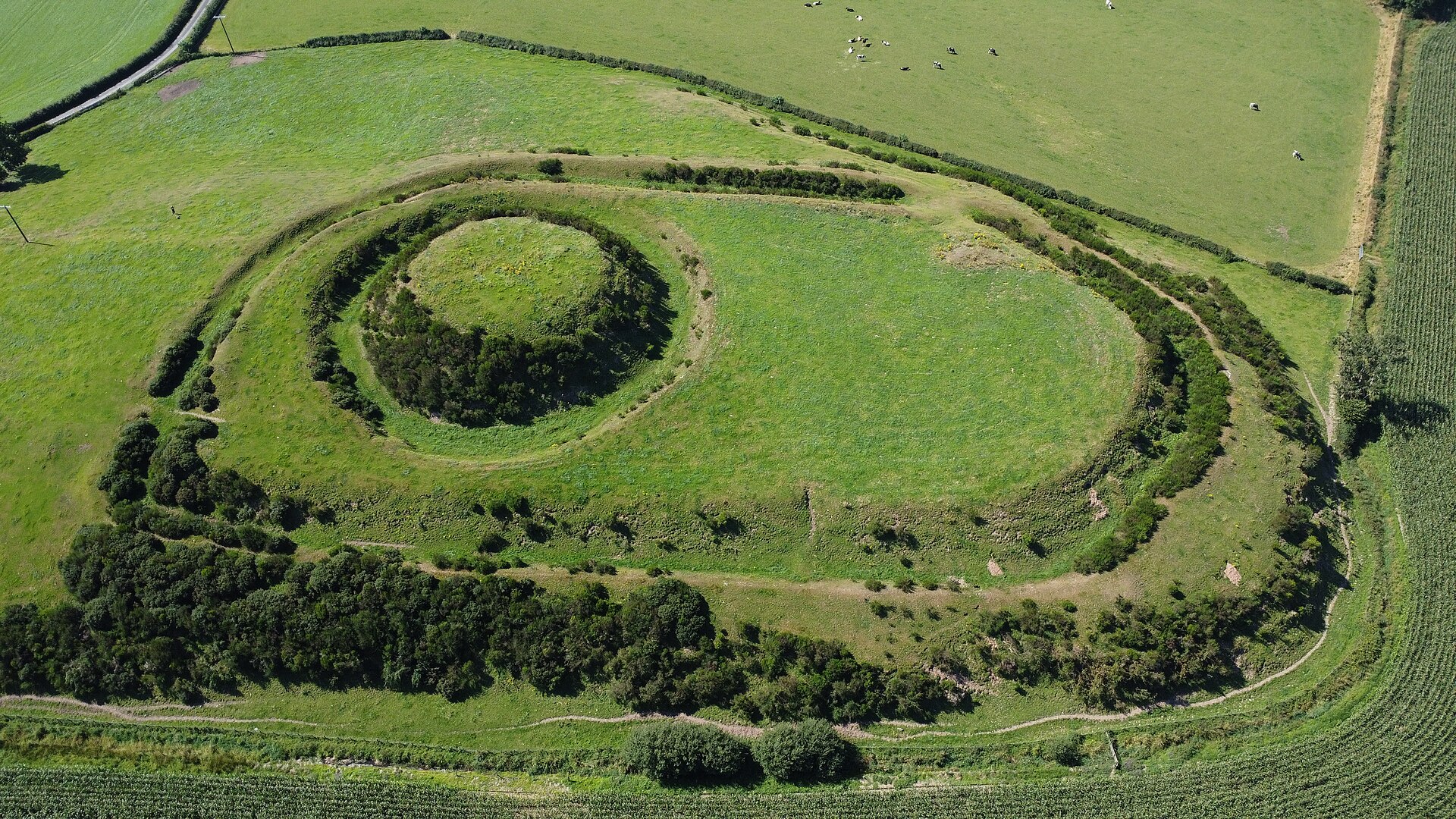
Photo: DsMaxwell / Wikimedia Commons / CC BY-SA 4.0 A comparable medieval earthwork castle in Galloway, useful for understanding the region’s earlier motte-and-bailey tradition alongside Buittle’s later masonry remains.
-
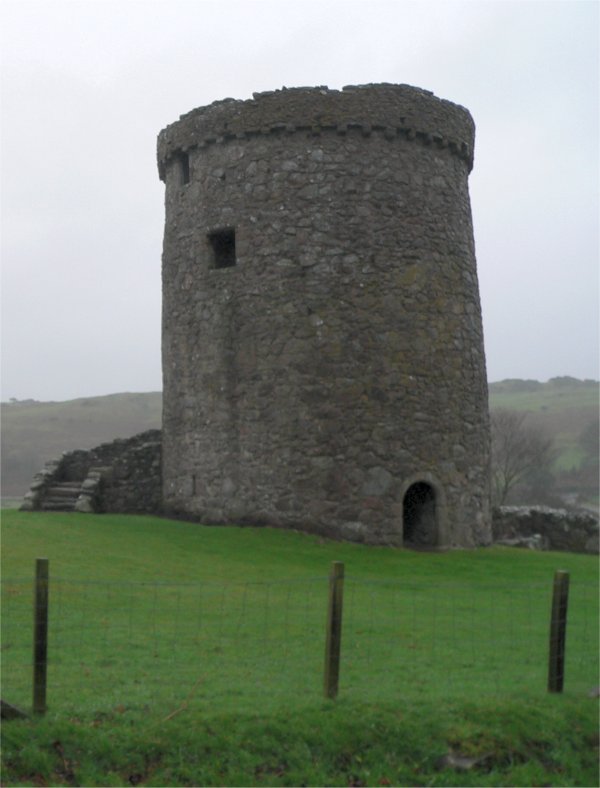
Photo: Oehoe at Dutch Wikipedia (Original text: Van de Beek) / Wikimedia Commons / CC BY-SA 3.0 A later tower house in the same broad Galloway landscape, providing a comparison with the fortified domestic architecture that followed castles such as Buittle.
-
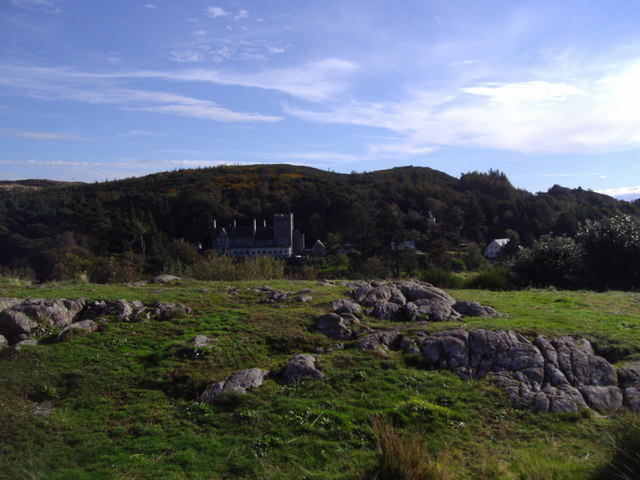
Photo: Ann Cook / Wikimedia Commons / CC BY-SA 2.0 An earlier defended hillfort whose long occupation gives Buittle a deeper regional context for fortified settlement.
Discovery & excavation
Excavations on the bailey from 1993 to 2000 found Mesolithic, Neolithic, Bronze Age, Iron Age, Roman and Romano-British evidence beneath the medieval castle landscape.
In culture
-
Robert Burns addressed a birthday epistle to John Maxwell of Terraughty, a member of the family associated with Buittle, preserving the castle’s later Maxwell connection in Scottish verse.
What to look for
-
The ruined motte
The ruined motte east of the bailey marks the early medieval fortress; its defences were slighted in 1595 after centuries of contested lordship.
-
The tower house and barmkin
Within the historic bailey, the later tower house and barmkin courtyard show how residential life continued after the motte-and-bailey phase.
-
The Urr valley
The castle commands the Water of Urr valley near Dalbeattie, a strategic crossing that helped make Buittle a seat of the Lords of Galloway.
-
Three ages of building
Compare the defensive motte, the later bailey residence and farm-period buildings: each records a different reuse of the same fortified site.
Plan your visit
- Location
- 54.9352°N · 3.8445°W
- Time needed
- About 45 minutes
Opening & admission
Public access arrangements are not confirmed; the bailey includes a private residence. Do not enter the castle or surrounding private land without permission, and check current local guidance before travelling.
Nearby places
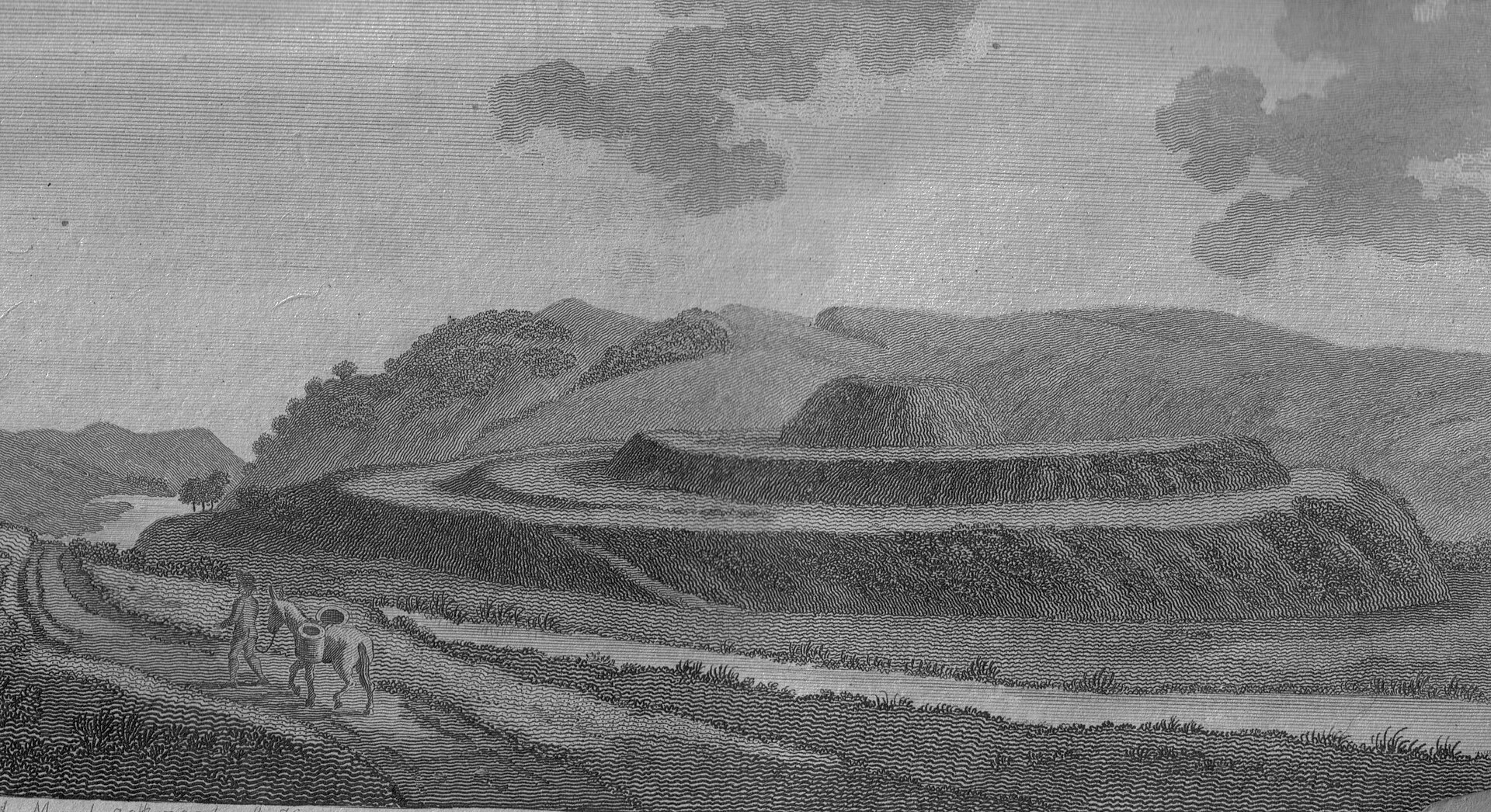
Fortified place · Medieval
Motte of Urr
Dumfries and Galloway
The Motte of Urr preserves the earthwork (earth moved and shaped into banks and ditches rather than built up in stone) of a twelfth-century baronia…
Fortified place · Medieval
Orchardton Tower
Dumfries and Galloway
Orchardton is Scotland’s only cylindrical tower house, a deliberate fifteenth-century revival of an obsolete form within a later, more domestic tow…
- Some walking
Fortified place · Prehistoric
Mote of Mark
Dumfries and Galloway
The Mote of Mark was a high-status sixth- and seventh-century fortified workshop in Rheged, with imported goods and evidence for skilled metalworking.
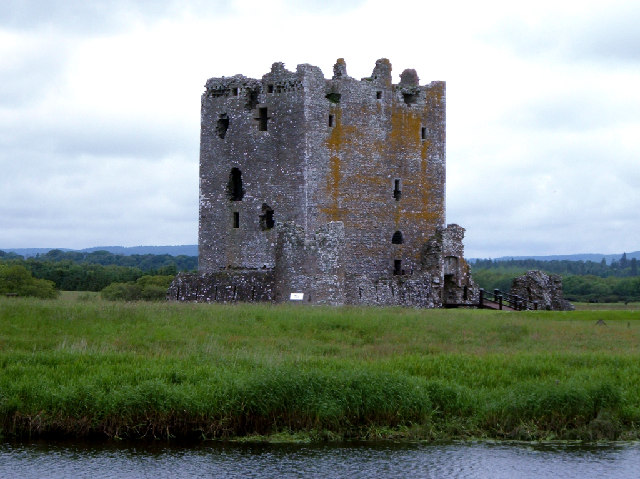
Fortified place · Medieval
Threave Castle
Dumfries and Galloway
Threave Castle is a powerful record of Black Douglas lordship in Galloway, combining a 14th-century tower house with one of Britain’s earliest purp…
- Near Newton Stewart
Questions people ask
- When was Buittle Castle built?
- A timber motte-and-bailey was established around the turn of the eleventh century, with stone fortifications developing around 1200.
- Who owned the ruined motte?
- The motte was gifted to Balliol College, Oxford, in 1984.
- What did excavations find at Buittle?
- They found evidence spanning Mesolithic occupation, prehistoric activity and Roman or Romano-British settlement.
Sources
The Ancient Codex, in your pocket
Get the Pocket Codex app
Carry the directory with you — Buittle Castle and thousands of ancient places across Britain and Ireland, offline, wherever you roam.