
Threave Castle is a powerful record of Black Douglas lordship in Galloway, combining a 14th-century tower house with one of Britain’s earliest purpose-built artillery defences.
A substantial tower rises from an island in the River Dee, west of Castle Douglas. Built in the 1370s by Archibald the Grim, Threave Castle became a Black Douglas stronghold and later a royal fortress whose defences chart the changing technology of medieval war.
The complex combines a five-storey 14th-century keep with a 15th-century artillery house, curtain wall and gun towers. Its island setting was part of the defence: access was by boat, ford or causeway, while a harbour on the river gave a secure alternative approach.
Threave’s history ranges from Douglas power and royal siege to Covenanter victory in 1640. Given into state care in 1913, the ruins are now maintained by Historic Environment Scotland and reached by boat from the Threave Estate.
What follows is drawn from published sources, with each claim labelled by how firmly it is established.
History
Archibald the Grim, Lord of Galloway, is thought to have built Threave in the 1370s to secure his newly consolidated holdings. The main keep was among the early Scottish tower houses and Archibald died at the castle in 1400, the first historical reference to it. Princess Margaret, daughter of Robert III, ruled Galloway from Threave for 23 years after the death of her husband, Archibald Douglas, 4th Earl of Douglas. In 1449 she was forced to cede Galloway to William Douglas, 8th Earl, and died at Threave soon afterwards.
William Douglas began the artillery house in 1447, building a curtain wall with three gun towers against the likely eastern approach. After the Black Douglases fell in 1455, the King’s forces besieged Threave for more than two months but secured surrender through payments and grants rather than storming the new defences. During the Bishops’ Wars, a royalist Maxwell garrison held Threave against Covenanters for 13 weeks in 1640. On Charles I’s orders it surrendered, and the Covenanters ordered the buildings dismantled; the castle was never again inhabited and entered state care in 1913.
People
-
Archibald the Grim
Black Douglas lord who built the principal keep and made Threave a Galloway stronghold.
-
.jpg?width=320)
Portrait: Alexandra Studio / Wikimedia Commons / Attribution Princess Margaret
Daughter of Robert III who governed the lordship from Threave as Countess of Douglas.
-
William Douglas, 8th Earl of Douglas
Magnate who strengthened the castle with the artillery house before the Black Douglas overthrow.
Cultural influences
-
The 15th-century artillery house shows how gunpowder weapons reshaped castle design.
Connections
-
Black Douglases
The earls’ Galloway stronghold until their fall in 1455.
-
Threave Estate
National Trust for Scotland estate and nature reserve from which the castle is accessed by boat.
-
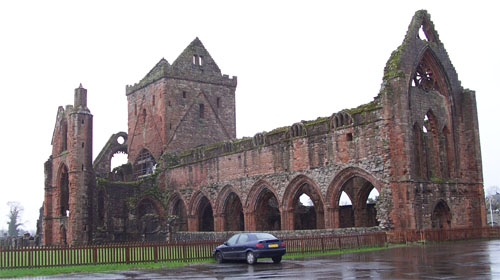
Photo: Original uploader was Otter at nl.wikipedia (Original text : Hopmans) / Wikimedia Commons / CC BY-SA 3.0 A nearby abbey rebuilt with the support of Archibald the Grim.
What to look for
-
Tower house
The rectangular, five-storey keep remains substantially complete and preserves the scale of the late-14th-century stronghold.
-
Artillery house
Examine the surviving south-east gun tower, gun ports and battered curtain wall of the 15th-century artillery defence.
-
Island setting
The River Dee, harbour remains and defensive ditch show how water and terrain governed access to the castle.
What is said
Folklore and tradition, recorded as what is said — not as established fact.
-
A later tradition claims that Mons Meg was made locally and fired at Threave in 1455, but the account is not supported: the gun was made in Burgundy and reached Scotland in 1454.
Plan your visit
- Location
- 54.9392°N · 3.9697°W
- Nearest settlement
- Newton Stewart
- Parking
- The level gravel car park is about 800 metres from the boat jetty and has no marked accessible bays.
- Start point
- Allow 15 minutes to walk from the car park to the jetty. Visitors must climb steps into and out of the boat; paths on the island are mainly grass and rise and fall.
- Time needed
- About 45 minutes
- Best time
- Visit during published opening or boat-access periods and in dry daylight, checking current arrangements before travelling.
- What survives
- Threave survives as a massive 30-metre late-medieval tower house on an island in the River Dee, enclosed by substantial artillery defences; the ground floor and Great Hall have reopened, while some conservation work continues.
- Facilities
- The site has car parking, picnic area, shop and guided or audio tours; the island has no toilets, with adapted facilities by the car park.
Opening & admission
Paid entry. Open daily 1 April–30 September, 10am–4.30pm, and 1–31 October, 10am–4pm; closed 1 November–31 March.
- The castle is reached by passenger boat; the ground floor has reopened following conservation works, but check current restrictions.
Nearby places
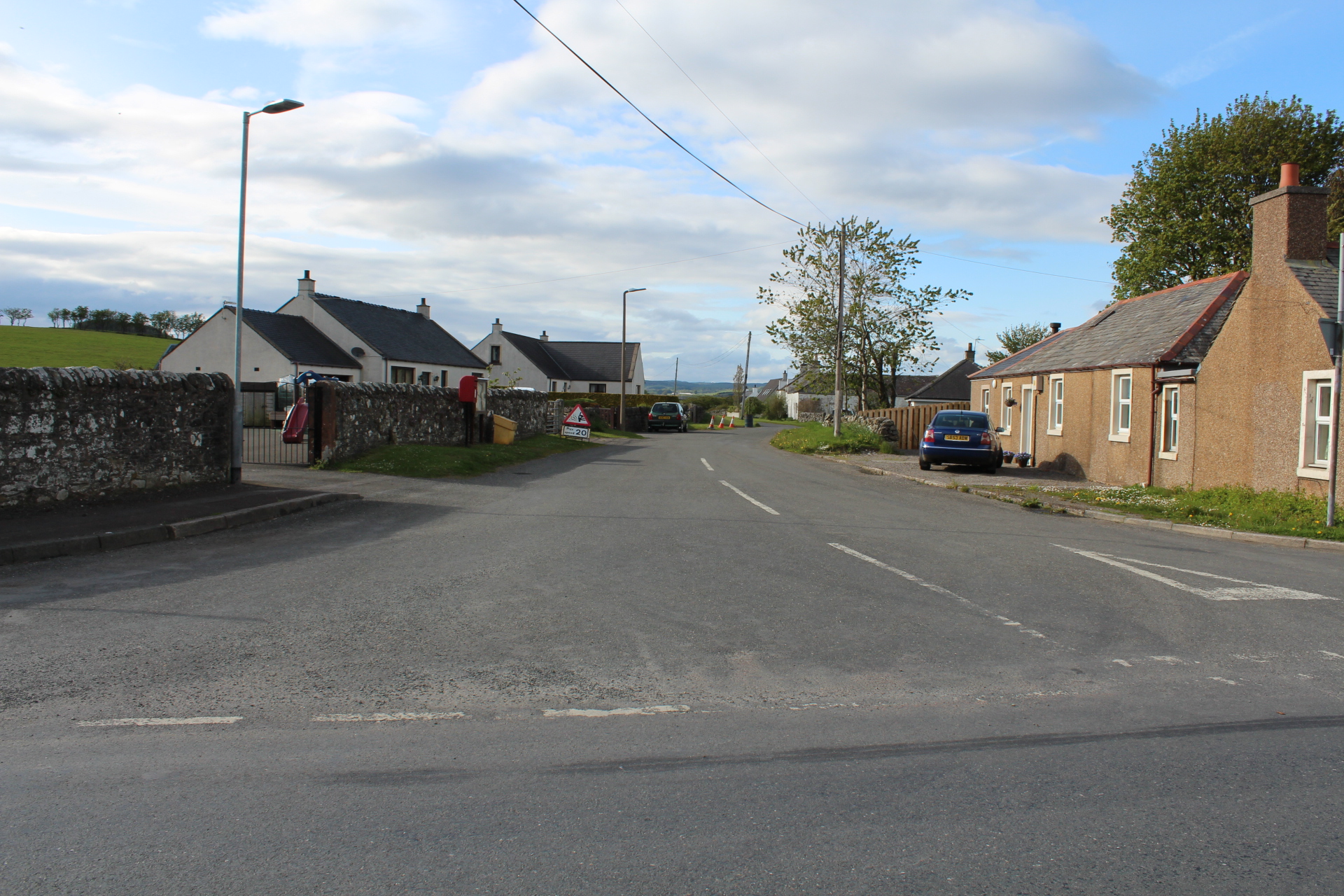
Fortified place · Roman
Glenlochar Roman Fort, Camps and Road
Dumfries and Galloway
Roughly seven acres of Roman fort lie buried on the eastern bank of the River Dee, opposite the hamlet of Glenlochar in the parish of Balmaghie. Fo…
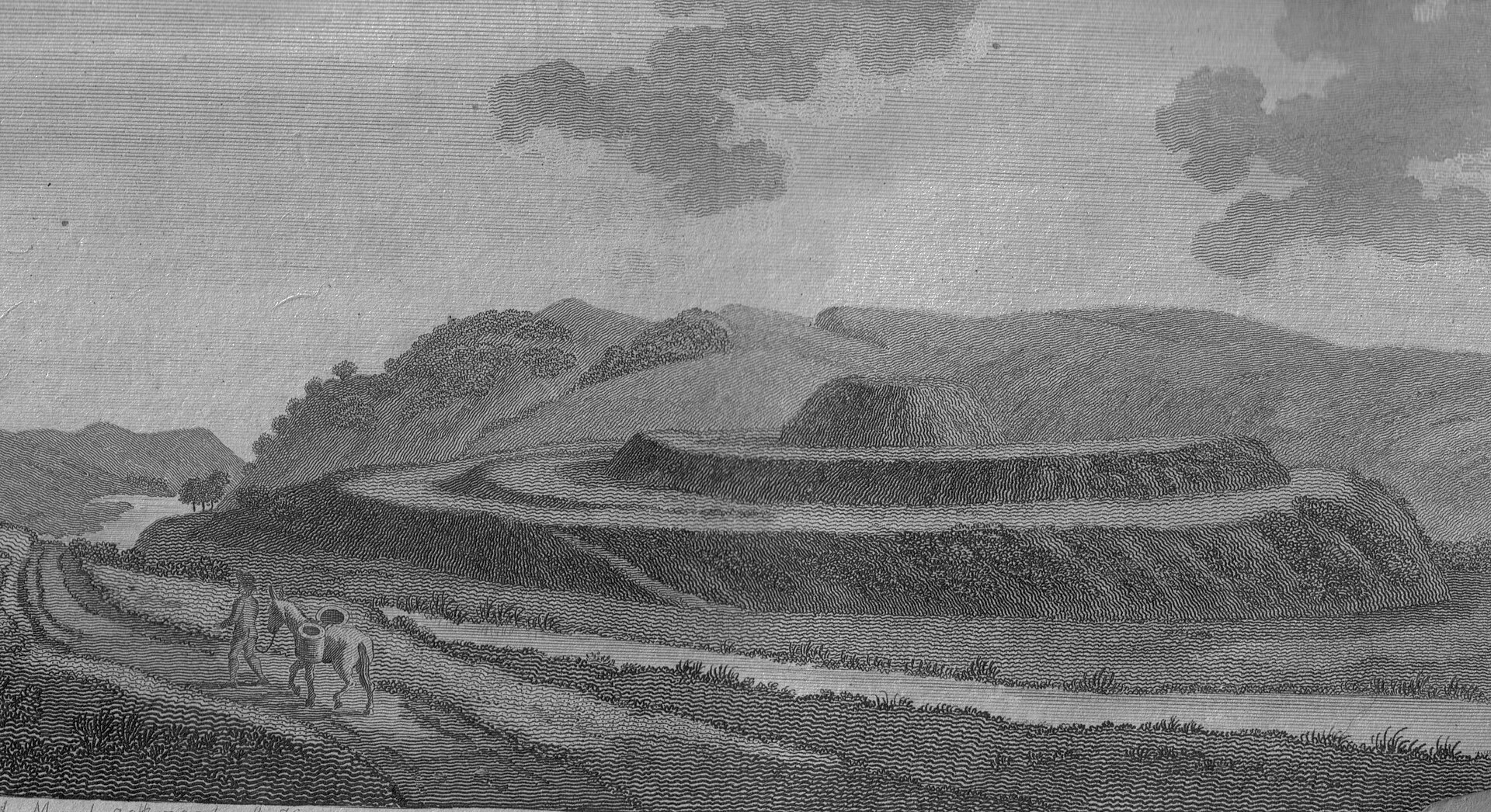
Fortified place · Medieval
Motte of Urr
Dumfries and Galloway
The Motte of Urr preserves the earthwork (earth moved and shaped into banks and ditches rather than built up in stone) of a twelfth-century baronia…
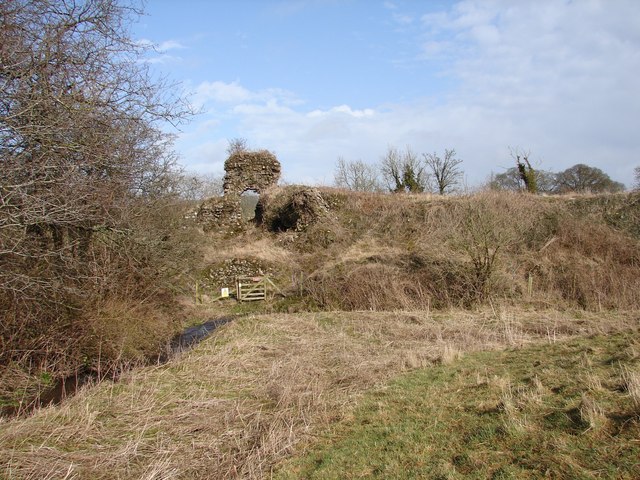
Fortified place · Medieval
Buittle Castle
Dumfries and Galloway
Buittle combines a major Galloway motte-and-bailey castle complex, with an earth mound and an enclosed yard, with evidence of occupation from the M…
Building or ruin · Medieval
Tongland Abbey
Dumfries and Galloway
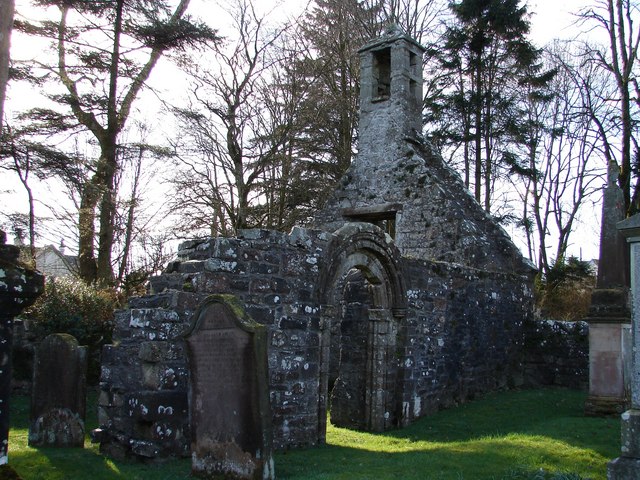
Tongland Abbey records a little-documented Premonstratensian community in Galloway, where uncertain foundation evidence, a troubled late-medieval d…
- Near Newton Stewart
Questions people ask
- Who built Threave Castle?
- It was built in the 1370s by Archibald the Grim, Lord of Galloway and later 3rd Earl of Douglas, as a stronghold for his Galloway lands.
- Why is Threave Castle important for military history?
- Its artillery house, begun in 1447, was an advanced gun defence with towers and gun ports, regarded as one of the first purpose-built artillery defences in Britain.
- How did Threave Castle become a ruin?
- After a 13-week siege in 1640, the royalist garrison surrendered to Covenanter forces. The buildings were ordered to be dismantled and the castle was not occupied again.
Sources
The Ancient Codex, in your pocket
Get the Pocket Codex app
Carry the directory with you — Threave Castle and thousands of ancient places across Britain and Ireland, offline, wherever you roam.