Sweetheart Abbey preserves the personal memorial of Dervorguilla of Galloway and John de Balliol, and traces how a Cistercian house shaped the farming, politics and religious life of medieval Galloway.
Deep-red sandstone walls at New Abbey preserve a Cistercian monastery founded in 1273. Dervorguilla of Galloway created it in memory of her husband, John de Balliol, and named it Dulce Cor, or ‘Sweet Heart’, after the embalmed heart she is said to have kept in an ivory-and-silver casket until her own burial.
A daughter house of nearby Dundrennan Abbey, Sweetheart Abbey was built under its first abbot, Henry, in the Early English style. The precinct covered about 30 acres; its church was dedicated to St Mary the Virgin and its central tower reached 92 feet.
The community was both a religious institution and a local economic centre. Its later history also registers the damage of the wars of independence, the Reformation and the long, contested end of monastic life in south-west Scotland.
What follows is drawn from published sources, with each claim labelled by how firmly it is established.
The name
The abbey’s Latin name, Dulce Cor, means “sweet heart” and commemorates John de Balliol’s heart in the foundation tradition; the neighbouring settlement retained the earlier name New Abbey.
History
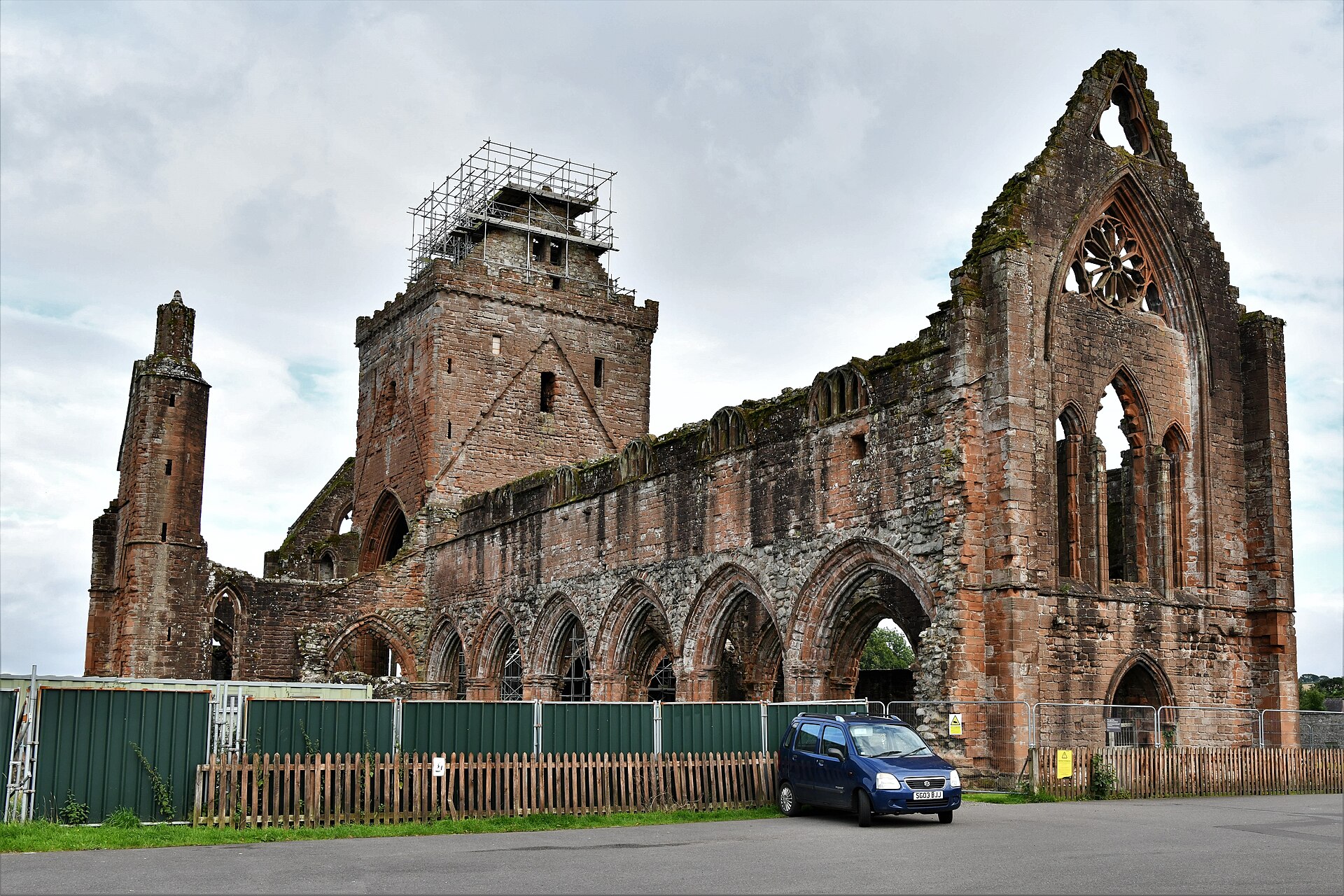
In 1273 Dervorguilla of Galloway founded the abbey in memory of John de Balliol. The foundation was a daughter house of Dundrennan Abbey and became known as the ‘New Abbey’; its Latin name, Dulce Cor, commemorated the heart of her husband that tradition says was buried with her. The abbey church and tower formed a substantial monastic complex: the church measured 203 feet and the central tower rose 92 feet. Its precinct extended over roughly 30 acres, while the monks’ work in farming and commerce made the house an important focus of local life.
Edward I stayed at Sweetheart Abbey in 1300 while campaigning in Galloway. Decades of warfare then left the community impoverished and its buildings dilapidated; Archibald Douglas, known as Archibald the Grim, later funded extensive repairs and rebuilding. From 1565 the Crown appointed commendatory abbots. Gilbert Broun, the last Cistercian abbot, was exiled after his arrest in 1605; when the last monks died in 1624, the buildings and lands passed to Sir Robert Spottiswoode, ending the medieval community.
People
-
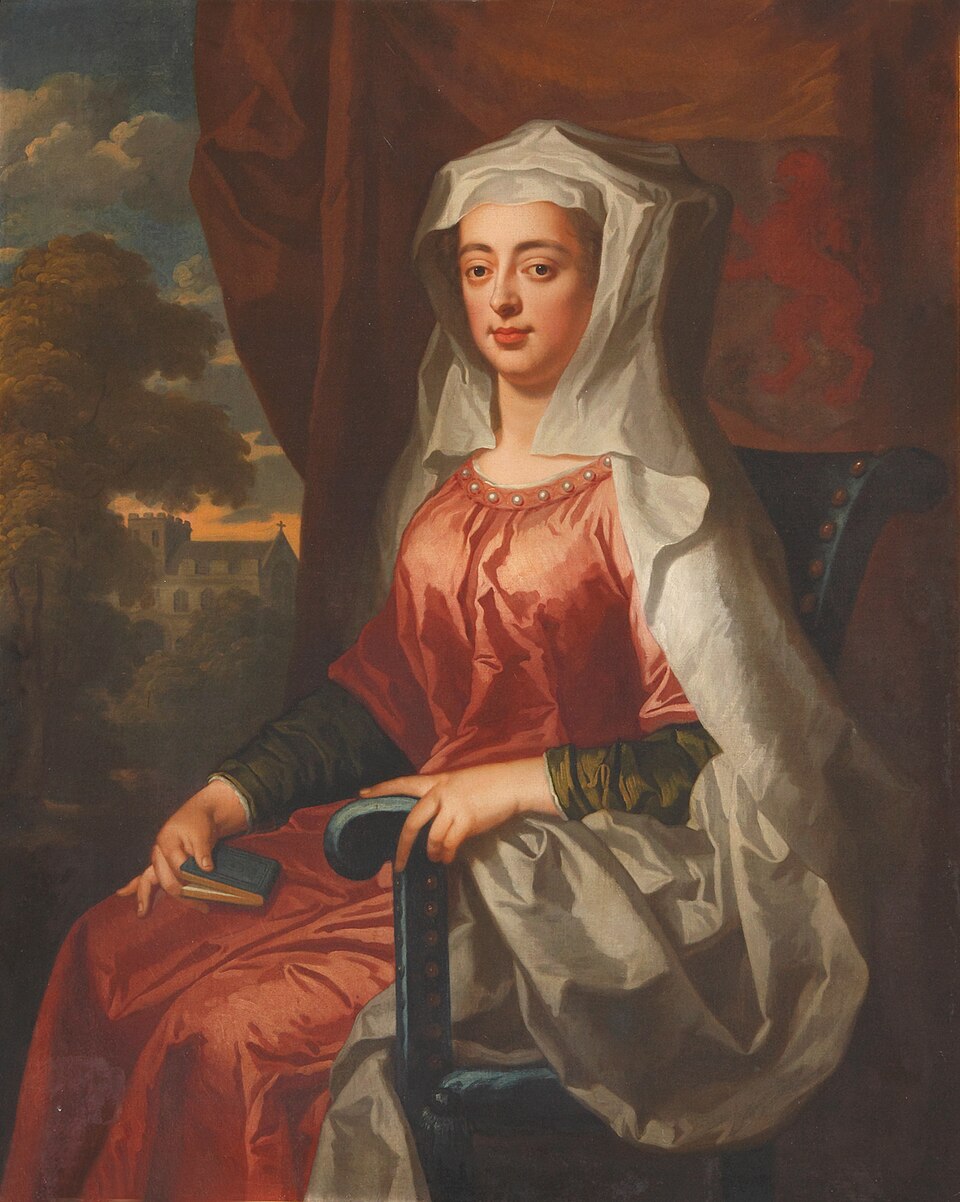
Portrait: William Sonmans / Wikimedia Commons / Public domain Dervorguilla of Galloway
Founder who established Sweetheart in 1273 as a daughter house of Dundrennan, commemorating John de Balliol in its Dulce Cor name.
-

Portrait: William Robins / Wikimedia Commons / Public domain John de Balliol
Dervorguilla’s husband, whose heart was commemorated in Sweetheart’s foundation tradition and whose memory gave the abbey its emotional purpose.
-
Gilbert Broun
Last Cistercian abbot, arrested and exiled in 1605; his departure marked the Reformation-era end of Sweetheart’s resident community.
Cultural influences
-
Its prayer, agriculture and commercial activity framed the abbey’s role in the district.
Connections
-
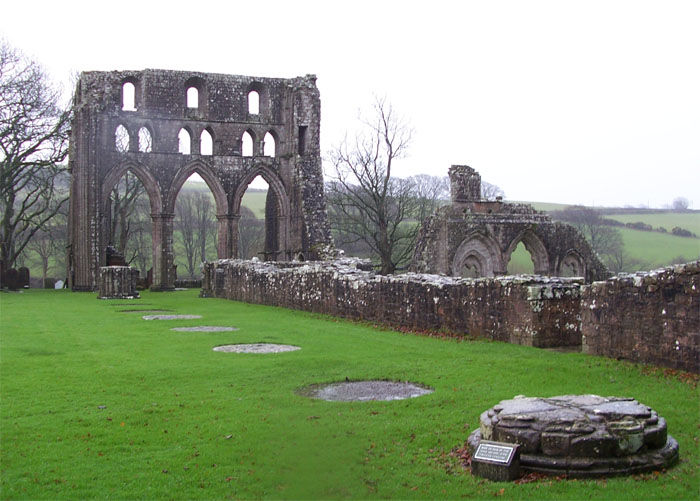
Photo: Hopmans at nl.wikipedia / Wikimedia Commons / CC BY-SA 3.0 The mother house from which Sweetheart was founded as a daughter community.
-

Photo: Colin Smith / Wikimedia Commons / CC BY-SA 2.0 New Abbey
The present village beside the ruins, whose name preserves the monastic foundation.
In culture
-
A 14th-century prayer book now held by the National Library of Scotland.
What to look for
-
Red sandstone church
Look for the deep-red local sandstone and the Early English character of the surviving monastic church.
-
Precinct wall
Sections of the wall still indicate the scale of the 30-acre precinct.
-
New Abbey and Monksmill
The neighbouring village and mill retain the names and landscape associations of the former monastic estate.
What is said
Folklore and tradition, recorded as what is said — not as established fact.
-
Tradition holds that Dervorguilla kept John de Balliol’s embalmed heart in an ivory-and-silver casket for the rest of her life, and that it was buried alongside her.
Plan your visit
- Location
- 54.9794°N · 3.6185°W
- Access
- Paid entry — managed visitor site
- Terrain
- Easy going
- Parking
- The large public car park beside the abbey is level loose gravel and has no marked accessible bays.
- Start point
- The entrance is about 90 metres from the car park along a level tarmac road; the main routes are gravel or short-cut grass.
- Time needed
- About 90 minutes
- Best time
- Visit during published opening hours and in dry daylight, when the abbey ruins and grounds can be explored comfortably.
- What survives
- Sweetheart Abbey is a graceful red-sandstone ruin whose church survives almost complete: its six-bay nave, aisle and clerestory, transepts, crossing tower, presbytery tracery and parts of the cloister remain legible.
- Facilities
- An adapted toilet is available in the public car park; the site also has a visitor centre, shop and coach parking.
Opening & admission
Paid entry. Open during published summer days, generally 10am–4.30pm from 1 April to 30 September; closed 1 October to 31 March.
- Conservation work restricts some areas; parts of the nave and cloister remain viewable.
Nearby places
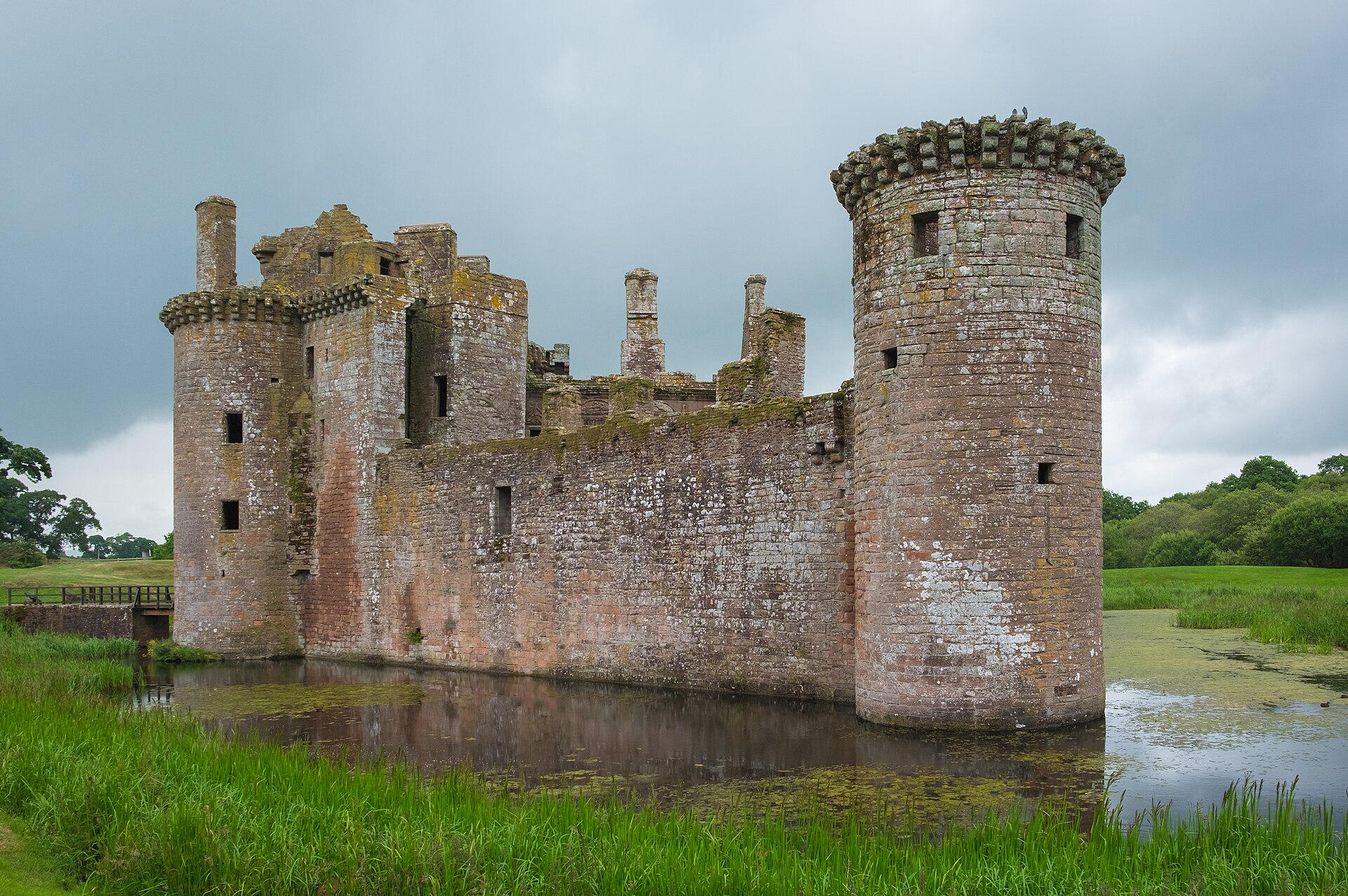
Fortified place · Medieval
Caerlaverock Castle
Dumfries and Galloway
Caerlaverock is the UK’s only triangular castle, retaining a moat, great gatehouse and Renaissance lodging amid a history of sieges, rebuilding and…
- Easy path

Sacred place · Prehistoric
Pict's Knowe
Dumfries and Galloway
A small sandy bank rises out of the peat-covered valley of the Crooks Pow stream, four kilometres south-west of Dumfries, and it is on this slight…
- Easy path
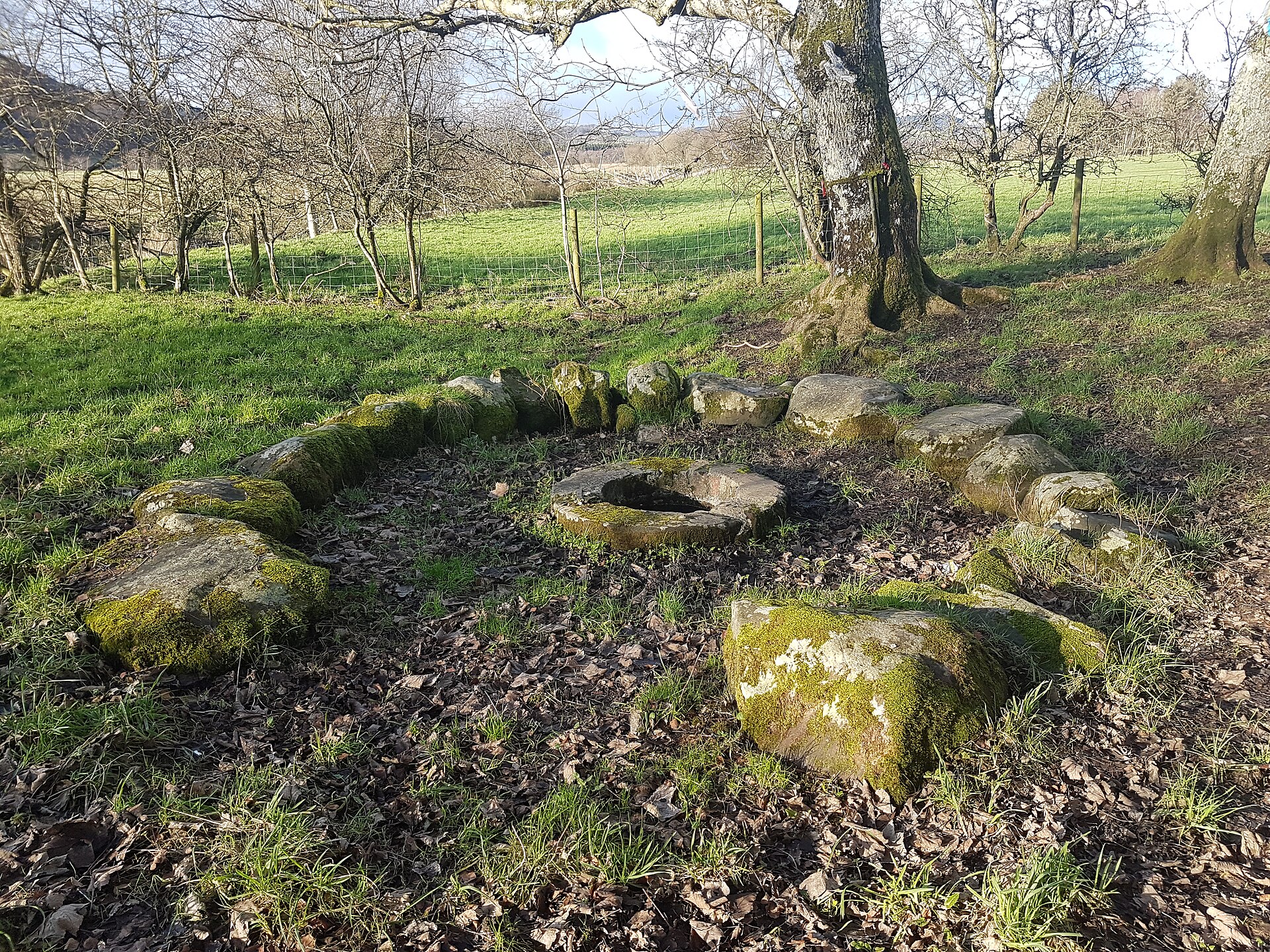
Sacred place · Medieval
St Queran's Well
Dumfries and Galloway
St Queran’s Well preserves a continuing Scottish holy-well tradition, where coins, pins and ribbons have been offered from at least the nineteenth…
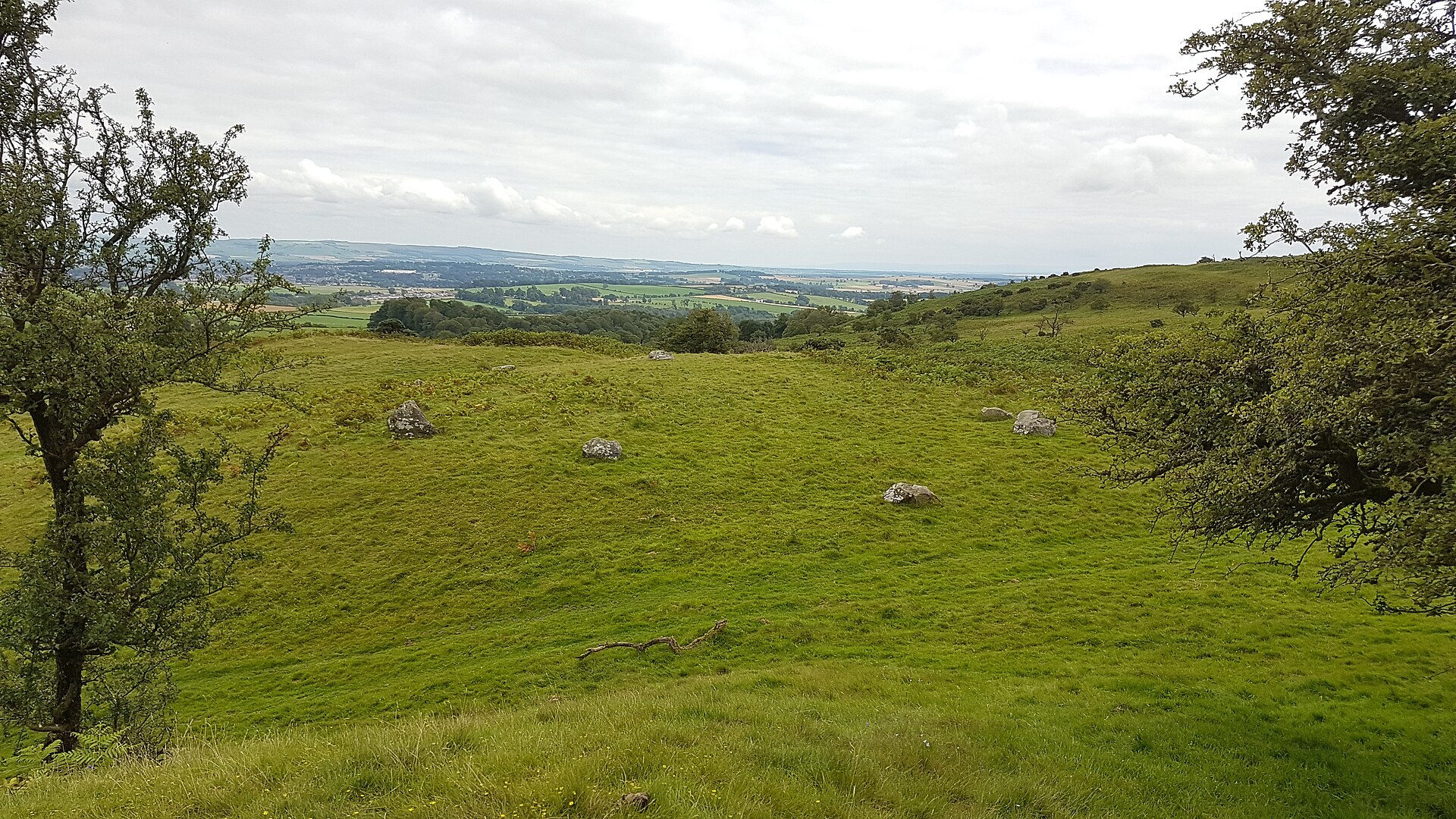
Sacred place · Prehistoric
Easthill stone circle
Dumfries and Galloway
Easthill's ring is short of a stone. Eight survive in an oval roughly three and three-quarter miles south-west of Dumfries, and a ninth is thought…
- Easy path
Questions people ask
- Why is Sweetheart Abbey so named?
- Dervorguilla of Galloway founded it as a memorial to John de Balliol. Its Latin name, Dulce Cor, means ‘Sweet Heart’ and is linked to the tradition that she preserved his embalmed heart until her death.
- What happened to the monastery after the Reformation?
- The Crown appointed commendatory abbots from 1565. Gilbert Broun, the final Cistercian abbot, was exiled in 1605, and after the last monks died in 1624 the property passed to Sir Robert Spottiswoode.
- What survives of Sweetheart Abbey’s wider history?
- The ruins stand beside New Abbey, and the 14th-century Sweetheart Abbey Breviary survives in the National Library of Scotland.
Sources
The Ancient Codex, in your pocket
Get the Pocket Codex app
Carry the directory with you — Sweetheart Abbey and thousands of ancient places across Britain and Ireland, offline, wherever you roam.