
Tongland Abbey records a little-documented Premonstratensian community in Galloway, where uncertain foundation evidence, a troubled late-medieval discipline and the colourful story of Abbot John Damian survive in fragmentary form.
Tongland Abbey was a Premonstratensian monastic community in the village of Tongland, near Kirkcudbright. Its early history is obscure, but the site preserves an important strand of medieval religious life in Galloway.
The community was probably founded around 1218 by Alan, Lord of Galloway. An earlier church at Tongland had already been granted to Holyrood Abbey by Alan’s grandfather Uchtred.
By the early sixteenth century, records described damaged fabric and weakened discipline. The abbey later remained in episcopal possession, while the village of Tongland continued at the site.
What follows is drawn from published sources, with each claim labelled by how firmly it is established.
History
Tongland Abbey, also called Tungland Abbey, was a Premonstratensian monastic community in Tongland, Kirkcudbrightshire. It was probably founded around 1218 by Alan, Lord of Galloway. The qualification is important: the available account does not preserve a definitive foundation charter or a detailed origin narrative. Before this, Alan’s grandfather Uchtred had granted the church of Tongland to Holyrood Abbey in the early 1160s. These separate records place the later community within a longer history of church patronage at Tongland.
This documentary limit prevents a detailed account of its buildings, community size, estate management or everyday Premonstratensian observance. Tongland’s historical importance therefore lies partly in preserving evidence for a monastic community whose surviving written record is unusually thin. John Damian, an Italian alchemist, was abbot of Tongland from 1504 to 1509. There is no evidence that Damian ever lived at Tongland. The episode belongs to the abbey’s cultural afterlife, but it should be treated as a reported and uncertain association rather than proof of an event or of the abbot’s residence at the monastery.
By the early sixteenth century, the fabric and discipline of Tongland Abbey had deteriorated. King James IV petitioned Rome in 1509 for the title to pass to David, Bishop of Galloway, with authority to reform the discipline and repair the ruins; the petition was repeated under James V. Tongland was granted to the bishop in 1529 and confirmed in 1541. It remained in episcopal possession until the commendatorship of William Melville from 1588 to 1606, after which it returned to the bishop’s hands.
People
-
Alan, Lord of Galloway
Probable founder of the Premonstratensian community around 1218; no surviving foundation charter permits a more certain account of its origin.
-
Uchtred
Alan’s grandfather, who granted the Tongland church to Holyrood Abbey in the early 1160s.
-
John Damian
Italian alchemist and abbot from 1504 to 1509, associated with an uncertain flight story.
-
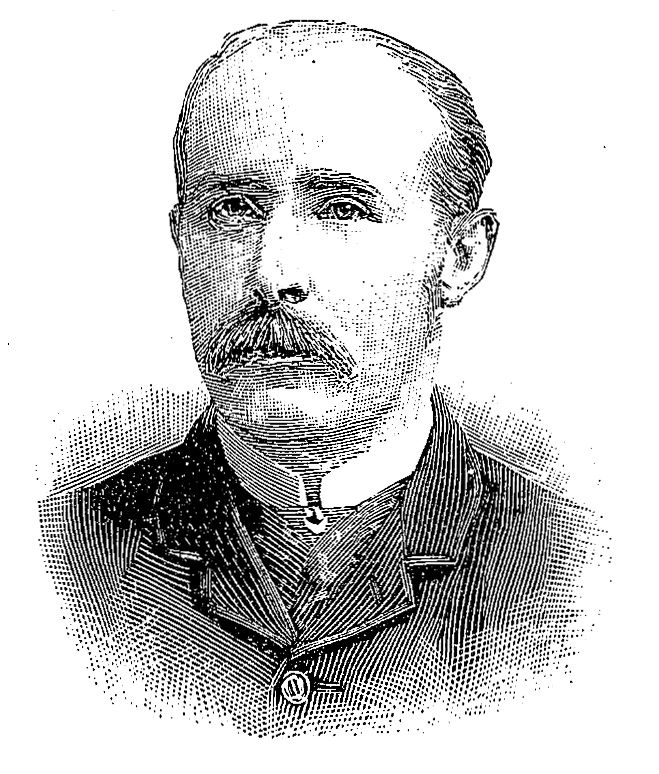
Portrait: Unknown author, based on a photograph by A. and G. Taylor, Regent Street, London. / Wikimedia Commons / Public domain William Melville
Commendator from 1588 to 1606, holding Tongland after its long episcopal possession before the house returned to the bishop’s hands.
Cultural influences
-
Tongland’s Premonstratensian identity and later transfer to the Bishopric of Galloway place the poorly documented house within Galloway’s medieval and Reformation religious landscape.
Connections
-

Photo: LASZLO ILYES from Cleveland, Ohio, USA / Wikimedia Commons / CC BY 2.0 Received Tongland church from Uchtred in the early 1160s, establishing the earlier church patronage from which the later Premonstratensian foundation developed.
-
Bishopric of Galloway
After James IV and James V petitioned for reform, Tongland passed to the Bishop of Galloway in 1529 and was confirmed in 1541.
-
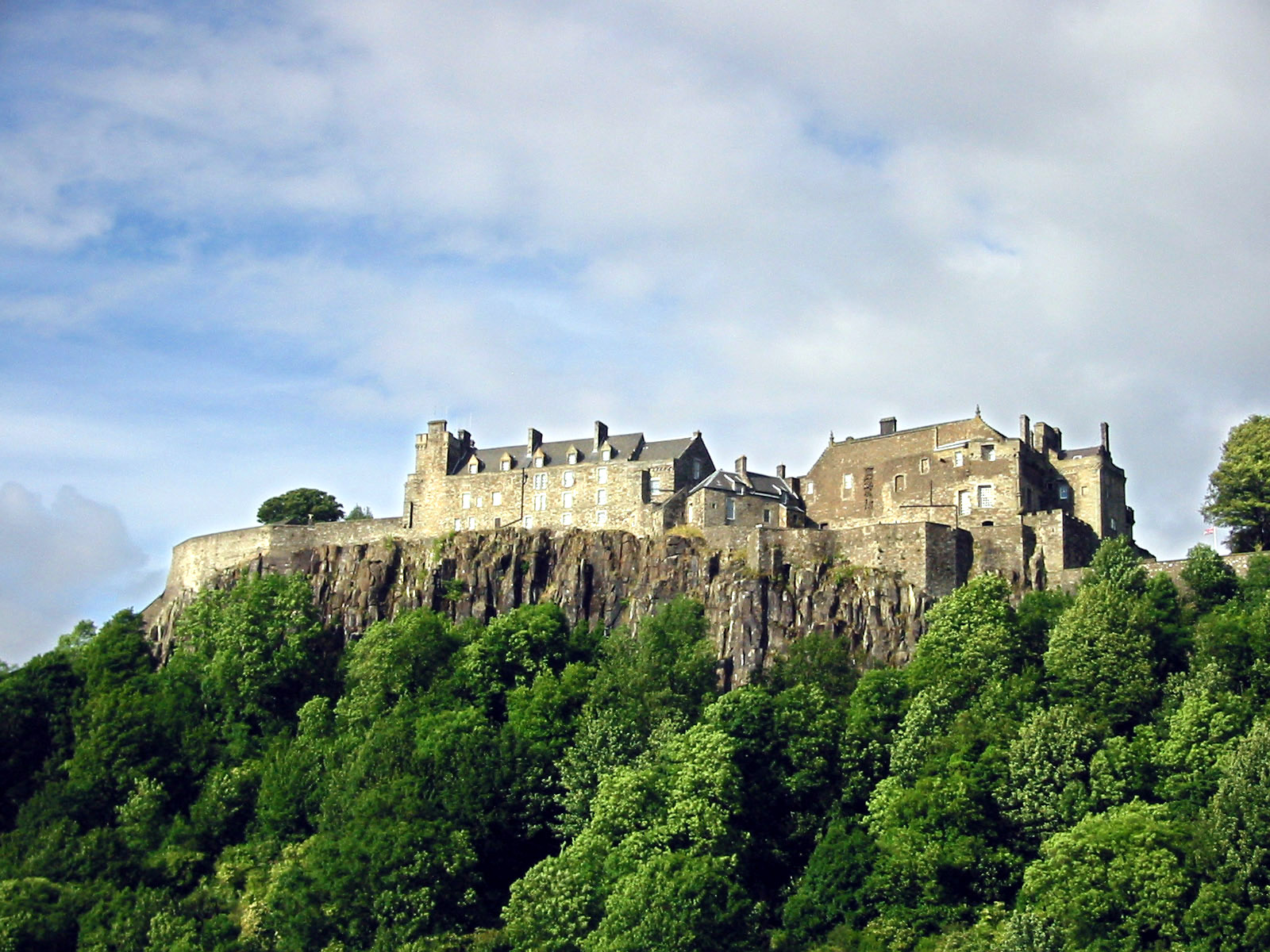
Photo: Unknown / Wikimedia Commons / CC BY-SA 3.0 John Damian’s alleged flight from its walls is an uncertain literary association from Dunbar’s satire, not evidence that the abbot lived at Tongland.
-
Tongland village
The modern village occupies the former monastic community’s site, preserving Tongland’s location despite the abbey’s exceptionally sparse surviving record.
In culture
-
William Dunbar’s satire
Two poems provide the conditional account of John Damian’s alleged flight attempt.
What to look for
-
Tongland village setting
The village now occupies the former monastic community’s site, so its settlement pattern is the clearest surviving guide to an abbey whose buildings are poorly documented.
-
Premonstratensian identity
Tongland belonged to the Premonstratensian order from its probable 1218 foundation, though the surviving record cannot recover its buildings, numbers or daily observance.
-
Episcopal succession
The transfer to the Bishop of Galloway in 1529 followed royal petitions to reform discipline and repair the deteriorating house, shaping its late history.
Plan your visit
- Location
- 54.8631°N · 4.0306°W
- Nearest settlement
- Newton Stewart
- Time needed
- About 45 minutes
Opening & admission
The modern village and churchyard occupy the former abbey site, but public access to surviving fragments is not confirmed. Check locally and respect churchyard and private-property boundaries.
Nearby places
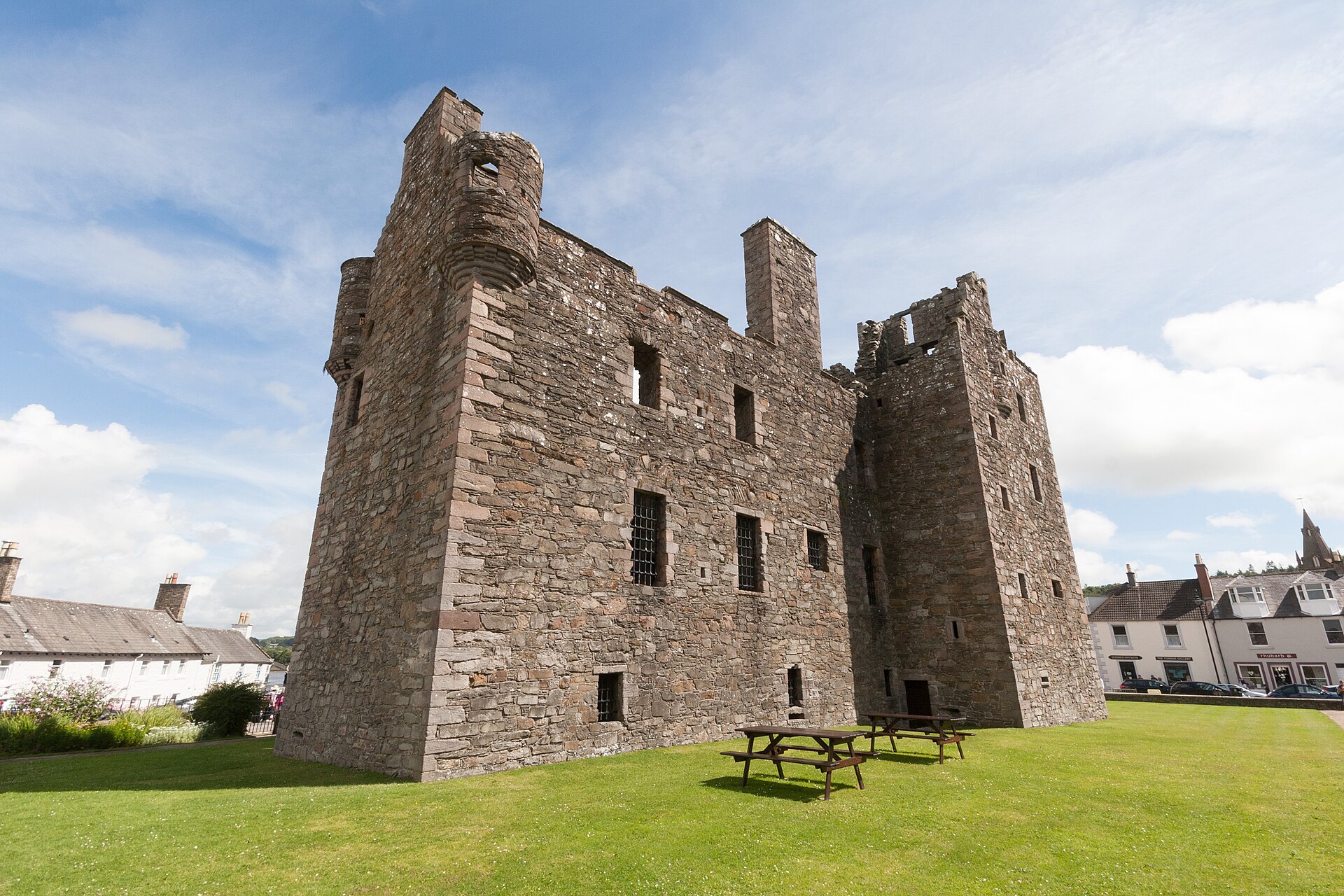
Fortified place · Medieval
MacLellan's Castle
Dumfries and Galloway
MacLellan’s Castle is a late sixteenth-century Scottish L-plan tower house whose unfinished rooms and ‘Laird’s Lug’ reveal elite domestic life in K…
- Near Newton Stewart
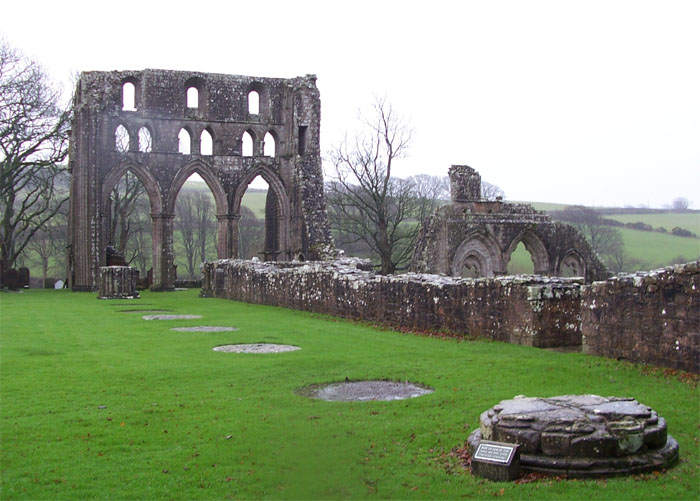
Sacred place · Medieval
Dundrennan Abbey
Dumfries and Galloway
Dundrennan Abbey is a remarkably legible Cistercian ruin whose disciplined Romanesque (the round-arched style that came before Gothic) architecture…
Fortified place · Medieval
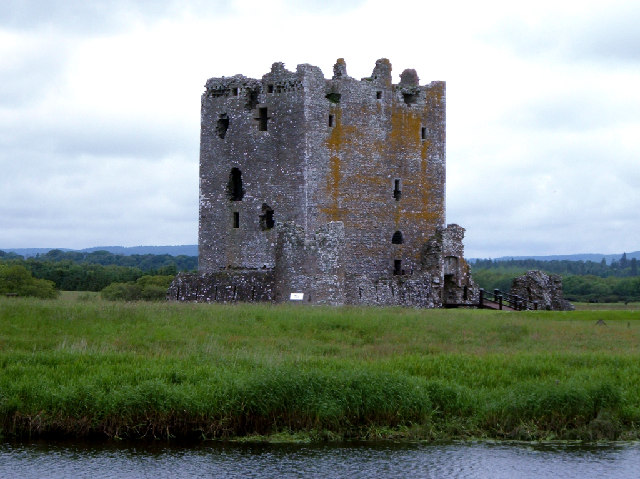
Threave Castle
Dumfries and Galloway
Threave Castle is a powerful record of Black Douglas lordship in Galloway, combining a 14th-century tower house with one of Britain’s earliest purp…
- Near Newton Stewart
Fortified place · Medieval
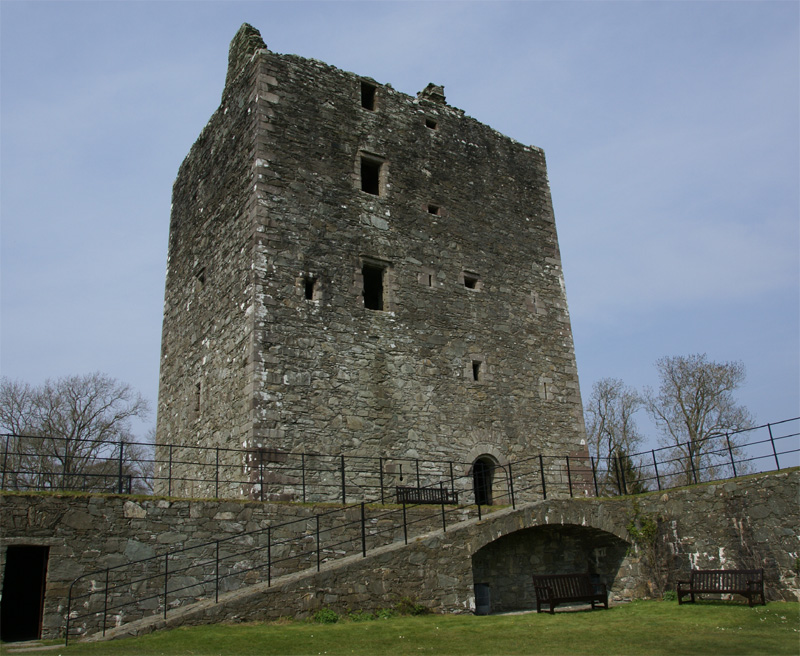
Cardoness Castle
Dumfries and Galloway
Cardoness Castle is a remarkably preserved fifteenth-century Galloway tower house whose MacCulloch history, Gordon feud and state protection make i…
- Near Newton Stewart
Questions people ask
- When was Tongland Abbey founded?
- It was probably founded around 1218 by Alan, Lord of Galloway.
- Which order was at Tongland Abbey?
- It was a Premonstratensian monastic community.
- Was John Damian really a flying abbot?
- Satirical poems suggest an attempted flight from Stirling Castle, but the source says there is no evidence he lived at Tongland and treats the story as uncertain.
Sources
The Ancient Codex, in your pocket
Get the Pocket Codex app
Carry the directory with you — Tongland Abbey and thousands of ancient places across Britain and Ireland, offline, wherever you roam.