
Fortified place · Iron Age
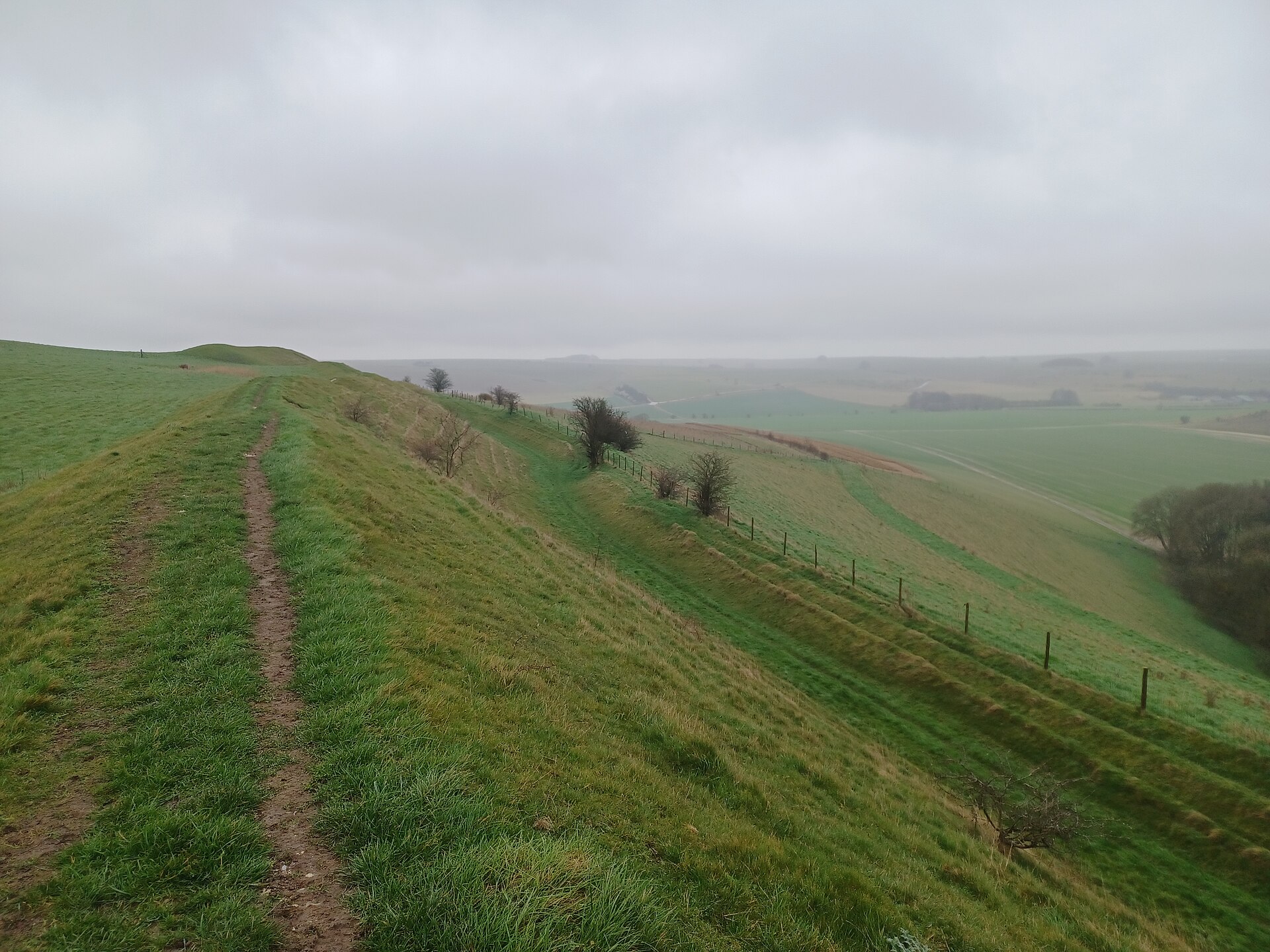
Scratchbury Camp
Wiltshire
A defended settlement on high ground, raised around 100 BC, encloses a smaller, far older bank-and-ditch enclosure that three separate excavation t…
- Some walking
By type
Page 12 of 14.
Search and filters apply to these 100 places.
Fortified place · Iron Age
Wiltshire
A defended settlement on high ground, raised around 100 BC, encloses a smaller, far older bank-and-ditch enclosure that three separate excavation t…
Building or ruin · Roman
Gwynedd
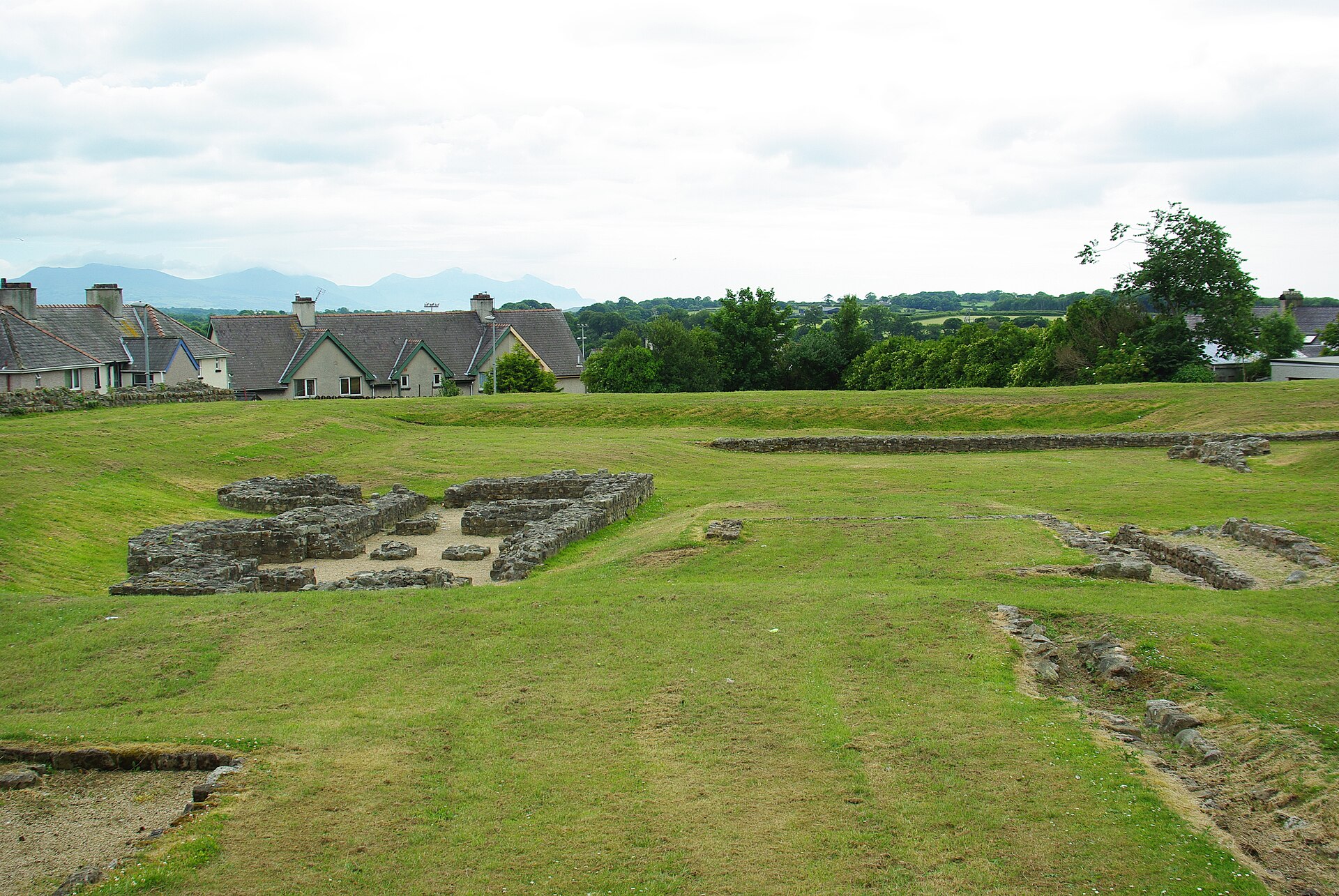
Segontium was the main Roman fort of north Wales, a thousand-man auxiliary base above the Menai Strait whose settlement, Mithraic temple and later…
Sacred place · Medieval
East Lothian
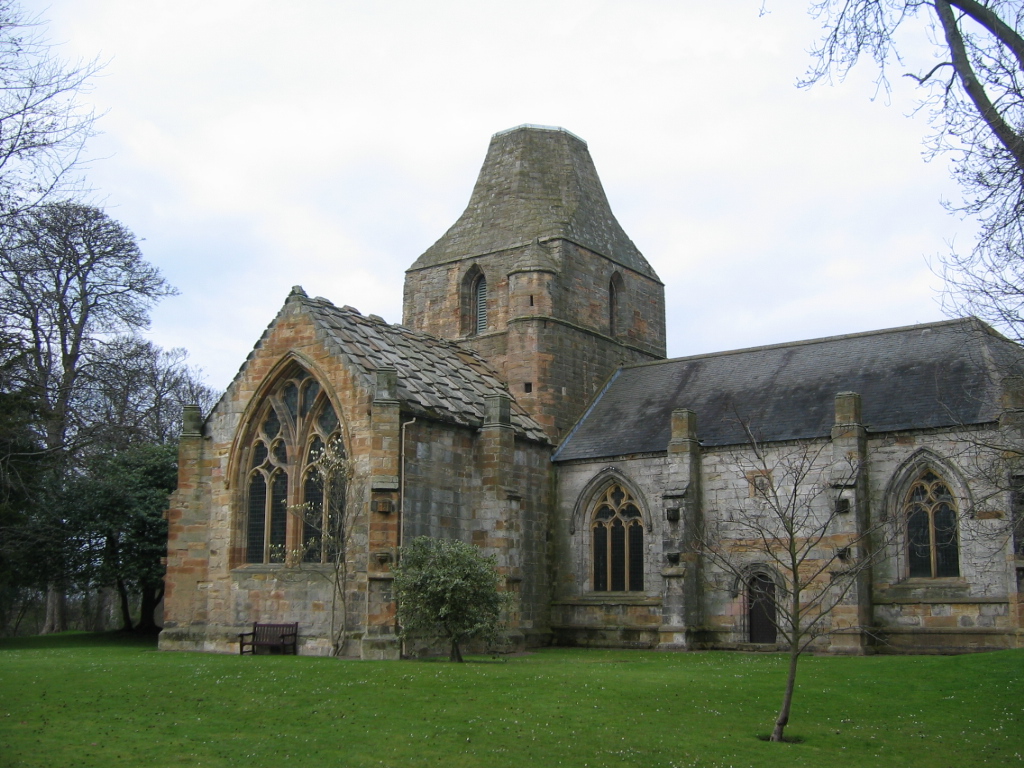
Seton Collegiate Church is an unusually legible unfinished late-medieval church, preserving its choir, transepts and tower alongside the absent nav…
Tomb or burial place · Prehistoric
Berkshire
A cemetery of Bronze Age (roughly 2500–800 BC, when metal tools first spread) burial mounds also shelters one of Berkshire's richest surviving frag…
Ancient place · Roman
Northumberland
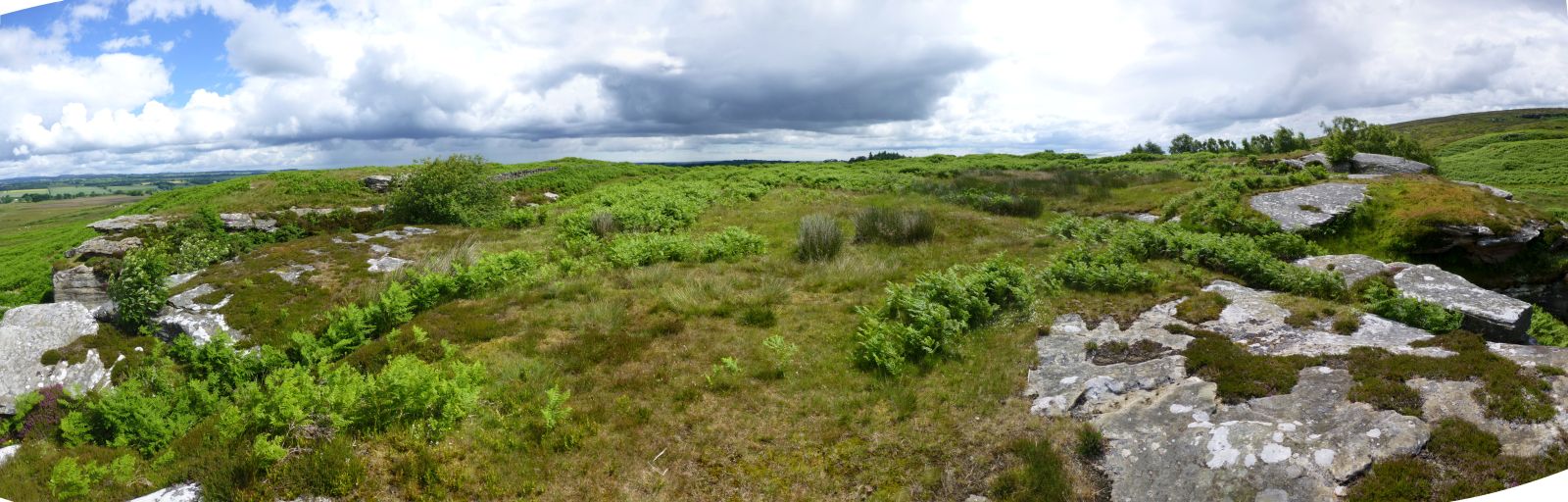
Shaftoe Crags preserves Iron Age, the period before Roman rule, enclosures and later Romano-British: a period when local people lived under Roman r…
Settlement · Prehistoric
Dorset
Shearplace Hill Enclosure is a scheduled Bronze Age (the period from about 2500 to 800 BC) farmstead where excavated round houses, trackways and do…
Crossing or structure · Medieval
Berkshire
An early-18th-century canal lock still doing its original job, its scalloped brick chamber and paddle gearing protected as a scheduled monument (le…
Building or ruin · Medieval
South Yorkshire
For nearly fifteen years this lodge and its neighbouring castle held Mary, Queen of Scots captive, making it one of the best-documented settings fo…
Ancient place · Medieval
South Yorkshire
One of the last complete water-powered grinding workshops on the River Porter, still turning where dozens once ground Sheffield's blades.
Building or ruin · Medieval
Argyll and Bute
A cleared crofting township on the Ross of Mull whose stone walls, kilns and mill remains survive well enough to trace the whole shift from run rig…
Settlement · Iron Age
Dorset
Shipton Hill Settlement is a rare small Iron Age (roughly 800 BC until the Roman conquest) defended community, whose natural slopes, banks and dome…
Sacred place
Kent
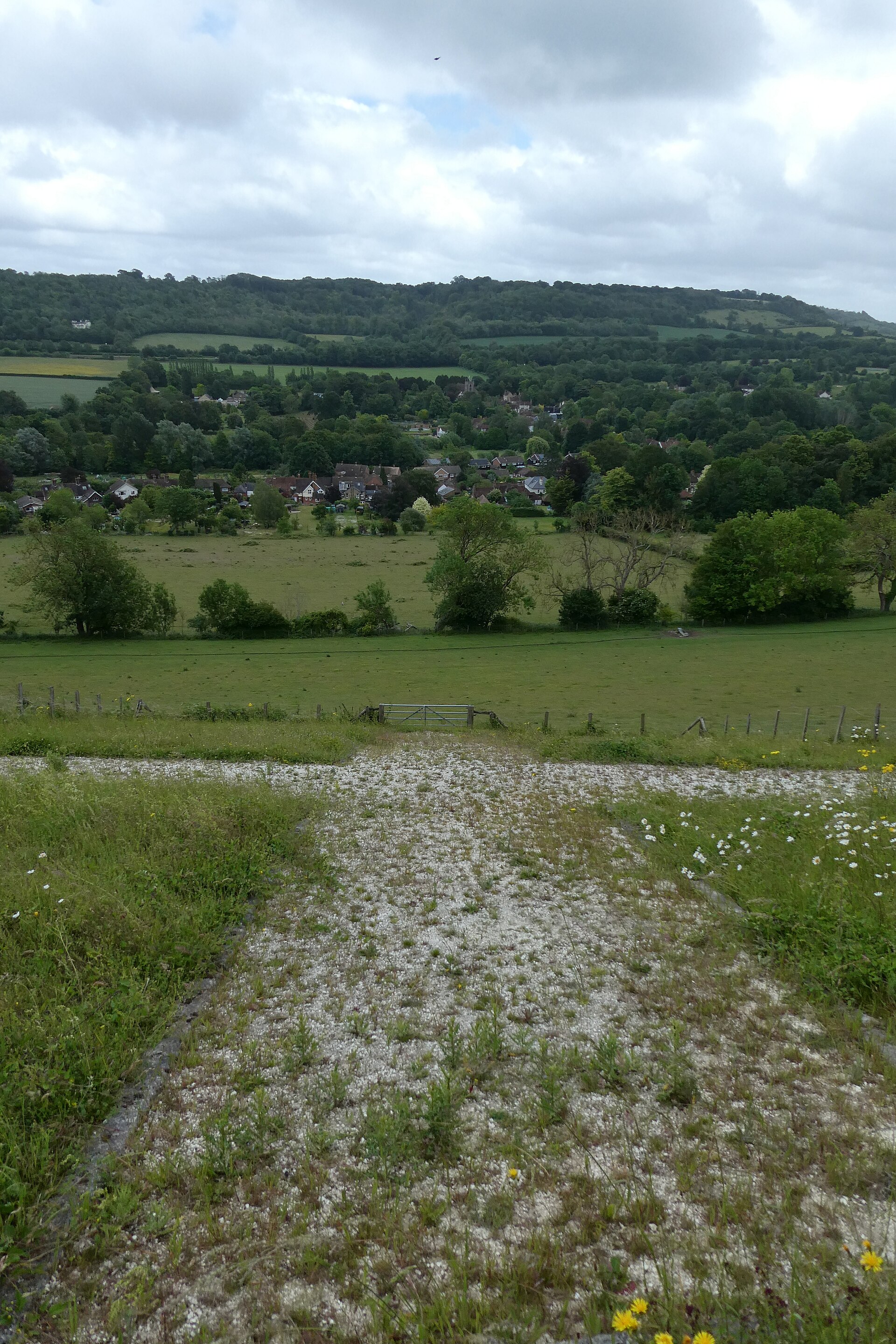
Shoreham Memorial Cross is a near-unique chalk hillside war memorial created by a bereaved local father and village community in 1920, transforming…
Building or ruin · Medieval
Cheshire
A 1662 brick manor whose Grade II* house, garden and nearby moat preserve the shift from a fortified home to a post-medieval (after about 1500) est…
Tomb or burial place · Prehistoric
Greater London
Shrewsbury Barrow is the sole survivor of a cluster of Bronze Age (roughly 2500–800 BC, when metal tools first spread) burial mounds once visible o…
Tomb or burial place · Prehistoric
Kent
English Heritage counts it among the finest surviving oval barrows in south-east England, yet as of 2007 no archaeologist had ever formally excavat…
Building or ruin · Prehistoric
Wiltshire
At 39.3 metres it is the tallest prehistoric mound in Europe, built with a labour investment: some 18 million man-hours: that rivals an Egyptian py…
Building or ruin · Medieval
Staffordshire
Its name comes from the Old French for blood. Monks came here to convalesce after being bled.
Building or ruin · Roman
Hertfordshire
The largest surviving group of Roman burial mounds in England, standing where local legend blames the Devil for their creation.
Fortified place · Medieval
Argyll and Bute
A working stronghold refortified across three centuries, ending its working life not by decay but under active siege in 1646: the last Scottish cas…
Building or ruin · Prehistoric
Monmouthshire
A hill reputedly split by the Crucifixion drew Catholics to secret Mass at its ruined summit chapel for two centuries when that worship was outlawed.
Fortified place · Iron Age
Northumberland
Four concentric ramparts curve round the north and west of the enclosure; quarrying has taken the east side down to one.
Settlement · Roman
Dorset
Smedmore Hill preserves a rare, well-preserved Romano-British (Britain under Roman rule, AD 43–410) farming settlement, where terraced small enclos…
Fortified place · Medieval
Argyll and Bute
Two separate bonds, in 1594 and 1597, show the family here signing not as MacDonald but as M'Connall: a rare direct trace of how Gaelic Kintyre act…
Building or ruin · Medieval
Greater Manchester
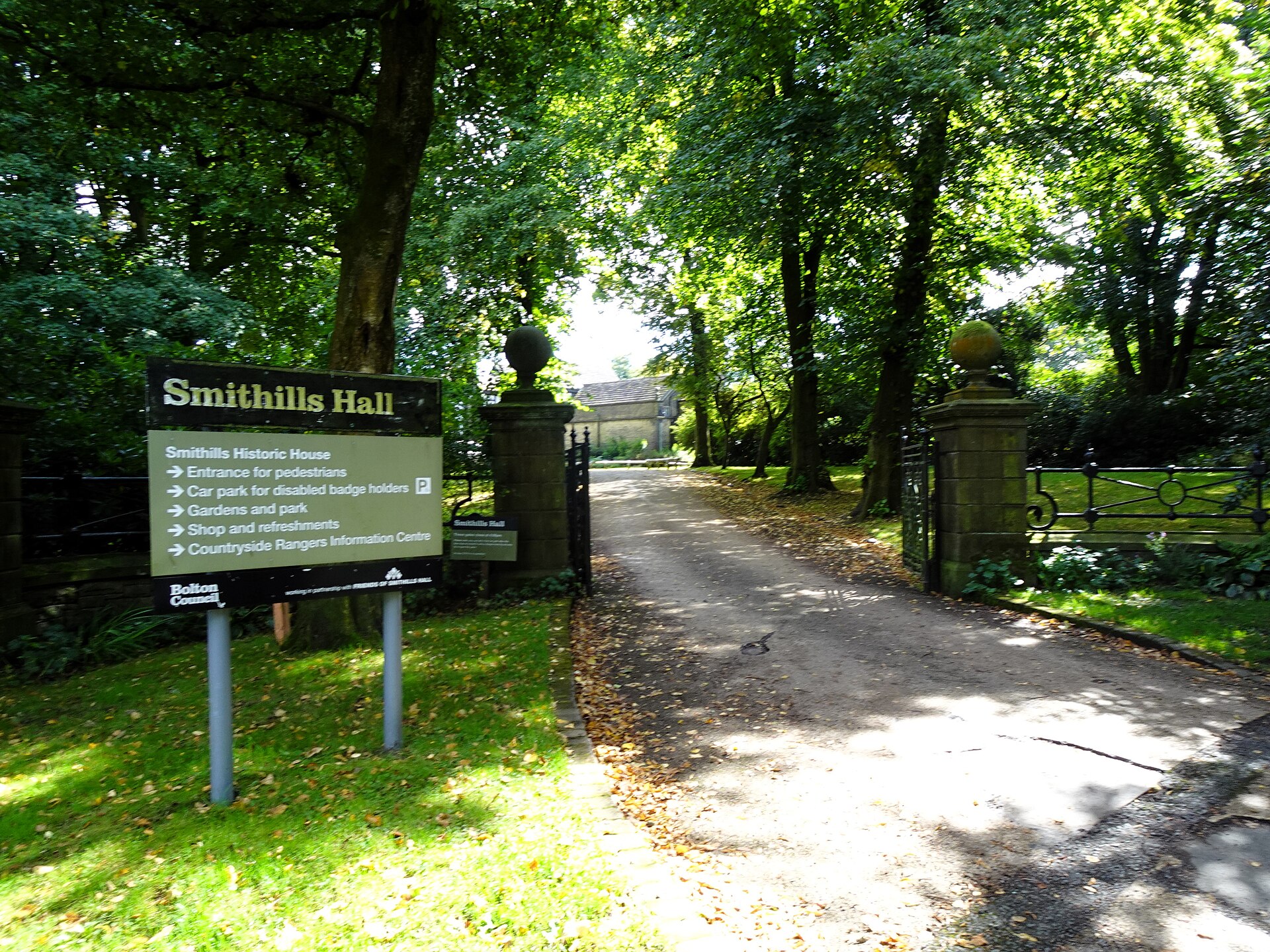
Smithills Hall preserves one of north-west England’s oldest manor houses, where a medieval Radcliffe residence evolved through gentry, industrial a…
Ancient place · Roman
Shropshire
Reputedly the greatest volume of lead per acre in Europe: and a smeltmill of national importance now being destroyed by vegetation.
Building or ruin · Prehistoric
Wiltshire
A century after Pitt Rivers first dug here, re-excavation overturned his own conclusions: hollows he took for natural features turned out to be Bro…
Tomb or burial place · Prehistoric
Wiltshire
Excavation here found no burial at all, making this Wiltshire mound one of England's clearest Neolithic (the first farming period in Britain, rough…
Fortified place · Iron Age
Essex
South Weald Camp is a rare east-of-England late Iron Age hillfort: a defended hilltop settlement from the centuries before Rome arrived: whose alte…
Tomb or burial place · Prehistoric
Cornwall
Sperris Quoit is a scheduled, ruined Penwith burial chamber whose missing capstone and surviving cremation evidence record both prehistoric (before…
Tomb or burial place · Prehistoric
Devon
Spinsters’ Rock is a striking Neolithic (the first farming period in Britain, roughly 4000–2500 BC) dolmen near Drewsteignton, whose restored grani…
Fortified place · Medieval
Hampshire
A Victorian island gun-fort built to catch any warship that slipped past its two larger neighbours in the Solent: now a scheduled monument (legally…
Building or ruin · Roman
Gloucestershire
Long cited as the textbook case of a Roman villa evolving from a simple corridor house into a full courtyard estate, though the dating evidence beh…
Sacred place · Pictish & early medieval
Cumbria
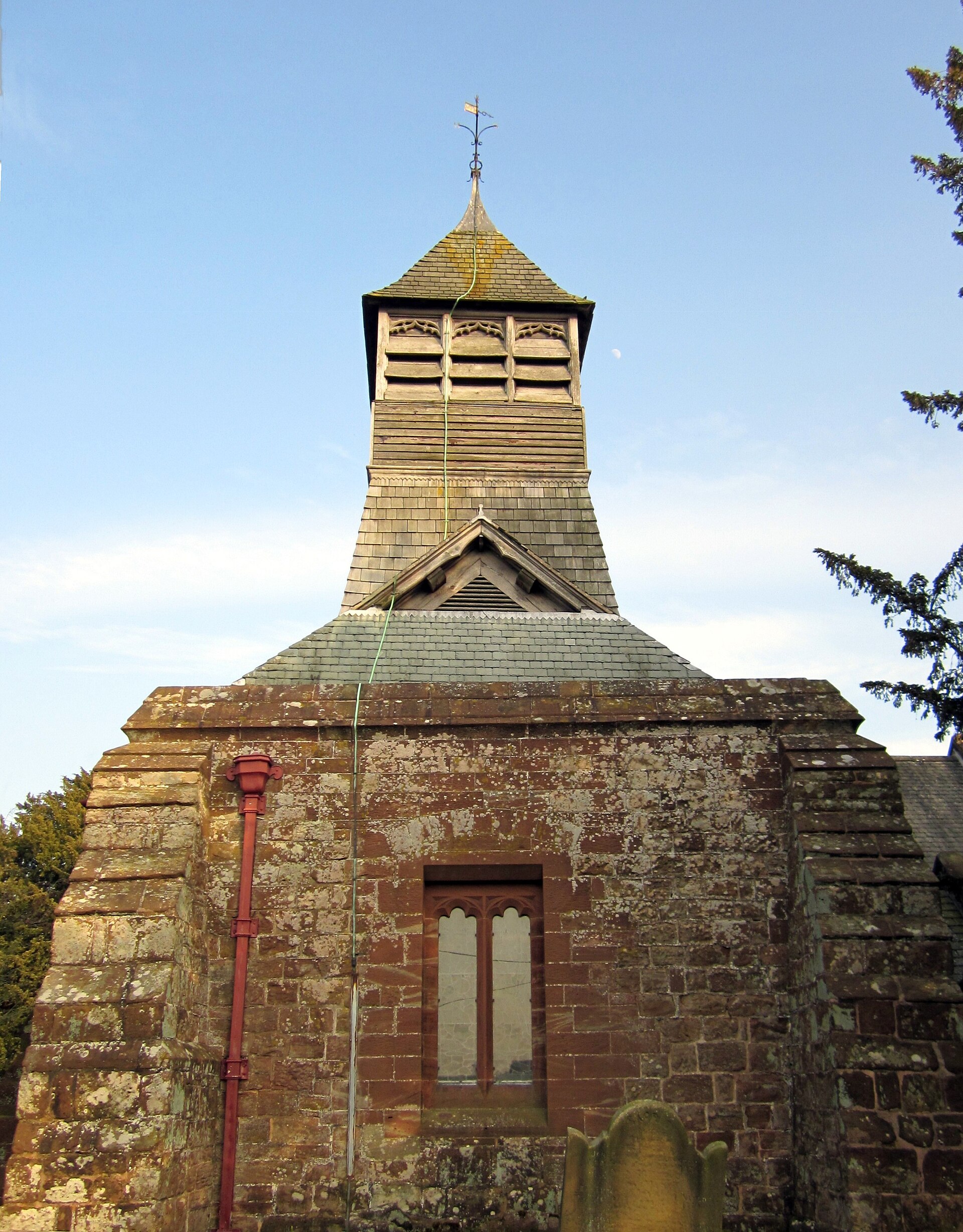
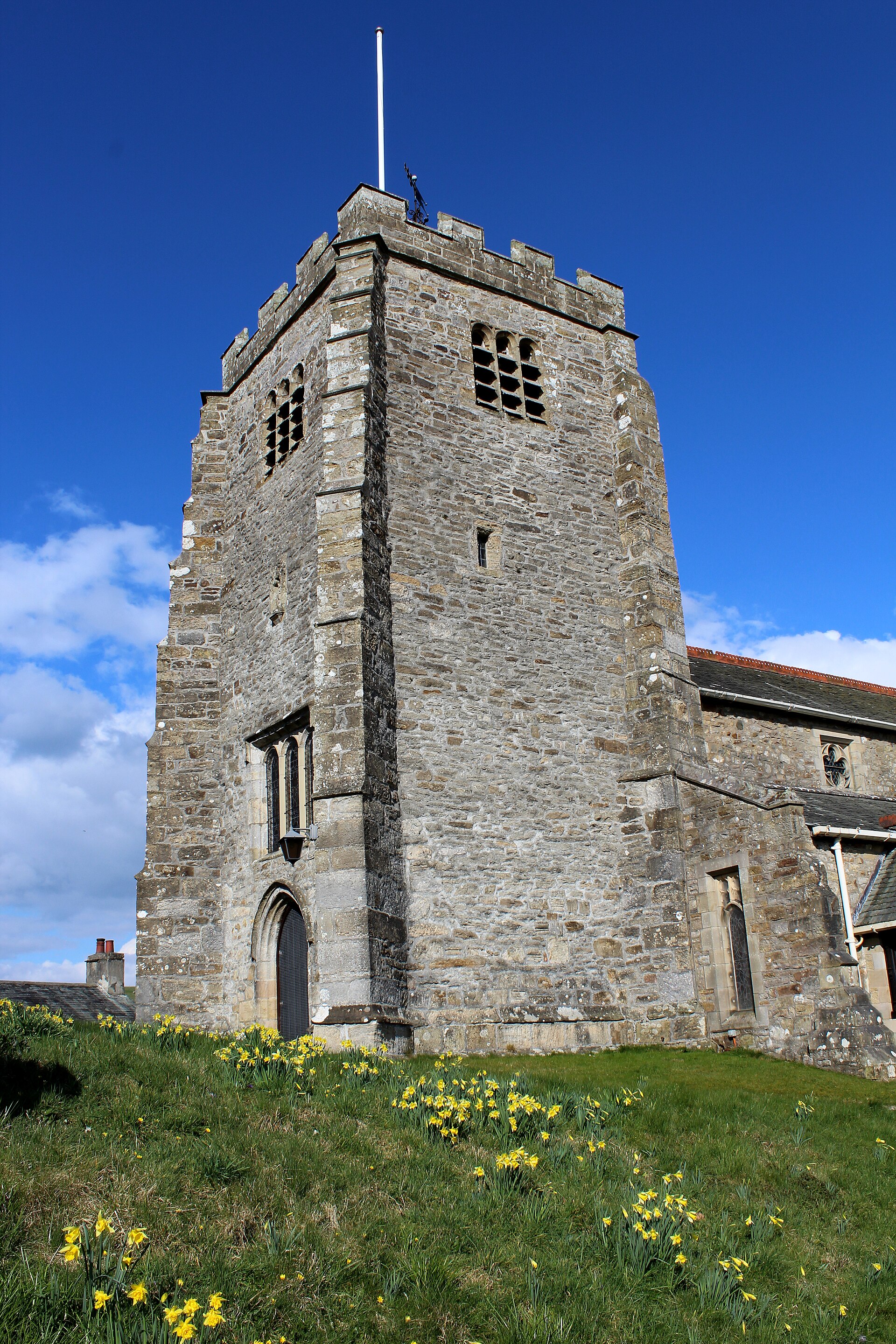
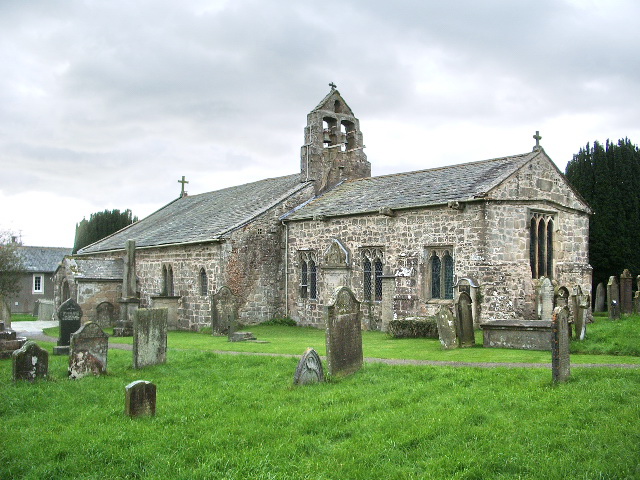
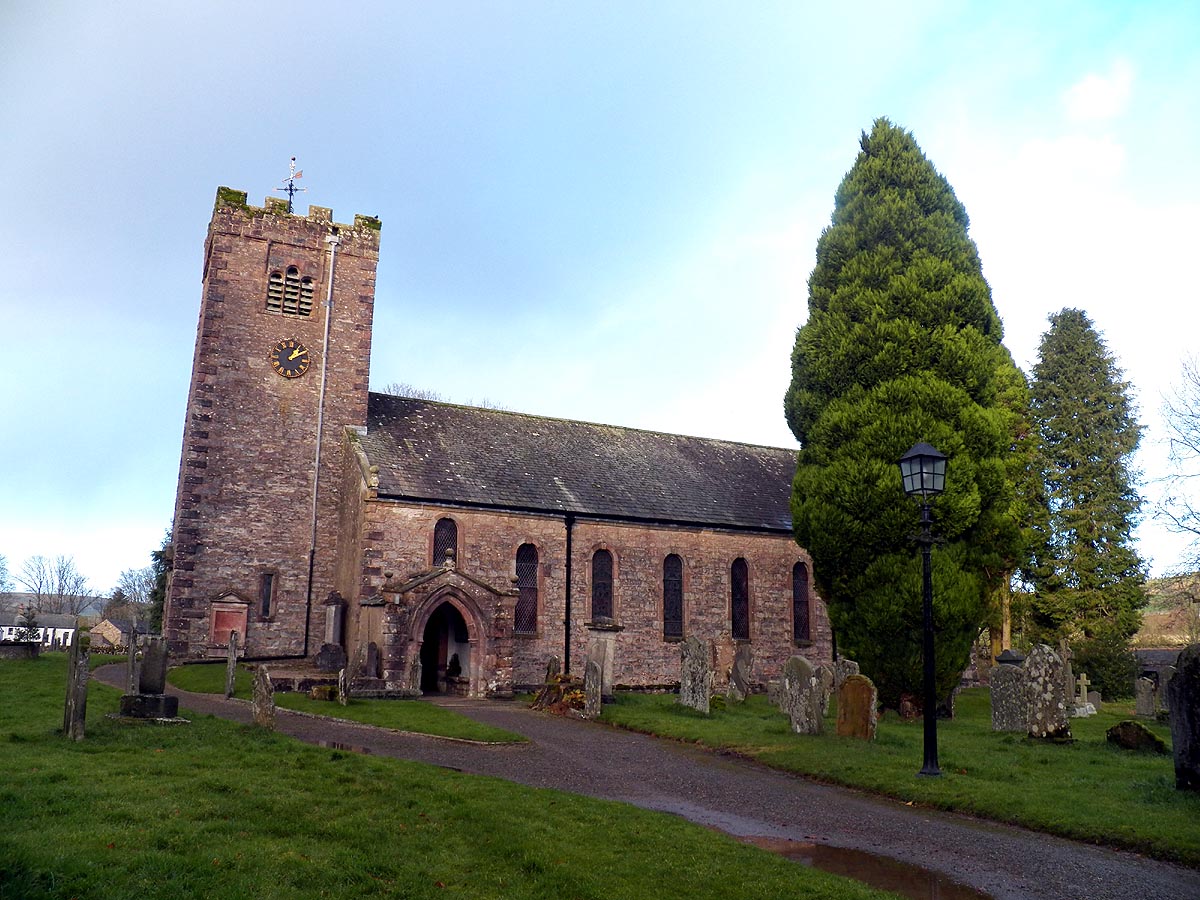
Two Anglo-Saxon cross-shaft monuments in the churchyard, the Giant's Grave and the Giant's Thumb, predate the present Georgian church by eight cent…
Building or ruin · Medieval
Kent
St Augustine’s Conduit House preserves the medieval water infrastructure that supplied a major Canterbury abbey (a religious community led by an ab…
Sacred place · Prehistoric
Cheshire
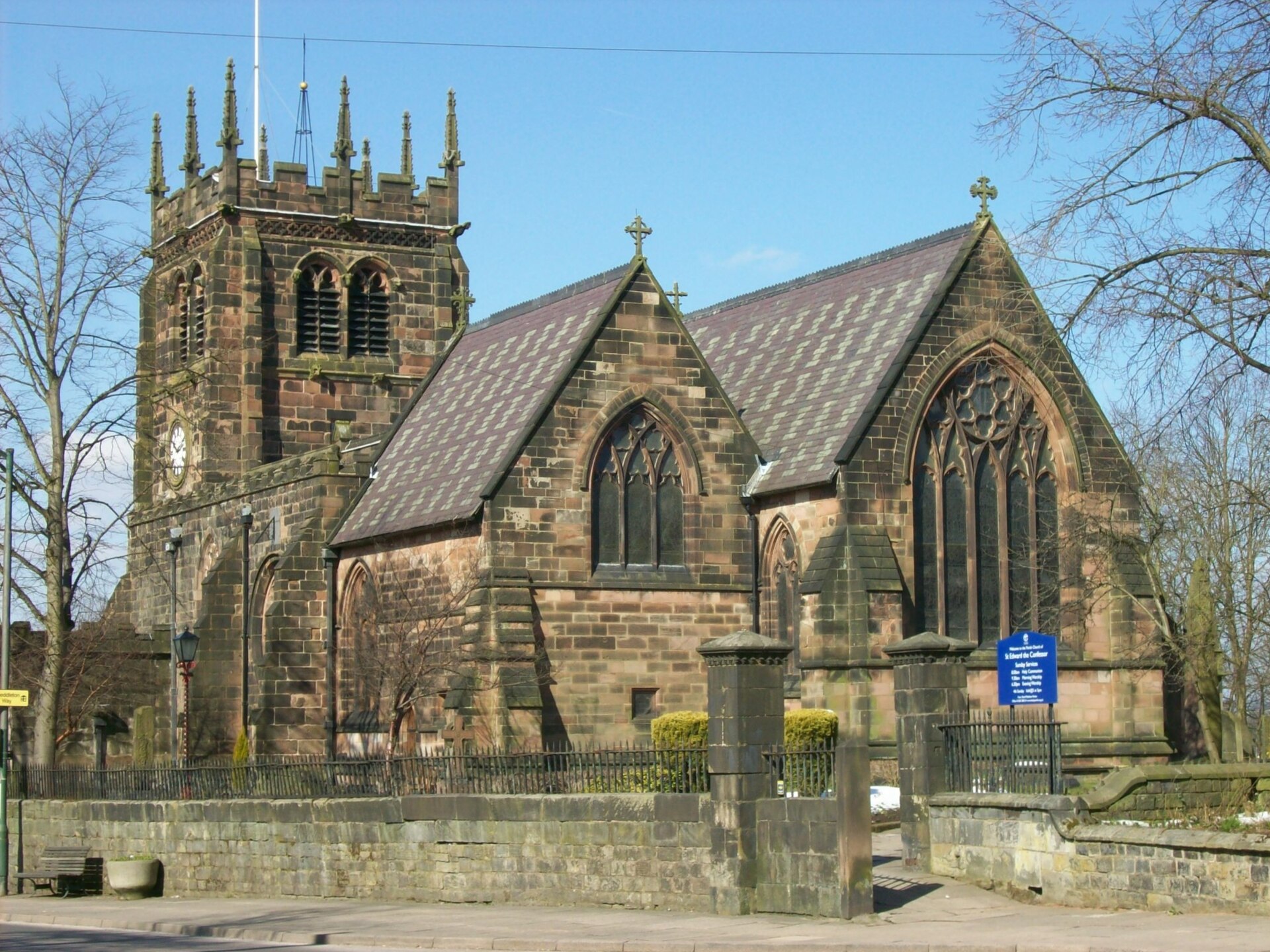
A Cheshire parish church rooted in a Knights Hospitaller preceptory, where medieval stonework, Georgian additions and Victorian restoration meet in…
Sacred place · Medieval
West Midlands
A round Anglo-Saxon churchyard and a broken preaching cross tied to Lady Godiva's husband sit beside a Victorian rebuild by the Lancaster firm of P…
Building or ruin · Medieval
Argyll and Bute
Its identity was forged not by an ancient founding but by two centuries of Scottish church schism and reunion, condensed into a single Dunblane bui…
Building or ruin · Pictish & early medieval
Greater London
St Botolph’s Church, Ruxley is a rare intact medieval church ruin that survived 400 years as a farm building, preserving its form within a modern g…
Building or ruin · Medieval
Argyll and Bute
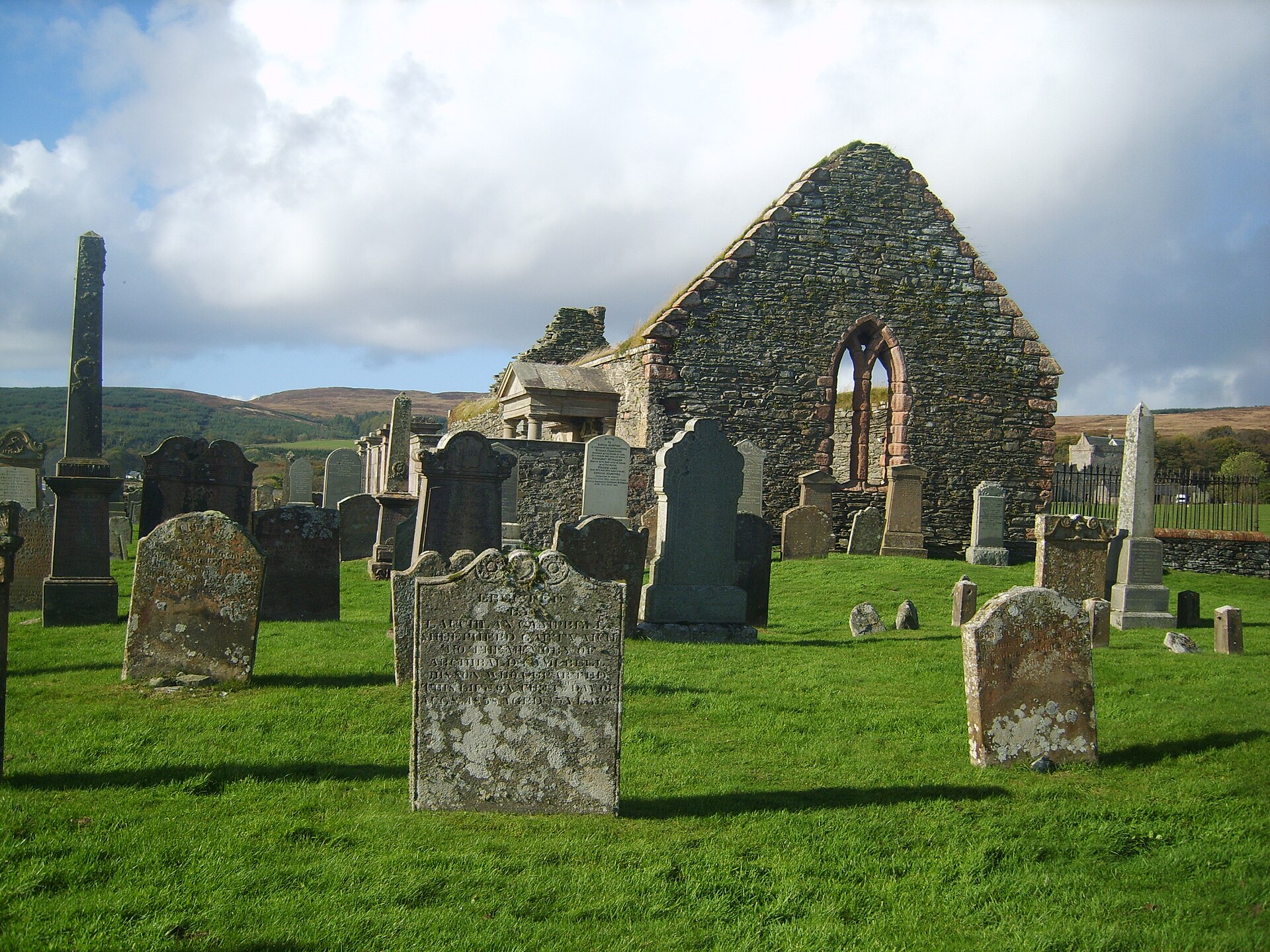
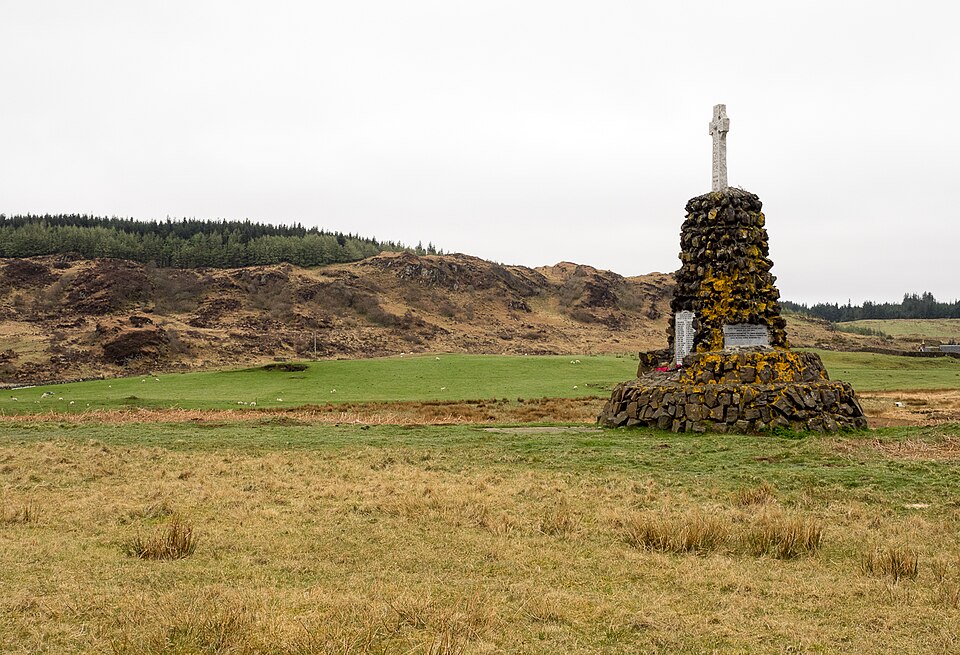
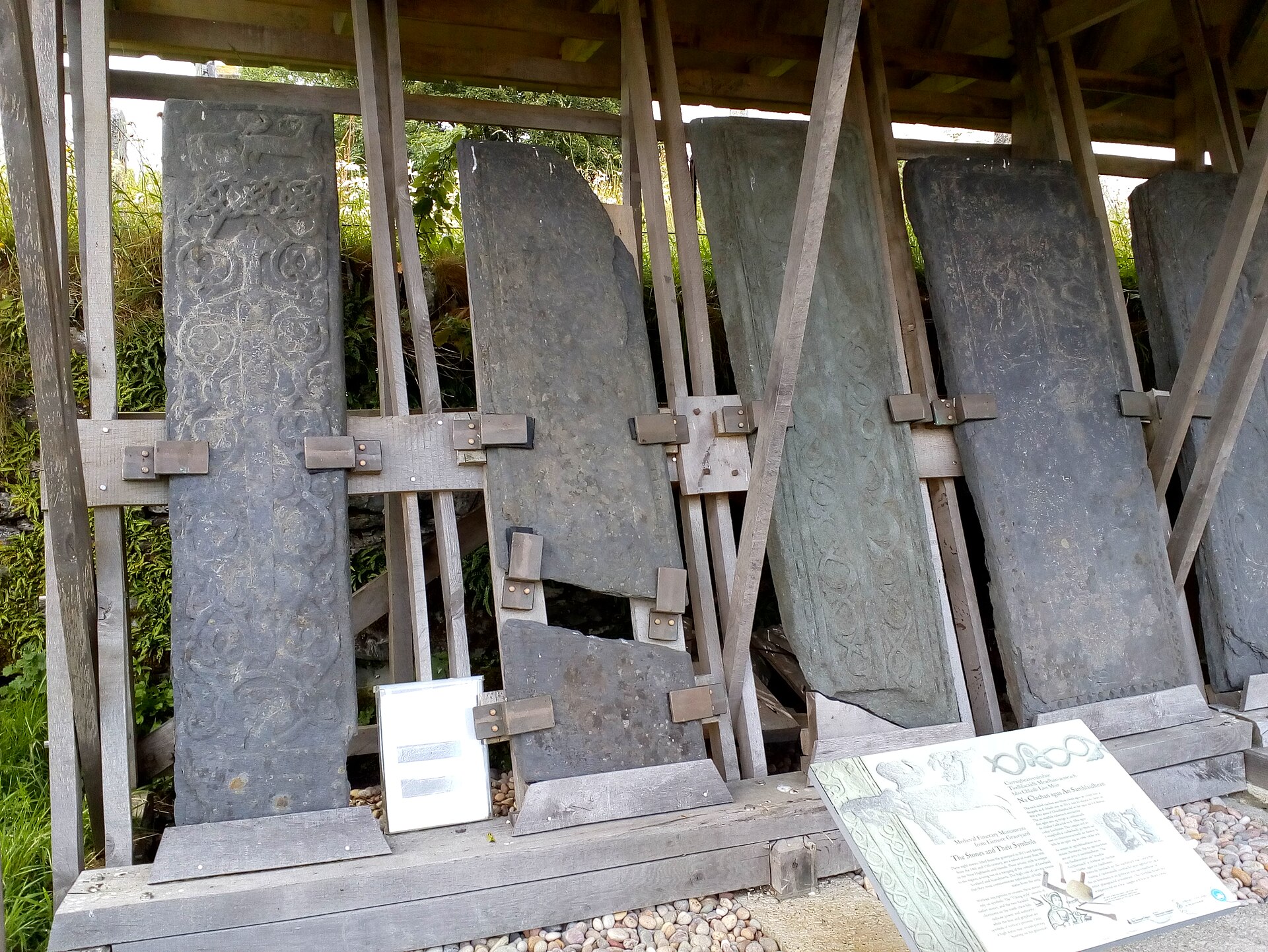
A roofless chapel far larger than any other in Kintyre, standing beside five carved late medieval tombstones in a graveyard still used today.
Sacred place · Medieval
Merseyside
St Catherine’s Chapel is a rare late-medieval private chapel, locally called Lydiate Abbey despite never being an abbey, with fabric and burials th…
Fortified place
Pembrokeshire
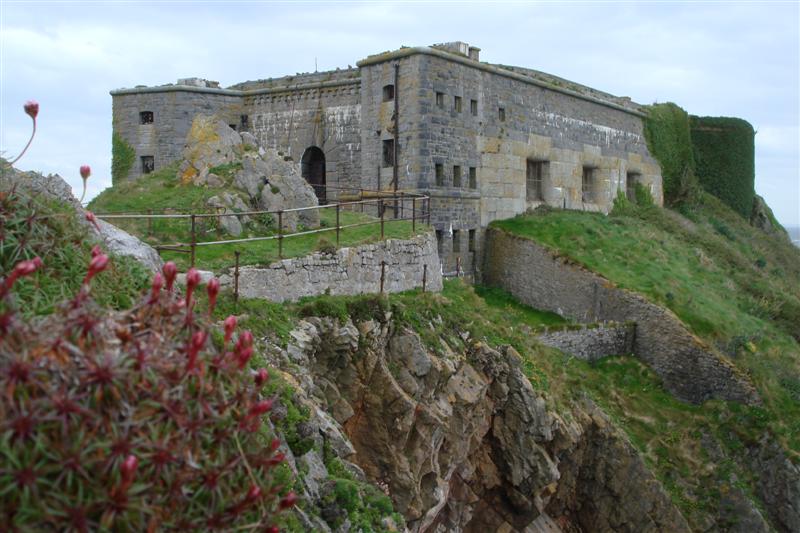
The only fort ever built of a chain meant to run from Tenby to Freshwater West, finished unarmed in 1870 and turned into a private house before its…
Fortified place · Iron Age
Hampshire
A single chalk hilltop carries an Iron Age (roughly 800 BC until the Roman conquest) hillfort, a lost medieval chapel, a 17th-century turf maze, an…
Sacred place · Medieval
Cheshire
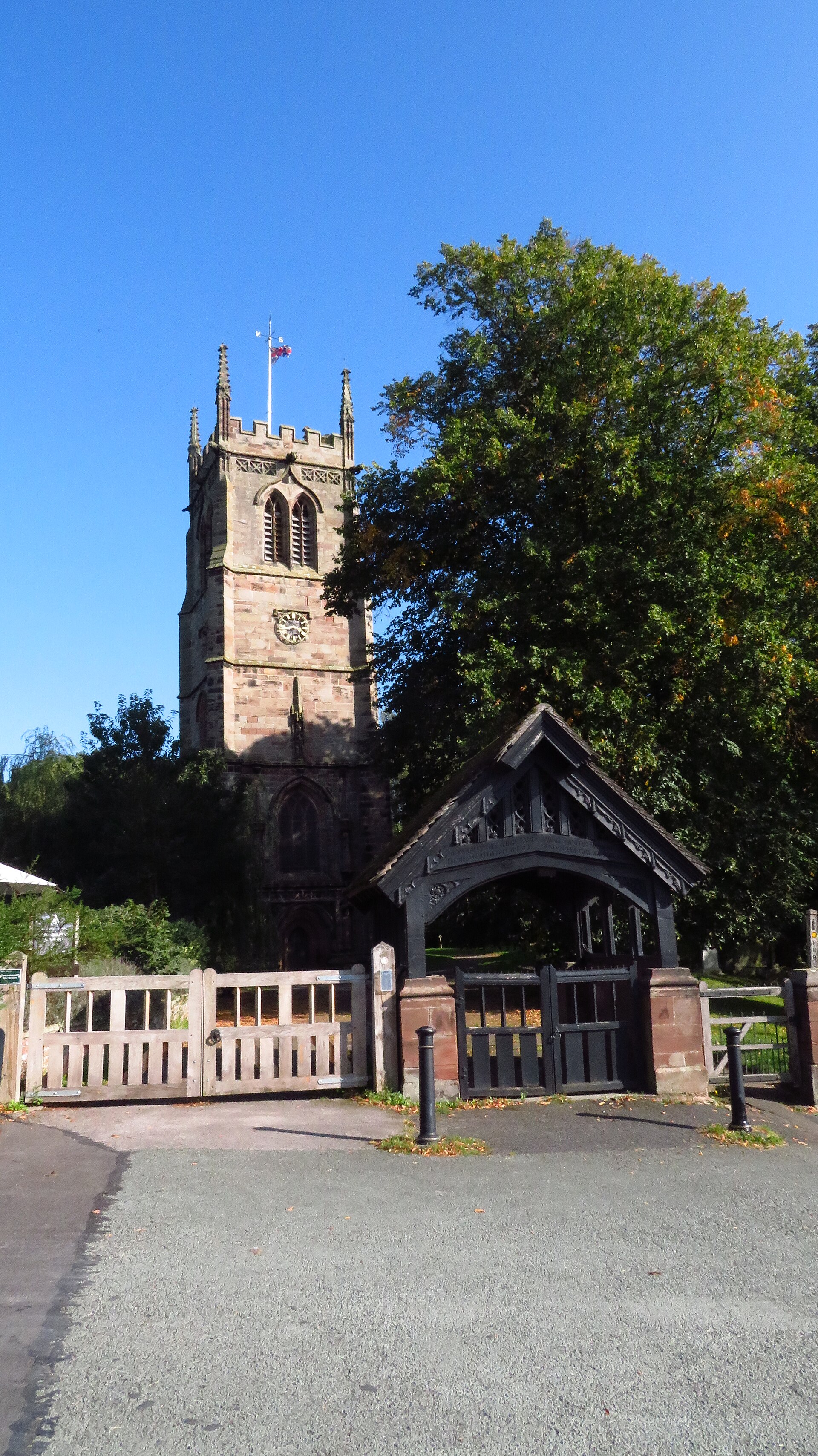
The surviving leaning tower of a repeatedly rebuilt Cheshire church, whose nineteenth-century rescue technique later informed work on the Leaning T…
Sacred place · Medieval
Cheshire
Its churchyard preaching cross is a scheduled monument (a site protected by law for its archaeological importance) in its own right, and one of its…
Sacred place · Medieval
Argyll and Bute
A ruined medieval chapel on the Kintyre coast whose carved grave slabs are the strongest surviving evidence of the community that once worshipped h…
Building or ruin · Medieval
Pembrokeshire
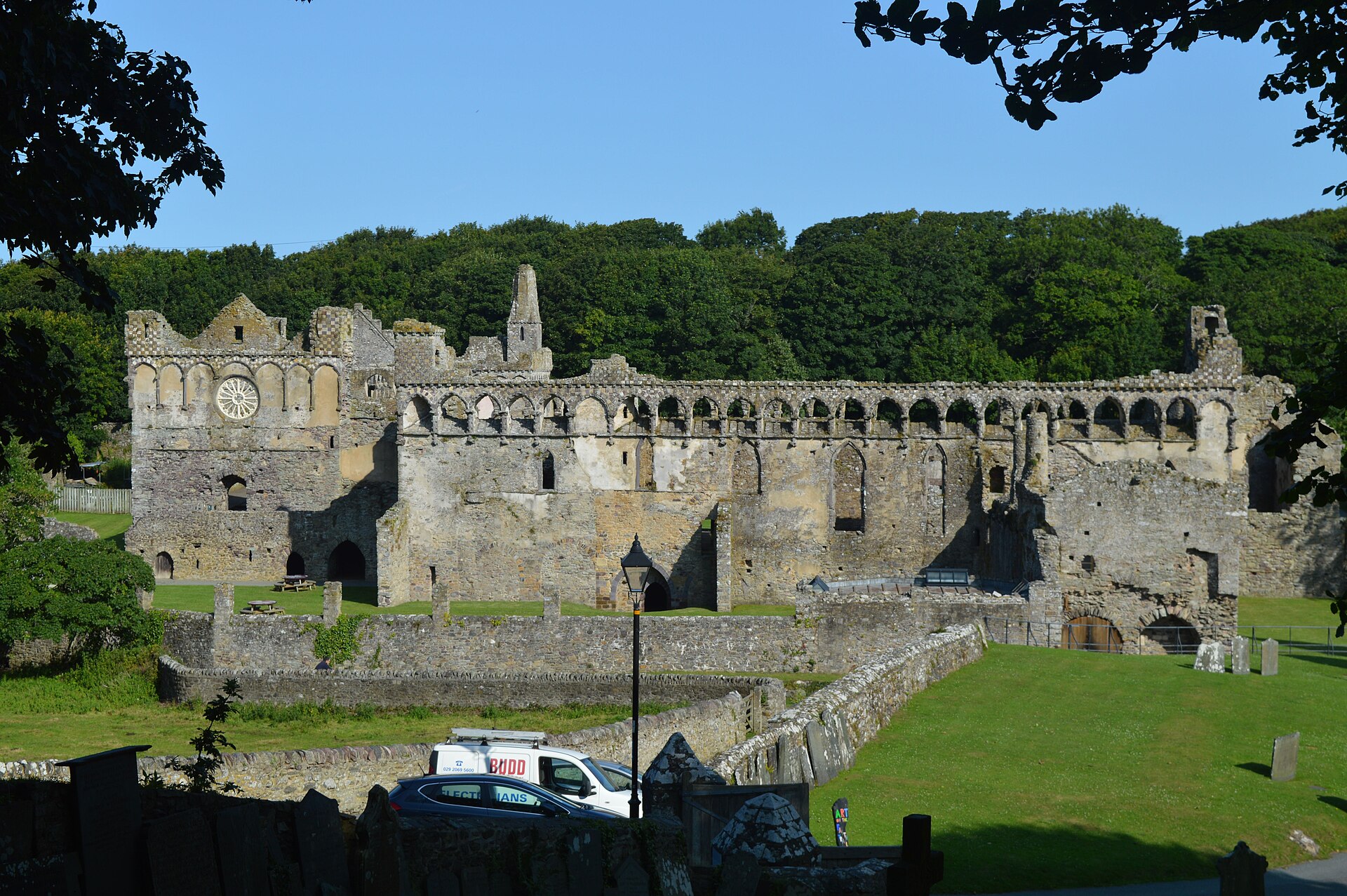
A fourteenth-century episcopal palace of extraordinary ambition, ruined not by war but by a bishop who sold the lead off its roof in 1536.
Building or ruin · Medieval
Cambridgeshire
A redundant medieval church whose consecrated churchyard now doubles as a legally protected nature reserve, rescued from decay by a charity built s…
Sacred place · Medieval
Cheshire
The carved south entrance is the church's defining survival: three Norman orders, chevron and cable moulding, and weathered corbel heads (carved st…
Sacred place · Medieval
Staffordshire
A church whose churchyard shows a double sunset at midsummer: an alignment calculated to predate Christianity in Britain.
Building or ruin · Medieval
City of Edinburgh
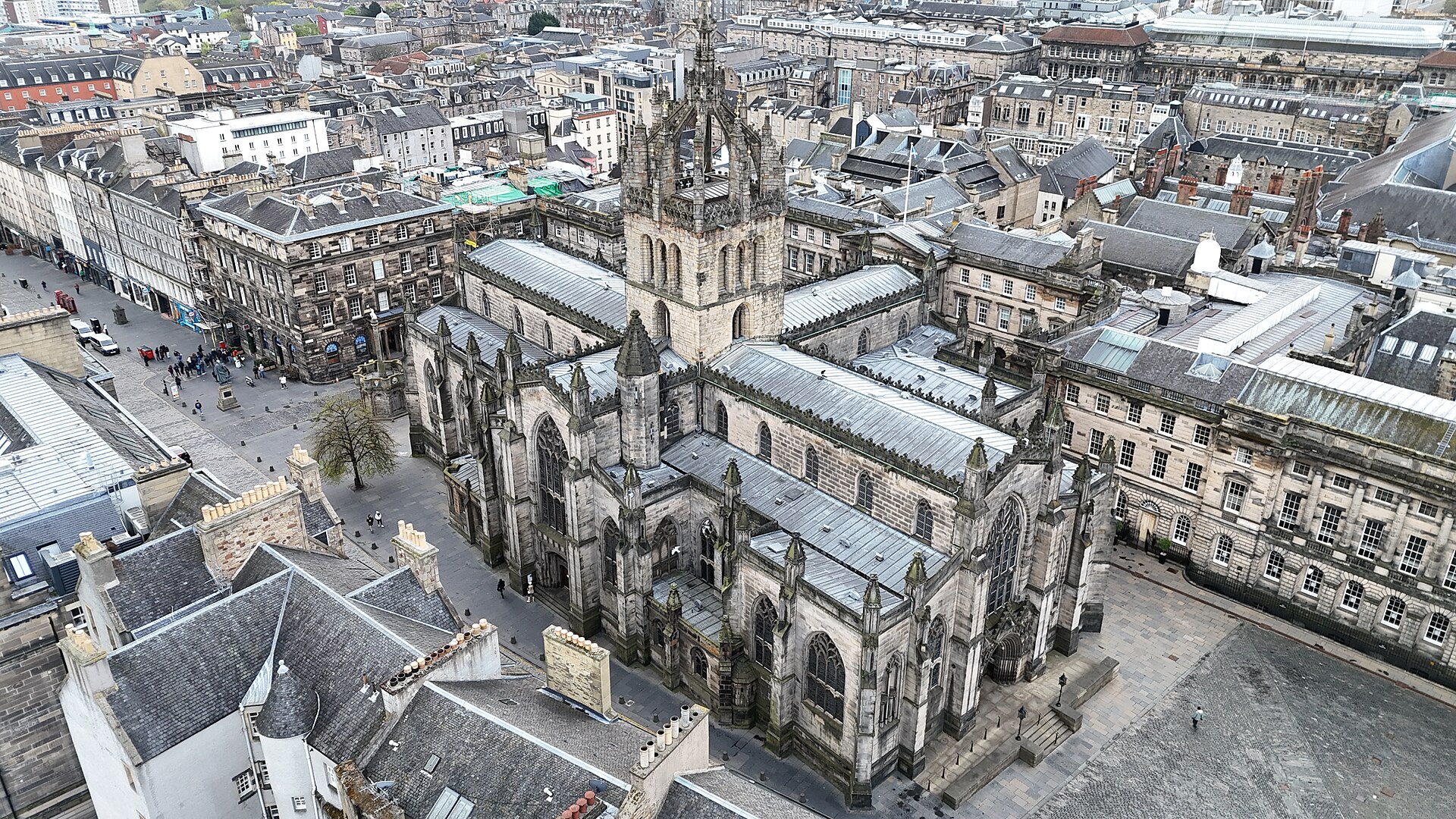
Its 1637 prayer-book riot lit the fuse for the National Covenant and the Wars of the Three Kingdoms, earning St Giles' the title 'the Mother Church…
Sacred place · Medieval
Pembrokeshire
A chapel of twenty feet by twelve built into the side of a limestone cliff at St Govan's Head.
Sacred place · Medieval
Isle of Anglesey
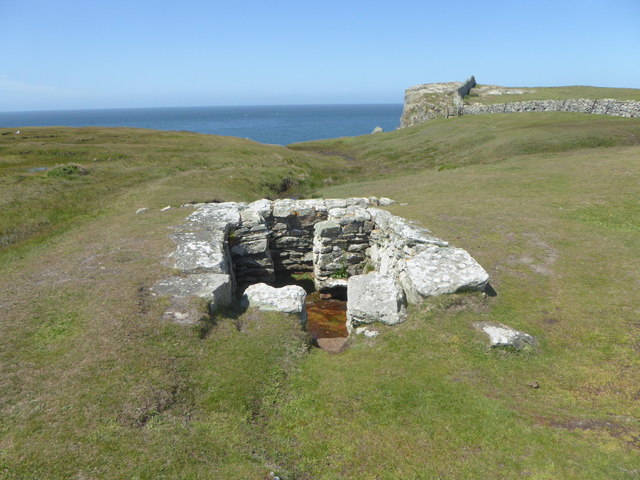
A rare three-chambered drystone well house survives almost intact, still visited for a legend of curing mental illness with an offering of white qu…
Sacred place · Medieval
Suffolk
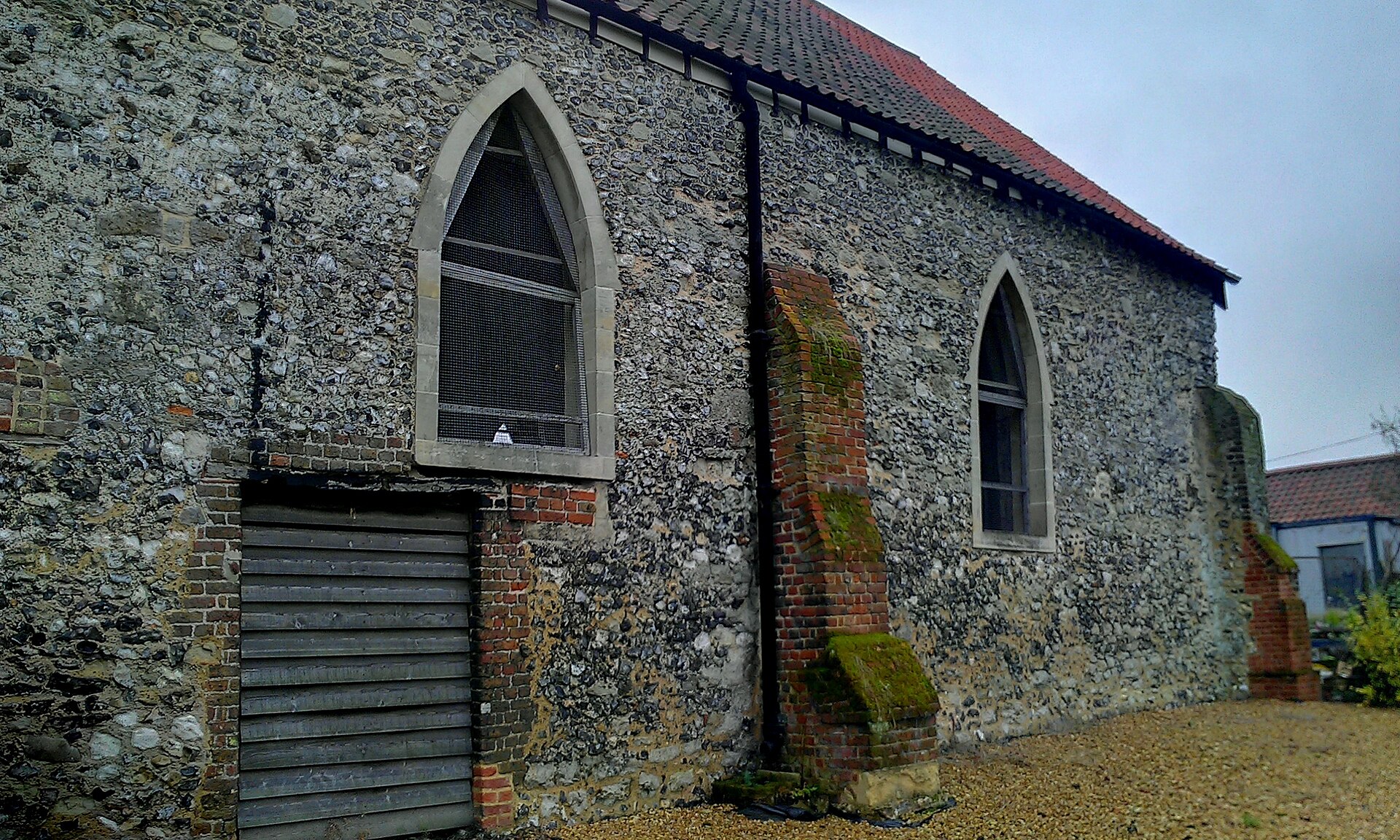
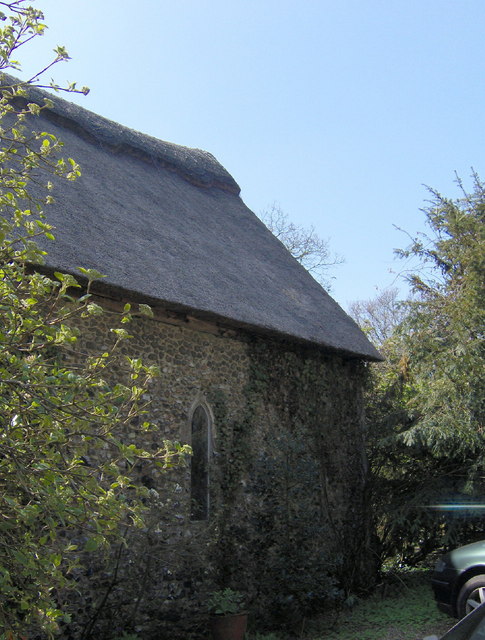
Dissolved in 1545 and granted to Thomas Turner, who turned it into a barn. That is the reason a thirteenth-century chapel is still standing.
Sacred place · Medieval
Shropshire
A twelfth-century church encased in brick, extended for ironworkers in 1838, and holding a Norman chancel arch: at the eastern end, by the altar: t…
Sacred place · Medieval
Cheshire
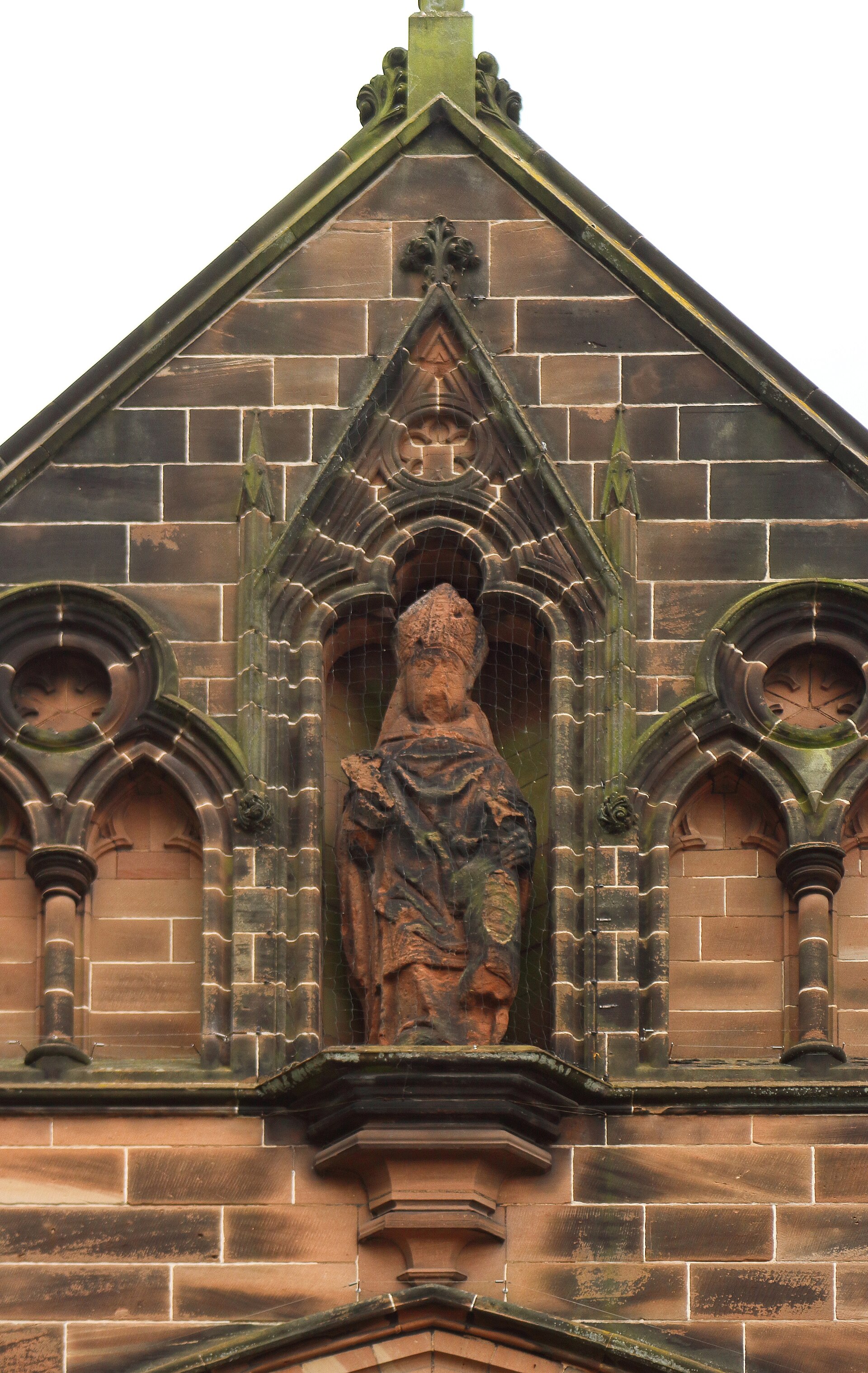
In 973 six tributary kings are said to have rowed King Edgar up the Dee to hold court here: a church that was Chester's cathedral before it was eve…
Sacred place · Pictish & early medieval
North Yorkshire
A medieval parish church stands inside the ramparts of an Iron Age (roughly 800 BC until the Roman conquest) oppidum, its churchyard holding a 9th-…
Building or ruin · Medieval
Monmouthshire
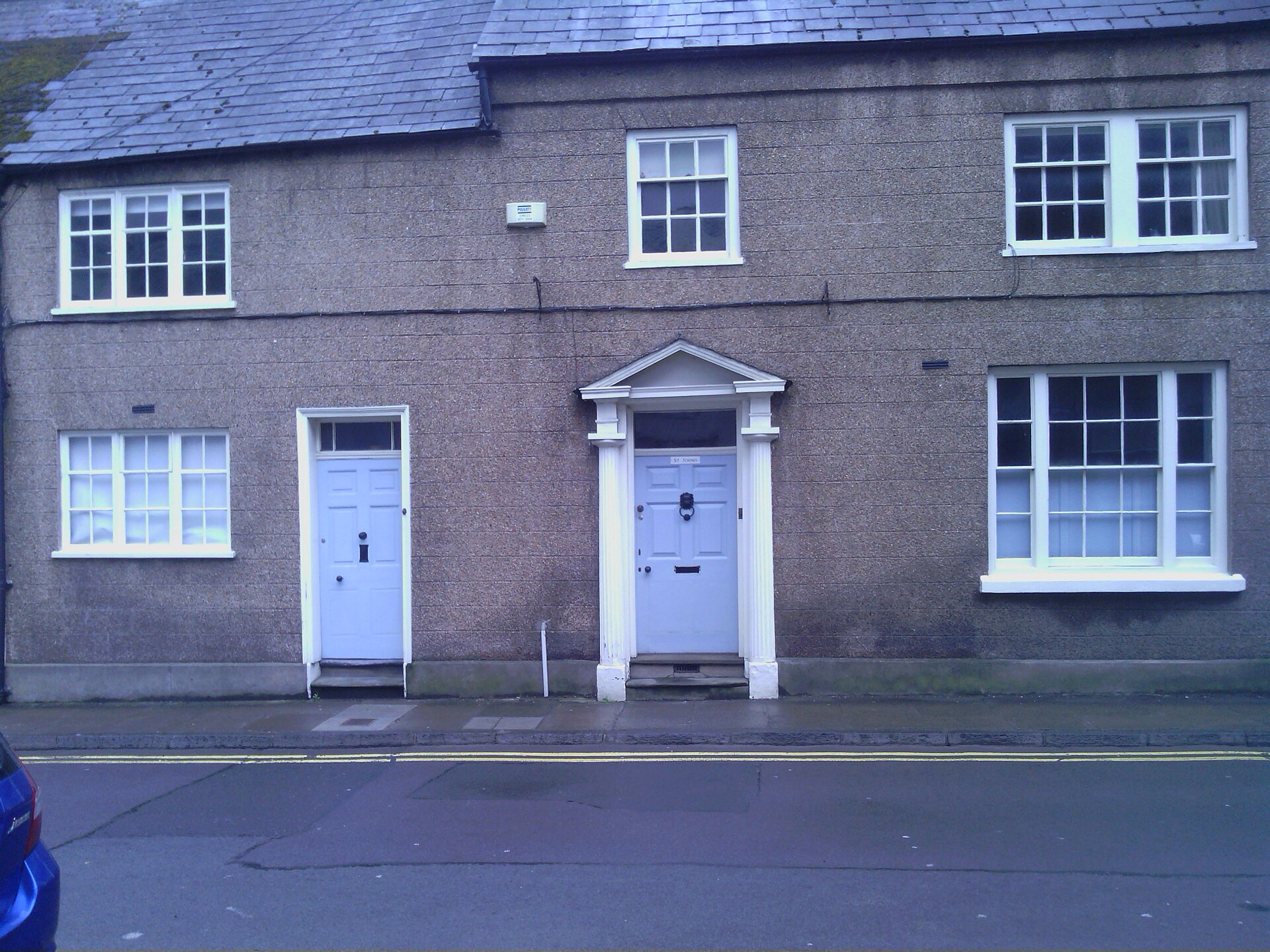
St John’s pairs an eighteenth-century Monmouth villa with a separately protected Coalbrookdale verandah and formal walled garden, a rare survival b…
Sacred place · Medieval
Argyll and Bute
Eight medieval cross slabs and a sixteenth-century high cross survive inside its walls, set within an island cemetery still used for burials today.
Sacred place · Medieval
Cheshire
Its surviving medieval and seventeenth-century family chapels contain Mainwaring monuments, while a plaque and flag record General Patton's staff w…
Tomb or burial place · Prehistoric
Vale of Glamorgan
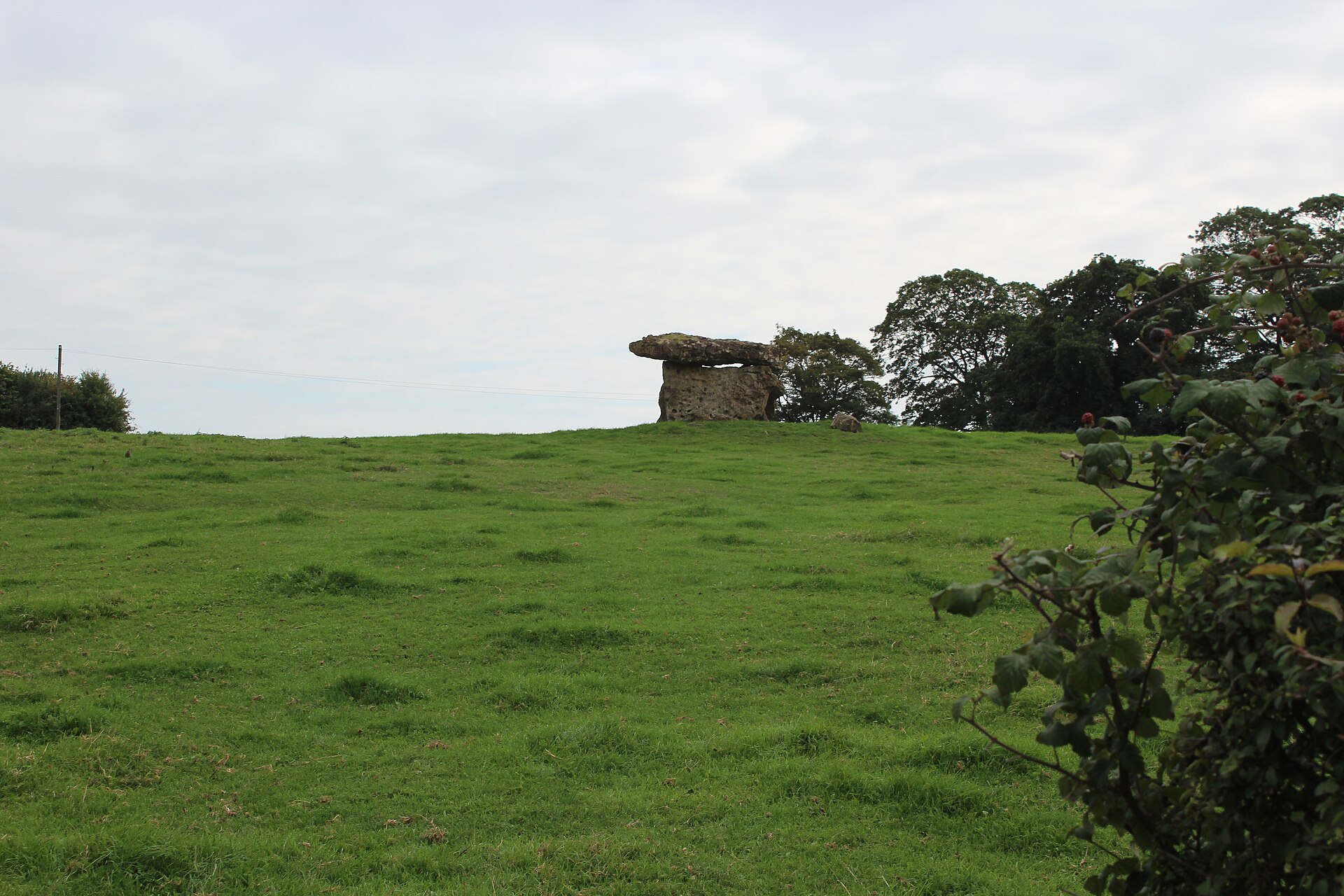
A single-chamber megalithic dolmen of about 4000 BC, once covered by a long earthen mound.
Building or ruin · Medieval
Aberdeen City
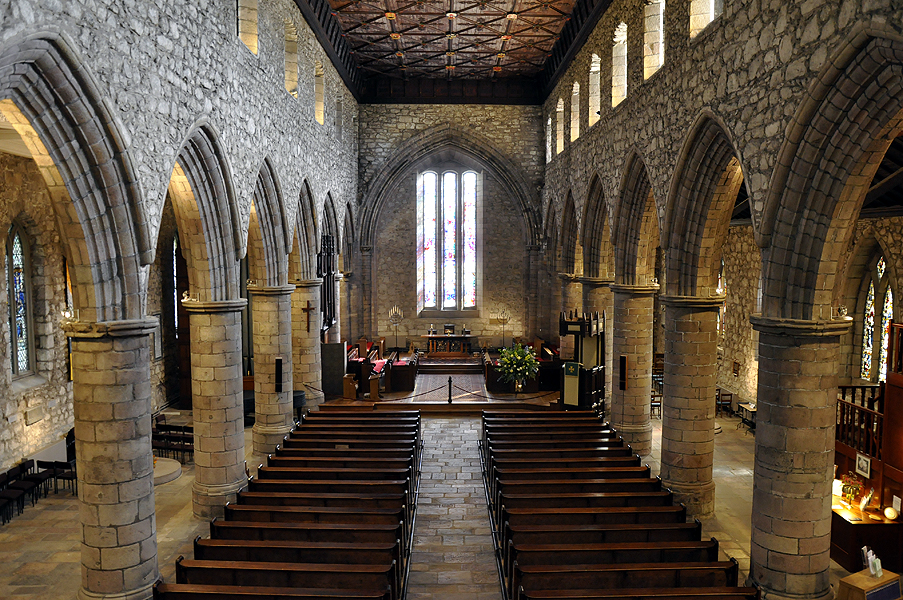
A working Church of Scotland kirk that still keeps William Wallace's quartered remains in its walls and a ceiling of 48 royal and episcopal coats o…
Sacred place · Medieval
Wiltshire
For three centuries the tithes from this small chapel supported a priory, a monastery headed by a prior, forty miles away in Southampton, even afte…
Sacred place · Medieval
Monmouthshire
A medieval parish church so distorted by ground movement that its tower, nave (the main western space where the congregation stood) and chancel (th…
Building or ruin · Pictish & early medieval
Lincolnshire
A working Anglo-Saxon tower still stands at the centre of a church rescued from vandalism and bat guano and restored at a cost of nearly £350,000.
Building or ruin · Pictish & early medieval
Dorset
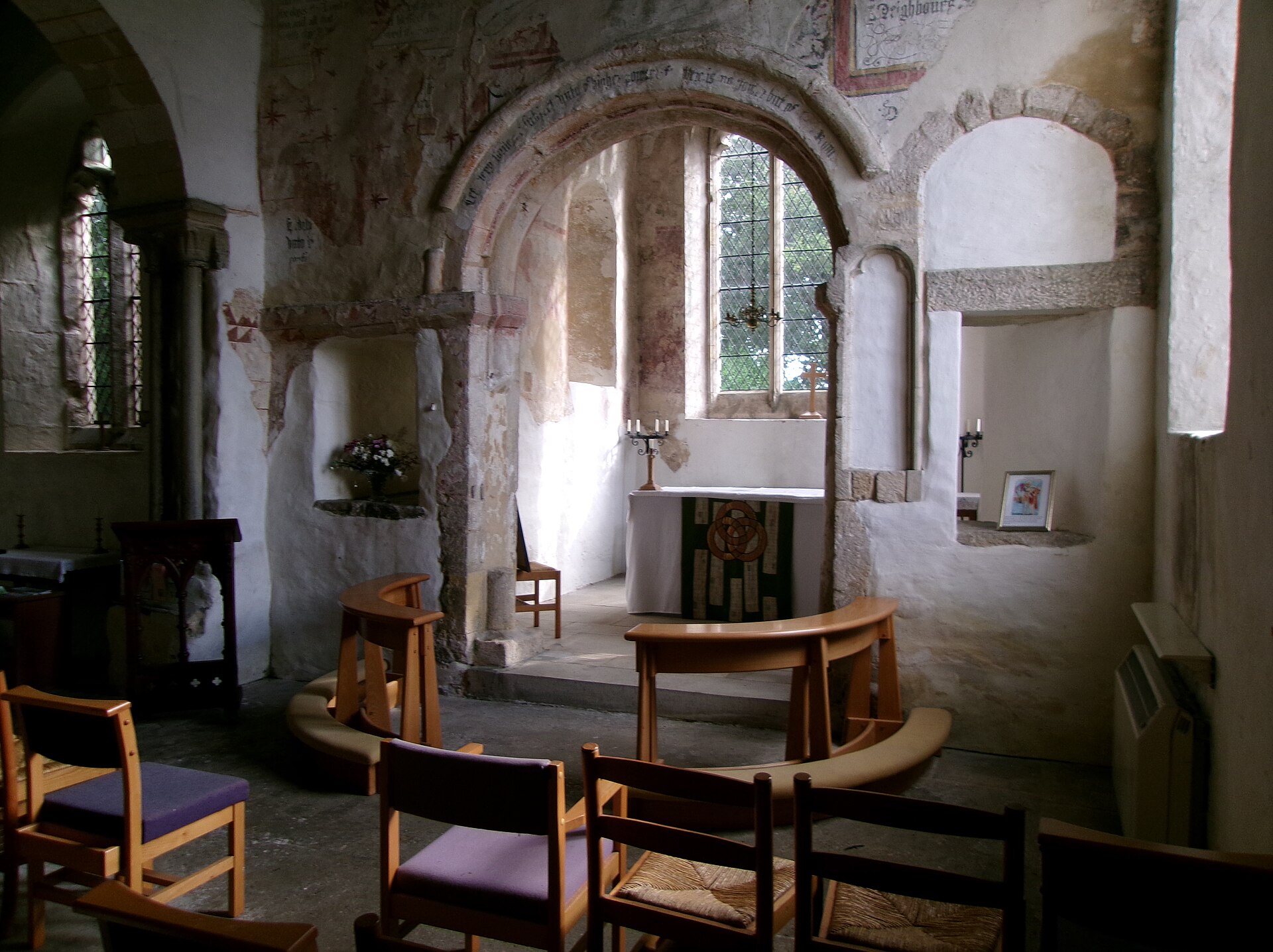
St Martin’s Church is Dorset’s most complete Anglo-Saxon church, preserving early architecture, rare medieval wall paintings and later memorials wi…
Sacred place · Pictish & early medieval
Bristol
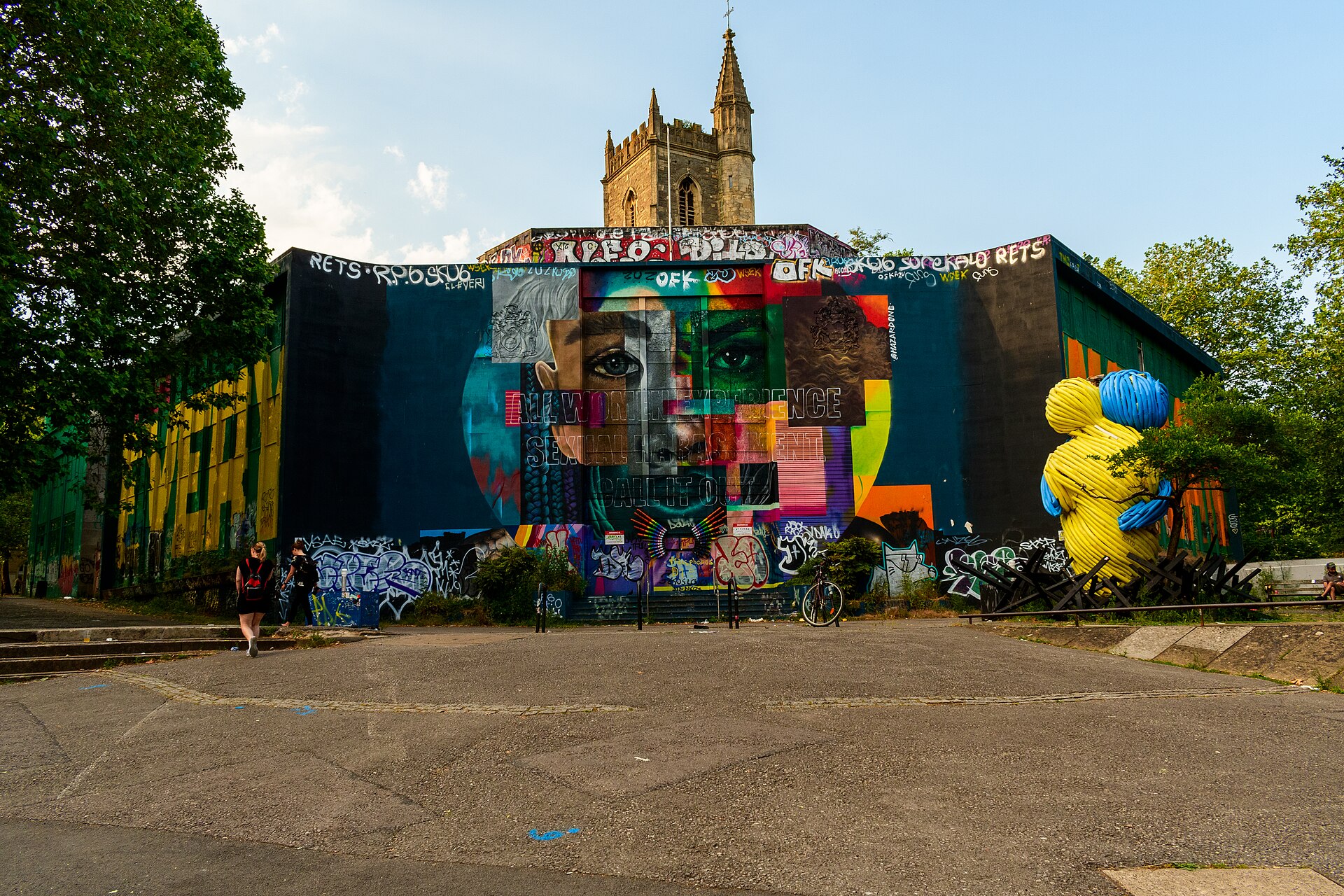
A single medieval tower stands alone in a modern park, the only fragment left after a night of bombing reduced the rest of the church to rubble.
Sacred place · Prehistoric
Cardiff
A medieval church built directly on the ramparts of an Iron Age (the centuries before Rome arrived, from about 800 BC) hillfort (an upland enclosur…
Sacred place · Medieval
Gwynedd
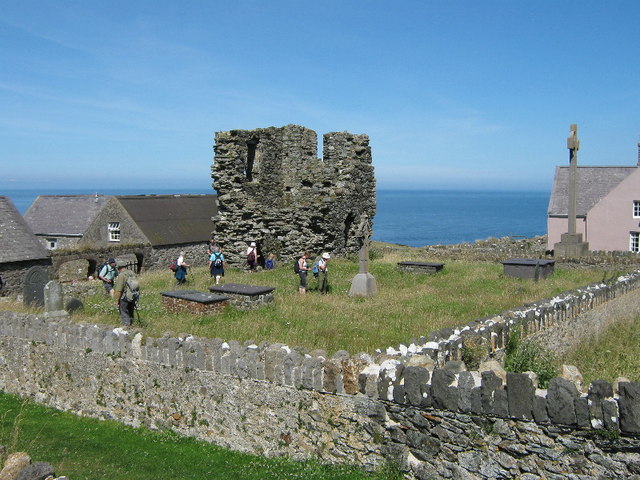
A single ruined tower on a remote Welsh island once drew a king and, by tradition, held the graves of some 20,000 saints.
Sacred place · Medieval
Cheshire
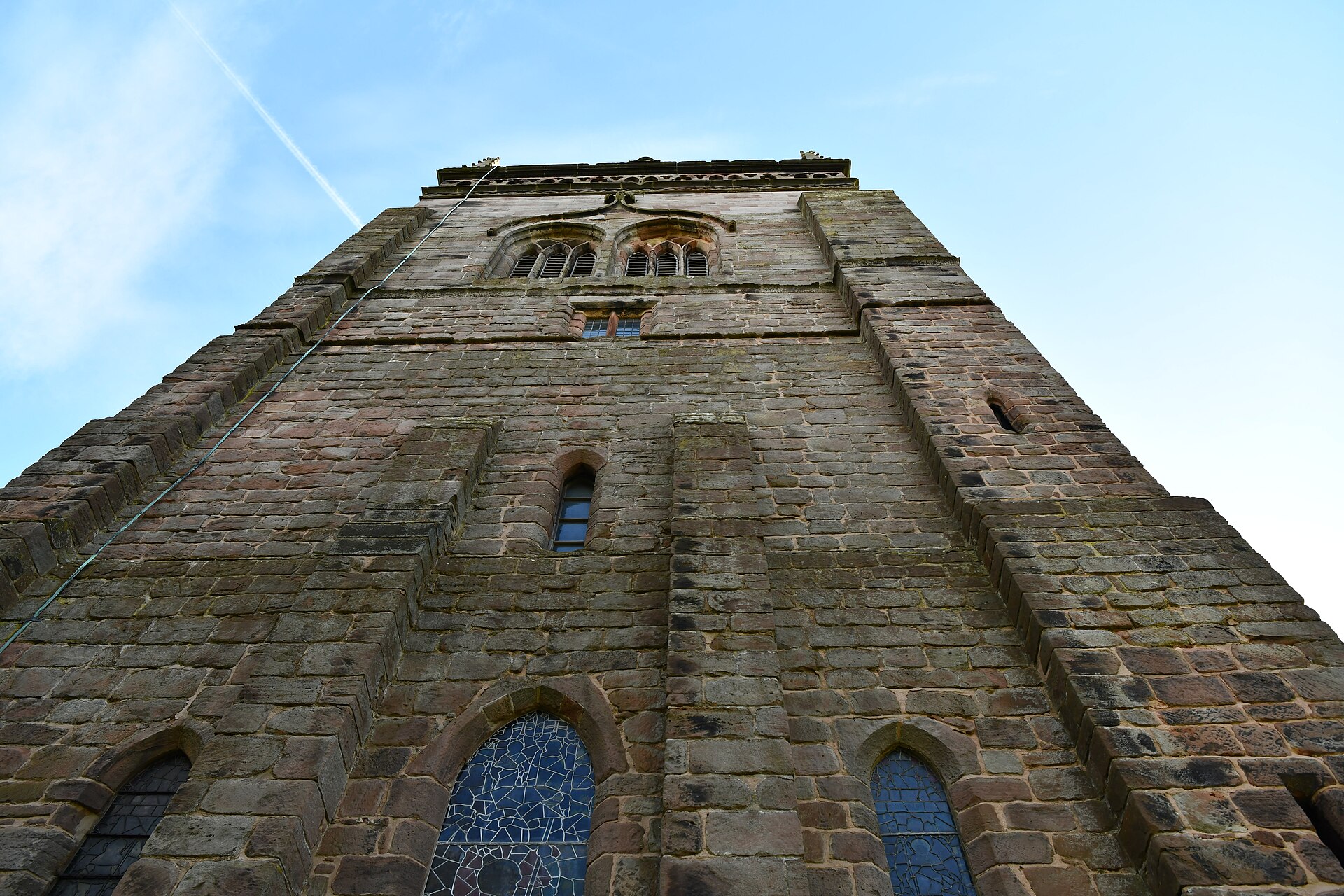
Its tower, raised around 1180, is the oldest in Cheshire, and its south aisle holds carved Romanesque (the round-arched style that came before Goth…
Sacred place · Medieval
Cheshire
Astbury's church is unusually broad at the west end, with a detached tower and a south porch whose upper room may have served as a priest's treasury.
Sacred place · Medieval
Cheshire
St Mary's Church, Bruera preserves Norman fabric within a much-altered rural church, alongside a scheduled churchyard sundial made from the remains…
Sacred place · Medieval
Denbighshire
A carved timber rood screen, the carved screen dividing the main body of a church from the space around the altar, has kept its loft intact, one of…
Building or ruin · Medieval
Kent
St Mary’s, Eastwell is a protected church ruin whose 15th-century tower and 19th-century mortuary chapel survive after the nave (the main body of a…
Building or ruin · Medieval
Lincolnshire
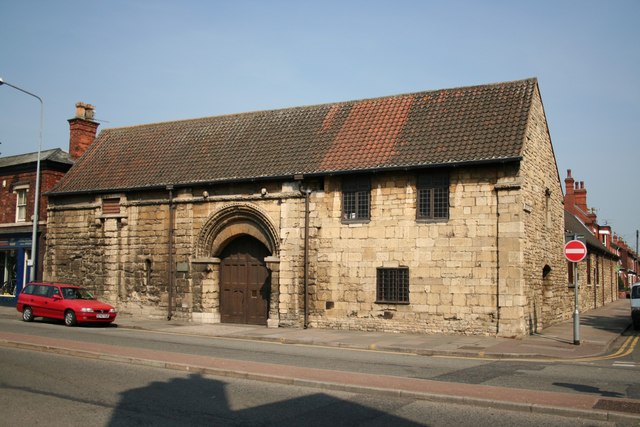
St Mary’s Guildhall is a palatial Romanesque (the heavy round-arched architecture of the eleventh and twelfth centuries) domestic complex in Lincol…
Sacred place · Medieval
Isle of Anglesey
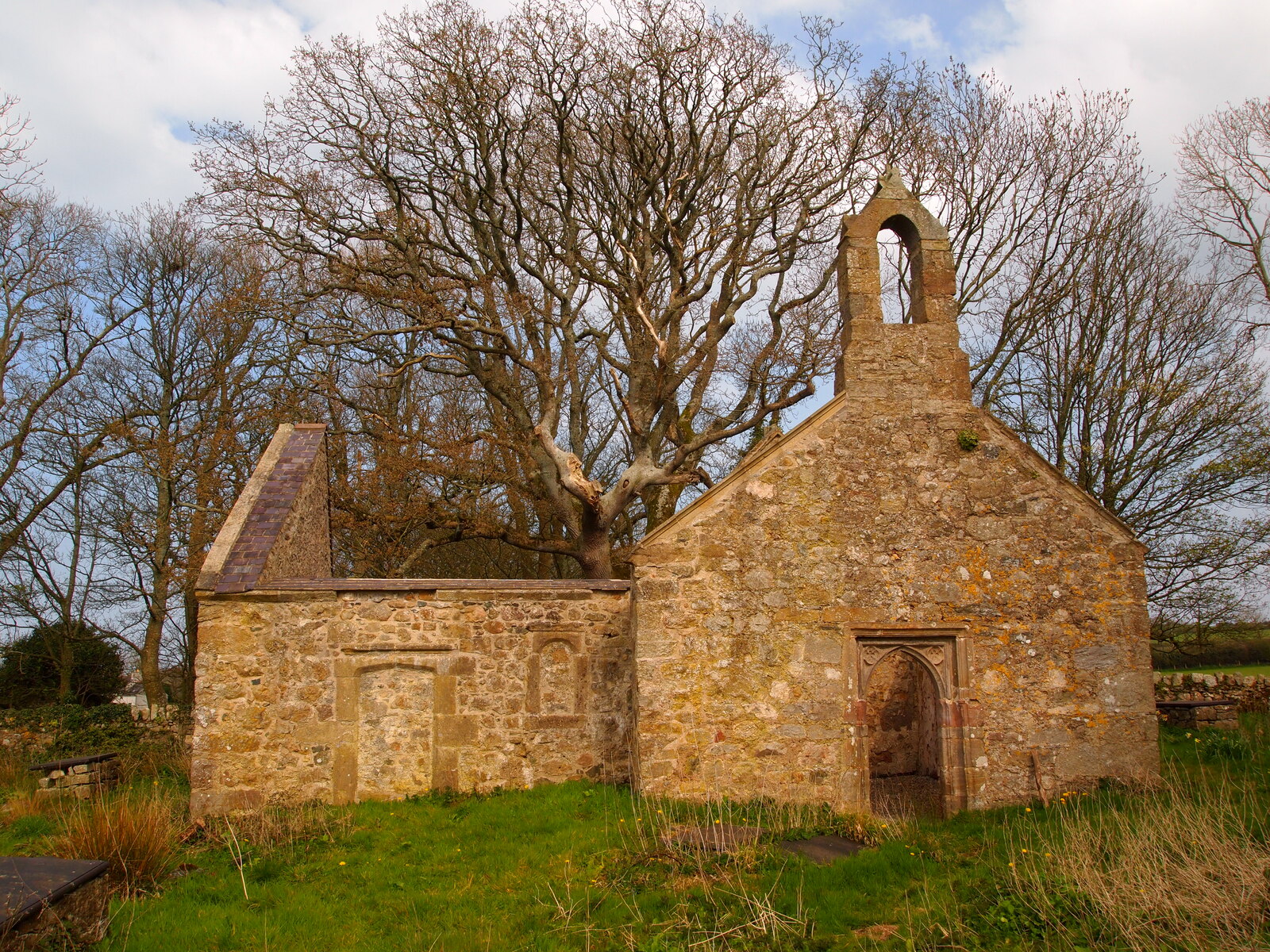
Old St Michael’s is a rare unrestored late-medieval Anglesey church ruin, retaining chancel (the eastern end of the church, holding the altar) and…
Sacred place · Pictish & early medieval
Cumbria
A scheduled Anglo-Saxon high cross stands in the churchyard beside a Grade I church whose windows carry a rare medieval Doom scene and Victorian gl…
Sacred place · Medieval
Flintshire
A scheduled 14th-century preaching cross, carved with the Crucifixion, still stands in a churchyard rebuilt almost entirely within one decade of Vi…
Sacred place · Medieval
Lancashire
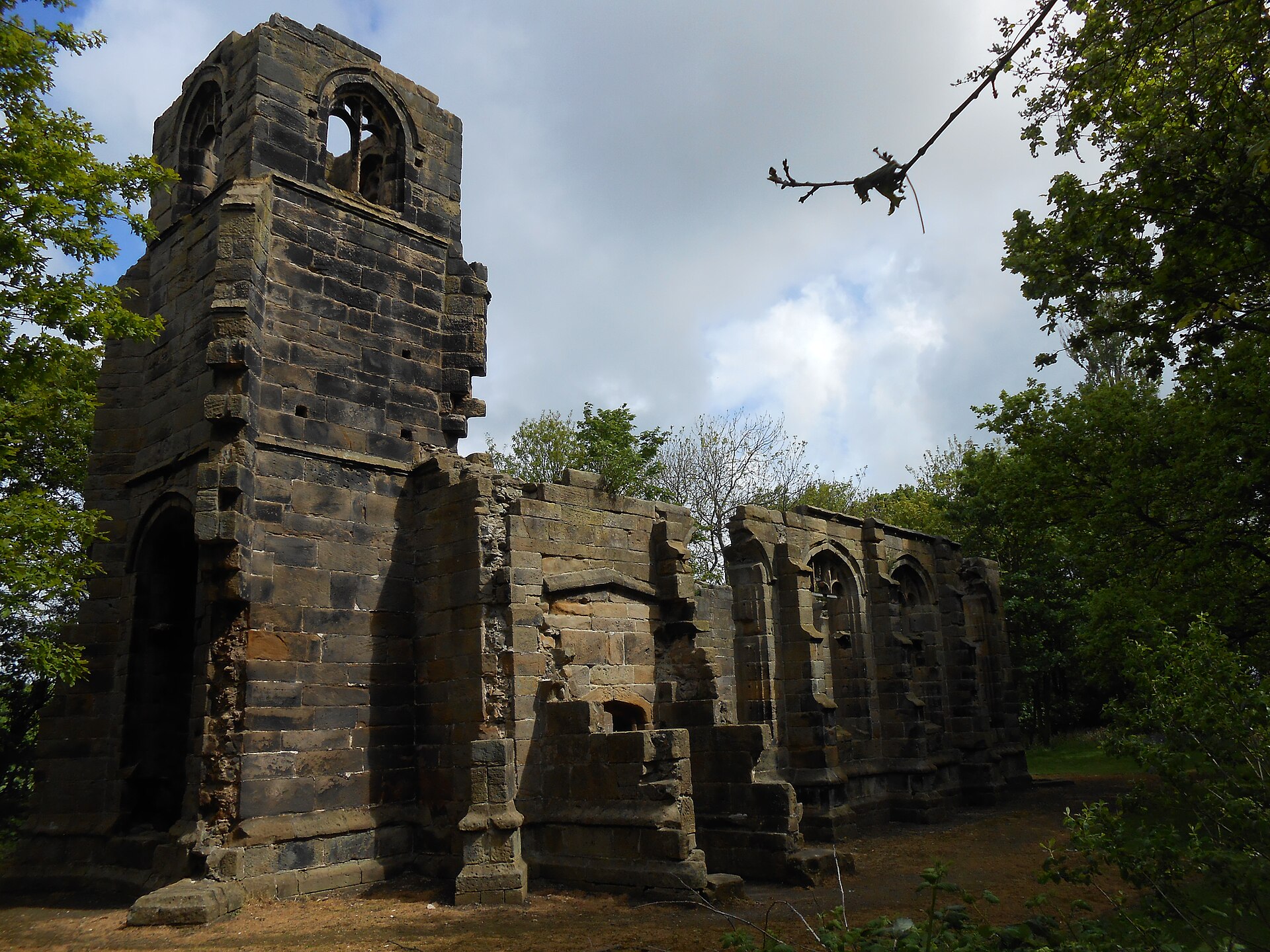
A Victorian church tower rises from the earthworks of a vanished Norman castle, its sundial still standing on the summit of the original great eart…
Building or ruin · Medieval
Warwickshire
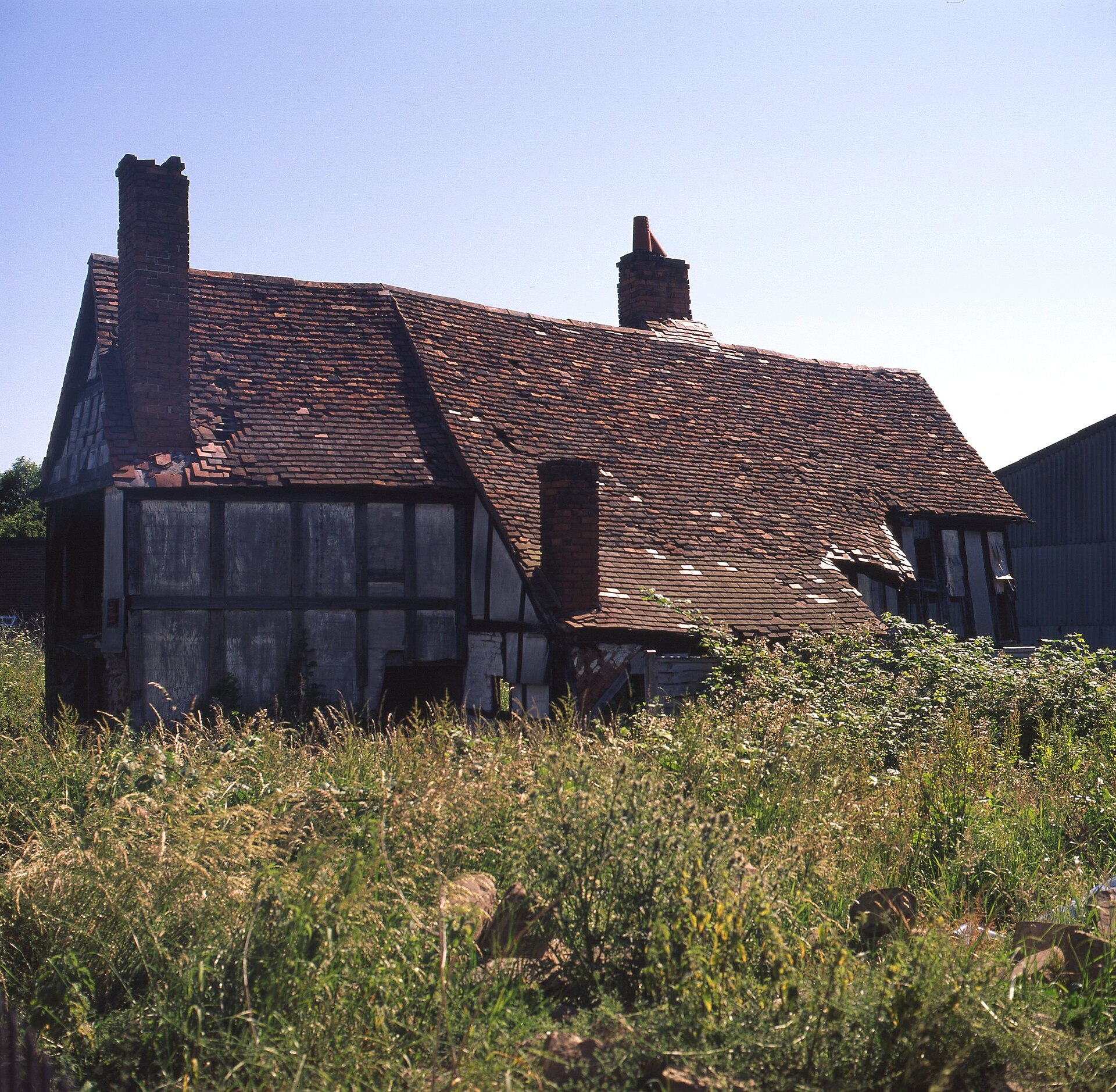
The last leper hospital left standing in England, its chapel and fifteenth-century Master's House surviving in scrubland north of Warwick.
Building or ruin · Medieval
Argyll and Bute
The parish church swallowed a medieval cathedral whole in 1749, still wearing its doorways, piscina: the basin near an altar for rinsing communion…
Building or ruin · Medieval
Fife
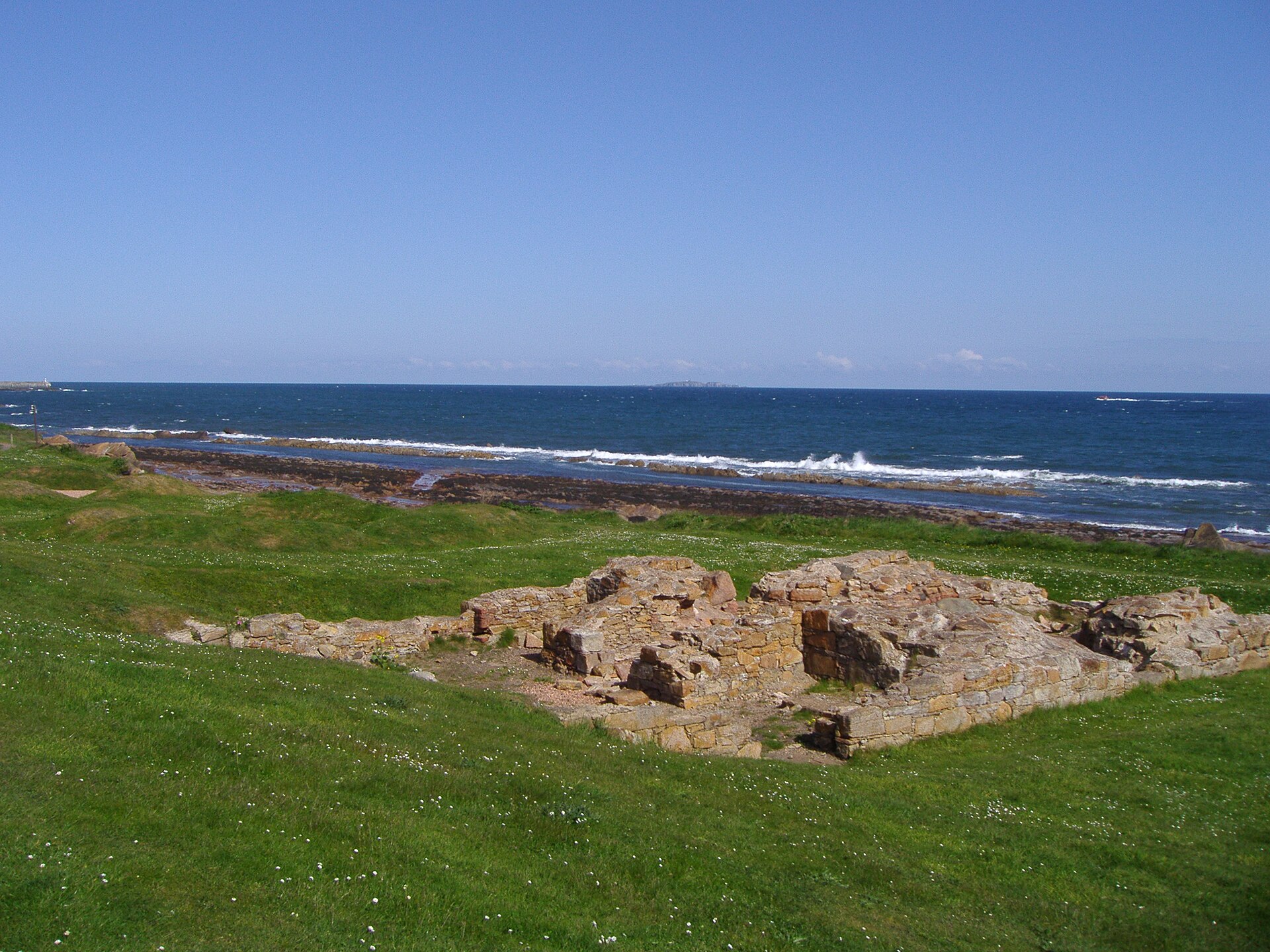
One of the few surviving structures from the East Neuk's vanished salt-panning industry, and today the site of a modern revival of the same craft n…
Sacred place · Medieval
Cheshire
St Nicholas's Chapel survives as a rare record of changing urban use: medieval worship gave way to trade, theatre, concerts, cinema and a present-d…
Building or ruin · Roman
Leicestershire
Leicester's oldest continually used building, its Anglo-Saxon nave (the main western space where the congregation stood) built almost entirely from…
Sacred place · Medieval
Cumbria
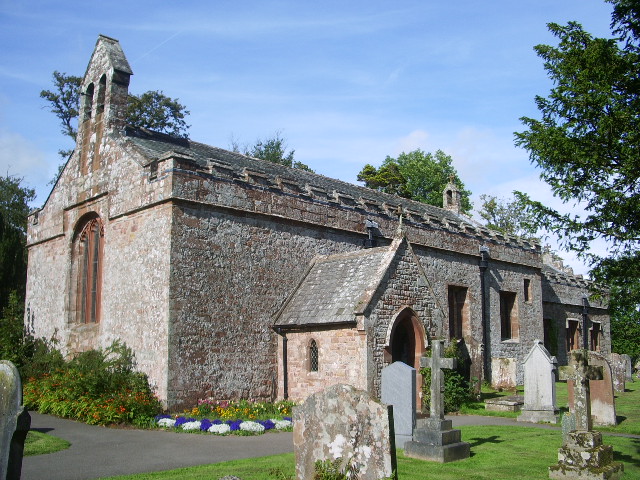
A working parish church that has grown by addition for eight centuries: Norman nave (the main body of a church, where the congregation gathers), me…
Sacred place · Medieval
Cumbria
A Georgian church built almost entirely of box pews arranged like a college chapel, standing over the ruined covered walkway of a vanished Gilberti…
Sacred place · Pictish & early medieval
Cheshire
St Oswald's Church, Winwick is a Grade I listed church whose medieval fabric, Anglo-Saxon cross fragment and later rebuilding preserve almost a mil…
Building or ruin · Medieval
City of London
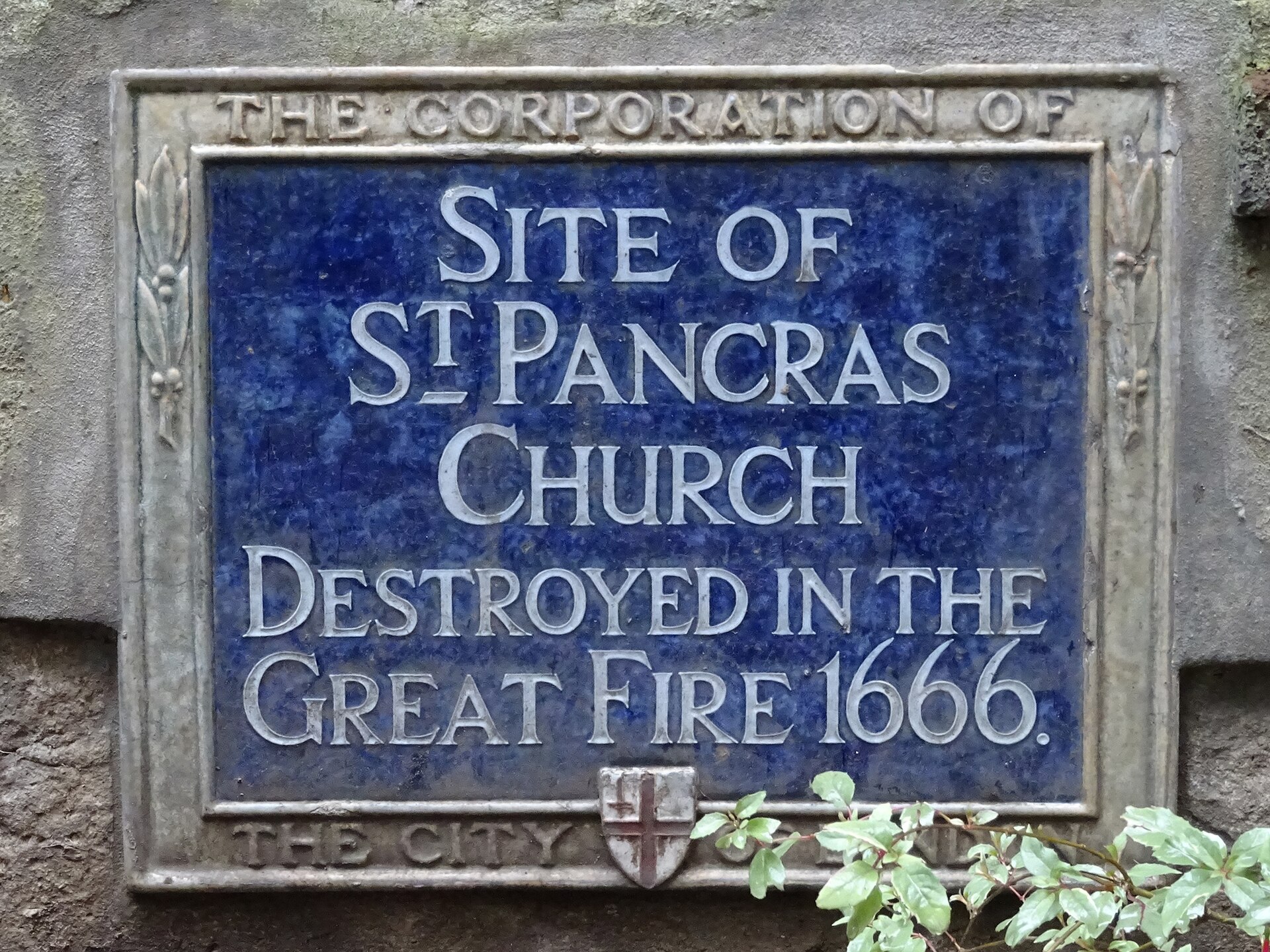
A wealthy City parish rebuilt its small church twice in the 1620s, only for the Great Fire to erase it entirely in a single night four decades later.
Sacred place · Pictish & early medieval
Lancashire
The rock-cut tombs beside the ruin later reached a far wider audience than archaeology ever could, appearing on the cover of a Black Sabbath album,…
Building or ruin · Medieval
Monmouthshire
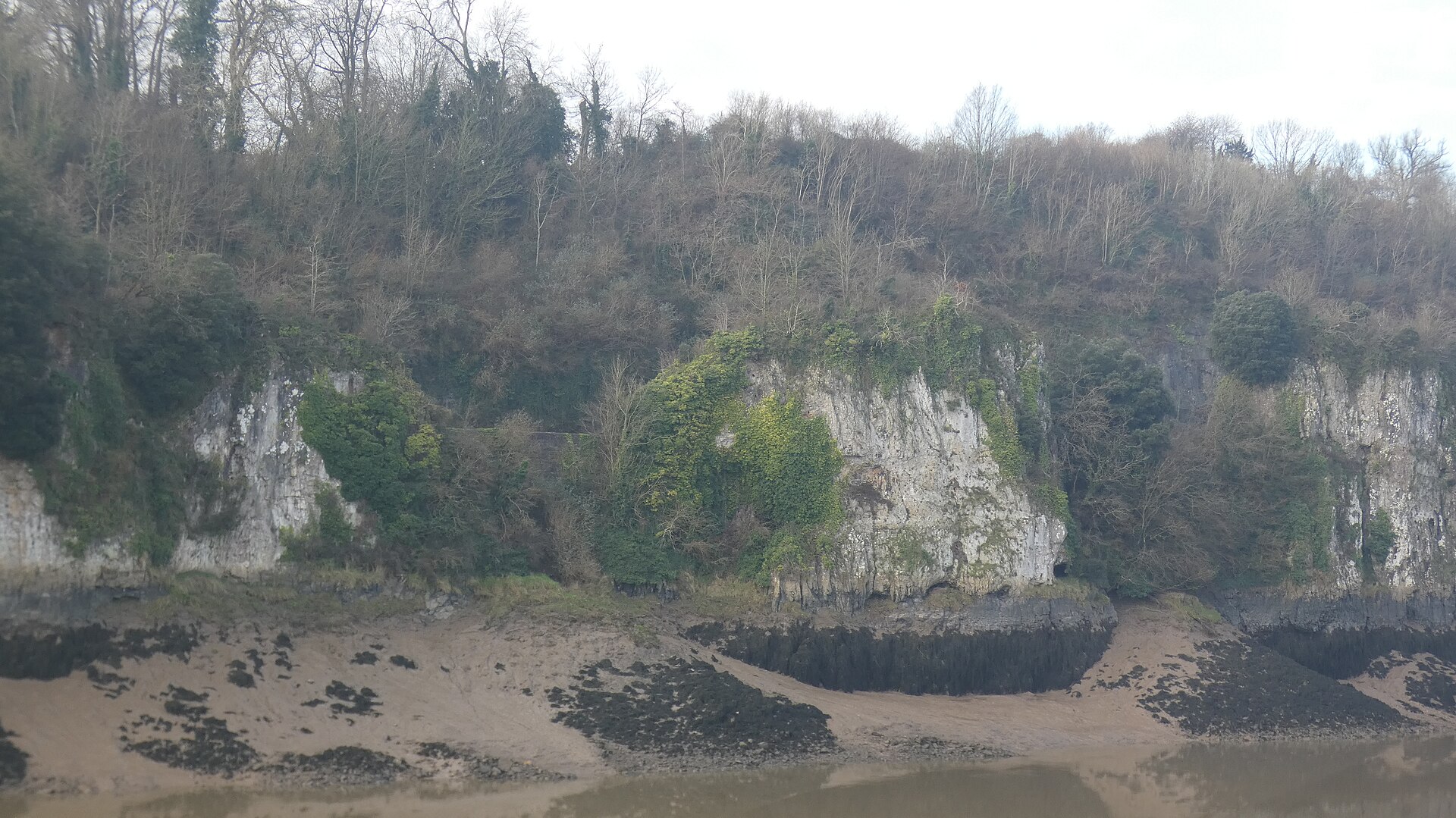
Charcoal found deep inside may be the earliest trace of human habitation anywhere in the lower Wye valley, hidden in a cave most visitors will neve…
Sacred place · Medieval
Monmouthshire
St Peter’s, Dixton, preserves a church site recorded by about 735, medieval fabric and a flood-prone Wye setting, while remaining a Church of Engla…
Briefer entries: recorded and worth knowing, with fuller pages to come.
Sacred place · Prehistoric
Norfolk
Seahenge is a uniquely preserved early Bronze Age (roughly 2500–800 BC, when metal tools first spread) timber circle, built in 2049 BC, whose ritua…
Building or ruin · Roman
Tyne and Wear
Five places in the Roman empire were called Segedunum. Nobody agrees what the name means.
Crossing or structure · Medieval
Essex
The Shoeburyness Boom is the surviving trace of two 20th-century barriers across the Thames Estuary, showing how Britain defended London and shippi…
Tomb or burial place · Prehistoric
Cornwall
Showery Tor is a distinctive Bodmin Moor outcrop wrapped in a large artificial cairn (a mound of piled stones, often covering a burial), preserving…
Building or ruin · Medieval
south-yorkshire
Abigail Pilmey, wife of the founder, was one of the signatories who successfully petitioned Parliament against the Glass Tax in 1696.
Tomb or burial place · Pictish & early medieval
Norfolk
Spong Hill is the largest known Early Anglo-Saxon cremation cemetery, containing 2,259 cremations and 57 inhumations that reveal a regional burial…
Building or ruin
Pembrokeshire
The wreck of the SS Beemsterdijk lies on the seabed of St George's Channel, off the west coast of Pembrokeshire, having sunk stern first on the mor…
Building or ruin · Medieval
Isle of Anglesey
A 500-metre exclusion zone in the Irish Sea, drawn under the Protection of Wrecks Act 1973, keeps divers away from a broken cargo steamer whose hol…
Carved stone · Prehistoric
Cornwall
St Breock Downs Monolith is Cornwall's largest prehistoric menhir: a standing stone from before any written account of Britain existed: a re-erecte…
No places match those filters.





.jpg?width=800)









.jpg?width=800)






.jpg?width=800)



.jpg?width=800)



%20River%20Scheldt%20AS.1968.001.2262.jpg?width=800)
