
Seton Collegiate Church is an unusually legible unfinished late-medieval church, preserving its choir, transepts and tower alongside the absent nave (the main body of a church, where the congregation gathers) never completed before the Reformation (the sixteenth-century suppression of monastic houses).
At Seton, a complete eastern limb and transepts stand beside the uncertain foundations of a nave that was never built. The unfinished crossing tower makes the interruption equally visible: the Reformation prevented completion of the planned spire.
Raised to collegiate status in 1492, the church served the Seton family and their clergy beside Seton House. Its effigies, choir burial and fragments of the demolished Seton Palace make the site a concentrated record of late medieval patronage.
What follows is drawn from published sources, with each claim labelled by how firmly it is established.
History
Seton Collegiate Church lies south of Port Seton beside Seton House and is a scheduled monument. It retains the eastern limb and two transepts of a cruciform church, plus the crossing tower at its unfinished height. The nave was never built, and the planned spire was prevented by the Reformation, leaving the building’s incomplete ambition legible.
The choir and chancel walls were built by 1478 and roofed by 1508. Transepts followed between 1513 and 1588, so the eastern limb stood alone for at least 35 years. The church gained collegiate status in 1492. Two fifteenth-century effigies survive inside, one male and one female, though the latter has been badly defaced and may be earlier.
During the Rough Wooing, English occupation of Haddington forced the Seton family to live at Culross Abbey in 1549; George Seton, sixth Lord Seton, died there. After the war, his widow Marie Pieris had his body brought back for burial in the choir beside his father. The church is now cared for by Historic Environment Scotland, with Seton Palace fragments displayed in the churchyard.
People
-
George Seton, 6th Lord Seton
Sixth Lord Seton, who died while his family lived at Culross during the Rough Wooing and was reburied in the choir by his widow Marie Pieris.
Cultural influences
-
The Reformation halted completion of the planned spire over the crossing tower and left the intended nave unfinished.
Connections
-
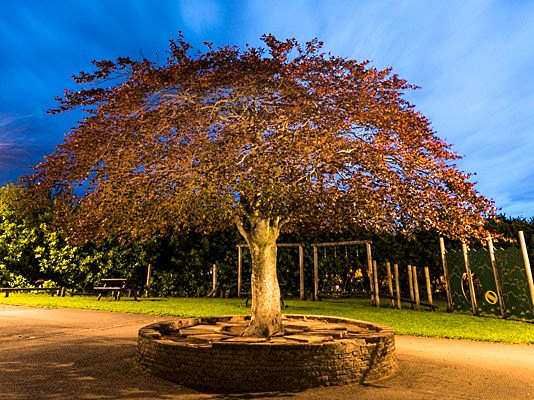
Photo: Niall Benvie / Wikimedia Commons / CC BY-SA 4.0 A long-standing local landmark in the Seton landscape, connecting the collegiate church with the wider estate setting.
-
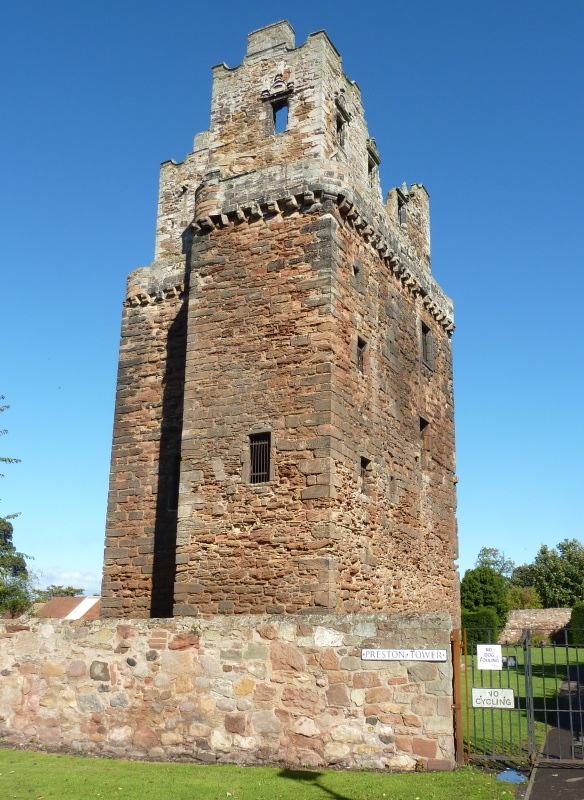
Photo: Otter / Wikimedia Commons / CC BY-SA 3.0 A fortified residence associated with the same East Lothian lordly landscape, contrasting secular and ecclesiastical buildings.
-
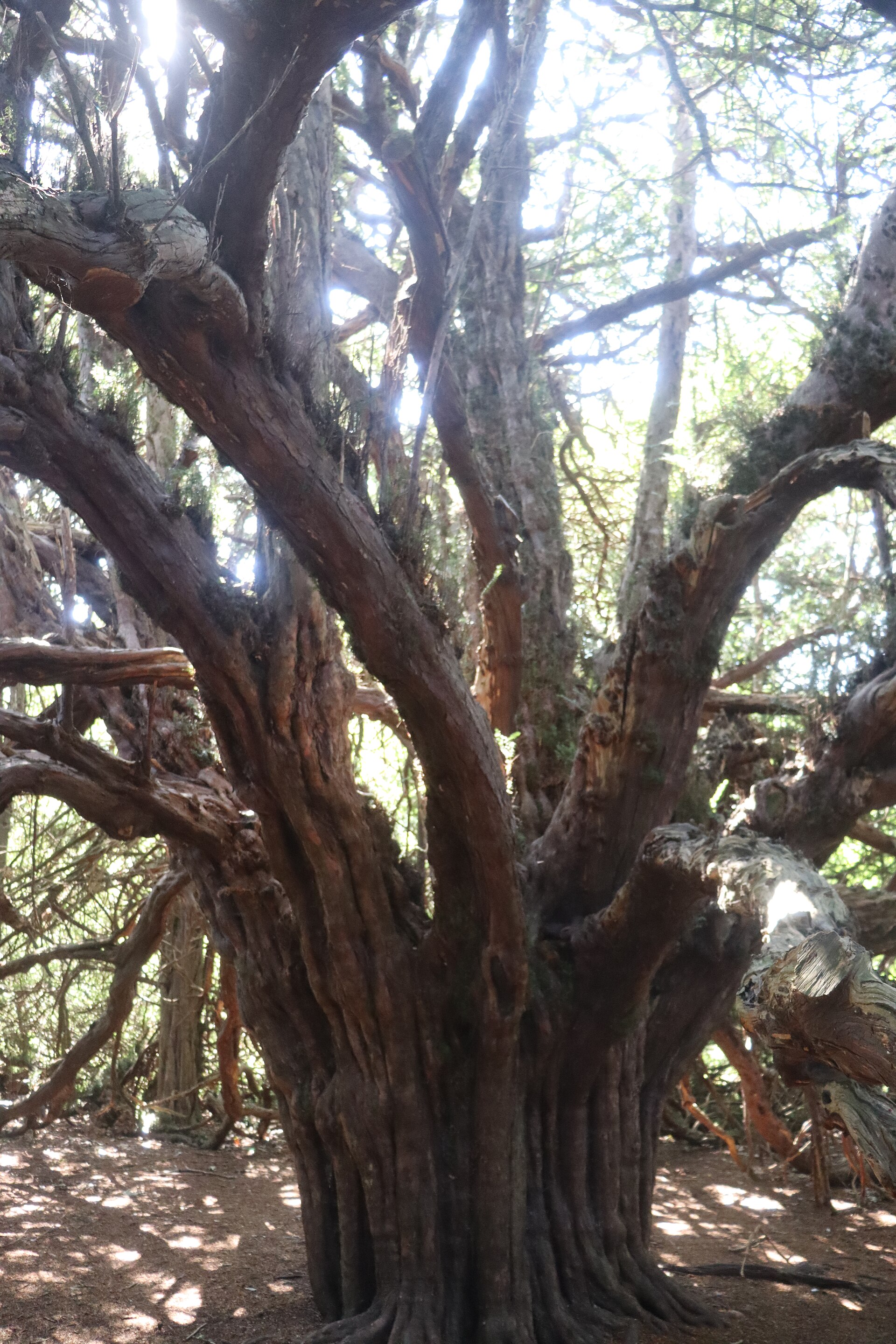
Photo: LittleDwangs / Wikimedia Commons / CC0 A notable ancient tree that preserves the region’s long-lived natural heritage alongside Seton’s medieval architecture.
What to look for
-
The eastern limb
The eastern limb, choir and transepts were completed before the nave, preserving the principal ceremonial part of a church whose western half was never built.
-
The unfinished tower
The crossing tower remains at its unfinished height: the Reformation stopped the planned spire, leaving the building’s interrupted ambition clearly visible.
-
The nave that never was
Foundations show where the nave was intended to extend westward, an unusually legible reminder that Seton’s great collegiate church remained incomplete.
-
The Seton effigies
Inside are two fifteenth-century Seton effigies; fragments from Seton Palace displayed in the churchyard add evidence for the wider estate complex.
Plan your visit
- Location
- 55.9653°N · 2.9336°W
- Nearest settlement
- Dunbar
- Time needed
- About 45 minutes
- Best time
- Visit during published opening or service-access periods and outside major services, when the historic fabric can be viewed respectfully.
- What survives
- The eastern limb, transepts and incomplete crossing tower survive, while the planned nave was never completed.
- Facilities
- Visitor facilities depend on the current church or heritage operation; check before travelling.
Opening & admission
Paid entry. Open Thursday and Friday, 10am–4.30pm, from 1 April to 30 September; closed 1 October–31 March.
- Last entry is 30 minutes before closing; check the official Historic Environment Scotland page for temporary changes.
Nearby places
Ancient tree · Medieval
Ding Dong tree
East Lothian
The Ding Dong tree is a copper beech that became a school landmark, won Scotland’s Tree of the Year and shaped children’s outdoor life.
- Near East Lothian
Fortified place · Medieval
Preston Tower, East Lothian
East Lothian
Preston Tower is a rare layered survivor in Prestonpans: a medieval keep enlarged in 1626, repeatedly burned in conflict and accident, and now rest…
- Near Prestonpans
Ancient tree · Medieval
Great Yew of Ormiston
East Lothian
The Great Yew of Ormiston is a layering yew first recorded in 1474 and regarded as a significant surviving tree in Scotland.
- Near East Lothian
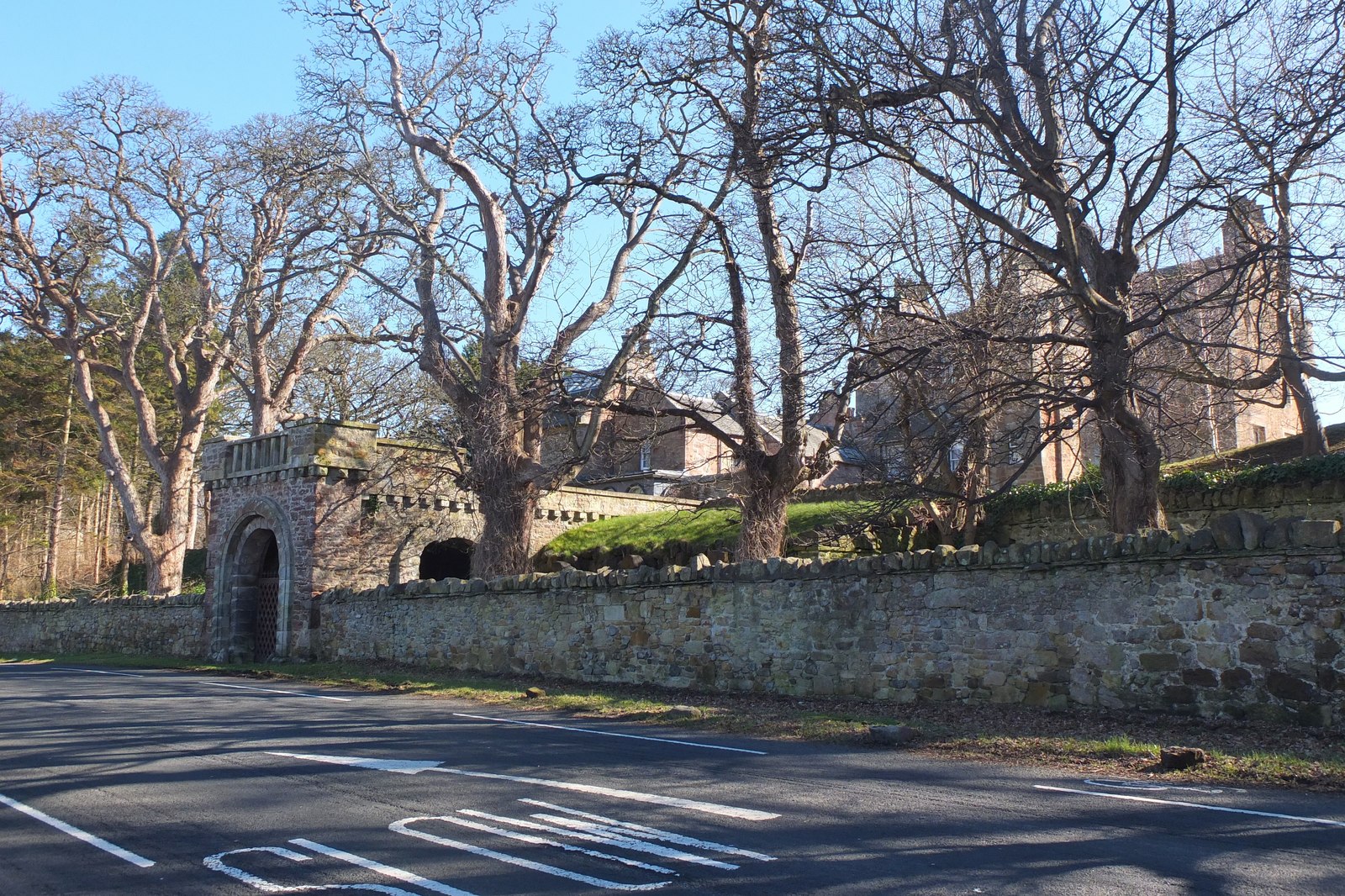
Building or ruin · Medieval
Luffness Castle
East Lothian
Luffness preserves a house within a former fortification, where medieval Lindsay power, a short-lived 1549 French–Scottish fort and later country-h…
- Near Dunbar
Questions people ask
- When did Seton become a collegiate church?
- It was raised to collegiate status in 1492.
- Why was the spire never completed?
- The Reformation precluded completion of the planned spire.
- What can be seen in the churchyard?
- Architectural fragments from the long-demolished Seton Palace are displayed there.
Sources
The Ancient Codex, in your pocket
Get the Pocket Codex app
Carry the directory with you — Seton Collegiate Church and thousands of ancient places across Britain and Ireland, offline, wherever you roam.