
Preston Tower is a rare layered survivor in Prestonpans: a medieval keep enlarged in 1626, repeatedly burned in conflict and accident, and now restored with gardens and a doocot (a dovecote, a stone house for pigeons kept for winter meat).
Preston Tower rises above a compact historic group in Prestonpans, close to Hamilton House and Northfield House. Its tall L-plan keep preserves four older storeys beneath a distinctive seventeenth-century upper addition with Renaissance windows and carved initials.
The tower’s history is marked by fire: it was burned in the Rough Wooing, by Cromwell’s forces and then accidentally, prompting abandonment for nearby Preston House. Later conservation has kept its pit-prison, gardens and doocot part of a richly layered local landmark.
What follows is drawn from published sources, with each claim labelled by how firmly it is established.
History
Preston Tower is a ruined L-plan keep in Prestonpans, with parts that may date from the fourteenth century. It originally had four storeys, then gained two more above the parapet in 1626. Renaissance windows record the initials SIDKH for Sir John Hamilton and Dame Katherine Hamilton, while a defensive hoarding above the entrance enabled objects to be dropped on attackers.
The Hamiltons acquired Preston by marriage at the end of the fourteenth century. The tower was burned by the Earl of Hertford on 16 May 1544 during the Rough Wooing, and David Hamilton served Regent Arran as a Master Usher and deputy border warden. The estate’s coal mine supplied coal by boat to Dunbar Castle.
Cromwell’s forces burned the tower again in 1650, destroying family records; after restoration it accidentally burned in 1663 and was abandoned for Preston House. The National Trust for Scotland bought it in 1969 and East Lothian Council now has guardianship. The site includes a pit-prison, mid-seventeenth-century doocot, herb garden and laburnum arch.
People
-
Sir John Hamilton
With Dame Katherine Hamilton, added the two upper storeys in 1626 and left their joint initials in the Renaissance window surrounds.
-
Dame Katherine Hamilton
Named with Sir John Hamilton on the Renaissance windows that record the couple’s 1626 enlargement of the tower.
-
David Hamilton
Served Regent Arran as Master Usher and deputy border warden, linking the Preston estate to sixteenth-century government and frontier administration.
Cultural influences
-
Preston Tower combined a defensible Hamilton residence with the coal-exporting estate at Prestonpans, then became a garden ruin after repeated fires.
Connections
-

Photo: Godot13 / Wikimedia Commons / CC BY-SA 4.0 A comparable Scottish tower house, useful for comparing Preston Tower’s domestic fortification with another aristocratic residence.
-
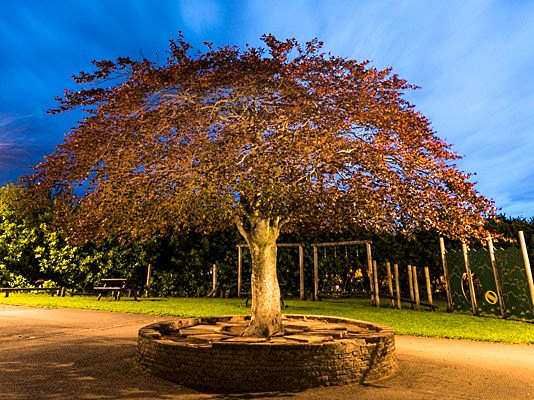
Photo: Niall Benvie / Wikimedia Commons / CC BY-SA 4.0 A notable living landmark in the local landscape, adding a natural point of continuity around the historic tower.
-
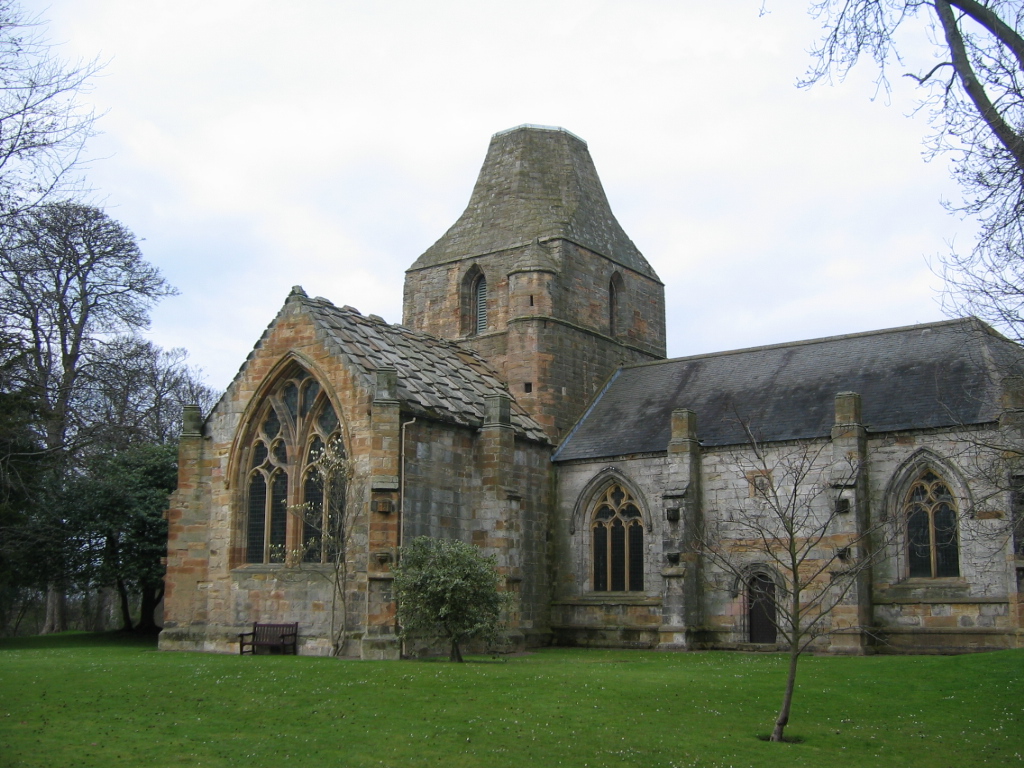
Photo: Renata (talk) / Wikimedia Commons / Public domain A major collegiate foundation in East Lothian, providing an ecclesiastical counterpart to Preston Tower’s secular estate history.
Discovery & excavation
The tower retains its L-plan keep, 1626 upper storeys, Hamilton-inscribed windows and pit-prison, while the surrounding doocot and garden show its later setting.
What to look for
-
The 1626 upper storeys
The L-plan keep originally had four storeys; two more were added above its parapet in 1626, dramatically changing Preston Tower’s silhouette.
-
The Hamilton initials
Renaissance windows carry the initials SIDKH for Sir John Hamilton and Dame Katherine Hamilton, making their 1626 rebuilding campaign visible in the fabric.
-
The pit-prison
The pit-prison and entrance hoarding position show how this domestic tower house retained practical measures for controlling and deterring attackers.
-
The doocot and garden
The mid-seventeenth-century doocot, herb garden and laburnum arch show how the abandoned tower later became part of a designed garden setting.
Plan your visit
- Location
- 55.9557°N · 2.9781°W
- Nearest settlement
- Prestonpans
- Time needed
- About 30 minutes
- Best time
- Visit in daylight and dry conditions, when the tower exterior and surrounding landscape can be viewed safely.
- What survives
- The ruined keep retains its L-plan form and Renaissance window details, with the doocot, herb garden and laburnum arch still part of the grounds.
- Facilities
- No dedicated visitor facilities are documented at the tower; plan to use facilities in nearby settlements.
Opening & admission
No regular public opening hours are currently published. View the exterior only from lawful public access; interior access is available only when announced by the site’s guardians or organisers.
- East Lothian Council’s repair project included plans for an external stair and regular volunteer-supported opening, subject to current arrangements.
Nearby places
Ancient tree · Medieval
Ding Dong tree
East Lothian
The Ding Dong tree is a copper beech that became a school landmark, won Scotland’s Tree of the Year and shaped children’s outdoor life.
- Near East Lothian
Sacred place · Medieval
Seton Collegiate Church
East Lothian
Seton Collegiate Church is an unusually legible unfinished late-medieval church, preserving its choir, transepts and tower alongside the absent nav…
- Near Dunbar
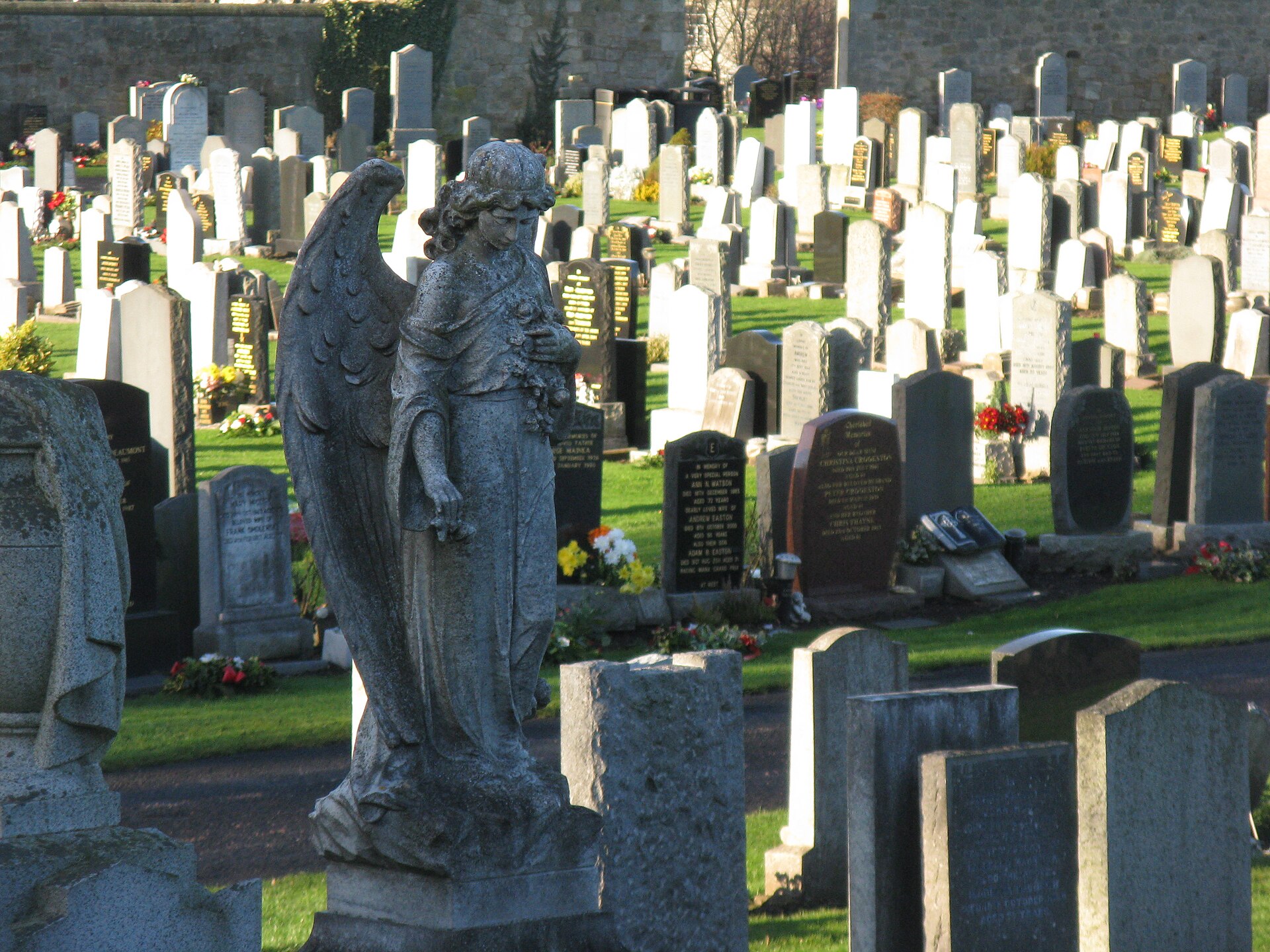
Fortified place · Roman
Inveresk Roman Fort
East Lothian
Inveresk is a large Antonine-period fort with a civilian settlement, cavalry evidence and Britain’s earliest dated Mithraeum, making it one of Scot…
- Near Dunbar
- Some walking
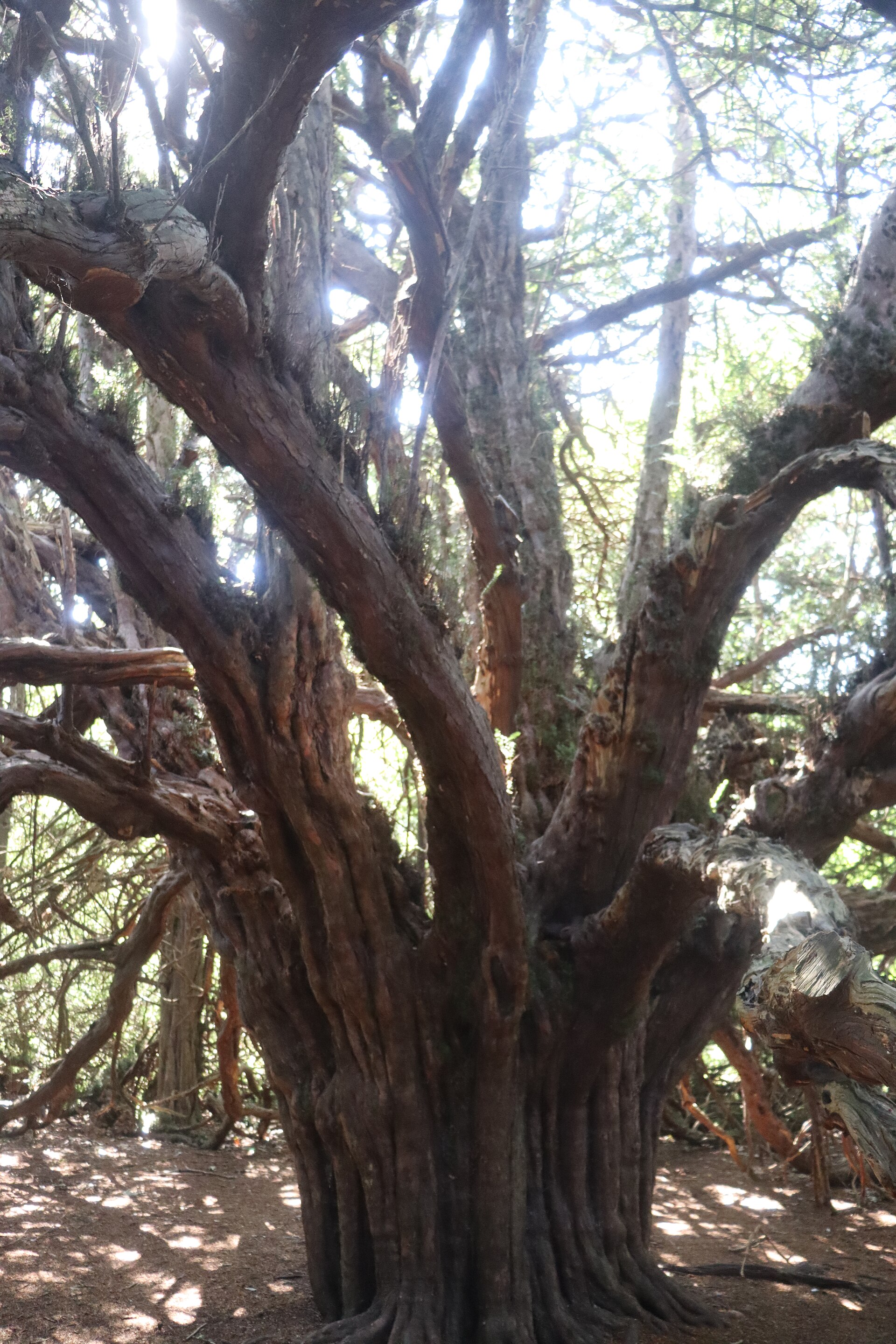
Ancient tree · Medieval
Great Yew of Ormiston
East Lothian
The Great Yew of Ormiston is a layering yew first recorded in 1474 and regarded as a significant surviving tree in Scotland.
- Near East Lothian
Questions people ask
- When was Preston Tower enlarged?
- Two storeys were added above the parapet in 1626.
- Why was the tower abandoned?
- After a further accidental fire in 1663, it was abandoned for nearby Preston House.
- Who manages it now?
- East Lothian Council has guardianship after the National Trust for Scotland bought it in 1969.
Sources
The Ancient Codex, in your pocket
Get the Pocket Codex app
Carry the directory with you — Preston Tower, East Lothian and thousands of ancient places across Britain and Ireland, offline, wherever you roam.