
Lincluden’s ruins record the transformation of Galloway’s first nunnery into a richly endowed collegiate church — a church staffed by a college of priests rather than a monastery — with a royal tomb and strong Douglas patronage.
On a bend of Cluden Water, Lincluden’s roofless church rises from the former castle courtyard of an early castle. Its ruins hold more than one religious history: a twelfth-century nunnery, a late medieval college of canons, and centuries of adaptation after the Reformation, the sixteenth-century break with the Roman Church.
The surviving carved arms and the tomb of Princess Margaret of Douglas make the site unusually eloquent despite its ruinous state. Lincluden also became a literary landmark for Robert Burns, who drew on its towers and waterside atmosphere in song.
What follows is drawn from published sources, with each claim labelled by how firmly it is established.
The name
Lincluden has a Brittonic origin: its second element refers to the nearby Cluden Water, while the first may mean either parish or pool.
History
Lincluden was founded around 1160 by Uchtred of Galloway and became the first nunnery in the Lordship of Galloway. The early community was probably formed from Cluniac sisters from France or England, later joined by local novices. The foundation stood in eastern Galloway during a politically turbulent period, and Uchtred was killed by his brother in 1174.
In the late fourteenth century Archibald the Grim, Lord of Galloway and later third Earl of Douglas, removed the nuns after accusations that the account says were unproven. He ordered a new church and established a collegiate body of a provost and twelve canons. Douglas patronage brought elaborate ornament, and the tomb of Princess Margaret, daughter of Robert III, still survives.
The church survived the 1560 Reformation, with its last Mass celebrated on Christmas Day 1585. Its final provost left around 1590; domestic ranges became a tower house and were abandoned by the late seventeenth century. The ruins entered state care in 1922, and Princess Margaret’s damaged effigy was removed for conservation in 1999 and replaced by a fibreglass replica.
People
-
Uchtred of Galloway
He founded the nunnery at Lincluden around 1160, the first within the Lordship of Galloway.
Cultural influences
-
Douglas patronage transformed Lincluden from a nunnery into a college of canons, leaving the armorial carvings and Princess Margaret’s tomb that still define the ruins.
Connections
-
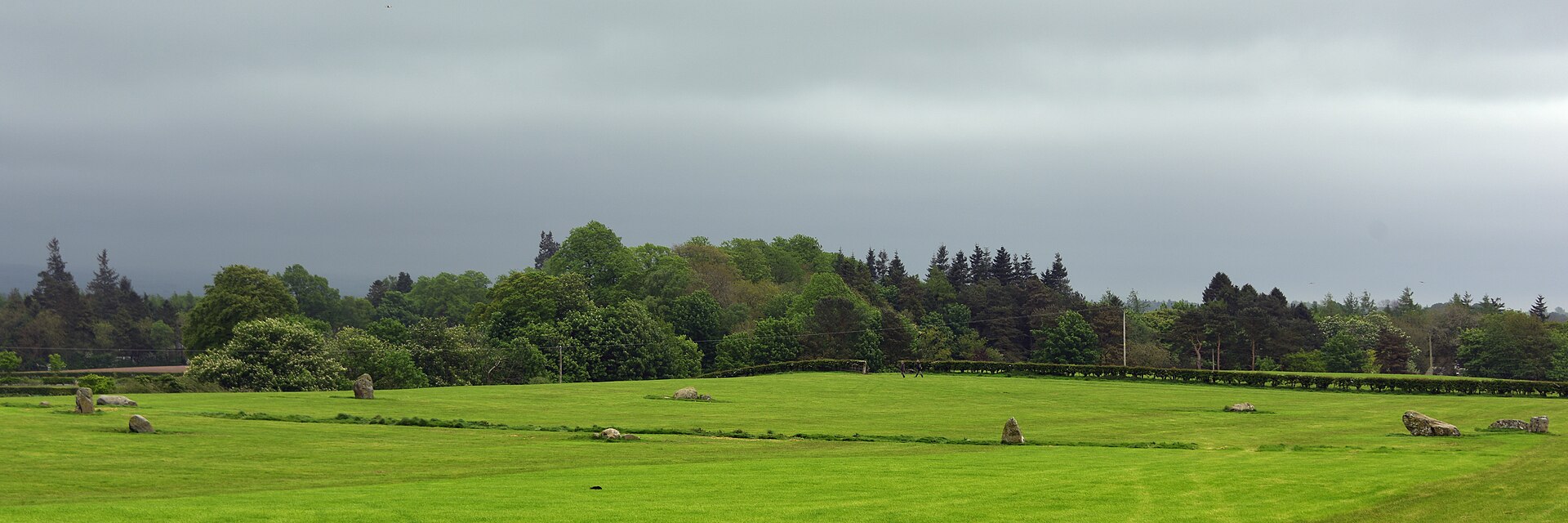
Photo: August Schwerdfeger / Wikimedia Commons / CC BY 4.0 A prehistoric ceremonial monument in the surrounding Nithsdale landscape, giving Lincluden’s medieval collegiate foundation a much longer context of ritual and settlement.
-
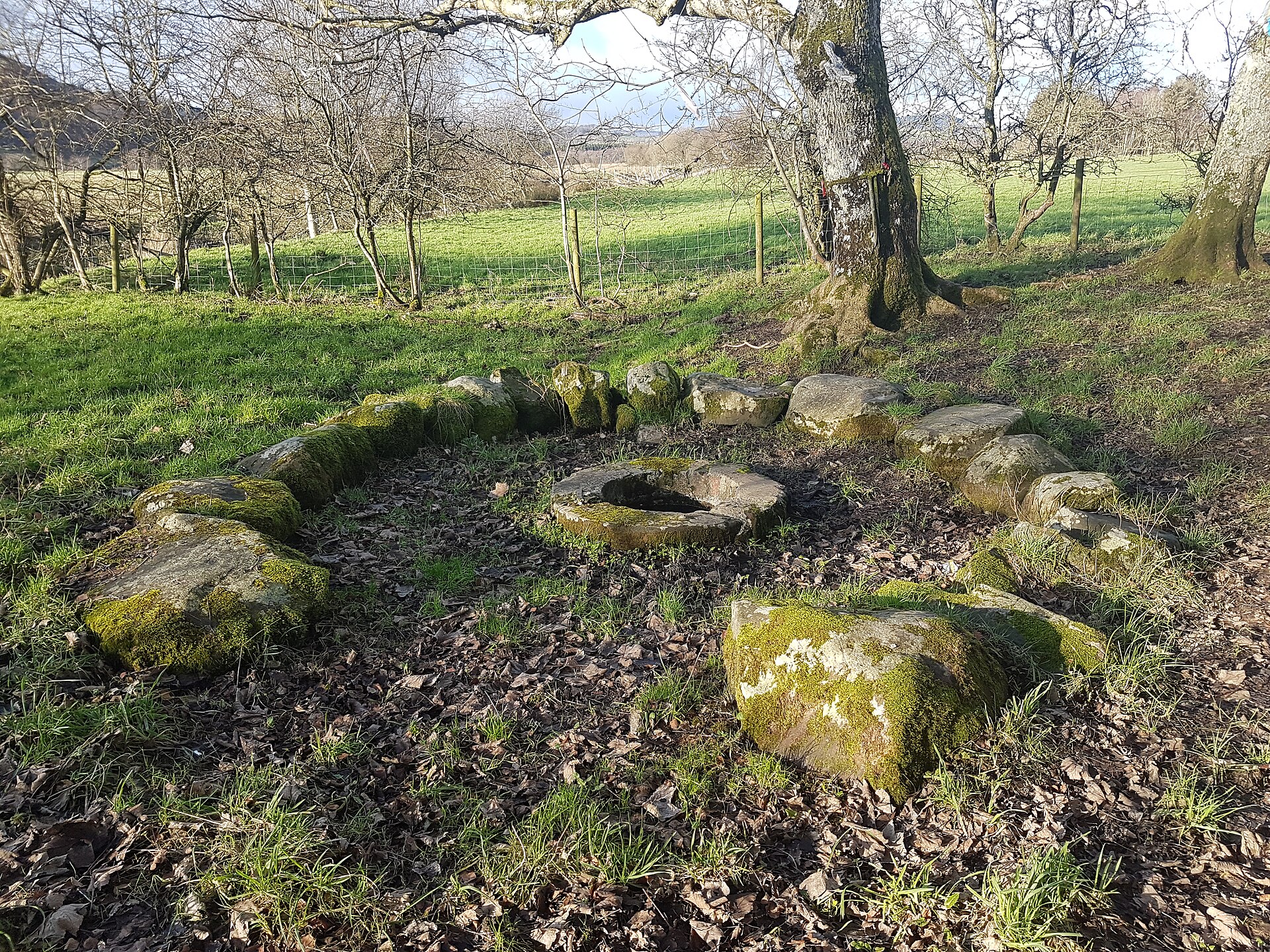
Photo: C1614 / Wikimedia Commons / CC BY-SA 4.0 A holy well that preserves a strand of local sacred geography alongside the later ecclesiastical community at Lincluden.
-
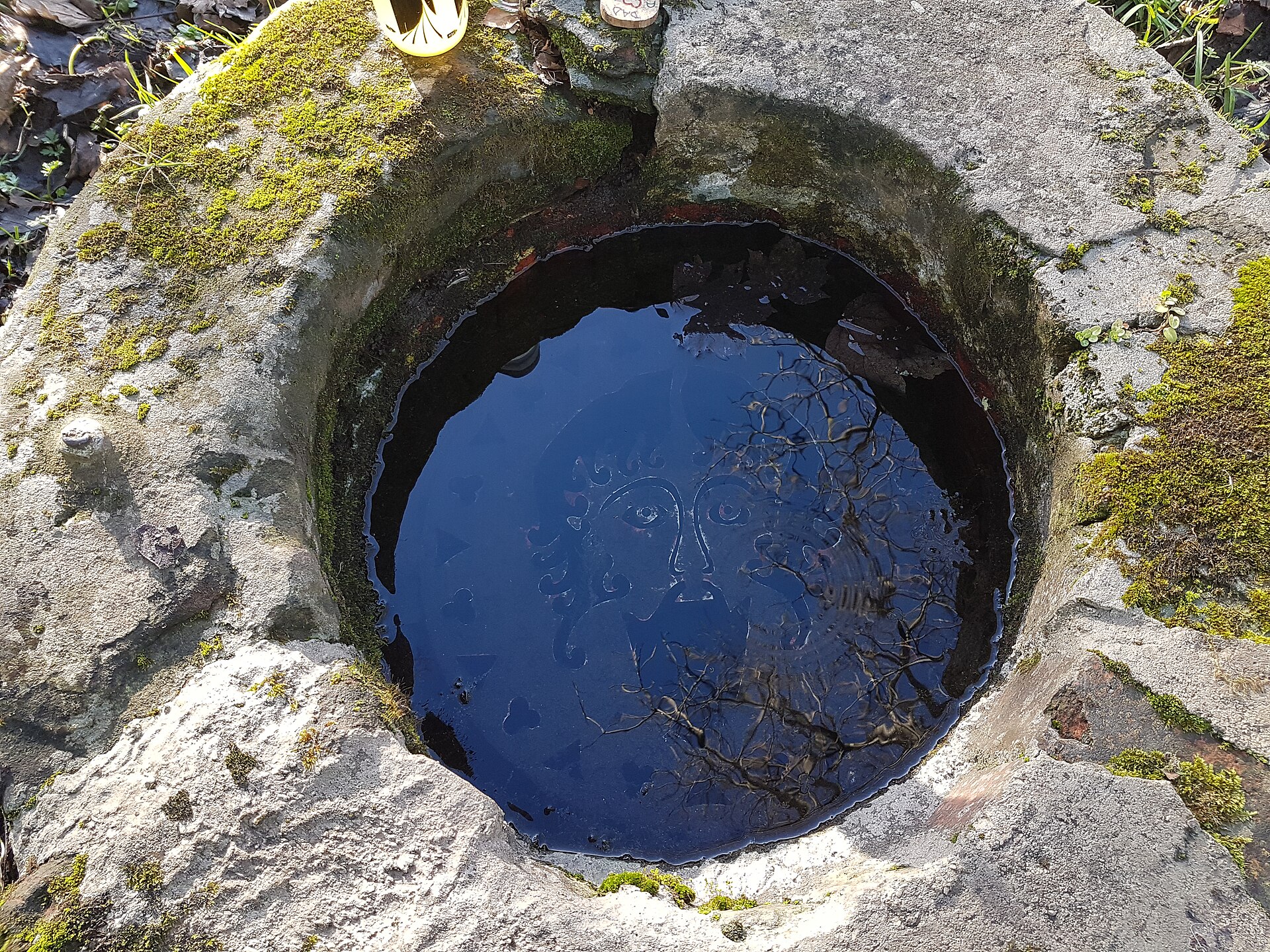
Photo: C1614 / Wikimedia Commons / CC BY-SA 4.0 A prehistoric henge in the wider landscape, contrasting the monument’s earlier ceremonial use with Lincluden’s medieval religious architecture.
In culture
-
Robert Burns drew on Lincluden’s ruined towers and waterside setting in The Minstrel of Lincluden and Ca’ the Yowes to the Knowes, making it a lasting literary landmark.
What to look for
-
The roofless church
The roofless church preserves the late-medieval collegiate rebuilding, its pointed arches rising beside the Cluden Water bend.
-
The Douglas armorials
Look for the Douglas armorial carvings, physical evidence of Archibald the Grim’s transformation of the nunnery into a college.
-
Princess Margaret's tomb
Princess Margaret’s tomb is represented by a fibreglass effigy, installed after the original damaged sculpture was removed for conservation in 1999.
-
The Lincluden Tower site
The domestic ranges became a tower house after the college closed; their site marks Lincluden’s post-Reformation change from religious community to estate.
Plan your visit
- Location
- 55.0852°N · 3.6206°W
- Nearest settlement
- Newton Stewart
- Access
- Open access
- Start point
- The ruins are an open-air historic site; follow public paths and take care on uneven ground around the surviving masonry.
- Time needed
- About 45 minutes
- Best time
- Visit in daylight and dry conditions, when the church ruins and surrounding grounds can be viewed safely.
- What survives
- Lincluden is a fragmentary collegiate-church ruin: the choir and part of the nave survive, including fine Gothic masonry and Princess Margaret’s carved tomb, with a later domestic range to the north.
- Facilities
- No dedicated visitor facilities are documented at the ruins; use facilities in Dumfries.
Opening & admission
Open to visitors under Historic Environment Scotland; check the official site for current opening times and admission arrangements.
Nearby places
Sacred place · Prehistoric
Twelve Apostles Stone Circle
Dumfries and Galloway
Eleven stones stand in a rough ring on farmland between Holywood and Newbridge, a little north-west of Dumfries. Five are still earthfast; the rest…
- Near Newton Stewart
- Easy path
Sacred place · Medieval
St Queran's Well
Dumfries and Galloway
St Queran’s Well preserves a continuing Scottish holy-well tradition, where coins, pins and ribbons have been offered from at least the nineteenth…
Sacred place · Prehistoric
Pict's Knowe
Dumfries and Galloway
A small sandy bank rises out of the peat-covered valley of the Crooks Pow stream, four kilometres south-west of Dumfries, and it is on this slight…
- Easy path
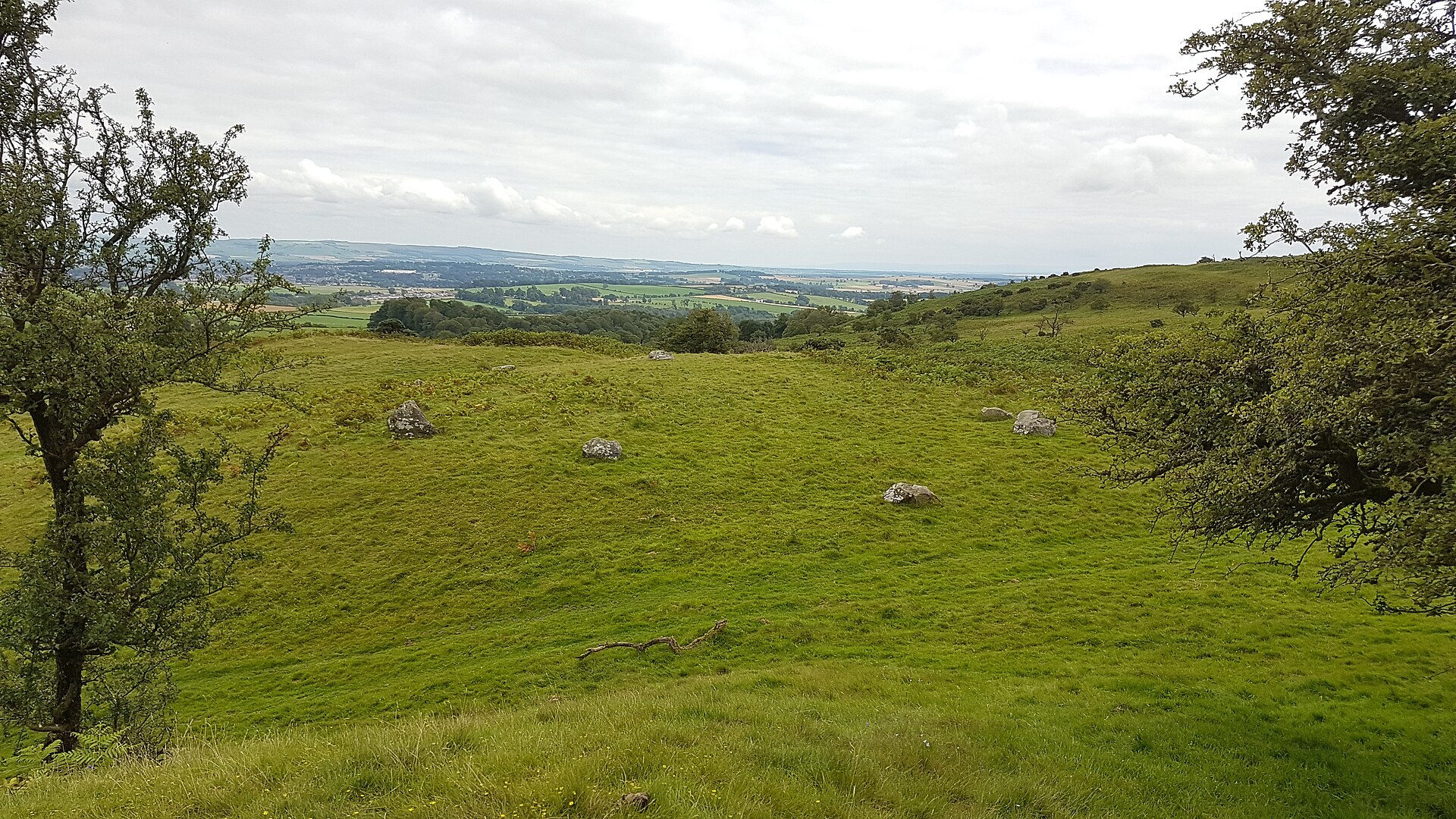
Sacred place · Prehistoric
Easthill stone circle
Dumfries and Galloway
Easthill's ring is short of a stone. Eight survive in an oval roughly three and three-quarter miles south-west of Dumfries, and a ninth is thought…
- Easy path
Questions people ask
- When was Lincluden founded?
- It was founded around 1160 by Uchtred of Galloway.
- What was Lincluden before it became a collegiate church?
- It began as the first nunnery in the Lordship of Galloway.
- Why was Princess Margaret’s effigy removed?
- After vandalism damaged it with used engine oil, it was removed for conservation in 1999 and replaced with a fibreglass replica.
Sources
The Ancient Codex, in your pocket
Get the Pocket Codex app
Carry the directory with you — Lincluden Collegiate Church and thousands of ancient places across Britain and Ireland, offline, wherever you roam.