Eisenhower was given an apartment at the top of this castle in 1945, as a condition of the family handing it to the nation.
Culzean Castle stands on a clifftop overlooking the Firth of Clyde near Maybole, in Carrick on the west coast of Scotland. It was the home of the Marquess of Ailsa, chief of Clan Kennedy, and is now owned by the National Trust for Scotland.
The 10th Earl of Cassillis ordered its construction, instructing Robert Adam to rebuild a more basic existing structure into a fine country house fit to be the seat of his earldom. Adam built it in stages between 1777 and 1792 to an L-plan, incorporating a large drum tower with a circular saloon inside overlooking the sea, a grand oval staircase and a suite of well-appointed apartments.
The Ayrshire (Earl of Carrick’s Own) Yeomanry, a British yeomanry cavalry regiment, was raised by the Earl of Cassillis at Culzean in about 1794. The regiment returned to the castle on 24 June 1961 to be presented with its first guidon by General Sir Horatius Murray.
On 14 November 1817 the 1st Marquess of Ailsa’s daughter, Margaret Radclyffe Livingstone Eyre, was married here to Thomas, Viscount Kynnaird. She would become a noted philanthropist.
The Kennedy family gave the castle and grounds to the National Trust for Scotland in 1945, avoiding inheritance tax in doing so. They stipulated that the apartment at the top of the castle be given to General of the Army Dwight D. Eisenhower, in recognition of his role as Supreme Commander of the Allied Forces in Europe during the Second World War. Eisenhower first visited in 1946 and stayed four times, including once while President of the United States.
The castle reopened in April 2011 after a refurbishment funded by a bequest from the American millionaire William Lindsay, who had never visited Scotland but asked that a significant portion of his $4 million go to Culzean; he was reportedly interested in Eisenhower’s holidays there. The castle received 334,000 visitors in 2025.
It sits within the 240-acre Culzean Castle Country Park, which also holds a walled garden, other estate buildings open to the public, shops, cafés and a playground. The castle opens to the public through the summer and the wider estate all year. Eight self-catering properties are available for holiday rental in the park, including the Brewhouse Flat inside the castle itself, and the castle can be hired for private events.
The walled garden stands on the site of the home of Scipio Kennedy, a man enslaved by the Kennedy family.
Several features are worth knowing about. The armoury holds a propeller from a plane flown by Leefe Robinson when he shot down a German airship north of London in 1916. A bay to the north contains the Gas House, which supplied town gas to the castle until 1940 — the group comprises the gas manager’s house, now holding an exhibition on William Murdoch, the Retort House, and the remains of the gasometer. Sea caves beneath the castle are not generally open but are toured through the summer.
The castle is reputed to house at least seven ghosts, among them a piper and a servant girl.
An illustration of it appeared on the reverse of five-pound notes issued by the Royal Bank of Scotland from 1972 until 2015.
It has been filmed often. It served as the castle of Lord Summerisle, played by Christopher Lee, in the 1973 film The Wicker Man, shot here between October and November 1972. It appeared in the 1997 PBS documentary series Castles of Scotland and in the 2001 Bollywood film Pyaar Ishq Aur Mohabbat; the Most Haunted team explored its reported hauntings for an episode broadcast on Living TV in 2002; the BBC’s Coast visited for series 2 episode 3 in November 2009; TLC’s The Little Couple filmed the Series 9 pilot here in 2016; and two episodes of Antiques Roadshow were filmed in 2020 and transmitted in February and April 2021.
What follows is drawn from published sources, with each claim labelled by how firmly it is established.
History
The castle stands on a clifftop overlooking the Firth of Clyde near Maybole in Carrick, South Ayrshire. It was the home of the Marquess of Ailsa, chief of Clan Kennedy, and is now owned by the National Trust for Scotland.
It was built as an L-plan castle to the order of the 10th Earl of Cassillis, who instructed the architect Robert Adam to rebuild an earlier and more basic structure into a country house fit to be the seat of his earldom. Construction ran in stages between 1777 and 1792, and the building takes in a large drum tower with a circular saloon inside overlooking the sea, a grand oval staircase and a suite of well-appointed apartments.
The Ayrshire Yeomanry, formally the Earl of Carrick's Own, was a British Yeomanry cavalry regiment formed by the Earl of Cassillis at Culzean in about 1794. On 24 June 1961 the regiment returned to the castle to be presented with its first guidon by General Sir Horatius Murray. On 14 November 1817 the castle was the venue for the marriage of the 1st Marquess of Ailsa's daughter, Margaret Radclyffe Livingstone Eyre, to Thomas, Viscount Kynnaird. Margaret would become a noted philanthropist.
In 1945 the Kennedy family gave the castle and its grounds to the National Trust for Scotland, so avoiding inheritance tax. They stipulated that the apartment at the top of the castle be given to General of the Army Dwight D. Eisenhower, in recognition of his role as Supreme Commander of the Allied Forces in Europe during the Second World War. He first visited in 1946 and stayed four times, once while President of the United States.
The castle reopened in April 2011 after a refurbishment funded by a bequest from the American millionaire William Lindsay, who had never visited Scotland and asked that a significant portion of his four million dollars go to Culzean. He was reportedly interested in Eisenhower's holidays at the castle. From 1972 until 2015 an illustration of the castle appeared on the reverse of five pound notes issued by the Royal Bank of Scotland. Culzean received 334,000 visitors in 2025.
The clifftop castle sits within the 240-acre Culzean Castle Country Park, which also holds a walled garden, estate buildings open to the public, shops, cafes and a playground. The walled garden is built on the site of the home of Scipio Kennedy, a former slave owned by the Kennedy family. Eight self-catering properties are available for holiday rental within the park, including the Brewhouse Flat inside the castle itself, and the castle can be hired for private events.
To the north of the castle is a bay containing the Gas House, which supplied town gas to the castle until 1940. The group consists of the gas manager's house, now holding an exhibition on William Murdoch, the Retort House, and the remains of the gasometer. Sea caves run beneath the castle; they are not generally open, but tours run through the summer.
People
-
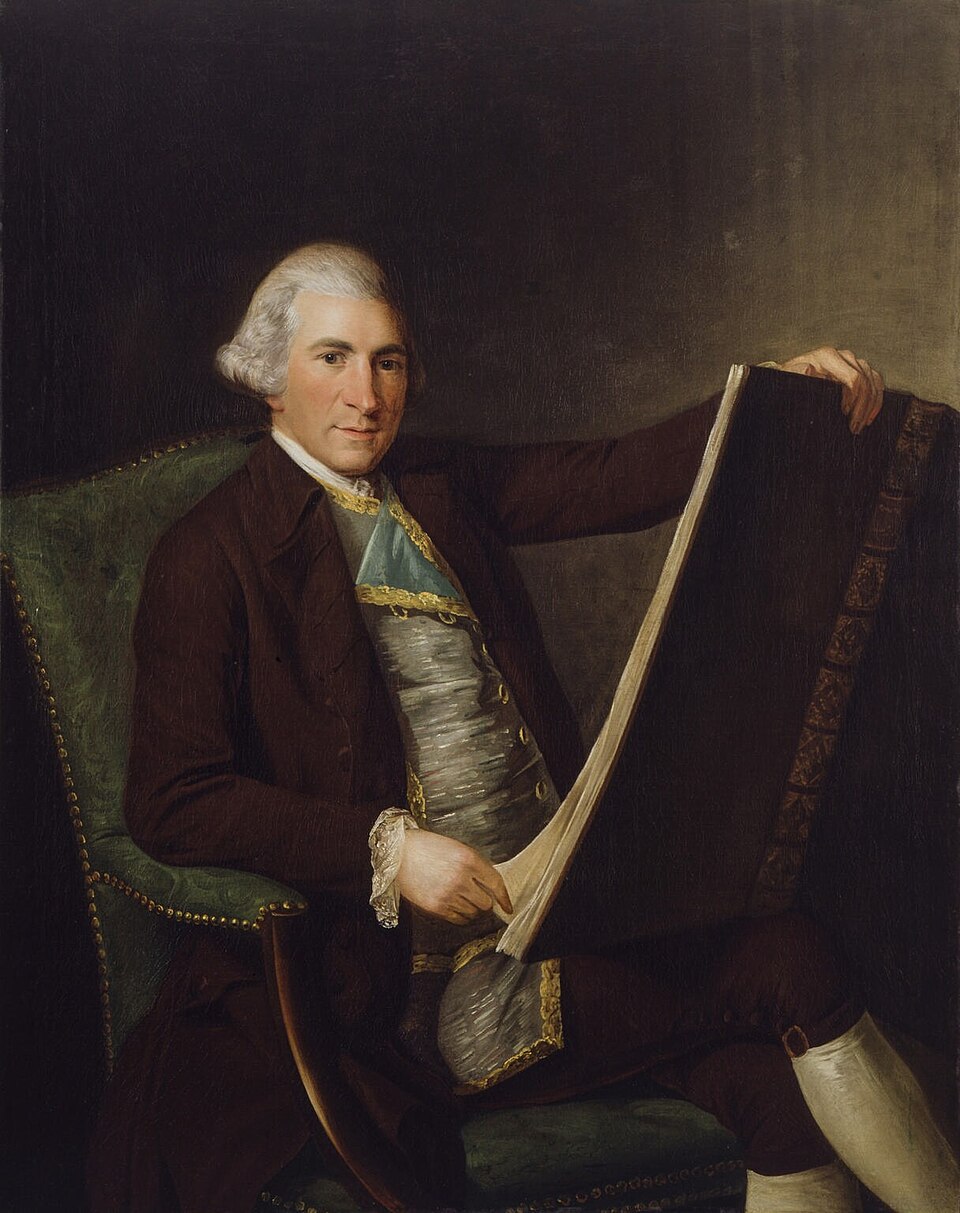
Portrait: Attributed to George Willison / Wikimedia Commons / Public domain Robert Adam
Architect instructed by the 10th Earl of Cassillis to rebuild an earlier structure into the seat of the earldom, between 1777 and 1792.
-
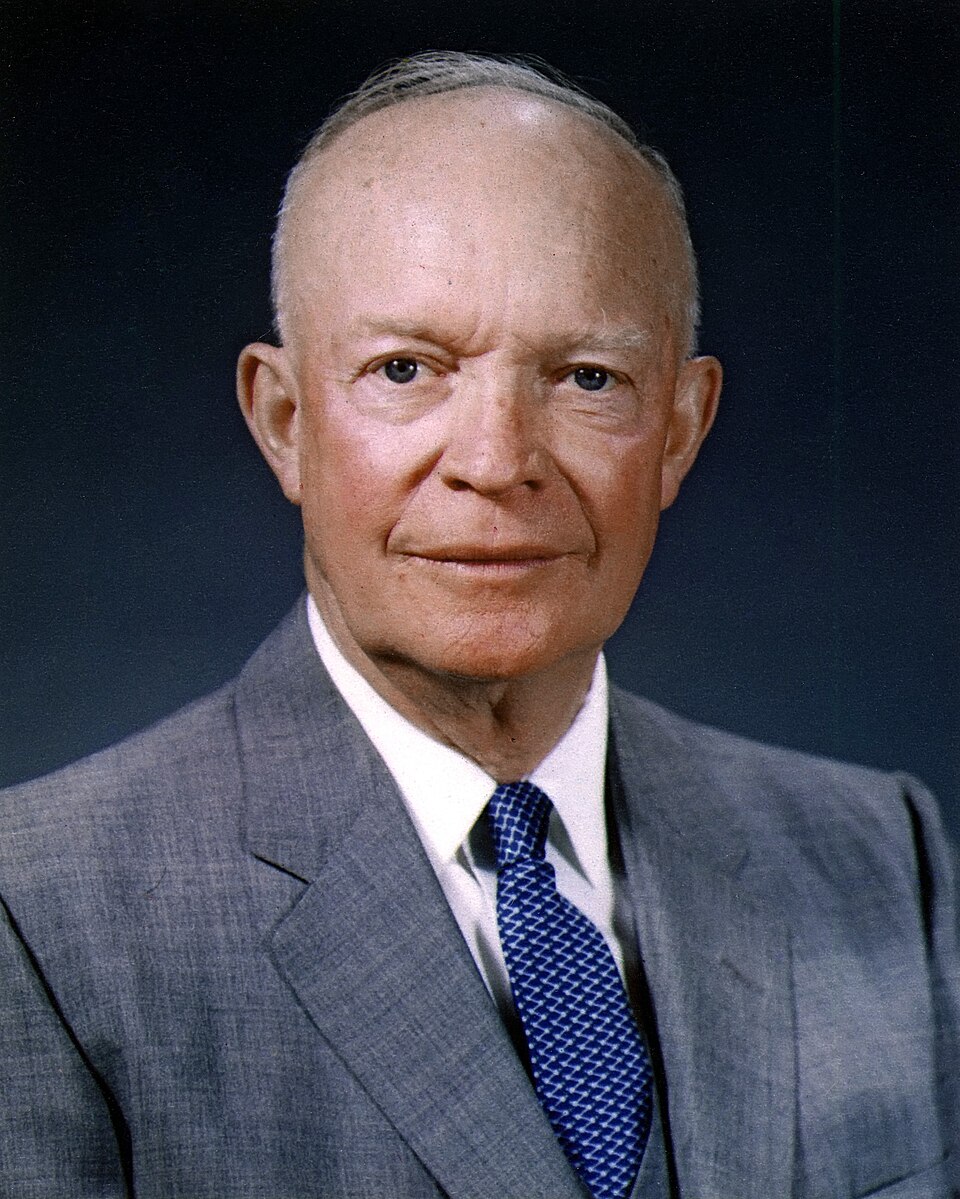
Portrait: White House / Wikimedia Commons / Public domain Dwight D. Eisenhower
Given the top-floor apartment for life in 1945 in recognition of his wartime command; he stayed four times, once as President.
-
Scipio Kennedy
A former slave owned by the Kennedy family, whose home stood on the site of the walled garden.
-
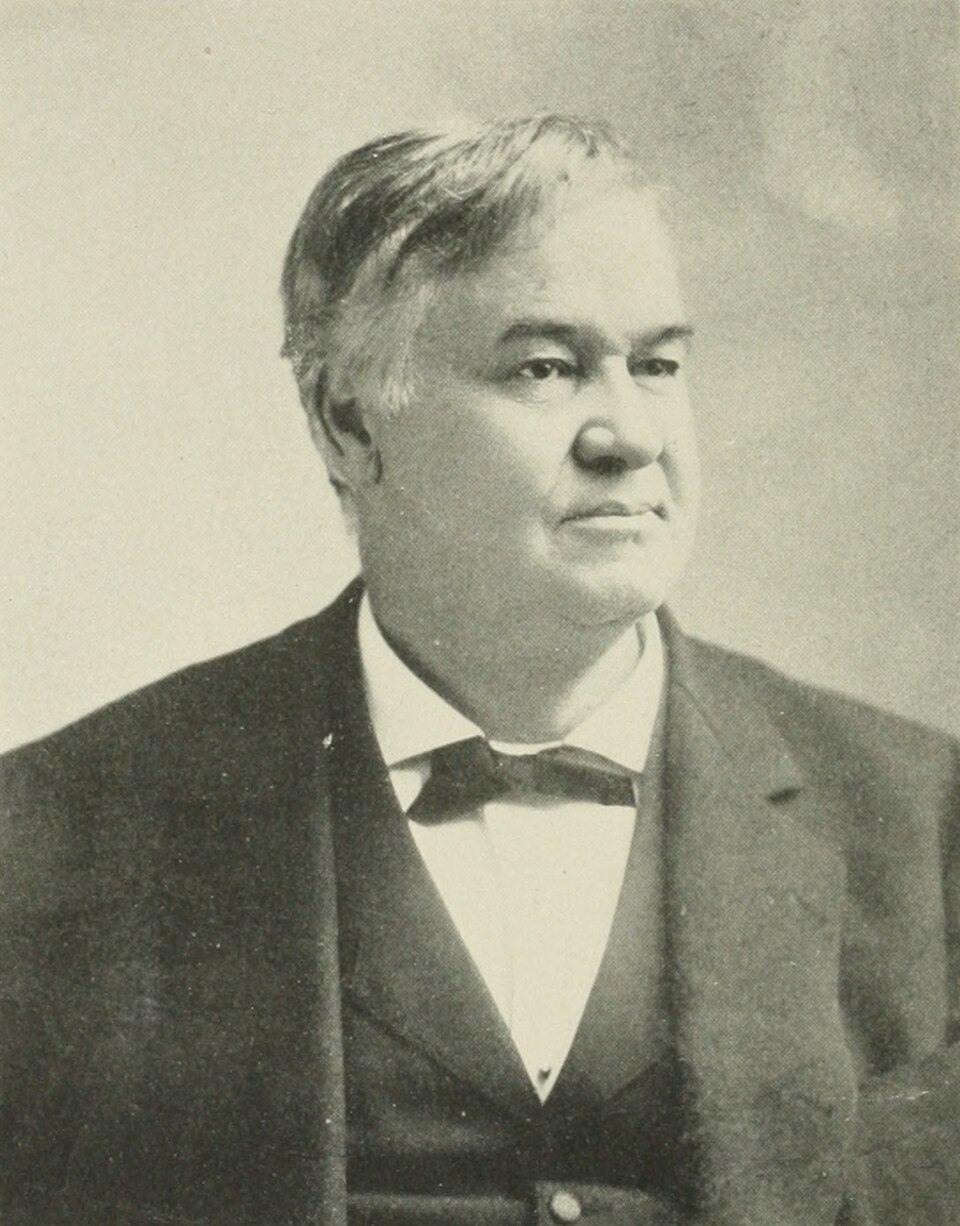
Portrait: Unknown author / Wikimedia Commons / Public domain William Lindsay
American millionaire who left a share of four million dollars to Culzean, having never visited Scotland, apparently drawn by Eisenhower's connection with it.
Cultural influences
-
Robert Adam’s neoclassicism
Robert Adam transformed an earlier L-plan building into the 10th Earl of Cassillis’s late-eighteenth-century seat, using a drum tower, circular saloon and oval stair to make the clifftop setting part of the design.
-
Eisenhower connection
The Kennedy family’s 1945 gift to the National Trust for Scotland reserved the top-floor apartment for Dwight D. Eisenhower, turning a private estate into a visible Anglo-American memorial.
Connections
-
The Ayrshire Yeomanry
Formed here by the Earl of Cassillis around 1794, and presented with its first guidon at the castle in 1961.
In culture
-
The Royal Bank of Scotland five pound note
An illustration of the castle appeared on the reverse from 1972 until 2015.
What to look for
-
The drum tower and circular saloon
Adam's large tower on the seaward side, with a round room inside overlooking the Firth of Clyde.
-
The oval staircase
The grand stair at the centre of Adam's rebuilding.
-
The Leefe Robinson propeller
In the armoury, from the aircraft flown by Leefe Robinson when he shot down a German airship north of London in 1916.
-
The Gas House
In the bay north of the castle, with the gas manager's house, now an exhibition on William Murdoch, the Retort House and the remains of the gasometer.
-
The walled garden
Built on the site of the home of Scipio Kennedy, a former slave owned by the family.
What is said
Folklore and tradition, recorded as what is said — not as established fact.
-
The seven ghosts
The castle is reputed to be home to at least seven ghosts, among them a piper and a servant girl.
Plan your visit
- Location
- 55.3546°N · 4.7893°W
- Time needed
- About 120 minutes
Nearby places
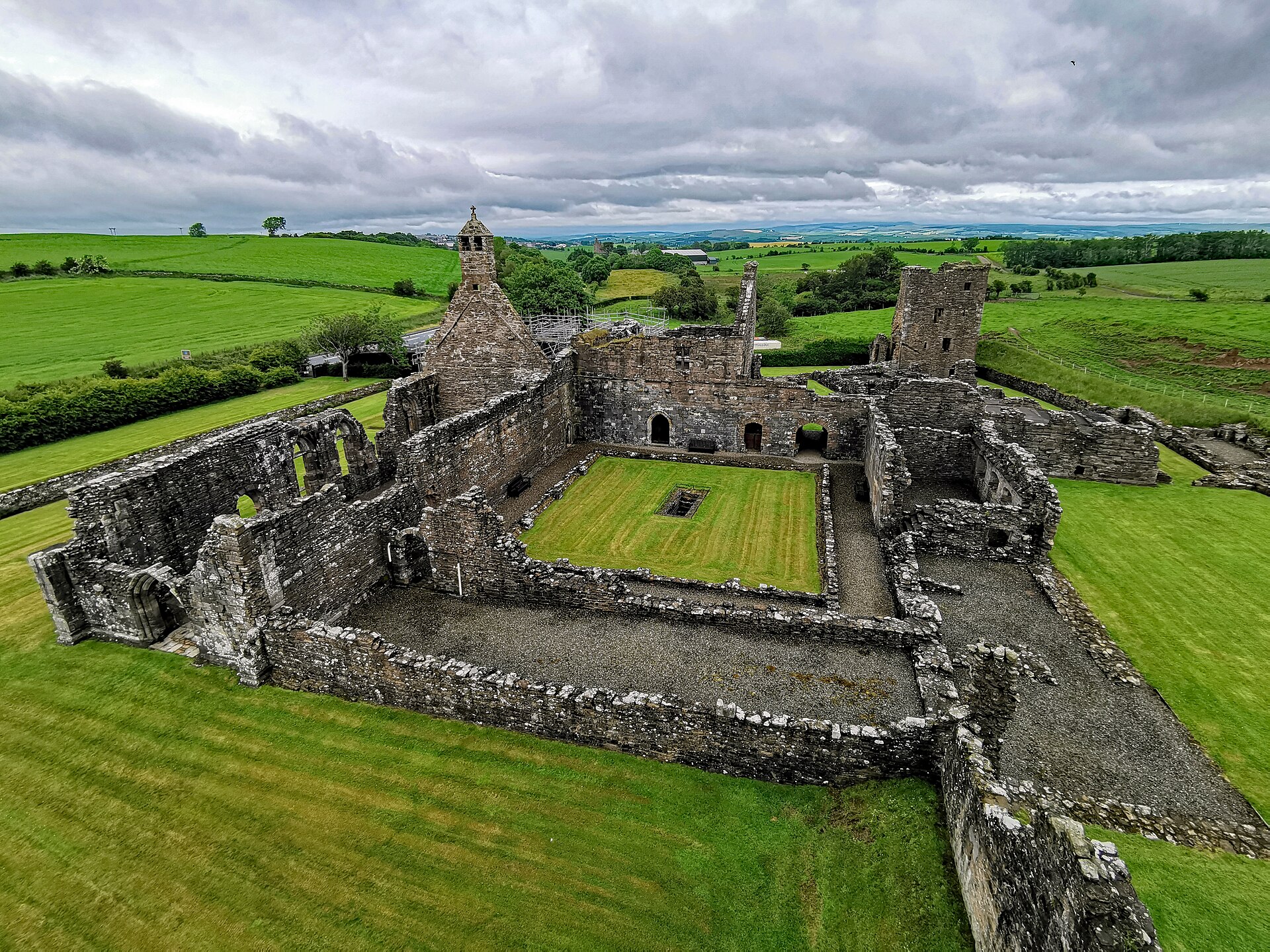
Sacred place · Medieval
Crossraguel Abbey
South Ayrshire
A ruined Cluniac monastery near Maybole that still keeps its church, covered walkways and dovecote.
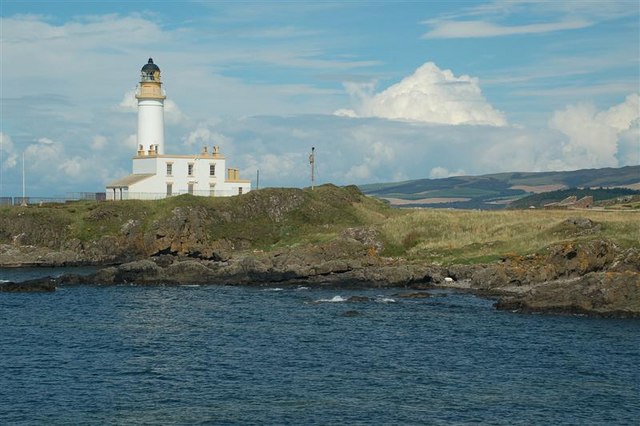
Fortified place · Medieval
Turnberry Castle
South Ayrshire
Robert the Bruce grew up here and ordered it destroyed in 1310, so the English could not have it. Nobody rebuilt it.
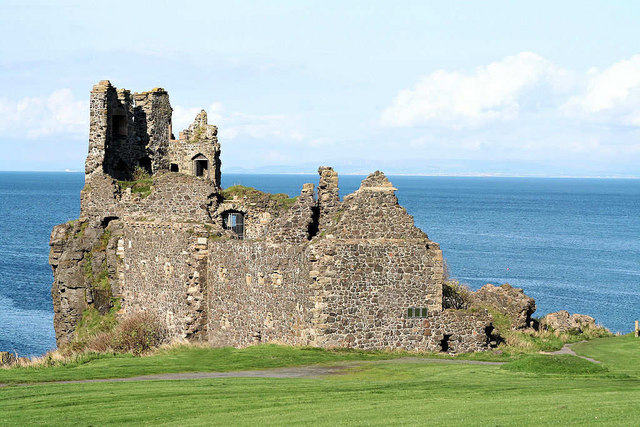
Fortified place · Medieval
Dunure Castle
South Ayrshire
A ruin on a rocky headland of the Carrick coast, five miles south of Ayr, on a site of the late thirteenth century.
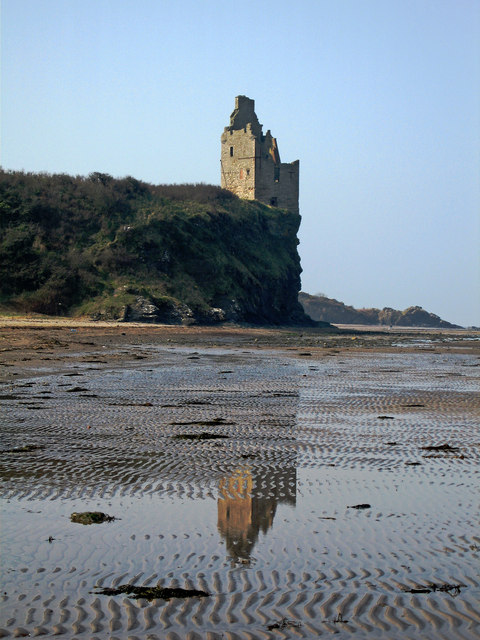
Fortified place · Medieval
Greenan Castle
South Ayrshire
A sixteenth-century tower on a headland fortified since before the Romans, and the place a Kennedy set out from on the morning he was murdered.
Questions people ask
- Why is Eisenhower connected with Culzean?
- When the Kennedy family gave the castle to the National Trust for Scotland in 1945 they stipulated that the top-floor apartment go to him, in recognition of his role as Supreme Commander of Allied Forces in Europe. He stayed four times, once as President.
- Who built it?
- The 10th Earl of Cassillis commissioned Robert Adam to rebuild an earlier, more basic structure as an L-plan country house. It went up in stages between 1777 and 1792.
- What is in the country park?
- 240 acres holding a walled garden, estate buildings open to the public, shops, cafes and a playground, along with the Gas House group and, beneath the castle, sea caves open for tours in summer.
- Was the castle on a banknote?
- Yes. An illustration of it appeared on the reverse of Royal Bank of Scotland five pound notes from 1972 until 2015.
Sources
The Ancient Codex, in your pocket
Get the Pocket Codex app
Carry the directory with you — Culzean Castle and thousands of ancient places across Britain and Ireland, offline, wherever you roam.