Robert the Bruce grew up here and ordered it destroyed in 1310, so the English could not have it. Nobody rebuilt it.
Robert the Bruce ordered this castle destroyed in 1310, so that the English could not hold it again. He had grown up in it.
Whether he was born here is unknown, but that he spent his boyhood living in the castle is not in doubt. His father had acquired it through marriage — and, according to medieval legend, not entirely willingly: Marjorie, the widowed Countess of Carrick, is said to have held the visiting knight Robert de Brus captive until he agreed to marry her. The marriage of 1271 brought him both the castle and the earldom, and their first son became King of Scots.
Turnberry appears twice in the story of that son. On 20 September 1286, when Robert was twelve, several Scottish barons who supported the Bruce claim to the crown met secretly here — a gathering about a boy rather than with him. Then in the spring of 1307 he tried to take the castle back from the English who were occupying it. He only partly succeeded, though the attempt eventually drove the English garrison out, and it marked the beginning of the road that ended at Bannockburn.
Three years later he pulled it down. Destroying a stronghold rather than trying to hold it was a strategy he used repeatedly, denying the enemy anything worth capturing, and he applied it to his own boyhood home.
Who built the castle in the first place is not recorded. It was originally a stronghold of the Lords of Galloway and passed to the Earls of Carrick around the beginning of the thirteenth century. What survives is part of the original structure, because after 1310 nobody rebuilt it.
What follows is drawn from published sources, with each claim labelled by how firmly it is established.
History
As to when or by whom Turnberry was built there seems to be no authentic record at all. It was originally a stronghold of the Lords of Galloway, and passed into the possession of the Earls of Carrick around the beginning of the thirteenth century, by which time it was already an established seat. In the late thirteenth century the castle belonged to Marjorie, the widowed Countess of Carrick. According to medieval legend she held the visiting knight Robert de Brus captive until he agreed to marry her, and their marriage in 1271 conveyed to him both the castle and the earldom.
Their first son, also named Robert, went on to become Robert the Bruce, King of Scots. Whether Turnberry was his actual birthplace is unknown and has never been established, but that he spent his boyhood living in the castle is not in doubt. On 20 September 1286 several Scottish barons who supported the title of the Bruce as successor to the crown met secretly at Turnberry Castle. Robert was twelve years old at the time, so the gathering concerned his claim rather than his person.
In the spring of 1307 Robert made an attempt to recover the castle from the English, who were occupying it at the time. The attempt was only partially successful, though it did ultimately lead to the withdrawal of the English soldiers from the place. That attempt marked the beginning of a long road ending in Robert's eventual success at Bannockburn. A partial failure at his own boyhood home was the opening move of the campaign that made him king in fact as well as in name.
In 1310 Robert the Bruce ordered the destruction of the castle, to prevent it falling once again into English hands. Destroying a stronghold rather than garrisoning it was a recognised strategy of his, and it was applied here to the place where he had grown up. The castle was very nearly destroyed by that order. What remains today is part of the original structure rather than of any later work, since it does not appear to have been rebuilt at any point afterwards.
People
-

Portrait: Walter de Gray Birch / Wikimedia Commons / Public domain Marjorie, Countess of Carrick
Widowed holder of the castle, said by legend to have held Robert de Brus captive until he agreed to marry her in 1271.
-

Portrait: S.A.Farabi / Wikimedia Commons / CC BY-SA 4.0 Robert the Bruce
Spent his boyhood at the castle, attempted to recover it from the English in 1307, and ordered its destruction in 1310.
Connections
-

Photo: Colin / Wikimedia Commons / CC BY-SA 3.0 Where Robert the Bruce's daughter Marjorie was taken after falling from her horse in 1316, and where his grandson Robert II was born.
What to look for
-
The original fabric
What survives is part of the castle as it stood before 1310; it does not appear to have been rebuilt.
What is said
Folklore and tradition, recorded as what is said — not as established fact.
-
The captive suitor
Medieval legend holds that Marjorie, Countess of Carrick, held the visiting knight Robert de Brus captive until he agreed to marry her.
Plan your visit
- Location
- 55.3261°N · 4.8441°W
- Time needed
- About 60 minutes
Nearby places
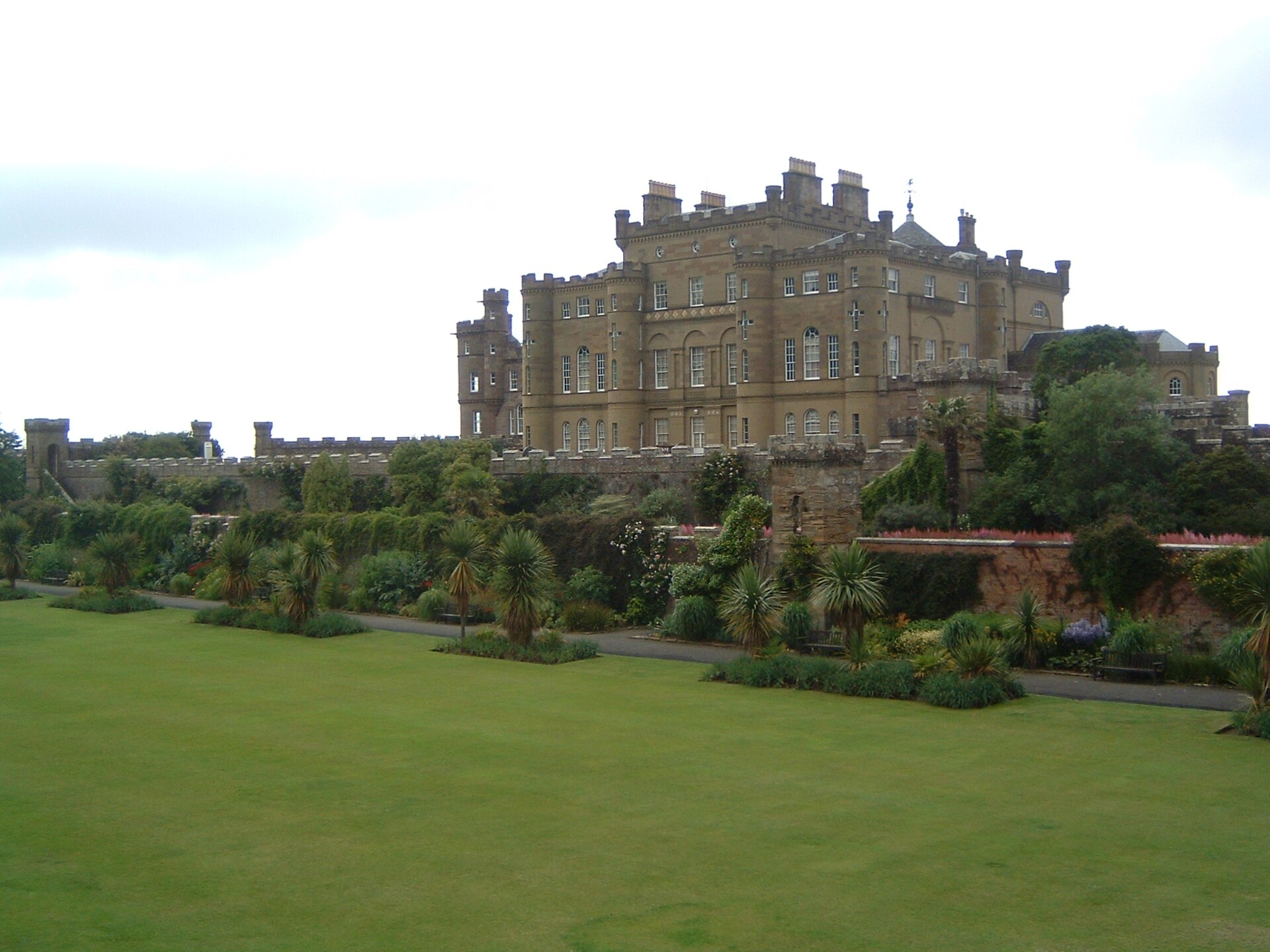
Fortified place · Medieval
Culzean Castle
South Ayrshire
Eisenhower was given an apartment at the top of this castle in 1945, as a condition of the family handing it to the nation.
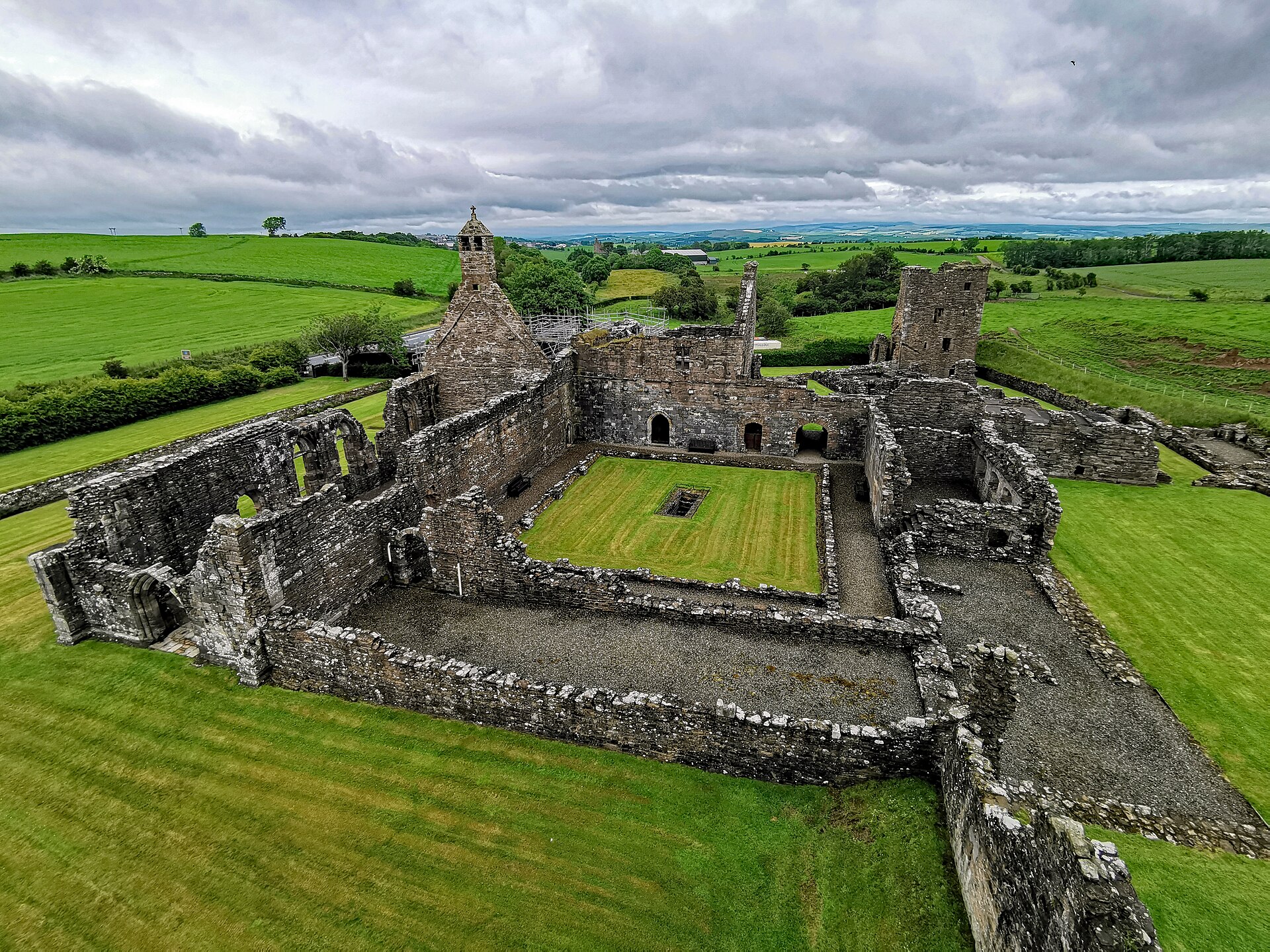
Sacred place · Medieval
Crossraguel Abbey
South Ayrshire
A ruined Cluniac monastery near Maybole that still keeps its church, covered walkways and dovecote.
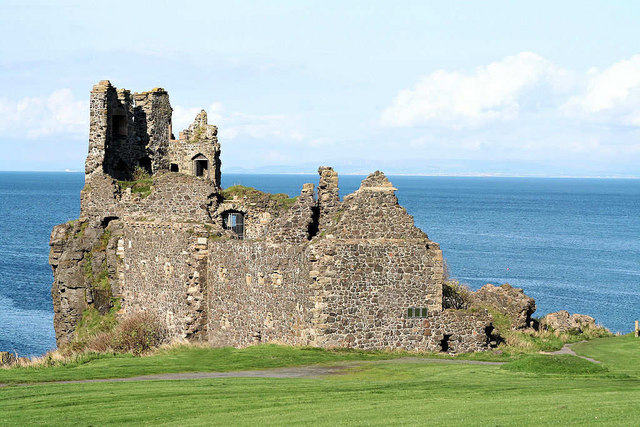
Fortified place · Medieval
Dunure Castle
South Ayrshire
A ruin on a rocky headland of the Carrick coast, five miles south of Ayr, on a site of the late thirteenth century.
Fortified place · Medieval
Greenan Castle
South Ayrshire
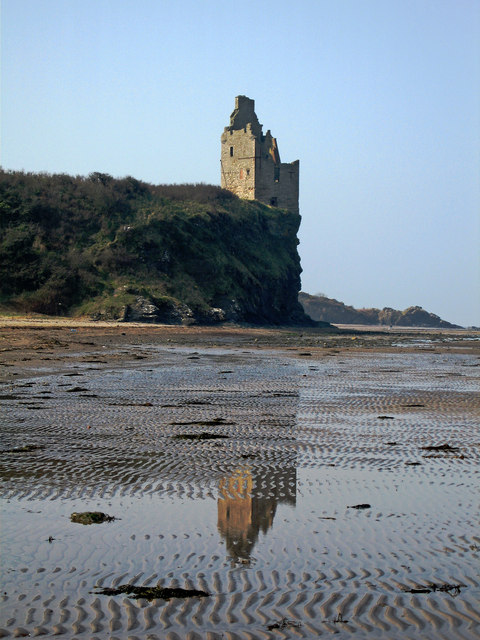
A sixteenth-century tower on a headland fortified since before the Romans, and the place a Kennedy set out from on the morning he was murdered.
Questions people ask
- Was Robert the Bruce born at Turnberry?
- Unknown. That he spent his boyhood living in the castle is not in doubt, but whether it was his birthplace has never been established.
- Who destroyed the castle?
- Robert the Bruce himself, in 1310, to prevent it falling once again into English hands.
- What happened here in 1286?
- Several Scottish barons who supported the Bruce claim to the crown met secretly at the castle on 20 September. Robert was twelve at the time.
- Who built it?
- There seems to be no authentic record of when or by whom. It was originally a stronghold of the Lords of Galloway.
Sources
The Ancient Codex, in your pocket
Get the Pocket Codex app
Carry the directory with you — Turnberry Castle and thousands of ancient places across Britain and Ireland, offline, wherever you roam.