Robert II was born here by caesarean section in 1316, after his mother fell from her horse nearby. A stone marker stands where she came off.
In 1316 Marjorie Bruce, daughter of Robert I, was riding near this house when she fell from her horse. She was heavily pregnant. She was carried into Paisley, and there the future Robert II was delivered by caesarean section — in an age with no anaesthesia. Marjorie was buried here afterwards, and a marker at the junction of Dundonald Road and Renfrew Road, about a mile north, stands where she reputedly came off.
The house had been founded a century and a half earlier, in 1163, when Walter fitz Alan, first High Steward of Scotland, issued a charter for a priory on his own land, dedicated to Saints Mary, James, Mirin and Milburga. Around thirteen monks came north from the Cluniac priory at Much Wenlock in Shropshire to establish it. It grew quickly enough to be raised to abbey status in 1245 — and had already sent out a community of its own the year before, founding Crossraguel Abbey in Carrick.
The site was older still. Saint Mirin is believed to have founded a community here in the seventh century, and a shrine established after his death became a popular place of pilgrimage. The town’s name may carry that history: Paisley possibly derives from the Brythonic Passeleg, basilica, from the Greek — a major church, recalling an ecclesiastical importance for which no documents survive.
Edward I had the abbey burned down in 1307. It was rebuilt later in the fourteenth century. William Wallace, born at nearby Elderslie, is believed to have been educated here for a time as a boy.
One later scene is worth noting for what it says about the abbey’s standing. In 1491 Abbot George Shaw, acting for the Pope and in the presence of the relics, granted absolution to James IV and others implicated in the death of his father James III at Sauchieburn — a king absolved of his father’s killing in this building. By 1499 Shaw had built a new and larger pilgrims’ chapel and added the sculptured stone frieze that survives today, showing scenes from the life of St Mirin. It was originally brightly painted, and may have been the rear panel of an altar before it was put up on the wall.
What follows is drawn from published sources, with each claim labelled by how firmly it is established.
The name
Paisley may derive from the Brythonic or Cumbric Passeleg, meaning ‘basilica’ or major church.
History
It is believed that Saint Mirin founded a community on this site in the seventh century. Sometime after his death a shrine to the saint was established, which became a popular site of pilgrimage and veneration. The name Paisley may derive from the Brythonic or Cumbric Passeleg, meaning basilica and ultimately from the Greek — that is, a major church. If so, the name itself records an early ecclesiastical importance for which no documents survive.
In 1163 Walter fitz Alan, the first High Steward of Scotland, issued a charter for a priory on land he owned at Paisley, dedicated to Saints Mary, James, Mirin and Milburga. Around thirteen monks came from the Cluniac priory at Much Wenlock in Shropshire to found the community. Paisley grew so rapidly that it was raised to the status of abbey in 1245. Monks from Paisley had already founded Crossraguel Abbey in Carrick the previous year, so the house was exporting communities before it had been promoted itself.
In 1307 Edward I of England had the abbey burned down, and it was rebuilt later in the fourteenth century. William Wallace, born in nearby Elderslie, is believed to have been educated here for a time as a boy, some years before the burning. In 1316 Marjorie Bruce, daughter of Robert I and wife of Walter Stewart, the sixth High Steward, was riding near the abbey when she fell from her horse. She was heavily pregnant, and was taken to Paisley Abbey for medical care.
There the future Robert II was born by caesarean section, at a time when anaesthesia would not have been available. Marjorie was later buried at the abbey, and a cairn at the junction of Dundonald Road and Renfrew Road, about a mile north, marks the spot where she reputedly fell. In 1491 Abbot George Shaw, representing the Pope and in the presence of the relics, granted absolution to James IV of Scotland and others implicated in the death of James III at the Battle of Sauchieburn. A king was absolved of his father's death in this building.
By 1499 Shaw had built a new and larger pilgrims' chapel and added the sculptured stone frieze that can still be seen today, showing scenes from the life of St Mirin. It was originally brightly painted, and may well have formed the rear panel of an altar before it was mounted on the wall as a frieze.
People
-
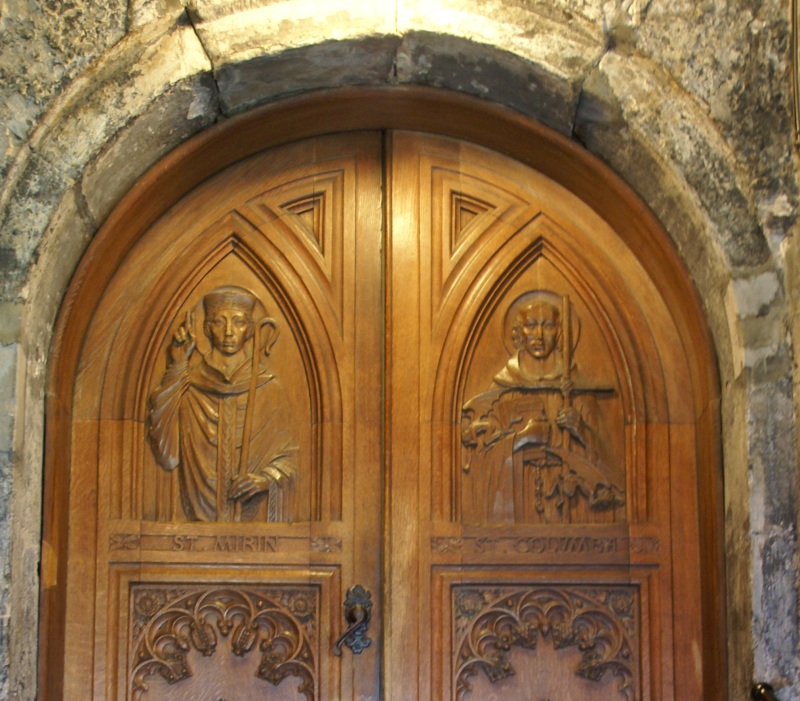
Portrait: Otter / Wikimedia Commons / CC BY-SA 3.0 Saint Mirin
Believed to have founded a community on the site in the seventh century; his shrine became a place of pilgrimage.
-
Walter fitz Alan
First High Steward of Scotland, who issued the charter for the priory in 1163 on his own land.
-
Marjorie Bruce
Daughter of Robert I, brought here after falling from her horse in 1316; Robert II was born by caesarean section, and she was buried at the abbey.
-

Portrait: User Magnus Manske on en.wikipedia / Wikimedia Commons / Public domain George Shaw
Abbot who absolved James IV in 1491 and by 1499 had built a new pilgrims' chapel and added the St Mirin frieze.
Cultural influences
-
A Cluniac abbey shaped by pilgrimage and royal history
Paisley grew from a Cluniac priory around St Mirin’s shrine into an abbey associated with the Stewart dynasty and royal absolution.
Connections
-
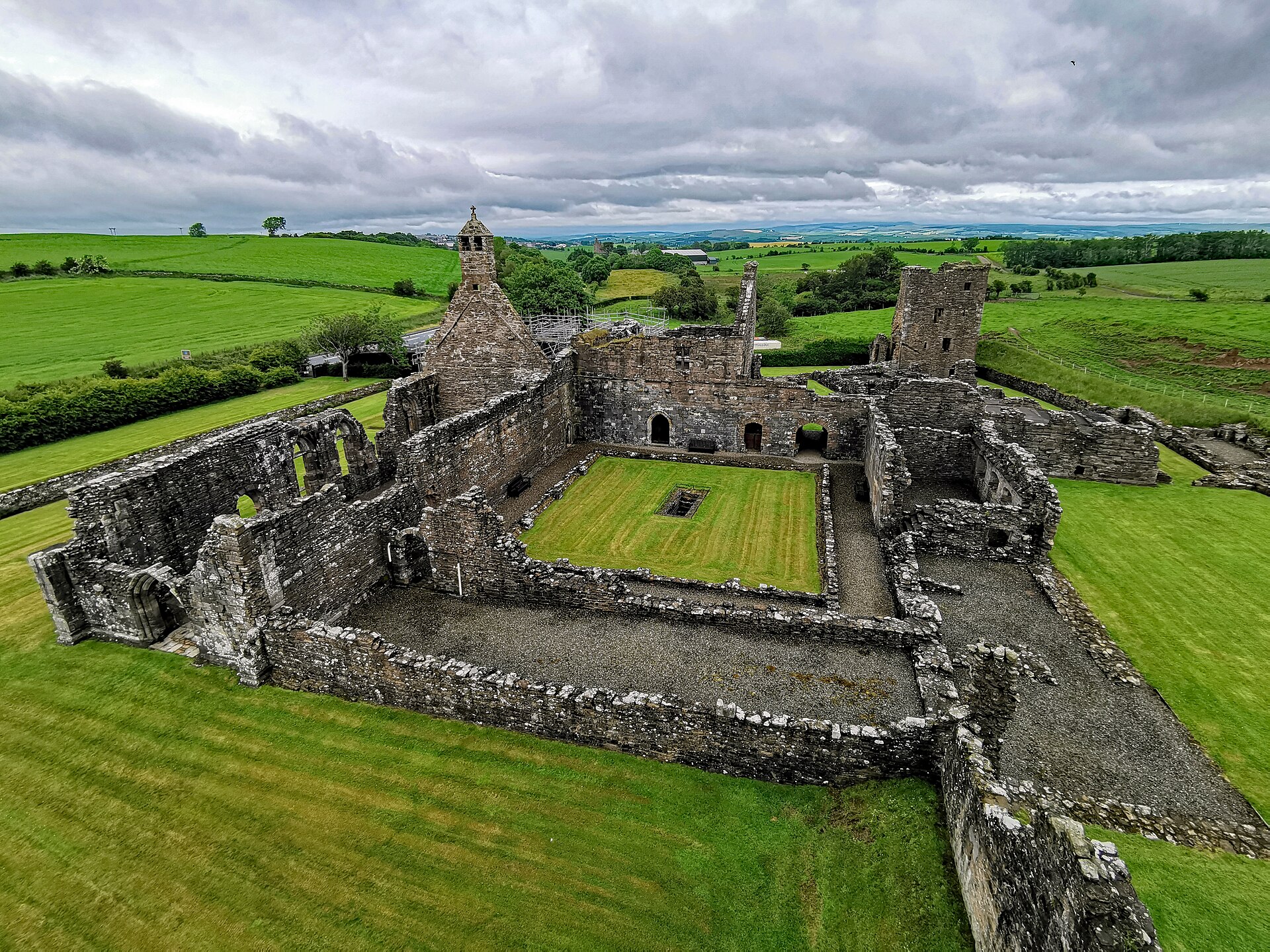
Photo: PaulT (Gunther Tschuch) / Wikimedia Commons / CC BY-SA 4.0 Founded in Carrick in 1244 by monks from Paisley, the year before Paisley itself was raised to abbey status.
-
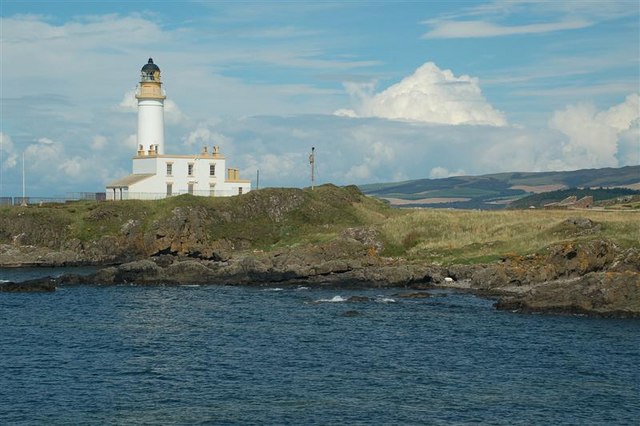
Photo: Mary and Angus Hogg / Wikimedia Commons / CC BY-SA 2.0 The boyhood home of Robert I, whose daughter Marjorie died at Paisley and whose grandson Robert II was born there.
Discovery & excavation
A tunnel around Paisley Abbey was first recorded in 1829 when workmen digging in Ellis Lane fell through into it; a 90-metre stretch from the abbey to the White Cart was rediscovered in 1990.
What to look for
-
The St Mirin frieze
Sculptured stone showing scenes from the saint's life, added by Abbot Shaw by 1499, originally brightly painted and possibly once an altar's rear panel.
-
The cairn on Dundonald Road
About a mile north of the abbey, marking where Marjorie Bruce reputedly fell from her horse in 1316.
Plan your visit
- Location
- 55.8450°N · 4.4203°W
- Time needed
- About 60 minutes
Nearby places

Fortified place · Medieval
Crookston Castle
Glasgow City
The only medieval castle still standing within Glasgow's boundaries, and the very first property the National Trust for Scotland ever acquired.
- Near Gloucester

Ancient tree · Medieval
Wallace Oak (Elderslie)
Renfrewshire
By the mid-nineteenth century a Scotsman's snuff box was expected to contain a fragment of this oak. The relic trade is what killed it.
- Near Renfrewshire
Ancient tree · Medieval
Wallace Yew (Elderslie)
Renfrewshire
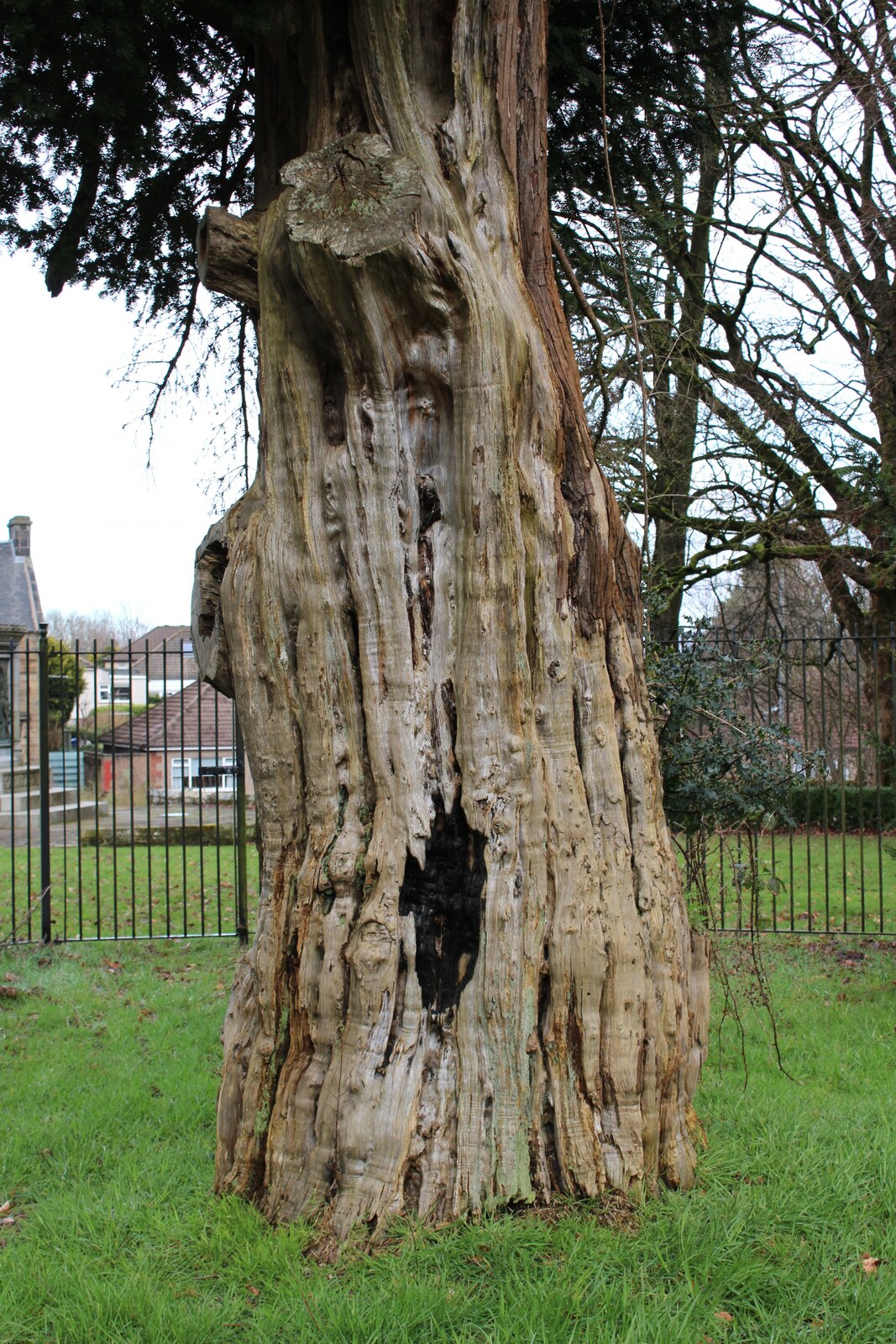
Parish records of the 1700s already call it 'this ancient tree'. Arson in 1978 and storms in 2005 let in a fungus that is now killing it; twelve cu…
- Near Renfrewshire
Questions people ask
- When was the abbey founded?
- As a priory in 1163, by charter of Walter fitz Alan, first High Steward of Scotland, with around thirteen monks from Much Wenlock in Shropshire. It was raised to abbey status in 1245.
- Was Robert II born here?
- Yes, by caesarean section in 1316, after his mother Marjorie Bruce fell from her horse nearby and was brought to the abbey for care. Anaesthesia would not have been available.
- What does the name Paisley mean?
- It may derive from the Brythonic Passeleg, meaning basilica or major church, ultimately from Greek — recalling an early ecclesiastical importance for which no documents survive.
- What happened in 1307?
- Edward I of England had the abbey burned down. It was rebuilt later in the fourteenth century.
Sources
The Ancient Codex, in your pocket
Get the Pocket Codex app
Carry the directory with you — Paisley Abbey and thousands of ancient places across Britain and Ireland, offline, wherever you roam.