A sixteenth-century tower on a headland fortified since before the Romans, and the place a Kennedy set out from on the morning he was murdered.
A ruined sixteenth-century tower house stands at the top of a sea cliff about two and a half miles south-west of Ayr. The site has been fortified three times over. First came a promontory fort — a headland cut off by ditches across its neck. Then, in the twelfth century, a motte-and-bailey (an earthen mound carrying a tower, with a walled yard beside it). Last, the tower whose walls survive.
The earliest work was probably a fortified farmstead, enclosing around one acre. Four concentric curved ditches, each about 3 metres wide, cut off the headland, leaving a single causeway for access. How long that settlement lasted is unknown; the site was reused in the twelfth century.
The Lords of the Isles built the tower house in the fifteenth century. John, Earl of Ross and Lord of the Isles, forfeited the lands of Greenan in 1476 for treason against James III, and in 1493 James IV granted them to William Douglas, son of Archibald, Earl of Angus. The castle later passed to the Kennedys.
Beside the tower are traces of a walled courtyard and outbuildings, probably stables and a kitchen block — the tower is small and has no kitchen inside its walls.
In that courtyard, on the morning of 12 May 1602, Sir Thomas Kennedy of Culzean and his servant Lancelot Kennedy mounted their horses to ride to Edinburgh, having spent the night with Thomas’s half-brother, John Kennedy of Baltersan. A few miles on, in the woods of St Leonards — now a suburb of Ayr — they were ambushed by Thomas Kennedy of Drummurchie, Thomas Kennedy the brother of the Laird of Bargany, Walter Muir of Cloncaird, Thomas M’Alexander, Thomas Wallace, a boy called Gilbert Ramsay, and a borderer named William Irving. Sir Thomas was murdered in retaliation for the death of the young Laird of Bargany at the Battle of Brockloch near Maybole in December 1601. Years later the Muirs of Auchindrain, father and son, were executed for their art and part in the killing. The episode gave Sir Walter Scott the material for a short play, An Ayrshire Tragedy.
The castle passed through various members of the clan before coming to Thomas Kennedy, Earl of Cassillis, in 1766. Residential use appears to have stopped around that time, and the structure is now a ruin.
What follows is drawn from published sources, with each claim labelled by how firmly it is established.
History
The site has been fortified three times over. The earliest work was a promontory fort, probably a fortified farmstead, enclosing around one acre: four concentric curved ditches, each about 3 metres wide, cut off the headland, leaving a single causeway for access. How long that settlement lasted is unknown, but the site was reused in the twelfth century as a motte-and-bailey.
The Lords of the Isles built the tower house in the fifteenth century. John, Earl of Ross and Lord of the Isles, forfeited the lands of Greenan in 1476 for treason against James III, and in 1493 James IV granted them to William Douglas, son of Archibald, Earl of Angus. The castle later passed to the Kennedy family.
Beside the tower are traces of a walled courtyard and outbuildings, probably stables and a kitchen block — the tower is small and has no kitchen inside its walls. In that courtyard, on the morning of 12 May 1602, Sir Thomas Kennedy of Culzean and his servant Lancelot Kennedy mounted their horses to ride to Edinburgh, having spent the night with Thomas's half-brother John Kennedy of Baltersan.
A few miles on, in the woods of St Leonards — now a suburb of Ayr — they were ambushed by Thomas Kennedy of Drummurchie, Thomas Kennedy the brother of the Laird of Bargany, Walter Muir of Cloncaird, Thomas M'Alexander, Thomas Wallace, a boy called Gilbert Ramsay, and a borderer named William Irving. Sir Thomas was murdered in retaliation for the death of the young Laird of Bargany at the Battle of Brockloch near Maybole in December 1601.
Years later the Muirs of Auchindrain, father and son, were executed for their art and part in the killing, and the episode gave Sir Walter Scott the material for a short play, An Ayrshire Tragedy. The castle passed through various members of the clan before coming to Thomas Kennedy, Earl of Cassillis, in 1766; residential use appears to have stopped around that time, and the structure is now a ruin.
People
-
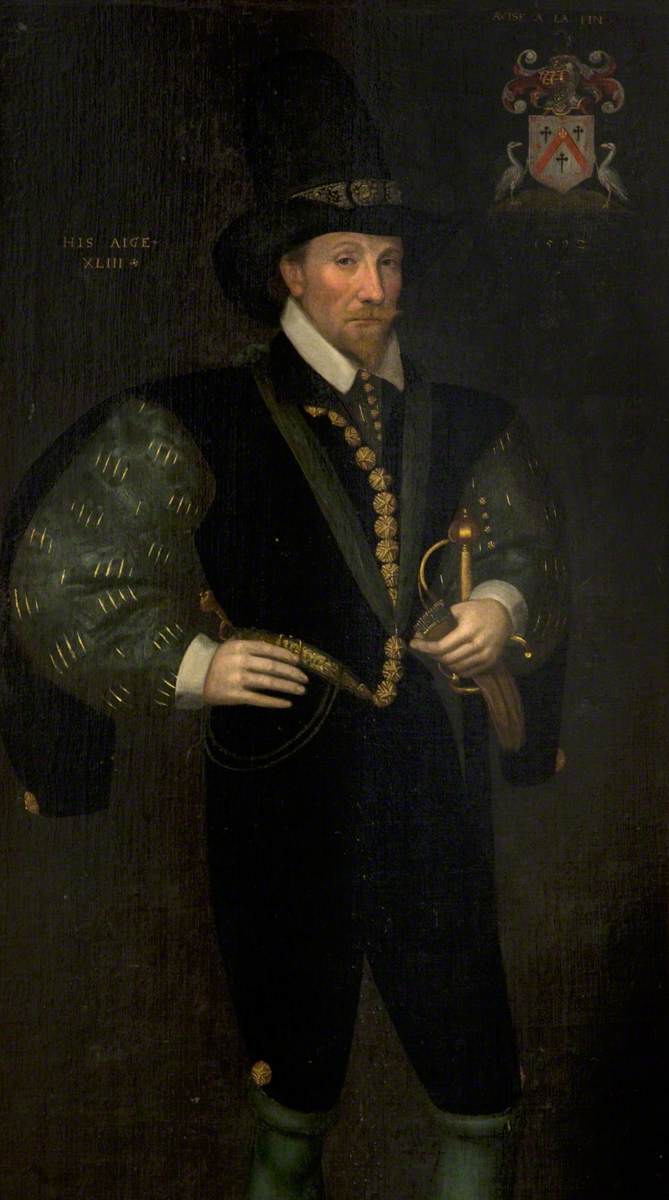
Portrait: Adrian Vanson / Wikimedia Commons / Public domain Sir Thomas Kennedy of Culzean
Rode out from the castle courtyard on the morning of 12 May 1602 and was murdered in the woods of St Leonards a few miles away.
-
John Kennedy of Baltersan
Sir Thomas's half-brother, who hosted him the night before the murder; the entrance lintel carries his initials and the date 1603.
-
John, Earl of Ross and Lord of the Isles
Forfeited the lands of Greenan in 1476 for treason against James III.
Cultural influences
-
Defensible headland
The sea cliff and narrow neck of land allowed the earliest promontory fort to be cut off by four ditches, a strategic setting reused for the medieval motte-and-bailey and tower house.
Connections
-
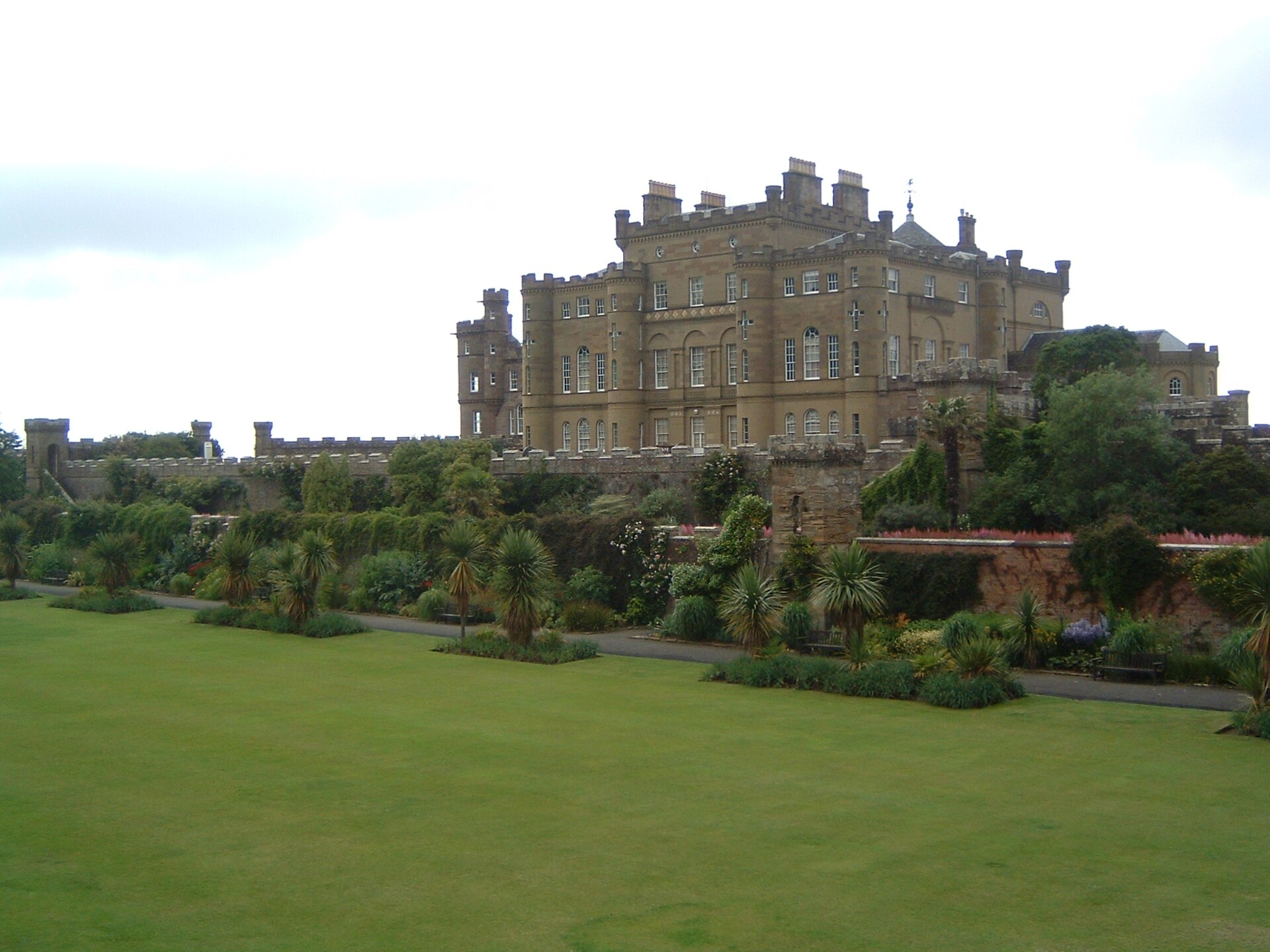
Photo: Unknown / Wikimedia Commons / CC BY-SA 3.0 Seat of Sir Thomas Kennedy, who was murdered after leaving Greenan in 1602, and later of the Earls of Cassillis, into whose hands Greenan passed in 1766.
In culture
-
An Ayrshire Tragedy
A short play by Sir Walter Scott, inspired by the murder of Sir Thomas Kennedy in 1602.
What to look for
-
The four concentric ditches
Each about three metres wide, cutting the headland off from the land with a single causeway left for access. They belong to the promontory fort, the earliest structure on the site.
-
The tower without a kitchen
The fifteenth-century tower house has no kitchen within its walls, which is why the courtyard beside it held outbuildings — probably stables and a separate kitchen block.
-
The courtyard
Traces of a walled courtyard survive beside the tower. It is where Sir Thomas Kennedy mounted his horse on the morning of 12 May 1602, hours before he was murdered.
-
The sea cliff
The castle stands at the cliff top, which is what recommended the site to every occupant of it from the Iron Age onwards.
Plan your visit
- Location
- 55.4386°N · 4.6702°W
- Time needed
- About 60 minutes
Nearby places
Building or ruin · Medieval
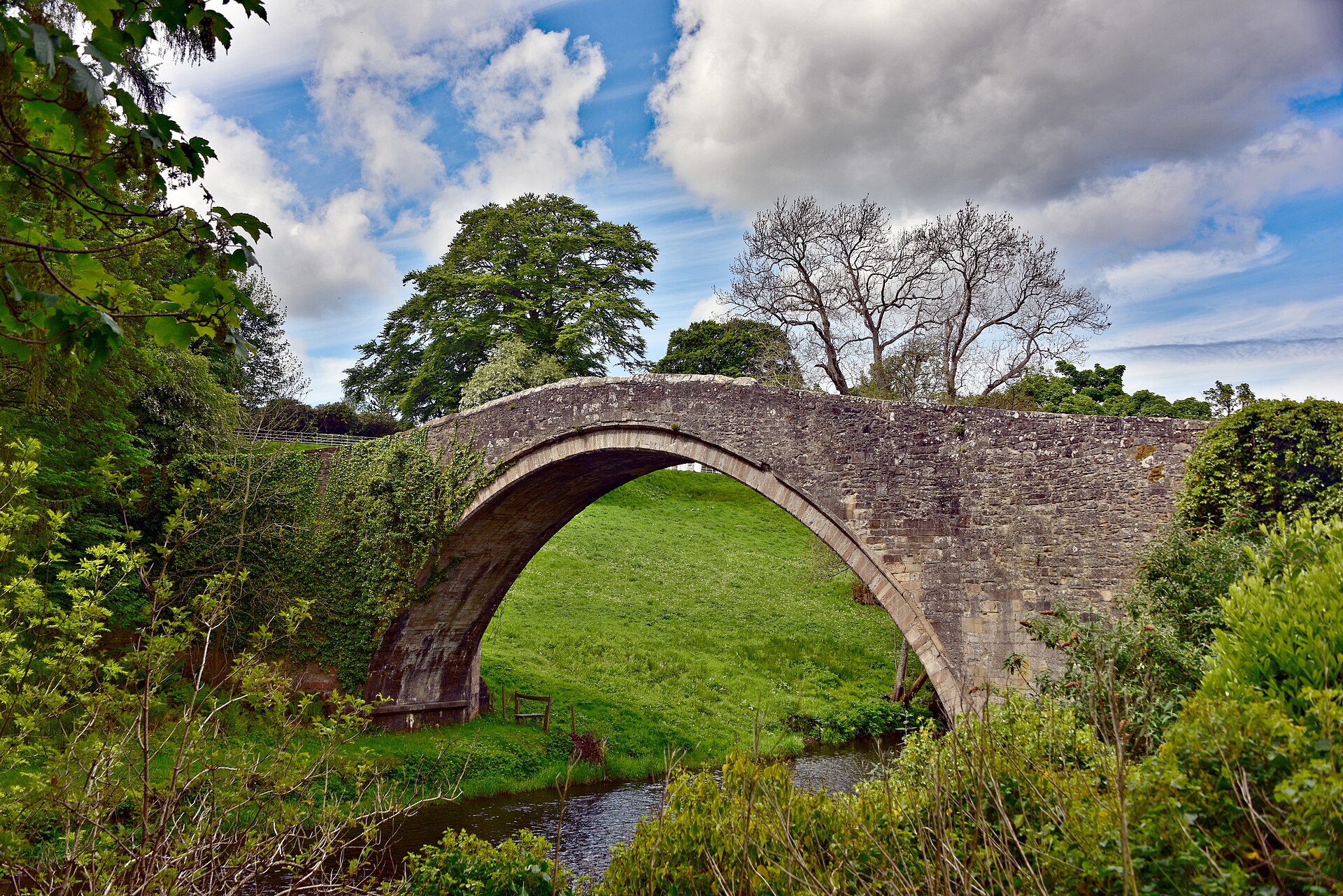
Brig o' Doon
South Ayrshire
Sold as a quarry to the builders of its replacement, then bought back before they could take it apart.
Fortified place · Medieval
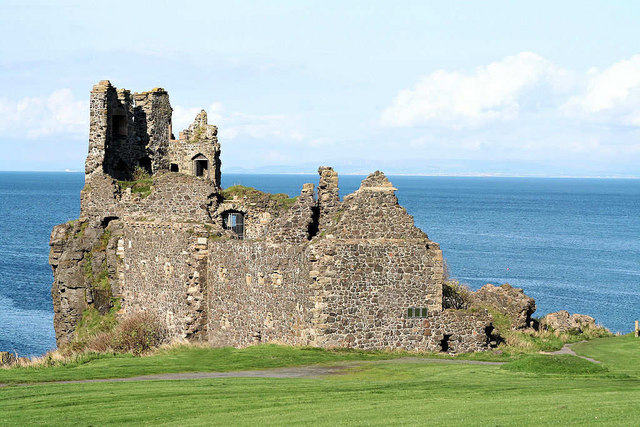
Dunure Castle
South Ayrshire
A ruin on a rocky headland of the Carrick coast, five miles south of Ayr, on a site of the late thirteenth century.
Minor monument · Medieval
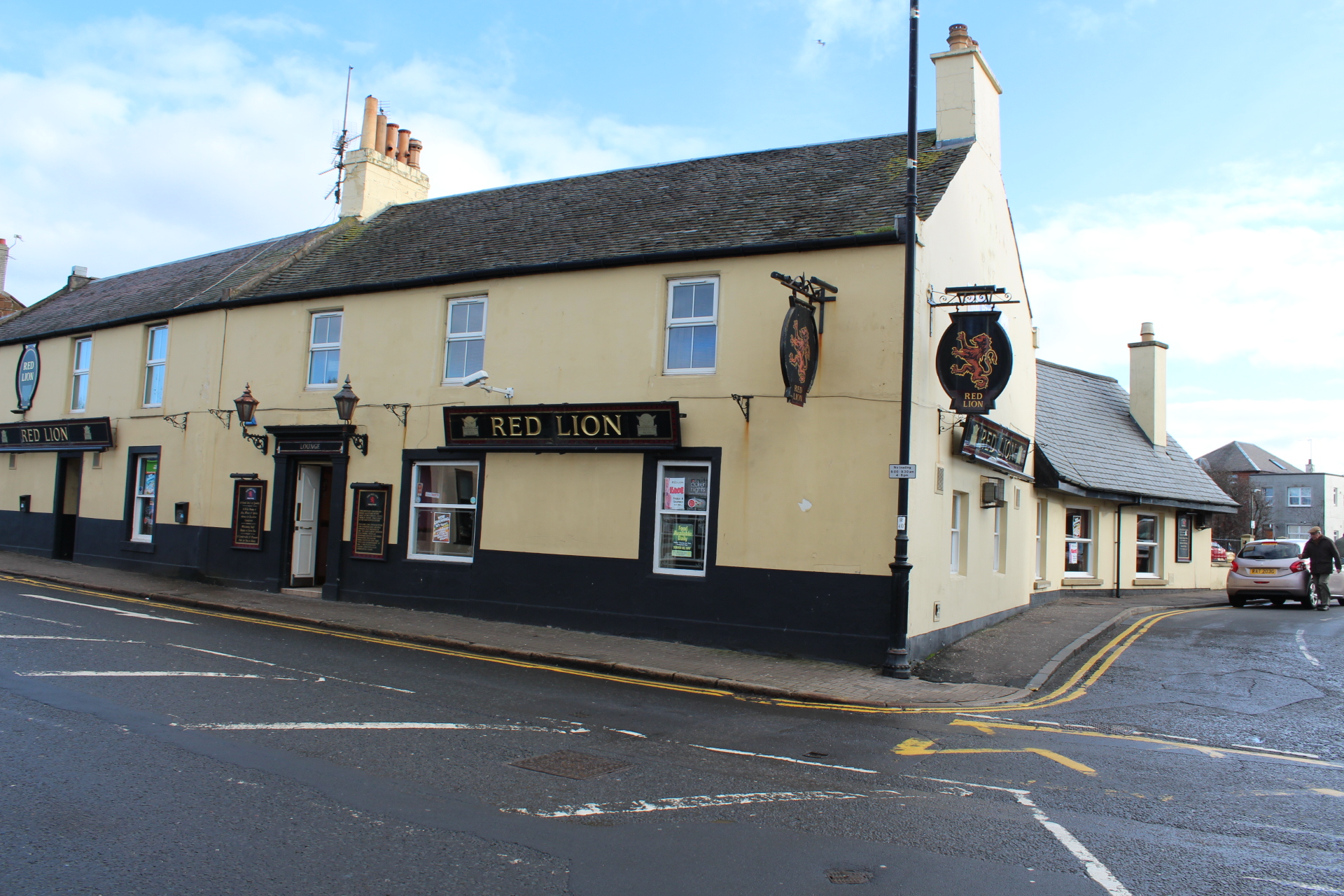
Market Cross, Prestwick
South Ayrshire
The cross carries its own admission that it is not original: the inscription reads 'Rebuilt 1777'.
- Near Prestwick
- Easy path
Sacred place · Medieval
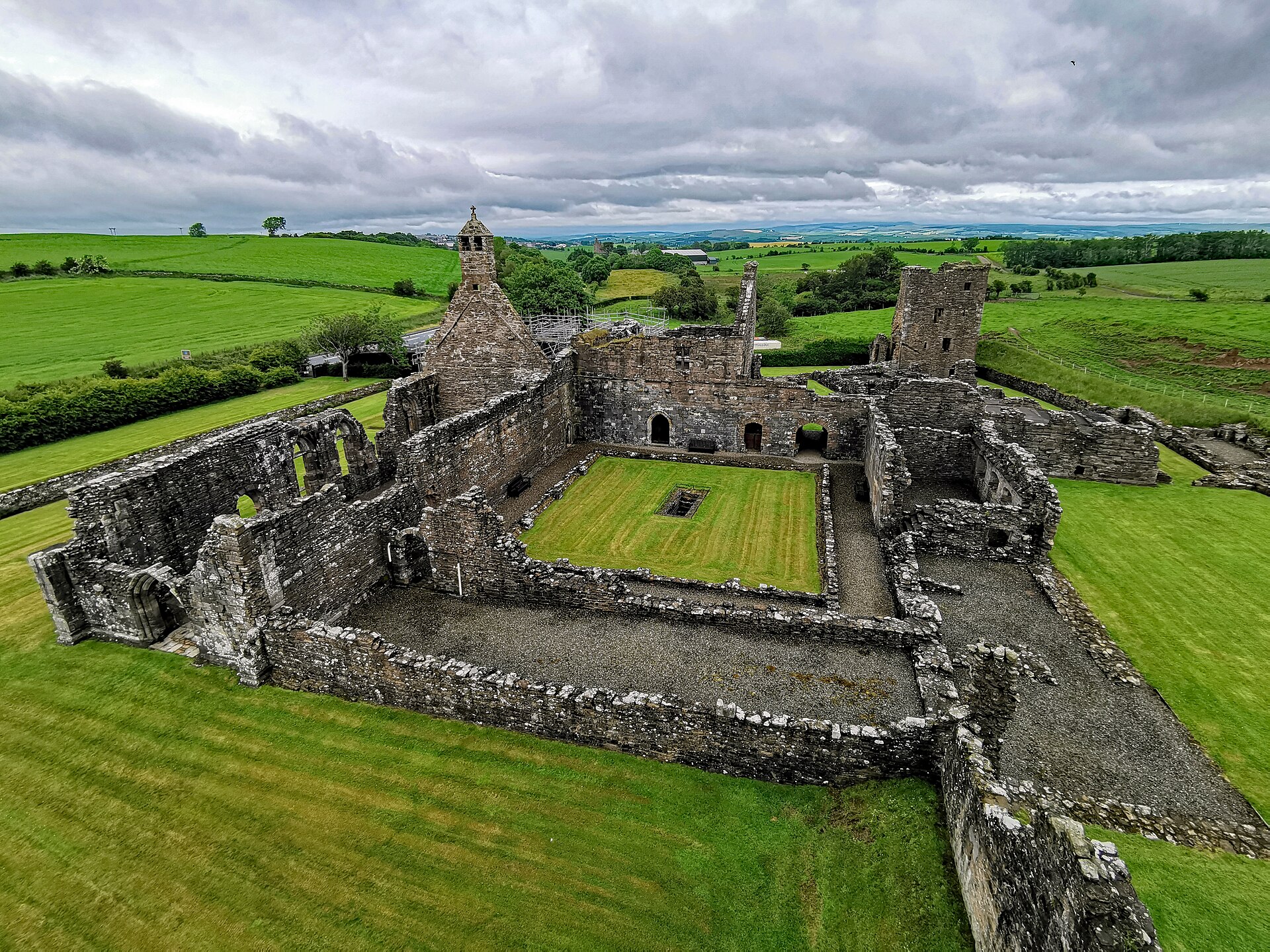
Crossraguel Abbey
South Ayrshire
A ruined Cluniac monastery near Maybole that still keeps its church, covered walkways and dovecote.
Questions people ask
- How many times has the site been fortified?
- Three. The earliest was a promontory fort, probably a fortified farmstead, enclosing around an acre behind four concentric curved ditches each about 3 metres wide, which cut off the headland and left a single causeway for access. The site was reused in the twelfth century, and the standing tower house is fifteenth-century.
- Who built the tower house?
- The Lords of the Isles. John, Earl of Ross and Lord of the Isles, forfeited the lands of Greenan in 1476 for treason against James III, and in 1493 James IV granted them to William Douglas, son of Archibald, Earl of Angus. The castle later passed to the Kennedy family.
- What was in the courtyard?
- Traces of a walled courtyard and outbuildings survive beside the tower, probably stables and a kitchen block — the tower is small and has no kitchen inside its walls.
- What happened here in 1602?
- On the morning of 12 May, Sir Thomas Kennedy of Culzean and his servant Lancelot Kennedy mounted their horses in the courtyard to ride to Edinburgh. A few miles on, in the woods of St Leonards, they were ambushed and Sir Thomas was murdered. The Muirs of Auchindrain, father and son, were later executed for their part in it, and the episode gave Sir Walter Scott the material for a short play, An Ayrshire Tragedy.
Sources
The Ancient Codex, in your pocket
Get the Pocket Codex app
Carry the directory with you — Greenan Castle and thousands of ancient places across Britain and Ireland, offline, wherever you roam.