
Broughty Castle guards the mouth of the River Tay and shows five centuries of adaptation: a late-medieval tower house repeatedly reshaped for artillery, coastal defence and finally a public museum.
Broughty Castle’s central tower and its later gun positions command the waterfront at Broughty Ferry, where the Tay opens into the sea. The site had been fortified by 1454, and the castle was completed around 1495 under Andrew, 2nd Lord Gray.
Its position made it central to the Rough Wooing. English forces occupied it from 1547 until 1550 and added extensive defences, recognising that control here could affect Dundee, Perth and use of the Tay. It was attacked again in 1651, then substantially rebuilt as a modern coastal battery in the 19th century.
Military use finally ended after the Second World War. Broughty Castle opened as a public museum in 1969, placing local maritime, whaling and military history within the defensive fabric of the site.
What follows is drawn from published sources, with each claim labelled by how firmly it is established.
History
George Douglas, 4th Earl of Angus, received permission to fortify the site in 1454. Andrew, 2nd Lord Gray, was granted the castle in 1490 and built the four-storey tower house that forms the centre of the surviving complex, completed around 1495. After Pinkie in 1547, Lord Gray of Foulis surrendered Broughty Castle to the English. The garrison made it a stronger artillery position, cutting a ditch across the promontory and adding defences with the advice of the Italian engineer Giovanni di Rossetti.
French and Scottish forces recovered the castle in February 1550 after a prolonged siege. Mary of Guise watched the successful assault across the Tay; the English garrison surrendered six days later, returning the strategic river mouth to Scottish control. The War Office acquired the castle in 1855 and rebuilt it to designs by Robert Rowand Anderson from 1860. New wings, courtyards, a caponier and positions for nine heavy guns prepared it for modern coastal defence, a role retained until 1932 and again during the Second World War.
People
-
Andrew, 2nd Lord Gray
Received Broughty in 1490 and completed the surviving four-storey tower house around 1495, establishing the castle’s medieval core.
-
Mary of Guise
Regent who observed the French and Scottish recovery of the castle in 1550.
-
Robert Rowand Anderson
Designed the War Office’s 1860 rebuilding, adding courtyards, a caponier and heavy-gun positions for modern coastal defence.
Cultural influences
-
Successive gun defences transformed the medieval castle into a modern river-mouth battery.
Connections
-
River Tay
The castle’s commanding position at the river mouth explains its long military importance.
-
Dundee
The castle’s possession was understood to affect access to Dundee and the Tay.
-
Leisure & Culture Dundee
Operates Broughty Castle Museum, which interprets the site’s maritime, whaling and military history after its twentieth-century military closure.
In culture
-
Museum opened in 1969, with displays on local maritime, whaling and military history.
What to look for
-
Four-storey tower
The four-storey tower house built around 1495 by Andrew, 2nd Lord Gray, remains the core of the enlarged coastal fortress.
-
Gun emplacements and caponier
The rebuilt courtyard, caponier and nine heavy-gun positions show Robert Rowand Anderson’s nineteenth-century conversion into a coastal battery.
-
River mouth setting
At the Tay mouth, the waterfront position explains why control of the castle affected approaches to Dundee and the river.
Plan your visit
- Location
- 56.4628°N · 2.8703°W
- Access
- Open access
- Terrain
- Easy going
- Parking
- Free surface parking is available at the castle, including two Blue Badge bays about 29–31 metres from the entrance.
- Start point
- The castle is reached from its tarmac car park via a dropped kerb; some cobbles may require wheelchair assistance.
- Time needed
- About 90 minutes
- Best time
- Visit during published museum opening hours and in dry daylight, when the castle, displays and coastal setting can be explored comfortably.
- What survives
- Broughty Castle is a substantially preserved coastal fortress at the mouth of the Tay, combining its fifteenth-century tower with later defensive work; its museum occupies the historic building and its observation deck overlooks the estuary.
- Facilities
- Visitor facilities are provided through Broughty Castle Museum; check current council information for opening and amenities.
Opening & admission
Check Dundee City Council or Broughty Castle Museum’s current opening hours before travelling.
- The museum is in the castle and opening arrangements can change seasonally.
Nearby places
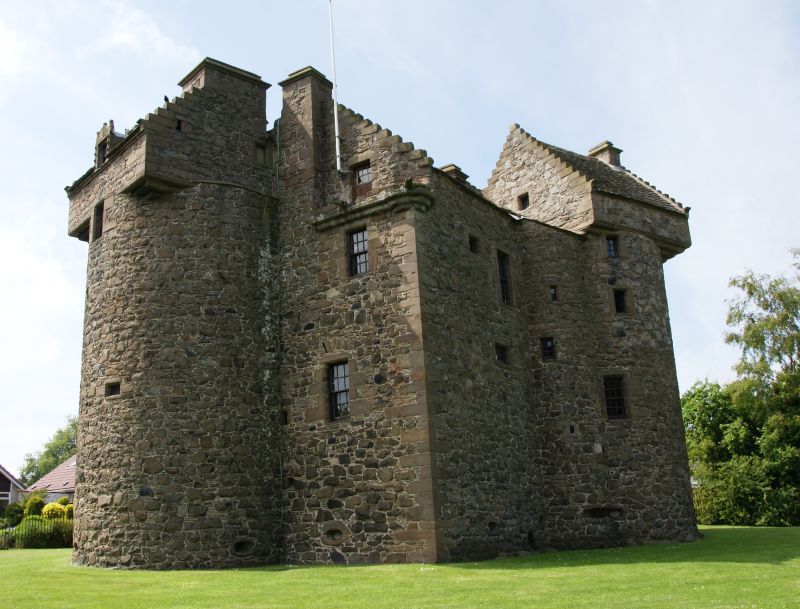
Fortified place · Medieval
Claypotts Castle
Dundee City
Claypotts Castle is one of Scotland’s best-preserved sixteenth-century Z-plan tower houses, combining a compact domestic residence with a striking…
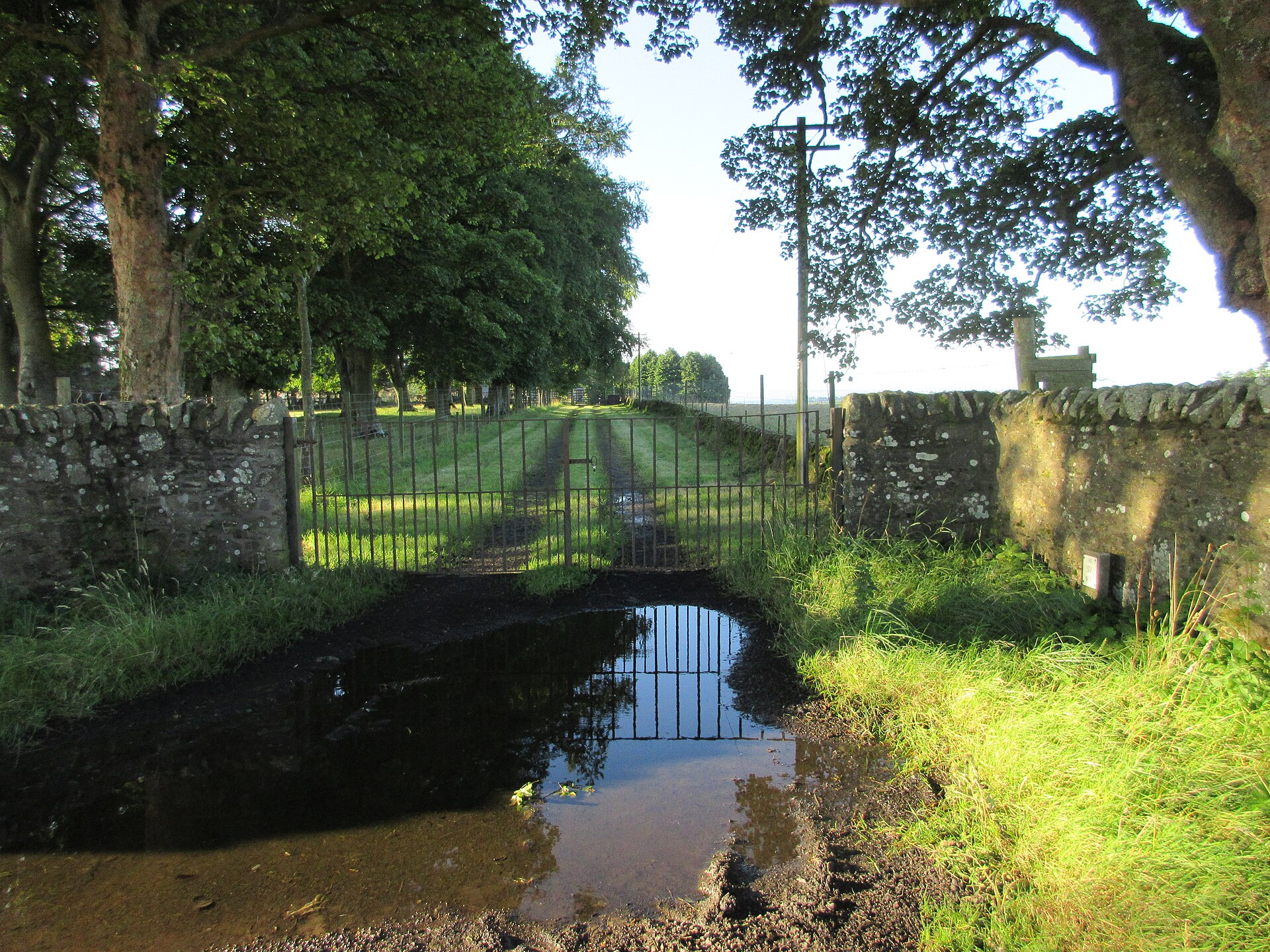
Fortified place · Medieval
Affleck Castle
Angus
Its interior has scarcely been touched since the 1700s: spy-hole, private chapel and mural bedrooms all still in place, making it one of the most c…
- Near Monifieth
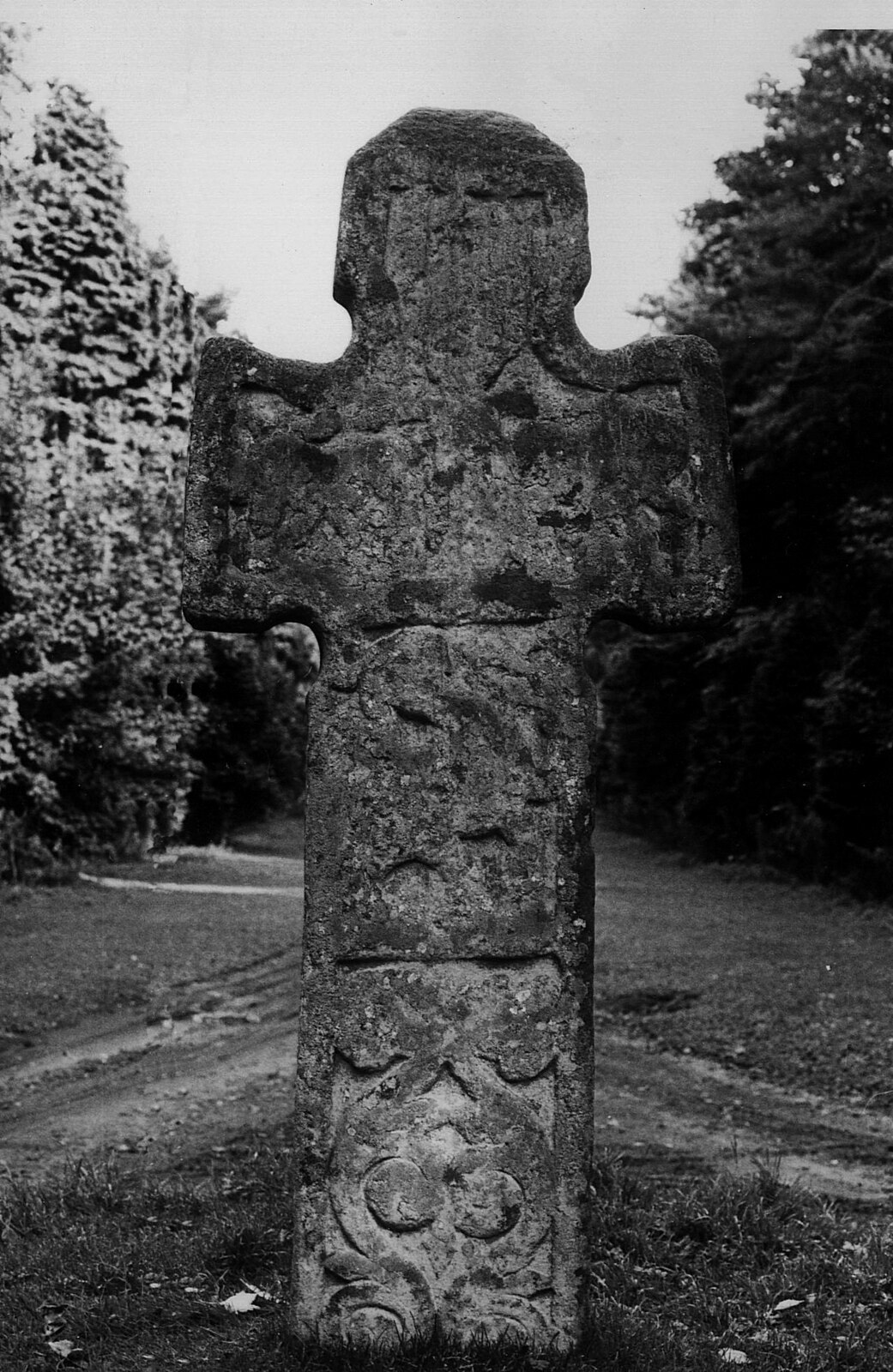
Carved stone · Pictish & early medieval
Camus Cross
Angus
One of only two intact freestanding crosses surviving in eastern Scotland, its carving points to Irish monastic influence rather than the Viking le…
- Easy path
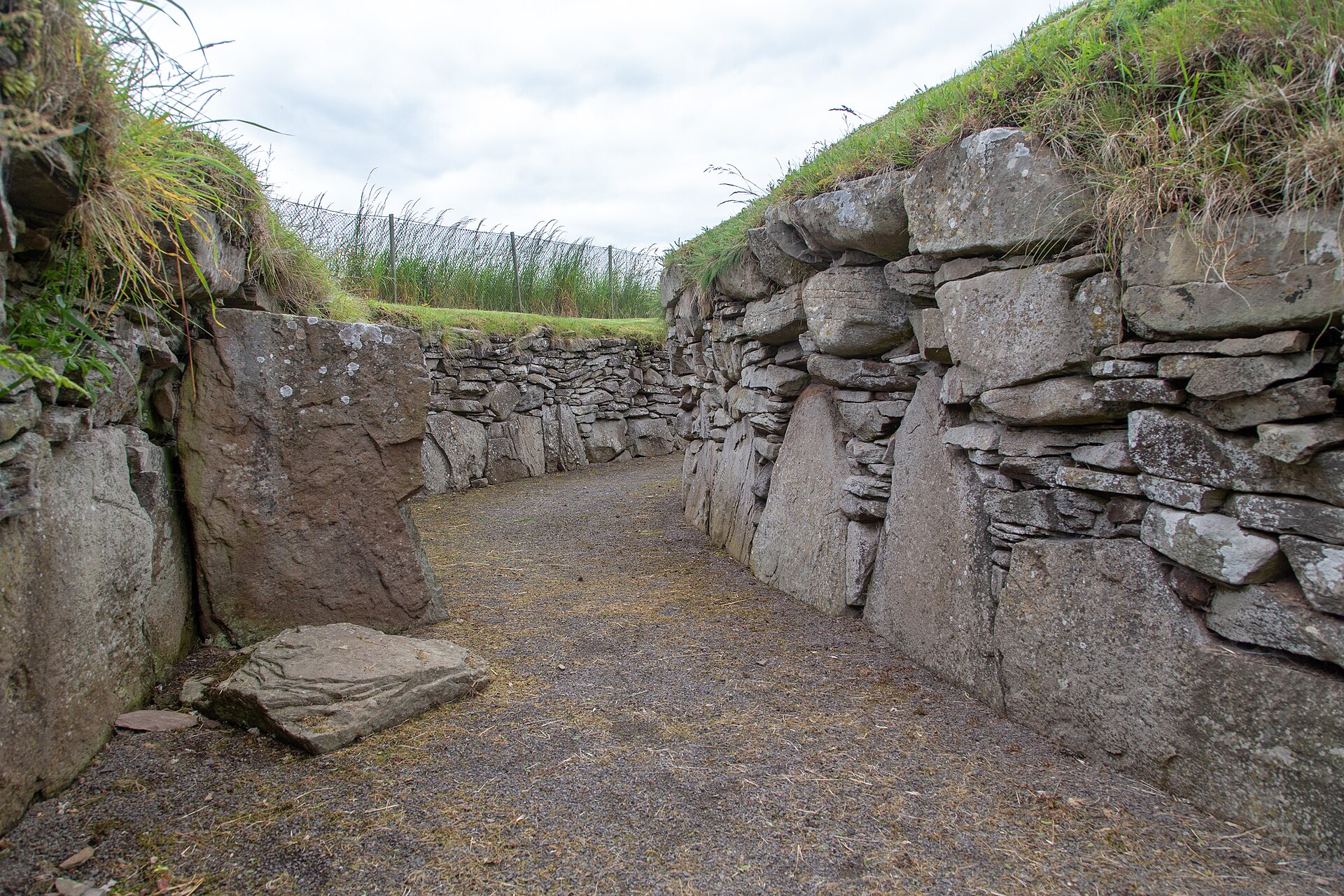
Building or ruin · Medieval
Tealing Earth House
Angus
Its walls incorporate two Bronze Age (roughly 2500–800 BC, when metal tools first spread) stones carved with cup-and-ring marks, built by Iron Age…
- Near Tealing
Questions people ask
- When was Broughty Castle built?
- The site was fortified by 1454, and the castle was completed around 1495. Its central four-storey tower was built by Andrew, 2nd Lord Gray, after he received the castle in 1490.
- Why did Broughty Castle matter during the Rough Wooing?
- Its position at the mouth of the Tay let its occupiers influence river traffic and the approaches to Dundee and Perth. English forces held and strengthened it from 1547 until French and Scottish forces recovered it in 1550.
- What is Broughty Castle used for now?
- After military use ended following the Second World War, the castle became a public museum in 1969. It presents local maritime, whaling and military history.
Sources
The Ancient Codex, in your pocket
Get the Pocket Codex app
Carry the directory with you — Broughty Castle and thousands of ancient places across Britain and Ireland, offline, wherever you roam.