A single 1691 meeting in these ruins produced a treaty of bribes that were never paid and secret terms the negotiator later denied, brokered on the eve of the Massacre of Glencoe.
Two broken walls, one still carrying a trace of stone corbelling, rise beside the farm buildings of Achallader at the northern end of Loch Tulla, sheltering livestock where a garrisoned tower once stood three storeys high with a garret above. Shot-holes once studded its walls, built for defence in a landscape where control of this pass changed hands by treachery as often as by inheritance.
The tower’s story is less about architecture than about the people who fought over it and met inside it. Raised in the 16th century near Bridge of Orchy, it passed from the Fletchers to the Campbells of Glen Orchy through an act of calculated betrayal, was burned by the MacGregors within a generation, and later hosted a Highland peace commission and, in 1691, a treaty negotiation shadowed by bribery, broken promises and the massacre that followed at Glencoe.
What survives today is a fragment, protected as a scheduled monument, but the events it witnessed reach into some of the most consequential moments in Highland history: clan feud, forced exile, military reprisal, and the diplomacy, such as it was, that preceded one of Scotland’s most notorious atrocities.
What follows is drawn from published sources, with each claim labelled by how firmly it is established.
The name
The name is rendered in Scottish Gaelic as Caisteal Achaladair, taking its name from Beinn Achaladair, the hill under whose shadow the tower stands.
History
Achallader Castle was raised sometime in the 16th century near the northern end of Loch Tulla, close to Bridge of Orchy, and was added to over the following decades by successive clans holding the pass. Tradition credits the Fletchers, known then as Macinleister, as the first to settle and work the land on the Braes of Glenorchy, though the MacGregors also held sway over the district during the 15th century as a ruling clan of the area.
In 1587 Sir Duncan Campbell of Glen Orchy, remembered as Black Duncan, acquired the castle and its surrounding lands through treachery and betrayal of the Macinleister chief. What is said to have followed was a manufactured dispute: an English servant of Black Duncan's was ordered to pasture his horse in the Fletchers' corn, and when he ignored a warning given in Gaelic he did not understand, the Fletchers shot him.
Black Duncan then feigned concern that the Fletcher laird would hang for the killing and urged him to flee to France, persuading him to hand over the property supposedly only until his return, so it would not be forfeited to the Crown. The Fletchers never recovered Achallader, and in 1603 the MacGregors burned the castle, a further blow in the ongoing contest for control of the pass.
In the summer of 1683 a Commission for the settlement of the Highlands, led by Sir William Drummond of Cromlix, stayed at the castle while carrying out its work. Among those it welcomed was McIain, chief of the MacDonalds of Glencoe, who would later become a victim of the massacre carried out in his clan's name. In 1689, with William III and Mary II newly on the throne, McIain's men, returning from their victory at Killiecrankie and their repulse at Dunkeld, pulled down what they could of the already weakened castle. It was never rebuilt, and stood from that point as a ruin open to the sky.
In June 1691 John, Earl of Breadalbane, acting under authority from King William, met the Highland chiefs amid the ruins of Achallader to negotiate a treaty of submission. Through a mixture of threats, promised bribes and duplicity he won the agreement of most clans present, though not McIain's, and secretly promised the chiefs a right to seek release from their oaths to the exiled James VII and II, a provision he later denied and a bribe that was never paid.
People
-
Sir Duncan Campbell of Glen Orchy (Black Duncan)
Acquired Achallader and its lands from the Fletchers in 1587 through betrayal of their chief.
-
McIain
Chief of the MacDonalds of Glencoe who stayed at Achallader in 1683, whose clansmen helped pull down the ruined castle in 1689, and who was later killed in the Massacre of Glencoe.
-
John Campbell, Earl of Breadalbane
Negotiated with the Highland chiefs at Achallader in June 1691 on King William's authority, using bribery and threats to secure a treaty whose promised payments never materialised.
-
Sir William Drummond of Cromlix
Led the 1683 Commission for the settlement of the Highlands that stayed at Achallader Castle.
Connections
-
Massacre of Glencoe
McIain, who stayed at Achallader in 1683 and whose clan pulled down the castle in 1689, was later killed in the Massacre of Glencoe, an episode the 1691 treaty negotiated at Achallader directly foreshadowed.
-
Clan Campbell of Glenorchy (Earls of Breadalbane)
Sir Duncan Campbell of Glen Orchy took the castle from the Fletchers in 1587, and his descendant John, Earl of Breadalbane, later used its ruins to negotiate the 1691 treaty with the Highland clans.
-
Clan MacGregor
Rival claimants to power in Glenorchy during the 15th century, the MacGregors burnt Achallader Castle in 1603.
-
Clan Fletcher of Glenorchy (Macinleister)
Recorded as the first clan to settle and work the Braes of Glenorchy, the Fletchers held Achallader before losing it to Sir Duncan Campbell in 1587.
-
Killiecrankie and Dunkeld
McIain's clansmen passed through Achallader in 1689 on their return from the Jacobite victory at Killiecrankie and the repulse at Dunkeld, pulling down the castle's remaining structure as they went.
Discovery & excavation
No excavation is recorded; the surviving remains have instead been maintained as a standing ruin and are protected as a scheduled monument.
What to look for
-
Surviving corbelled wall
Of the tower's original three storeys and garret, only two walls now stand, one retaining a trace of stone corbelling that once supported an upper projection.
-
Shot-holes
The castle was formerly defended by shot-holes cut through its walls, evidence of its role as a working stronghold rather than a purely residential house.
-
Farm buildings within the ruin
The remaining walls now shelter the farm buildings of Achallader Farm, which occupy the site of the former tower house.
What is said
Folklore and tradition, recorded as what is said — not as established fact.
-
The killing of the English servant
It is said that Black Duncan ordered an English servant, or soldier, to pasture his horse in the Fletchers' corn, and that when the Fletchers warned him off in Gaelic he did not understand and refused to move the animal, leading them to shoot him — a killing tradition holds Black Duncan then used to force the Fletcher laird into exile and surrender of the castle.
Plan your visit
- Location
- 56.5599°N · 4.7316°W
- Access
- Open access
- Terrain
- Rough ground — reasonable boots advised
- Time needed
- About 60 minutes
- What survives
- Only part of the tower survives as a roofless standing ruin on active farmland.
Opening & admission
Free to view as a scheduled monument on farmland; check locally before visiting.
- Ruins sit on active farmland at Achallader Farm, so approach with care
- Remote site off the A82 near Bridge of Orchy, roughly 3.5 miles of hill terrain
Nearby places
Fortified place · Medieval
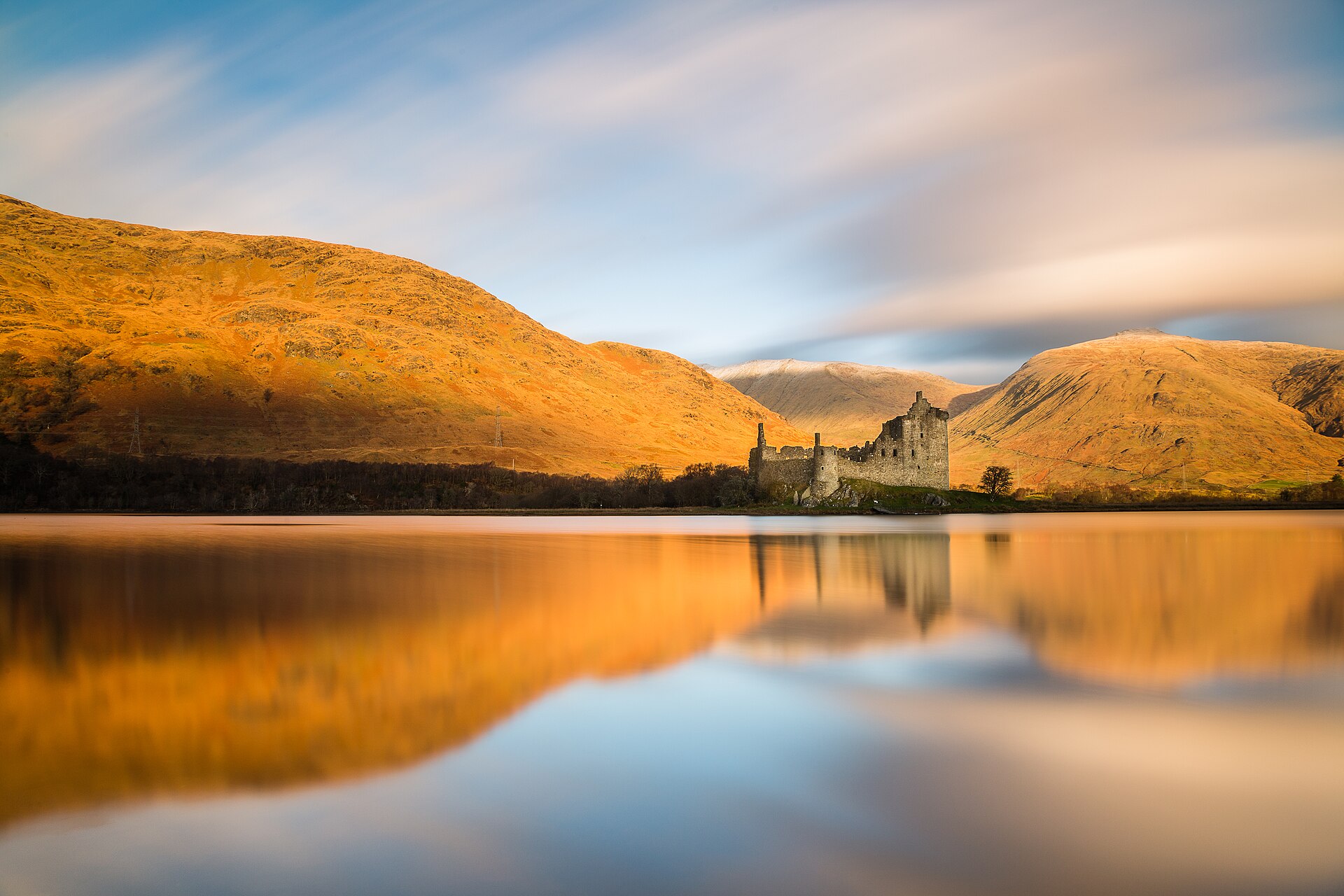
Kilchurn Castle
Argyll and Bute
On a rocky peninsula at the north-eastern end of Loch Awe, the ruined shell of Kilchurn Castle rises around a five-storey tower house first raised…
- Near Dalmally
- Some walking
Sacred place · Prehistoric
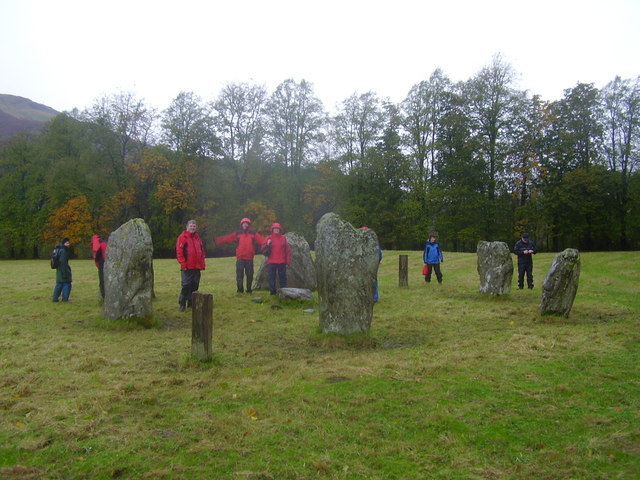
Killin Stone Circle
Stirling
Six schist slabs in a flattened ring by Loch Tay, with three cupmarks ground into the top of the northernmost.
- Easy path
Sacred place · Medieval
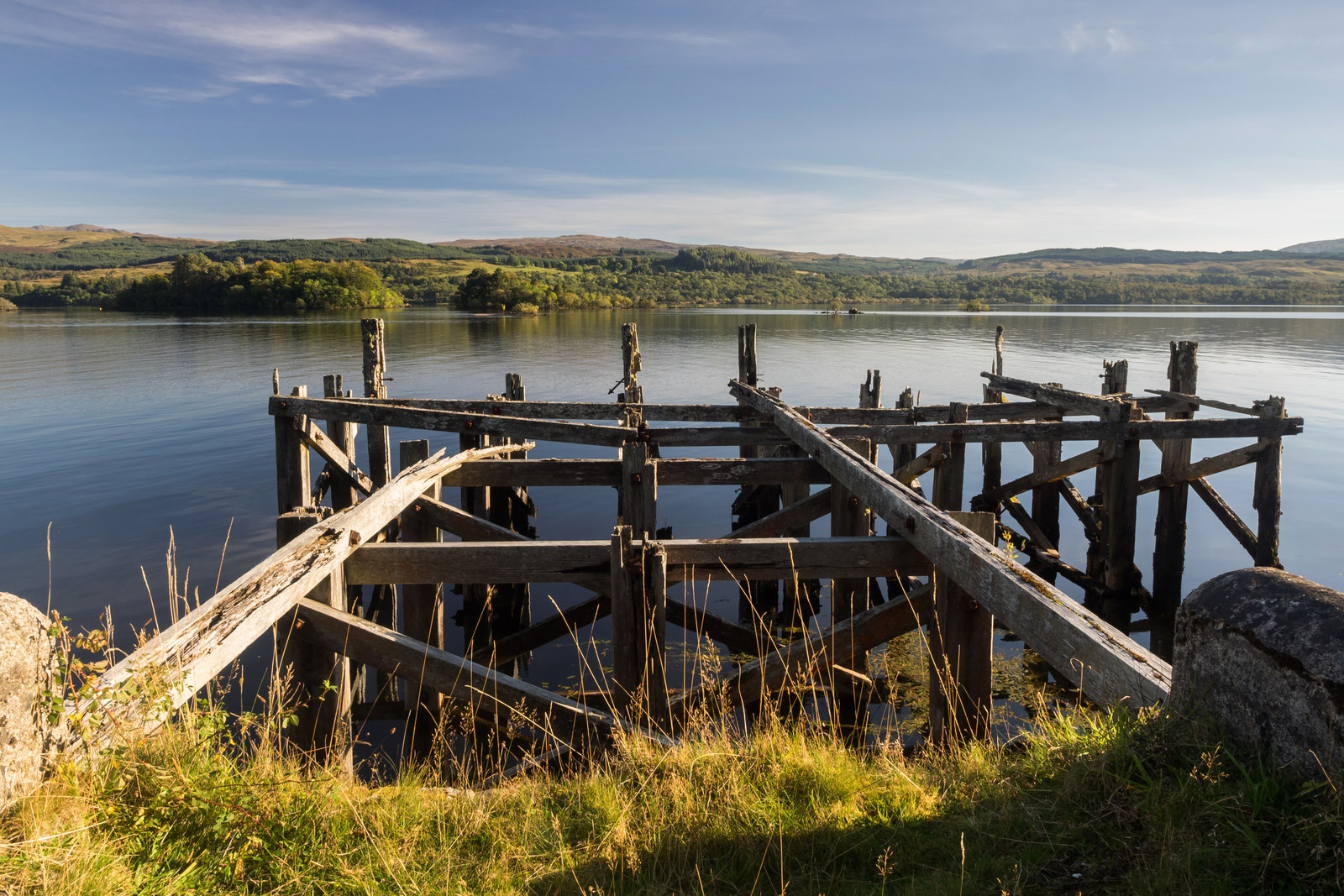
Chapel of St Fyndoca
Argyll and Bute
A carved grave-slab bearing arms for a galley and a boar's head ties this island ruin to the Campbells of Lochow, in a graveyard still used eight c…
- Near Cladich
- Rough ground
Building or ruin · Medieval
Bonawe Iron Furnace
Argyll and Bute
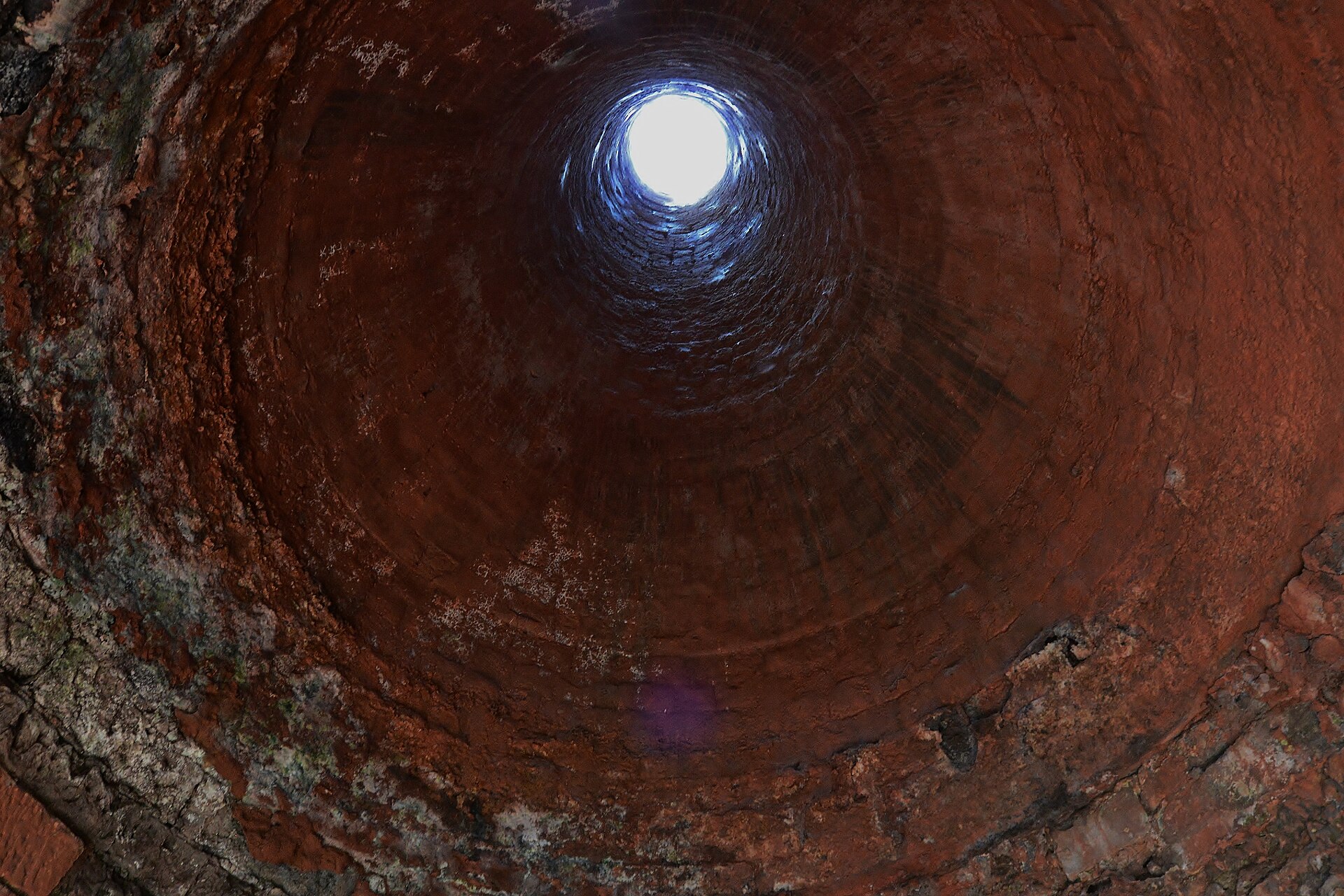
A charcoal-fired blast furnace that once employed 600 people to strip local woodland for fuel, shipping its pig iron south to Cumbria rather than f…
- Near Taynuilt
- Easy path
Questions people ask
- What is Achallader Castle?
- A ruined 16th-century tower house near Bridge of Orchy in Argyll and Bute, of which only two walls survive, now sheltering farm buildings.
- How did the Campbells gain control of Achallader?
- Sir Duncan Campbell of Glen Orchy, known as Black Duncan, acquired it in 1587 through betrayal of the Fletcher chief, tradition holds after engineering a killing that forced the Fletcher laird abroad.
- Why was the castle destroyed?
- The MacGregors burned it in 1603, and in 1689 MacDonald clansmen returning from Killiecrankie pulled down what remained; it was never rebuilt.
- What treaty was negotiated at Achallader?
- In June 1691 the Earl of Breadalbane met Highland chiefs among the ruins to negotiate submission to King William, using bribes never paid and secret terms he later denied.
- Is Achallader Castle protected today?
- Yes, the surviving remains are protected as a scheduled monument.
Sources
The Ancient Codex, in your pocket
Get the Pocket Codex app
Carry the directory with you — Achallader Castle and thousands of ancient places across Britain and Ireland, offline, wherever you roam.