The Knights Hospitaller of the Order of St John of Jerusalem were invited to Scotland in 1132 by David I, and the preceptory — their Scottish headquarters — was built in the 1140s around an existing…
Torphichen Preceptory is a church in the village of Torphichen, comprising the remains of the headquarters of the Knights Hospitaller of the Order of St John of Jerusalem in Scotland.
The place name may be Gaelic in origin — Tóir Féichín, the boundary or sanctuary of St Féichín — or Brythonic, comparable to the modern Welsh tref fechan, little town. The Gaelic reading, referring to the sanctuary stones set a mile around the village, is the likelier of the two.
The preceptory was built in the 1140s around an existing church, possibly of early Christian origin. It was expanded during the thirteenth century, when the buildings that still stand were first raised. The complex included a cruciform church with nave, central tower, transepts and choir — of which the tower and transepts remain — along with a number of domestic buildings including a hospital. The church was extended again in the fifteenth century and a cloister completed, of which only foundations survive. Very unusually, that cloister lay on the north side of the church, a feature seen elsewhere in Scotland only at Melrose.
After the Reformation the nave was converted for use as the parish kirk and the rest of the buildings fell into disrepair. The surviving crossing beneath the central tower nonetheless retains some of the best-preserved late twelfth and early thirteenth-century masonry in Scotland, with refined architectural detail. In 1756 the nave and domestic buildings were demolished and a new T-plan kirk built, furnished with early nineteenth-century box pews and galleries. The remnants of the preceptory served as a courthouse for some years. The central tower was re-roofed in 1947 and is now in state care, open in summer.
A sanctuary stone in the kirkyard marks the centre of an area of sanctuary that once extended one Scots mile in every direction. The east and west sanctuary stones still stand where they were set. It has been suggested that these stones are far older than the medieval preceptory, and may relate to the important Neolithic henge and burial mound at Cairnpapple Hill to the east.
What follows is drawn from published sources, with each claim labelled by how firmly it is established.
The name
The placename may be Gaelic in origin — 'Tóir Féichín', the boundary or sanctuary of St Féichín — referring to the sanctuary stones set roughly one Scots mile around the village, or Brythonic, cognate with modern Welsh 'tref fechan' ('little town'). The record favours the Gaelic sanctuary-stone reading over the Brythonic one.
History
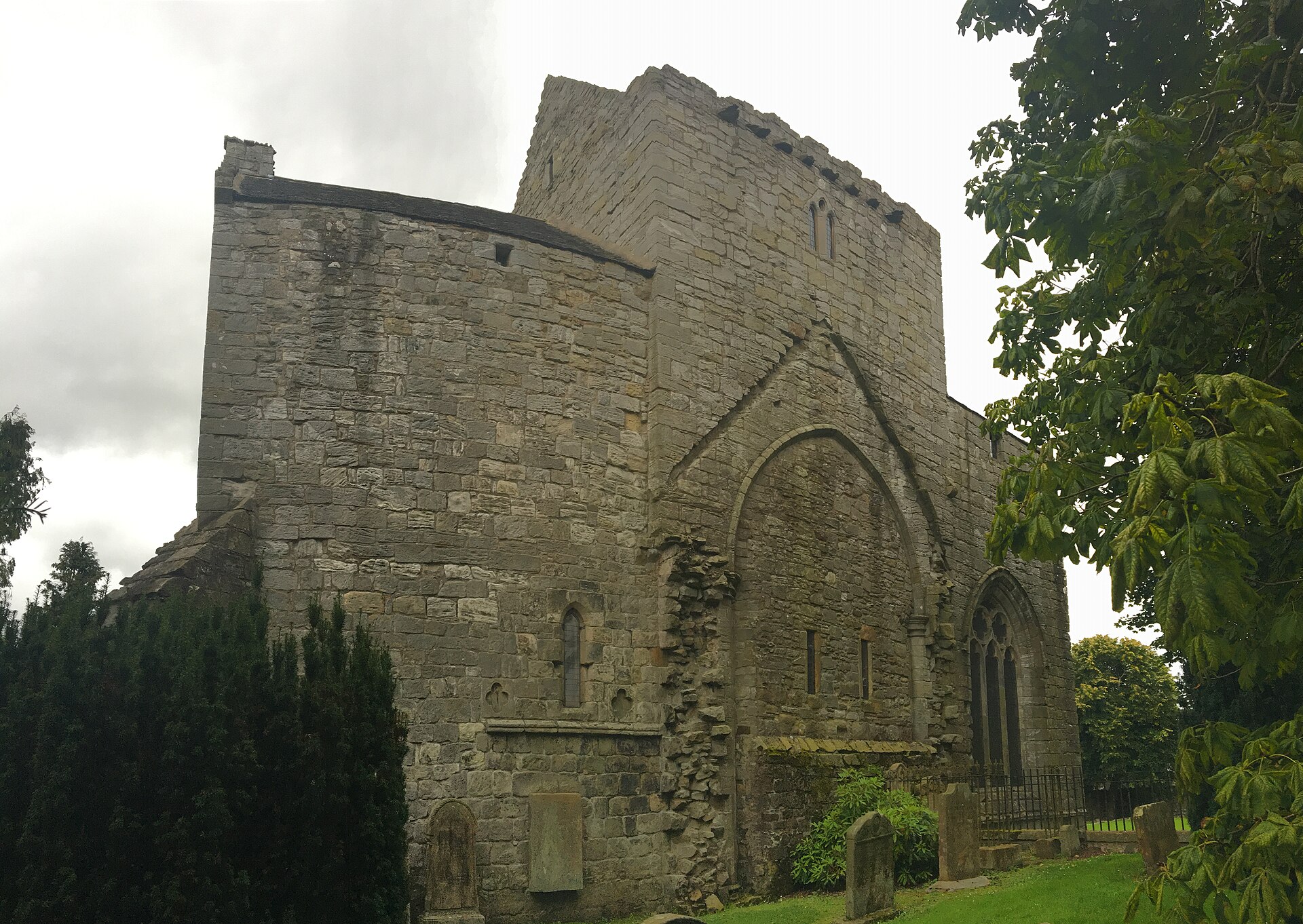
The Knights Hospitaller of the Order of St John of Jerusalem were invited to Scotland in 1132 by David I, and the preceptory — their Scottish headquarters — was built in the 1140s around an existing, possibly early-Christian, church. After the suppression of the Knights Templar in 1312, the Templar lands in Scotland were transferred to the Hospitallers, and Torphichen — second in Britain only to the Priory of Clerkenwell in London — benefited greatly from the transfer.
William Wallace held his last parliament here shortly before the Battle of Falkirk in 1298; the only surviving document signed by Wallace as Guardian of Scotland (Custos Regni Scotiae) was prepared at Torphichen. In 1298, at the Battle of Falkirk, Alexander de Welles, Master of Torphichen Preceptory, was killed. After the battle Edward I of England (Edward Longshanks) was brought to the preceptory for treatment of injuries sustained when his horse trod on him. The Hospitallers fought on the English side during the Wars of Scottish Independence and withdrew after the Scots victory at Bannockburn, returning under Robert the Bruce.
In February 1564 the last preceptor, Sir James Sandilands, surrendered the preceptory lands to the Crown — to his relative Mary, Queen of Scots — who returned them to him for a payment of 10,000 crowns together with the secular title Lord Torphichen. After the Reformation the nave was converted into the parish kirk; in 1756 the nave and domestic buildings were demolished and a new T-plan kirk built.
People
-
.jpg?width=320)
Photo: Unknown author / Wikimedia Commons / Public domain David I of Scotland
King who invited the Knights Hospitaller to Scotland in 1132
-
William Wallace
Guardian of Scotland who held his last parliament here and signed his only surviving Guardian document at Torphichen, 1298
-
Alexander de Welles
Master of Torphichen Preceptory, killed at the Battle of Falkirk in 1298
-
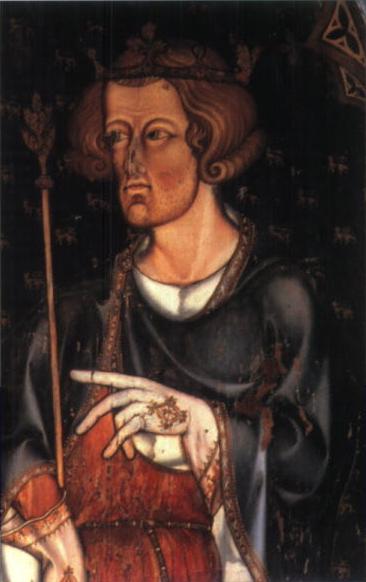
Portrait: Remiguis Goebel / Wikimedia Commons / Public domain Edward I of England
Brought to the preceptory for treatment after the Battle of Falkirk, 1298
-
Sir William Knollys
Preceptor; Lord High Treasurer of Scotland under James III and James IV, created Lord St John of Torphichen, held to have died at Flodden in 1513
-
Sir James Sandilands
Last preceptor; surrendered the lands to the Crown in 1564 and was granted the secular title Lord Torphichen
-
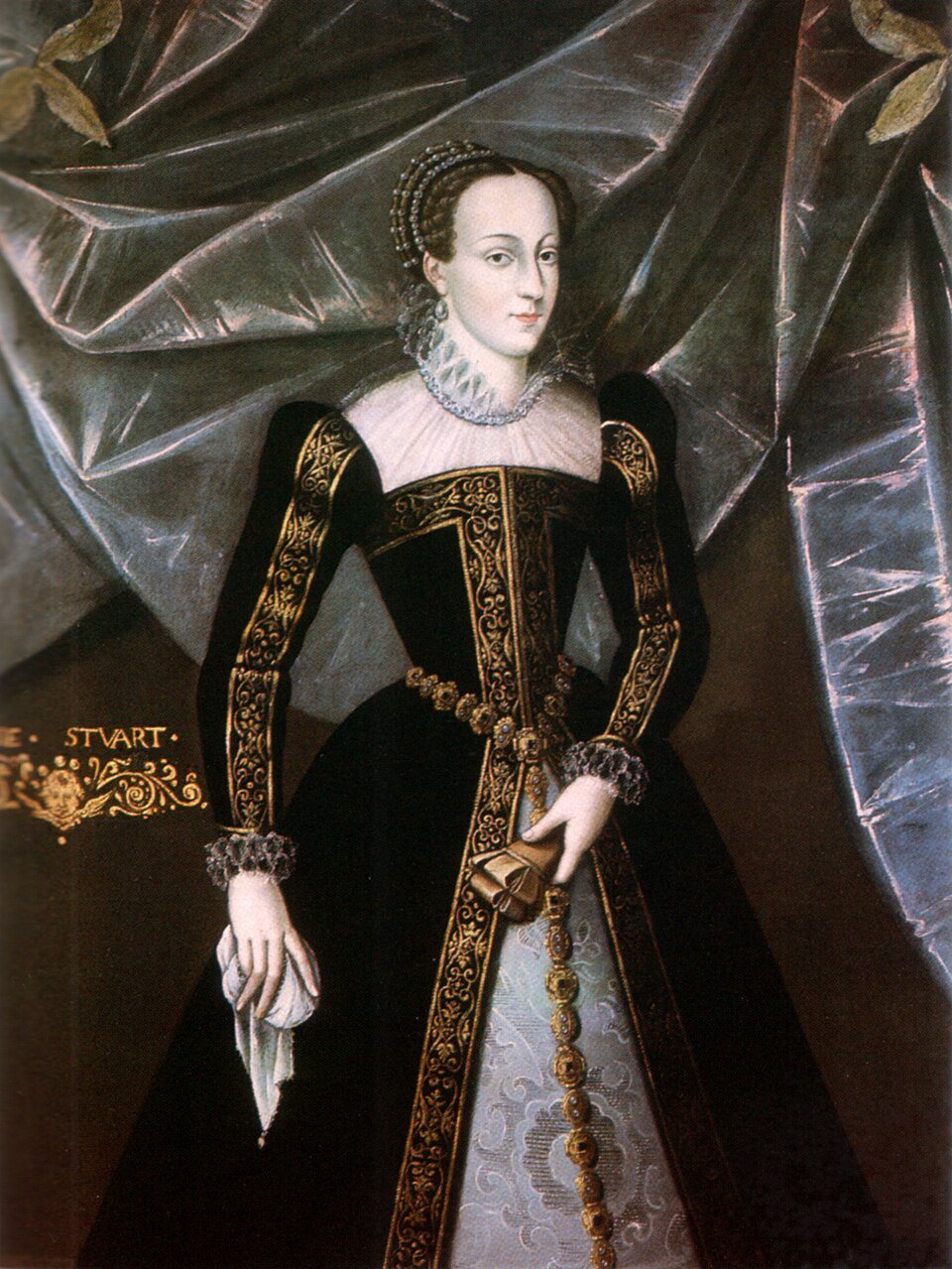
Portrait: Unidentified painter / Wikimedia Commons / Public domain Mary, Queen of Scots
Monarch and relative of Sandilands to whom the lands were surrendered and who returned them for 10,000 crowns
Cultural influences
-
The Knights Hospitaller — a crusading order founded in the Holy Land — whose Scottish administrative centre this was, shaping the site as a headquarters and hospital rather than a conventional monastery.
-
Late 12th–early 13th-century ecclesiastical architecture: the surviving crossing below the central tower retains some of the best-preserved masonry of its date in Scotland, with refined architectural detail.
Connections
-
Priory of Clerkenwell, London
Principal Hospitaller house in Britain; Torphichen was second only to it
-
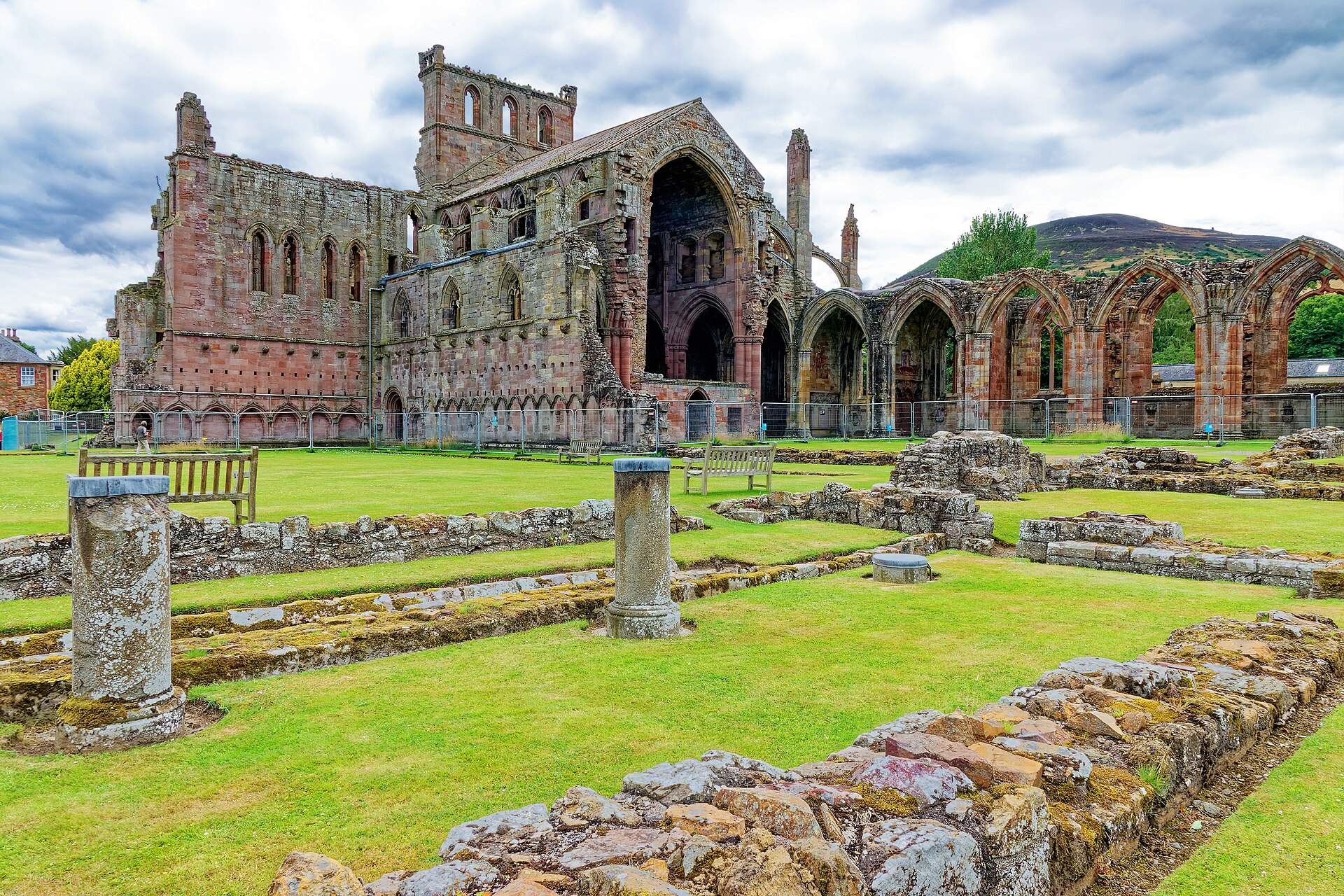
Photo: Holger Uwe Schmitt / Wikimedia Commons / CC BY-SA 4.0 The only other Scottish site sharing Torphichen's unusual north-side cloister placement
-
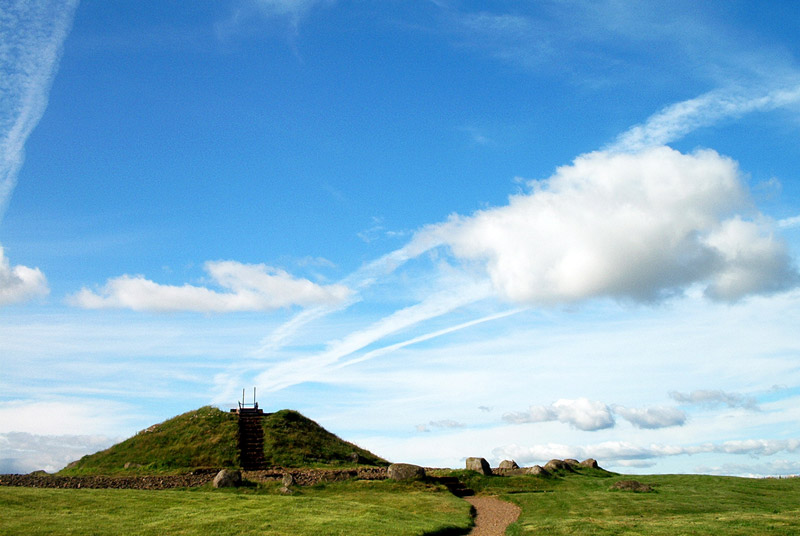
Photo: User:JeremyA / Wikimedia Commons / CC BY-SA 2.5 Neolithic henge and burial mound to the east, to which the village's sanctuary stones may be related
-
Battle of Falkirk (1298)
Battle, fought nearby, at which the preceptory's Master was killed and after which Edward I was treated here
-
Modern Order of St John of Jerusalem
Still uses the honorary post of Preceptor of Torphichen
What to look for
-
The tower and transepts
The surviving central tower and transepts of the medieval cruciform church — the crossing below the tower retains refined late 12th–early 13th-century masonry, among the best preserved of its date in Scotland.
-
The north cloister
The unusual cloister foundations on the north side of the church, a layout shared in Scotland only with Melrose Abbey.
-
The sanctuary stone
The central 'sanctuary stone' in the kirkyard, marking the centre of an area of sanctuary that once extended one Scots mile around; the east and west sanctuary stones still stand in their original positions and may predate the medieval preceptory.
-
The carved headstones
The large kirkyard's collection of 17th–18th-century headstones, with folk-art symbols of mortality and tools representing trades and professions.
-
The 1756 kirk
The 1756 T-plan parish kirk built over the site, furnished with early 19th-century box pews and galleries.
Plan your visit
- Location
- 55.9346°N · 3.6521°W
- Nearest settlement
- Torphichen
- Access
- Paid entry — managed visitor site
- Start point
- Torphichen · EH48 4NB
- Time needed
- About 60 minutes
- Start point
- Roadside parking by Torphichen Preceptory, in the village — Roadside/on-street parking in the village beside the parish church and preceptory; no dedicated HES car park. Postcode from HES getting-here page.
- Sat-nav
- EH48 4NB
Opening & admission
Ticketed — check the official site for current prices
Nearby places
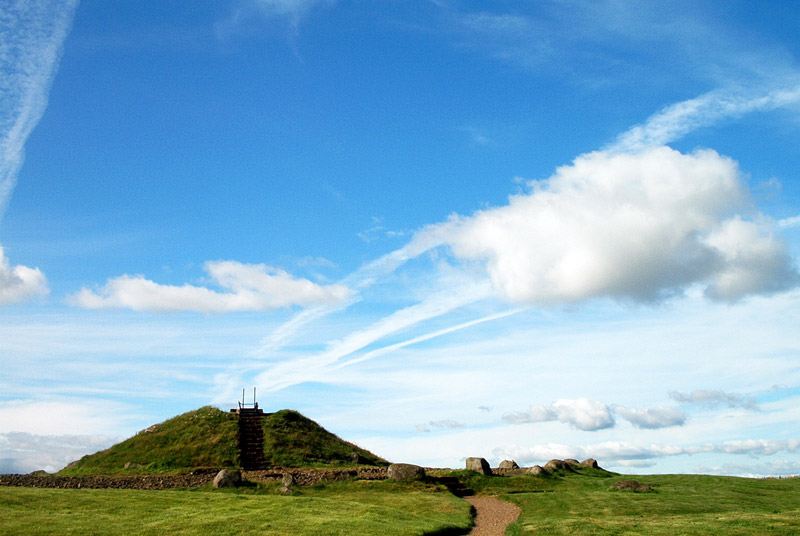
Sacred place · Prehistoric
Cairnpapple Hill
West Lothian
Cairnpapple Hill, on a dominating summit 312 metres above sea level with views from coast to coast in central lowland Scotland, was used and re-use…
- Near Bathgate
- 264 metres from car park
- Easy path
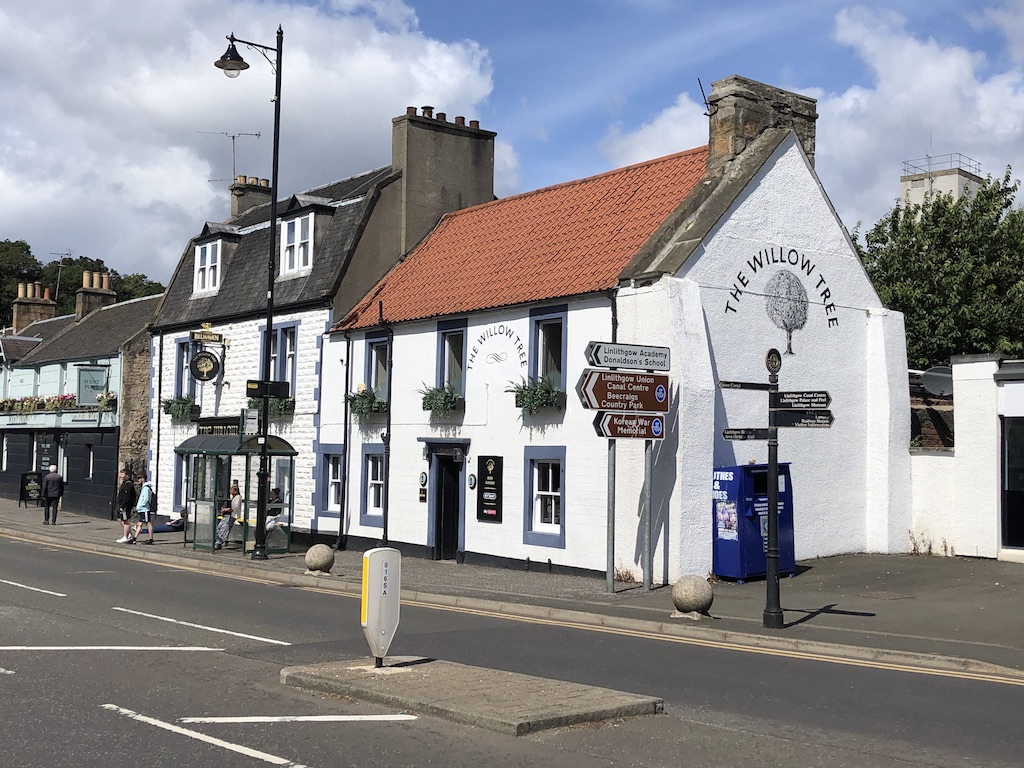
Ancient tree · Medieval
Katie Wearie's Tree
Perth and Kinross
Katie Wearie’s Tree was a named Linlithgow memorial to a drover girl, preserved in an early twentieth-century postcard even though little else is k…
- Near Perth and Kinross
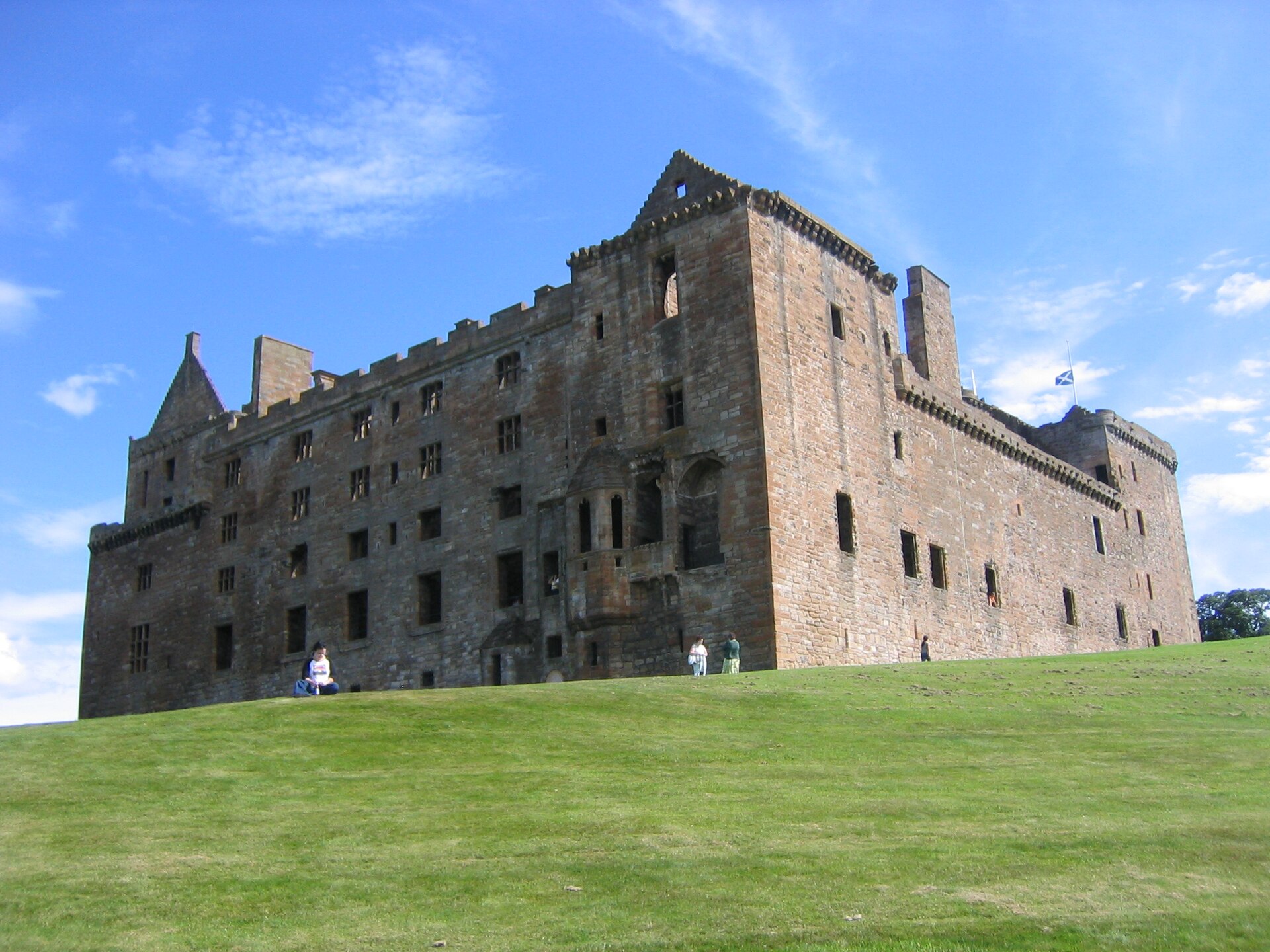
Building or ruin · Medieval
Linlithgow Palace
West Lothian
Taken back from the English by a hay merchant in 1313, birthplace of Mary Queen of Scots, and burned by accident in 1746.
- Near Linlithgow
Fortified place · Roman
Inveravon
Falkirk
Inveravon is one of the Antonine Wall’s most uncertain fort sites, where limited excavation, geophysics and aerial photography reveal faint foundat…
- Some walking
Questions people ask
- Why is Torphichen important to the Knights Hospitaller?
- It was the Scottish headquarters of the Knights Hospitaller and second only to Clerkenwell among the order’s British sites; it gained further land after the Templars were suppressed in 1312.
- What survives of the preceptory?
- The church crossing beneath the central tower retains notably well-preserved late twelfth- and early thirteenth-century masonry. The tower was reroofed in 1947; the nave was replaced by a 1756 parish kirk.
Sources
- Canmore site record 47978 (accessed 2026-06-13)
- Wikipedia: Torphichen Preceptory (accessed 2026-06-13)
- Wikidata Q7826756 (accessed 2026-06-13)
- Historic Environment Scotland — Torphichen Preceptory (SM90305)
Explore more: Building or ruins · Medieval · West Lothian
The Ancient Codex, in your pocket
Get the Pocket Codex app
Carry the directory with you — Torphichen Preceptory and thousands of ancient places across Britain and Ireland, offline, wherever you roam.