
Katie Wearie’s Tree was a named Linlithgow memorial to a drover girl, preserved in an early twentieth-century postcard even though little else is known of her life.
Katie Wearie’s Tree was a Linlithgow landmark named for a drover girl. A postcard made between about 1900 and 1912, titled “Kate Wearie’s Tree, Linlithgow”, records both the tree and the local memory attached to it.
Katie Wearie is described as a drover girl, but the evidence currently attached to the site gives no dates, route or fuller biography. That small survival matters: the tree’s name retained an association with a working woman whose own history has otherwise almost disappeared.
The memorial belongs to the townscape of Linlithgow, near its palace, while the record’s broader regional filing remains under review. Its documented value is therefore as a named local memorial, not as a securely dated ancient tree.
What follows is drawn from published sources, with each claim labelled by how firmly it is established.
History
A postcard titled ‘Kate Wearie’s Tree, Linlithgow’, made between about 1900 and 1912, preserves an early twentieth-century record of the landmark and the name attached to it.
People
-
Katie Wearie
A drover girl, commemorated by the tree; the record gives her occupation and nothing further.
Cultural influences
-
Memory of droving
The tree commemorates Katie Wearie, a drover girl whose name survives despite the scant record of women’s work on the drove roads.
Connections
-
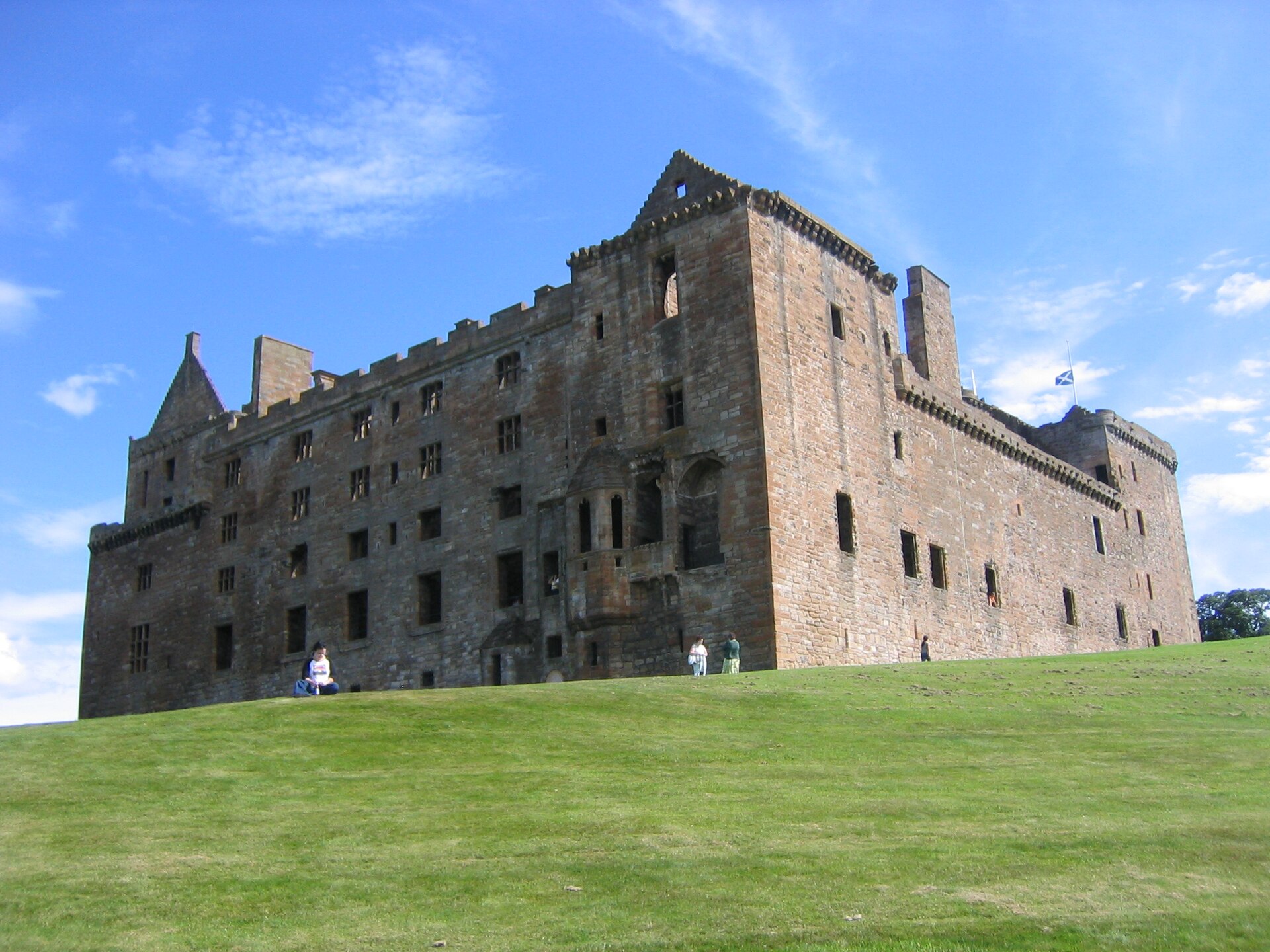
Photo: Alistair McMillan / Wikimedia Commons / CC BY-SA 2.0 Katie Wearie’s Tree belonged to Linlithgow’s historic townscape, in which the palace remains the best-known landmark; no direct historical association between the two has been identified.
-
Linlithgow
An early twentieth-century postcard titled “Kate Wearie’s Tree, Linlithgow” records the memorial tree as a named local landmark and anchors Katie Wearie’s surviving association with the town.
What to look for
-
The memorial character of the tree
The tree is recorded as a memorial as well as a tree, so what it marks matters more than what it is.
Plan your visit
- Location
- General area near Perth and Kinross, Perth and Kinross
- Nearest settlement
- Perth and Kinross
- Access
- Reached on a public path
- What survives
- Living-tree condition and access should be checked against current local guidance before any visit copy is expanded.
This is a sensitive or fragile site, so we show only its general area. Please check official heritage sources for access before visiting, and take care not to disturb it.
Nearby places
Building or ruin · Medieval
Linlithgow Palace
West Lothian
Taken back from the English by a hay merchant in 1313, birthplace of Mary Queen of Scots, and burned by accident in 1746.
- Near Linlithgow
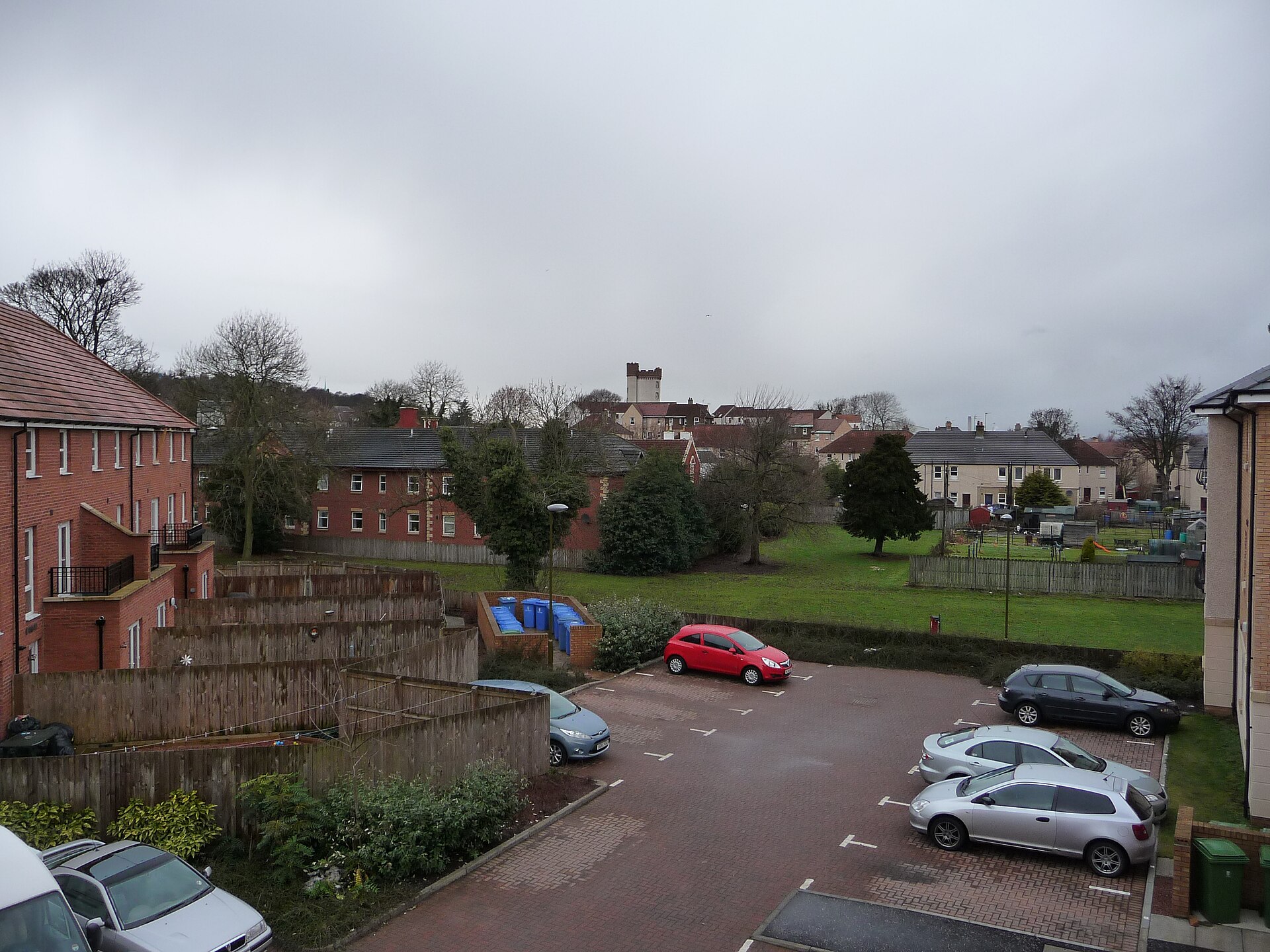
Building or ruin · Medieval
Bridgeness Slab
Falkirk
The Bridgeness Slab is the most detailed surviving Antonine Wall distance slab, combining a precise construction record with vivid Roman imagery of…
- Easy path
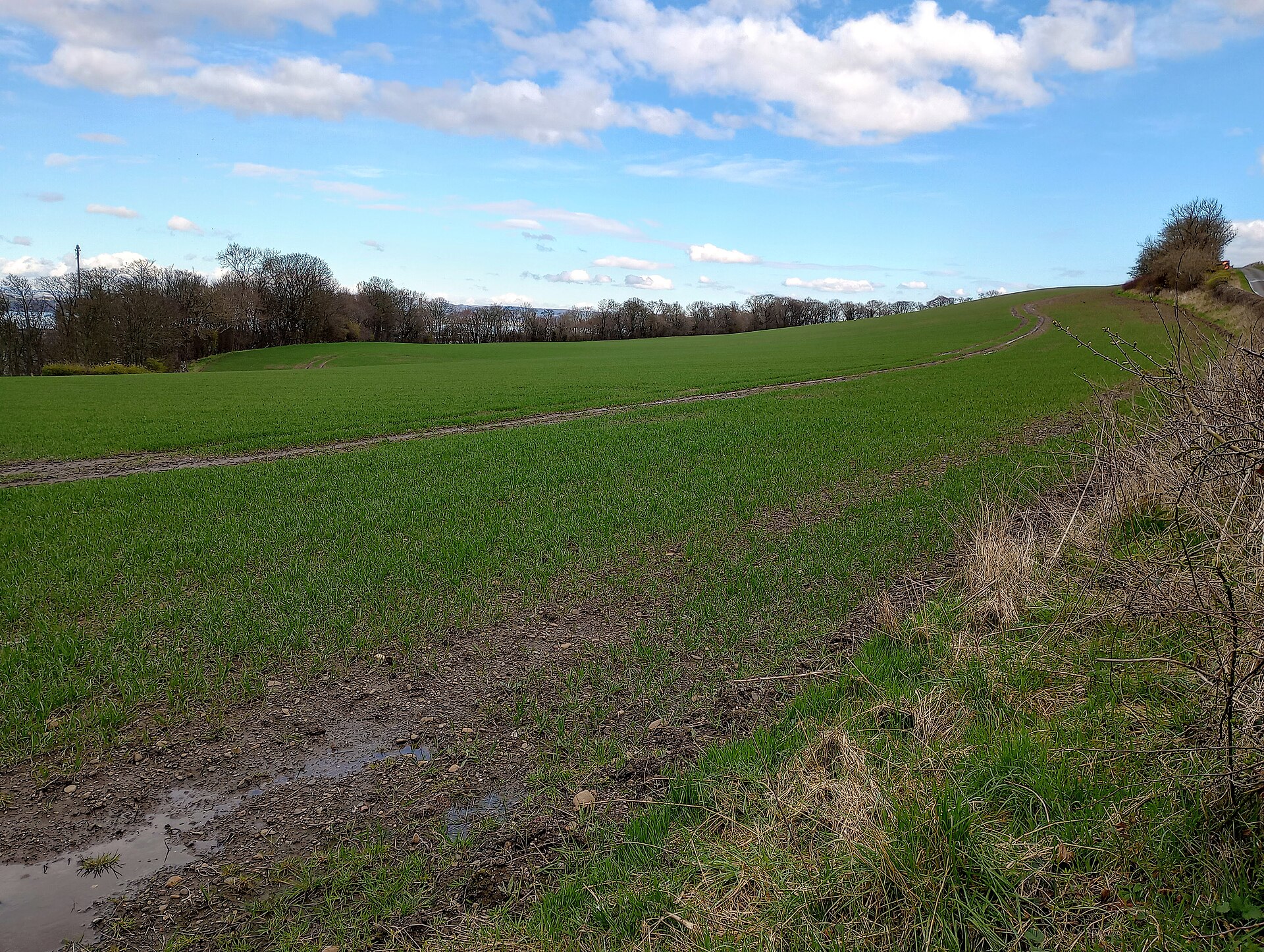
Fortified place · Roman
Inveravon
Falkirk
Inveravon is one of the Antonine Wall’s most uncertain fort sites, where limited excavation, geophysics and aerial photography reveal faint foundat…
- Some walking
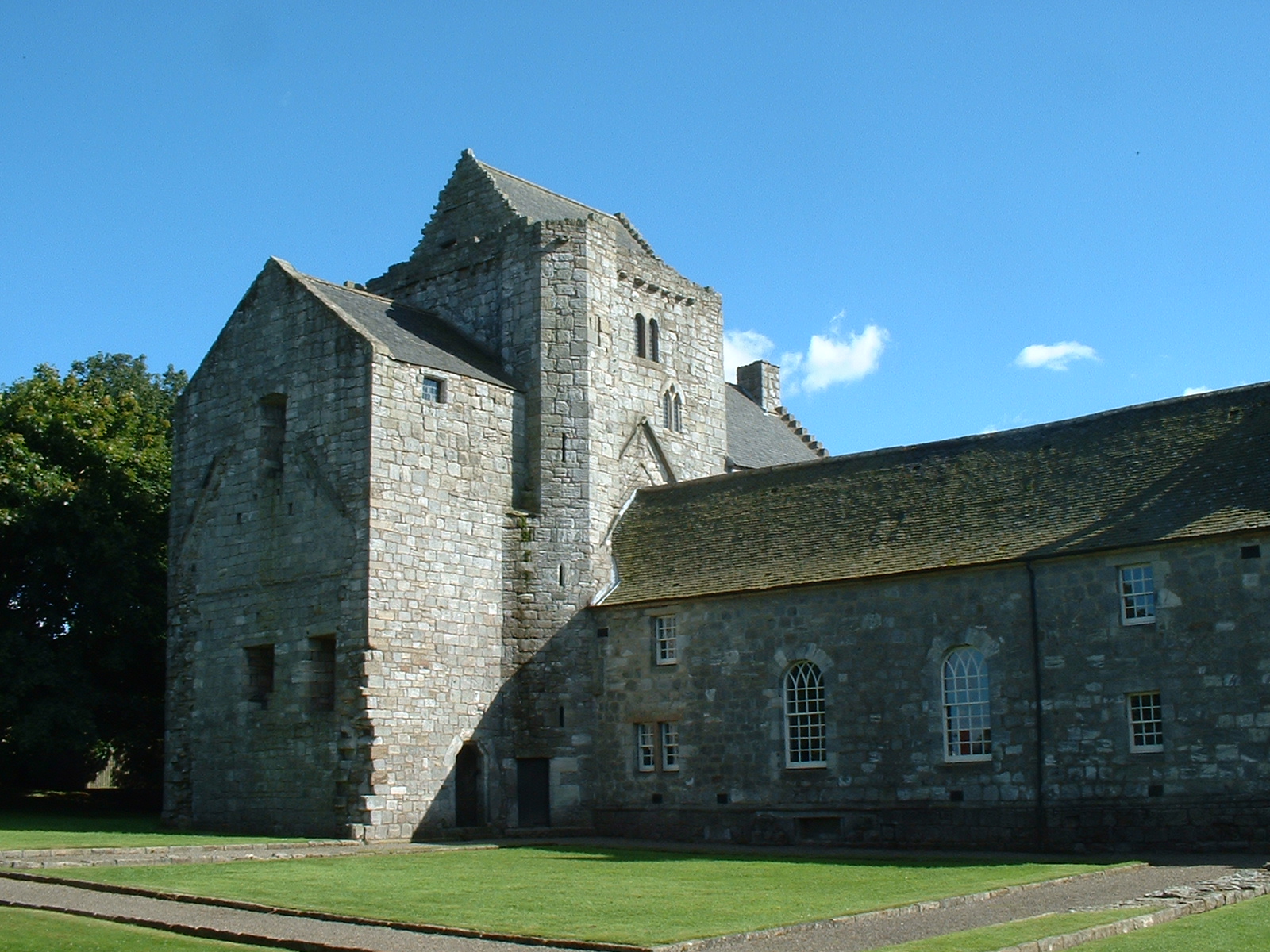
Building or ruin · Medieval
Torphichen Preceptory
West Lothian
The Knights Hospitaller of the Order of St John of Jerusalem were invited to Scotland in 1132 by David I, and the preceptory: their Scottish headqu…
- Near Torphichen
- 1 min walk from car park
Questions people ask
- Who was Katie Wearie?
- A drover girl. The record gives her name and occupation and nothing more; her dates and her route are not established by the available evidence.
- What kind of record is this?
- The tree is classed both as a tree and as a memorial, so its significance lies in the person it commemorates rather than in the tree itself.
Sources
The Ancient Codex, in your pocket
Get the Pocket Codex app
Carry the directory with you — Katie Wearie's Tree and thousands of ancient places across Britain and Ireland, offline, wherever you roam.