
Reached only by a motor boat that runs from March to September, Inchmahome holds the roofless thirteenth-century buildings of a monastic house founded in 1238 by Walter Comyn, Earl of Menteith — and the memory of the four-year-old Mary, Queen of Scots, hidden here for a few weeks in 1547 while the Scots army lay broken at Pinkie.
A motor boat from the pier at Port of Menteith is the only way onto Inchmahome, the largest of the three islands in the Lake of Menteith, and the roofless walls waiting among its trees have stood there since 1238. In that year Walter Comyn, Earl of Menteith, founded a house on the island for a small community of Augustinian canons — clergy who lived together under a shared monastic rule, and who were known from their habits as the Black Canons. It was a priory rather than an abbey — a monastery headed by a prior, usually smaller than an abbey, one rank below the houses that answer to an abbot. There is some evidence that a church already stood on the island before Comyn’s foundation.
The name is older than the buildings. Inchmahome comes from the Gaelic Innis MoCholmaig, ‘island of St Colmaig’ — innis, island, joined to a saint’s name, which is how the small monastic islands of medieval Scotland were generally named.
The Comyns were among the most powerful families in thirteenth-century Scotland, and their patronage explains both the choice of island and the calibre of the visitors who followed. Their own country house stood on Inch Talla, another island in the same loch, so the canons were established within sight of their patron’s hall.
For a house of this size the guest list is remarkable. Robert the Bruce came three times, in 1306, 1308 and 1310 — visits generally read as political rather than devotional, since the first prior had sworn allegiance to Edward I of England. The future Robert II stayed in 1358. In 1547, after the Scots army was broken at Pinkie in the war later called the Rough Wooing, the four-year-old Mary, Queen of Scots was hidden on the island for a few weeks.
That same year began the end of the community. The office passed to John, Lord Erskine, one of the local landowners then being appointed to monastic headships without sharing the aims of the houses they governed; Erskine went on to hold Cambuskenneth and Dryburgh as well. After the Scottish Reformation no new priests were ordained here, and land and buildings drifted into secular hands — to the Erskine family in 1606, later to the Marquess of Montrose, until the 6th Duke of Montrose gave the island into State care in 1926.
Much of the original thirteenth-century structure survives, roofless but standing, and the island is now a scheduled monument looked after by Historic Environment Scotland. In the ruined chancel, the east end of the church where the altar stood, lie the author and politician Robert Bontine Cunninghame Graham and his wife Gabriela, with a stone nearby commemorating his nephew and heir, Admiral A.E.M.B. Cunninghame Graham. Earlier burials recorded on the island include Walter Bailloch and Mary I, Countess of Menteith.
The crossing itself is short — a little under a kilometre of open water from the pier by the boat shed — but it is seasonal, and the boat is run by Historic Environment Scotland between March and September. There is no other way across.
What follows is drawn from published sources, with each claim labelled by how firmly it is established.
The name
Inchmahome derives from the Gaelic Innis MoCholmaig, 'island of St Colmaig' — innis (island) joined to a saint's name, a typical naming pattern for the small monastic islands of medieval Scotland.
History
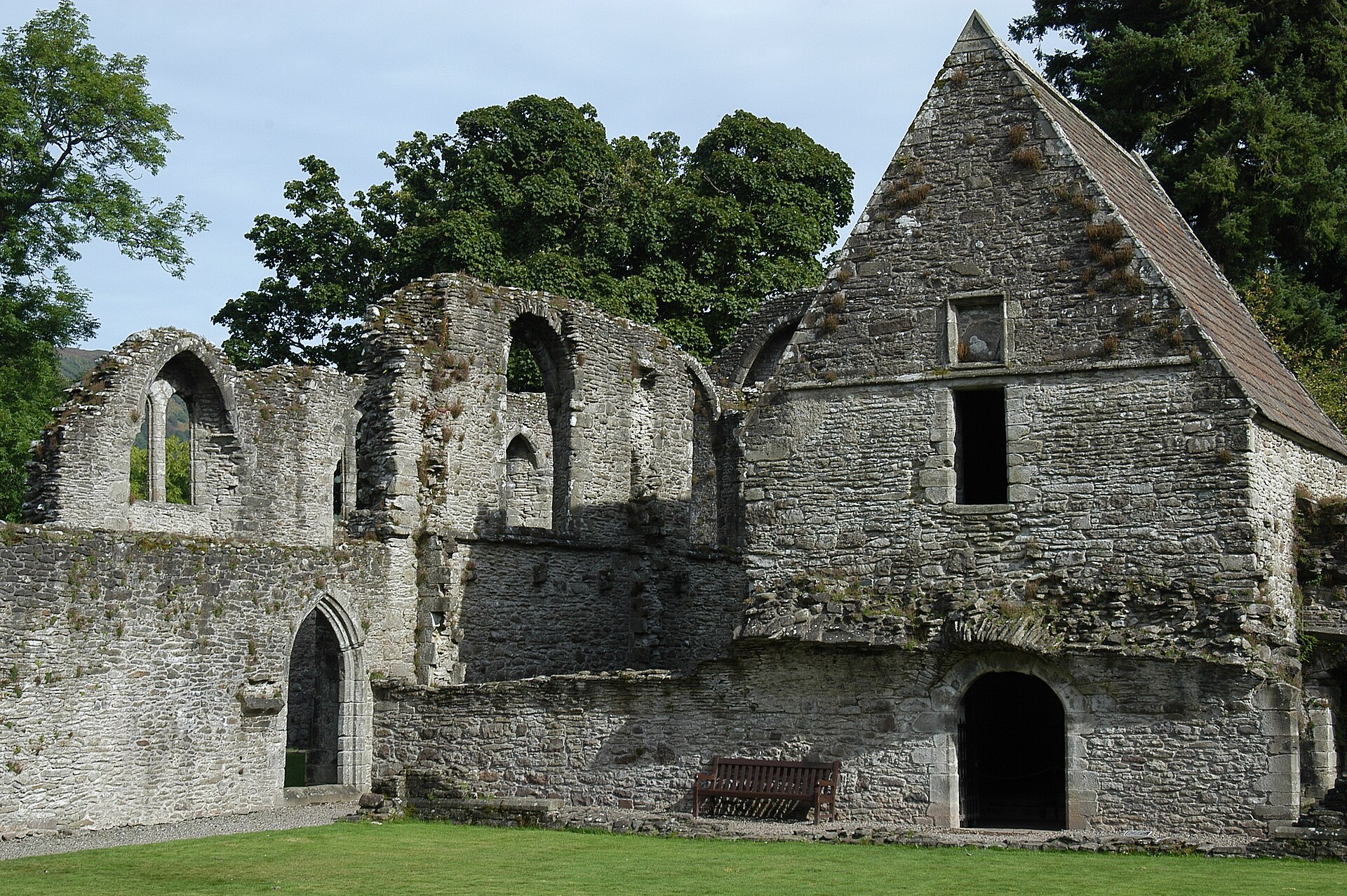
The priory was founded in 1238 by Walter Comyn, Earl of Menteith, for a small community of Augustinian canons (the Black Canons). There is some evidence that a church stood on the island before the priory was established. King Robert the Bruce visited three times — in 1306, 1308 and 1310 — visits thought to have been politically motivated, since the first prior had sworn allegiance to the English king Edward I.
In 1547 the priory sheltered the four-year-old Mary, Queen of Scots for a few weeks following the Scots' defeat at the Battle of Pinkie during the Rough Wooing. The future Robert II had earlier stayed at the priory in 1358. The priory declined through the 16th century as monastic offices were handed to local landowners; in 1547 the office passed to John, Lord Erskine. After the Reformation no new priests were ordained and the property passed into secular hands, eventually to the Erskine family (1606) and later the Marquess of Montrose. The 6th Duke of Montrose transferred it into State care in 1926.
People
-
Walter Comyn, Earl of Menteith
Earl of Menteith who founded Inchmahome Priory in 1238, establishing an Augustinian community on the Lake of Menteith island.
-
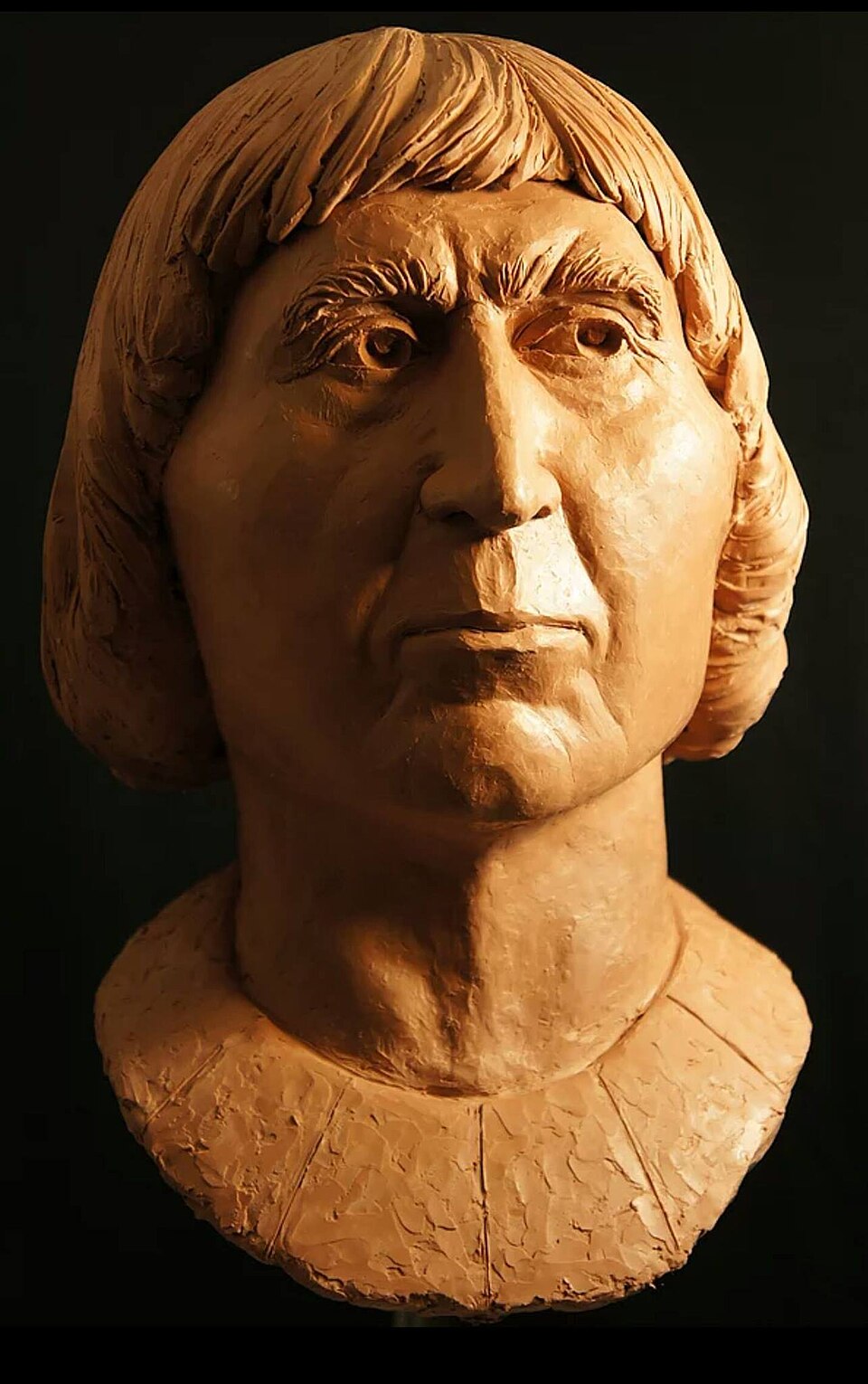
Portrait: S.A.Farabi / Wikimedia Commons / CC BY-SA 4.0 Robert the Bruce
King of Scots who visited Inchmahome three times, in 1306, 1308 and 1310, linking the secluded priory to the Wars of Independence.
-
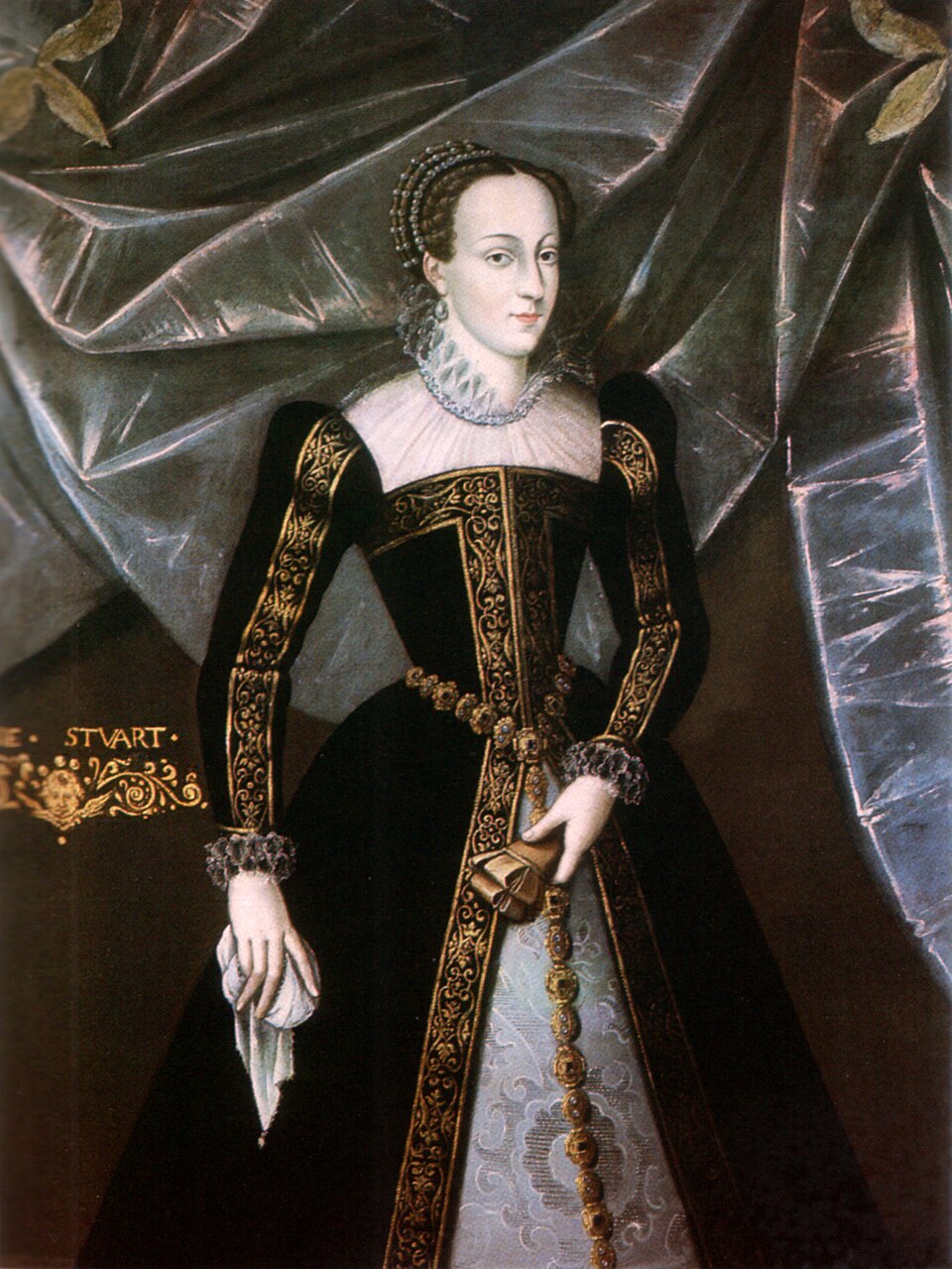
Portrait: Unidentified painter / Wikimedia Commons / Public domain Mary, Queen of Scots
Sheltered at Inchmahome aged four in 1547 after the Battle of Pinkie, when the island offered protection during the Rough Wooing.
-
%20i.JPG?width=320)
Portrait: Unknown author / Wikimedia Commons / Public domain Robert II
The future King of Scots stayed at Inchmahome in 1358, evidence that the priory was part of high-status royal and comital networks.
-
John, Lord Erskine
Took the priory office in 1547; later head of Cambuskenneth and Dryburgh abbeys.
-
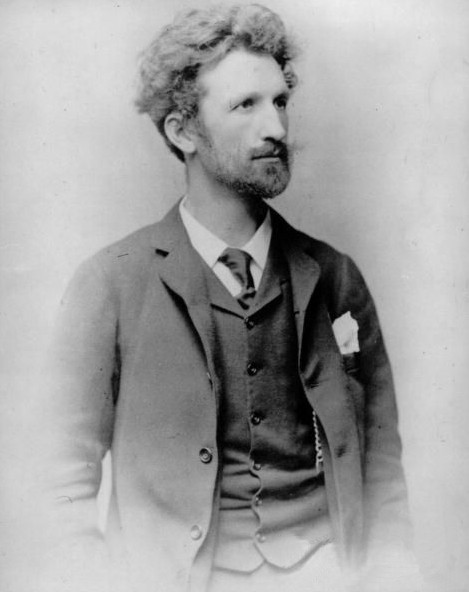
Portrait: Unknown author / Wikimedia Commons / Public domain Robert Bontine Cunninghame Graham
Author and politician buried in the ruined chancel, with his wife Gabriela.
Cultural influences
-
Founded for the Augustinian order (the Black Canons), placing it within the wave of reformed-canon foundations established in 13th-century Scotland under powerful noble patronage.
-
A foundation of the Comyn family, one of the most powerful in 13th-century Scotland, who held an imposing country house on the neighbouring island of Inch Talla.
Connections
-
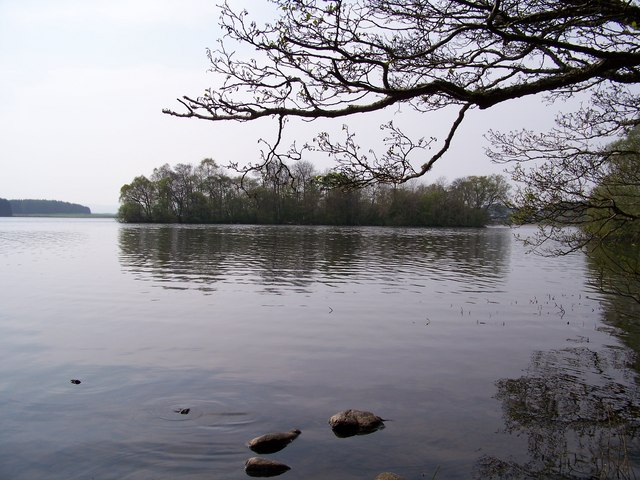
Photo: James T M Towill / Wikimedia Commons / CC BY-SA 2.0 Inch Talla
Neighbouring island in the Lake of Menteith holding the Comyn family's country house
-
Cambuskenneth and Dryburgh abbeys
Later also headed by John, Lord Erskine, who took the Inchmahome office in 1547
-
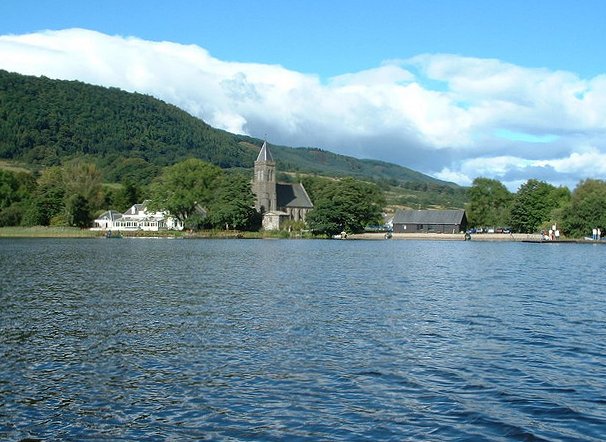
Photo: Brian Turner / Wikimedia Commons / CC BY-SA 2.0 Port of Menteith
The mainland landing point from which visitors reach Inchmahome by boat, making the crossing an integral part of approaching the island priory.
What to look for
-
The thirteenth-century fabric
Much of the original 13th-century structure survives among the ruins, despite most of the buildings now being roofless.
-
The Cunninghame Graham graves
The ruined chancel holds the graves of author and politician Robert Bontine Cunninghame Graham and his wife Gabriela, with a stone commemorating his nephew and heir Admiral A.E.M.B. Cunninghame Graham.
-
The island setting
The island setting itself — Inchmahome is the largest of three islands in the Lake of Menteith, reached only by boat from the Port of Menteith pier.
Plan your visit
- Location
- 56.1761°N · 4.2978°W
- Nearest settlement
- Port of Menteith
- Access
- Paid entry — managed visitor site
- Start point
- Port of Menteith · By Kippen · Stirling · FK8 3RA · National Grid reference: NN 574 005 · Telephone: 07388 709 398 · Inchmahome Priory is on an island and is reached by a small motor boat from the Port of Menteith. The boat leaves from the pier by the boat shed.
- Time needed
- About 45 minutes
- Start point
- Port of Menteith pier (Inchmahome ferry) — Inchmahome is on an island. Reached only by HES motor-boat from the pier by the boat shed at Port of Menteith; the listed distance is the over-water crossing, not a walk. Confirm ferry operation/season before travelling.
- Sat-nav
- FK8 3RA · NN 574 005
Nearby places
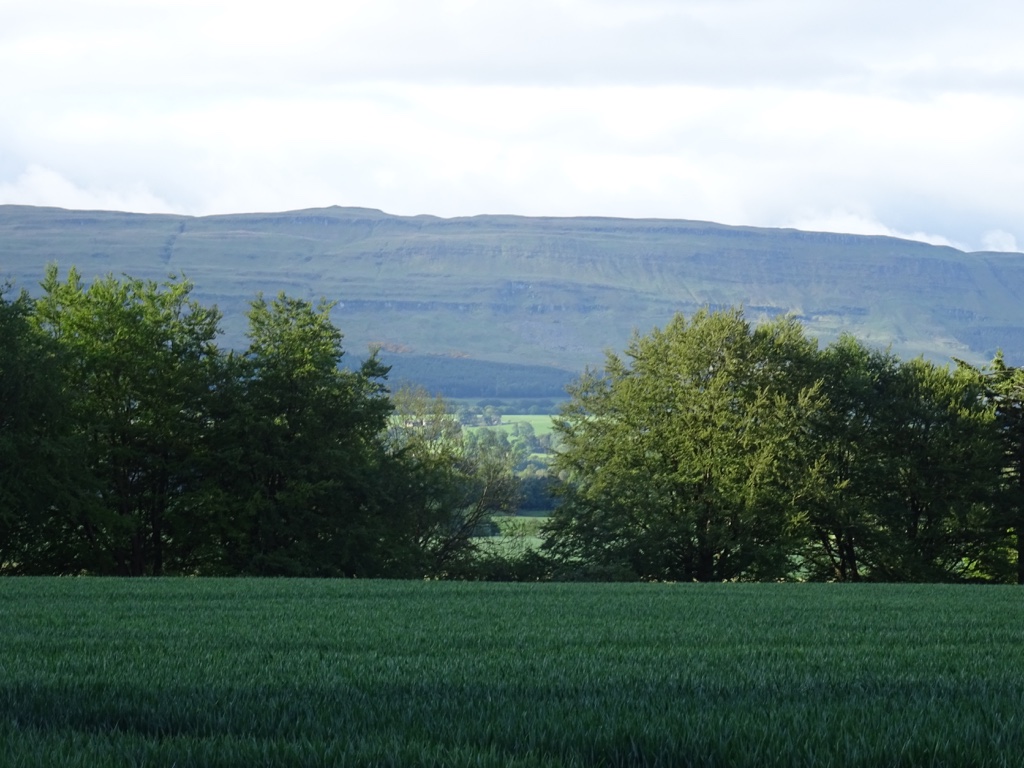
Fortified place · Iron Age
Coldoch Broch
Stirling
Cleared out just before 1870. A plan was drawn, and the excavation report never appeared.
- Near Doune
- Rough ground
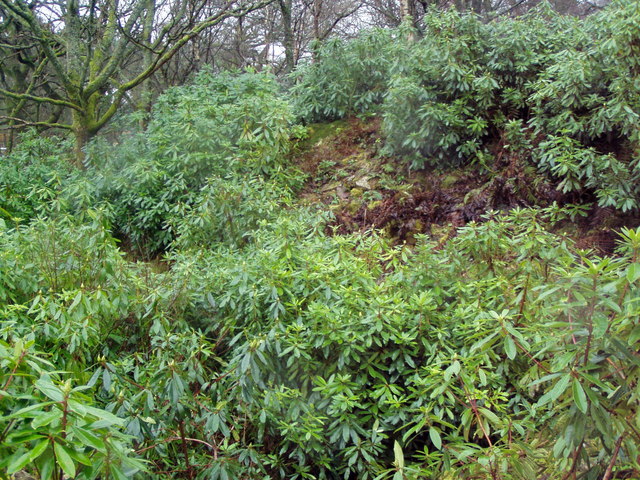
Fortified place · Iron Age
Leckie Broch
Stirling
An Iron Age broch: a drystone tower unique to Iron Age Scotland: that rhododendrons closed off entirely until they were cleared in 2020.
- Rough ground
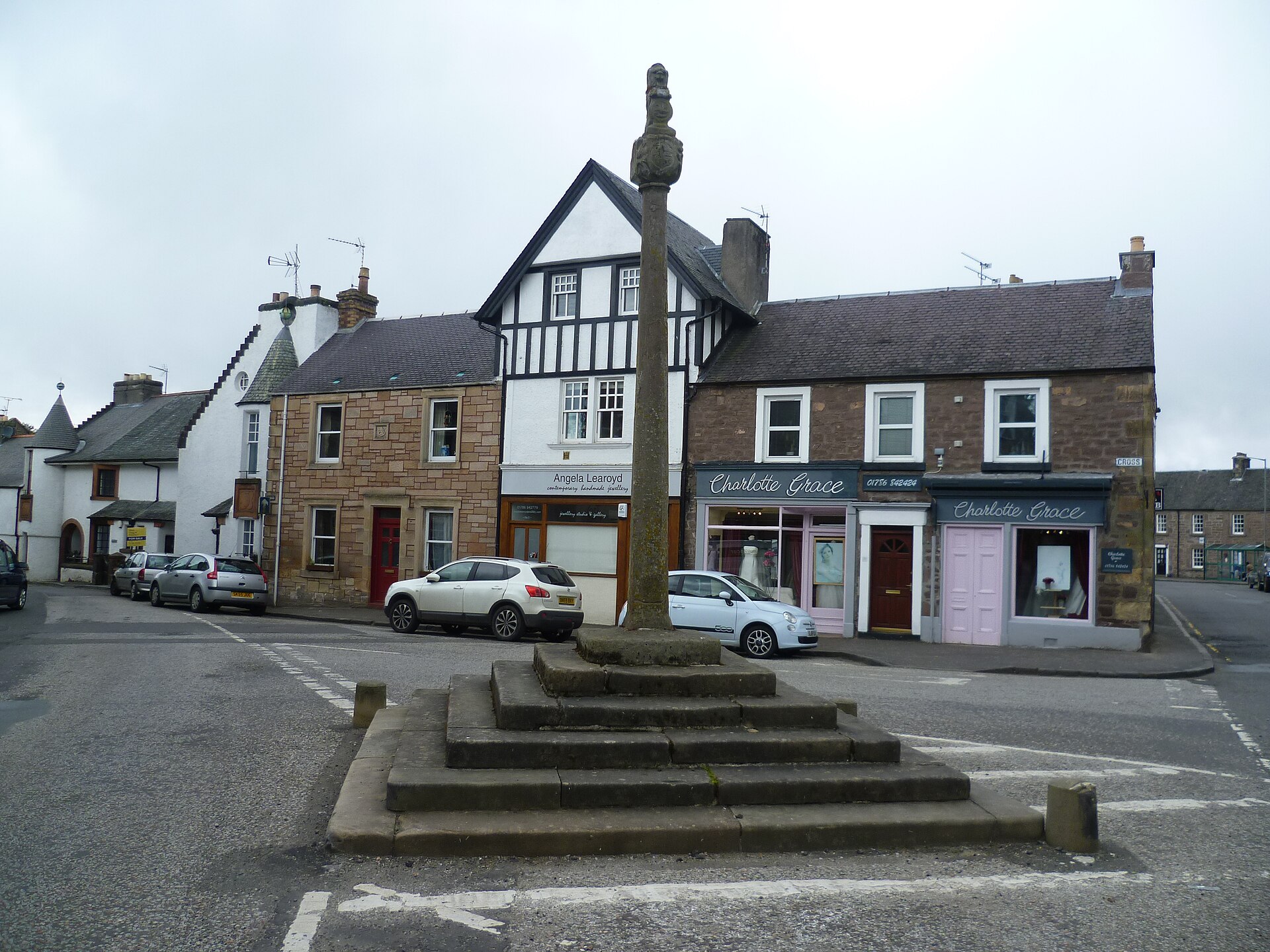
Minor monument · Medieval
Market Cross, The Cross, Doune
Stirling
The capital carries the arms of Moray and Campbell, two sundials and a lion: a good deal of information packed onto the top of one shaft.
- Easy path
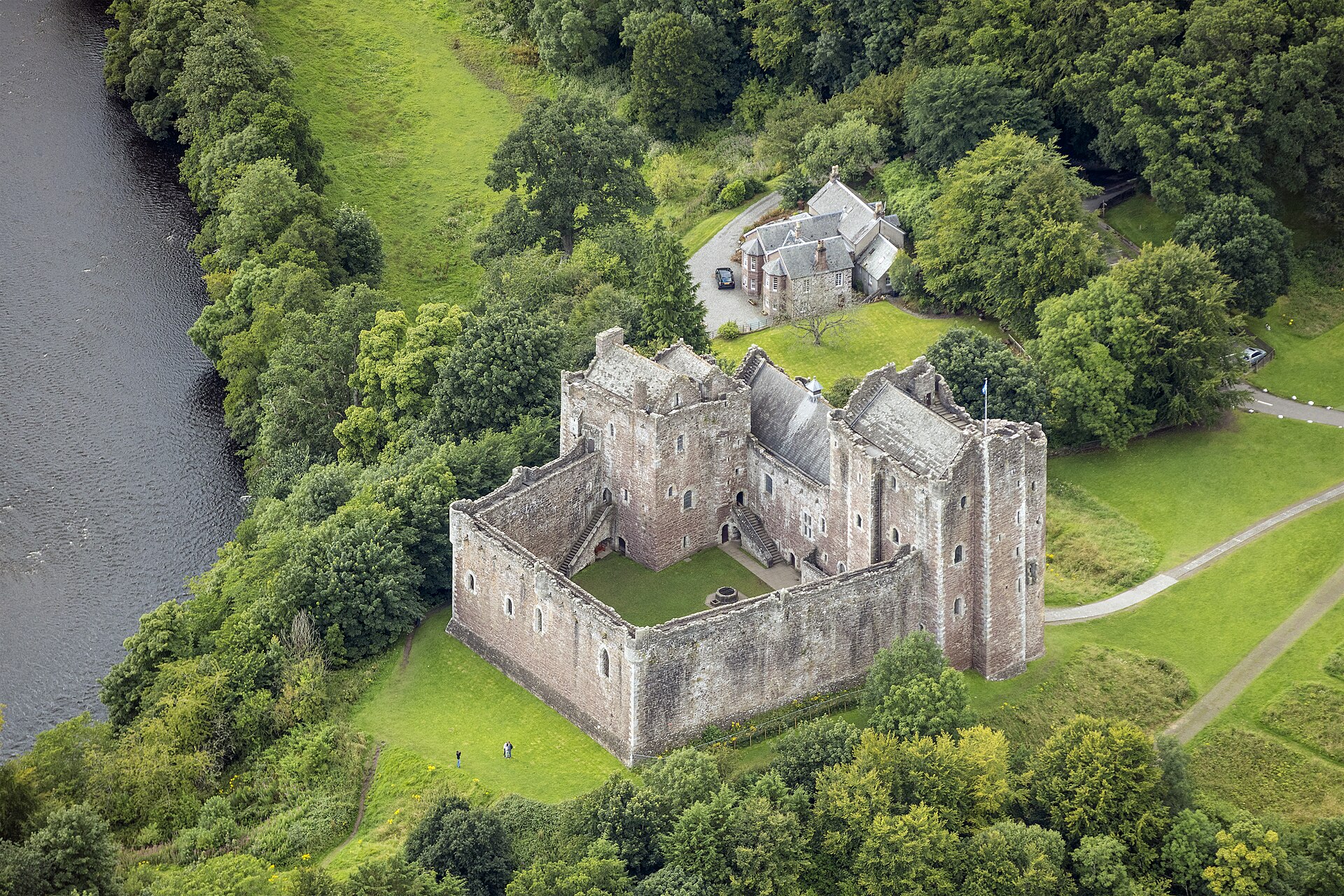
Fortified place · Medieval
Doune Castle
Stirling
Only two ranges of the intended courtyard were ever finished, and the stonework is almost all late fourteenth century: repaired, but never replaced.
Sources
- Canmore site record 24063 (accessed 2026-06-13)
- Wikipedia: Inchmahome Priory (accessed 2026-06-13)
- Wikidata Q1912023 (accessed 2026-06-13)
Explore more: Building or ruins · Medieval · Stirling
The Ancient Codex, in your pocket
Get the Pocket Codex app
Carry the directory with you — Inchmahome Priory and thousands of ancient places across Britain and Ireland, offline, wherever you roam.