A reivers' watchtower above the Teviot whose unlikely name is said to record an indecorous greeting for visitors, later reborn as a Lorimer-designed shooting lodge and private museum.
Perched on the edge of Minto Crags, looking down over the River Teviot, a squat stone tower has watched this stretch of the Borders for close to five hundred years. It was raised in the 16th century by the Turnbulls of Barnhills, a family who also held nearby Barnhills Tower and farm and who were counted among the Border reivers — the raiding clans who lived by cattle theft and feud across the Anglo-Scottish frontier. From this height they could see trouble coming from a long way off, and retreat behind thick walls when it arrived.
The tower’s name has nothing to do with fat lips in any literal sense. Local tradition holds that it commemorates a rather forward custom once practised by the household: any gentleman calling at the castle was, by long-standing privilege, expected to greet one of the resident ladies with a kiss on arrival. Whether the story is entirely true or has grown in the telling, it has stuck to the building ever since.
The peel tower’s fortunes changed as Border society settled. It passed from a reiving family into the hands of improving lairds, was restored more than once in the Victorian era, and was fitted out at the end of the 19th century as a gentleman’s shooting lodge and private museum — a very different life from the one it was built for.
What follows is drawn from published sources, with each claim labelled by how firmly it is established.
The name
The castle's name is traditionally explained by a household custom rather than any feature of the building itself: local tradition holds that every gentleman visiting Fatlips was entitled, by long-standing privilege, to kiss one of the resident ladies on entering — a story handed down rather than a documented fact.
History
In the 16th century the Turnbulls of Barnhills, a family already established at nearby Barnhills Tower and farm, built the peel tower at the top of Minto Crags to command the ground above the River Teviot. As Border reivers, raiders who lived by cross-border cattle theft and feud, they needed a defensible lookout as much as a home, and the crag gave them both height and a clear view of the valley below.
In 1545, during the conflict known as the War of the Rough Wooing, the Earl of Hertford's forces burned the site, recorded at the time under the name Mantoncrake or Mynto Crag. The campaign was part of a wider English attempt to force a marriage alliance on the Scottish crown through devastation of Border strongholds, and the tower's exposed position on the crag made it a target.
In 1705 the castle was acquired by Sir Gilbert Elliot, bringing it into a family whose descendants went on to become the Earls of Minto. Under the Elliots the tower's role shifted from a working reivers' stronghold to a property held within a larger landed estate, setting the pattern for its later use as a country retreat rather than a defensive outpost.
The tower was extensively restored in 1857, a rebuilding that reflected the wider Victorian enthusiasm for repairing and reoccupying old Border strongholds rather than leaving them as ruins. This restoration is the point at which much of the structure visible today took shape, layered over the surviving 16th-century core.
Between 1897 and 1898 the architect Sir Robert Lorimer renovated the interior, converting the tower into a shooting lodge and private museum. Lorimer was among the leading Scottish architects of his generation working on the reinvention of historic houses, and his scheme gave Fatlips a genteel domestic purpose that lasted well into the 20th century, with the building remaining in active use until the 1960s.
On 18 November 2011 a major restoration of the building was announced, aimed at arresting the decline the tower had suffered since falling out of regular use. By mid-2013 the cap-house, parapet and roof had been successfully renovated, securing the structure for the near future and returning it to a stable condition after decades without a resident use.
People
-
Turnbulls of Barnhills
Border reivers who built the tower in the 16th century and also held nearby Barnhills Tower and farm.
-
Sir Gilbert Elliot
Acquired the castle in 1705, bringing it into the family that later became the Earls of Minto.
-
Sir Robert Lorimer
Renovated the interior in 1897–8, converting the tower into a shooting lodge and private museum.
Cultural influences
-
A reivers’ lookout on Minto Crags
The tower’s elevated position over the Teviot valley reflects its origin as a compact defensive home for the Turnbulls of Barnhills, a Border reiving family.
Connections
-
Barnhills Tower and farm
Also owned by the Turnbulls of Barnhills, the same reiving family that built Fatlips Castle.
-
Earls of Minto
The title later held by descendants of Sir Gilbert Elliot, who acquired Fatlips Castle in 1705.
In culture
-
Sir Robert Lorimer’s private museum
Lorimer’s 1897–98 interior renovation converted the tower into a shooting lodge and private museum, reimagining a reivers’ tower as a cultivated late-Victorian retreat.
What to look for
-
Rectangular tower footprint
The tower measures 8.15 metres from north to south and 9.83 metres from east to west, a compact rectangular footprint typical of a Border peel tower.
-
Four storeys and an attic
The building rises through four storeys plus an attic, giving it the tall, narrow profile built for defence and observation rather than domestic comfort.
-
19th-century parapet walk
A parapet walk added in the 19th century surrounds the attic level, a walkway that reflects the Victorian restoration of the tower rather than its original 16th-century form.
-
Restored cap-house and roof
The cap-house, parapet and roof were successfully renovated by mid-2013 as part of a major restoration programme announced in November 2011.
What is said
Folklore and tradition, recorded as what is said — not as established fact.
-
The kissing custom
Local tradition holds that every gentleman visiting the castle was entitled, by long-standing privilege, to kiss one of the resident ladies upon entering — said to be the origin of the tower's unusual name.
Plan your visit
- Location
- 55.4800°N · 2.6629°W
- Time needed
- About 45 minutes
Nearby places
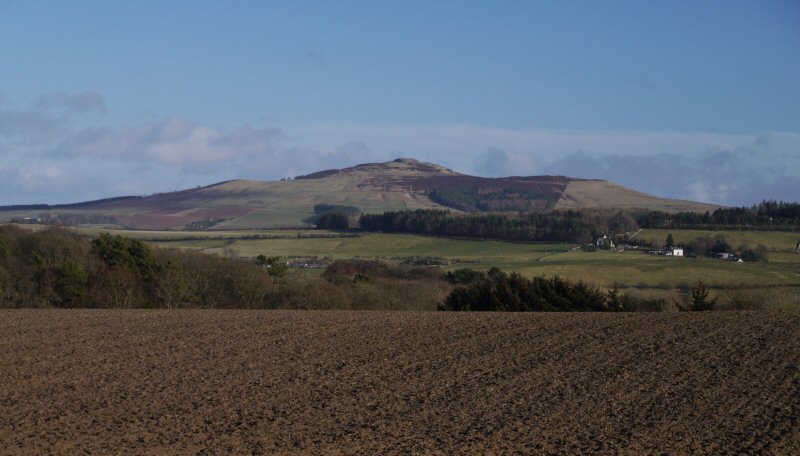
Fortified place · Iron Age
Rubers Law
Scottish Borders
Three separate strongholds - an Iron Age (the centuries before Rome arrived, from about 800 BC) hillfort, a Roman signal station and an Early Medie…
- Rough ground
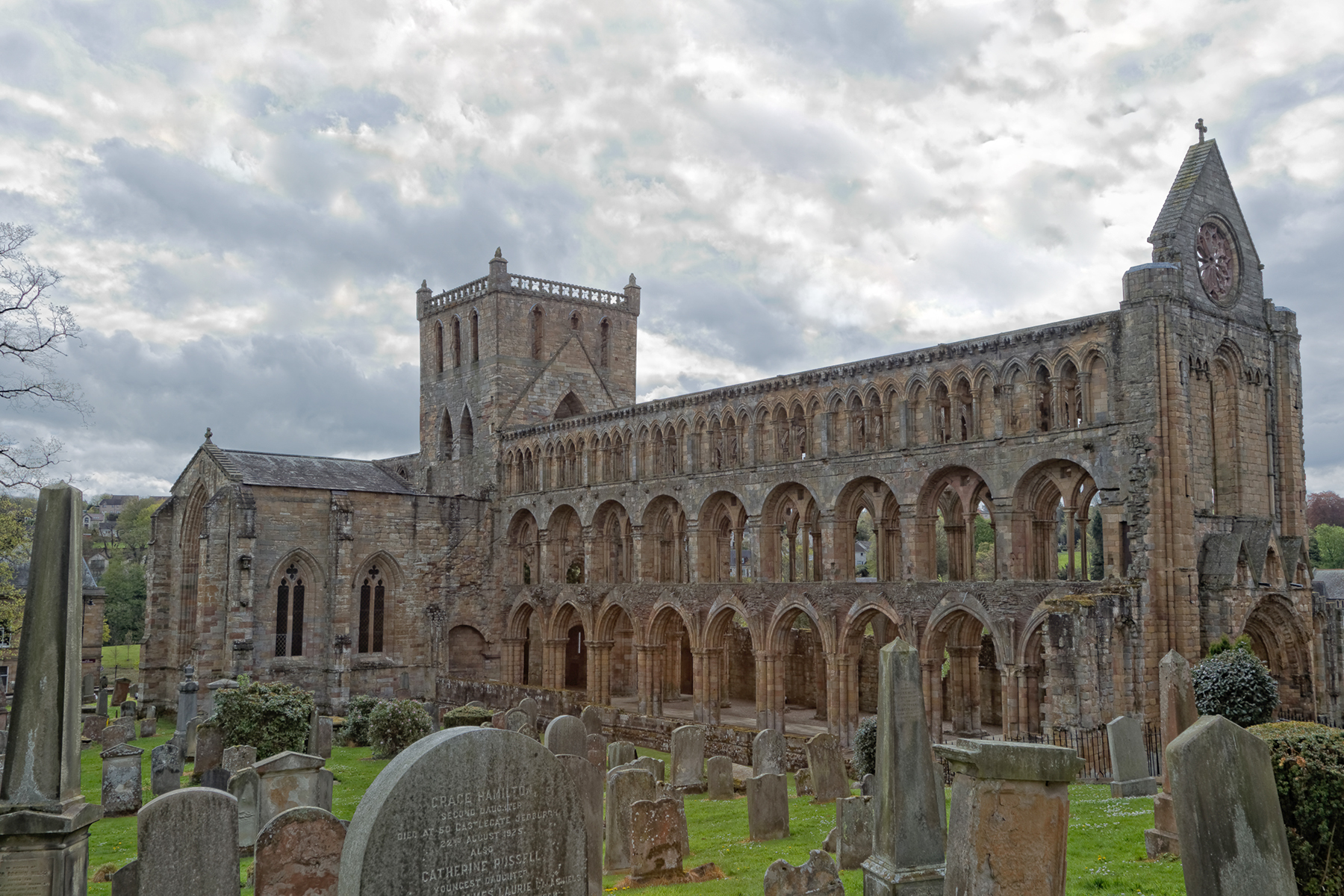
Carved stone · Medieval
Jedburgh Abbey
Scottish Borders
In 1118, before his accession to the Scottish throne, Prince David established a foundation of Augustinian canons at Jedburgh. It rose from priory:…
- Near Jedburgh
- 1 min walk from car park

Ancient tree · Medieval
Capon Tree
Scottish Borders
Concrete, brick and timber now hold together a sessile oak reckoned at about a thousand years old: one of the last trees of the Jedforest, and the…
- Near Jedburgh
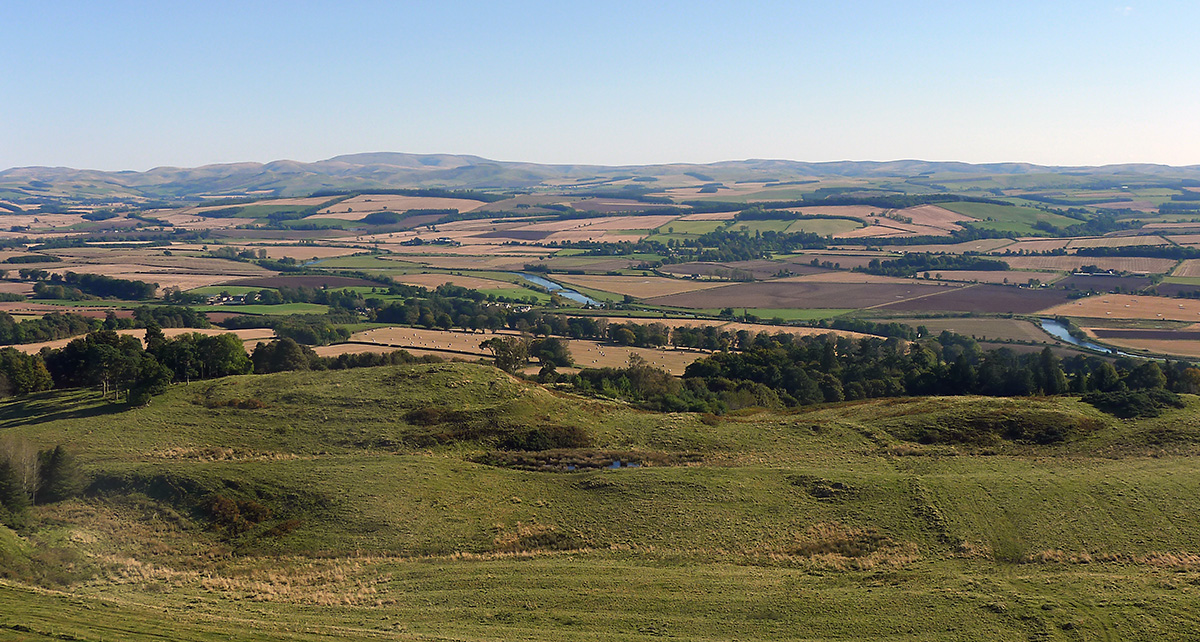
Fortified place · Iron Age
Peniel Heugh
Scottish Borders
A 237-metre hill near Ancrum carrying both an ancient defended settlement and the Waterloo Monument.
- Some walking
The setting
Near Fatlips Castle, about 19 metres away.
Photo: Colin Park / Wikimedia Commons / CC BY-SA 2.0
Near Fatlips Castle, about 181 metres away.
Photo: Richard Webb / Wikimedia Commons / CC BY-SA 2.0
Near Fatlips Castle, about 220 metres away.
Photo: Richard Webb / Wikimedia Commons / CC BY-SA 2.0
Near Fatlips Castle, about 308 metres away.
Photo: Richard Webb / Wikimedia Commons / CC BY-SA 2.0
Questions people ask
- Why is it called Fatlips Castle?
- Local tradition holds the name comes from a custom of the household: visiting gentlemen were said to be entitled to kiss one of the resident ladies on entering.
- Who built Fatlips Castle?
- It was built in the 16th century by the Turnbulls of Barnhills, a family of Border reivers who also held nearby Barnhills Tower and farm.
- What happened to the castle in 1545?
- During the War of the Rough Wooing, the Earl of Hertford's forces burned the site, then recorded under the name Mantoncrake or Mynto Crag.
- Who restored Fatlips Castle in the 1890s?
- The architect Sir Robert Lorimer renovated the interior in 1897–8, turning the tower into a shooting lodge and private museum.
- Is Fatlips Castle protected today?
- Yes. It is designated by Historic Environment Scotland as a scheduled monument, and its cap-house, parapet and roof were renovated by mid-2013.
Sources
- Wikipedia: Fatlips Castle
- Historic Environment Scotland
Explore more: Fortified places · Medieval · Scottish Borders
The Ancient Codex, in your pocket
Get the Pocket Codex app
Carry the directory with you — Fatlips Castle and thousands of ancient places across Britain and Ireland, offline, wherever you roam.