
The longest recorded history of any stronghold in Scotland — capital of Strathclyde, taken by Vikings in 871 after its water failed.
In 871 the Viking kings Amlaíb Conung and Ímar sat down in front of Dumbarton Rock and waited. The fortress held out for four months and fell when its water supply failed. The two kings sailed back to Ireland with two hundred ships and a host of British, English and Pictish captives — the Picts being the people of northern and eastern Scotland from about AD 300 to 900 — who may have included the ruling family of Alt Clut. King Arthgal ap Dyfnwal was killed the following year, in circumstances nobody has established.
That was the end of the rock as a capital and nowhere near the end of its history. Dumbarton has the longest recorded history of any stronghold in Scotland, and the reason is underneath it: a volcanic plug of basalt formed between 330 and 340 million years ago, left standing when the softer rock around it wore away.
People were here in the Iron Age, and those living on it under Roman Britain traded with the Romans. The first written record is a letter St Patrick sent to King Ceretic of Alt Clut in the late fifth century. From then until the ninth century the rock was the centre of the independent Brythonic kingdom of Strathclyde, and its name — Alt Clut, the Rock of the Clyde — came to stand for the kingdom itself. Legend gathered around it too: Merlin was said to have stayed here, and the Scalacronica repeats Geoffrey of Monmouth’s story that Arthur left his nephew Hoël sick at Alcluit, where the Scots and Picts besieged him.
As a Scottish royal castle it kept turning up at the sharp end. It is believed to be where Sir John Menteith took William Wallace on the road to London. Malcolm Fleming, its governor in 1333, sheltered David II and his queen after the disaster at Halidon Hill, got them safely to France, came back, and held the castle through an English siege while protecting the young Robert the Steward — for which he was made the first Earl of Wigtown, the first new Scottish earldom in over a century. He was still governor in 1361 when the Black Death returned and killed a third of the garrison.
Mary, Queen of Scots stayed here in July 1563, and after Langside in 1568 she tried to reach it and went to England instead. Her keeper, Lord Fleming, held Dumbarton for her through the Marian Civil War, supplied by ships his cousin brought from France. The first siege was lifted when Regent Moray was assassinated in January 1570, and the assassin was welcomed into the castle. Fleming’s attempt to ambush the English general William Drury that May failed badly enough to be satirised in a printed ballad, The tressoun of Dumbertane.
What follows is drawn from published sources, with each claim labelled by how firmly it is established.
The name
Dumbarton is Scottish Gaelic Dùn Breatainn, ‘fortress of the Britons’; its older Brythonic name, Alt Clut, means ‘Rock of the Clyde’ and became a name for the kingdom of Strathclyde.
History
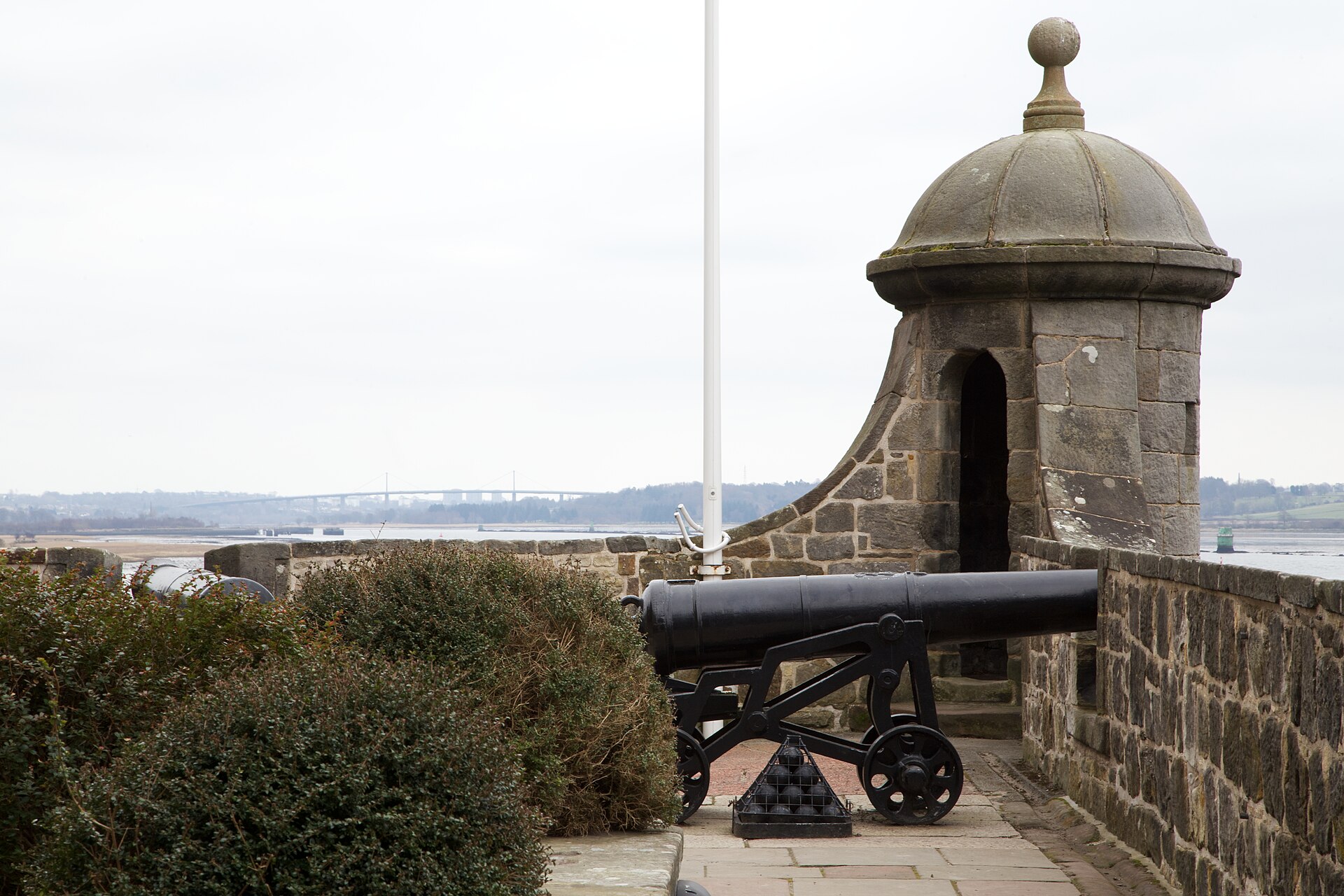
Dumbarton Castle has the longest recorded history of any stronghold in Scotland. It sits on Dumbarton Rock, a volcanic plug of basalt formed between 330 and 340 million years ago in the Early Carboniferous, when the area around present-day Glasgow saw widespread volcanic activity; the softer exterior eroded away and left the harder core standing.
Archaeological finds show the rock was a strategically important settlement at least as far back as the Iron Age, and the people living there in the Roman period are known to have traded with the Romans. The first written record of a settlement is a letter St Patrick wrote to King Ceretic of Alt Clut in the late fifth century.
From the fifth century to the ninth the rock was the centre of the independent Brythonic kingdom of Strathclyde. Alt Clut — the Rock of the Clyde — was the Brythonic name for Dumbarton Rock and became a byword for the kingdom itself. The king of Dumbarton about AD 570 was Riderch Hael, who appears in Welsh and Latin works. Legend attached itself early. Merlin was said to have stayed at Alt Clut, and the medieval Scalacronica of Sir Thomas Grey records the story, first told by Geoffrey of Monmouth, that Arthur left his nephew Hoël of Brittany sick at Alcluit in Scotland, where he was besieged by the Scots and Picts before recovering.
The first recorded loss of the rock came in 756, when a joint force of Picts and Northumbrians took the fortress after a siege and lost it again a few days later. By 870 it held a tightly packed British settlement, both fortress and capital of Alt Clut. In 871 the Irish-based Viking kings Amlaíb Conung and Ímar besieged the rock. It fell in four months, after its water supply failed, and the kings returned to Ireland with 200 ships and a host of British, English and Pictish captives. Those prisoners may have included the ruling family of Alt Clut, among them King Arthgal ap Dyfnwal, killed the following year in uncertain circumstances.
In medieval Scotland Dumbarton — Dùn Breatainn, the fortress of the Britons — was an important royal castle. It is believed to be the place Sir John Menteith took William Wallace on the way to London after his capture.
Malcolm Fleming of Fulwood, governor in 1333 and formerly tutor to the young David II, sheltered the king and his wife Joan of the Tower after the Scottish defeat at Halidon Hill on 19 July, then conveyed them safely to France. He returned to Dumbarton and held it against an English siege, protecting the seventeen-year-old Robert the Steward, and David II made him the first Earl of Wigtown — the first new Scottish earldom in more than a century.
Wigtown was still governor in 1361 when the Black Death swept into Scotland again and a third of the castle's garrison died. In 1425 James the Fat, youngest son of Murdoch Stewart, Duke of Albany, marched on Dumbarton and burned the town but could not take the castle, which Sir John Colquhoun held against him. Mary, Queen of Scots stayed here in July 1563, and after her defeat at Langside in 1568 she tried to reach the castle but went to England instead. John Fleming, 5th Lord Fleming, its keeper, went into England with her and was allowed to return.
Fleming's defence of Dumbarton for Mary during the Marian Civil War was staunch, helped by supply ships arriving from France under his cousin Thomas Fleming. The first siege was lifted by the assassination of Regent Moray in January 1570, and the assassin, James Hamilton of Bothwellhaugh, was welcomed at the castle. Fleming's attempt to ambush the English general William Drury in May 1570 failed and was satirised in a ballad printed that month, The tressoun of Dumbertane.
People
-
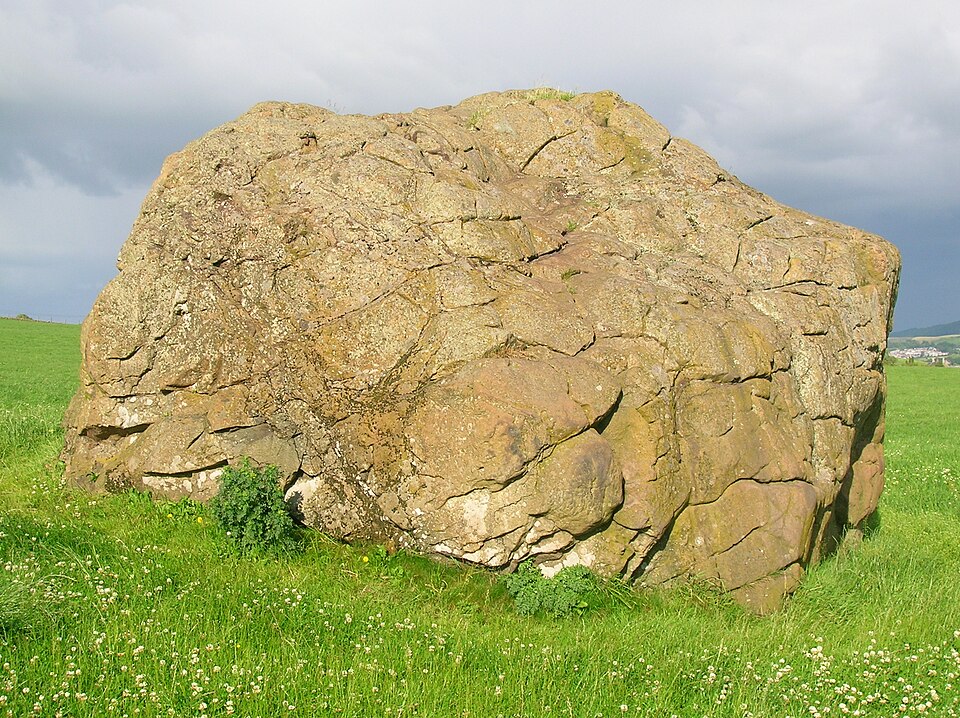
Portrait: Rosser1954 Roger Griffith / Wikimedia Commons / Public domain Riderch Hael (Rhydderch the Generous)
Ruled Alt Clut from Dumbarton Rock about AD 570, when the fortress was the centre of the Brythonic kingdom of Strathclyde. His reign anchors the castle's early history in Welsh and Latin sources.
-
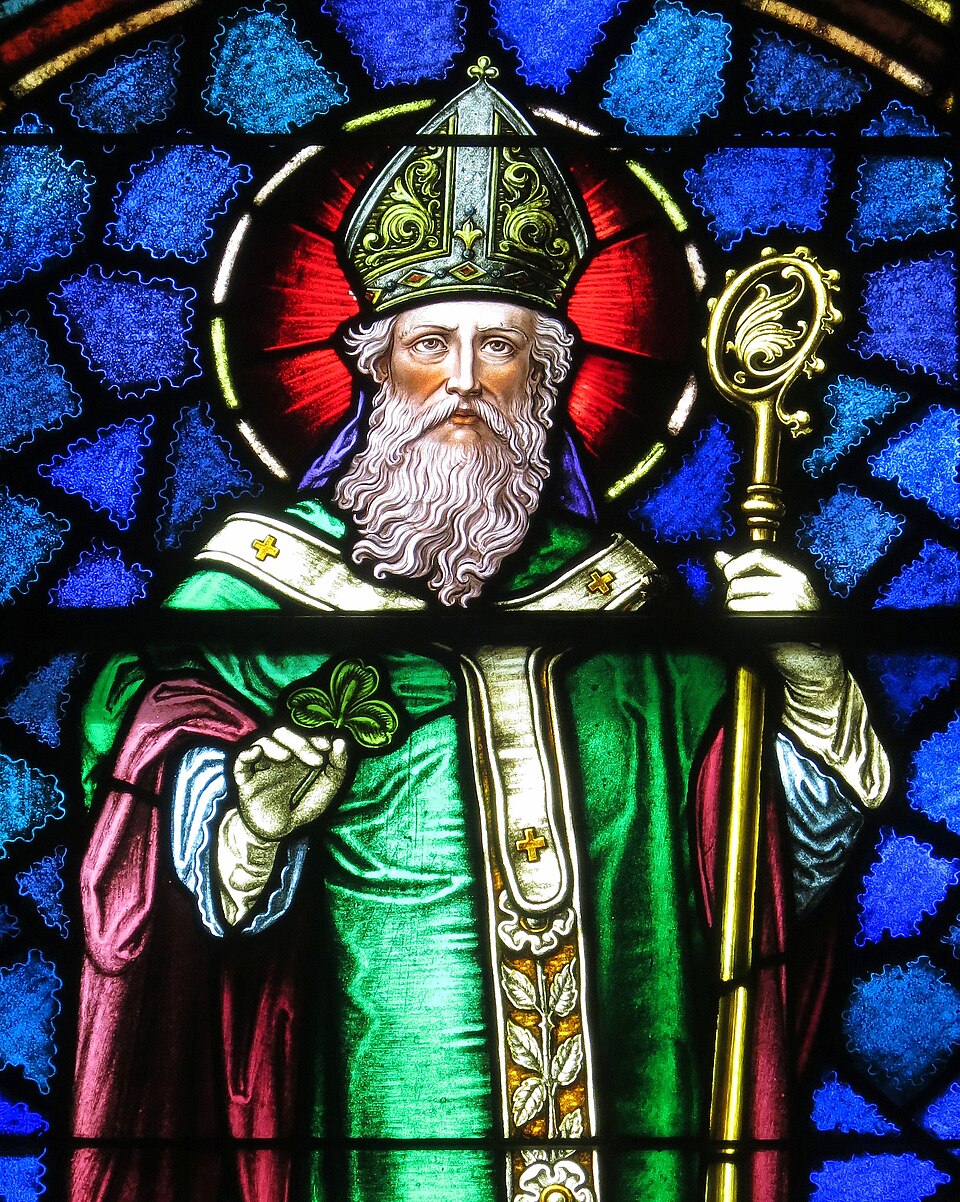
Portrait: Nheyob / Wikimedia Commons / CC BY-SA 4.0 Saint Patrick
Addressed a late-fifth-century letter to King Ceretic of Alt Clut, the earliest written record of the settlement on Dumbarton Rock. That letter fixes the fortress in the political world of post-Roman Britain.
-
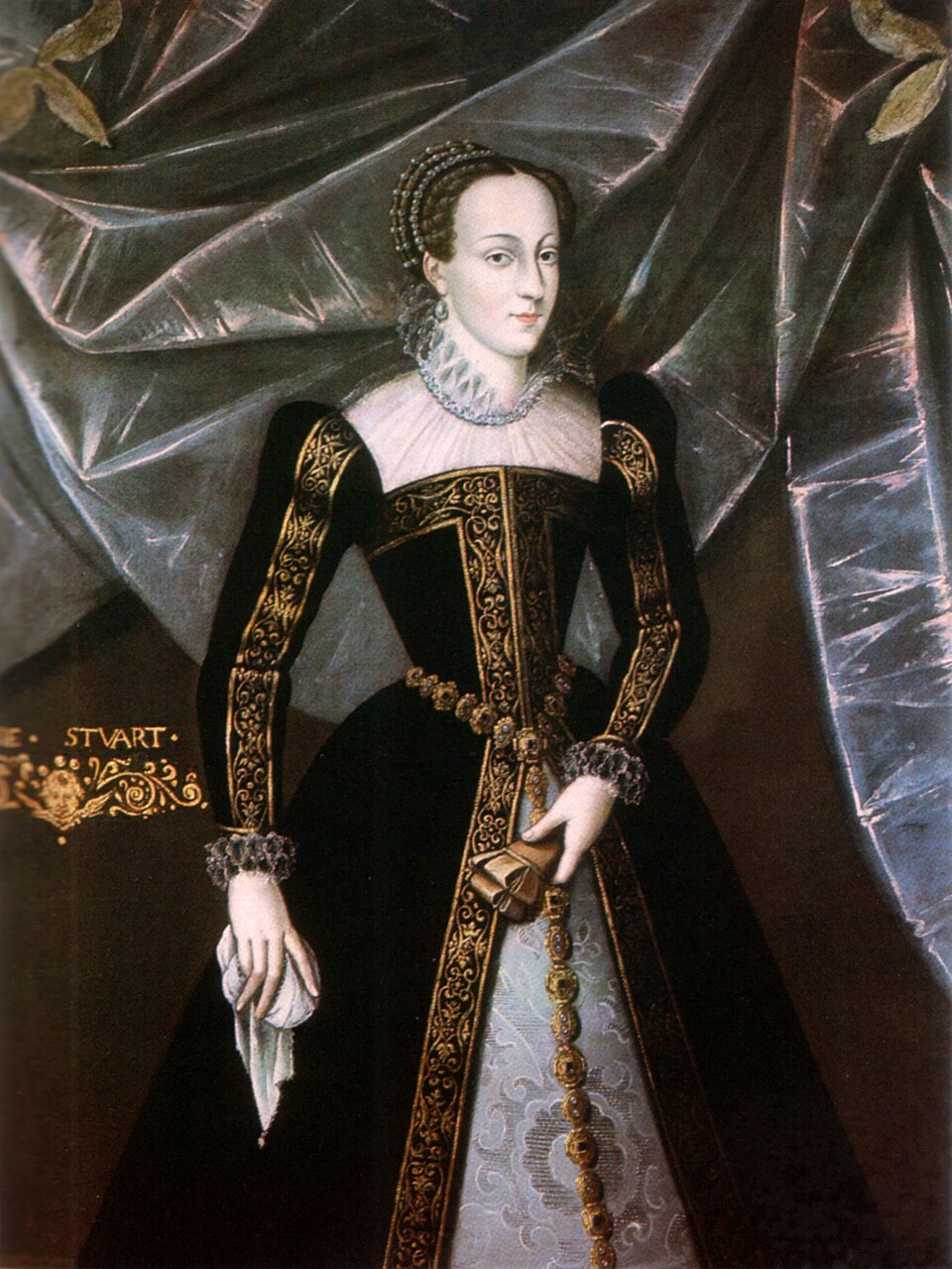
Portrait: Unidentified painter / Wikimedia Commons / Public domain Mary, Queen of Scots
Stayed at Dumbarton in July 1563 and tried to reach it again after defeat at Langside in 1568. Its keeper defended the castle for her during the Marian Civil War.
-
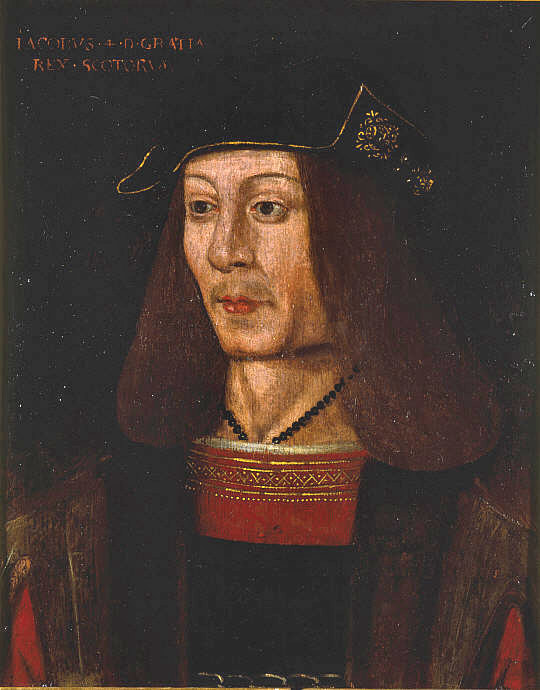
Portrait: Unknown author / Wikimedia Commons / Public domain James IV of Scotland
Besieged Dumbarton twice in 1489 to remove its rebellious keeper, John Stewart, Earl of Lennox. The campaign shows the castle's continued importance as a royal stronghold in late medieval Scotland.
Cultural influences
-
A fortress shaped by the Clyde
The basalt rock commands the Clyde, making it the capital of Alt Clut and repeatedly a military and naval base; Viking siege, royal shipping, French supply and later artillery all depended on that control of the river.
Connections
-
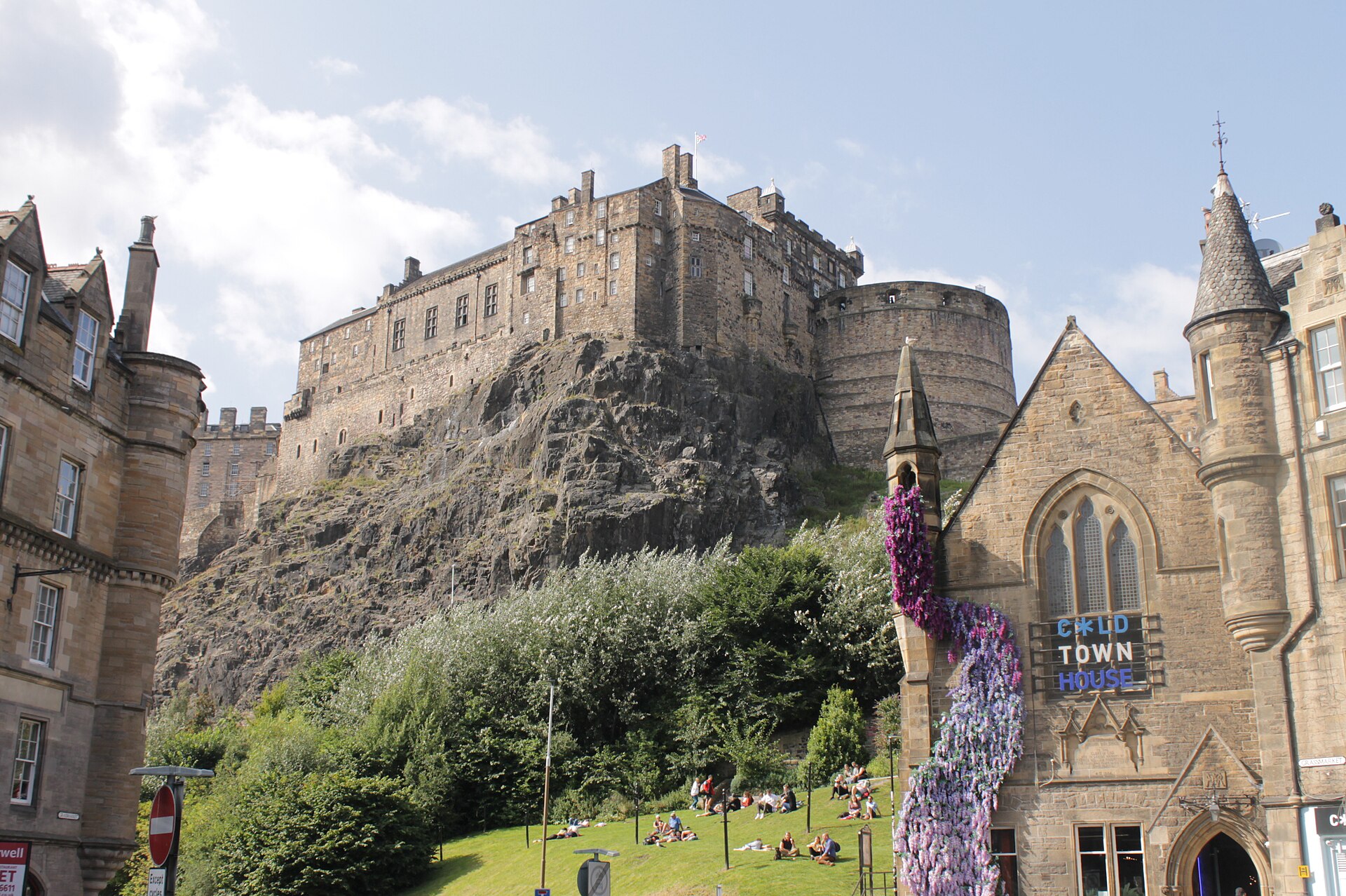
Photo: Stephencdickson / Wikimedia Commons / CC BY-SA 4.0 During the Marian Civil War, cannon from Dumbarton were taken to the 1571 siege of Edinburgh Castle, connecting the west-coast fortress directly to the struggle for Scotland’s royal capital.
Discovery & excavation
Archaeological finds show a strategically important settlement here from at least the Iron Age. Saint Patrick’s late-fifth-century letter to King Ceretic of Alt Clut is the earliest surviving written record of the settlement on the rock.
In culture
-
The Scottish Chiefs
Jane Porter’s 1810 historical novel The Scottish Chiefs features Dumbarton Castle, preserving the fortress in one of the early nineteenth century’s popular Scottish historical romances.
What to look for
-
The volcanic plug
Basalt formed 330 to 340 million years ago, left standing when the softer rock around it eroded away — the reason a fortress is here at all.
-
The Clyde approach
The rock commands the river, which is why Viking kings besieged it in 871 and why French supply ships could reach its defenders in 1570.
-
Alt Clut
The Brythonic name — the Rock of the Clyde — which became a byword for the kingdom of Strathclyde it governed from the fifth century to the ninth.
What is said
Folklore and tradition, recorded as what is said — not as established fact.
-
Merlin and Hoël at Alt Clut
Medieval legend says Merlin stayed at Alt Clut, while the Scalacronica repeats a story that Arthur left his nephew Hoël sick there and that he recovered after a siege by Scots and Picts.
Plan your visit
- Location
- 55.9360°N · 4.5628°W
- Nearest settlement
- Dumbarton
- Access
- Paid entry — managed visitor site
- Terrain
- Moderate walking
- Start point
- Dumbarton Castle · Castle Road · Dumbarton · Dunbartonshire · G82 1JJ · National Grid reference: NS 398 744 - NS 401 745 · Telephone: 0131 668 8965 · [](https://www.goodjourney.org.uk/attractions/dumbarton-castle/)
- Time needed
- About 90 minutes
- Best time
- _Opening times and admission prices are subject to change_.
- What survives
- A fortified volcanic rock carrying later gun batteries, walls, stairs and the surviving seventeenth-century governor’s house, rather than substantial fabric from its earlier Brythonic kingdom.
- Start point
- Dumbarton Castle car park, Castle Road — Free HES car park at the foot of Dumbarton Rock on Castle Road, by the visitor reception. The climb to the White Tower Crag summit is 627 steps.
- Sat-nav
- G82 1JJ · NS 398 744
Opening & admission
Free entry
- _Opening times and admission prices are subject to change_.
Nearby places
Ancient tree · Medieval
Bruce Tree
West Dunbartonshire
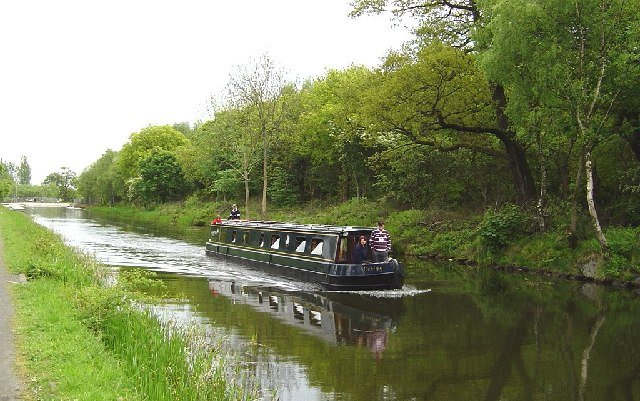
An oak said to have been planted by Robert the Bruce, burnt down by an arsonist in May 2004: and then cut up and carved into a replica of his throne.
- Near West Dunbartonshire
Ancient tree · Medieval
Wallace Oak (Port Glasgow)
Inverclyde
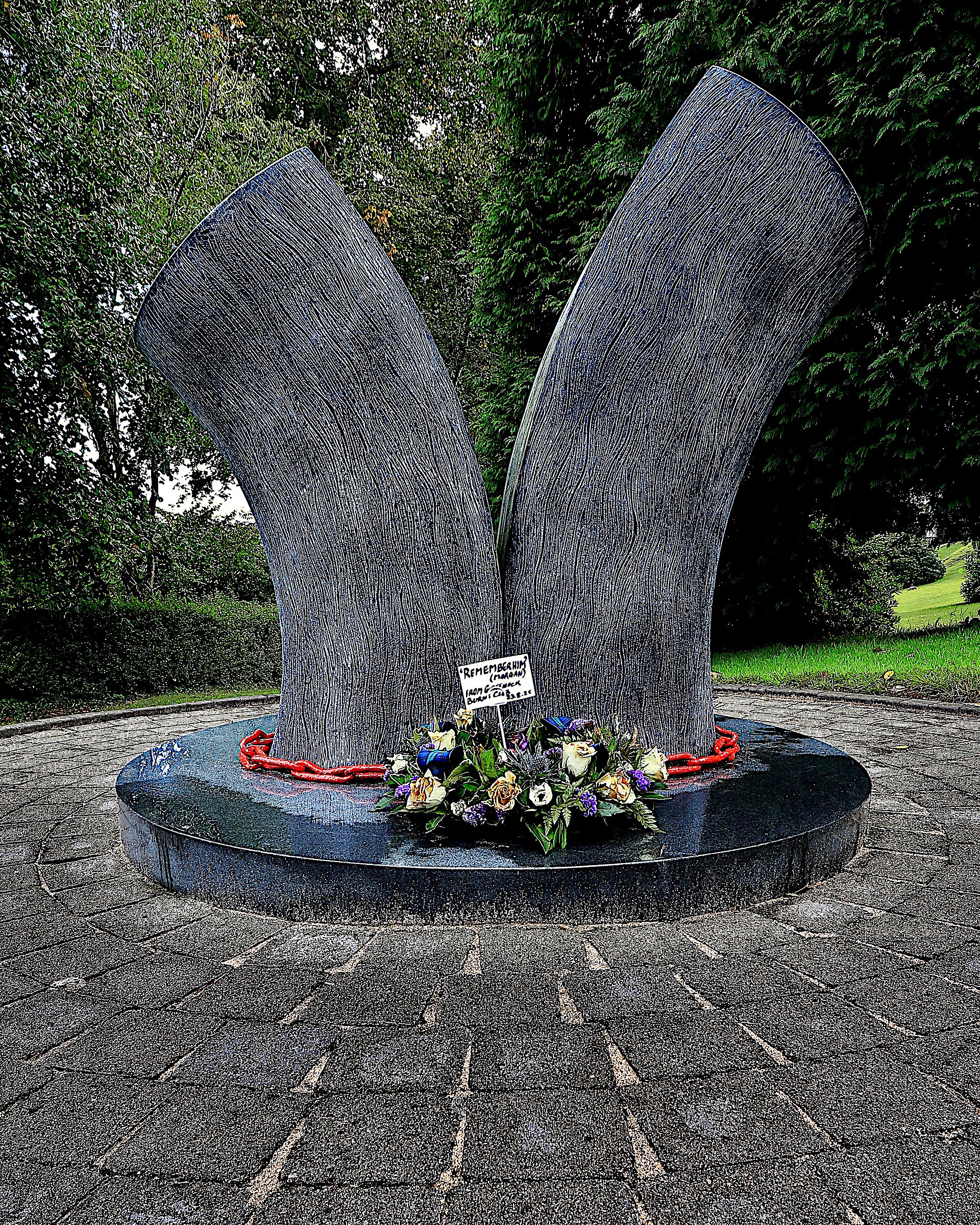
Although the Wallace story cannot be confirmed, the lost oak’s storm-felled remains and memorial show how a local legend became durable civic memory.
- Near Inverclyde
Questions people ask
- How far back does it go?
- Archaeology shows a strategically important settlement here at least as far back as the Iron Age. The first written record is a letter St Patrick wrote to King Ceretic of Alt Clut in the late fifth century.
- What happened in 871?
- The Viking kings Amlaíb Conung and Ímar besieged the rock, and it fell after four months when the water supply failed. They returned to Ireland with 200 ships and British, English and Pictish captives.
- What is its connection to Mary, Queen of Scots?
- She stayed here in July 1563, and after Langside in 1568 tried to reach the castle before going to England instead. Lord Fleming held it for her through the Marian Civil War.
- Why is the rock like that?
- It is a volcanic plug of basalt formed between 330 and 340 million years ago, exposed when the softer rock around it eroded.
Sources
The Ancient Codex, in your pocket
Get the Pocket Codex app
Carry the directory with you — Dumbarton Castle and Dumbarton Rock and thousands of ancient places across Britain and Ireland, offline, wherever you roam.