Ancient tree · Medieval · West Dunbartonshire
Bruce Tree
An oak said to have been planted by Robert the Bruce, burnt down by an arsonist in May 2004 — and then cut up and carved into a replica of his throne.
Someone lit a fire inside the trunk in May 2004, and the tree fell the same month. An oak that had stood somewhere between seven hundred and a thousand years, one of the oldest in Scotland, was destroyed deliberately in a matter of weeks.
It grew in the grounds of Strathleven House in Dunbartonshire, on an estate owned by Robert the Bruce as a young man, before he became King of Scotland. That ownership is what anchors the story. The further claim — that Bruce planted the tree himself — is reported as rumour, and the sources treat it as such rather than as record. By the early twenty-first century the trunk measured 8.8 metres in girth, about 29 feet, and the tree stood 5.5 metres high.
The connection between the oak and the Bruce was made by a local history society, the Strathleven Artizans, and it was the Artizans who took custody of the timber after the fire. Cutting up the trunk, members said they could see the face of the Bruce in the cross section. A petrified acorn was found in the wood.
What they did with the timber is the more remarkable part. The society planned to carve a heart from the oak and carry it to the Church of the Holy Sepulchre in Jerusalem — an attempt to complete an errand that failed in 1330. One of the Bruce’s last requests was that his heart be taken there by his champion, James Douglas, Lord of Douglas, since the king had never managed to go on crusade himself. Douglas set out with it and was killed fighting the Moors at the Battle of Teba. The heart never arrived.
The rest of the timber became a throne. Working from a depiction of the king enthroned on his royal seal, John Donaldson and an expert from Historic Scotland spent eight years carving a replica, with four beast heads at the ends of the arms and clawed feet. Into it went yew from a tree at Elderslie, the birthplace of William Wallace, and ancient olive wood from Teba, where Douglas died. Three separate places, and three separate deaths, worked into one chair.
It was unveiled at Dunfermline Abbey by Andrew Bruce, 11th Earl of Elgin, and later displayed at the Bannockburn visitor centre during the Bannockburn Live event of 28 and 29 June 2014, marking seven hundred years since the battle. The tree is gone; the objects made from it have outlasted it, and now carry the story that the tree itself only ever held by reputation.
What follows is drawn from published sources, with each claim labelled by how firmly it is established.
The name
The tree was named for the tradition that Robert the Bruce planted it on his Strathleven estate.
History
The estate at Strathleven was owned by a young Robert the Bruce before he became King of Scotland, and it is on that ground that the oak stood. The claim that he planted it himself is reported as rumour rather than record, and the sources hedge it — but the ownership of the estate is what gives the story its foothold. By the early twenty-first century the tree had a girth of 8.8 metres, about 29 feet, and stood 5.5 metres high, roughly 18 feet. It was reckoned to be between 700 and 1,000 years old, which would put its beginning somewhere between about 1000 and 1300, and made it one of the oldest oaks in Scotland.
In May 2004 someone lit a fire inside the trunk. The tree fell the same month. What had survived seven centuries of weather was destroyed deliberately in a single act, and the arson is the reason the Bruce Tree is described here in the past tense. The Strathleven Artizans, a local history society, had originally made the connection between the tree and Robert the Bruce, and they took custody of the timber after the fire. Members cutting up the trunk claimed to see the face of the Bruce in the cross section, and a petrified acorn was found within the wood.
The society planned to carve a heart from the oak and take it to the Church of the Holy Sepulchre in Jerusalem. The plan answers one of the Bruce's last requests — that his heart be carried there by his champion James Douglas, Lord of Douglas, since he had never managed to go on crusade himself. Douglas never completed that journey. He was killed fighting the Moors at the Battle of Teba in 1330, and the heart went no further. The society's plan is therefore an attempt to finish an errand that failed nearly seven hundred years ago.
Timber from the oak was also used to build a replica of Robert Bruce's throne, the design taken from a depiction of the king enthroned on his royal seal. John Donaldson carried out the carving with an expert from Historic Scotland, and the work took eight years. The throne incorporates yew from a tree at Elderslie, birthplace of William Wallace, and ancient olive wood from Teba where Douglas fell. It was unveiled at Dunfermline Abbey by Andrew Bruce, 11th Earl of Elgin, and later shown at the Bannockburn visitor centre during Bannockburn Live on 28 and 29 June 2014, marking seven hundred years since the battle.
People
-
Robert the Bruce
Owned the Strathleven estate as a young man before becoming King of Scotland; rumoured to have planted the oak.
-
James Douglas, Lord of Douglas
The Bruce's champion, charged with carrying his heart to Jerusalem; killed at the Battle of Teba in 1330.
-
John Donaldson
Carver of the replica throne made from the tree's timber, working with an expert from Historic Scotland over eight years.
-
Andrew Bruce, 11th Earl of Elgin
Unveiled the completed throne at Dunfermline Abbey.
Cultural influences
-
Bruce commemoration
The long-lived oak became a local memorial of Robert the Bruce through the tradition linking its planting to his early ownership of Strathleven.
Connections
-
Strathleven House
The oak stood in the grounds of the house, on an estate owned by Robert the Bruce before his kingship.
-
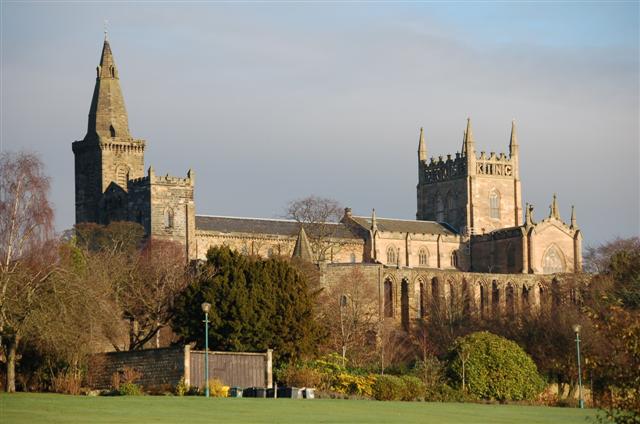
Photo: Paul McIlroy / Wikimedia Commons / CC BY-SA 2.0 The replica throne carved from the tree's timber was unveiled there by the 11th Earl of Elgin.
-
Battle of Teba
James Douglas died there in 1330 carrying the Bruce's heart; olive wood from Teba was worked into the throne made from this tree.
-
Elderslie
Yew from a tree at Elderslie, William Wallace's birthplace, was incorporated into the throne alongside the Bruce oak.
Discovery & excavation
A fire was set inside the oak's trunk in May 2004, causing it to fall. The Strathleven Artizans saved its timber and took custody of it.
In culture
-
Replica Bruce throne
Timber from the fallen tree was carved over eight years into a replica of Robert the Bruce's throne and unveiled at Dunfermline Abbey.
What to look for
-
The site in the Strathleven grounds
The tree itself is gone. What remains is the ground it stood on, in the grounds of Strathleven House.
-
The replica throne
Carved from the tree's own timber, with yew from Elderslie and olive wood from Teba, it has four beast heads at the ends of the arms and clawed feet.
What is said
Folklore and tradition, recorded as what is said — not as established fact.
-
The face in the grain
Members of the Strathleven Artizans said they could see the face of Robert the Bruce in the cross section of the felled trunk.
Plan your visit
- Location
- General area near West Dunbartonshire, West Dunbartonshire
- Nearest settlement
- West Dunbartonshire
- Access
- Reached on a public path
- What survives
- Living-tree condition and access should be checked against current local guidance before any visit copy is expanded.
This is a sensitive or fragile site, so we show only its general area. Please check official heritage sources for access before visiting, and take care not to disturb it.
Nearby places
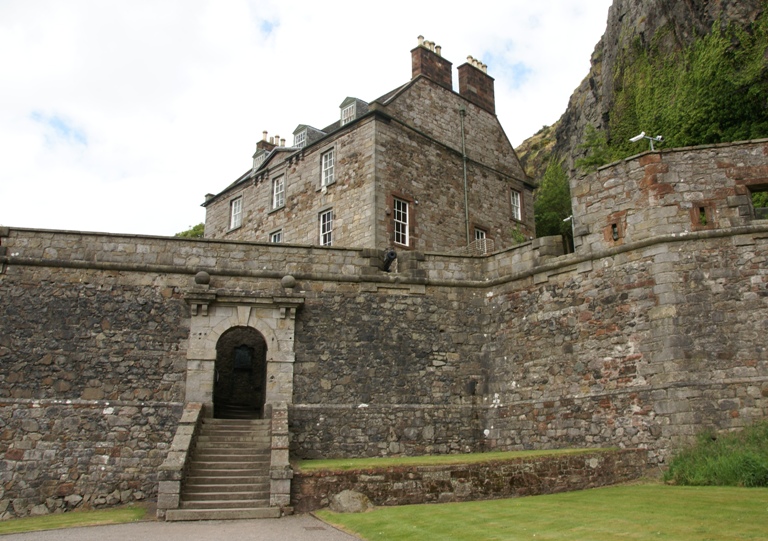
Fortified place · Iron Age
Dumbarton Castle and Dumbarton Rock
West Dunbartonshire
The longest recorded history of any stronghold in Scotland: capital of Strathclyde, taken by Vikings in 871 after its water failed.
- Near Dumbarton
- Some walking
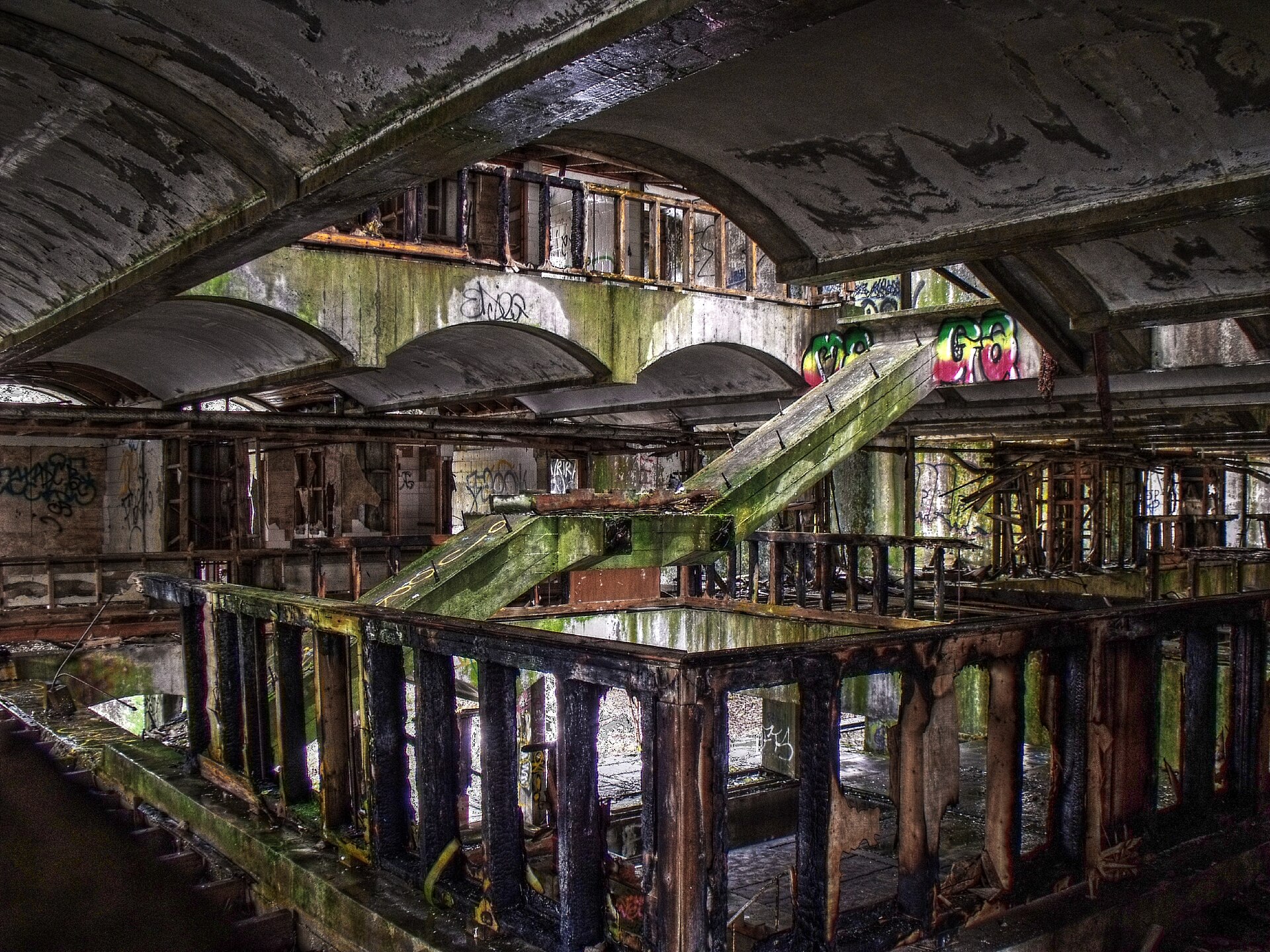
Fortified place · Medieval
Kilmahew Castle
Argyll and Bute
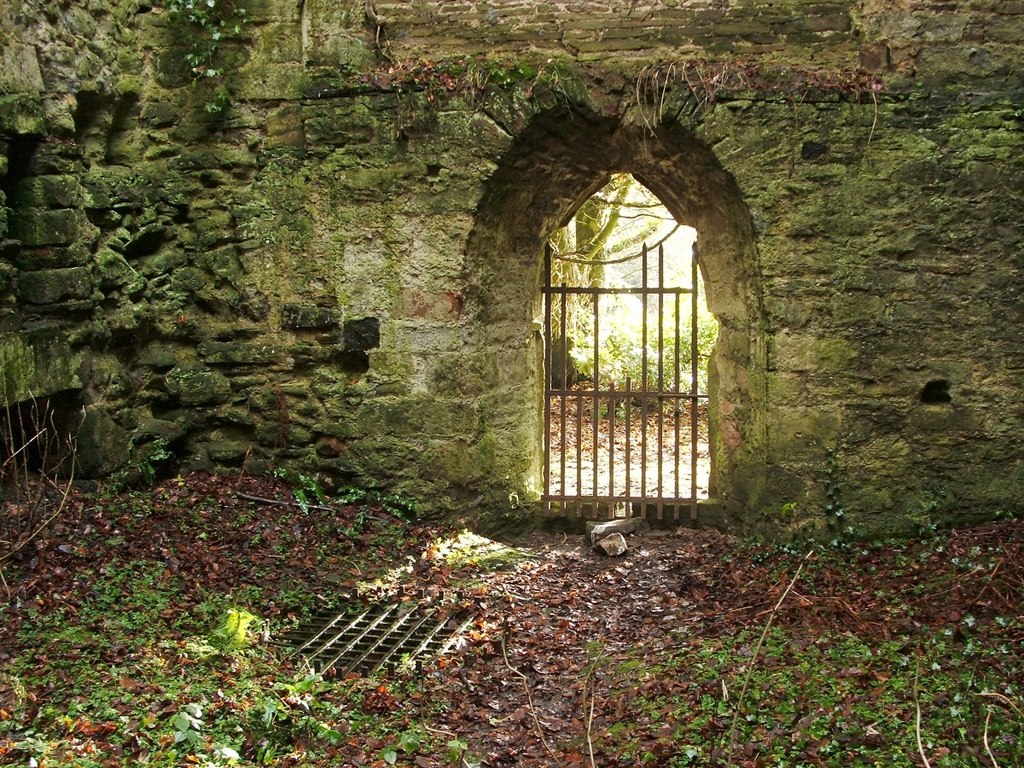
A roofless tower house north of Cardross that gave its name to eighteen generations of Napiers, among them the shipbuilding dynasty that built the…
- Near Cardross
- Some walking
Ancient tree · Medieval
Wallace Oak (Port Glasgow)
Inverclyde
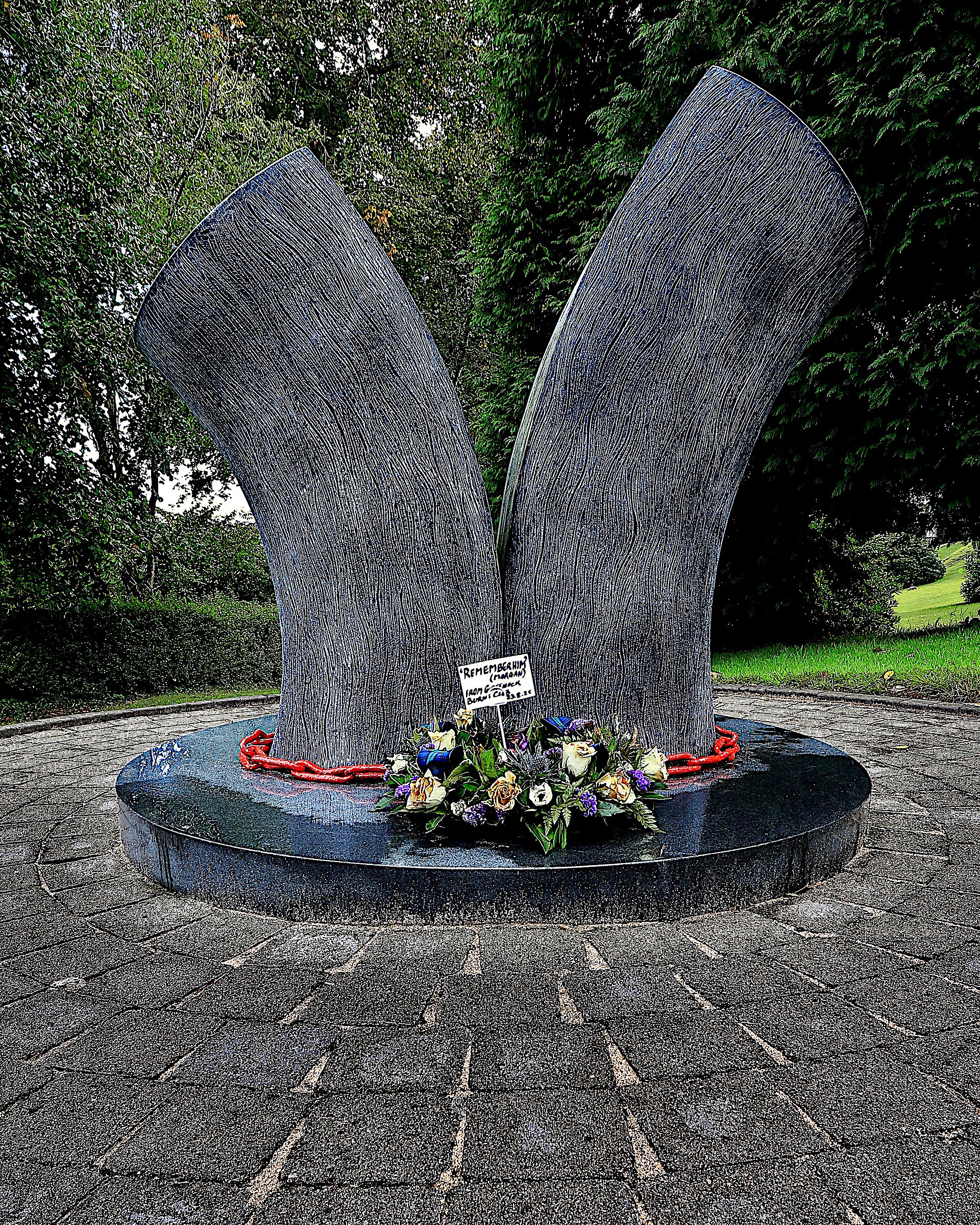
Although the Wallace story cannot be confirmed, the lost oak’s storm-felled remains and memorial show how a local legend became durable civic memory.
- Near Inverclyde
Questions people ask
- Is the Bruce Tree still standing?
- No. A fire was lit inside its trunk in May 2004 and the tree fell the same month.
- Did Robert the Bruce really plant it?
- The sources report it as rumour rather than established fact. What is documented is that the Strathleven estate was owned by Bruce as a young man, before he became king.
- How old was the tree?
- Between 700 and 1,000 years, with a girth of 8.8 metres. That would place its beginning somewhere between about 1000 and 1300, making it one of the oldest oaks in Scotland.
- What happened to the timber?
- The Strathleven Artizans took custody of it. Some was carved into a replica of Robert Bruce's throne; the society also planned to carve a heart from it for the Church of the Holy Sepulchre in Jerusalem.
- Where is the throne now?
- It was unveiled at Dunfermline Abbey and later displayed at the Bannockburn visitor centre during the Bannockburn Live event of 28 and 29 June 2014.
Sources
The Ancient Codex, in your pocket
Get the Pocket Codex app
Carry the directory with you — Bruce Tree and thousands of ancient places across Britain and Ireland, offline, wherever you roam.