Building or ruin · Roman
Milecastle 63
Cumbria
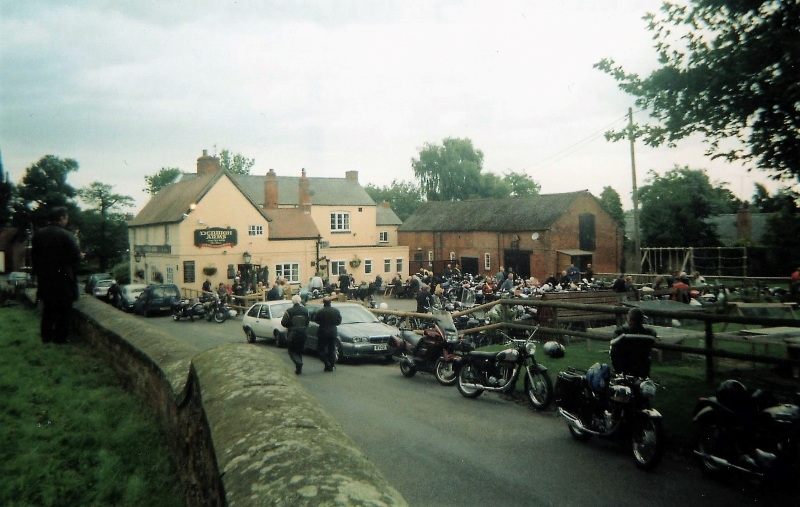
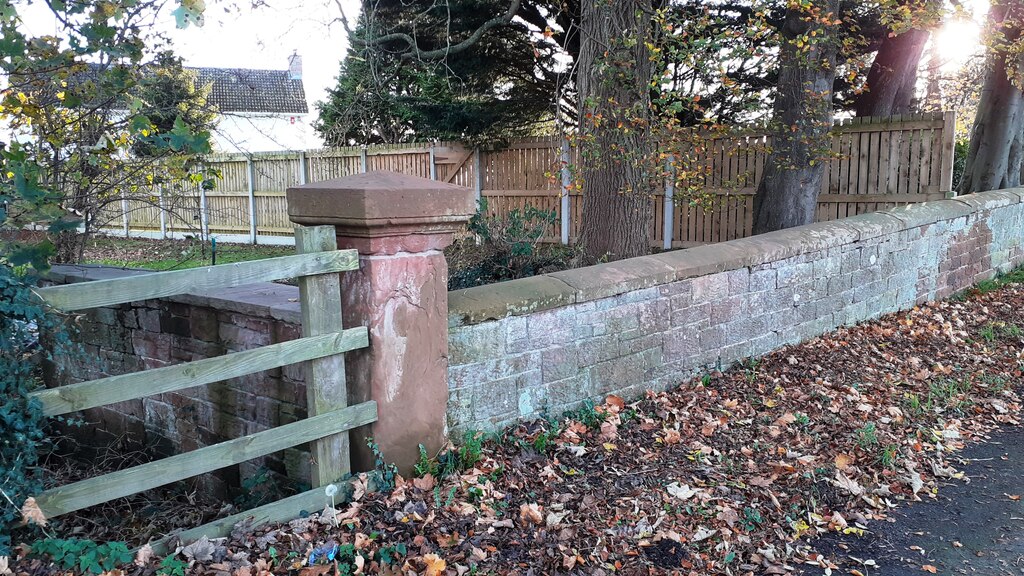
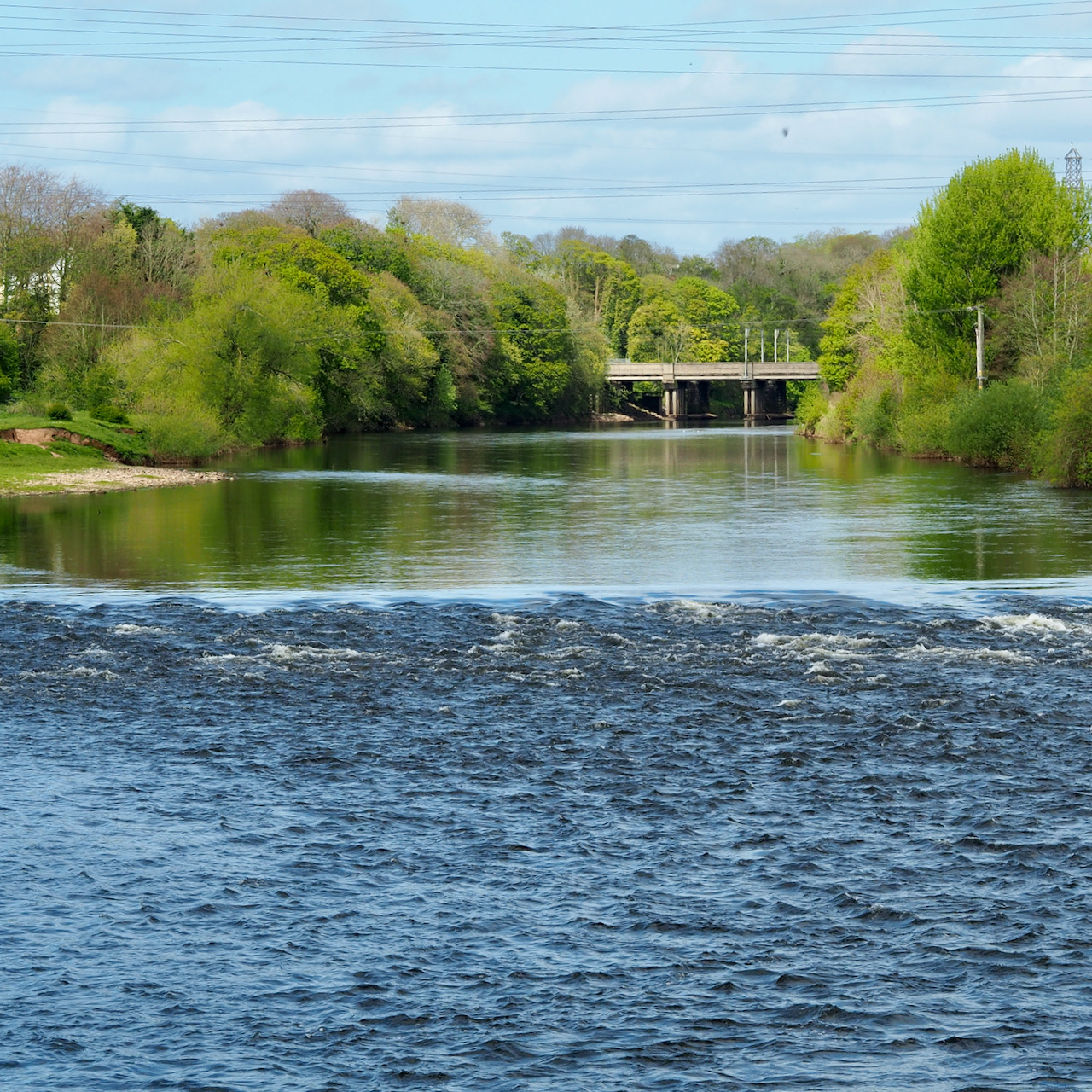
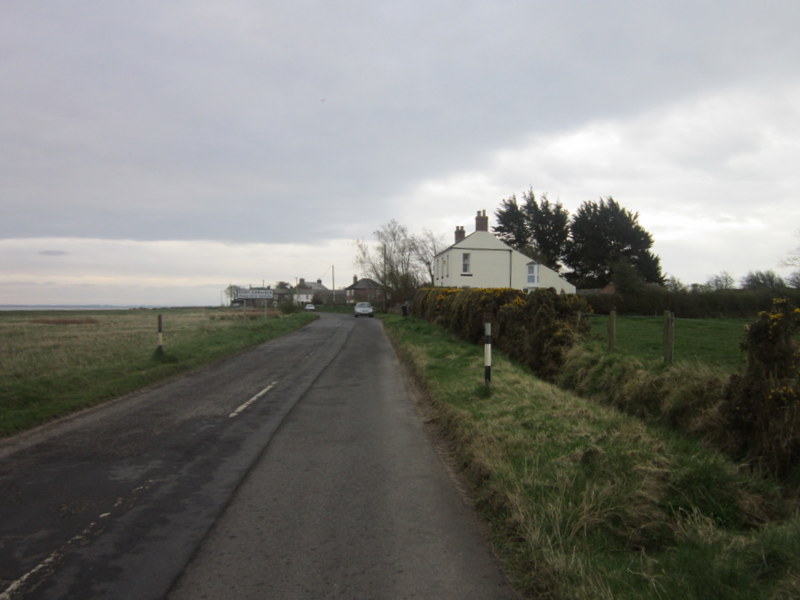
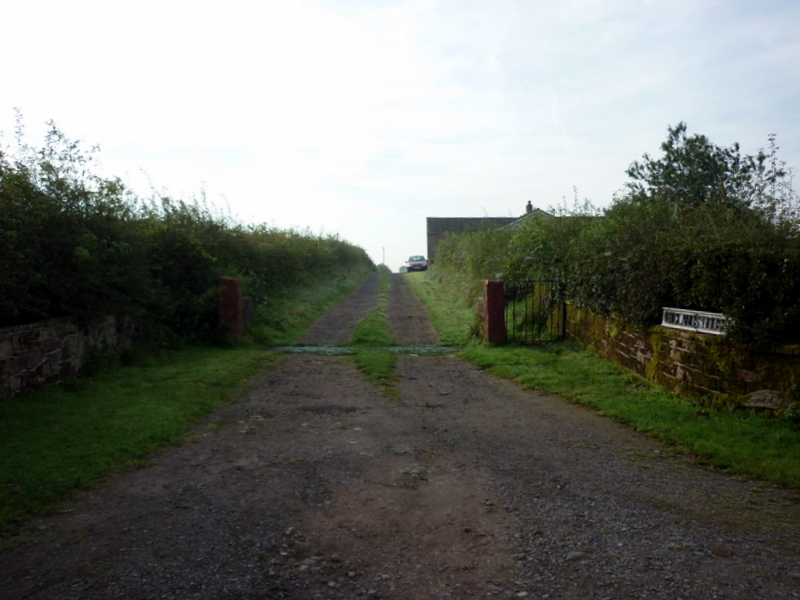
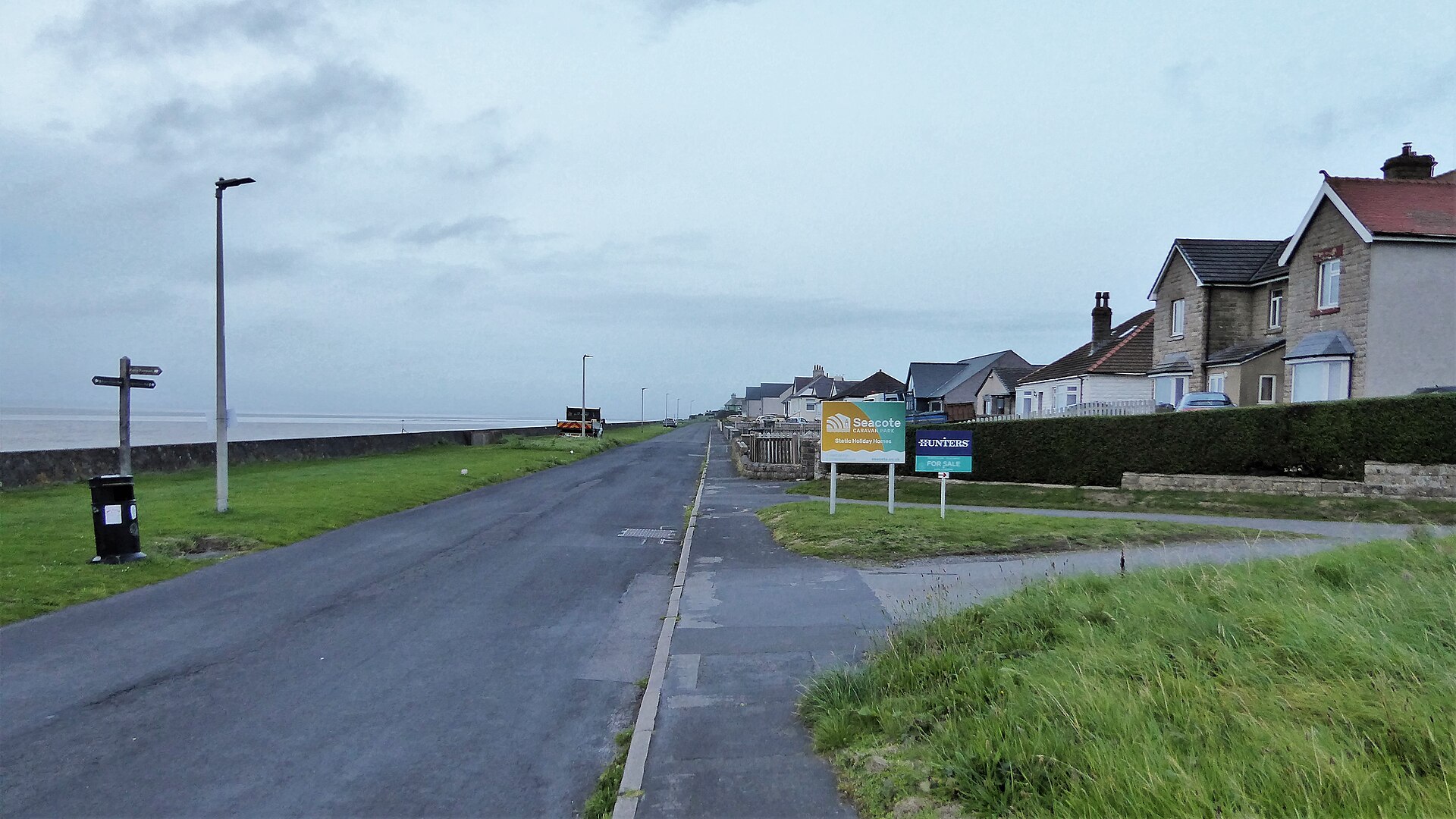
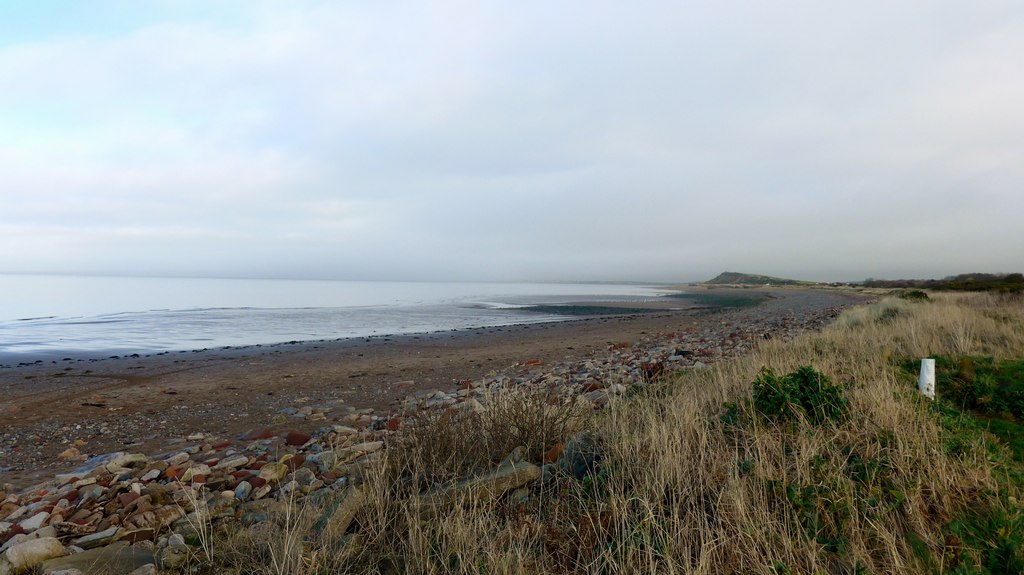
The clearest fact recorded about Milecastle 63 is not what survives here but how its location keeps being revised: a 1980 survey and a 2000 excavat…
The directory
Page 31 of 47 in the full directory.
Browsing 100 places — search and the map cover the whole directory.
Building or ruin · Roman
Cumbria
The clearest fact recorded about Milecastle 63 is not what survives here but how its location keeps being revised: a 1980 survey and a 2000 excavat…
Building or ruin · Roman
Cumbria
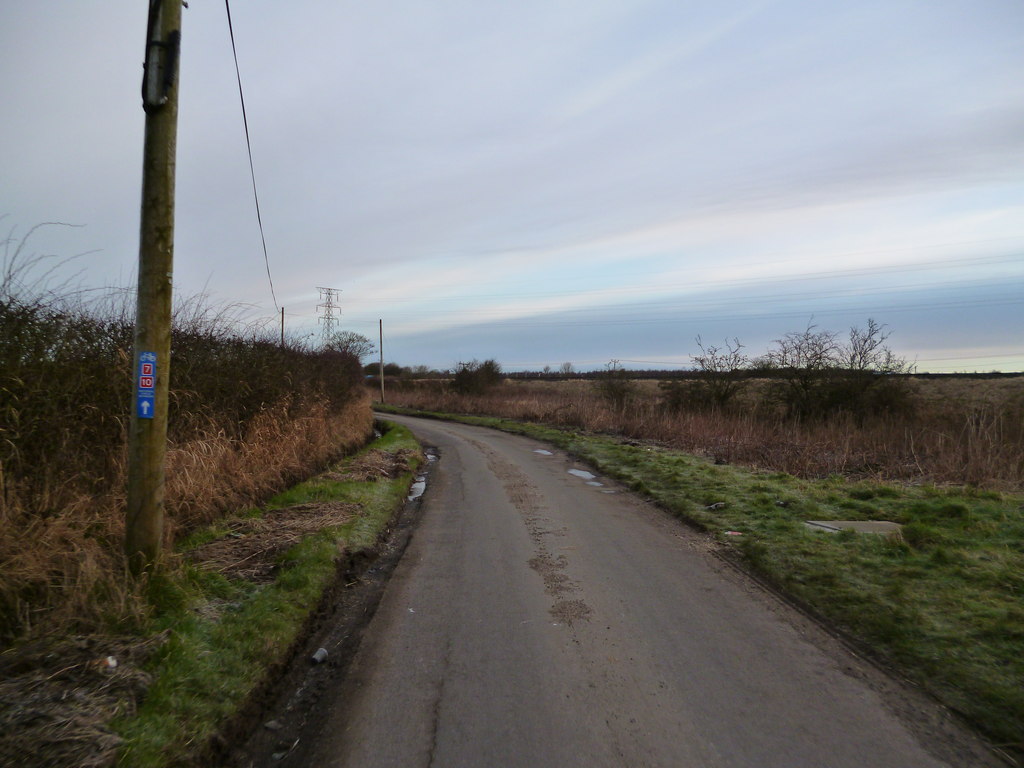
No stonework rises above the turf here, yet buried foundations and cobbled flooring confirmed in 1976 still anchor this stretch of Hadrian's Wall t…
Building or ruin · Roman
Cumbria
The stones of its vanished bridge lie recovered from the riverbed, nearly a hundred blocks dredged from the Eden and now resting in a Carlisle park…
Building or ruin · Roman
Cumbria
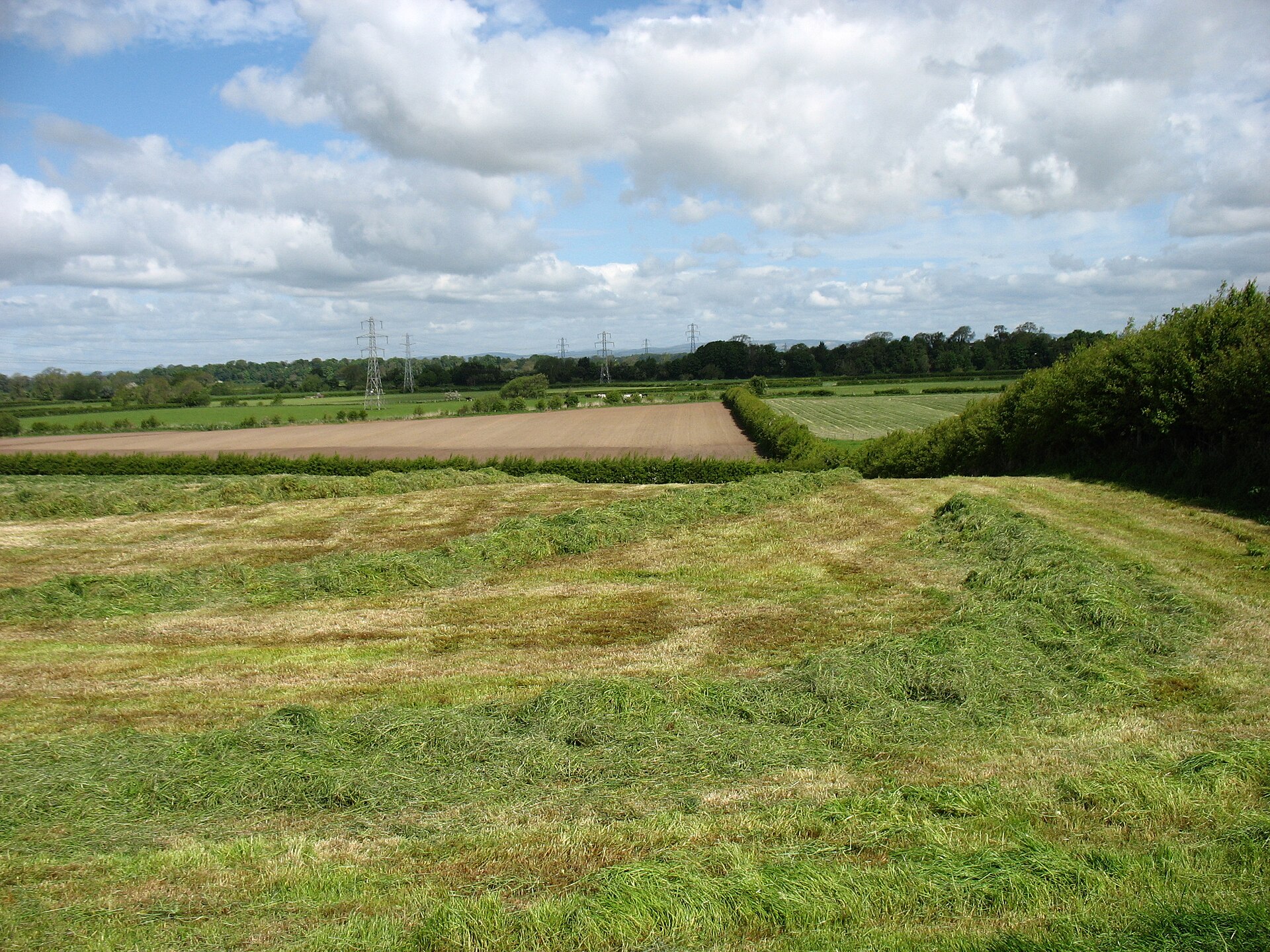
No masonry has ever been found at Milecastle 67: its position rests entirely on mathematical inference from the spacing of Hadrian's Wall's numbere…
Building or ruin · Roman
Cumbria
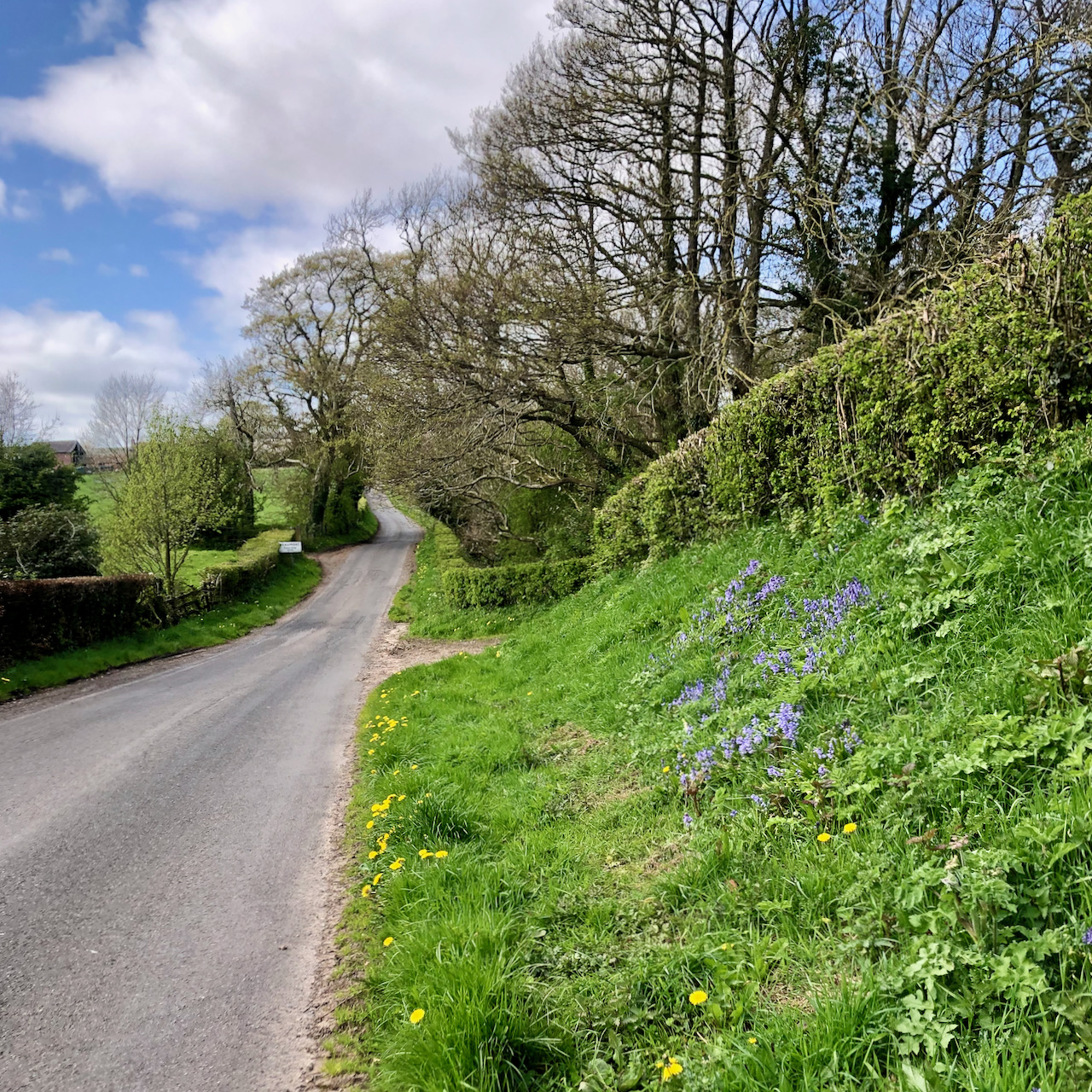
No stone of it has ever been found, yet its position is known almost to the metre: a milecastle located entirely by mathematics, not masonry.
Building or ruin · Roman
Cumbria
One of the Hadrian's Wall milecastles that has never been pinned down on the ground: stones once mistaken for its remains turned out to belong to a…
Building or ruin · Roman
Cumbria
A frontier post so thoroughly stripped that its very footprint has eluded a modern geophysical survey, yet the ground around it has still given up…
Building or ruin · Roman
Cumbria
Excavation here traced the milecastle's east wall to a possible interior building, one of the few points along this stretch of Hadrian's Wall where…
Building or ruin · Roman
Cumbria
Nothing of Milecastle 72 shows above the turf today, yet three separate digs pieced together a full building sequence from turf fort to stone, down…
Building or ruin · Roman
Cumbria
Nothing shows above the pasture today, yet a geophysical survey found an entire cluster of enclosures and a road pressed into the ground beside the…
Building or ruin · Roman
Cumbria
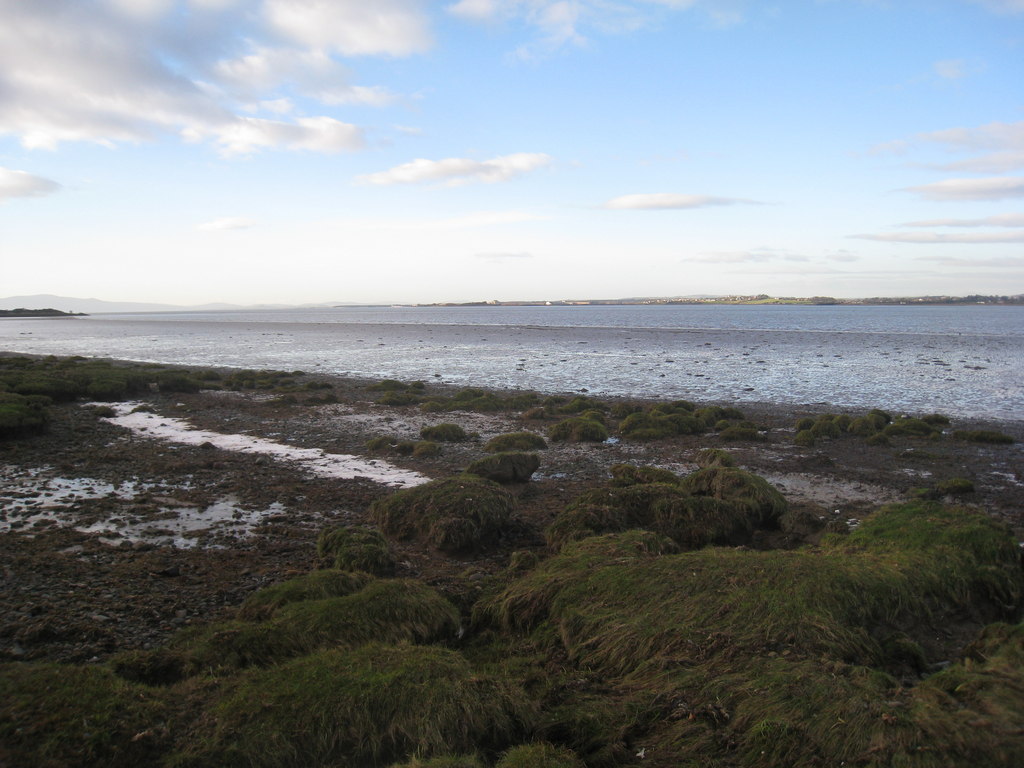
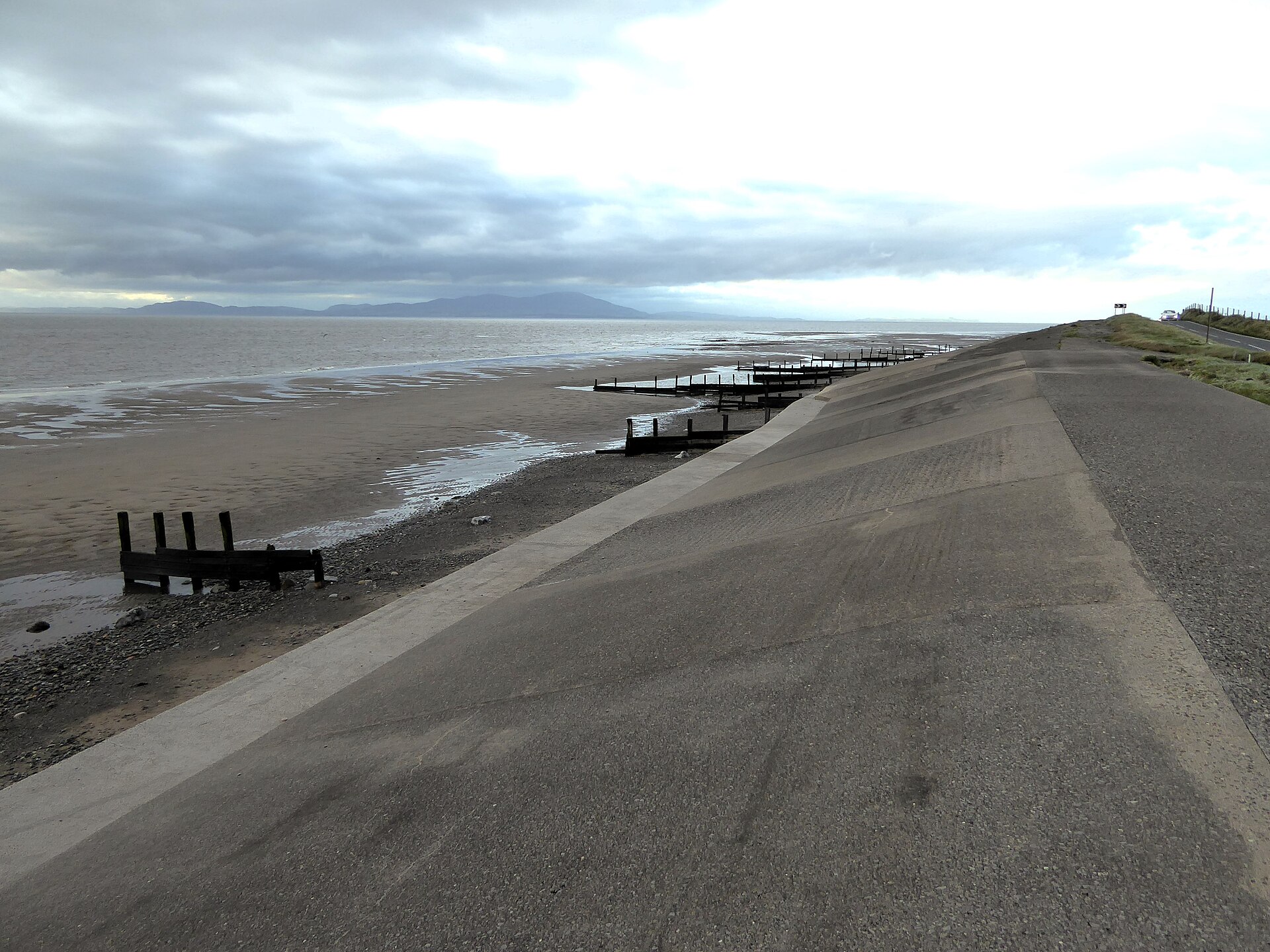
It stands in Burgh Marsh, a stretch of the Solway where no remains of Hadrian's Wall are known at all: so the milecastle is placed by measuring bac…
Building or ruin · Roman
Cumbria
A gatehouse the Roman army certainly built and certainly manned, yet one that has left no trace at all: its site reconstructed only by counting mil…
Building or ruin · Roman
Cumbria
Its exact footprint has never been pinned down: a faint platform near Drumburgh may or may not be the milecastle at all, making this one of the Wal…
Building or ruin · Roman
Cumbria
One of the mile-spaced fortlets that studded Hadrian's Wall, yet unlike many neighbouring stations its exact footprint has never been pinned down o…
Building or ruin · Roman
Cumbria
Nothing stands above ground here, yet two seasons of excavation, 66 years apart, recovered the exact footprint of a Roman garrison post down to a b…
Building or ruin · Roman
Cumbria
Excavated twice fifty years apart, this milecastle shows its own Roman rebuilding in section: a turf-and-timber fort raised on an artificial flood…
Building or ruin · Roman
Cumbria
Its exact site was never found - swallowed, most likely, by the very Roman fort that replaced it, with the sea perhaps finishing the job.
Building or ruin · Roman
Cumbria
First in the chain of milefortlets extending Hadrian's Wall's frontier along the Solway coast, its buried remains show three separate rebuildings d…
Building or ruin · Roman
Cumbria
Its exact location has never been confirmed by excavation: a Roman site inferred entirely from measurement, a phantom fort known only through the g…
Building or ruin · Roman
Cumbria
A Roman coastal defence whose exact position has never been pinned down: only calculated from the towers and ditches that survive around it.
Building or ruin · Roman
Cumbria
One link in a chain of small coastal forts that carried Hadrian's Wall's defences off the end of the Wall itself and down the Cumbrian shore.
Building or ruin · Roman
Cumbria
The fortlet itself has never been found: a 1994 survey traced only a possible ditch, while its two flanking towers yielded a Hadrianic coin and Rom…
Building or ruin · Roman
Cumbria
No trace of it survives above ground at all: its very existence is known only because it fits the mathematical rhythm of Rome's coastal defence cha…
Building or ruin · Roman
Cumbria
One of a chain of Roman coastal watch-posts continuing Hadrian's Wall westward, entirely lost to erosion by 1980 and known now chiefly through its…
Building or ruin · Roman
Cumbria
A missing link in Hadrian's frontier system: proof that Rome's coastal defences ran on past the Wall itself, screening the Cumbrian shore with fort…
Building or ruin · Roman
Cumbria
A vanished Roman coastal post recovered only from the air after being written off as lost to the sea, part of the chain that carried Hadrian's Wall…
Building or ruin · Roman
Cumbria
No one has ever found it: its position is only a calculated estimate between two neighbouring forts, making it one of the Cumbrian coast's true gho…
Building or ruin · Roman
Cumbria
A timber fortlet on the Cumbrian coast that carried Hadrian's Wall's defensive system beyond the Wall itself, guarding a shoreline the Wall never r…
Building or ruin · Roman
Cumbria
Milefortlet 21 matters because full excavation revealed an inhabited coastal outpost: buildings, ovens and possessions: not merely the footprint of…
Building or ruin · Roman
Cumbria
A Roman coastal fort now lies beneath a golf green, its ditch and gravel entrance road recovered only through 20th-century excavation.
Building or ruin · Roman
Cumbria
No wall or ditch survives above ground, yet aerial photography and geophysics have pinned this fortlet's exact outline into the Cumbrian coast's Ro…
Building or ruin · Roman
Cumbria
Nothing survives above ground in this Maryport industrial estate, yet its flanking towers gave up a prehistoric (before written records reached Bri…
Building or ruin · Roman
Cumbria
A Roman coastal watch-post so thoroughly ploughed away that only an aerial photograph proves it was ever there: the Cumbrian coast defences reduced…
Building or ruin · Roman
Cumbria
A fortlet with nothing above ground, found by its turfwork in 1945: and a tower beside it rebuilt from palisade to stone.
Building or ruin · Roman
Cumbria
A Roman coastal watch-post reduced by wartime bulldozers to cropmarks in a field: excavated just before an airfield erased it in 1944.
Building or ruin · Roman
Cumbria
A vanished timber-and-turf outpost on the Solway shore, known today only through the shadows it left in a farmer's field when seen from the air.
Fortified place · Iron Age
Scottish Borders
A small hillfort of the Iron Age, roughly 800 BC until the Roman conquest: a settlement defended by banks and ditches on high ground: with up to si…
Fortified place · Medieval
Cumbria
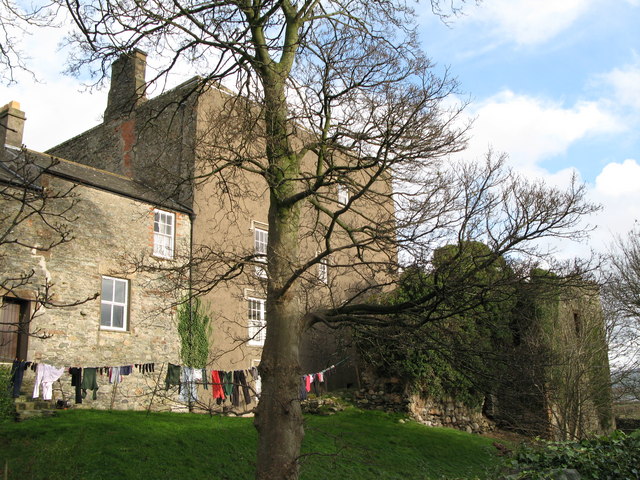
A single family, the Hudlestons, held this stronghold for over six centuries, riding out the Wars of the Roses and a Civil War siege that finally b…
Tomb or burial place · Prehistoric
Orkney Islands
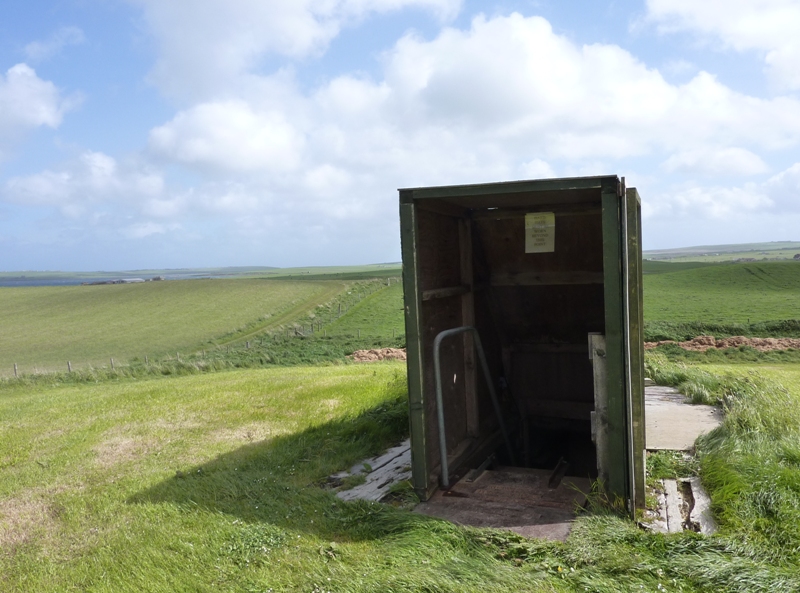
Twenty-nine descending steps and fine stonework lead into an Iron Age chamber whose purpose remains unknown, making Mine Howe as compelling for its…
Building or ruin · Roman
Cheshire
A goddess still stands carved into the living rock of a Roman quarry face: the only shrine of its kind in western Europe never moved from where it…
Sacred place · Medieval
Hertfordshire
A 14th-century chapel that outlived its own congregation, then outlived its own building: its ruin has been photographed as a fake haunting, leased…
Building or ruin · Medieval
Oxfordshire
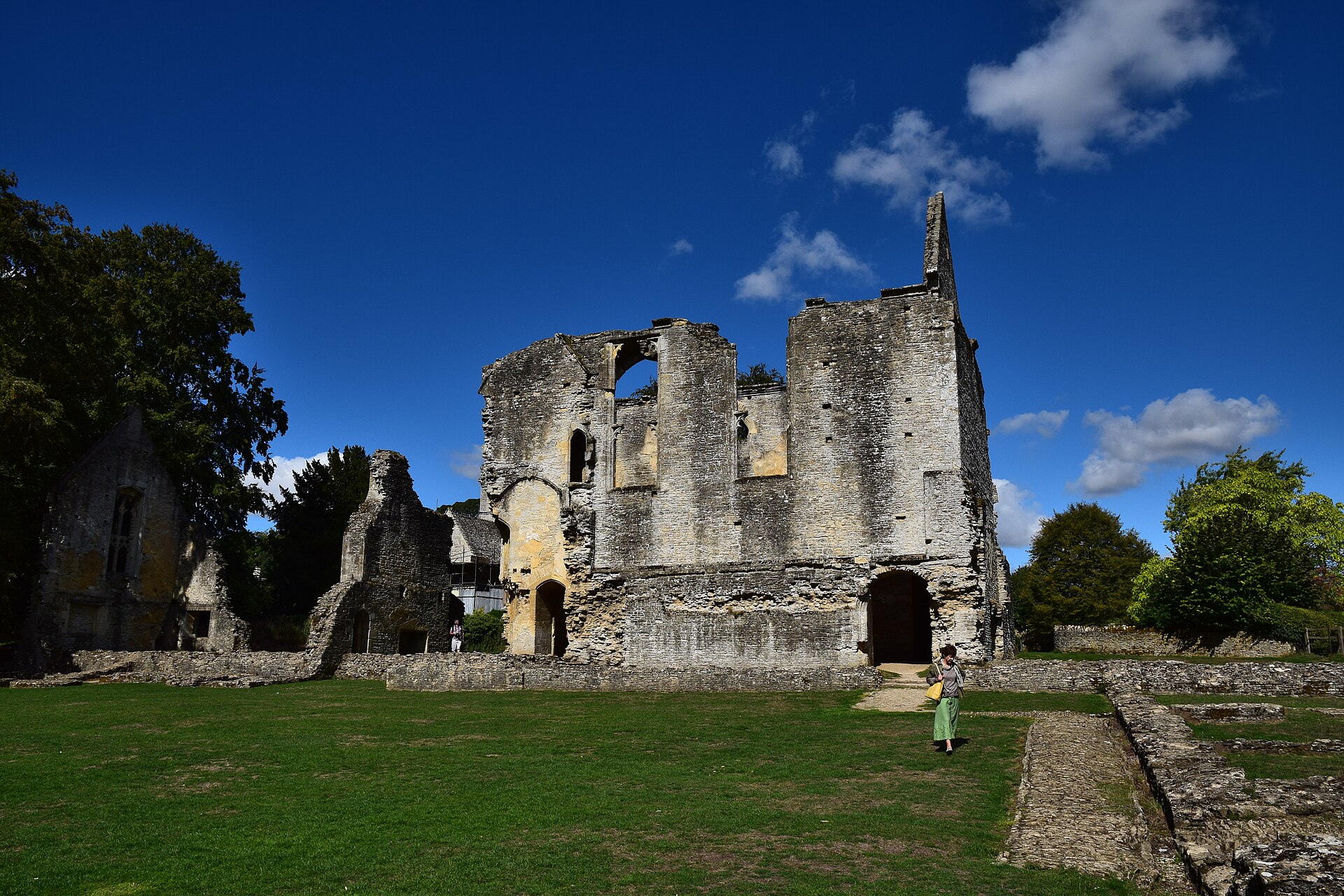
A ruined fifteenth-century manor house beside the River Windrush, in a village whose name records a minster: an early church served by a community…
Sacred place · Medieval
Lincolnshire
A Lincolnshire outpost of a French abbey, the priory: a monastery headed by a prior: was seized by the Crown three times during the wars with Franc…
Sacred place · Medieval
Buckinghamshire
The second Arrouasian community ever founded in England, its church once held the largest bell in Buckinghamshire, and a country house built from i…
Sacred place · Prehistoric
Shropshire
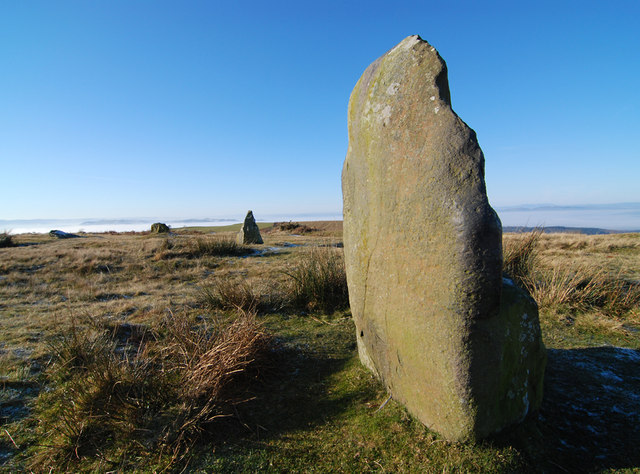
Mitchell’s Fold is a stone circle whose surviving dolerite pillars, nearby ancient monuments and disputed legends preserve a layered ritual landsca…
Fortified place · Medieval
Northumberland
Mitford’s ruined hilltop, reshaped in Norman times into an earthen castle mound, became the setting for kidnapping, rebellion and destruction by 1323.
Fortified place · Iron Age
Aberdeenshire
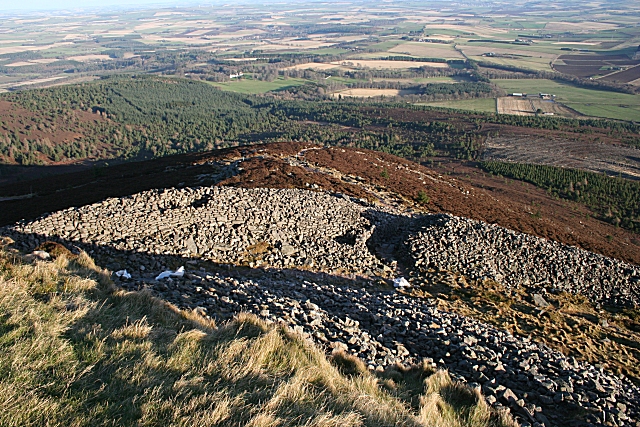
Excavation found an intact crucible and iron slag inside the ramparts: proof this granite summit was a working metalworking centre, not just a look…
Fortified place · Iron Age
Flintshire
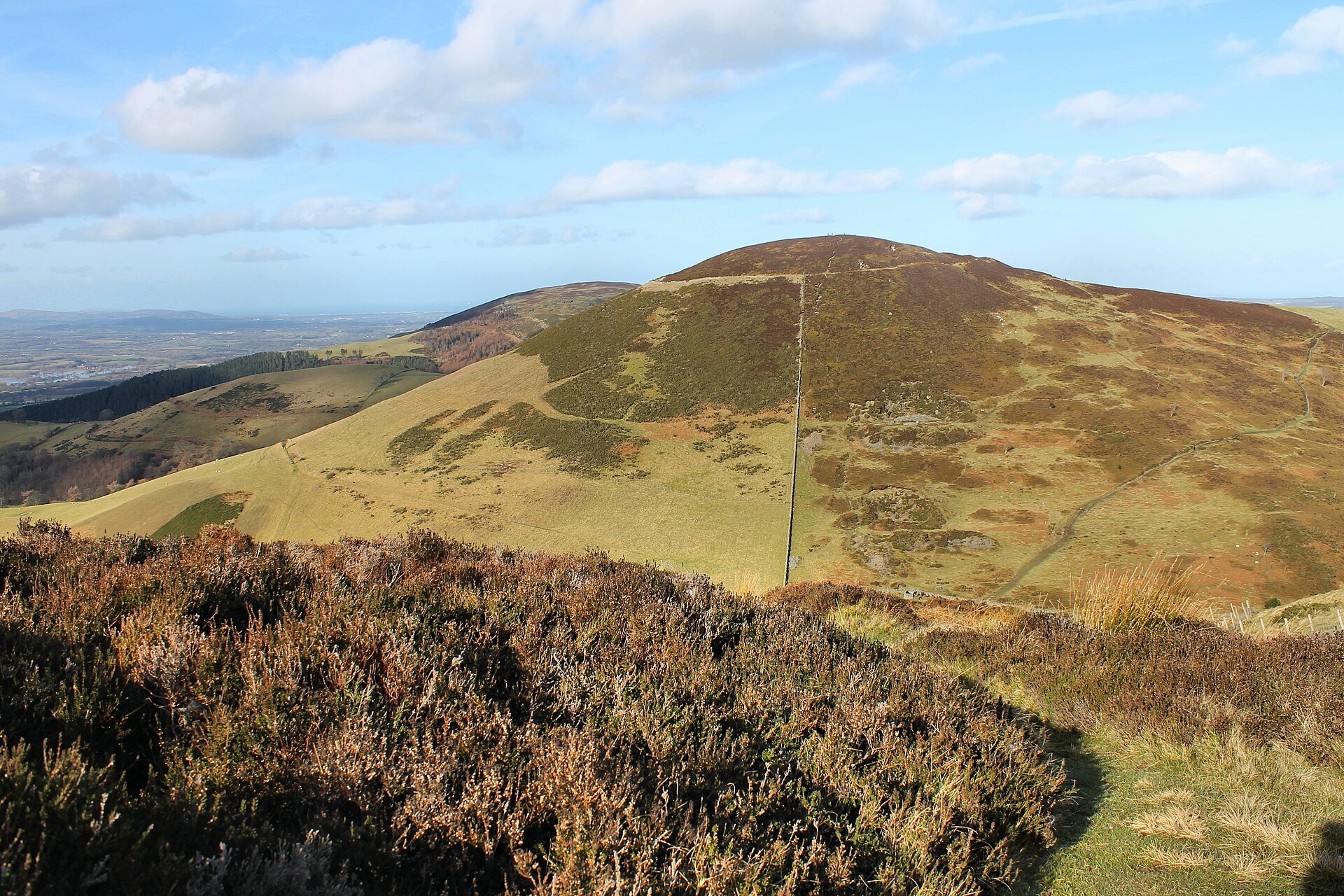
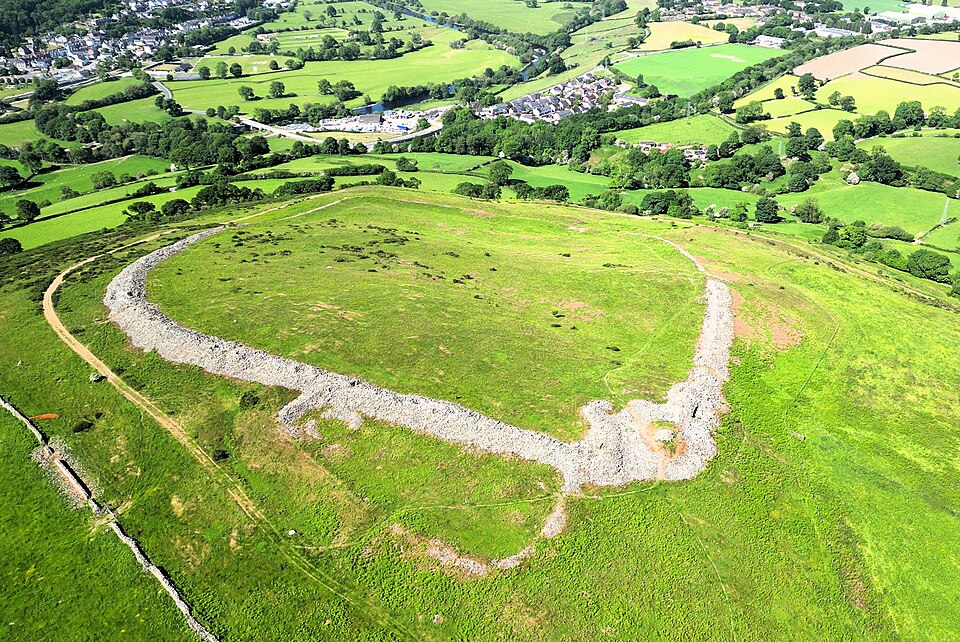
Its double rampart (a defensive bank of earth or stone) on the one gentle approach, and a single bank everywhere the slope already did the work, sh…
Fortified place · Iron Age
Denbighshire
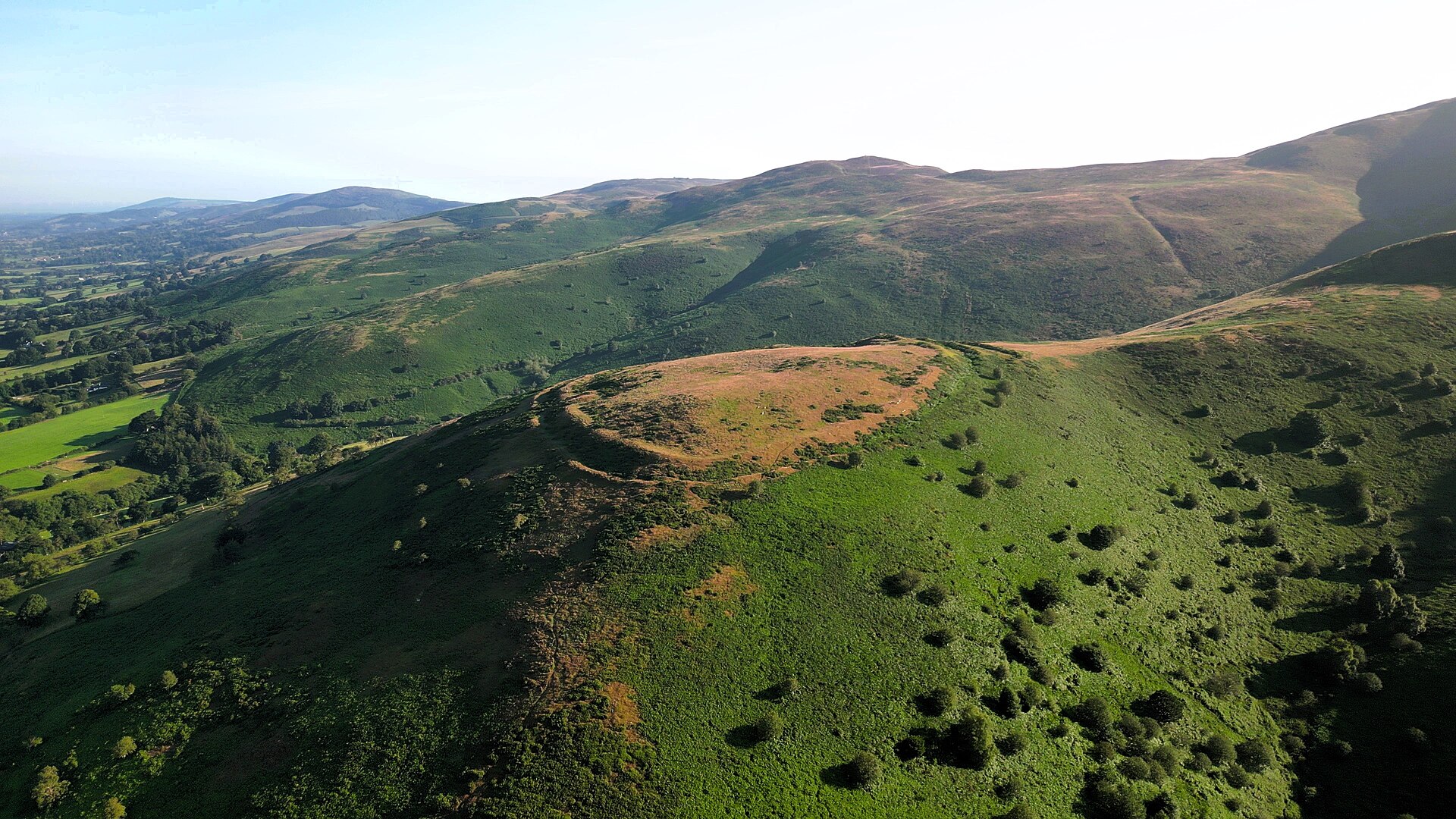
An Iron Age hillfort crowns a limestone ridge above Dyserth, its northern flank sheared away by quarrying: a fort half-consumed by the very stone i…
Sacred place · Prehistoric
Denbighshire
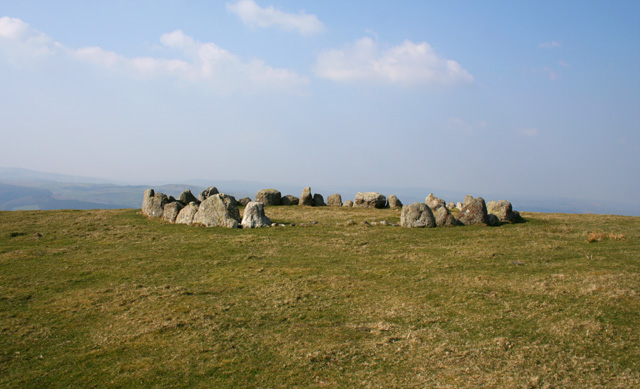
Moel Tŷ Uchaf is a compact Welsh upland monument whose 41-stone ring and central cist, a stone-lined box grave, preserve the ambiguous boundary bet…
Fortified place · Iron Age
Denbighshire
The smallest of the six Clwydian Range hillforts, sited lowest of the chain yet at the strategic confluence of the Wheeler and Clwyd rivers where O…
Fortified place · Iron Age
Denbighshire
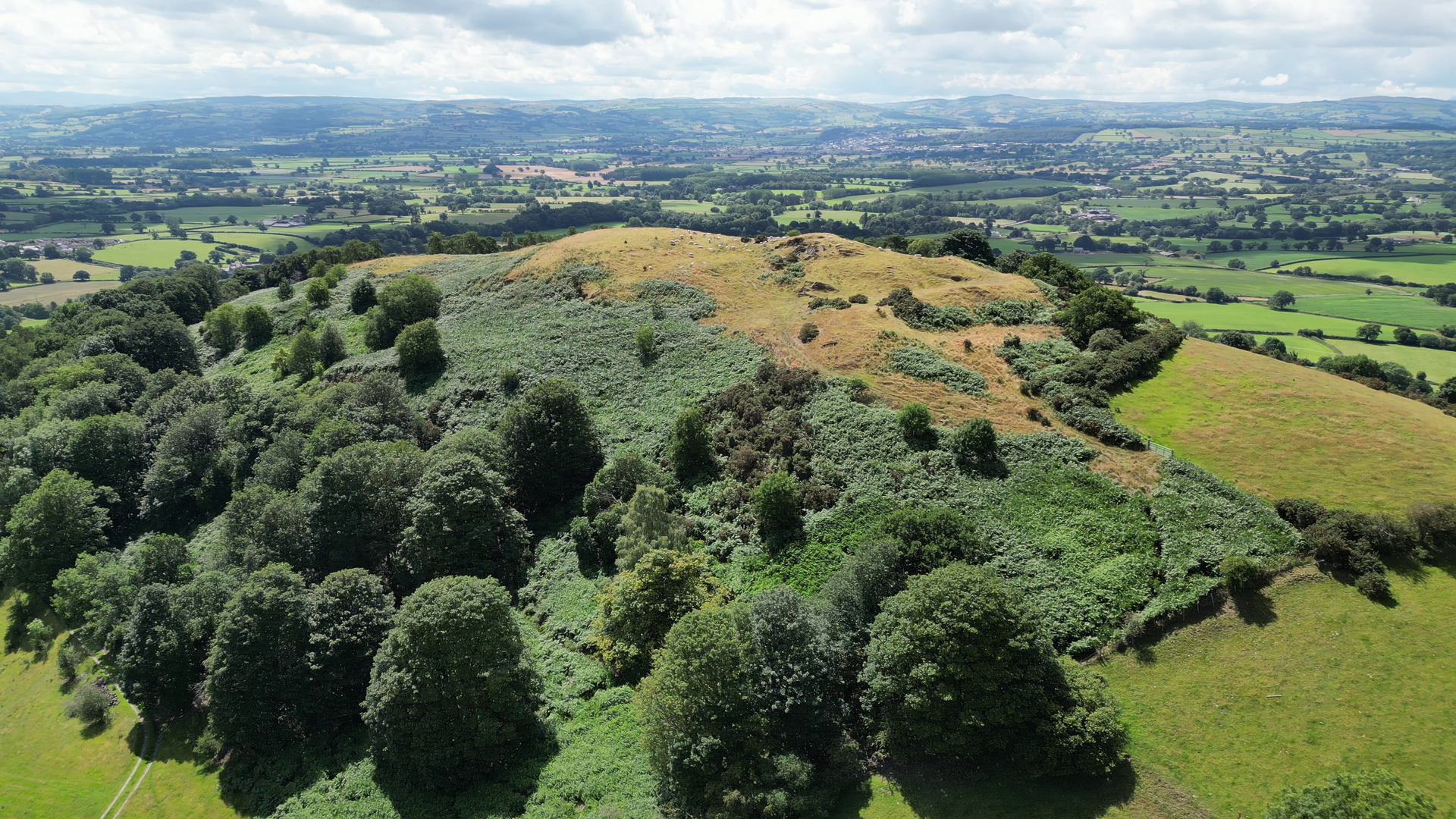
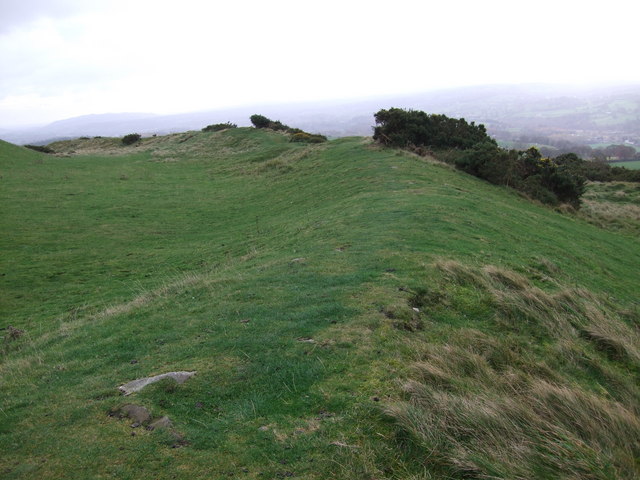
One of six linked hillforts strung along the Clwydian Range, yet built lower and off the main ridge: a deliberate break from the chain's usual patt…
Fortified place · Iron Age
Denbighshire
Excavation here found two roundhouses of different periods still preserved beneath the turf, proof that this hilltop was lived on, not just fortified.
Fortified place · Iron Age
Flintshire
A timber long house sunk beneath the ramparts pushed activity on this summit back a thousand years before any defences existed, long before the for…
Sacred place · Medieval
County Waterford
An island monastery whose monks helped compile a foundational text of early Irish canon law, later reduced to an ivy-choked ruin and finally absorb…
Fortified place · Medieval
Flintshire
A Norman motte (the earthen mound a castle was raised on) raised in 1072 to hold a river crossing was fought over by Welsh princes and Cromwell's m…
Sacred place · Medieval
County Limerick
A cannon was turned on the sheltering community here in 1580, and the massacre that followed left the abbey (a monastic house under the rule of an…
Sacred place · Medieval
County Kilkenny
A battle in 745 and an anchorite's death in 889 are almost all that survive of a community whose own medieval clergy could not agree on its patron…
Sacred place · Medieval
County Leitrim
A single monastic site lived through three separate lives: Irish saint's church, Augustinian priory, and briefly revived friary: each ended by forc…
Fortified place · Medieval
County Donegal
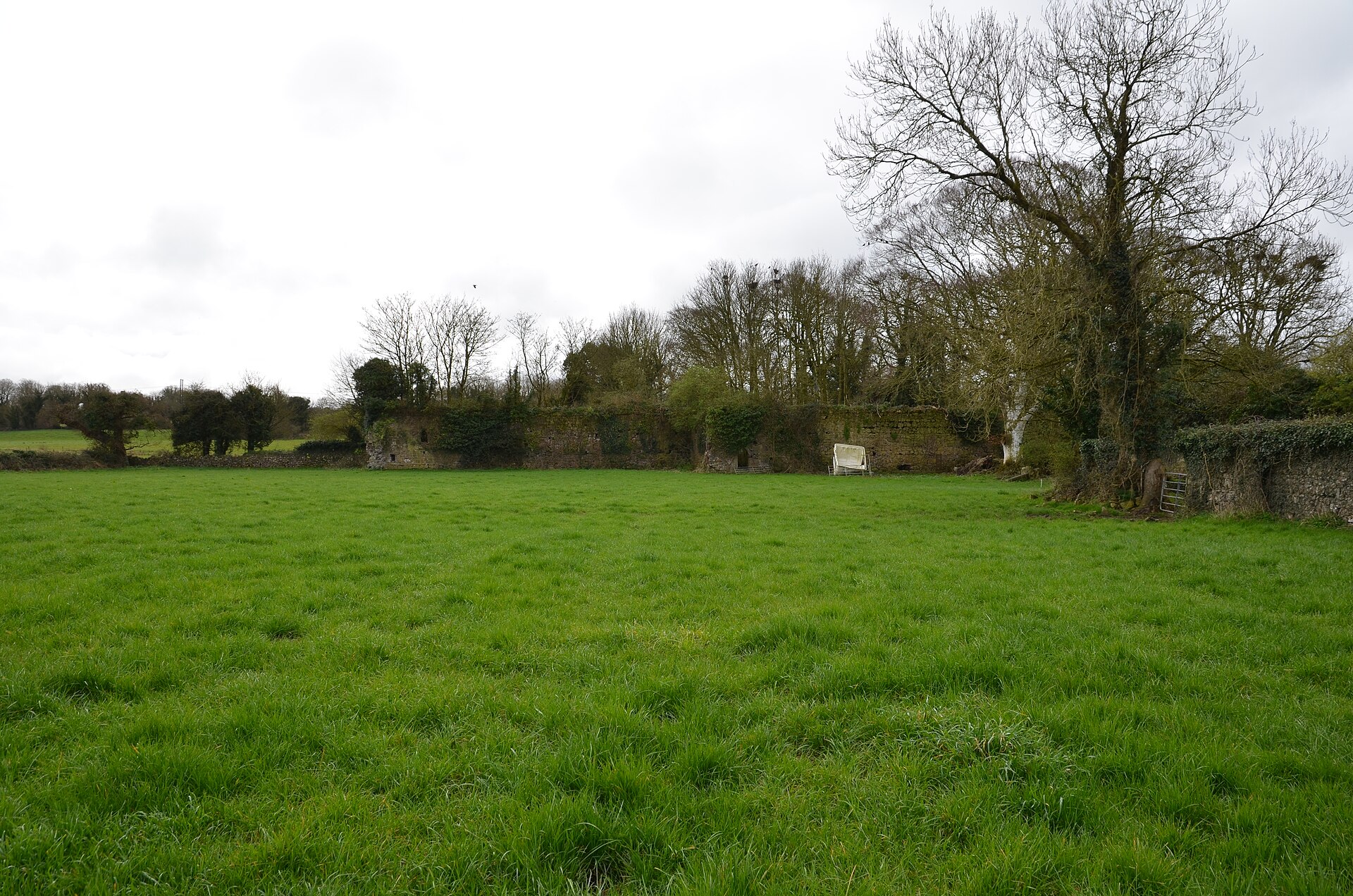
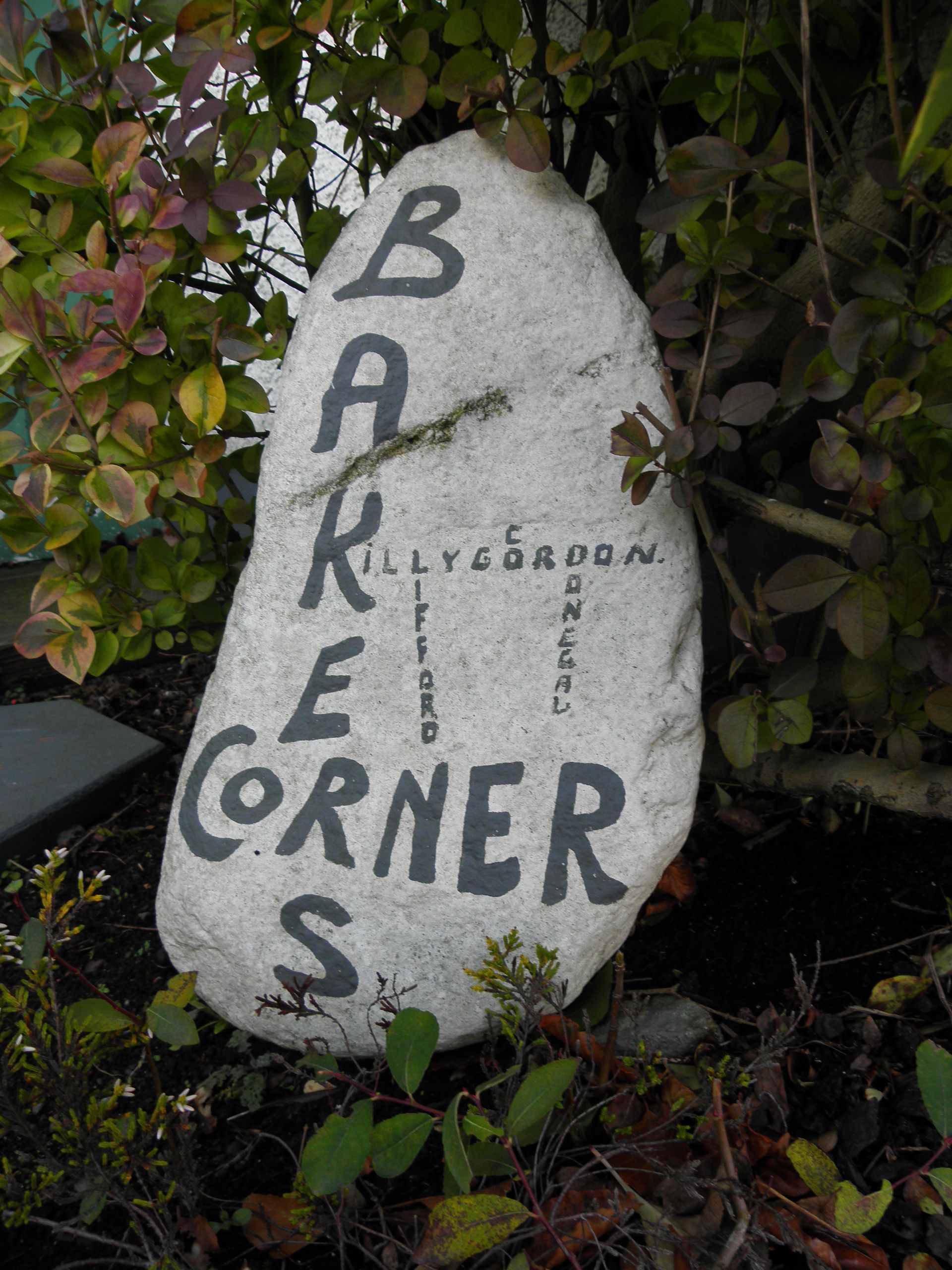
The seat of Ineen Dubh, mother of Red Hugh O'Donnell, whose Scottish bodyguard's descendants: the Crawfords: still live in the district her strongh…
Fortified place · Medieval
County Galway
A tower house rebuilt into a family seat conceals, in its own woods, a granite mausoleum with a marble effigy carved by an Italian sculptor and win…
Sacred place · Medieval
South Yorkshire
A Cluniac monastery whose 1350 endowment for Black Death thanksgiving prayers still stands, and whose ruins have been re-excavated by Sheffield arc…
Sacred place · Medieval
Merseyside
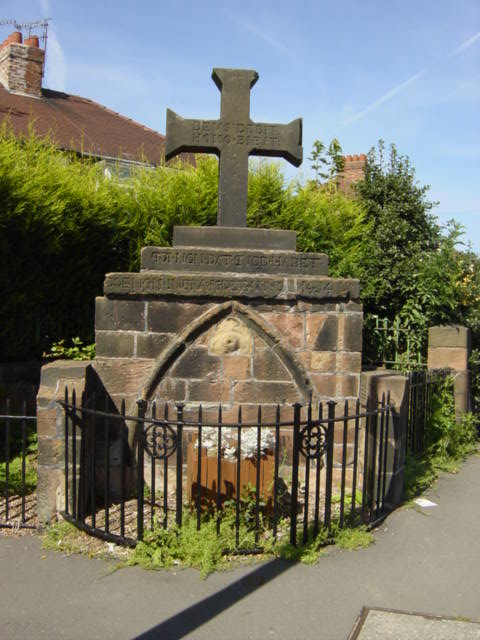
Monk’s Well is a rare, dated 1414 holy well in Liverpool, preserving a medieval water source, charitable expectation and the memory of a vanished m…
Crossing or structure · Medieval
Berkshire
One of only two surviving turf-sided locks on the Kennet and Avon Canal, out of more than a dozen originally built this way.
Tomb or burial place · Prehistoric
county-meath
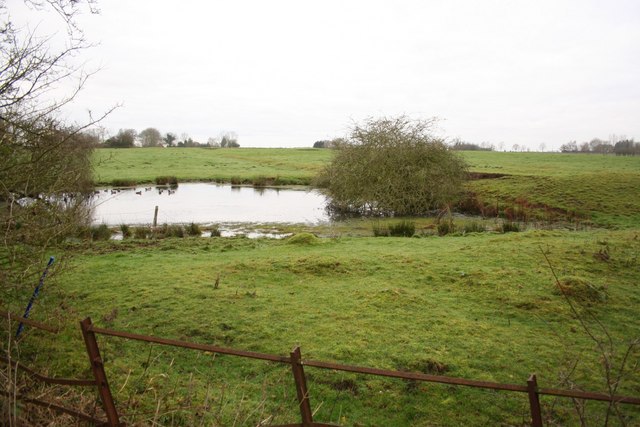
A Neolithic enclosure on the northern rim of Brú na Bóinne whose bank holds thirty metres of standing water: a pond, deliberately made, at the edge…
Crossing or structure · Medieval
Staffordshire
A fifteenth-century bridge scheduled twice: given statutory protection for what survives archaeologically by two counties, because it stands on the…
Sacred place · Medieval
Wiltshire
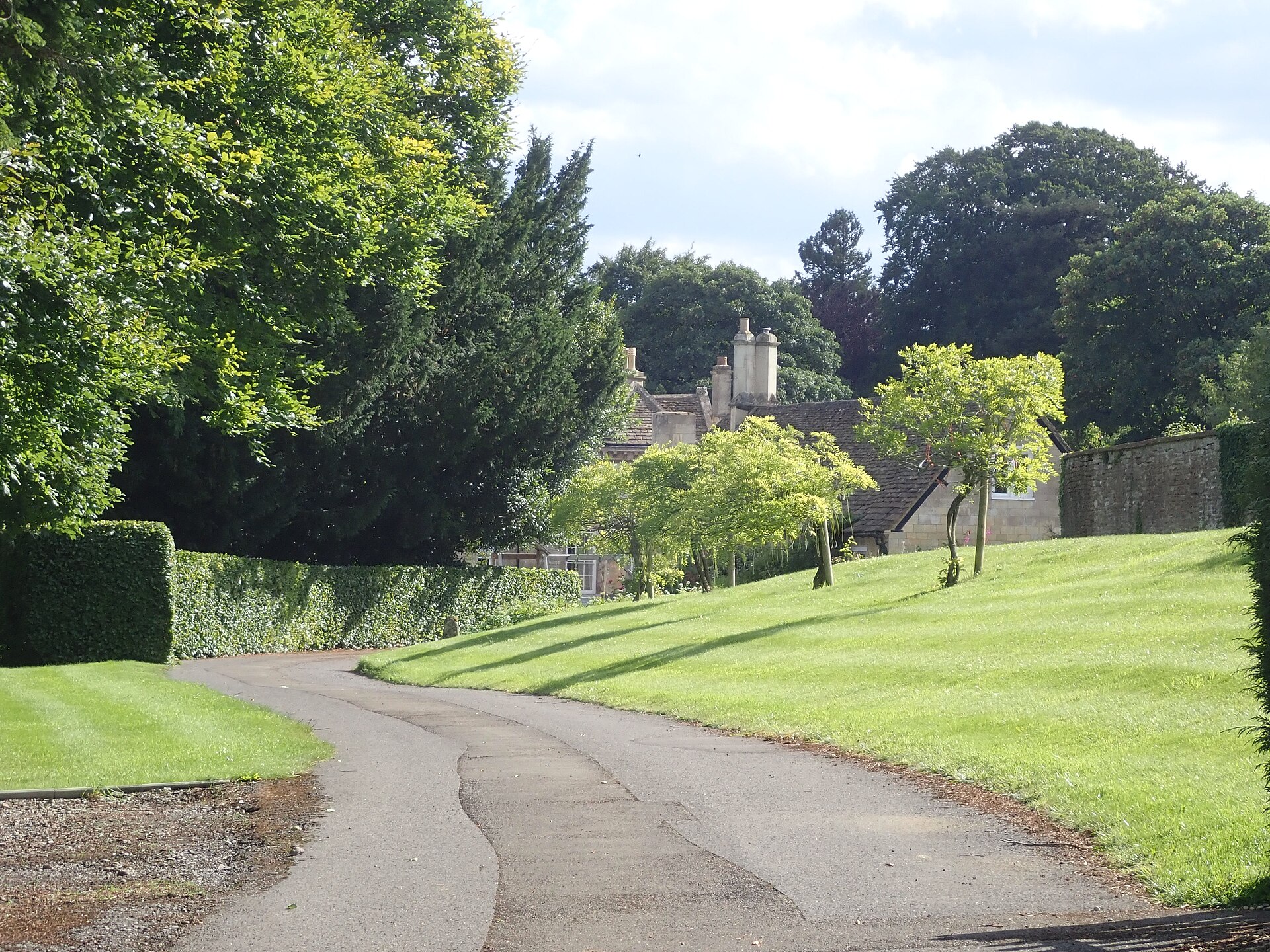
A widow's act of religious patronage outlived the priory: a smaller monastery led by a prior: itself: its well house still stands and still marks t…
Fortified place · Medieval
Monmouthshire
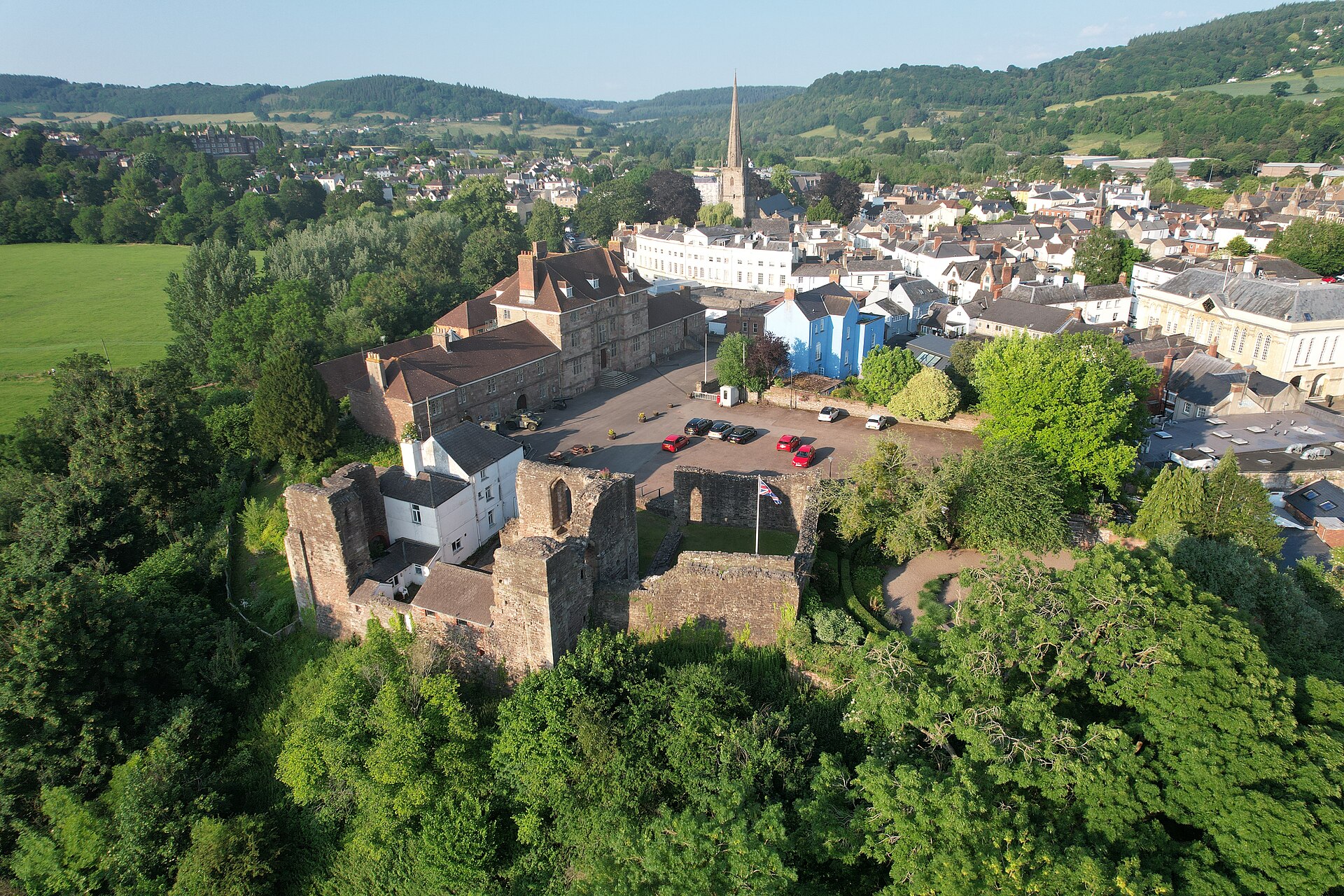
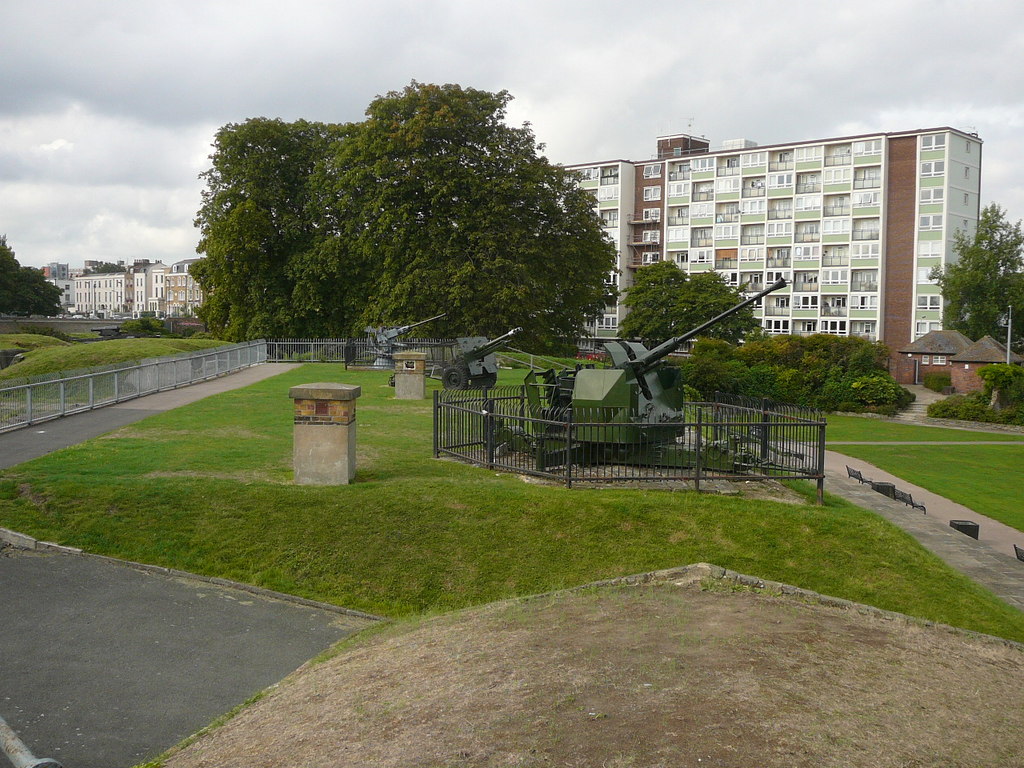
Monmouth Castle is a major Welsh Marches stronghold and Henry V’s birthplace, whose ruins reveal Norman expansion, Civil War destruction and enduri…
Building or ruin · Medieval
Monmouthshire
Monmouth Police Station is a Grade II mid-nineteenth-century building that records the town’s transition from its own force to county policing with…
Fortified place · Medieval
Monmouthshire
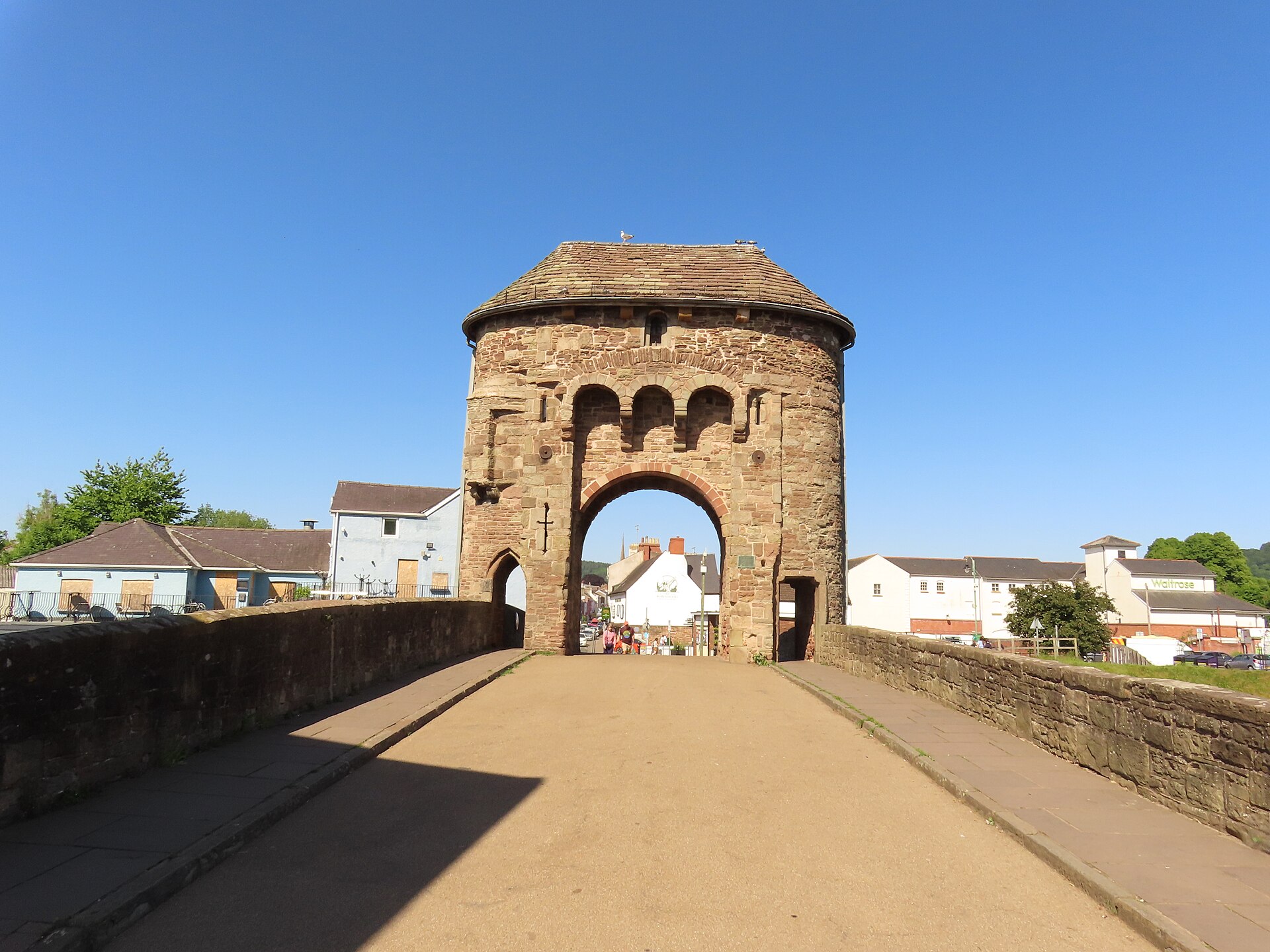
Monnow Bridge is Britain’s only surviving fortified river bridge with its gate tower standing on the bridge, a Grade I monument that shaped Monmout…
Fortified place · Medieval
Somerset
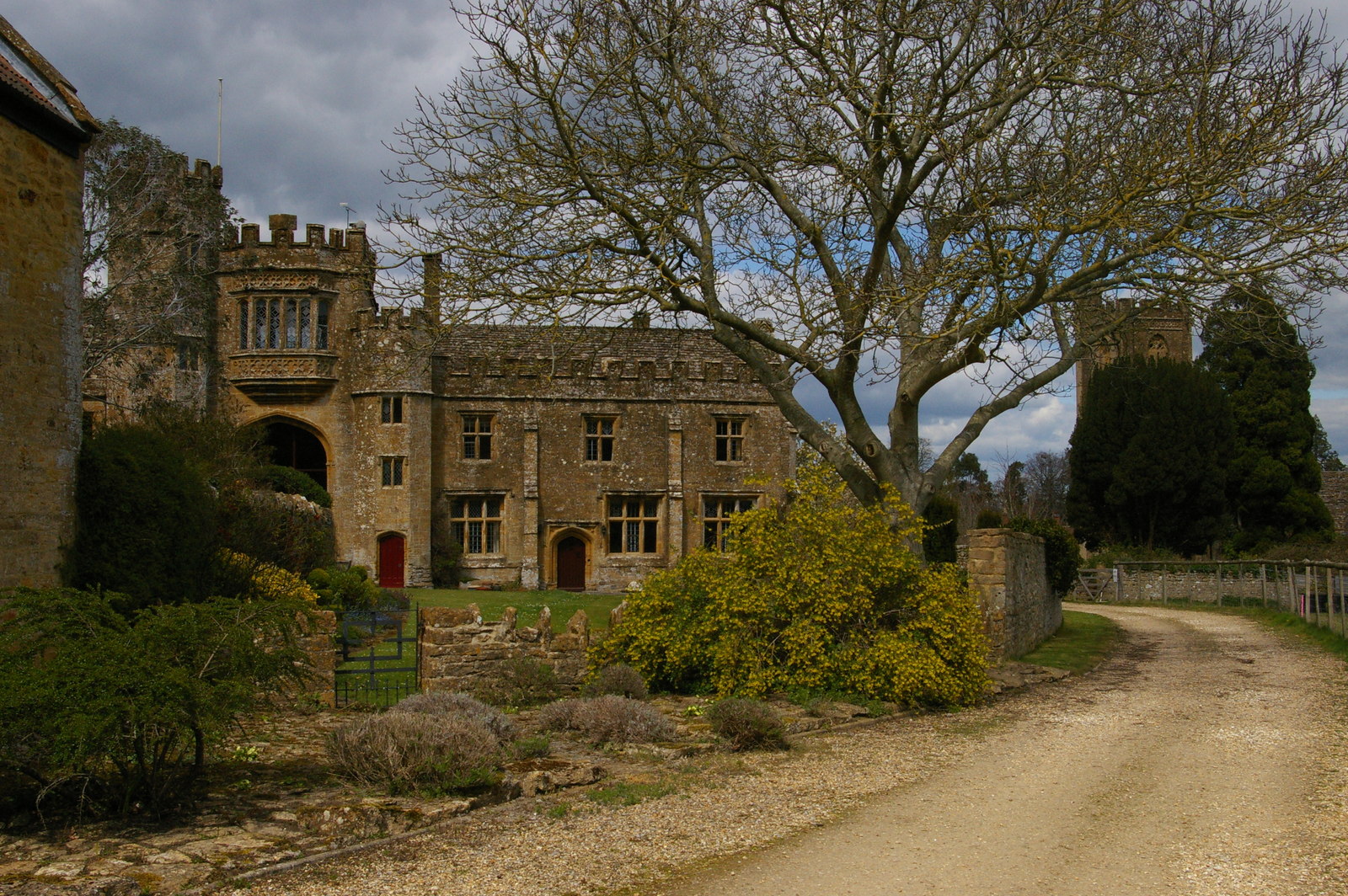
A Norman castle site on a hill above Montacute, built by Robert of Mortain after 1066.
Sacred place · Medieval
Somerset
A Cluniac monastic house under a prior, founded between 1078 and 1102 by William, Count of Mortain.
Tomb or burial place · Prehistoric
Berkshire
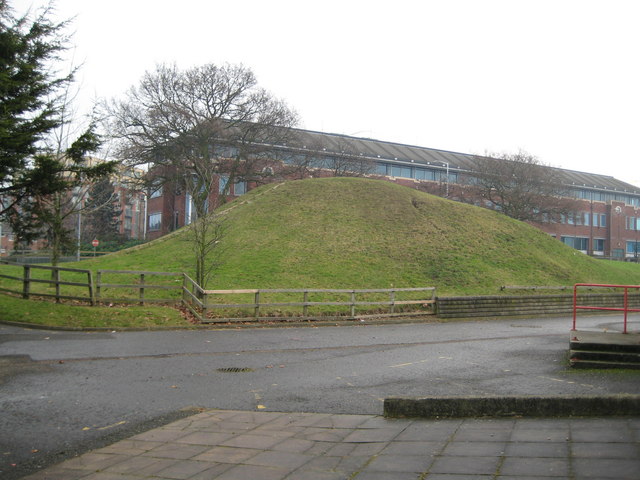
A 2017 dig proved the mound is roughly 1,500 years old, making it a contemporary of Sutton Hoo and finally settling a century-old dispute over whet…
Fortified place · Medieval
City of London
One of two Norman castles guarding the mouth of the Fleet, this vanished tower was pulled down by King John in 1213 and its stones later helped rai…
Fortified place · Medieval
Powys
A castle rebuilt in stone in five unbroken years, host to the largest battle fought in Wales, and pulled down by Parliament in 1649 as a matter of…
Building or ruin · Roman
City of London
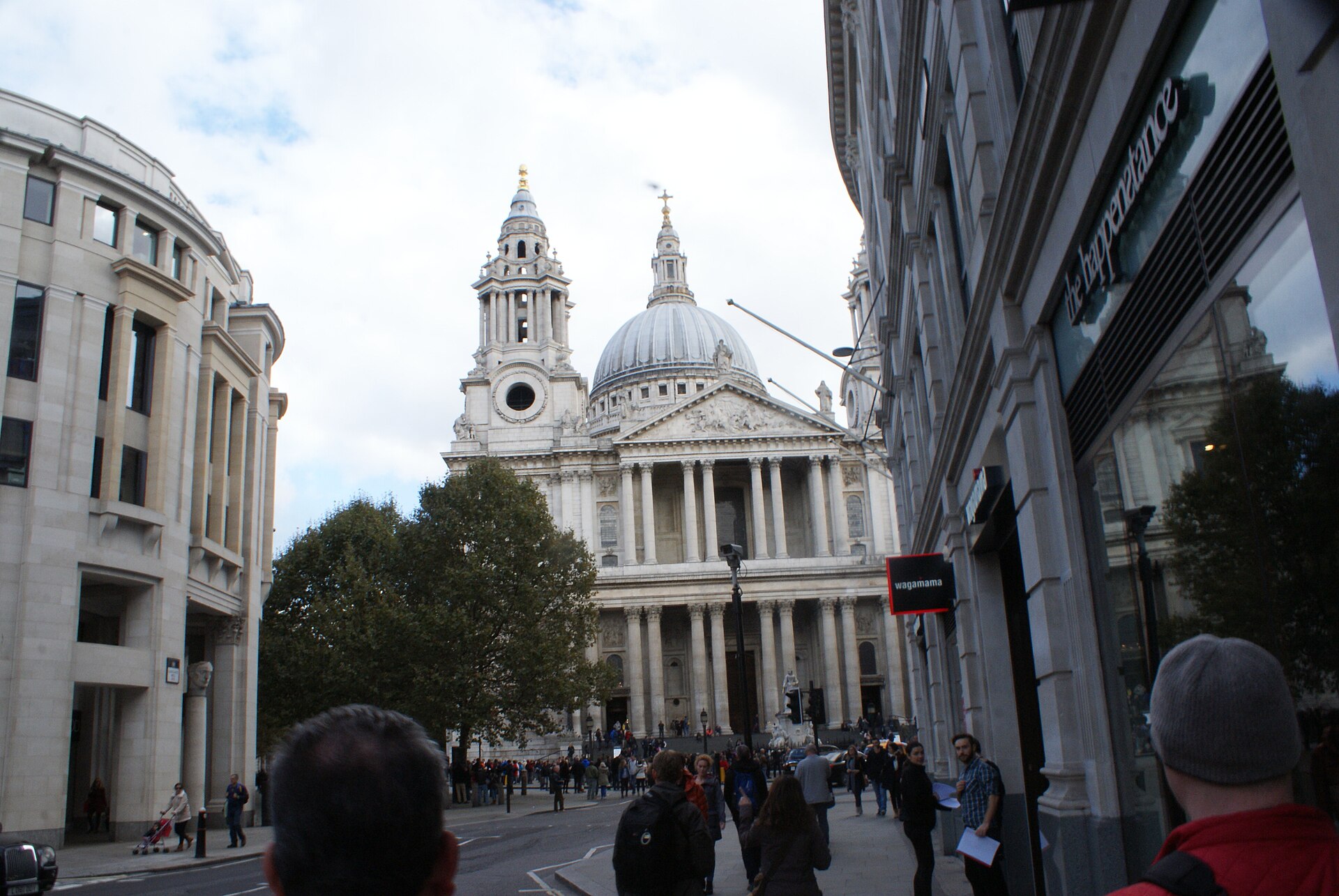
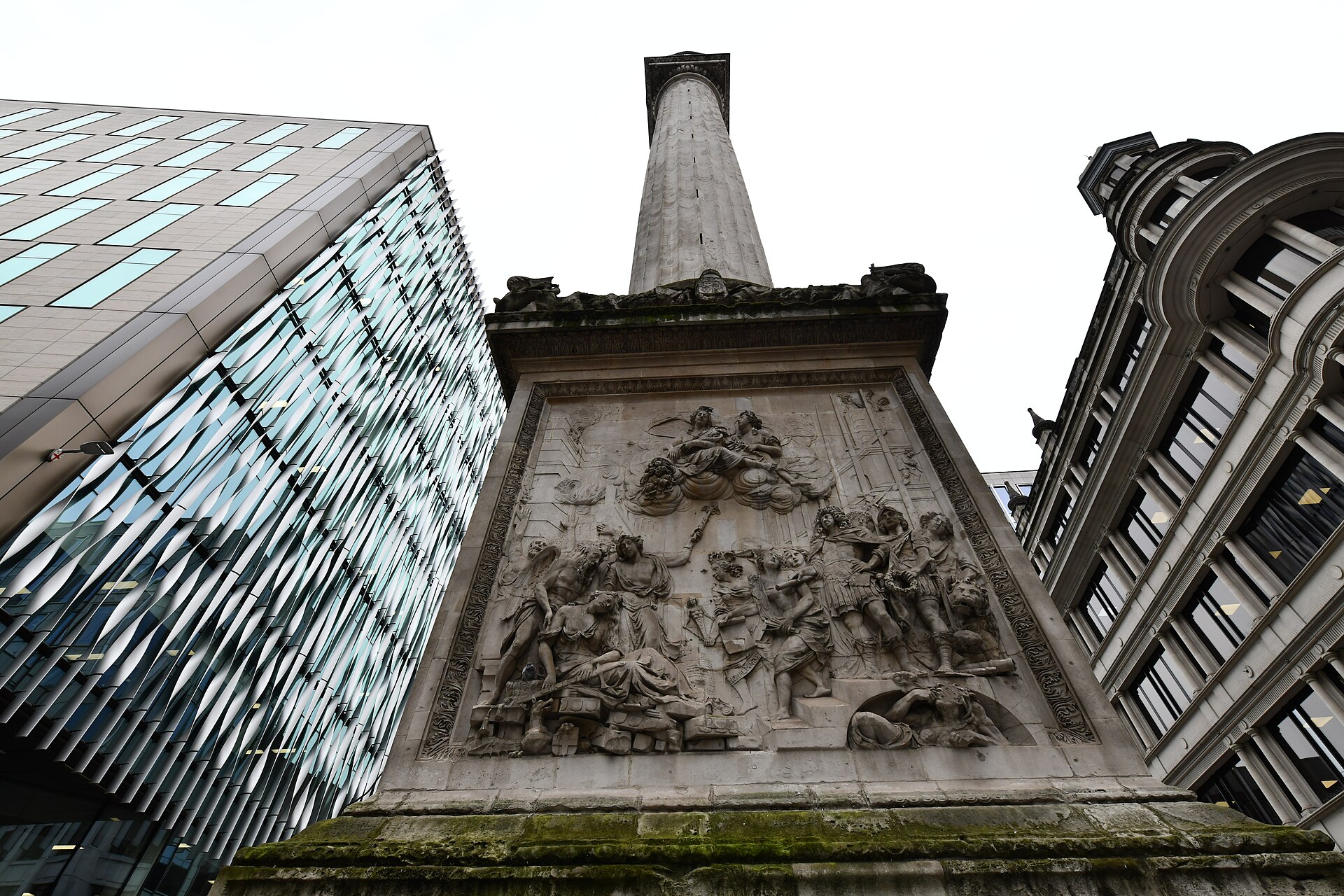
A fluted stone column built the exact distance from where the fire started: turning a measurement into a memorial, and doubling for decades as a wo…
Briefer entries: recorded and worth knowing, with fuller pages to come.
Building or ruin · Roman
Cumbria
Nothing above ground survives here, yet a 1962 dig recovered the exact footprint of a Hadrian's Wall milecastle down to its cobbled road and blocke…
Building or ruin · Roman
Tyne and Wear
Never found. English Heritage places it midway between a turret located in 1751 and one with visible remains.
Building or ruin · Roman
Tyne and Wear
Two surveys a year apart put it 25 yards from each other. The Ordnance Survey maps the average.
Building or ruin · Roman
Tyne and Wear
The watershed of the Wall's archaeology: positions to the west are relatively well defined, those to the east considerably less so.
Sacred place · Medieval
Bedfordshire
A rare recorded case of two small Bedfordshire monastic cells, Millbrook and Beaulieu at Moddry, being formally merged into a single dependent hous…
Fortified place · Medieval
Kent
Milton Blockhouse was a heavily armed but short-lived Henry VIII Device fort on the Thames, illustrating the scale of Tudor emergency defence for L…
Sacred place · Medieval
Kent
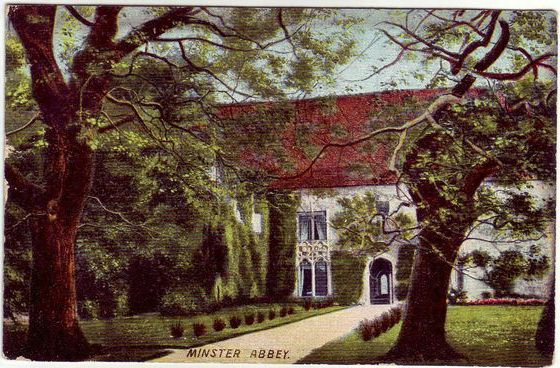
A minster: a missionary church originally, now a title of honour: at Thanet preserves the legacy of a seventh-century double monastery associated w…
Sacred place · Medieval
Oxfordshire
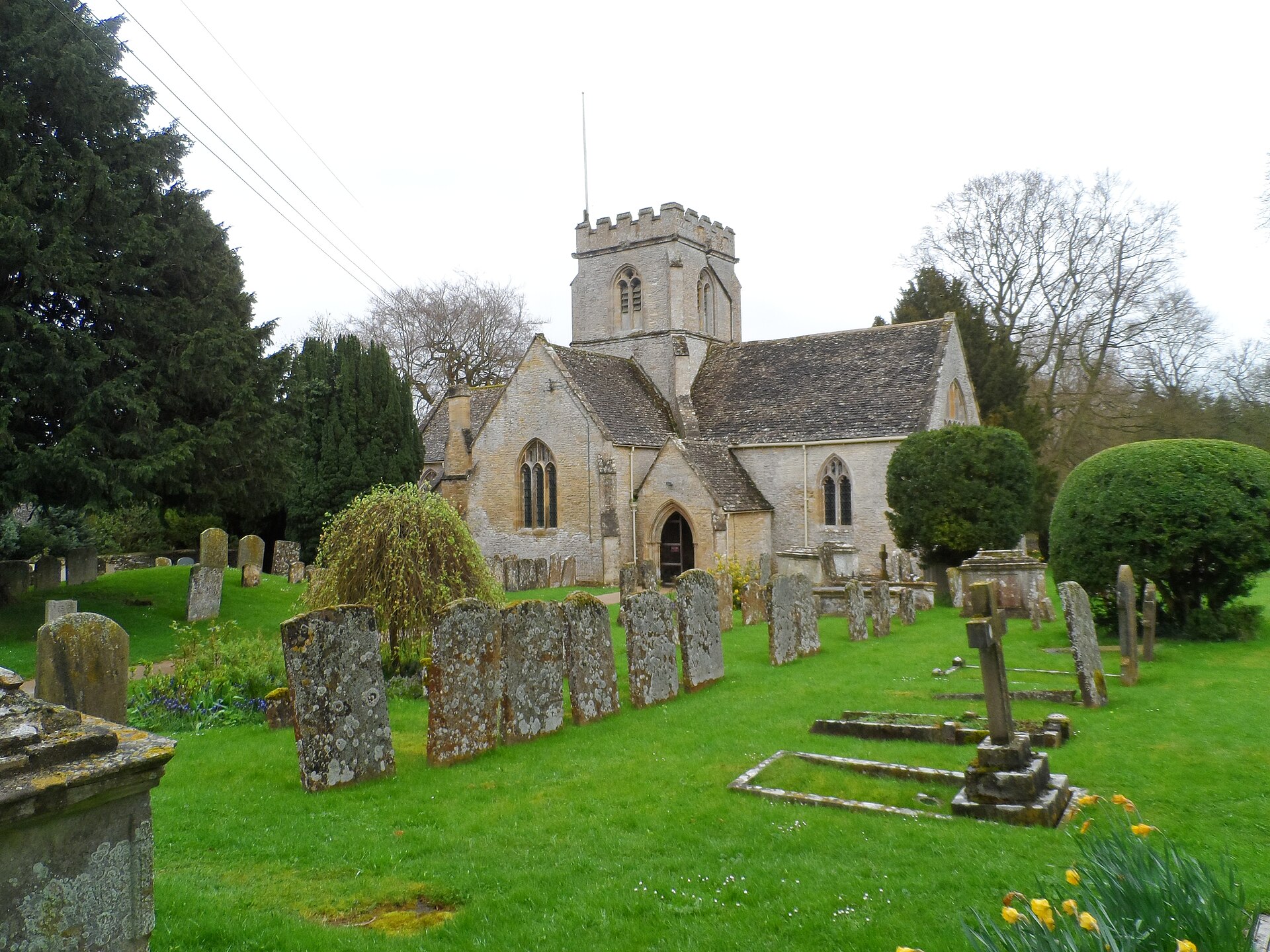
A monastic house whose exact site in Minster Lovell has been lost entirely: remembered only by name and a rough position between two better-known v…
Tomb or burial place · Prehistoric
County Sligo
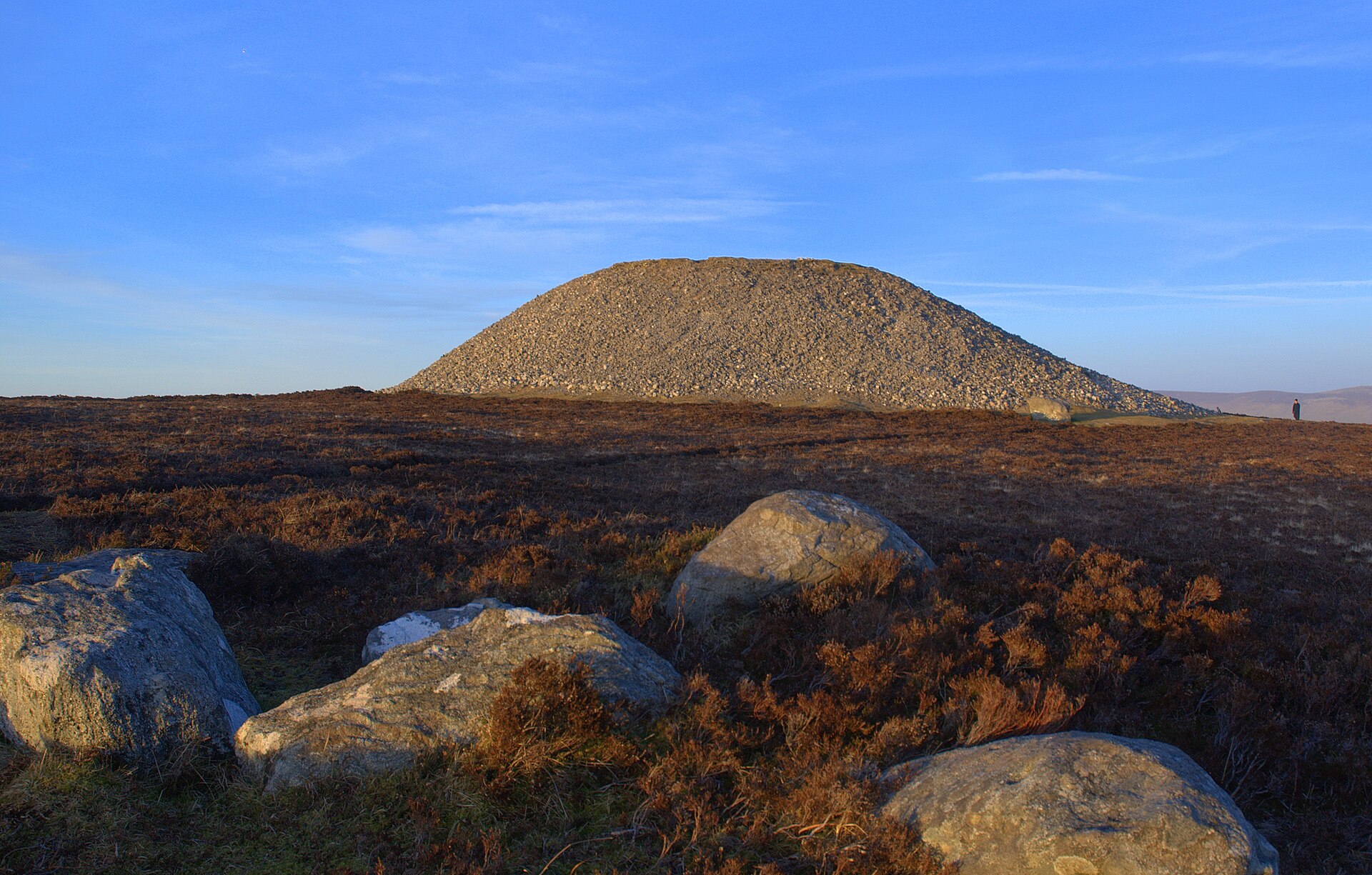
A protected, 55-metre-wide cairn, a mound of piled stones often covering a burial, on Knocknarea, likely concealing a passage tomb from the Neolith…
Fortified place · Medieval
Gloucestershire
A large Norman motte-and-bailey (an early Norman castle of a timber tower on an earth mound, with a walled yard alongside) stronghold whose defende…
Fortified place · Medieval
County Cork
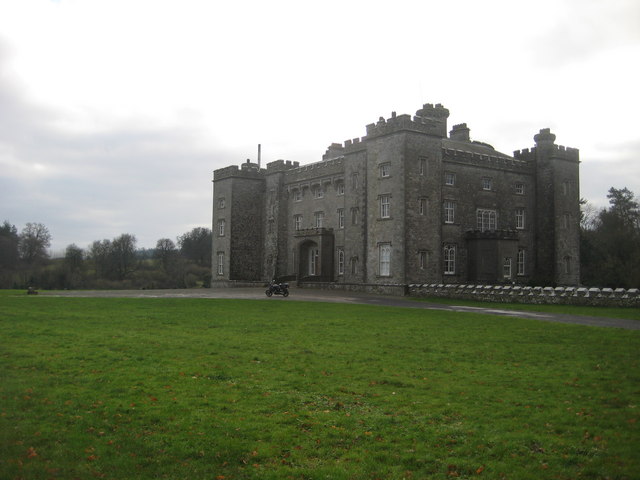
The site of Ireland's largest neo-Gothic house, whose 1922 burning ended a long Kingston family seat and supplied stone for Mount Melleray Abbey.
Sacred place · Medieval
Kent
Moatenden Priory was England’s first Trinitarian house, founded in 1224; its surviving moat and fishponds preserve the landscape framework of a med…
Sacred place · Medieval
Herefordshire
A single grid reference fixes its exact site, yet neither its founders, its order, nor its fate were ever recorded: a monastery known only by name.
Fortified place · Iron Age
Devon
Mockham Down is a high Iron Age (roughly 800 BC until the Roman conquest) hillfort (a hilltop enclosure ringed by earth ramparts) whose multiple di…
Sacred place · Medieval
Devon
Modbury Priory records a long-lived Benedictine dependency in Devon, from its Norman foundation through the politics of alien priories, dissolution…
Sacred place · Medieval
Norfolk
Modeney Priory was a small Benedictine cell of Ramsey Abbey whose post-dissolution (Henry VIII's closure of the monasteries in the 1530s) ownership…
Fortified place · Iron Age
Gwynedd
Moel y Gest is a prominent hill west of Porthmadog whose summit hillfort: a defended hilltop settlement: uses natural cliffs, looped walls and a ci…
Sacred place · Medieval
Norfolk
Molycourt Priory is a near-vanished Benedictine house whose pre-Conquest origin, flood-impoverished fenland estate, absorption by Ely and elusive a…
Sacred place · Medieval
county-limerick
A ruined thirteenth-century nunnery whose church, courtyard and ‘Black Hag’s Cell’ preserve one of Ireland’s earliest recorded communities of relig…
Sacred place · Medieval
Pembrokeshire
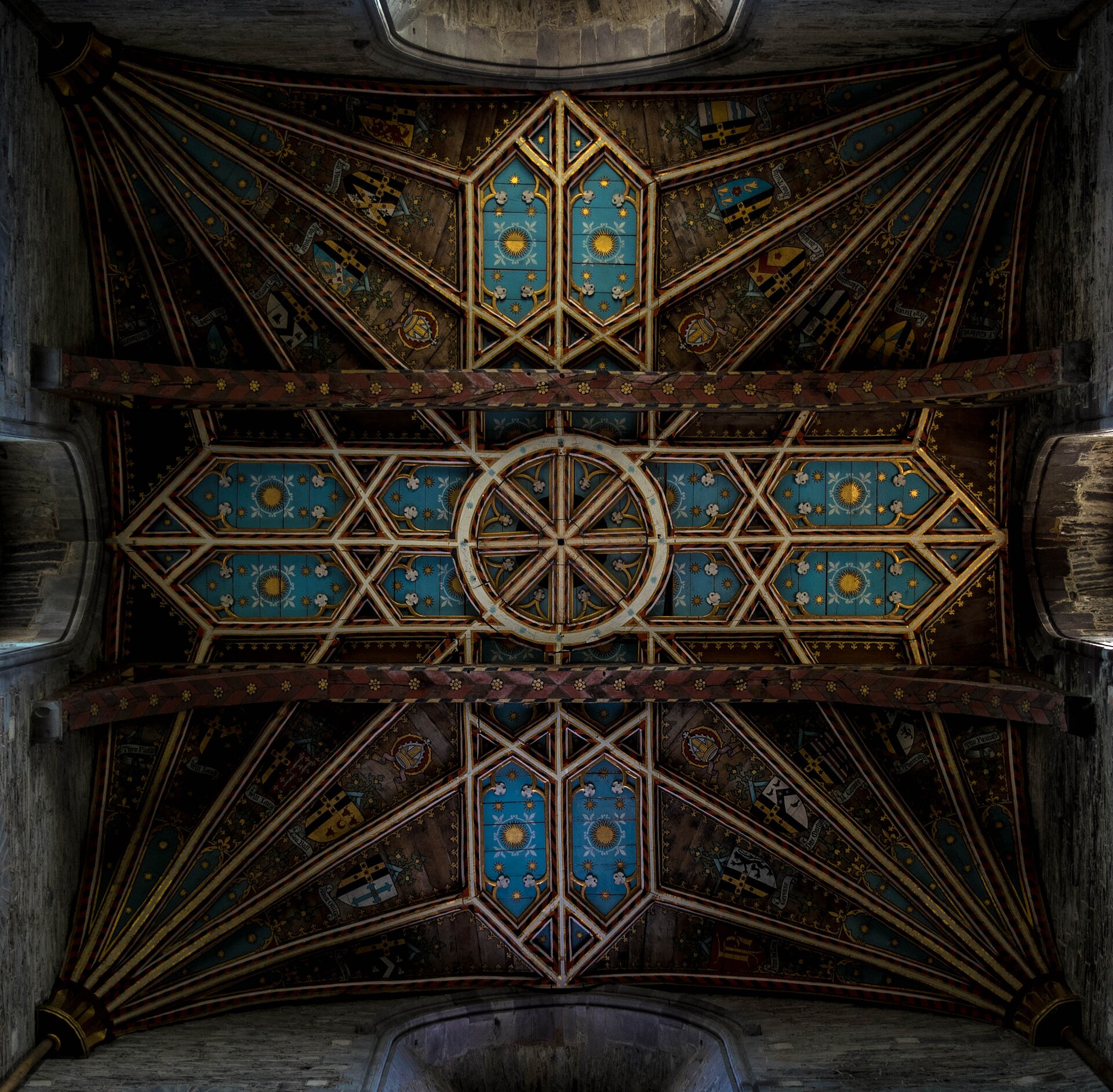
On the banks of the Afon Alun, at a place then known as Glyn Rhosyn, Saint David founded a church and monastery that would take his own name in Wel…
Fortified place · Medieval
Fermanagh
Monea Castle is a Plantation-era fortress built over an earlier Maguire site, where a surviving crannog (a dwelling built on an artificial island i…
Fortified place · Medieval
County Donegal
Its disappearance is a quiet case study in how Ireland's landed estates ended in the 20th century: not by ruin or war, but by state land redistribu…
Sacred place · Medieval
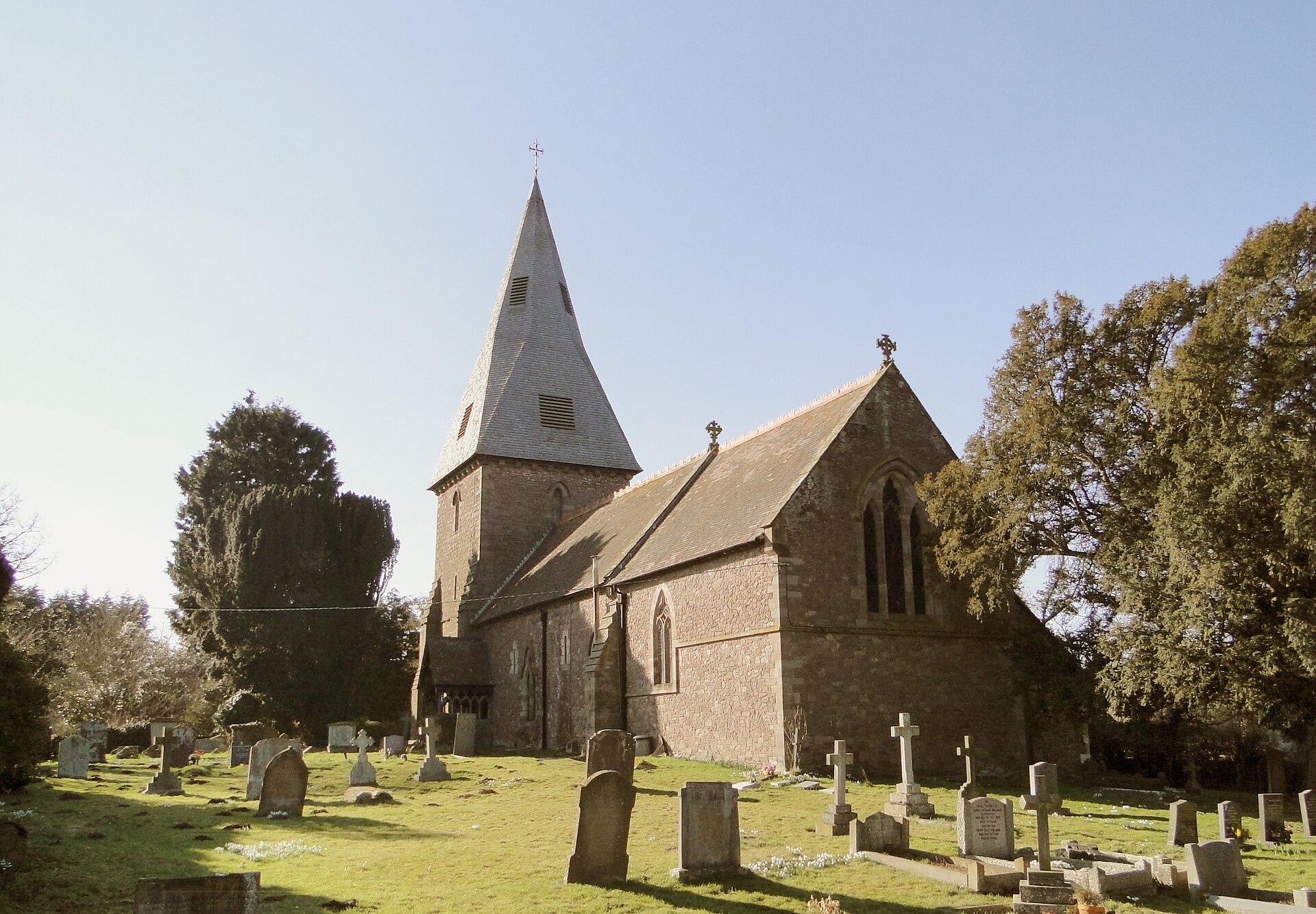
Herefordshire
Little beyond its name and a fixed map reference survives to document this priory, a monastery run by a prior, making it one of the more elusive re…
Sacred place · Medieval
Warwickshire
A Benedictine house of 1077, headed by a prior, suppressed in 1415 when its estates passed to the Carthusians of Axholme.
No places match those filters.
Kinds of place
Ages












%20(cropped).jpg?width=800)