
Building or ruin · Medieval
Bishop's Palace, Paignton
Devon
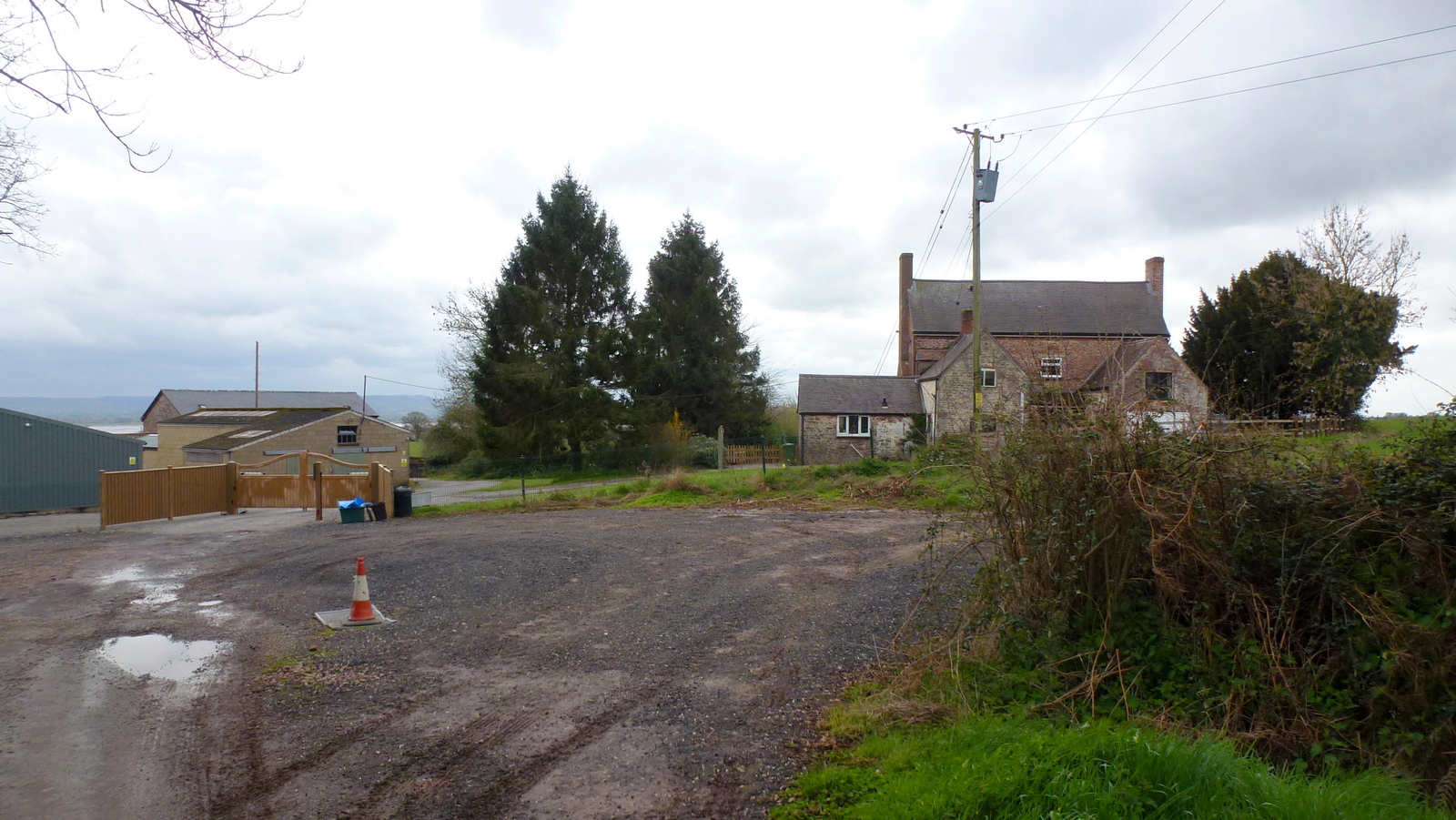
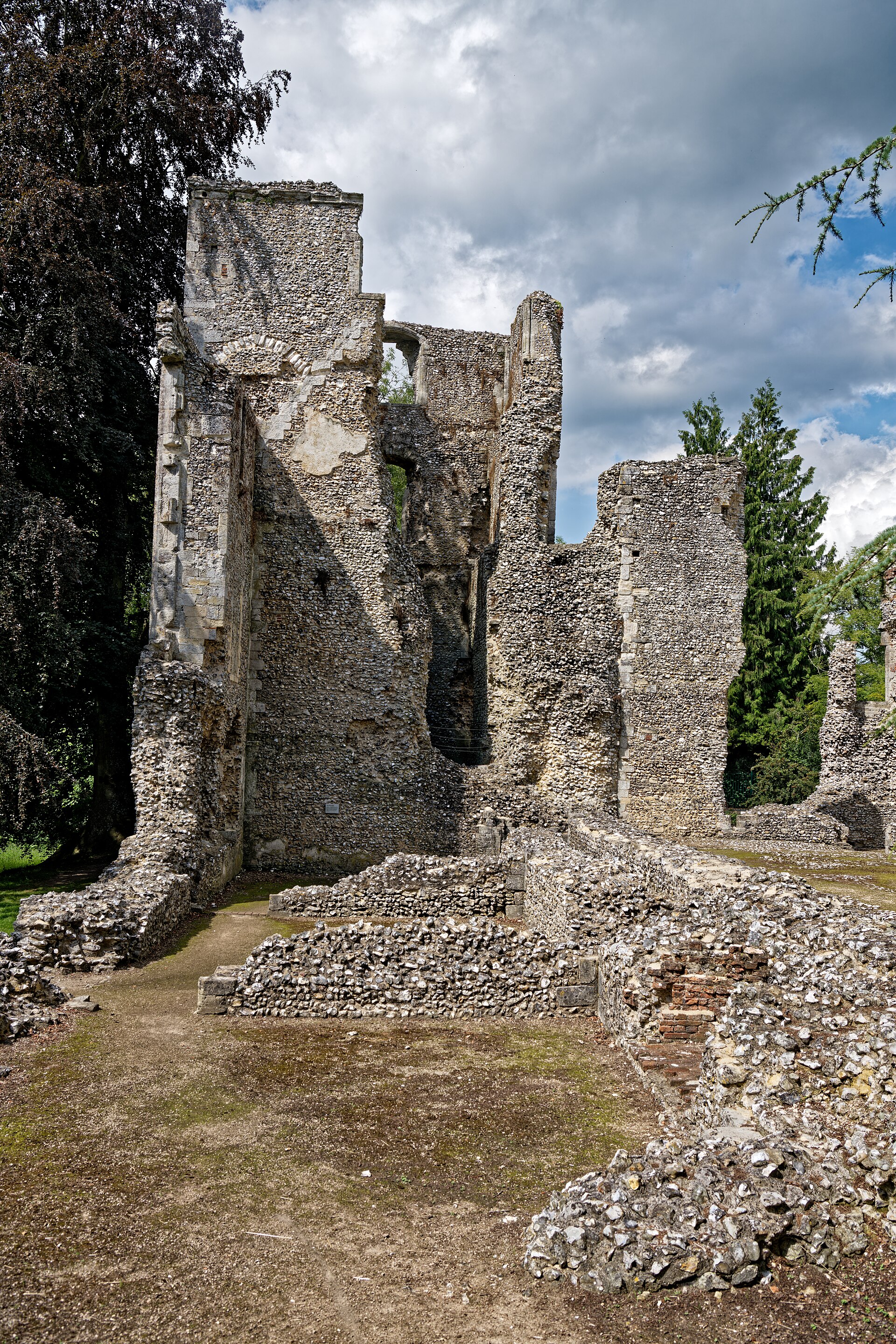
Paignton’s Bishop’s Palace preserves the bishops of Exeter’s medieval manorial centre, including walls, a fourteenth-century tower and chapel fragm…
- Easy path
The directory
Page 7 of 47 in the full directory.
Browsing 100 places — search and the map cover the whole directory.
Building or ruin · Medieval
Devon
Paignton’s Bishop’s Palace preserves the bishops of Exeter’s medieval manorial centre, including walls, a fourteenth-century tower and chapel fragm…
Building or ruin · Medieval
Hampshire
A Bishop of Winchester once hosted an emperor here to hammer out a European treaty, in a palace grand enough to entertain five English kings.
Fortified place · Medieval
County Durham
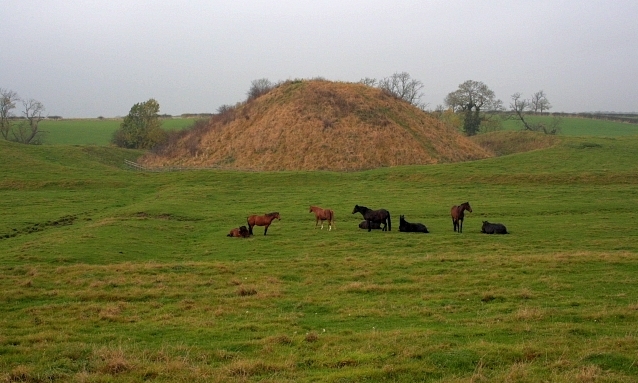
Its motte: the earthen mound a castle was raised on: was one of only twenty English mounds core-sampled and radiocarbon-dated by archaeologists che…
Fortified place · Medieval
Northumberland
Bitchfield Tower is a restored fifteenth-century pele tower whose attached manor and succession of owners chart five centuries of Northumberland es…
Building or ruin · Medieval
Norfolk
Bixley is one of East Anglia’s most extensive deserted medieval settlements, preserving earthworks that show how a small village near Norwich was o…
Fortified place · Iron Age
Somerset
A defended hilltop near Dunster, with a deep ditch and high bank still visible.
Fortified place · Medieval
Bristol
A pretend fortress built entirely from a factory's black waste slag, so convincingly castellated that a visiting Horace Walpole first mistook it fo…
Fortified place · Iron Age
East Lothian
A double ring of earthen ramparts with two carefully placed causewayed entrances, sited between two other named hillforts in a dense East Lothian c…
Fortified place · Roman
Suffolk
Four and a half miles of undated dyke running across the Suffolk breckland, from the Lark to the Icknield Way.
Fortified place · Iron Age
Cornwall
Iron Age (the centuries before Rome arrived, from about 800 BC) ramparts above St Austell Bay share the headland with later military remains and a…
Fortified place · Iron Age
South Lanarkshire
A hill valued as a viewpoint for four thousand years: with a cairn, a mound of piled stones often covering a burial, that may line up on Tinto to f…
Sacred place · Medieval
Staffordshire
A house of Benedictine nuns founded in the mid twelfth century on the edge of Kiddemore Green.
Fortified place · Iron Age
Scottish Borders
A hillfort whose seven round houses survive as ring-grooves: and five of them stand in a deliberate straight line.
Fortified place · Iron Age
Devon
Blackbury Camp is a well-preserved Middle Iron Age Devon hillfort, an Iron Age settlement defended by banks and ditches on high ground between roug…
Fortified place · Iron Age
East Lothian
A single earthen bank, not the layered ramparts of its grander neighbours, rings this Lammermuir summit: a modest, univallate answer to the same Ir…
Fortified place · Iron Age
Devon
Blackdown Rings preserves an Iron Age hillfort, a hilltop enclosure ringed by earth ramparts from about 800 BC, commanding the River Avon valley in…
Fortified place · Iron Age
Somerset
A geophysical survey in 1999 found that the two circuits here were not built together: the fort began with one rampart, a defensive bank of earth o…
Sacred place · Medieval
Kent
Blackfriars Canterbury preserves rare fragments of a 1237 Dominican priory, a monastery run by a prior, that straddled the River Stour: its dining…
Sacred place · Medieval
Gloucestershire
Britain's most complete surviving Dominican friary (a house of friars, who worked among townspeople rather than withdrawing from them) is not a rui…
Sacred place · Medieval
Herefordshire
A working Dominican priory: a monastery headed by a prior: reduced by Henry VIII's closure of the monasteries in the 1530s to a handful of walls, a…
Sacred place · Medieval
Leicestershire
A Dominican monastery built over a Roman townhouse whose mosaics rank among Britain's finest, and beside a mass grave now linked to an 11th-century…
Sacred place · Medieval
Oxfordshire
The community traces an unbroken teaching tradition older than Oxford's colleges, yet the building on St Giles' dates only to 1929: a 400-year gap…
Sacred place · Medieval
East Sussex
A royal foundation that shifted site twice before settling in the heart of Winchelsea, then vanished so completely that its stones were carried off…
Tomb or burial place · Prehistoric
Orkney Islands
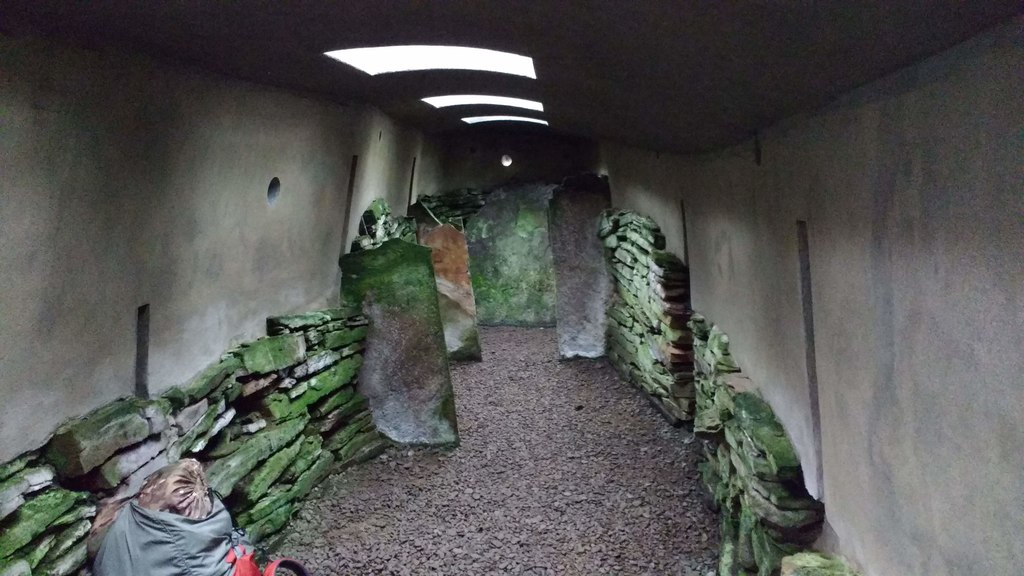
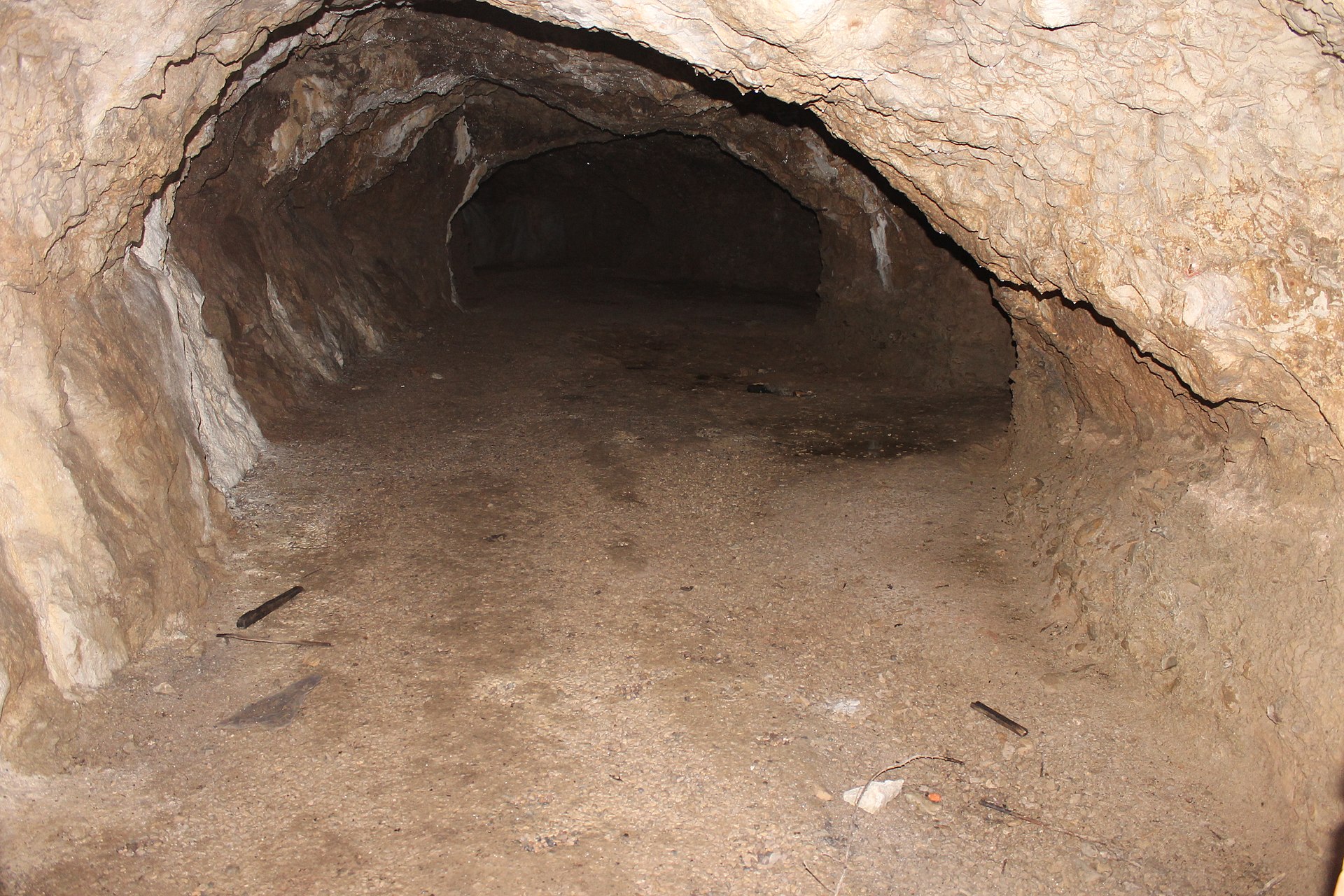
Blackhammer Chambered Cairn preserves a Neolithic, the late Stone Age, burial monument dating from roughly 4000–2500 BC, on Rousay in Orkney.
Fortified place · Medieval
Falkirk
Blackness Castle is a Firth of Forth fortress transformed from Crichton residence and state prison into an advanced artillery work, prison and ammu…
Building or ruin · Prehistoric
West Sussex
A Neolithic flint mine with Bronze Age barrows built over it: two thousand years of use on the same patch of down.
Fortified place · Medieval
Derbyshire
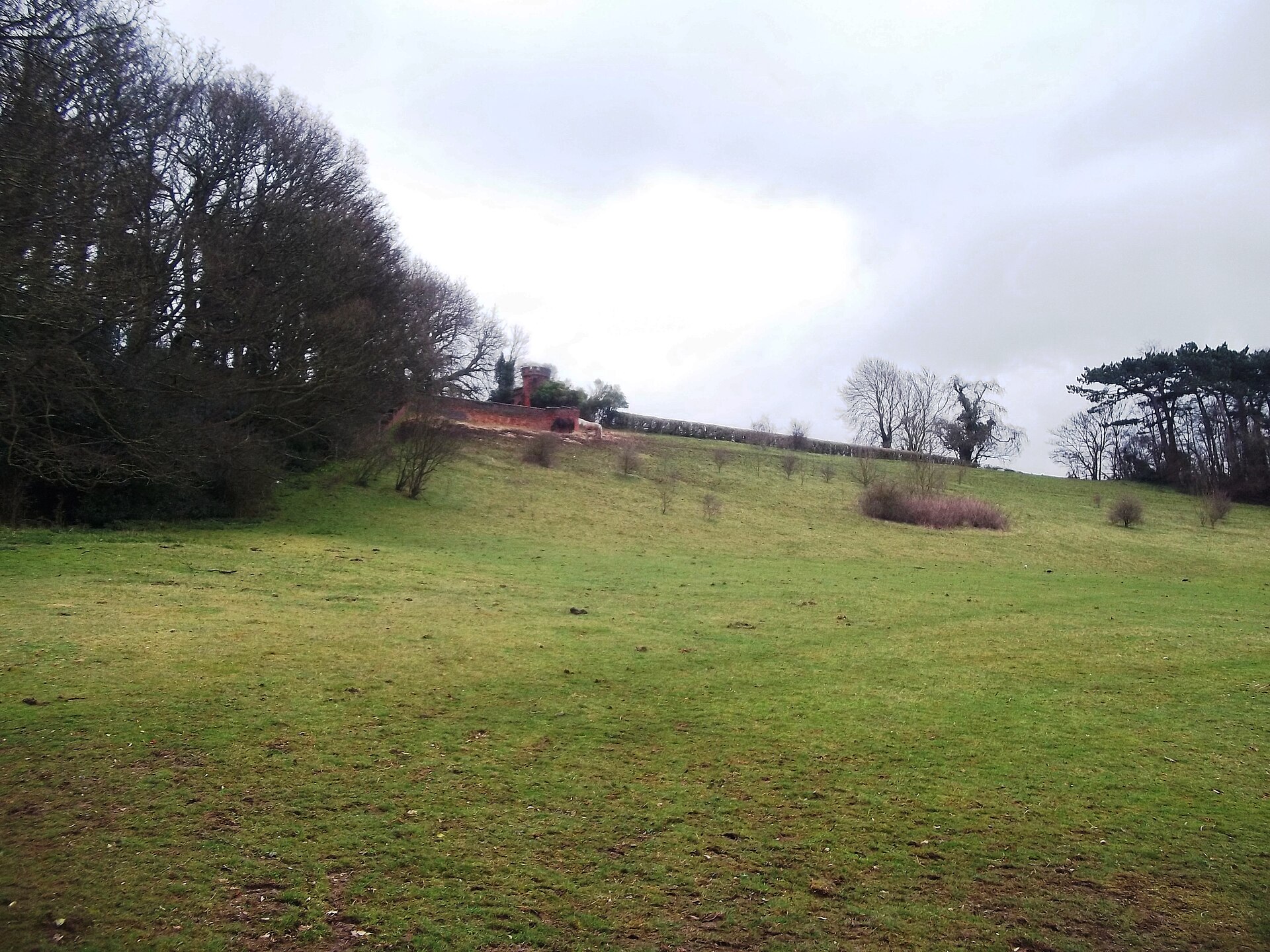
A castle that was never meant to defend anything: its battlements front little more than a single long wall, built purely for effect.
Ancient place · Medieval
Torfaen
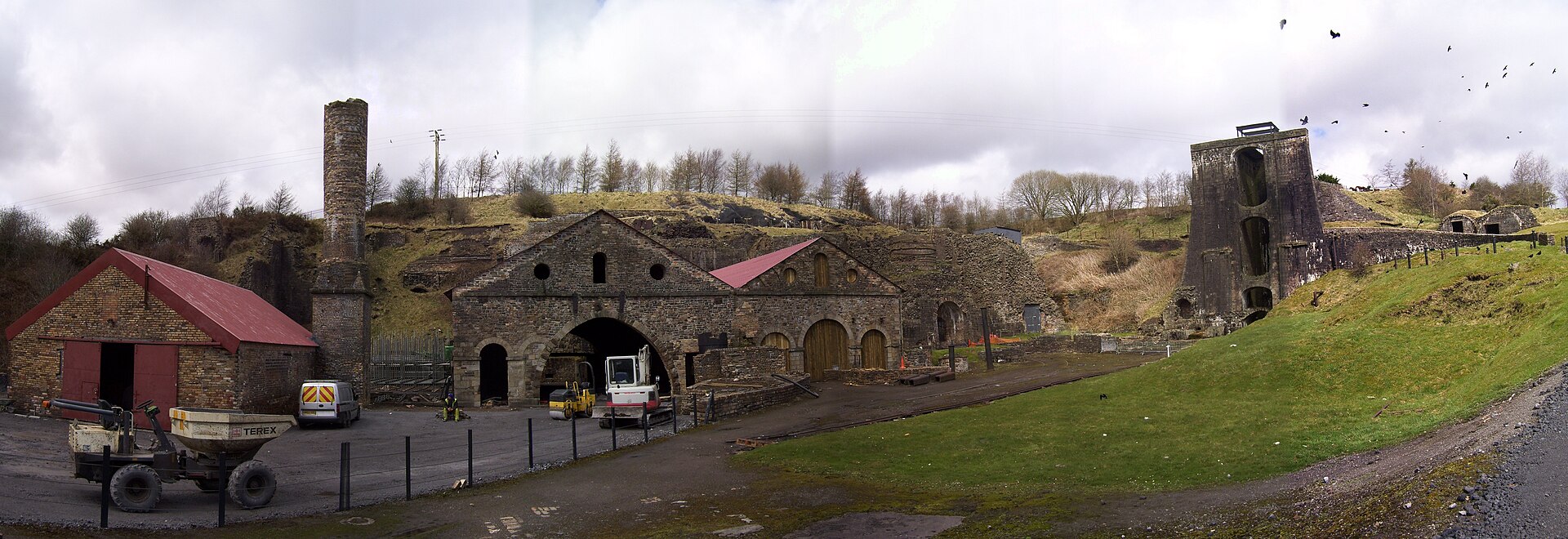
An ironworks whose struggle with cheap, high-sulphur ore pushed forward the technology of ironmaking.
Fortified place · Medieval
Powys
A privately owned ruined stone castle near Bwlch, probably of the early thirteenth century and captured several times.
Fortified place · Medieval
Perth and Kinross
The ancestral home of Clan Murray and historic seat of the Dukes of Atholl.
Fortified place · Prehistoric
Bristol
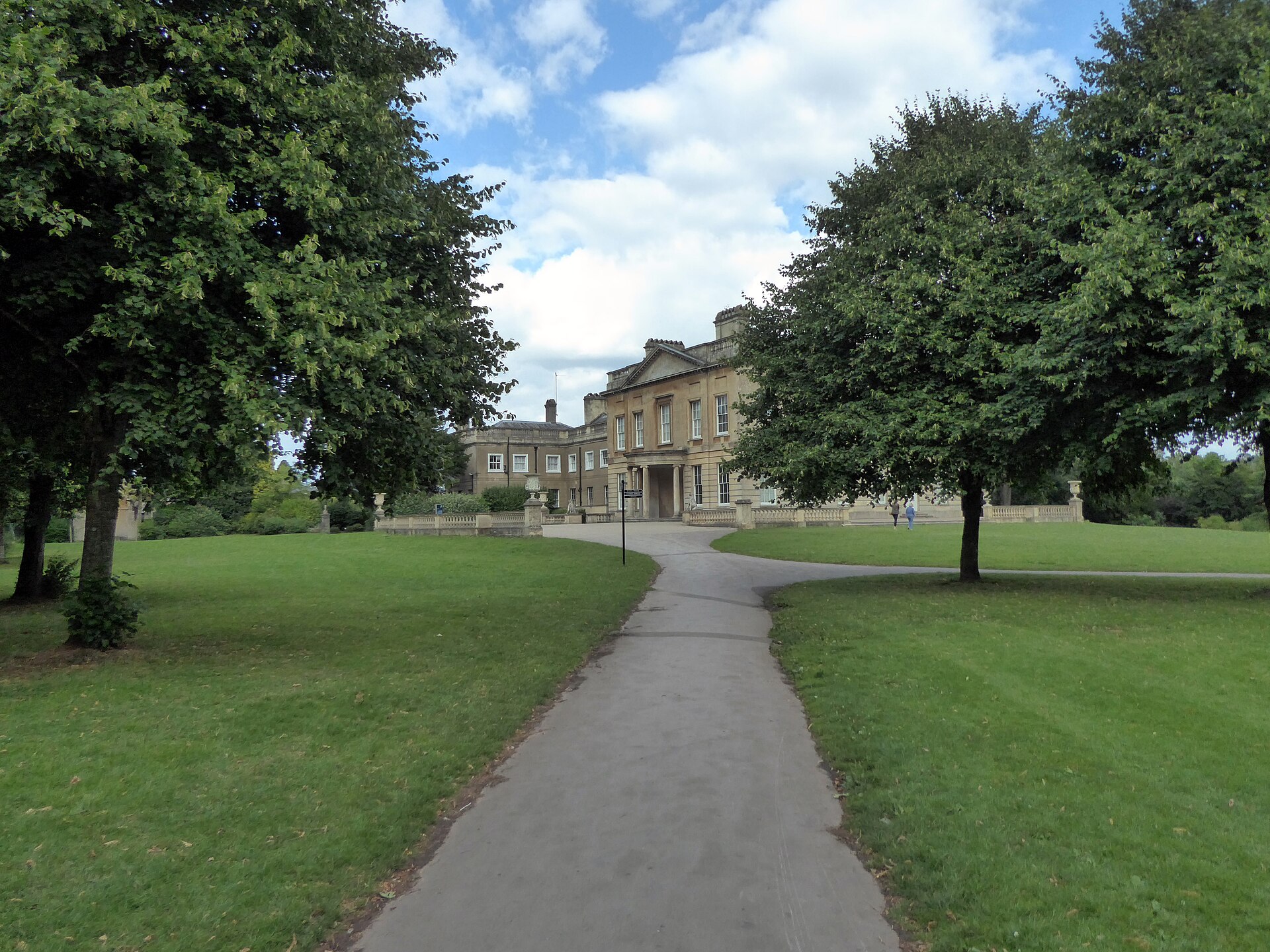
A folly built to fake a medieval past gave its name to a Neoclassical mansion, a landscaped gorge and nine cottages that became the template for ev…
Building or ruin · Medieval
Norfolk
Blakeney Guildhall preserves a rare fourteenth-century vaulted undercroft (the arched stone cellar beneath a building) near the quay, reflecting me…
Sacred place · Prehistoric
North Yorkshire
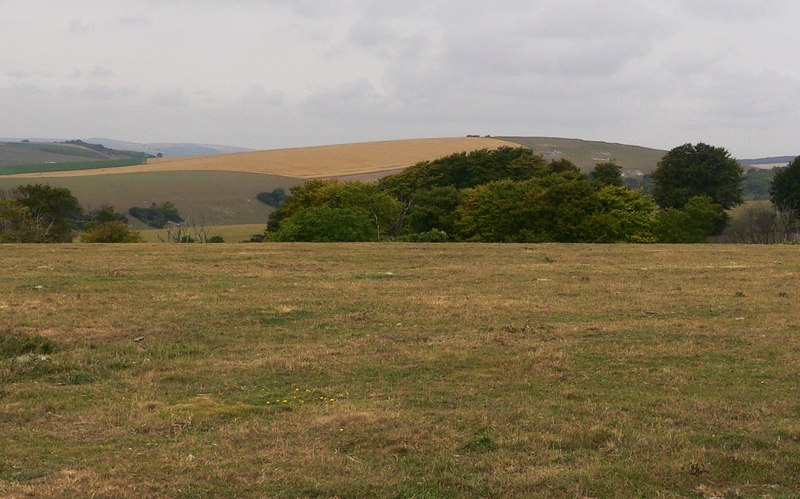
Four surviving stones, one now doing duty as a gatepost, may be the last fragments of a stone circle or paired alignment some seventeen metres across.
Sacred place · Medieval
Northumberland
The monks prayed for a mist to hide them from Scottish raiders, got one, and then rang the bells in celebration.
Fortified place · Medieval
Powys
A castle of mound and courtyard near Llangunllo, known also as Bledeach or Bledvach.
Fortified place · Medieval
Northumberland
Blenkinsopp Castle captures the long conversion of a medieval border tower into a Victorian mansion, then a fire-damaged ruin with a surviving dome…
Building or ruin · Roman
Monmouthshire
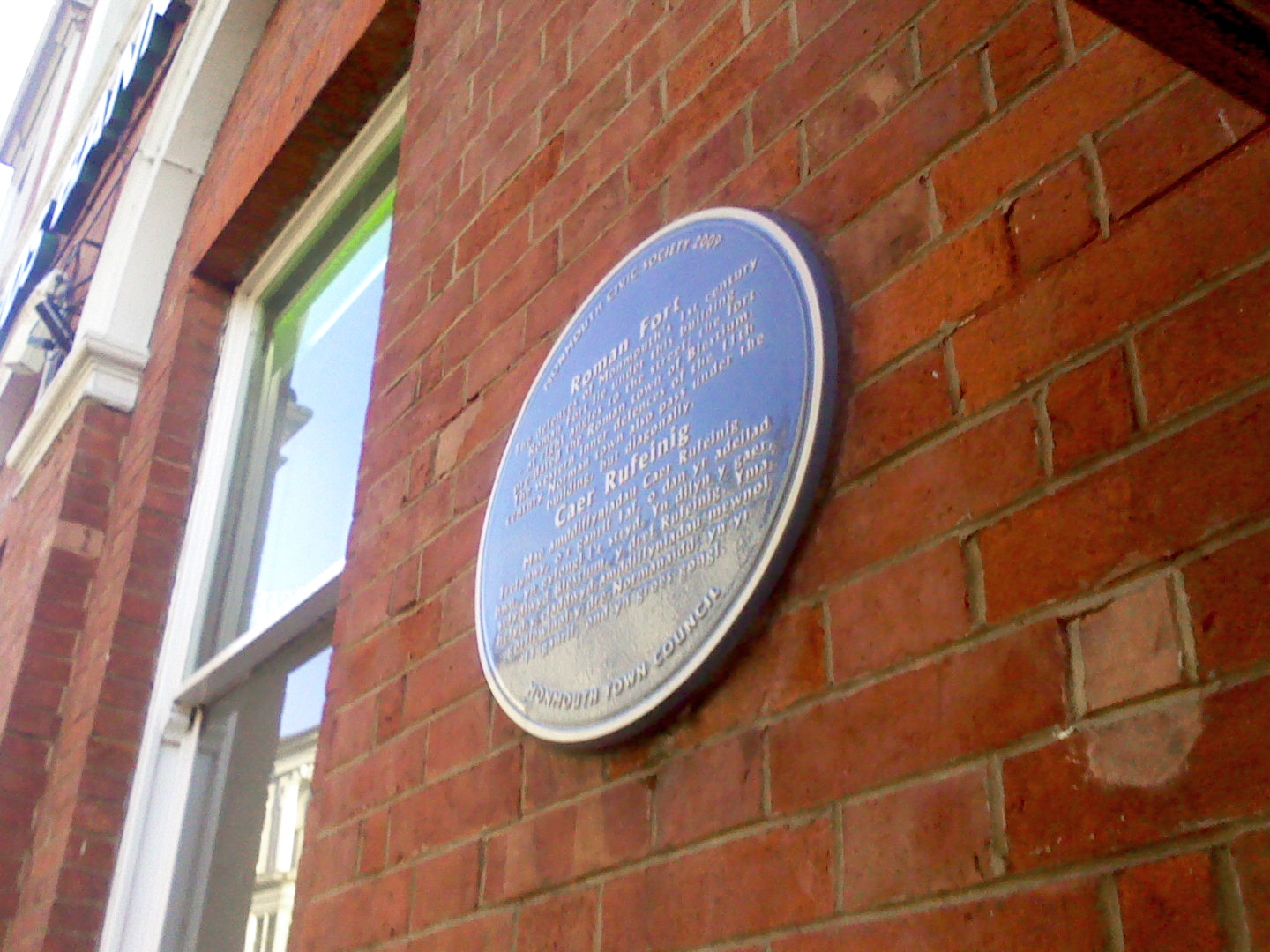
Blestium beneath Monmouth combines one of Wales’s earliest Roman forts with a strategic Monnow-valley campaign base, later ironworking and evidence…
Fortified place · Medieval
Surrey
A Norman earthen castle above Bletchingley village, where the earthworks survived largely undisturbed beneath later woodland.
Fortified place · Medieval
Bedfordshire
The birthplace, in 1441 or 1443, of Margaret Beaufort: mother of Henry VII and grandmother of the entire Tudor dynasty.
Fortified place · Iron Age
Oxfordshire
Three distinct building phases and a violent final abandonment were followed, centuries later, by an early Anglo-Saxon cemetery dug straight into t…
Ancient place · Prehistoric
Wiltshire
A spring that never freezes drew hunter-gatherers to camp beside it for four thousand years, leaving the densest concentration of Mesolithic (the m…
Fortified place · Iron Age
Norfolk
Bloodgate Hill is Norfolk’s largest known Iron Age (roughly 800 BC until the Roman conquest) hillfort, a 210-metre circular enclosure whose survivi…
Building or ruin · Pictish & early medieval
Oxfordshire
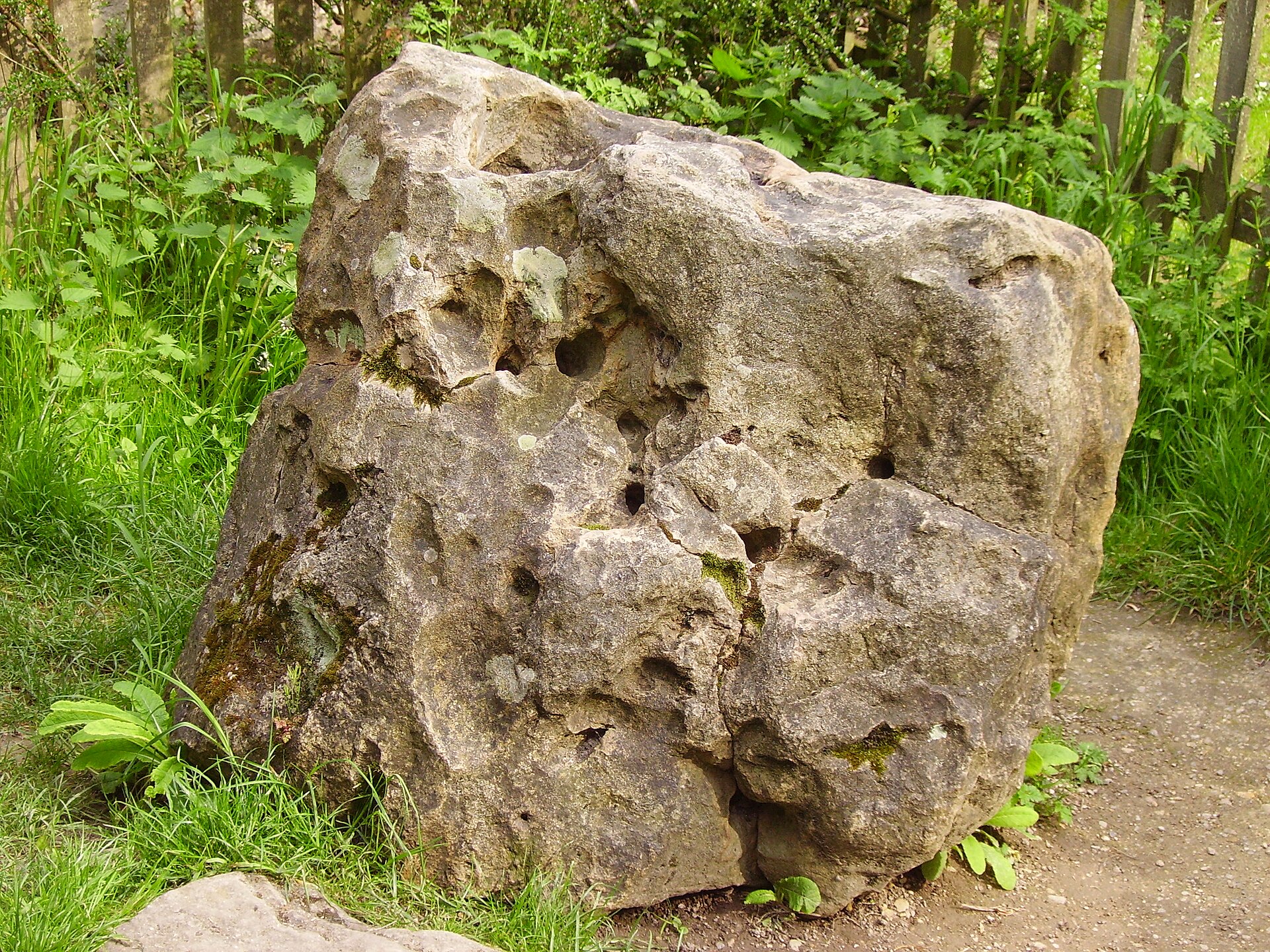
A pierced boulder said to have summoned King Alfred's army before Ashdown - and to have lent Thomas Hughes a piece of Victorian schoolboy slang.
Sacred place · Prehistoric
Aberdeenshire
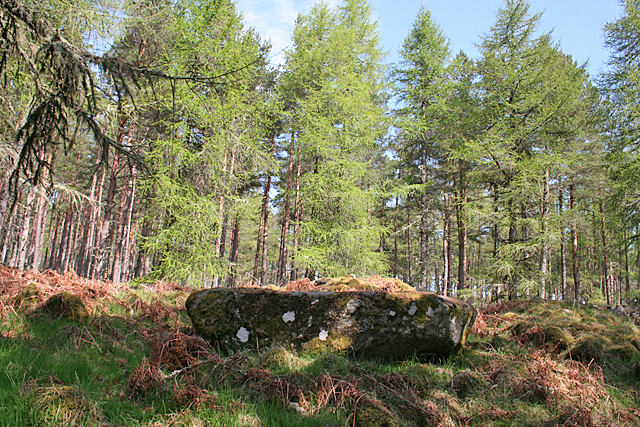
The recumbent slab lies squared and deliberate rather than fallen, and the stone cairn (a mound of piled stones, often covering a burial) heaped in…
Sacred place · Roman
North Yorkshire
A single weathered stone on open moorland still carries a painted name, a Victorian carving, and a boundary role that has outlived every explanatio…
Sacred place · Prehistoric
Wiltshire
A stone circle stripped of its stones, this henge: a bank and ditch enclosing a circular space: on the River Avon appears to be the very source of…
Sacred place · Medieval
Nottinghamshire
A Benedictine monastery dedicated to St Mary the Virgin, founded in 1088 by Roger de Busli as an offshoot of a French house at Rouen.
Sacred place · Medieval
Suffolk
The lesser of the two churches at Blythburgh, and the one that did not survive.
Tomb or burial place · Prehistoric
County Donegal
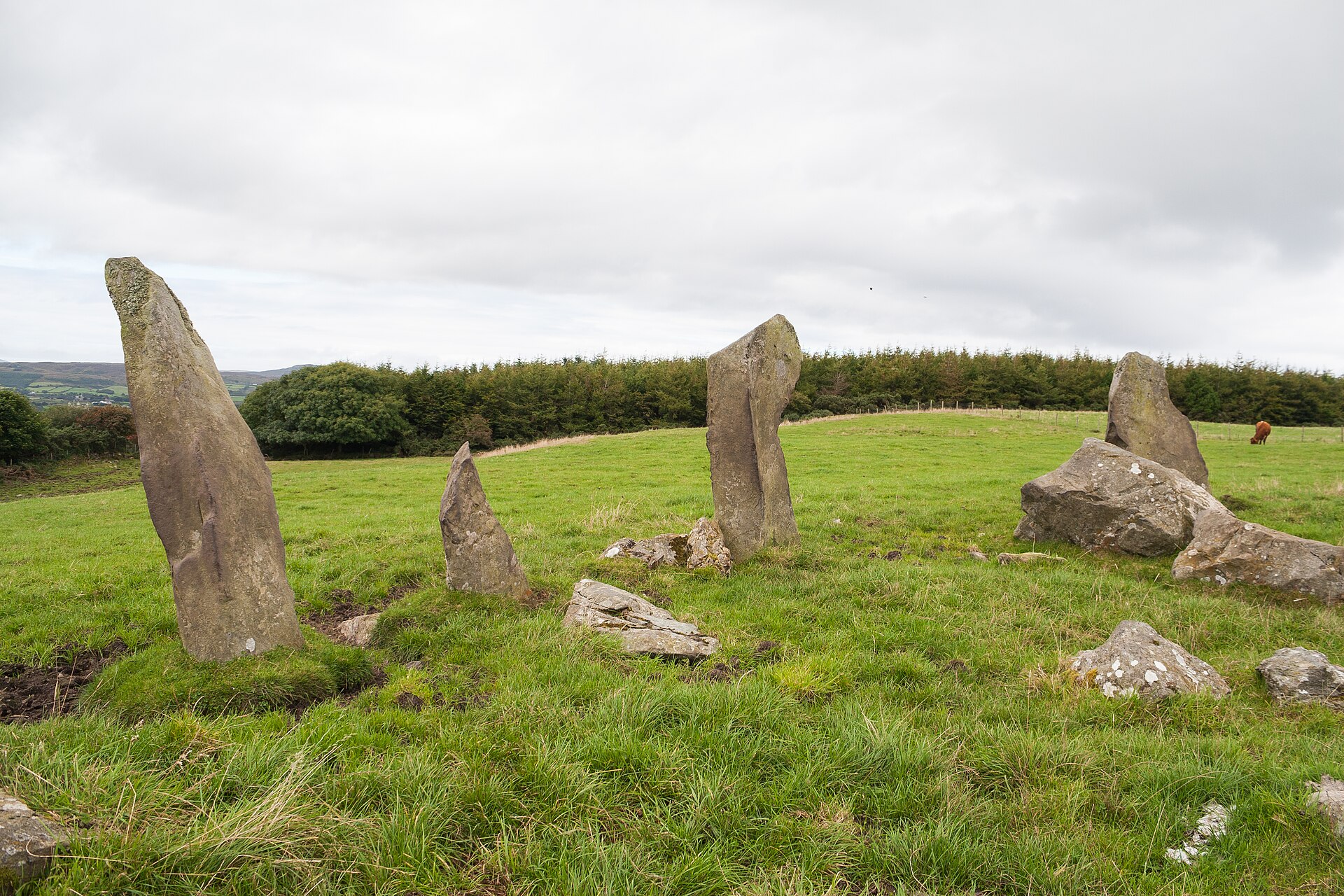
A scattered ring of standing stones on Bocan Hill said to be lined up on a sightline running clear across the sea to Jura in Scotland.
Fortified place · Iron Age
Buckinghamshire
A single rampart: a defensive bank of earth or stone: and ditch enclose some six hectares of wooded hilltop east of Wendover, one of the largest de…
Fortified place · Medieval
Denbighshire
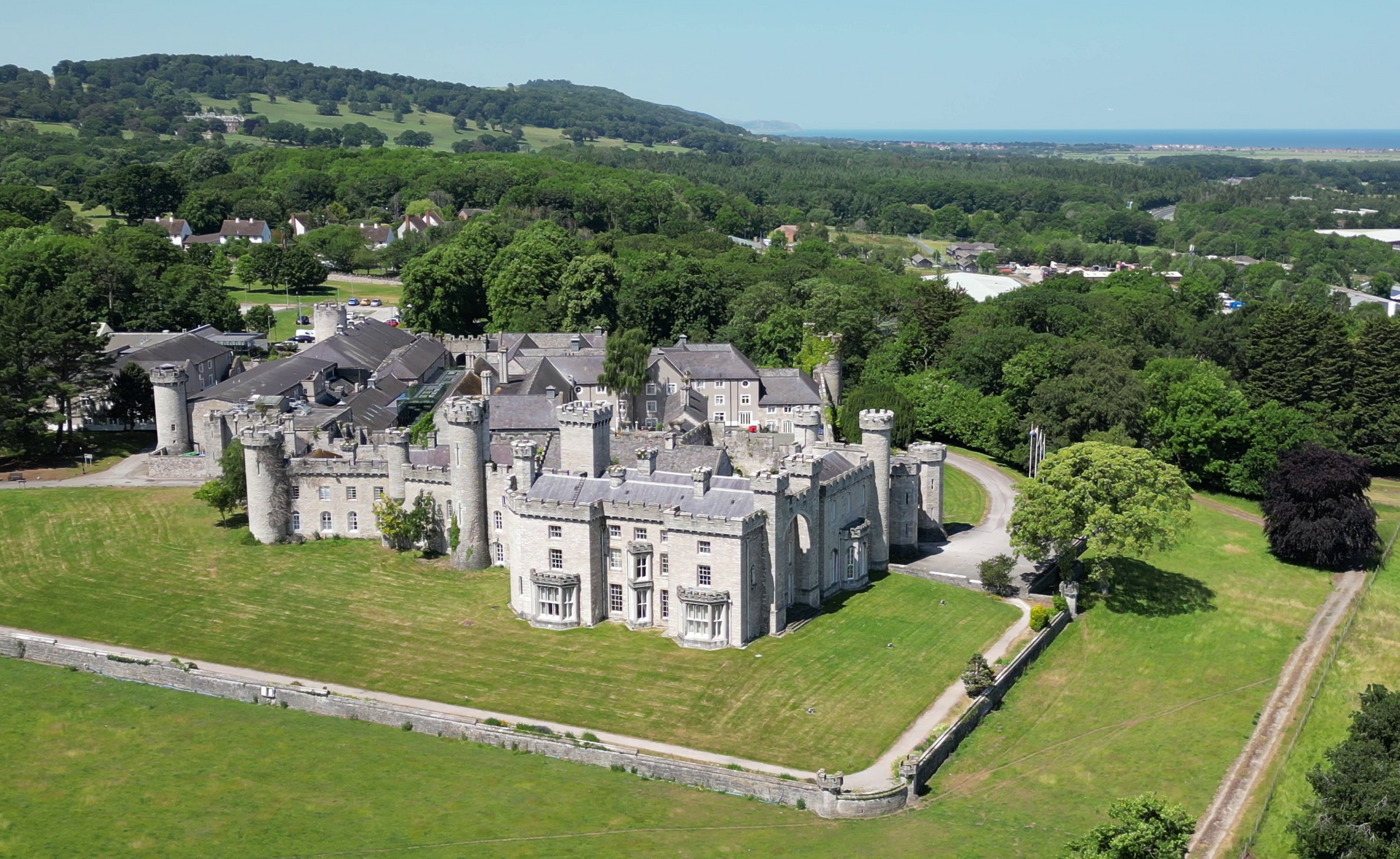
A Tudor manor rebuilt twice over: once as Greek Revival, once as dramatic Gothick castle: before serving as a girls' school, a war hospital and a n…
Fortified place · Medieval
East Sussex
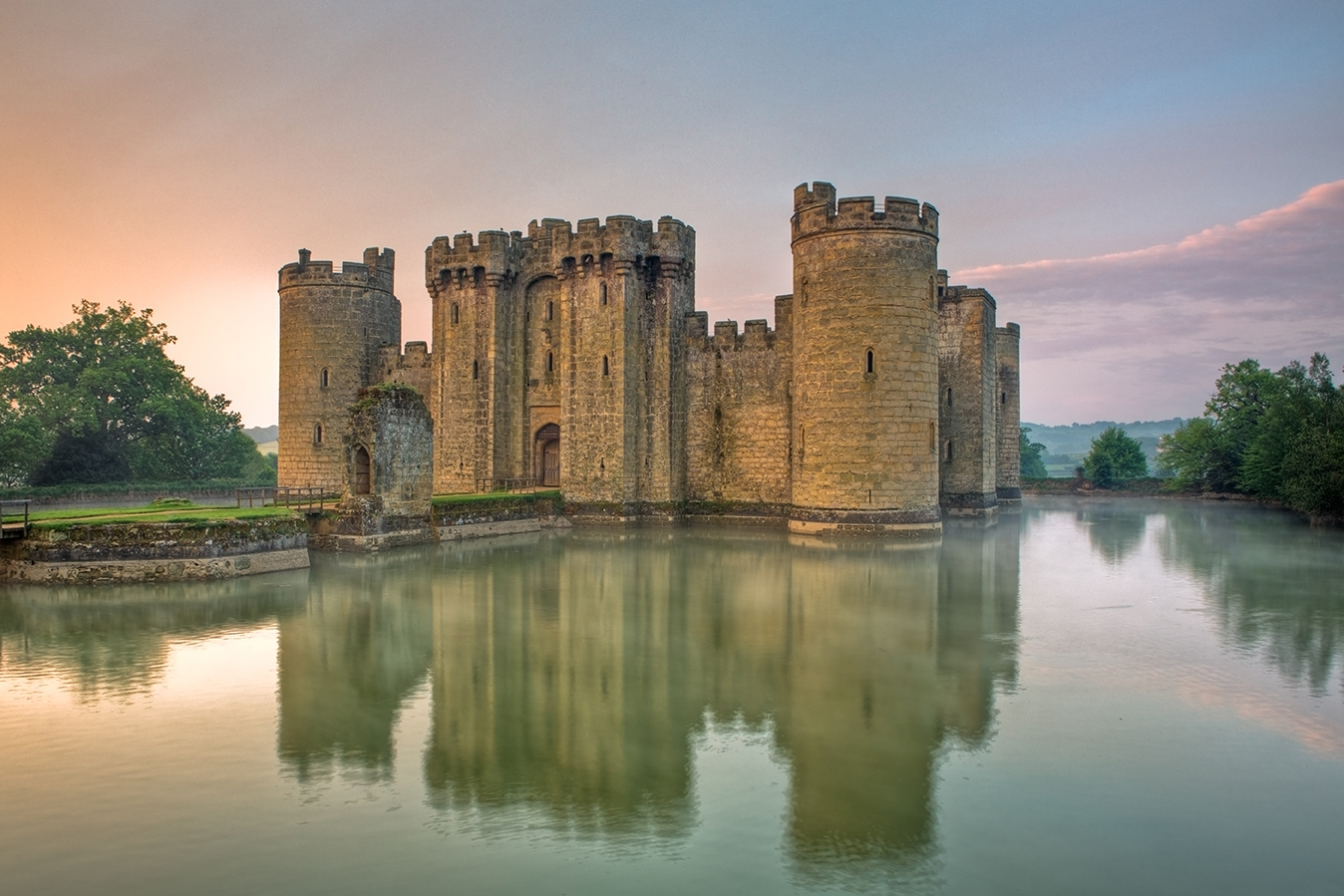
Bodiam is the iconic English moated quadrangular castle, designed in 1385 for both defence and display and now conserved as a National Trust landmark.
Tomb or burial place · Prehistoric
Isle of Anglesey
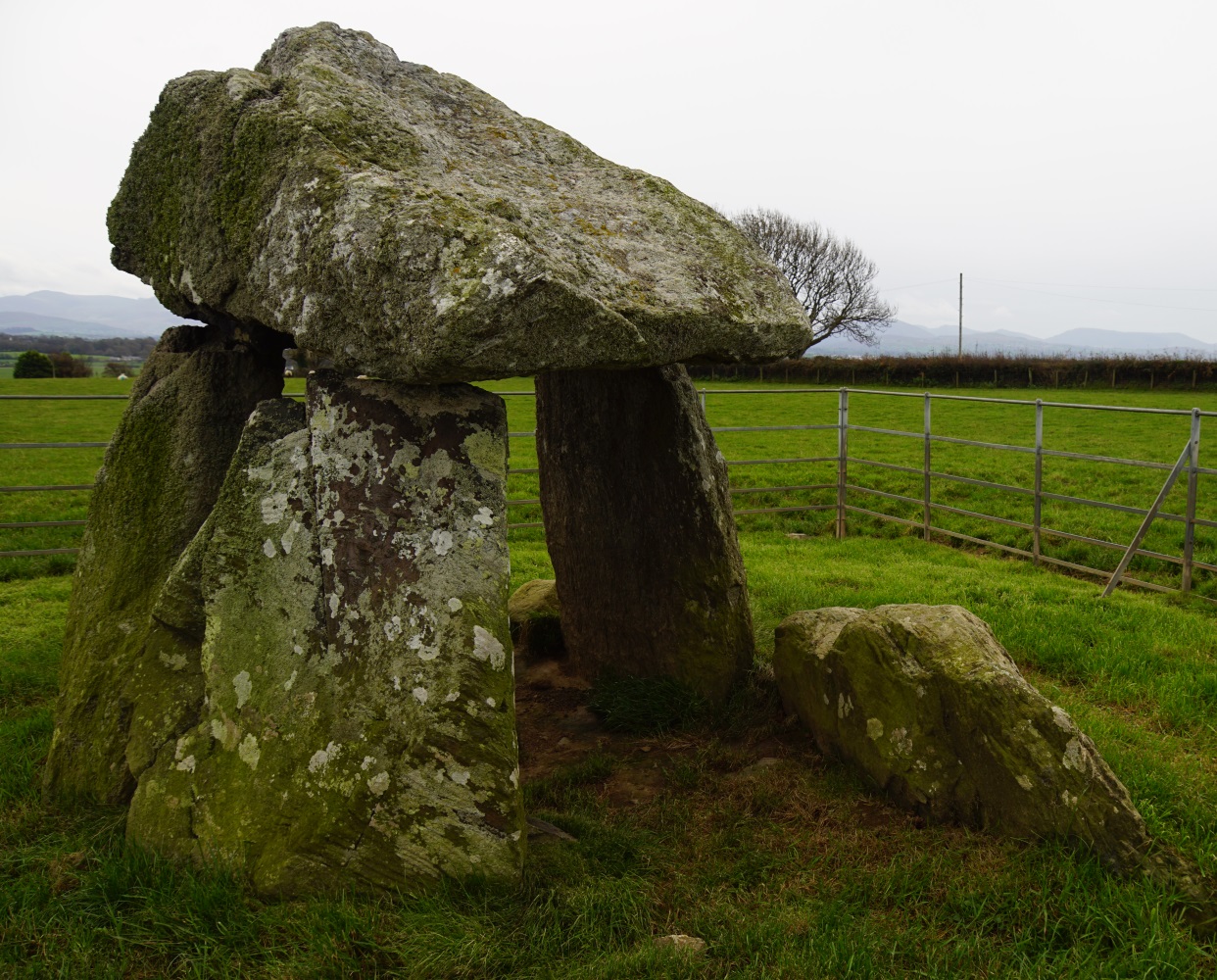
A passage-grave chamber of a form more common in Ireland than Wales, standing on flat ground with Snowdon and the Glyderau visible on the horizon.
Fortified place · Medieval
Northumberland
Boghead is a rare, relatively unmodified border bastle (a fortified farmhouse of the Anglo-Scottish border, with livestock housed below) whose defe…
Fortified place · Medieval
Buckinghamshire
A stronghold Hugh II de Bolbec had no right to build, raised without royal licence during a civil war and condemned by a pope before Cromwell finis…
Fortified place · Medieval
East Sussex
A modest Tudor hunting lodge with an outsized claim to fame: reputedly the base from which Henry VIII pursued his courtship of Anne Boleyn.
Fortified place · Medieval
Cheshire
A castellated sandstone mansion remodelled by the architect of Portmeirion, still run by the family that bought it in 1856 and now known as much fo…
Fortified place · Medieval
Lincolnshire
A future king was born within these walls: Henry Bolingbroke, later Henry IV, giving the ruin a direct line to the English crown.
Fortified place · Medieval
Derbyshire
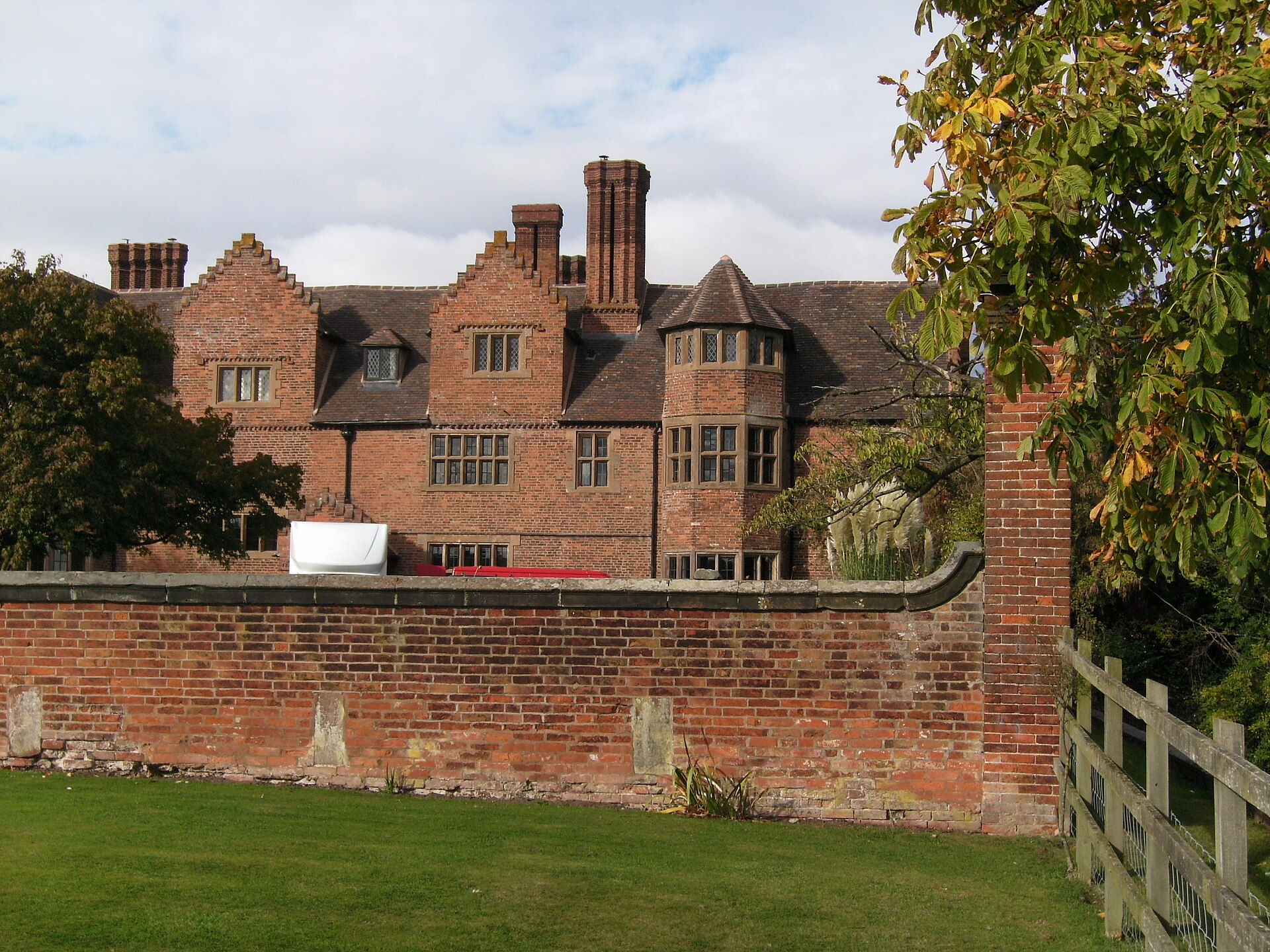
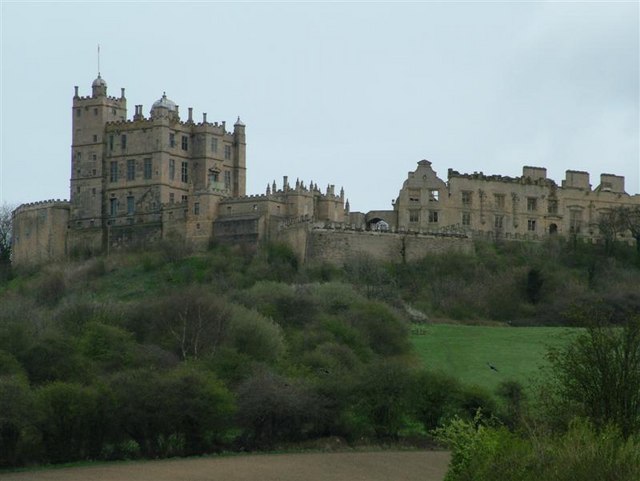
A working medieval stronghold was abandoned to ruin, then rebuilt from scratch in the 1600s as a fantasy of turrets and painted ceilings meant pure…
Fortified place · Medieval
North Yorkshire
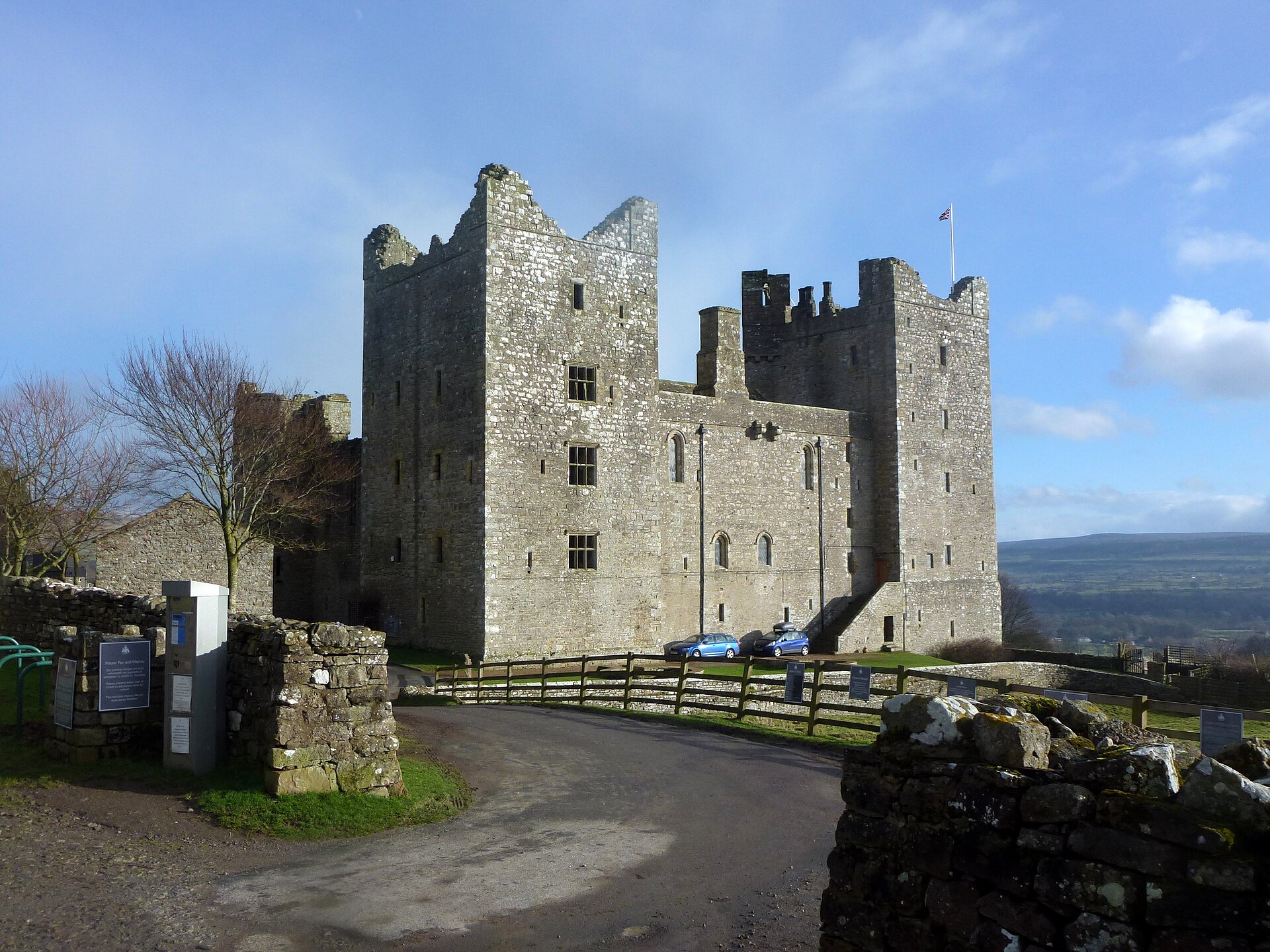
A single family has held these walls since 1379: surviving a royal burning, Civil War slighting, and six months as prison to a captive Scottish queen.
Sacred place · Medieval
North Yorkshire
A west tower begun in 1520 still stands two-thirds short of its planned height, beside a nave (the western body of the building, where the congrega…
Building or ruin · Medieval
Argyll and Bute
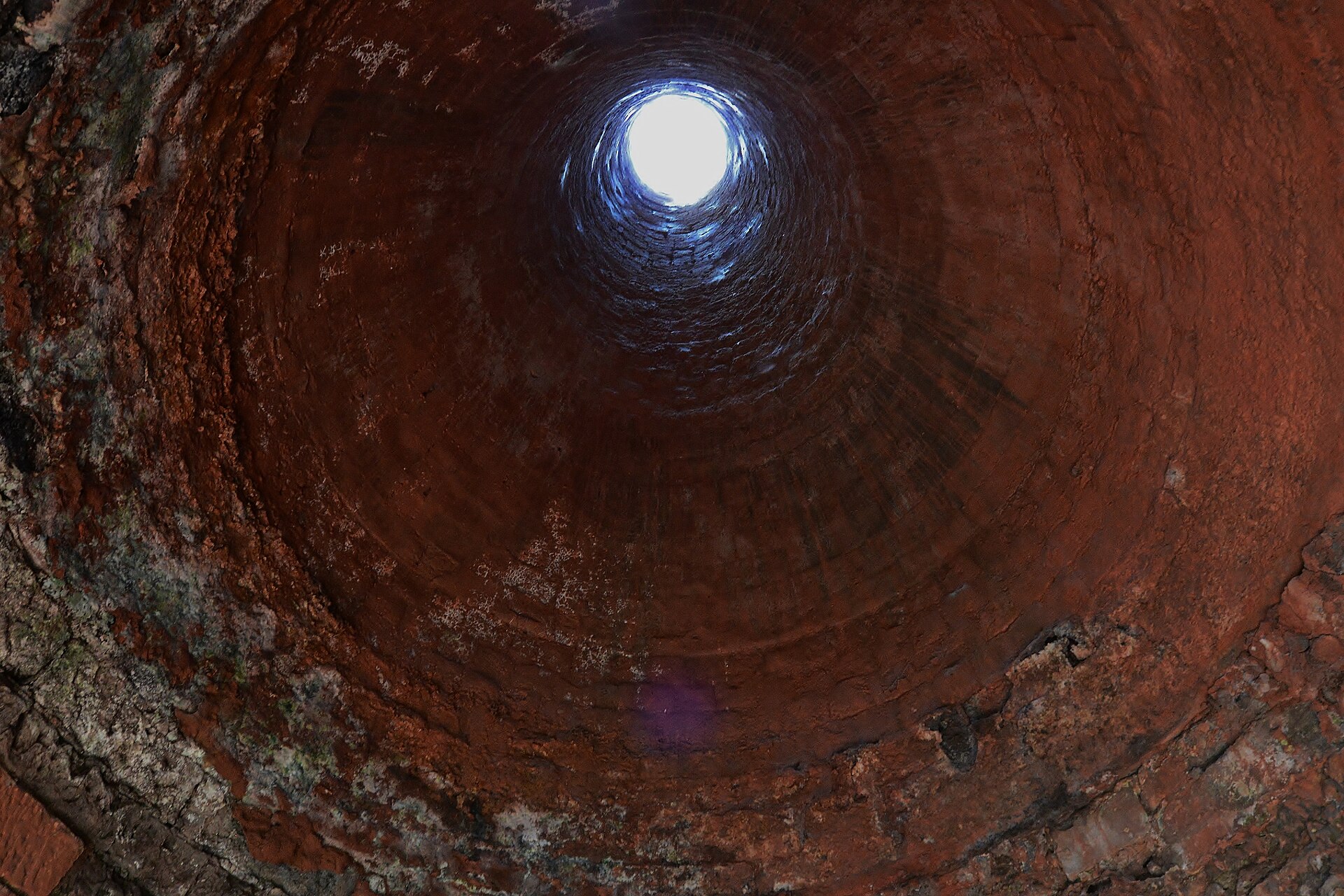
A charcoal-fired blast furnace that once employed 600 people to strip local woodland for fuel, shipping its pig iron south to Cumbria rather than f…
Fortified place · Medieval
Northumberland
Bondgate Tower is Alnwick’s surviving medieval gateway, turning a town-wall project of the Percy earls into a working feature of the modern street.
Building or ruin · Medieval
Denbighshire
The jaw and teeth of an eleven-year-old Neanderthal boy, found here, make this the only site in Britain with fossils of a classic Neanderthal.
Sacred place · Medieval
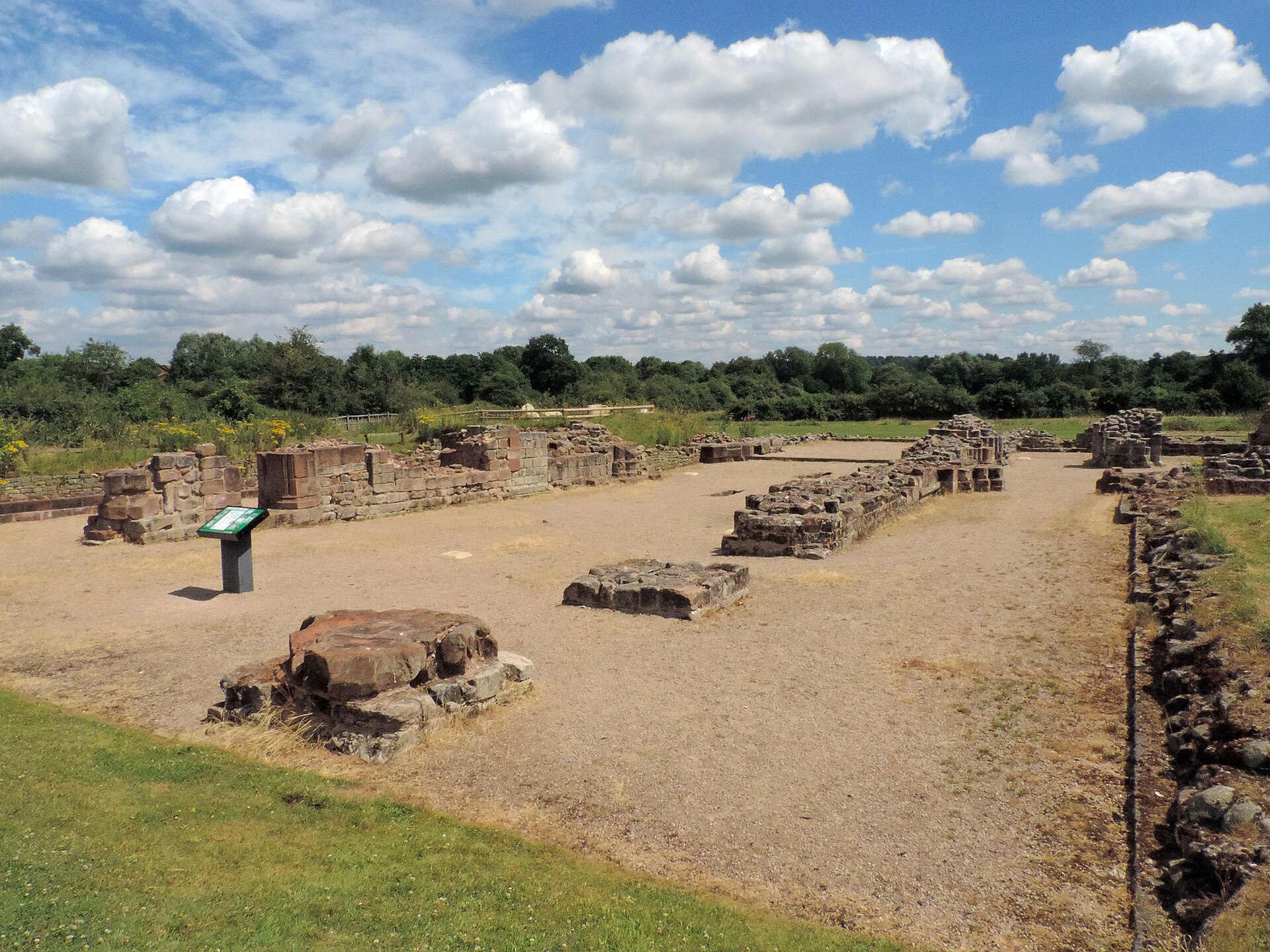
Worcestershire
Founded during the civil war of the Anarchy and claimed by a rival for the English crown, this Cistercian ruin was also a medieval earl's burial pl…
Fortified place · Iron Age
Devon
Boringdon Camp is a scheduled bank-and-ditch monument above the Plym Valley, layered over an older ring ditch and dating from the period the centur…
Fortified place · Roman
Northamptonshire
One of Britain's largest Iron Age hillforts lies beneath a working BBC transmitter mast: three thousand years of settlement crowned by shortwave br…
Fortified place · Iron Age
Northamptonshire
A Roman villa with its own hypocaust heating system, deliberately reburied by its Victorian excavator to protect it: so the past survives precisely…
Fortified place · Medieval
Midlothian
Borthwick Castle is an exceptionally complete 1430 Scottish tower house, associated with Mary, Queen of Scots and visibly marked by Cromwell’s 1650…
Fortified place · Medieval
Outer Hebrides
On the machair at the south-west tip of Benbecula, in the Western Isles, the ruined shell of a three-storey tower house stands with its north wall…
Sacred place · Prehistoric
Cornwall
Boskednan stone circle is a partially restored late Neolithic (the first farming age, roughly 4000–2500 BC) or early Bronze Age (roughly 2500–800 B…
Fortified place · Medieval
Cornwall
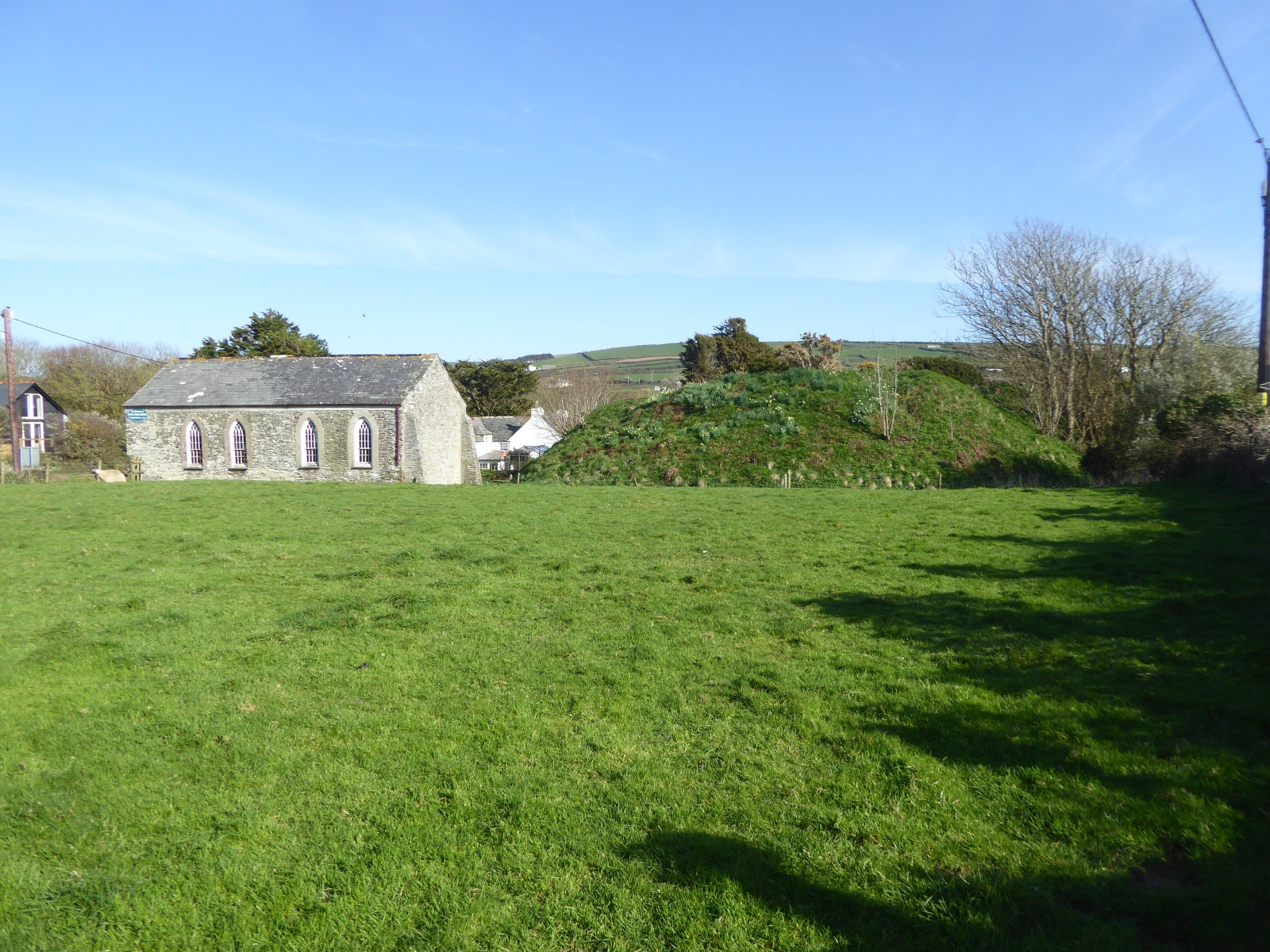
Bossiney Castle is a scheduled Norman motte (the earthen mound a castle was raised on) whose private, largely unexcavated mound preserves the early…
Sacred place · Medieval
Lincolnshire
The foundations of the priory, a monastery run by a prior, lay hidden beneath the parish church for nearly six hundred years, surfacing only when r…
Briefer entries: recorded and worth knowing, with fuller pages to come.
Sacred place · Medieval
County Kilkenny
Kilkenny’s Black Abbey is a 1225 Dominican foundation restored after suppression, where Ireland’s largest stained-glass window crowns a long histor…
Fortified place · Roman
Perth and Kinross
Two Roman camps within the extensive military complex centred on the fort at Ardoch.
Sacred place · Medieval
Norfolk
Blackborough Priory was a Benedictine nunnery near King’s Lynn from about 1200 to 1537, remembered through fishpond remains, named prioresses and i…
Sacred place · Medieval
Tyne and Wear
Nine of Newcastle's craft guilds leased it in 1552 and used it as their headquarters. That is the only reason any of the town's five friaries still…
Sacred place · Medieval
Essex
Blackmore Priory survives through the fabric of its parish church, where an Augustinian community’s twelfth-century entrance and fifteenth-century…
Fortified place · Medieval
County Cork
Blackrock Castle began as Cork’s anti-piracy river fort and now hosts an observatory, turning a harbour defence into a place for public astronomy.
Fortified place · Prehistoric
County Cork
Blackwater Castle layers a Norman fortress over a much older promontory fort: a headland cut off by ramparts to make a defensible enclosure: preser…
Fortified place · Medieval
County Cork
Blarney Castle is a MacCarthy stronghold whose fifteenth-century keep carries the Blarney Stone, connecting a turbulent medieval history with Irela…
Fortified place · Medieval
Gloucestershire
A timber castle and a mysterious raised mound once watched over the River Severn here, destroyed in the 1970s and leaving only rival theories about…
Fortified place · Medieval
Dorset
Melcombe’s lost Block House records an early modern town-built artillery fort, showing how Weymouth’s harbour communities developed local defences…
Building or ruin · Roman
Kent
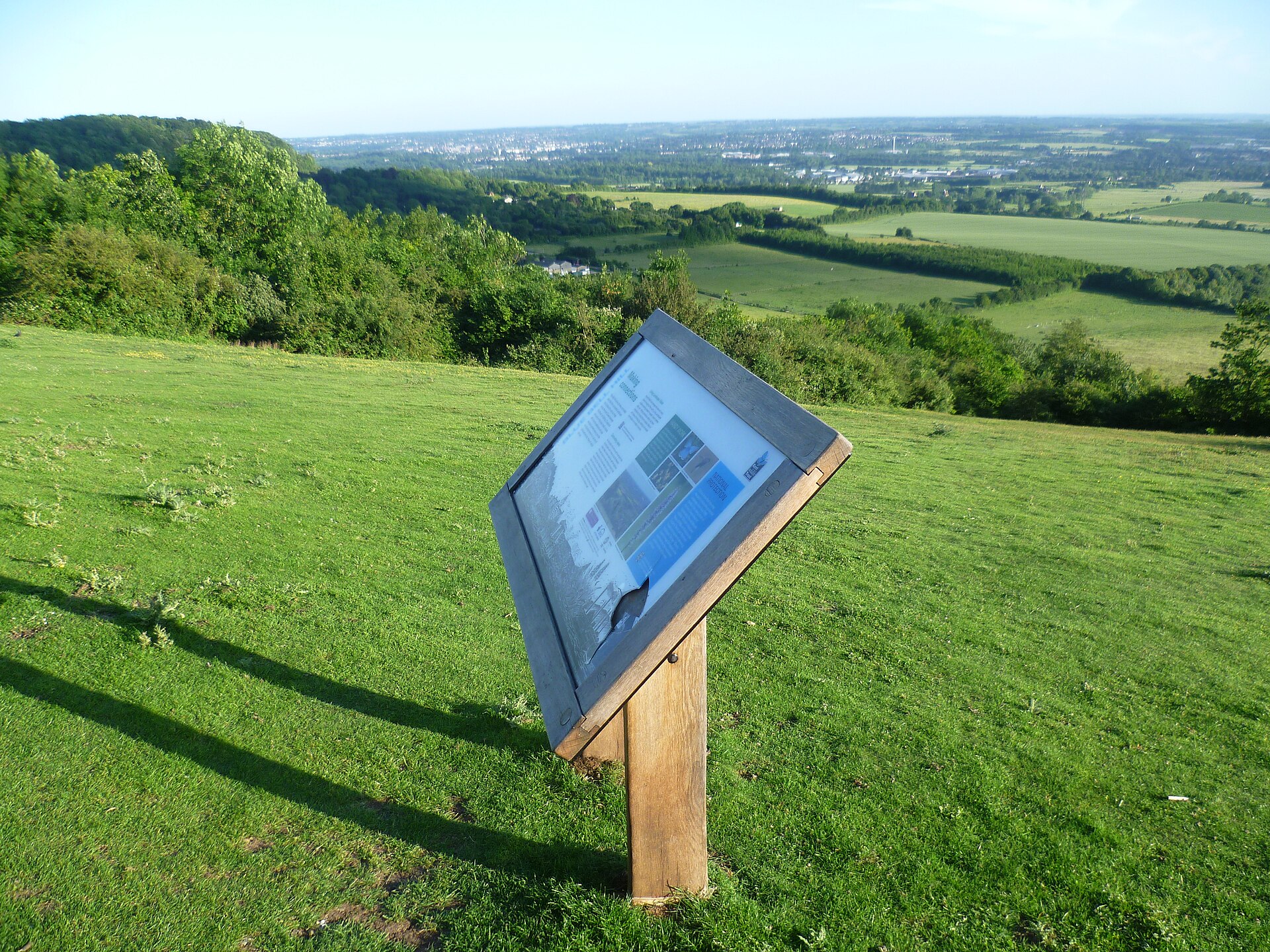
Blue Bell Hill is a protected North Downs chalk landscape above the Medway where the lost Blue Bell Hill Dolmen, nearby Medway Megaliths and traces…
Sacred place · Medieval
County Fermanagh
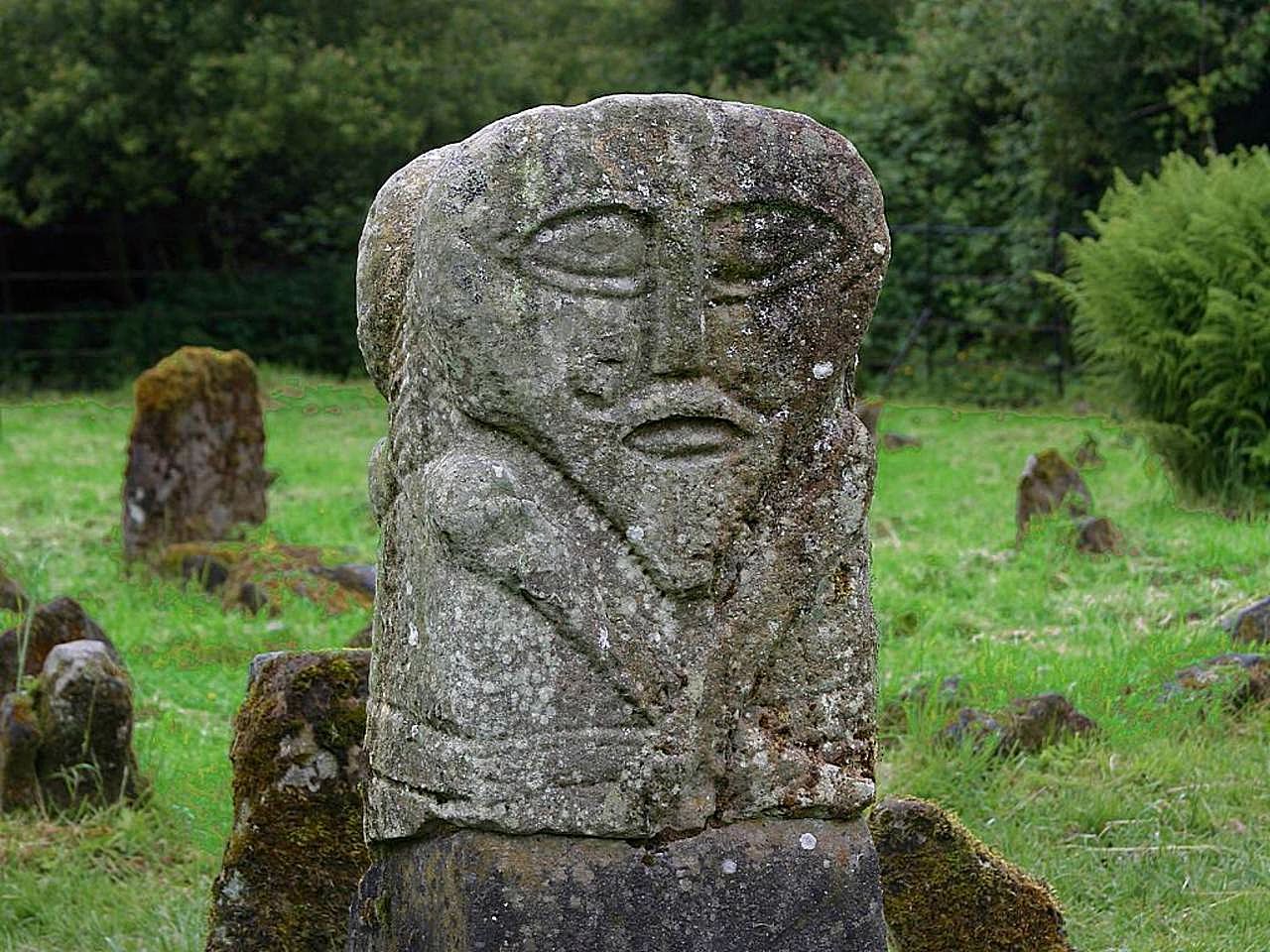
The Boa Island figures are enigmatic damaged stone idols whose two-faced form, Christian graveyard setting and uncertain Iron Age (the period from…
Sacred place · Medieval
cumbria
A house recorded on this site since at least 1592, rebuilt in Italian style after a fire in 1870, and a working convent since 1921: with a 1986 ora…
Sacred place · Medieval
Cornwall
A gateway and two pillars are the last visible pieces of a large Franciscan friary (the base of a mendicant order, whose members worked in the stre…
Sacred place · Medieval
Devon
Bodmiscombe Preceptory records a thirteenth-century Knights Hospitaller house whose absorption into Buckland Abbey preserves Devon’s link to the or…
Tomb or burial place · Prehistoric
County Cork
Bohonagh is a Bronze Age (roughly 2500–800 BC, when metalworking spread) axial stone circle with tall portal stones, a nearby cup-marked boulder bu…
Building or ruin · Roman
Dorset
Bokerley Dyke is a long-lived Dorset boundary earthwork (a bank or ditch dug and heaped from the ground itself, with no masonry), first prehistoric…
Fortified place · Iron Age
Devon
Bolt Tail preserves faint remains of an ancient fort built across a South Hams headland, later marked by nearby shipwrecks.
Sacred place · Medieval
North Yorkshire
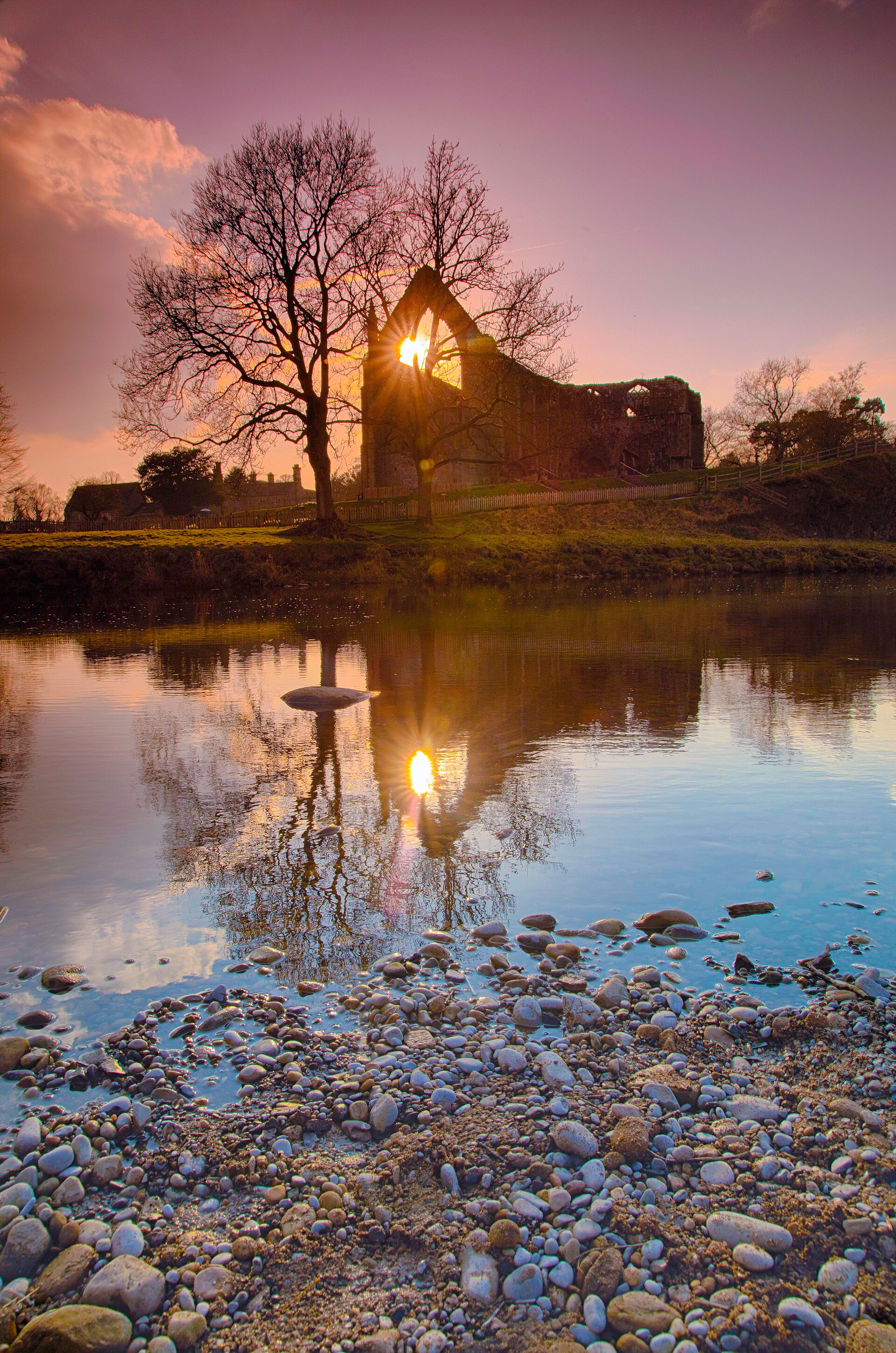
Bolton Abbey joins an Augustinian priory, a living parish church and a vast Wharfedale estate in a layered Yorkshire Dales landscape.
Sacred place · Medieval
County Kildare
A modern Cistercian monastery in County Kildare, founded from Roscrea in 1965 and independent since 1977, where monastic life is supported by a wor…
Sacred place · Medieval
County Antrim
Bonamargy Friary preserves a late Franciscan foundation where MacQuillan, MacDonnell, burial, legend and manuscript histories meet beside the Margy…
Sacred place · Medieval
Lincolnshire
Bonby Priory’s surviving St Andrew’s Church is the last trace of a Benedictine alien priory connected with St Fromond Priory between 1199 and 1403.
Fortified place · Iron Age
Cambridgeshire
A broad oval enclosure some 430 metres across, ringed by more than one bank and ditch: a defensive scheme built at real scale, not a token boundary.
Sacred place · Prehistoric
Cornwall
Boscawen-Ûn is a Bronze Age (roughly 2500–800 BC, when metalworking spread) stone circle whose nineteen-stone ellipse, distinctive central slab and…
Tomb or burial place · Prehistoric
Cornwall
Bosiliack Barrow is a rare Neolithic (the first farming period in Britain, roughly 4000–2500 BC) entrance grave of a form otherwise associated with…
Sacred place · Prehistoric
Cornwall
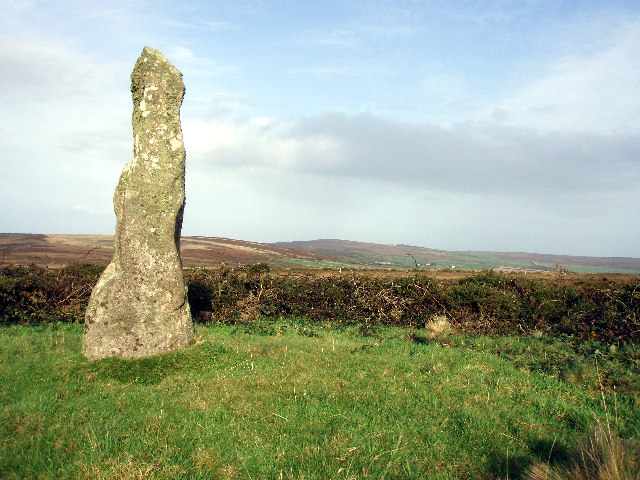
Boswens Menhir is a compact but distinctive Penwith standing stone, with a vestigial cairn (a mound of piled stones, often covering a burial) and c…
Building or ruin · Prehistoric
Cornwall
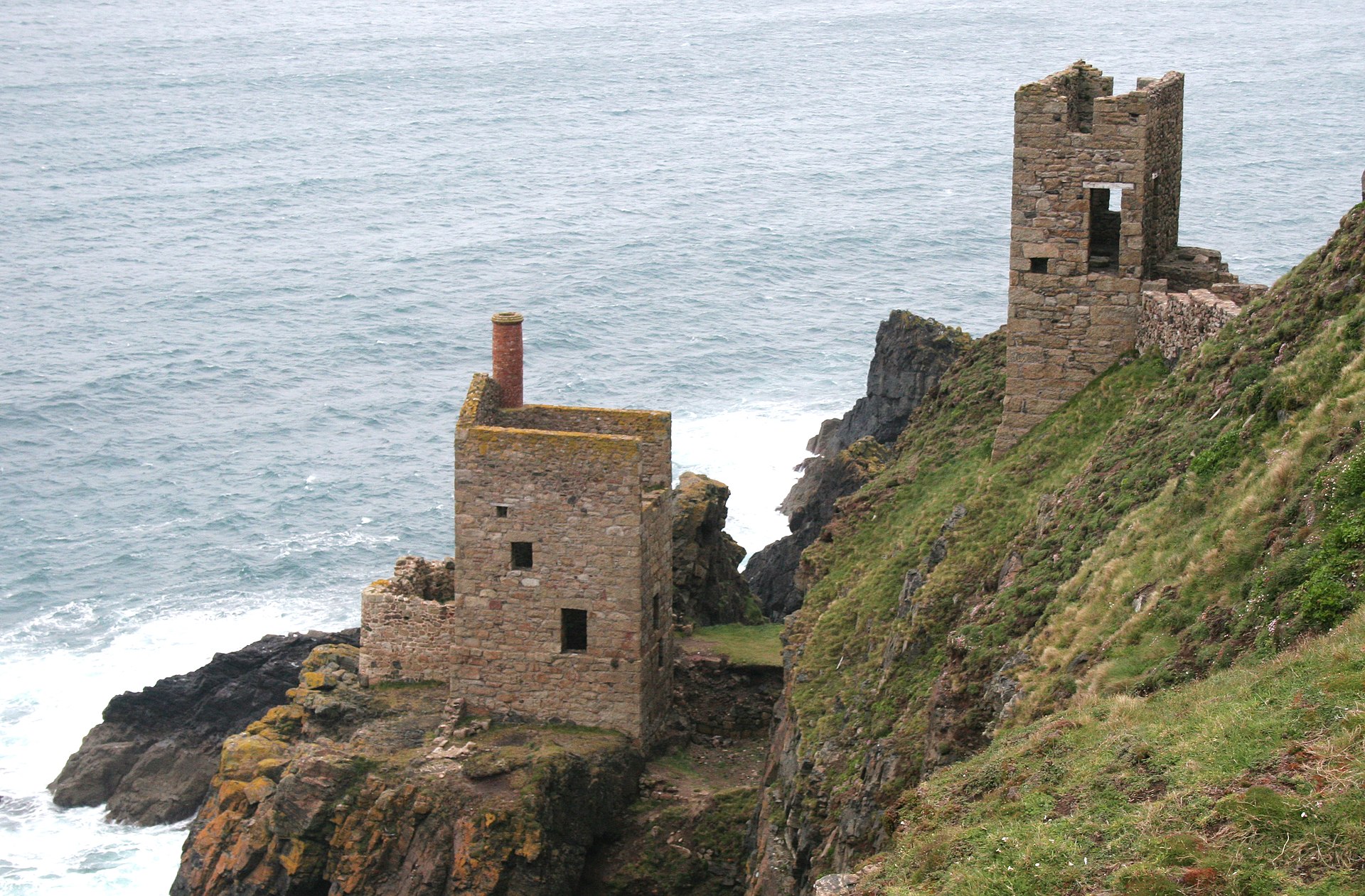
Engine houses on the cliffs mark a Cornish mine whose workings extended beneath the Atlantic and later formed part of a World Heritage Site.
No places match those filters.
Kinds of place
Ages

.jpg?width=800)












.jpg?width=800)












.jpg?width=800)
_(geograph_3036915).jpg?width=800)