Sacred place · Medieval
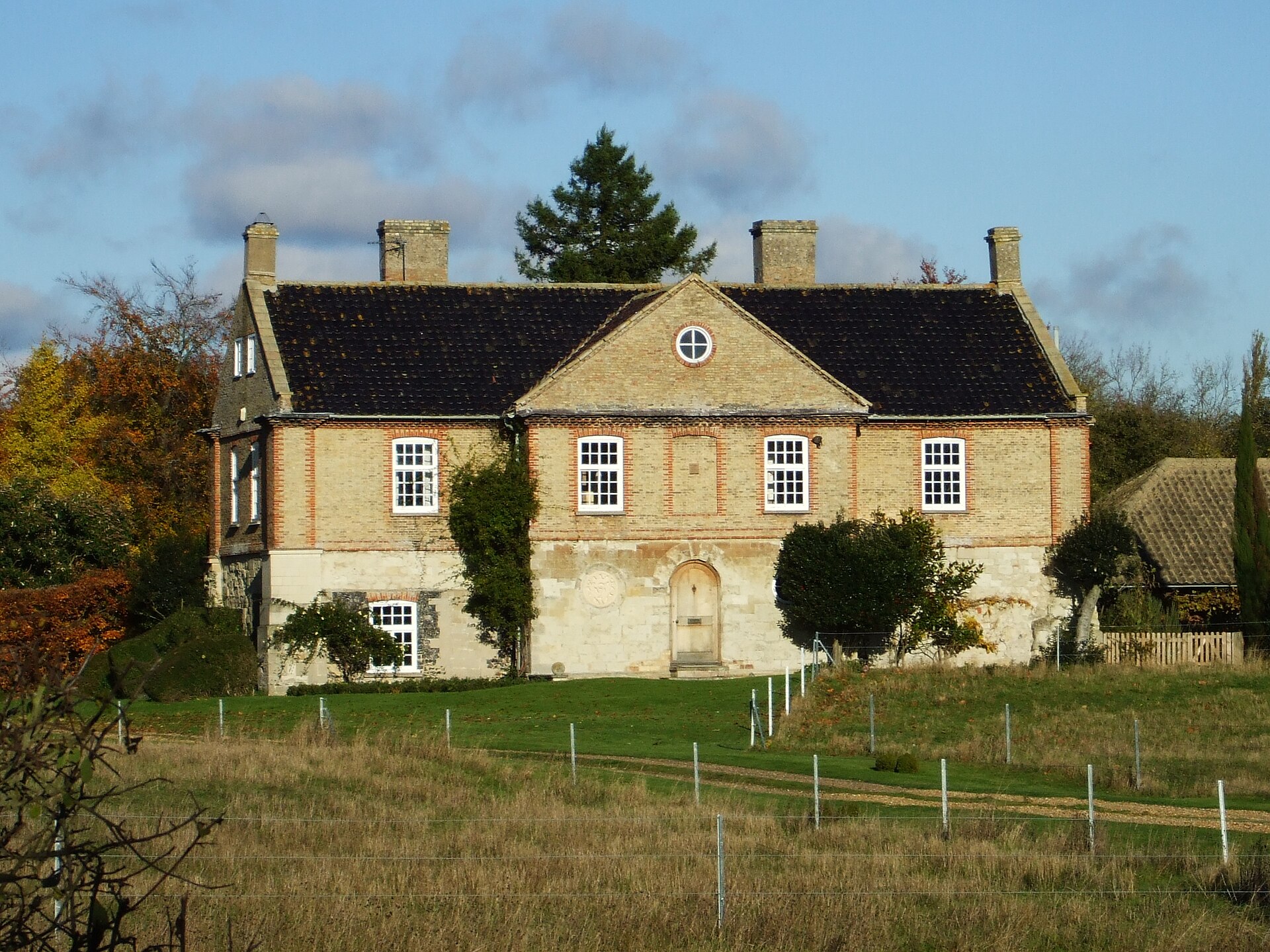
Swaffham Bulbeck Priory
Cambridgeshire
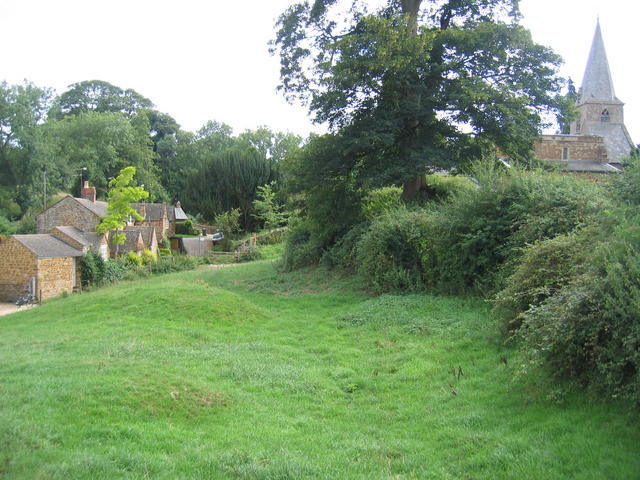
Almost nothing beyond its name has survived of this Cambridgeshire priory: a reminder of how completely a small monastic house can vanish from the…
- Near Swaffham Bulbeck
The directory
Page 42 of 47 in the full directory.
Browsing 100 places — search and the map cover the whole directory.
Sacred place · Medieval
Cambridgeshire
Almost nothing beyond its name has survived of this Cambridgeshire priory: a reminder of how completely a small monastic house can vanish from the…
Tomb or burial place · Prehistoric
Wiltshire
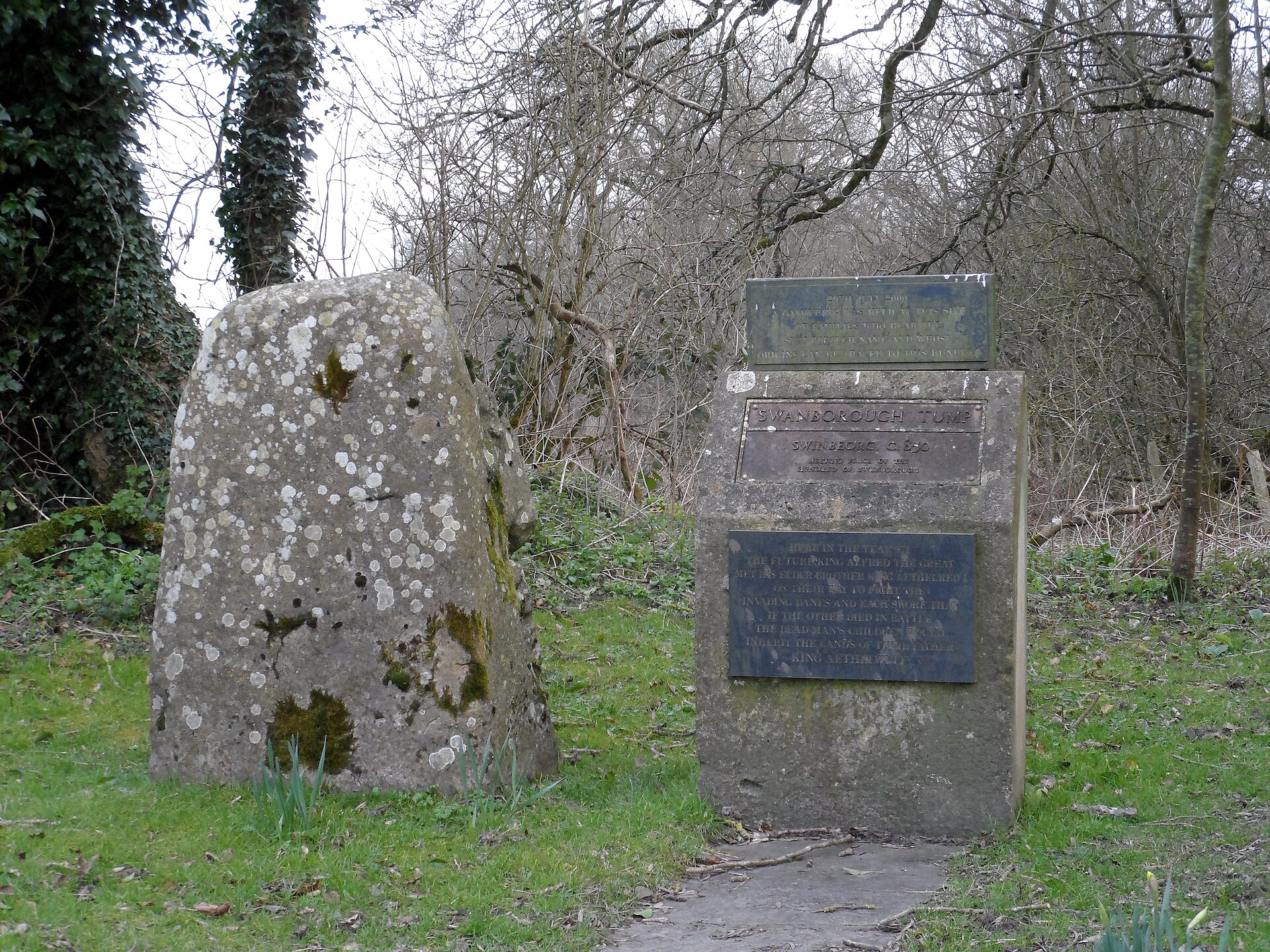
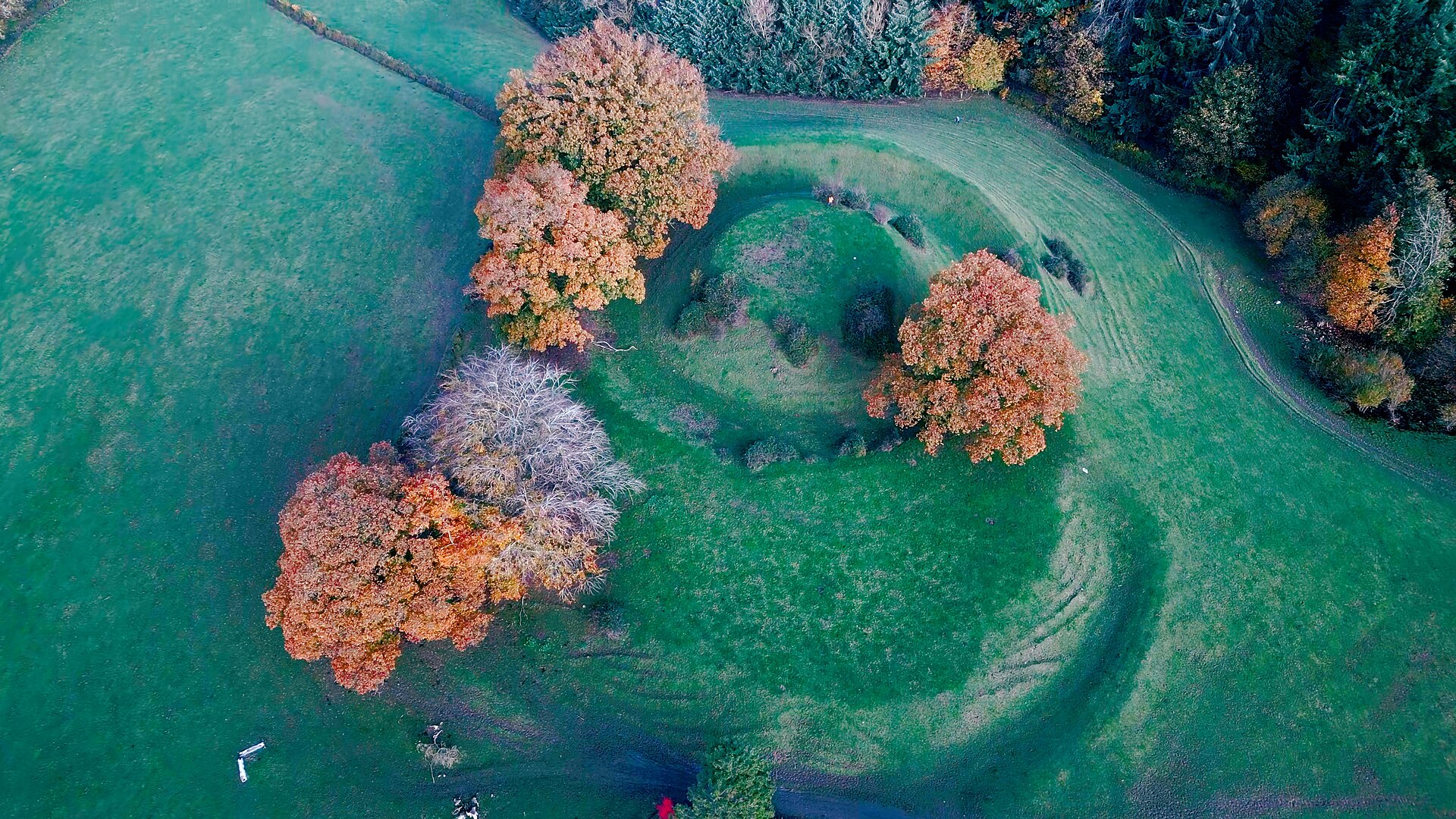
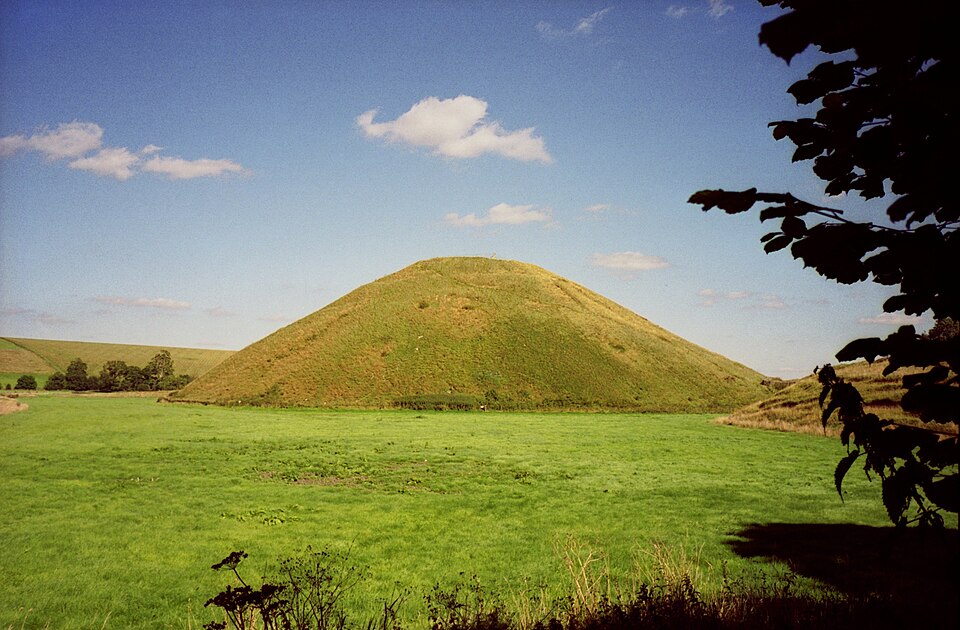
A humble mound where two Saxon princes bargained over an inheritance in 871, one of them soon to become Alfred the Great, before marching off to fi…
Fortified place · Medieval
Swansea
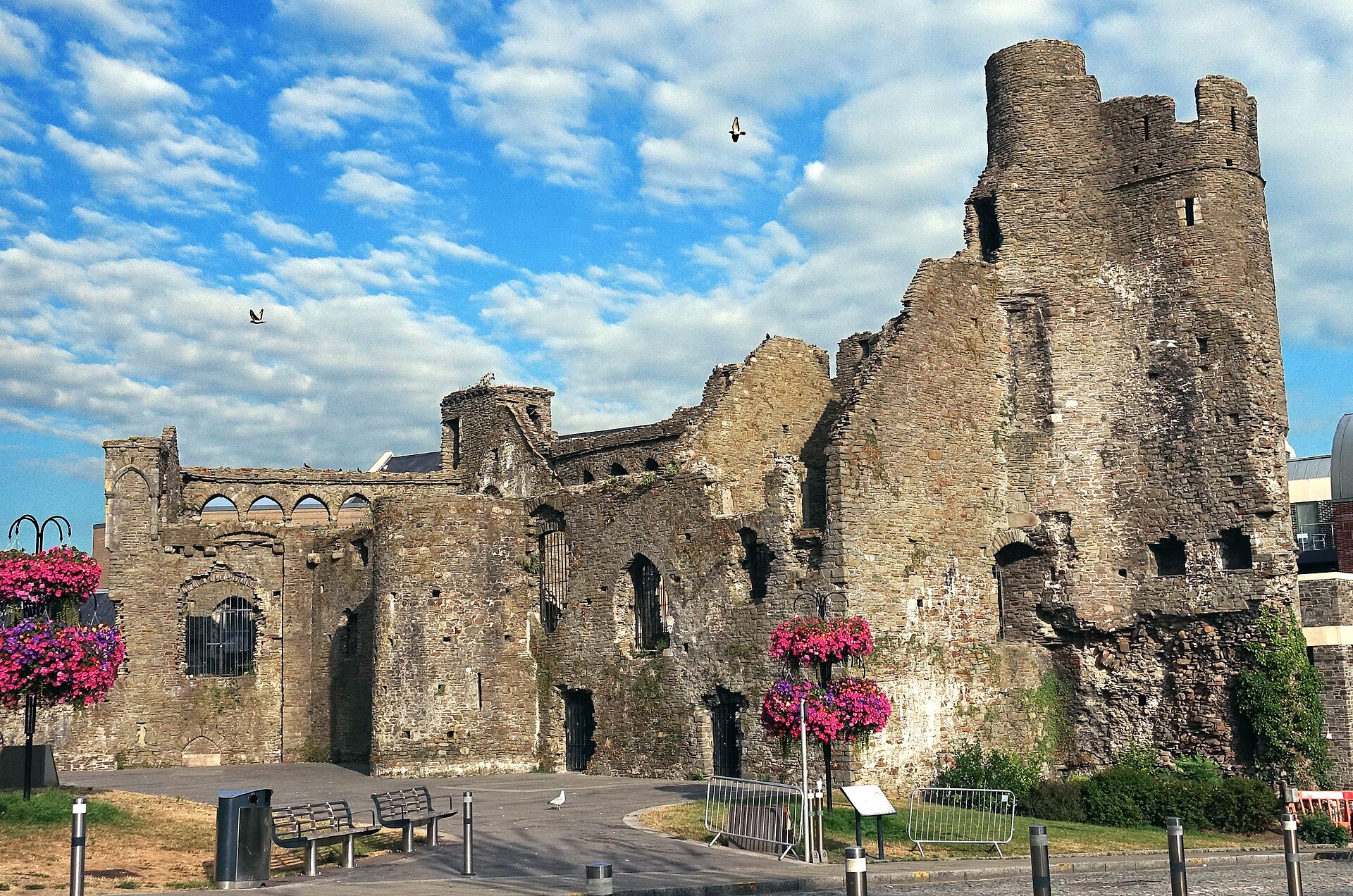
Founded in 1107 as the seat of the Lordship of Gower, a timber castle standing by 1116 above the River Tawe.
Crossing or structure · Medieval
Derbyshire
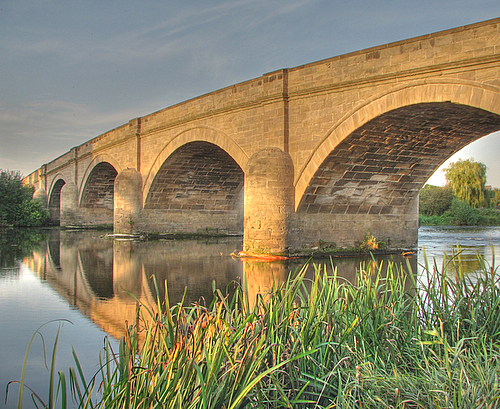
For roughly three hundred years this was the only crossing of the River Trent between Burton and Nottingham, and in 1745 it was the point at which…
Sacred place · Medieval
Cambridgeshire
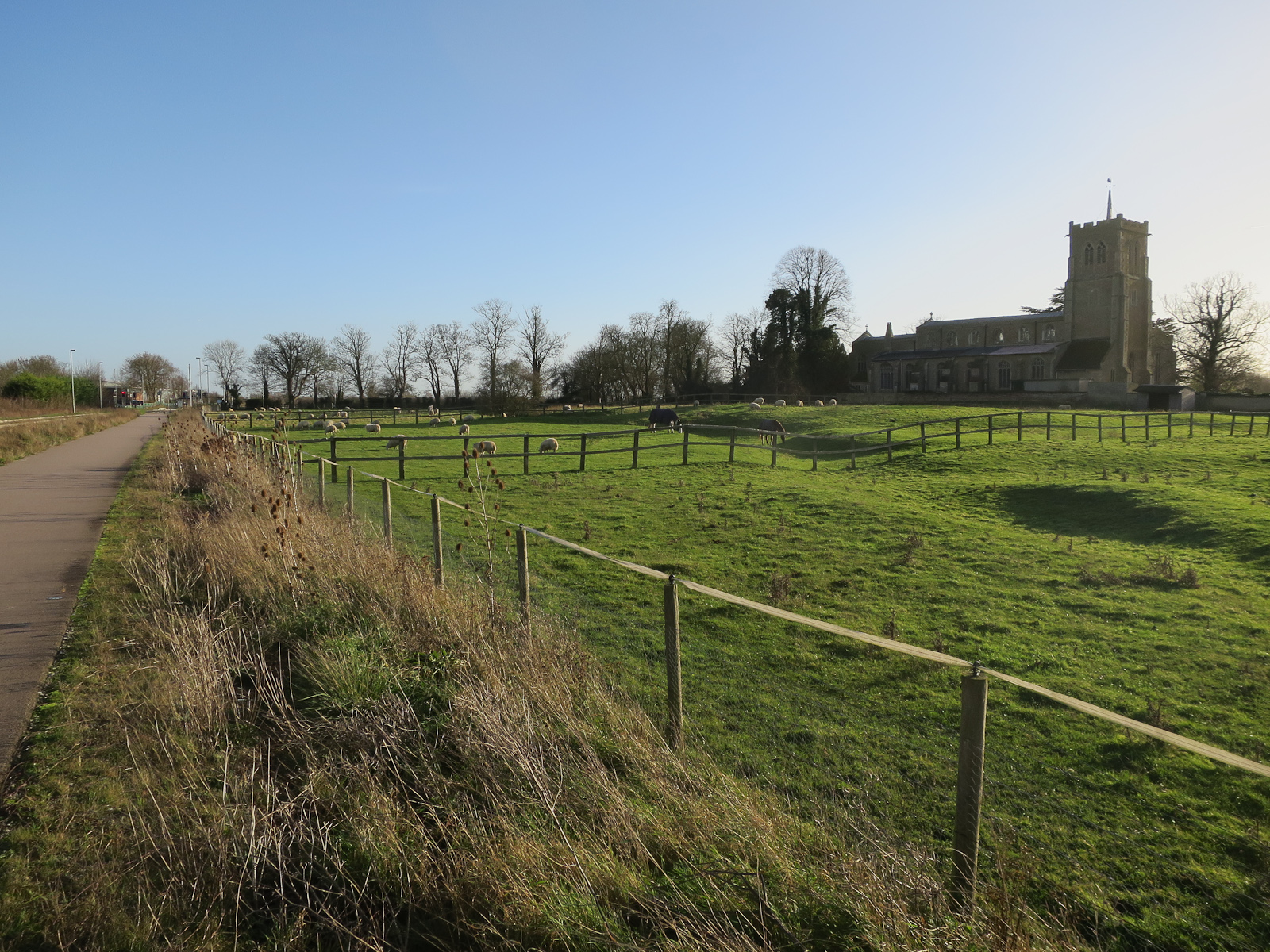
A small Fenland village church became, within twenty years of the Conquest, the English outpost of a French abbey on the Loire: one of England's sh…
Crossing or structure · Prehistoric
Somerset
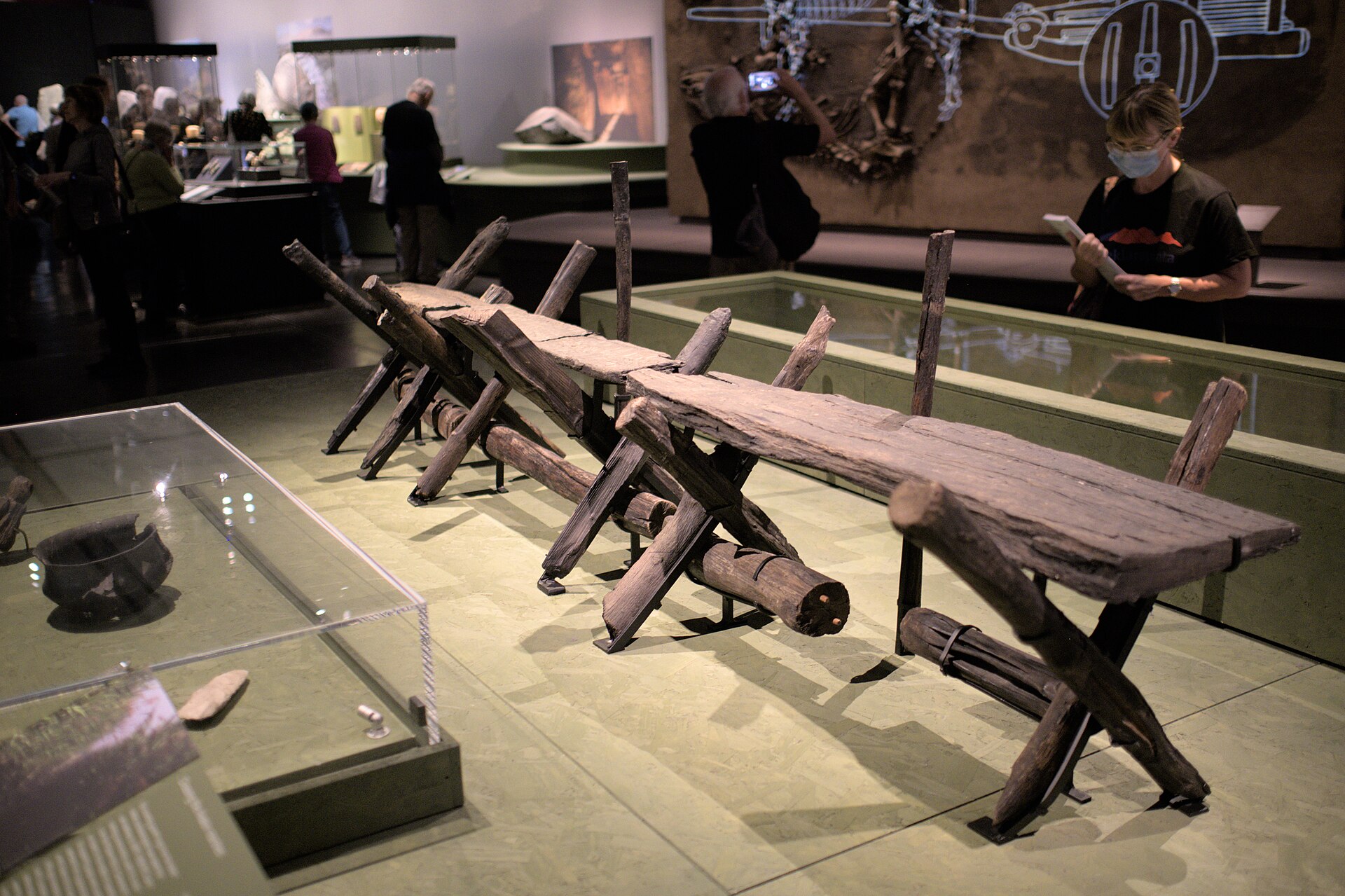
Built in 3807 BC and used for about ten years before rising water ended it. A pumping system now keeps the surviving timber wet.
Sacred place · Medieval
Dumfries and Galloway
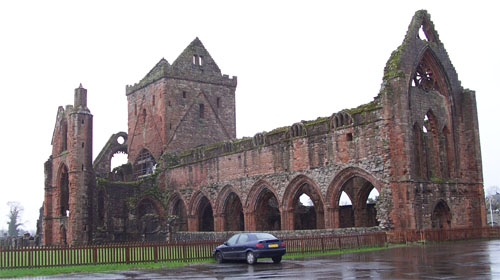
Sweetheart Abbey preserves the personal memorial of Dervorguilla of Galloway and John de Balliol, and traces how a Cistercian house shaped the farm…
Fortified place · Iron Age
Somerset
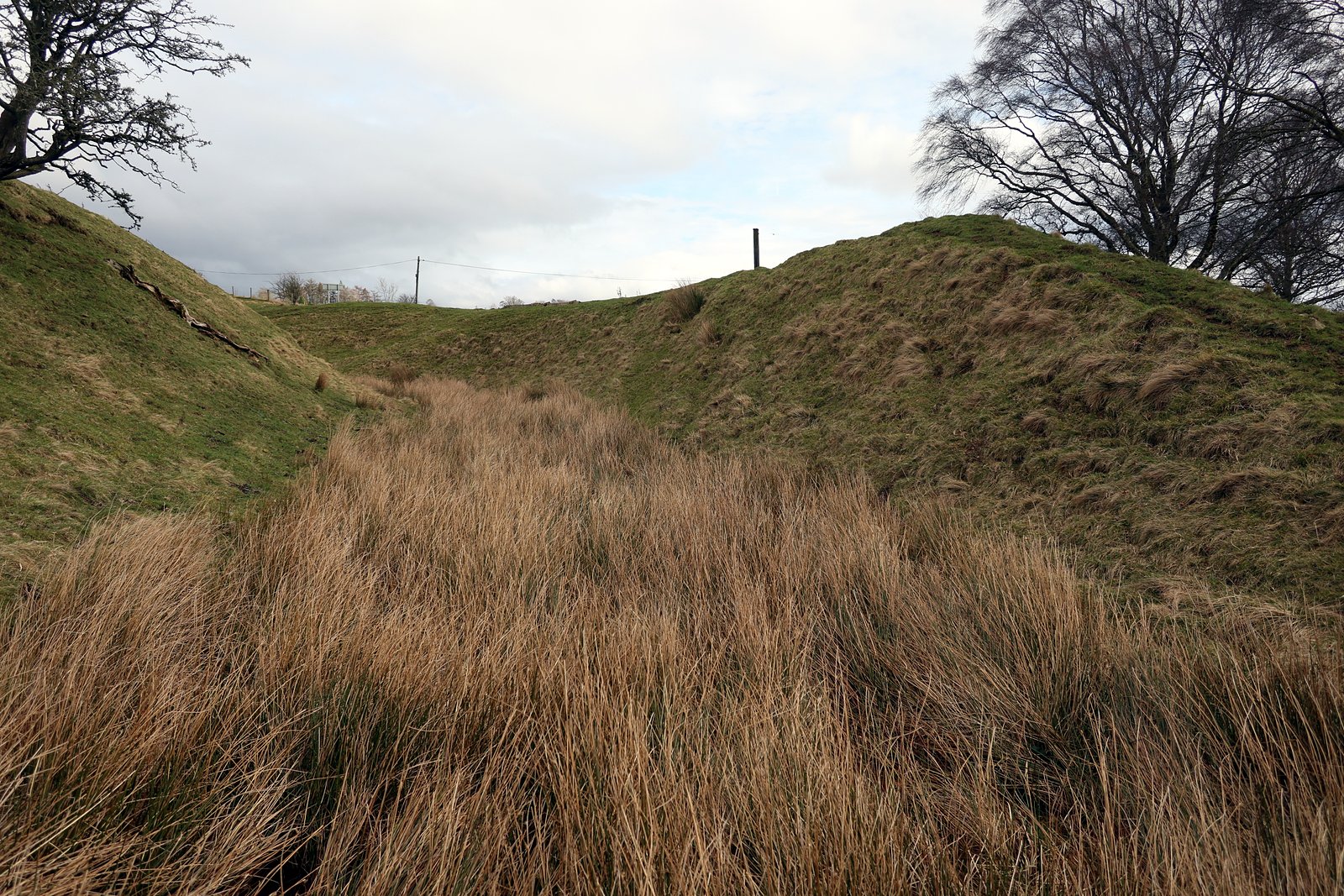
Two Iron Age enclosures on one slope, with a deserted medieval settlement on the same ground - and the ditch of one now serves as a trackway.
Fortified place · Medieval
Oxfordshire
A twelfth-century castle in the village of Swerford, built as an earth mound carrying a tower with a walled yard beside it.
Sacred place · Medieval
North Yorkshire
A weathered animal effigy on its capital may show a swine or the white boar of the Nevilles, keeping a 15th-century royal favour to Middleham legib…
Sacred place · Medieval
Lincolnshire
A working farmhouse built from monastic stone still stands on the site where a dying King John is said to have sheltered in 1216, and where Shakesp…
Building or ruin · Medieval
Cheshire
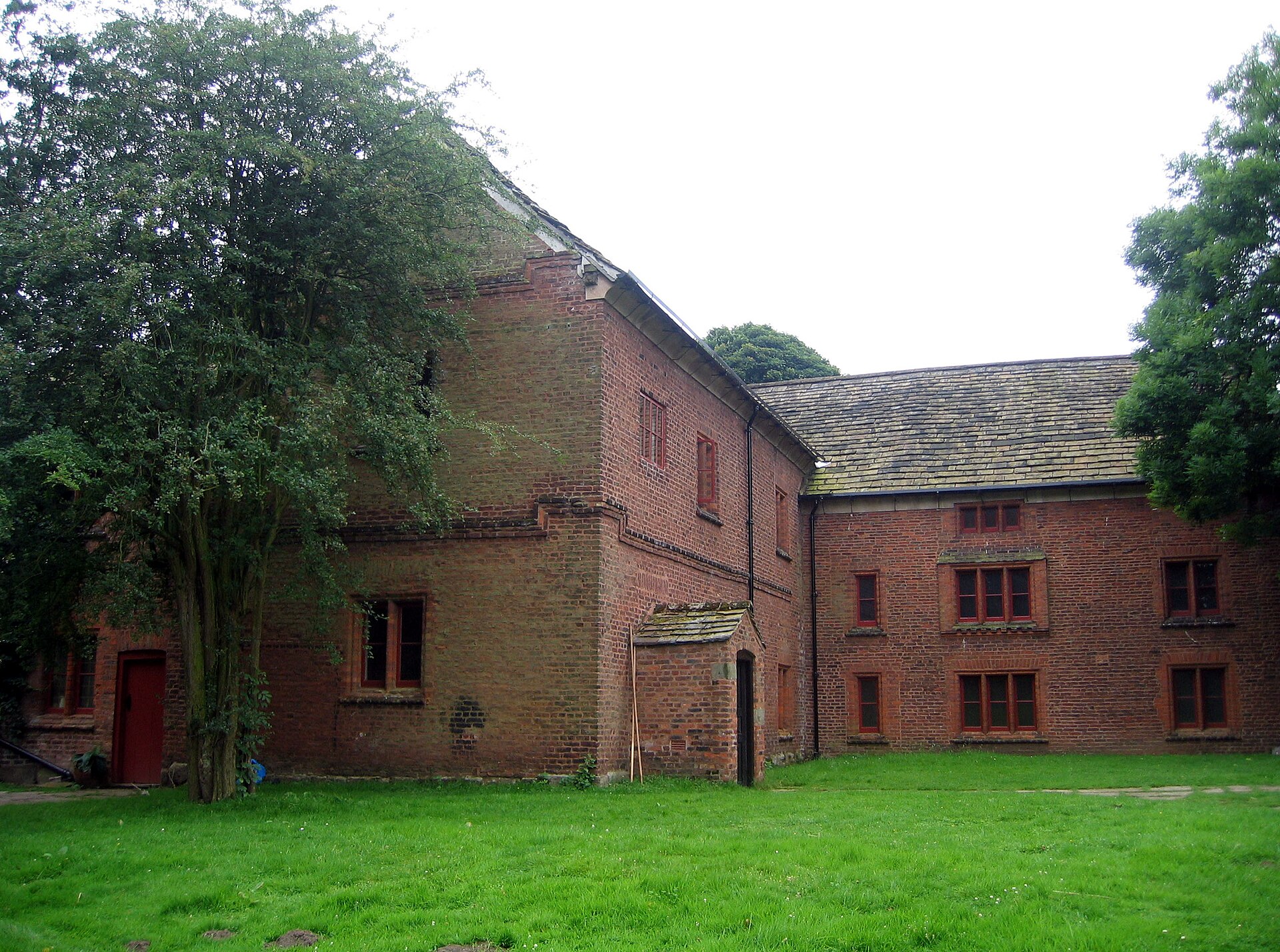
Swineyard Hall combines a sixteenth-century moated house with nineteenth-century additions, retaining both Grade II* listing and scheduled-monument…
Sacred place · Medieval
Leicestershire
A small Hospitaller house that never grew beyond a satellite of a larger preceptory (a local estate of a military order such as the Knights Templar…
Crossing or structure · Medieval
Oxfordshire
A privately owned bridge over the Thames above Eynsham Lock, linking Eynsham with Swinford.
Sacred place · Medieval
Kent
Swingfield Preceptory records a Kent headquarters of the Knights Hospitaller whose surviving 13th-century St John’s Chapel and adapted farm buildin…
Sacred place · Prehistoric
Cumbria
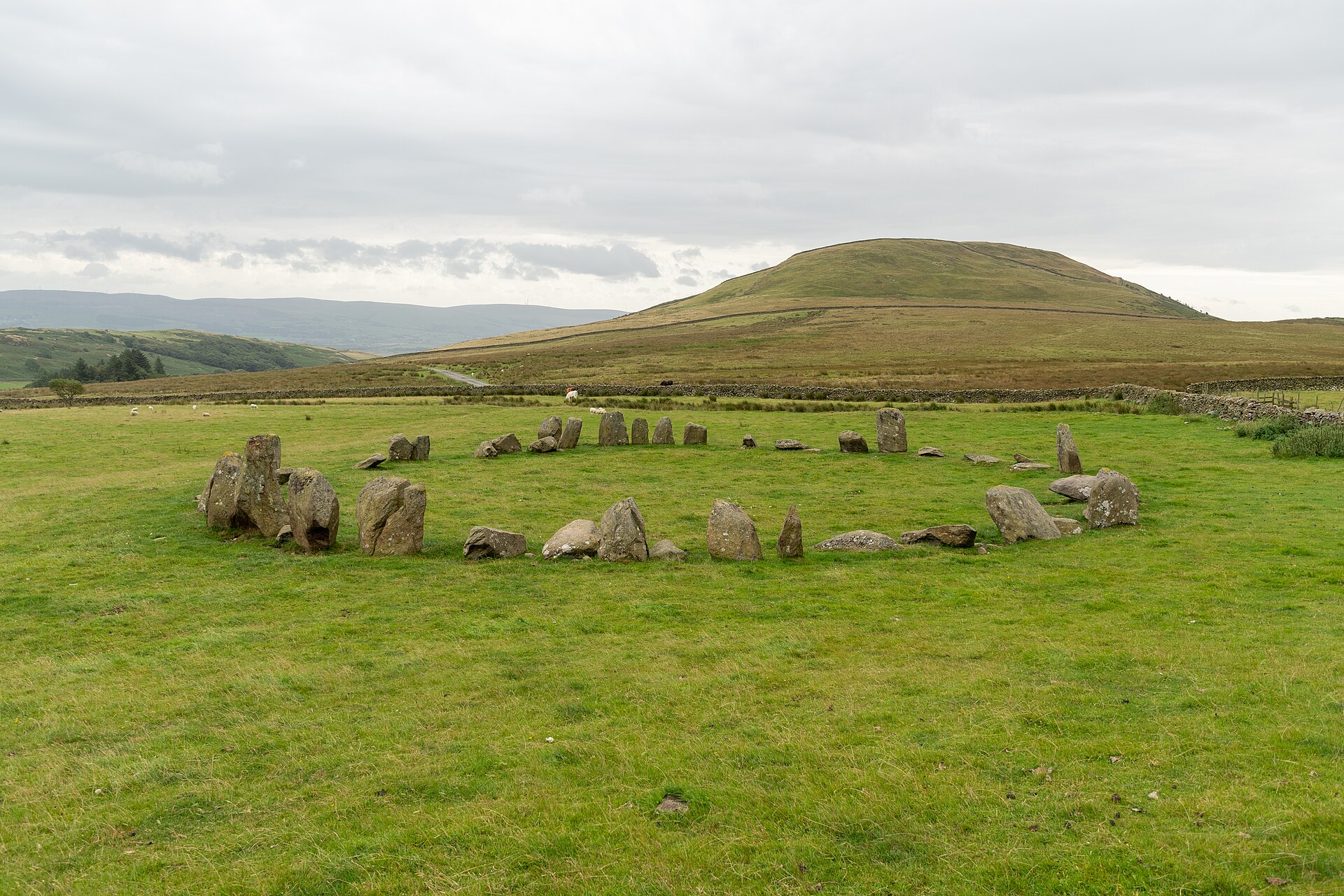
Aubrey Burl called it the loveliest stone circle in north-western Europe, yet reaching it still means a mile-and-a-quarter walk uphill on foot with…
Building or ruin · Roman
Northumberland
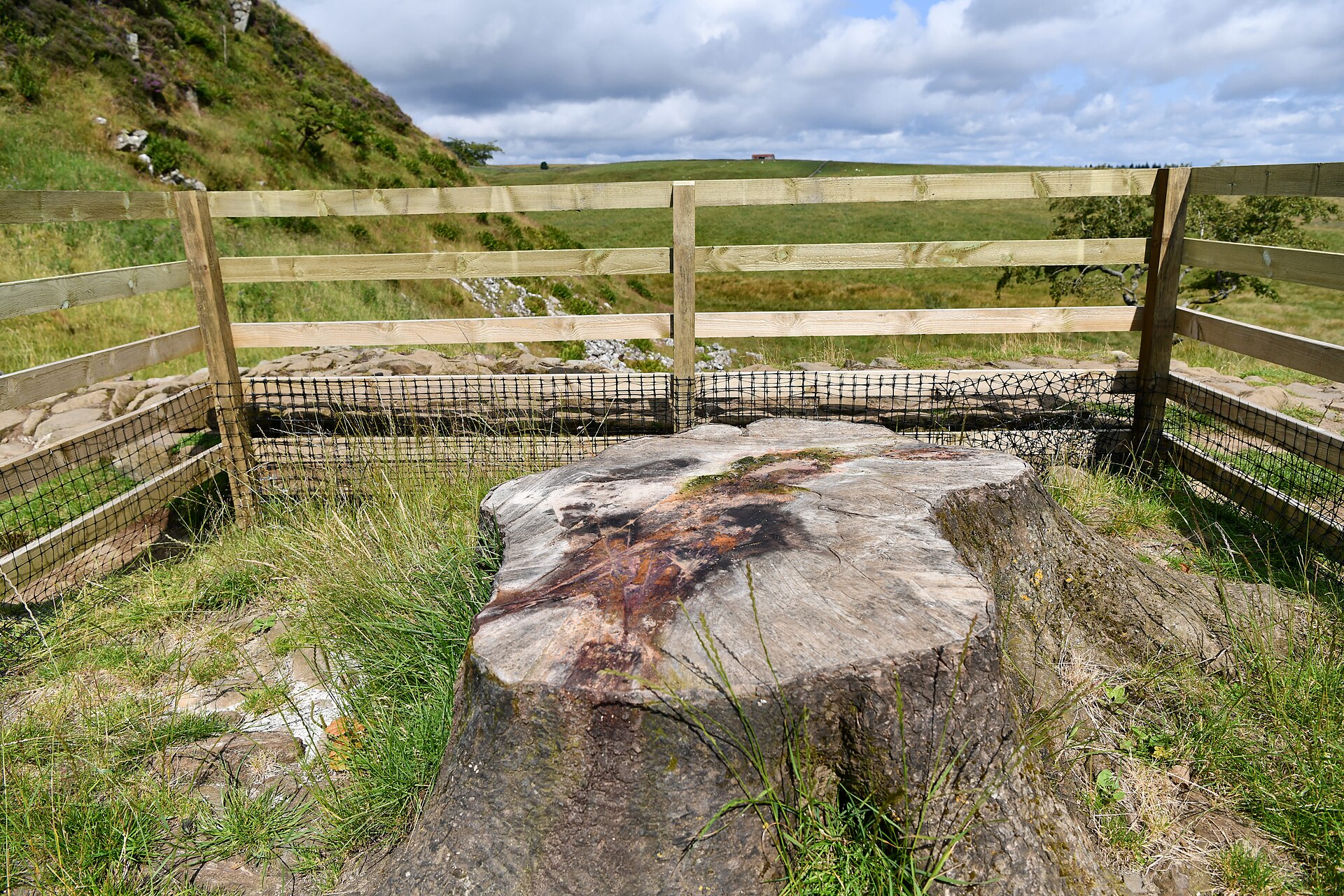
A sycamore of a hundred years and more beside Hadrian's Wall near Crag Lough, known also as the Robin Hood tree.
Fortified place · Medieval
Powys
The house Owain Glyndwr grew up in, praised in detail by a poet and burned to the ground by the future Henry V in May 1403.
Building or ruin · Medieval
Cheshire
Tabley Old Hall is a moated, at-risk ruin that preserves the ancestral home of the Leicester family and the changing fortunes of a house displaced…
Sacred place · Medieval
Carmarthenshire
The only Premonstratensian house ever founded in Wales, its lone surviving tower now rises alone over the fishponds the White Canons dug to feed th…
Fortified place · Medieval
Staffordshire
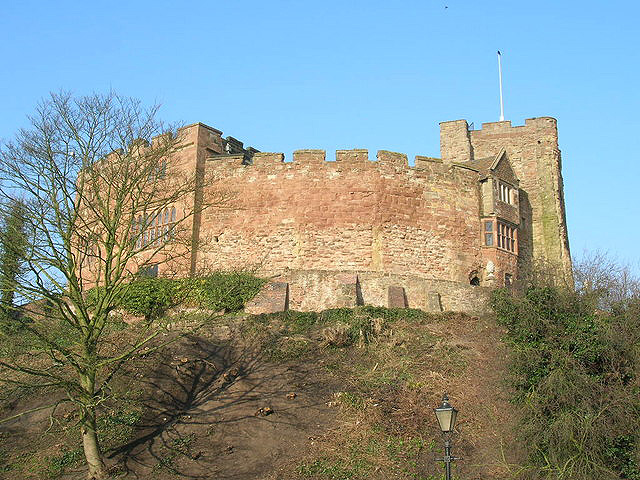
A palace of the Mercian kings burned by Vikings, rebuilt as a burh by Aethelflaed, ordered demolished by King John, and bought for the town in 1897…
Sacred place
Wiltshire
Nine sarsens that a 1973 investigation thought were probably cleared field stones rather than anything prehistoric: before written records reached…
Fortified place
Armagh
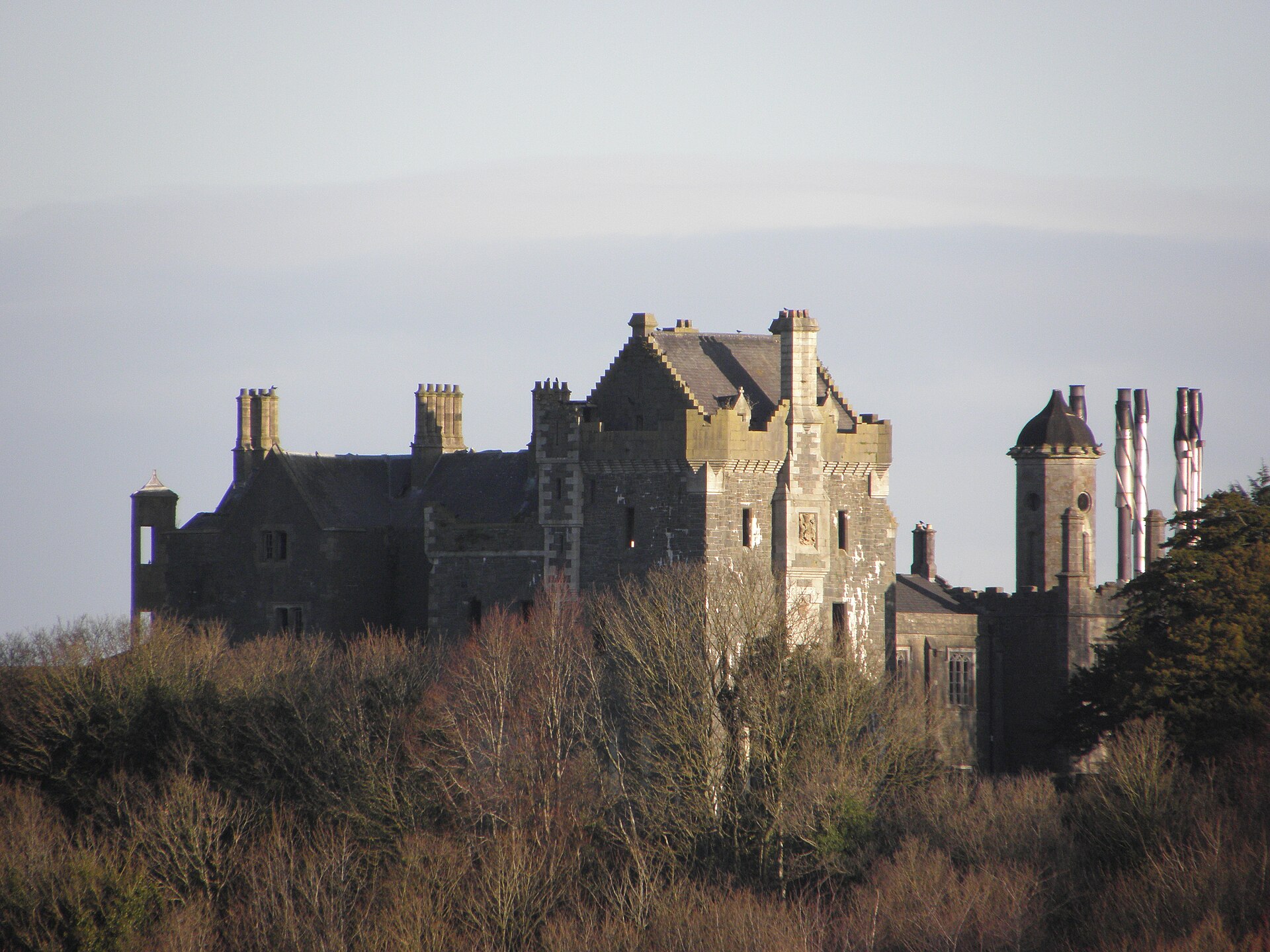
Tandragee Castle is a nineteenth-century rebuilding of an earlier O'Hanlon stronghold, preserving the layered history of Plantation conflict, arist…
Sacred place · Medieval
Surrey
A modest Augustinian religious house had a 1535 income less than a fifth of Sheen Priory's, yet its fishponds and footprint still shape the private…
Fortified place · Medieval
East Lothian
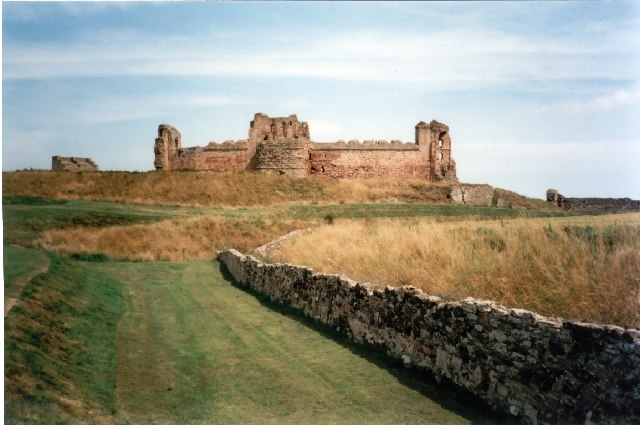
Tantallon is Scotland’s last medieval curtain-wall castle, a dramatic coastal fortress whose single massive landward wall defended a naturally clif…
Fortified place · Iron Age
Aberdeenshire
Drone and lidar surveys count as many as 800 huts inside its outer rampart: evidence, researchers say, for the largest known settlement in early-me…
Tomb or burial place · Prehistoric
Buckinghamshire
Second only to Sutton Hoo in wealth and display, this seventh-century mound gave up a lyre, a gold-and-garnet buckle and drinking horns fit for a K…
Fortified place · Iron Age
Somerset
A hill fort shaped like a letter D, fifty metres across, also recorded as Chelvey Batch Settlement.
Fortified place · Medieval
Argyll and Bute
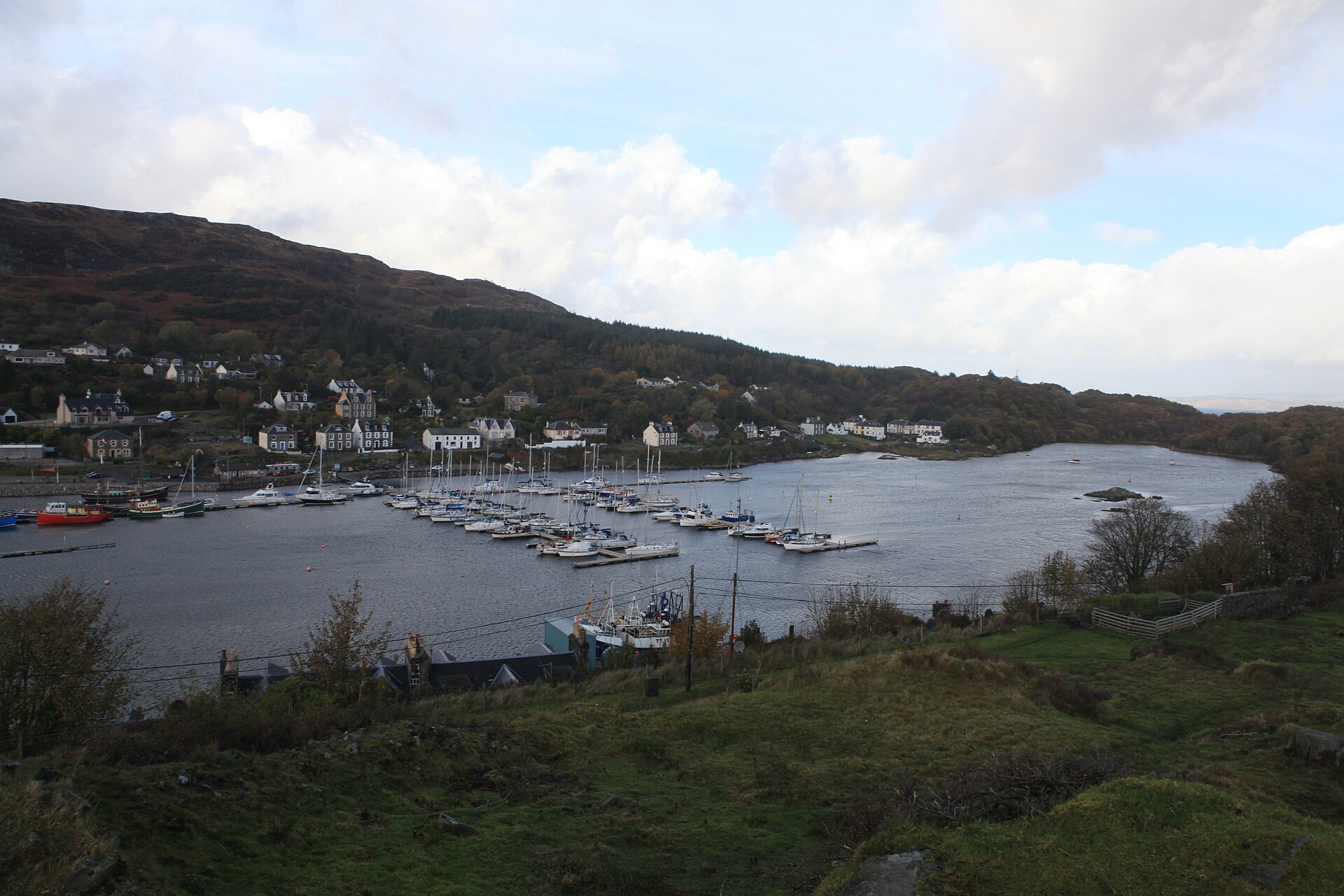
A royal stronghold fought over for nearly a thousand years, from early-medieval burnings to a 1494 siege by a Scottish king, now looked after by th…
Crossing or structure · Medieval
Somerset
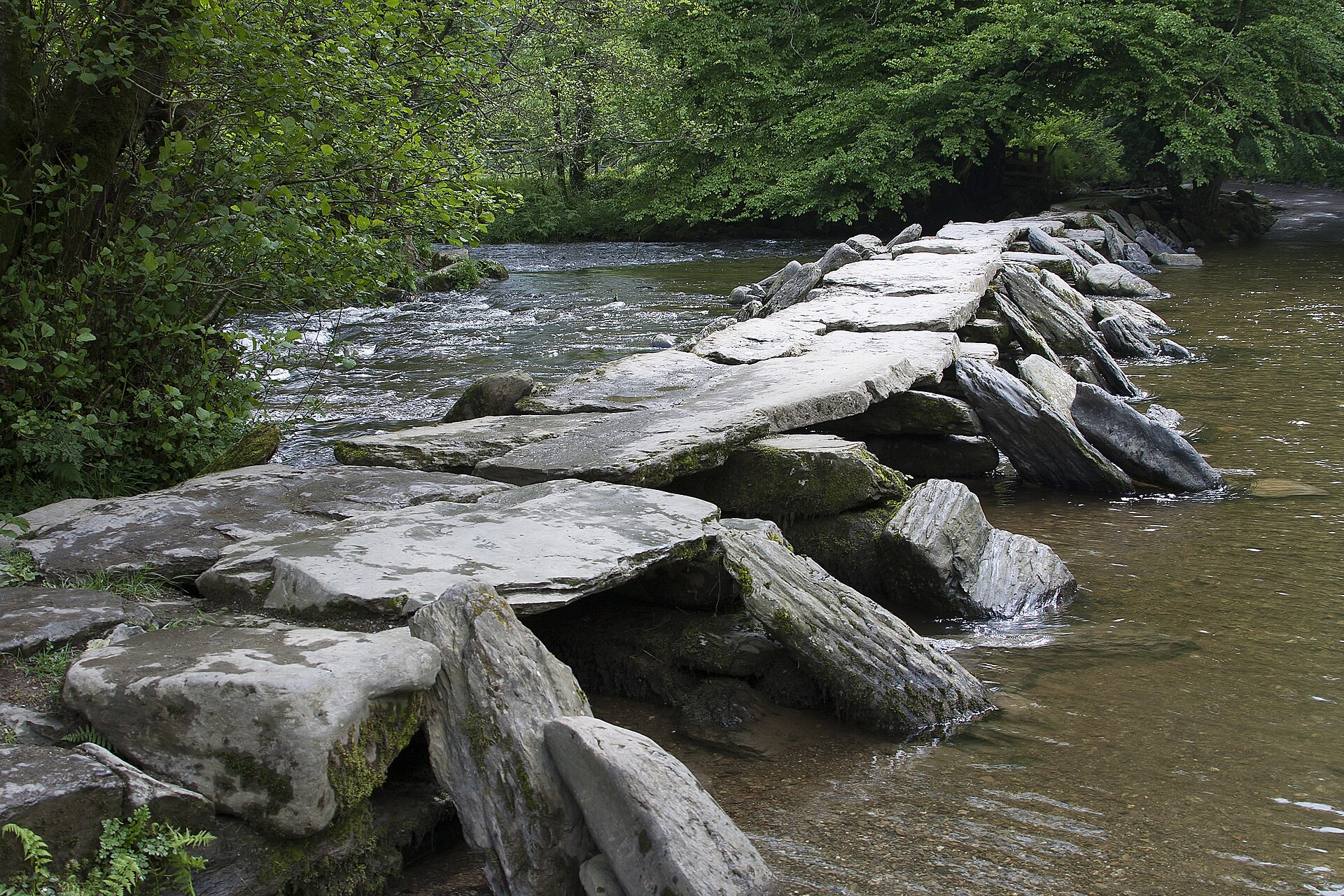
A stone-slab bridge over the River Barle in Exmoor, within a national nature reserve.
Fortified place · Medieval
Northumberland
Tarset’s low foundations mark a formally planned four-turret border castle, authorised in 1267 and deliberately destroyed in 1525 rather than repea…
Fortified place · Medieval
Lincolnshire
Ralph Cromwell’s fifteenth-century Great Tower, built with 700,000 fashionable bricks, became the 1910 rescue that helped inspire Britain’s foundat…
Building or ruin · Medieval
Cheshire
Tatton Old Hall preserves a fifteenth-century manor site within Tatton Park, with its exposed timber roof and relocated cruck barn tracing the esta…
Fortified place · Medieval
Somerset
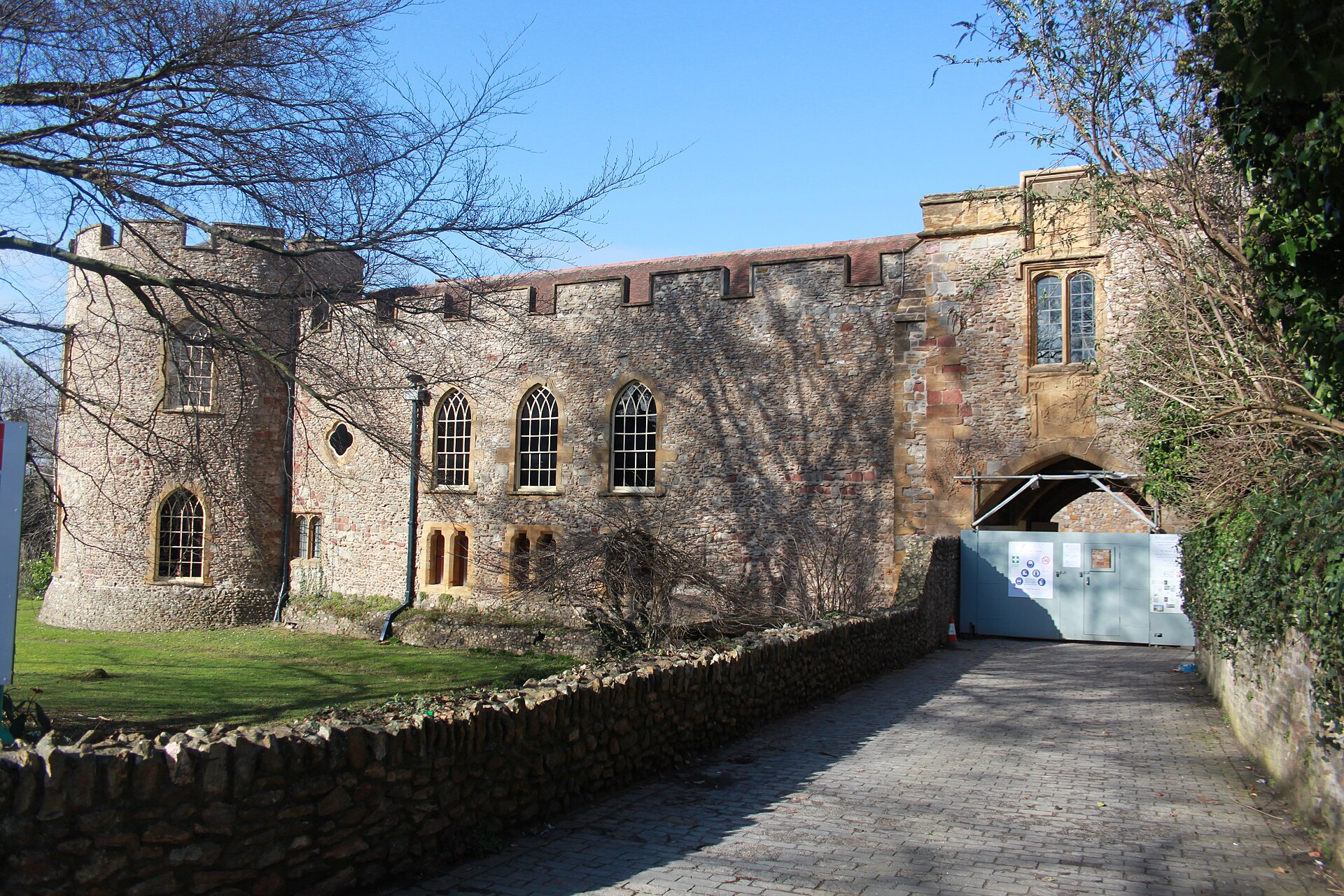
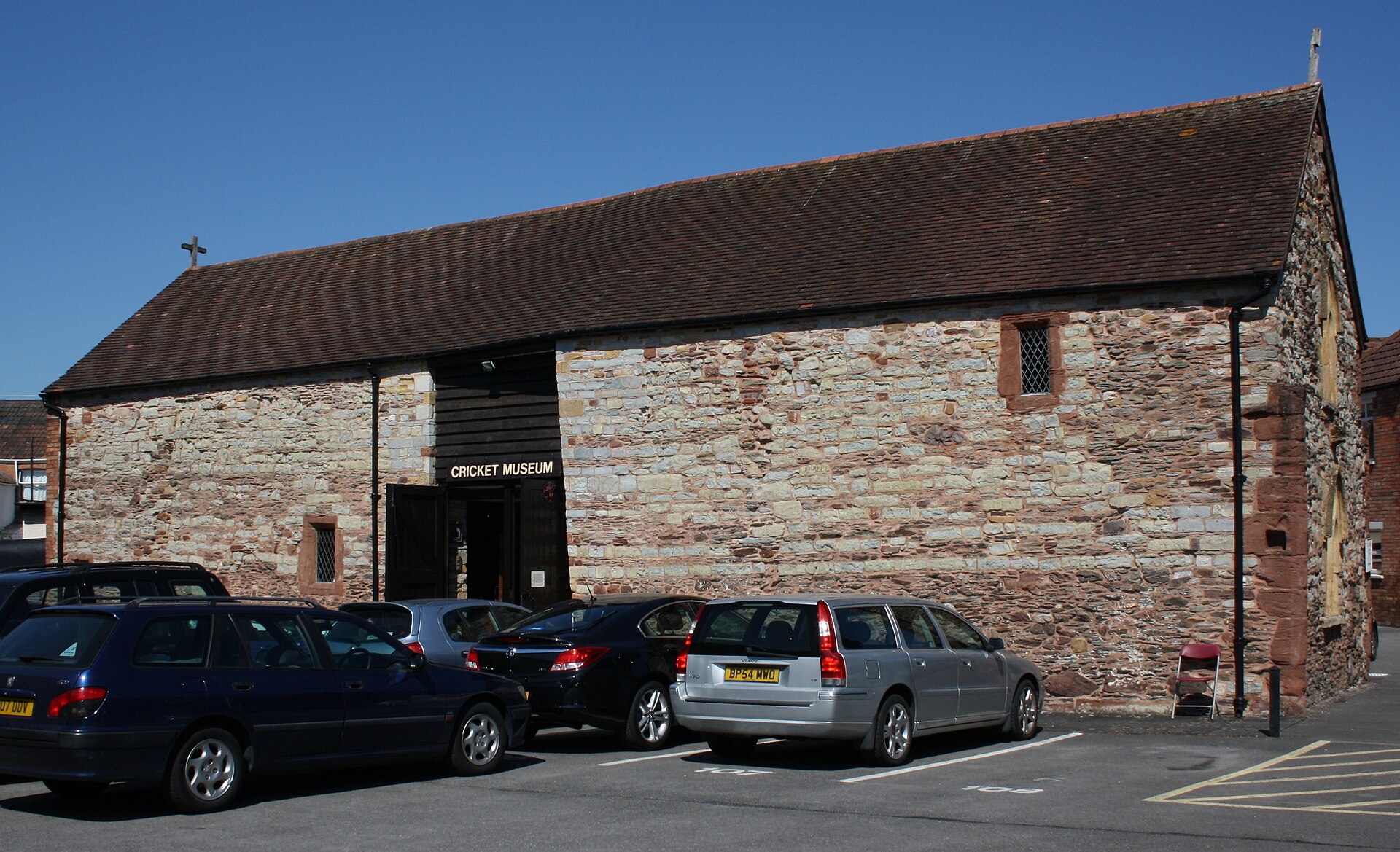
The hall where Judge Jeffreys hanged 144 men after the Monmouth Rebellion: now the Museum of Somerset.
Sacred place · Medieval
Somerset
One of the five canons sent to reform the house in the 1110s went straight back to Merton. The reform was, in the record's words, apparently no eas…
Tomb or burial place · Prehistoric
Orkney Islands
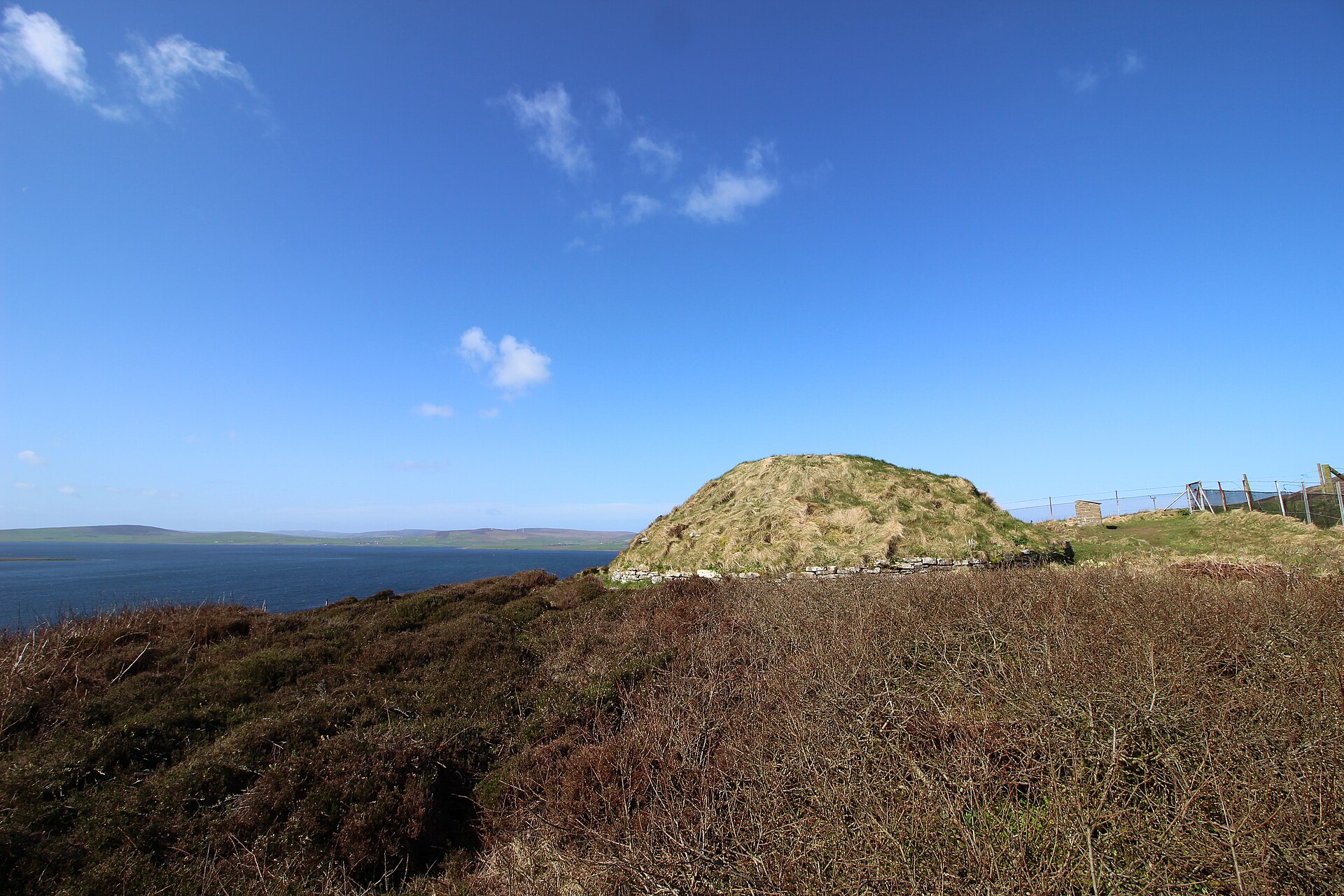
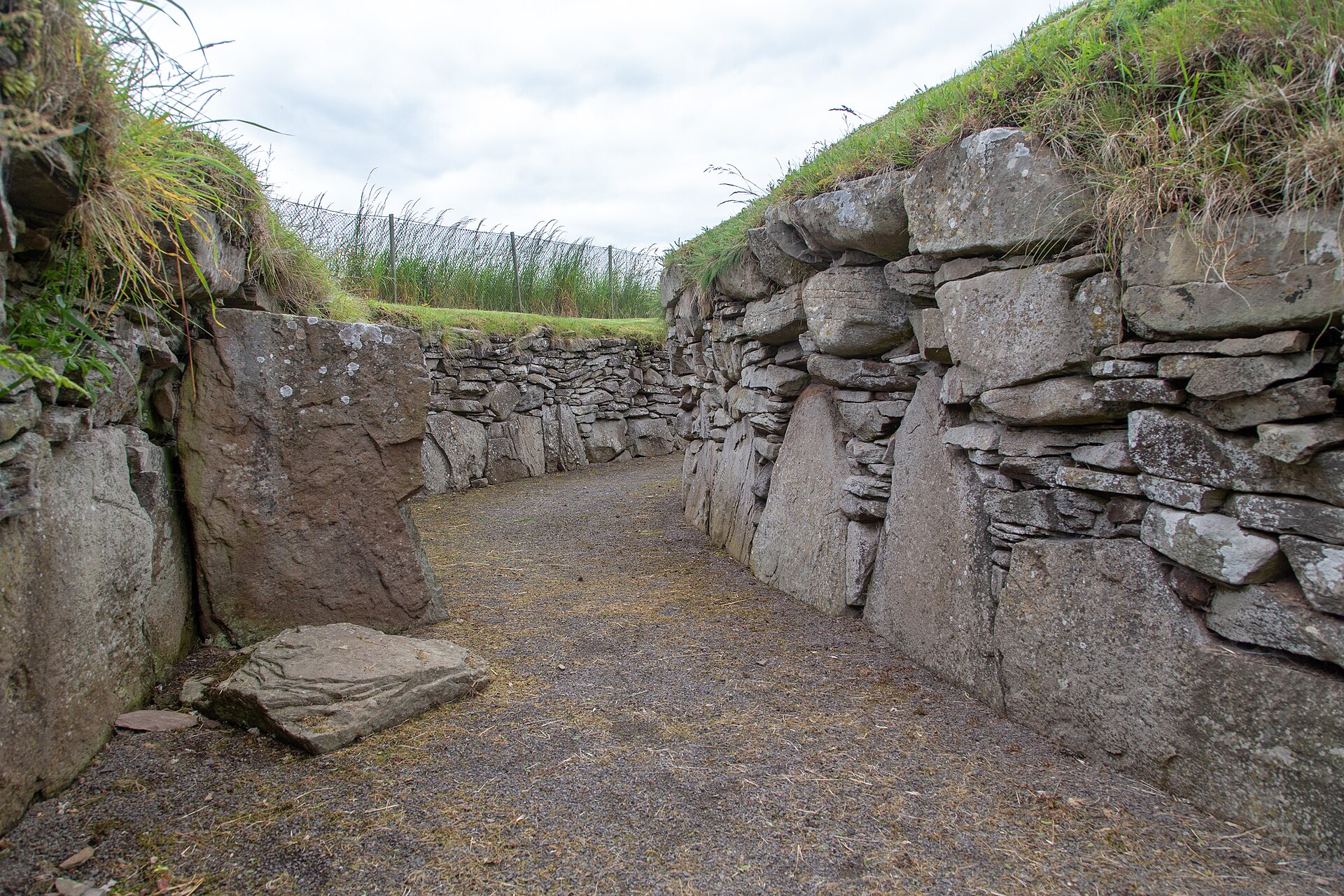
A burial mound on Rousay of about 4000–2500 BC, with a rare double-tiered chamber.
Sacred place · Medieval
Devon
Tavistock Abbey was one of western England’s richest Benedictine houses, whose long history connects royal foundation, extensive estates, St Rumon’…
Building or ruin · Medieval
Angus
Its walls incorporate two Bronze Age (roughly 2500–800 BC, when metal tools first spread) stones carved with cup-and-ring marks, built by Iron Age…
Fortified place · Iron Age
Somerset
A hoard of Constantine Junior coins was found here in 1691, on a promontory already fortified in the Iron Age, roughly 800 BC until the Roman conqu…
Sacred place · Medieval
Devon
Teignmouth Abbey traces the survival of an English Benedictine community from continental foundations and revolutionary exile to a purpose-built De…
Fortified place · Medieval
County Wexford
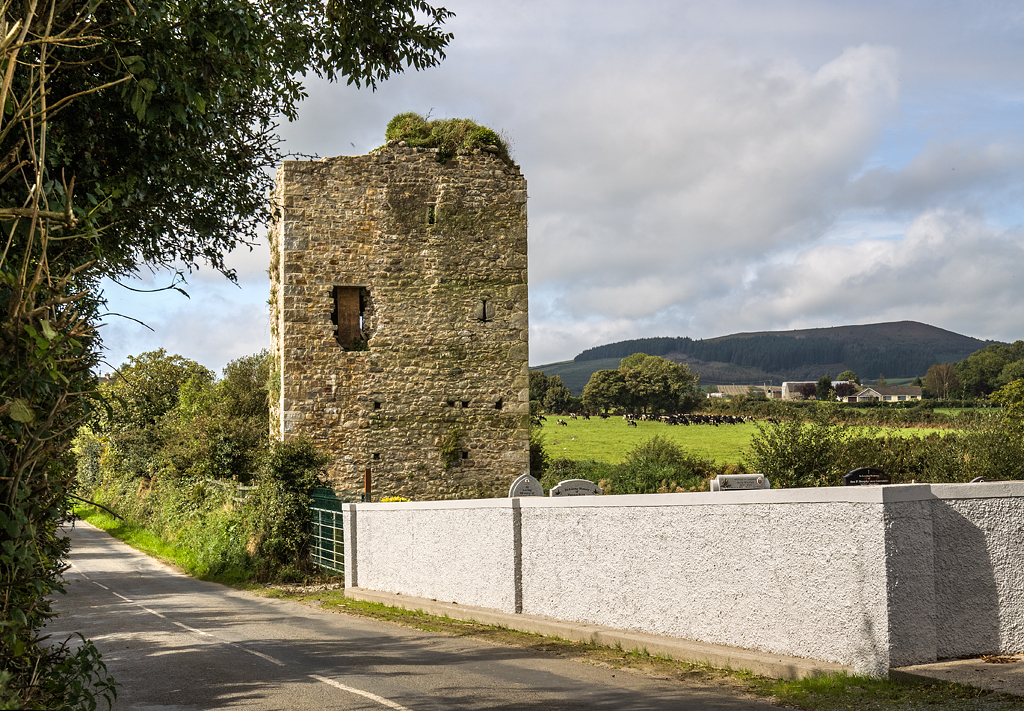
Ownership can be traced through named tenants across six centuries, from a 1307 Sutton grant to a 2019 rescue by the state: a rare unbroken paper t…
Sacred place · Medieval
Lincolnshire
The intact south tower still holds its rib-vaulted chamber, blind arcade and double piscina: a rare surviving fragment of a working Templar church,…
Sacred place · Medieval
Bristol
A round Templar church rebuilt as a rectangular one grew a west tower that leans further off true than Pisa's, its distortion the honest work of so…
Sacred place · Medieval
Gloucestershire
A working Templar estate whose closure in 1308–1309 pensioned its last preceptor onto the very lands he had once run for the order.
Fortified place · Medieval
County Sligo
A Templar castle raised in 1181 on a Sligo lakeshore gave its name to the Georgian house the same family has occupied for over 350 years.
Sacred place · Medieval
Somerset
Templecombe Preceptory was a Templar administrative centre whose later St John and post-Dissolution (Henry VIII's closure of the monasteries in the…
Fortified place · Medieval
Pembrokeshire
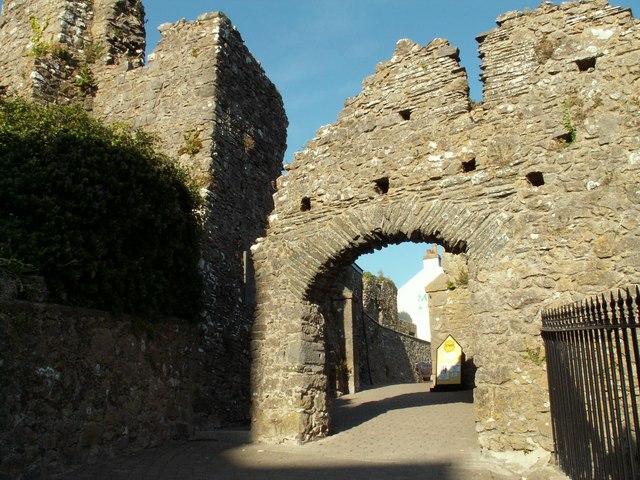
A Norman promontory fortress that was destroyed in 1153, twice besieged, and finally made redundant not by an enemy but by the town walls built aro…
Fortified place · Medieval
Pembrokeshire
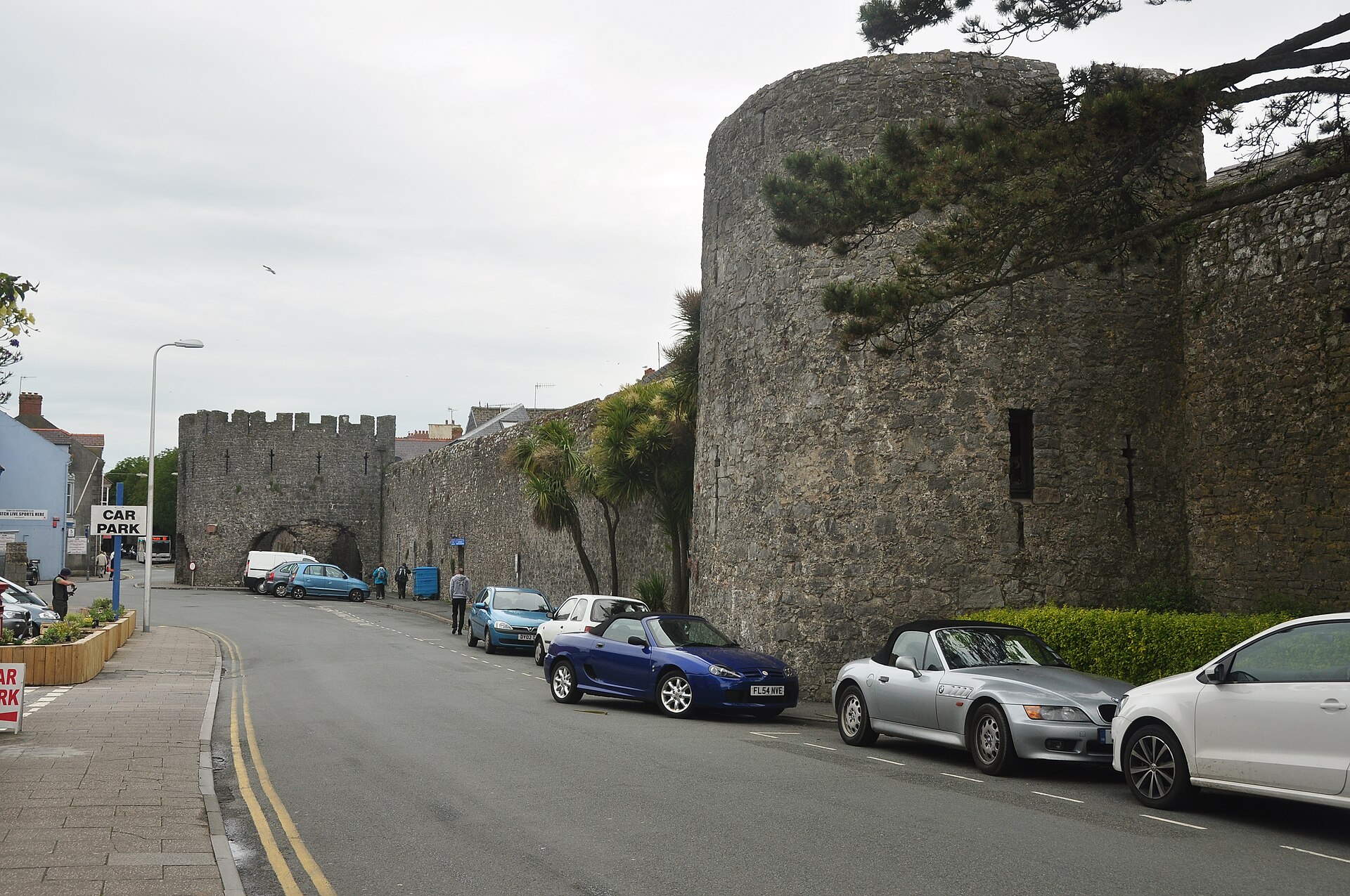
One of the most complete medieval town walls in Britain, begun after a Welsh prince sacked the town in 1260 and still running down to the sea along…
Fortified place · Medieval
County Tipperary
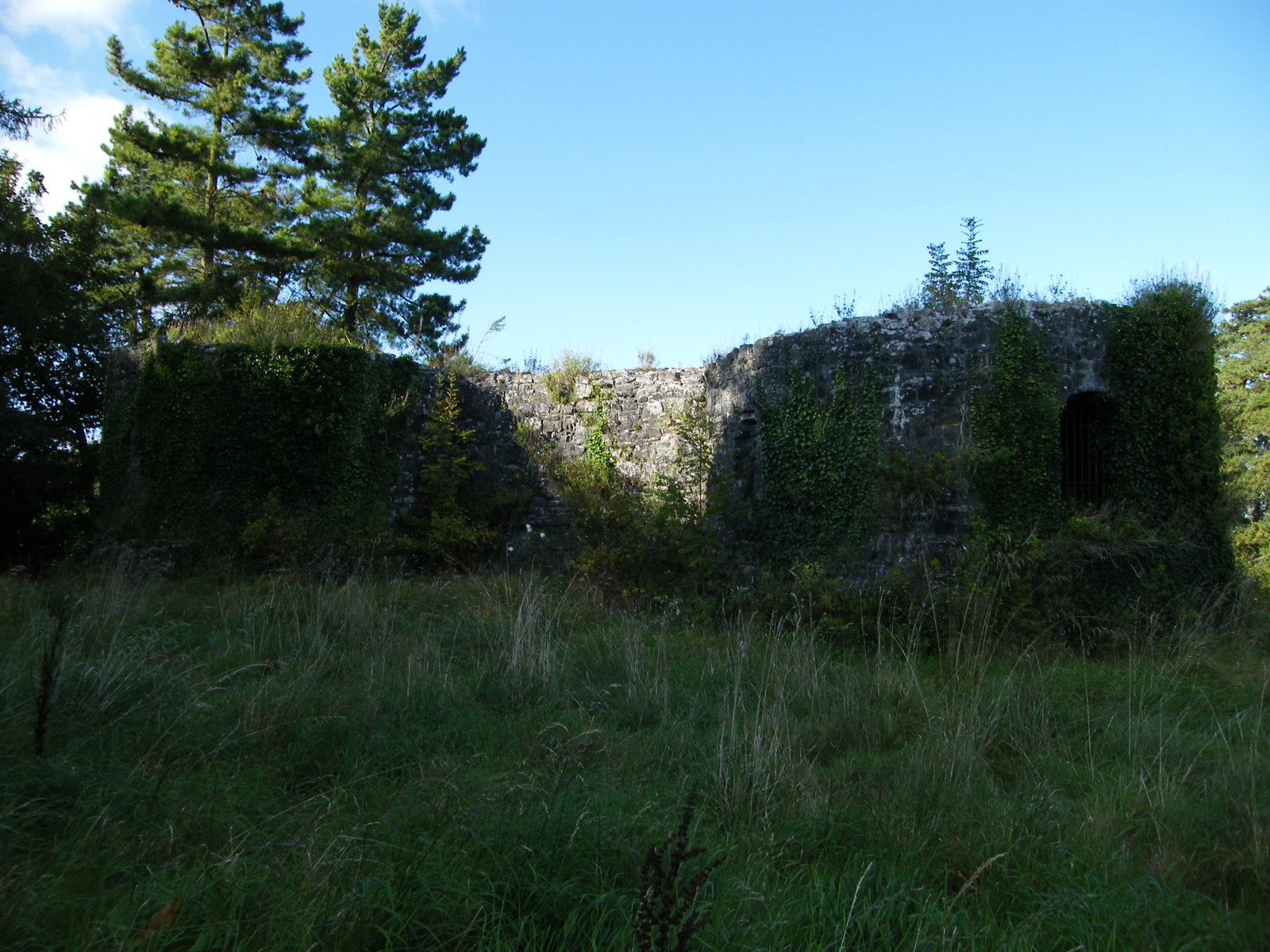
A four-towered keep completed just in time for its own builder's debts to hand it to the English crown, on ground carrying monastic life since the…
Crossing or structure · Medieval
Kent
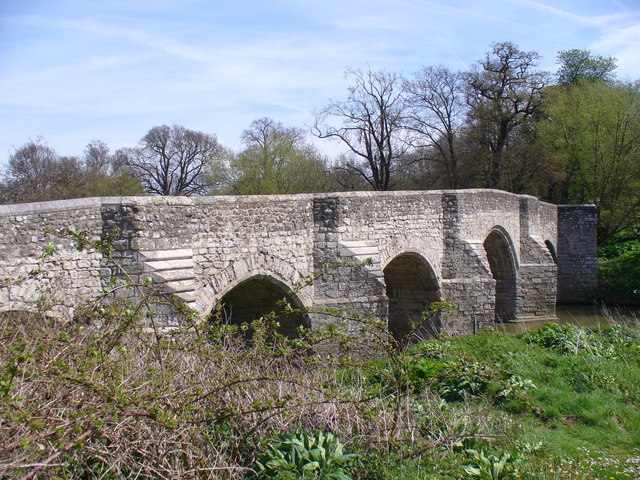
Teston Bridge is a Grade I listed medieval River Medway crossing whose six unequal arches, cutwater refuges and surviving single-track road functio…
Sacred place · Medieval
Gloucestershire
The crossing tower here is reckoned England's largest and finest Romanesque (the round-arched style that came before Gothic) tower, and the town bo…
Tomb or burial place · Prehistoric
Cheshire
Only one burial chamber and two portal stones remain from this Stone Age cairn; a detailed 1764 account records the much larger monument that road-…
Sacred place · Prehistoric
Derbyshire
One of the few Peak District henges known to have held a stone setting inside it: dismantled, by local account, to floor a canal-age tramway.
Fortified place · Iron Age
Vale of Glamorgan
The south side is now cliff edge. There was probably a line of defences along it once, and the sea has taken them.
Tomb or burial place · Prehistoric
Merseyside
The Calderstones are Liverpool’s oldest known monument: six surviving Neolithic (the first farming period in Britain, roughly 4000–2500 BC) stones…
Fortified place · Medieval
Tyne and Wear
The city is named after a castle that no longer exists: a timber work of 1080 raised on ground the Romans had already fortified at Pons Aelius.
Sacred place · Medieval
West Midlands
Its refectory (the monks' dining hall) still holds the only surviving medieval wall painting from a Carthusian monastery anywhere in England, hidde…
Tomb or burial place · Prehistoric
Wiltshire
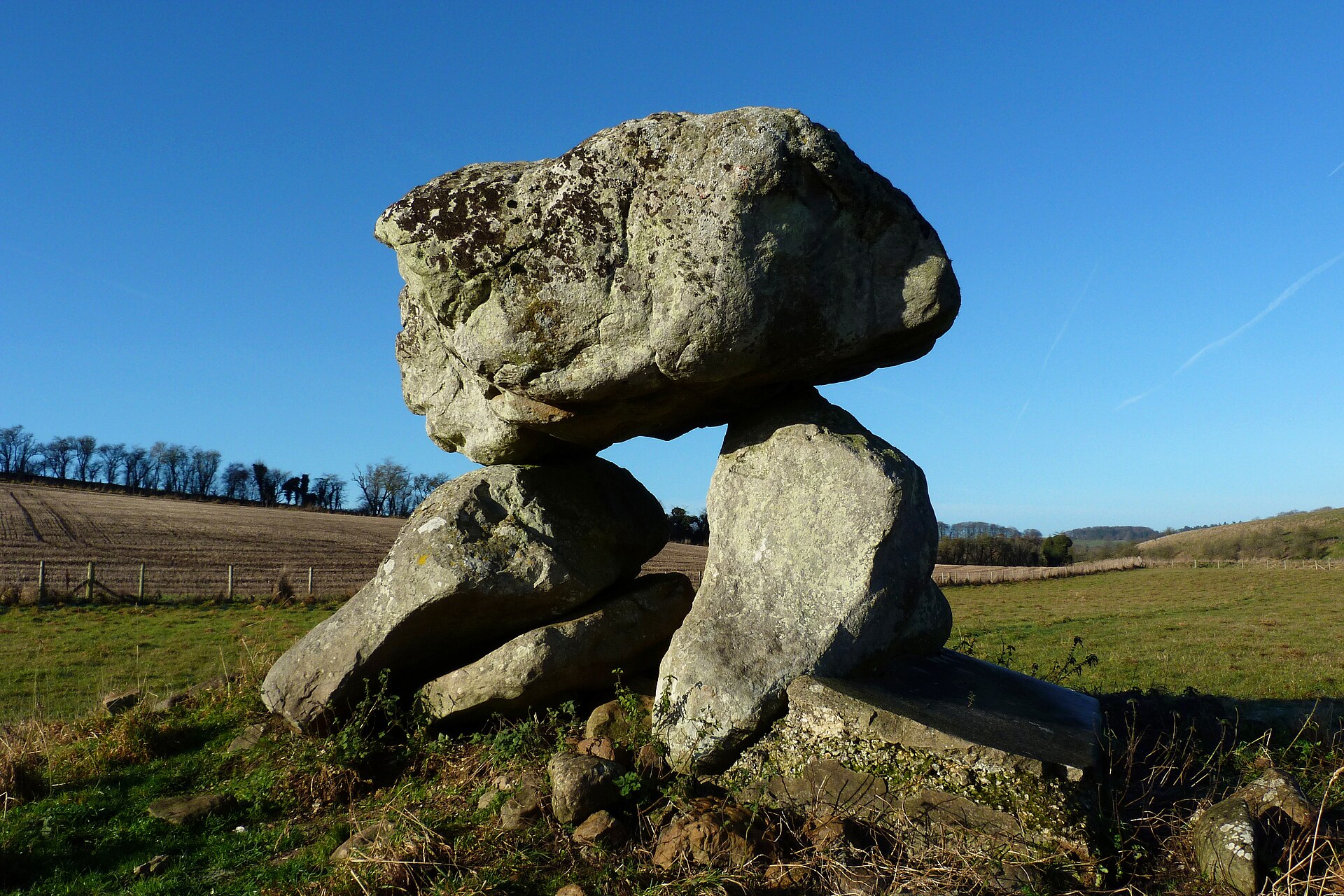
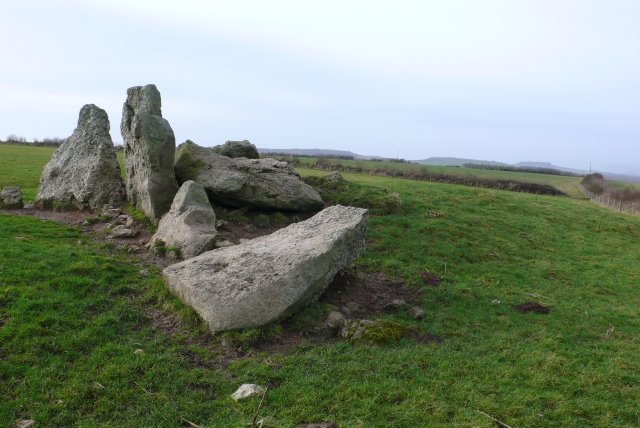
A dolmen chamber whose single capstone is reckoned at seventeen tons: the sole surviving fragment of a long mound once some 70 metres in length.
Fortified place · Iron Age
Hampshire
A modest single-banked stronghold standing guard over the approach to Calleva Atrebatum, one of Roman Britain's great towns, rather than a place of…
Sacred place · Prehistoric
Northumberland
The Goatstones preserves a Bronze-Age four-poster stone circle near Ravensheugh Crags, with cup marks and a possible earlier burial cairn, a mound…
Building or ruin · Prehistoric
Flintshire
Second only to Silbury Hill in scale, this vast stone mound has never given up a burial chamber: leaving its true purpose, tomb, watchtower, or for…
Building or ruin · Medieval
Monmouthshire
The Grange is a Grade II group within Monmouth’s walls whose evolution from farmhouse site to preparatory school and boarding house reflects the to…
Tomb or burial place · Prehistoric
Dorset
The Grey Mare and her Colts is a substantial Neolithic: the late Stone Age, about 4000–2500 BC in Britain: chambered long barrow, a burial mound bu…
Sacred place · Prehistoric
Cornwall
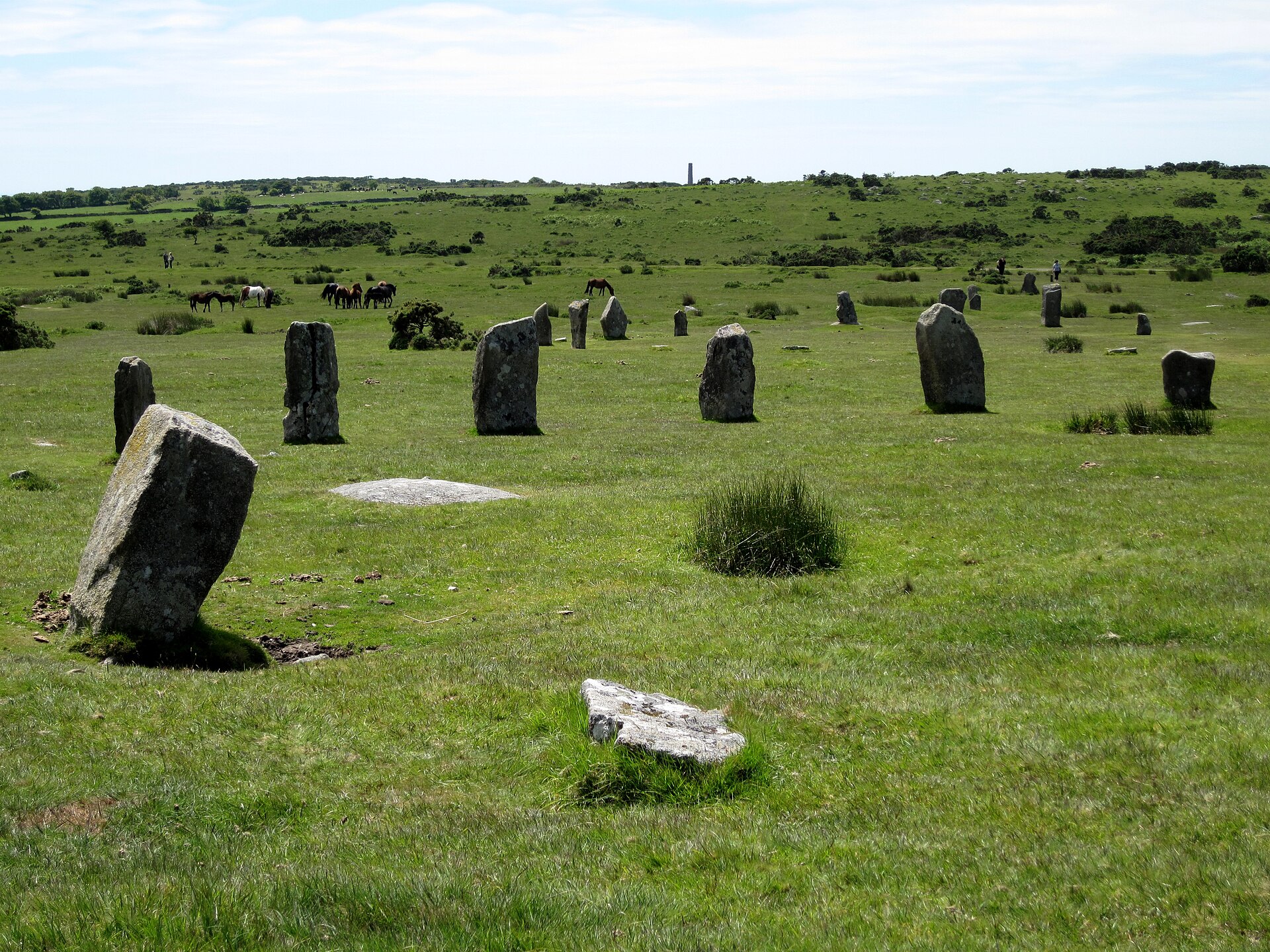
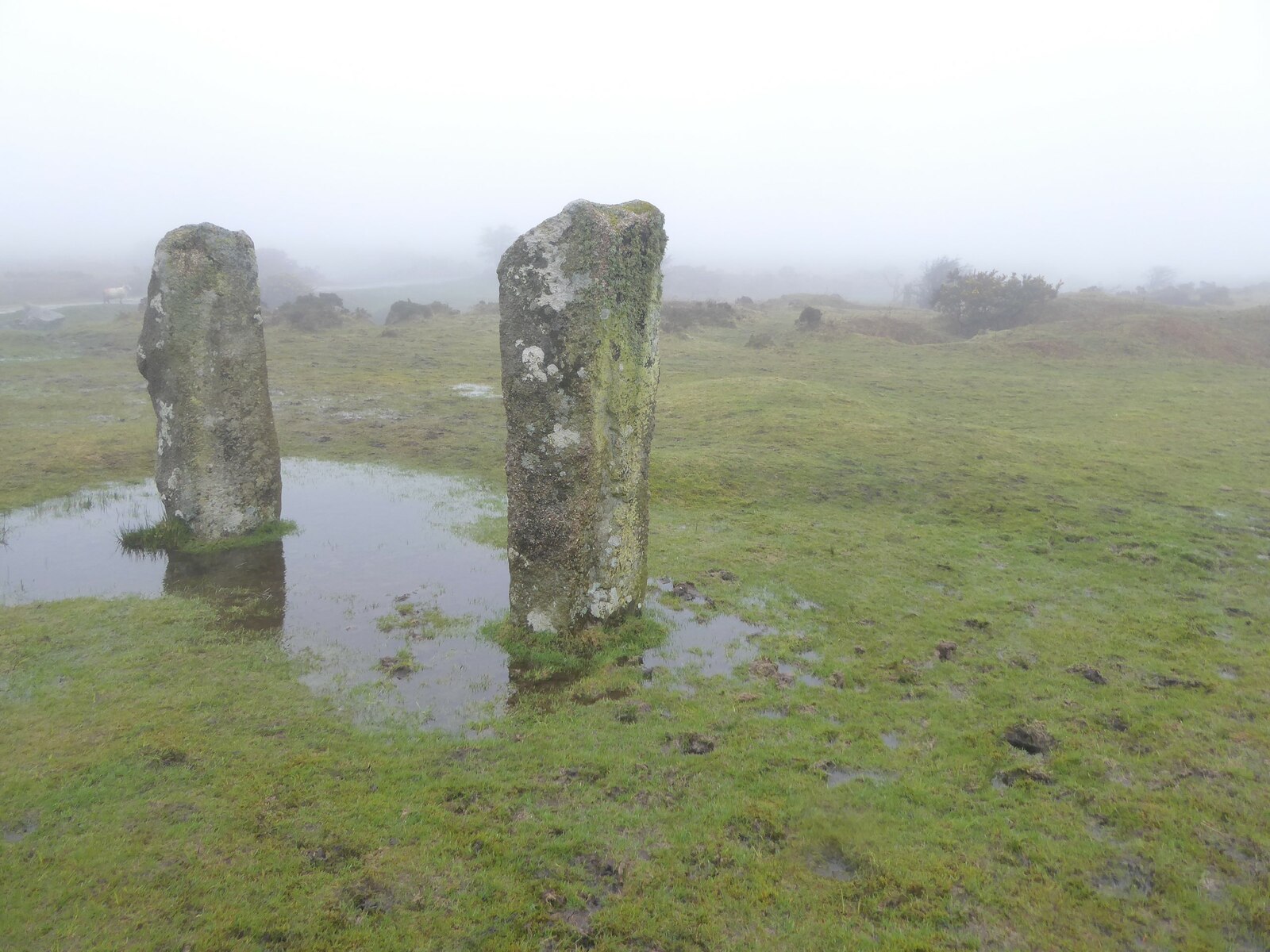
The Hurlers are three aligned stone circles on Bodmin Moor, a large ceremonial complex with surviving stones, nearby monoliths and a long record of…
Crossing or structure · Roman
Shropshire
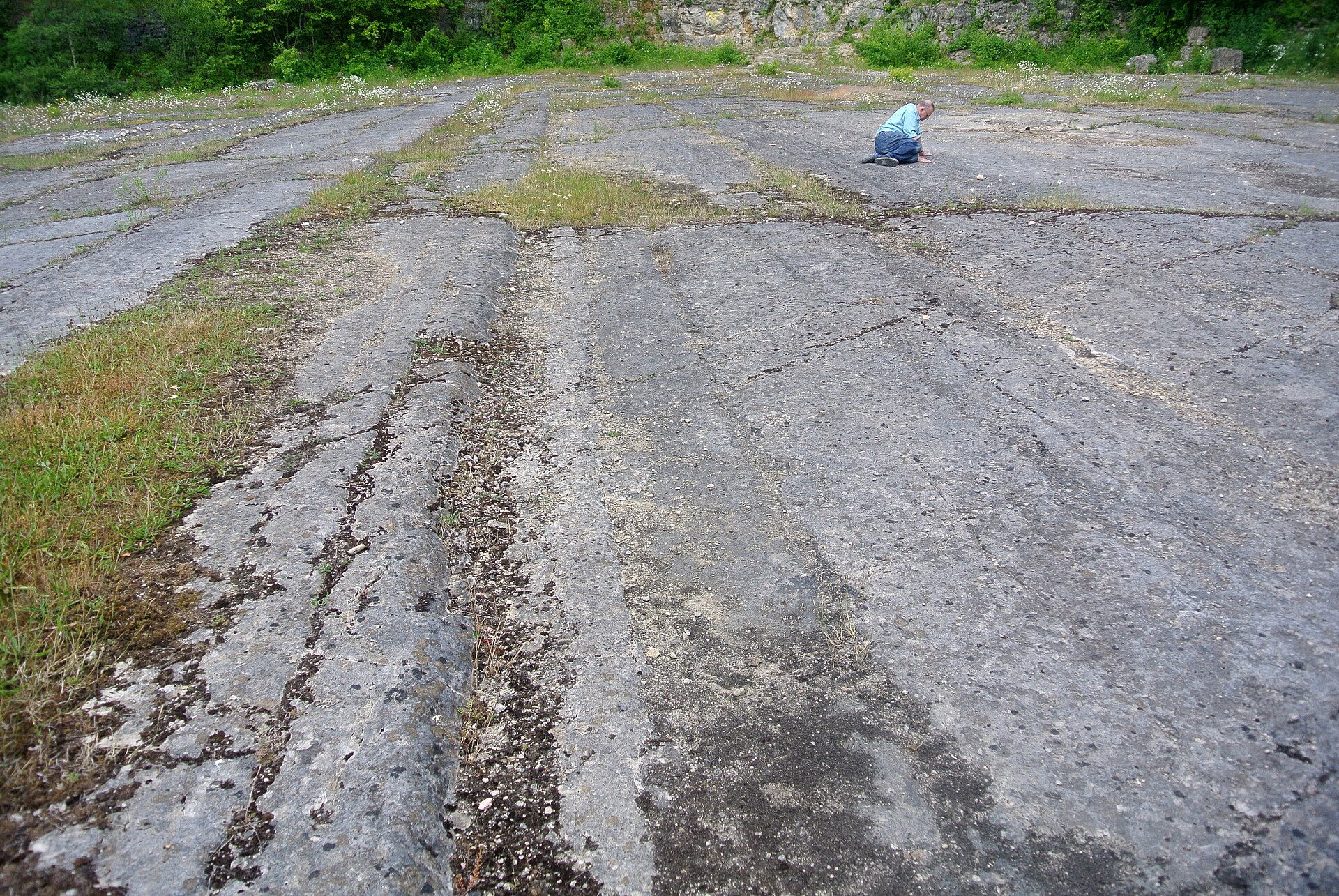
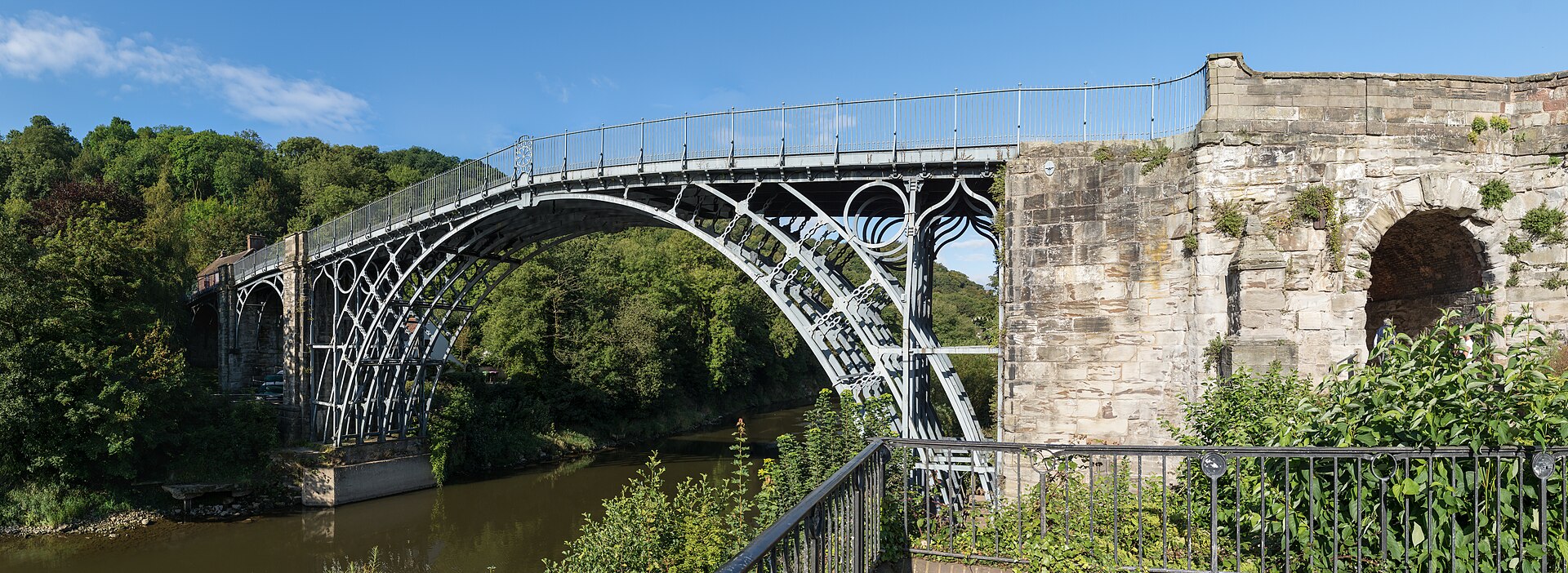
Every component was cast individually to fit its neighbour, using carpentry joints - mortise and tenon, dovetails - because nobody had yet worked o…
Fortified place · Iron Age
Monmouthshire
An Iron Age hillfort (an upland enclosure defended by earthen banks) near Trellech, recorded as a protected monument in a Welsh landscape where hun…
Sacred place · Medieval
Essex
Maldon’s Hospital of St Giles preserves rare fabric from a medieval institution that moved from leper care to wider poor relief before becoming a f…
Tomb or burial place · Prehistoric
Isle of Wight
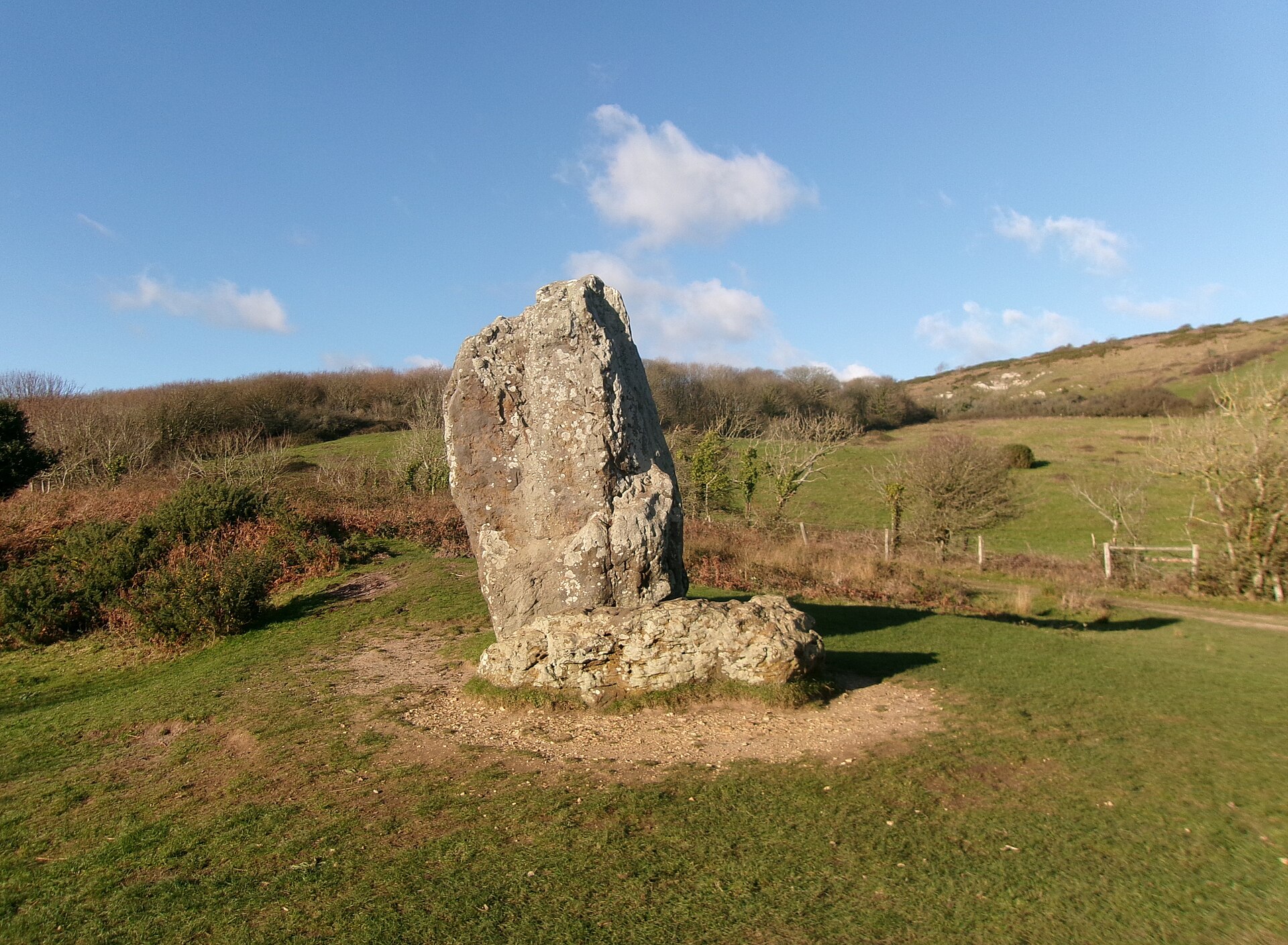
The Longstone is the Isle of Wight’s only megalithic monument, a pair of greensand stones linked to a rare non-chalk Neolithic long barrow: a buria…
Sacred place · Prehistoric
Wiltshire
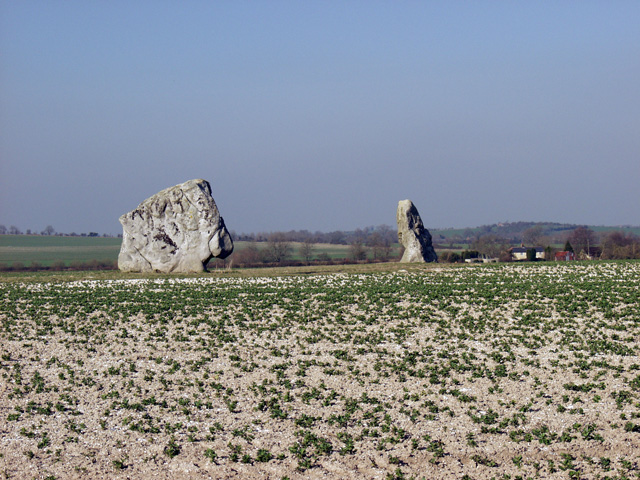
The only stones left standing from a rectangular prehistoric (from the era before writing arrived in these islands) cove, and possibly the last tra…
Sacred place · Prehistoric
Cornwall
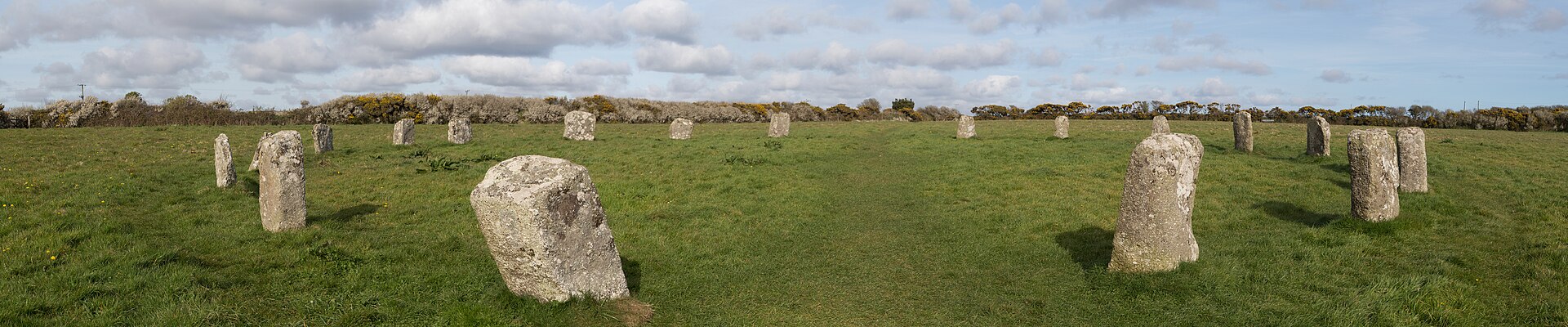
The Merry Maidens is a late Neolithic (the first farming age, roughly 4000–2500 BC) Penwith stone circle whose intact-looking ring, associated Pipe…
Fortified place · Medieval
County Louth
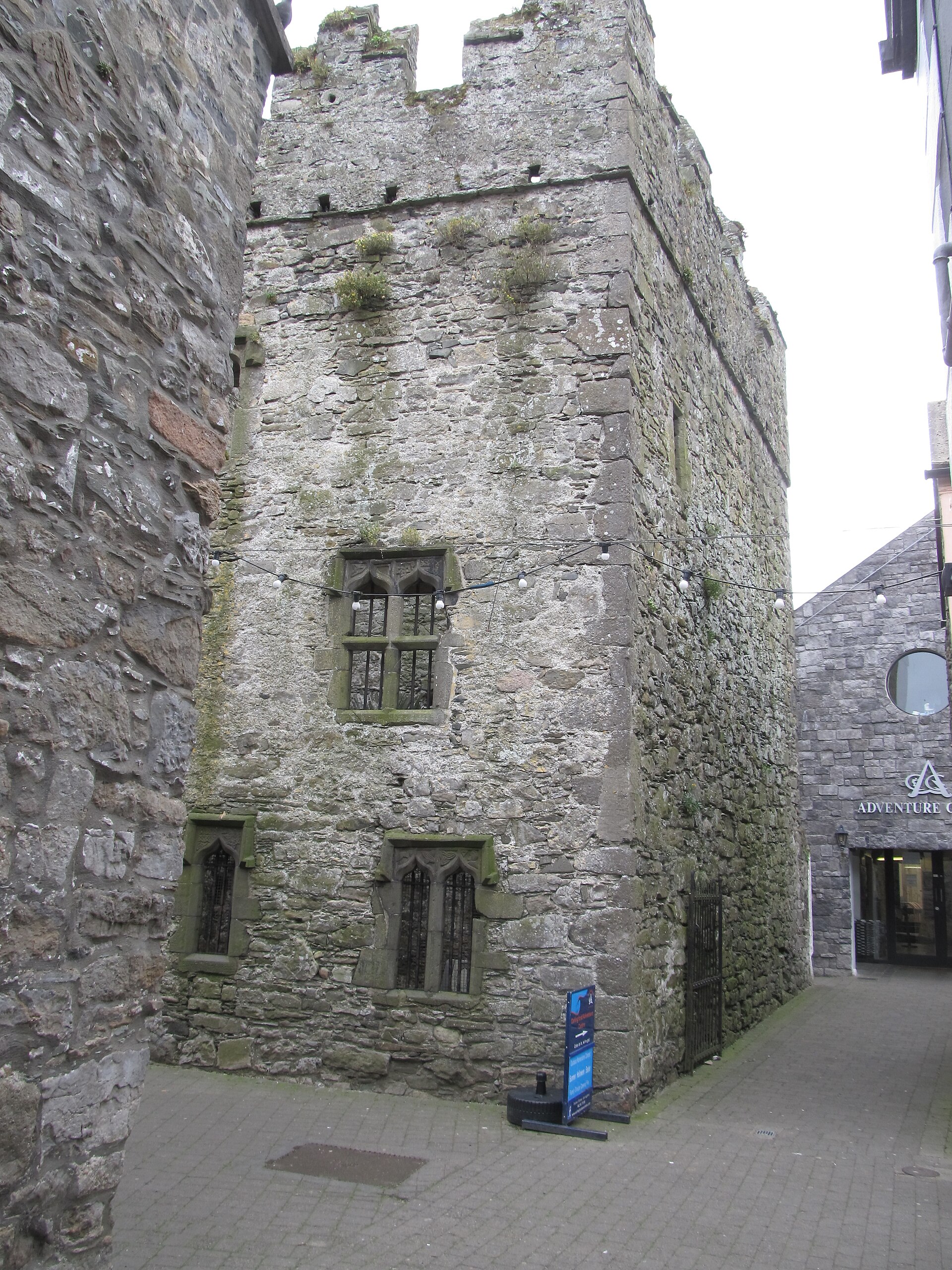
A merchant's fortified townhouse whose carved street-facing windows preserve a rare burst of Celtic-revival ornament on an otherwise plain defensiv…
Fortified place · Medieval
Hertfordshire
A Tudor palace so magnificent a French ambassador rated it above Hampton Court, and the refuge chosen for Catherine of Aragon after her marriage wa…
Carved stone · Prehistoric
Cornwall
The Pipers near Minions are a pair of standing stones closely associated with the Hurlers circles, anchoring a Bodmin Moor ceremonial complex along…
Tomb or burial place · Prehistoric
Northumberland
The Poind and his Man is an ancient burial mound and standing stone site in Northumberland, dating from the Late Neolithic to Early Bronze Age.
Sacred place · Medieval
Worcestershire
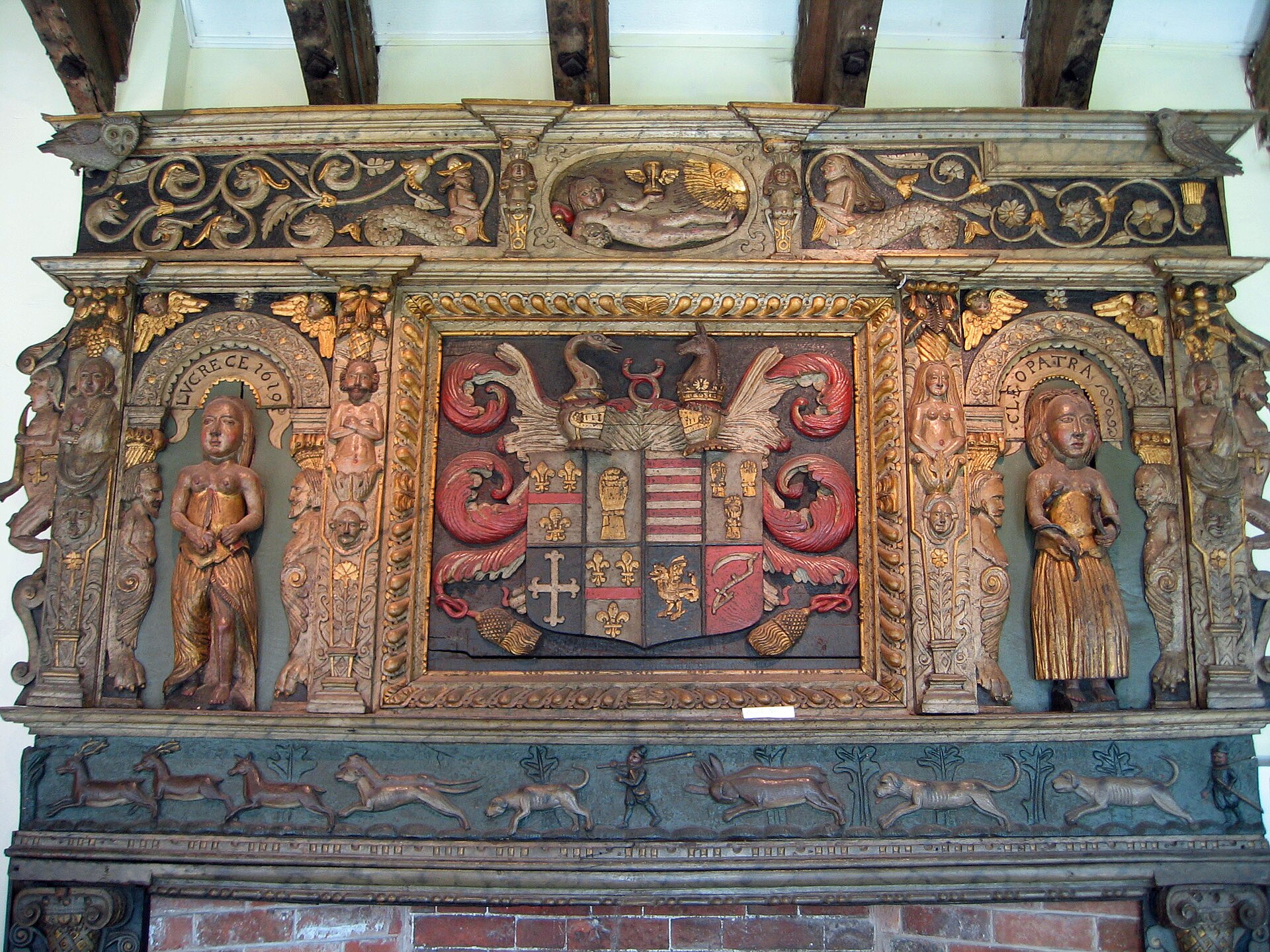
A Tudor stone fireplace and a 17th-century staircase are the surviving seams joining a house to an older monastic property once tied to Evesham Abbey.
Building or ruin · Medieval
Monmouthshire
The Procurator’s House is one of only two known British sites of its kind, a rare Magor ruin that reveals medieval ecclesiastical landholding and l…
Fortified place · Prehistoric
cheshire
The Rofft began as an early fortified enclosure and later became a castle near Marford; quarrying erased its earthworks, leaving names as the clear…
Building or ruin · Medieval
Greater London
The Rose was Bankside’s first playhouse and an early stage for Shakespeare and Marlowe; its 1989 rediscovery transformed a threatened development s…
Fortified place · Iron Age
Cornwall
The Rumps combines a well-excavated Iron Age (from around 800 BC up to the Roman conquest) promontory fort (a headland cut off by ramparts to make…
Sacred place · Prehistoric
Wiltshire
Excavation found a young girl buried beside the inner stone circle, her body aligned with the sunrise on the equinox, in a monument rebuilt through…
Building or ruin · Medieval
Argyll and Bute
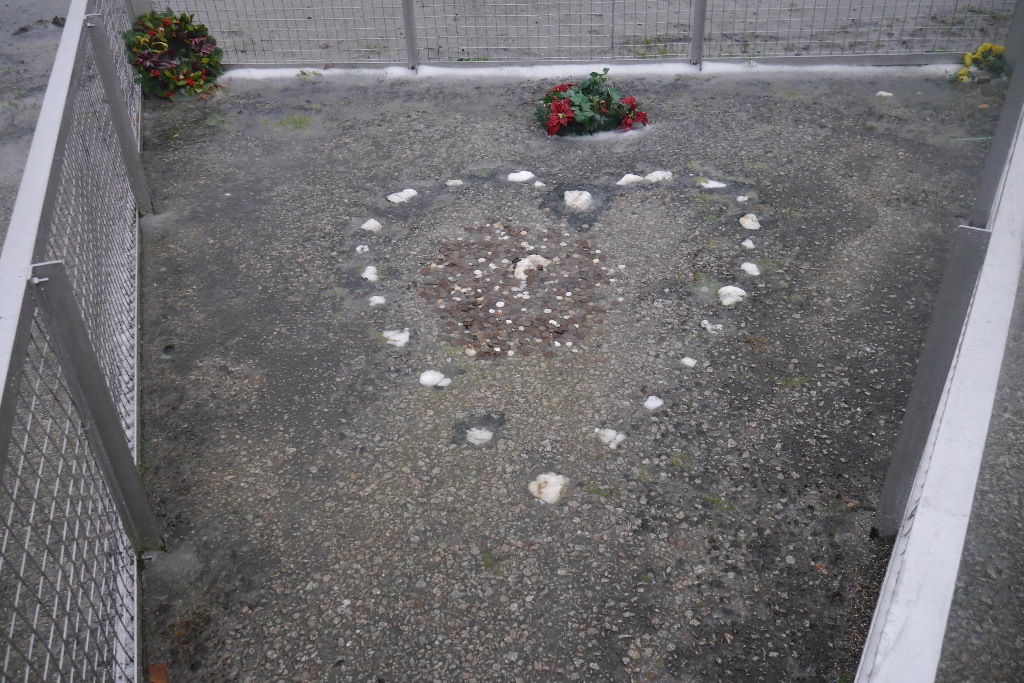
A heart of twenty-six quartz pebbles laid in a Loch Fyne field is, on current research, the only known permanent physical memorial to Scotland's Tr…
Fortified place · Iron Age
West Sussex
An Iron Age enclosure on St Roche Hill, raised over a much earlier one, four miles north of Chichester.
Briefer entries: recorded and worth knowing, with fuller pages to come.
Building or ruin · Prehistoric
Kent
The Swanscombe Palaeolithic site preserves one of Britain’s two Lower Palaeolithic human fossil finds alongside Clactonian and Acheulean tool indus…
Fortified place · Medieval
Dorset
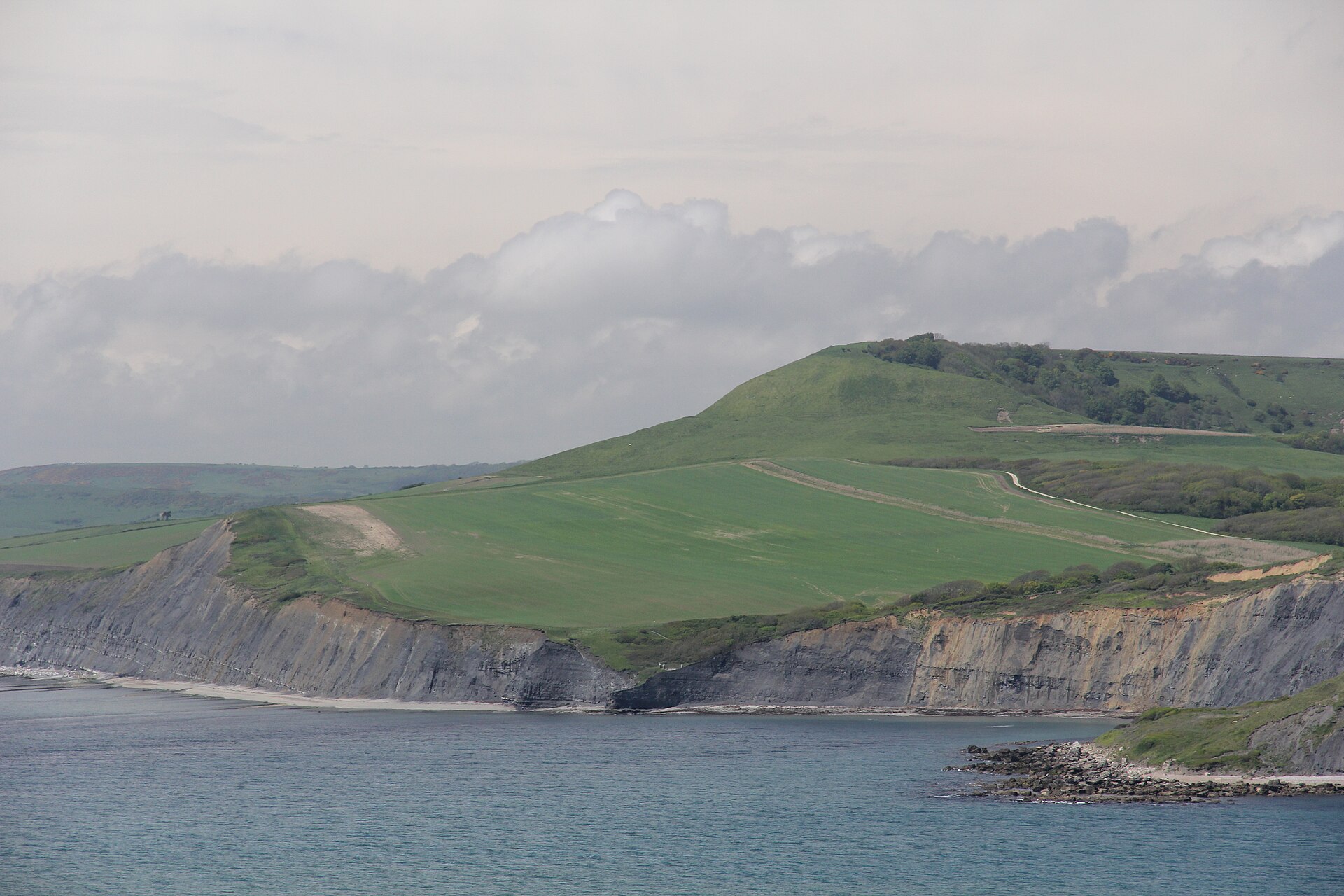
Swyre Head is the high point of the Isle of Purbeck, valued for its broad coastal and inland views and for a summit shaped by later landscape inter…
Sacred place · Medieval
Greater London
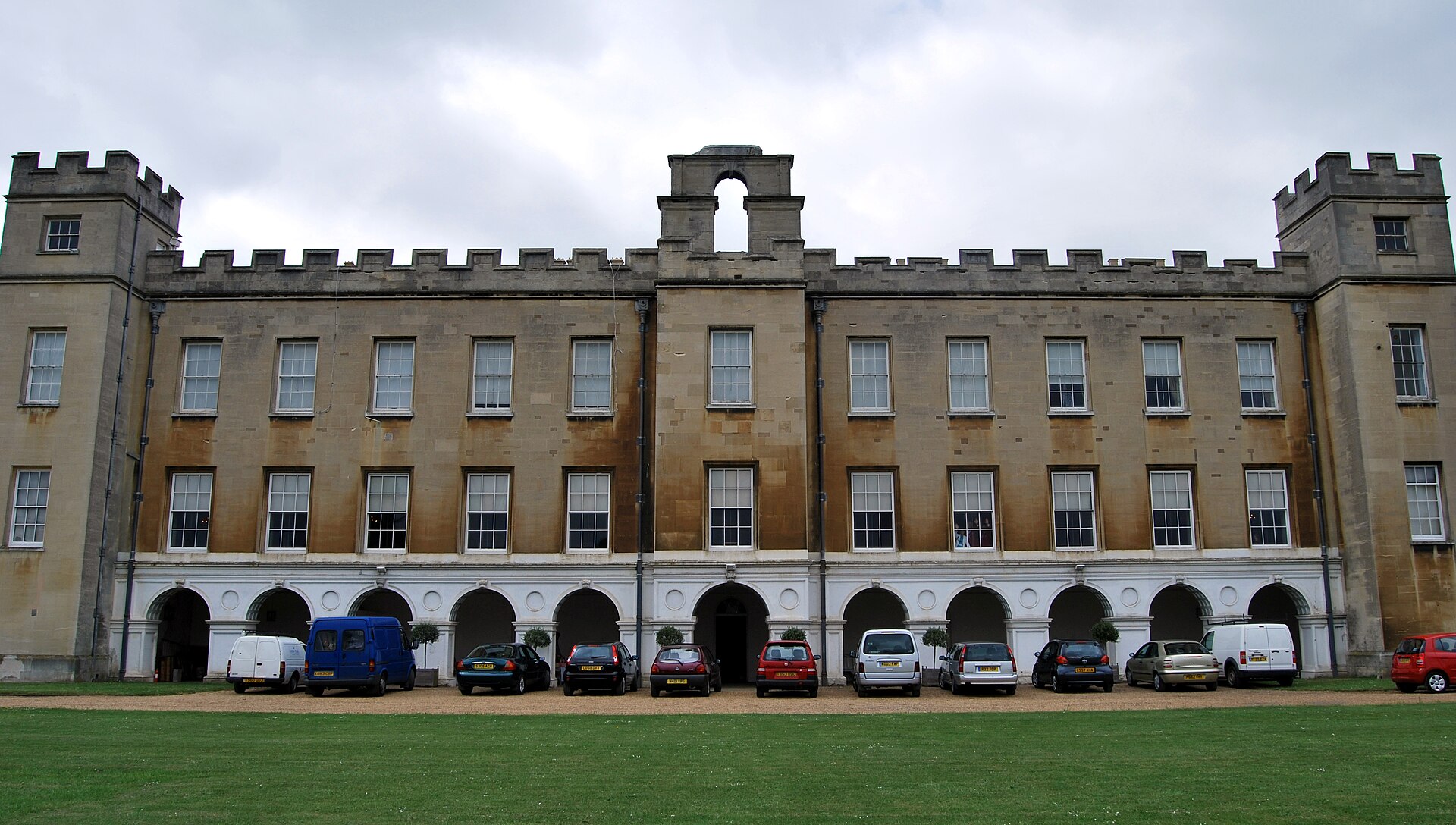
Syon Abbey was England’s wealthiest religious house and its only community to survive the Reformation (the sixteenth-century closure of the monaste…
Sacred place · Medieval
Essex
Takeley Priory is a buried Norman foundation linking Essex and Middlesex estates to the Abbey (a monastic house under the rule of an abbot) of Sain…
Sacred place · Medieval
County Dublin
Tallaght matters as the place where a monastery founded between Roman rule and the Norman arrival generated texts that still illuminate Irish devot…
Sacred place · Medieval
County Londonderry
Tamlaght Finlagan preserves an early Columba-founded monastic tradition transformed into a parish church, garrison church, and Second World War bur…
Fortified place · Medieval
Argyll and Bute
A causeway now vanished beneath the water once linked this island stronghold to the shore, leaving a ruin that in the seventeenth century belonged…
Sacred place · Medieval
Dorset
Tarrant Abbey was a wealthy Cistercian nunnery whose buried remains and surviving lay church preserve a remarkable women’s religious foundation in…
Fortified place · Medieval
County Tyrone
Tattycor is a small Tyrone townland where a protected rath (an early-medieval Irish farmstead ringed by an earth bank) and a sharply recorded ninet…
Sacred place · Medieval
Kent
Temple Ewell Preceptory records the succession of Knights Templar and Knights Hospitaller at a long-used Dover road site, from a Saxon wooden churc…
Building or ruin · Roman
Essex
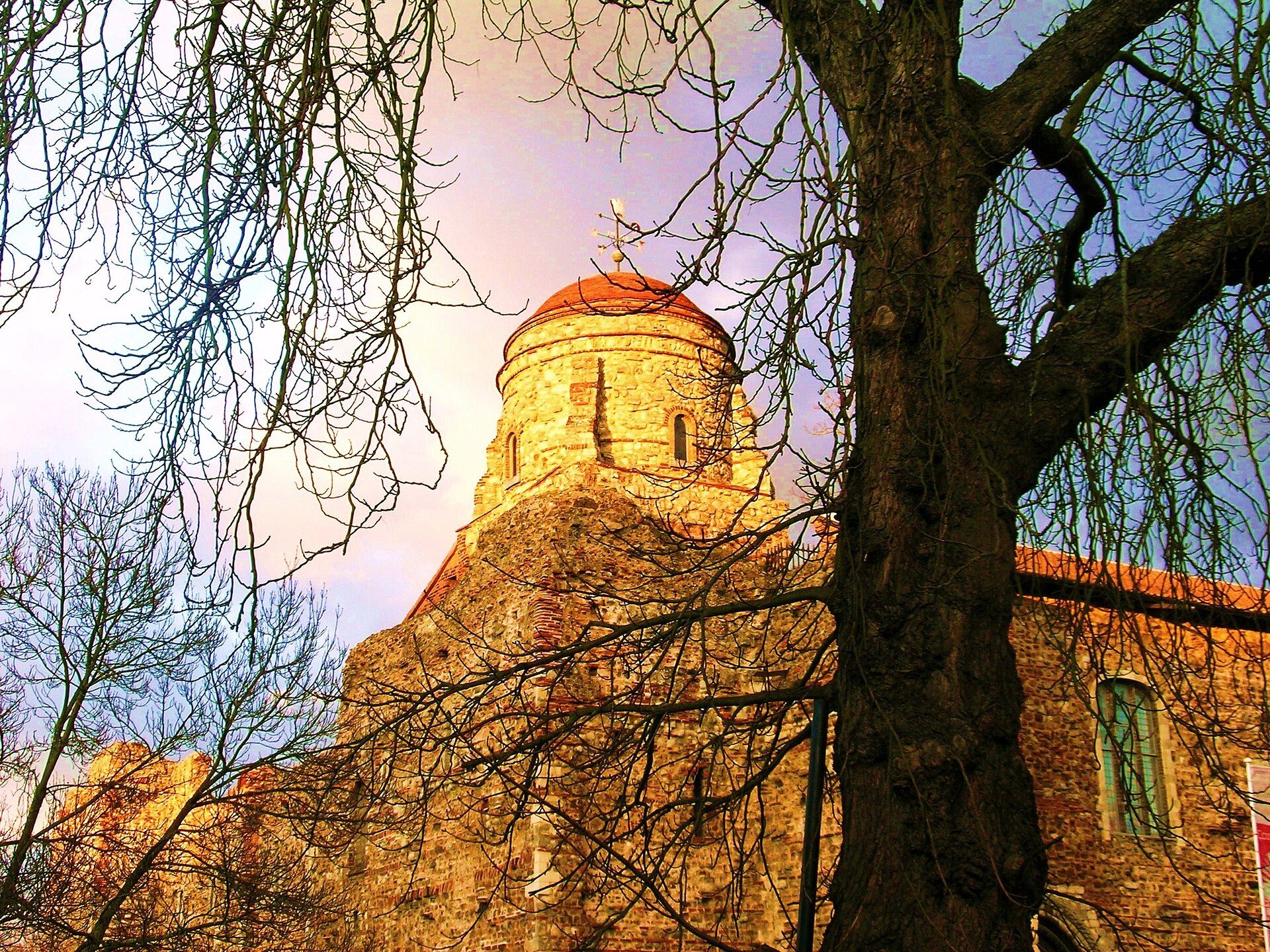
The Temple of Claudius anchors Roman Colchester’s imperial history: a provincial cult centre later absorbed into the foundations of Colchester Castle.
Tomb or burial place · Prehistoric
County Cork
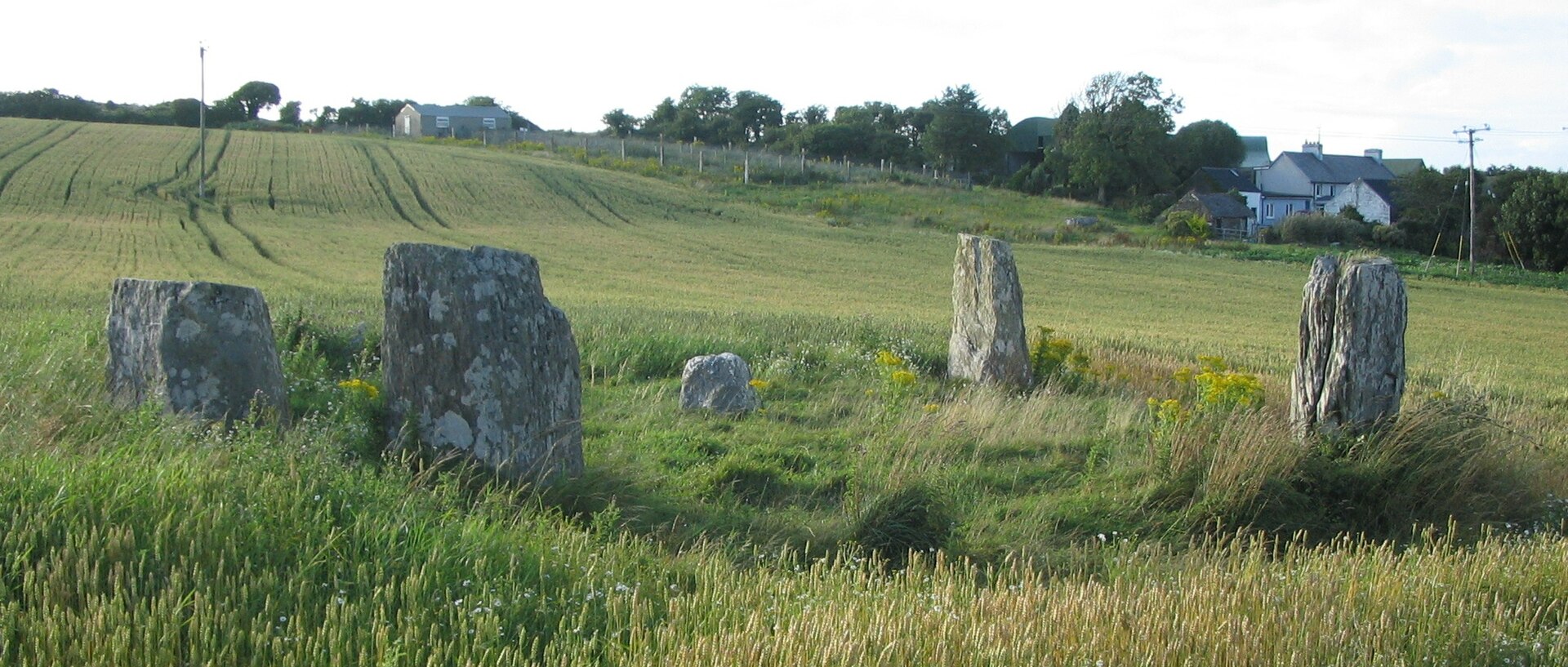
Only four of an original nine stones still stand, yet Templebryan preserves two sacred layers at once: a prehistoric (predating the written record…
Sacred place · Medieval
Oxfordshire
A Cistercian monastery founded in 1137 by Alexander, Bishop of Lincoln, and dissolved in the 1530s.
Sacred place · Medieval
West Sussex
Built in 1871-2 out of the 1621 rectory it replaced, and altered by every tenant since: a billiard room and ballroom went in during 1930.
Building or ruin · Roman
Kent
The Brook follows Chatham’s buried Old Bourne River and preserves evidence of Roman cremation burials beneath a later landscape transformed by over…
Building or ruin
Greater London
The Regent’s Park Diorama was an early immersive-image theatre created by Daguerre and Bouton, using rotating audiences and changing daylight to an…
Fortified place · Medieval
County Down
The New Castle guarded a Shimna River ford at Newcastle for nearly four centuries before its 1830 demolition erased the fortified structure.
No places match those filters.
Kinds of place
Ages
.jpg?width=800)
.jpg?width=800)





.jpg?width=800)















.jpg?width=800)