Fortified place · Medieval
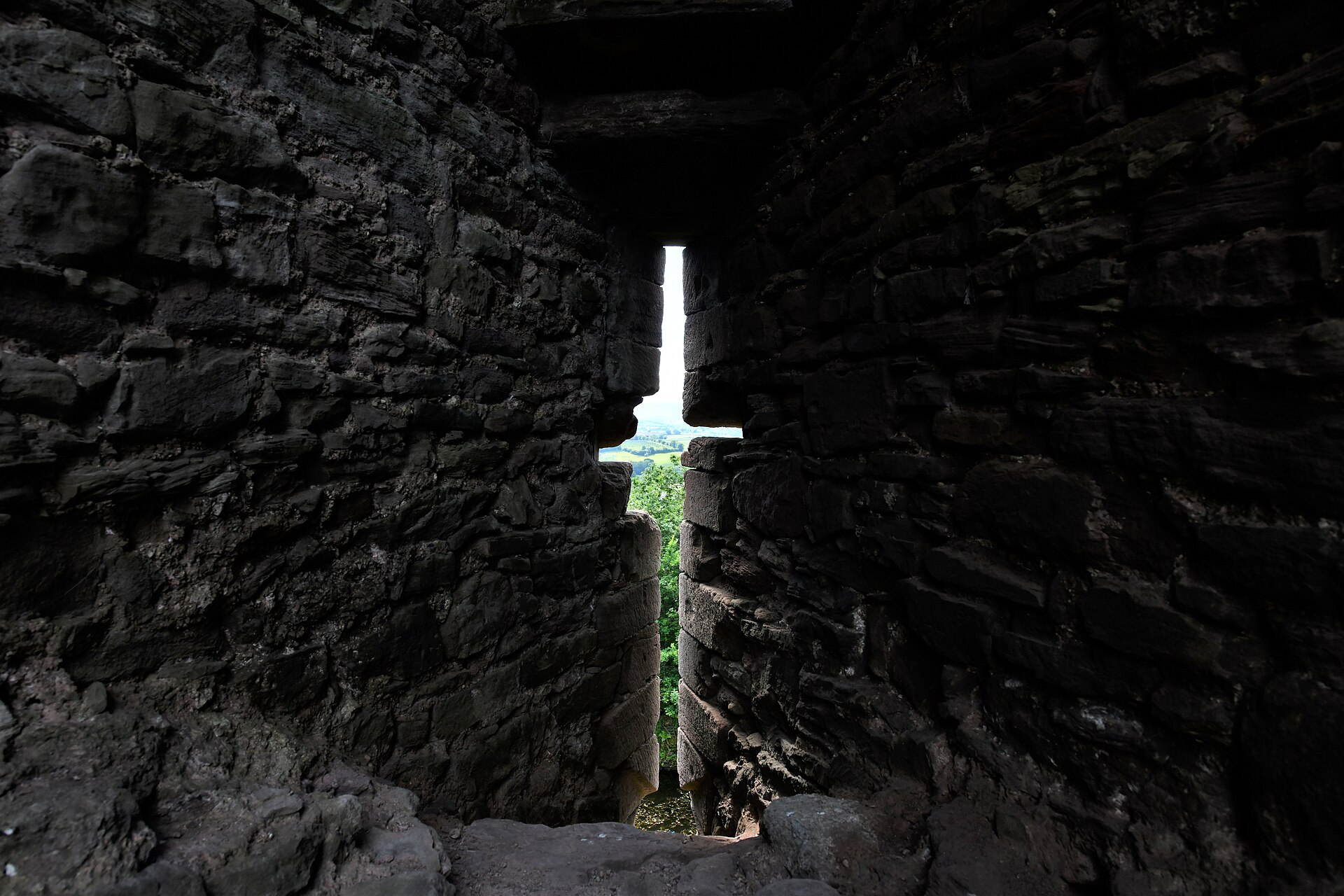
Wallingford Castle
Oxfordshire
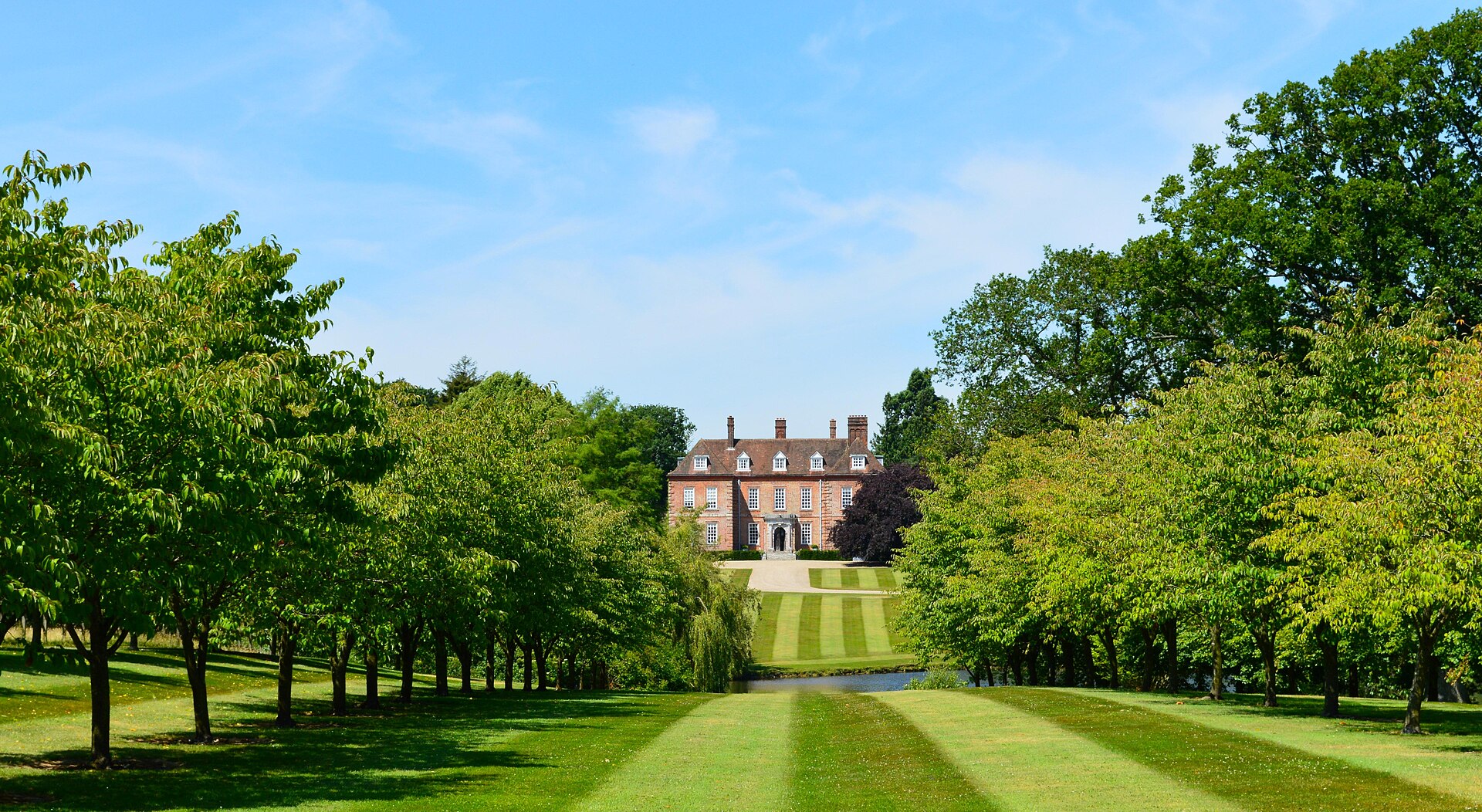
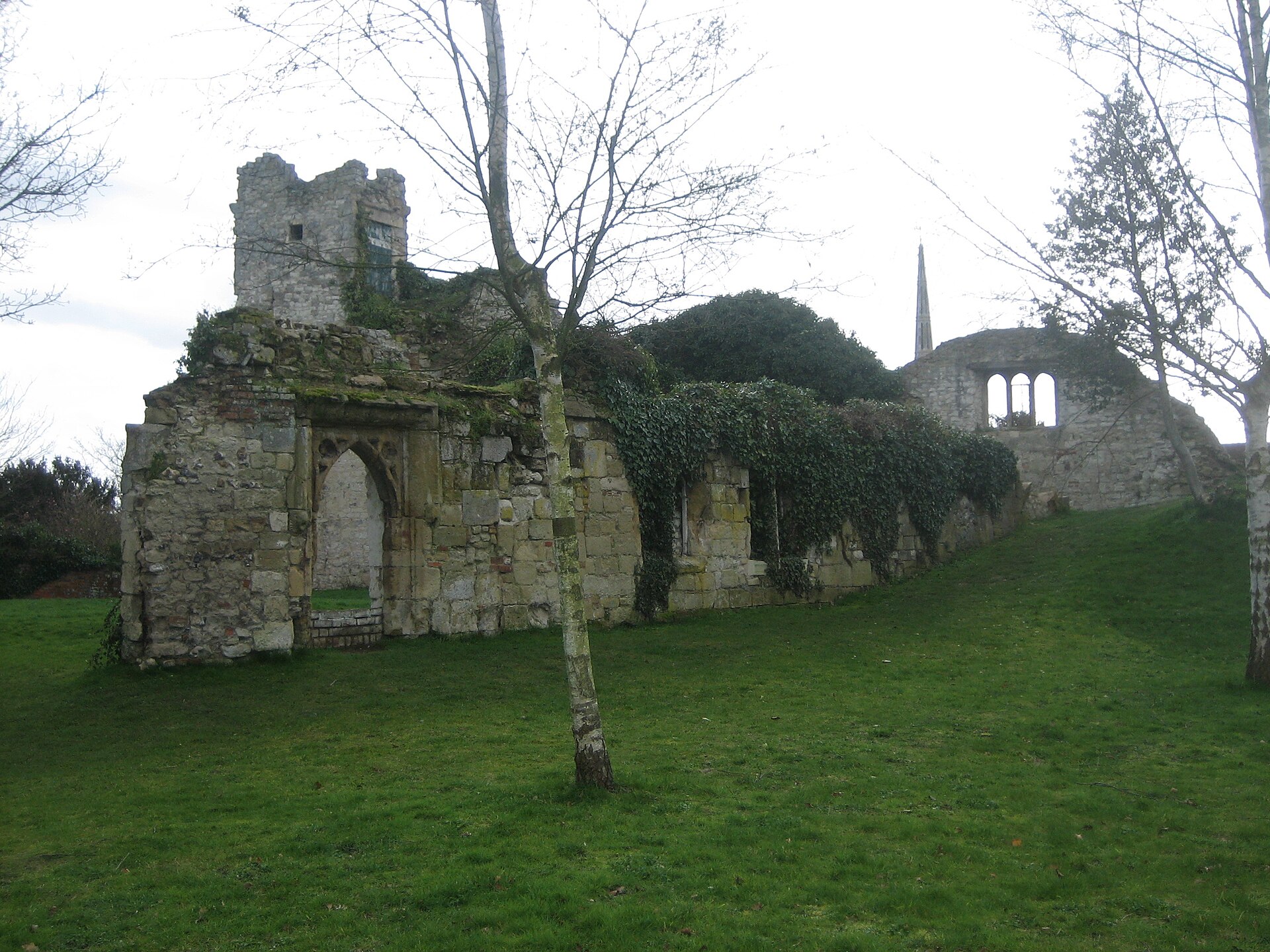
A castle so strong it was never taken by force in nearly six centuries of use: only surrendered by treaty or siege attrition, then deliberately lev…
- Near Wallingford
- Some walking
The directory
Page 45 of 47 in the full directory.
Browsing 100 places — search and the map cover the whole directory.
Fortified place · Medieval
Oxfordshire
A castle so strong it was never taken by force in nearly six centuries of use: only surrendered by treaty or siege attrition, then deliberately lev…
Sacred place · Medieval
Oxfordshire
A small Berkshire cell of St Albans Abbey trained two abbots and produced Richard of Wallingford, the monk-scientist whose astronomical clock desig…
Sacred place · Medieval
Nottinghamshire
A tiny Benedictine nunnery whose unusually complete roll of prioresses and pensions after Henry VIII’s closure of the monasteries in the 1530s pres…
Fortified place · Medieval
Kent
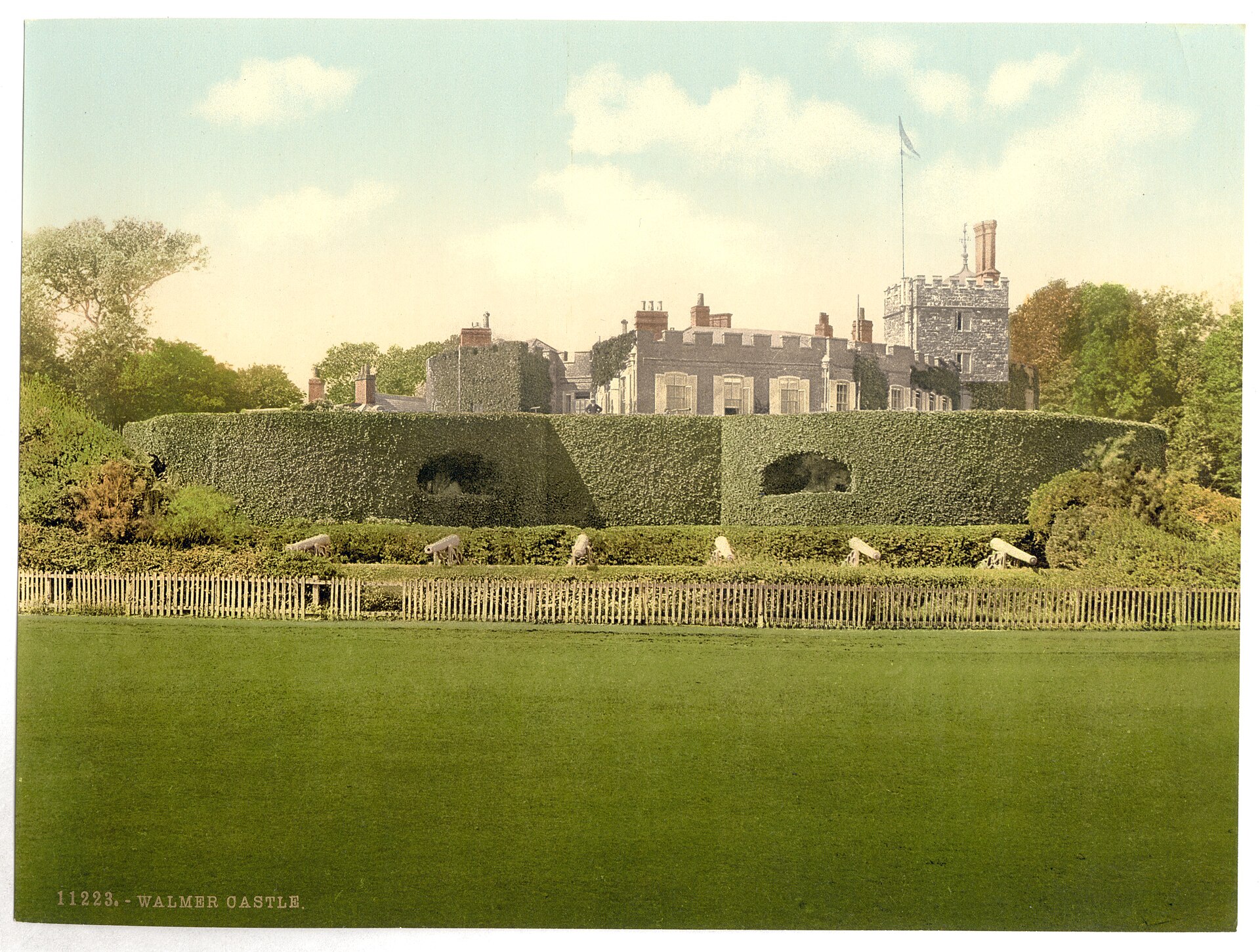
Walmer Castle is a Henrician artillery fort transformed into the official residence of the Lord Warden of the Cinque Ports and a major historic gar…
Sacred place · Medieval
Norfolk
A Franciscan house founded in 1347, Walsingham Friary preserves the outline of a distinct community in a town better known for its Marian shrine.
Sacred place · Medieval
Norfolk
Walsingham Priory was a major Marian pilgrimage site, built around the Holy House; royal visitors, Erasmus, its 1538 closure and a lasting ballad t…
Sacred place · Medieval
Essex
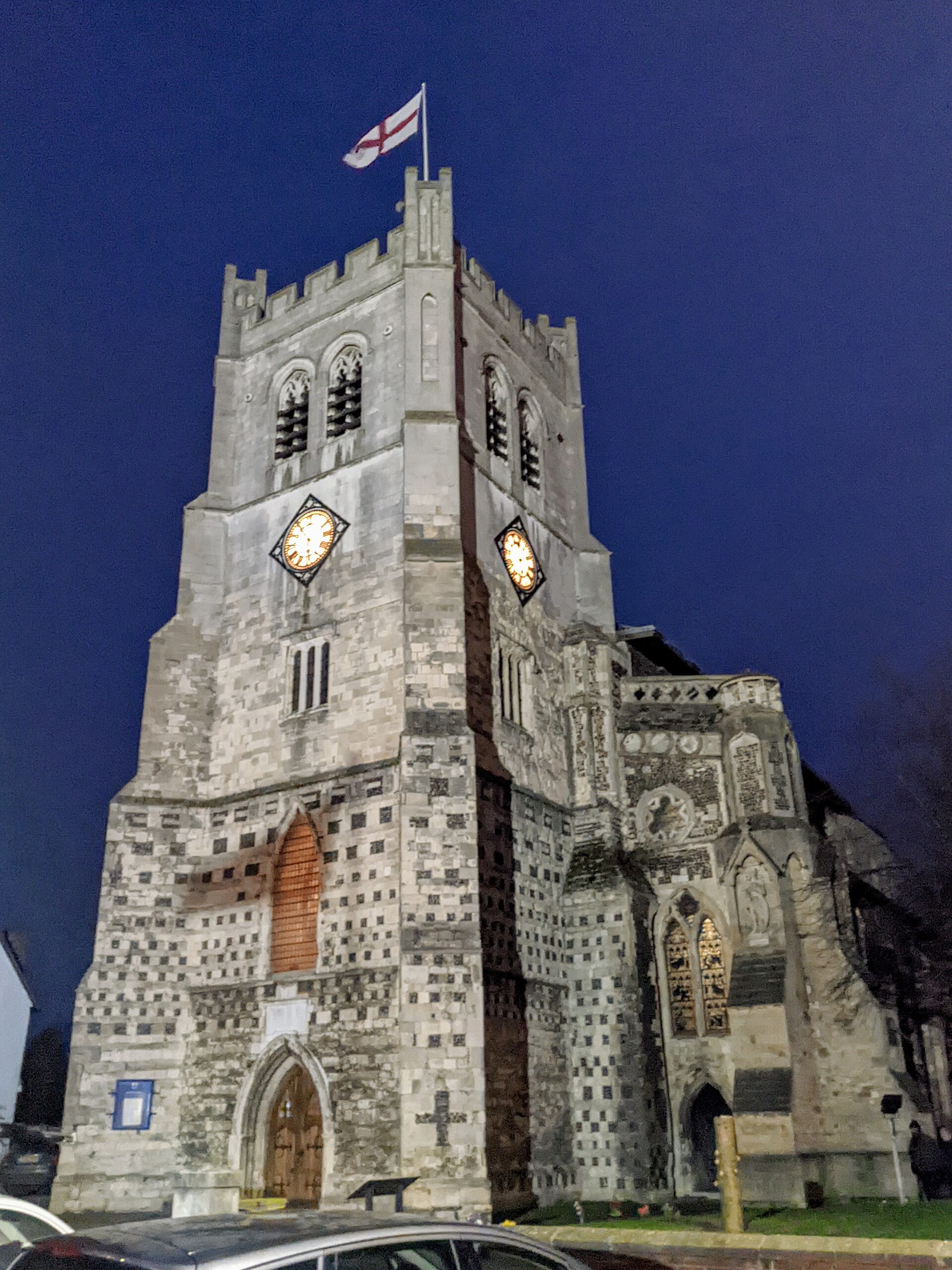
Waltham Abbey Church preserves the Norman nave: the main western space where the congregation stood: of a pilgrimage abbey that was the last religi…
Fortified place · Iron Age
Somerset
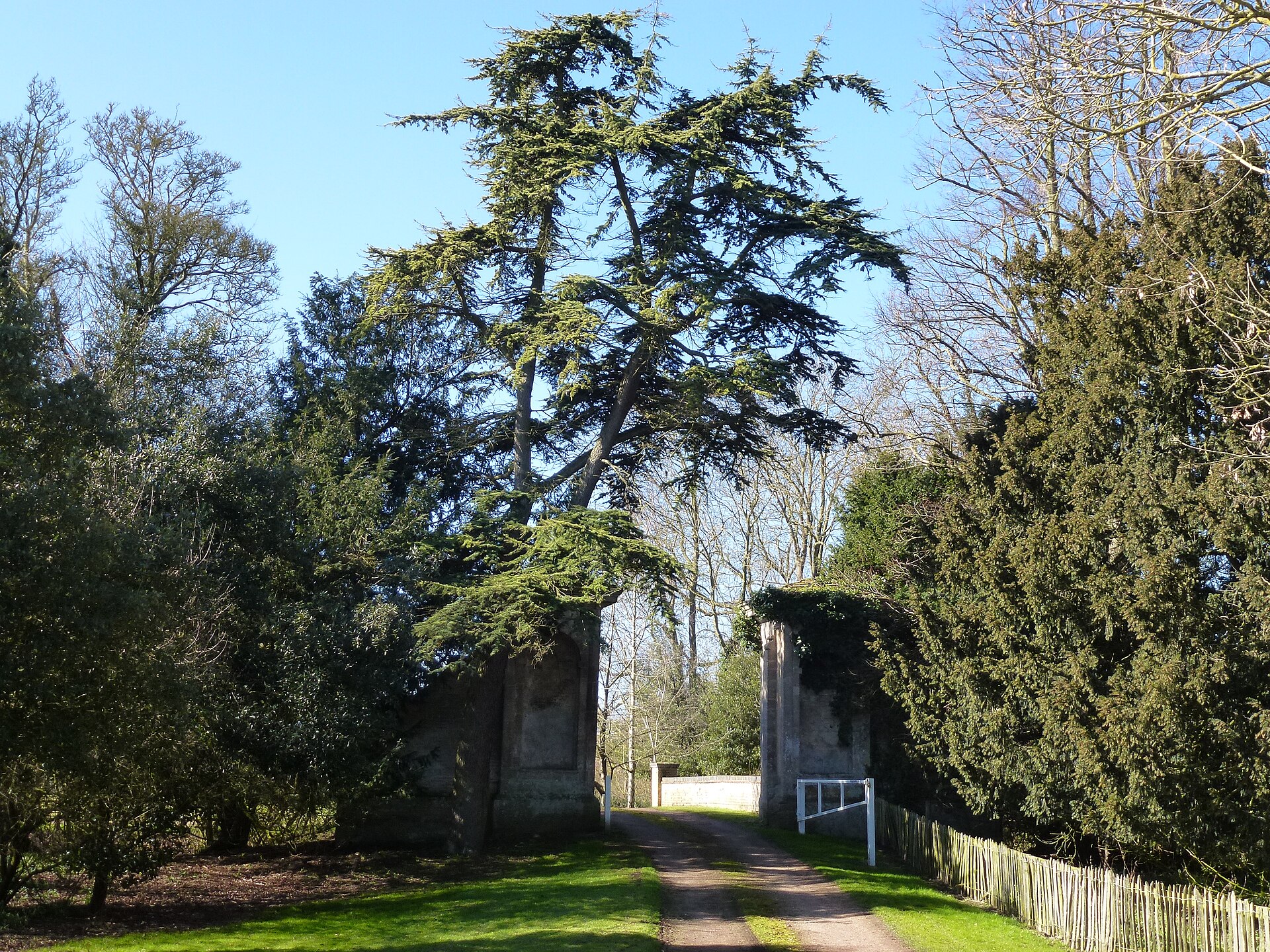
A castellated hunting lodge of 1615, derelict as a farm dairy by 1791, and rebuilt as a five-bedroom house in 1979.
Ancient place · Iron Age
Somerset
Walton Common layers a late Iron Age (from around 800 BC up to the Roman conquest) banjo enclosure and Bronze Age (roughly 2500–800 BC) barrows ove…
Fortified place · Medieval
County Durham
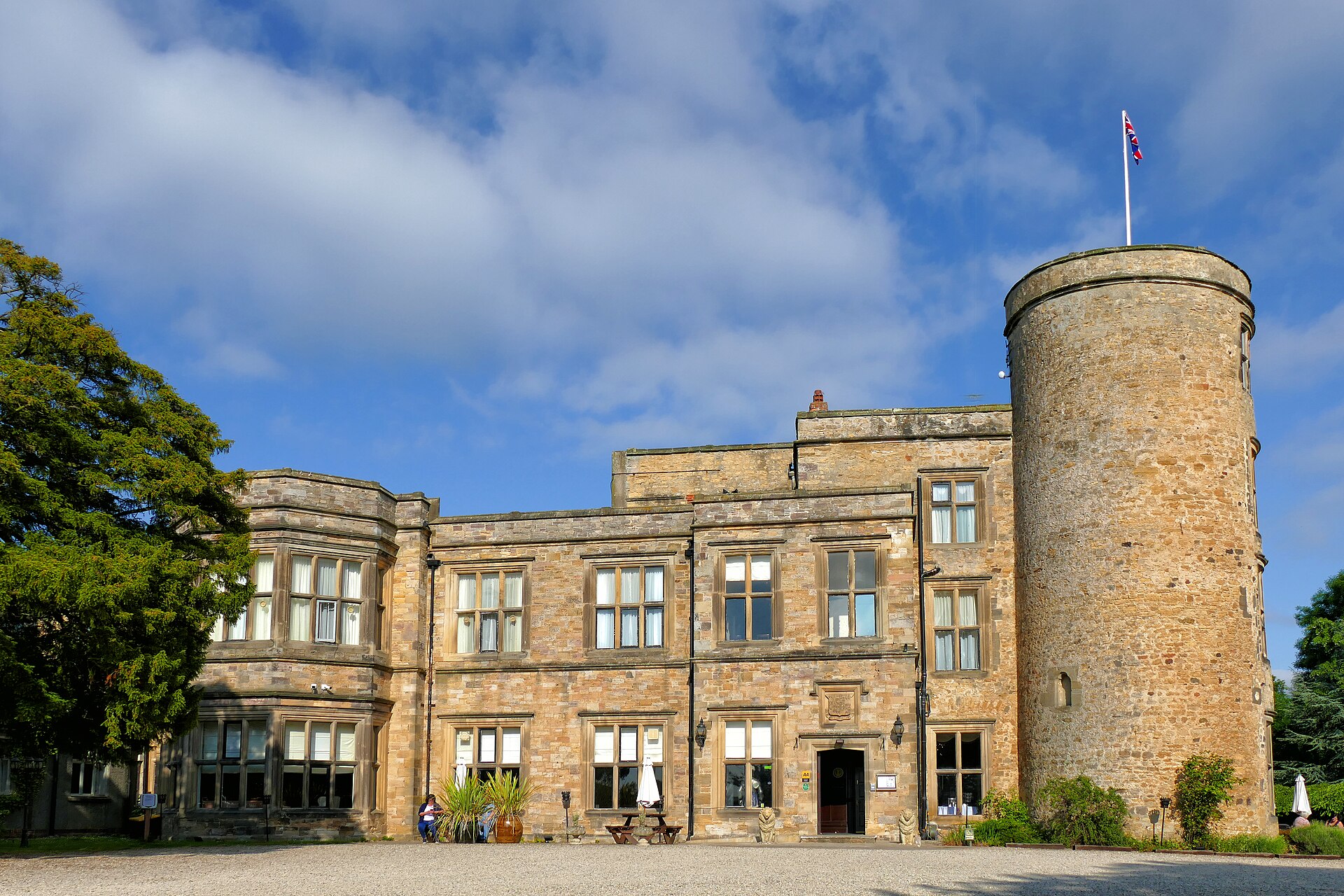
A working manor house rebuilt almost entirely around 1600 while keeping one medieval tower: and the only County Durham castle where a Scottish king…
Fortified place · Iron Age
Cambridgeshire
A vanished Iron Age hillfort: a defended hilltop settlement from from around 800 BC up to the Roman conquest: whose earthworks later became the sta…
Fortified place · Iron Age
Cambridgeshire
The most important of three Iron Age hillforts: settlements from the centuries before Rome arrived, from about 800 BC: guarding the Gog Magog Hills…
Fortified place · Iron Age
Herefordshire
A shaft sunk some 33 metres into the hilltop during the late Bronze Age (roughly 2500–800 BC, when metalworking spread) lies within earthworks late…
Fortified place · Medieval
Hampshire
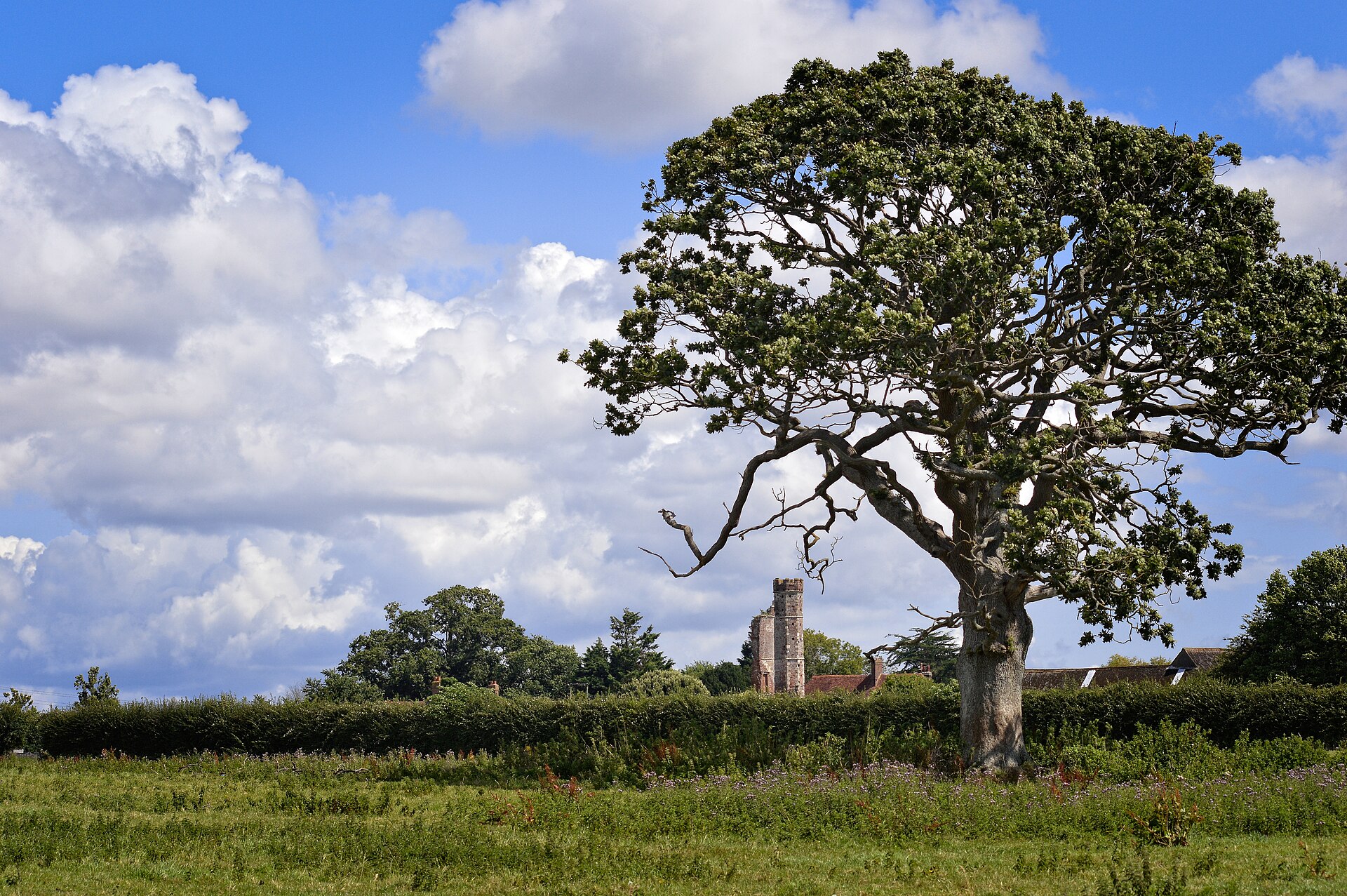
A single octagonal turret, deliberately spared by its Parliamentarian besiegers as a landmark for ships in Langstone Channel, is almost all that re…
Sacred place · Medieval
Bedfordshire
A single Tudor wing standing alone in a Bedfordshire field is almost all that remains above ground of one of England's senior Cistercian houses, wh…
Fortified place · Medieval
Wiltshire
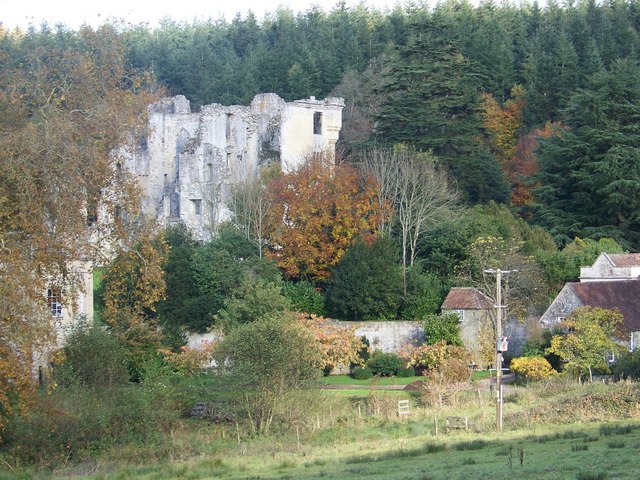
Under siege for five days in 1643, its 61-year-old chatelaine held it with only twenty-five men: the ruin standing today is the mark of two wartime…
Fortified place · Medieval
Dorset
Wareham’s Walls and Castle preserve a major Anglo-Saxon burh, a Norman motte-and-bailey (a Norman earth-and-timber castle, a tower on a mound besid…
Fortified place · Iron Age
Norfolk
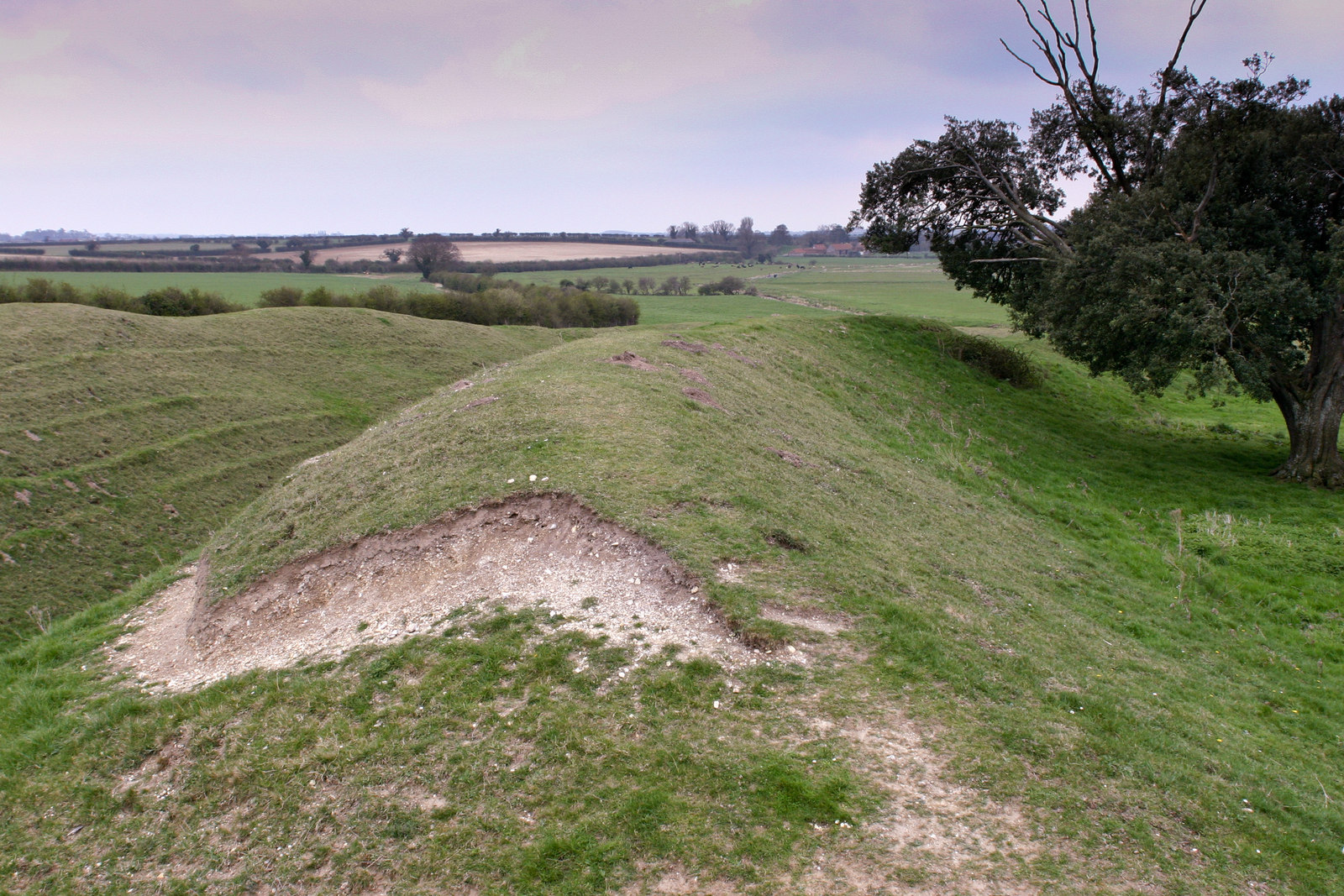
Warham Camp is Norfolk’s best-preserved hillfort, an Iron Age: the centuries before Rome arrived: settlement defended by banks and ditches on high…
Fortified place · Medieval
Northumberland
A ruined castle raised around an earthen mound at the west end of the village, known also as Carham Castle.
Fortified place · Medieval
Northumberland
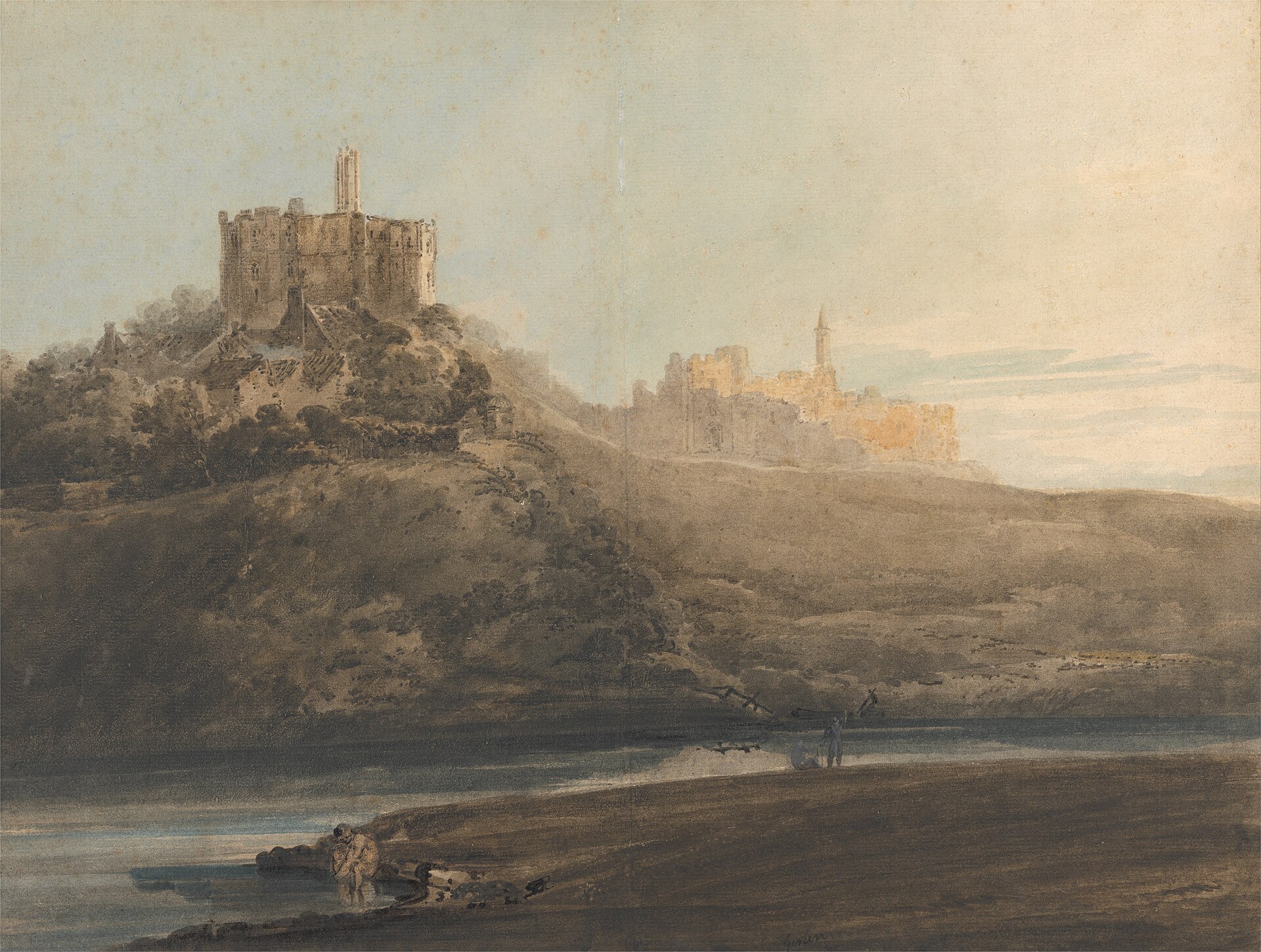
Warkworth Castle’s Percy keep, river-loop setting and later restoration show how a border stronghold became the defining landmark of a Northumbrian…
Building or ruin · Prehistoric
Dorset
Warren Hill is the elevated heart of Hengistbury Head, where rich Stone Age archaeology and a protected heathland habitat meet expansive coastal vi…
Fortified place · Medieval
Warwickshire
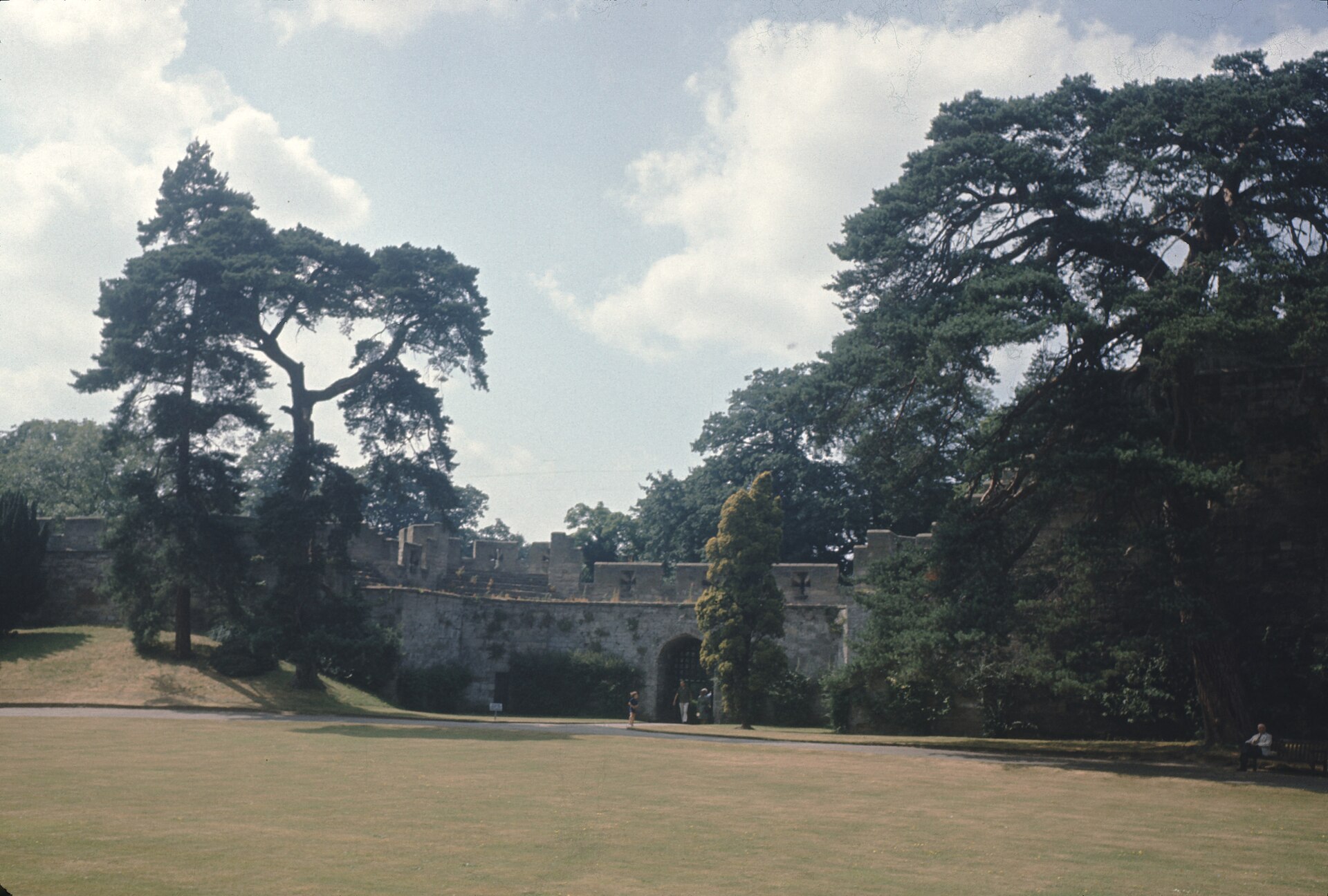
Fortified against the Danes in 914, held a king prisoner in 1469, and nearly lost altogether to a fire in 1871.
Building or ruin · Roman
Tyne and Wear
A Roman fort known almost entirely from one aerial photograph taken in 1970, never excavated, and already on the Heritage at Risk Register.
Fortified place · Iron Age
Devon
Wasteberry Camp records an Iron Age hillfort: a hilltop enclosure ringed by earth ramparts: on low Devon woodland above Silverbridge Lake, preservi…
Fortified place · Medieval
Wrexham
A second great frontier earthwork running alongside Offa's Dyke, judged the more sophisticated of the two: now mostly a hedge line and a cropmark.
Fortified place · Medieval
Greater Manchester
Watch Hill Castle is Trafford’s only scheduled monument: legally protected for its archaeological importance: : a well-defined medieval castle moun…
Sacred place · Medieval
Cambridgeshire
One of only two English Franciscan nunneries founded directly from Longchamp Abbey in France, undone within sixty years not by decline but by the r…
Ancient place · Medieval
Norfolk
Waterden is a scheduled deserted medieval village whose tax records trace decline without a decisive Black Death shock, while streets, green, homes…
Fortified place · Roman
Falkirk
Watling Lodge contains a notably well-preserved stretch of Antonine Wall ditch, showing the frontier’s local defensive landscape between the Roman…
Fortified place · Medieval
Shropshire
A ruined thirteenth-century fortified manor house standing within a moated enclosure near the Powys boundary.
Sacred place · Prehistoric
Bedfordshire
Its curved bank and outer ditch so closely mirror the much larger Marden Henge in Wiltshire that the two river-edge sites may share a single Neolit…
Sacred place · Prehistoric
Pembrokeshire
A site whose famous claim: that Stonehenge began here: has been argued down step by step since 2021 by the geology and by a re-reading of the evide…
Sacred place · Medieval
Surrey
England's first Cistercian house, founded 1128: yet so poorly endowed its monks recorded famine even as it mothered four daughter abbeys.
Building or ruin · Prehistoric
Oxfordshire
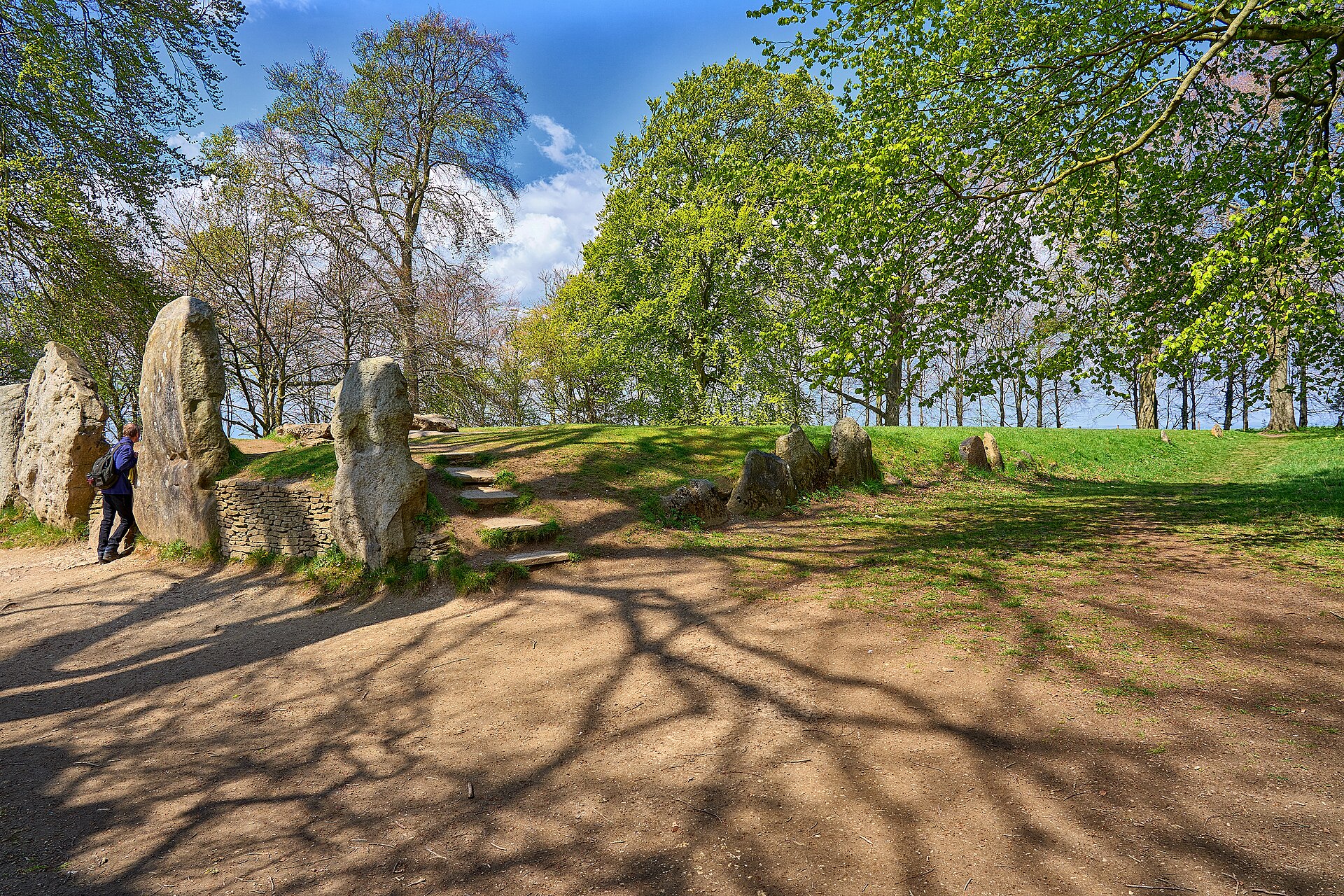
A timber tomb was dismantled and rebuilt in stone within perhaps fifty years, capturing a Neolithic (the closing Stone Age, roughly 4000–2500 BC) c…
Fortified place · Medieval
Hertfordshire
A deliberate valley-floor stronghold rather than a hilltop one, built to hold a river crossing: and the only English bishop's castle King John chos…
Fortified place · Medieval
Norfolk
Weeting Castle is a rare surviving twelfth-century high-status manor house, not a true fortress: its keep (the castle's main tower, and its stronge…
Sacred place · Medieval
Nottinghamshire
A former Premonstratensian monastery transformed into a ducal estate, where monastic fabric survives inside the home that made Welbeck a centre of…
Tomb or burial place · Pictish & early medieval
Lincolnshire
One grave held grave goods rivalling Sutton Hoo in craftsmanship: a runic silver bracteate, cruciform brooches, and cushion covers sewn with matchi…
Building or ruin · Medieval
County Tyrone
Wellbrook Beetling Mill is the UK’s last publicly accessible working beetling mill, preserving water-powered linen finishing on the Ballinderry River.
Fortified place · Iron Age
Gloucestershire
A hillfort remembered less for its earthworks than for the battle local tradition places here: the last stand of the Dobunni against Rome.
Building or ruin · Roman
Hertfordshire
A working Roman bath suite survives intact in a steel vault beneath a live motorway junction, its hypocaust and plunge bath reached by tunnel nine…
Sacred place · Medieval
Fife
Wemyss Caves preserve rare northern symbols from the period after Roman rule, Christian carvings and evidence of ritual use along Fife’s coast.
Building or ruin · Prehistoric
Cardiff
A modest earthwork enclosure: a mound or ditch formed by moving soil, not by building: on a wooded Cardiff hillside, its bank and ditch and a level…
Sacred place · Medieval
Norfolk
Wendling Abbey was a Premonstratensian house with a far-reaching Norfolk estate, close links to Prémontré, a repeatedly documented struggle to main…
Sacred place · Medieval
Shropshire
A priory that nearly became a cathedral in 1540: and whose church was pulled down instead, leaving a south transept, the side arm that crosses the…
Crossing or structure · Medieval
North Yorkshire
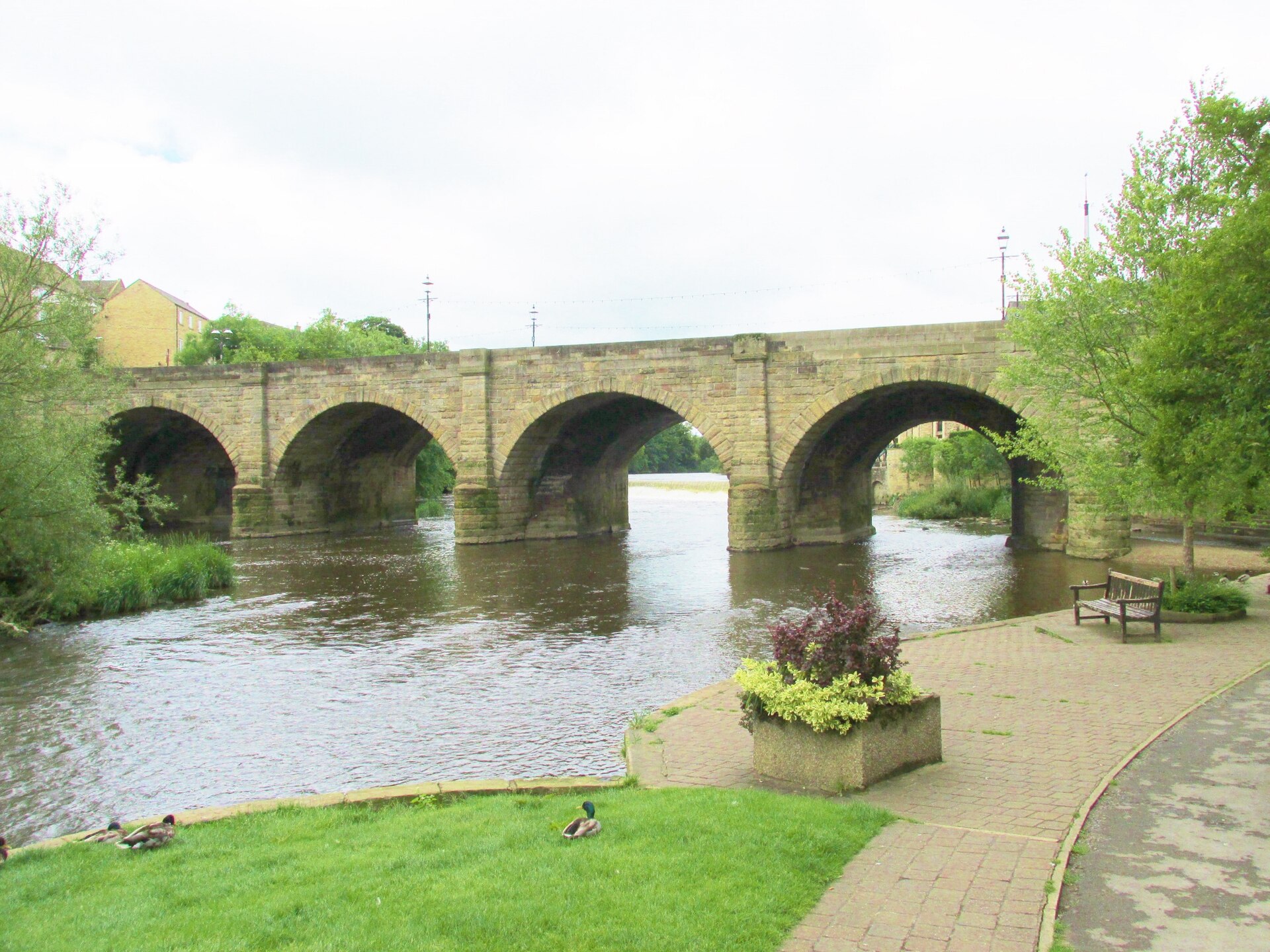
Four stone arches of three distinct dates and shapes sit side by side across the River Ure, funded by a medieval lord's will and rebuilt piecemeal…
Fortified place · Medieval
South Yorkshire
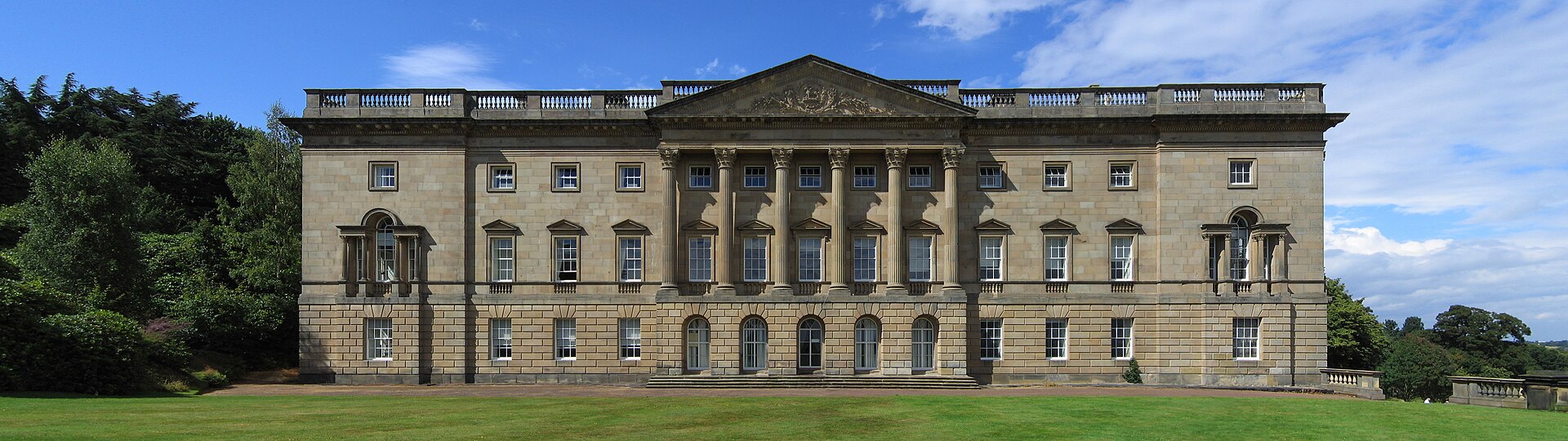
A rejected heir's revenge in stone: built to outshine the rival estate six miles away that should have been his, its Baroque east front still start…
Fortified place · Medieval
Vale of Glamorgan
Robert Adam's only building in Wales. A fire in 1910 destroyed most of it; what was restored is now a golf clubhouse.
Fortified place · Medieval
Swansea
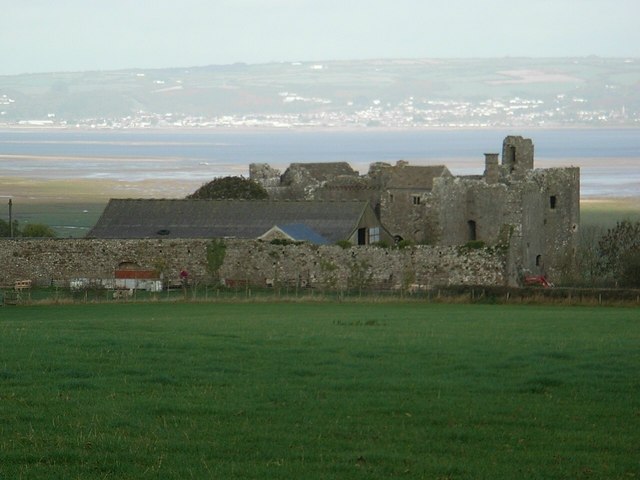
A fourteenth-century fortified manor above the Llanrhidian saltmarshes, with a hall recess made for hanging tapestry.
Fortified place · Medieval
Herefordshire
Its owners' 1208 defiance of King John here cost the de Lacy dynasty every castle they held, from Ludlow to Trim in Ireland.
Fortified place · Medieval
West Midlands
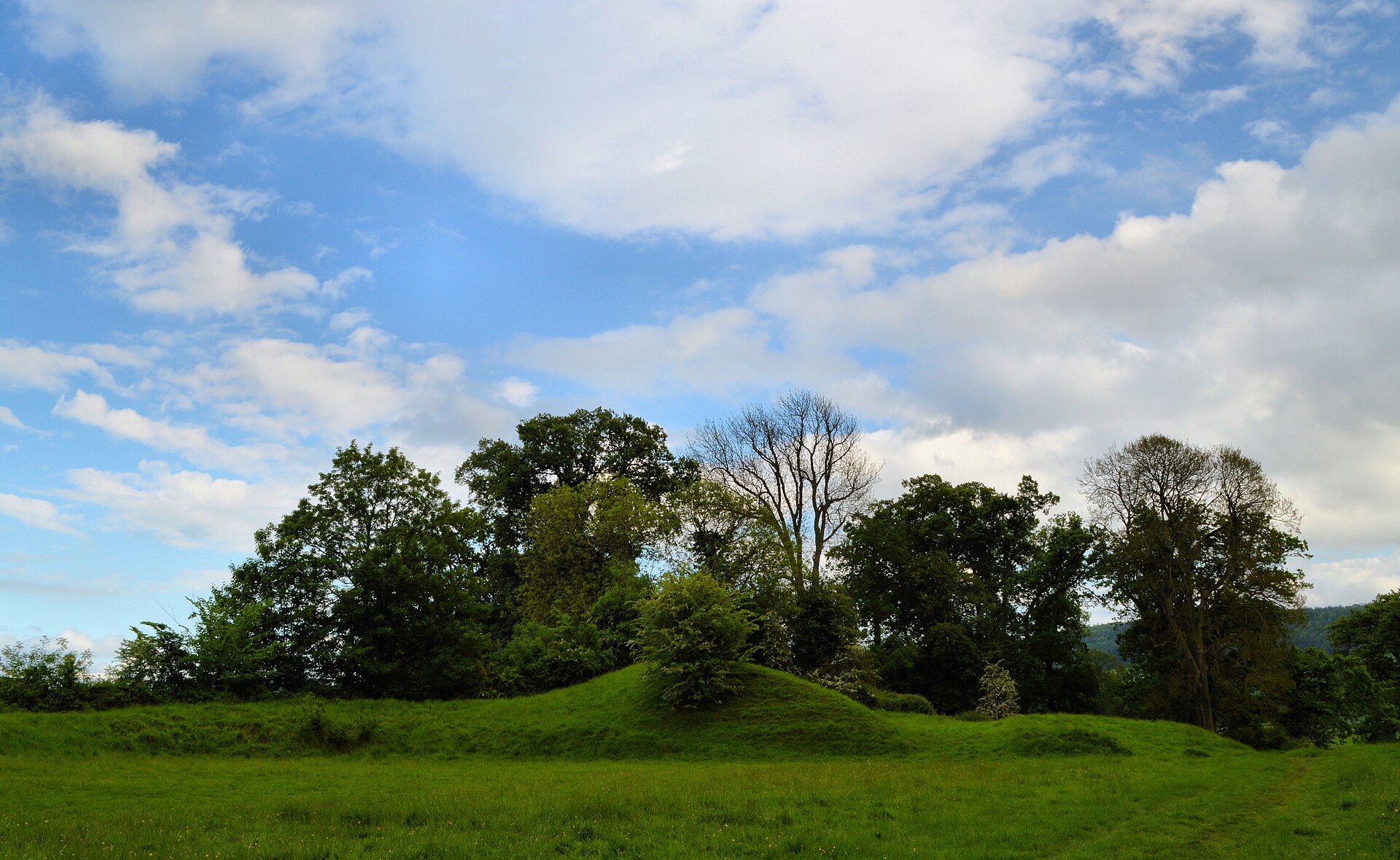
A single moated platform on the edge of Birmingham carries a thousand years of continuous building, from a possible Anglo-Saxon shrine to a license…
Sacred place · Prehistoric
Isle of Anglesey
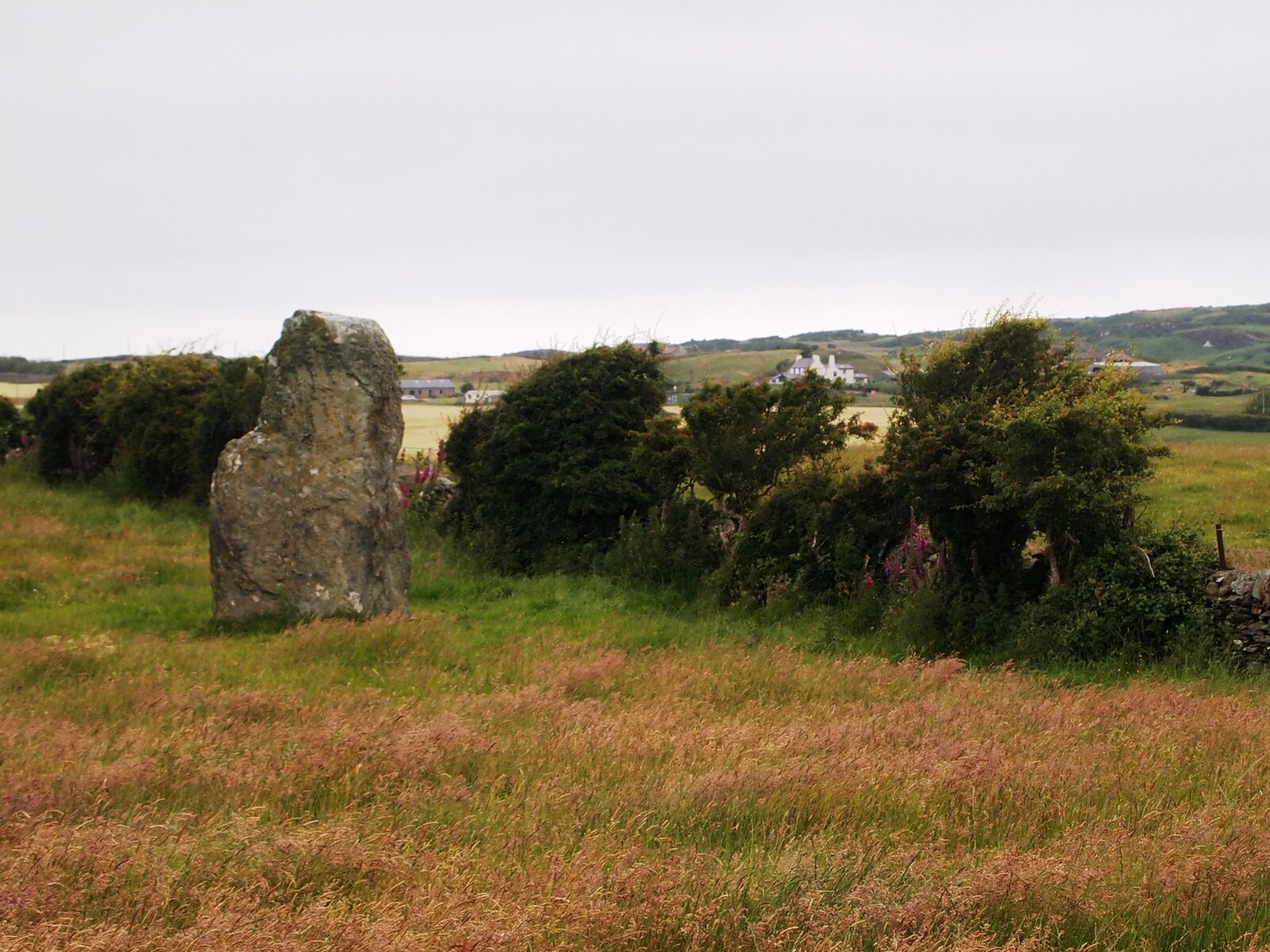
The Werthyr standing stone west of Amlwch stands 3.1 metres high; reports of a second upright and capstone preserve a fragmentary record of a once…
Sacred place · Medieval
Norfolk
West Acre Priory preserves a rare Grade I monastic gatehouse whose heraldry records de Toni and Warwick connections, while its 1538 closure and unr…
Fortified place · Medieval
Merseyside
West Derby Castle was the Norman predecessor to Liverpool Castle, and its buried remains chart how the foundation of Liverpool shifted military and…
Sacred place · Medieval
Norfolk
West Dereham Abbey was a large, wealthy Premonstratensian house founded by Hubert Walter at his birthplace, whose late-medieval teaching reforms, c…
Tomb or burial place · Prehistoric
Wiltshire
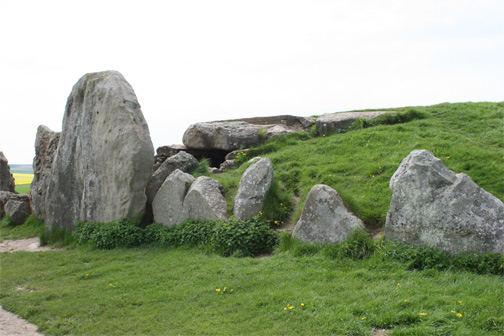
Its chamber's roof stands tall enough to walk upright in, a rarity among Neolithic (the closing Stone Age, roughly 4000–2500 BC) tombs, and it held…
Tomb or burial place · Prehistoric
Cornwall
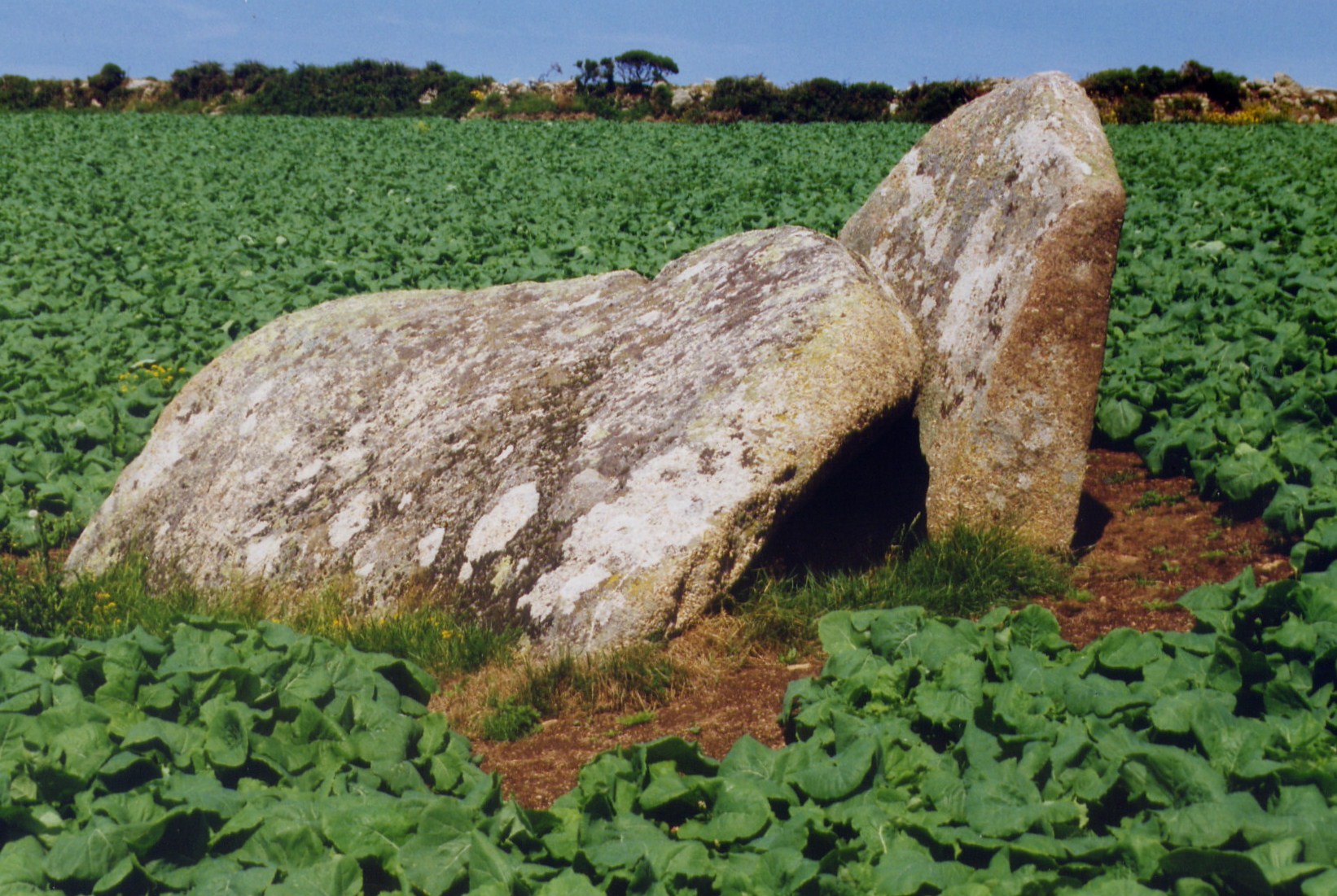
West Lanyon Quoit is a scheduled fragment of a prehistoric portal tomb: a tomb from from the era before writing arrived in these islands where upri…
Sacred place · Medieval
Lincolnshire
Only earthworks and scattered rubble now mark a priory, a monastery run by a prior, whose ownership passed from a Breton abbey, a monastery headed…
Building or ruin · Medieval
Pembrokeshire
A small vaulted medieval house south of St Florence that four separate authorities classify four different ways: including one that says it was nev…
Fortified place · Iron Age
Somerset
Westbury Camp is a settlement defended in roughly 800 BC until the Roman conquest in the Mendip Hills. Its damaged banks still reveal how quarrying…
Fortified place · Medieval
Kent
Westenhanger Castle is a rare fortified quadrangular manor with royal associations, Armada-era command use and a continuing programme of conservation.
Fortified place · Medieval
Kent
Westgate condenses Canterbury’s Roman approach, medieval fear of invasion and four centuries of imprisonment into the largest surviving city gate i…
Sacred place · Medieval
Greater London
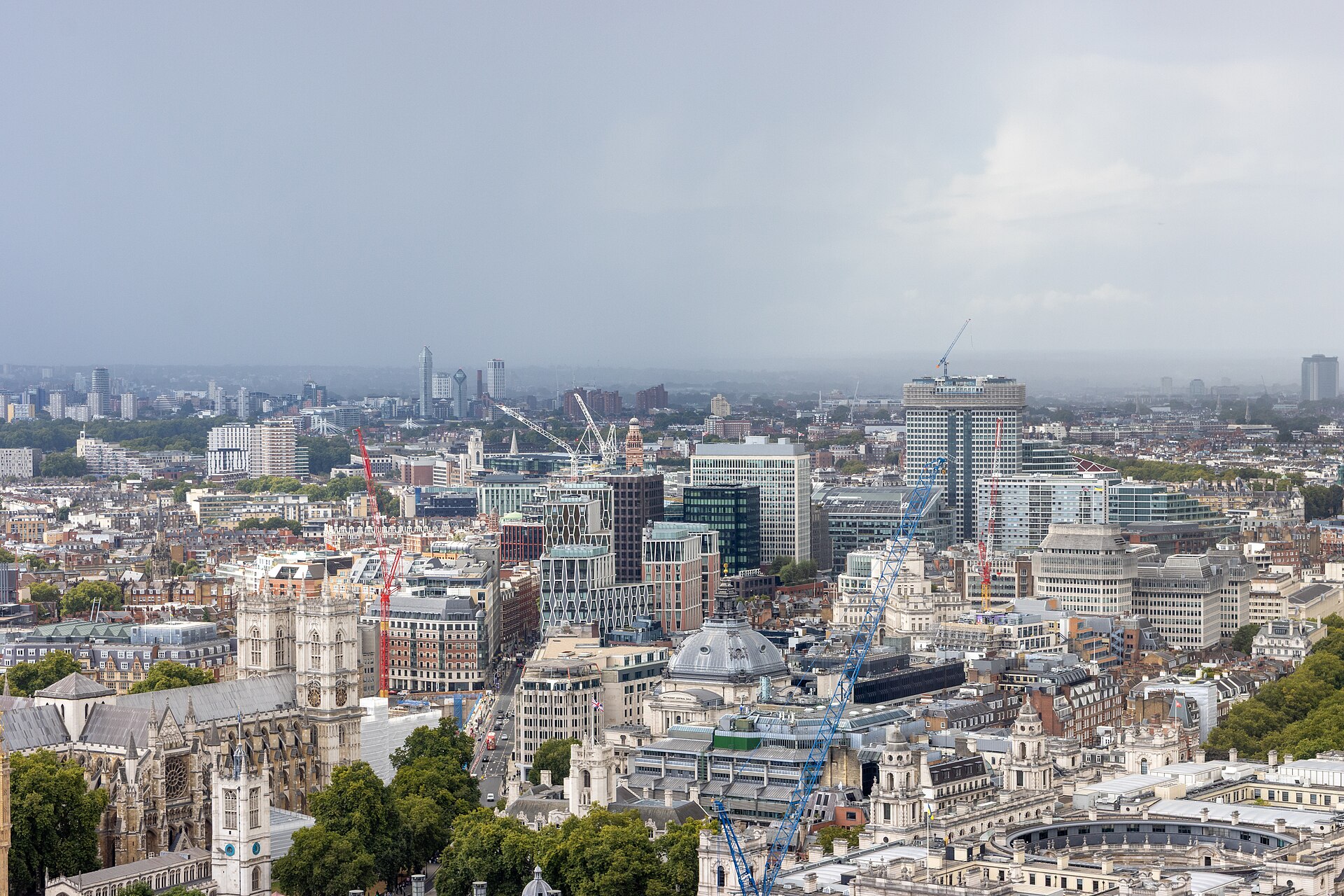
Westminster Abbey has been the setting for English and British coronations since 1066 and is a national burial place, but it is also a living royal…
Fortified place · Medieval
Buckinghamshire
Deliberately destroyed on royal orders in the 1170s, its earthworks survived so intact that a rescue dig only found them in 1985, when a swimming p…
Sacred place · Medieval
Worcestershire
A small Worcestershire priory tied by obedience to Fontevraud Abbey, the Loire monastery where Henry II, Eleanor of Aquitaine and Richard the Lionh…
Sacred place · Prehistoric
Derbyshire
Its earthen bank, over 30 metres across, makes Wet Withens the largest embanked stone circle known in Derbyshire: a Bronze Age (the period from abo…
Sacred place · Medieval
Cumbria
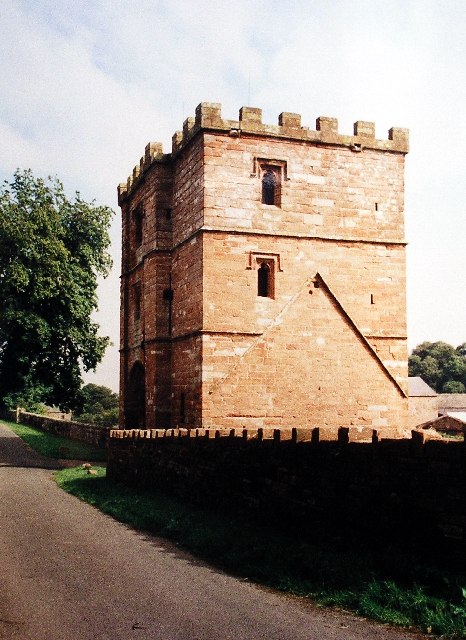
English Heritage rates it the finest medieval gatehouse in Cumbria: and it survived only because Henry VIII's men found little else worth keeping.
Crossing or structure · Medieval
West Yorkshire
A thirteenth-century bridge over the Wharfe whose repair bills have been argued over for seven hundred years, from a toll granted in 1315 to a maso…
Fortified place · Iron Age
East Riding of Yorkshire
A dry valley floor concealed three Iron Age burials of young adults laid out on dismantled chariots: among the most significant Middle Iron Age gra…
Sacred place · Medieval
Norfolk
Weybourne Priory's Saxon tower and church-adjacent ruins trace a shift from West Acre dependency to independence, a sharply shrinking community and…
Sacred place · Medieval
Lancashire
A working monastery relocated wholesale after three disasters at its old home, then rebuilt over 150 years into one of the largest Cistercian house…
Building or ruin · Medieval
North Yorkshire
A whole medieval village vanished here, leaving only a roofless church and grass-grown house platforms: the excavation that first taught archaeolog…
Sacred place · Prehistoric
orkney-islands
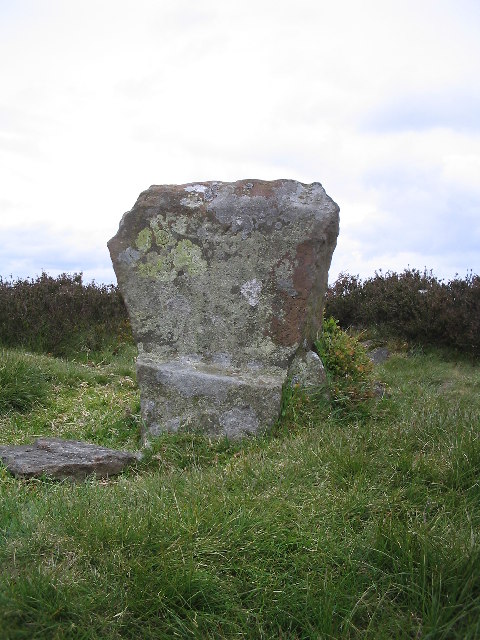
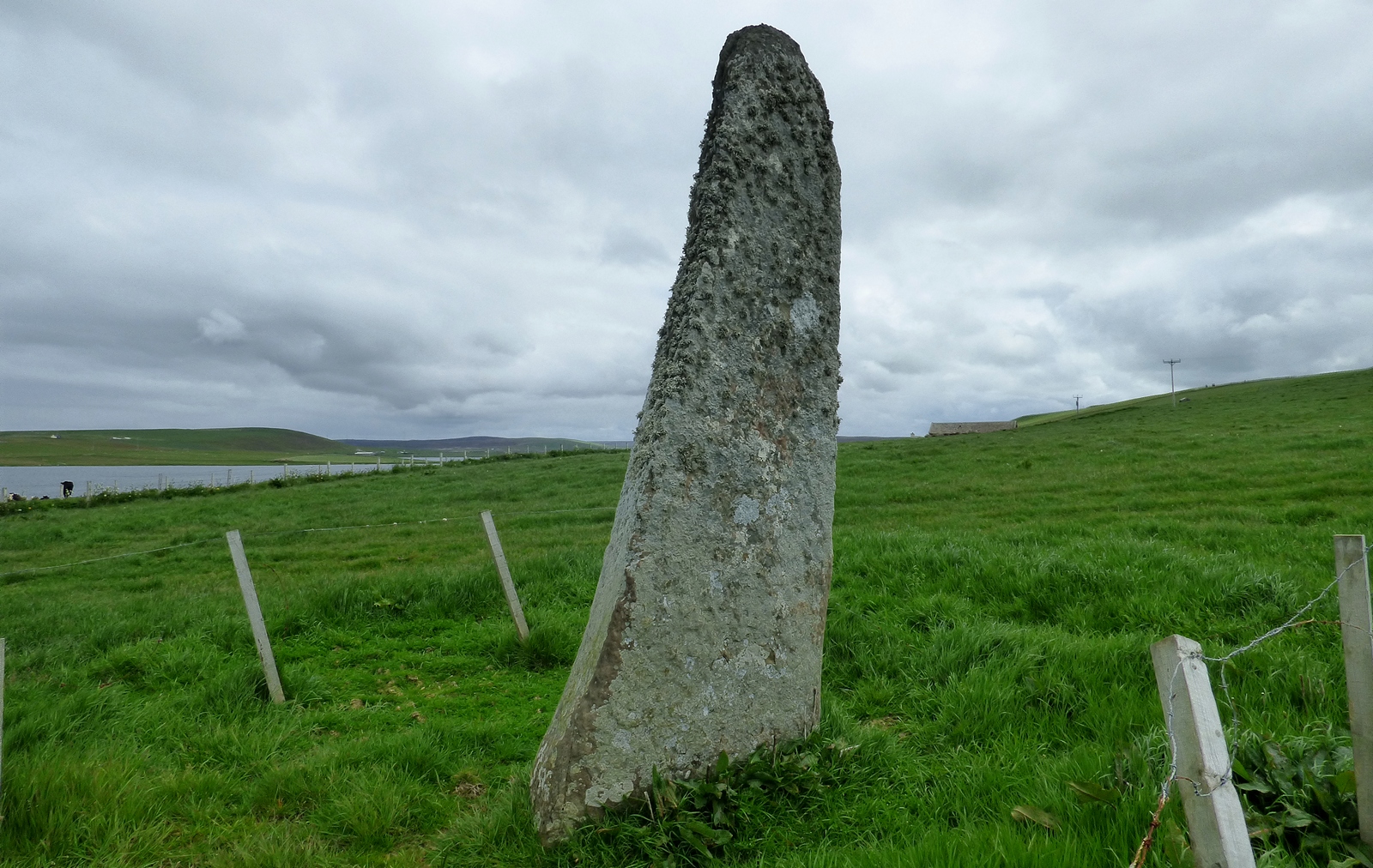
Livestock have polished the lower half of this stone smooth by rubbing against it; a deep crevice runs from the middle to the top.
Sacred place · Medieval
Hampshire
A community of Benedictine nuns that grew, under one determined abbess, to eighty strong and left behind a psalter now kept at Cambridge: one of th…
Sacred place · Prehistoric
Powys
A large stone circle blown up in the 1860s, whose only recorded contents are the charcoal and bones somebody noticed as the last stone came out.
Building or ruin · Medieval
Nottinghamshire
Walkable earthworks preserve the street, house plots and moated homestead of a Domesday settlement that vanished so completely it was recorded as a…
Sacred place · Medieval
Shropshire
A Cistercian nunnery whose surrender was never recorded: but which gave a Worcestershire village the name White Ladies Aston.
Sacred place · Medieval
North Yorkshire
A ruined church on the East Cliff that hosted the 664 Synod deciding how all of England would date Easter, then gave Bram Stoker the setting for Dr…
Carved stone · Medieval
North Yorkshire
A fluted medieval shaft still standing on Whitby's Abbey (a monastery headed by an abbot) Plain, possibly the very 'great cross' named in the town'…
Tomb or burial place · Prehistoric
Wiltshire
In 1909 it became the first piece of land the National Trust ever bought purely to protect an archaeological site, setting a precedent still follow…
Fortified place · Medieval
Monmouthshire
One of three castles built to guard a single Marches valley, its curtain walls and moat-ringed towers survive almost complete: a rare, undisturbed…
Sacred place · Medieval
Shropshire
Charles II hid here after Worcester in 1651. Nobody knows who founded it: no layman ever claimed the right to name its prioress.
Fortified place · Iron Age
Scottish Borders
Four concentric rampart (the raised bank thrown up around a fortified enclosure) lines and at least 29 round-house platforms make this one of the l…
Briefer entries: recorded and worth knowing, with fuller pages to come.
Fortified place · Medieval
West Midlands
A moated manor house rebuilt by a baron as his personal 'new castle' in the 1380s, entertained a noblewoman and her children, then vanished so comp…
Fortified place · Iron Age
Somerset
Walton Common preserves a rare Somerset banjo enclosure, an easily overlooked Iron Age (from around 800 BC up to the Roman conquest) earthwork (a b…
Sacred place · Medieval
East Sussex
Warbleton Priory preserves substantial archaeology of an Augustinian house re-established after coastal loss at Hastings, with its church, domestic…
Fortified place · Iron Age
Cornwall
Warbstow Bury is one of Cornwall's largest Iron Age (from around 800 BC up to the Roman conquest) earthworks, with double ramparts, deep ditches an…
Sacred place · Medieval
Dorset
Wareham Priory records successive Saxon and Norman religious foundations on one site, ending in a Tudor house that still preserves the location as…
Fortified place · Medieval
Northumberland
Wark in Tyndale’s surviving motte and enclosure preserve a castle’s long occupation despite the loss of its medieval buildings from view today.
Building or ruin · Roman
Kent
Watling Temple is a reconstructed Roman sacred site within a newly discovered Newington manufacturing settlement whose archaeology reaches back to…
Fortified place · Medieval
Northamptonshire
Weedon Lois Castle was the baronial centre of Weedon, a late-eleventh-century Norman ringwork, a castle enclosure ringed by a bank, held by the Pin…
Sacred place · Medieval
Essex
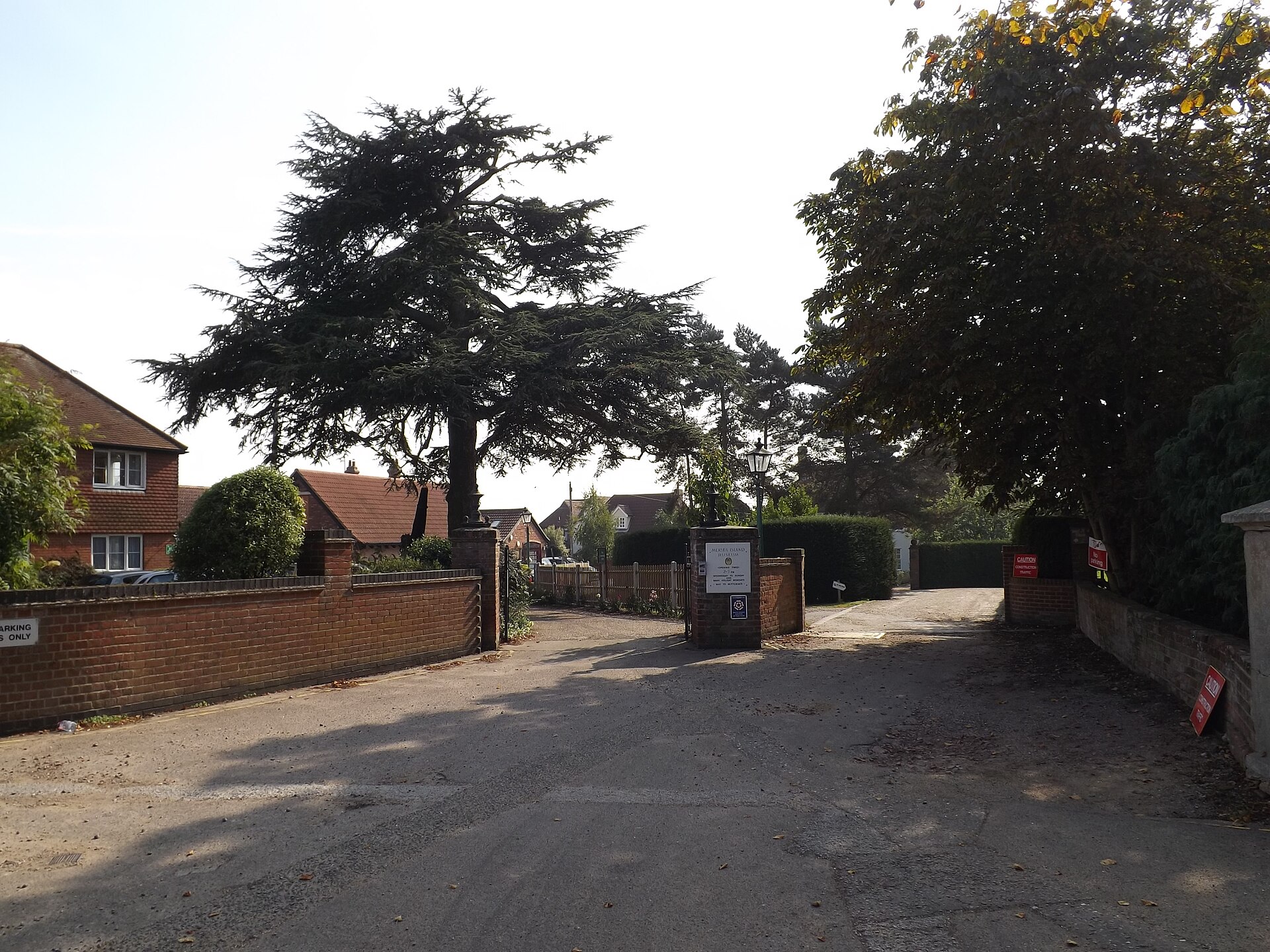
West Mersea Priory records the long reach of a Norman monastery across the Channel: a 1046 Essex foundation dependent on Rouen, transferred to Arch…
Sacred place · Medieval
Kent
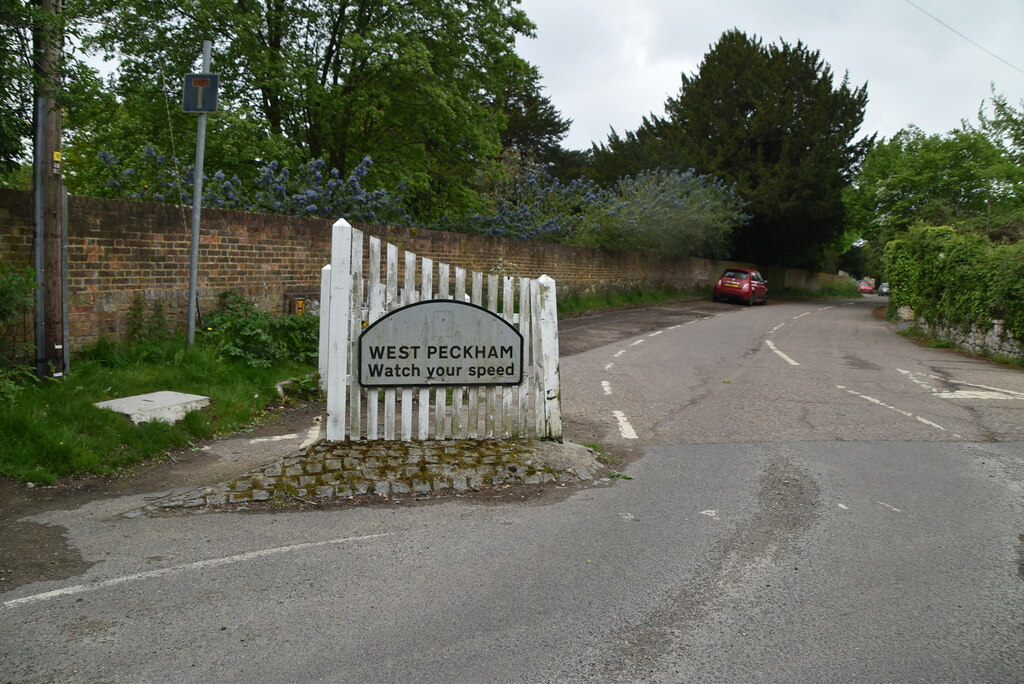
West Peckham Preceptory documents a late medieval Knights Hospitaller administrative centre in Kent, operating until Henry VIII’s Dissolution (Henr…
Ancient place · Pictish & early medieval
Suffolk
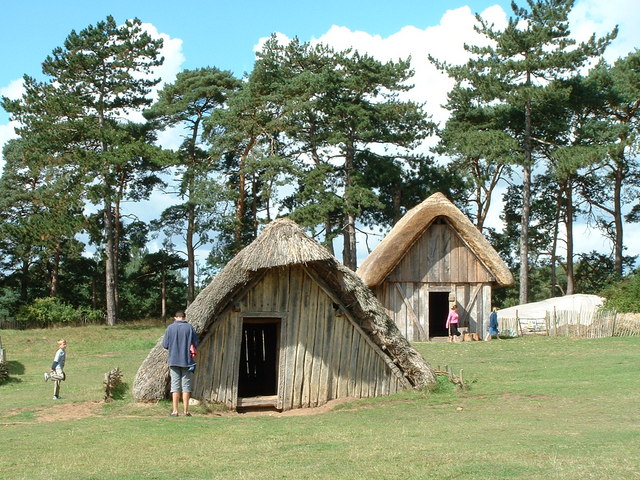
An archaeological site and open-air museum with traces of habitation from the first farmers onward.
Fortified place · Medieval
Berkshire
Built for show rather than defence, this Norman lord's mound was later reshaped into a garden viewpoint for the house that replaced it: a castle tu…
Sacred place · Prehistoric
Dumfries and Galloway
Nine stones lie fallen in an oval on high ground north-east of Lockerbie, none of them still standing. The setting, known as Whitcastles or Little…
Sacred place · Medieval
County Kildare
White Abbey links the de Vesci foundation and earls of Kildare to a Carmelite site whose ground, well and colour-name outlived Tudor closure.
Sacred place · Prehistoric
Kent
The White Horse Stone is a scheduled Blue Bell Hill sarsen with possible Neolithic (the closing Stone Age, roughly 4000–2500 BC) roots, later folkl…
Building or ruin · Medieval
County Down
The White House is a protected seventeenth-century Ards Peninsula dwelling, tied to the Savage family’s division of Ballygalget, Kirkistown, and Ba…
Sacred place · Pictish & early medieval
County Fermanagh
White Island preserves an early medieval: roughly AD 400–1100, between the Romans and the Normans: Lough Erne church whose Romanesque: the round-ar…
No places match those filters.
Kinds of place
Ages




.jpg?width=800)


.jpg?width=800)











.jpg?width=800)


.jpg?width=800)
_2013-09-04_11-25-09.jpg?width=800)