Fortified place · Iron Age
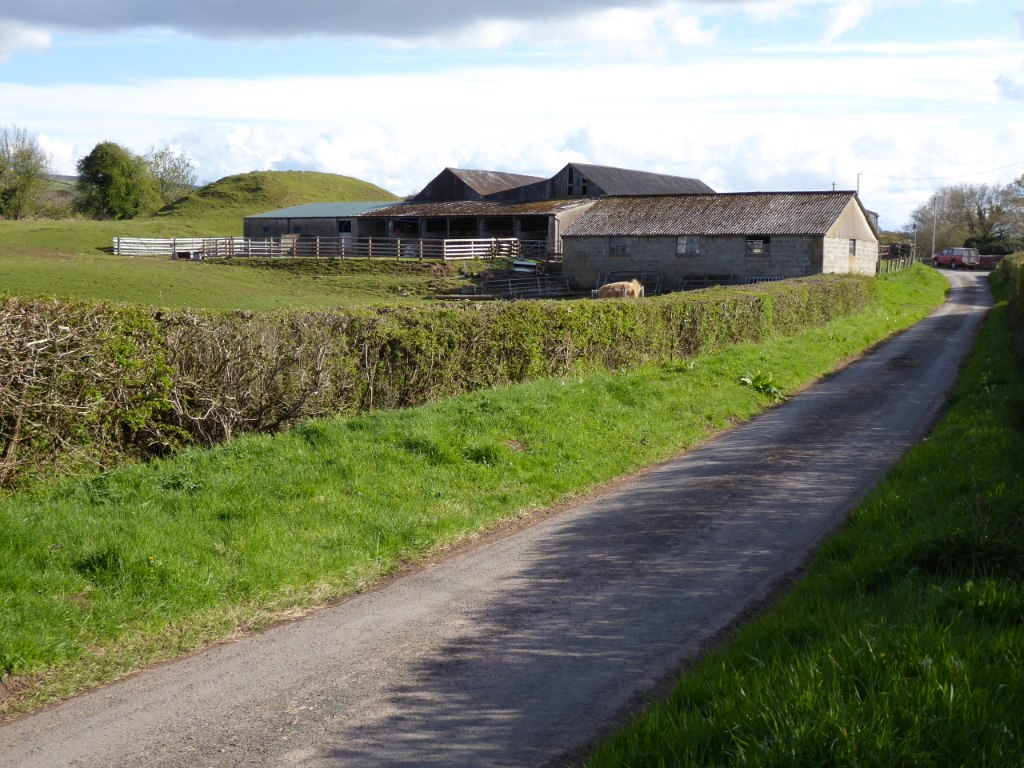
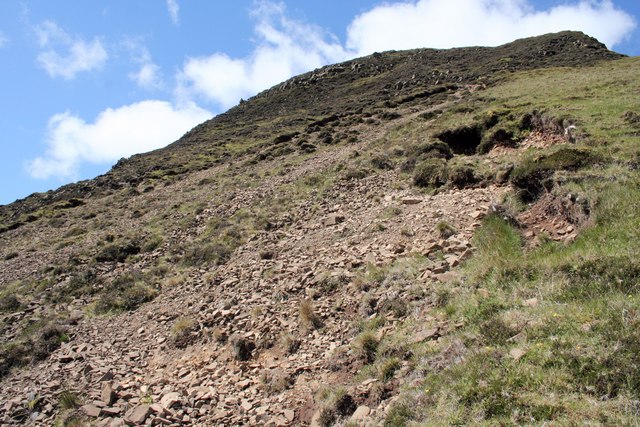
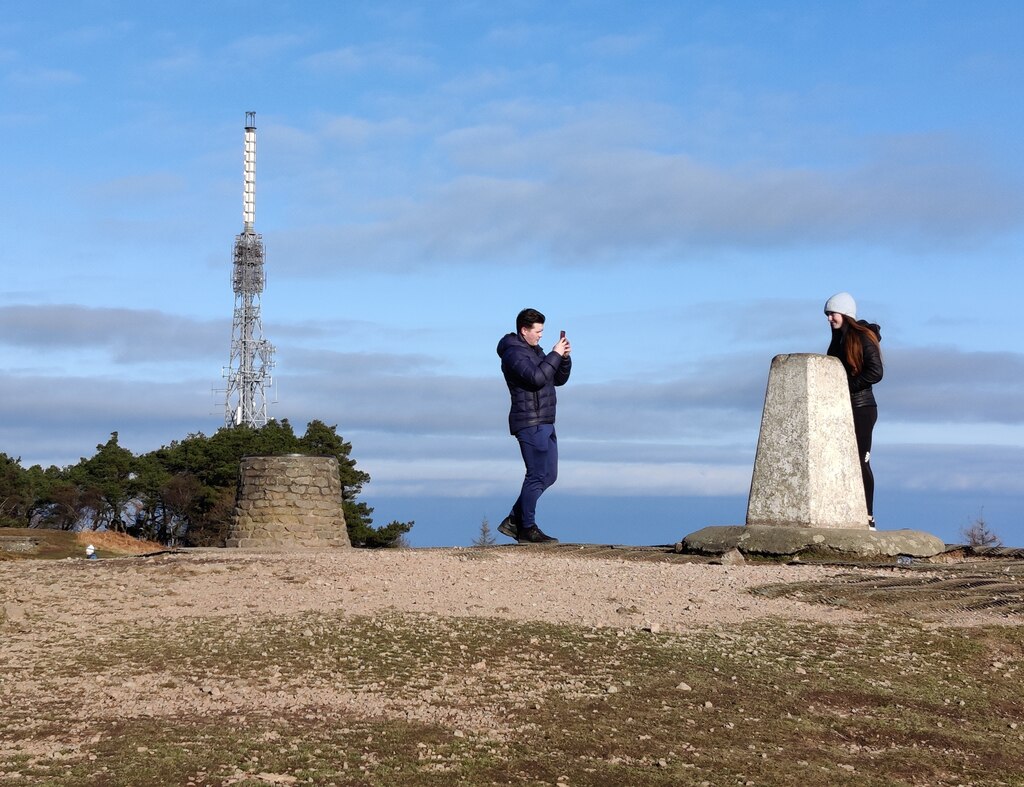
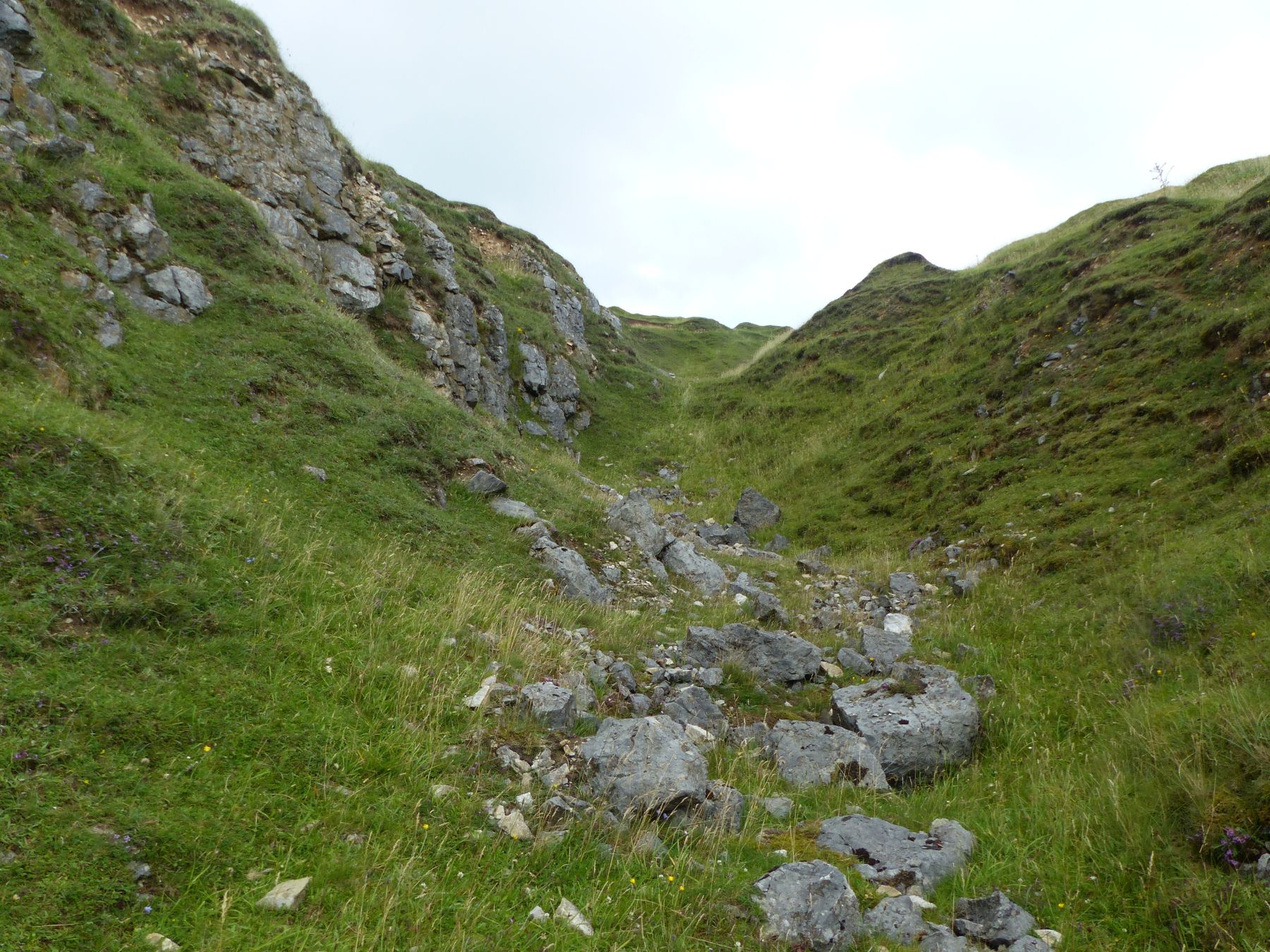
The Wrekin
Shropshire
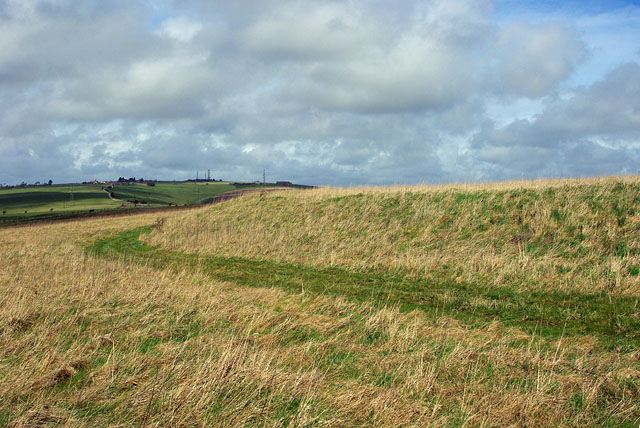
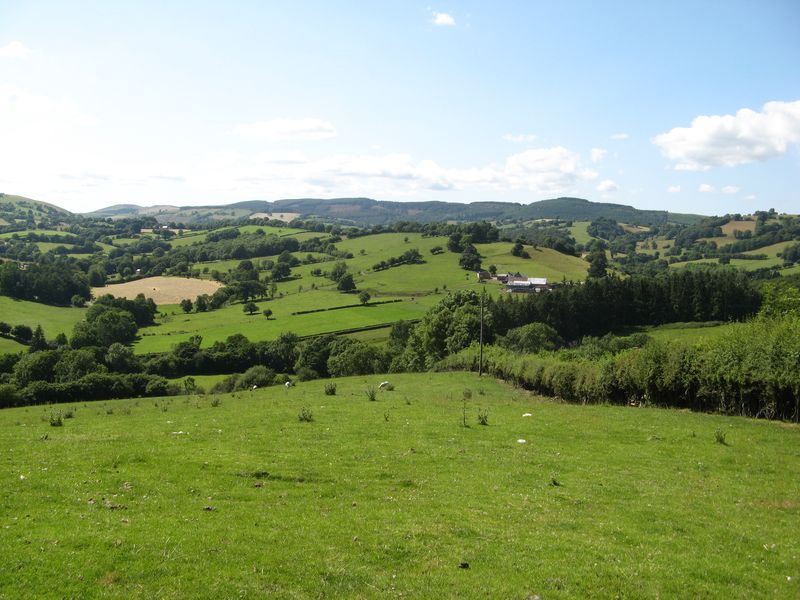
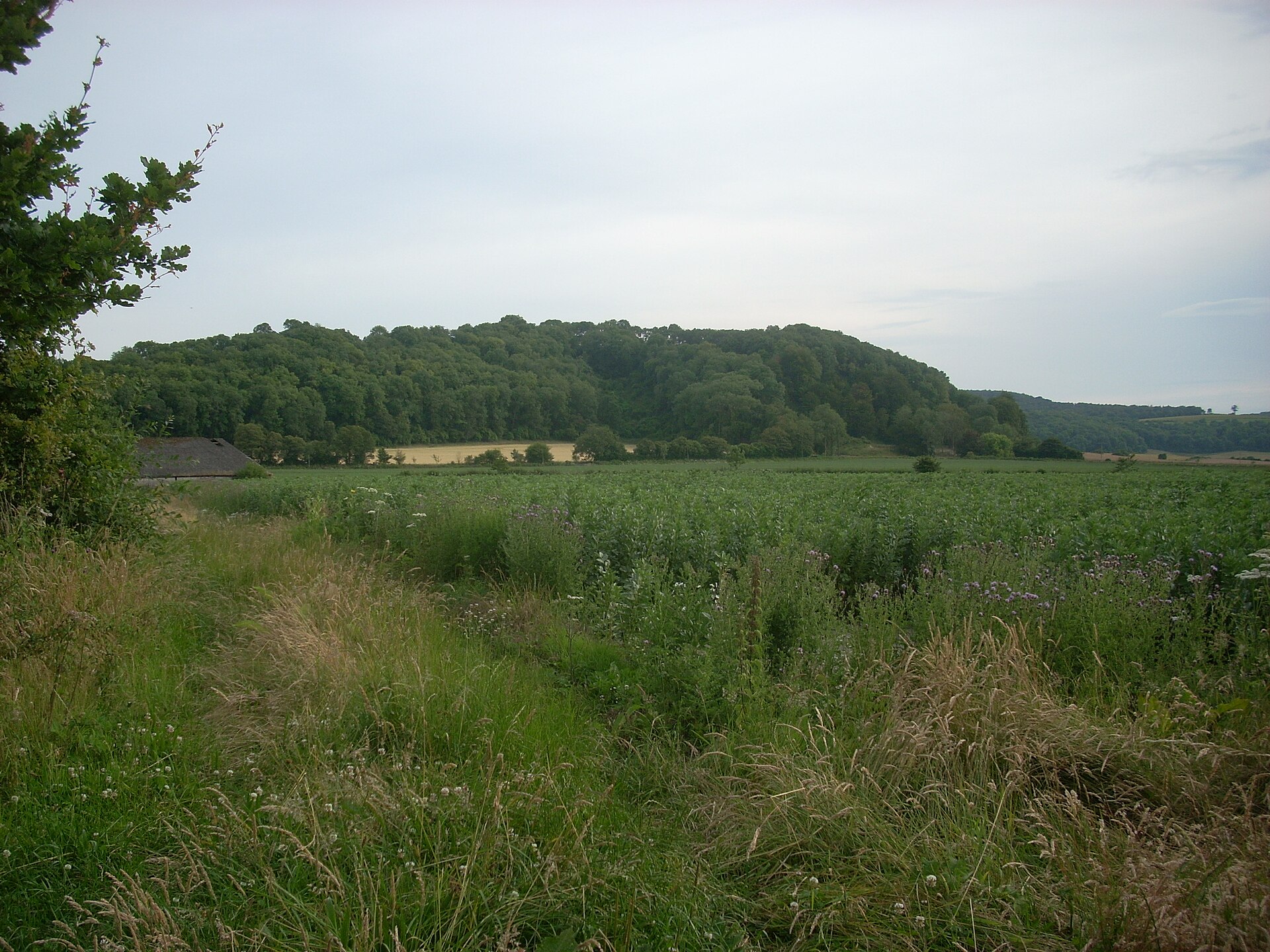
An Iron Age tribal capital stormed and burnt by the Romans in AD 47: and a hill so familiar that its name became the local phrase for the long way…
- Near Telford
- Rough ground
The directory
Page 43 of 47 in the full directory.
Browsing 100 places — search and the map cover the whole directory.
Fortified place · Iron Age
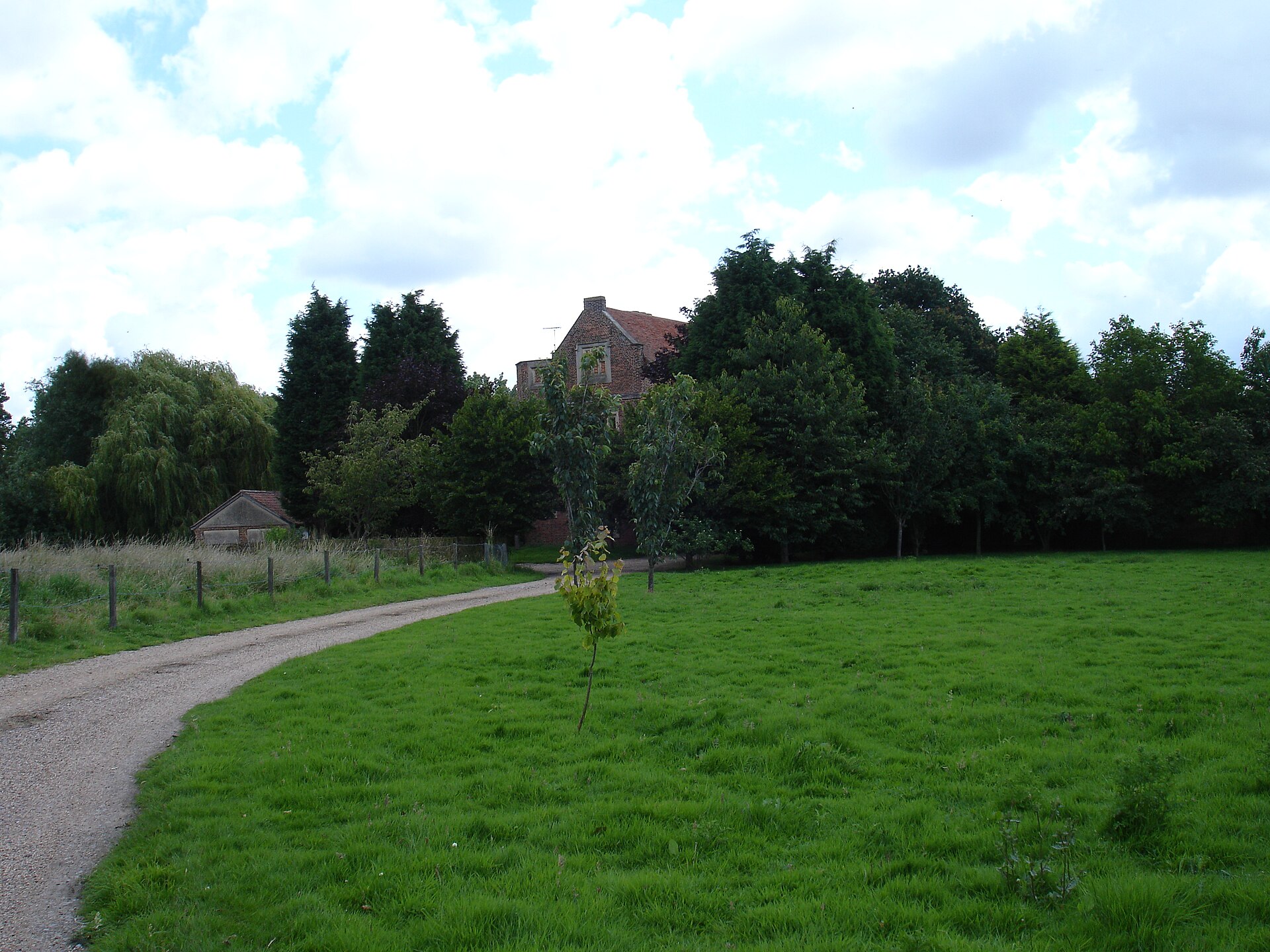
Shropshire
An Iron Age tribal capital stormed and burnt by the Romans in AD 47: and a hill so familiar that its name became the local phrase for the long way…
Sacred place · Medieval
Warwickshire
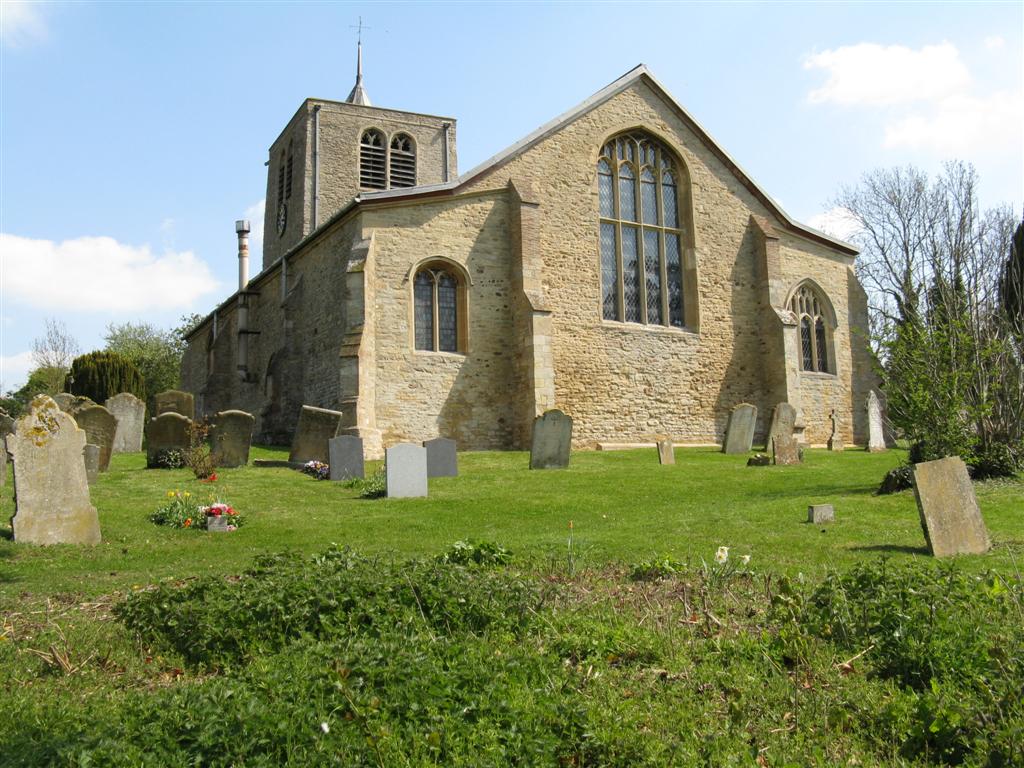
A small friary: a house of friars, who worked among townspeople rather than withdrawing from them: near the Avon, its endowment built up acre by ac…
Building or ruin · Medieval
Hertfordshire
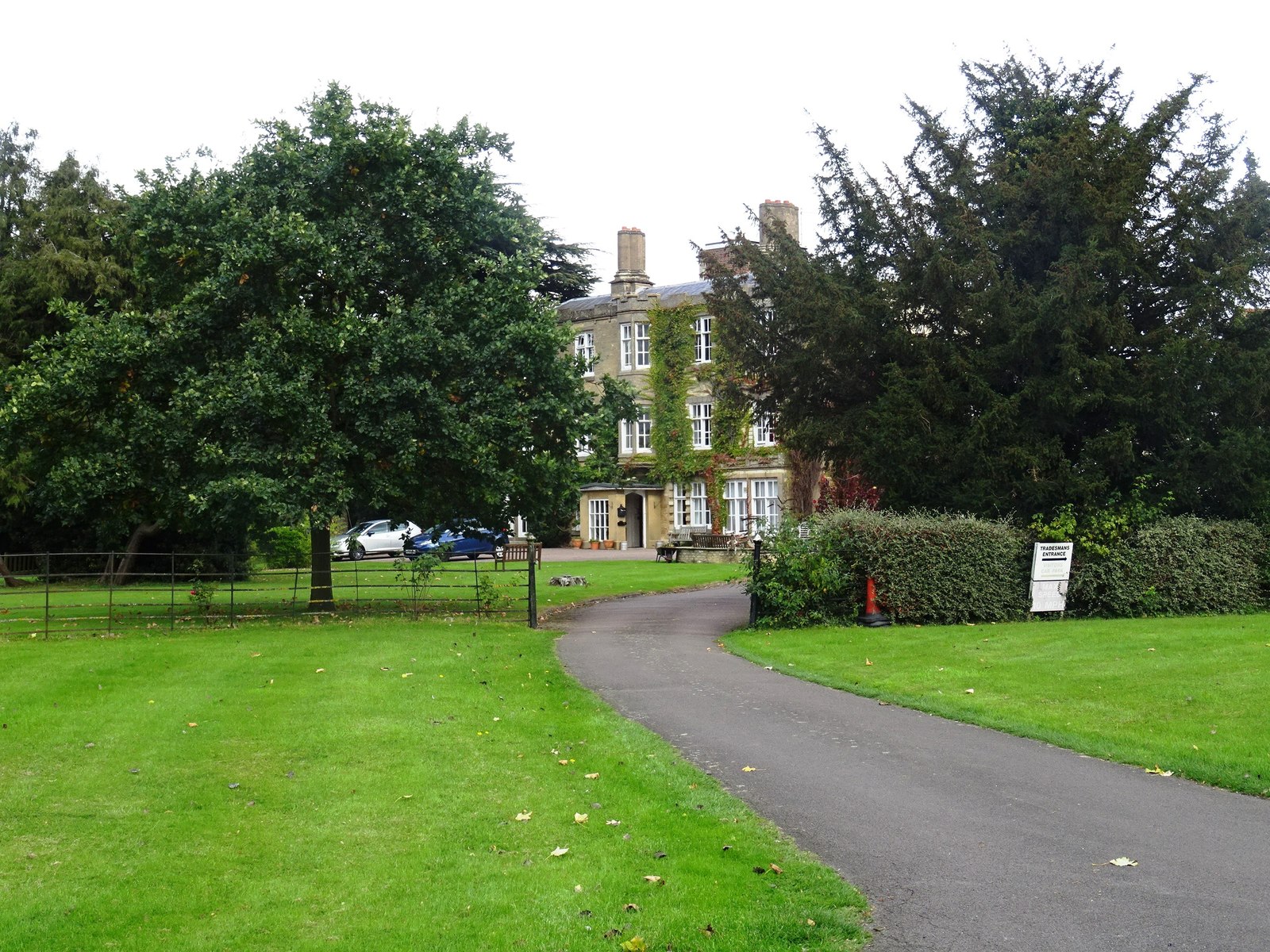
A house built to flatter a queen became so favoured by her successor that James I chose to die within its walls, and its Elizabethan splendour was…
Tomb or burial place · Prehistoric
Hertfordshire
One stretch of chalk grassland, still grazed as open common, carries Hertfordshire's largest known group of barrows: burial mounds of heaped earth,…
Fortified place · Medieval
Norfolk
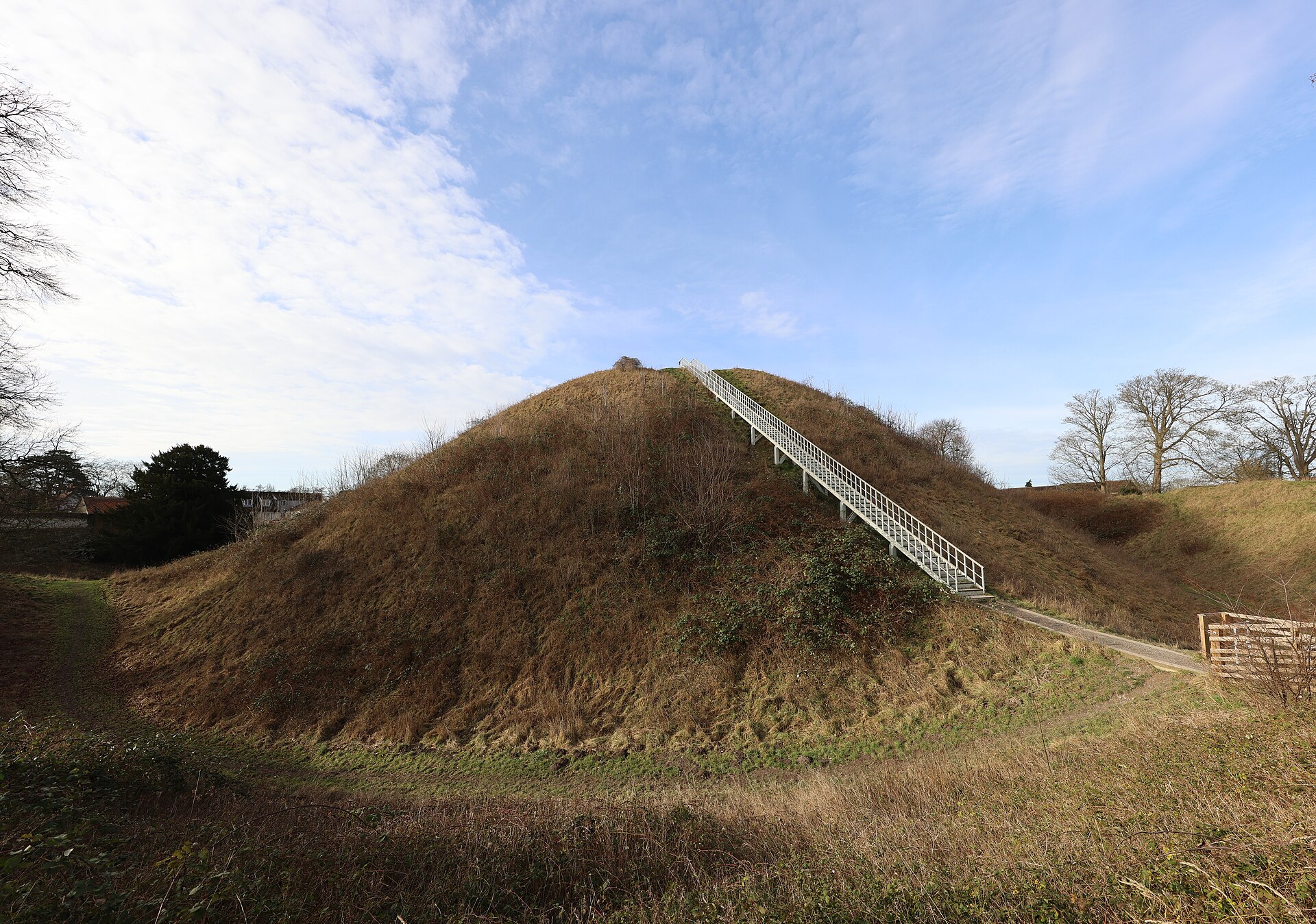
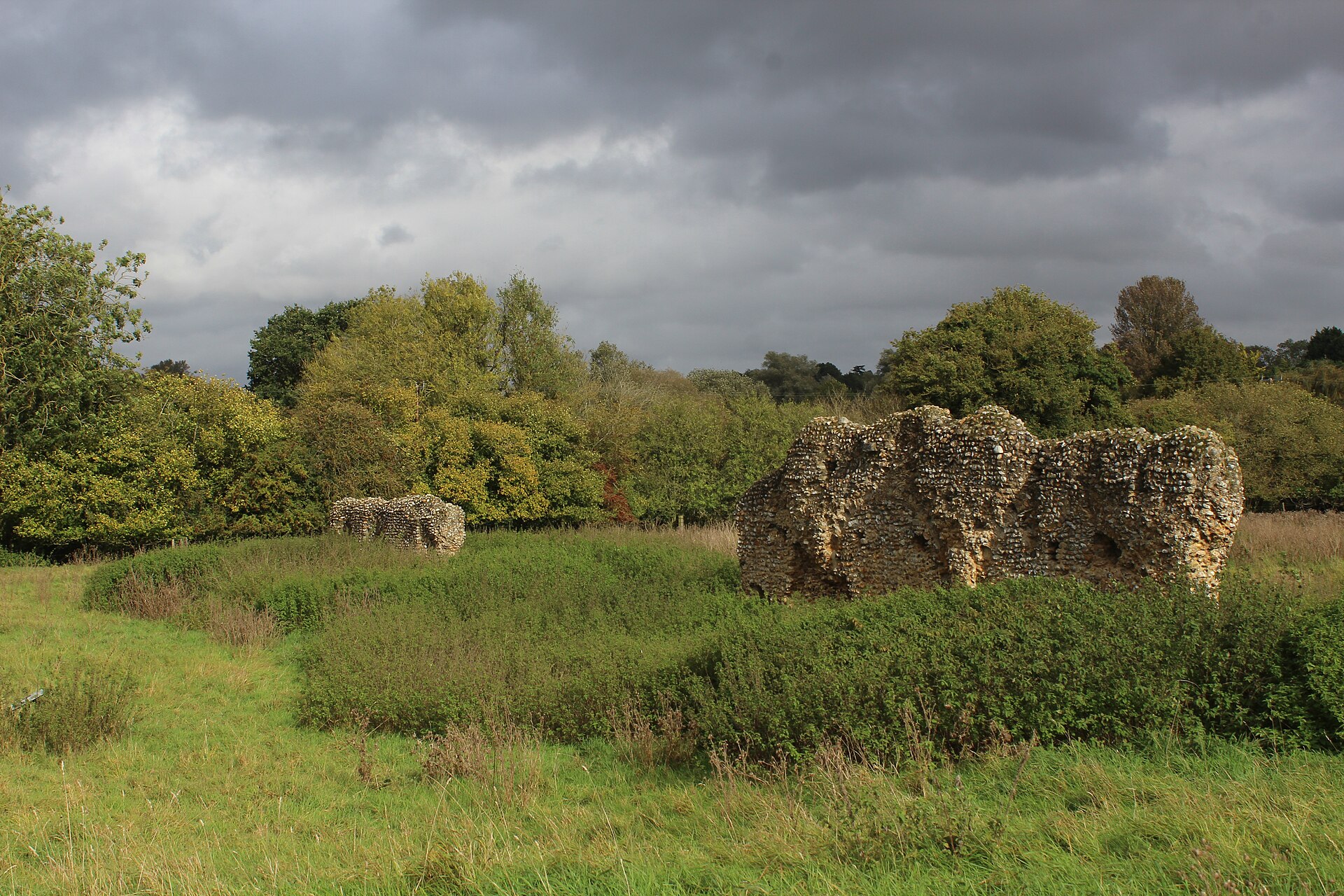
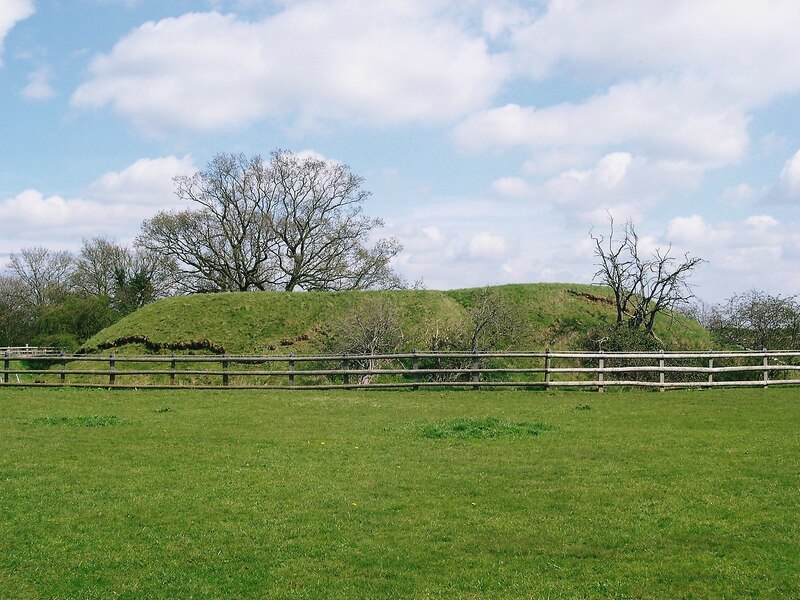
Thetford Castle’s motte (the earthen mound a castle was raised on) is England’s second-largest man-made mound, preserving the dramatic core of a Bi…
Sacred place · Medieval
Norfolk
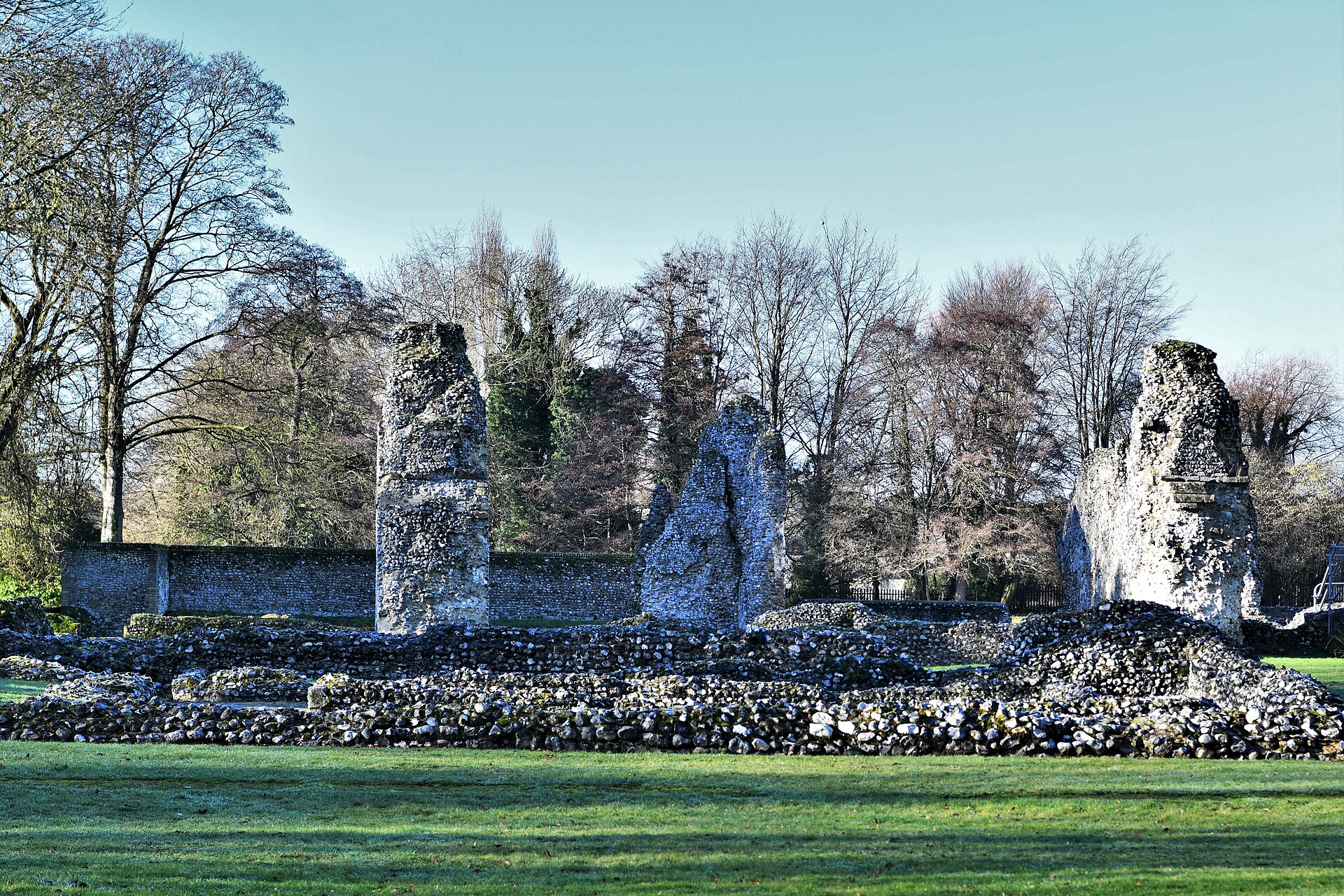
Thetford Priory was a leading Cluniac house of East Anglia, founded by Roger Bigod and later a pilgrimage centre and burial place for the Howards a…
Sacred place · Medieval
North Yorkshire
A medieval nunnery vanished twice over: demolished in 1850, then quietly reborn as a Carmelite monastery in 2009, on the same wooded estate south-e…
Tomb or burial place · Prehistoric
Dorset
Thickthorn Down’s paired long barrows show how Neolithic (the first farming period in Britain, roughly 4000–2500 BC) burial monuments were delibera…
Fortified place · Medieval
Northumberland
Thirlwall Castle survives as a Border tower strengthened with Hadrian’s Wall stone, its ruin linking Roman material to later medieval defence.
Fortified place · Medieval
North Yorkshire
Deliberately levelled by royal order in 1176, its stone is said to have gone straight into the parish church still standing in the town today.
Sacred place · Medieval
Essex
Thoby Priory traces an Augustinian community from a 12th-century foundation through Wolsey’s educational programme to a site reshaped by mansion bu…
Fortified place · Medieval
County Galway
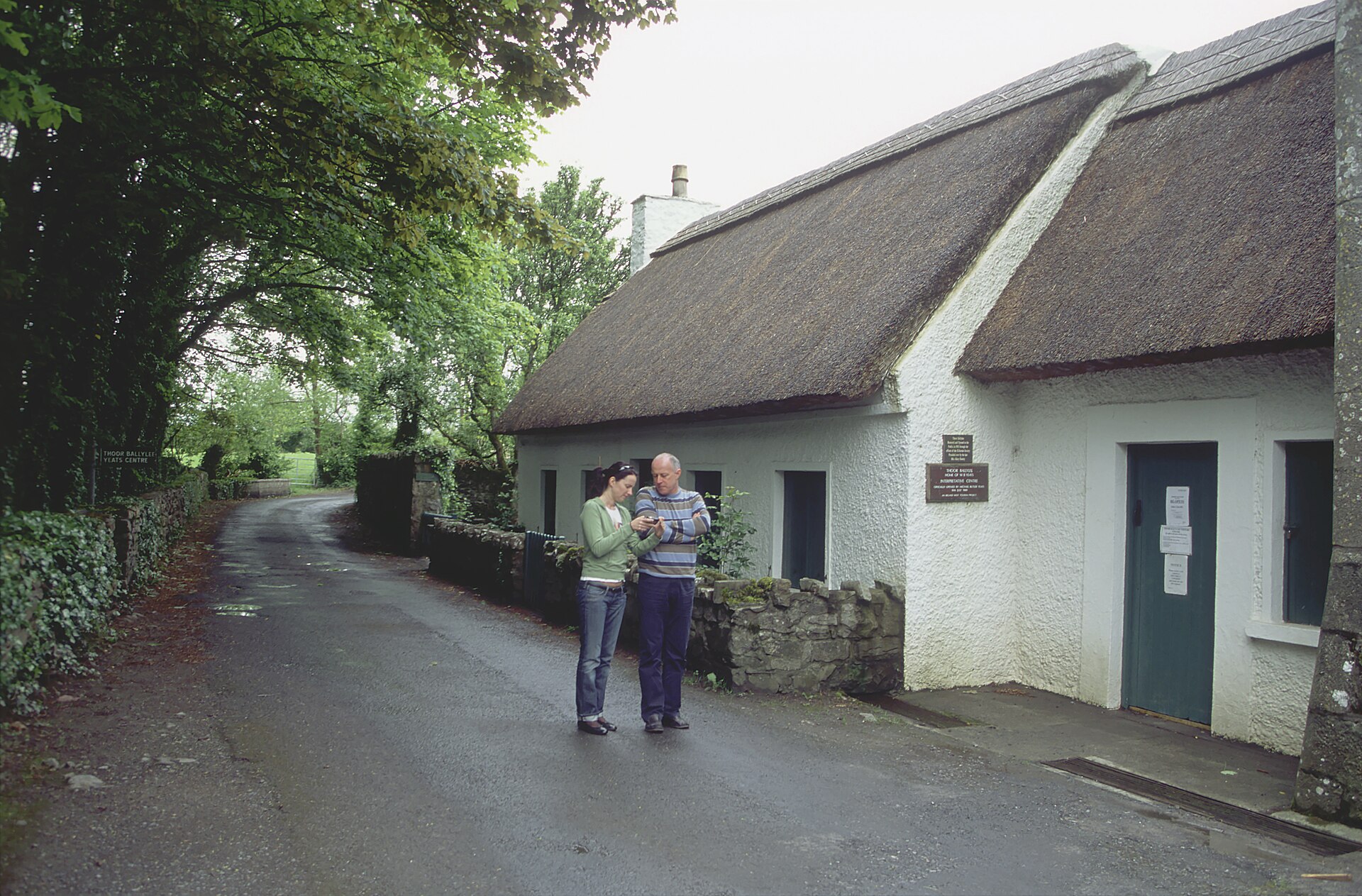
The tower where W. B. Yeats wrote some of his best-known poetry, once called by Seamus Heaney 'the most important public building in Ireland.'
Building or ruin · Roman
Staffordshire
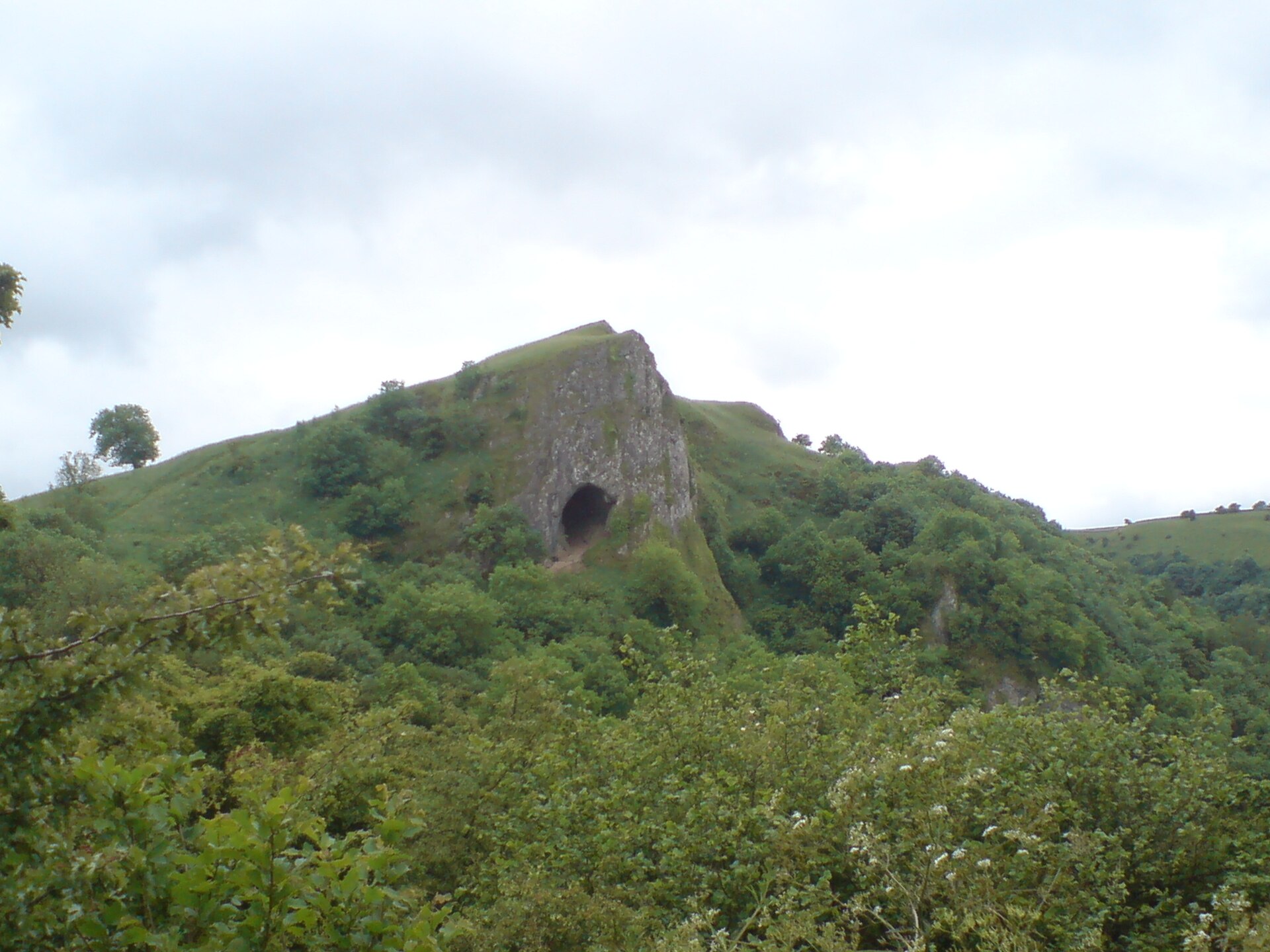
A ten-metre limestone arch that held burials from the end of the Palaeolithic: and had its own railway station from 1904 to 1934.
Crossing or structure · Medieval
Buckinghamshire
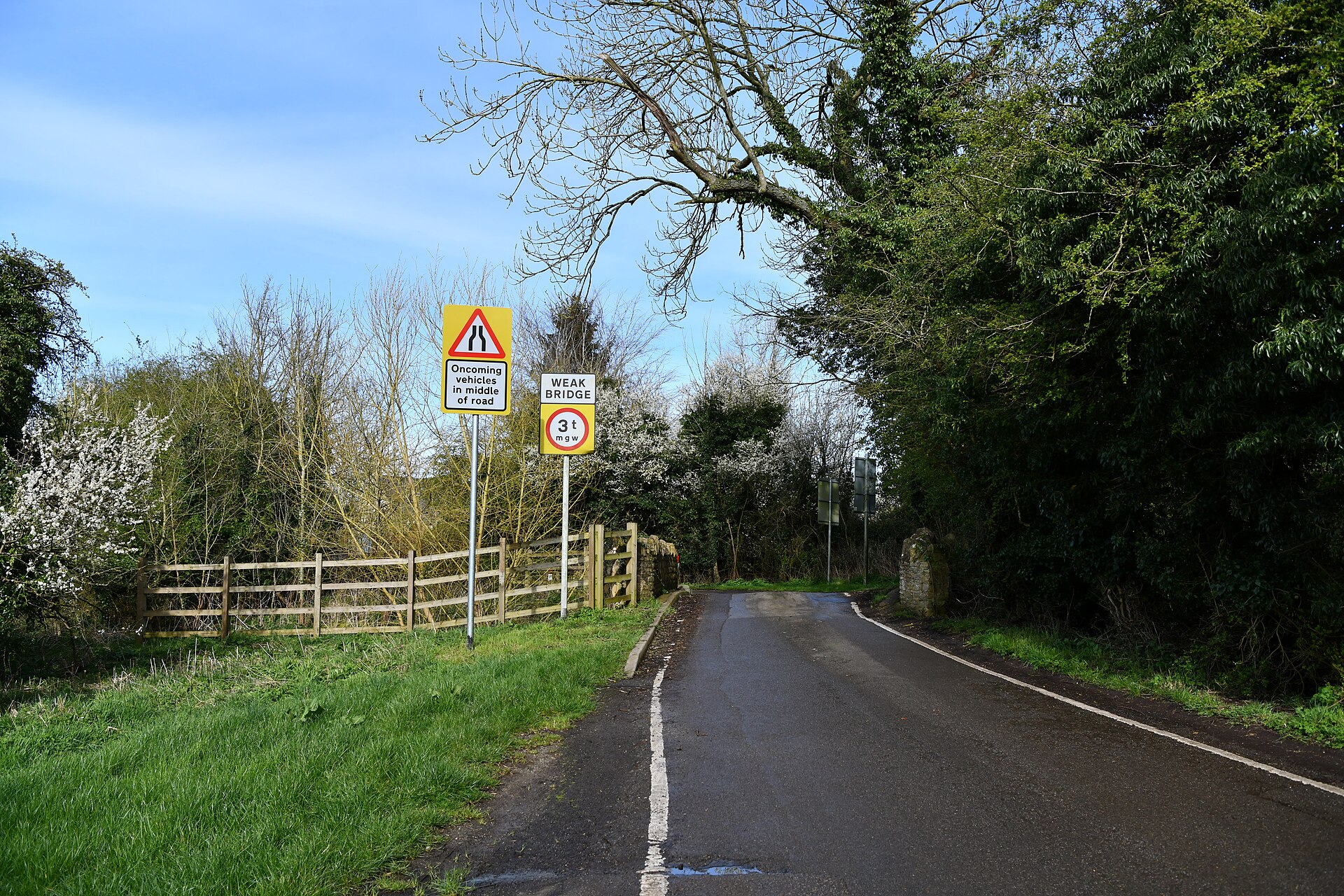
Thornborough’s six-arched stone bridge is Buckinghamshire’s only surviving medieval road bridge, retaining pedestrian refuges and the parish-bounda…
Sacred place · Prehistoric
North Yorkshire
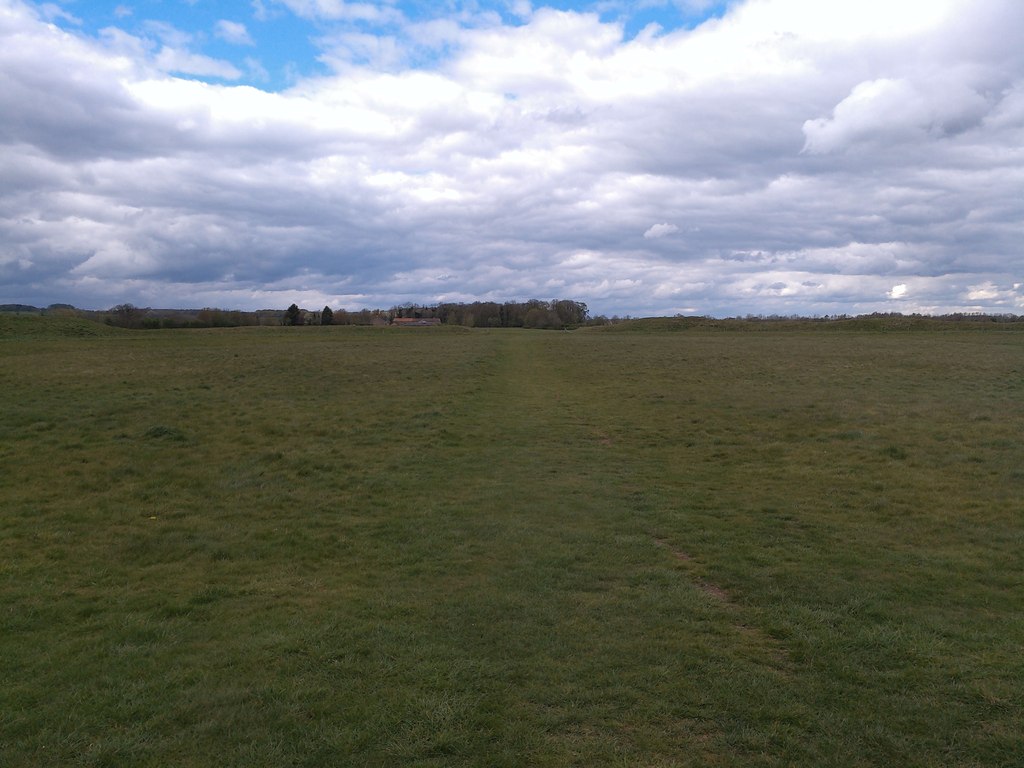
Three colossal bank-and-ditch circles laid out to echo Orion's Belt survived a decade of gravel-quarry battles before passing whole into public han…
Fortified place · Medieval
Gloucestershire
Built as a residence for the wealthiest noble in England, it was left unfinished when its owner was executed for plotting against the Tudor crown.
Sacred place · Medieval
Cambridgeshire
A Fenland abbey (a monastic house under the rule of an abbot) whose Anglo-Saxon community was thought so holy that at least a dozen saints came to…
Building or ruin · Medieval
West Yorkshire
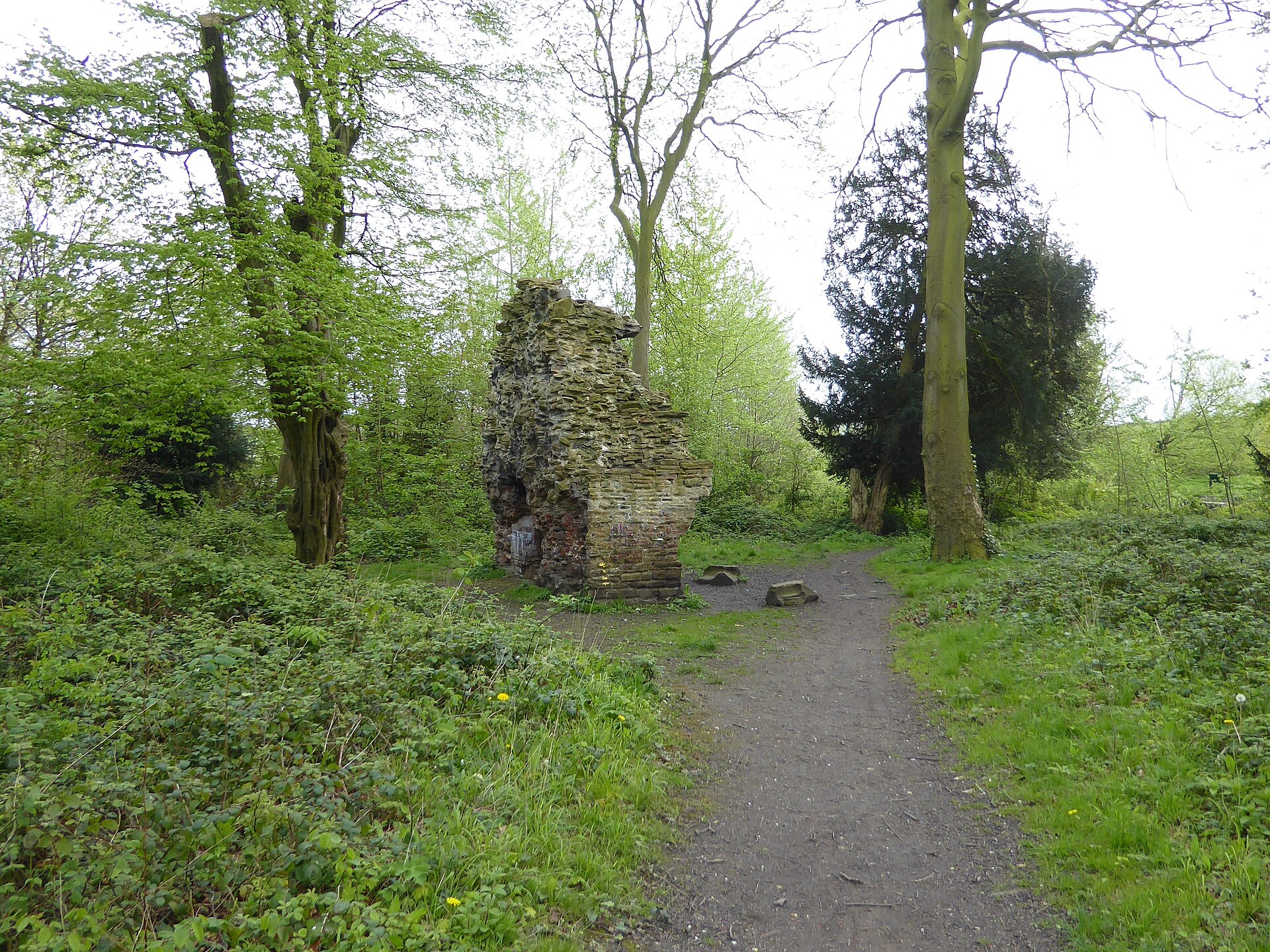
Excavation found two halls on this moated island: a thirteenth-century building and an H-plan stone one of about 1450.
Sacred place · Medieval
Lincolnshire
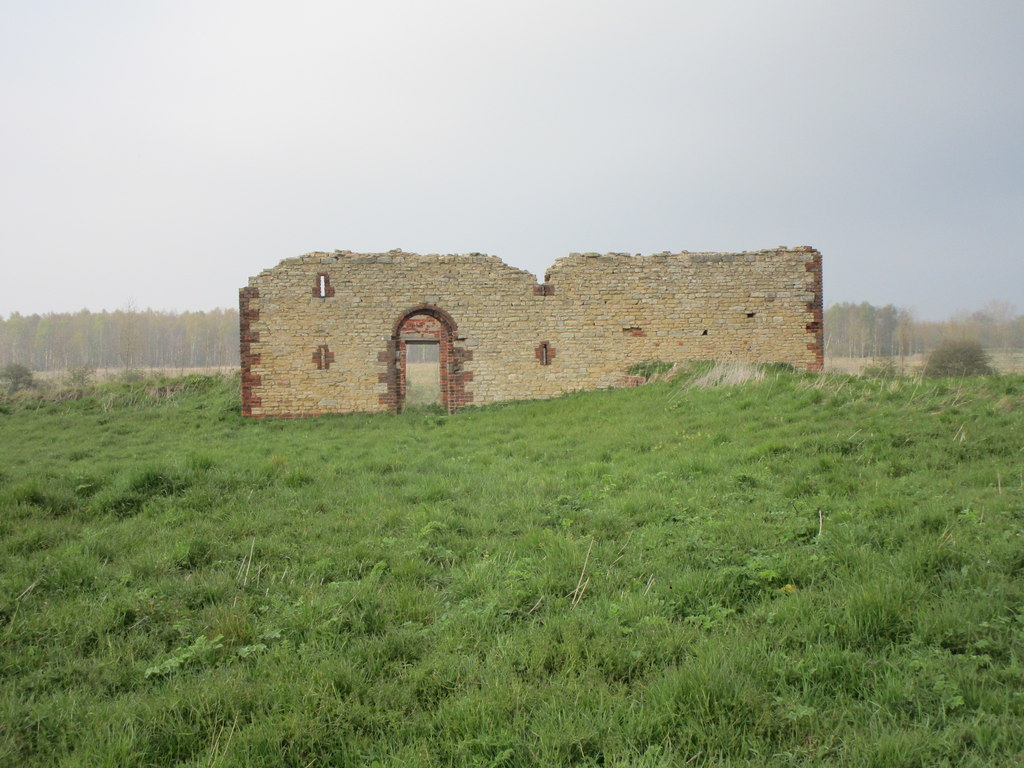
Thornholme Priory was a mid-twelfth-century Augustinian house in the Ancholme carrs, preserved today as a scheduled monument (legally protected as…
Sacred place · Medieval
Lincolnshire
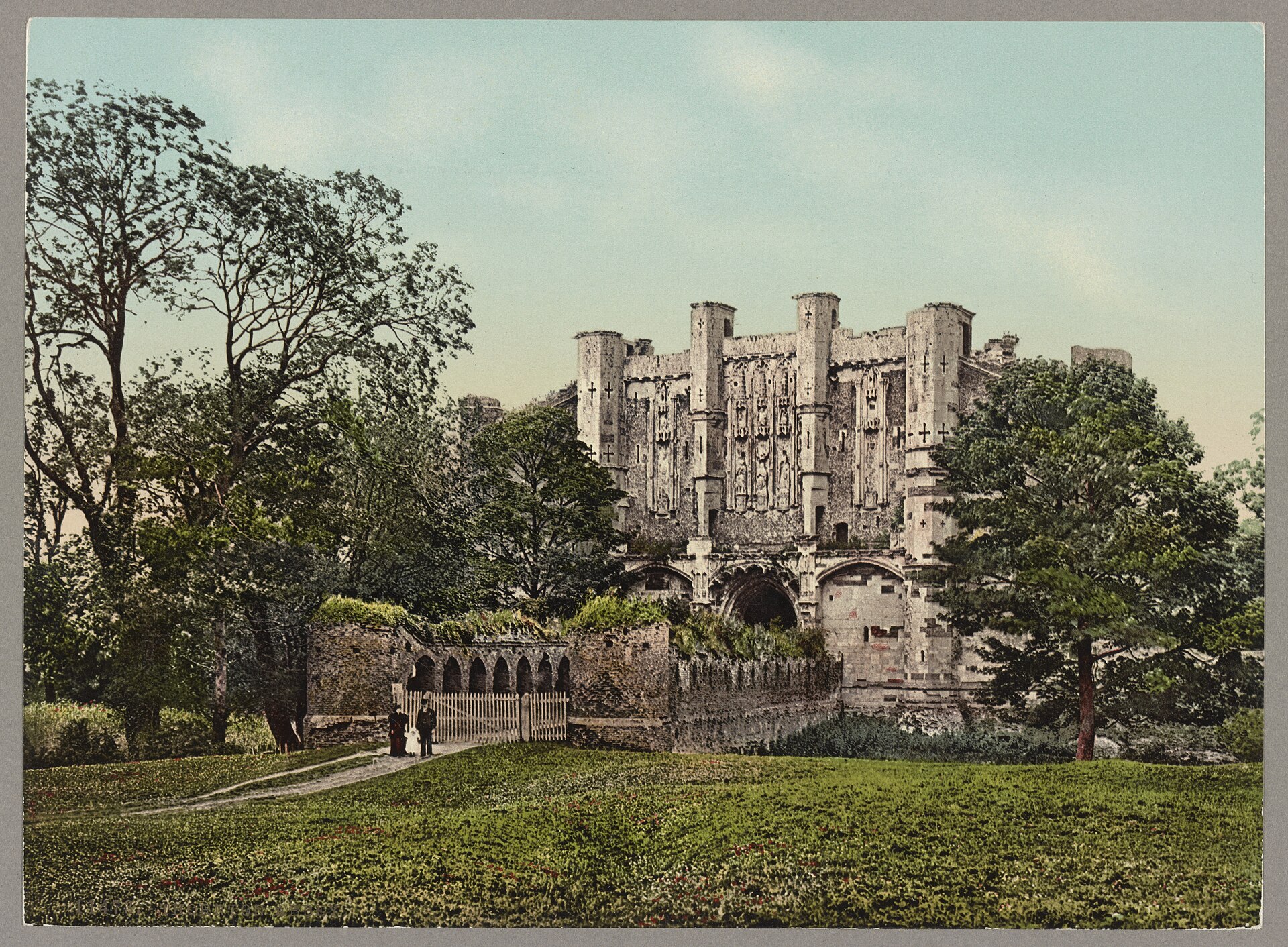
England's largest surviving monastic gatehouse, built in an early experiment with brick, guards a plague pit that made archaeological history.
Fortified place · Medieval
Northamptonshire
A bishop built this fortified manor with timber stolen from a neighbouring abbey's woods: then it was besieged in the Wars of the Roses and finally…
Fortified place · Medieval
Dumfries and Galloway
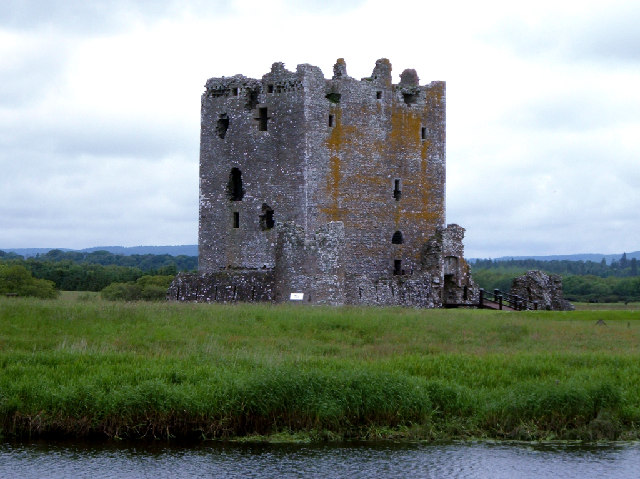
Threave Castle is a powerful record of Black Douglas lordship in Galloway, combining a 14th-century tower house with one of Britain’s earliest purp…
Tomb or burial place · Prehistoric
Cornwall
The Three Brothers of Grugith is a scheduled Neolithic (the first farming age, roughly 4000–2500 BC) dolmen overlooking Goonhilly Downs, preserving…
Carved stone · Iron Age
Cornwall
Three Holes Cross is a scheduled medieval wayside cross whose unusual pierced wheelhead gives its name to a long-standing road junction east of Wad…
Sacred place · Prehistoric
Northumberland
Threestoneburn’s sixteen granite stones, lost sightlines and outlying alignments preserve an unusually extensive ritual landscape from about 2500 t…
Building or ruin · Medieval
Staffordshire
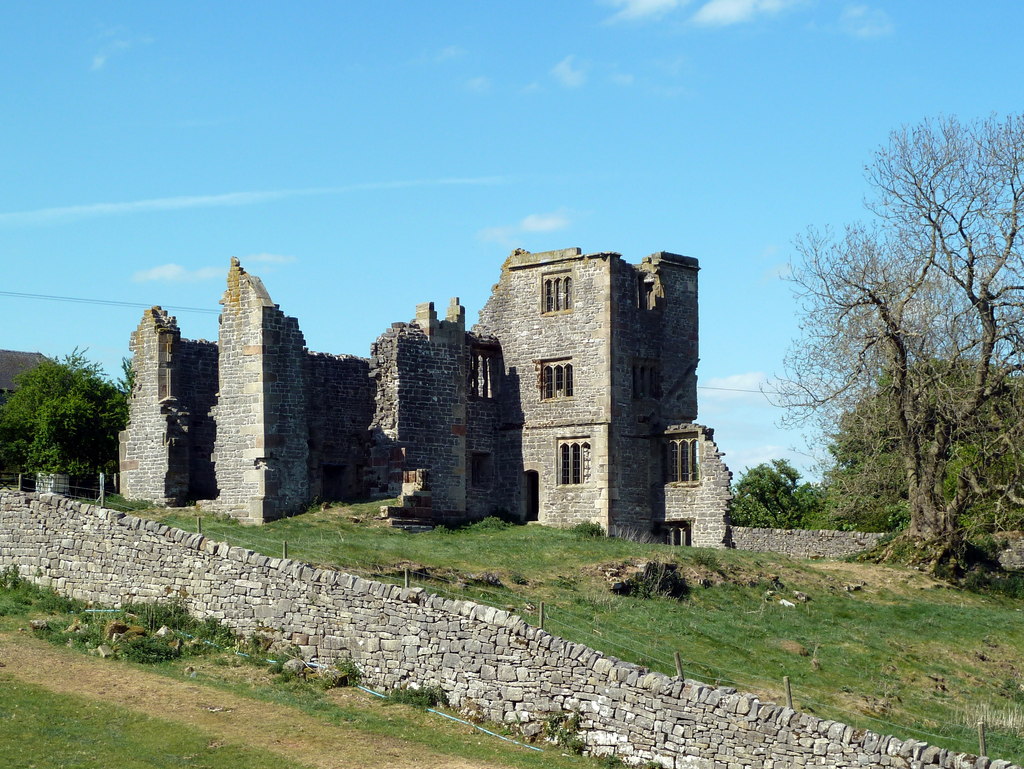
A ruined stately home near Calton and the River Manifold, listed Grade II*.
Tomb or burial place · Iron Age
West Sussex
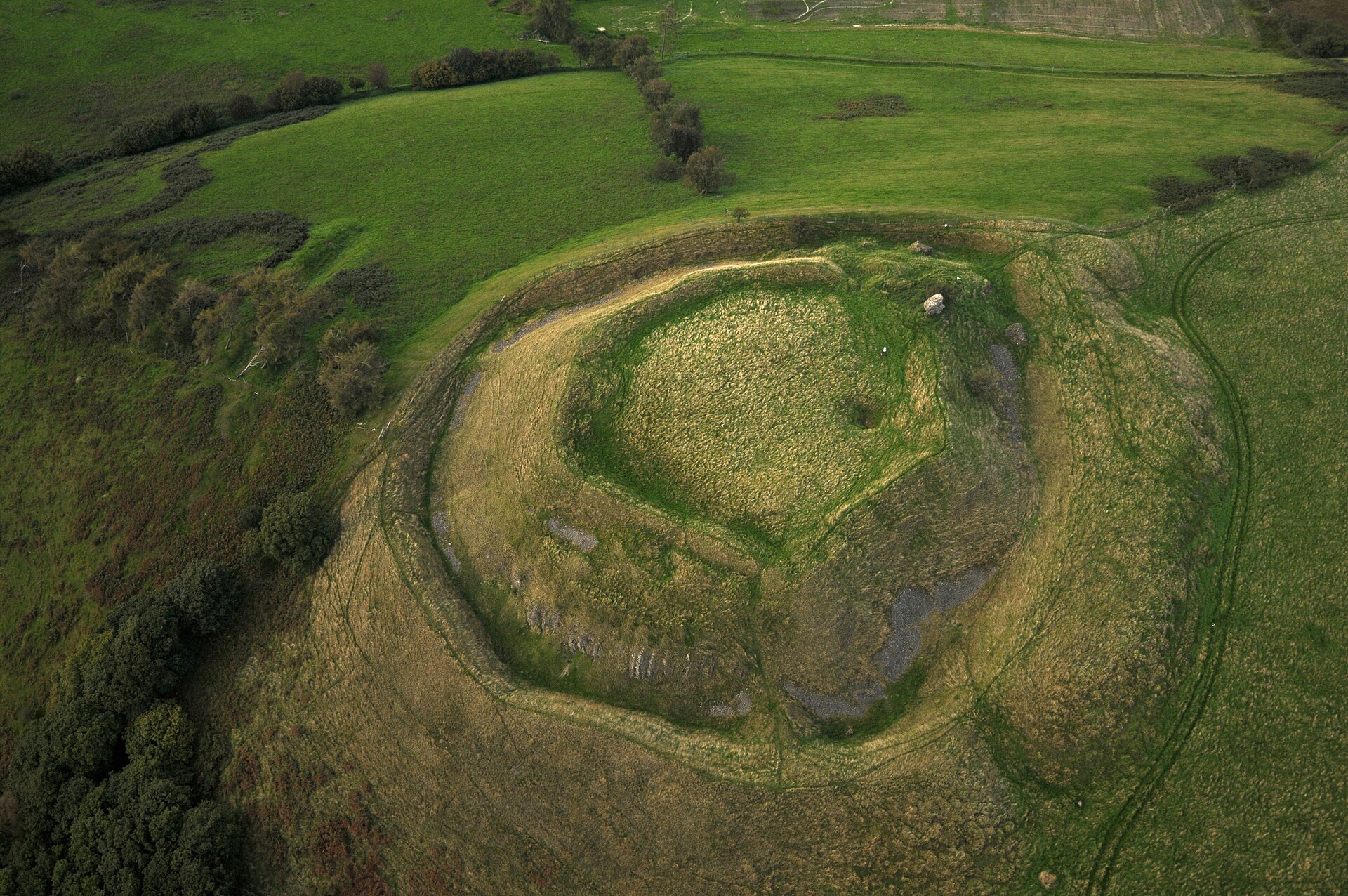
Three occupations on one chalk ridge, separated by more than a thousand years each way: a burial mound, a fort, and a farming village.
Fortified place · Medieval
Bedfordshire
An earthen motte with a rare two-tier summit and one of the largest, most irregular baileys of any English castle of its kind: yet almost nothing o…
Fortified place · Medieval
Kent
Thurnham Castle, or Godard’s Castle, preserves the flint bailey (the walled yard below the castle mound) wall of a small 12th-century North Downs f…
Fortified place · Medieval
Dumfries and Galloway
Tibbers Castle preserves a rare Scottish example of a timber earthwork (banks and ditches raised from the earth rather than quarried stone) castle…
Sacred place · Medieval
Buckinghamshire
Not a ruin but a lived-in house: a listed obelisk and riverside gazebo in its grounds mark a Cluniac priory, a monastery headed by a prior rather t…
Fortified place · Medieval
South Yorkshire
A private house behind a fortified Norman gatehouse conceals one of King John's two chief strongholds against a feared French invasion.
Fortified place · Iron Age
Hampshire
Beneath ploughed-out defensive banks, two Roman buildings were raised inside this fort centuries after the Britons who first enclosed the hill were…
Building or ruin · Medieval
Derbyshire
Its lead-poisoned soil, hostile to almost all ordinary plant life, instead hosts a rare community of metal-tolerant plants and lichens found in few…
Fortified place · Medieval
Essex
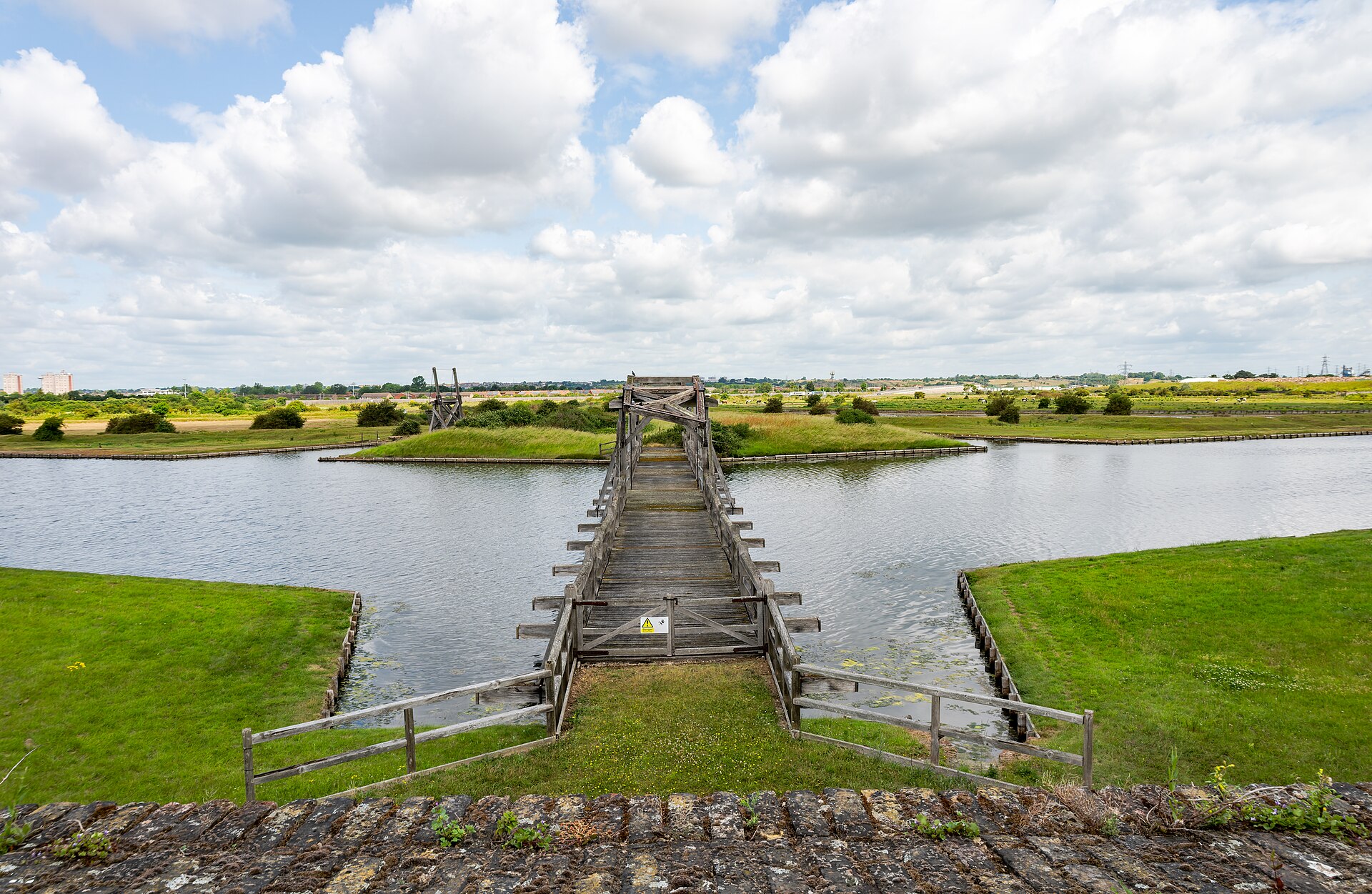
Tilbury Fort is the Thames defence where Tudor invasion fears became a major 17th-century star fort, later a magazine and military logistics base f…
Sacred place · Medieval
Essex
Tilty Abbey preserves a Cistercian church that survived the 1536 Dissolution (Henry VIII's closure of the monasteries in the 1530s) by becoming a p…
Sacred place · Medieval
County Cork
A friary: a house of friars, who worked among townspeople rather than withdrawing from them: burnt in 1642 with a thousand barrels of Spanish wine…
Fortified place · Prehistoric
Powys
A Mortimer castle built inside an Iron Age hillfort, which served as its outer bailey: and abandoned because peace made it pointless.
Settlement · Roman
Cumbria
Its close resemblance to the Isle of Man's Tynwald Mount is the strongest evidence that Viking settlers raised this terraced mound as their own ope…
Tomb or burial place · Prehistoric
the-vale-of-glamorgan
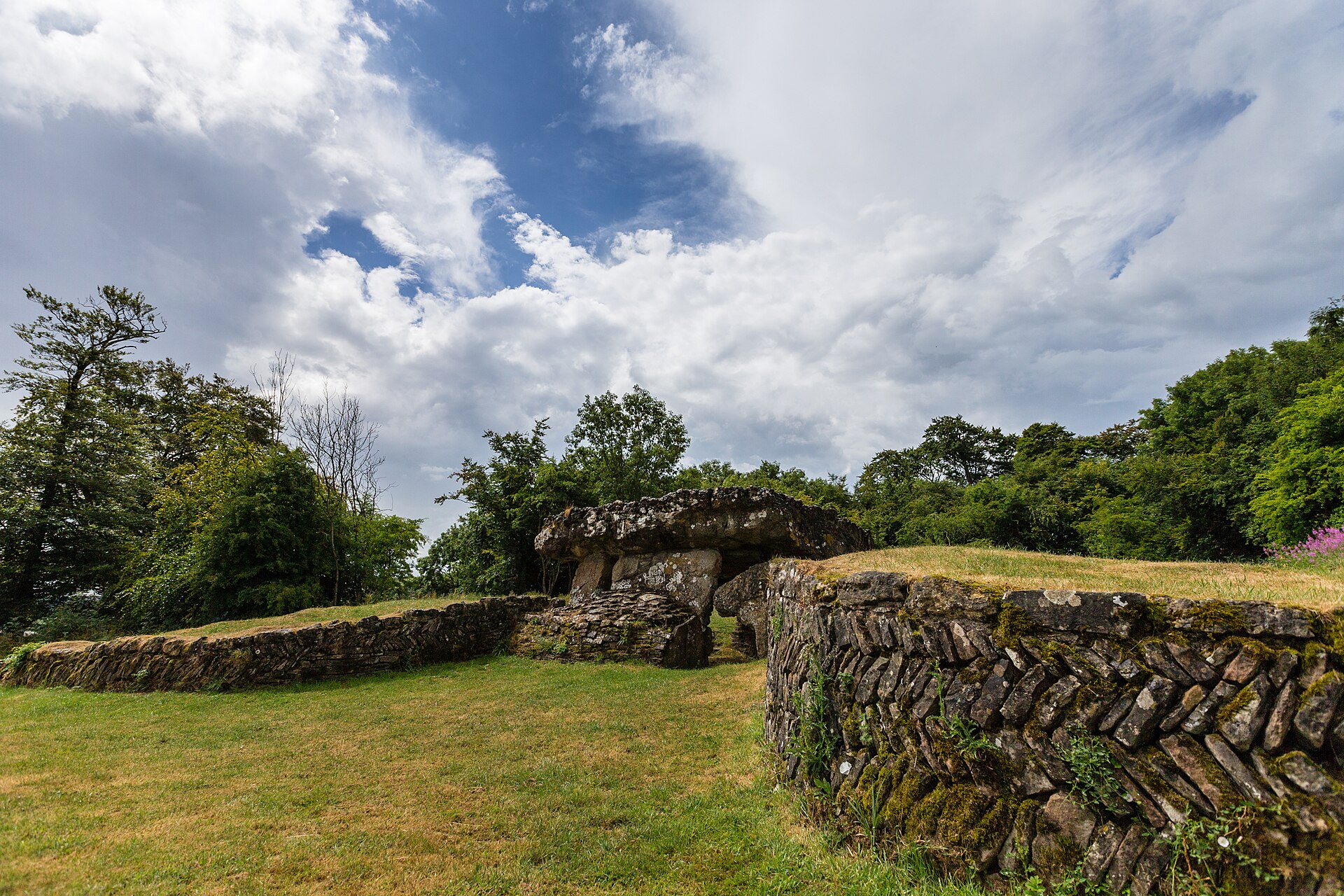
Nine hundred and twenty human bones, nearly all broken, were found inside: at least forty people of every age, buried under what may be the largest…
Fortified place · Medieval
County Laois
Its four-storey limestone walls hide a double puzzle: a construction date disputed across two centuries, and a carved figure removed and lost witho…
Fortified place · Medieval
Cornwall
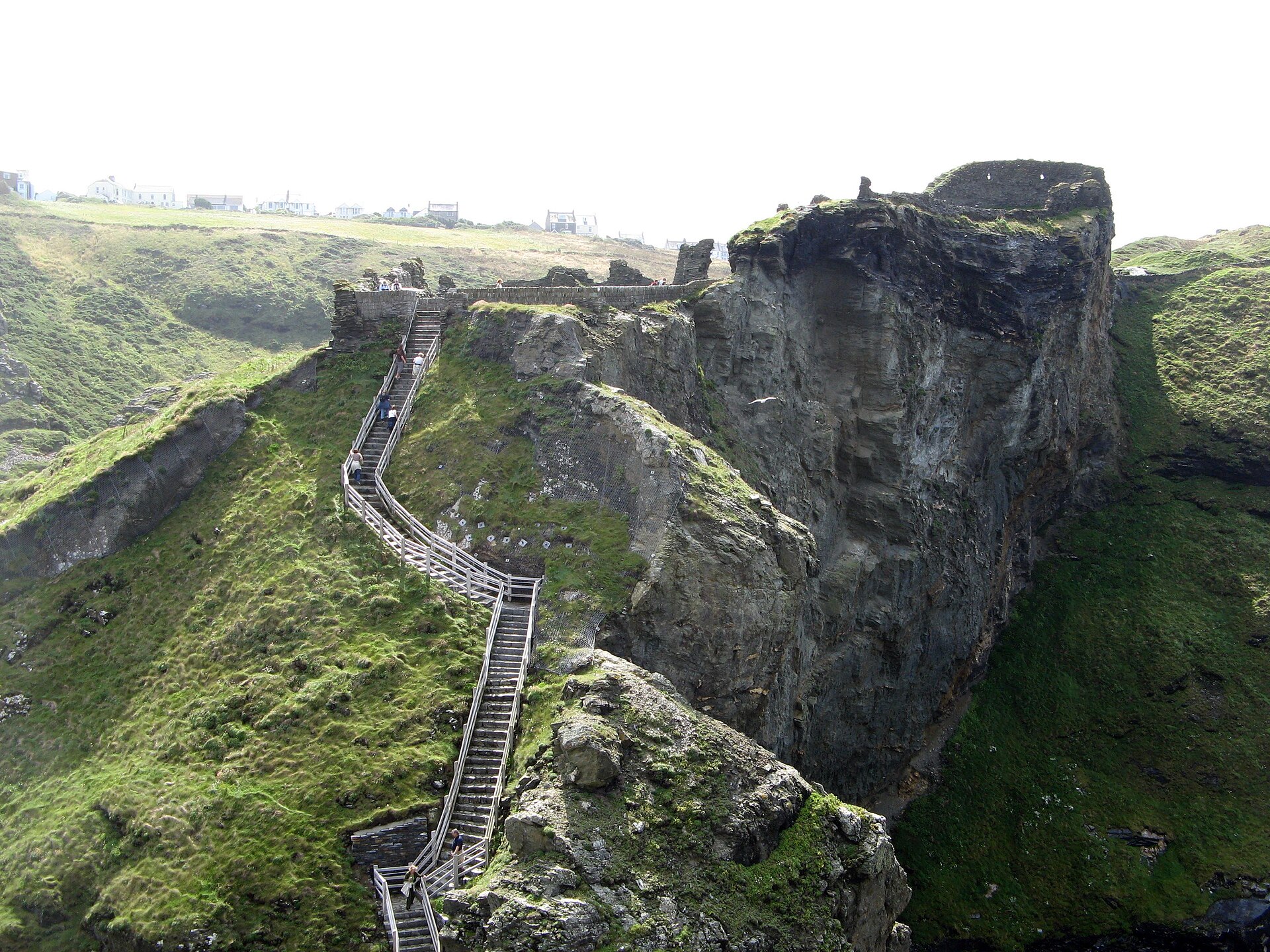
Tintagel Castle unites a fifth- and sixth-century elite settlement with a thirteenth-century Cornish castle and one of Britain’s most influential A…
Sacred place · Medieval
Monmouthshire
Tintern Abbey was Wales’s first Cistercian foundation and remains one of its defining medieval ruins, where 400 years of monastic life meet the Wye…
Sacred place · Medieval
County Wexford
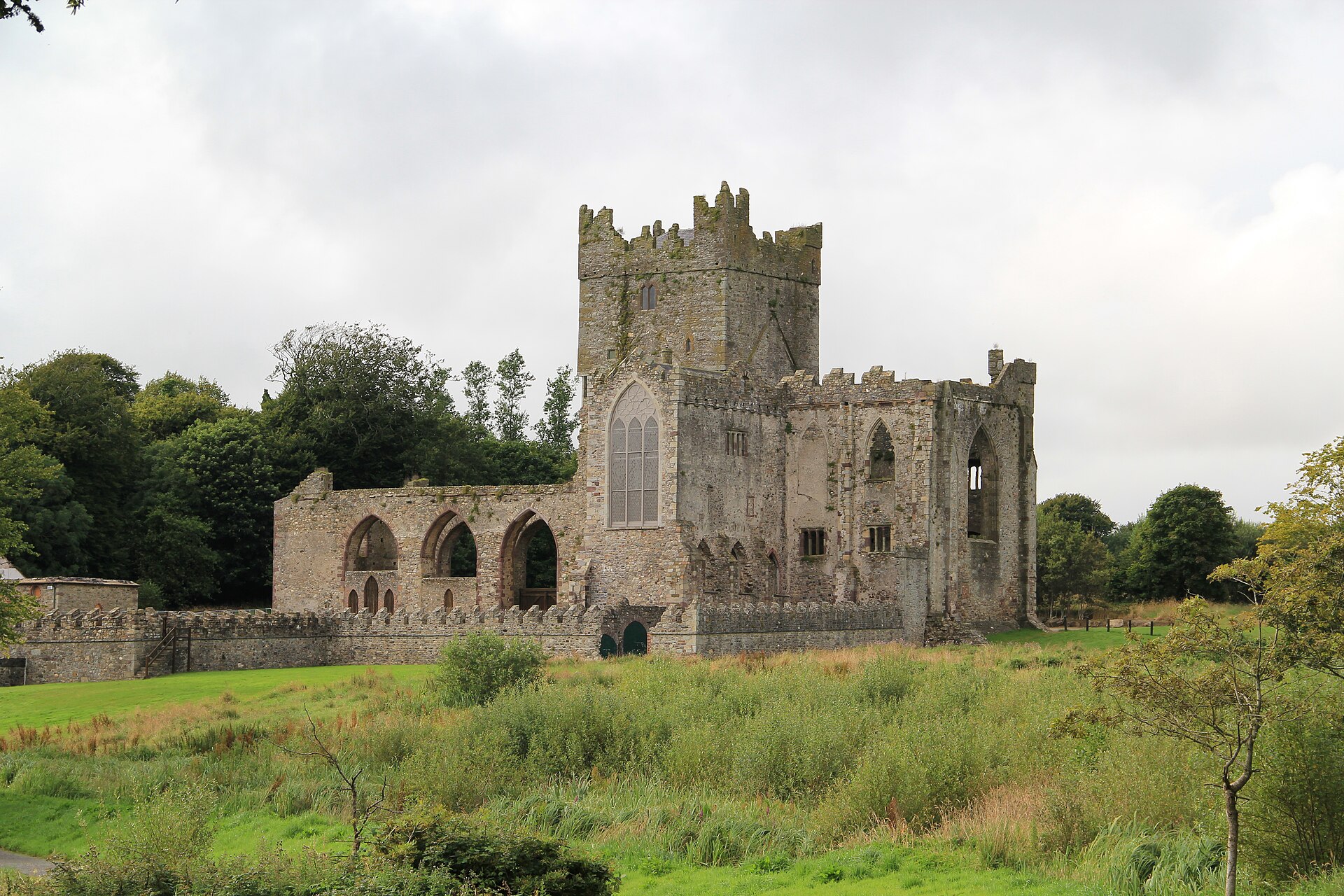
A monastery founded from fear at sea rather than piety alone: its name, 'Tintern de Voto', still records the vow that built it.
Sacred place · Medieval
Essex
Tiptree Priory links a modest Augustinian foundation to Wolsey’s short-lived educational endowments and to the red-brick Elizabethan house that rep…
Fortified place · Iron Age
Argyll and Bute
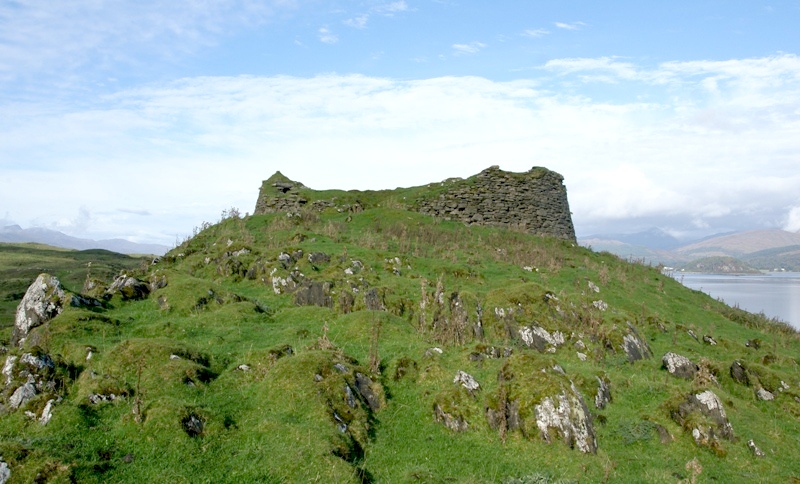
A drystone broch: a round, hollow-walled tower distinctive to Scotland's Iron Age, the centuries before Rome arrived: survives to a maximum height…
Sacred place · Medieval
Hampshire
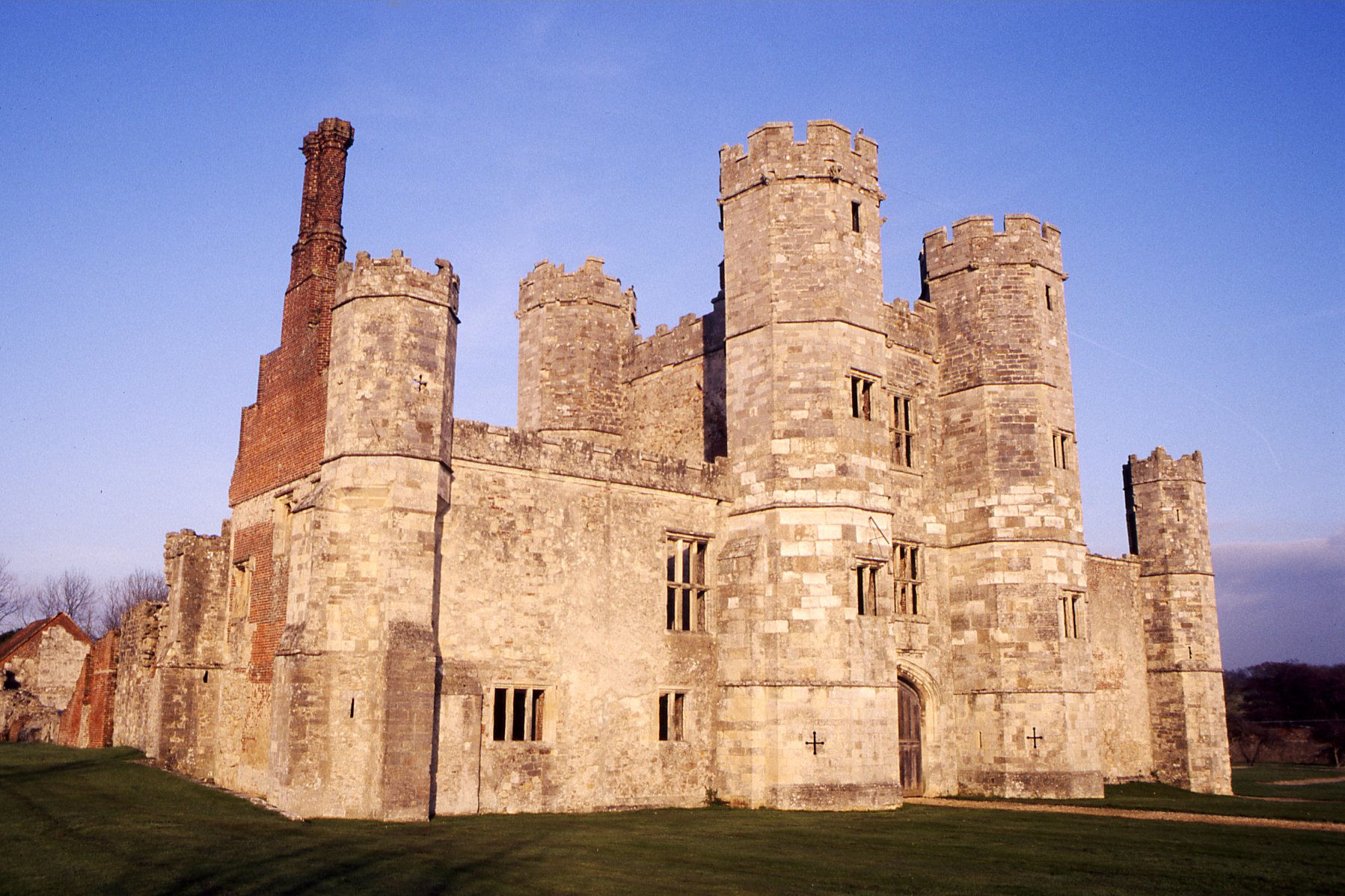
A minor monastery whose canons built one of medieval England's largest libraries, then became the private house where a royal marriage and a Shakes…
Building or ruin · Medieval
Kent
This is medieval agricultural infrastructure at civic scale: a palace storehouse that became stables and then Britain’s first carriage museum.
Fortified place · Medieval
Devon
Tiverton Castle preserves a Norman and Courtenay stronghold whose dramatic 1645 capture ended its military role and led to its transformation into…
Fortified place · Medieval
Bedfordshire
A grass-covered mound in a Bedfordshire village still carries the folk memory of an 'old woman' frying pancakes underground, layered over the real…
Ancient place · Prehistoric
Orkney Islands
Tofts Ness is a Sanday peninsula with ancient mounds, cairns, enclosures and structural remains, alongside evidence of later shipwrecks.
Fortified place · Medieval
Aberdeenshire
Built for show rather than defence, its gatehouse still carries the founder-laird's own inscription naming the exact day in 1589 he finished the work.
Sacred place · Prehistoric
Cornwall
Cornwall's largest holed stone, a Neolithic (the late Stone Age, roughly 4000–2500 BC in Britain) monument altered by nineteenth-century removal bu…
Tomb or burial place · Prehistoric
Orkney Islands
Tomb of the Eagles is a late Stone Age burial chamber on South Ronaldsay, where human remains and eagle bones reveal changing funerary practices.
Building or ruin · Roman
Gwynedd
A Roman fort remote enough to have kept its own small amphitheatre and inn intact: features usually ploughed away at less isolated garrisons across…
Fortified place · Medieval
Denbighshire
A princely stronghold thrown up in a single year of conquest and burned within a decade: its earthworks still mark the moment Owain Gwynedd tore th…
Fortified place · Medieval
Powys
A timber castle burnt in 1257, whose destruction shows up as daub and a scorched layer in a 1978 excavation.
Sacred place · Prehistoric
Aberdeenshire
Excavation here overturned a long-held theory: the cairn (a mound of piled stones, often covering a burial) was built before the circle, not after,…
Fortified place · Medieval
Kent
Tonbridge makes Norman conquest tangible through a siege-scarred Medway stronghold whose 1260 gatehouse still dominates grounds opened as a public…
Fortified place · Medieval
Shropshire
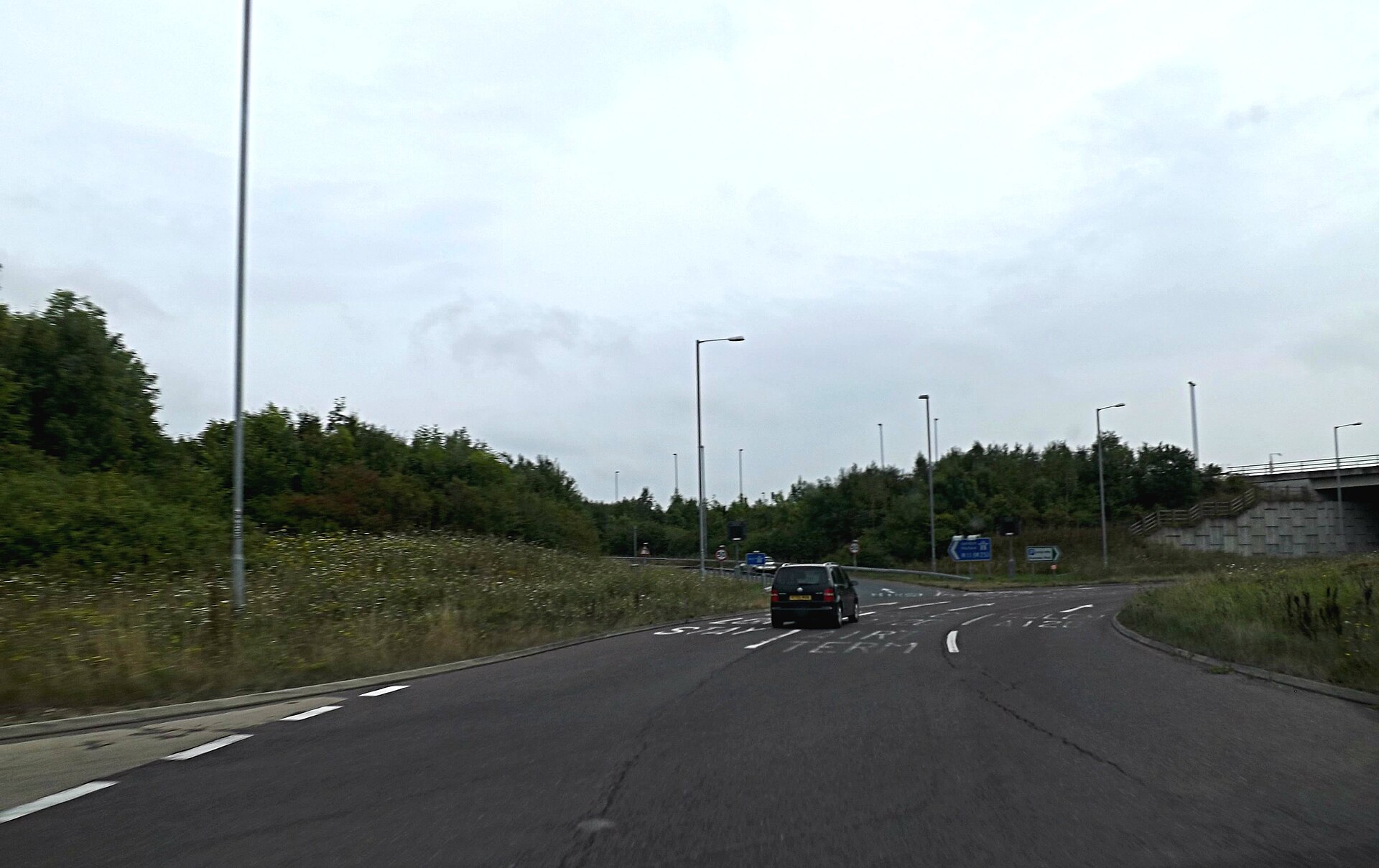
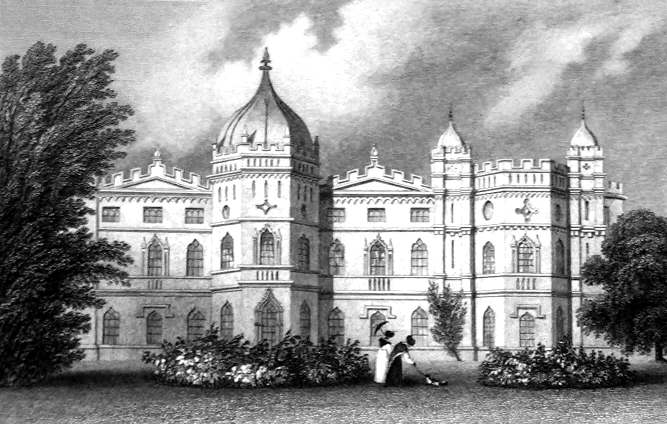
Capability Brown's first commission in Shropshire. The house was demolished in 1954 and the M54 now runs over the site.
Building or ruin · Medieval
Dumfries and Galloway
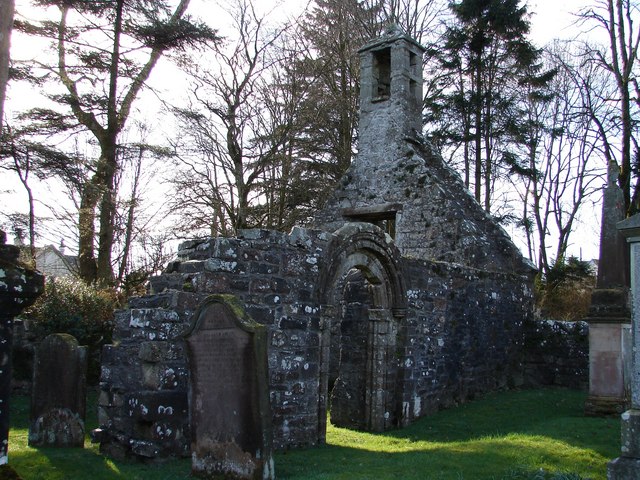
Tongland Abbey records a little-documented Premonstratensian community in Galloway, where uncertain foundation evidence, a troubled late-medieval d…
Fortified place · Iron Age
Hampshire
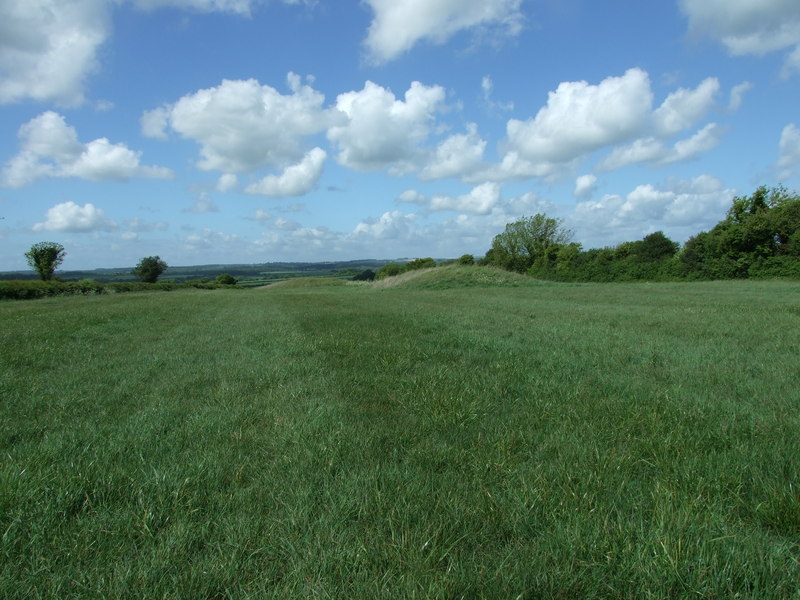
A single defensive bank and ditch still ring the spur's tip, and a stand of planted redwoods now makes the old lookout visible for miles around.
Fortified place · Medieval
North Yorkshire
A Norman motte (the earthen mound a castle was raised on) and bailey (the walled yard below the castle mound) at a river confluence that saw a king…
Fortified place · Iron Age
West Sussex
A hilltop enclosure raised in the centuries before Rome arrived, spelled variously Tarberry and Torbery.
Sacred place · Prehistoric
Dumfries and Galloway
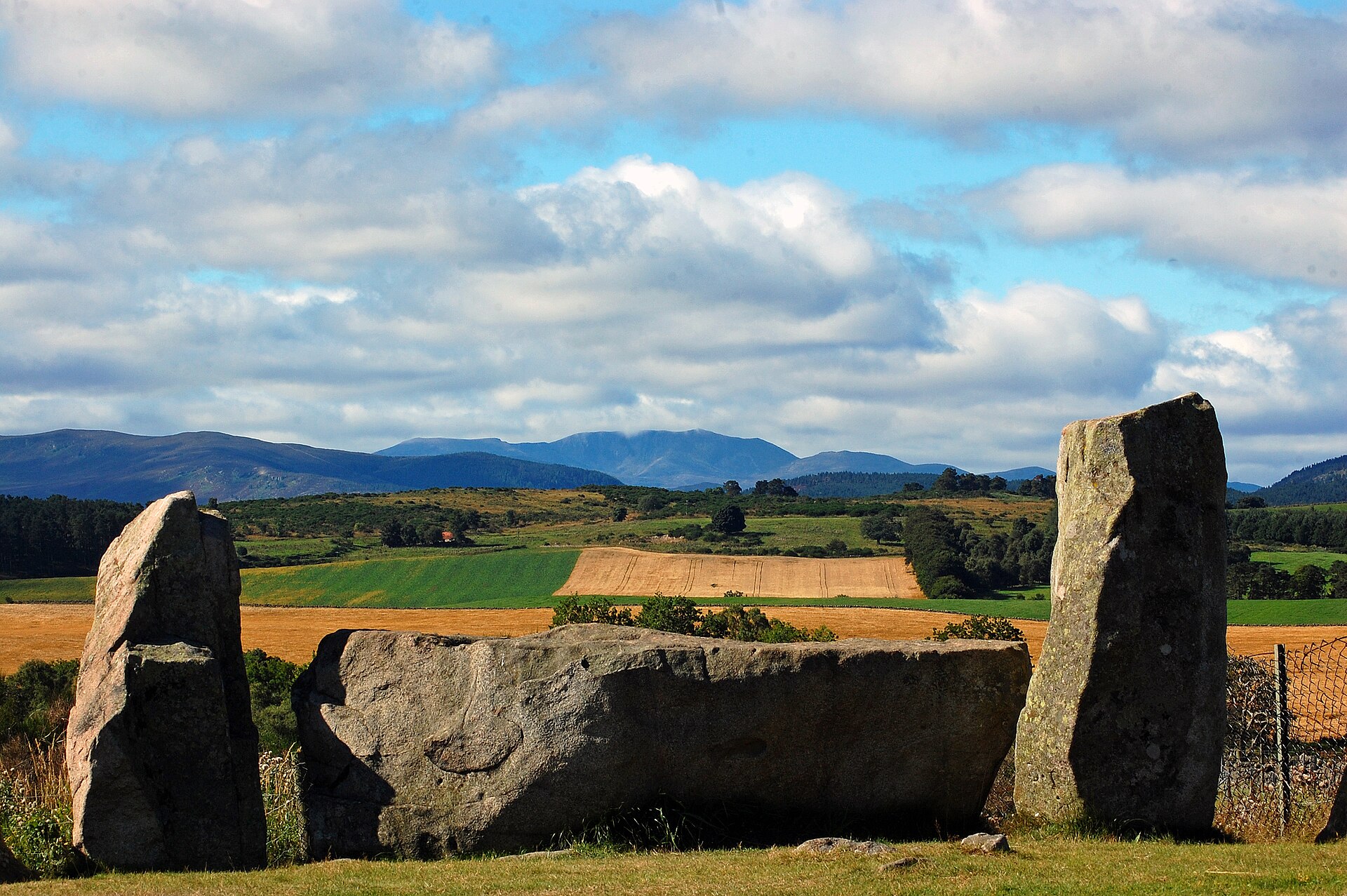
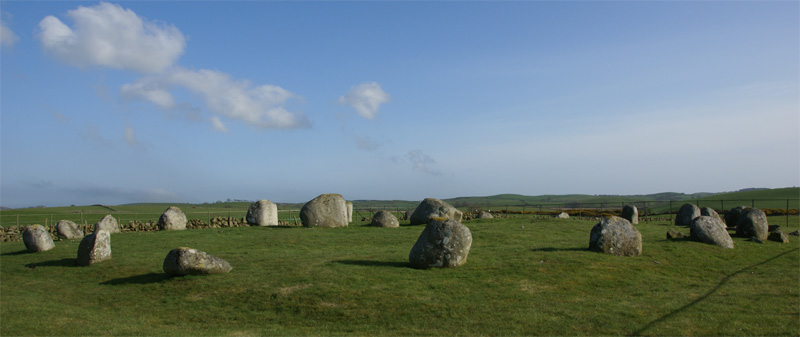
Nineteen granite boulders sit on a slightly raised platform on the land of Torhouse, three miles west of Wigtown. They form a circle roughly 22 met…
Building or ruin · Medieval
Lincolnshire
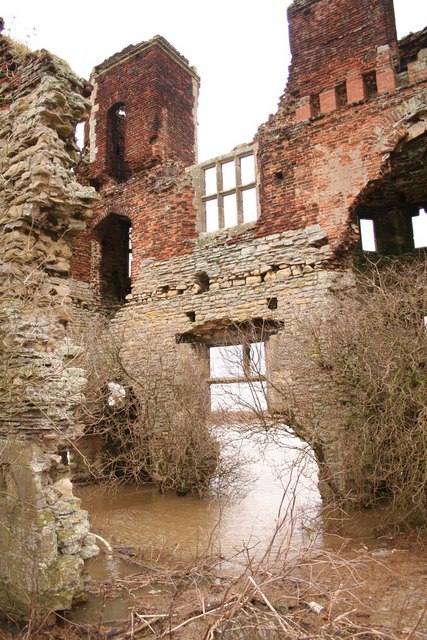
Its brick upper storey was one of the earliest uses of that lavish material in English secular building: yet Royalist soldiers, not enemies of the…
Fortified place · Iron Age
North Ayrshire
Torr a’Chaisteal preserves the low, turf-covered defences of an Iron Age (from about 800 BC until the Romans came) dun and its link to Arran’s wide…
Sacred place · Medieval
Devon
Torre Abbey is Devon and Cornwall’s best-preserved medieval monastery, combining a Premonstratensian foundation, surviving Grade I fabric and a maj…
Tomb or burial place · Prehistoric
North Ayrshire
Torrylin Cairn preserves a Neolithic (the late Stone Age, about 4000–2500 BC in Britain) Clyde cairn whose chamber, burials and later damage reveal…
Fortified place · Iron Age
Scottish Borders
Roman pottery, glass and a coin found packed inside its walls turn this collapsed tower into rare physical evidence of contact: hostile or looted:…
Fortified place · Medieval
Devon
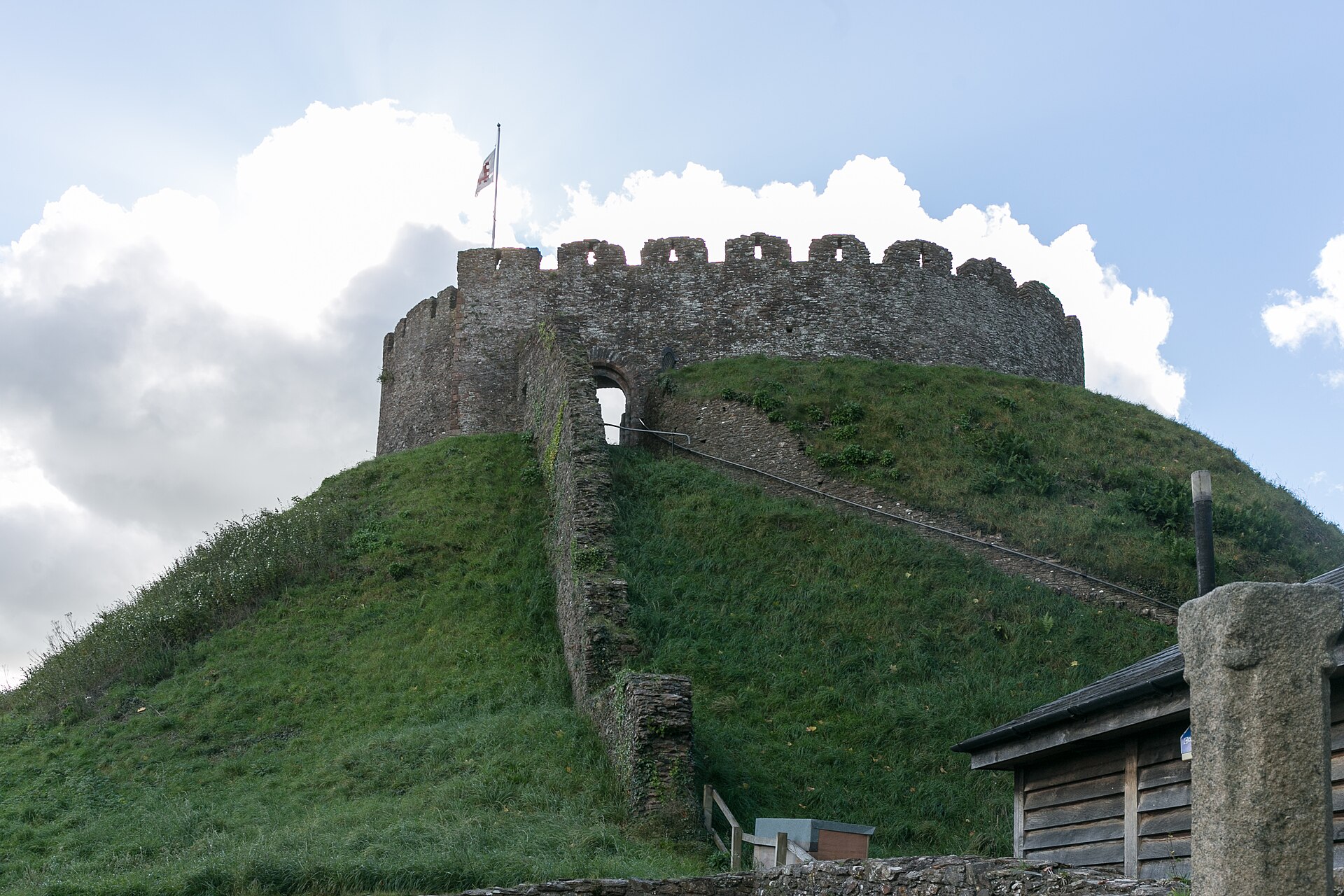
Totnes Castle is one of England’s best-preserved Norman motte-and-bailey (an early Norman form, a timber tower raised on a mound with a walled cour…
Sacred place · Medieval
Devon
Totnes Priory was a Norman foundation of the feudal baron of Totnes, documented by a surviving c.1087 charter and connected to the town’s early med…
Sacred place · Medieval
Devon
Totnes Trinitarian Priory preserves the limited but tangible remains of a medieval Trinitarian house in the town, with chapel ruins surviving after…
Carved stone · Medieval
Greater London
Tottenham High Cross marks the historic centre of Tottenham village on the line of Ermine Street, replacing a medieval wayside cross and preserving…
Fortified place · Medieval
Bedfordshire
A rare double-bailey layout cut into a chalk hillside: an unusual arrangement for an English motte-and-bailey castle, an early Norman stronghold wi…
Fortified place · Medieval
Bedfordshire
A single hillside reserve holds a Norman castle's earthworks, chalk grassland rich in rare orchids, and the quarry that once supplied stone for Wes…
Fortified place · Medieval
Greater London
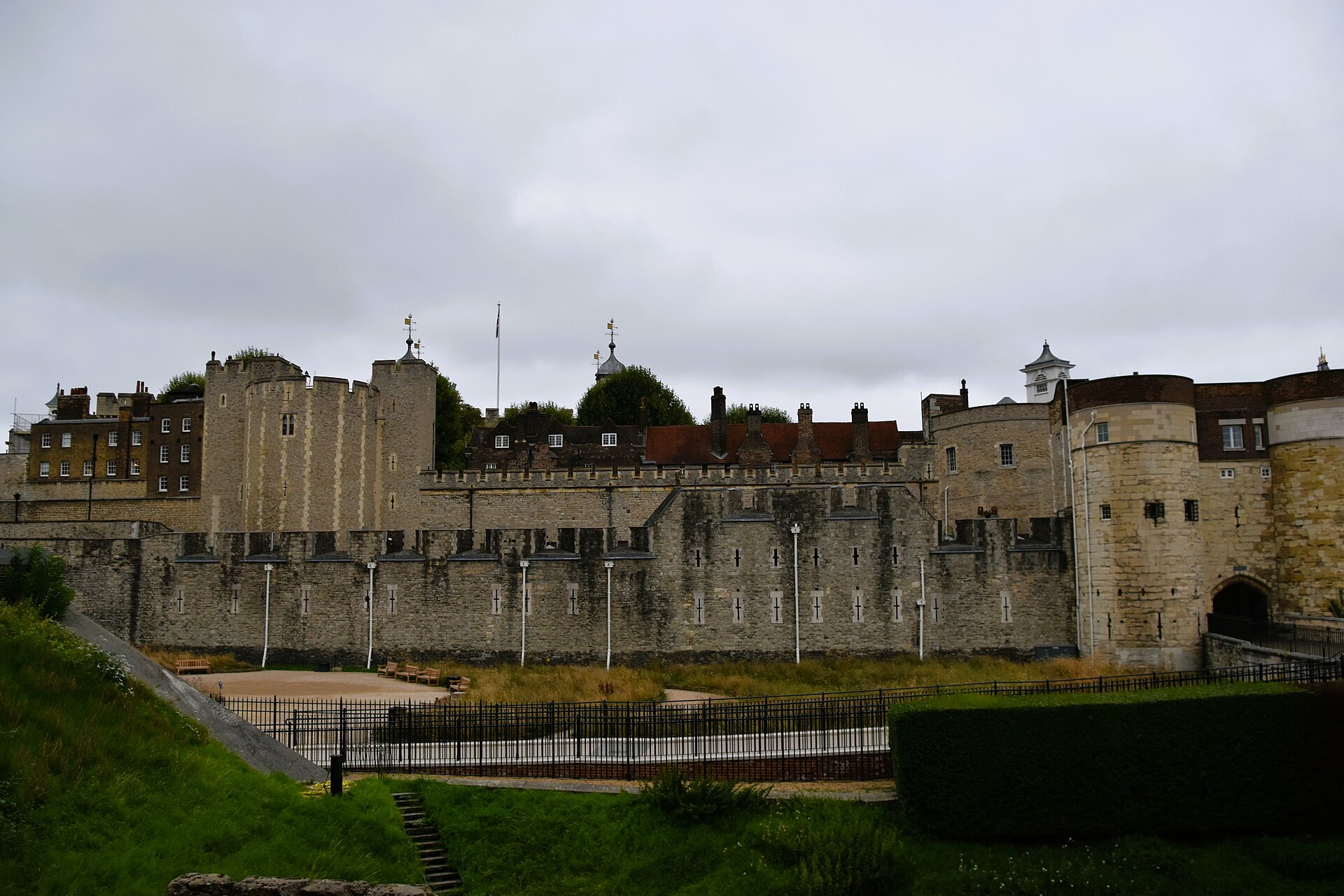
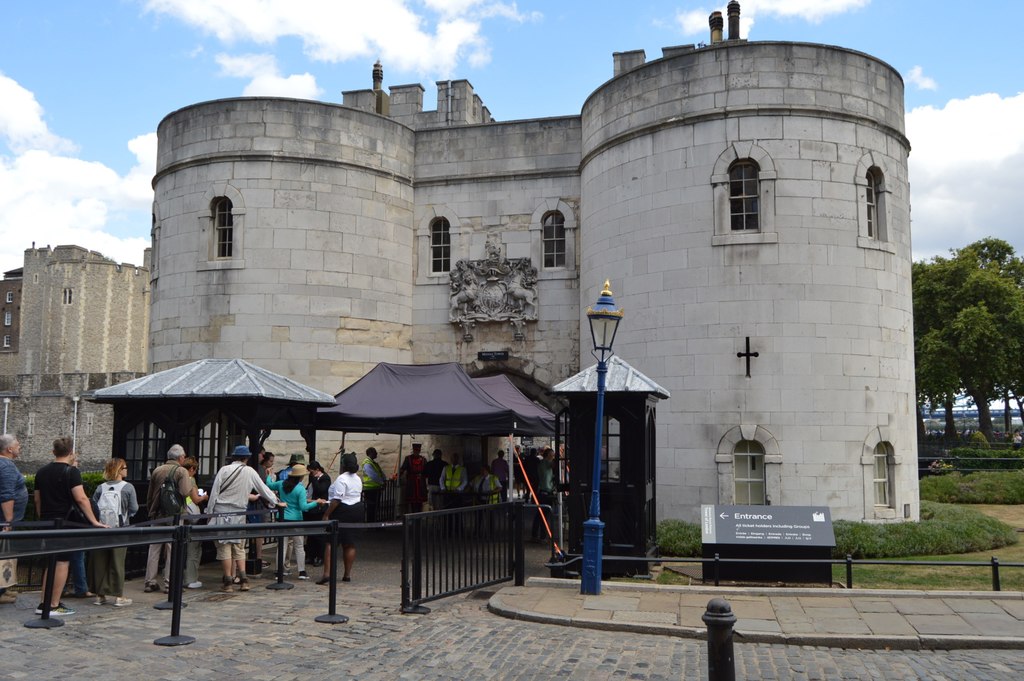
Founded during the Norman Conquest, the Tower of London is both a formidable royal fortress and an evolving national institution: palace, prison, m…
Building or ruin · Roman
Dorset
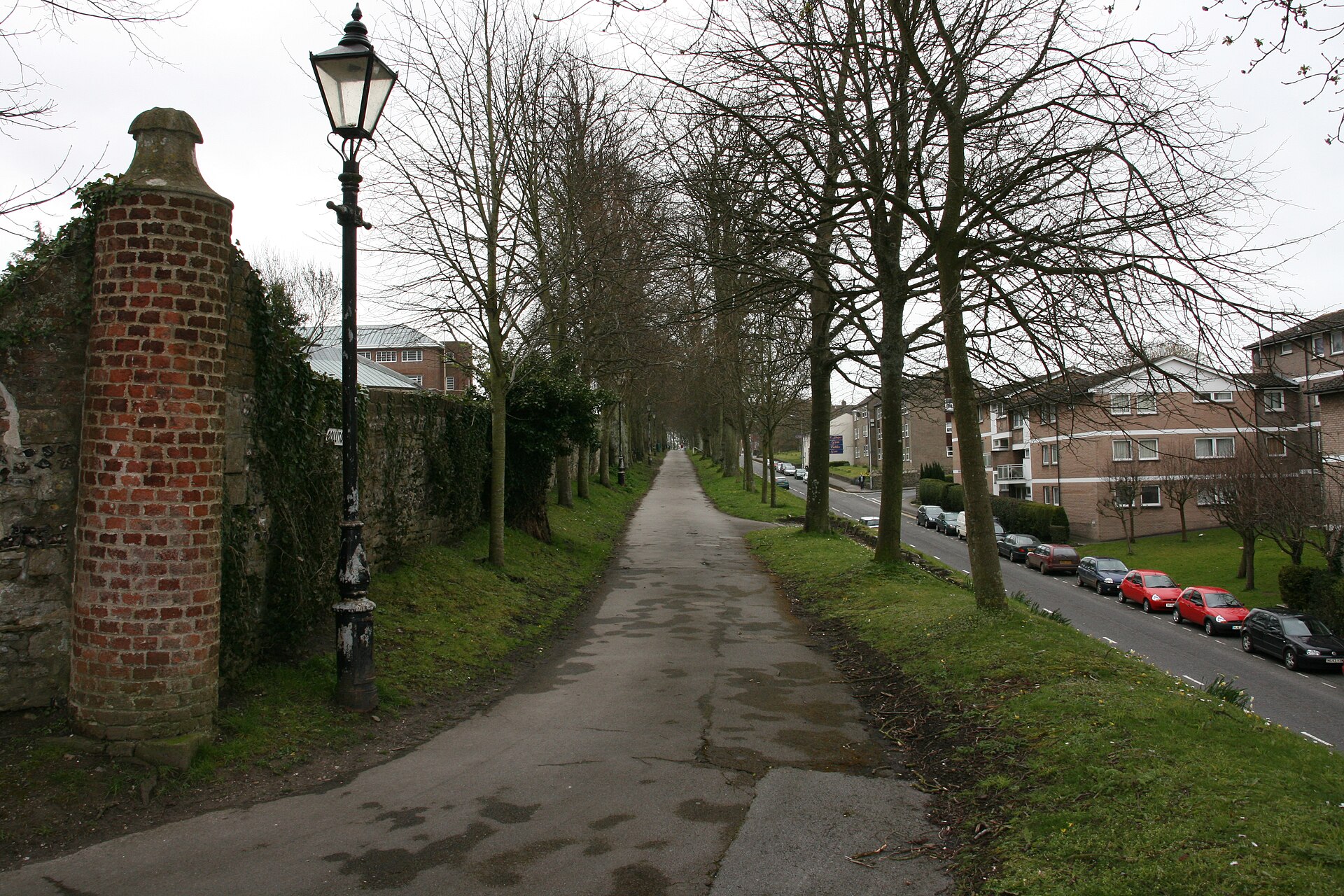
Dorchester’s Town Walks turn the line of Roman Durnovaria’s defences into a historic public landscape, preserving two millennia of fortification, m…
Tomb or burial place · Prehistoric
County Louth
A 1962 excavation here gave archaeologists their first solid proof that Ireland's passage graves date to the Neolithic period: the late Stone Age,…
Fortified place · Medieval
Scottish Borders
Its Bear Gates have stood locked since the eighteenth century under a vow never to reopen them: a promise the family has kept for more than two hun…
Fortified place · Iron Age
Gwynedd
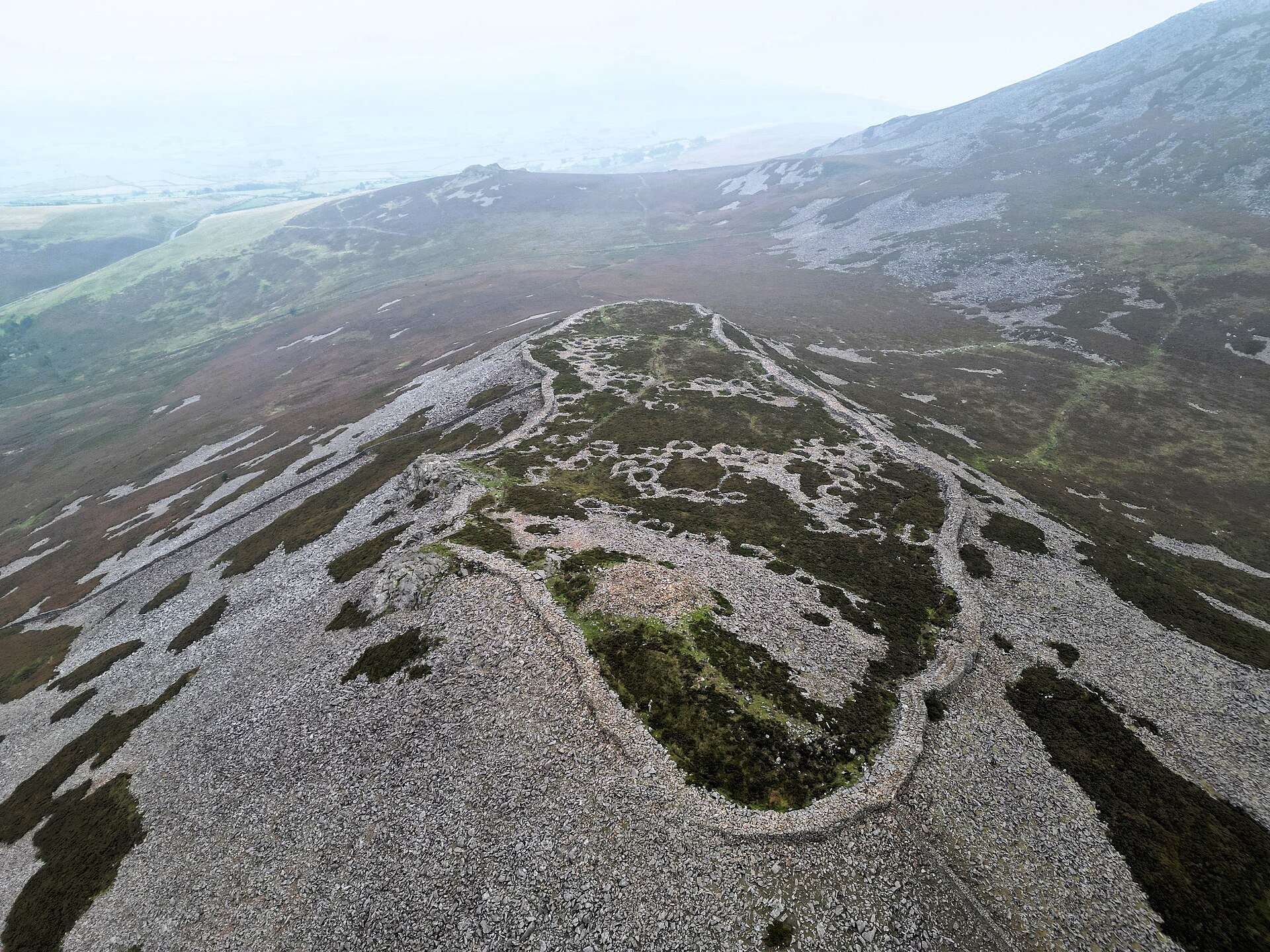
Its dry-stone ramparts still stand up to four metres high around some 150 roundhouses: one of the best-preserved Iron Age (from around 800 BC up to…
Fortified place · Medieval
Herefordshire
Mason's marks cut into its stone match those at Raglan Castle and trace to William Herbert, 1st Earl of Pembroke's workshop: physical evidence link…
Fortified place · Medieval
Powys
A mound raised within a year of the Norman victory at Brecon, to hold down the district it stands in.
Fortified place · Medieval
Cornwall
A protected Penwith cliffscape where a scheduled prehistoric (before any written account of Britain existed) cliff castle shares ground with rare m…
Crossing or structure · Medieval
Cornwall
A 100-foot Cornish mining viaduct that carried both tramway and water power across Luxulyan Valley, binding quarries, mines and harbour into one in…
Tomb or burial place · Prehistoric
isle-of-anglesey
Three burial chambers built one after another on the same knoll over centuries, their capstones carted off for gateposts in about 1790 and the site…
Fortified place · Medieval
Cornwall
A Palmerston fort above the Channel approaches to Plymouth, built for 35 guns and still used for military training more than 160 years later.
Briefer entries: recorded and worth knowing, with fuller pages to come.
Sacred place · Prehistoric
Lancashire
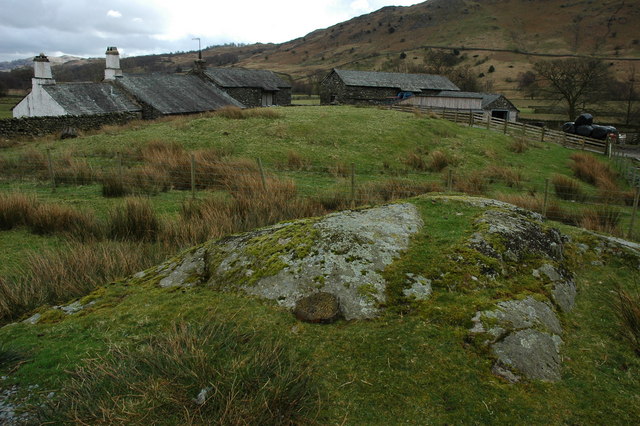
The Three Brothers reward a walk above Morecambe Bay with an unresolved question: are these shaped monuments or boulders carried here by ice?
Sacred place · Medieval
Essex
Thremhall’s moat and fishpond preserve the plan of an Augustinian house whose closure in the 1530s converted a religious estate into private countr…
Sacred place · Medieval
Lincolnshire
Thwaite Priory was a late-medieval Augustinian dependency of Thornton Abbey whose surviving fabric was incorporated into the Grade II listed Thwait…
Building or ruin · Medieval
County Antrim
Tievebulliagh is a Glens of Antrim mountain whose Neolithic (the late Stone Age, about 4000–2500 BC in Britain) porcellanite quarry supplied axes a…
Fortified place · Medieval
Bedfordshire
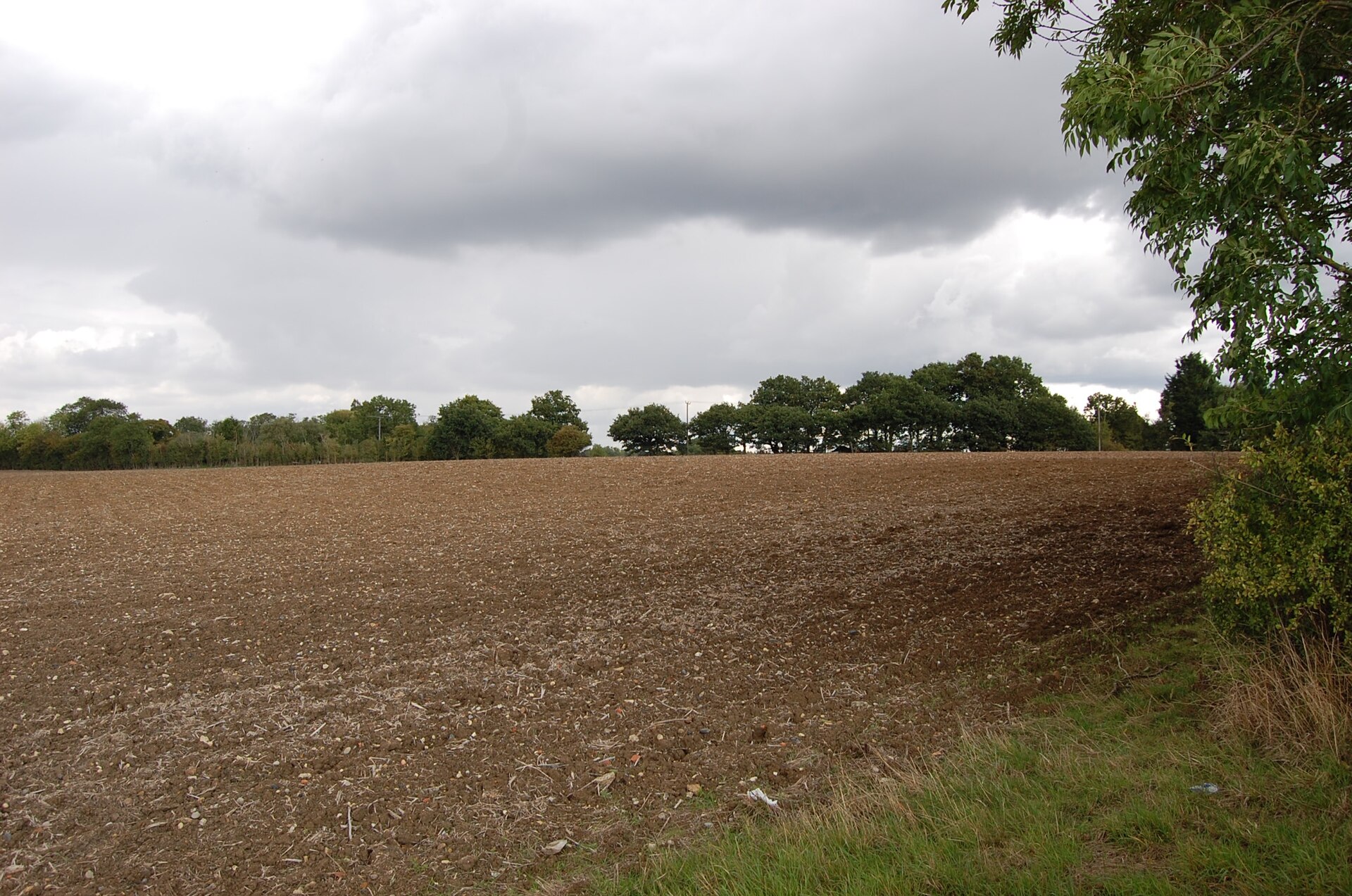
Two castles, not one: a lost Saxon motte on the knoll above, and the fortified moated manor below it that a forged letter, a poisoning plot and eig…
Tomb or burial place · Prehistoric
County Tipperary
Nobody agrees on when these stones went up: some read them as Neolithic (the late Stone Age, roughly 4000–2500 BC in Britain) ritual work, others a…
Fortified place · Prehistoric
County Carlow
Tinnahinch Castle is a River Barrow tower house built to control a crossing, retaining machicolation (an opening in a parapet floor for dropping mi…
Fortified place · Medieval
County Cork
Togher is a substantially intact late-sixteenth-century MacCarthy tower house, retaining defensive bartizans, a winding stair and dungeon from the…
Fortified place · Medieval
County Tyrone
Tonnagh More is a Tyrone townland where a protected rath (a ringfort, a farmstead enclosed by a circular bank and ditch) and stable 1840s populatio…
Fortified place · Medieval
City of London
Tower Dock preserves the last visible head of a Thames inlet that helped protect the Tower of London and marked the edge of its historic Liberty.
Sacred place · Medieval
County Cork
Tracton marks a lost Cistercian monastery whose vanished fabric contrasts with a sheela na gig and a horse bit from the centuries before Rome arrived.
Fortified place · Iron Age
Ceredigion
A Roman fort for up to 800 infantry, discovered from aerial marks and placed to command a river crossing on the route through Ceredigion.
Sacred place · Prehistoric
Cornwall
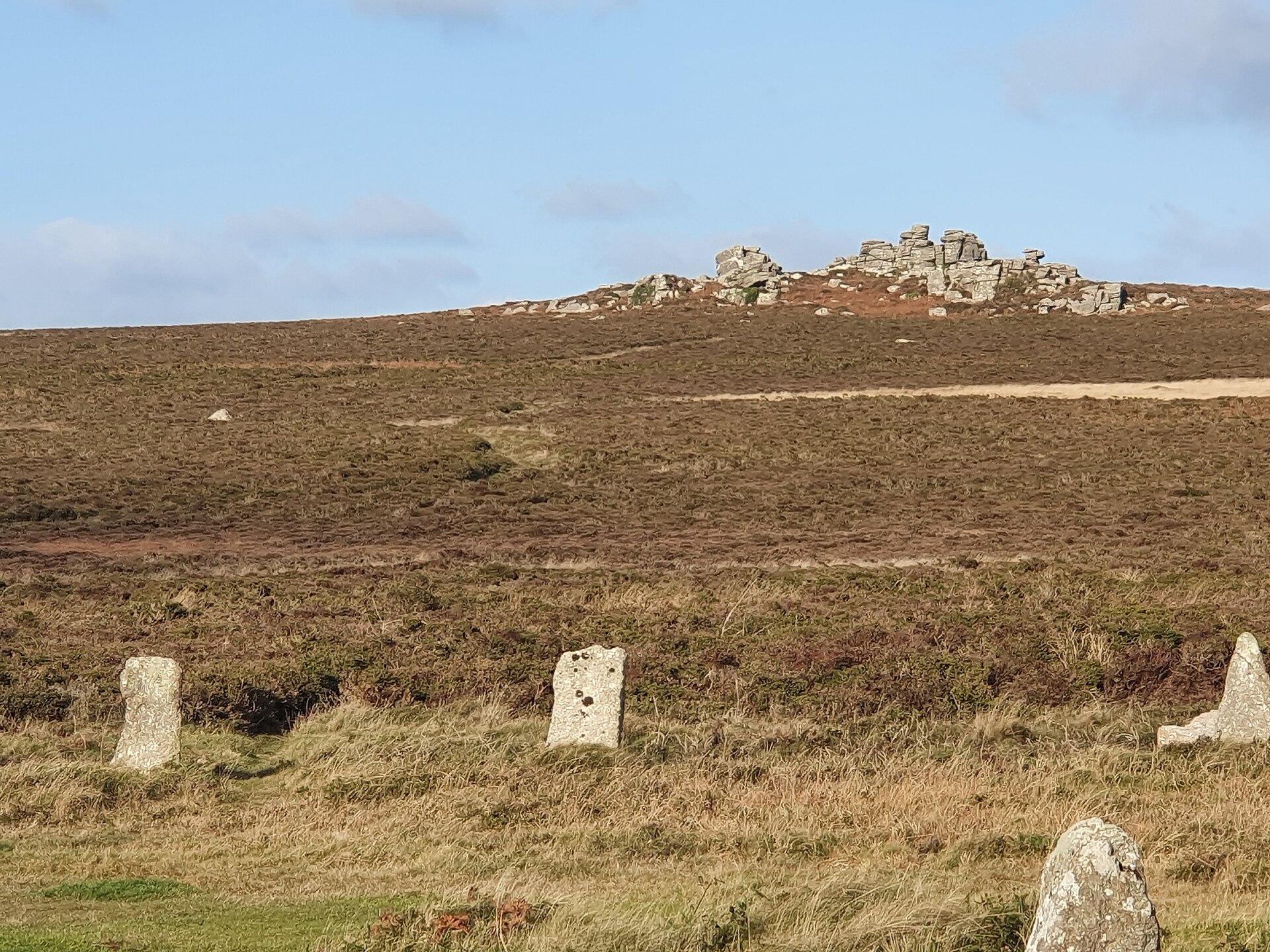
The surviving member of a probable line of three Cornish stone circles, its restored granite ring preserving a wider ritual landscape beneath Carn…
No places match those filters.
Kinds of place
Ages





.jpg?width=800)

_-_geograph.org.uk_-_4291759.jpg?width=800)
_-_geograph.org.uk_-_1826904.jpg?width=800)






_(geograph_6506412).jpg?width=800)









.jpg?width=800)