Fortified place · Iron Age
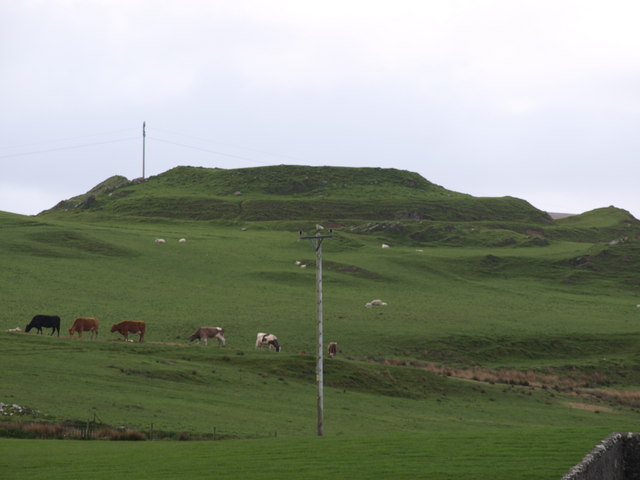
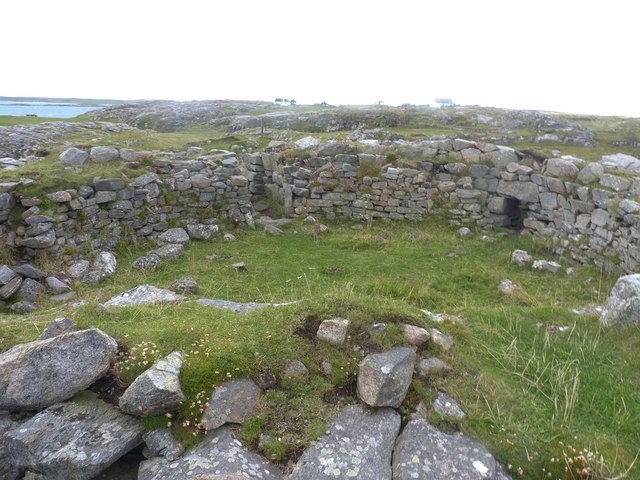
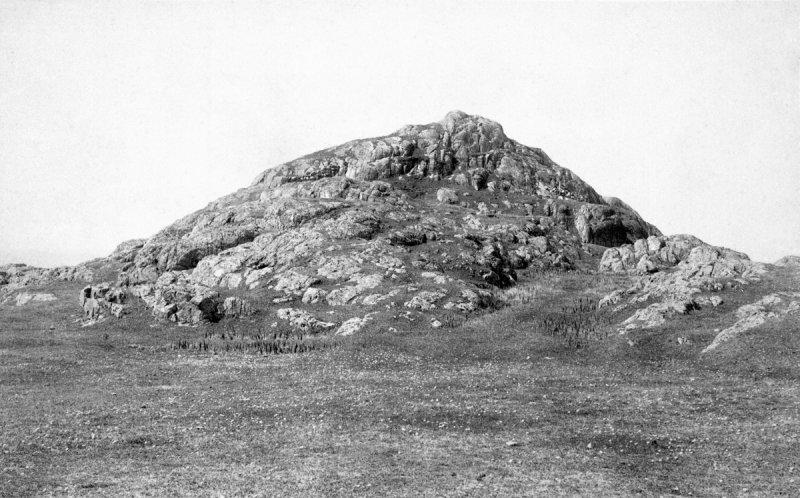
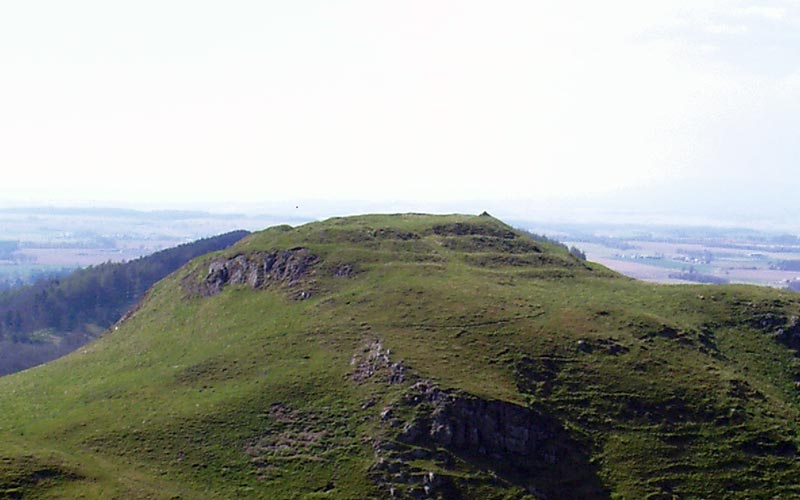
Dun Evan
Highland
A double ring of vitrified (burnt so fiercely that the stone melted and set again) and rebuilt walls crowns a rock between two river valleys, with…
- Near Cawdor
- Some walking
The directory
Page 18 of 47 in the full directory.
Browsing 100 places — search and the map cover the whole directory.
Fortified place · Iron Age
Highland
A double ring of vitrified (burnt so fiercely that the stone melted and set again) and rebuilt walls crowns a rock between two river valleys, with…
Fortified place · Iron Age
Highland
A double-walled stone tower dating the period from roughly 800 BC to the Roman conquest stands on a loch-side knoll near Dunvegan, excavated in 189…
Fortified place · Prehistoric
Argyll and Bute
The fort's own name, Fort of the Strangers, and a battle remembered on the beach just to its north, seem to point at the same event from two differ…
Fortified place · Iron Age
Highland
A rare surviving 'semi-broch': the transitional D-shaped form that shows how the great circular broch towers of the Highlands may have evolved.
Fortified place · Prehistoric
Argyll and Bute
A small Iron Age (the period from roughly 800 BC to the Roman conquest) stronghold on Islay whose very name is entangled with a Norse-Gaelic king w…
Fortified place · Iron Age
Highland
Its walls still rise close to four metres, with an intact mural gallery and lintel in place: one of Skye's better-preserved brochs, and one never d…
Fortified place · Iron Age
Argyll and Bute
Its Gaelic name, Middle Fort, hints at a lost network of strongholds along this stretch of Colonsay: of which this is now the only one still named.
Fortified place · Iron Age
Argyll and Bute
A drystone tower with an internal diameter of 9.2 metres and walls roughly 4.5 metres thick stands on a rocky knoll on the northern coast of Tiree,…
Fortified place · Iron Age
Argyll and Bute
Two potsherds incised with the figures of deer, lifted from Dùn Morbhaidh and now kept in the National Museum of Antiquities of Scotland, are among…
Fortified place · Medieval
Argyll and Bute
Its name fuses Gaelic and Norse in one word: a fort whose very label records the island passing from Gaelic to Viking hands and back again.
Fortified place · Iron Age
Highland
A stone roundhouse dating from the centuries before Rome arrived that Clan MacKinnon later refitted as its own stronghold, so the ruin carries two…
Fortified place · Medieval
Argyll and Bute
Two forts share one summit here: a compact Iron Age (the centuries before Rome arrived, from about 800 BC) dun with a single entrance, and beside i…
Fortified place · Iron Age
Highland
A vitrified (burnt so fiercely that the stone melted and set again) Iron Age (from about 800 BC until the Romans came) fort with a later dun built…
Fortified place · Iron Age
Highland
Its drystone wall still rises over ten metres without a scrap of mortar, making Dun Telve one of the tallest surviving brochs anywhere in Scotland.
Fortified place · Iron Age
Highland
Its stairway still climbs to a first-floor landing inside a wall four and a half metres thick: one of Scotland's most intact broch (a tall circular…
Fortified place · Medieval
Argyll and Bute
Its Gaelic name preserves a memory of owls in the glen below, while a brooch once kept by its owners carries a tradition linking the fort to Robert…
Fortified place · Iron Age
Outer Hebrides
On the southern edge of a promontory in South Uist stand the oval walls of Dun Vulan, known in Scottish Gaelic as Dùn Mhùlan or Dùn Mhaoilinn. The…
Fortified place · Medieval
County Laois
For over four centuries the Rock passed through Viking raiders, Norman marcher lords and the O'More kings of Laois: each in turn rebuilding the reg…
Fortified place · Medieval
County Antrim
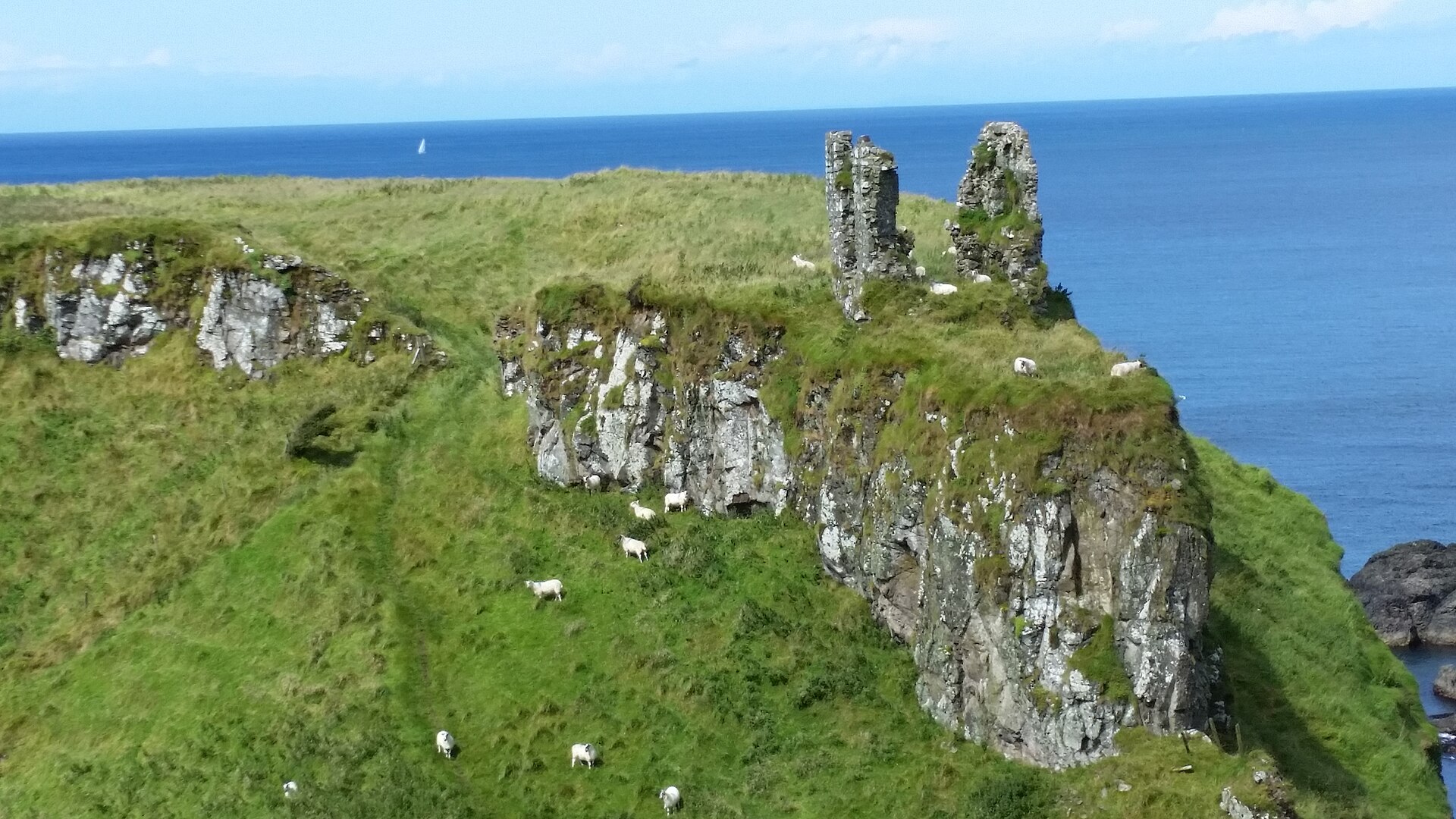
Dunaneeny Castle joins MacDonnell clan power, a defensible Ballycastle headland, possible prehistoric (predating the written record in Britain) occ…
Fortified place · Prehistoric
County Cork
A modest 1620s tower house masks a much longer story: a Bronze Age (roughly 2500–800 BC, when metalworking spread) ringfort, a Norman keep, and two…
Fortified place · Medieval
Argyll and Bute
A single narrow path is the only way in: sea guards the other three sides: and in 1647 that natural trap became the site of one of Scotland's blood…
Fortified place · Medieval
East Lothian
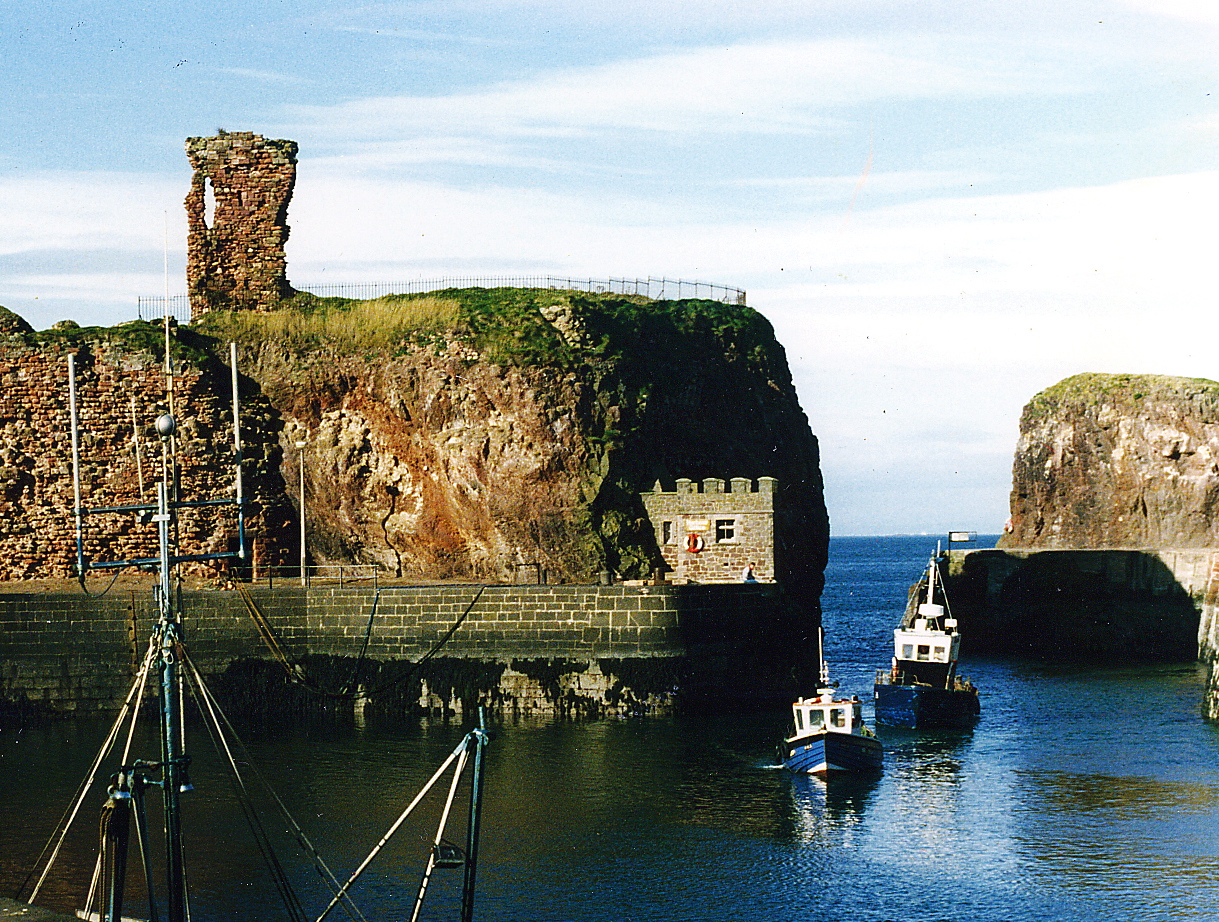
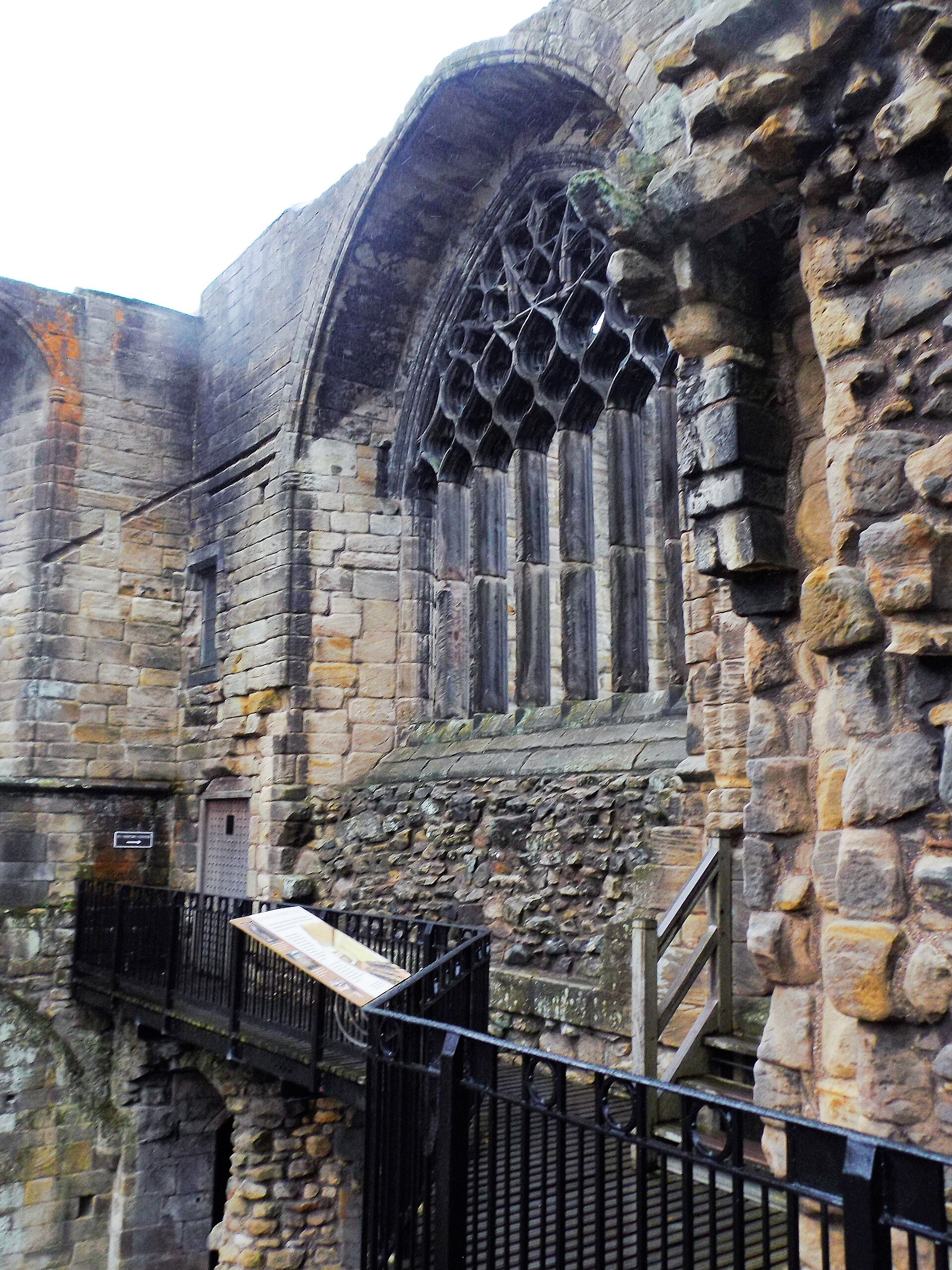
A red-stone stronghold so formidable it was besieged, rebuilt and fought over for a thousand years, then torn down so thoroughly no one could ever…
Sacred place · Medieval
Stirling
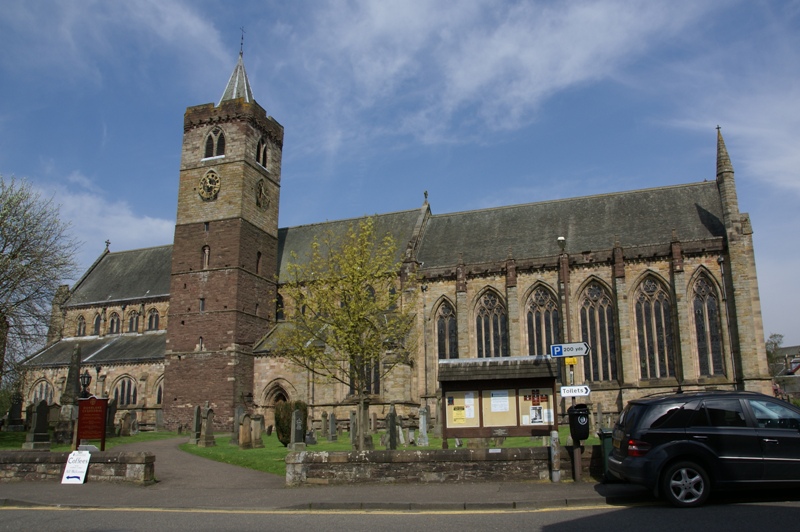
A cathedral whose nave stood roofless for nearly three centuries: and which holds the finest medieval woodwork in Scotland after King's College, Ab…
Fortified place · Medieval
County Cork
A shattered tower house on Berehaven harbour where a two-week siege in 1602 broke the power of the O'Sullivan Bere clan and ended their control of…
Sacred place · Medieval
County Wexford
One of the longest church buildings in medieval Ireland at 59 metres, its bell tower was built by threading new piers alongside the old transept (t…
Fortified place · Medieval
County Wexford
A star-shaped fort on a Waterford Harbour peninsula that hosted two fleeing and sheltering kings in the same year, and later gave its name to a reb…
Fortified place · Medieval
County Cork
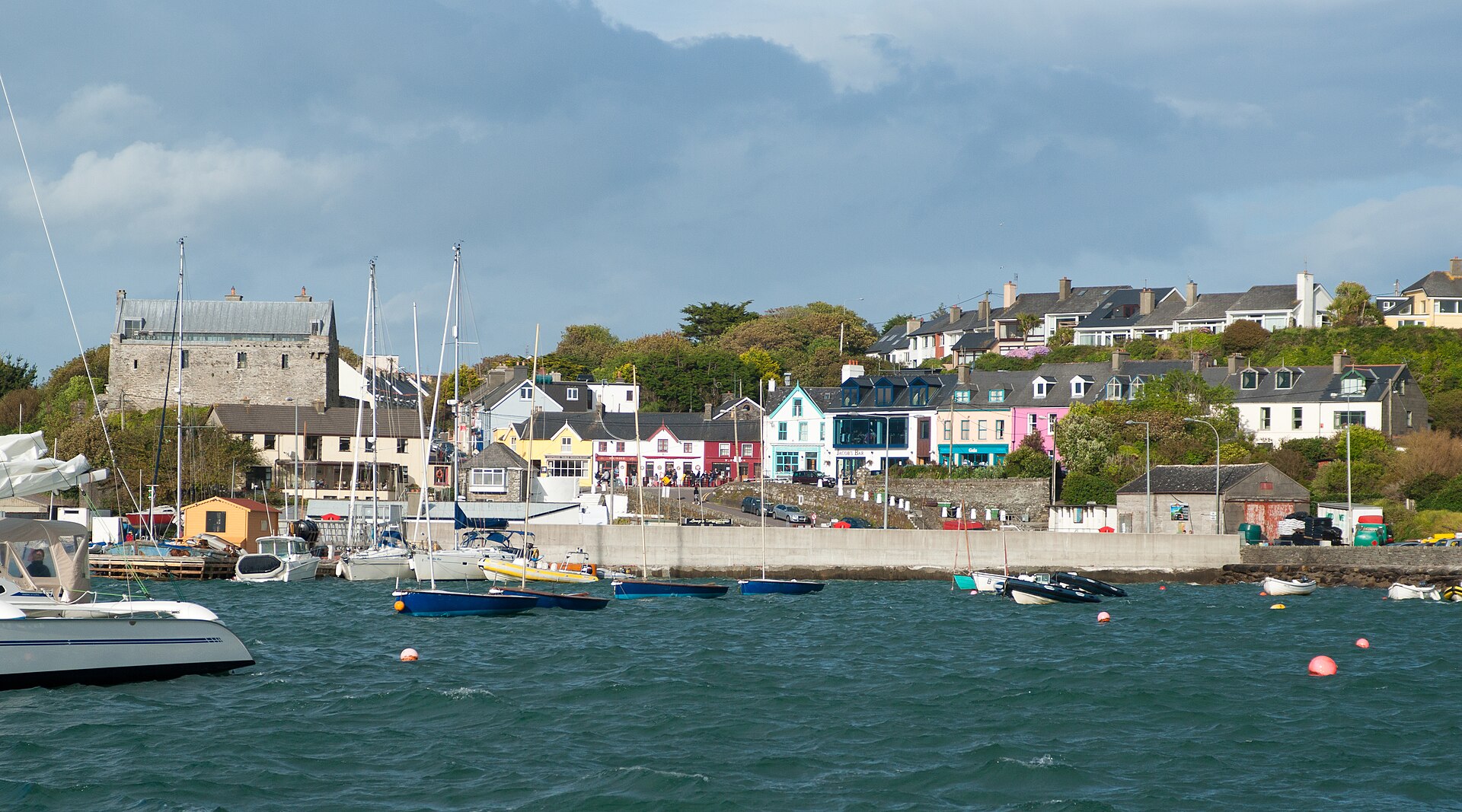
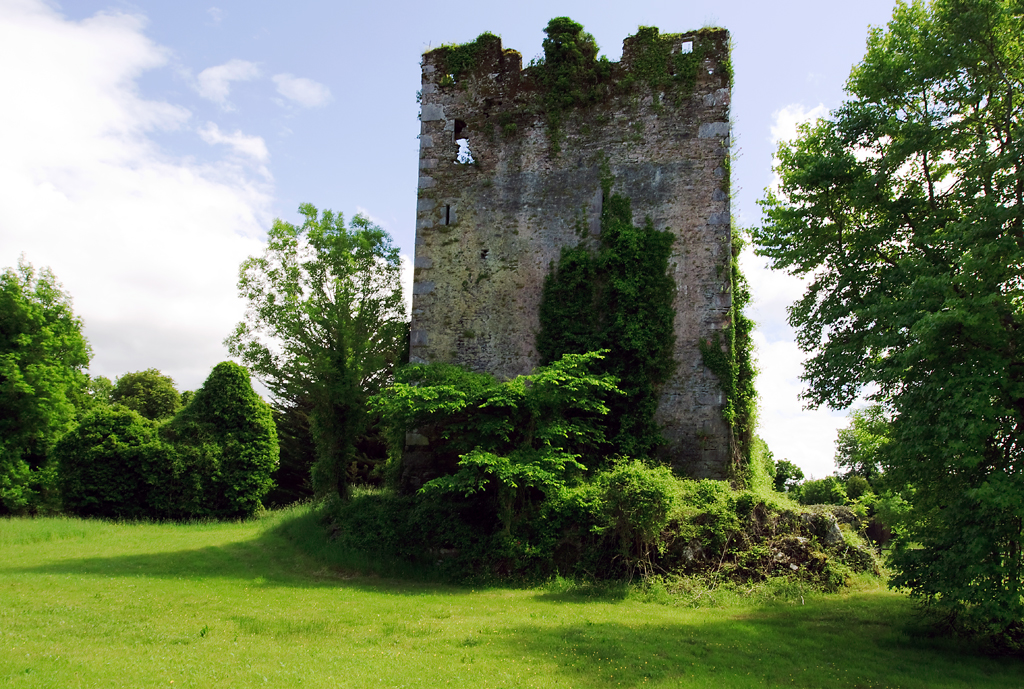
A Tudor tower house deliberately reshaped into an ornamental ruin by Victorian stonemasons, and tied by local tradition to William Penn’s departure…
Building or ruin · Medieval
Somerset
The first canal structure in Britain to be scheduled, in 1951 - and by 1954 it was leaking so badly it had to be closed.
Fortified place · Iron Age
Somerset
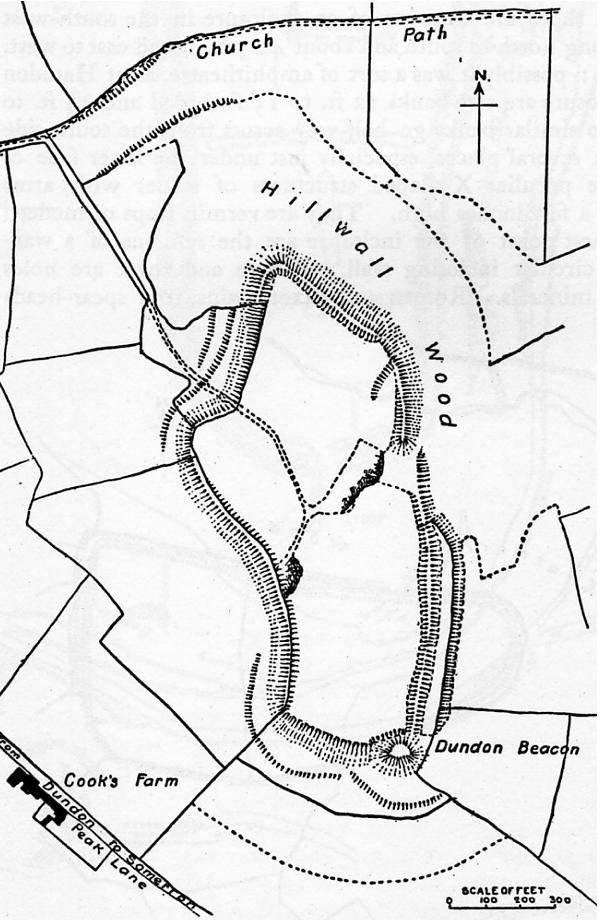
A hill that looks like a mountain because everything around it is flat: with a barrow, a burial mound of heaped earth, raised in the Bronze Age, ro…
Fortified place · Medieval
South Ayrshire
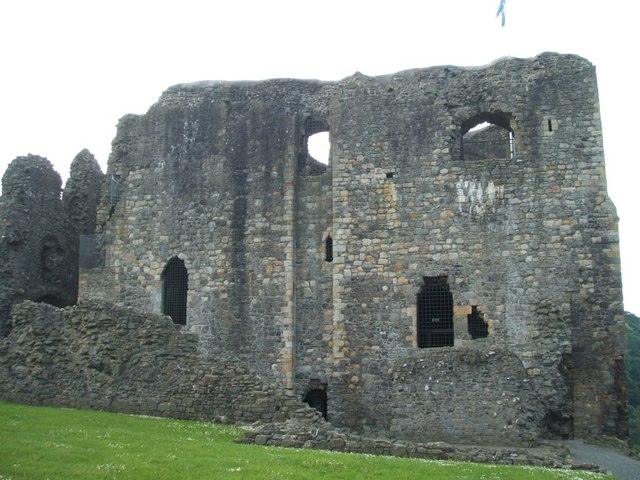
A fourteenth-century royal residence on a hill between Kilmarnock and Troon.
Sacred place · Medieval
Dumfries and Galloway
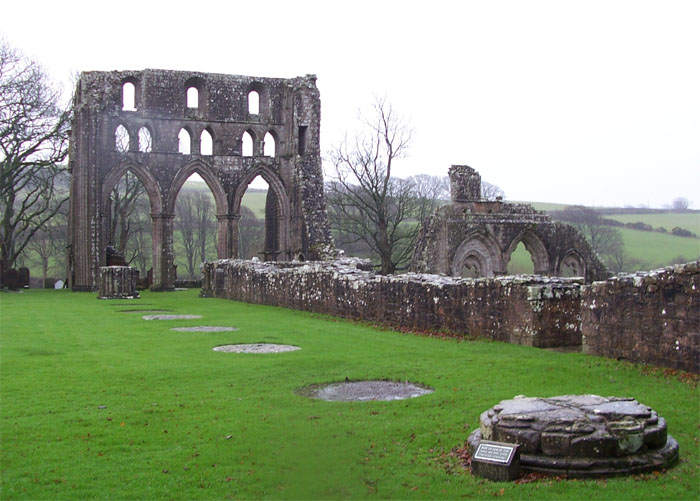
Dundrennan Abbey is a remarkably legible Cistercian ruin whose disciplined Romanesque (the round-arched style that came before Gothic) architecture…
Fortified place · Iron Age
Perth and Kinross
The Annals of Ulster record a siege here in 683 and the death of a king in 889 - a fort of the Picts, the people of northern and eastern Scotland f…
Fortified place · Iron Age
Highland
Two ramparts set barely six metres apart, likely braced by internal timbers, and traces of vitrification suggesting the fort was deliberately burne…
Fortified place · Roman
Dorset
Dungeon Hill is a scheduled hillfort dating from roughly 800 BC until the Roman conquest, where a surviving rampart: a defensive bank of earth or s…
Fortified place · Medieval
County Londonderry
Dungiven Castle layers Plantation bawn walls, an Ogilby nineteenth-century rebuilding and a remarkable afterlife as homes, army base, ballroom and…
Fortified place · Medieval
County Galway
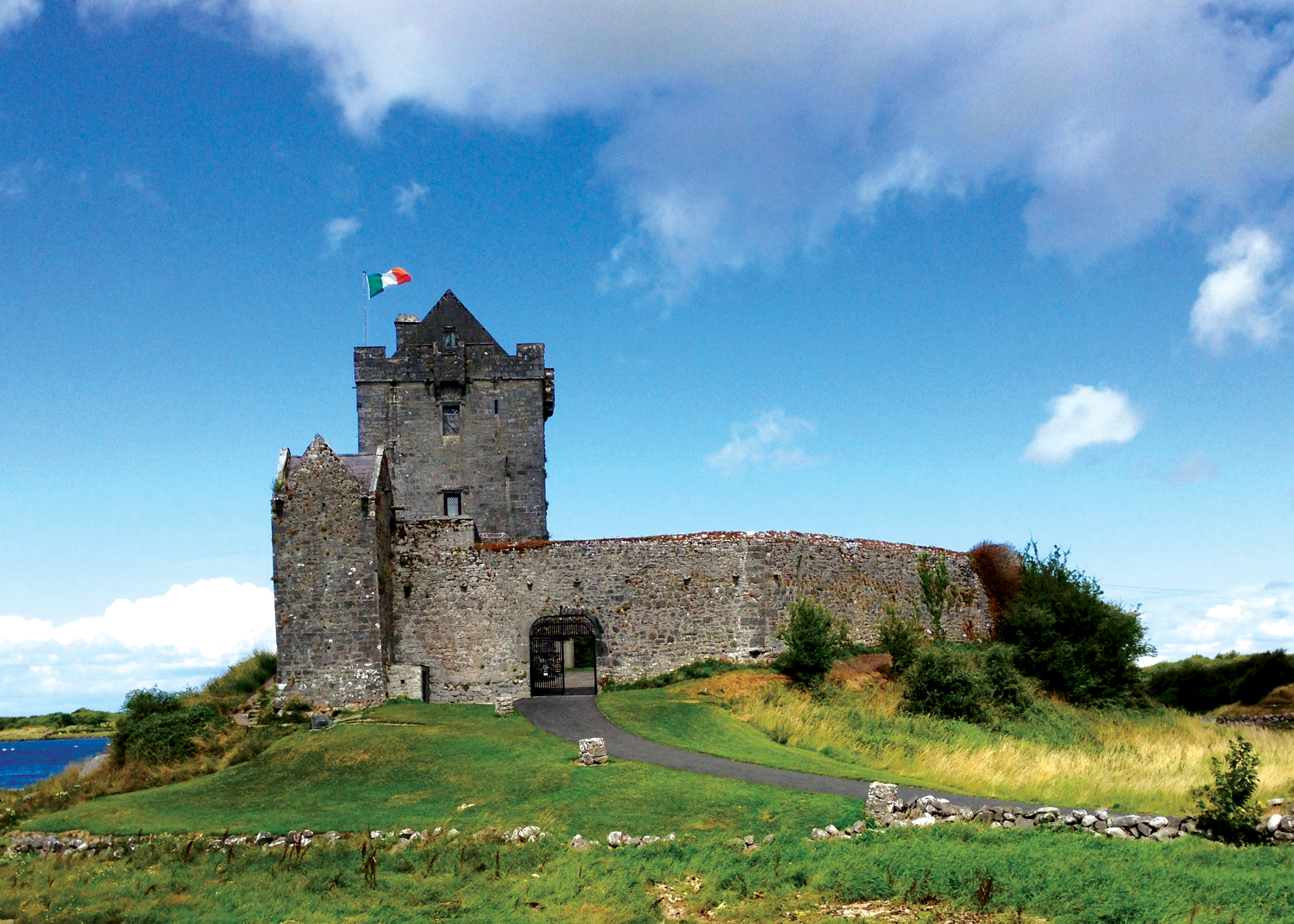
A sixteenth-century tower still carrying the name of a legendary king of Connacht, now shut behind its own restored walls by a funding dispute with…
Sacred place · Medieval
Perth and Kinross
A cathedral begun in 1260 and finished in 1501, standing on a Columban monastery whose reused red sandstone still shows as a streak across the east…
Fortified place · Medieval
County Kerry
A four-storey tower still stands roofless above Kenmare Bay, the seat from which one branch of the O'Sullivan Mór dynasty ruled before Cromwellian…
Ancient place · Prehistoric
Somerset
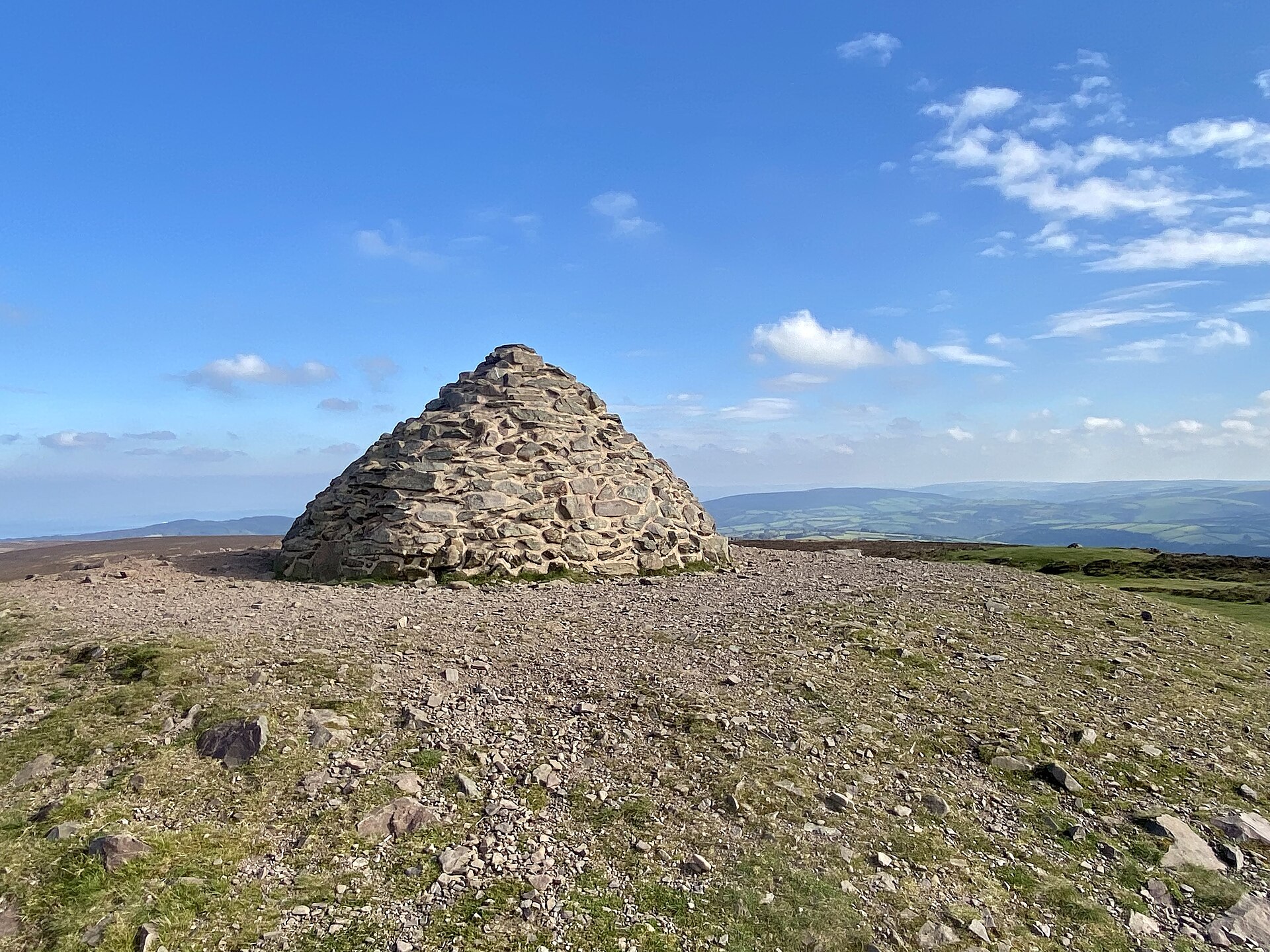
The highest ground on Exmoor and in Somerset, rising to 519 metres above moorland and the Bristol Channel.
Fortified place · Medieval
County Cork
Three separate keeps, not one, linked by a wall running from sea cliff to a dammed lake: a defence built from the landscape itself, never recorded…
Fortified place · Medieval
Antrim
Dunluce Castle is a dramatic cliff-edge medieval stronghold whose MacQuillan and MacDonnell history, Armada connection and adjacent planned town ma…
Fortified place · Medieval
County Cork
A working dungeon, a rare adjoining five-storey tower, and an unbroken clan gathering founded to save it: Dunmanus punches well above its ruined wa…
Fortified place · Medieval
County Meath
A frontier keep on the western edge of The Pale, its ruined towers still standing over the Boyne where rival kings are said to have dined a day apa…
Sacred place · Medieval
County Galway
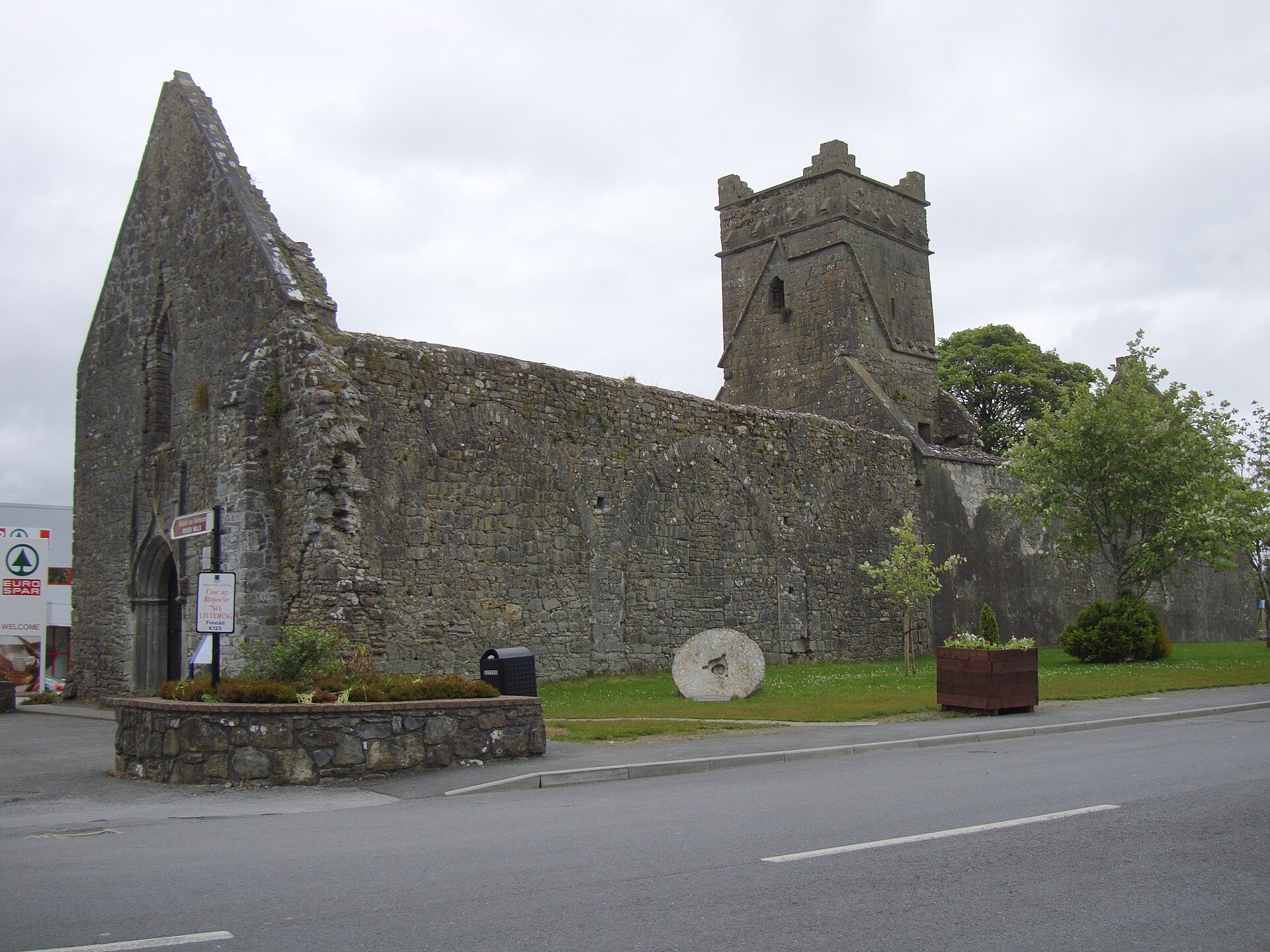
A community said to trace back to a saint's 5th-century mission became an Augustinian friary (a house of friars, who worked among townspeople rathe…
Fortified place · Medieval
County Galway
Dunmore Castle is a repeatedly rebuilt Galway stronghold whose compact hall-keep records Anglo-Norman defence, Gaelic attack, Tudor confiscation an…
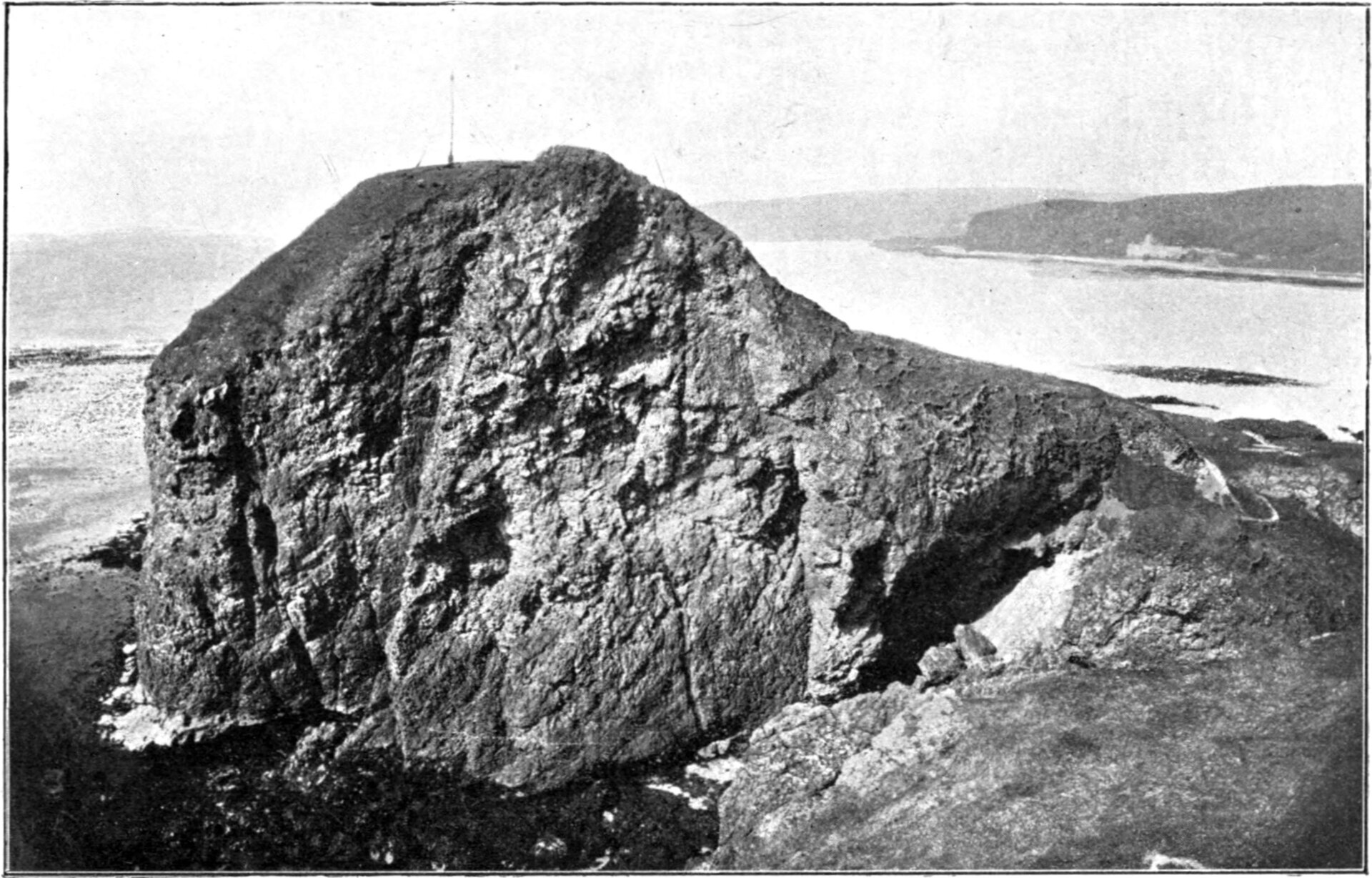
Carved stone · Pictish & early medieval
Aberdeenshire
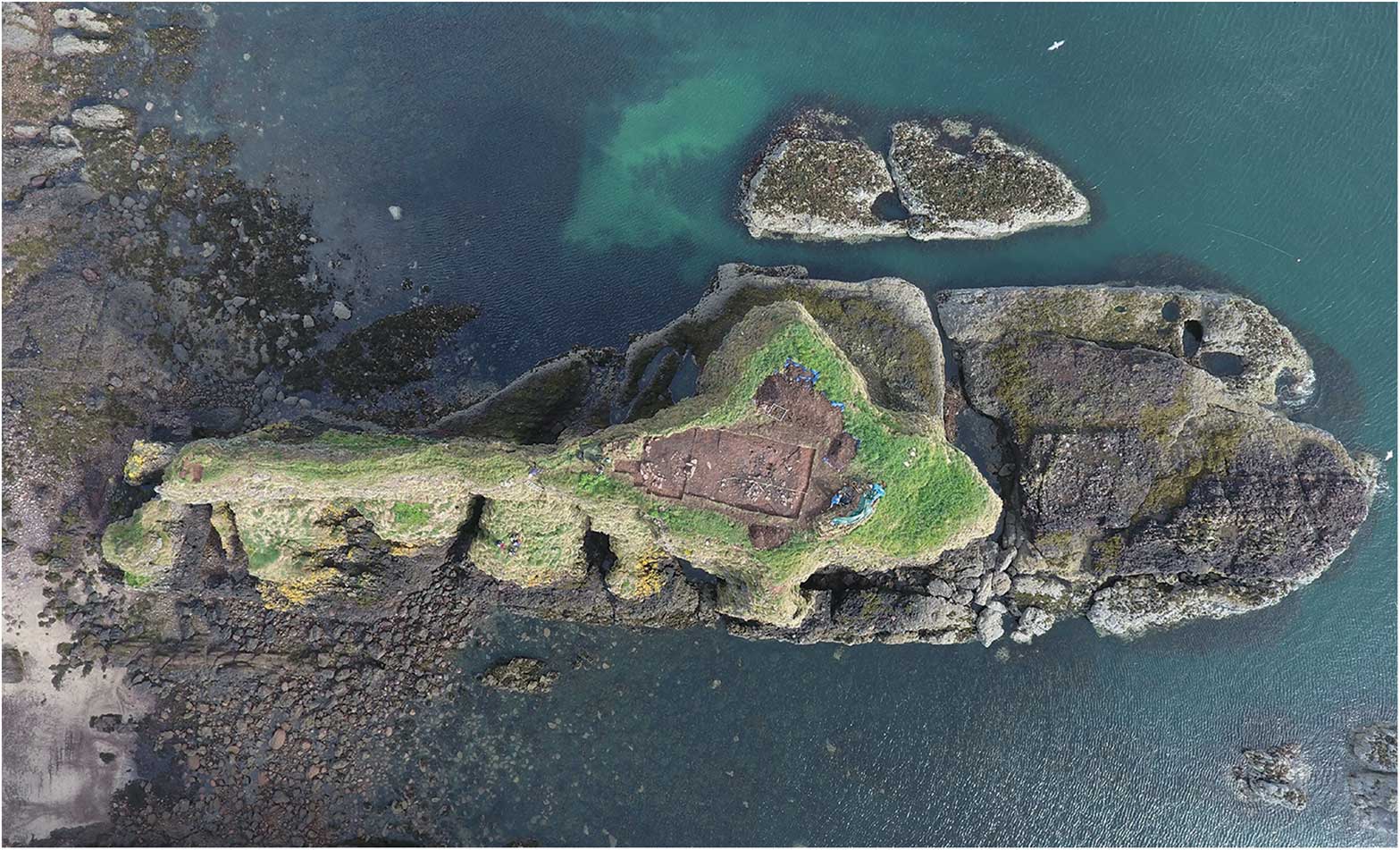
Radiocarbon-dated rampart (the raised bank thrown up around a fortified enclosure) timbers make this eroding sea stack the earliest known Pictish (…
Carved stone · Pictish & early medieval
Angus
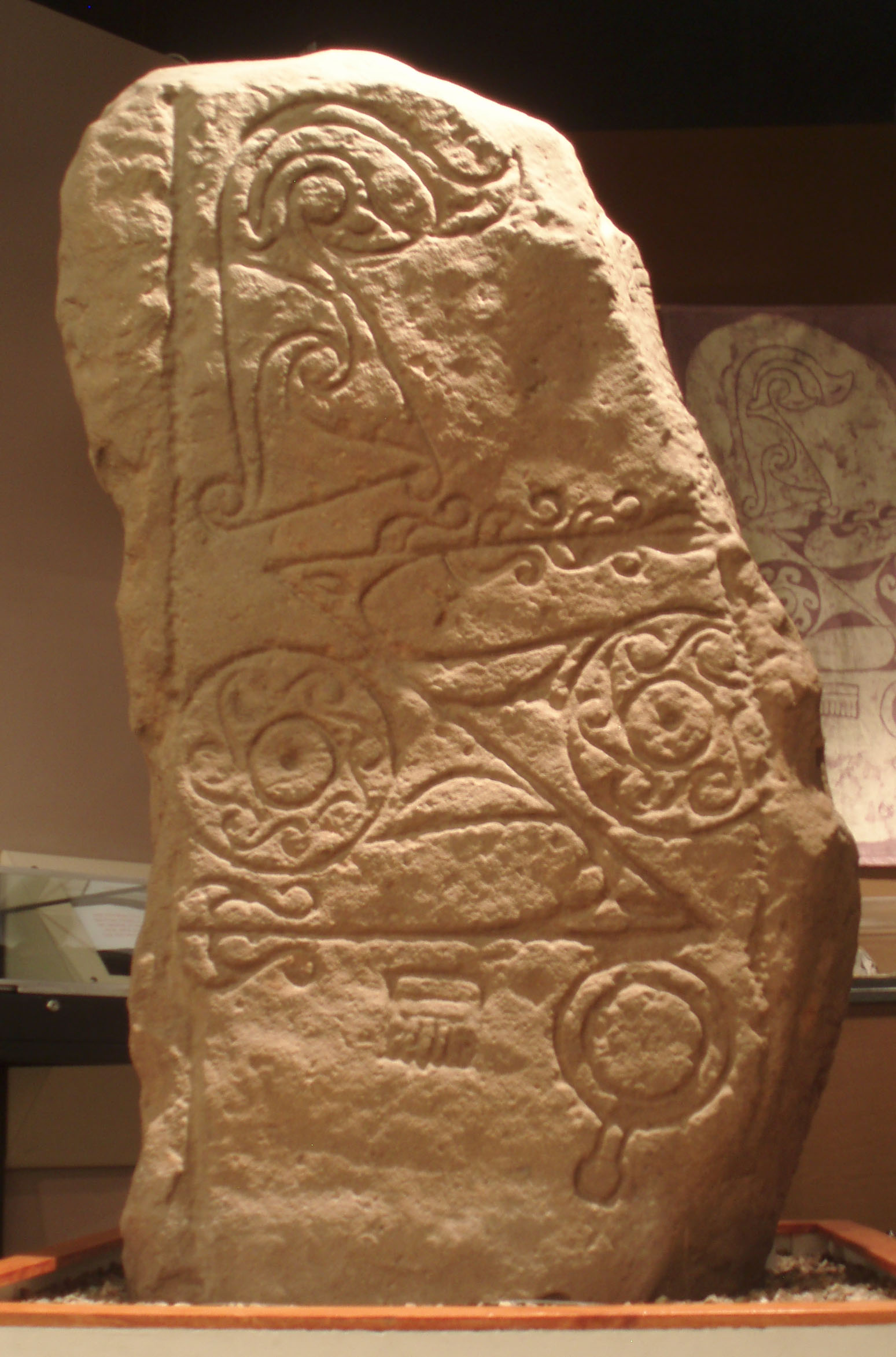
Its carved flower motif is rare among Pictish (of the Picts, the people of northern and eastern Scotland from about AD 300 to 900) symbol stones, w…
Fortified place · Iron Age
Aberdeenshire
Its walls were quarried from a vitrified hillfort: an enclosure of the Iron Age, the centuries before Rome from about 800 BC, whose ramparts were b…
Sacred place · Prehistoric
Aberdeenshire
One of more than seventy recumbent stone circles once raised across lowland Aberdeenshire, its three surviving stones stand at the foot of a hillto…
Fortified place · Medieval
Argyll and Bute
The Irish annals name Dun Ollaigh three times over: attacked or burned in 686, 698 and 701: and then record it rebuilt in 714 by Selbach mac Fercha…
Fortified place · Medieval
Argyll and Bute
A royal stronghold fought over by kings, besieged with English ships and troops, and hosted Mary, Queen of Scots for three days in 1563.
Fortified place · Medieval
Vale of Glamorgan
A Georgian castellated hunting lodge over a medieval manor and older fortifications, demolished in 1962 with its walled garden and gatehouse left s…
Fortified place · Medieval
Highland
A fourteenth-century keep with six-foot walls and stone-vaulted ceilings still survives at the core of the building Charles Barry expanded into the…
Fortified place · Medieval
County Galway
A 15th-century tower house whose great hall still carries tie beams and a groin vault rare in Irish castle building, kept alive by restoration rath…
Fortified place · Medieval
County Meath
Occupied by one family - the Cusacks, then the Plunketts by marriage - since building began around 1180, it ranks among the longest continuously he…
Building or ruin · Medieval
Highland
Its name comes not from a clan or a king but from Scáthach, the legendary warrior-woman said to have trained the Irish hero Cú Chulainn in the arts…
Fortified place · Iron Age
Perth and Kinross
Nineteenth-century antiquarians came here because of Macbeth and dug the hill fort apart. Little of value was learned.
Sacred place · Medieval
Bedfordshire
A rare medieval jewel: a gold and enamel swan badge: came out of the ground here, one of the most celebrated small finds ever recovered from an Eng…
Sacred place · Medieval
Bedfordshire
In 1533 the Lady Chapel of this Augustinian priory hosted the ruling that ended Henry VIII's marriage to Catherine of Aragon, a quiet Bedfordshire…
Fortified place · Medieval
Argyll and Bute
One of the oldest stone castles in Scotland, Dunstaffnage was raised in the second quarter of the 13th century by the MacDougall lords of Lorn and…
Fortified place · Medieval
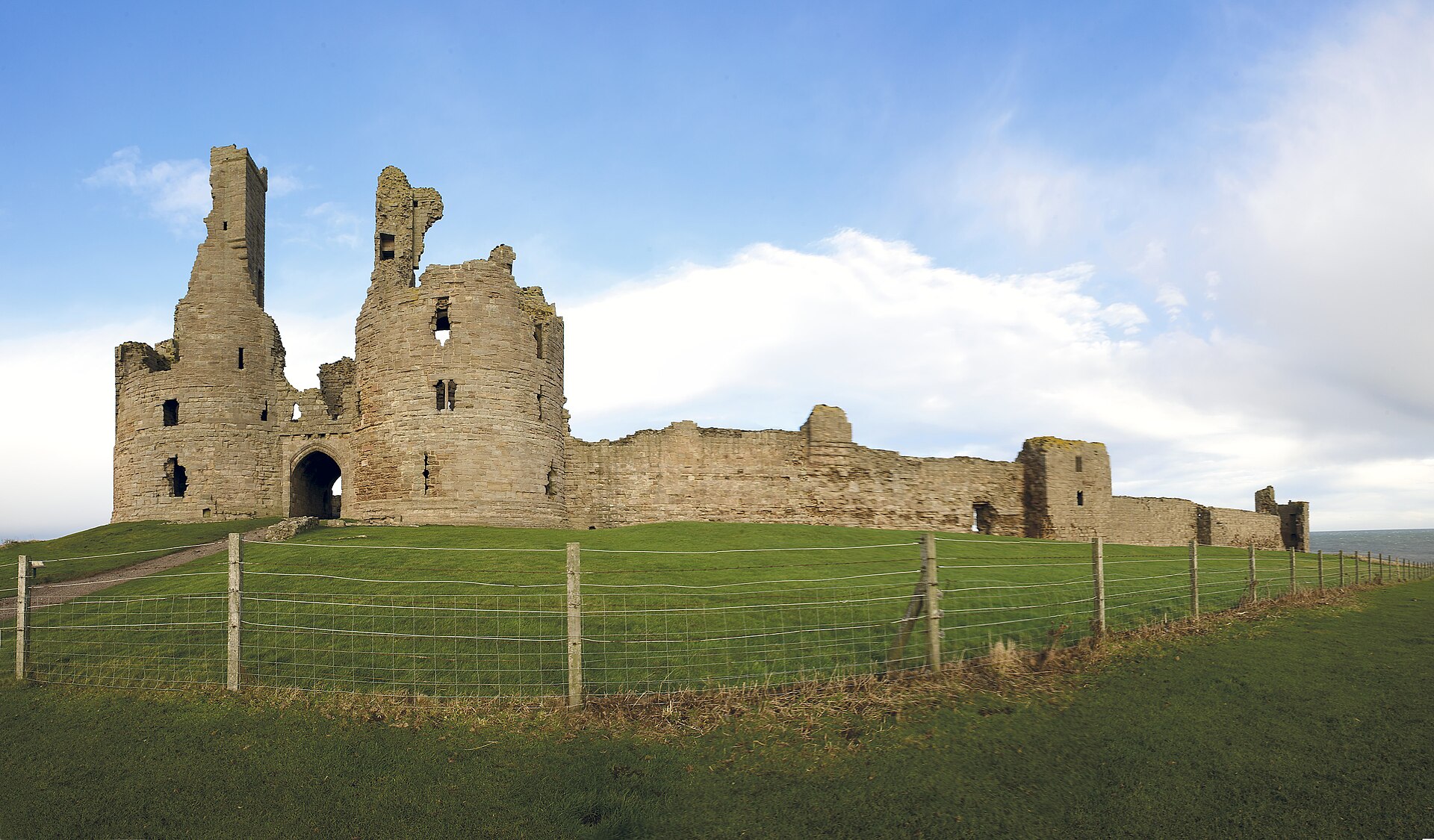
Northumberland
Dunstanburgh Castle is Northumberland’s largest castle: a dramatic coastal stronghold built as Thomas of Lancaster’s political refuge and status st…
Fortified place · Medieval
Somerset
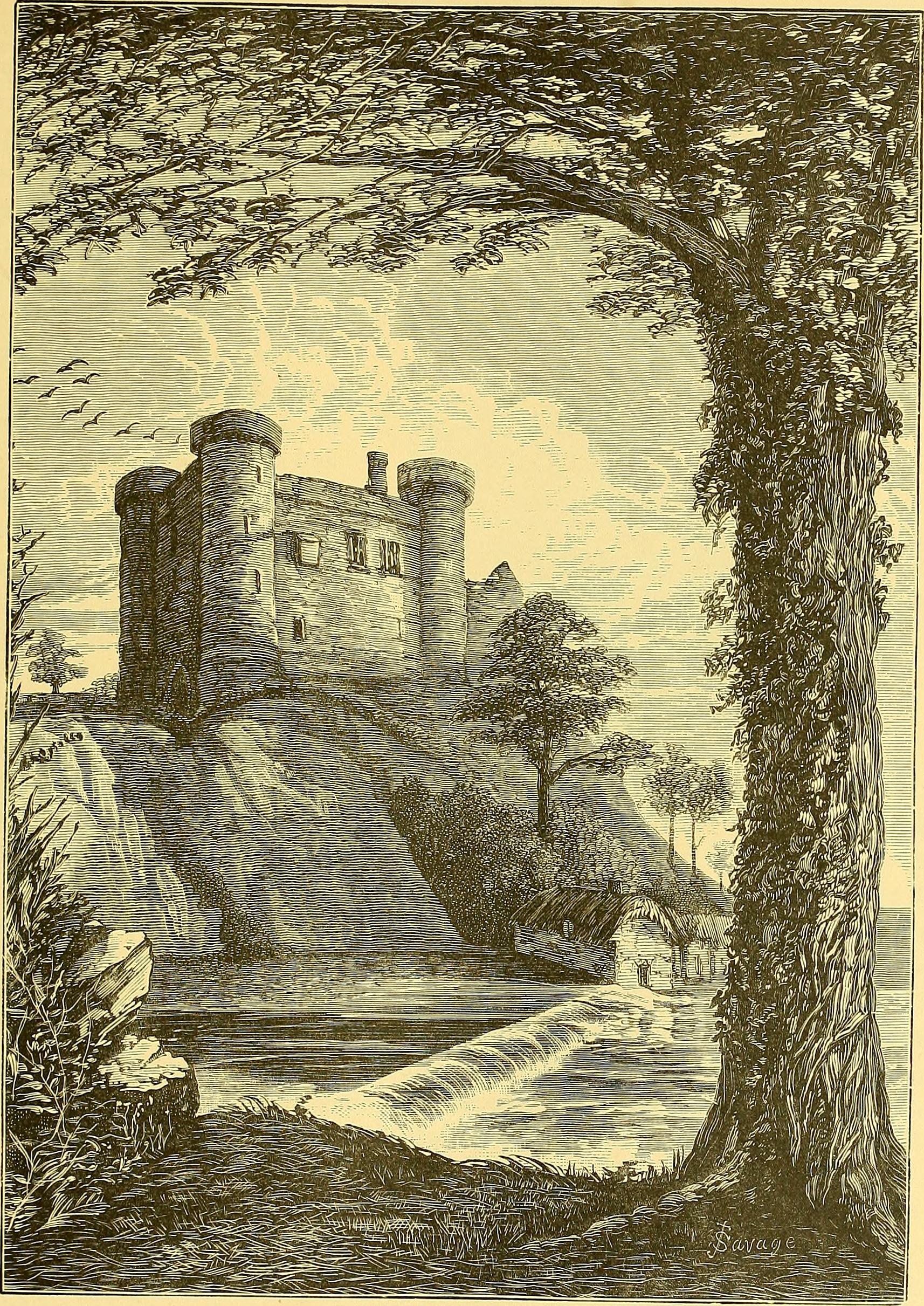
Two families held the Tor for nine hundred years. The de Mohuns took it at the Conquest and the Luttrells kept it from the 1370s until 1976, so the…
Sacred place · Medieval
Somerset
Monks and parishioners shared one church and quarrelled over it, so a carved screen was built across the middle to divide the building in two.
Fortified place · Medieval
Argyll and Bute
A 13th-century curtain wall and 17th-century tower house fused into one lived-in home: held by only three families in eight centuries, still owned…
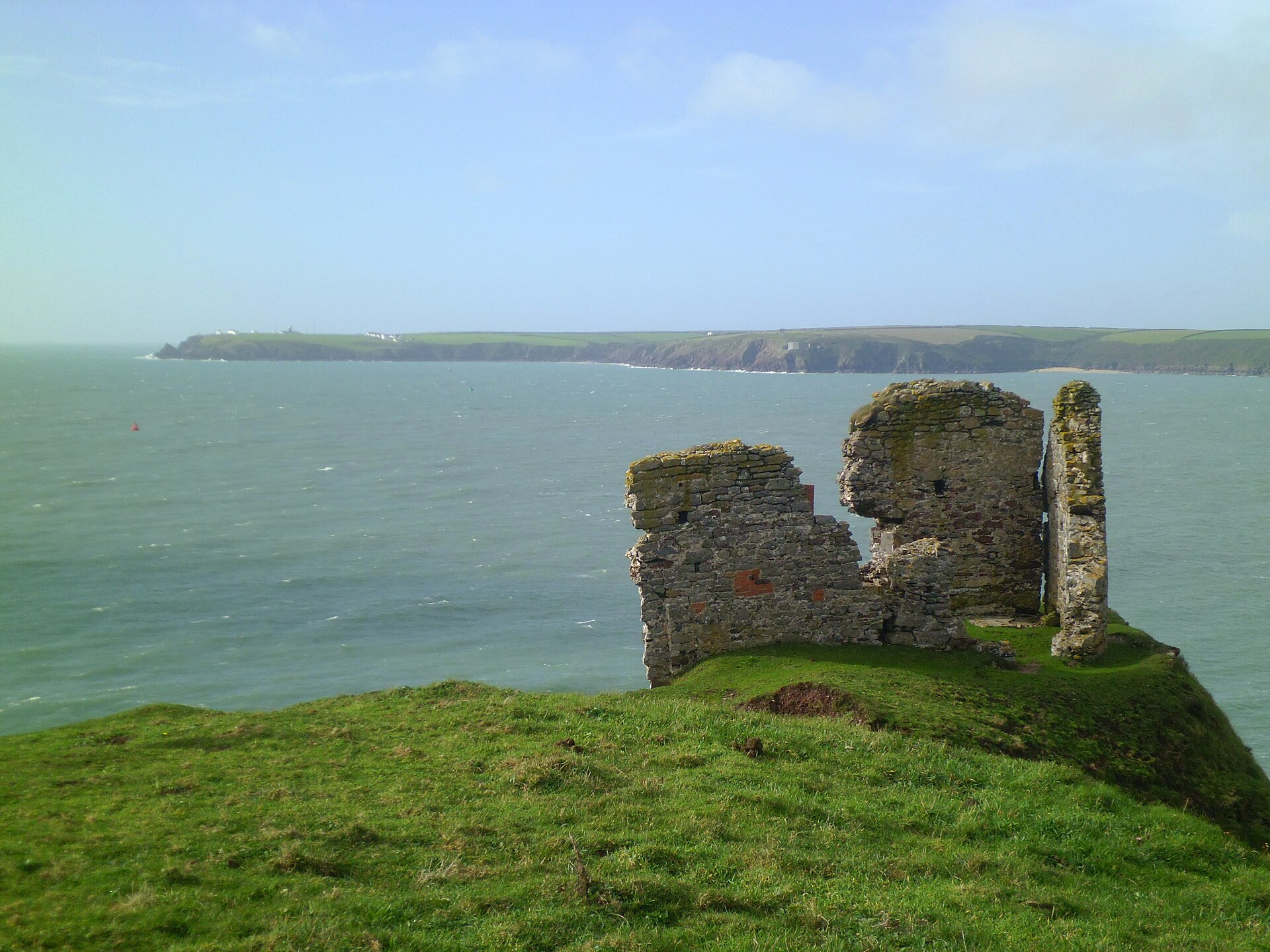
Fortified place · Medieval
South Ayrshire
A ruin on a rocky headland of the Carrick coast, five miles south of Ayr, on a site of the late thirteenth century.
Fortified place · Iron Age
Hampshire
Its single earthen rampart shows no trace of an accompanying ditch and never closes into a finished circuit: a Hampshire hillfort, an Iron Age: the…
Fortified place · Medieval
Argyll and Bute
A galley stronghold on Lagavulin Bay that anchored the Lord of the Isles' fleet and was fought over in five separate sieges within a single decade.
Sacred place · Medieval
Cornwall
Dupath Well is a nearly intact late-medieval holy well house where a granite chapel-like structure protects a spring once associated with healing.
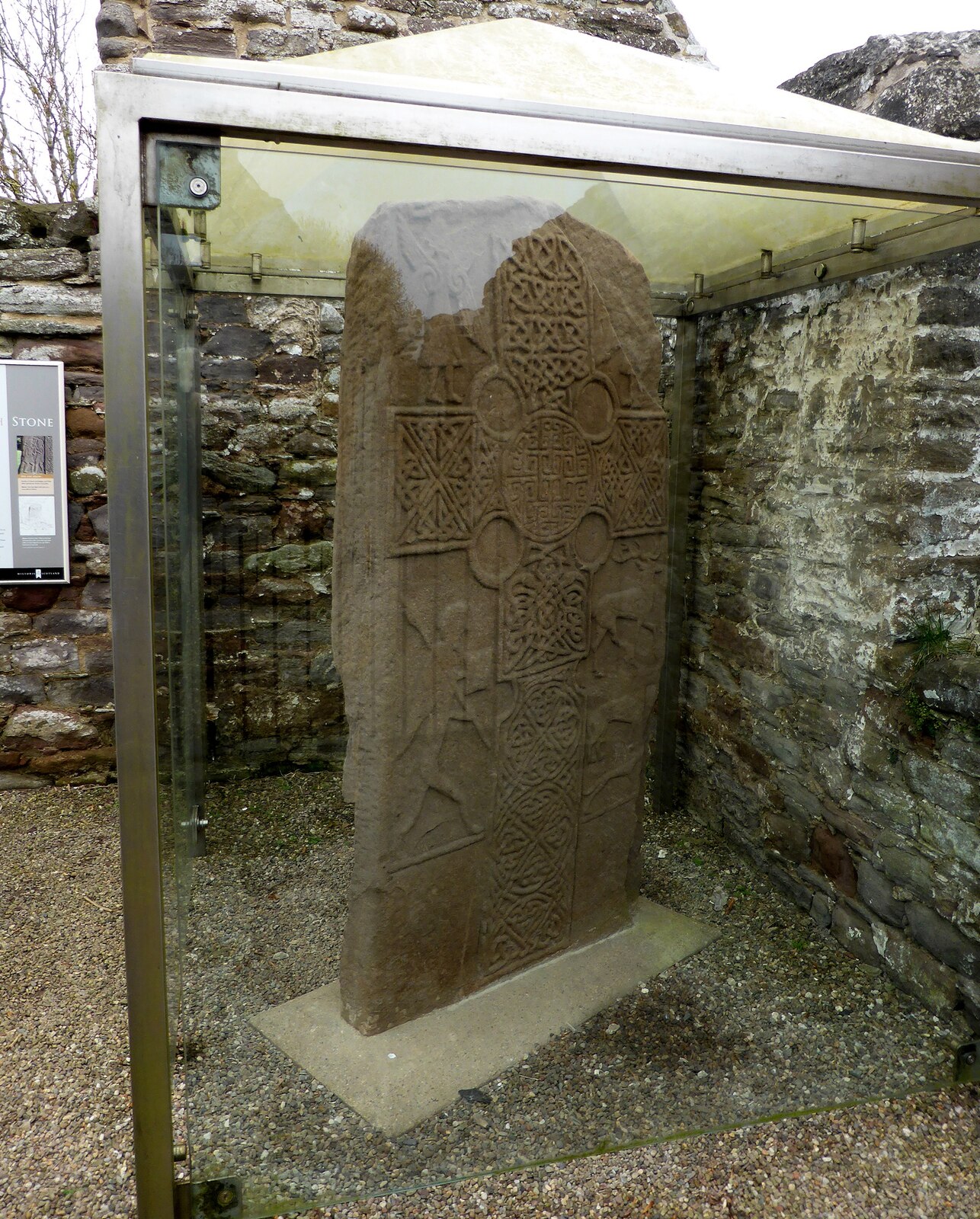
Carved stone · Pictish & early medieval
Perth and Kinross
A Pictish high cross carrying the name of a king who reigned around AD 800: the fixed point from which the rest of Pictish sculpture is dated.
Sacred place · Medieval
Hampshire
A monastery whose four centuries were marked less by prayerful calm than by lightning strikes, armed invasions and a patron who murdered his own ab…
Fortified place · Medieval
County Durham
For over seven centuries this was not a garrison but a working seat of government: home to prince-bishops who could raise armies, levy taxes and st…
Sacred place · Medieval
County Durham
One of the great Benedictine houses of northern England, Durham Priory guarded the shrine of Saint Cuthbert and grew wealthy enough to rival the Bi…
Fortified place · Medieval
County Meath
A County Meath towerhouse inhabited without a break since 1420, its owners running from an Elizabethan Lord Deputy to a modern guest house and rest…
Fortified place · Roman
Aberdeenshire
The largest Roman marching camp yet found north of the Antonine Wall, revealed only by a chance aerial photograph after two millennia buried beneat…
Building or ruin · Roman
Cambridgeshire
For two centuries this garrison town by the Nene supplied fine tableware across Roman Britain, one of the few named pottery-producing towns to surv…
Building or ruin · Roman
Wiltshire
A vanished Roman road-town whose four centuries of continuous rebuilding, recovered layer by layer in digs from 1967 to 1976, gave archaeologists a…
Building or ruin · Roman
Cambridgeshire
Its Roman perimeter survives not as ruins to visit but as a modern street plan: Mount Pleasant, Clare Street and Chesterton Lane trace the vanished…
Ancient place · Prehistoric
Wiltshire
Radiocarbon dates place its great timber circle within decades of Stonehenge's first stone phase, making this the likely home of the people who act…
Sacred place · Medieval
County Offaly
A monastery that produced one of the earliest fully decorated Gospel books and recorded Europe's only known eyewitness sighting of the 1054 supernova.
Sacred place · Medieval
Cambridgeshire
A lone medieval chapel that outlived the hospital it served, then spent two centuries as a barn before restoration saved it.
Crossing or structure · Medieval
Cumbria
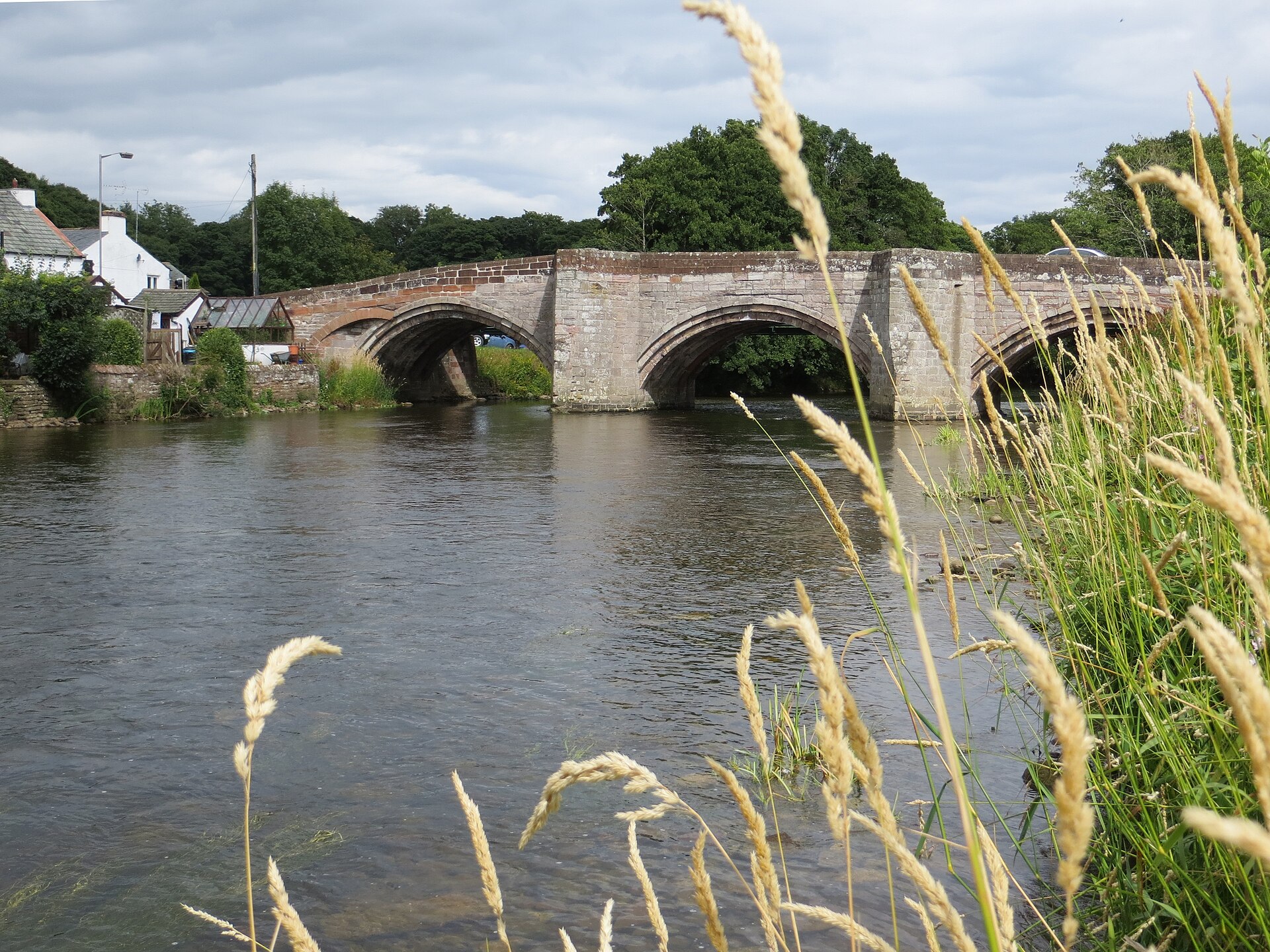
Built in 1425 on the promise of religious indulgences, this humpbacked sandstone bridge over the Eamont survived a near-fatal battering by Storm Fr…
Fortified place · Medieval
Herefordshire
A Domesday-era stronghold reduced to a mound and two water-filled ditches, yet its Civil War burning and a surviving gatehouse trace one family's f…
Building or ruin · Medieval
Orkney Islands
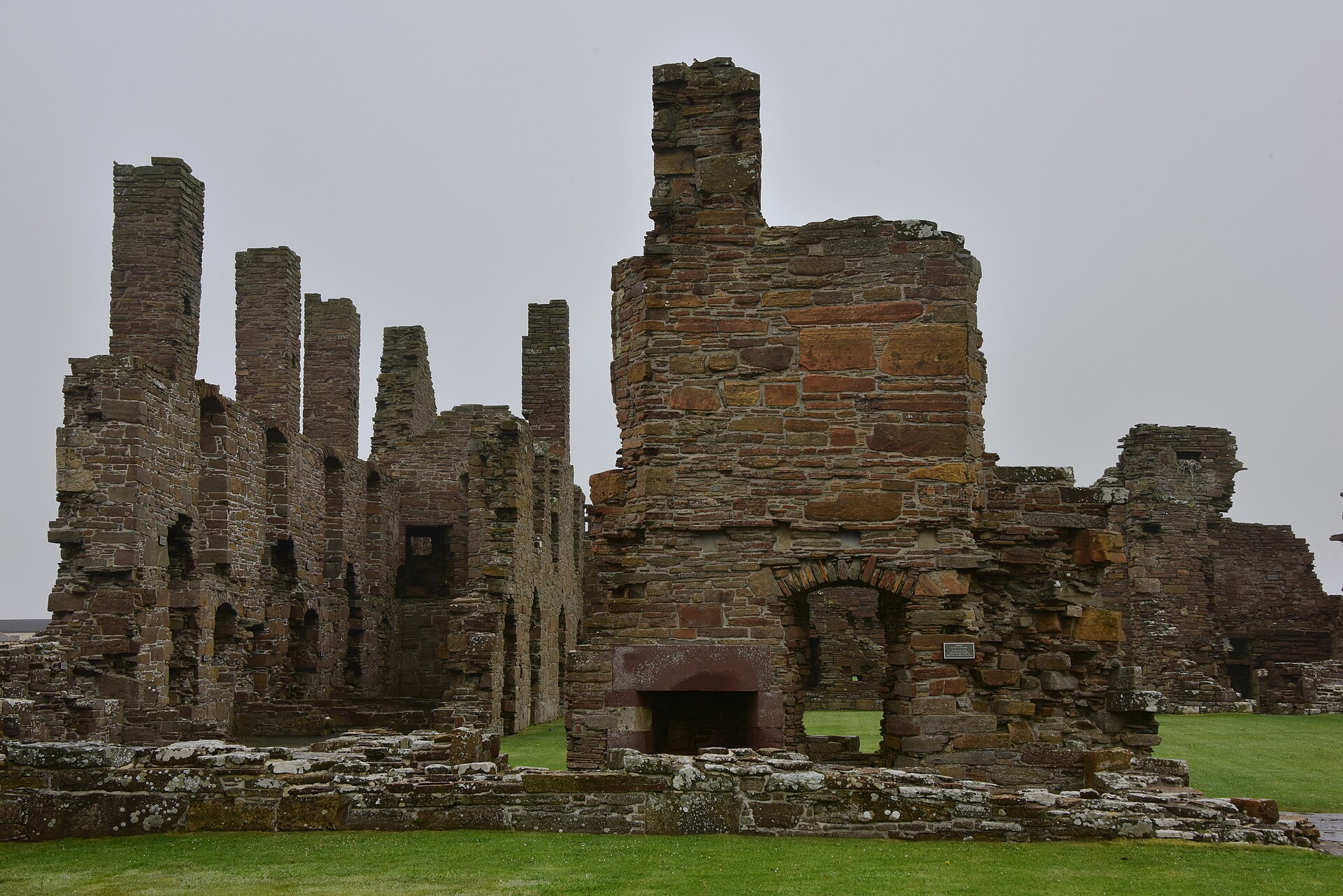
Robert Stewart’s fortress-palace embodies the political ambition of James V’s illegitimate son, combining ceremonial halls with gun-holed defences…
Sacred place · Medieval
North Yorkshire
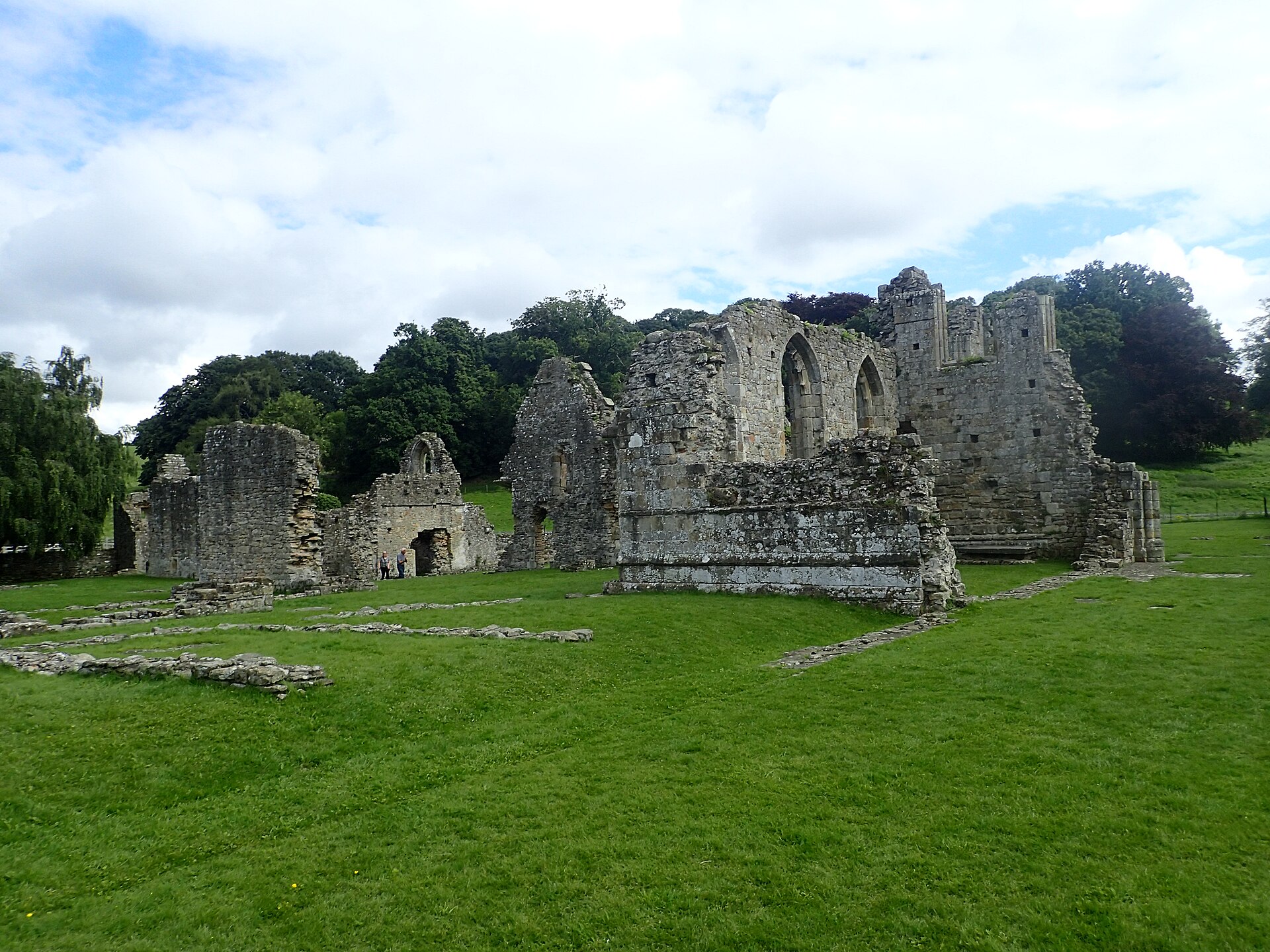
Its finest woodwork was carried off to Richmond at the Dissolution (Henry VIII's closure of the monasteries in the 1530s), yet six generations of o…
Carved stone · Pictish & early medieval
North Yorkshire
Carved from sandstone hauled some 60 miles from quarries near Whitby, the cross links a remote Yorkshire churchyard to the court art of Charlemagne…
Sacred place · Medieval
West Sussex
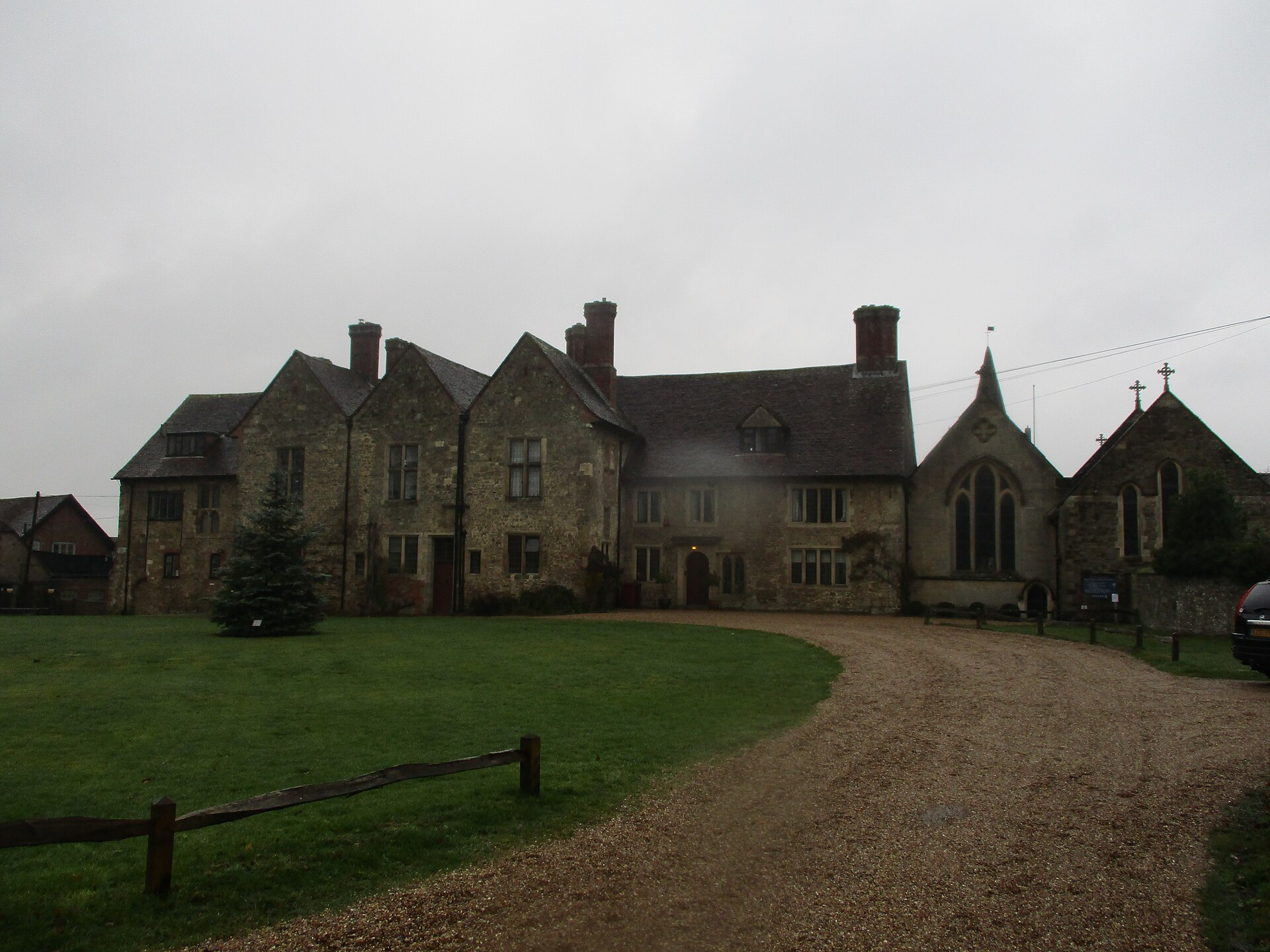
Founded before 1238 for a prioress and ten canonesses. Its claustral remains are now inside a Grade I listed house.
Carved stone · Pictish & early medieval
Angus
Carved on both faces with warriors, hunters, angels and a figure entangled with severed heads, it survived only because Georgian antiquarians pulle…
Fortified place · Medieval
Pembrokeshire
The East Blockhouse is the standing remnant of Henry VIII's 1539 Milford Haven pair in Wales; Second World War trenches cut into the Tudor gun-towe…
Briefer entries: recorded and worth knowing, with fuller pages to come.
Fortified place · Iron Age
Somerset
A rounded flat-topped hill of 178 metres on the limestone plateau south of Bath, close to the Fosse Way.
Fortified place · Medieval
County Down
Dundrum Castle is a layered Norman hill fortress whose keep, gatehouse and later Gaelic adaptations command Dundrum Bay and the approaches to Lecale.
Fortified place · Medieval
County Tyrone
Dungannon is worth seeking out for the way one hilltop concentrates Gaelic lordship, Plantation rebuilding, civil conflict and archaeology beneath…
Fortified place · Medieval
Greater Manchester
Dunham Castle is a documentary medieval castle whose surviving mound and former moat remain archaeologically uncertain, illustrating how later land…
Fortified place · Medieval
Antrim
Dunseverick Castle preserves an ancient coastal promontory with Iron Age (the centuries before Rome arrived, from about 800 BC), early Christian, V…
Building or ruin · Roman
Dorset
Durnovaria, Roman Dorchester, preserves the transition from a Roman military presence to a Durotrigan civic centre whose streets, defences, mosaics…
Building or ruin · Roman
Kent
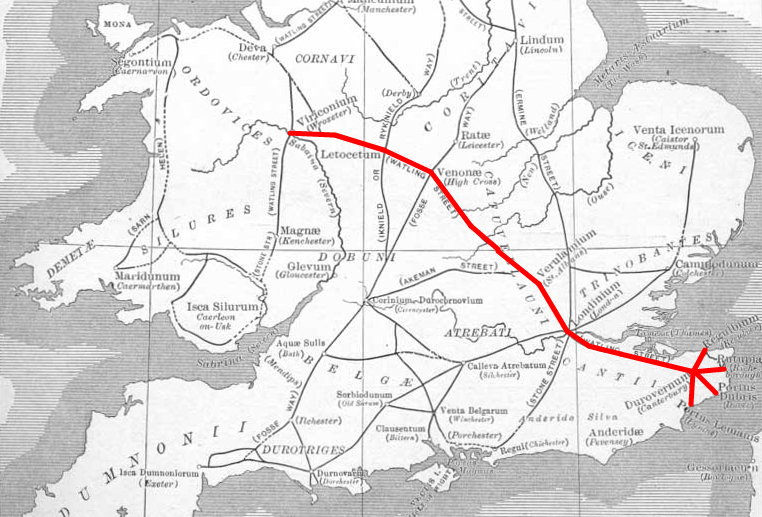
Durolevum was a Roman Watling Street settlement between Richborough and London, important precisely because archaeology has narrowed: but not settl…
Fortified place · Iron Age
Dorset
Duropolis is a large Iron Age (the centuries before Rome arrived, from about 800 BC) settlement near Winterborne Kingston whose dense roundhouse pl…
Building or ruin · Roman
Kent
Durovernum Cantiacorum was Roman Canterbury: a strategically sited civitas capital that developed from a fortified Iron-Age settlement into a walle…
Carved stone · Pictish & early medieval
Aberdeen City
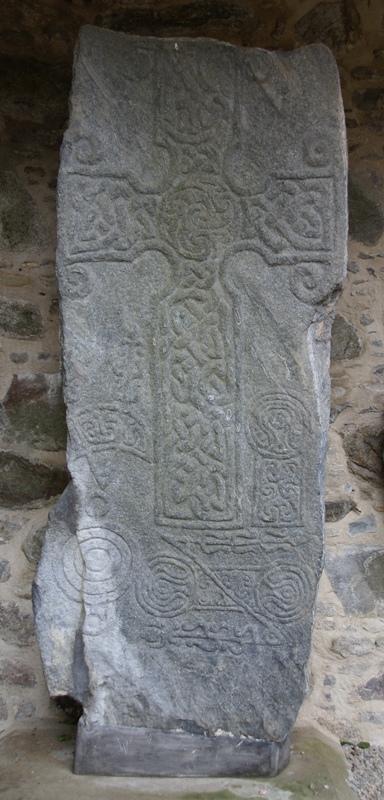
A rare survival: an incised pagan-era stone and a Christian cross-slab stand side by side under one roof, one still carrying an ogham inscription n…
No places match those filters.
Kinds of place
Ages

.jpg?width=800)