
A red-stone stronghold so formidable it was besieged, rebuilt and fought over for a thousand years, then torn down so thoroughly no one could ever rebuild on its foundations.
A jagged spur of red rock juts into the sea at Dunbar harbour, pierced by a natural cavern and split by narrow, plunging gullies that the sea rushes through at high tide. It was on this awkward, wave-battered ground that generations of builders raised one of the most fought-over strongholds in Scotland, squeezing towers, batteries and a citadel onto rock stacks linked by stone passages and a dark postern gate that opened straight onto the water.
What stands today is broken and open to the sky, its walls in places fused into strange vitrified masses by the weight of centuries and, tradition says, the heat of past burnings. But the surviving fragments still show the shape of a castle designed to be nearly unapproachable: a citadel reachable from only one direction, gun-ports splayed wide at the mouth and narrow at the throat, and a shoreline gate through which defenders once smuggled in food and men under siege.
Few places in Scotland changed hands, allegiance and design quite so often. English and Scottish garrisons, French mercenaries, Italian engineers and a queen fleeing her enemies all left their mark here before Parliament ordered the whole place levelled for good.
What follows is drawn from published sources, with each claim labelled by how firmly it is established.
The name
The name is thought to derive from a Brythonic (early British) term, dyn barr, meaning 'the fort of the point' — a fitting description for a stronghold built on a rocky headland.
History
The Votadini, also known as the Gododdin, a British people of the Iron Age and early historic period, are thought to have been the first to fortify this rocky headland, and its early Brythonic name, dyn barr or 'the fort of the point', preserves their presence. By the 7th century the site had passed to the Kings of Bernicia, an Anglian kingdom that had overrun the earlier British kingdom of Bryneich, and Dunbar had become one of their principal defensive positions on this stretch of coast.
In 678 the Northumbrian churchman Saint Wilfrid was imprisoned at Dunbar after his expulsion from the see of York by King Ecgfrith, a sign of the castle's role as a place of secure custody for the powerful. Dunbar was later said to have been burnt by Kenneth MacAlpin, King of the Scots, and record confirms that he did at some point hold the castle, marking an early shift of the site into Scottish hands.
By 1005 a Patrick de Dunbar was recorded fighting the Norse under King Malcolm II, and the first stone castle here is thought to have been raised soon after by Gospatric, Earl of Northumbria, who fled to Scotland following William the Conqueror's harrying of the north of England. Malcolm III granted him the manor of Dunbar and lands across East Lothian, the Merse and Lauderdale in return for loyalty, founding the family line that would hold the earldom for centuries.
In June 1338 Sir Alexander Ramsay of Dalhousie broke through to relieve the castle and reinforce Black Agnes, Countess of Dunbar, who together saw off a prolonged English siege led by William Montagu, 1st Earl of Salisbury. It was through the castle's dark postern gate onto the rocky shore, tradition holds, that Ramsay's men and their provisions were smuggled in past the besiegers.
The earldom's fortunes reversed in 1457, when George, Earl of March, was forfeited and the castle dismantled to keep it from English hands. James IV had it restored by the century's end: master mason Walter Merlioun completed the gatehouse, a well was dug, and in 1497 the king himself visited to reward his masons, work that transformed a slighted ruin back into a functioning royal fortress.
Through the 16th century Dunbar was rebuilt again and again by whoever held it: French garrisons under the Duke of Albany added an artillery bulwark in the 1520s, Italian and French engineers strengthened it further for Mary of Guise in the 1550s, and it was burned by the Earl of Shrewsbury during the Rough Wooing in 1548 before being repaired once more. Mary, Queen of Scots stayed here repeatedly through the 1560s, and was brought to the castle by the Earl of Bothwell in April 1567 shortly before her defeat at Carberry Hill.
Parliament ordered Dunbar's final destruction in December 1567, decreeing that it and the fortress on Inchkeith be cast down so thoroughly that no foundation would ever again invite rebuilding. The demolition proved so costly that it was never fully finished, but by 1568 stone from the ruins was already being carried off for reuse at the quayside in Leith.
People
-
Gospatric, Earl of Northumbria
Exiled English earl thought to have built the first stone castle at Dunbar after being granted the surrounding lands by Malcolm III.
-
Black Agnes, Countess of Dunbar
Defended the castle through a prolonged English siege in 1338, relieved by Alexander Ramsay of Dalhousie.
-

Photo: Unknown author / Wikimedia Commons / Public domain James IV of Scotland
Ordered the castle's restoration in the 1490s, including a new gatehouse and well, and visited the works in person in 1497.
-

Photo: Unidentified painter / Wikimedia Commons / Public domain Mary, Queen of Scots
Stayed at Dunbar Castle repeatedly during the 1560s and was brought here by the Earl of Bothwell shortly before the Battle of Carberry Hill in 1567.
Cultural influences
-
Dunbar Castle was shaped by its rock above the harbour and its command of sea and land routes along the East Lothian coast, making it a major defensive stronghold.
Connections
-
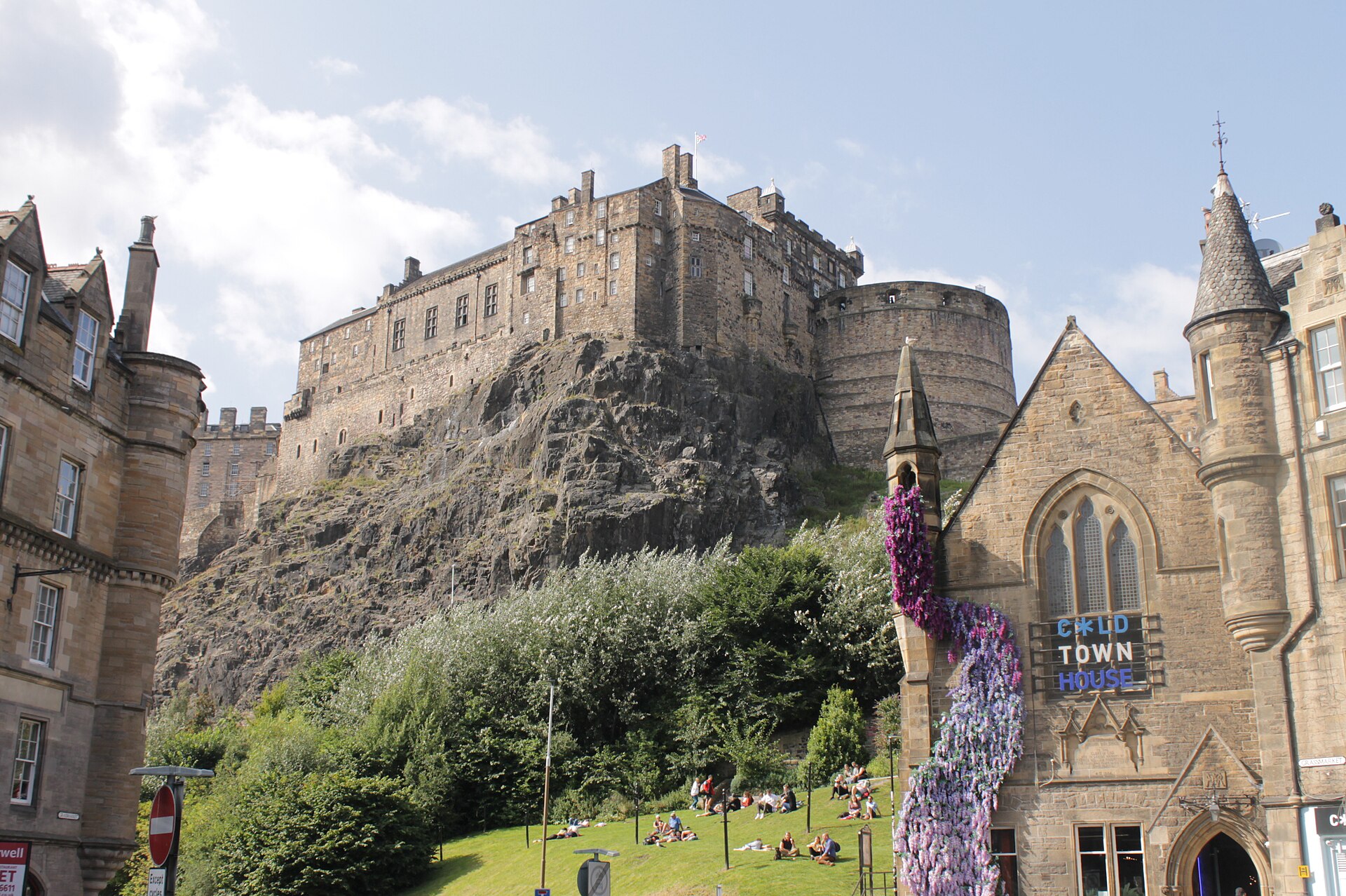
Photo: Stephencdickson / Wikimedia Commons / CC BY-SA 4.0 Supplied hinges forged in its smithy and a roof design copied for Dunbar's Hannis tower during James IV's rebuilding works.
-
Inchkeith fortress
Named alongside Dunbar in the December 1567 Act of Parliament ordering both castles slighted beyond any future rebuilding.
-

Photo: Bubobubo2 / Wikimedia Commons / CC BY-SA 3.0 Fast Castle, Dunglass and the Bass
Listed by the French soldier Jean de Beaugué as nearby strongpoints and landmarks that made Dunbar's position strategically valuable during the Rough Wooing.
-
Kings at Bamburgh Castle and York
Dunbar's early-medieval Ealdormen owed homage to these Northumbrian royal seats before the site passed into Scottish control.
What to look for
-
The South Battery
A detached rock stack some 72 feet high, thought to have served as the citadel or keep, joined to the main castle by a stone passage roughly 69 feet long.
-
The octagonal citadel interior
The citadel's interior measures around 54 by 60 feet within its walls and is octagonal in plan, with arched buildings extending 8 feet from the outer walls around an open court.
-
Surviving gun-ports
Five gun-ports known as the 'arrow-holes' survive, flared to about 4 feet wide at the outer mouth and narrowing to only 16 inches at the inner end.
-
The armorial gateway
A surviving gateway through the fortress's central wall is topped with carved armorial bearings for George, 10th Earl of Dunbar, including a lion rampant shield flanked by the arms of the Bruces and of the Isle of Man.
-
Vitrified wall masses
Sections of collapsed wall appear fused or vitrified, built from a distinctive red stone quarried near Garvald.
What is said
Folklore and tradition, recorded as what is said — not as established fact.
-
Mary, Queen of Scots' chamber
A small, nearly inaccessible chamber roughly 12 feet square in the north-west ruins is said by tradition to have been the private apartment of Mary, Queen of Scots, though no record confirms she ever used this specific room.
-
The Acheron cavern
A large natural cavern of black stone north-east of the castle was likened by early writers to the mouth of the Acheron, the river of the underworld in classical legend, and was believed locally to have formed part of the castle's dungeon.
Plan your visit
- Location
- 56.0060°N · 2.5157°W
- Nearest settlement
- Dunbar
- Time needed
- About 45 minutes
Nearby places
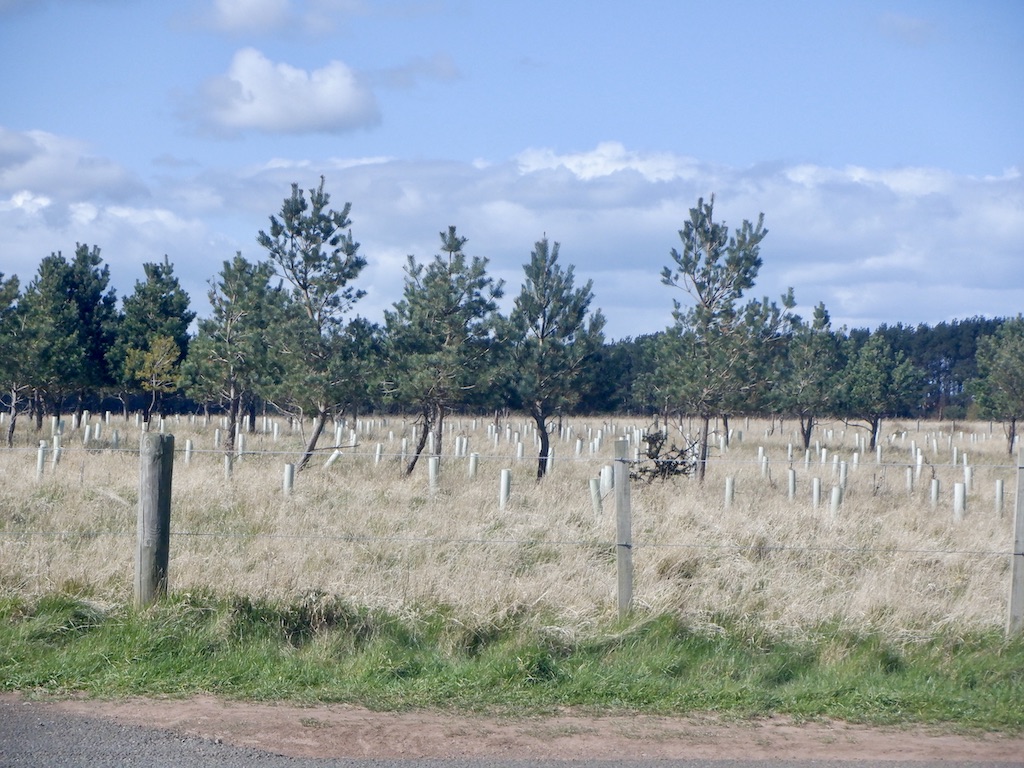
Fortified place · Iron Age
Broxmouth
East Lothian
The most completely excavated hillfort (a defended enclosure on high ground, ringed with banks and ditches) in Scotland, its cemetery preserves rar…
- Some walking
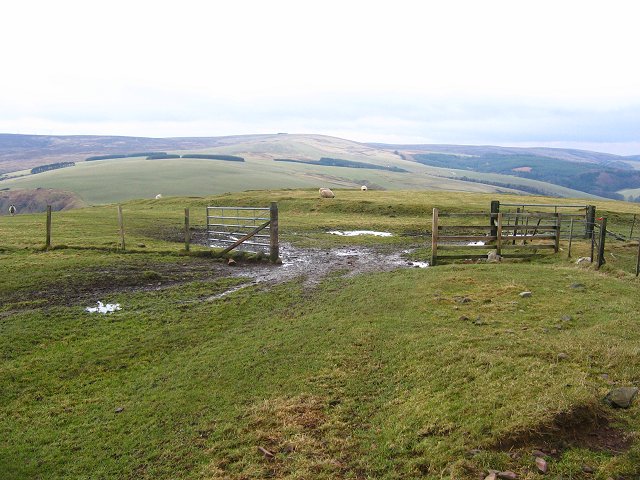
Fortified place · Iron Age
Blackcastle Hill, East Lothian
East Lothian
A single earthen bank, not the layered ramparts of its grander neighbours, rings this Lammermuir summit: a modest, univallate answer to the same Ir…
- Some walking
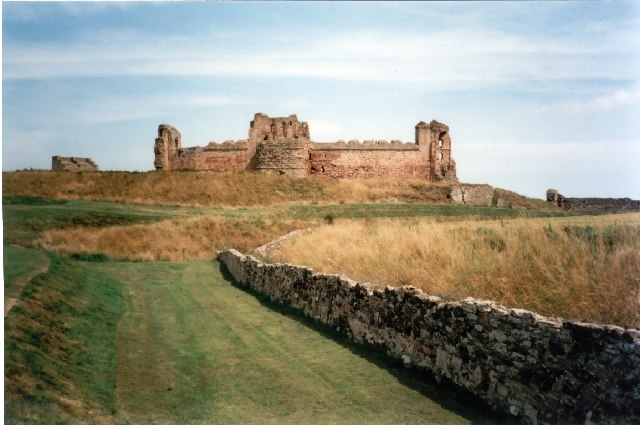
Fortified place · Medieval
Tantallon Castle
East Lothian
Tantallon is Scotland’s last medieval curtain-wall castle, a dramatic coastal fortress whose single massive landward wall defended a naturally clif…
- Near North Berwick
- Rough ground
Settlement · Prehistoric
Traprain Law
East Lothian
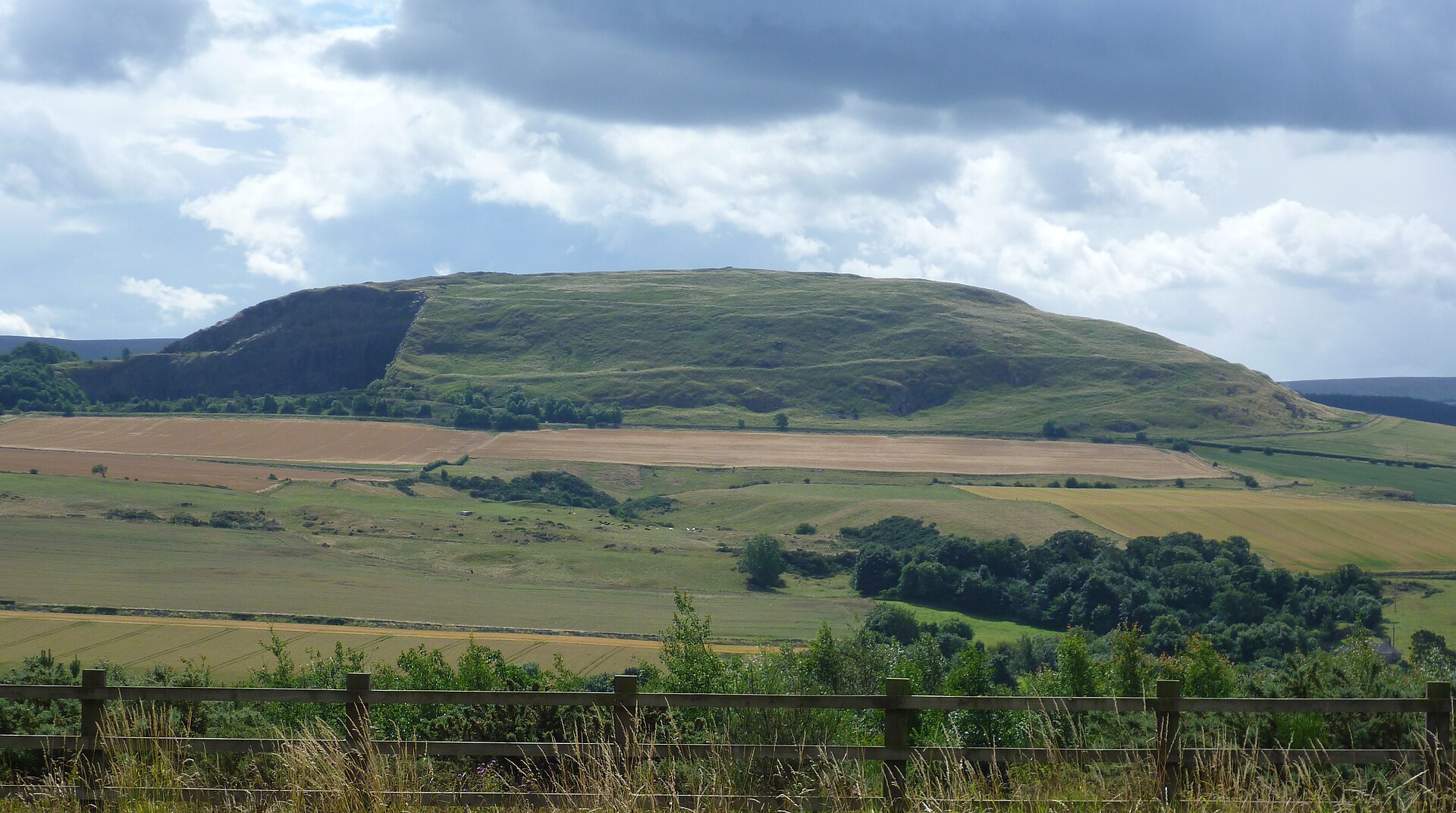
The hill was already a place of burial by around 1500 BC and shows evidence of occupation and ramparts after 1000 BC; the ramparts were rebuilt and…
- Near East Linton
- 25 min walk from car park
- Some walking
Questions people ask
- Why was Dunbar Castle destroyed?
- Parliament ordered it slighted in December 1567 so no foundation would remain to build on again, ending its long history as a contested stronghold.
- Who besieged Dunbar Castle in 1338?
- William Montagu, 1st Earl of Salisbury led an English siege that was broken when Alexander Ramsay of Dalhousie relieved Black Agnes, Countess of Dunbar.
- Did Mary, Queen of Scots stay at Dunbar Castle?
- Yes, she visited and stayed repeatedly through the 1560s, and was brought there by the Earl of Bothwell in April 1567 before the Battle of Carberry Hill.
- What does the name Dunbar mean?
- It likely comes from a Brythonic term, dyn barr, meaning 'the fort of the point', referring to its position on a rocky headland.
- What survives of Dunbar Castle today?
- Ruined fragments remain, including the South Battery rock stack, part of the octagonal citadel, five gun-ports and an armorial gateway.
Sources
- Wikipedia: Dunbar Castle
- Historic Environment Scotland — Canmore
Explore more: Fortified places · Medieval · East Lothian
The Ancient Codex, in your pocket
Get the Pocket Codex app
Carry the directory with you — Dunbar Castle and thousands of ancient places across Britain and Ireland, offline, wherever you roam.