Fortified place · Medieval
Orchardton Tower
Dumfries and Galloway
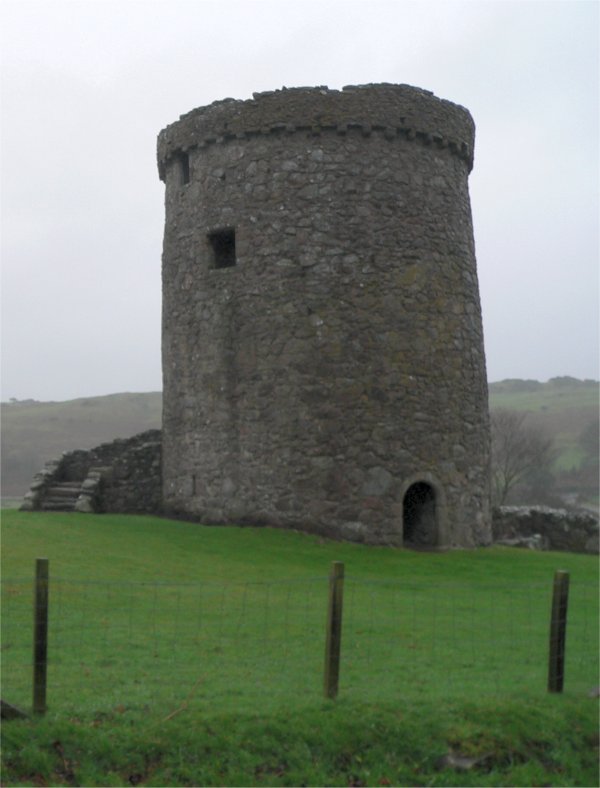
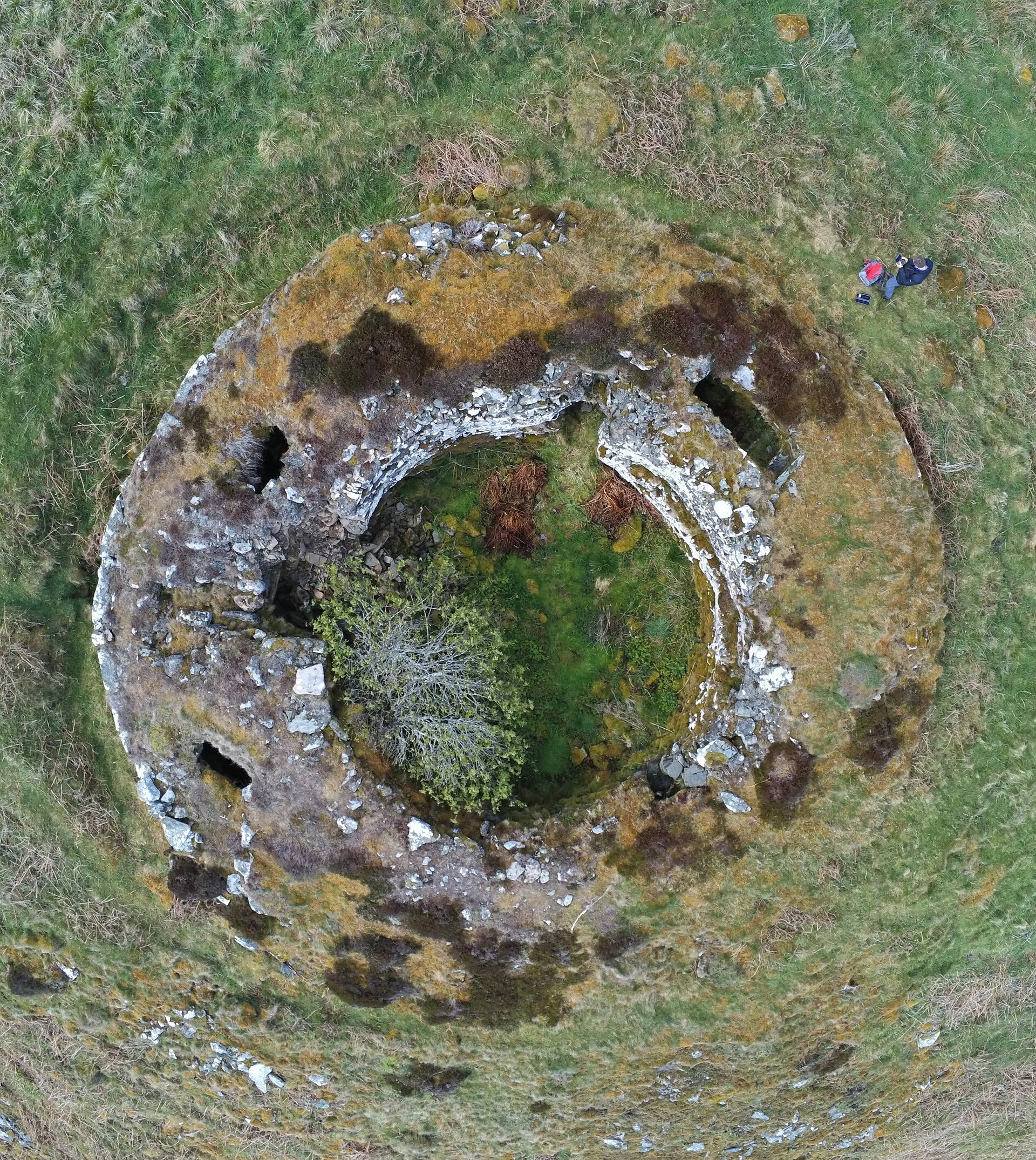
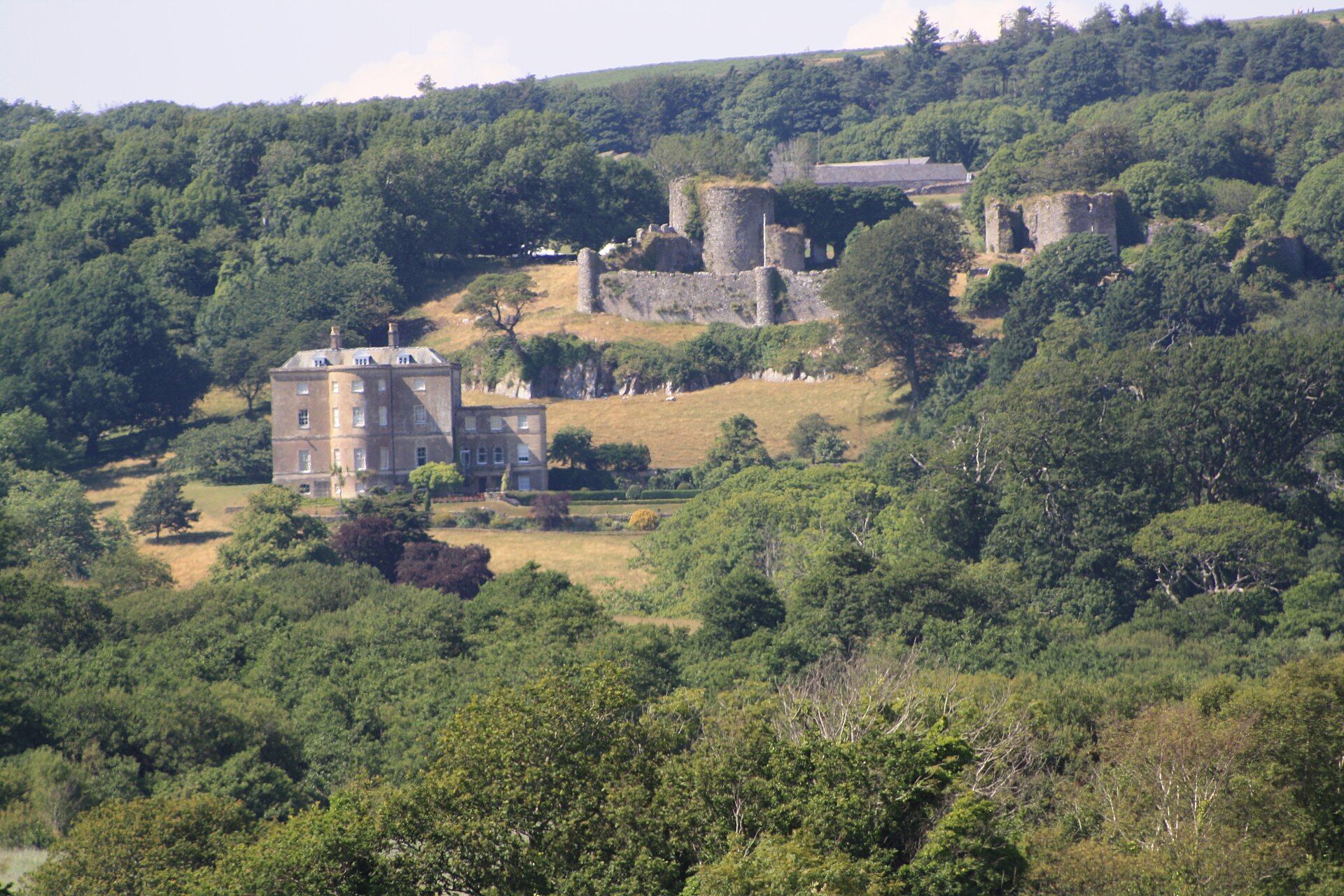
Orchardton is Scotland’s only cylindrical tower house, a deliberate fifteenth-century revival of an obsolete form within a later, more domestic tow…
- Some walking
The directory
Page 34 of 47 in the full directory.
Browsing 100 places — search and the map cover the whole directory.
Fortified place · Medieval
Dumfries and Galloway
Orchardton is Scotland’s only cylindrical tower house, a deliberate fifteenth-century revival of an obsolete form within a later, more domestic tow…
Building or ruin · Medieval
East Sussex
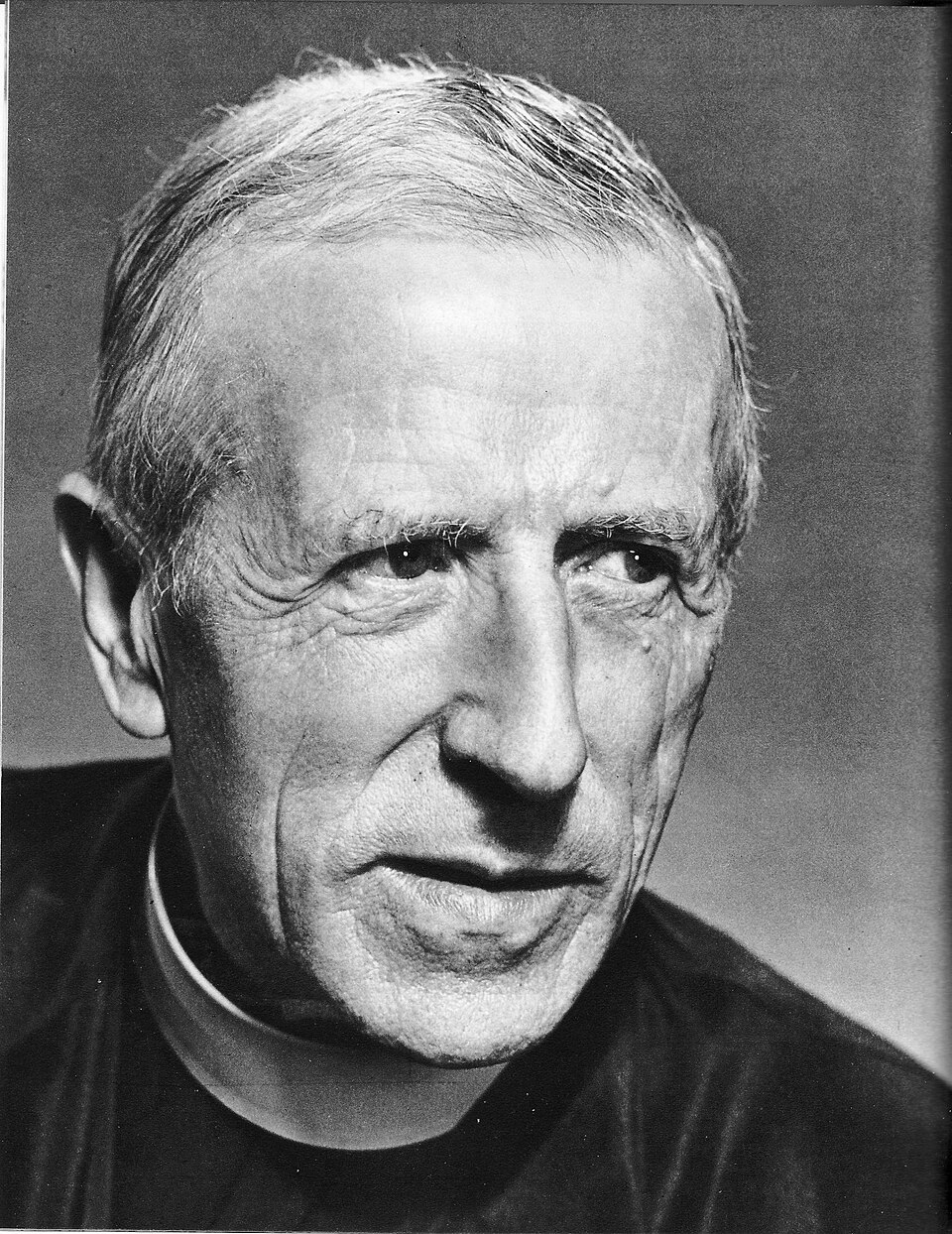
A manor house whose owners ranged from a traditionally claimed Plantagenet founder to Jesuit theologians who trained Pierre Teilhard de Chardin, be…
Fortified place · Medieval
Suffolk
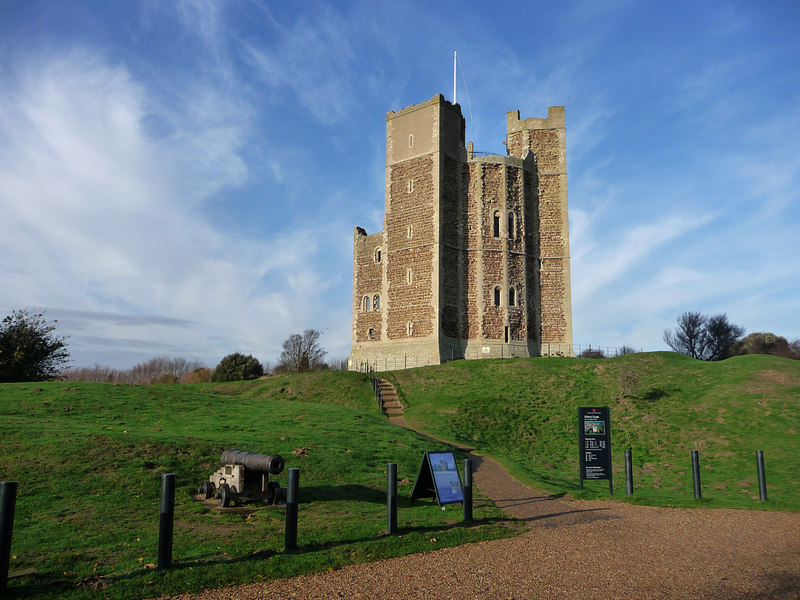
A round keep of a design unmatched in England, raised by Henry II to check the power of the Bigods.
Fortified place · Medieval
Outer Hebrides
A T-plan, two-storey mansion house on South Uist, Ormacleit Castle stood as the seat of Clanranald for barely a decade before fire reduced it to th…
Fortified place · Medieval
County Tipperary
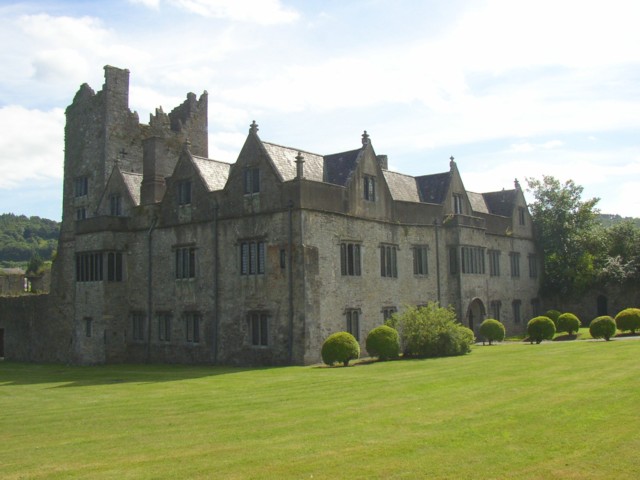
A fortified bawn on the River Suir grew a Tudor manor house grafted onto its medieval towers: the first Elizabethan-style residence built in Irelan…
Building or ruin · Medieval
Argyll and Bute
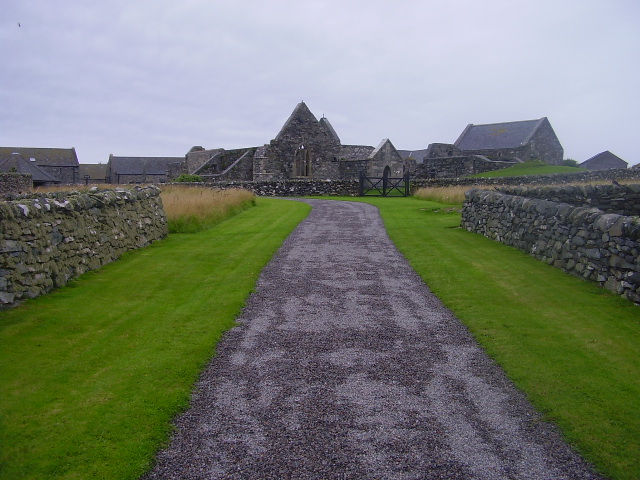
A tidal island monastery so remote that its own priors barely surface in the record, yet it left one of the finest carved crosses in the Hebrides s…
Sacred place · Prehistoric
Orkney Islands
Orphir Round Church preserves the remains of a circular medieval church dedicated to Saint Nicholas.
Sacred place · Medieval
Oxfordshire
For four centuries the wealthiest monastery in Oxford, its bell Great Tom now the loudest voice in the city's skyline: hung not in its own ruined t…
Sacred place · Medieval
Nottinghamshire
Ossington was a Hospitaller estate centre whose disputed village grant reveals how medieval military-religious orders accumulated and defended Engl…
Fortified place · Medieval
Shropshire
Oswestry Castle preserves a Welsh-Marcher stronghold whose name, ownership and repeated attacks track the border’s shifting politics, while its mot…
Crossing or structure · Medieval
West Yorkshire
A bridge commissioned by the Archbishop of York in 1228 and finished the next year, its width set to take a cart, and flooded repeatedly ever since.
Fortified place · Medieval
Northumberland
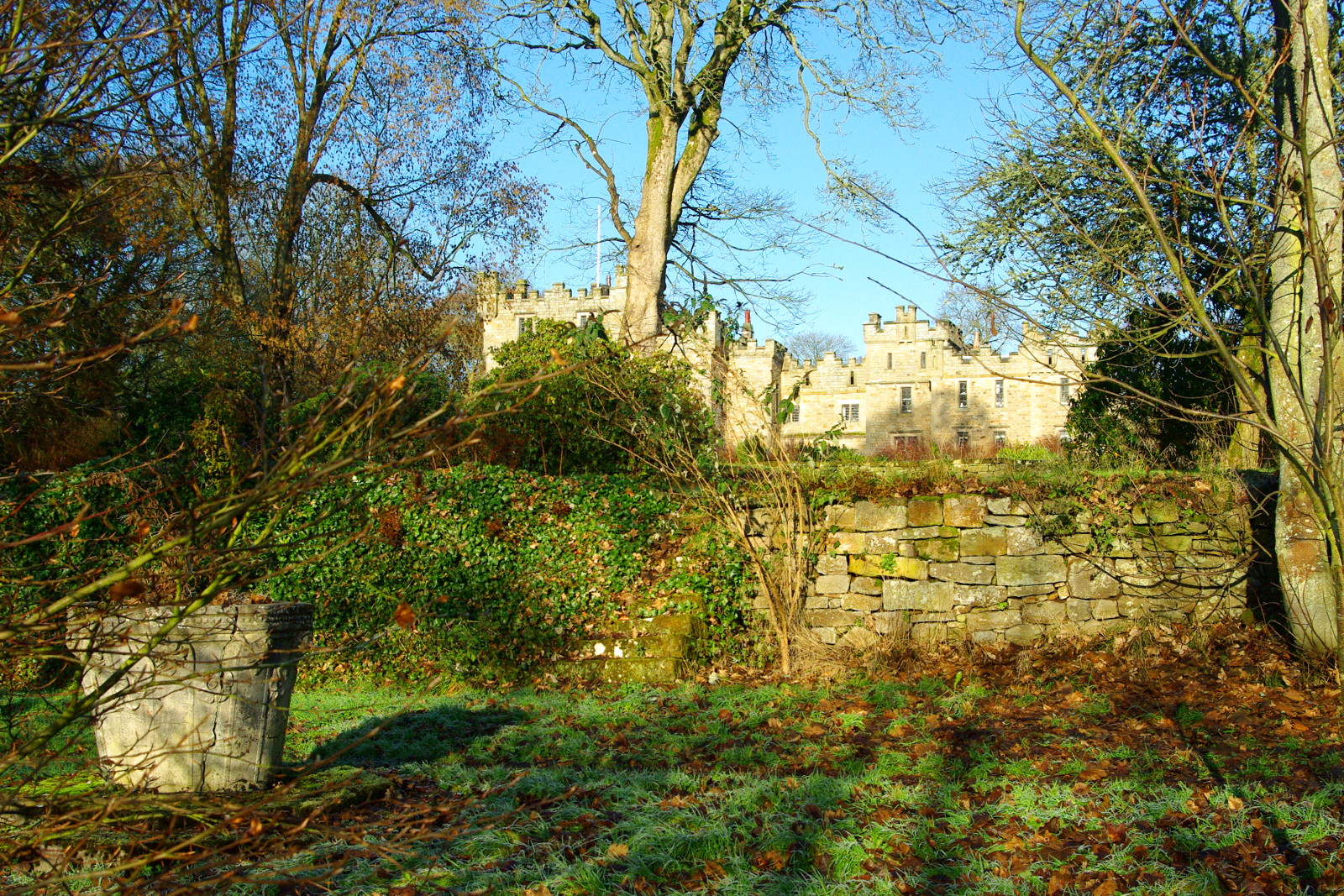
Otterburn layers an 1830 country-house rebuild over a medieval tower, beside a frontier river and burial circles from before written records reache…
Sacred place · Medieval
Gloucestershire
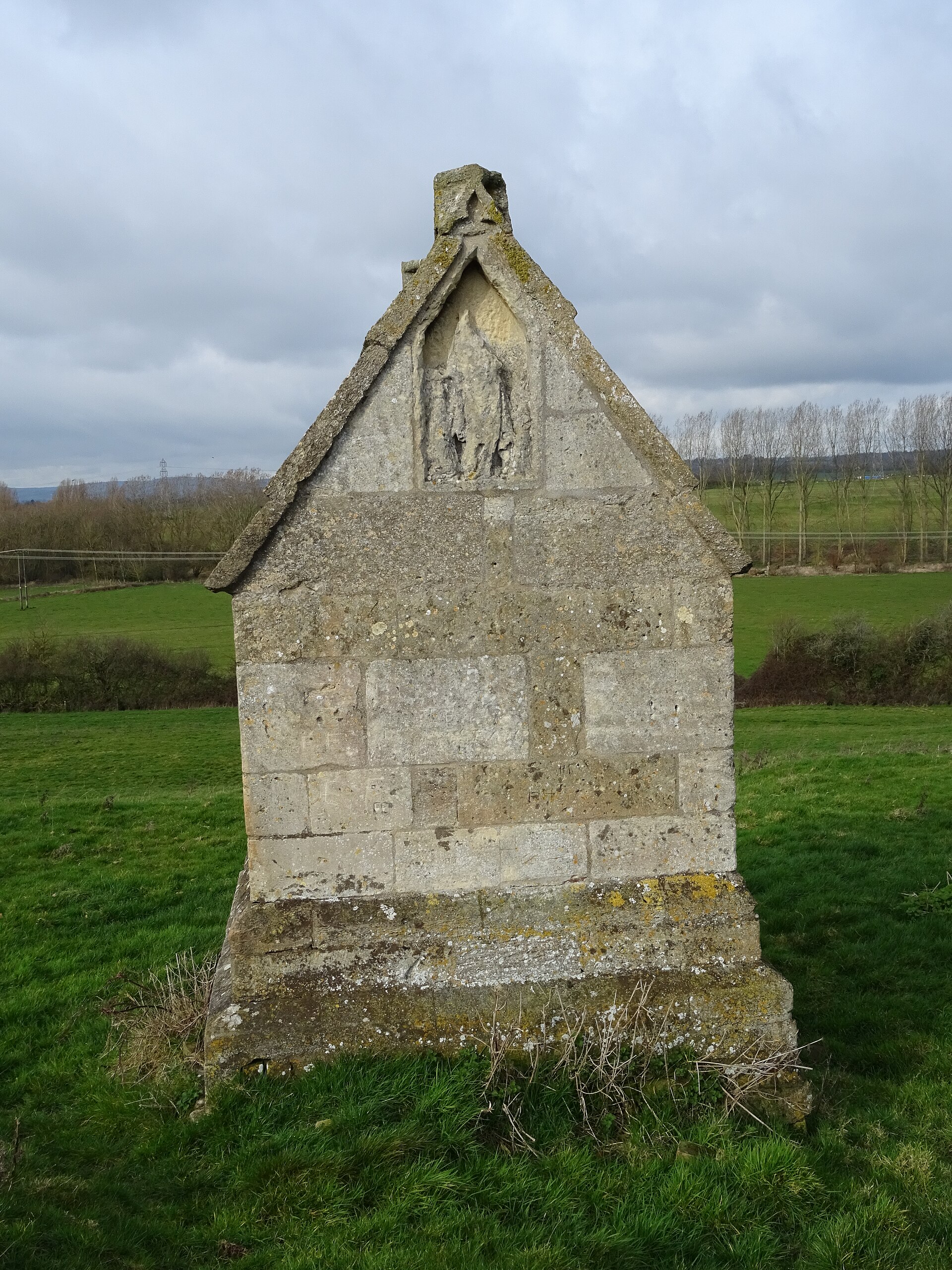
A 14th-century well house carved with Saint Anne, the Virgin Mary and an angel: physical record of a pilgrimage for cures revived as recently as 1989.
Fortified place · Iron Age
Highland
One of the best-preserved brochs on the Caithness coast, with its entrance passage still roofed by its original stone lintels after more than two t…
Crossing or structure · Medieval
Gloucestershire
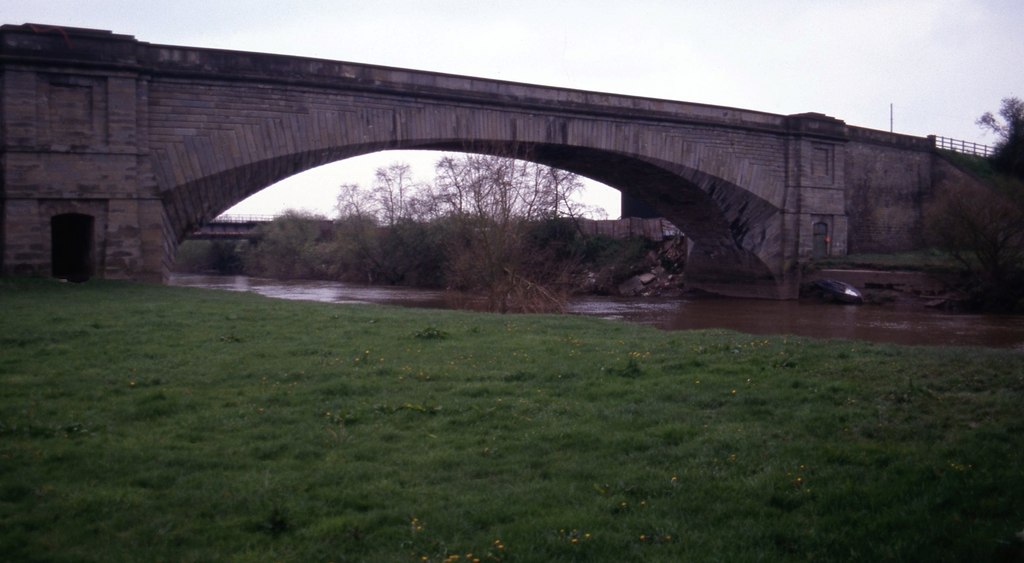
Telford borrowed the arch's shape from a Parisian bridge over the Seine, and builders watched it sink eight measured inches as its foundations sett…
Building or ruin · Roman
Lancashire
A Roman fort so thoroughly buried beneath a country house that its very name is guesswork, pieced together from a scholarly quarrel over the Antoni…
Sacred place · Medieval
Leicestershire
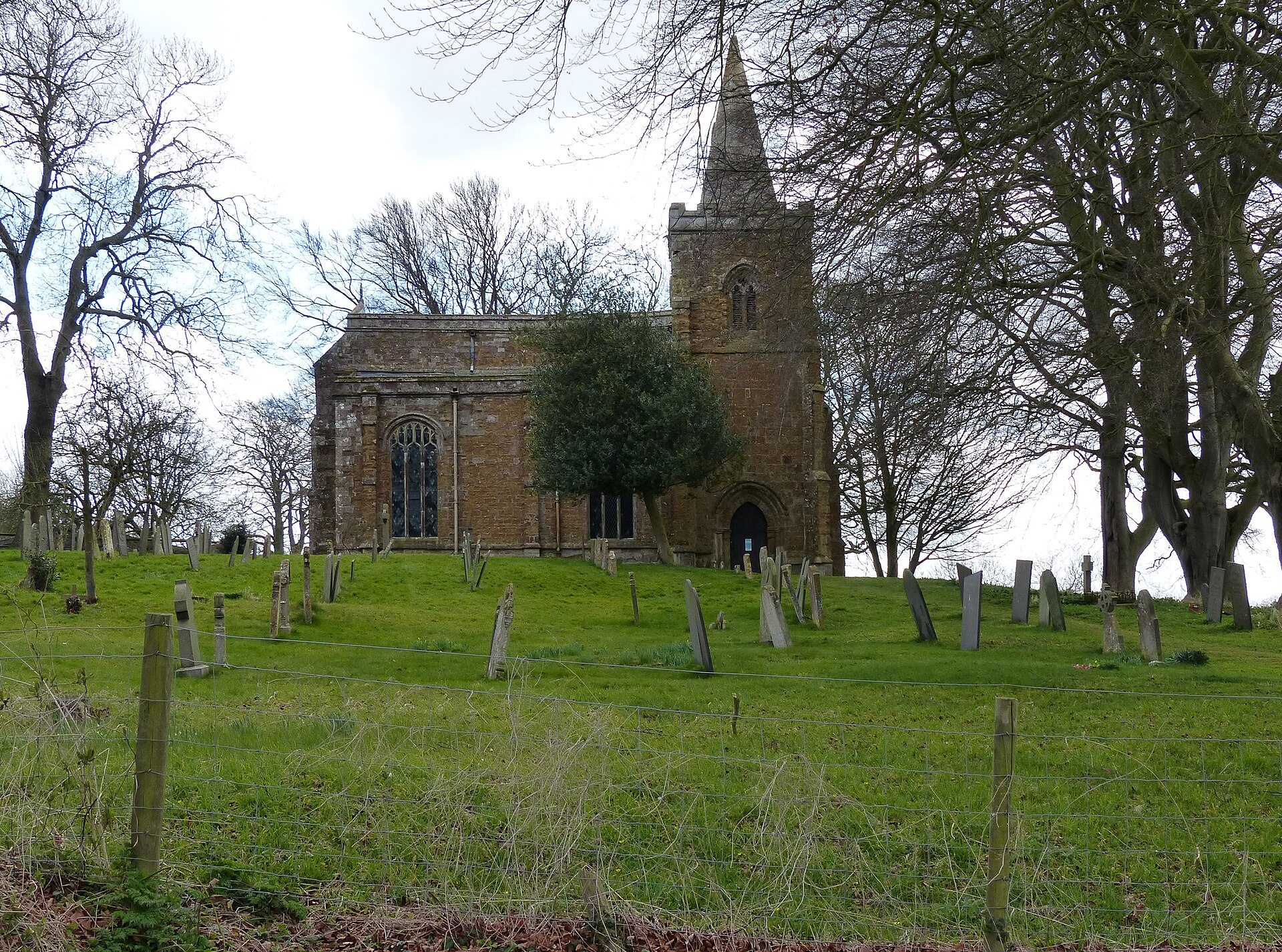
One of Leicestershire's poorest Augustinian houses, its chancel (the eastern end of the church, holding the altar) survives folded into the parish…
Fortified place · Medieval
Lincolnshire
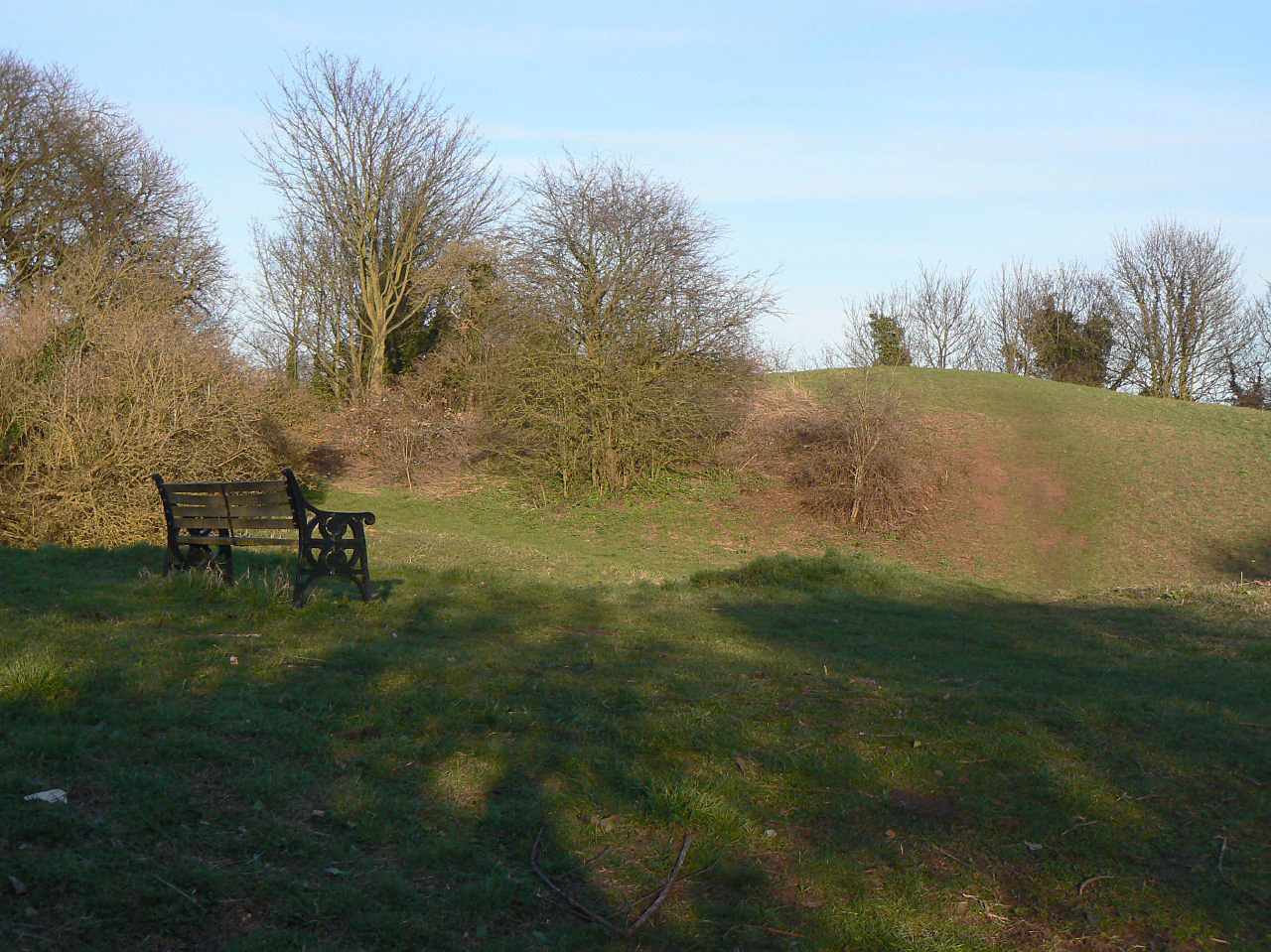
Owston Ferry Castle preserves the motte (the earthen mound a castle was raised on) of a repeatedly dismantled Norman stronghold, rebuilt in 1173 fo…
Fortified place · Medieval
Oxfordshire
A large, partly ruined medieval castle on the western side of central Oxford, its timber work rebuilt in stone.
Fortified place · Medieval
Oxfordshire
A rare English example of genuine concentric double-walling, possibly inspired by Crusader experience of Near Eastern fortresses or by masons retur…
Fortified place · Medieval
Swansea
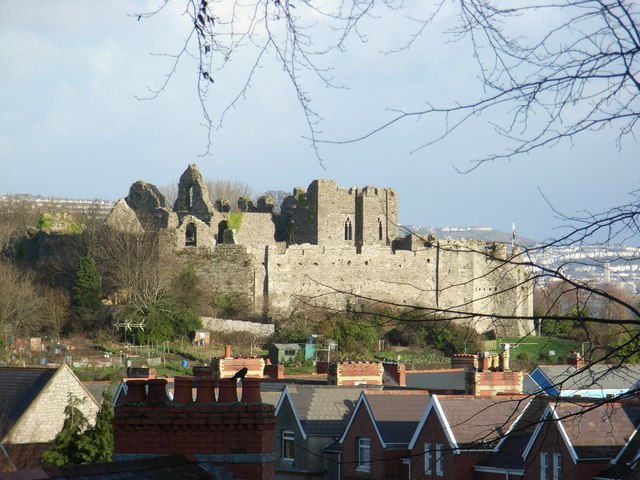
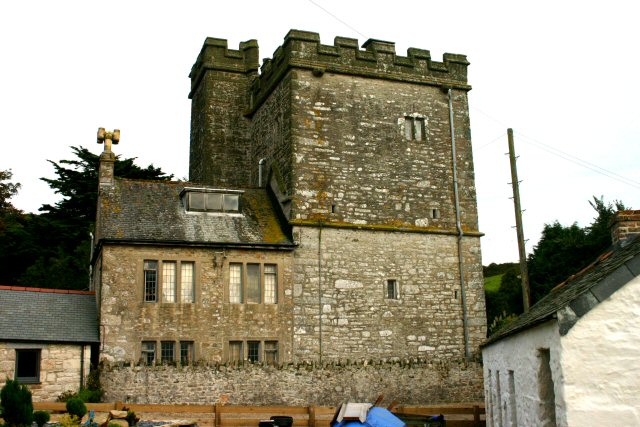
A castle in name only. What stands is a grand Tudor fortified manor house, and building its east range may have bankrupted the man who raised it.
Fortified place · Medieval
Swansea
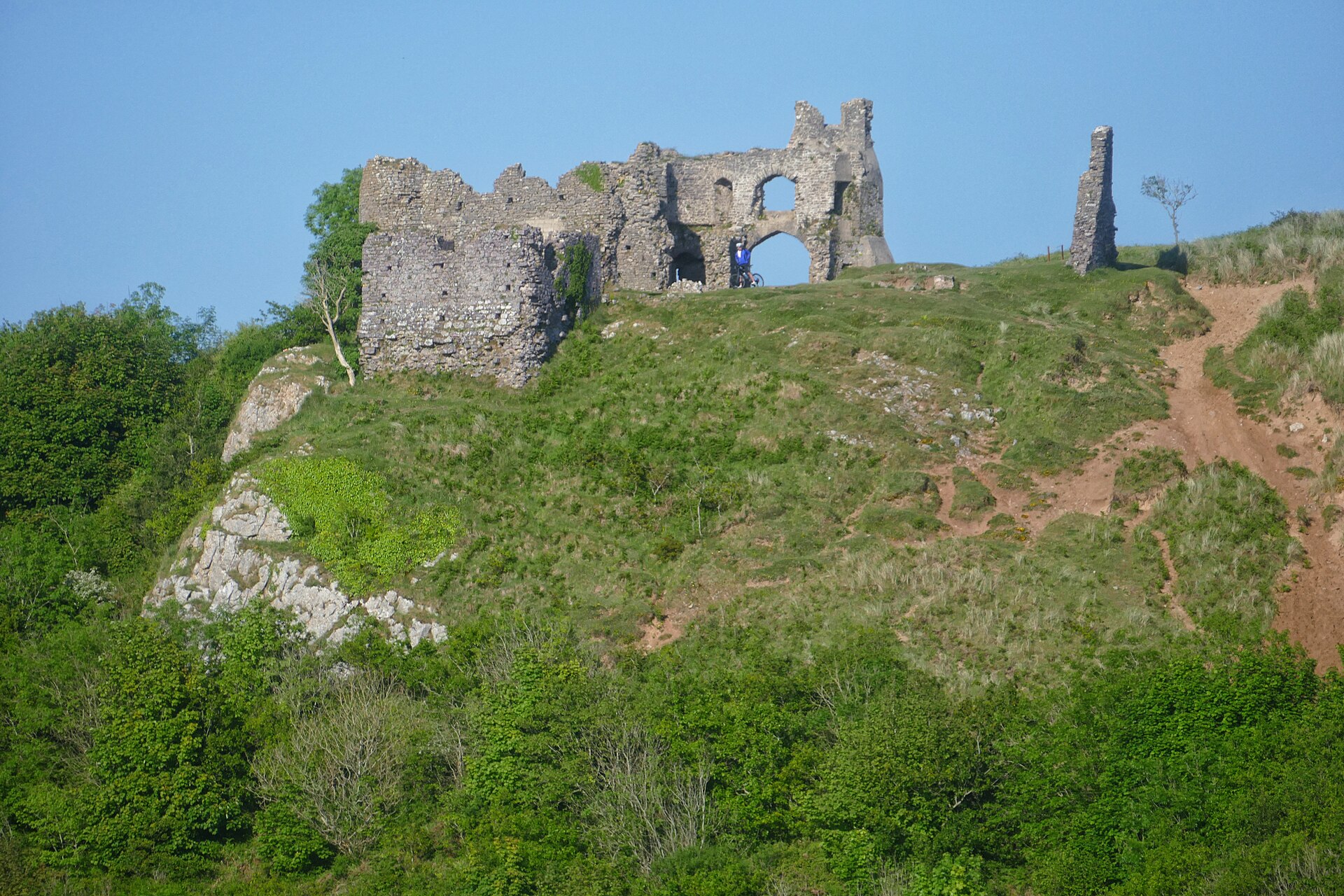
Burnt by the Welsh in 1116, probably destroyed again in 1137, and lost with its owners' line in 1215: rebuilt each time.
Fortified place · Iron Age
Cornwall
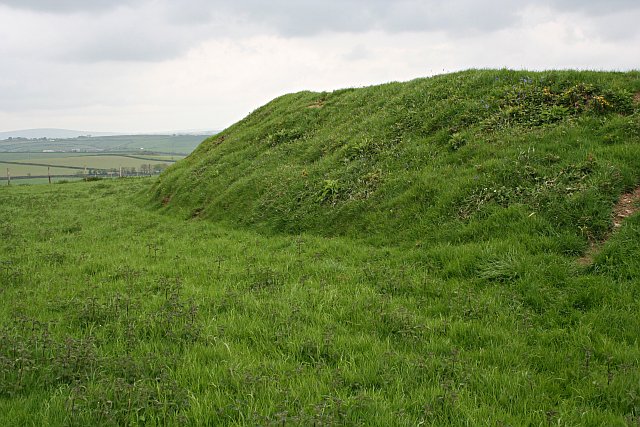
Padderbury Top is a compact Cornish defended settlement whose surviving rampart, a defensive bank of earth or stone, and aerial traces preserve a l…
Sacred place · Medieval
Derbyshire
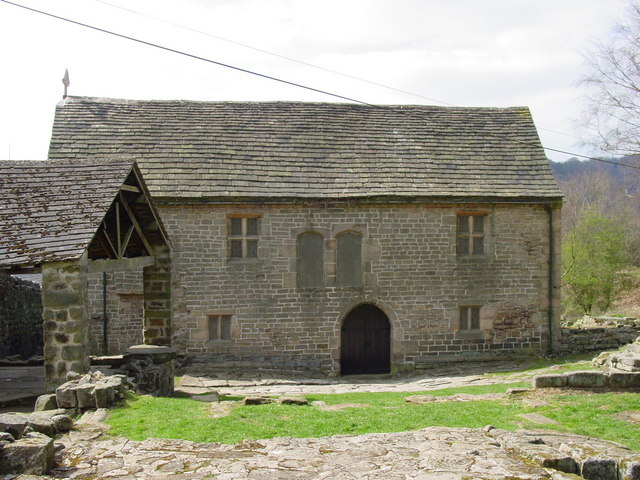
A gatehouse range rebuilt as a chapel in 1933 to honour two priests hanged, drawn and quartered for their faith in 1588.
Building or ruin · Medieval
Derbyshire
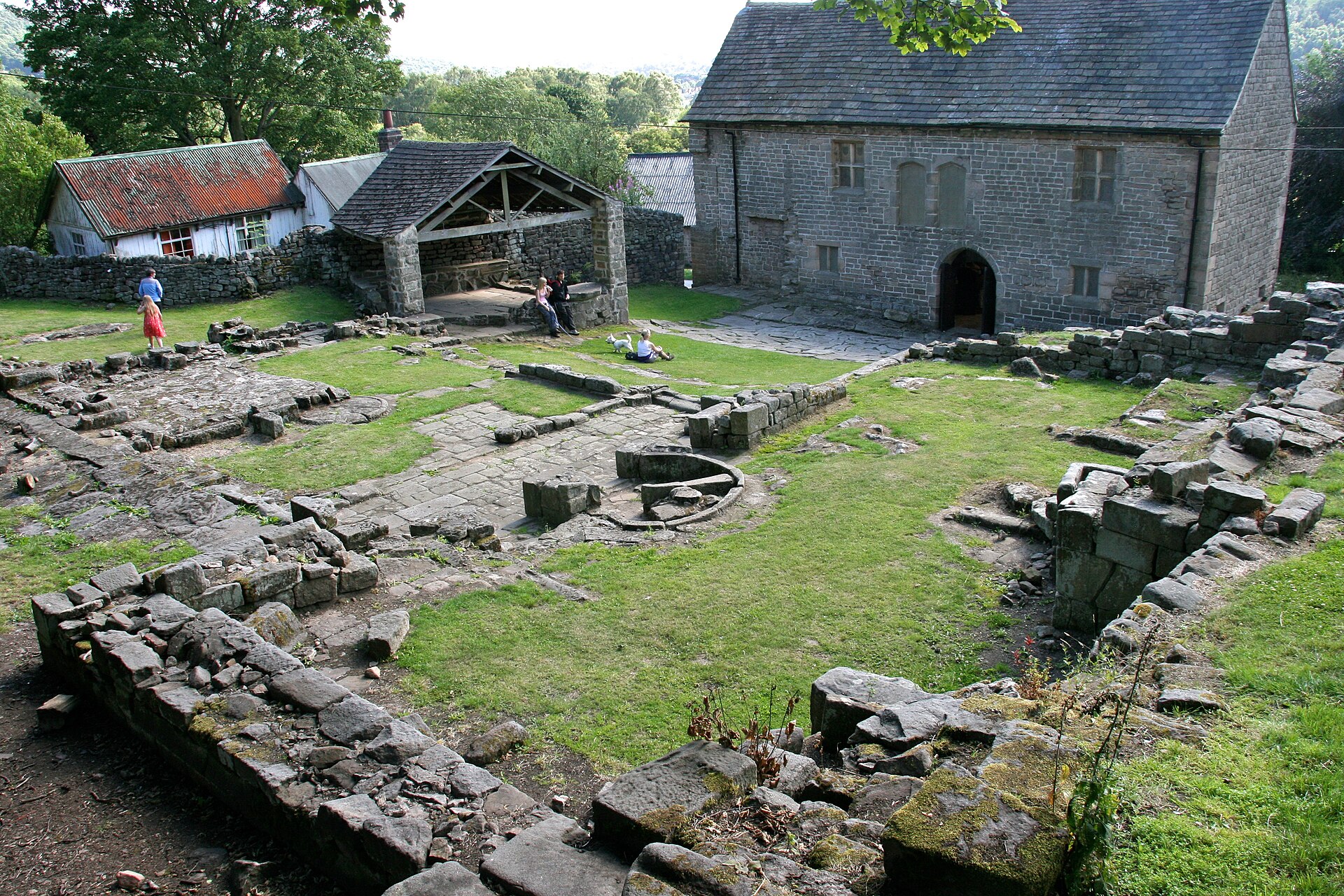
Padley Hall’s double courtyard preserves the setting where two hidden priests were seized in July 1588 and later became known as the Padley Martyrs.
Building or ruin · Roman
Somerset
Three temples built one after another on the same spot, in a double-octagonal plan: on a hill whose apt-sounding name turns out to be modern.
Fortified place · Medieval
Powys
A castle besieged by two Welsh armies and taken by neither, held for a time by a woman, and rebuilt in stone by a king to fight Llywelyn the Great.
Sacred place · Medieval
Renfrewshire
Robert II was born here by caesarean section in 1316, after his mother fell from her horse nearby. A stone marker stands where she came off.
Fortified place · Medieval
County Galway
Its bawn: the perimeter wall with four corner towers and a working gatehouse: survives almost complete, letting the whole defensive layout of a Bur…
Tomb or burial place · Prehistoric
Isle of Anglesey
Pant-y-Saer is a partially collapsed Neolithic (the late Stone Age, about 4000–2500 BC in Britain) chamber tomb where excavation revealed repeated…
Carved stone · Pictish & early medieval
Shetland Islands
Carved on a single face of stone left otherwise plain, the Papil Stone rises to a large, long-stemmed cross shaped like a fan, its shaft crowded be…
Building or ruin · Medieval
Nottinghamshire
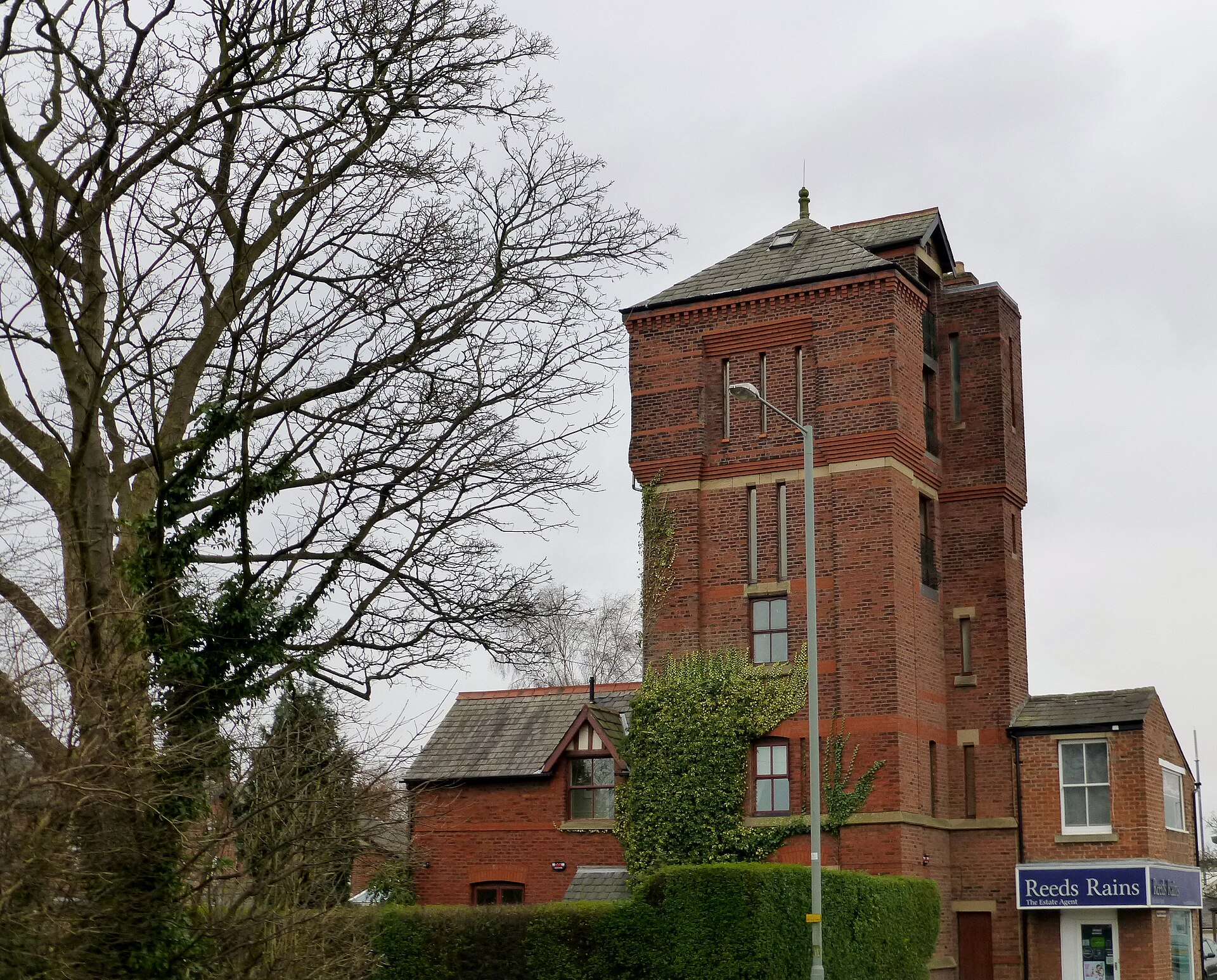
Papplewick preserves a working Victorian clean-water system whose original beam engines still demonstrate the engineering that transformed Nottingh…
Tomb or burial place · Prehistoric
Swansea
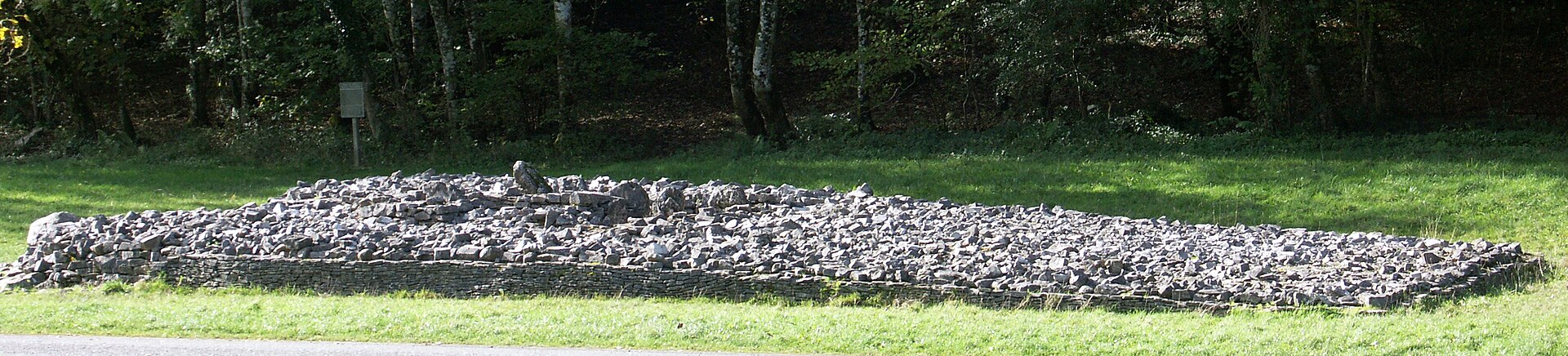
In 1869 workmen digging for road stone on the Gower Peninsula broke into a mound of limestone rubble and found it packed with broken human bone. Wh…
Fortified place · Iron Age
Isle of Anglesey
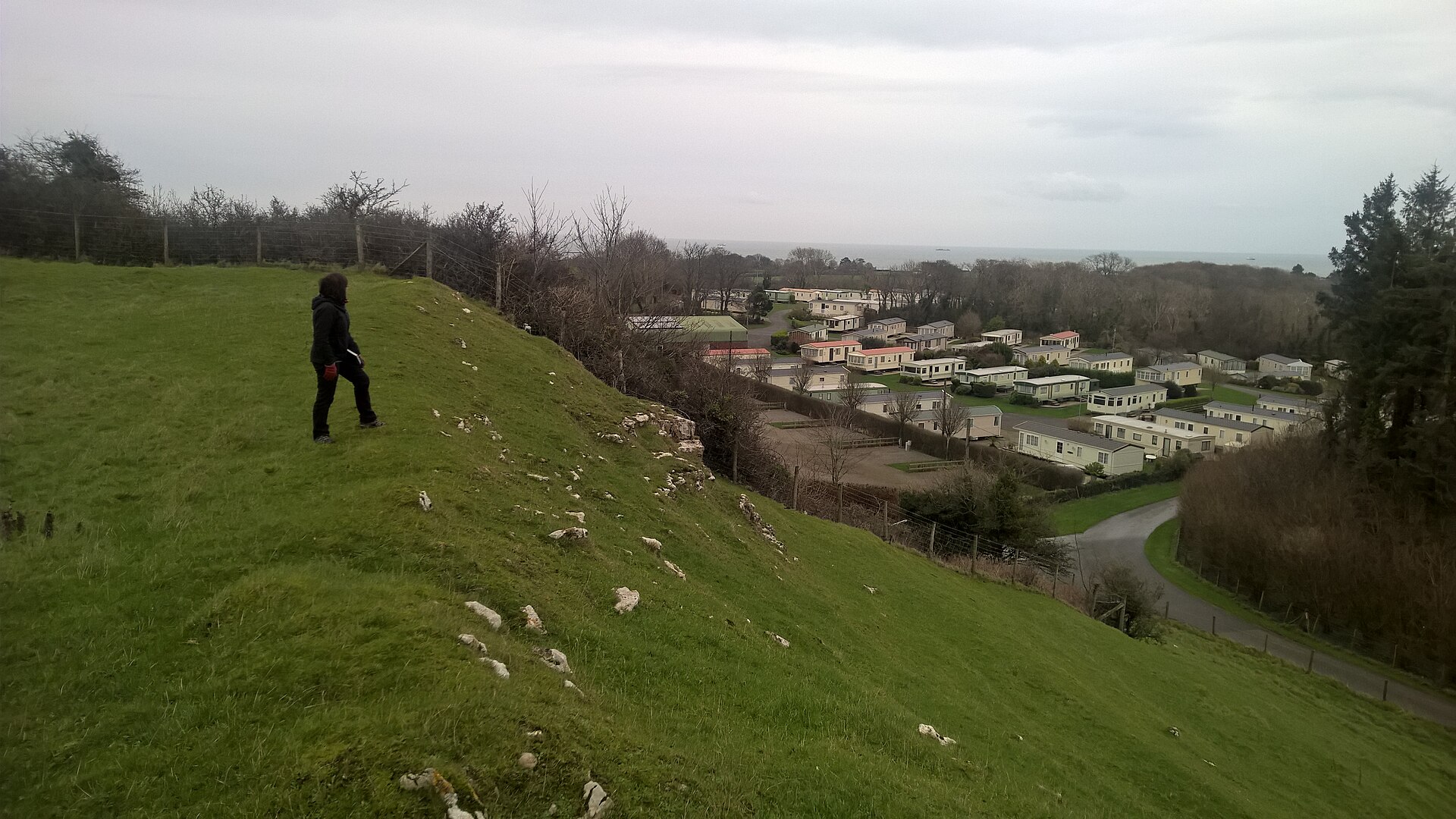
Parciau is a cliff-edged Anglesey hillfort: a defended hilltop settlement: where a dense settlement of hut circles and late Roman finds suggest ren…
Building or ruin · Medieval
Greater London
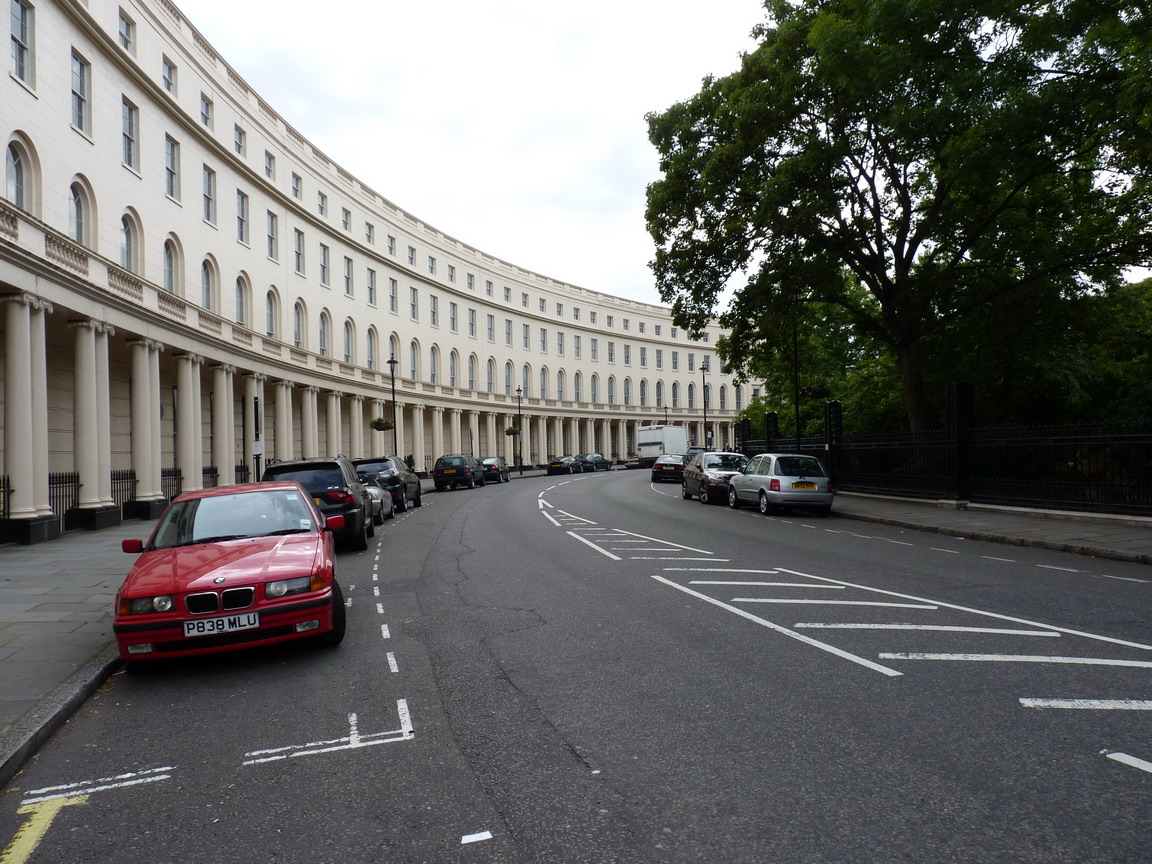
The Park Crescent West ice well is a rare, well-preserved 1780 urban ice store whose use by ice-trade pioneer William Leftwich captures the shift f…
Fortified place · Medieval
County Leitrim
A Gaelic tower house, a Plantation manor and a wartime prison all stand on the same patch of lakeshore: one site holding three centuries of conques…
Building or ruin · Medieval
Norfolk
Paston Great Barn is a 1581 Paston grain store whose exceptional architecture now supports Britain’s only building-based barbastelle maternity roos…
Sacred place · Medieval
Kent
Patrixbourne shows how a Kent parish church became an alien priory cell, first tied to Normandy and then transferred to Merton in 1409.
Building or ruin · Medieval
County Antrim
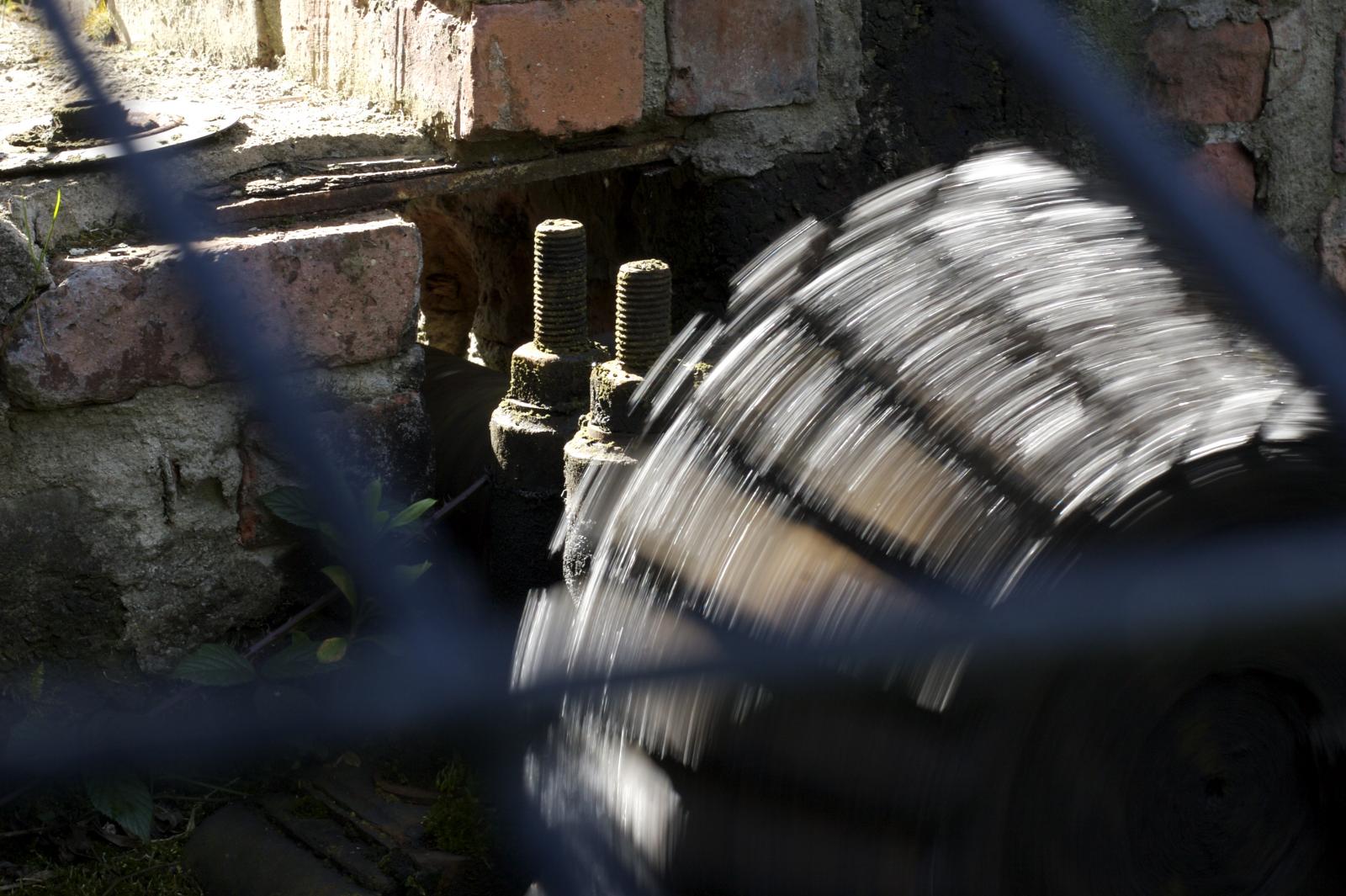
Patterson’s Spade Mill is the British Isles’ last water-powered spade mill operating in situ, preserving a critically endangered craft in Templepat…
Fortified place · Medieval
West Midlands
Photographed by the government in case bombing destroyed it, Peddimore Hall survived the Second World War intact: a moated manor whose earthworks p…
Fortified place · Medieval
Pembrokeshire
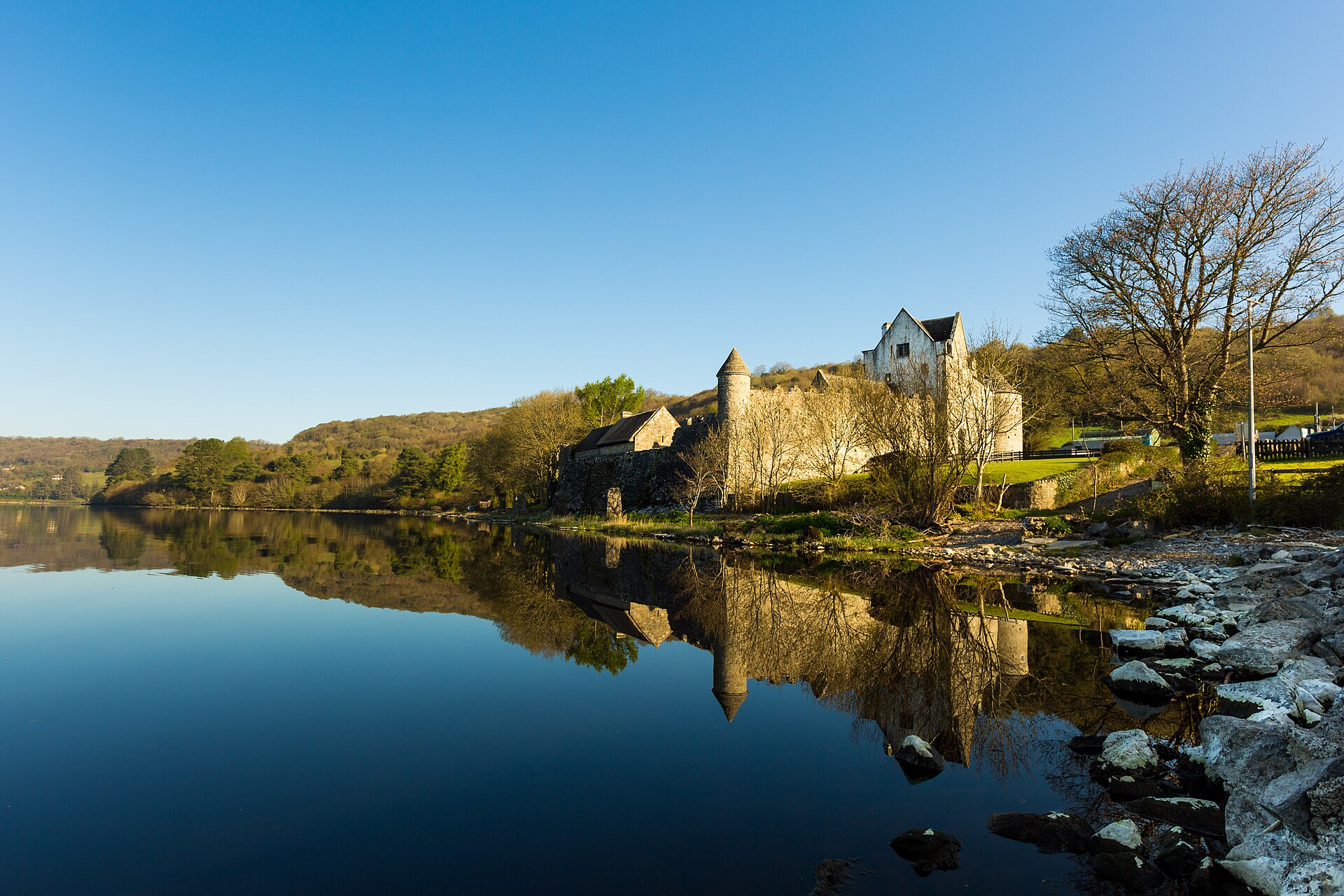
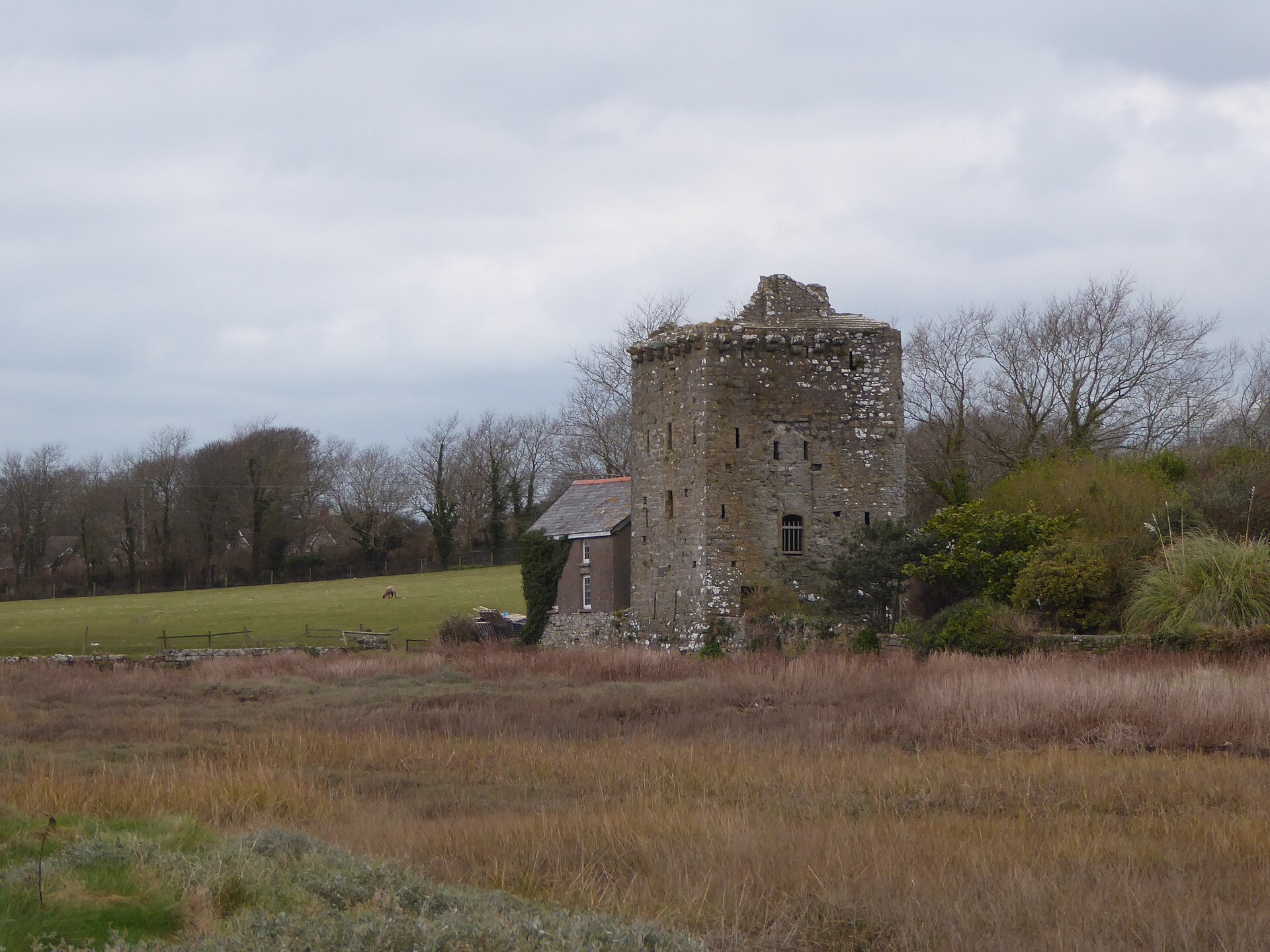
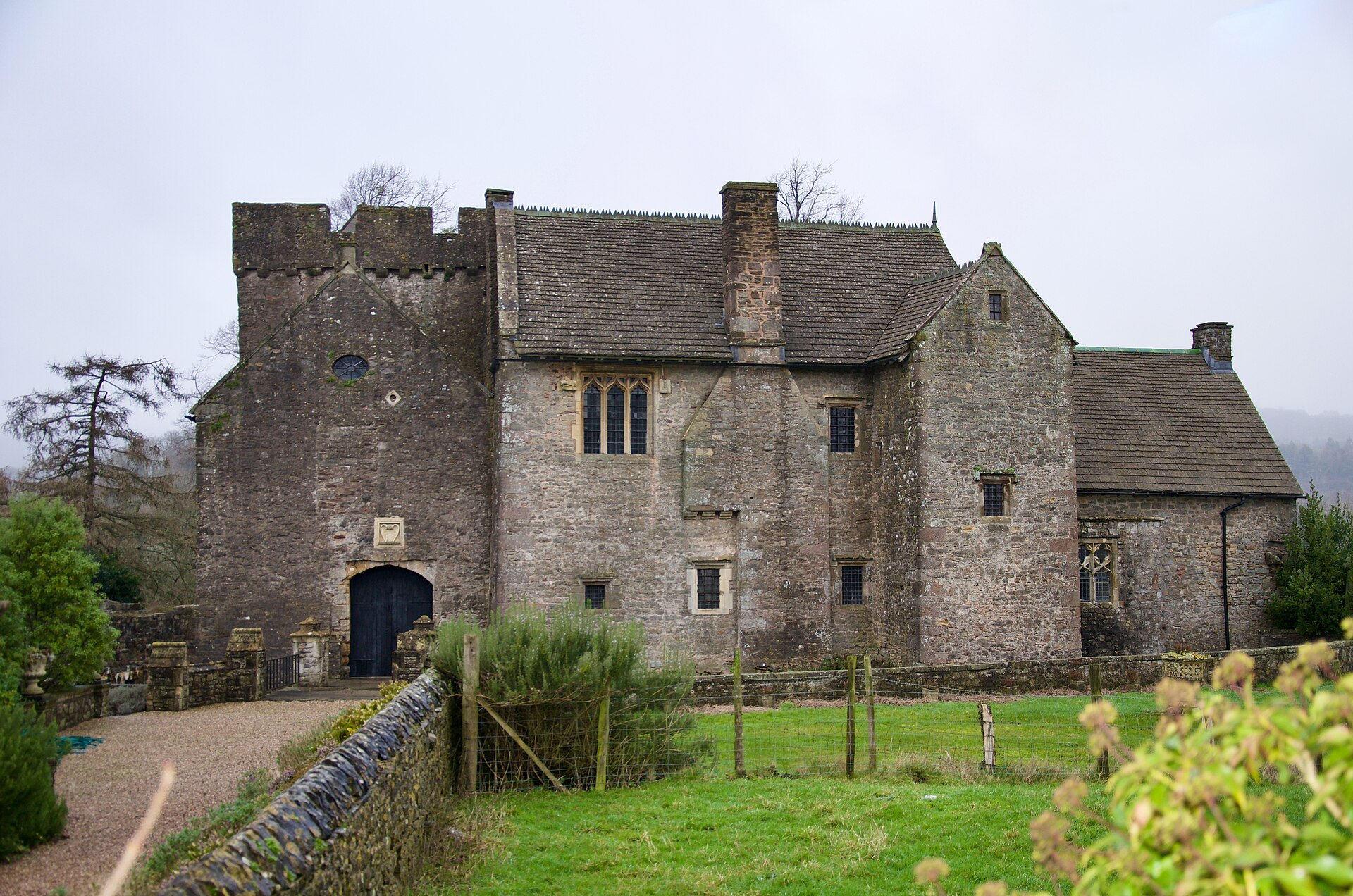
The only pele tower to survive anywhere in Wales, its rubble walls still carrying corbels for a vanished parapet walk and machicolations above a mo…
Fortified place · Medieval
Herefordshire
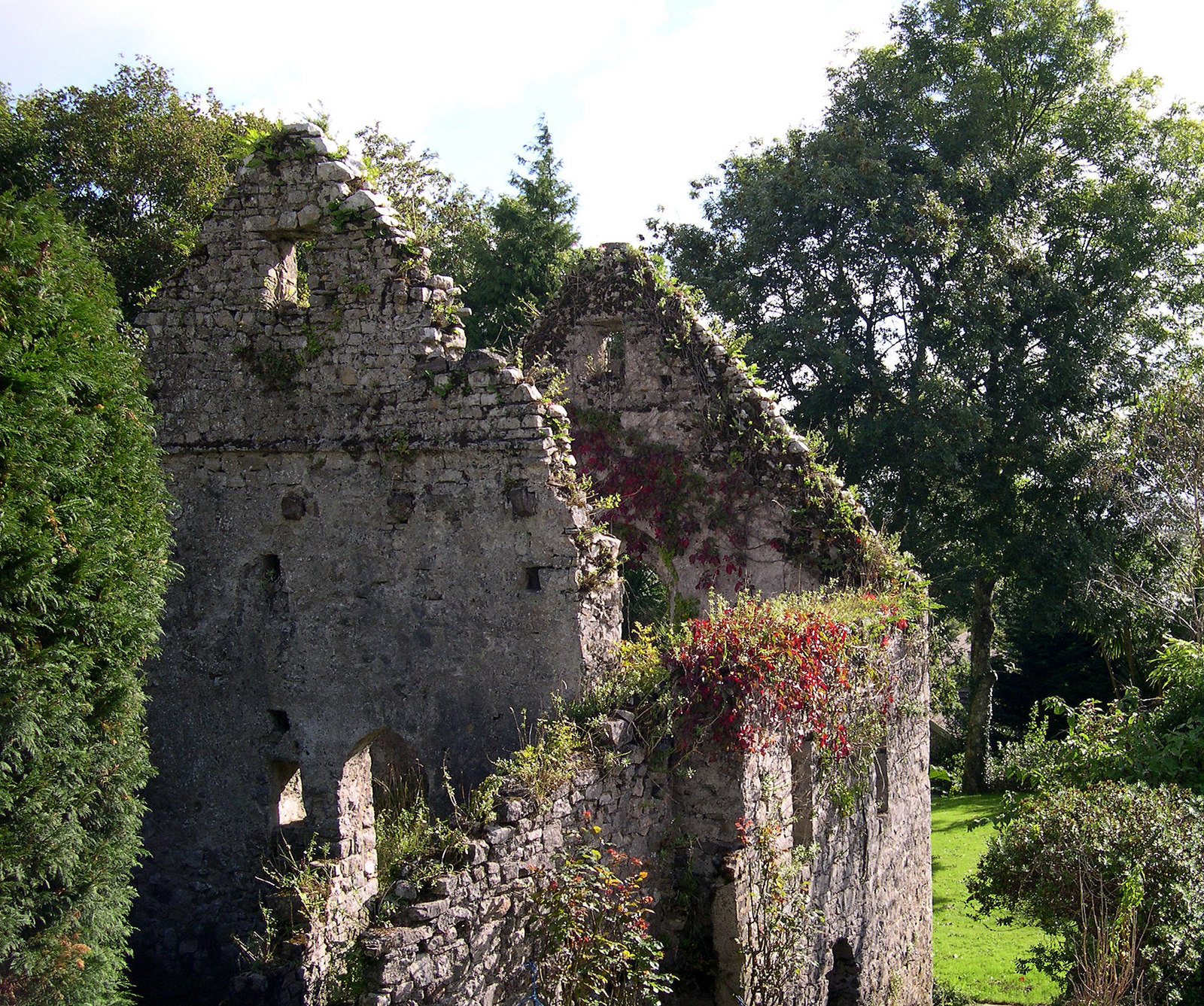
A four-storey round tower keep behind a working moat once sheltered a hunted Catholic priest, later canonised as a martyr, ahead of his 1679 execut…
Fortified place · Medieval
Pembrokeshire
A medieval castle in the town centre, the original family seat of the Earldom of Pembroke.
Building or ruin · Medieval
Gwynedd
The present roof timbers of Pen y Bryn were felled between 1619 and 1624, dated by dendrochronology to the refurbishment that gave the two-storey m…
Fortified place · Medieval
Monmouthshire
Pen y Clawdd is a scheduled double-moated mound whose archaeology complicates the simple label ‘castle’, preserving evidence of both a possible ear…
Fortified place · Iron Age
Conwy
A Conwy Valley hillfort: an Iron Age settlement defended by banks and ditches on high ground, the period from roughly 800 BC to the Roman conquest:…
Building or ruin · Roman
Newport
Pen-toppen-ash is a complex of late prehistoric: a period before written records reached Britain: enclosures on Kemeys Graig, whose possible Roman…
Fortified place · Iron Age
Powys
An Iron Age fort on a flat summit above Brecon, one of several strung along the Usk Valley, with a Victorian brickworks on its flank.
Sacred place · Medieval
Pembrokeshire
An old rectory overlooking Carmarthen Bay, a mile and a half from Tenby, now a country house hotel.
Building or ruin · Medieval
gwynedd
Two carved oak posts and the beam they carry make up the westernmost screen of their kind recorded in Wales, and the only one known in the old coun…
Fortified place · Medieval
Newport
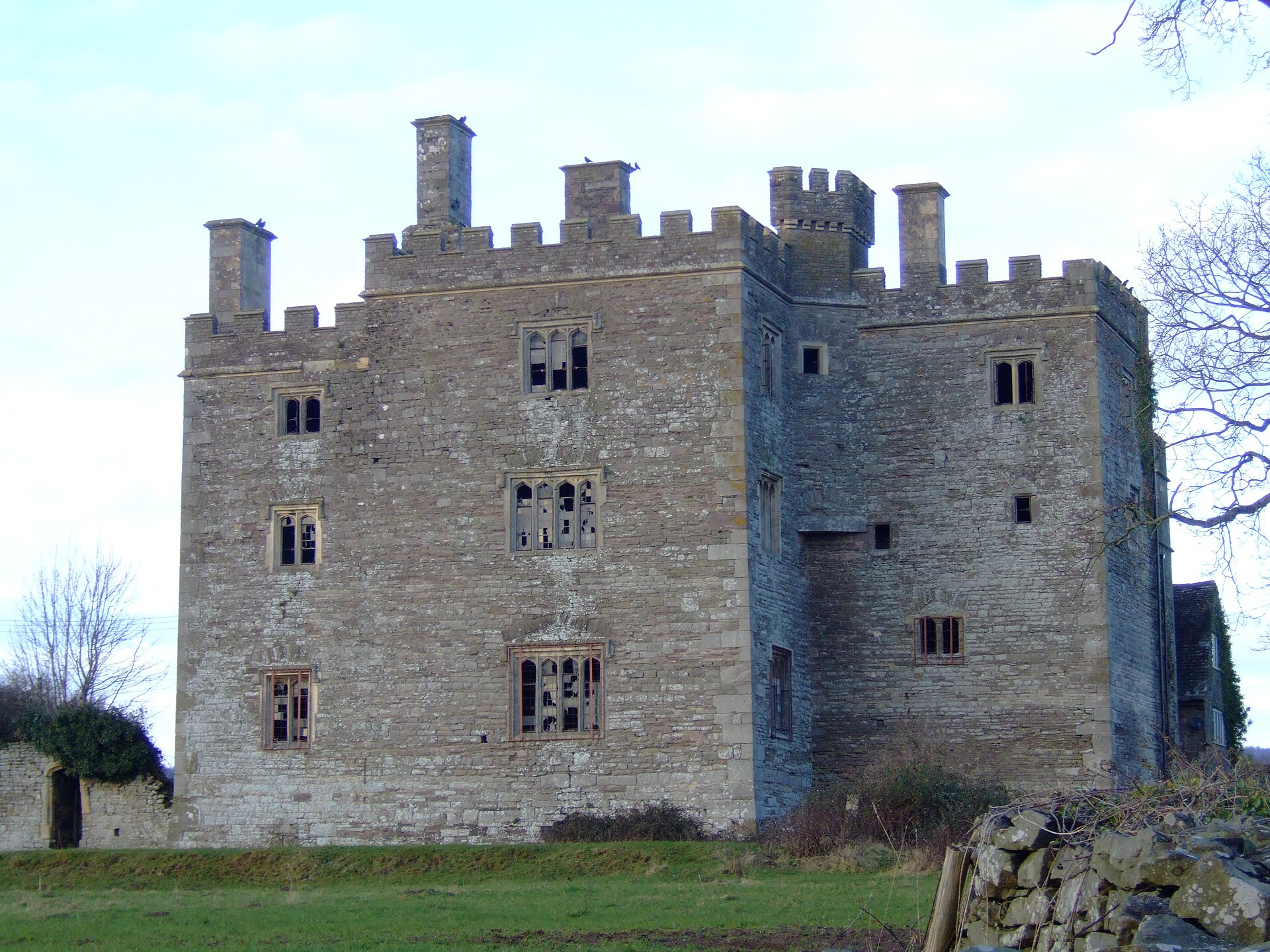
Pencoed Castle is an imposing but derelict Tudor mansion near Newport, where a thirteenth-century tower survives within the ambitious sixteenth-cen…
Fortified place · Medieval
Cornwall
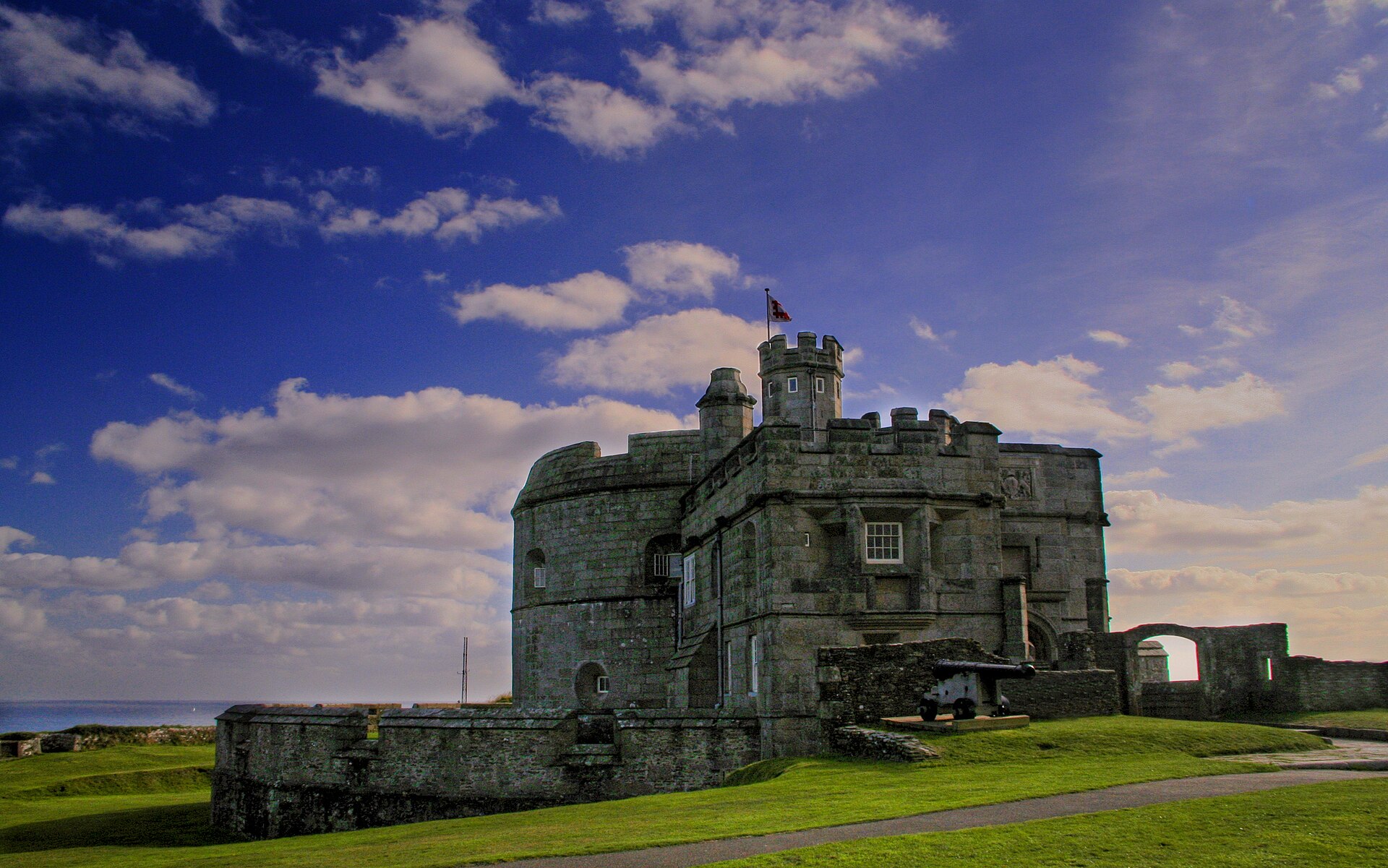
Pendennis Castle is a major Henrician coastal fort whose layered batteries defended Carrick Roads from the sixteenth century to the Second World War.
Fortified place · Medieval
Cumbria
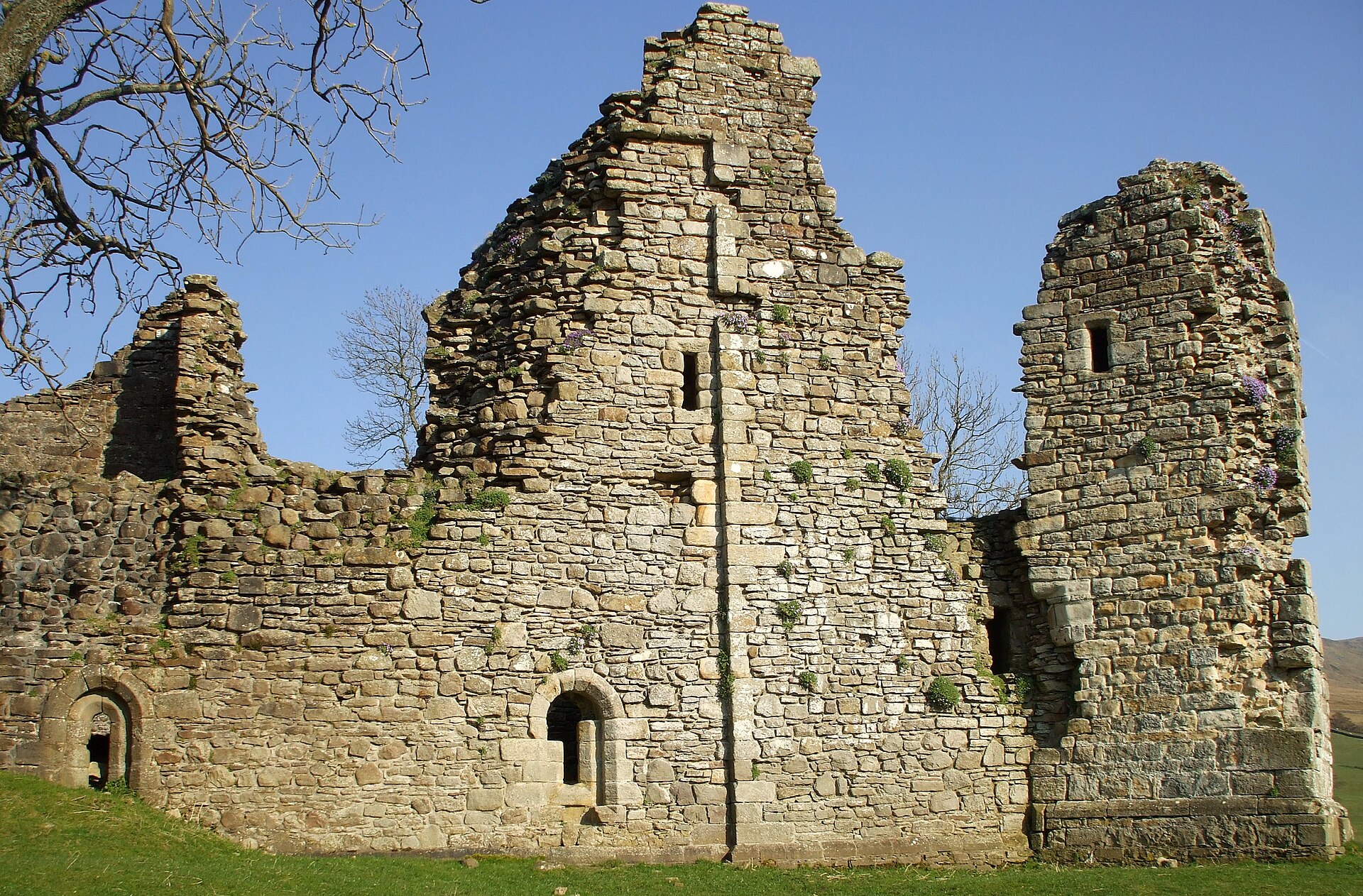
A Norman stronghold that took the name of a legendary king centuries after it was built, and was restored by a woman who kept it as one of her favo…
Fortified place · Medieval
Cornwall
Pengersick Castle is a rare surviving late-medieval Cornish tower house, enlarged into a fortified manor by families tied to local office and Saint…
Fortified place · Medieval
Newport
Penhow Castle is a Grade II* early-twelfth-century fortified manor repeatedly remodelled over nine centuries, retaining an early tower and notably…
Fortified place · Medieval
Swansea
A blockhouse at 1,213 feet, probably the 'New Castle of Gower' attacked and destroyed in 1252: sited to watch the ridge route and warn Swansea.
Fortified place · Medieval
Vale of Glamorgan
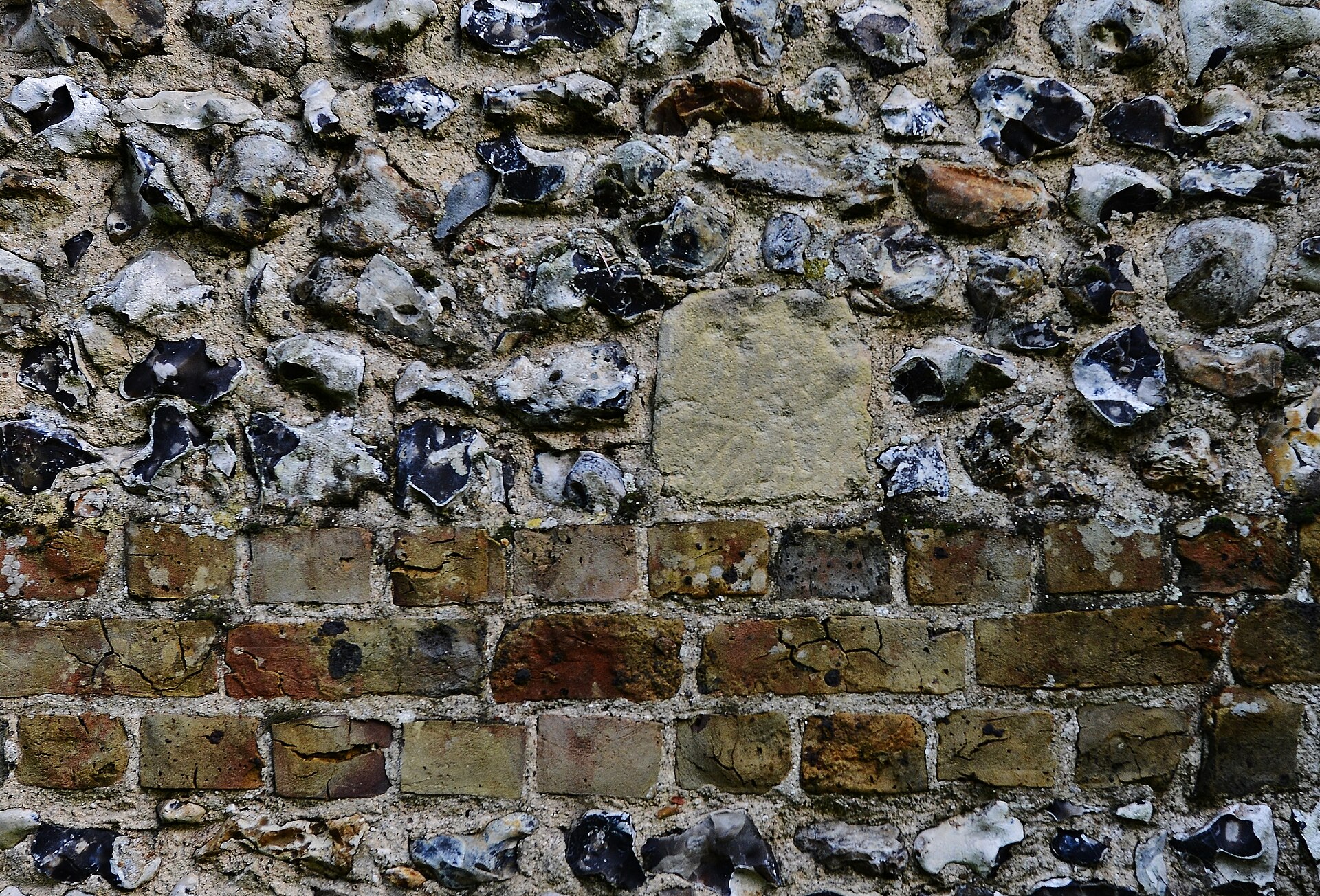
Six courses of herringbone masonry near the base: an early Norman signature, and the argument for this being one of the first Norman buildings in G…
Fortified place · Medieval
Swansea
The Braose family rebuilt the walls in stone at the turn of the fourteenth century. Sand dunes buried the site soon afterwards and it was abandoned.
Building or ruin · Roman
Staffordshire
Named in a second-century Roman road-book, lost for centuries, and found again from the air in 1946.
Fortified place · Roman
Scottish Borders
Camps A and B here are among the best-preserved Roman marching camps in Scotland, and Camp B was deliberately rebuilt inside Camp A rather than lai…
Sacred place · Prehistoric
Isle of Anglesey
Penrhos Feilw’s paired Bronze Age (the period from about 2500 to 800 BC) stones are an enigmatic coastal landmark on Holy Island, their deliberate…
Fortified place · Medieval
Gwynedd
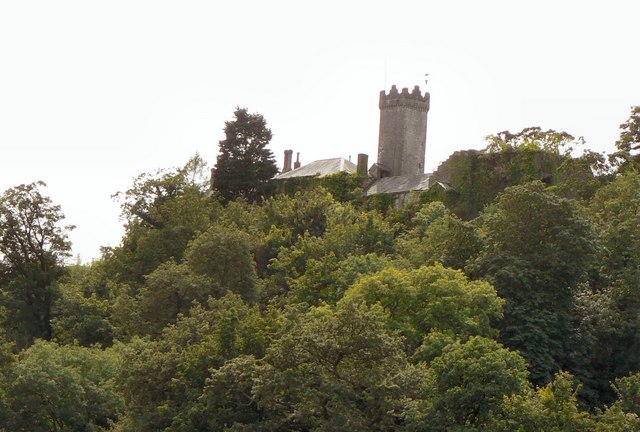
Penrhyn Castle is Thomas Hopper’s monumental Neo-Norman country house, whose architecture, art and estate landscape are inseparable from wealth dra…
Fortified place · Medieval
Swansea
A thirteenth-century castle of the de Penrice family, successor to a ringwork: an early castle defended by a circular bank and ditch rather than a…
Fortified place · Medieval
Cumbria
Ownership passed from the Neville 'Kingmaker' line to a future king, then to a Dutch earl gifted the estate by a Dutch-born monarch, a chain of gra…
Fortified place · Medieval
Cornwall
Penstowe Castle is a scheduled Cornish early Norman castle with a timber tower on an earthen mound and a bailey, the walled yard beside it; its unu…
Sacred place · Medieval
Norfolk
Pentney Priory preserves a Grade I flint gatehouse from an Augustinian house founded around 1130, later merged with Wormegay and recycled into the…
Fortified place · Iron Age
Powys
A third of a hectare defended by five concentric ramparts: and a spring at the foot of the slope that probably explains why.
Building or ruin · Prehistoric
pembrokeshire
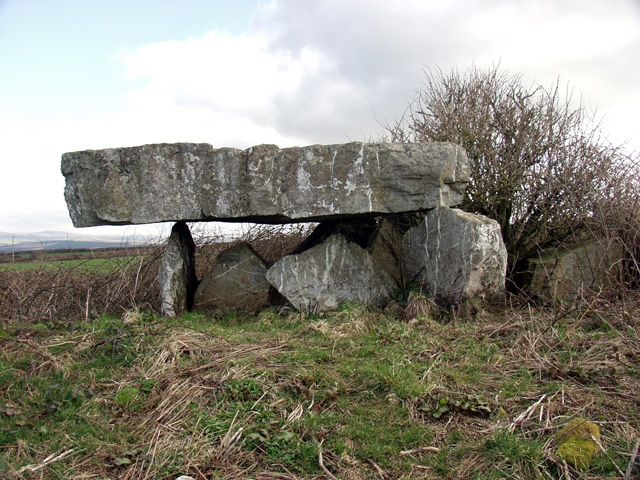
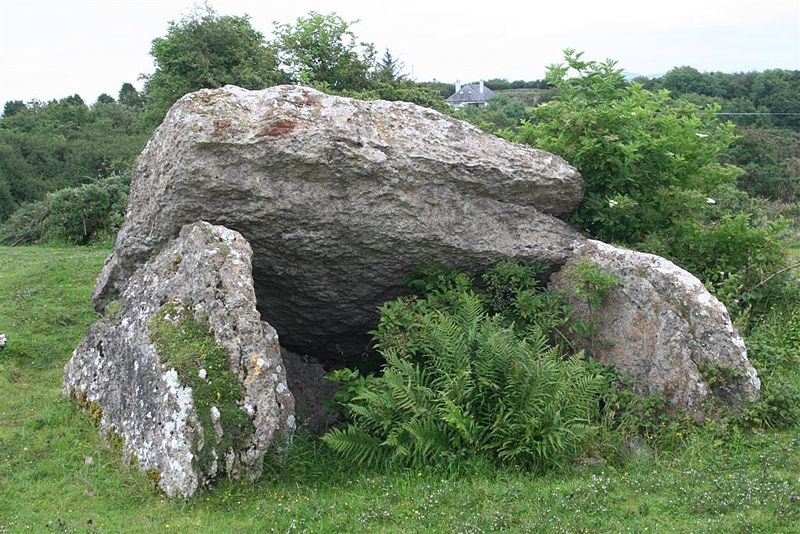
A sixteen-tonne capstone rests on the tips of three slender uprights, two and a half metres off the ground. One reading is that it was never meant…
Fortified place · Medieval
Lancashire
Penwortham Castle is a Scheduled Ancient Monument marking a post-Conquest motte (a steep artificial mound built to carry a timber tower) that guard…
Crossing or structure · Medieval
Lancashire
Penwortham Old Bridge is a protected 1759 Ribble crossing whose five unequal arches, cobbled roadway and surviving cutwater refuges record an early…
Sacred place · Medieval
Lancashire
A Norman motte, a lost Benedictine cell, and a demolished Victorian mansion all occupy the same modest hill above the Ribble: three buildings, one…
Fortified place · Iron Age
Flintshire
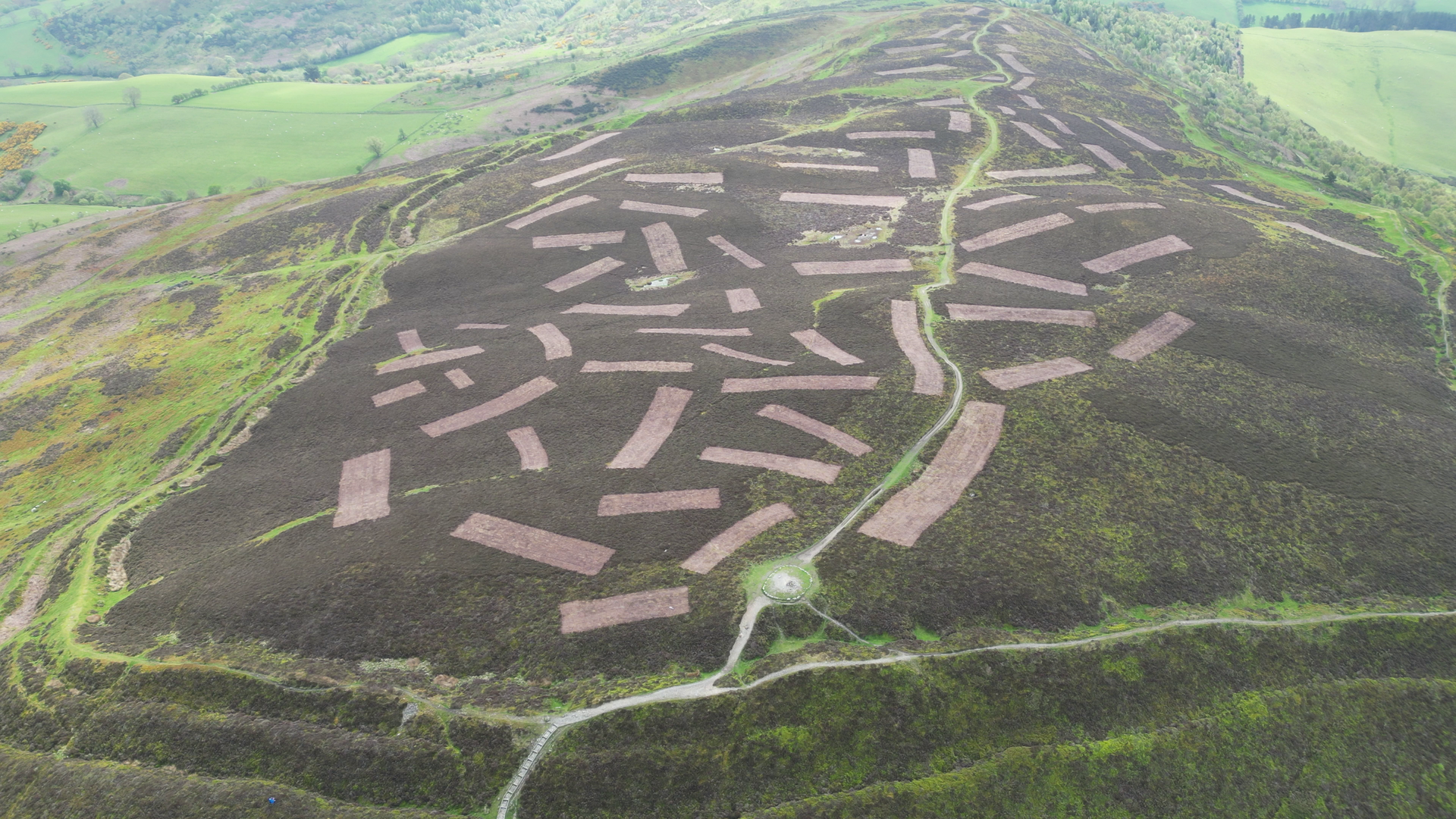
At 26 hectares its ramparts enclose one of the largest hillfort (a hilltop enclosure ringed by earth ramparts) interiors in Wales, and a 2017 dig p…
Fortified place · Iron Age
Berkshire
Excavations found only a handful of storage pits inside its bank: evidence this was a lightly held fort, perhaps garrisoned only for a season at a…
Sacred place · Iron Age
Cornwall
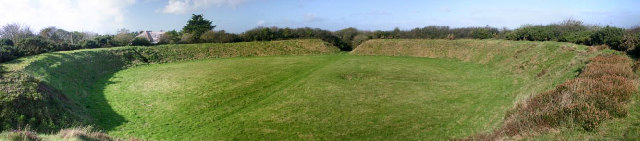
Perran Round is Cornwall’s best-preserved plen-an-gwary, an earthwork arena: a mound or ditch formed by moving soil, not by building: with uncertai…
Crossing or structure · Roman
West Midlands
A modest eighteenth-century packhorse bridge whose repair endowment quietly went on to found one of Birmingham's grammar schools.
Sacred place · Medieval
Worcestershire
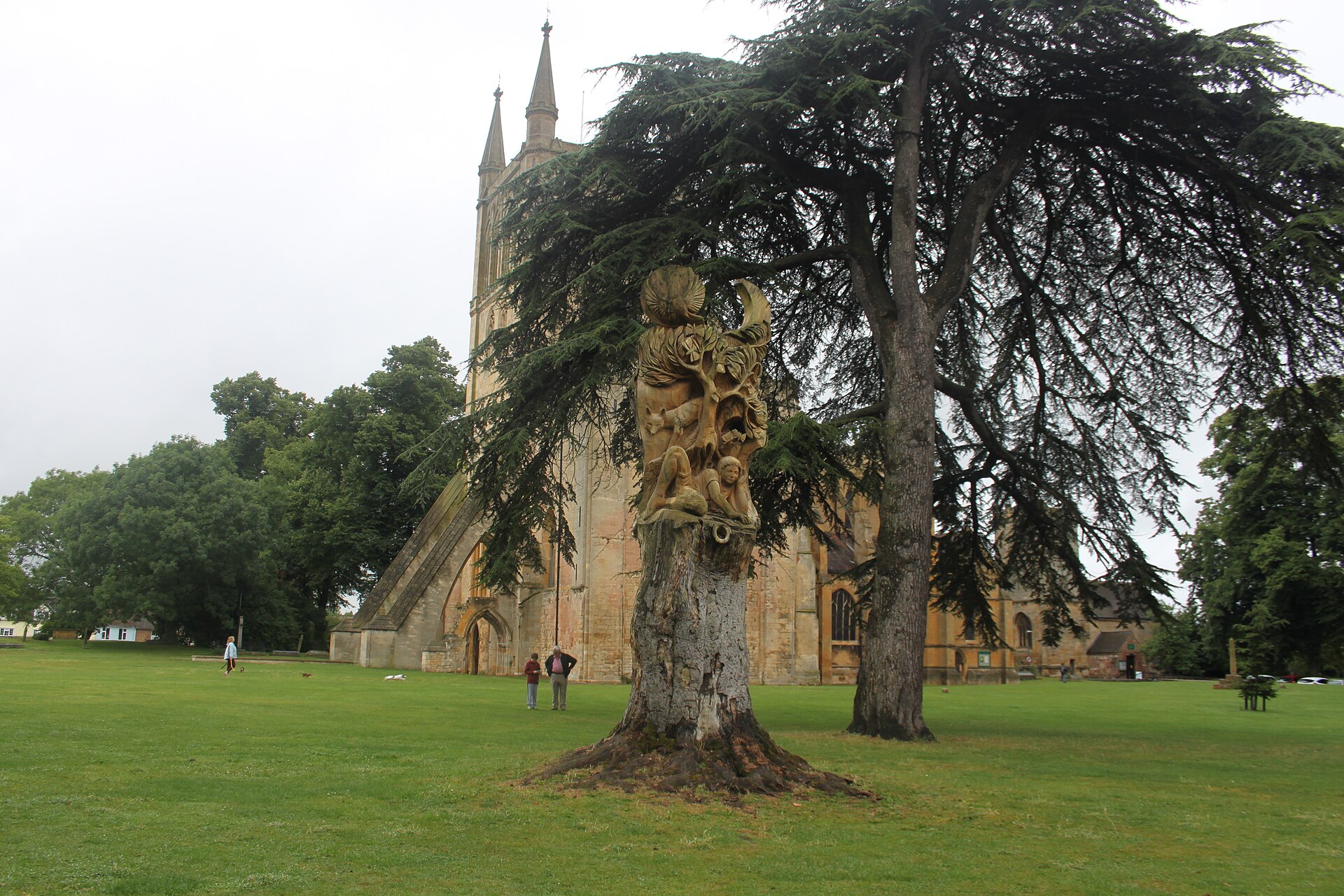
A Mercian minster refounded, despoiled, burned, rebuilt by a nobleman's patronage, then stripped again for Westminster Abbey: only a lantern tower…
Building or ruin · Medieval
Monmouthshire
A moated Herbert mansion with two drawbridges, a centre of Catholic recusancy, pulled down piecemeal by its own owner and reduced to one wall.
Tomb or burial place · Medieval
Isle of Anglesey
Perthi-Duon is an enigmatic collapsed Anglesey stone monument whose possible Neolithic (the closing Stone Age, roughly 4000–2500 BC) tomb status, e…
Fortified place · Medieval
Cambridgeshire
Built by a Norman abbot to defend himself against his own monks, this earthwork (banks and ditches raised from the earth rather than quarried stone…
Sacred place · Medieval
Cambridgeshire
One of only four surviving painted medieval wooden ceilings in Europe crowns a nave (the main body of a church, where the congregation gathers) who…
Building or ruin · Roman
Cumbria
Buried beneath a Carlisle suburb, this was the largest fort on Hadrian's Wall, built to house Roman Britain's only thousand-strong cavalry regiment.
Tomb or burial place · Prehistoric
Shetland Islands
On a low rise in the parish of Nesting in north-east Whalsay, two burial monuments stand roughly 140 metres north-west of the settlement mound at B…
Briefer entries: recorded and worth knowing, with fuller pages to come.
Sacred place · Medieval
Lincolnshire
Orford Priory was one of nine Premonstratensian canoness houses in historic Lincolnshire, preserving a rare record of female religious life from a…
Sacred place · Medieval
East Sussex
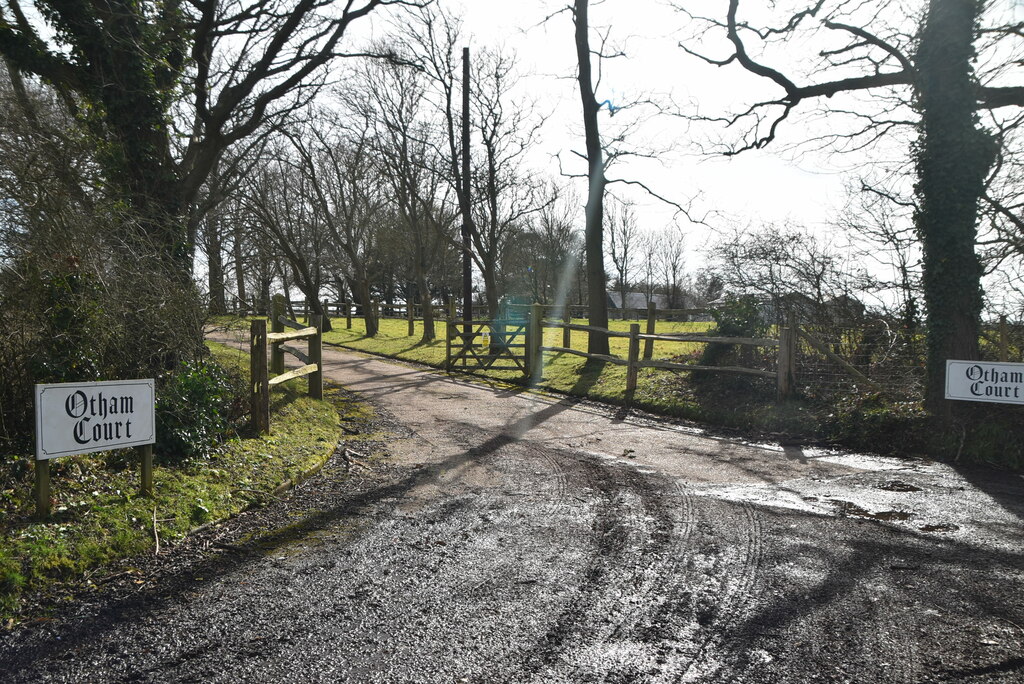
Otham Abbey marks the short-lived first home of a Premonstratensian community later transferred to Bayham, while its chapel and later farmstead pre…
Building or ruin · Roman
Essex
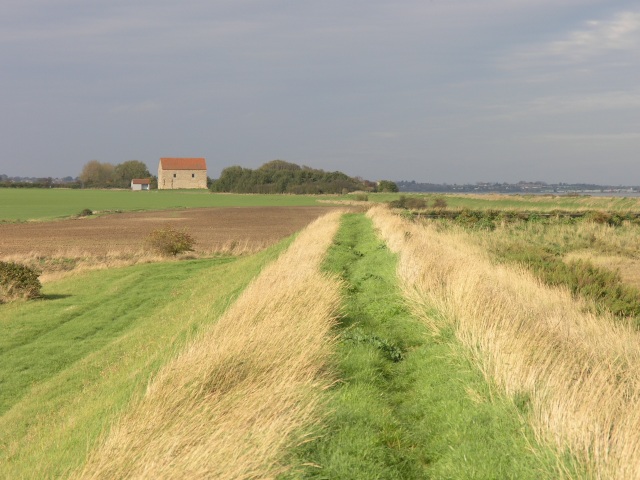
Othona was a late Roman Saxon Shore fort controlling the Blackwater and Colne estuaries, whose fabric was later reused in St Peter-on-the-Wall chapel.
Sacred place · Medieval
Devon
Otterton Priory preserves the trace of a Norman-linked Benedictine community whose parish-church tower and reused monastic fabric are the principal…
Carved stone · Prehistoric
County Tyrone
Oughtboy turns an Irish hill-name and scheduled stone alignments into a single landscape story, where language, terrain and protected archaeology r…
Fortified place · Medieval
County Tyrone
Oughtdoorish brings together a large Tyrone townland, a protected rath (a ringfort, a farmstead enclosed by a circular bank and ditch), and a name…
Sacred place · Medieval
East Riding of Yorkshire
A community of Anglican Benedictine monks occupied a brick chapel grafted onto a Yorkshire country house for four years, before relocating in 1906…
Sacred place · Medieval
Essex
Panfield Priory is a lost Augustinian alien house whose buried foundations preserve a rare Essex link to the Norman monastery of St Étienne at Caen.
Fortified place · Medieval
County Kerry
The keep (the great tower at a castle's heart) at Parkavonear breaks with the standard Norman pattern before a visitor even reaches the door: inste…
Tomb or burial place · Prehistoric
Cornwall
Pawton Quoit is an early Neolithic portal tomb: a tomb from from the era before writing arrived in these islands where uprights lift one huge roofi…
Building or ruin · Roman
Norfolk
Peddars Way is a 46-mile long-distance route following a Roman road or earlier trackway, linking the Icknield Way, Norfolk coast and National Trail…
Fortified place · Medieval
Isle of Man
Peel Castle layers a Norse 11th-century fortress over an older Celtic monastic island and the cathedral of Sodor and Man; its intact outer walls, e…
Fortified place · Iron Age
Ceredigion
Cardigan Bay's pre-eminent hillfort: a defended hilltop settlement of the Iron Age, the centuries before Rome arrived from about 800 BC: formed by…
Fortified place · Iron Age
Scottish Borders
A 237-metre hill near Ancrum carrying both an ancient defended settlement and the Waterloo Monument.
Fortified place · Medieval
swansea
Leslie Alcock's excavation found a timber gateway burnt down and rebuilt as a drystone gate tower: and suggested the rebuild was Welsh work on a No…
Fortified place · Medieval
County Cork
Penn Castle retains a fifteenth-century Power-family tower within later rebuilding, linking a medieval defensive core to Admiral William Penn’s res…
Fortified place · Iron Age
Devon
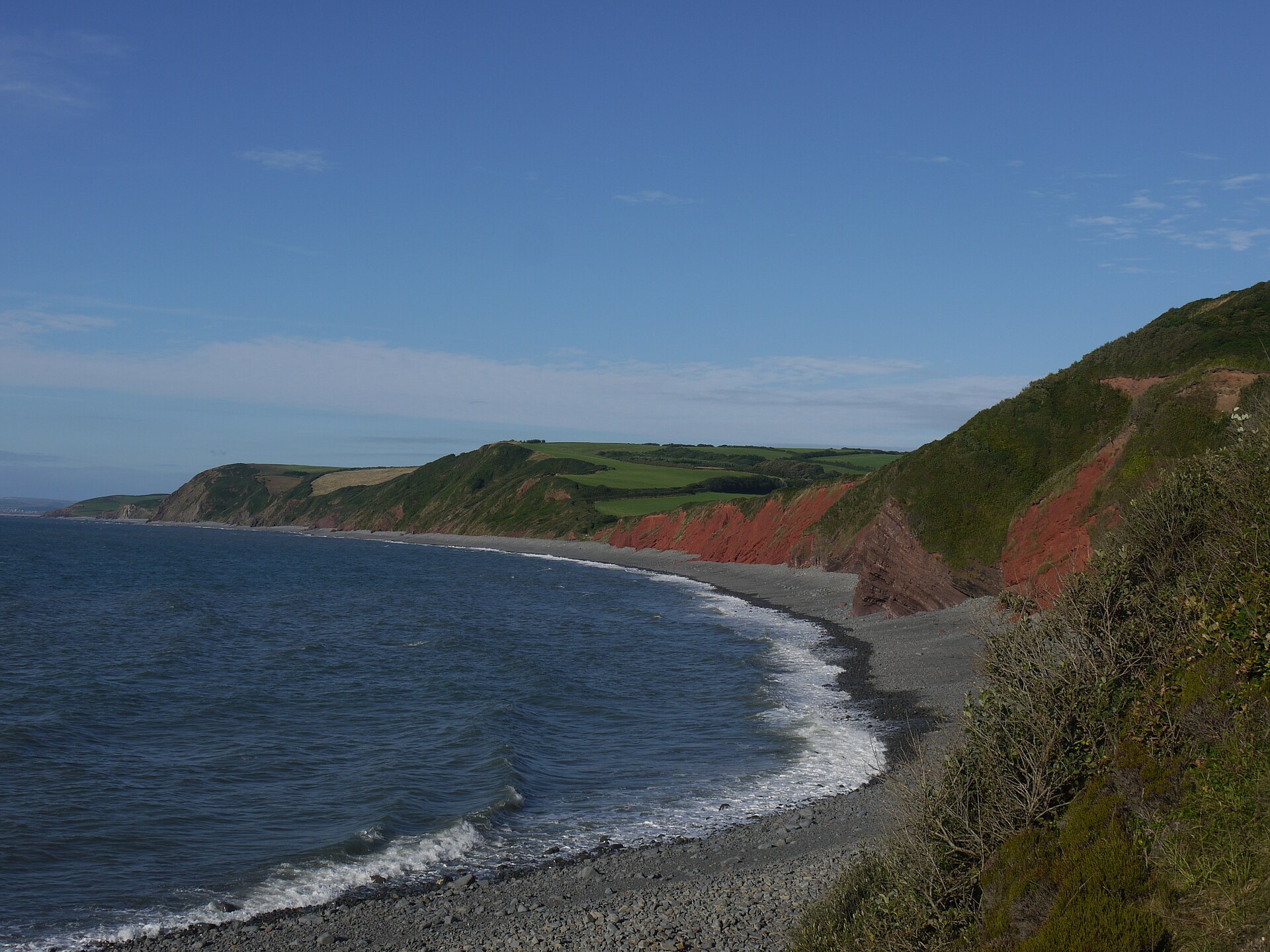
Peppercombe combines a deep North Devon coastal valley, rare red Permian outlier geology and the poorly defined remains of an Iron Age hillfort: a…
Sacred place · Medieval
Norfolk
Peterstone Priory was an Augustinian house at Burnham Overy, founded before 1200 and incorporated in 1449, linking the village to Norfolk’s medieva…
No places match those filters.
Kinds of place
Ages


.jpg?width=800)










%2C_Abergwyngregyn%2C_Gwynedd_-_04.jpg?width=800)











.jpg?width=800)