Sacred place · Medieval
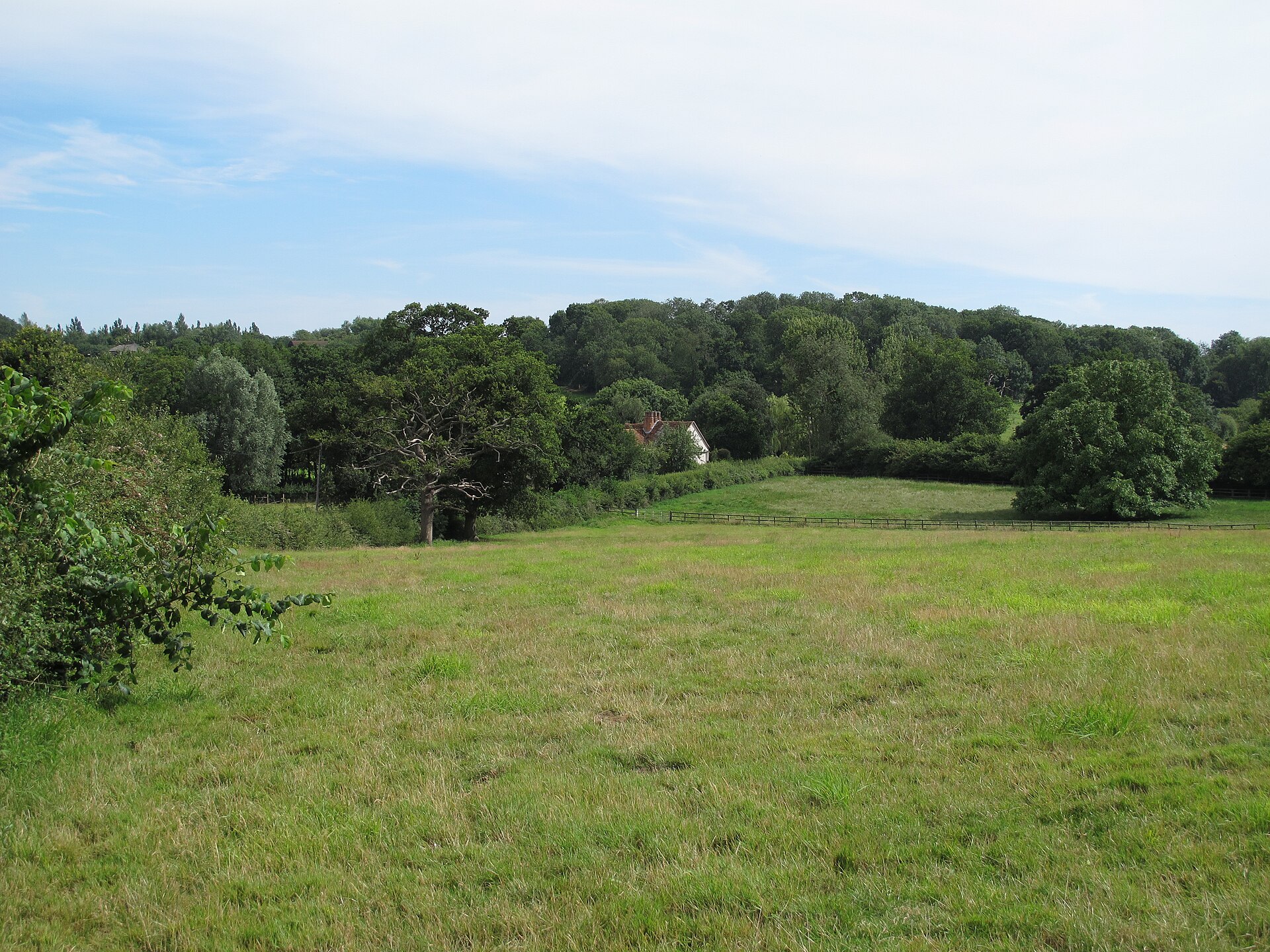
Limebrook Priory
Herefordshire
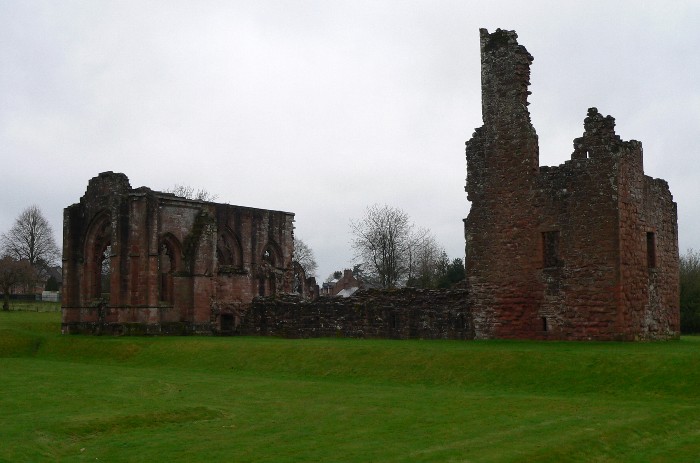
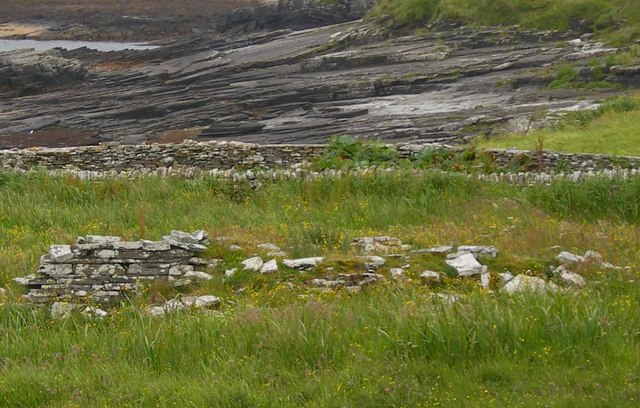
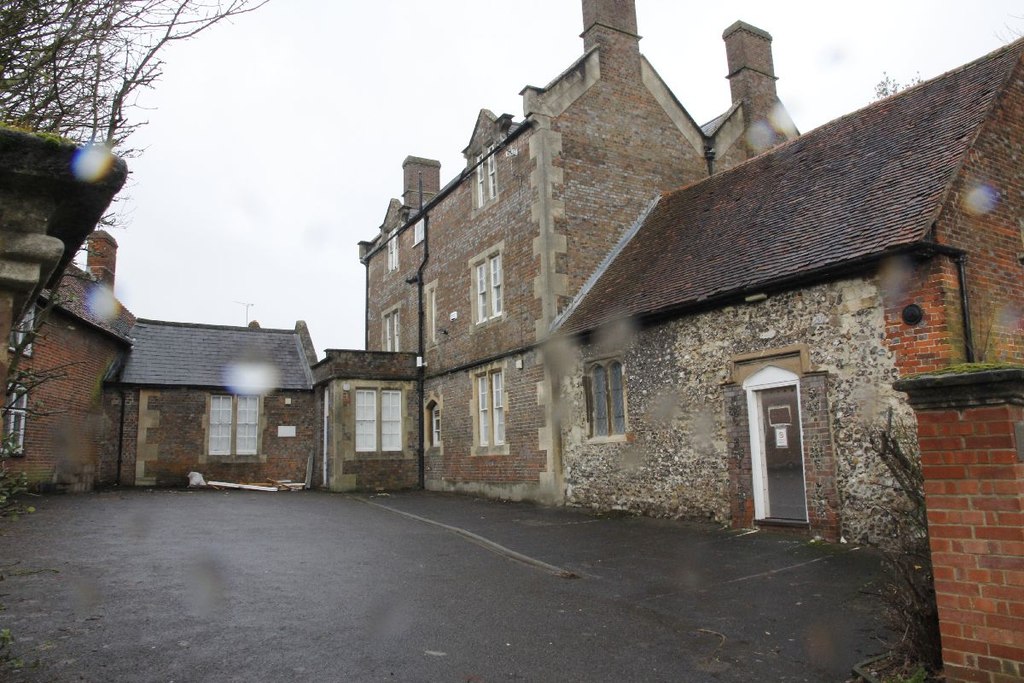
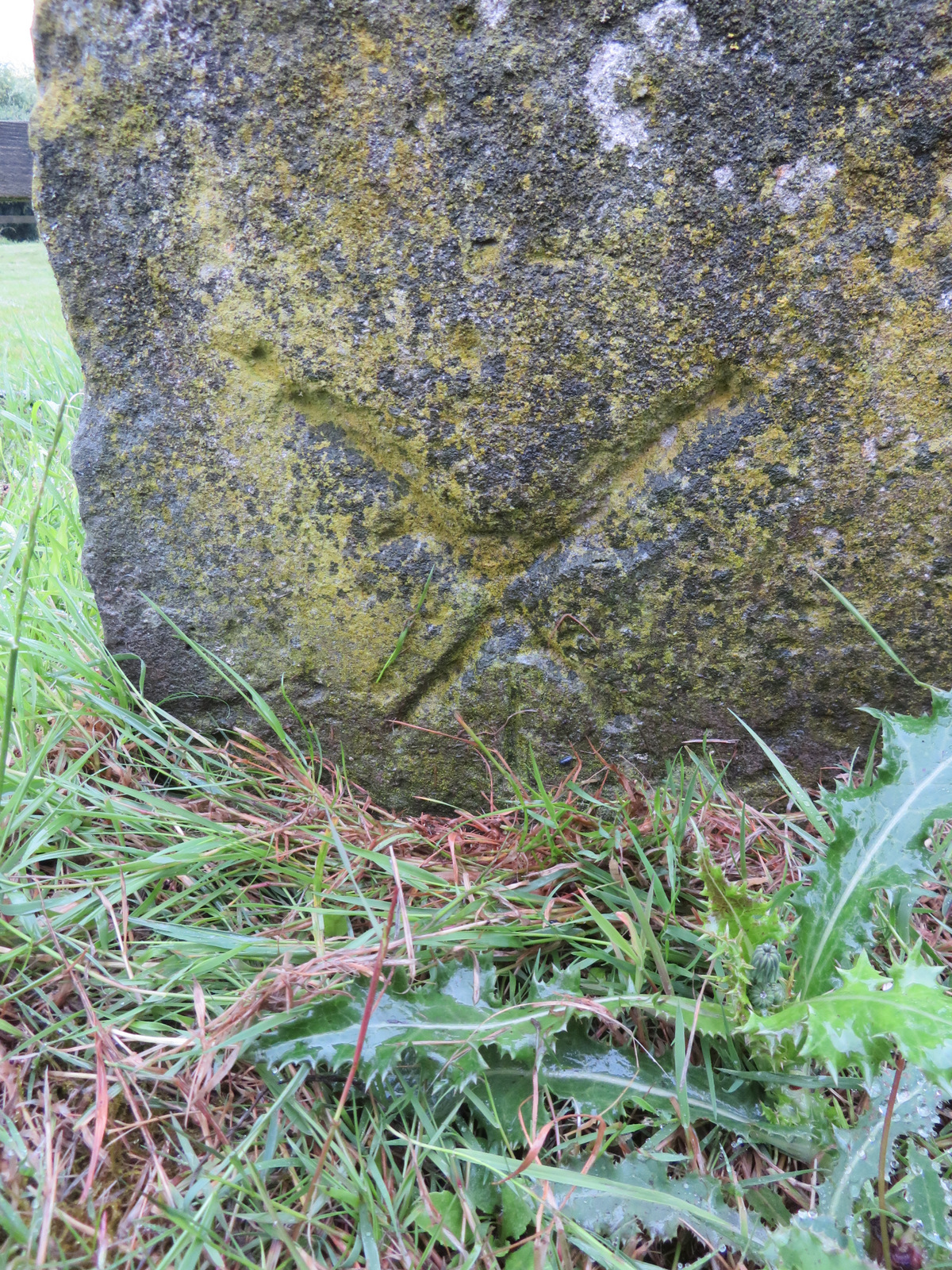
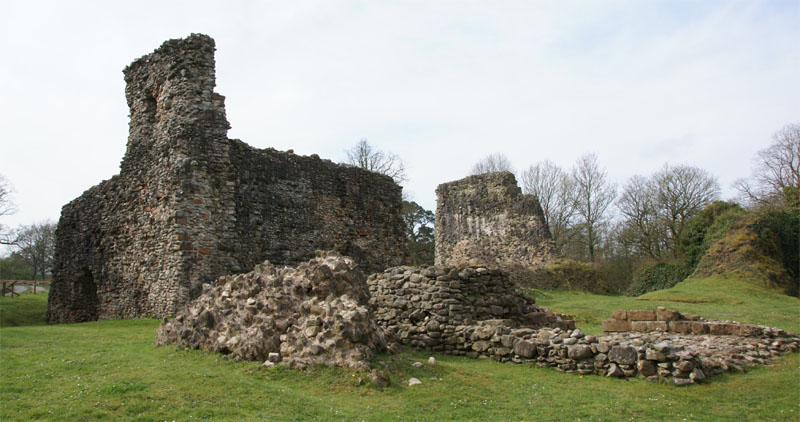
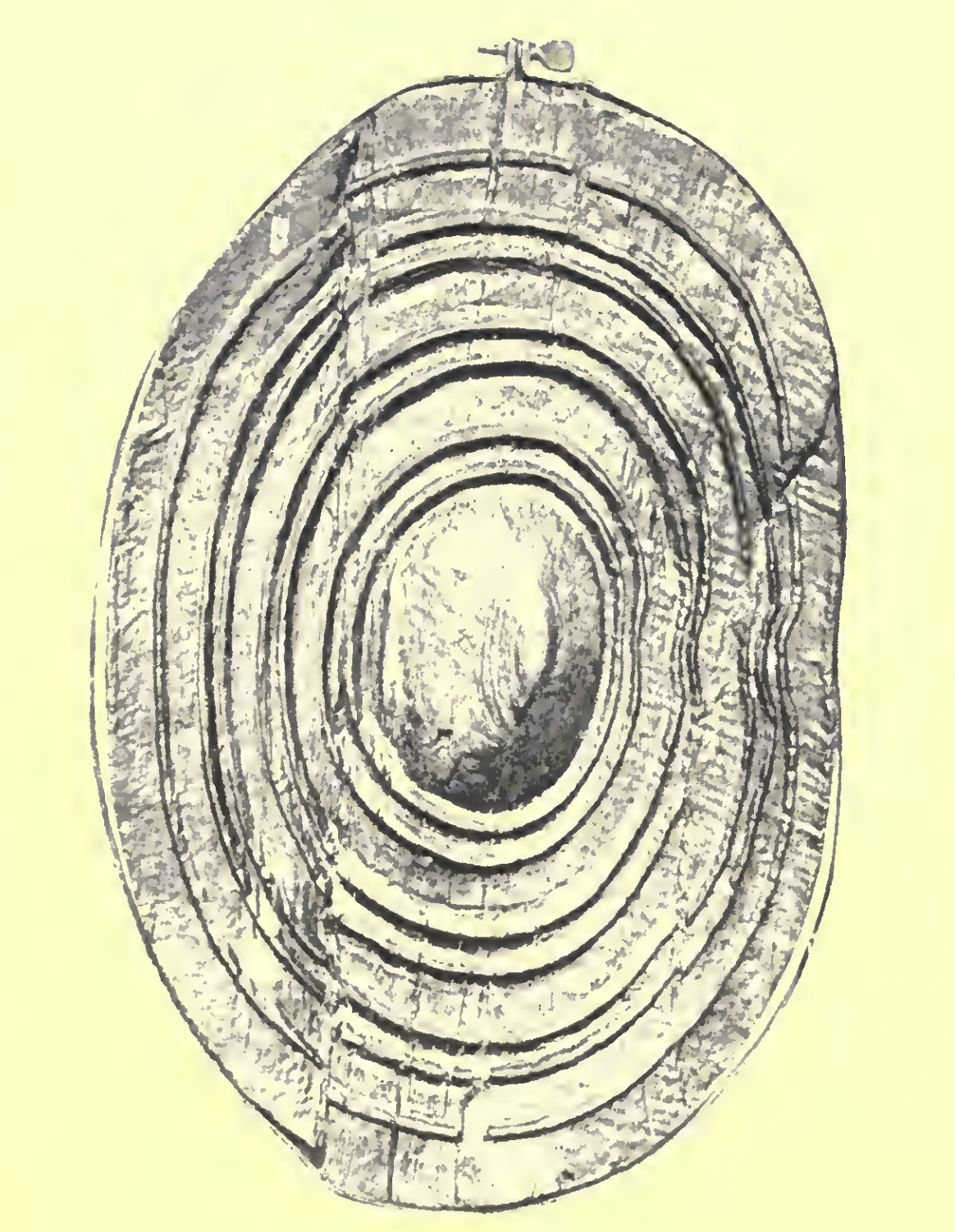
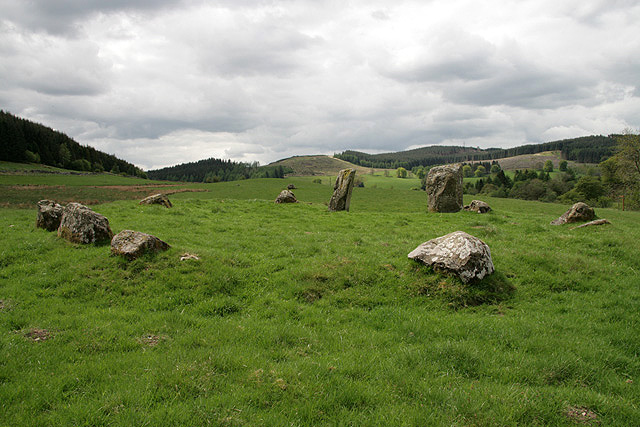
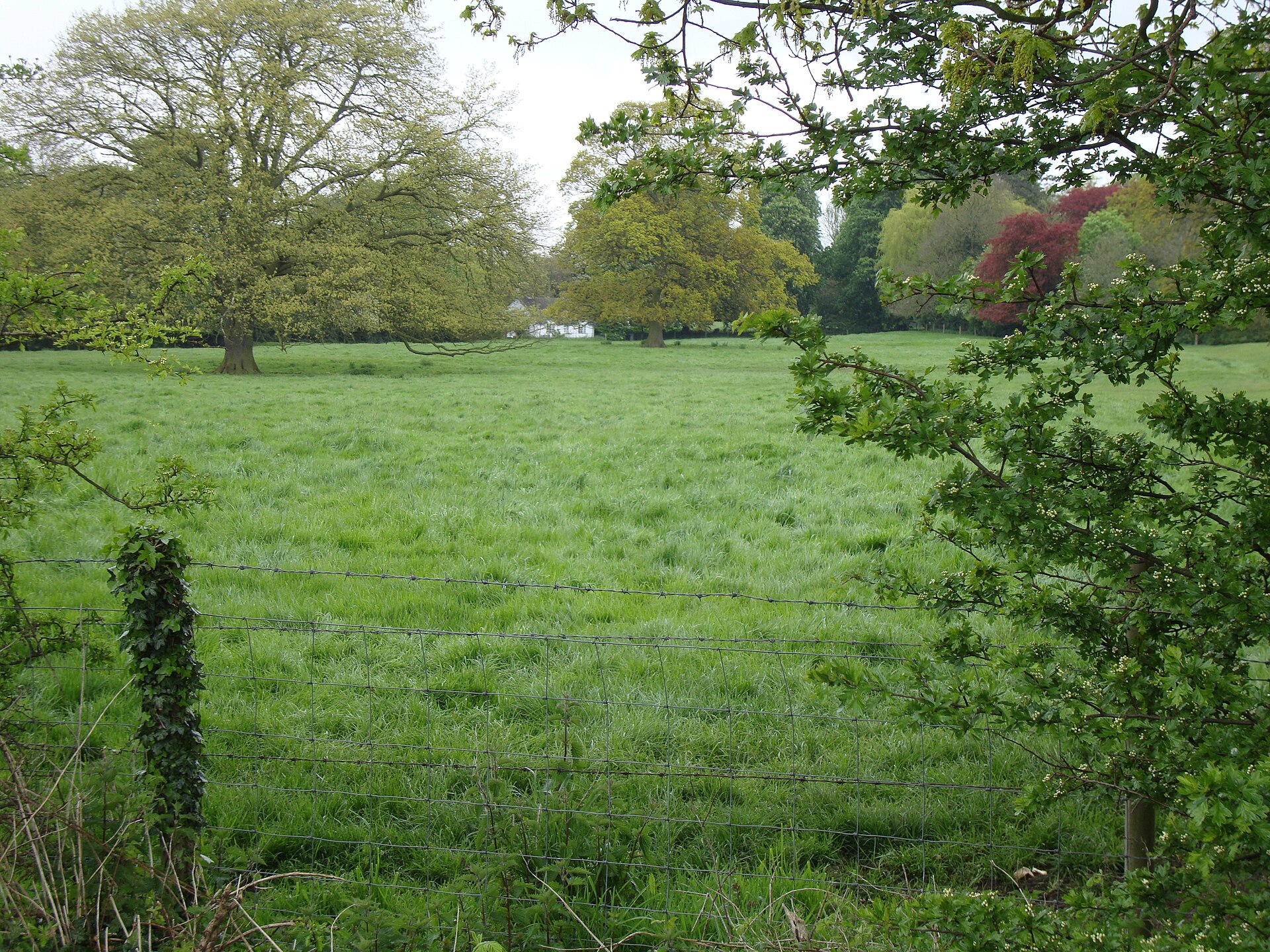
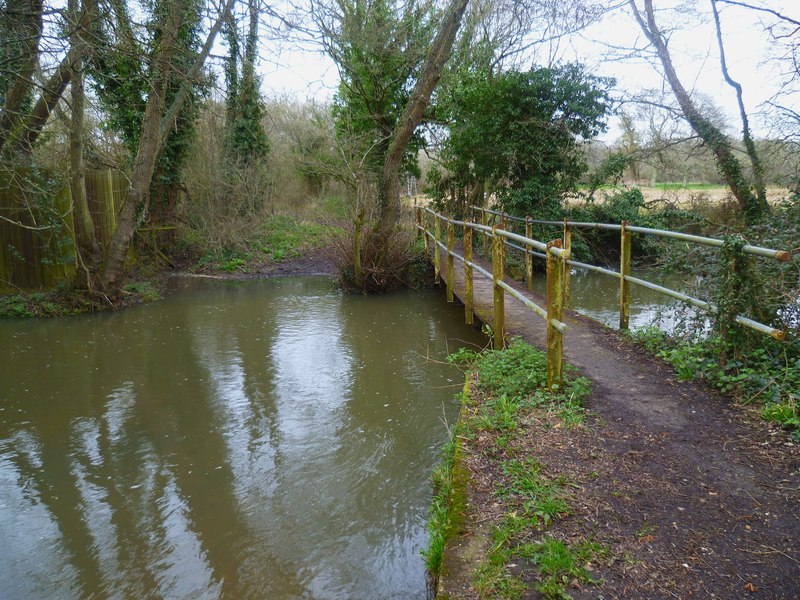
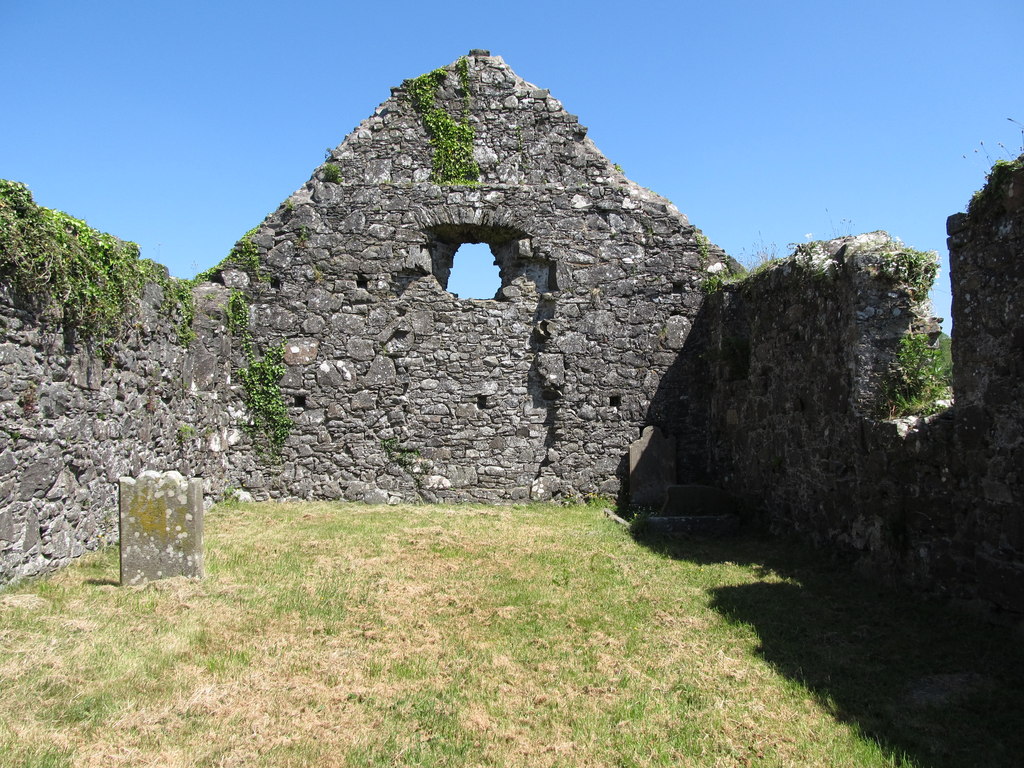
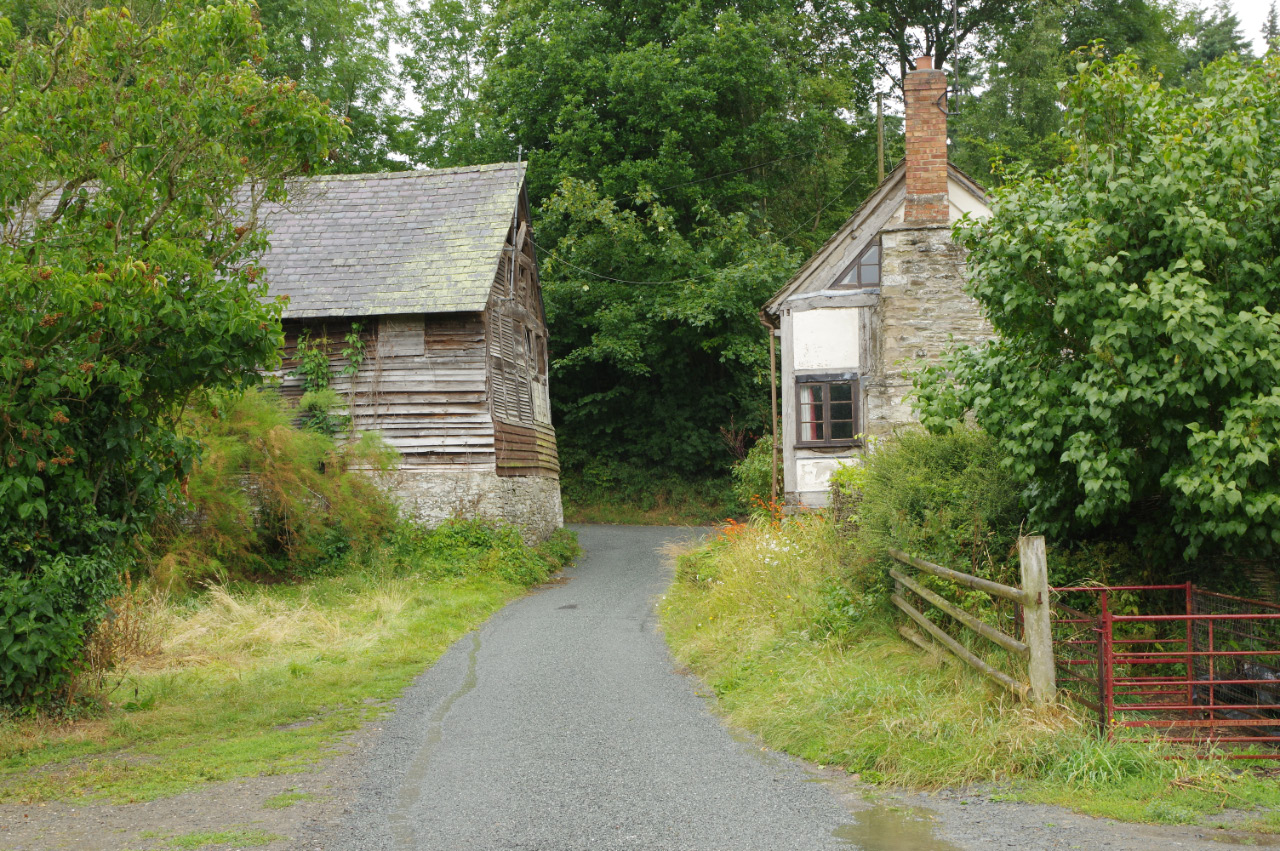
Only one wall of this small Marcher nunnery still stands, yet earthworks, a reused-stone cottage and a fishpond preserve the full footprint of a ho…
- Near Lingen
- Some walking
The directory
Page 28 of 47 in the full directory.
Browsing 100 places — search and the map cover the whole directory.
Sacred place · Medieval
Herefordshire
Only one wall of this small Marcher nunnery still stands, yet earthworks, a reused-stone cottage and a fishpond preserve the full footprint of a ho…
Building or ruin · Medieval
Pembrokeshire
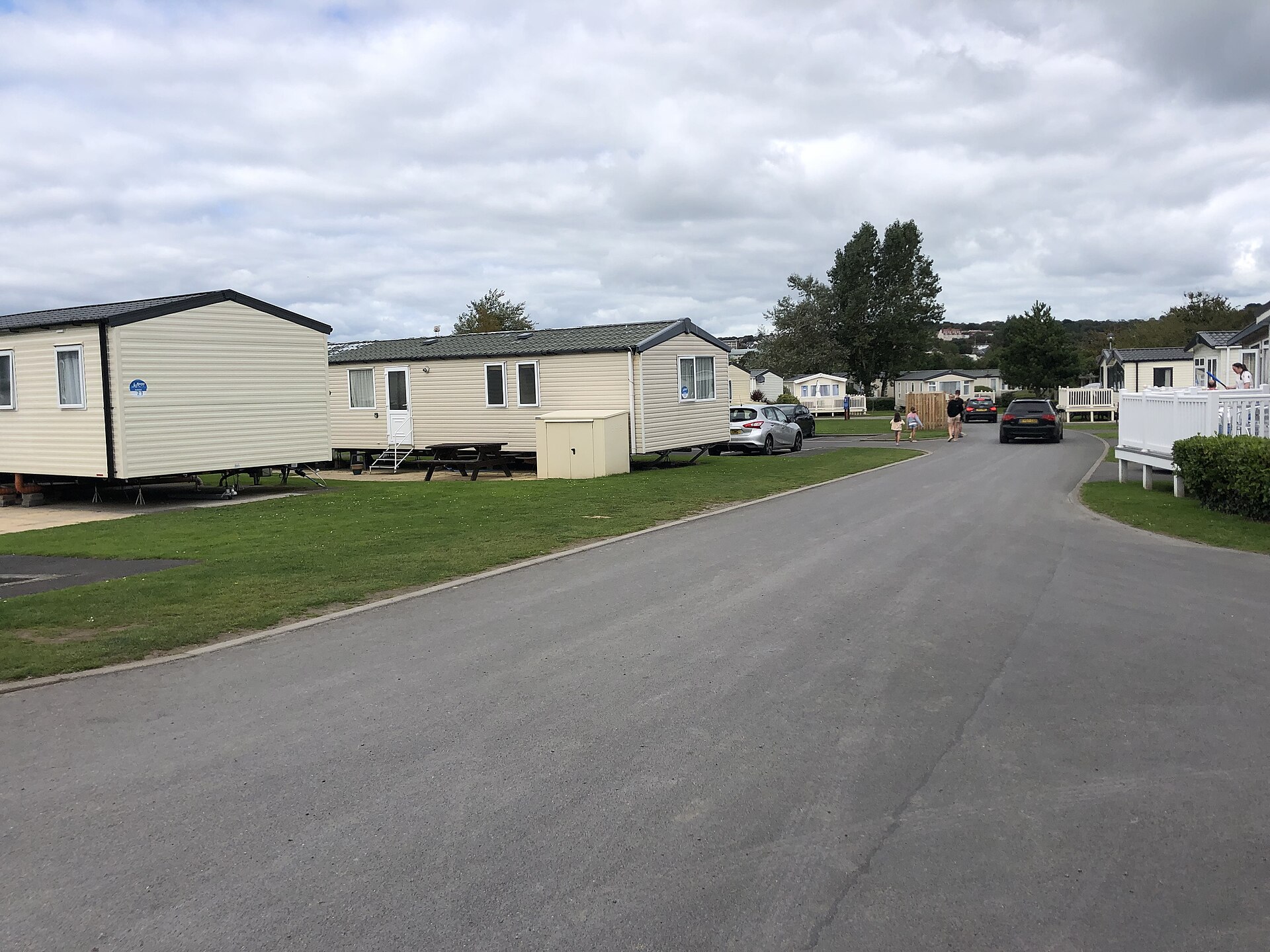
Twelve kilns nine metres high, the largest surviving in Pembrokeshire, standing in the grounds of a caravan park.
Sacred place · Medieval
Dumfries and Galloway
Lincluden’s ruins record the transformation of Galloway’s first nunnery into a richly endowed collegiate church: a church staffed by a college of p…
Fortified place · Medieval
Lincolnshire
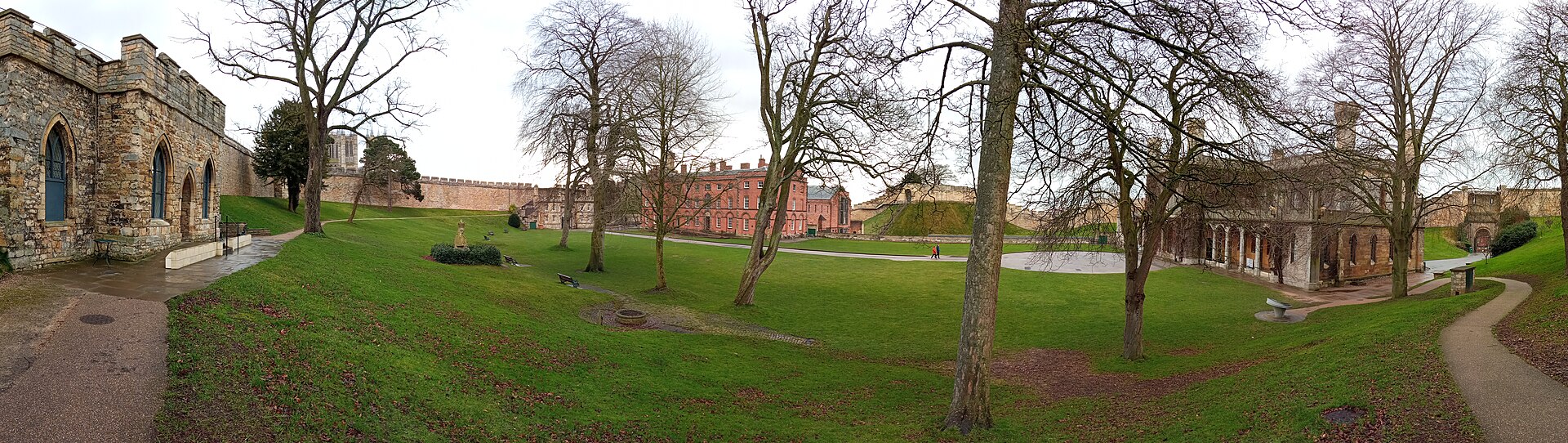
Lincoln Castle uniquely combines a Norman two-motte fortress on a Roman fort, civil-war siege history, a preserved separate-system prison and one o…
Sacred place · Medieval
Northumberland
Lindisfarne concentrates Northumbria’s conversion, the making of the Gospels, Cuthbert’s enduring cult and the raid that reshaped European memory f…
Fortified place · Medieval
Northumberland
Lindisfarne Castle preserves a Tudor gun fort on Holy Island, later transformed by Edwin Lutyens into an Arts and Crafts house within a deeply laye…
Settlement · Prehistoric
Orkney Islands
Links of Noltland is a settlement with late Stone Age and early Bronze Age, roughly 2500–800 BC, when metalworking spread, dwellings, protected by…
Building or ruin · Medieval
West Lothian
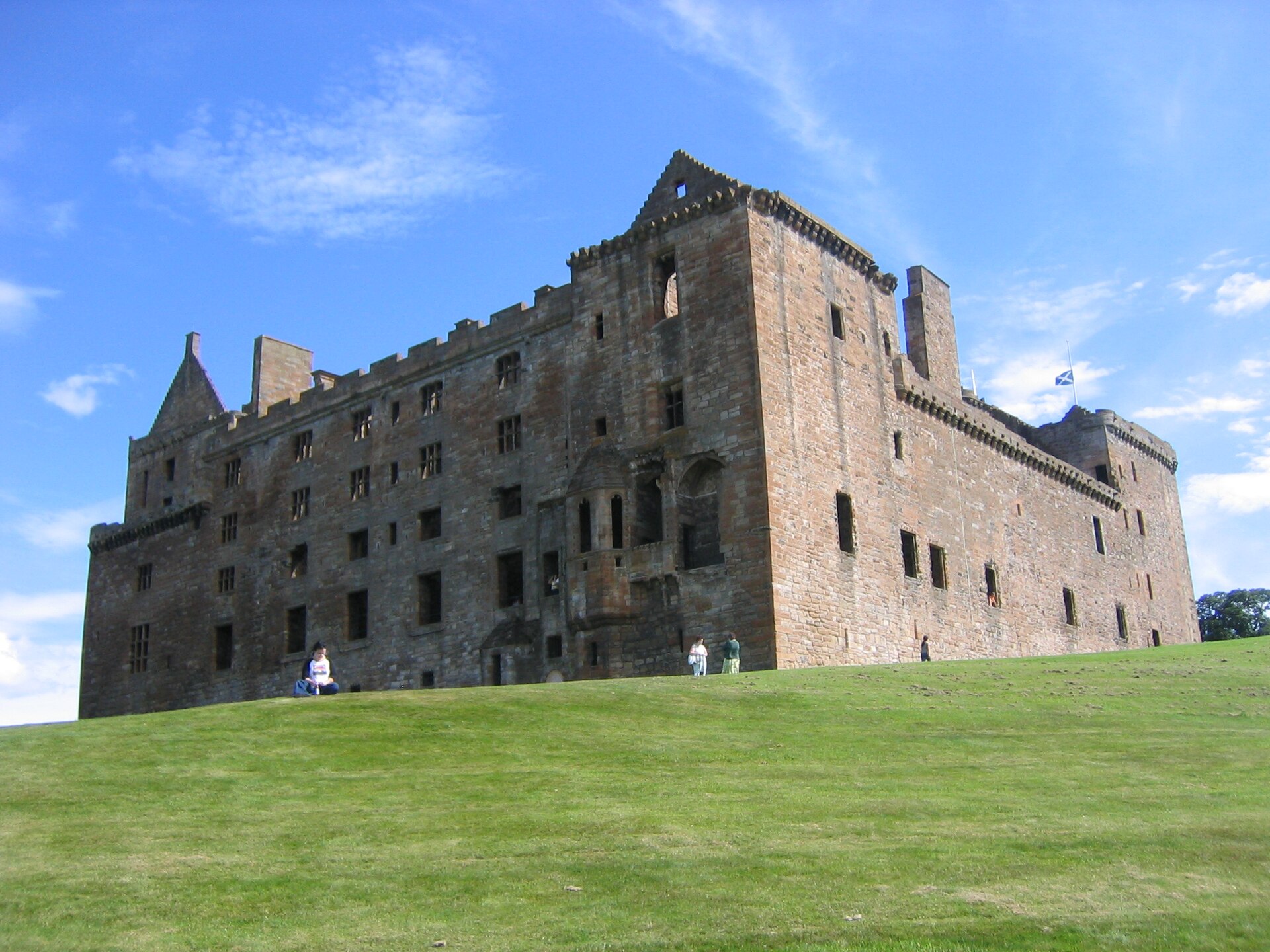
Taken back from the English by a hay merchant in 1313, birthplace of Mary Queen of Scots, and burned by accident in 1746.
Sacred place · Prehistoric
Orkney Islands
An enigmatic small coastal chapel whose proximity to the disputed Castle Bloody offers a rare glimpse of medieval worship beside a much older Shapi…
Fortified place · Medieval
County Tipperary
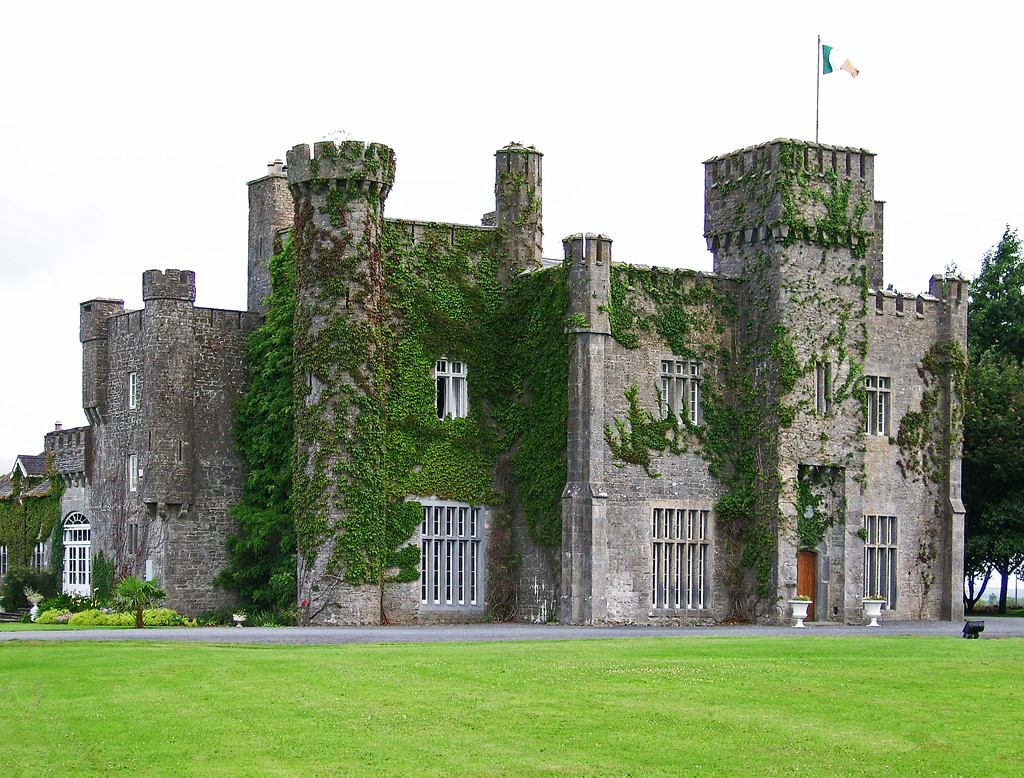
A plain Palladian country house dressed up decades later as a castle, gutted by fire in the War of Independence and left roofless for eighty years…
Fortified place · Medieval
Cornwall
Liskeard Castle was a short-lived medieval motte-and-bailey (an early Norman castle of a timber tower on an earth mound, with a walled yard alongsi…
Sacred place · Medieval
County Kerry
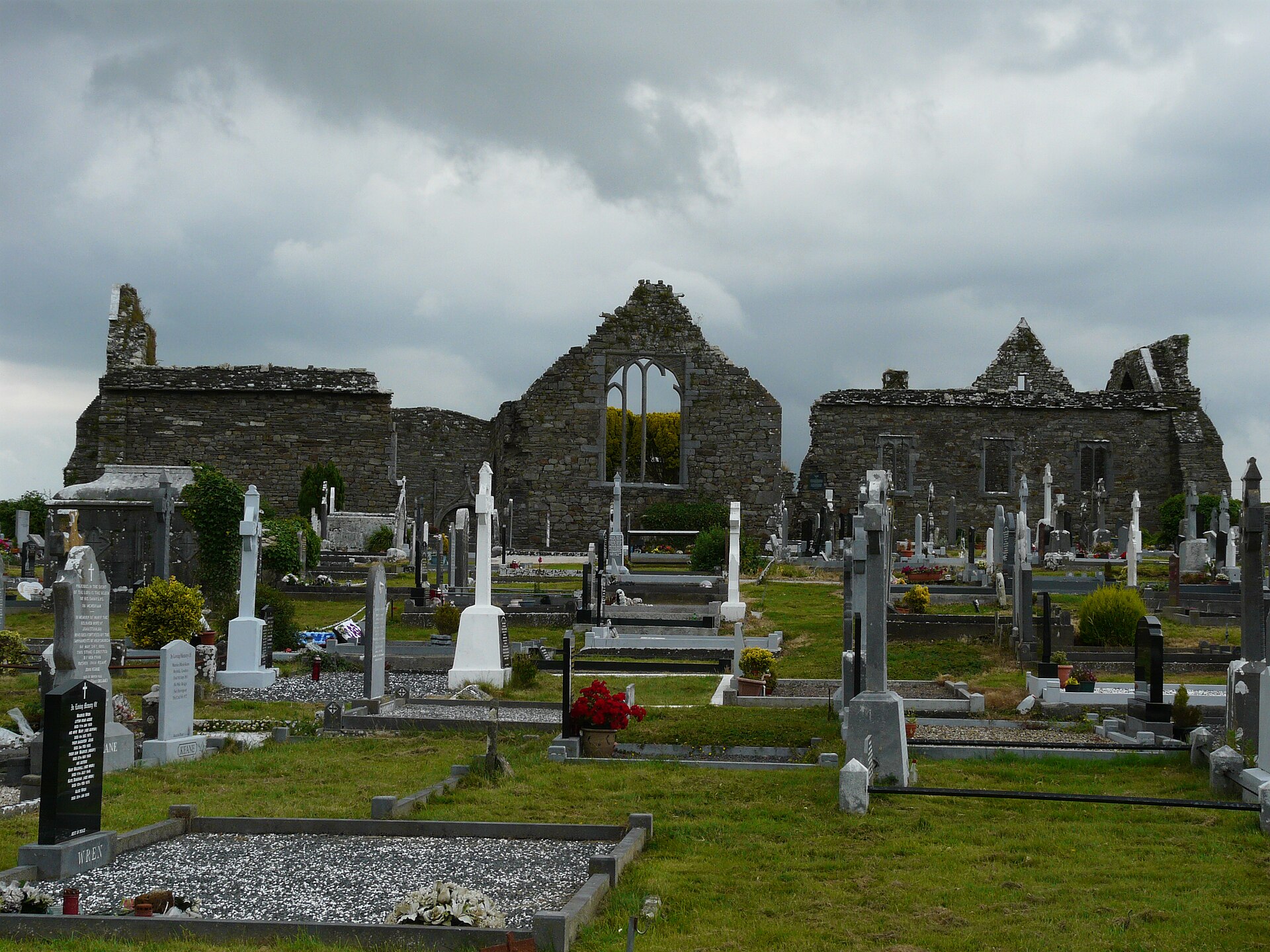
On the east bank of the Ballylongford Creek, a little over a kilometre north of Ballylongford in County Kerry, the roofless church of Lislaughtin A…
Fortified place · Medieval
County Waterford
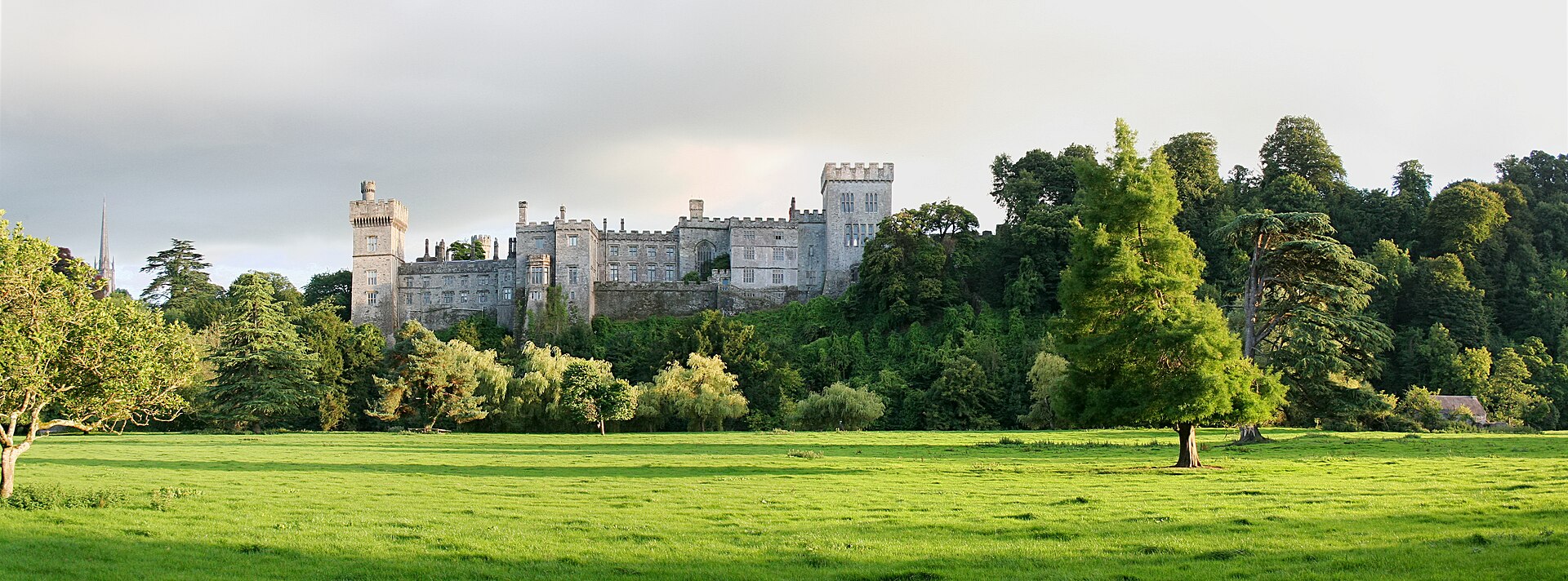
A working ducal seat still owned by the family that gave it its Gothic silhouette in the 1850s, sheltering a chimney-piece another English house re…
Settlement · Prehistoric
Derbyshire
Post holes in a Buxton field mark timber houses built by people who were just learning to grow grain: among the earliest farming evidence found any…
Fortified place · Medieval
County Kerry
Two of an original four towers still stand at Listowel Castle, joined by a heavy curtain wall and pierced by the unusual feature of an arch set bel…
Sacred place · Medieval
Berkshire
Its carved oak roof trusses, hidden by later ceilings for generations and only uncovered in 1980, survive as one of the clearest examples of early…
Sacred place · Medieval
Worcestershire
One surviving window panel is thought to be among the only contemporary portraits ever made of Edward V, the boy king who vanished from history wit…
Building or ruin · Medieval
Cheshire
A timber-framed manor whose top-heavy Long Gallery and bowing floorboards have survived four centuries without a single wall left standing true.
Ancient place · Iron Age
Wiltshire
A ring of postholes here rewrote how archaeologists understood Iron Age (the period from roughly 800 BC to the Roman conquest) life, showing people…
Building or ruin · Roman
Wiltshire
A farmhouse that became a pagan temple: its Orpheus mosaic marks a religious cult centre built as Rome's empire turned against the old gods.
Fortified place · Medieval
Gloucestershire
Its motte, the mound built for a lookout tower and keep, is knitted into the ring of outer earthworks rather than placed at the castle's centre: a…
Building or ruin · Medieval
Gwynedd
Llanddona fish weir is a scheduled post-medieval (after about 1500) V-shaped tidal fish trap at Red Wharf Bay, preserving a large-scale form of coa…
Fortified place · Medieval
Vale of Glamorgan
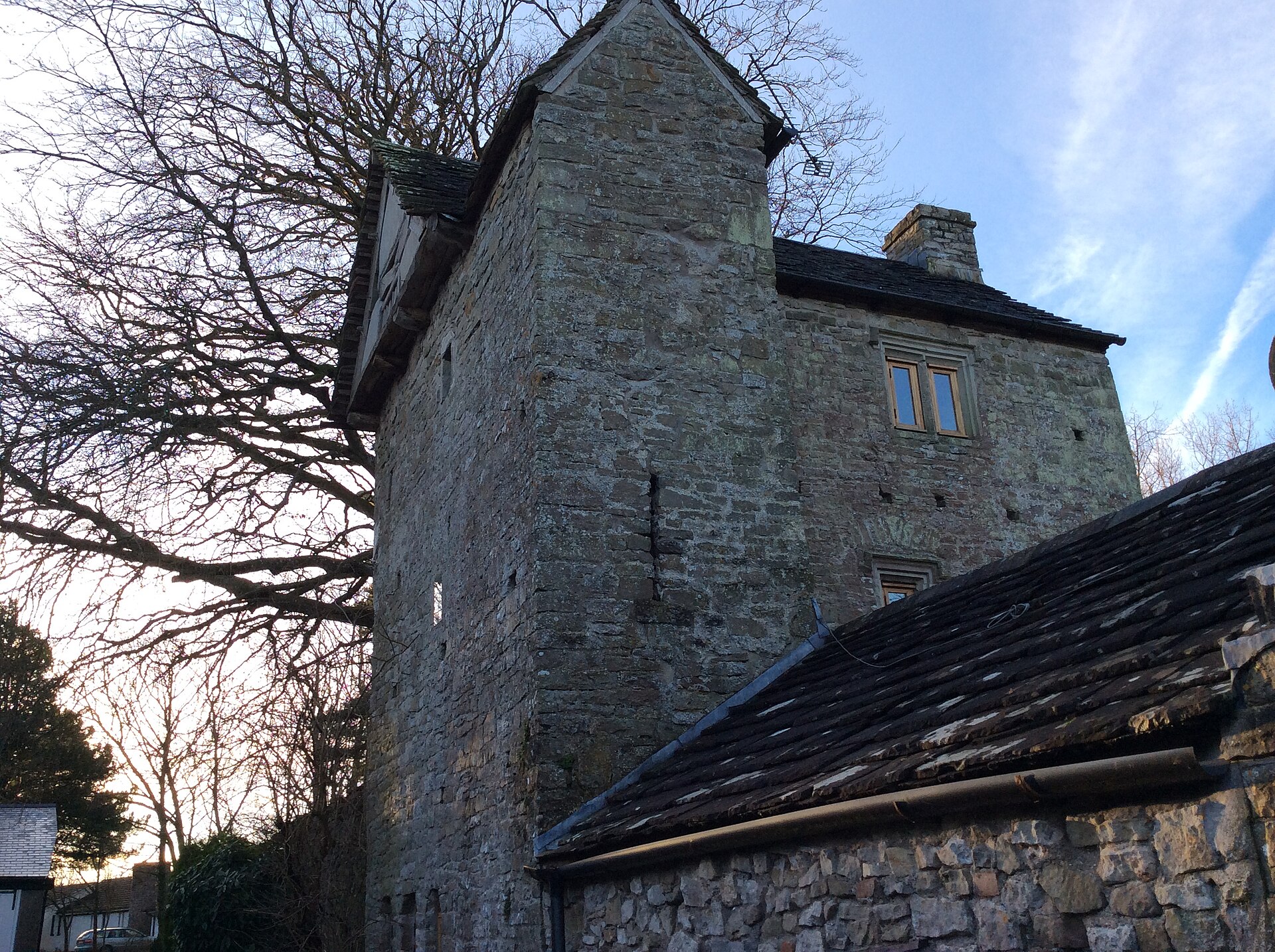
A fourteenth-century tower house built as a fortified residence rather than a military work, and remodelled in the nineteenth century by its tenants.
Fortified place · Medieval
Carmarthenshire
A knoll above the River Towy changed hands so many times between Norman lords and Welsh princes that its stone keep endured barely two centuries be…
Sacred place · Medieval
Isle of Anglesey
Llanfaes Friary preserves the buried remains of a Franciscan house founded for Joan, Lady of Wales, whose survival through Edward I’s forced depopu…
Fortified place · Medieval
Powys
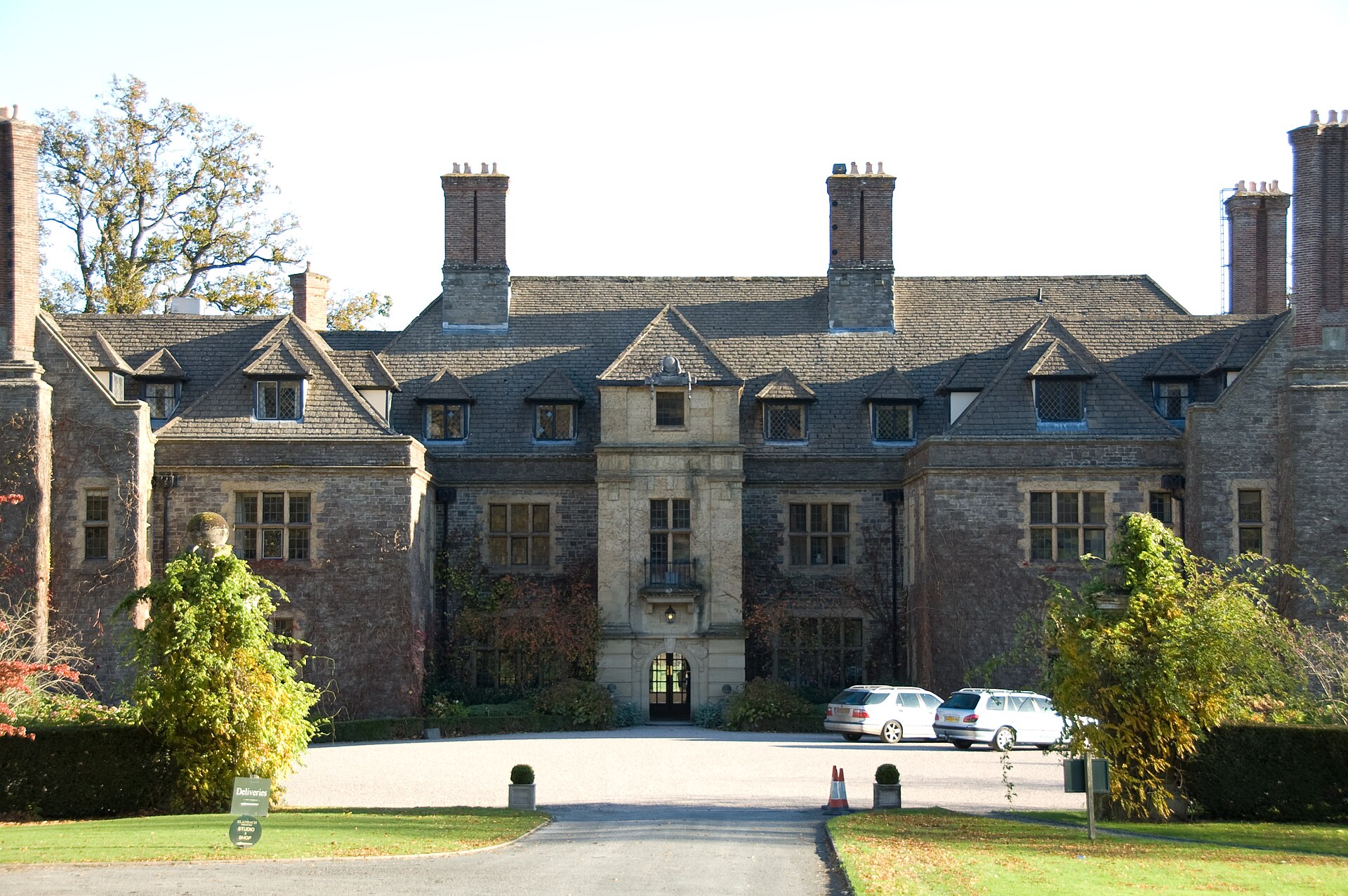
A house given to the church in 560, rebuilt by the architect of Portmeirion, and lost once to a gambling debt.
Fortified place · Medieval
Bridgend
Its ruined gatehouse was built to echo the great twin towers of Caerphilly Castle, planting a miniature of Wales's mightiest fortress on a remote G…
Sacred place · Medieval
Powys
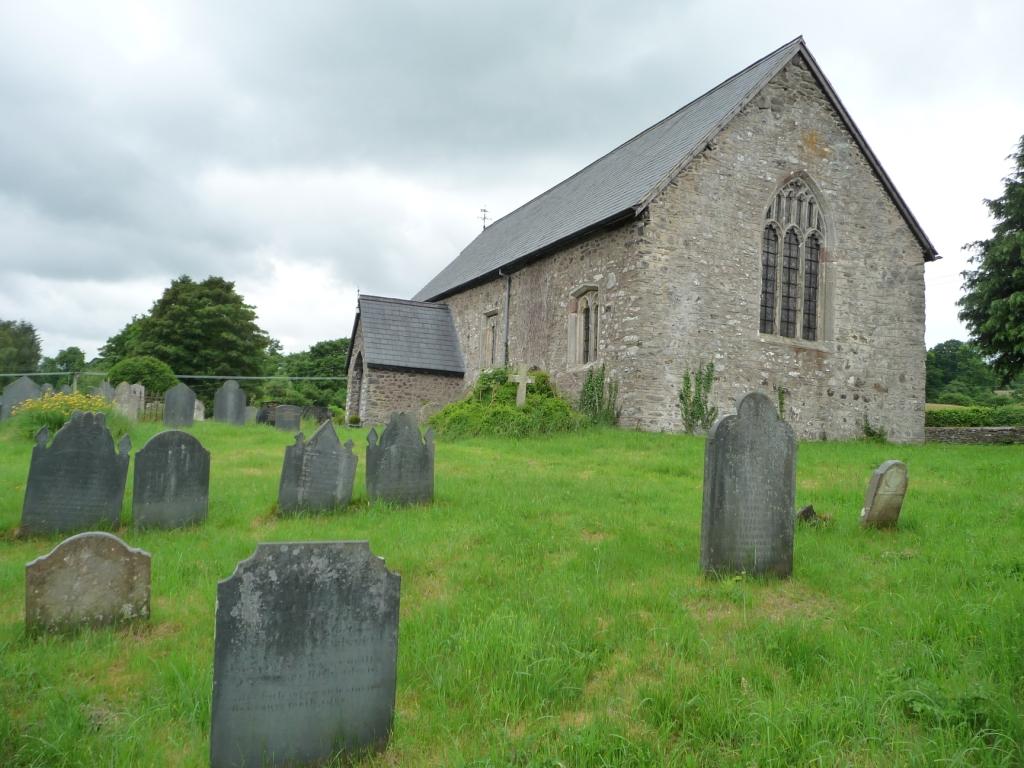
One of only two Cistercian nunneries in Wales, home to five women in 1377: and to sixty in a poem by Dafydd ap Gwilym.
Fortified place · Prehistoric
Carmarthenshire
Its earthwork (a mound or ditch formed by moving soil, not by building) rings predate the stone castle by well over a thousand years, and the site…
Fortified place · Medieval
Powys
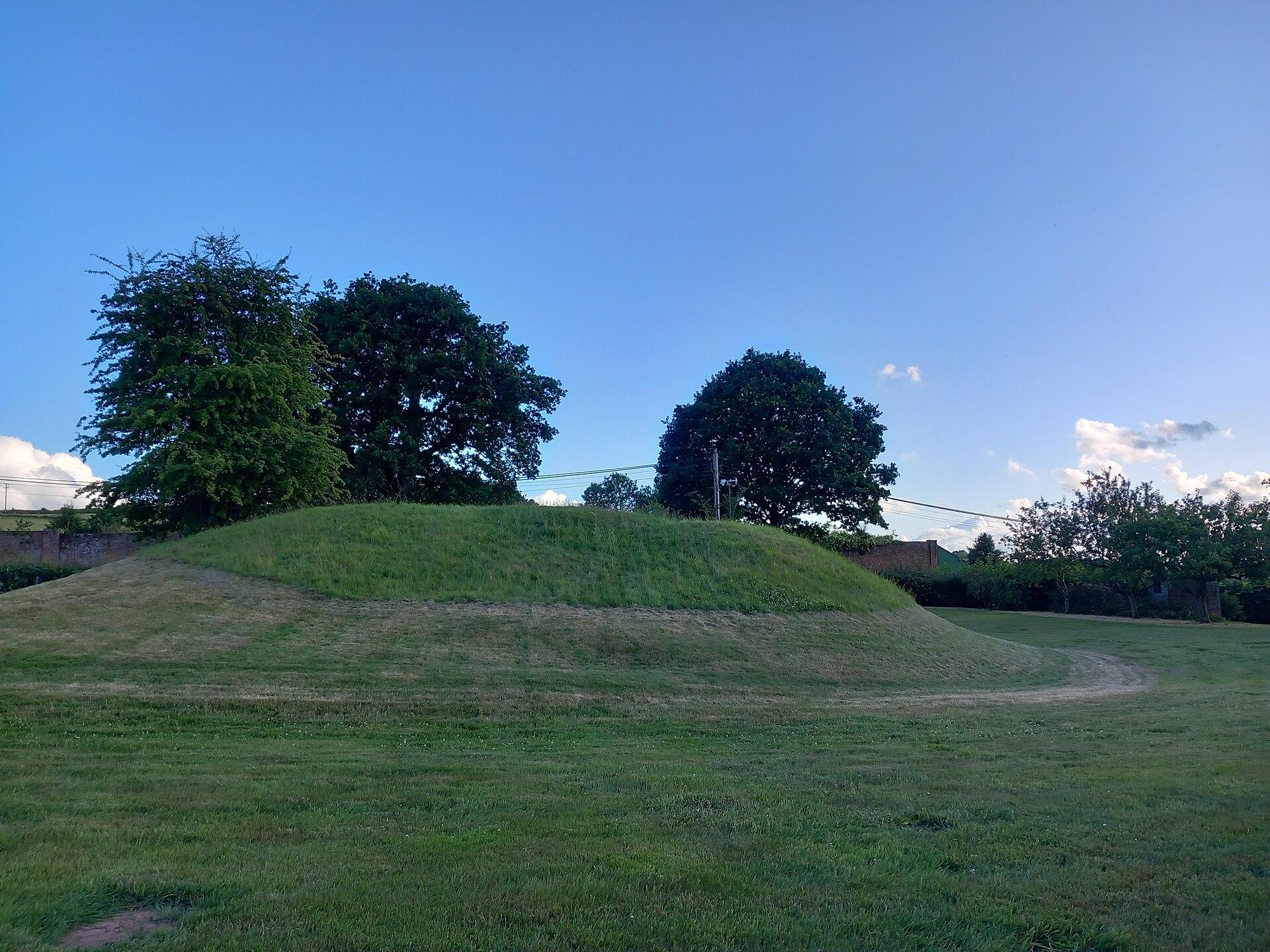
Leland found a tower here in the 1530s, four centuries after the earth mound was raised: and the uneven top may be the rubble of it.
Sacred place · Medieval
Monmouthshire
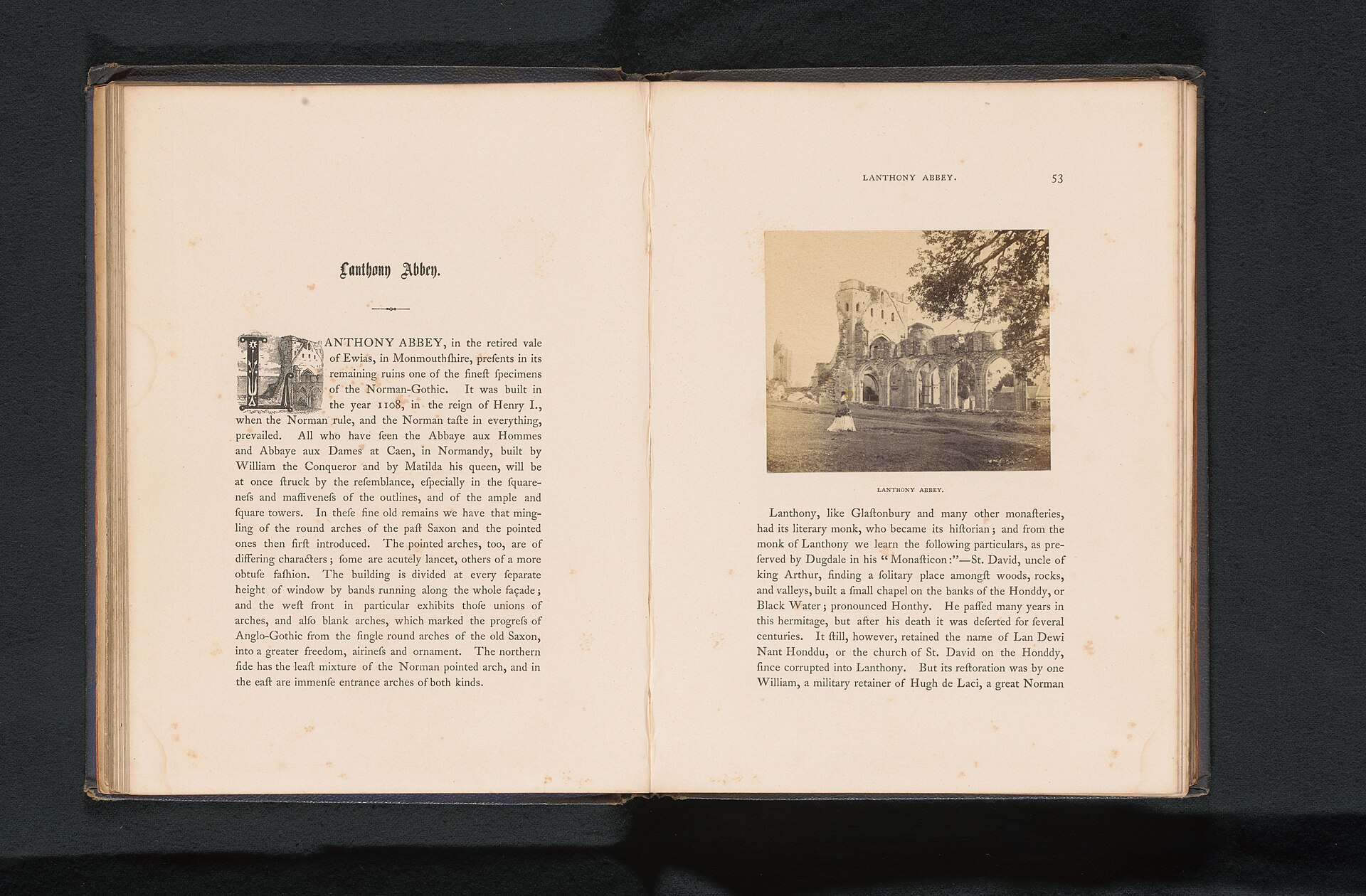
Llanthony Priory is one of Wales’s greatest medieval monastic ruins, founded in the remote Vale of Ewyas and rebuilt after conflict before the Diss…
Sacred place · Medieval
Gloucestershire
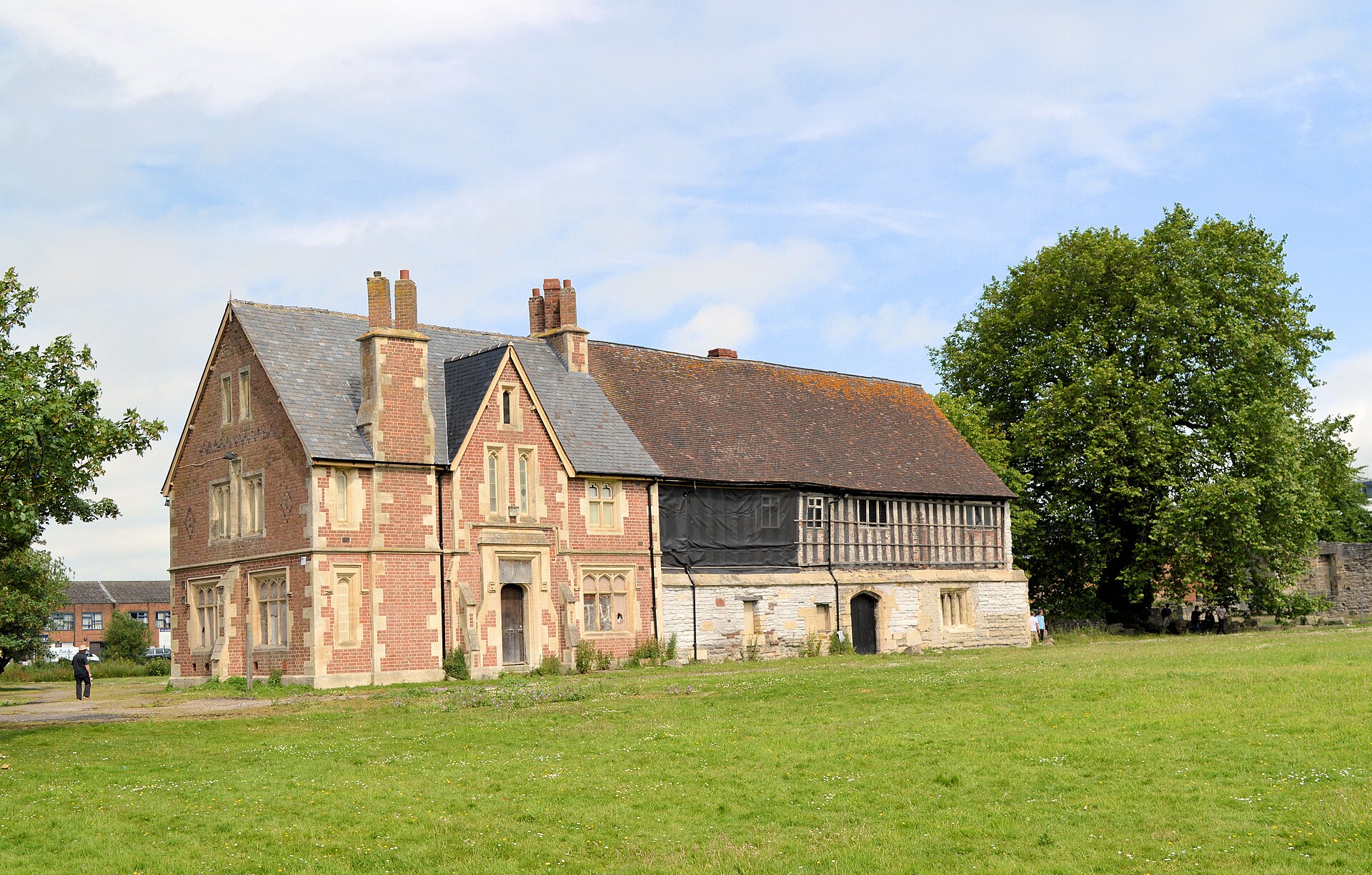
For two centuries the chapter house here held the tombs of the earls of Hereford and the Bohun dynasty, and its walls are still tied, however uncer…
Fortified place · Medieval
Rhondda Cynon Taf
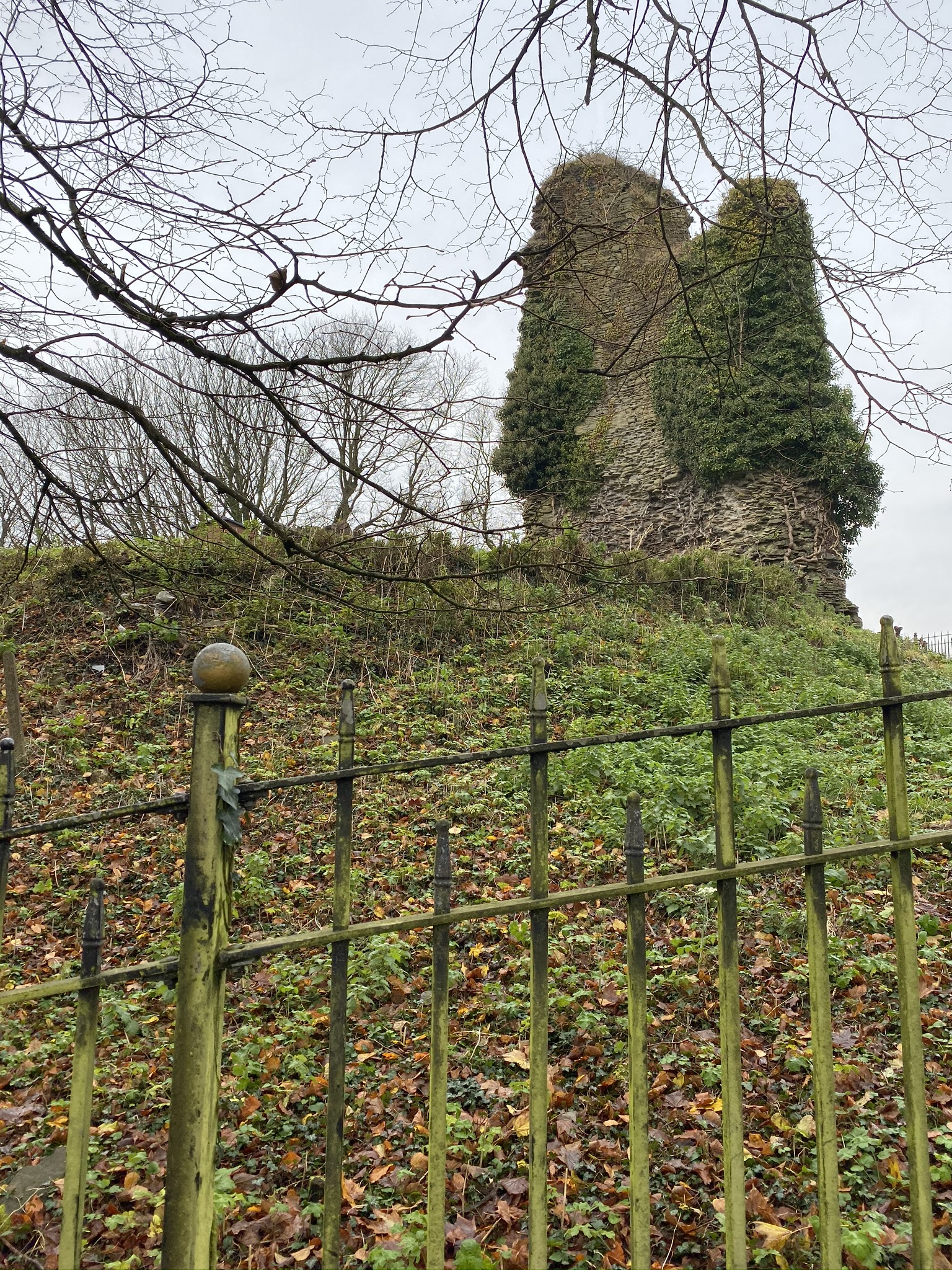
Who built it, and when, has never been determined. Antiquaries have argued for a Welsh lord, a Norman earl, and the son of Henry I.
Building or ruin · Roman
Vale of Glamorgan
Two burials were dug straight through the tessellated pavement of rooms 8 and 9, and a contorted skeleton was found in the corridor.
Fortified place · Medieval
Pembrokeshire
Llawhaden Castle is a ruined medieval bishops’ castle above the River Cleddau, with a gatehouse, towers and surviving defensive walls.
Fortified place · Iron Age
Rhondda Cynon Taf
A hillfort above Tonyrefail ringed by a single rampart, a bank of earth and stone raised for defence, one of four in the county borough and one of…
Building or ruin · Prehistoric
isle-of-anglesey
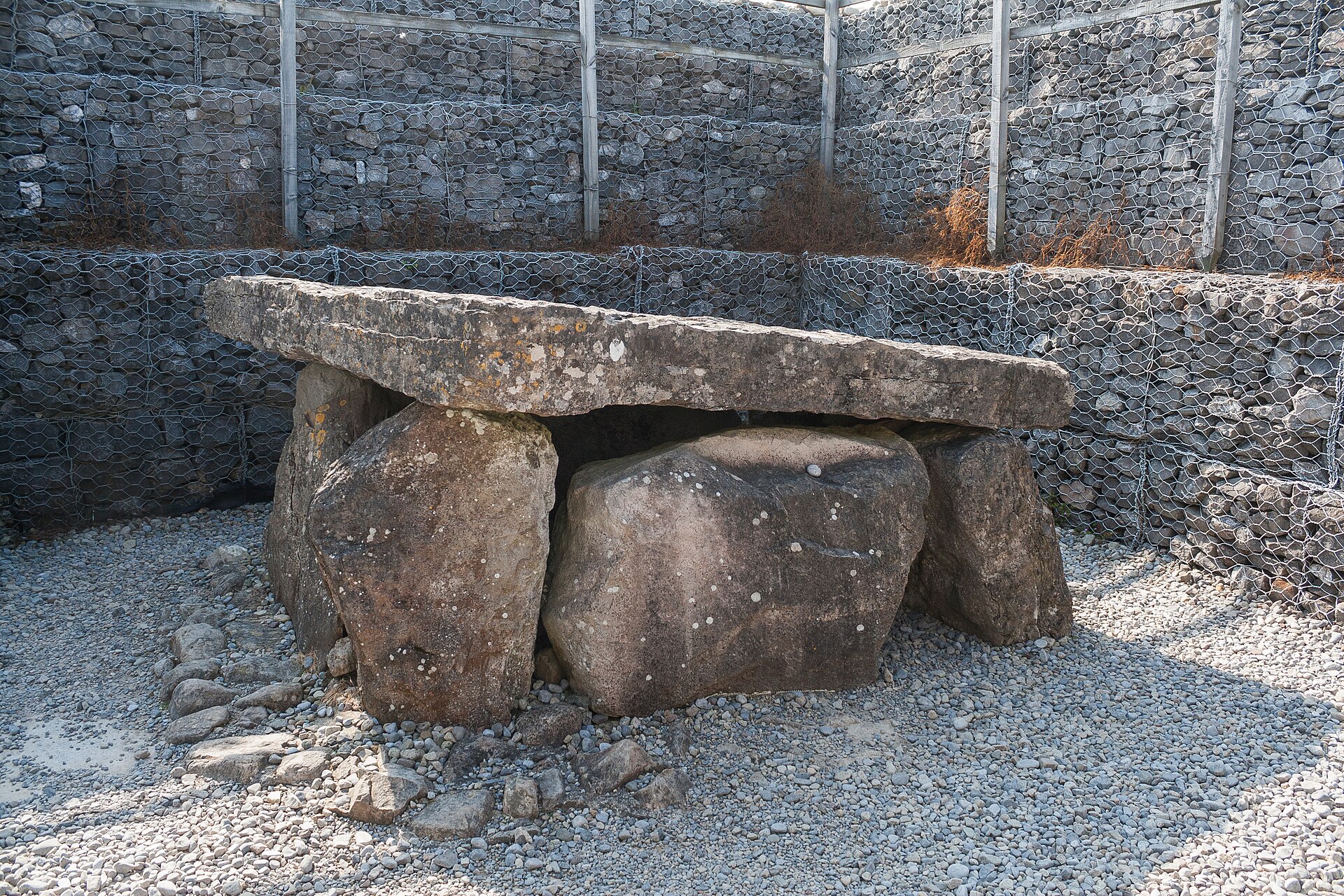
A Neolithic chamber: of the first farming age, roughly 4000–2500 BC: roofed by a single limestone slab of about 25 tonnes, resting on only three of…
Fortified place · Iron Age
Powys
A hillfort: a defended enclosure on high ground, ringed with banks and ditches: with a bronze and iron smithy built into the back of its own rampar…
Fortified place · Iron Age
Cardiff
A double-ringed Iron Age (from about 800 BC until the Romans came) stronghold above Pentyrch, its earthworks still legible on the ground despite ce…
Building or ruin · Medieval
Conwy
A late-medieval Conwy house linked to the ancestry of the Tudor dynasty, preserved on Bryn Euryn after fire, quarry damage and modern conservation.
Building or ruin · Medieval
Isle of Anglesey
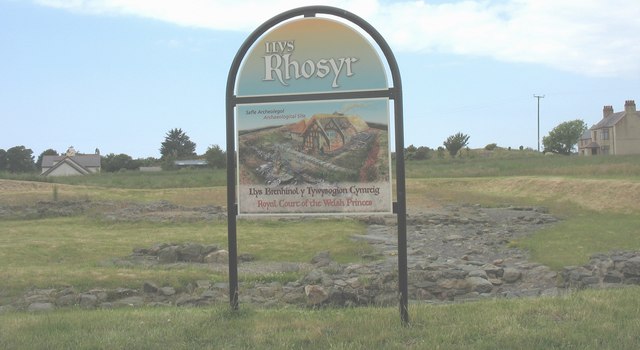
The only excavated royal court of the medieval Welsh kingdom of Gwynedd, its buried hall now has a full-scale twin standing at St Fagans in Cardiff.
Crossing or structure · Medieval
Argyll and Bute
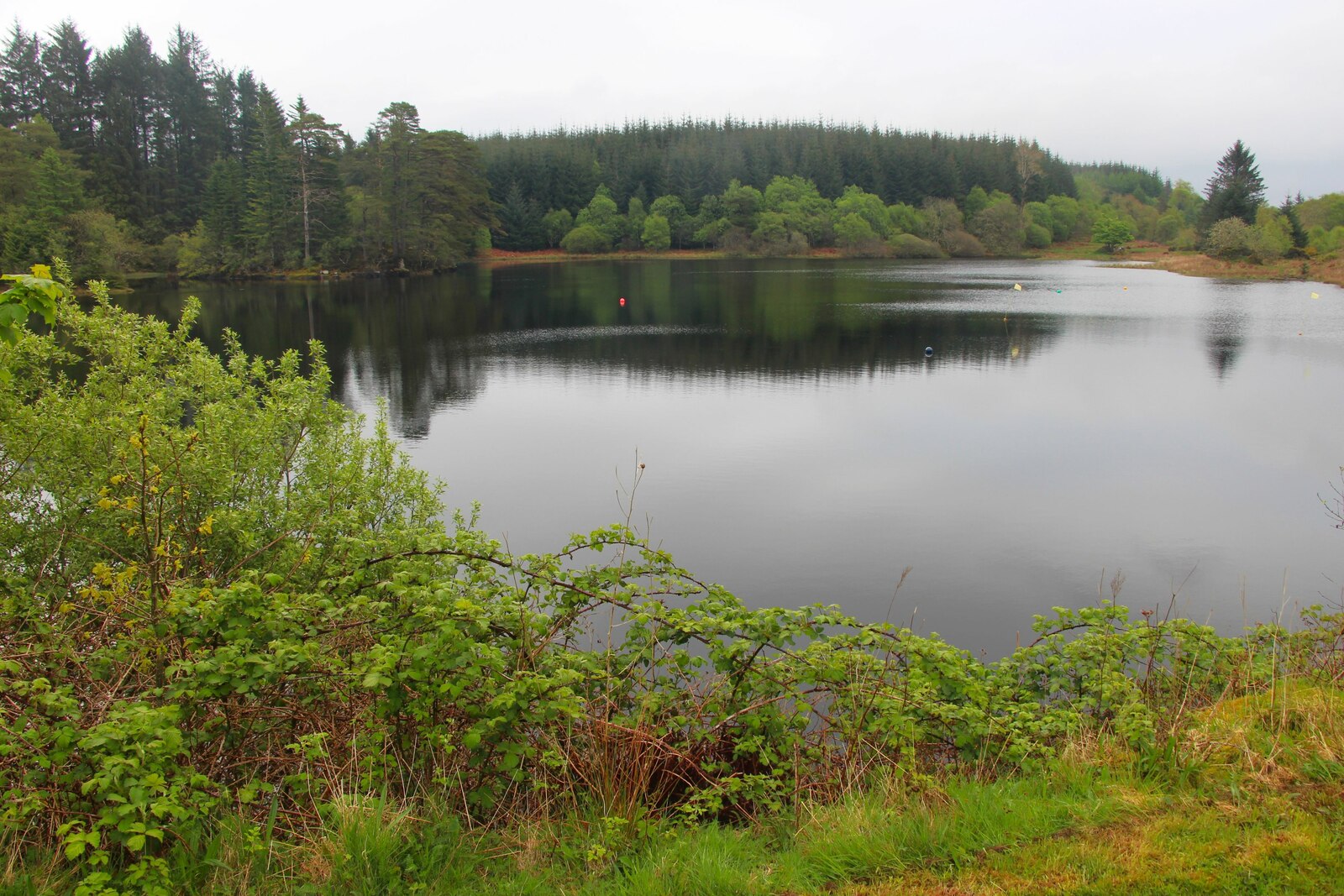
Loch a’ Bharain is a purpose-built Crinan Canal reservoir whose 1801 dam stabilised the summit reach and whose recent drainage exposed traces of an…
Fortified place · Medieval
Argyll and Bute
A Clan Donald stronghold so thoroughly reduced that its island now looks bare from the shore, yet its walls changed hands four times in fewer than…
Fortified place · Iron Age
Orkney Islands
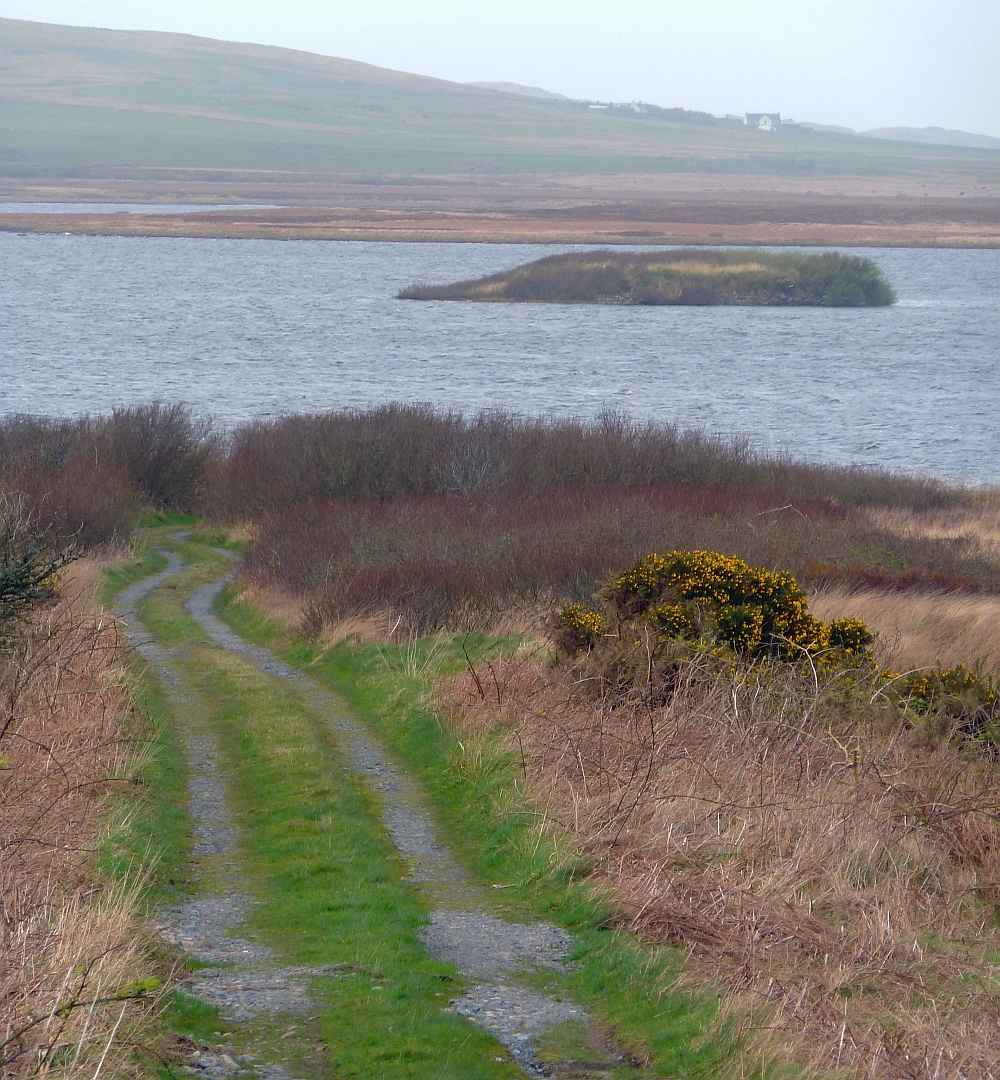
A shallow loch whose shrinking water exposed a Bronze Age house, while its shores bring together Iron Age, prehistoric and modern water-supply arch…
Settlement · Medieval
Perth and Kinross
Besieged in 1335 by an English force that dammed the loch to drown it. The captain went off to a saint's festival, and the defenders broke the dam.
Fortified place · Medieval
Dumfries and Galloway
Lochmaben Castle anchors the Bruce lordship of Annandale and records centuries of border conflict, royal rebuilding and repeated sixteenth-century…
Sacred place · Prehistoric
Dumfries and Galloway
On the shore of the Solway Firth, near where the Kirtle Water empties into the estuary, a single weathered granite boulder stands roughly 7 feet ta…
Fortified place · Medieval
Argyll and Bute
A staircase inside is said to be carved from a sacred yew felled on nearby Bernera Island: timber that reportedly survived at least two fires which…
Fortified place · Medieval
North Ayrshire
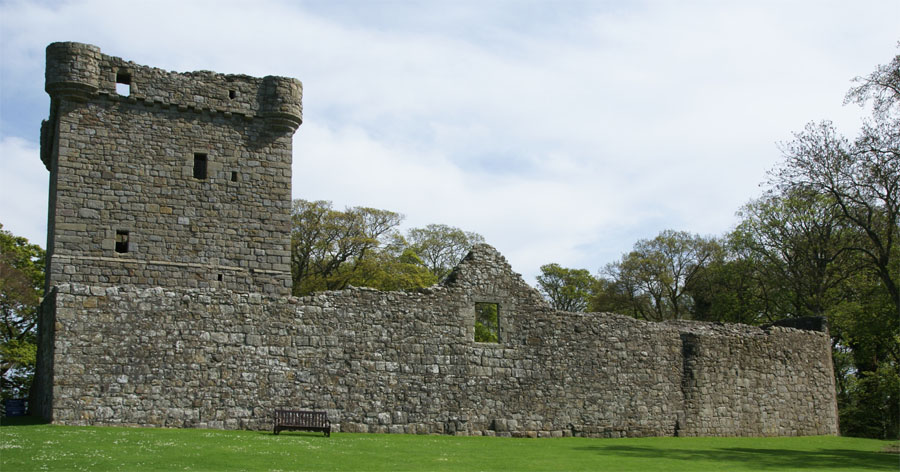
Lochranza’s waterside tower links thirteenth-century lordship with Robert the Bruce’s reported 1306 landing, James IV’s island campaign and later a…
Fortified place · Medieval
Somerset
A castle site at Carberry Hill where excavations found a stone chamber, pottery and a sword fragment.
Building or ruin · Roman
Hertfordshire
Excavation here traced five successive building phases on one plot, from a first-century round hut to a fourth-century villa, a rare stratified rec…
Sacred place · Medieval
Derbyshire
The only recorded Lazarite preceptory (a local estate of a military order such as the Knights Templar) in England, it once returned an annual incom…
Sacred place · Medieval
Greater London
The London Charterhouse is an exceptionally layered Clerkenwell complex: a Black Death burial ground became a Carthusian priory, a monastery run by…
Building or ruin · Roman
City of London
London's most famous twentieth-century Roman discovery: a soldiers' mystery temple, displaced for development and returned to a site beneath the Bl…
Building or ruin · Roman
Surrey
Its final miles have never been pinned down: archaeologists still argue whether the road ended at Brighton or Portslade, making it one of the few m…
Sacred place · Medieval
Lincolnshire
A tiny outpost of the Norman abbey (a religious community led by an abbot) of Savigny that for over a century supported just one resident monk, bef…
Tomb or burial place · Prehistoric
East Sussex
A 180-foot earthen mound raised by Sussex's first farming communities, it belongs to a distinct chalk-downland style of long burial mound found now…
Crossing or structure · Roman
Derbyshire
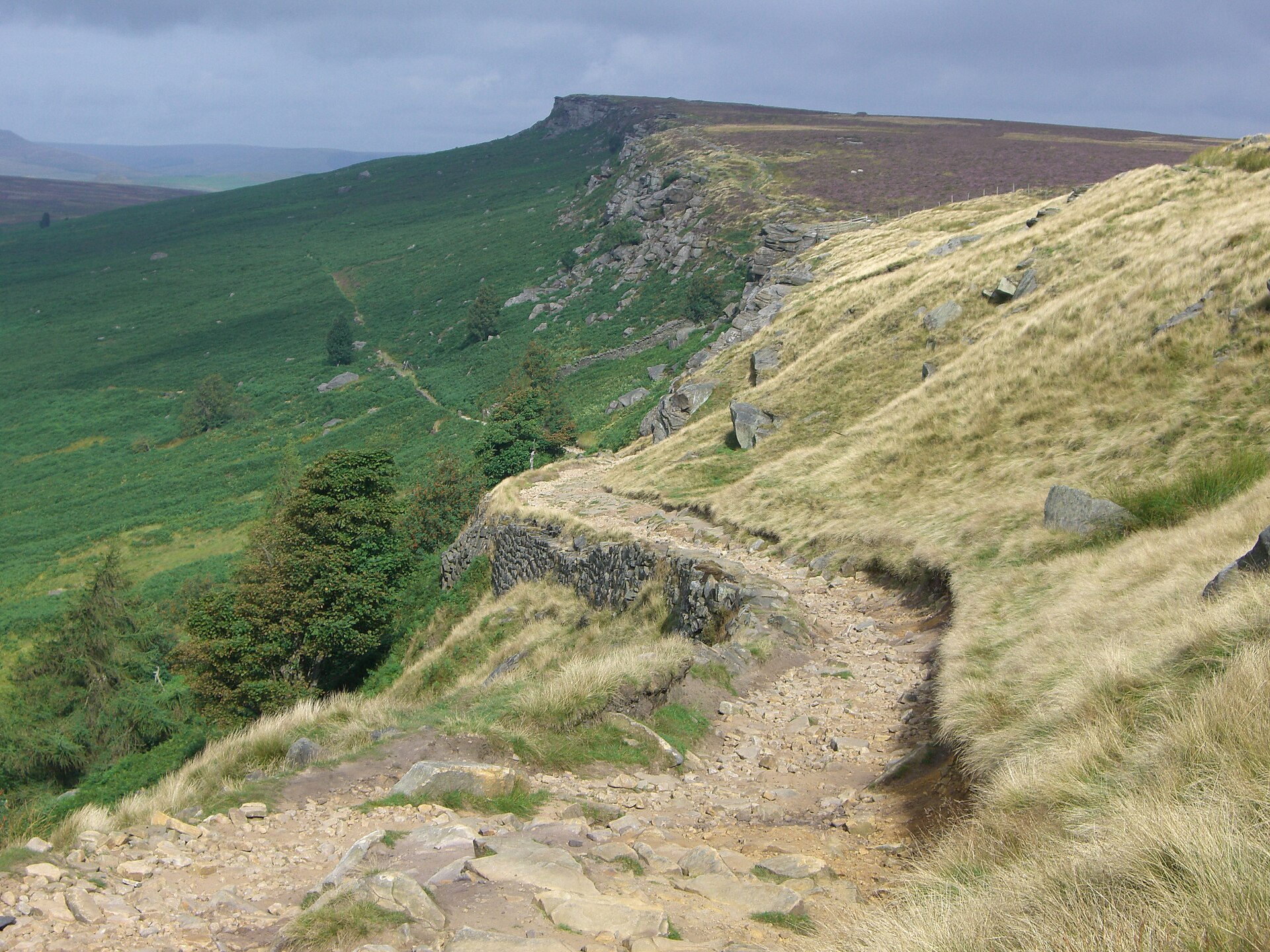
A working packhorse road so steep that carters hung stones from their carts to brake the descent, and whose long-assumed Roman pedigree has since b…
Tomb or burial place · Prehistoric
Staffordshire
Two cairns joined by a 200-metre bank of upright limestone slabs: a form found nowhere else in England, and still not understood.
Building or ruin · Prehistoric
East Sussex
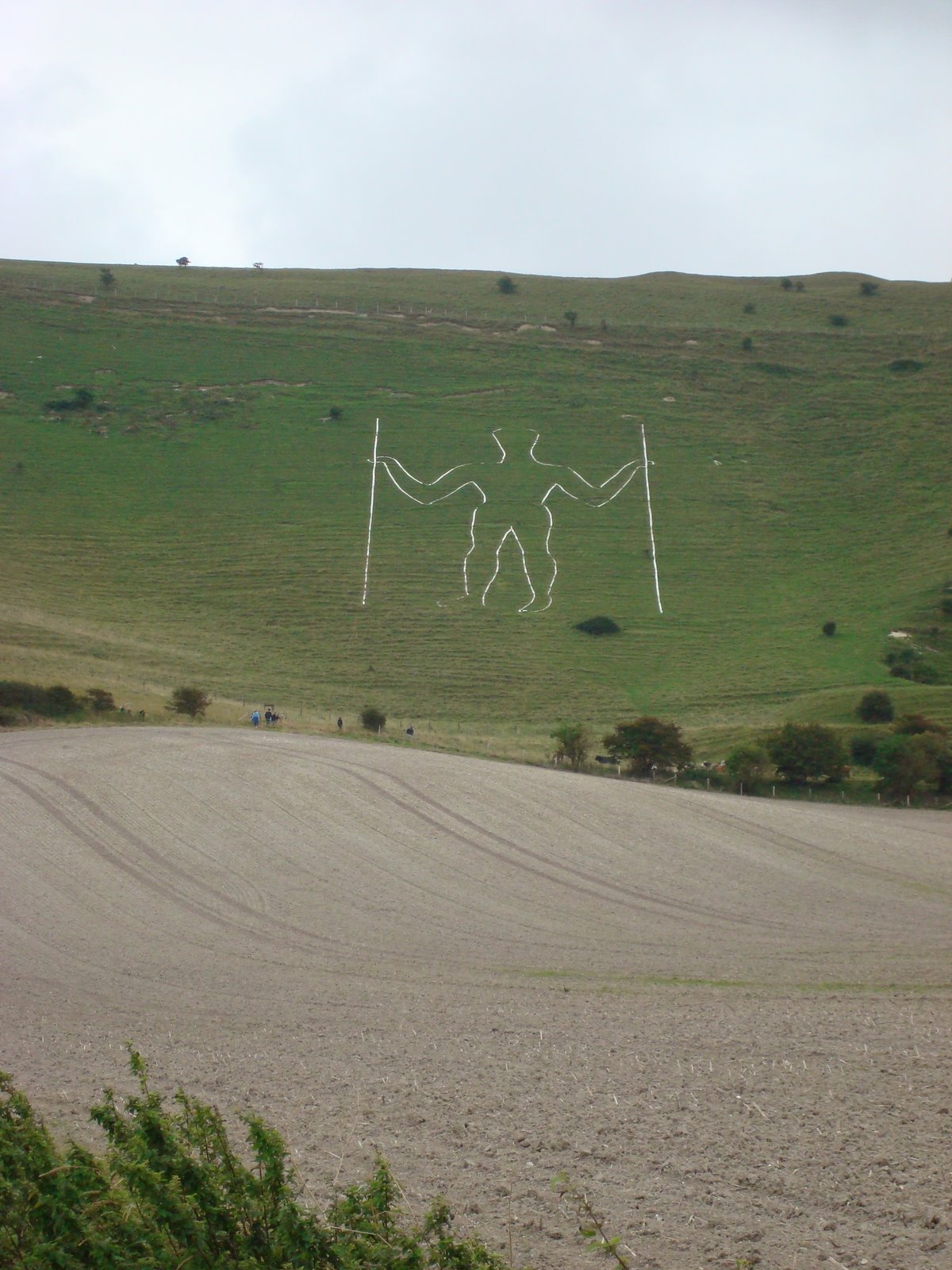
The Long Man is one of England’s two major surviving human hill figures, but archaeological work now suggests this famous chalk-downland image is E…
Sacred place · Prehistoric
Cumbria
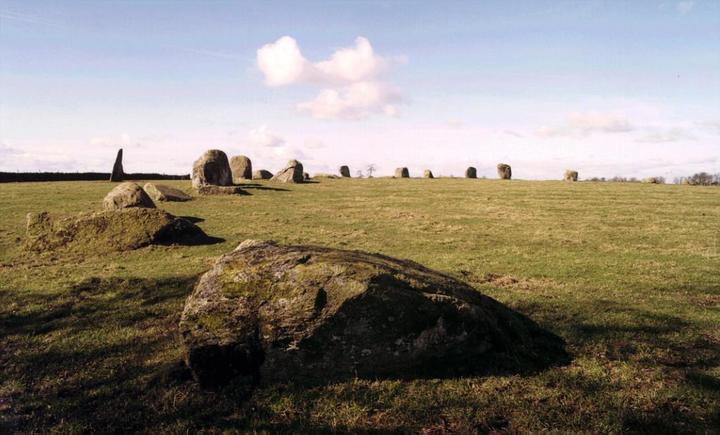
England's third-widest stone circle, its outlying monolith carved with cup-and-ring art that echoes Newgrange and stands aligned on the midwinter s…
Fortified place · Iron Age
Somerset
A possible defended settlement of the pre-Roman centuries, three and a half kilometres south-west of Dunster.
Fortified place · Medieval
Wiltshire
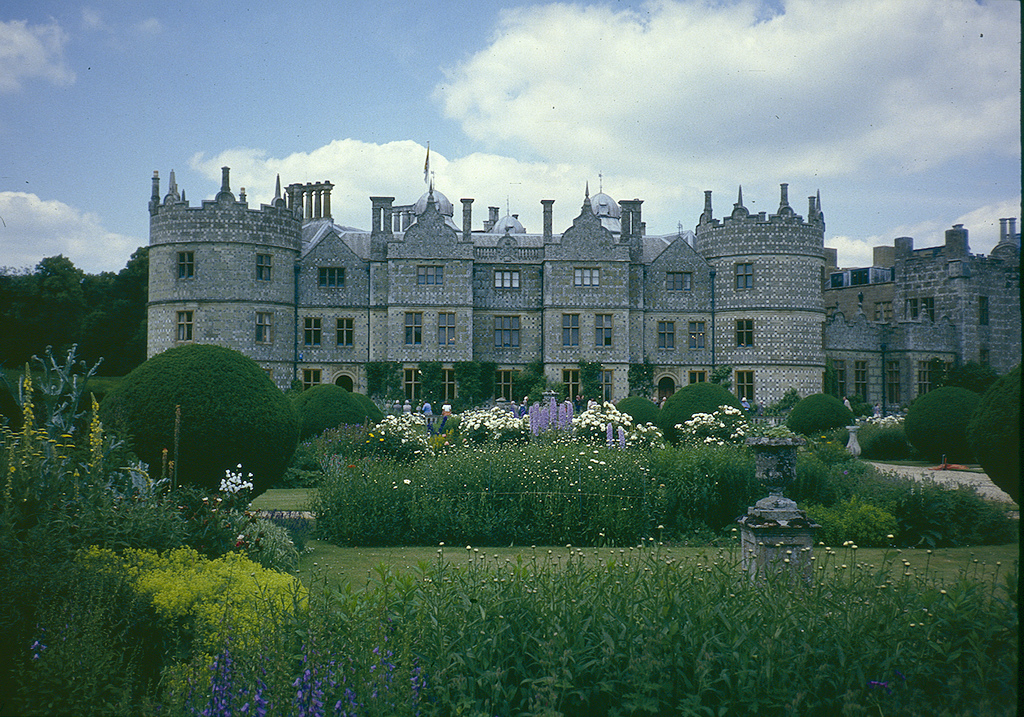
A rare Elizabethan prodigy house built to a triangular Swedish plan, its completion reputedly funded by silver and gold salvaged from a wrecked Spa…
Sacred place · Medieval
Wiltshire
A community of Augustinian canons answering directly to the Dean of Salisbury for three centuries, whose suppressed priory: a smaller monastery led…
Building or ruin · Roman
County Durham
Its water supply was so oversized for an ordinary fort that archaeologists suspect large-scale iron smelting lay behind it: one of Roman Britain's…
Sacred place · Prehistoric
Gloucestershire
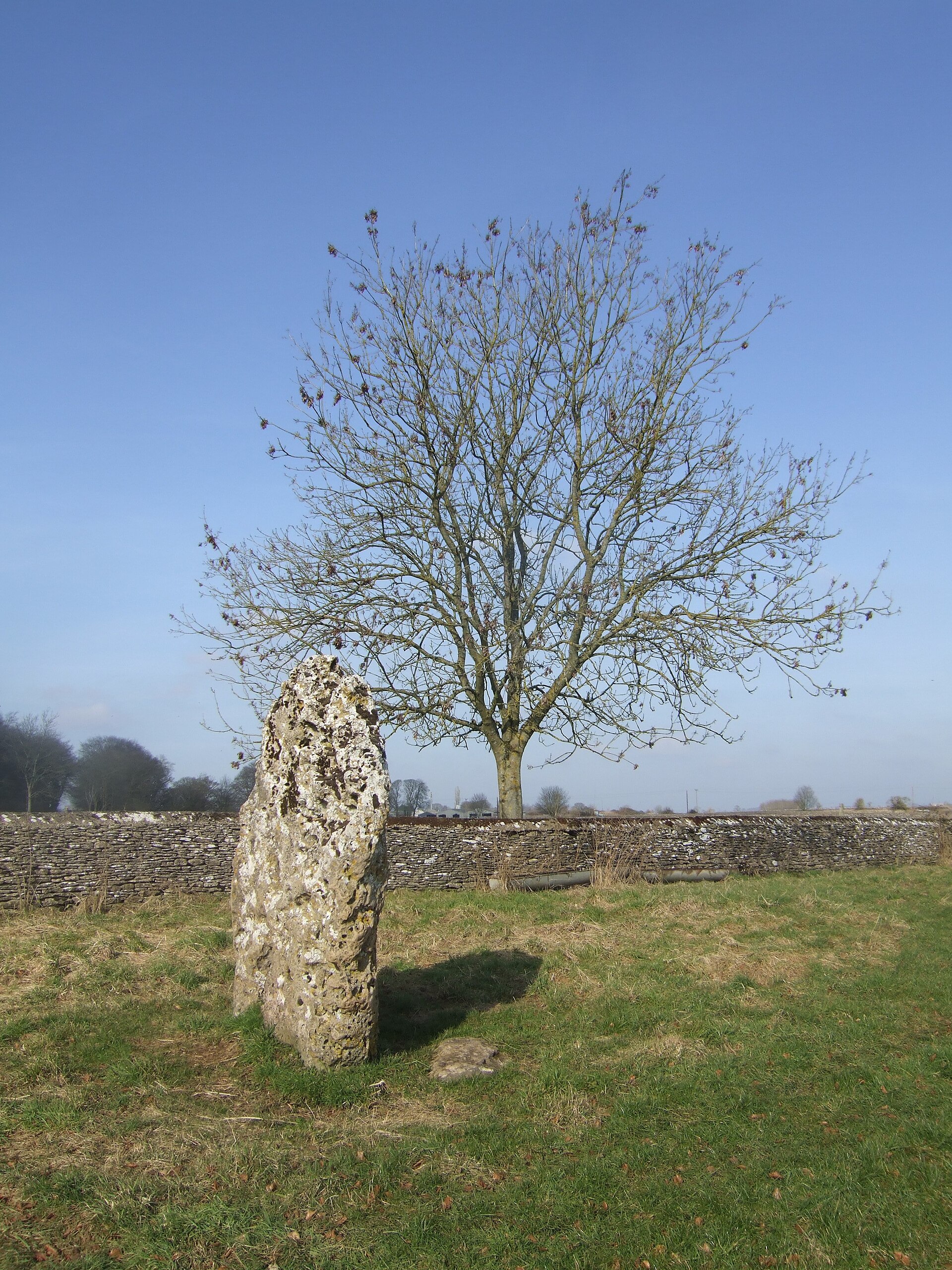
Longstone’s naturally pierced limestone links a surviving monolith with a local healing tradition, while nearby barrows and finds place it in an ol…
Fortified place · Medieval
Cambridgeshire
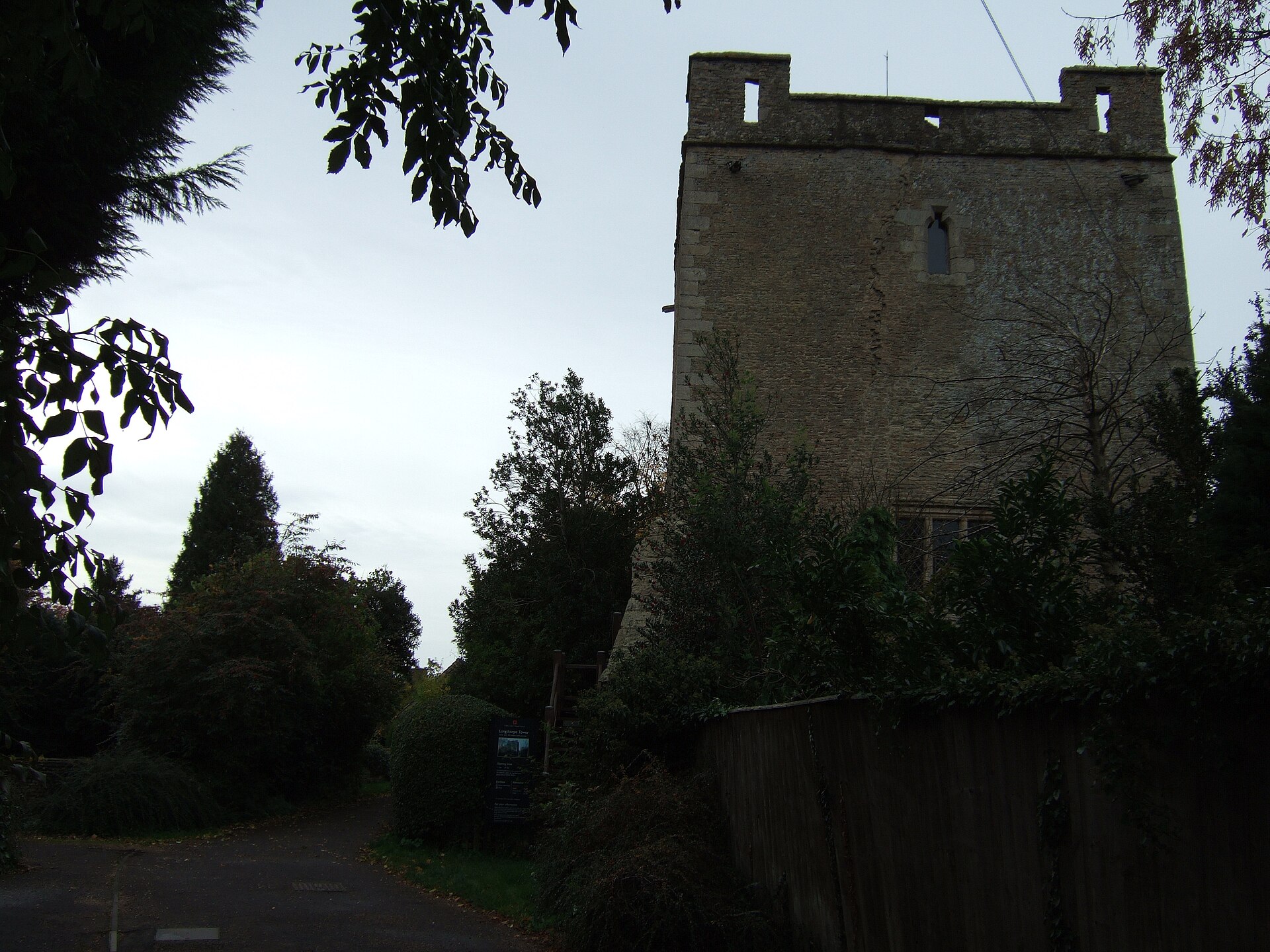
Beneath centuries of whitewash, Longthorpe Tower hid one of England's most complete sets of 14th-century domestic wall paintings, unseen until the…
Fortified place · Medieval
Herefordshire
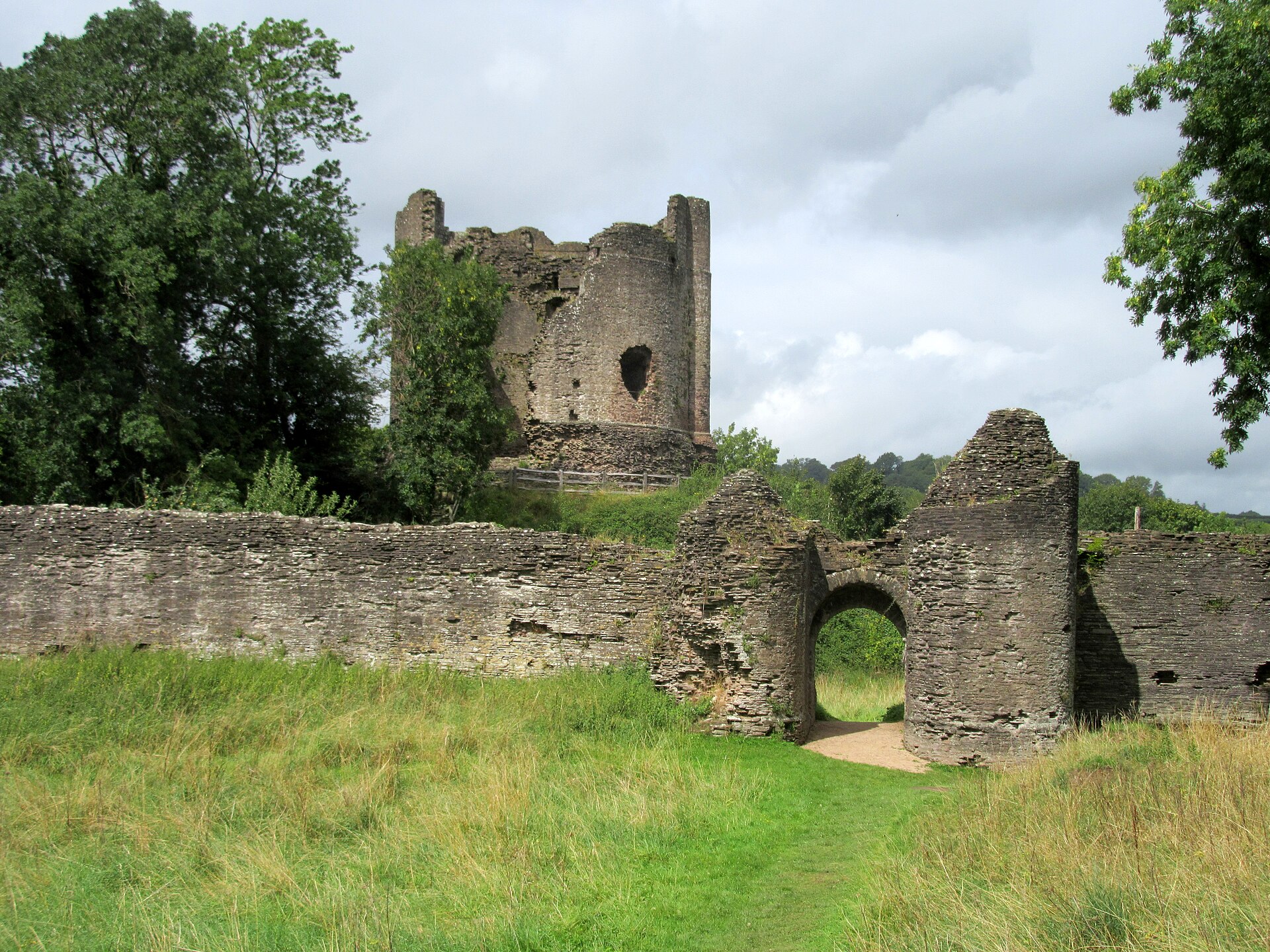
A circular stone keep with three evenly spaced turrets and 5-metre-thick walls, a design shared with only Skenfrith and Caldicot in the Welsh Marches.
Tomb or burial place · Prehistoric
County Leitrim
A doubtful megalithic tomb sits beside a lake ringed with Bronze Age crannogs, a 13th-century castle, and a 17th-century island jail: an unusually…
Ancient place · Prehistoric
County Down
Loughbrickland Crannóg is a Scheduled Bronze Age artificial island that brings prehistoric (from the era before writing arrived in these islands) s…
Fortified place · Medieval
County Tipperary
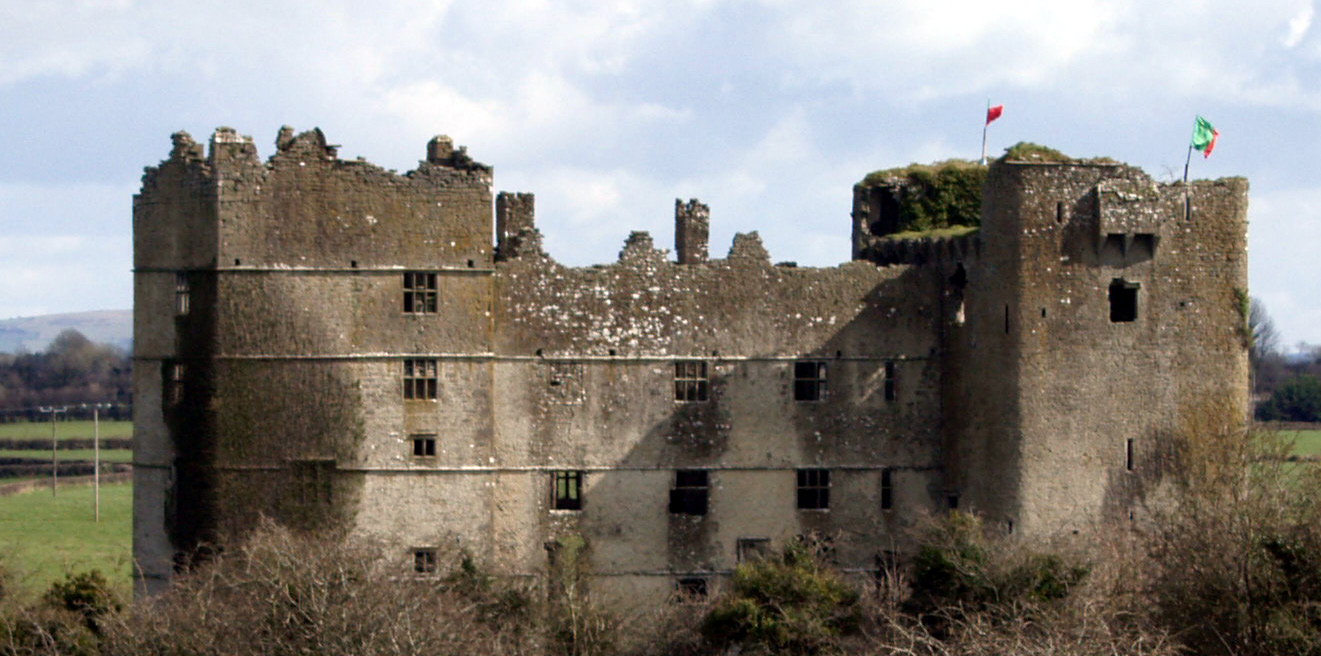
One family held an unbroken line of barons here for over five centuries, from a 1204 marriage dowry to the title's extinction in 1722: a rare span…
Fortified place · Medieval
Swansea
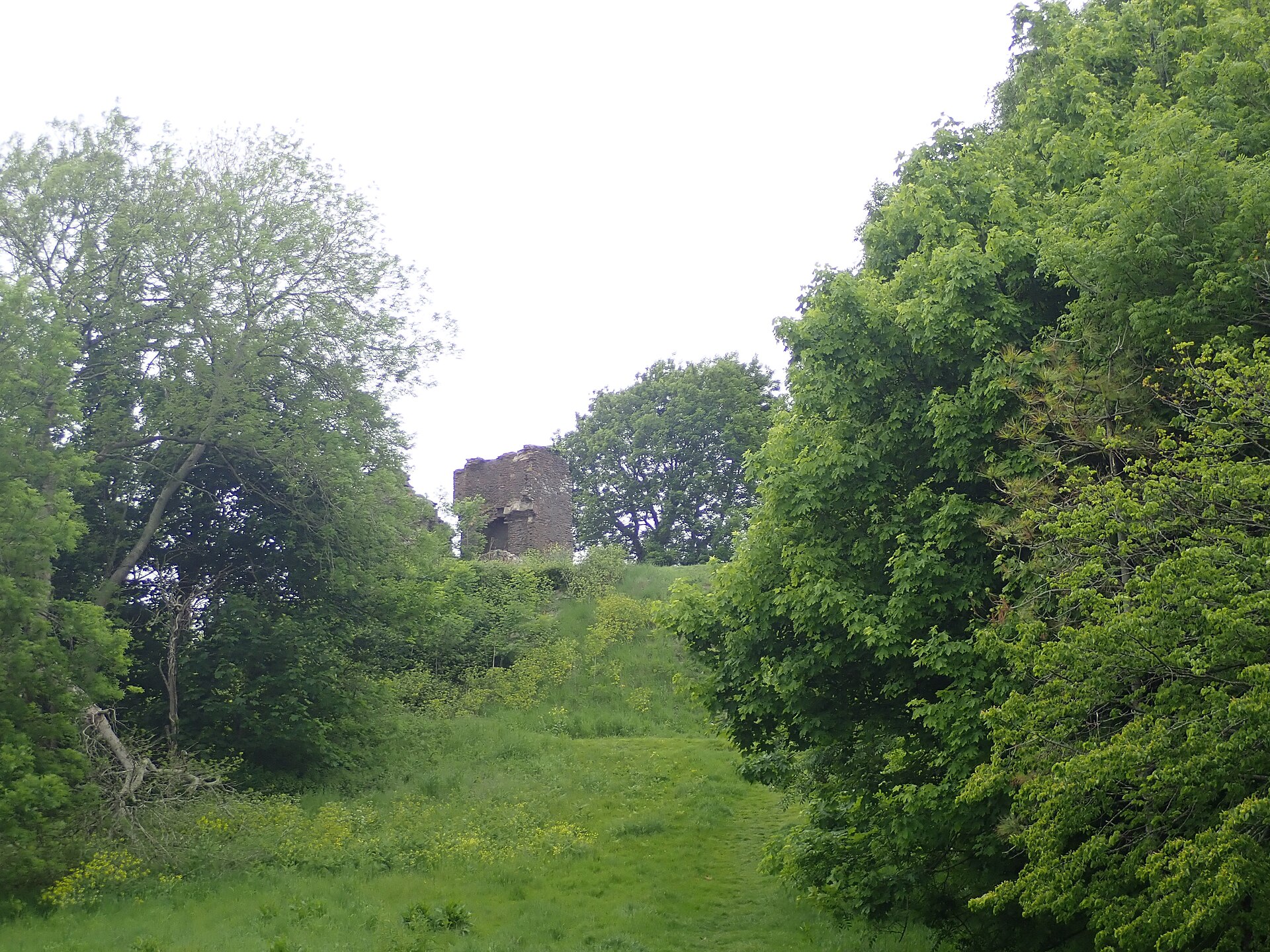
A ruined fortification raised by Henry de Beaumont about 1106 to command a road and a crossing of the Loughor.
Fortified place · Iron Age
Essex
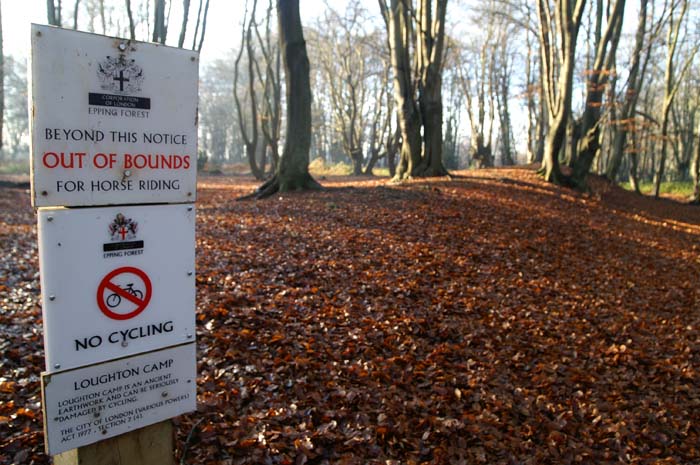
Loughton Camp is a scheduled Iron Age hillfort: a hilltop site enclosed by ramparts of earth, dating from the period from roughly 800 BC to the Rom…
Sacred place · Prehistoric
Dumfries and Galloway
A low platform was built up out of the ground beside Eskdalemuir before the twelve stones of the Loupin Stanes were set in an oval on top of it, at…
Sacred place · Medieval
Lincolnshire
A monk buried at the founder's request beside the very knight whose deathbed gift nearly ruined the house in litigation: Louth Park's archive reads…
Fortified place · Medieval
County Londonderry
Low Rock Castle’s short history runs from a battlemented Portstewart house and a notable military birth to its unauthorised demolition in 2001.
Fortified place · Medieval
Cumbria
A Norman lord's earthwork (a mound or ditch formed by moving soil, not by building) stronghold and the planned village beside it were abandoned tog…
Crossing or structure · Medieval
Lancashire
A crossing point in continuous use since a river ford was superseded, the present sandstone bridge still carries traffic despite recent flood damag…
Fortified place · Medieval
Wiltshire
Three broken stretches of standing wall are nearly all that remain of a royal hunting lodge Henry III visited more than twenty times, set inside ea…
Briefer entries: recorded and worth knowing, with fuller pages to come.
Fortified place · Medieval
County Londonderry
Limavady Castle preserves an O’Cahan stronghold attacked in 1542 by local rivals and English forces, anchoring its ruin in sixteenth-century conflict.
Building or ruin · Roman
Somerset
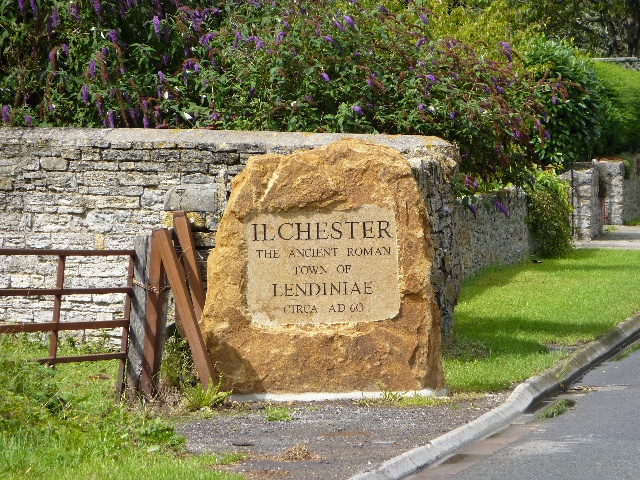
A small Roman town in Britannia, on the ground now occupied by Ilchester.
Building or ruin · Roman
Lincolnshire
Lindum Colonia, Roman Lincoln, developed from a legionary fortress into a veteran colonia with walls, public buildings, aqueduct, sewerage and indu…
Fortified place · Medieval
County Cork
Liscarroll Castle is a 13th-century Hiberno-Norman fortress whose later seizures, recapture and use as a military outpost trace changing power in n…
Fortified place · Medieval
County Tyrone
Liskincon is a small Tyrone townland whose Scheduled rath (an early-medieval Irish farmstead ringed by an earth bank) preserves an ancient fort wit…
Fortified place · Medieval
County Down
Lisnagade is a large protected multivallate ringfort whose three massive banks and deep ditches preserve an early historic enclosure, with finds su…
Tomb or burial place · Prehistoric
County Sligo
The central 34-metre cairn (a mound of piled stones, often covering a burial) at Carrowmore, built around 3500 BC and restored after excavation, wi…
Sacred place · Medieval
Essex
Little Dunmow preserves the Lady Chapel of an Augustinian priory: a monastery headed by a prior: founded in 1104, connecting medieval patronage, bu…
Sacred place · Medieval
Essex
Little Horkesley Priory was a Cluniac daughter house whose short institutional history connects Essex with Thetford and Lewes before the survival o…
Sacred place · Medieval
Buckinghamshire
Known today mainly through a stray Latin alias in a 1326 lawsuit, this small Buckinghamshire nunnery quietly outlived three centuries before Henry…
Sacred place · Prehistoric
Cumbria
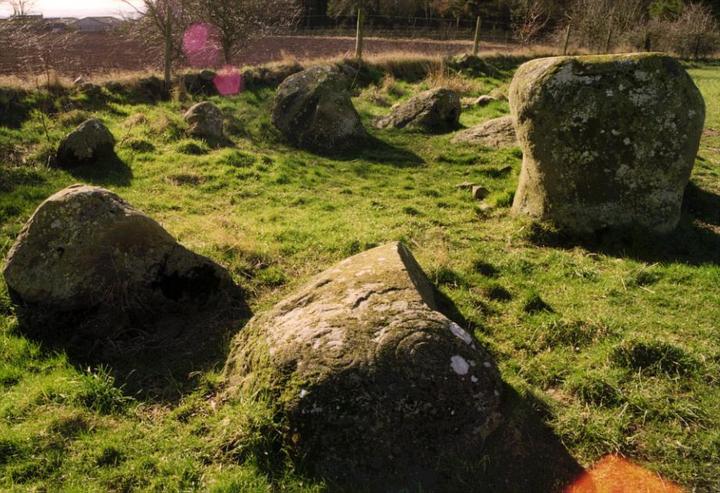
One surviving boulder still carries a crisply cut spiral and rings, rare Bronze Age (roughly 2500–800 BC, when metal tools first spread) rock art p…
Fortified place · Medieval
Merseyside
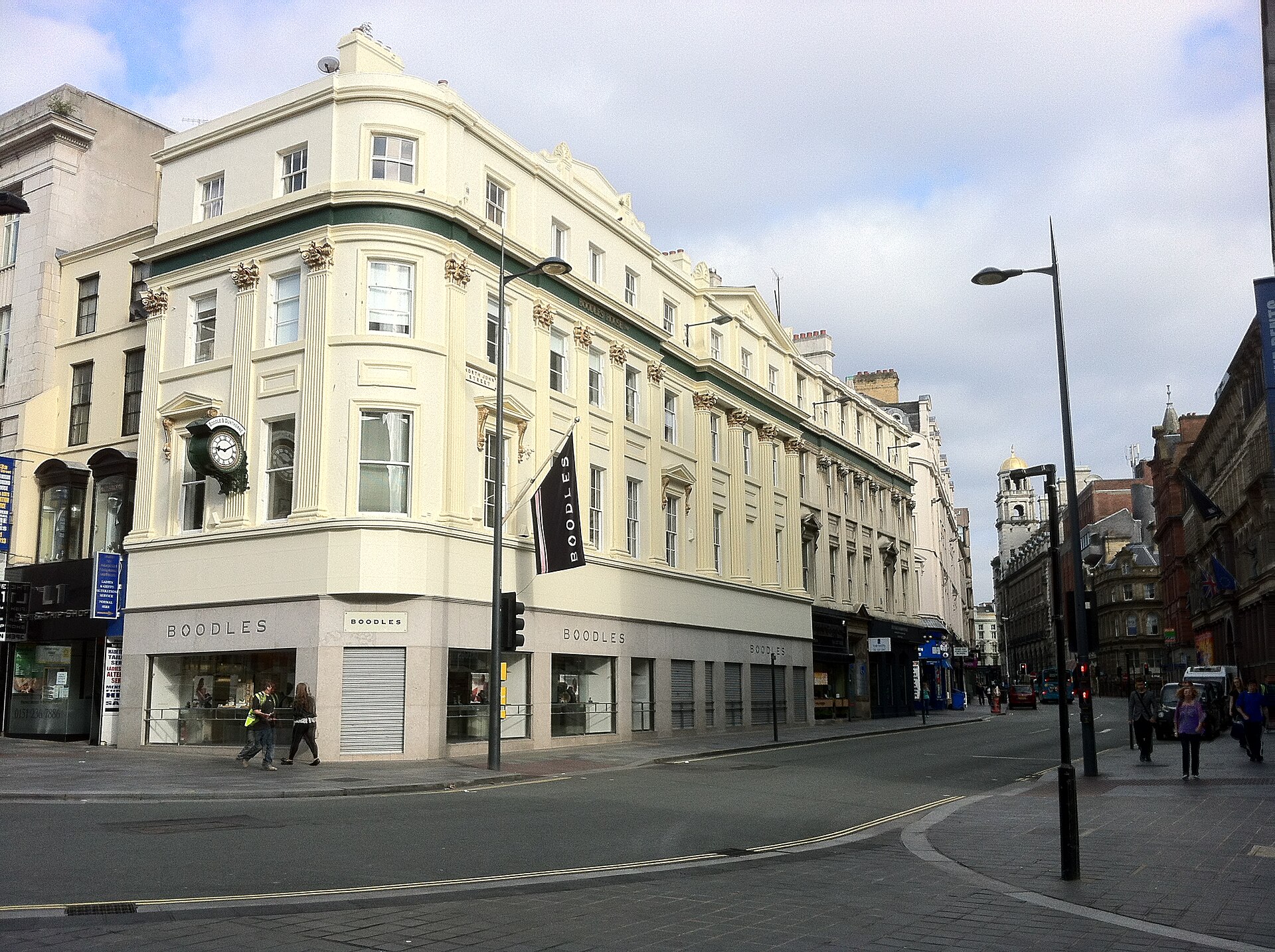
Liverpool Castle guarded King John’s new port for five centuries; its removal in 1726 marks the transformation of a fortified medieval harbour into…
Fortified place · Medieval
cardiff
A twin-towered gatehouse is all that visibly remains of the fortified medieval residence built for the bishops of Llandaff beside their cathedral.
Sacred place · Medieval
powys
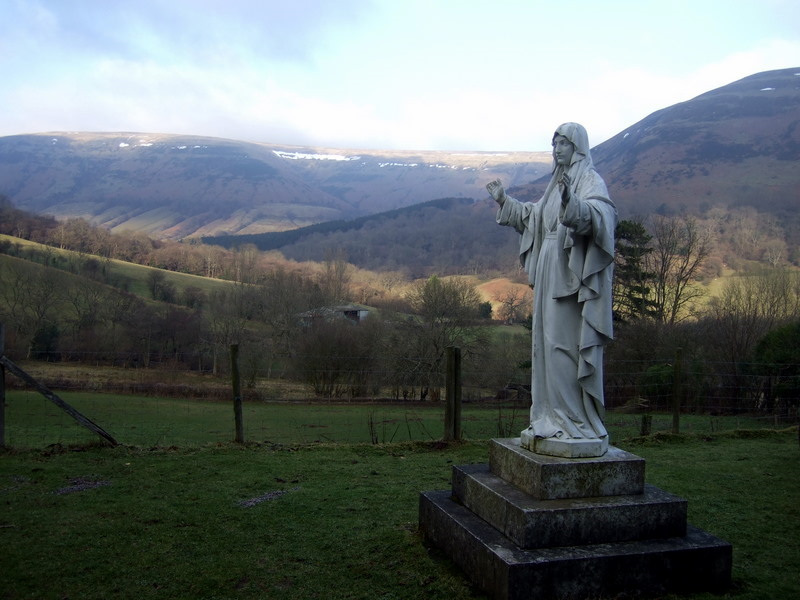
Eric Gill drew Gill Sans and Perpetua in these buildings. Forty years earlier, monks and local farm boys reported seeing the Virgin Mary in the fie…
Fortified place · Iron Age
Outer Hebrides
Loch na Berie sits some 400 yards from the shore of the Isle of Lewis, its broch (a tall circular tower of unmortared stone, found only in Scotland…
Fortified place · Iron Age
Hampshire
Ploughing has worn its single rampart to a soil mark across most of the site: only a fragment under trees still stands as an earthwork, a hillfort…
Sacred place · Medieval
Dorset
Loders Priory illustrates the precarious history of an English cell dependent on a Norman abbey (a monastic house under the rule of an abbot), repe…
Building or ruin · Roman
Kent
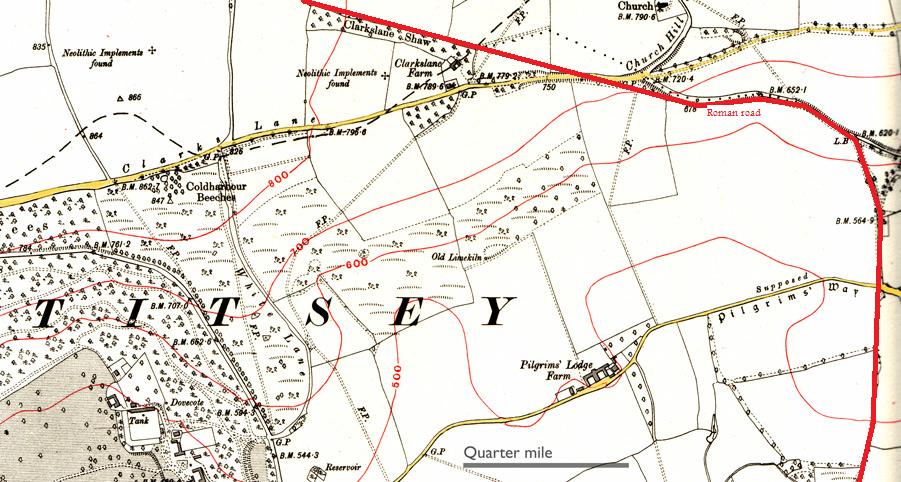
The London to Lewes Way is a 71-kilometre Roman road whose engineered route and surviving slag surfaces reveal long-distance movement across the We…
Building or ruin · Roman
City of London
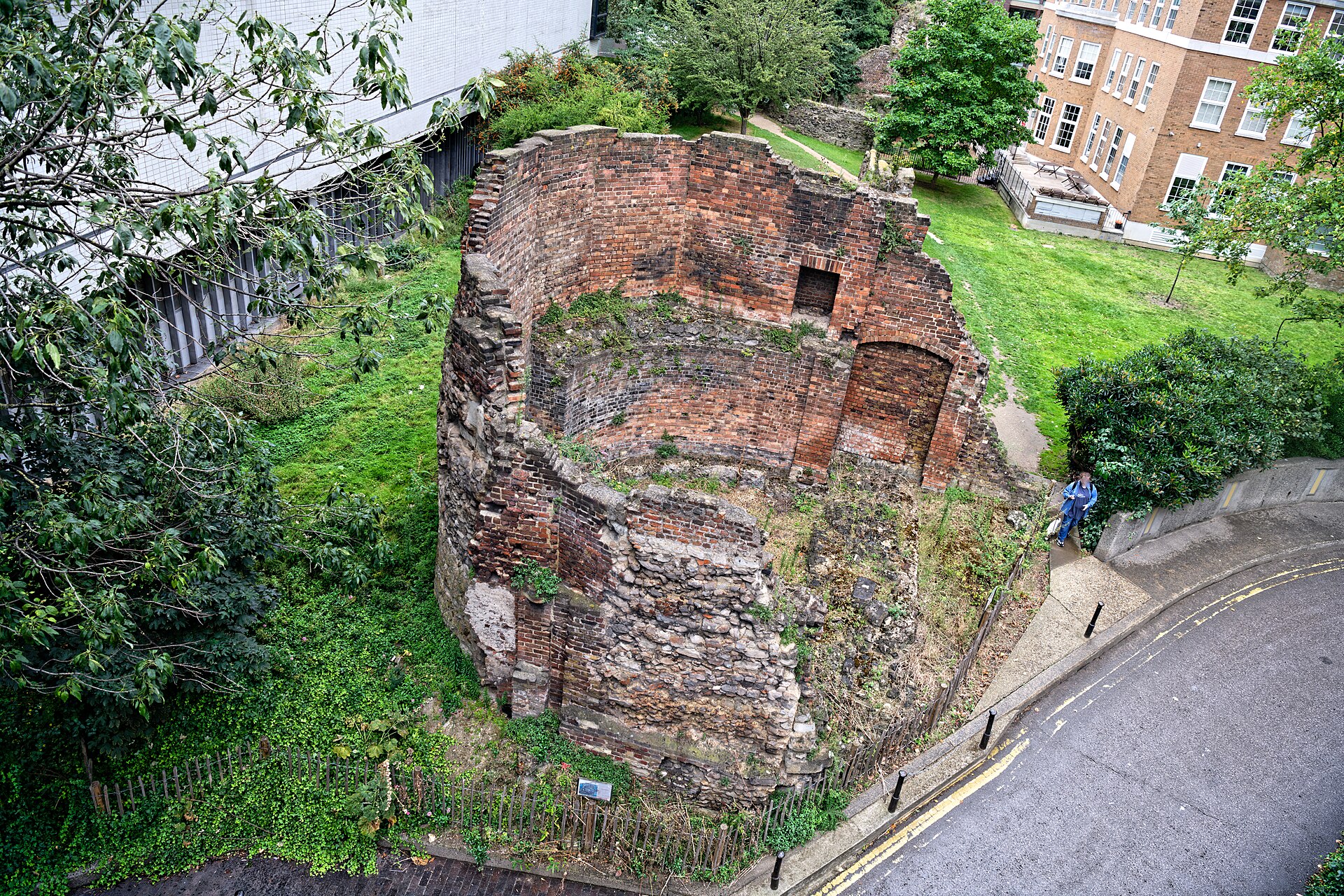
The Roman and medieval wall that made the City of London, shaping its gates, roads and boundary from around AD 200 into the modern street plan.
Sacred place · Medieval
Kent
As England’s third Carmelite house, Lossenham makes a vanished landscape legible through reported foundations, a stone coffin, and the community’s…
Sacred place · Medieval
Down
Loughinisland’s three church ruins make one island graveyard a record of changing worship, from medieval fabric to seventeenth-century rebuilding a…
No places match those filters.
Kinds of place
Ages