
Lochmaben Castle anchors the Bruce lordship of Annandale and records centuries of border conflict, royal rebuilding and repeated sixteenth-century sieges.
At the end of Castle Loch, Lochmaben’s ruins still suggest the scale of the fortress the Bruces put up here. It replaced the family’s earlier timber stronghold, built with a tower on a raised mound beside an enclosed yard, and its position in Annandale made it a recurring prize in wars between Scottish, English and rival Scottish powers.
The site passed from medieval lordship to Crown possession, then through Renaissance rebuilding and the political turmoil of Mary, Queen of Scots and James VI. It was gradually abandoned after its final sieges, but remains a scheduled monument.
What follows is drawn from published sources, with each claim labelled by how firmly it is established.
History
The Bruce family, Lords of Annandale, built the earlier motte-and-bailey south of the present castle around 1160. Around 1300 Edward I replaced it at the south end of Castle Loch with a much stronger fortification. Archibald Douglas captured the English-held castle after a nine-day siege in 1383–84 and razed it to the ground.
Lochmaben and the lordship passed through the Earls of March before being annexed to the Crown in 1487. A mason named Gluffar built a hall in 1504, and James IV visited that year. James V was there in 1542, watching fires started by the Scottish army at Burnswark Hill before news of defeat at Solway Moss sent him back to Stirling.
The castle was besieged in 1545 during the Rough Wooing, changed hands in 1568 after supporters of Mary, Queen of Scots overpowered a new garrison, and was besieged by James VI in 1588 after Lord Maxwell’s rebellion. It remained important into the early seventeenth century before gradual abandonment; it is now a scheduled monument.
People
-
James IV of Scotland
He rebuilt Lochmaben and visited in 1504, when a new hall was being roofed with local timber.
Cultural influences
-
Lochmaben’s Annandale position made it a prize in Anglo-Scottish and Scottish political conflict, passing between Bruce, English, Douglas and Crown control.
Connections
-
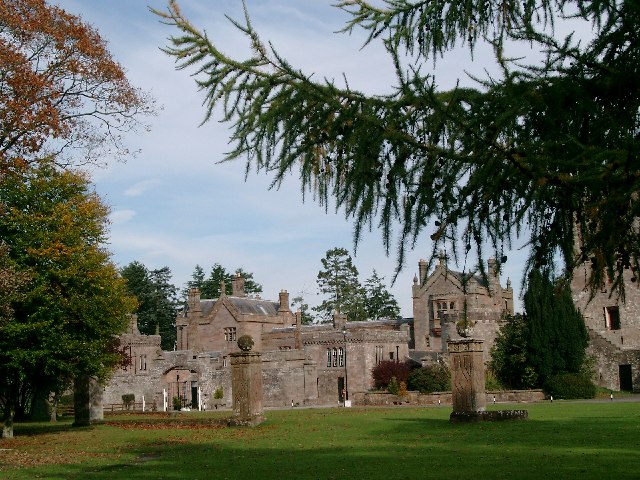
Photo: Mike and Kirsty Grundy / Wikimedia Commons / CC BY-SA 2.0 A later fortified residence in Annandale, useful for comparing Lochmaben’s medieval royal stronghold with the region’s later tower-house tradition.
-
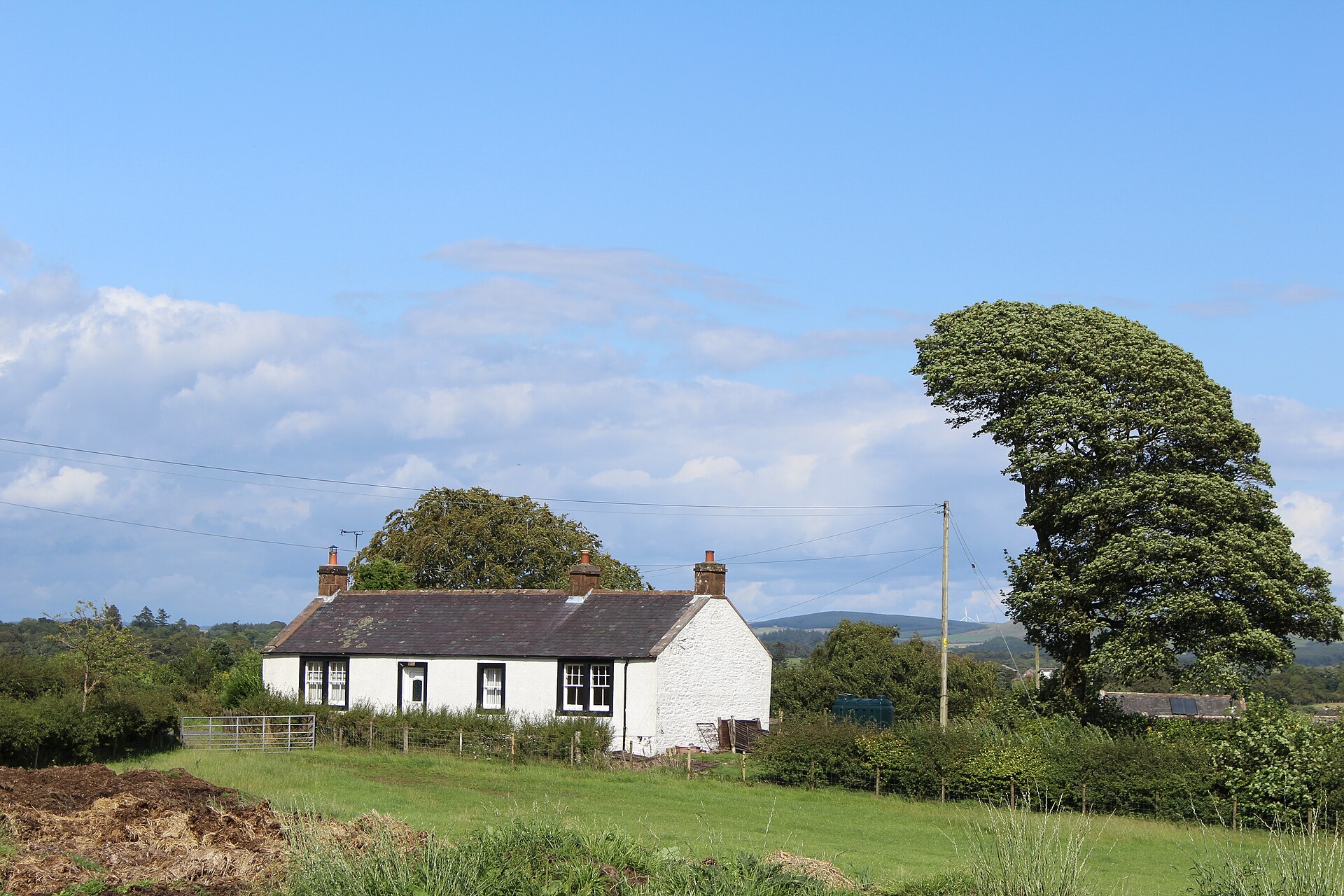
Photo: Leslie Barrie / Wikimedia Commons / CC BY-SA 2.0 A surviving estate structure that reflects the agricultural and domestic landscape surrounding the castle’s former royal and military role.
-
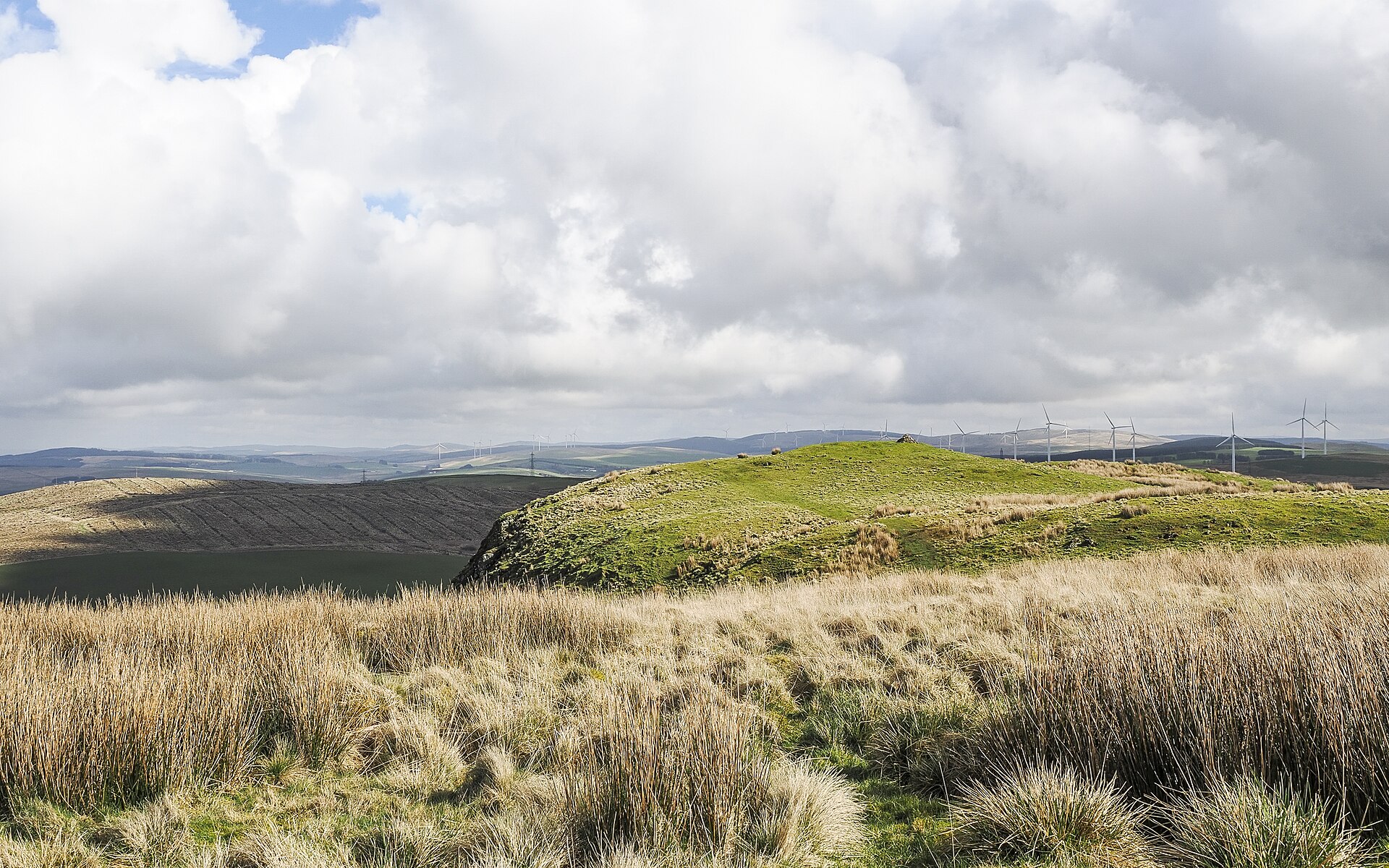
Photo: Trevor Littlewood / Wikimedia Commons / CC BY-SA 2.0 A Roman fort whose presence records an earlier phase of military control in the wider Annandale landscape.
In culture
-
The Scottish Chiefs
Lochmaben Castle appears in Jane Porter’s 1810 Romantic historical novel The Scottish Chiefs.
What to look for
-
The ruin on Castle Loch
At the south end of Castle Loch, the low ruins mark a royal stronghold repeatedly destroyed, rebuilt and fought over.
-
Edward I's defences
Edward I’s replacement around 1300 was a much stronger fortification than the Bruce motte, though Douglas forces later razed it.
-
The earlier Bruce motte
The earlier Bruce motte-and-bailey south of the present ruins explains why Lochmaben was an Annandale stronghold before Edward I’s intervention.
-
The Annandale setting
The loch-side setting places the castle in the former Lordship of Annandale, a corridor contested by Bruce, English, Douglas and Crown interests.
Plan your visit
- Location
- 55.1163°N · 3.4293°W
- Nearest settlement
- Newton Stewart
- Access
- Open access
- Start point
- The castle ruins are an open-air site; follow public access routes and take care around uneven ground and water.
- Time needed
- About 45 minutes
- Best time
- Visit in daylight and dry conditions, when the castle ruins and surrounding landscape can be viewed safely.
- What survives
- Lochmaben survives as fragmentary stone ruins on its trapezoidal platform, including a surviving arch and parts of the later medieval castle; it was abandoned in the 1700s and robbed for building stone.
- Facilities
- No dedicated visitor facilities are documented at the ruins; use facilities in Lochmaben or nearby settlements.
Opening & admission
Open to visitors under Historic Environment Scotland; check the official site for current opening times and admission arrangements, and take care around uneven ruin and loch-side ground.
Nearby places
Minor monument · Medieval
Dovecot, Denbie
Dumfries and Galloway
Denbie’s dated 1775 pigeon house turns estate food supply into architectural display, combining an octagonal lantern, J C datestone and nesting box…
- Near Denbie
Fortified place · Roman
Burnswark Hill
Dumfries and Galloway
A swathe of hundreds of lead sling bullets lies scattered along the south-eastern flank of Burnswark Hill, marking the line where Roman slingers on…
- Some walking
Fortified place · Medieval
Hoddom Castle
Dumfries and Galloway
Hoddom Castle is a large Annandale tower house whose Marian-era sieges, later courtyard expansion and surviving watchtower show how Border fortific…
- Near Ecclefechan
Fortified place · Medieval
Repentance Tower
Dumfries and Galloway
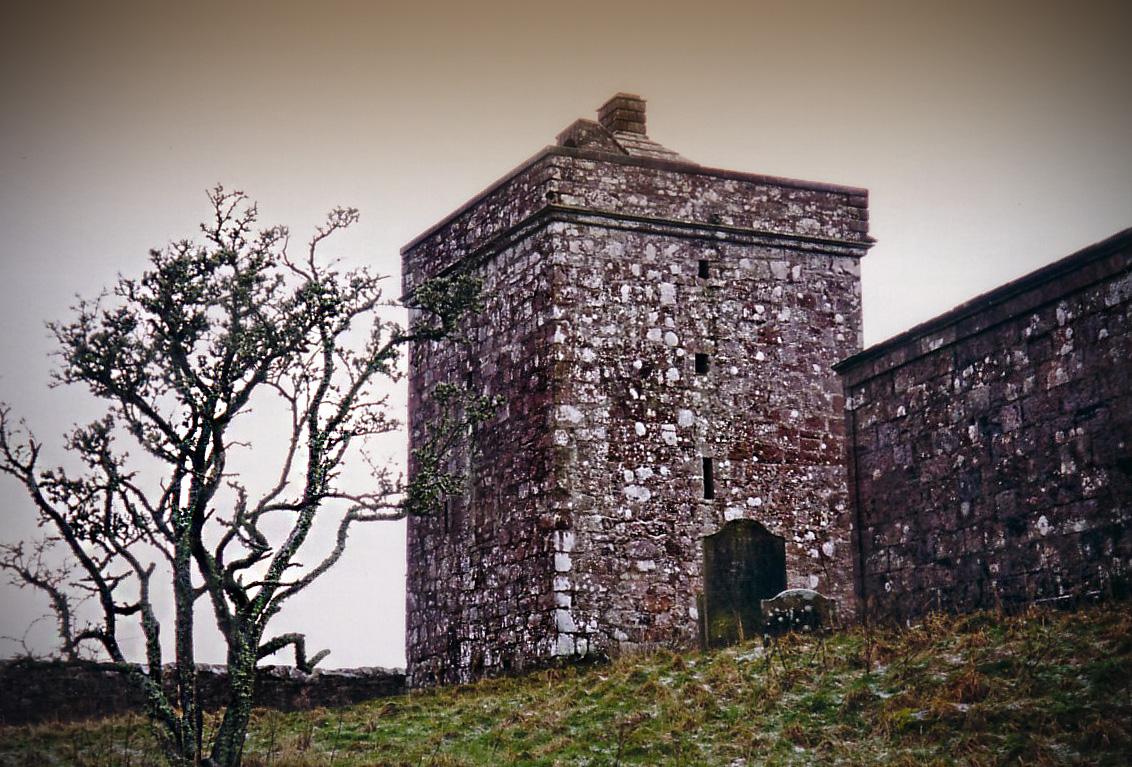
Repentance Tower is a rare mid-sixteenth-century Border watchtower, built for warning rather than living and still marked by its enigmatic ‘REPENTA…
Questions people ask
- Who built the earlier Lochmaben Castle?
- The Bruce family, Lords of Annandale, built an earlier motte-and-bailey around 1160.
- When did Edward I build the later castle?
- He built the stronger replacement structure around 1300.
- Is Lochmaben Castle protected?
- Yes. It is a scheduled monument.
Sources
The Ancient Codex, in your pocket
Get the Pocket Codex app
Carry the directory with you — Lochmaben Castle and thousands of ancient places across Britain and Ireland, offline, wherever you roam.