
Sacred place · Medieval
Bromholm Priory
Norfolk
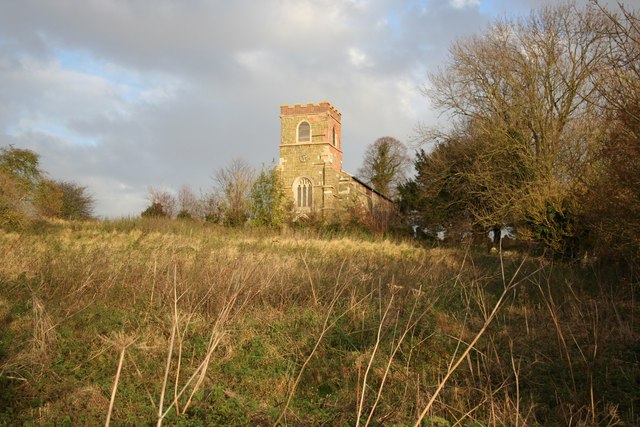
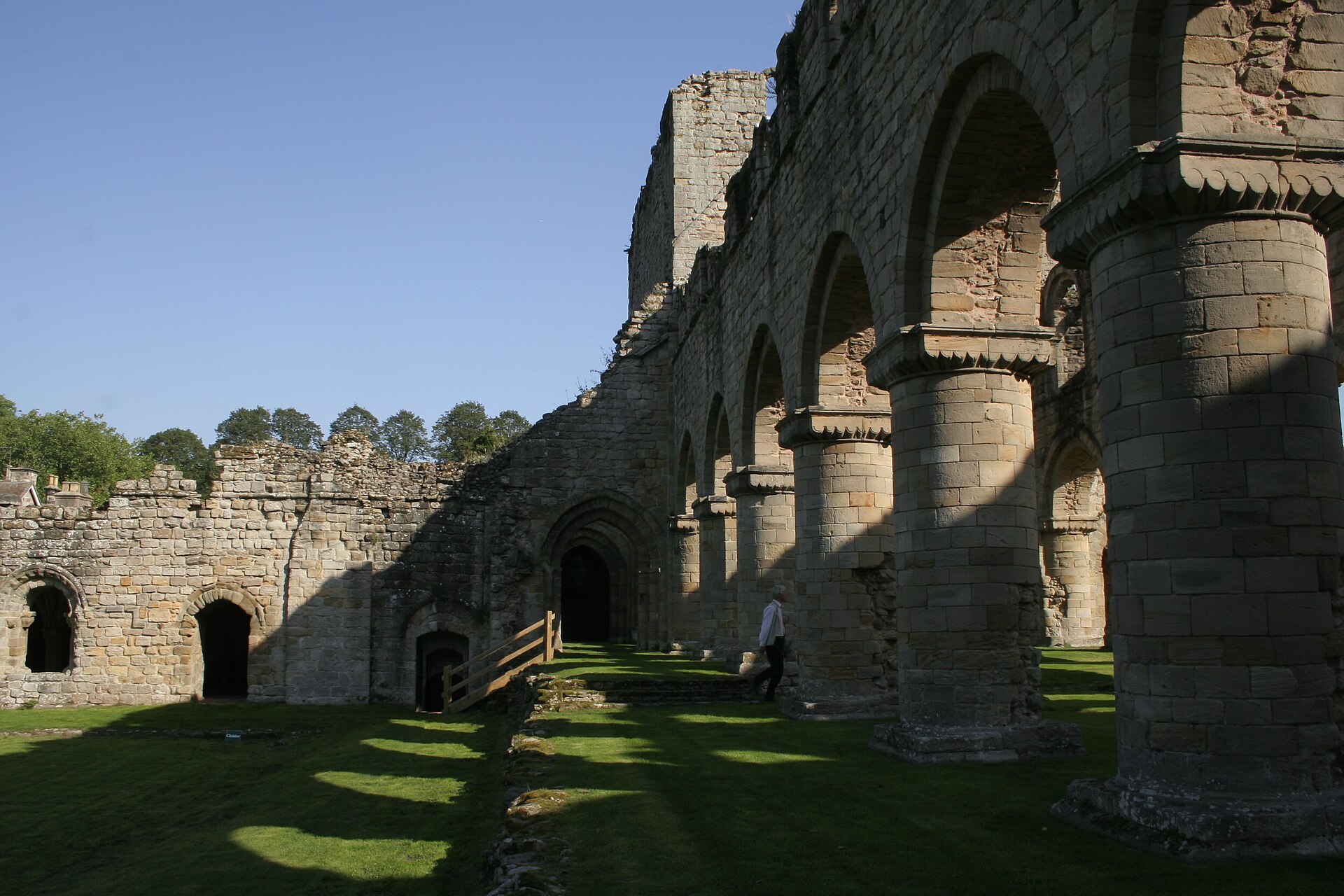
Bromholm Priory was a Grade I Cluniac house near Bacton, famed for a claimed relic of the True Cross that made it a major medieval pilgrimage desti…
The directory
Page 9 of 47 in the full directory.
Browsing 100 places — search and the map cover the whole directory.
Sacred place · Medieval
Norfolk
Bromholm Priory was a Grade I Cluniac house near Bacton, famed for a claimed relic of the True Cross that made it a major medieval pilgrimage desti…
Sacred place · Medieval
Greater London
Its priory, a monastery headed by a prior, had a chapel that outlived the nunnery itself by four centuries, surviving as the district's parish chur…
Fortified place · Medieval
Powys
A fortress towards Talgarth, first raised in timber by Richard Fitz Pons in or soon after 1100.
Fortified place · Medieval
Herefordshire
A moated manor house whose owner won royal licence twice to fortify it, only for Civil War flames and a 1991 scaffolding collapse to leave it a bro…
Fortified place · Medieval
Ceredigion
A Victorian fantasy of a castle, built to look centuries older than it was, now a shell that has collapsed within living memory.
Sacred place · Medieval
Rutland
A priory: a religious house led by a prior, a rank below an abbot: kept for three canons, which a bishop called a scandal to the neighbourhood in 1…
Fortified place · Iron Age
Somerset
A trench cut through the bank in 1968 produced pottery of the Iron Age, roughly 800 BC until the Roman conquest: which is more than most of its nei…
Fortified place · Medieval
Cumbria
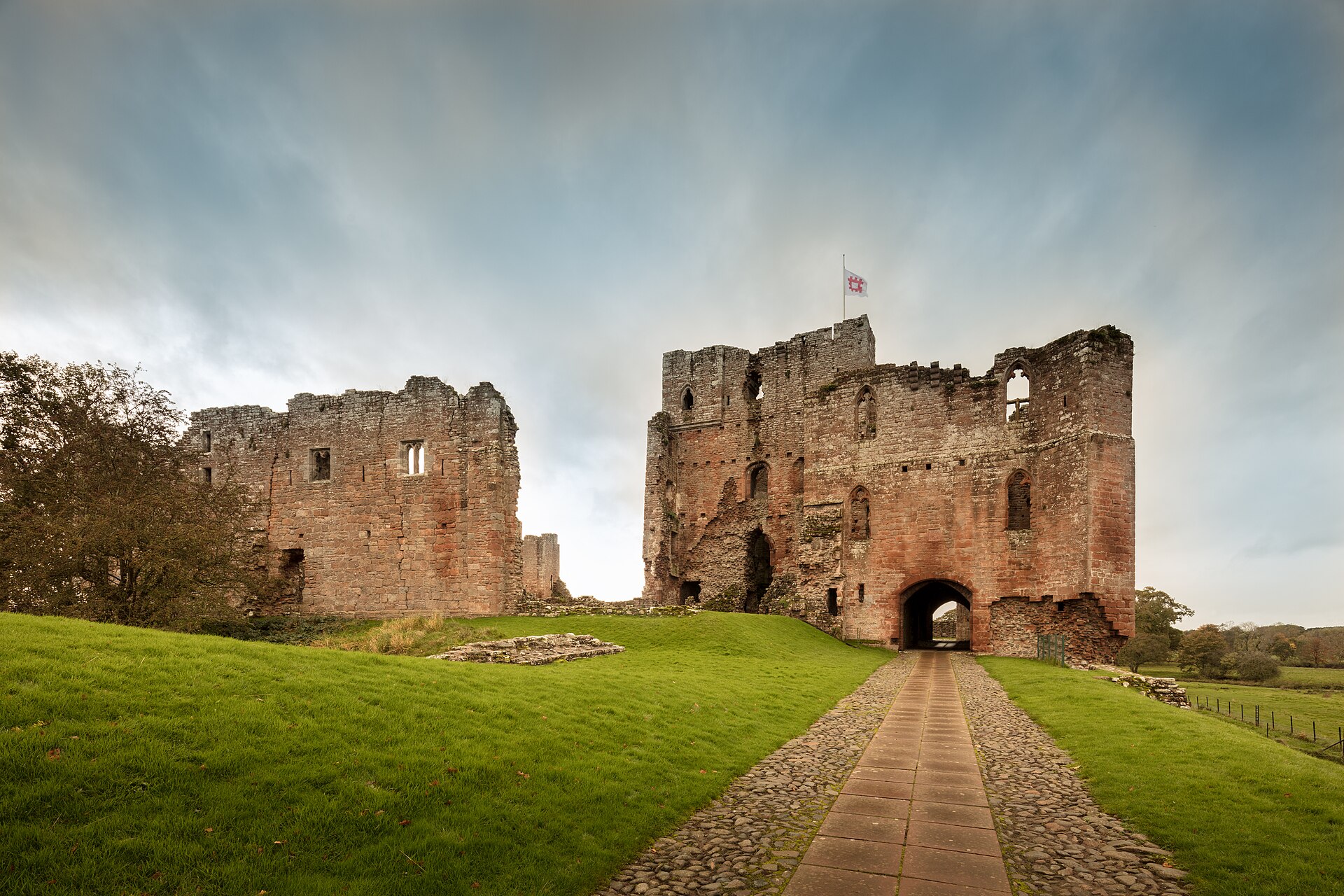
A Norman keep raised inside a Roman fort, burned twice by its own owners and rebuilt each time: its ruin traces four centuries of one family's grip…
Fortified place · Medieval
Cumbria
A single stronghold layered over Roman, medieval and Romantic history, whose ruined keep (the principal tower, built to be held even if the walls f…
Building or ruin · Roman
Oxfordshire
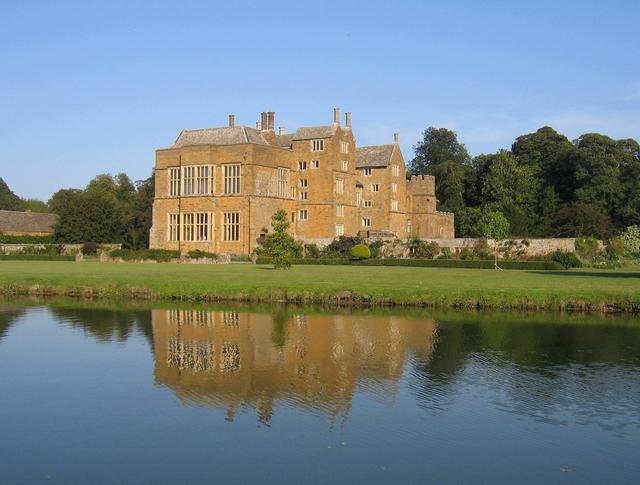
Beneath a moated Tudor manor lies a high-status Roman villa with mosaic floors and heated rooms, found by a metal detectorist and excavated on tele…
Building or ruin · Medieval
Dundee City
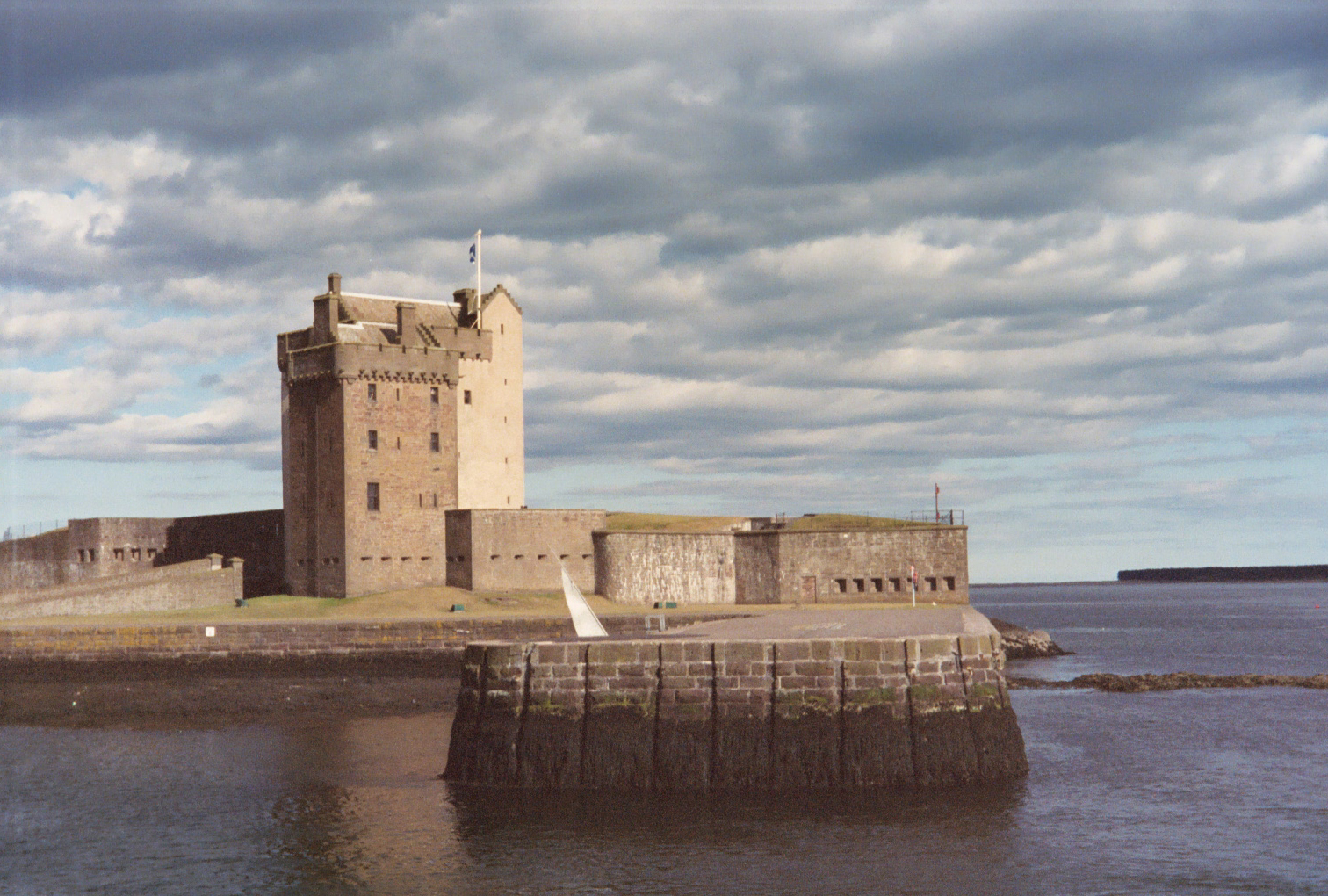
Broughty Castle guards the mouth of the River Tay and shows five centuries of adaptation: a late-medieval tower house repeatedly reshaped for artil…
Fortified place · Iron Age
Shropshire
The highest hill in Shropshire, thought to have taken more wartime aircraft than any other in Britain: and now carrying the radar that keeps them a…
Tomb or burial place · Prehistoric
Greater Manchester
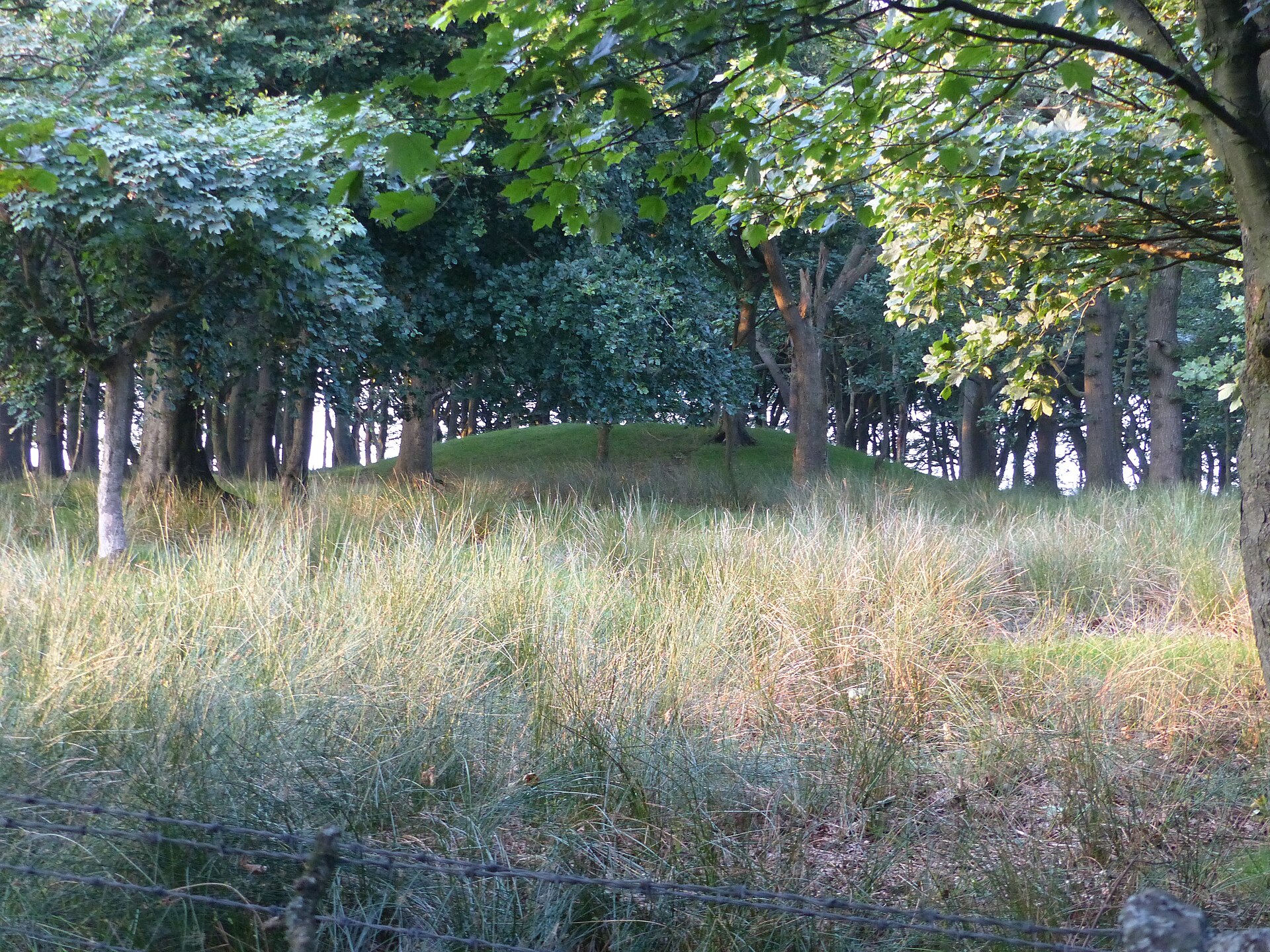
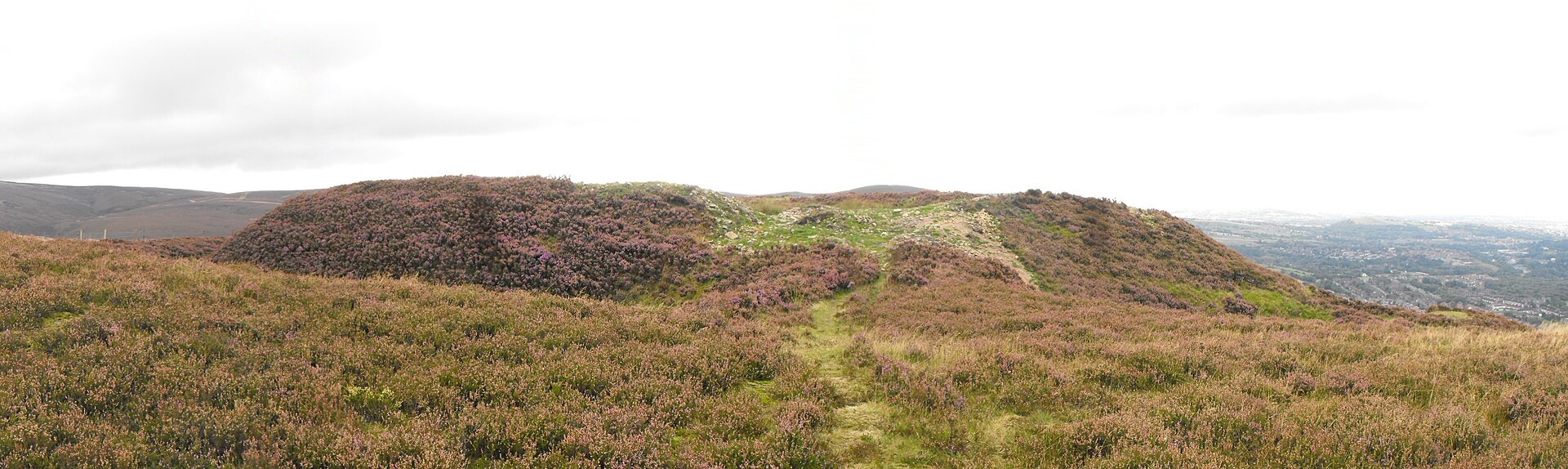
Brown Low is a protected Bronze Age (the period from about 2500 to 800 BC) bowl barrow, a burial mound from the prehistoric: a period before writte…
Fortified place · Medieval
Dorset
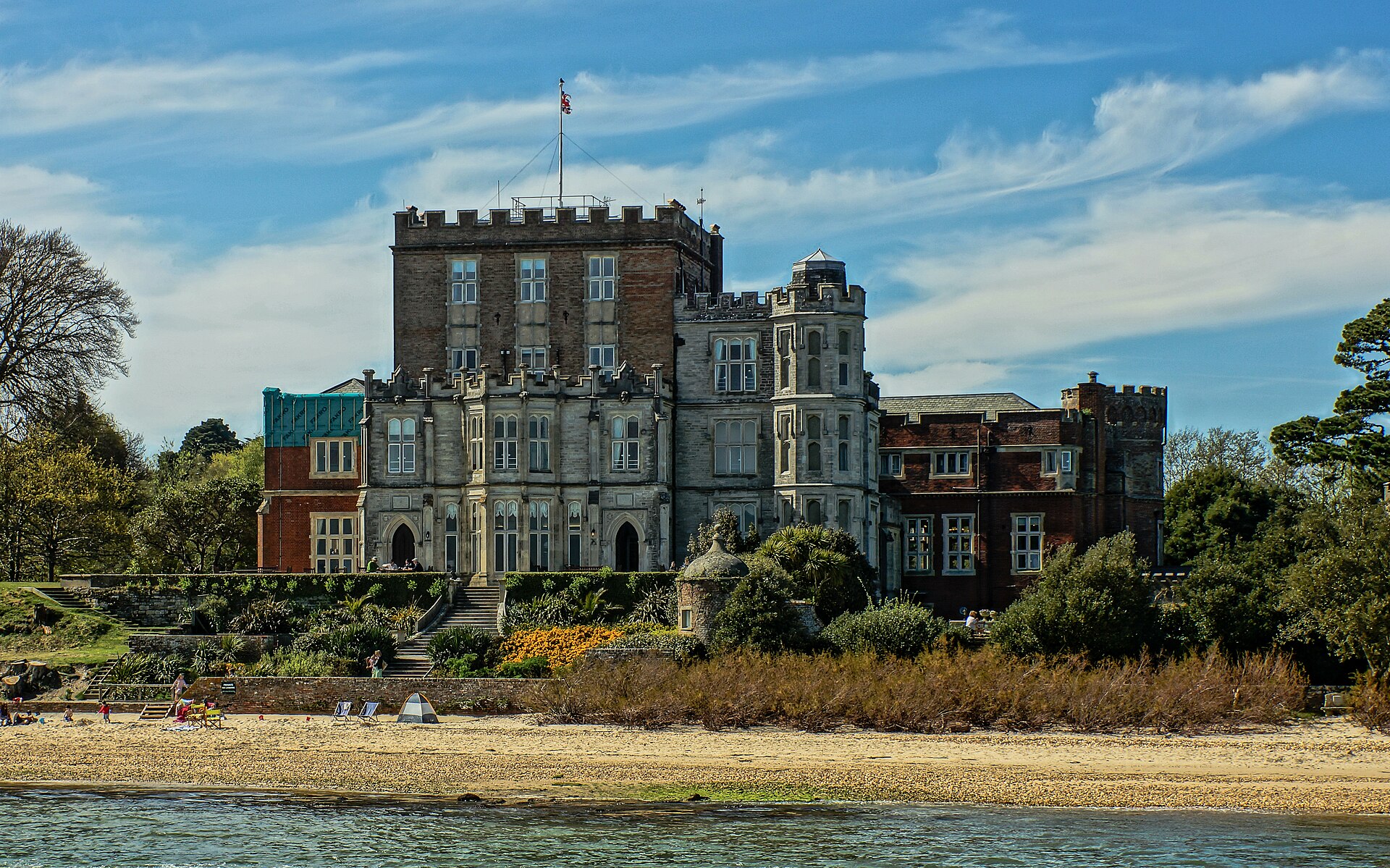
Brownsea Castle began as Henry VIII’s artillery fort guarding Poole Harbour and evolved through centuries of residential rebuilding into a National…
Tomb or burial place · Prehistoric
County Carlow
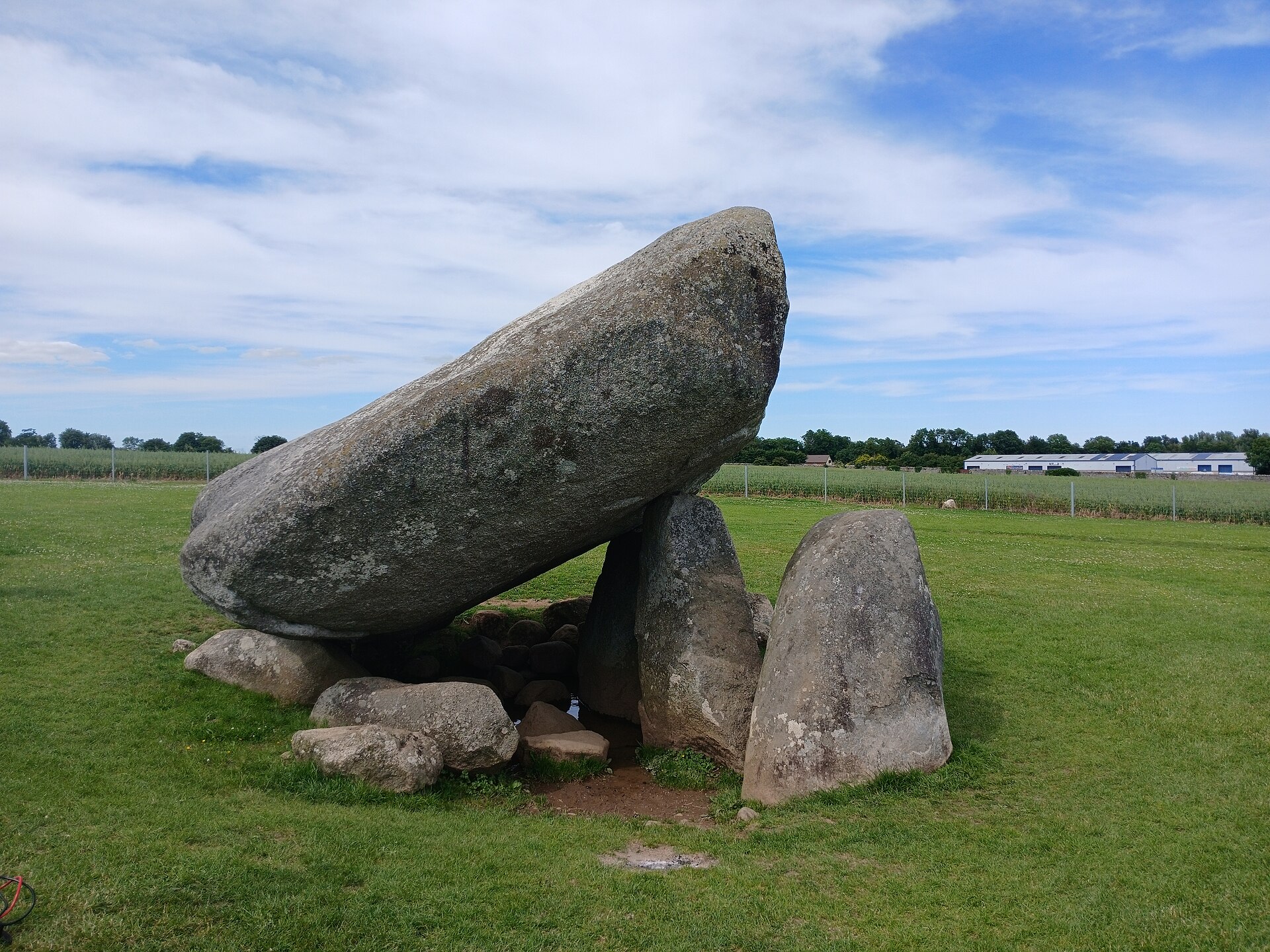
A single granite capstone estimated at 150 metric tons rests here: reputed to be the heaviest of any dolmen in Europe.
Fortified place · Iron Age
East Lothian
The most completely excavated hillfort (a defended enclosure on high ground, ringed with banks and ditches) in Scotland, its cemetery preserves rar…
Tomb or burial place · Prehistoric
County Meath
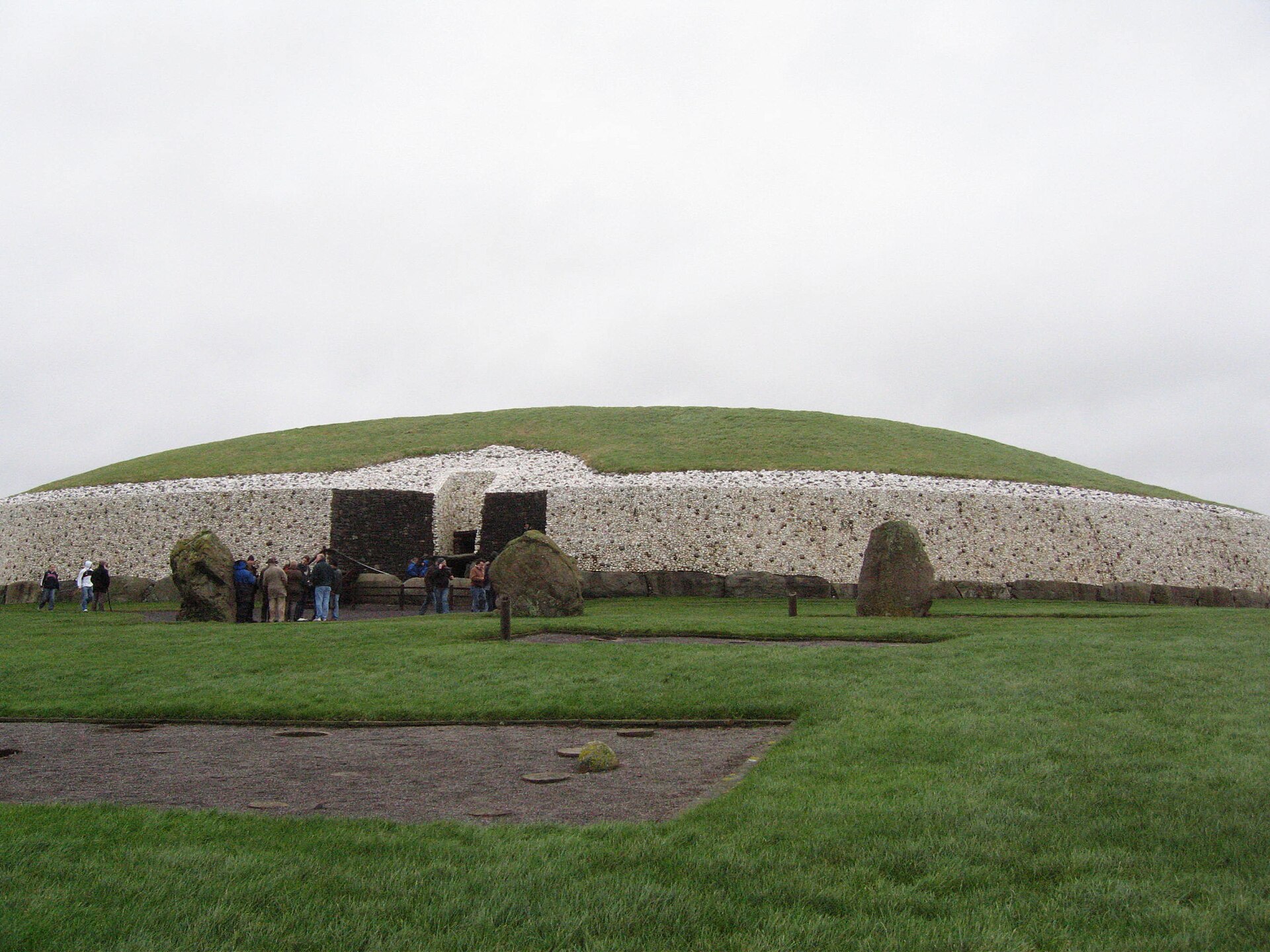
At least ninety monuments packed into one bend of the Boyne make this the largest and richest concentration of megalithic art anywhere in Europe.
Sacred place · Medieval
Suffolk
A religious house at Bruisyard, founded by Maud of Lancaster and Lionel of Antwerp in the 1360s.
Sacred place · Medieval
Somerset
A religious house in Bruton, founded around 1127 and closed in 1539.
Fortified place · Medieval
Shropshire
A twelfth- or thirteenth-century castle site beside the England–Wales border, with earthworks still visible.
Fortified place · Medieval
Gwynedd
Bryn Bras Castle is a Grade II* neo-Romanesque (the round-arched style that came before Gothic) country house whose theatrical 1830s architecture,…
Sacred place · Prehistoric
Gwynedd
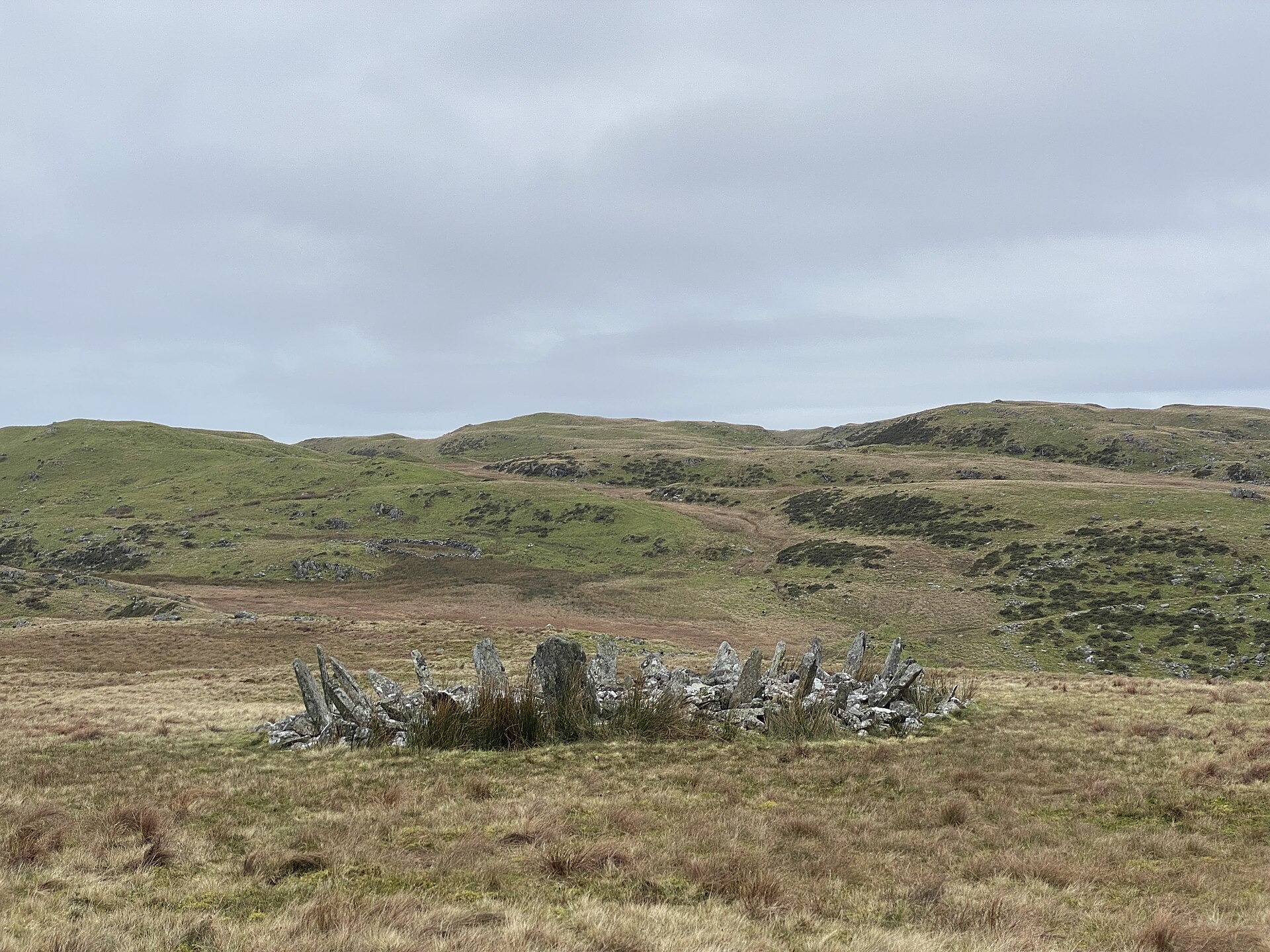
Bryn Cader Faner is a striking late-third-millennium-BC round cairn: a mound of piled stones, often covering a burial: near Talsarnau, distinguishe…
Fortified place · Iron Age
Conwy
A limestone-walled hillfort: a defended enclosure on high ground, ringed with banks and ditches: above the Conwy coast, later reused as a wartime o…
Sacred place · Prehistoric
Isle of Anglesey
Excavation recovered the pits of five stones destroyed by treasure hunters in 1797, letting archaeologists reconstruct a Neolithic circle of eight:…
Building or ruin
powys
A complete nineteenth-century lead and barytes dressing floor left standing where the ore was worked, in a district that for one decade produced mo…
Fortified place · Medieval
Norfolk
Buckenham Castle preserves an unusually early circular keep, a planned village created to serve it, and a long record of aristocratic inheritance e…
Sacred place · Medieval
Devon
Buckfast Abbey is a rare monastic site with Anglo-Saxon origins, a wealthy medieval Cistercian phase, Dissolution (Henry VIII's closure of the mona…
Sacred place · Medieval
Devon
Buckland Abbey is an unusually intact Cistercian church converted into a house, where the monastic foundation, Grenville and Drake ownership, and N…
Sacred place · Medieval
Somerset
The only house the Knights Hospitaller kept for women in England. They stopped appointing preceptors to it after 1433.
Fortified place · Iron Age
Hampshire
A triple-banked Iron Age (roughly 800 BC until the Roman conquest) enclosure standing just 27 metres above sea level, and rarer for it: this style…
Fortified place · Medieval
Greater Manchester
Buckton Castle is one of north-west England’s earliest stone castles, a short-lived 12th-century hilltop enclosure whose buried walls and gatehouse…
Building or ruin · Roman
Herefordshire
Its rebuilt stone gateways, 22.3 metres wide, are the largest known at any Roman auxiliary fort in Britain: built for a cavalry garrison on a front…
Fortified place · Medieval
powys
A castle put on a ridge top where a Norman would have chosen the valley: one reason it is credited to a Welsh king rather than a marcher lord.
Crossing or structure · Medieval
Derbyshire
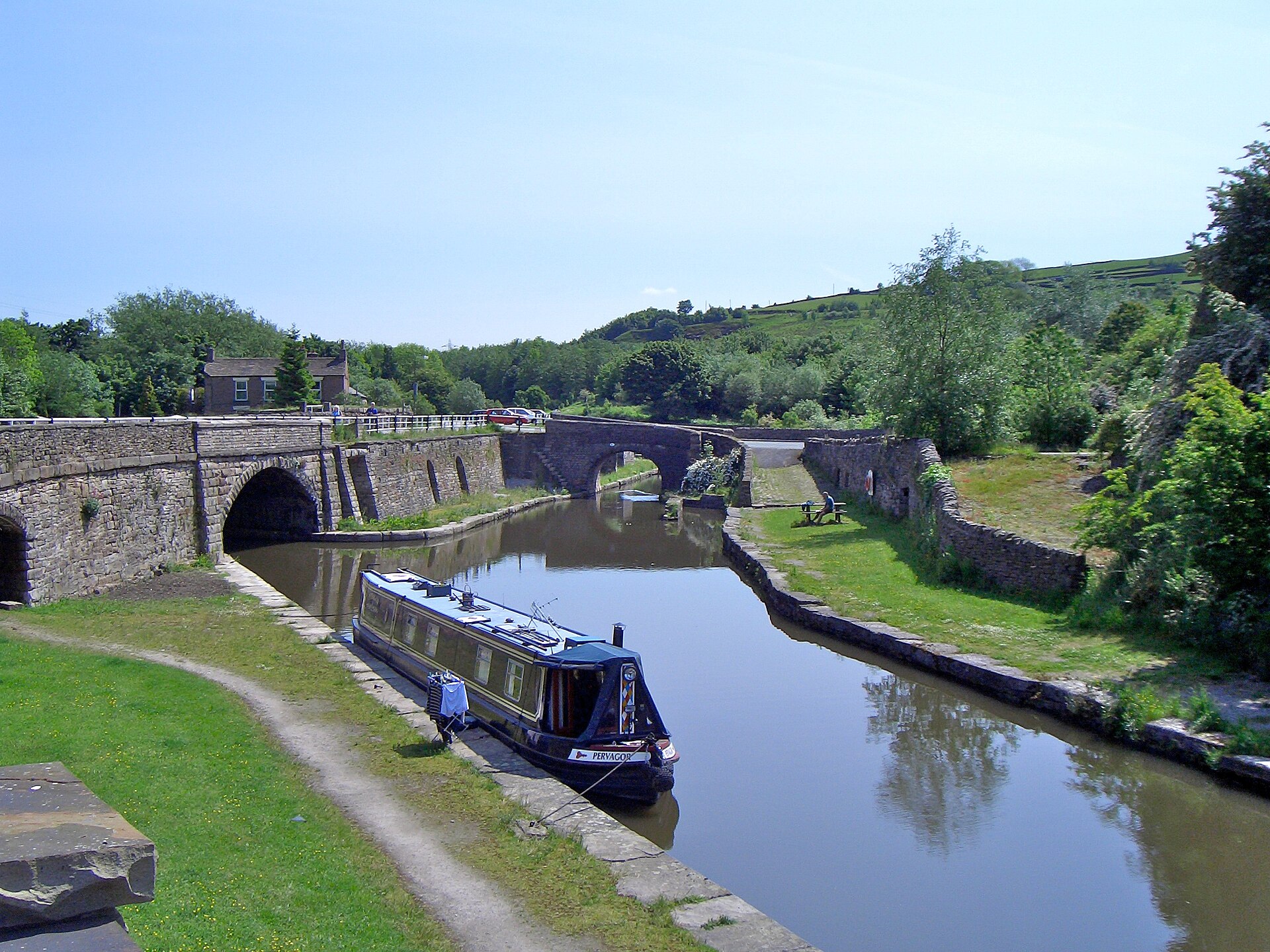
A derelict tramway-canal interchange rebuilt over three decades by volunteers alone, now a rare surviving example of a working limestone transhipme…
Sacred place · Medieval
Shropshire
A Cistercian house whose abbots doubled as royal agents in Ireland and Wales, undone across two centuries by extortion, a murdered abbot, Welsh rai…
Fortified place · Medieval
Powys
Edward I's first castle in Wales, built in 1277 and since dismantled to its mound and earthworks.
Fortified place · Medieval
Dumfries and Galloway
Buittle combines a major Galloway motte-and-bailey castle complex, with an earth mound and an enclosed yard, with evidence of occupation from the M…
Building or ruin · Medieval
Wiltshire
Cut by bored, riot-prone New Zealand troops waiting for a ship home in 1919, it survives as Wiltshire's only hill figure that is neither a white ho…
Sacred place · Medieval
Lincolnshire
Bullington Priory was a Gilbertine double house of canons and nuns whose endowments and surviving charter series illuminate medieval Lincolnshire m…
Carved stone · Pictish & early medieval
City of Edinburgh
The only Pictish carving to show a man drinking: a bald, bearded rider on a tired horse, lifting a horn that ends in a startled bird's head, cut ju…
Fortified place · Medieval
Suffolk
A castle at a bend in the River Waveney, built by Roger Bigod around 1100.
Sacred place · Medieval
Suffolk
A Benedictine nunnery founded by a countess on her own marriage lands, whose church still serves Bungay as its parish church.
Fortified place · Medieval
County Clare
Bunratty Castle is a major fifteenth-century Irish tower house whose successive fortifications reveal Norman, Gaelic, Confederate and modern herita…
Building or ruin · Medieval
Derbyshire
Beneath its heather moorland lie the buried remains of a colliery worked for nearly three centuries, protected as a Scheduled Monument (legally pro…
Fortified place · Prehistoric
Powys
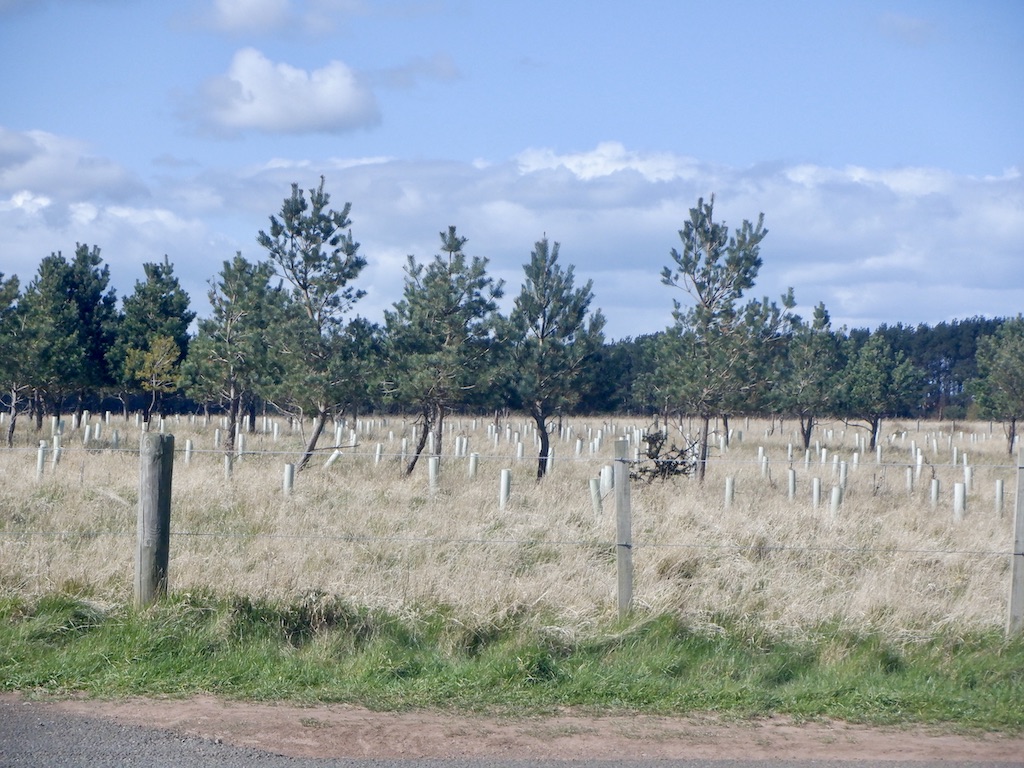
Five hundred and seventy-nine metres by 187, with three or four banks and ditches and a torturous approach at the entrance: and forestry has taken…
Sacred place · Medieval
Oxfordshire
A Cotswold country house built over a medieval hospital has sheltered a Jacobean Speaker of the Commons, a community of Anglican monks and nuns, an…
Fortified place · Medieval
Suffolk
A medieval circular bank-and-ditch castle enclosure, inside a thirty-hectare biological site of special scientific interest.
Building or ruin · Roman
Norfolk
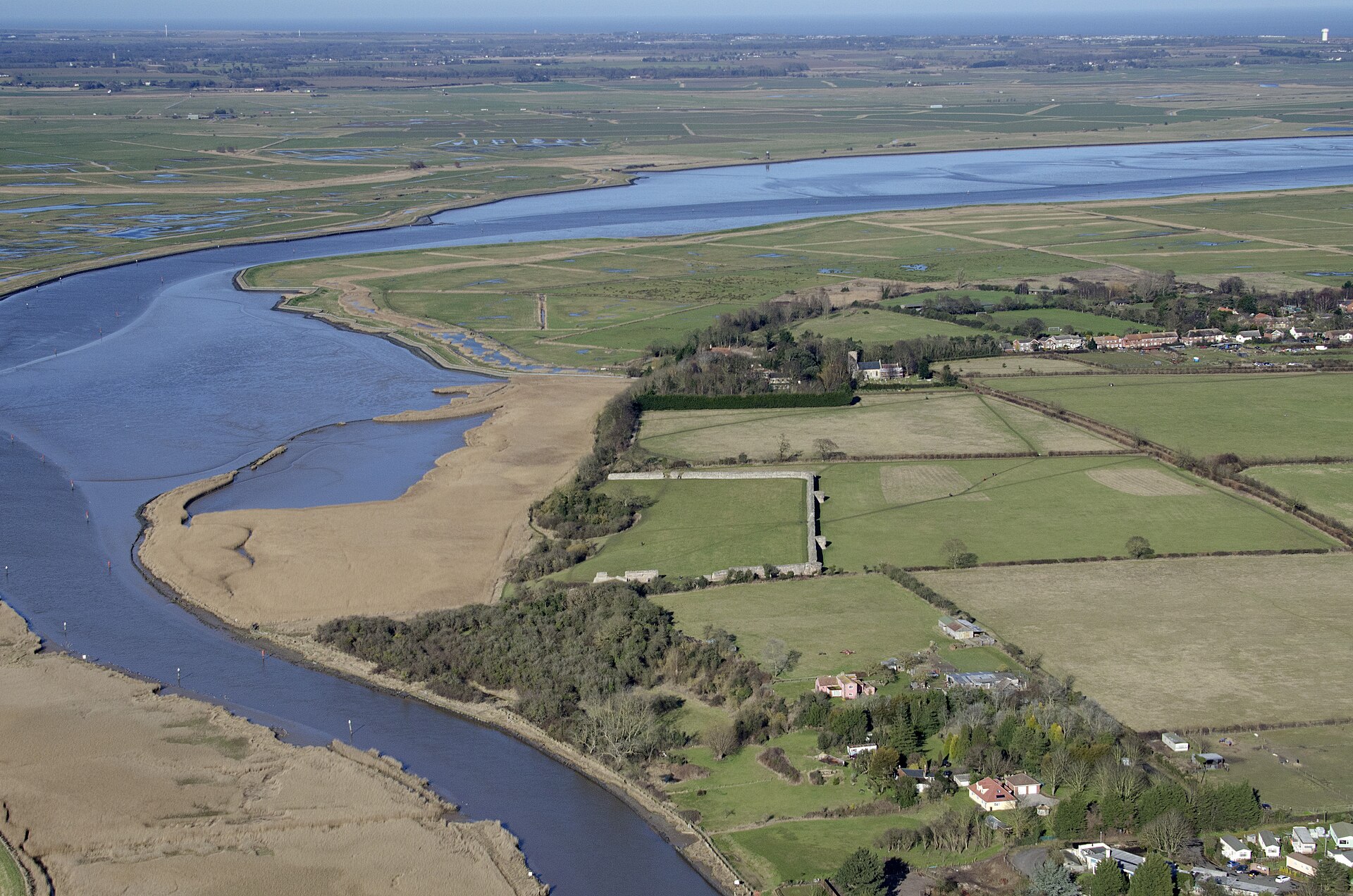
Burgh Castle is one of England’s nine Saxon Shore forts, with exceptionally high Roman walls, a contested post-Roman monastic interpretation, Norma…
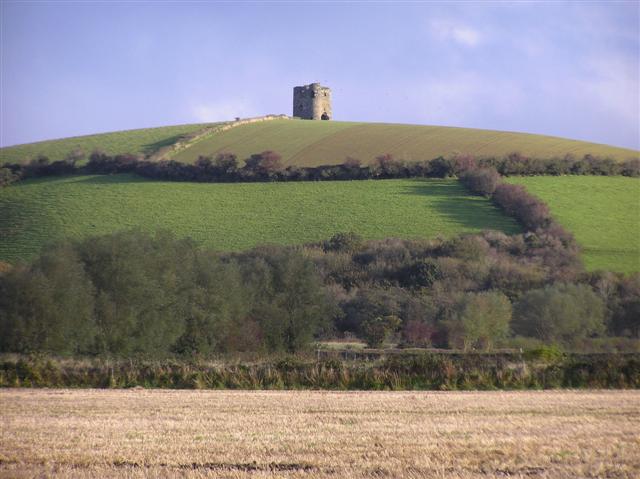
Fortified place · Medieval
Perth and Kinross
A fifteenth- and sixteenth-century castle just outside Milnathort, north of Kinross.
Fortified place · Iron Age
Devon
A Devon hilltop with both an Iron Age hillfort, a hilltop enclosure ringed by earth ramparts from about 800 BC, and a later Norman motte-and-bailey…
Fortified place · Medieval
County Kilkenny
Burnchurch Castle is an unusually complex Irish tower house, where a six-storey core, round gate turret and dense network of mural rooms preserve a…
Fortified place · Medieval
County Tipperary
A fortified house so lavish it needed twenty-six gables and seven chimneys: burned by its own mistress in 1649 rather than surrendered to Cromwell'…
Fortified place · Medieval
Cumbria
One of a pair of fortified pele towers now half-lost, its survivor tree-ring dated to show a Tudor-era rebuild hidden inside a medieval shell: and…
Fortified place · Roman
Aberdeenshire
A Roman camp so faint on the ground that only a photograph taken from the air, in 1982, proved it had ever existed at all.
Sacred place · Medieval
Buckinghamshire
A community of Augustinian nuns founded in 1265 still occupies the site today, under a different order but the same name and the same walls.
Fortified place · Iron Age
Buckinghamshire
A rare single-rampart hillfort: an Iron Age settlement defended by banks and ditches on high ground: of the Late Bronze Age and Early Iron Age surv…
Sacred place · Medieval
Norfolk
Burnham Norton Friary was the first Carmelite monastery founded after the order’s expulsion from Mount Carmel, and its gatehouse, precinct wall, ch…
Sacred place · Prehistoric
Cumbria
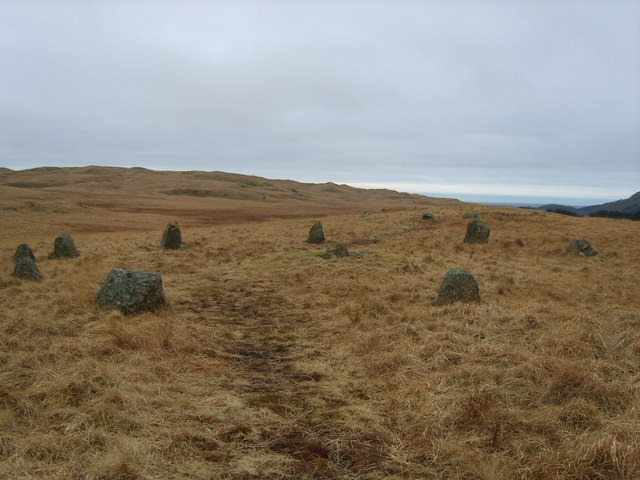
Five separate rings spread across roughly a square mile make this the most extensive stone circle complex on Cumbria's western fells, each ring pai…
Ancient place · Prehistoric
West Midlands
An oval mound 0.3 metres high in a Birmingham park, scheduled in 2002: and that, with a date in the Bronze Age, roughly 2500–800 BC, is the whole o…
Fortified place · Iron Age
Shetland Islands
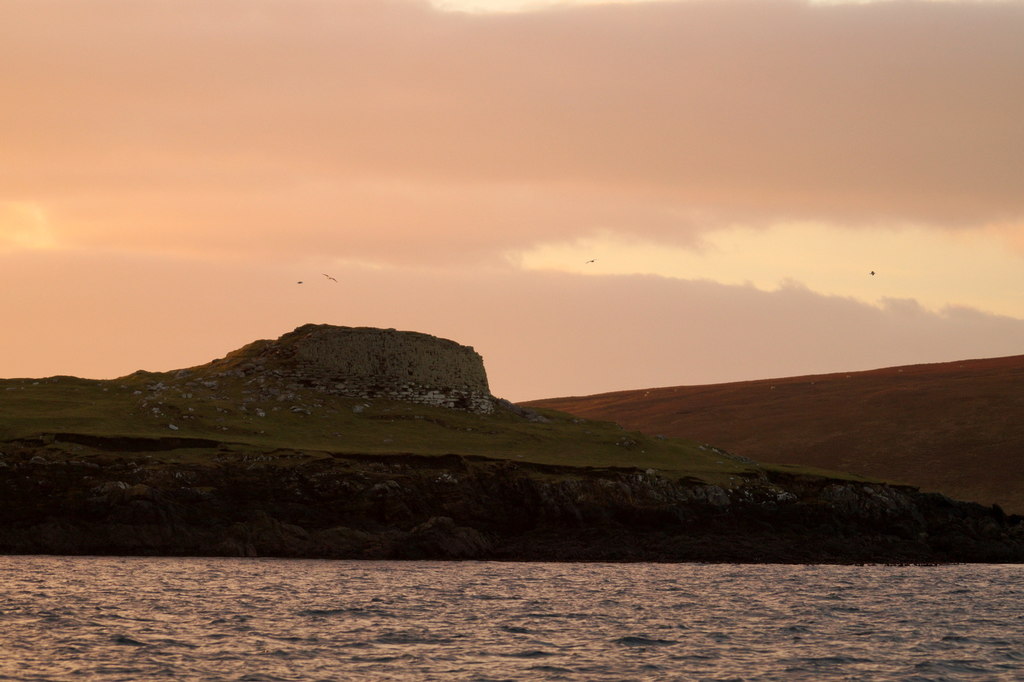
On the tip of the headland of Burra Ness, on the east coast of Yell in Shetland, the drystone wall of a round tower still rises over four metres on…
Building or ruin · Medieval
Tyne and Wear
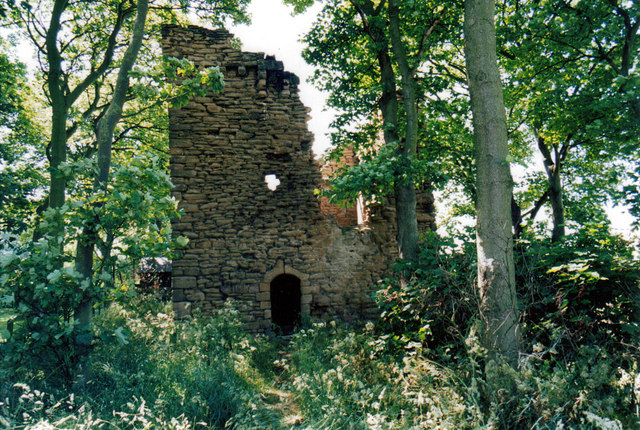
A fireplace carries the date 1633 and the initials LO. The tower was later swallowed into a farm building.
Fortified place · Iron Age
Somerset
The camp looks down into Burrington Combe, where cave cemeteries record human presence far older than the fort.
Ancient place · Iron Age
Somerset
A dry limestone gorge holding Britain's oldest dated cemetery, witch marks in a cave, and a rock named after a hymn that was probably written elsew…
Sacred place · Medieval
County Mayo
Founded for one religious order in 1298, the priory was formally reassigned to another by papal decree in 1413: a rare, dated paper trail for a sma…
Sacred place · Medieval
County Mayo
Founded without papal consent in 1469, the friary needed a formal pardon from Rome seventeen years later: a rare, documented case of a foundation o…
Building or ruin · Roman
Monmouthshire
A single legionary fortress helped pin down the conquest of the fiercely resistant Silures tribe, yet nothing of its ramparts, barracks or gates su…
Fortified place · Iron Age
Leicestershire
A magnetometry survey found over 400 storage pits and roundhouse foundations packed inside a single set of ramparts: evidence that this was a worki…
Fortified place · Iron Age
Orkney Islands
One of Orkney’s best-preserved brochs, its intact guard chamber, wall gallery and internal well make the defensive engineering of a tower from abou…
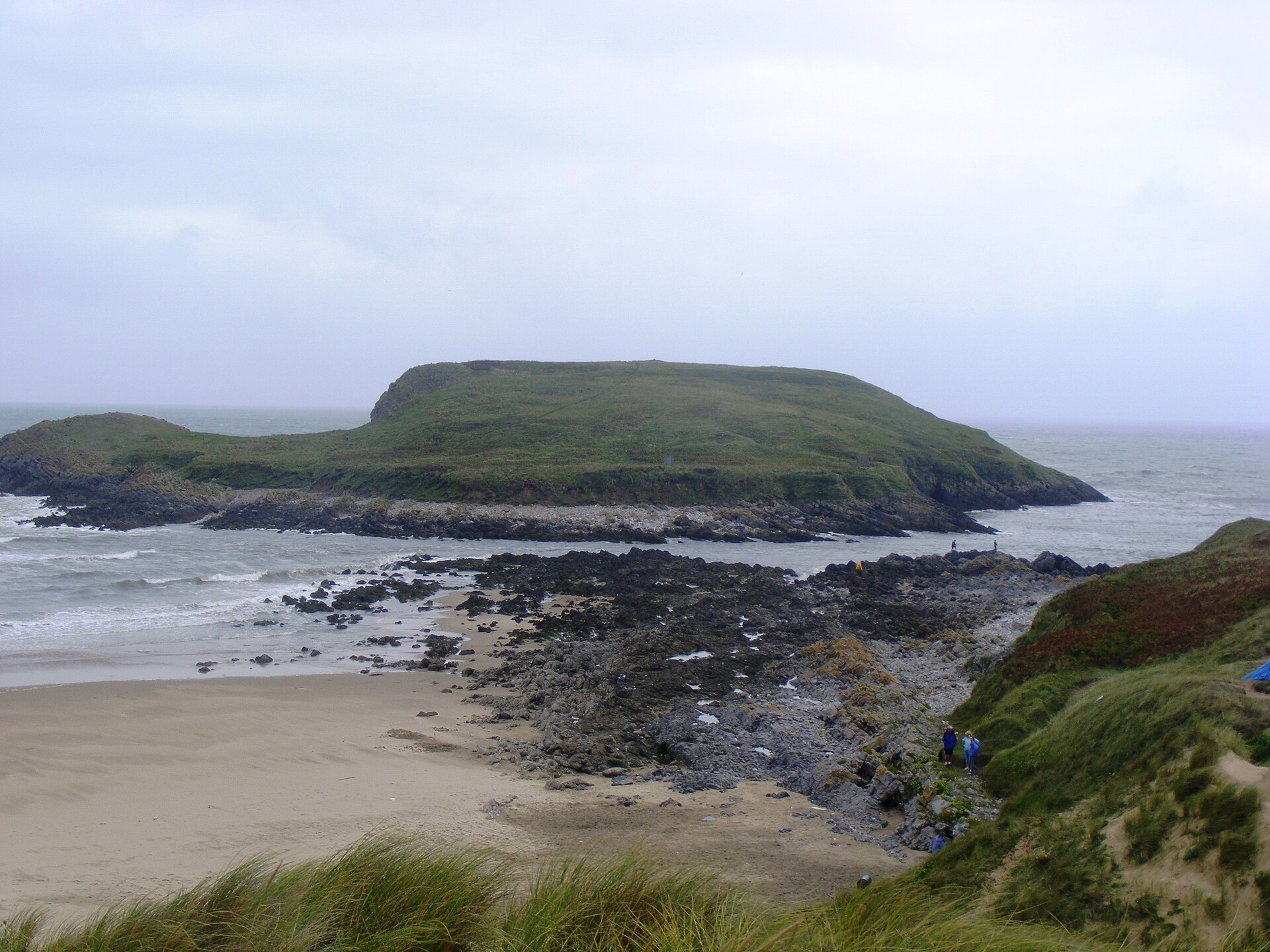
Fortified place · Iron Age
Swansea
English records of the 1440s call it 'Saint Kenyth atte Holmes': the Welsh saint's name and the Norse word for an islet, side by side.
Sacred place · Medieval
Lancashire
Burscough Priory was an Augustinian house and major Stanley burial place whose surviving crossing piers preserve the outline of a lost monastic chu…
Building or ruin · Roman
Lancashire
Burscough Roman fort is a major recent Lancashire discovery: a multi-phase auxiliary fort and later fortlet with evidence for long, intermittent oc…
Fortified place · Medieval
County Donegal
A sixteenth-century O'Doherty stronghold built to a Scottish Z-plan design, it became the launchpad and then the last redoubt of a rebellion that c…
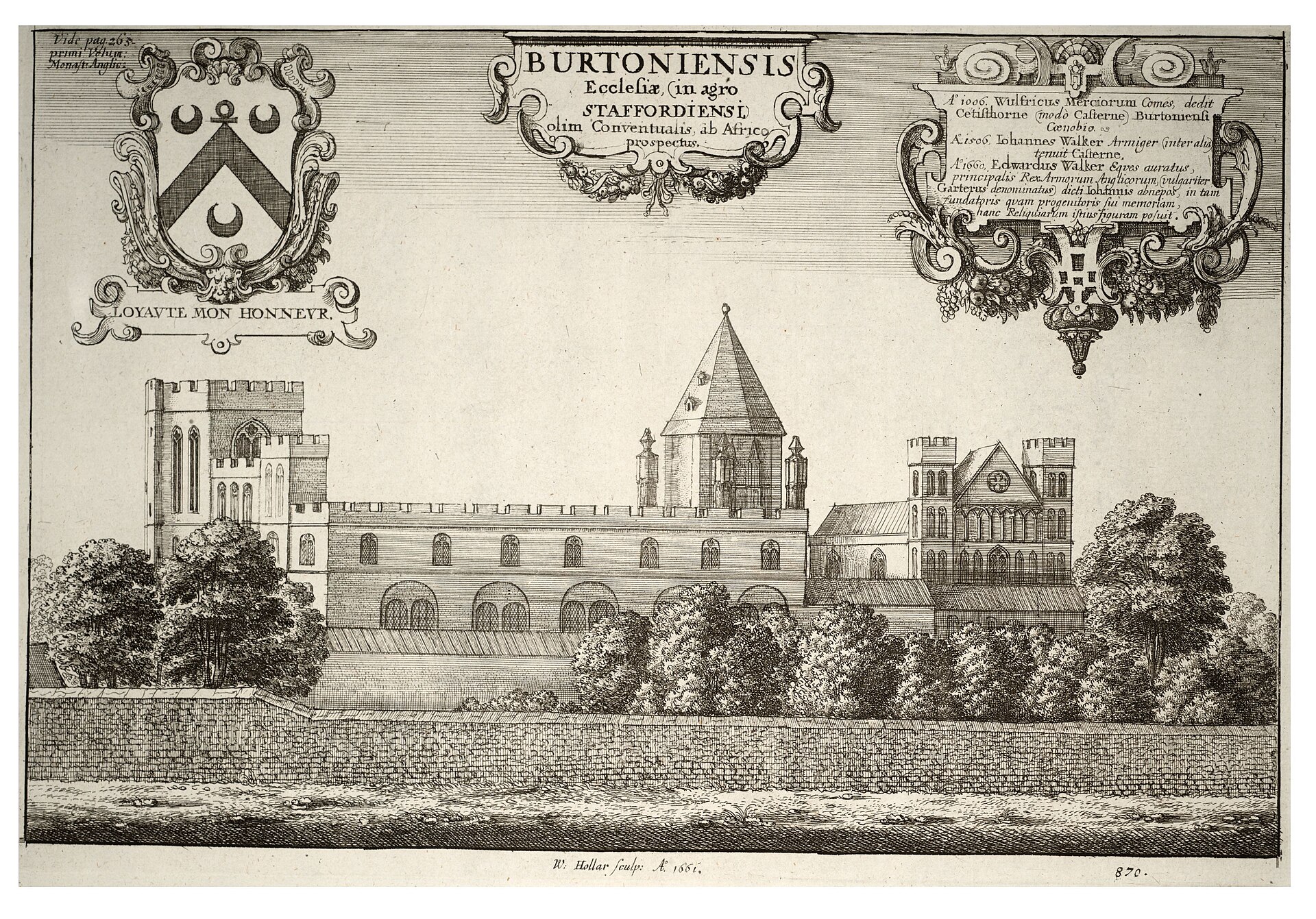
Sacred place · Medieval
Staffordshire
A monastery founded by St Modwen and refounded under an abbot in 1003 by the thegn Wulfric Spot.
Fortified place · Iron Age
East Riding of Yorkshire
Two square-barrow cemeteries here held 64 Iron Age burials, each body folded into a crouched position facing north-south, a burial rite that marks…
Fortified place · Medieval
North Yorkshire
A royal garrison list from the 1130s survives for this small Yorkshire stronghold, naming the very soldiers who held it - a level of detail few min…
Fortified place · Iron Age
Cheshire
A single earthwork sealed a headland the River Dee once defended on three sides: until 18th-century engineering rerouted the river and left the for…
Fortified place · Medieval
Cambridgeshire
A siege ended not by a breached wall but by a stray crossbow bolt: the earthworks left behind are the abandoned first draft of a Norman stronghold…
Fortified place · Iron Age
Staffordshire
A seventh-century king of Mercia is said to have lived here, at a place called Wulfherecester - and no evidence has been found that the fort was re…
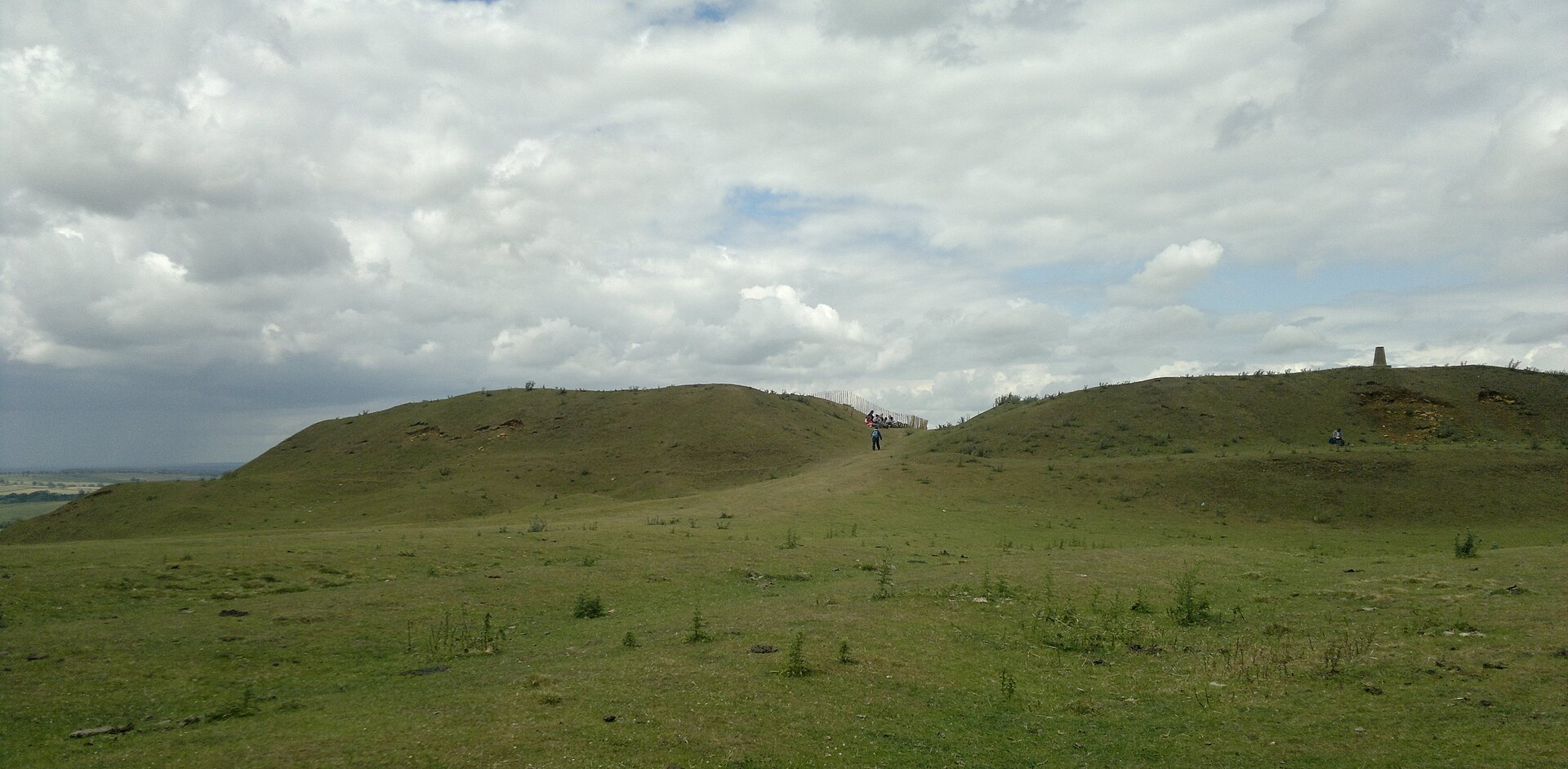
Fortified place · Iron Age
Wiltshire
A multivallate Iron Age: roughly 800 BC until the Roman conquest: hillfort, a settlement defended by banks and ditches on high ground, of some 9.2…
Fortified place · Prehistoric
Somerset
An Iron Age fort above the meeting of two rivers, reused a thousand years later as a castle in the civil war between Stephen and Matilda.
Briefer entries: recorded and worth knowing, with fuller pages to come.
Sacred place · Medieval
Berkshire
A small Benedictine nunnery whose downfall came over a decade before Henry VIII's dissolution: condemned outright by a papal bull as a 'profane pla…
Fortified place · Medieval
West Midlands
A motte castle: the earthen mound a castle was raised on: rebuilt in stone in 1168, excavated ahead of the M6, and now under a roundabout interchange.
Carved stone · Pictish & early medieval
Aberdeenshire
A Pictish symbol stone: the Picts held northern and eastern Scotland from about AD 300 to 900: carved with the enigmatic 'beast' and crescent-and-V…
Tomb or burial place · Prehistoric
Cornwall
Cornwall's highest hill carries two cairns whose early Bronze Age (roughly 2500–800 BC, when metalworking spread) setting gives Bodmin Moor a prehi…
Fortified place · Iron Age
Neath Port Talbot
On Mynydd-y-Gaer above the Neath estuary, this roughly circular 130-metre bank and ditch preserves a large defended enclosure whose date and purpos…
Fortified place · Medieval
Buckinghamshire
A vanished stronghold whose stone footings still hold up the churchyard green and the back gardens of Castle Street, long after the castle itself d…
Building or ruin · Roman
Dorset
Bucknowle Farm is the first substantial Roman villa complex identified south of the Purbeck Hills, with evidence of Iron Age (the period from rough…
Building or ruin · Roman
Dorset
Bucknowle Roman Villa records four centuries of changing domestic, agricultural and bathing buildings, ending in a richly equipped fourth-century r…
Tomb or burial place · Medieval
County Tyrone
Bullock Park is a Tyrone townland whose protected stone burial chamber preserves an ancient monument within a nineteenth-century rural community.
Fortified place · Iron Age
Hampshire
Three concentric banks and ditches survive under dense woodland: a defended plateau settlement whose scale still reads clearly despite centuries of…
Sacred place · Medieval
Buckinghamshire
A single act of corruption by its preceptor is nearly all that survives of Bulstrode: a house so obscure it never earned proper commandery status o…
Fortified place · Medieval
Cumbria
For nearly two centuries this was the administrative seat of an entire barony, yet a Scottish raid erased it so completely that not one stone shows…
Fortified place · Iron Age
Somerset
An Iron Age defended settlement in Leigh Woods above the Avon, one of three such forts nearby.
Fortified place · Iron Age
somerset
Iron slag from the 1955 dig shows metal was being worked inside the fort: and the shift to iron is the change most archaeologists think produced fo…
Fortified place · Medieval
Rutland
A site north of Burley used first as a Saxon meeting place, more commonly called Alstoe.
Fortified place · Roman
Dumfries and Galloway
A swathe of hundreds of lead sling bullets lies scattered along the south-eastern flank of Burnswark Hill, marking the line where Roman slingers on…
Fortified place · Iron Age
Devon
An Iron Age hillfort, a defended hilltop settlement, north-east of Barnstaple, whose high position above two rivers shows the strategic use of Devo…
Sacred place · Medieval
Essex
Burstead Grange is a deliberately cautious entry in Essex’s monastic landscape: its name suggests estate management, while records cannot yet ident…
Sacred place · Medieval
Somerset
A hermitage at Sprauellissmede endowed by William son of Godfrey of Eddington in 1199, a monastic house under a prior by 1312.
Sacred place · Medieval
Lincolnshire
Burwell Priory was a Benedictine alien cell dependent on Grande-Sauve Abbey in Aquitaine, making its fate closely tied to medieval Anglo-French con…
No places match those filters.
Kinds of place
Ages





















.jpg?width=800)

.jpg?width=800)
_(geograph_5555392).jpg?width=800)