
Fortified place · Medieval
Bothal Castle
Northumberland
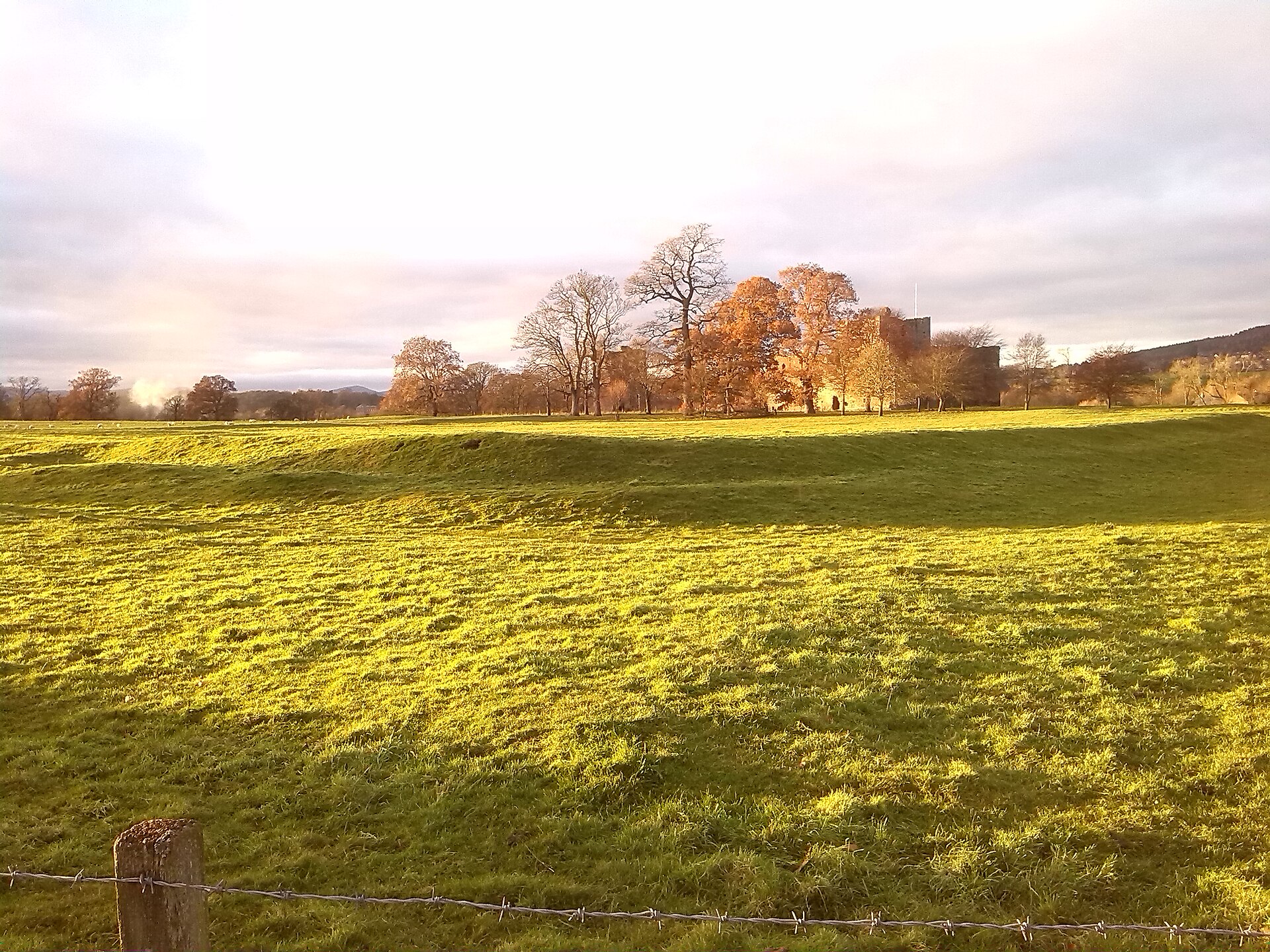
Bothal Castle preserves a medieval gatehouse and curtain-wall fragments within a continuously adapted estate that passed from the Bertrams to the O…
The directory
Page 8 of 47 in the full directory.
Browsing 100 places — search and the map cover the whole directory.
Fortified place · Medieval
Northumberland
Bothal Castle preserves a medieval gatehouse and curtain-wall fragments within a continuously adapted estate that passed from the Bertrams to the O…
Fortified place · Medieval
South Lanarkshire
A large medieval castle on a high, steep bank above a bend in the Clyde, between Bothwell and Uddingston.
Fortified place · Roman
North Lanarkshire
Bothwellhaugh Roman Fort reveals how a crossing of the South Calder linked soldiers, cavalry, bathing and the wider Antonine frontier landscape.
Building or ruin · Prehistoric
shropshire
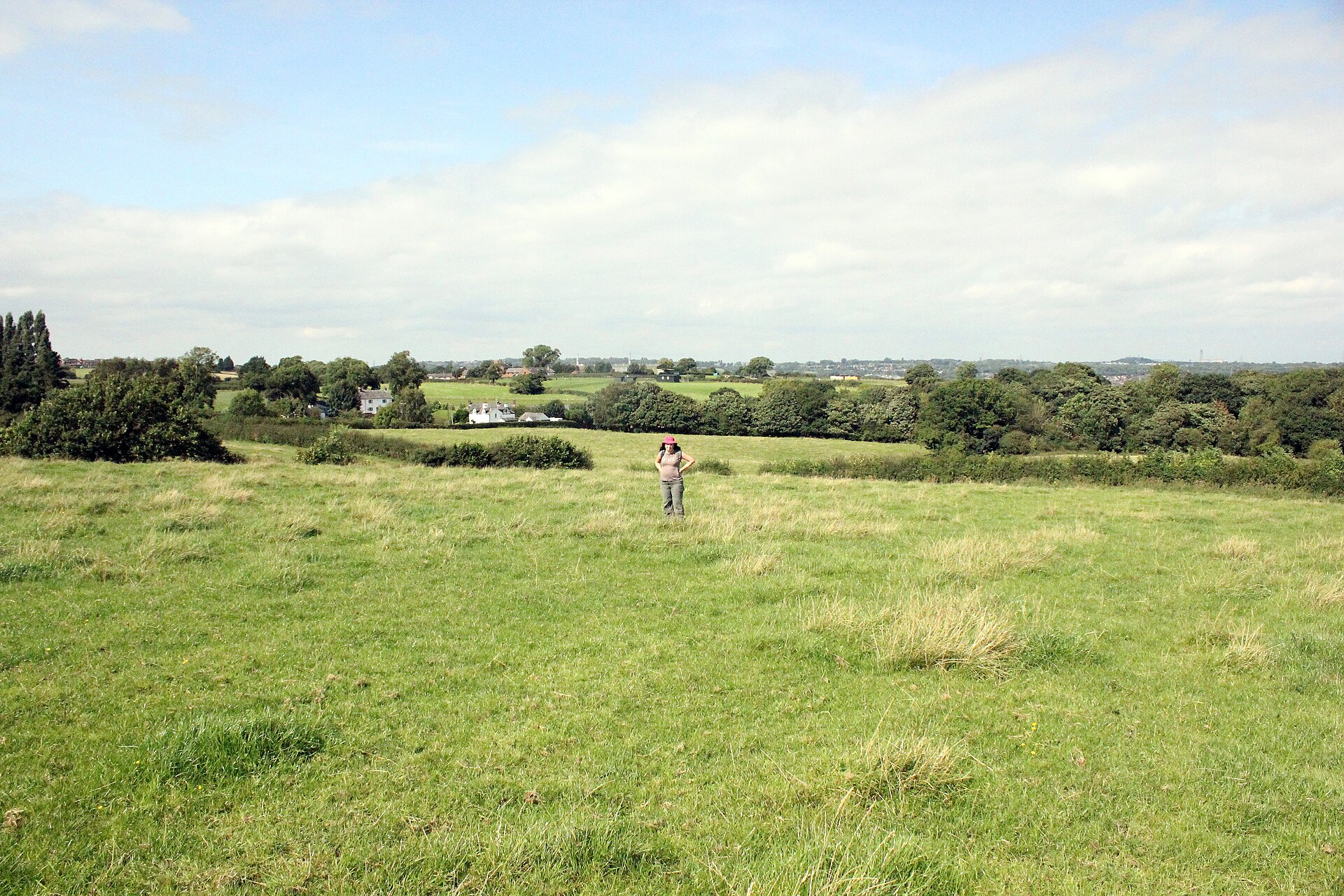
Ordnance Survey maps show a burial mound here. What survives is a ring of stones around an open centre, raised on the parish boundary at 394 metres.
Sacred place · Medieval
Lincolnshire
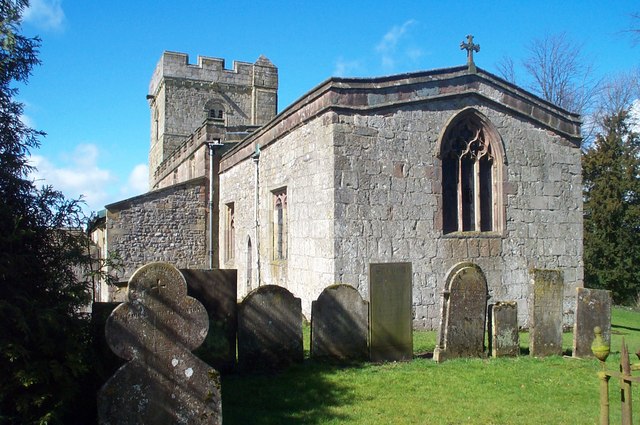
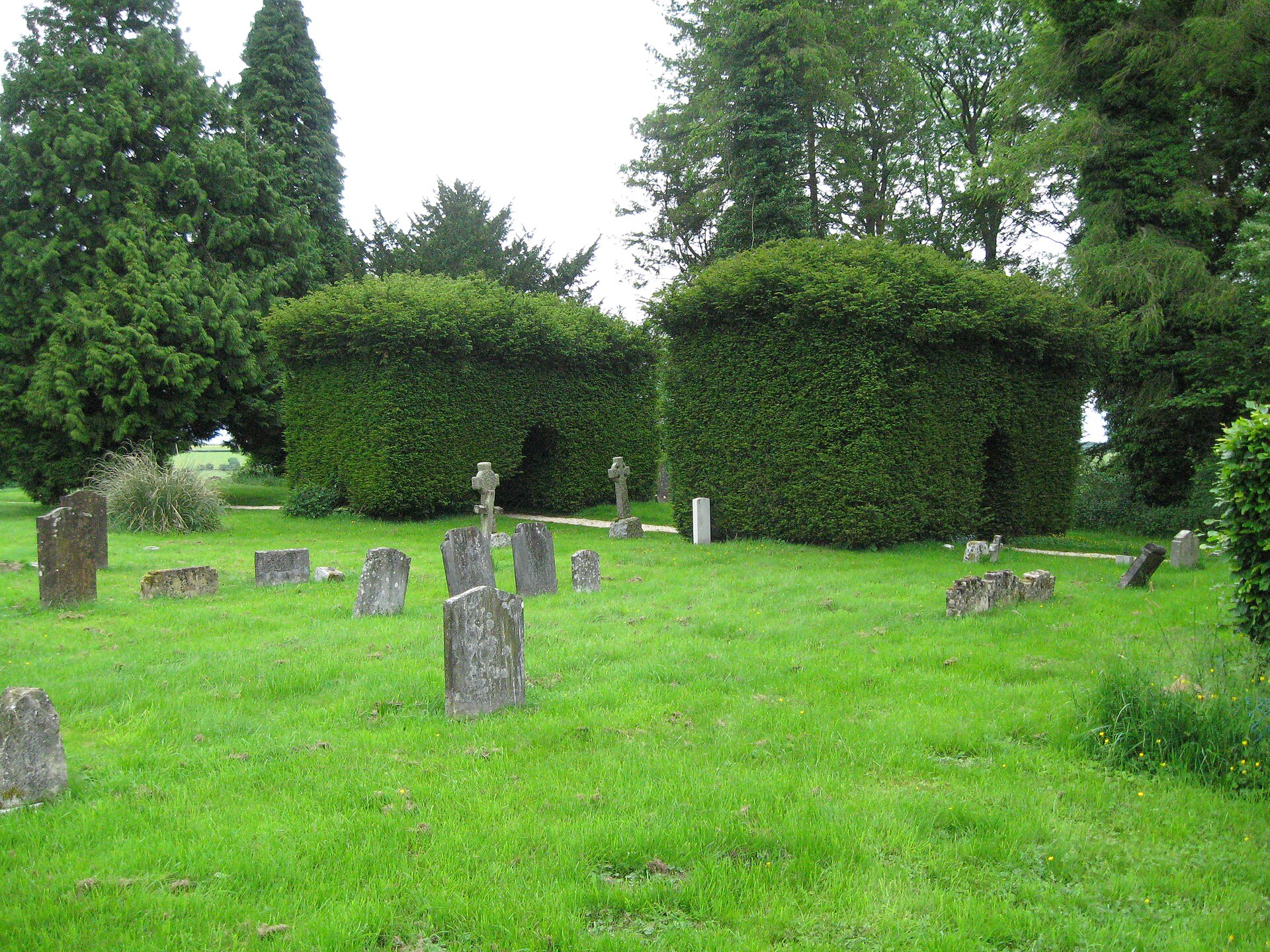
The Knights Templar's Lincolnshire estate has been reduced to a scatter of loose stones and a single cross-carved gravestone: the entire surviving…
Building or ruin · Medieval
Cambridgeshire
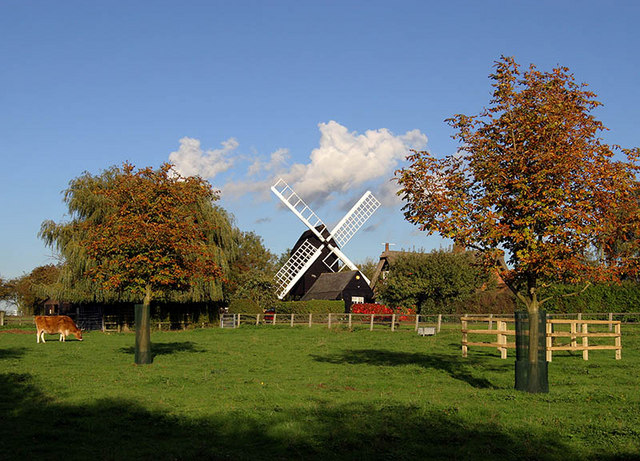
Reckoned the oldest surviving windmill in the United Kingdom, it stood empty and rotting until a public appeal in 2022 raised the final funds neede…
Sacred place · Medieval
Lincolnshire
Its church has served as Bourne's parish church continuously since the 1536 closure of the monasteries, and the abbey, a religious community led by…
Fortified place · Medieval
Lincolnshire
Bourne Castle survives as earthworks and moats in Wellhead Park, with survey evidence preserving the footprint of a long-lived medieval manor-castl…
Crossing or structure · Medieval
Cumbria
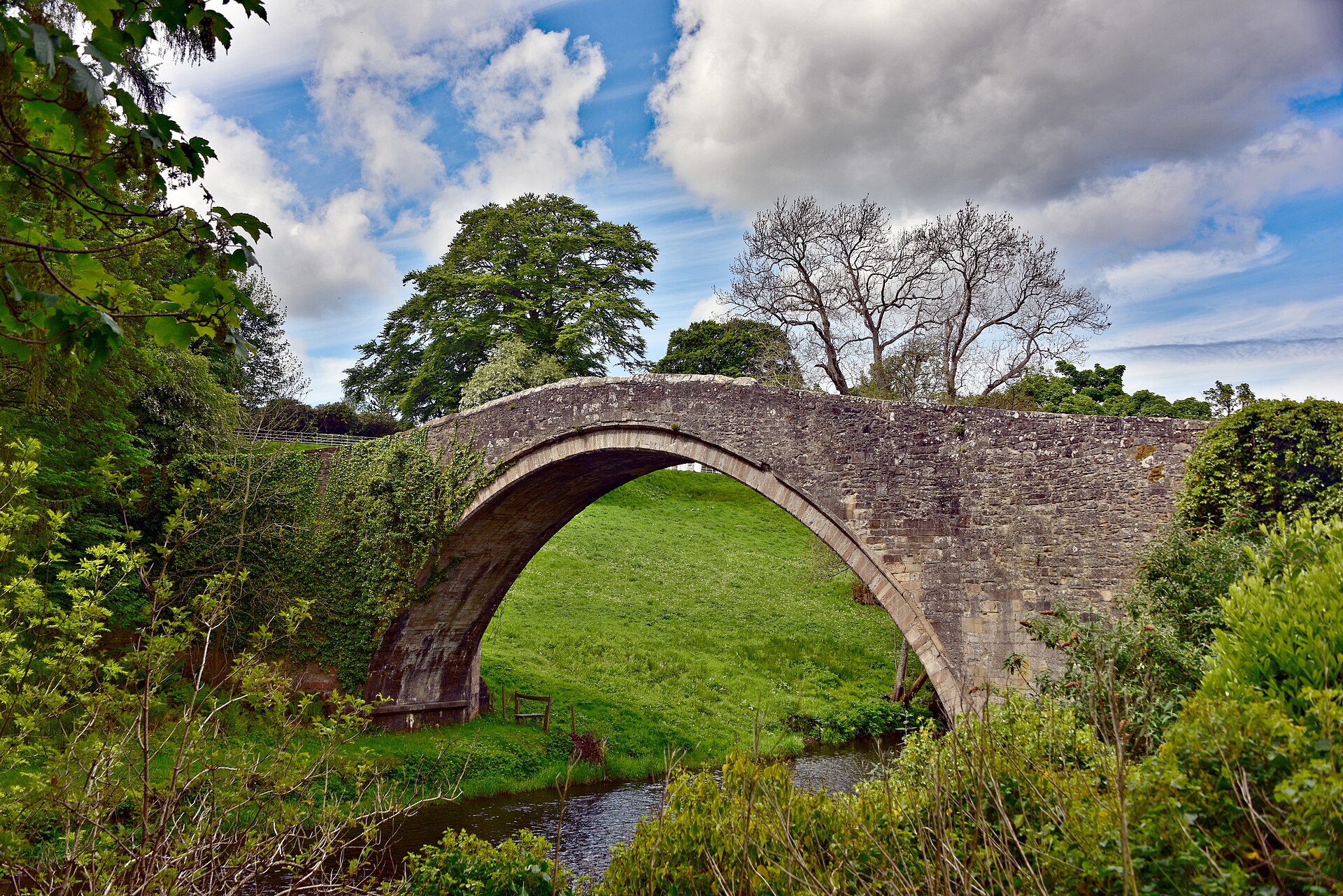
One of Cumbria's few surviving late medieval multi-span bridges, largely unaltered since the monks of Furness Abbey built it to serve a mill that b…
Fortified place · Iron Age
Scottish Borders
One of only three brochs surviving in the Scottish Borders, and the only one to have yielded a Roman cockerel-shaped brooch alongside 2nd-century a…
Fortified place · Medieval
County Durham
An unusually rare hall-keep design, raised at royal expense against the threat from Scotland, seeded one of England's few deliberately planned medi…
Ancient place · Medieval
Tyne and Wear
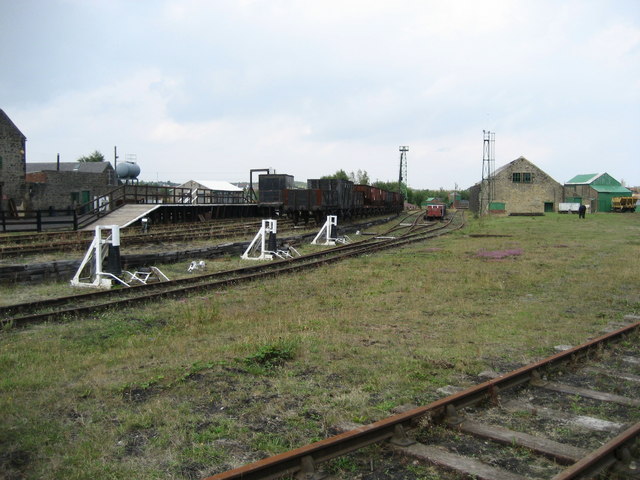
The world's only operational preserved standard-gauge cable railway, built by George Stephenson in 1826 to bring Durham coal down to the Tyne.
Carved stone · Pictish & early medieval
Cheshire
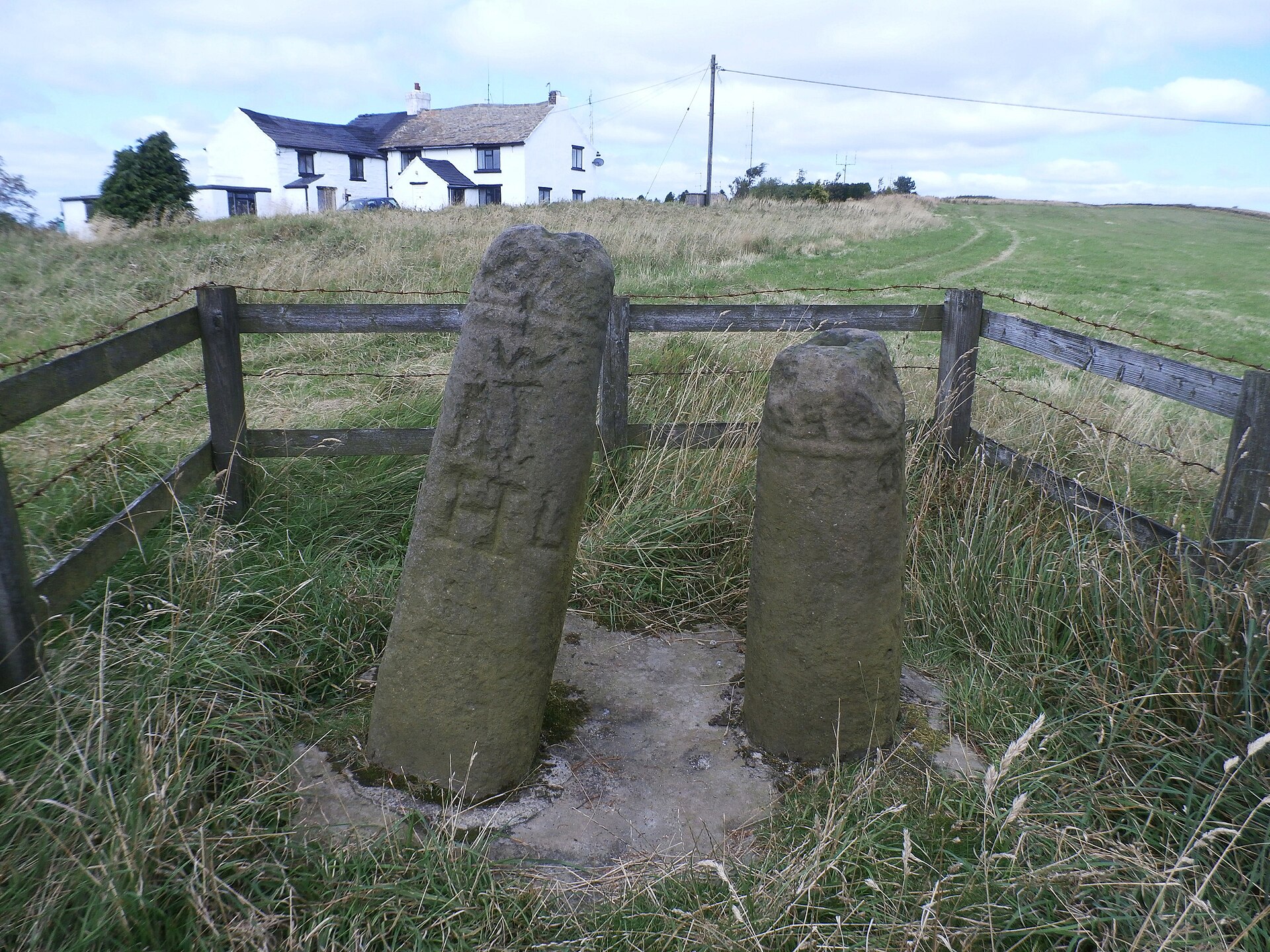
A round cross-section and an unusual pairing set these two Anglian shafts apart from almost every other stone cross of their age in England.
Building or ruin · Medieval
west-sussex
The thinnest handaxes known from the entire Acheulean were made here, 480,000 years ago, and wear analysis says they were used for one thing: butch…
Sacred place · Medieval
West Sussex
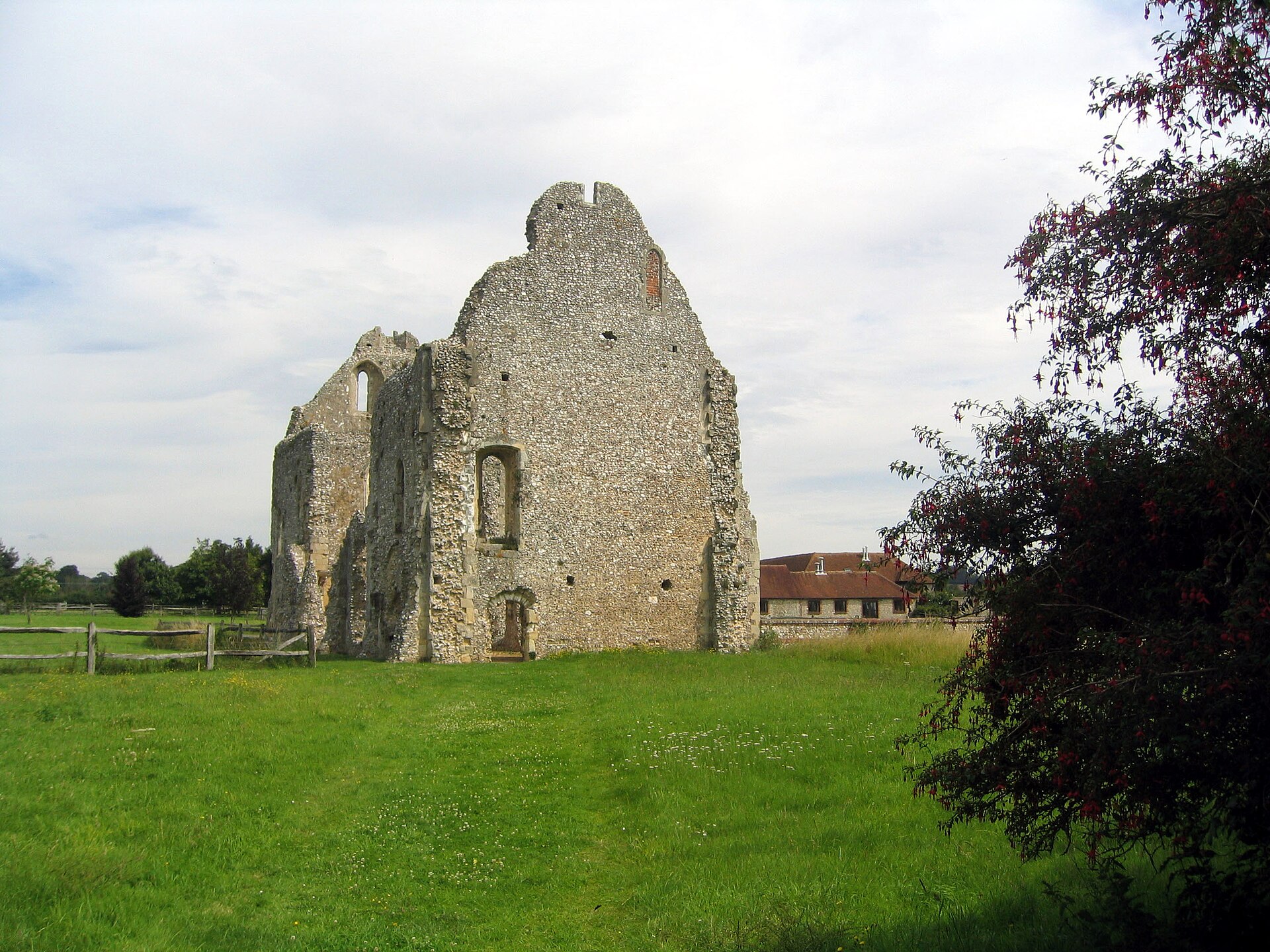
At the surrender there were nine religious in the house and forty-four other people: twenty-eight servants and eight children among them.
Sacred place · Medieval
Kent
Boxley Abbey was a Cistercian house linked with Thomas Becket and Richard I whose later notoriety centred on the Rood of Grace; its scheduled preci…
Building or ruin · Roman
Hertfordshire
Five successive building phases traced beneath a school playing field, from a first-century timber house to a mosaic-floored stone villa with under…
Sacred place · Medieval
County Roscommon
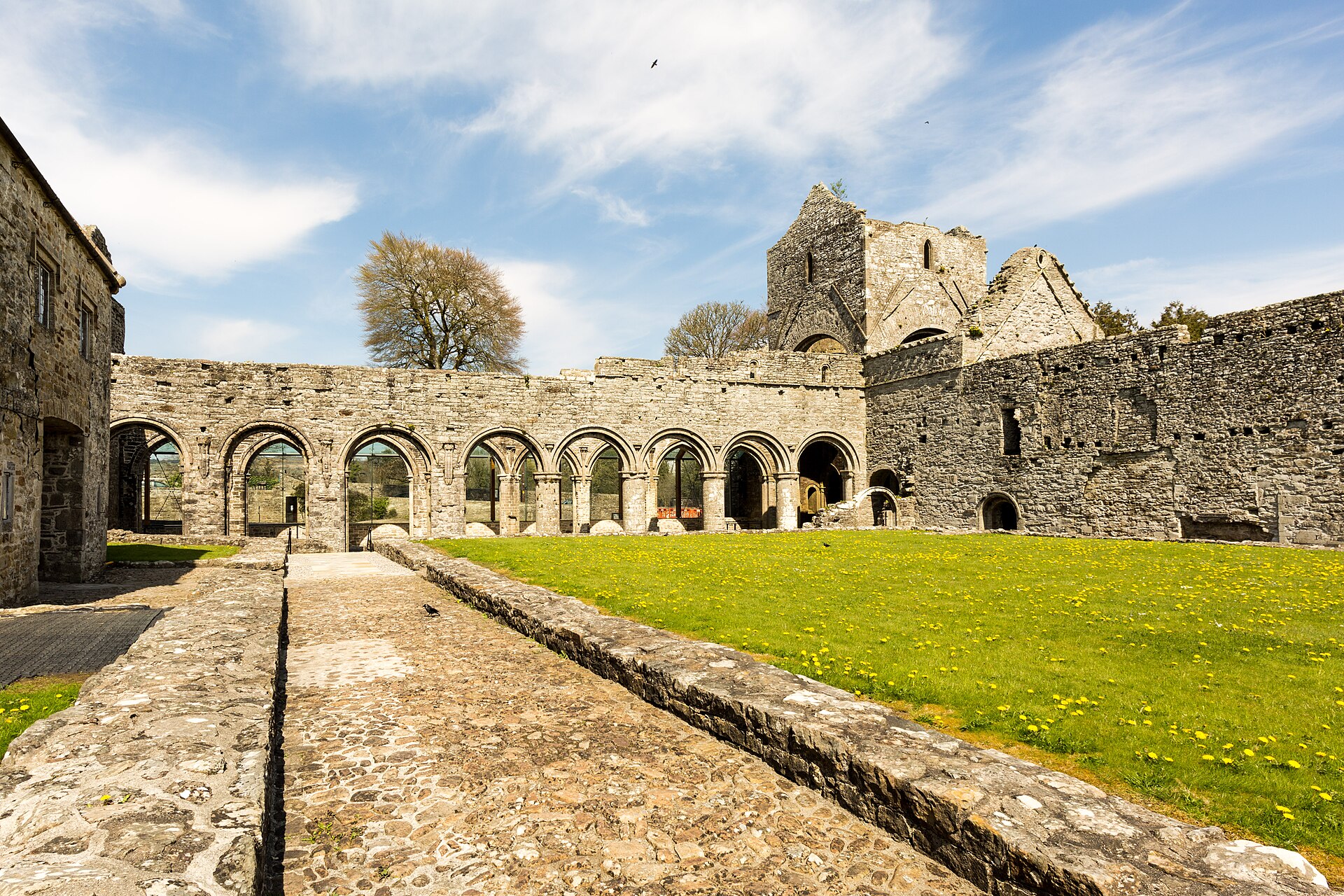
A daughter house of Mellifont whose ruined church still carries a squat crossing tower and carvings by the local "School of the West" masons.
Fortified place · Medieval
Suffolk
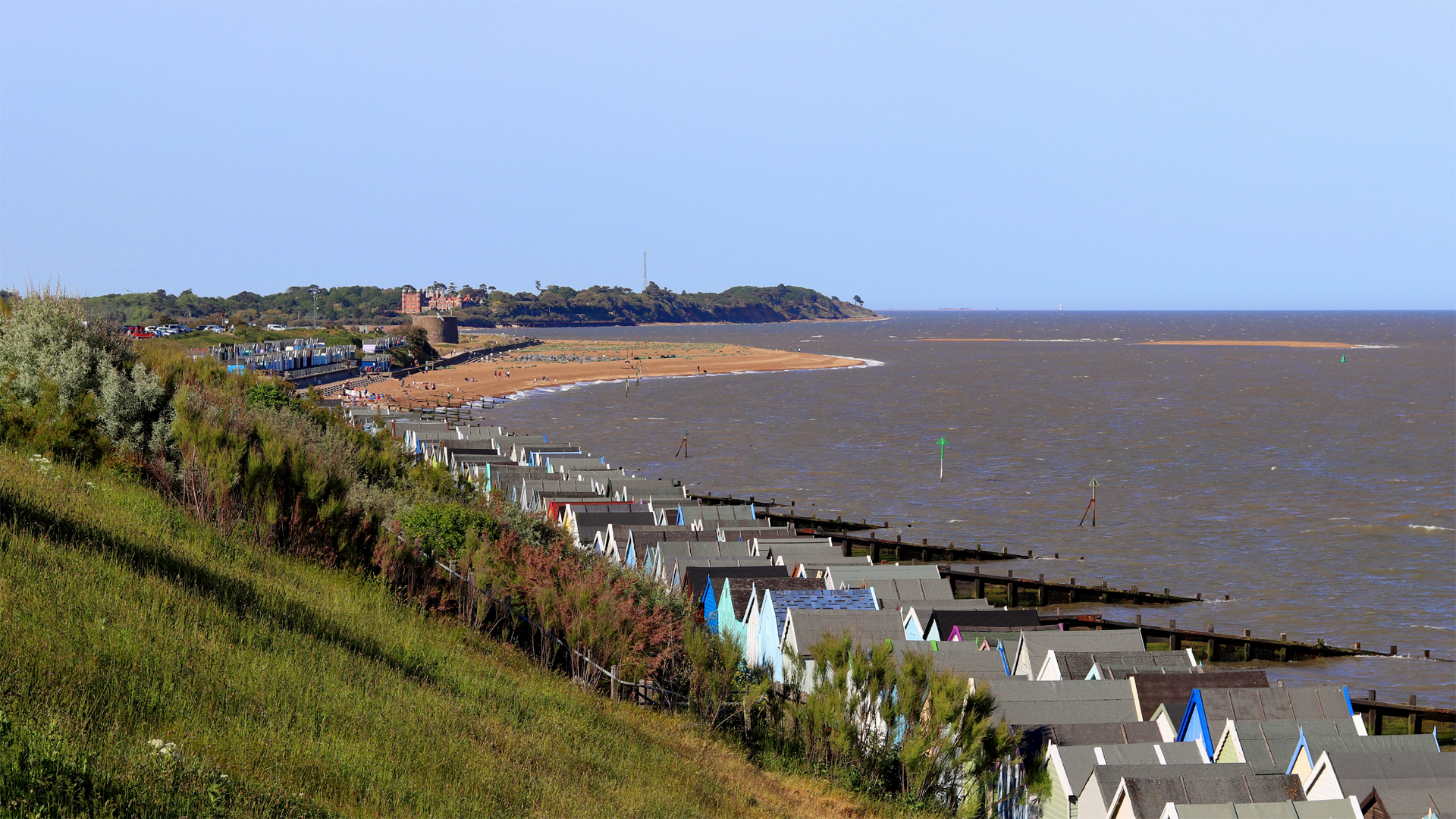
A coastal battery built over by housing, remembered now for what it did in July 1939.
Sacred place · Medieval
Derbyshire
Three canons once ran outlying chapelries at Tissington, Brassington and Ballidon from this monastic cell, until a 1330 deal quietly folded it into…
Building or ruin · Medieval
Wiltshire
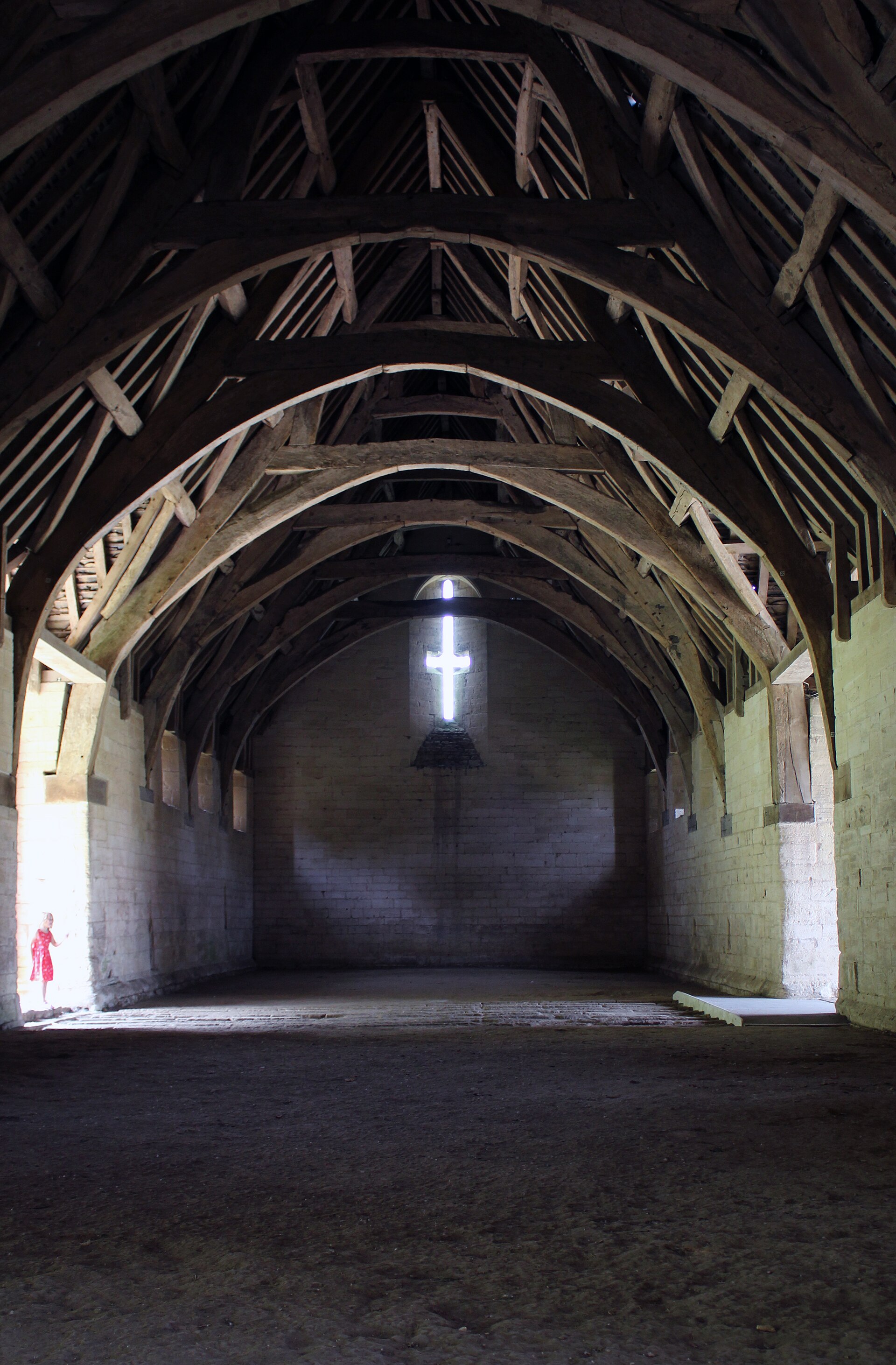
A 14th-century monastic barn still roofed in its original 100 tons of stone tiles, built to store one nun's abbey (a self-governing monastery, its…
Building or ruin · Roman
Isle of Wight
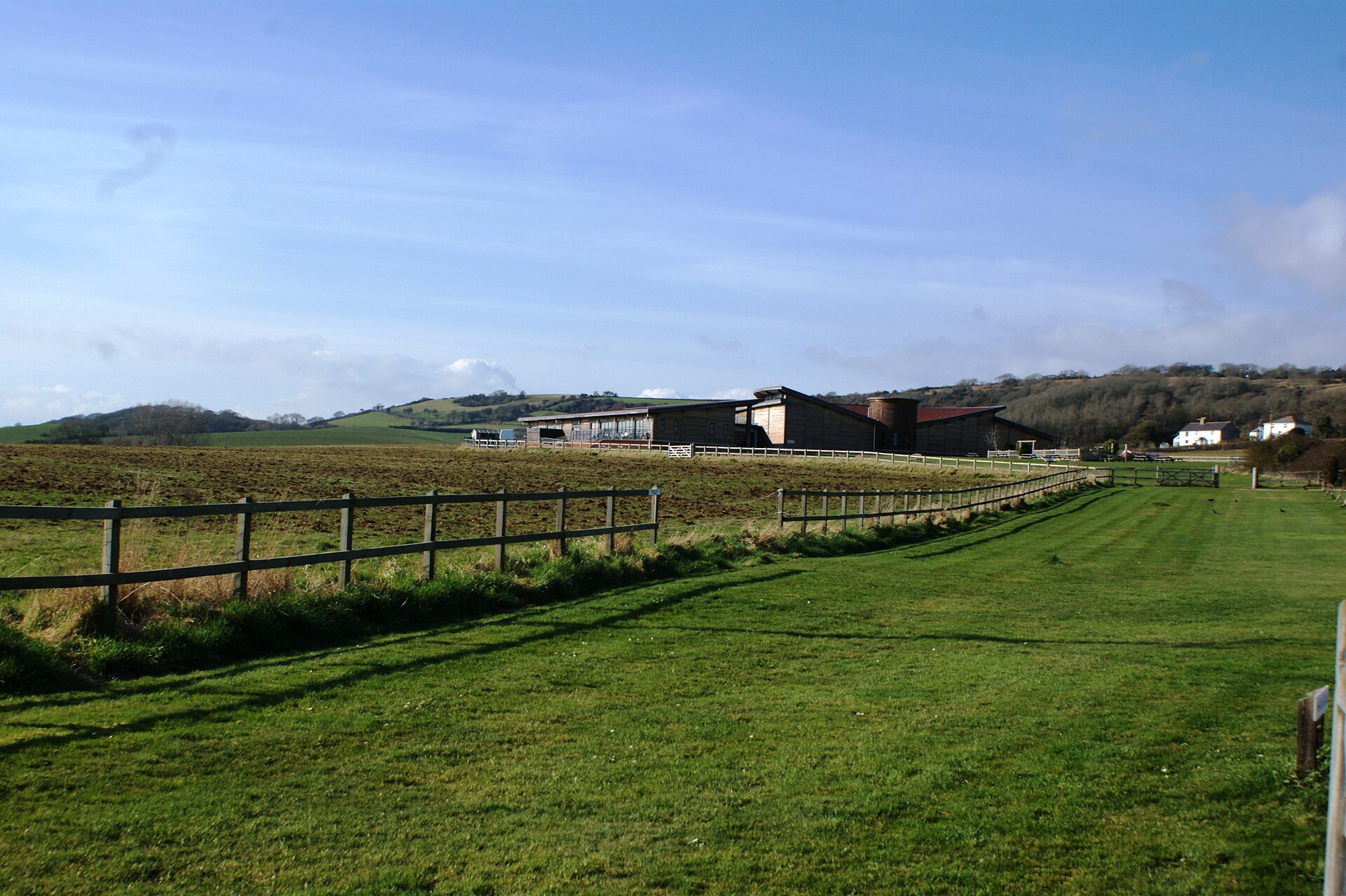
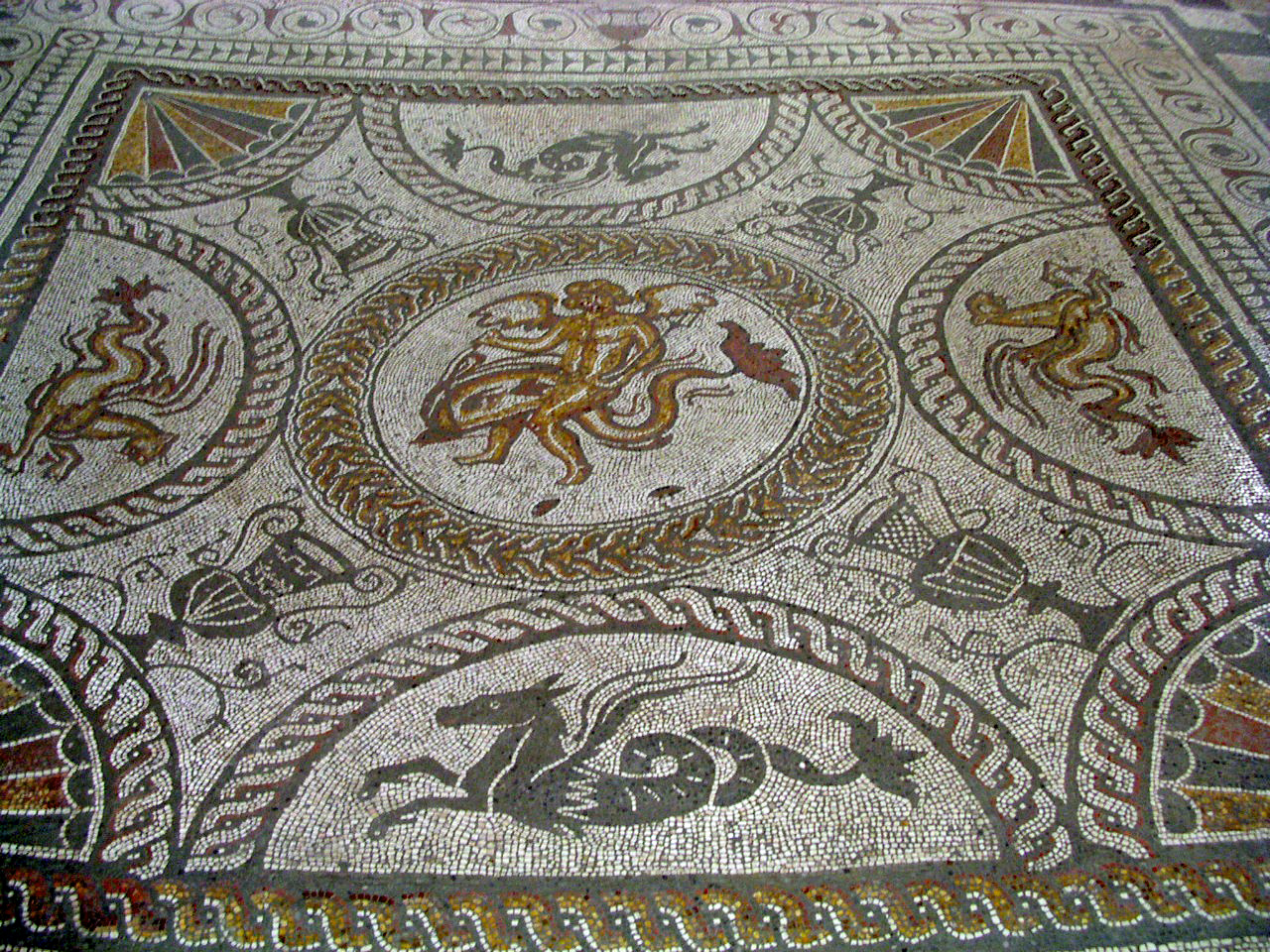
Brading Roman Villa preserves a richly mosaicked Isle of Wight estate whose long occupation, fire recovery and rare imagery reveal high-status life…
Fortified place · Iron Age
Cheshire
The smallest of Cheshire's seven Iron Age (from around 800 BC up to the Roman conquest) hill forts, it turned a single bank, ditch and a stream's s…
Sacred place · Medieval
Leicestershire
One of Leicestershire's smallest monastic houses: by 1535 it held only two canons, yet its priors sometimes doubled as heads of the far larger Leic…
Fortified place · Medieval
Aberdeenshire
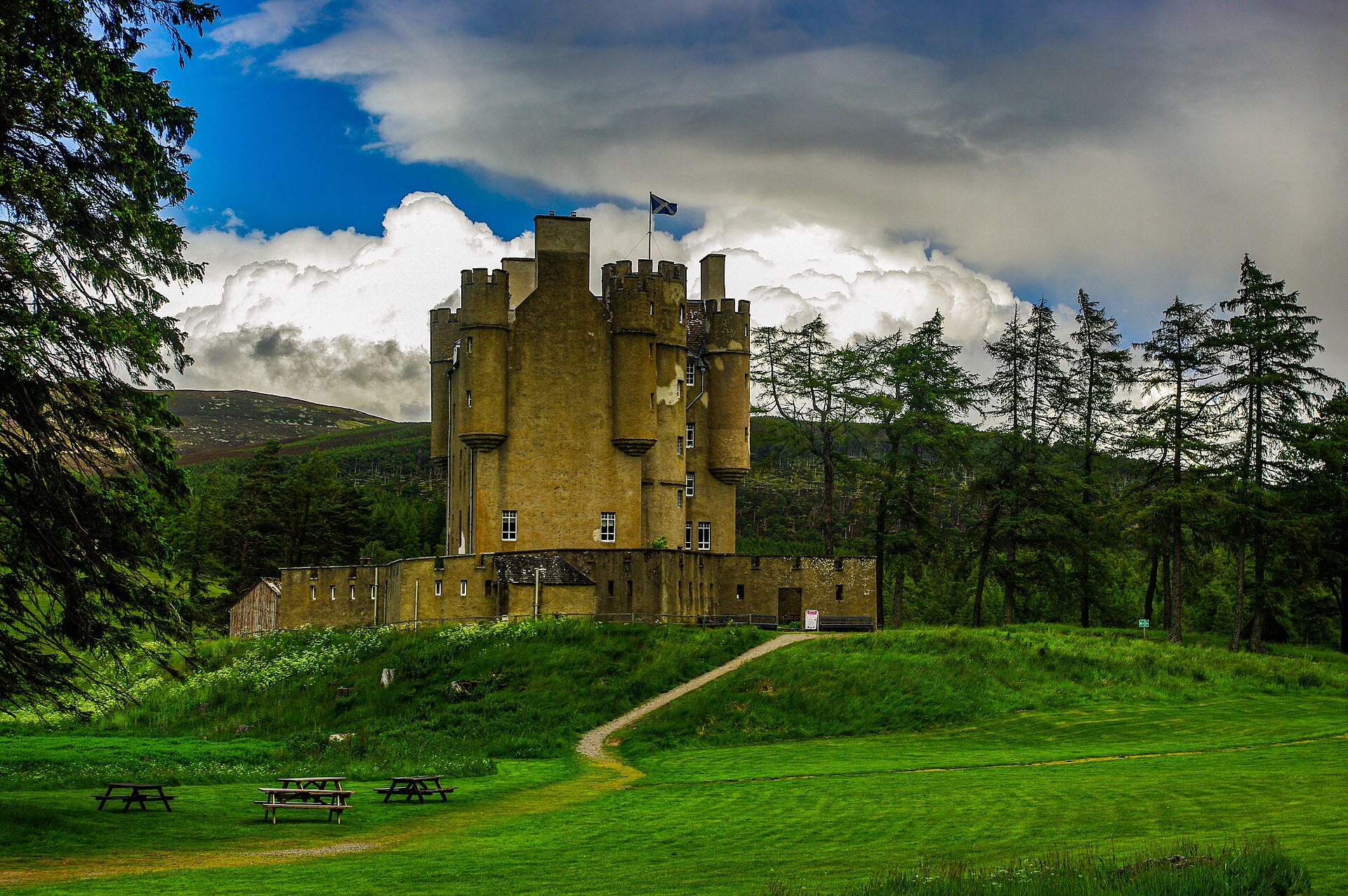
Built in 1628 to check the rising Farquharsons, burned by a Farquharson colonel sixty years later, and now restored and run entirely by local volun…
Fortified place · Iron Age
Conwy
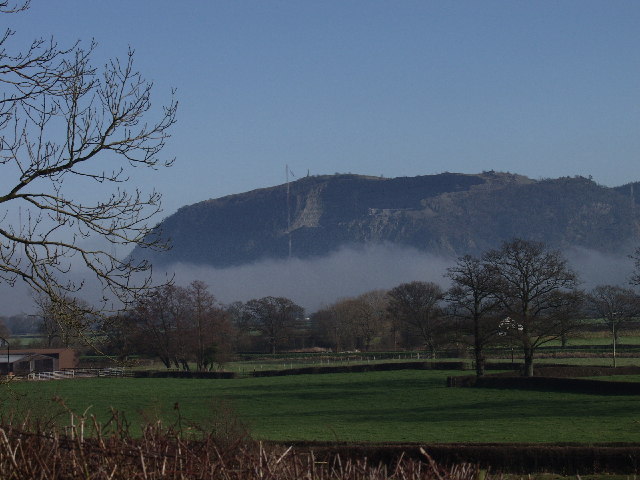
Braich-y-Dinas was a major Penmaenmawr hillfort: an Iron Age settlement defended by banks and ditches on high ground, from about 800 BC until the R…
Fortified place · Medieval
West Sussex
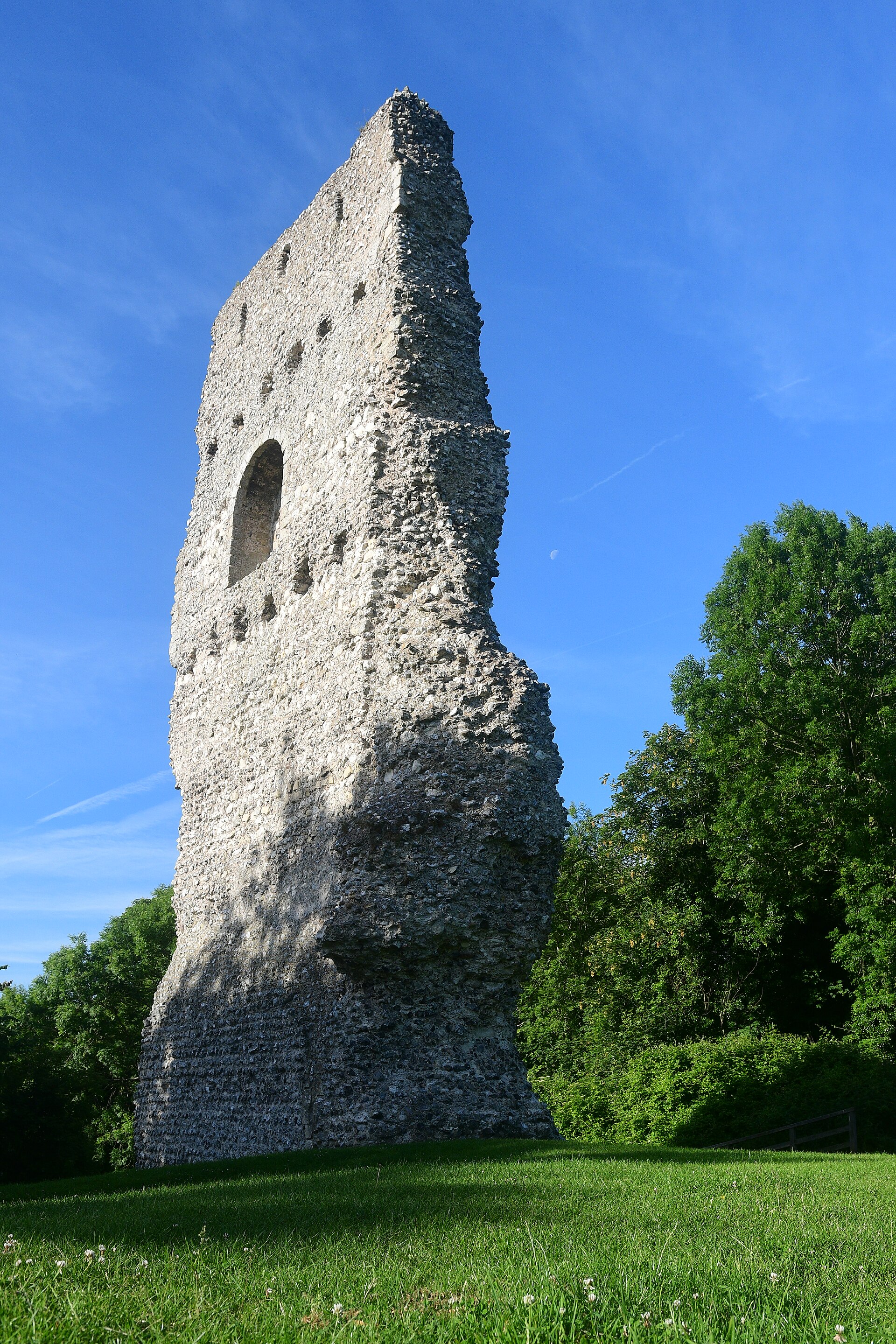
The ruins of a Norman castle of mound and walled yard, caput of the great feudal barony of Bramber, long held by the Braose family.
Fortified place · Medieval
Herefordshire
A three-week Civil War siege here was commanded by a woman, Brilliana Harley, whose defence of the castle became one of the conflict's best-documen…
Building or ruin · Roman
Cumbria
Its red walls were quarried straight out of Hadrian's Wall, and the fort beneath it stood on the Stanegate (the Roman road running behind Hadrian's…
Fortified place · Medieval
County Durham
A coal-mining fortune rebuilt this castle so thoroughly in the 1820s that its walls now read as Regency ambition wrapped around a Norman skeleton.
Building or ruin · Roman
Herefordshire
A hilltop enclosure raised by Iron Age (from about 800 BC until the Romans came) Britons was later occupied and rebuilt by Rome, its granary, offic…
Fortified place · Medieval
Warwickshire
A stone castle pulled down in 1265 because its owner backed the king: now low earthworks disappearing under scrub.
Tomb or burial place · Prehistoric
Cornwall
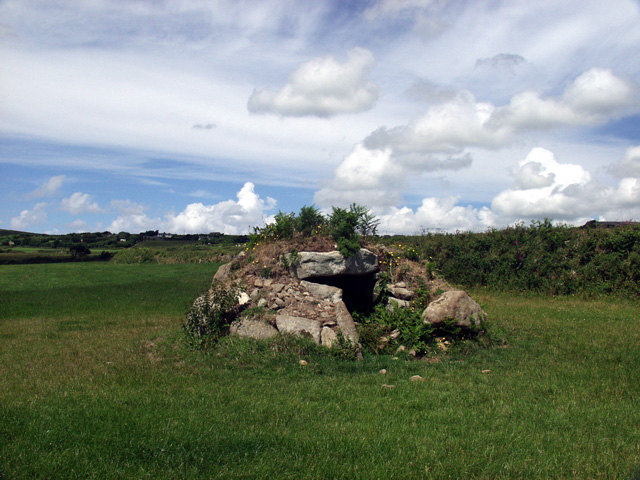
Brane Barrow is a small, well-preserved Neolithic (the late Stone Age, about 4000–2500 BC in Britain) entrance grave whose exposed chamber makes th…
Building or ruin · Roman
Norfolk
Branodunum is a major Roman Saxon Shore fort at Brancaster, built in the 230s to guard the Wash and connected with a large civilian settlement in I…
Building or ruin · Roman
East Riding of Yorkshire
A stolen Roman mosaic, rumoured to have been flown to America the night after its theft, has never resurfaced: leaving this villa's finest floor kn…
Fortified place · Iron Age
Wiltshire
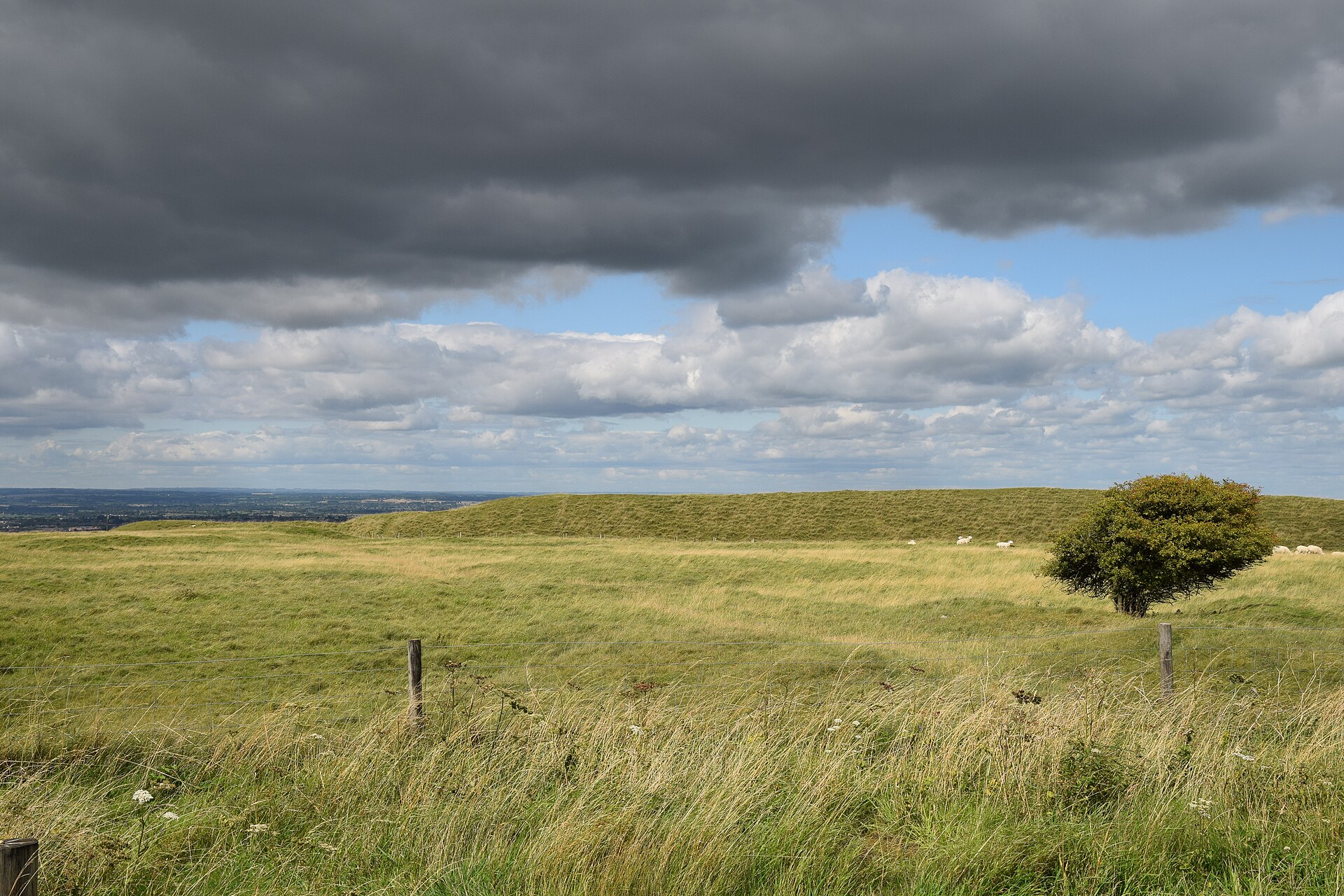
Two ramparts enclosing 23 acres on a Salisbury Plain escarpment, later shadowed by a Georgian chalk horse cut into the same hillside.
Building or ruin · Roman
Hertfordshire
An unwalled Roman town of at least thirty-six hectares that grew simply because two major roads crossed here: commerce and traffic, not defence, dr…
Settlement · Medieval
Argyll and Bute
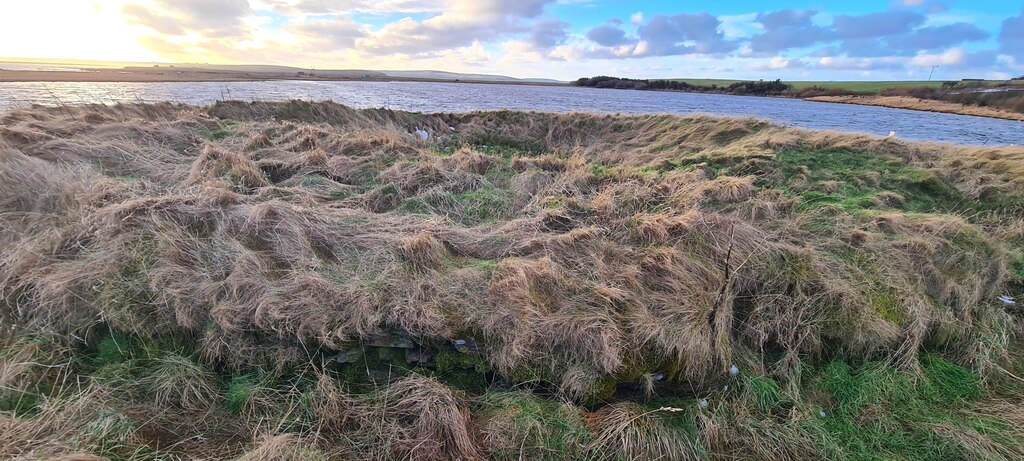
A drained loch bed south of Breachacha Castle on Coll still holds an artificial island whose stonework and mysterious dug pits have never been full…
Sacred place · Medieval
Derbyshire
A tiny Augustinian house that for two centuries sat under one family's thumb: and left behind a single 13th-century arch, now buried in a hotel's c…
Sacred place · Medieval
Hampshire
Its own last prior begged Thomas Cromwell for mercy, yet Breamore fell just below the financial threshold that doomed the smaller houses first: swe…
Building or ruin · Roman
Somerset
Marconi set a wireless distance record over open sea from here in 1897, and the bouncing bomb was tested off the fort in the war.
Fortified place · Iron Age
Somerset
A Victorian naval fortification eighteen metres above the sea, built to guard the Bristol Channel.
Building or ruin · Medieval
Angus
A near-millennium-old round tower and an intricately carved Viking-age hogback stand beside a Gothic cathedral, forming one of Scotland's most comp…
Fortified place · Medieval
Powys
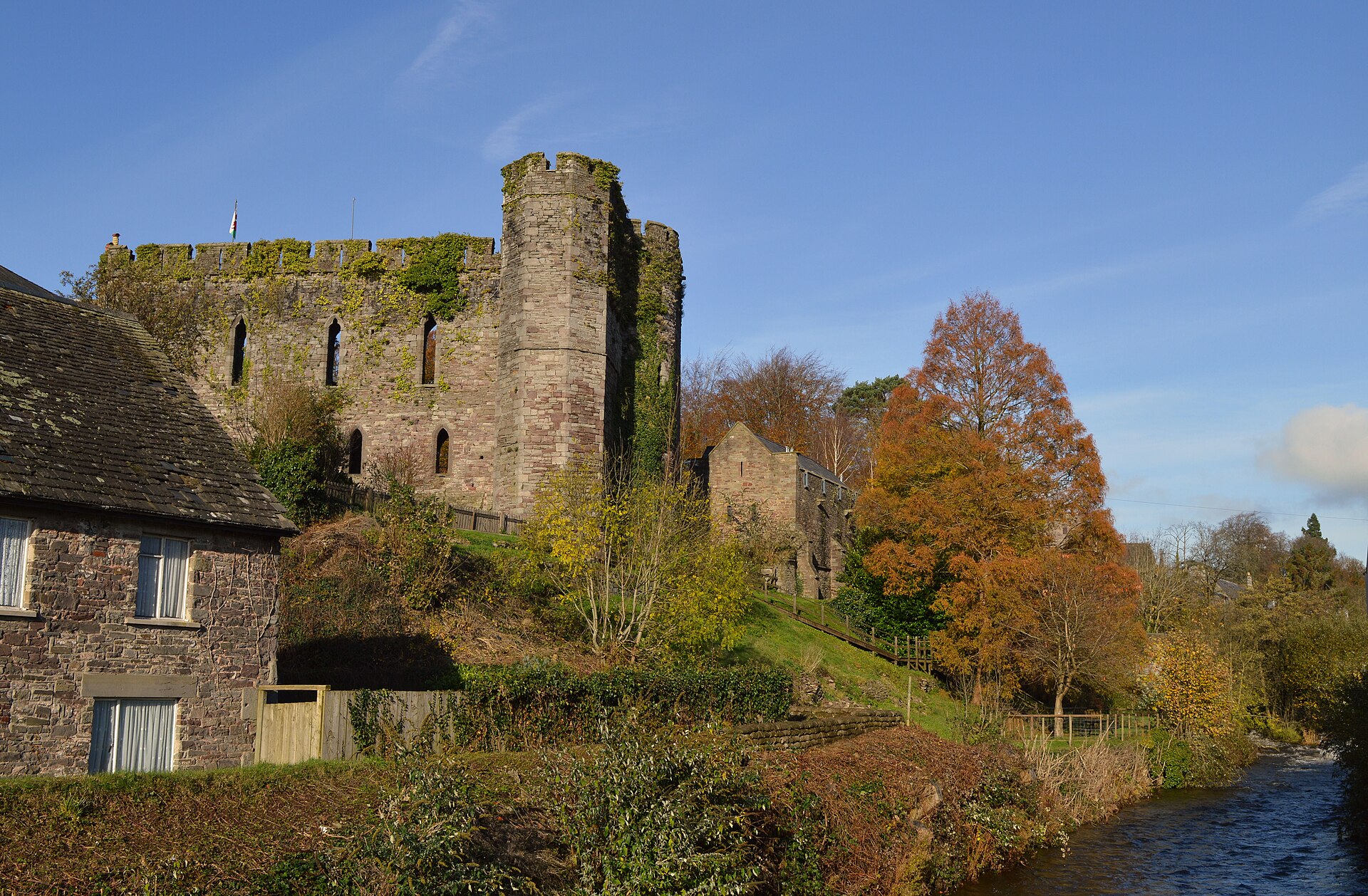
A castle raised by Bernard de Neufmarché in 1093 and repeatedly attacked by Welsh forces.
Fortified place · Iron Age
Worcestershire
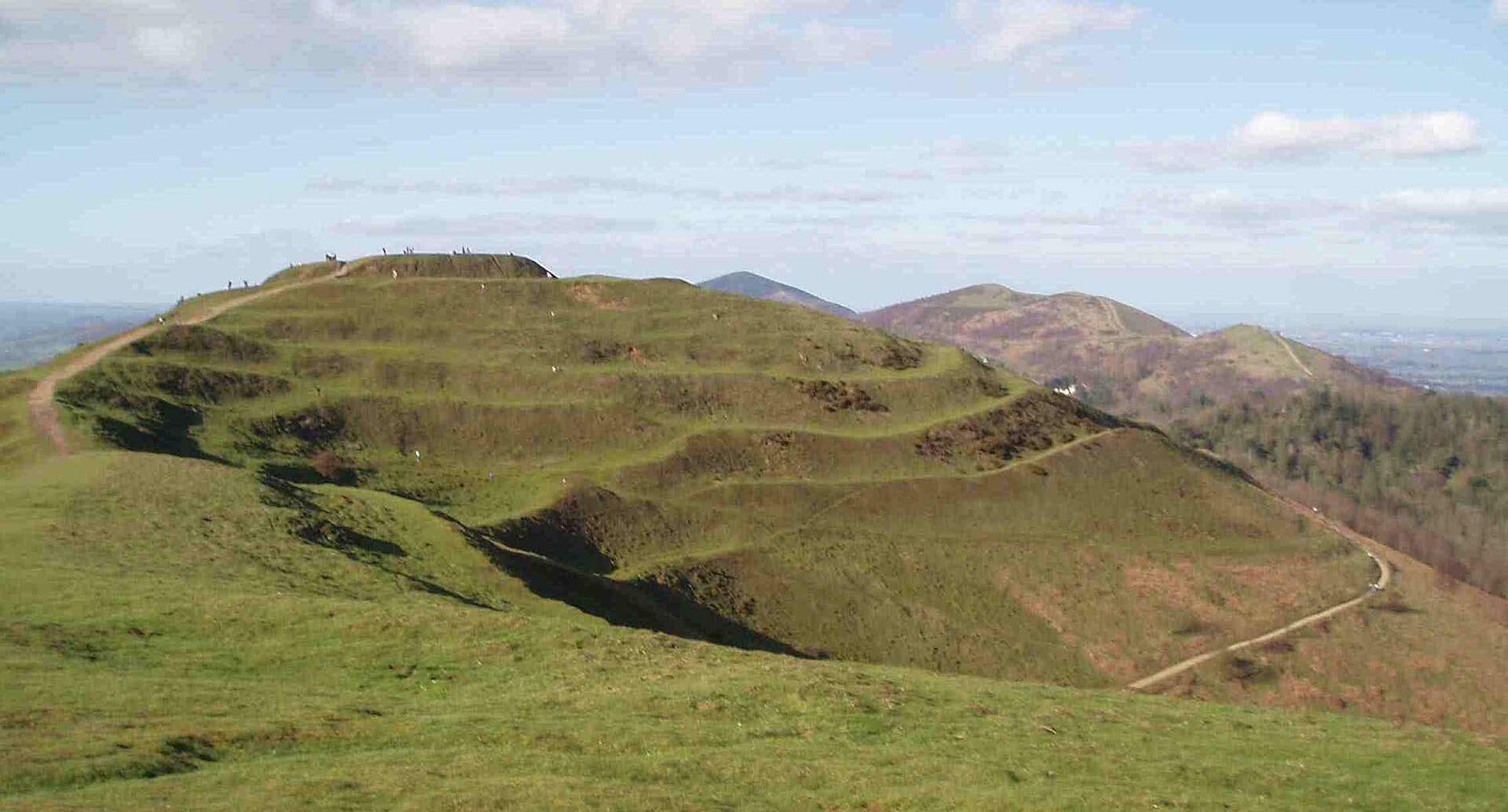
An Iron Age hillfort, a pair of stones said to cure illness, and Worcestershire's largest Roman coin hoard share a summit now capped by a Georgian…
Fortified place · Medieval
Herefordshire
A Marcher stronghold fought over through the Anarchy and dismantled by royal order, its stone walls were later folded into a Tudor-era gabled house…
Sacred place · Medieval
Leicestershire
A parish church built from the remains of a vanished Augustinian monastery still holds the largest collection of Anglo-Saxon relief carving in Engl…
Fortified place · Iron Age
Powys
A steep-sided hill of 367 metres near Welshpool, its footpaths giving views into England and Shropshire.
Building or ruin · Roman
Northumberland
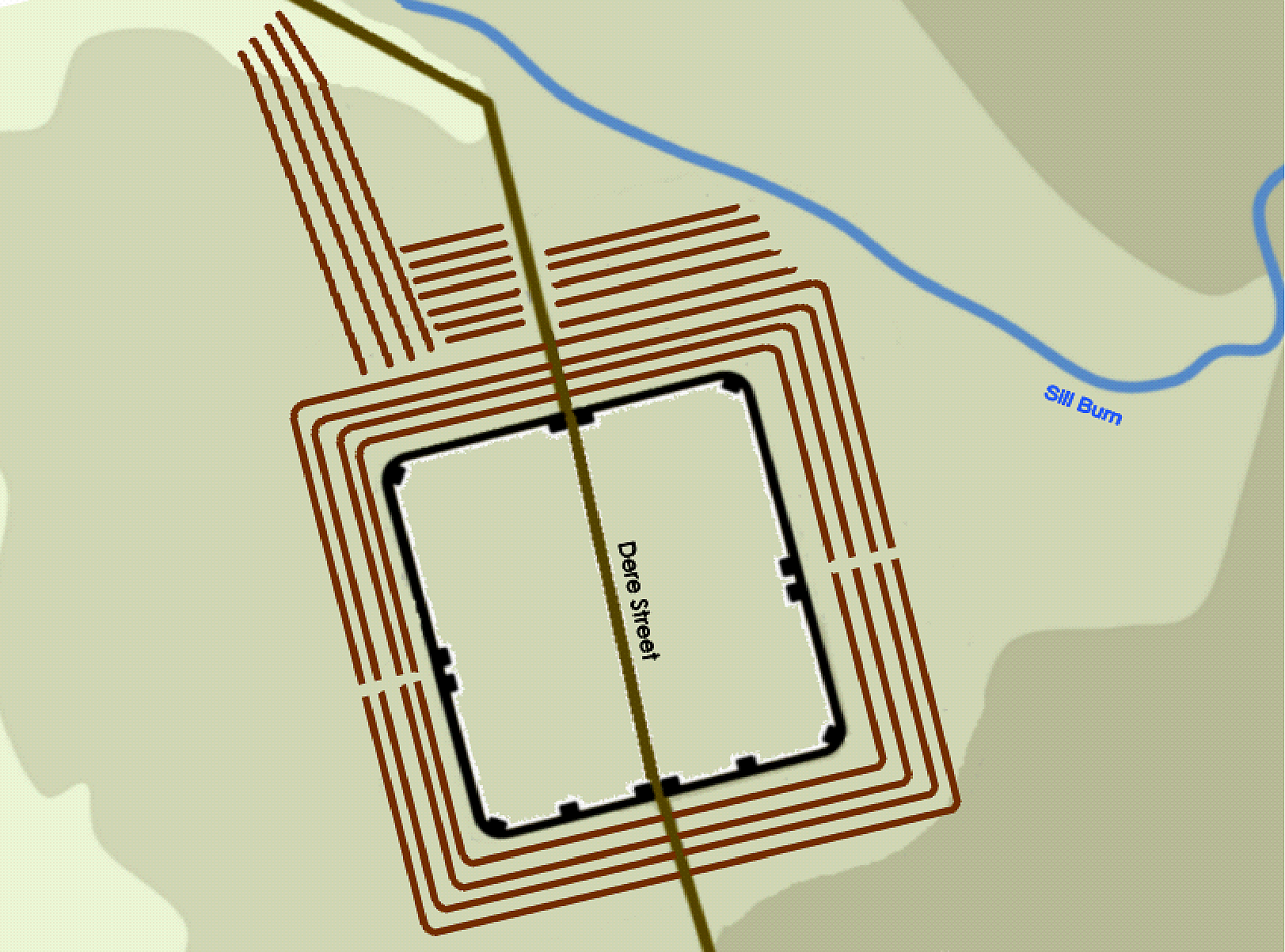
Bremenium is a Roman outpost far north of Hadrian’s Wall whose preserved earthworks reveal how Dere Street was defended through changing imperial f…
Building or ruin · Roman
Lancashire
A cavalry fort on the Ribble whose garrison of Sarmatian horsemen from the Black Sea steppe left behind Roman Britain's most celebrated parade helmet.
Building or ruin · Roman
Ceredigion
Five inscribed stones name the actual Spanish cohort and centurions who built and garrisoned this fort: rare direct testimony from the men themselv…
Tomb or burial place · Prehistoric
County Dublin
Known locally by three different names, this megalithic burial chamber on the Carrickmines River is one of County Dublin's few surviving monuments…
Fortified place
Dorset
Brenscombe Heath is a protected 34.7-hectare biological Site of Special Scientific Interest near Corfe Castle, recognised for its ecological rather…
Fortified place · Pictish & early medieval
Cambridgeshire
A surviving stretch of a lost linear frontier, still standing 2 to 3 metres high in woodland beside the old A11 where four sister earthworks once c…
Fortified place · Iron Age
Devon
Brent Hill preserves the hilltop location of an Iron Age (the centuries before Rome arrived, from about 800 BC) fort above South Brent in Devon.
Fortified place · Iron Age
Somerset
A hilltop enclosure on Brent Knoll, visible above the Somerset Levels.
Fortified place · Iron Age
Somerset
A defended settlement on Hawkridge Ridge Wood, standing very close to a second fort of the same kind.
Sacred place · Medieval
Lincolnshire
A modest Gilbertine house whose founding endowment bound its canons to keep a fenland causeway in repair: an obligation that outlasted the priory,…
Sacred place · Medieval
County Cork
One of only two substantial Augustinian monasteries left standing in County Cork, its unusual H-shaped plan surviving because the west range was si…
Fortified place · Medieval
Shropshire
A castle founded by Robert de Bellême in 1101 that changed hands almost as soon as it existed.
Fortified place · Medieval
Somerset
A castle that made the town rather than the other way round: and whose stone is still in the cellars of the Georgian streets built over it.
Sacred place · Medieval
East Riding of Yorkshire
Bridlington Priory’s surviving nave: the western body of the building, where the congregation gathered: is the parish-church remnant of a vast Augu…
Fortified place · Medieval
Gloucestershire
A rebel baron's stronghold, deliberately reduced to a mound and ditch after his execution in 1322: one of Gloucestershire's clearest physical trace…
Sacred place · Medieval
Gloucestershire
A Norman lord's endowment to a monastery across the Channel made Brimpsfield a casualty of England's wars with France, seized as an overseas religi…
Sacred place · Medieval
Northumberland
A priory church whose roof fell in before 1700 and was put back in 1858: with most of its twelfth-century masonry still standing underneath.
Fortified place · Prehistoric
Warwickshire
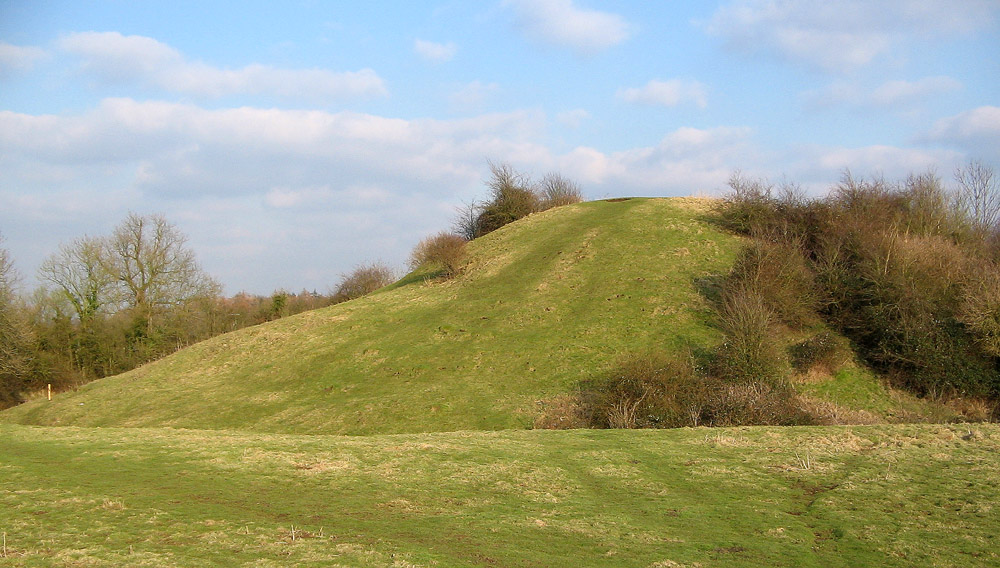
A burial mound raised before writing reached Britain, reshaped by the Normans into a motte: the earthen mound a castle was raised on: 12 metres hig…
Fortified place · Medieval
Bristol
A royal prison that once held a reigning king: Stephen of Blois was locked in its keep (the principal tower, built to be held even if the walls fel…
Sacred place · Medieval
Bristol
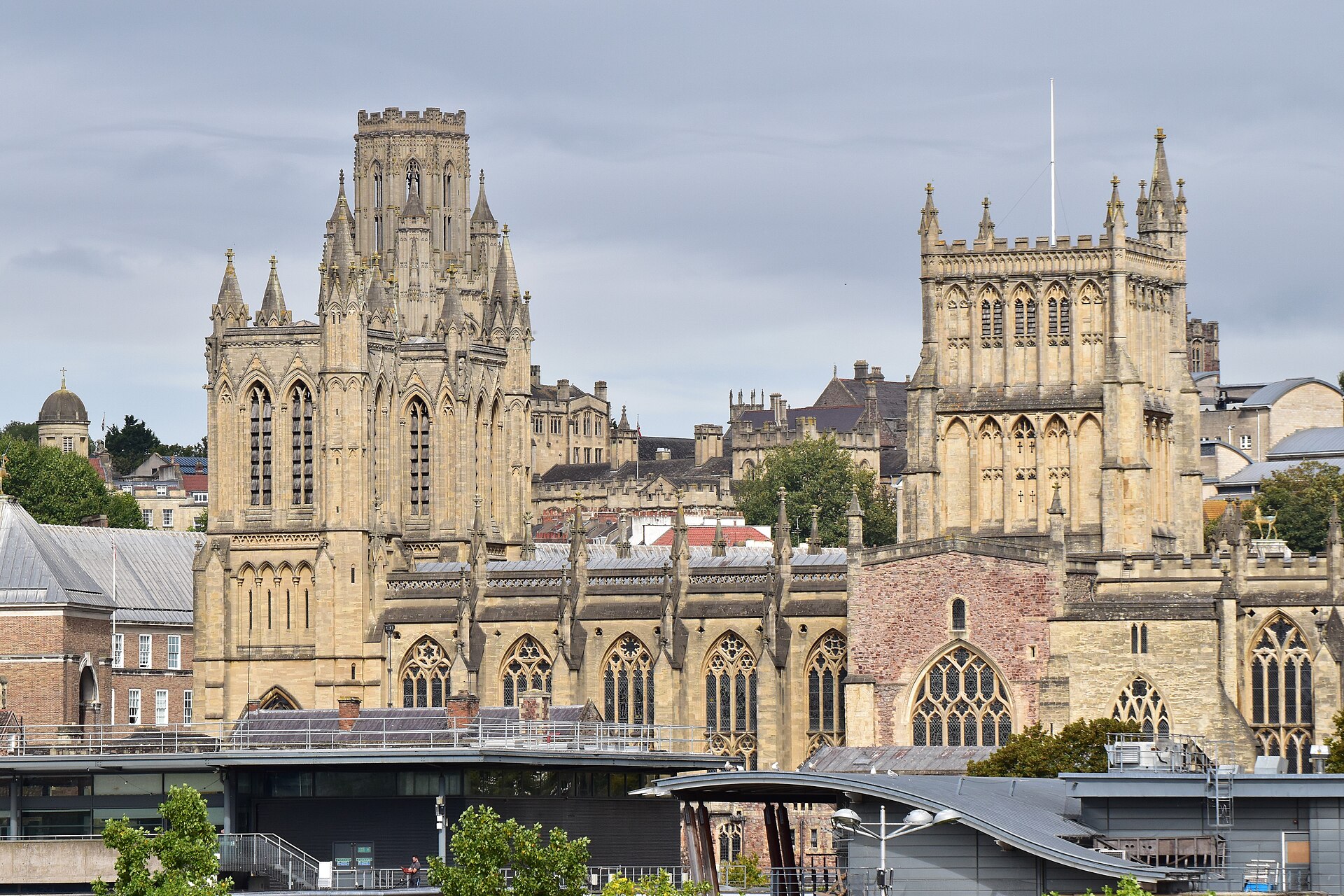
Its 14th-century choir has no clerestory at all: light floods in only through vast aisle windows the same height as the vault, a design the histori…
Sacred place · Prehistoric
Devon
Brisworthy’s restored circle makes the loss and recovery of a Dartmoor ritual monument visible: twenty-four stones stand where perhaps forty-two on…
Fortified place · Iron Age
Herefordshire
Later reused as a Norman castle and then cut through by a boundary bank and ditch in 1287, this hillfort: a hilltop enclosure ringed by earth rampa…
Fortified place · Medieval
Devon
Brixham Battery is an unusually complete emergency coast-defence site, where the hurried response to Dunkirk remains legible in guns, searchlights…
Building or ruin · Roman
Devon
Broadbury Castle is a scheduled Devon earthwork (earth moved and shaped into banks and ditches rather than built up in stone) whose square plan sup…
Sacred place · Medieval
Lincolnshire
One of only two Premonstratensian houses for women anywhere in England, its canonesses living and singing on this Lincolnshire site for nearly four…
Sacred place · Prehistoric
Dumfries and Galloway
A Roman marching camp's ditch cuts clean through Broadlea henge: a circular enclosure formed by a bank and an inner ditch: entering by the north-we…
Tomb or burial place · Prehistoric
Devon
A Scheduled Neolithic chambered tomb above Broadsands Beach, preserving a burial chamber, cairn (a mound of piled stones, often covering a burial)…
Fortified place · Medieval
Worcestershire
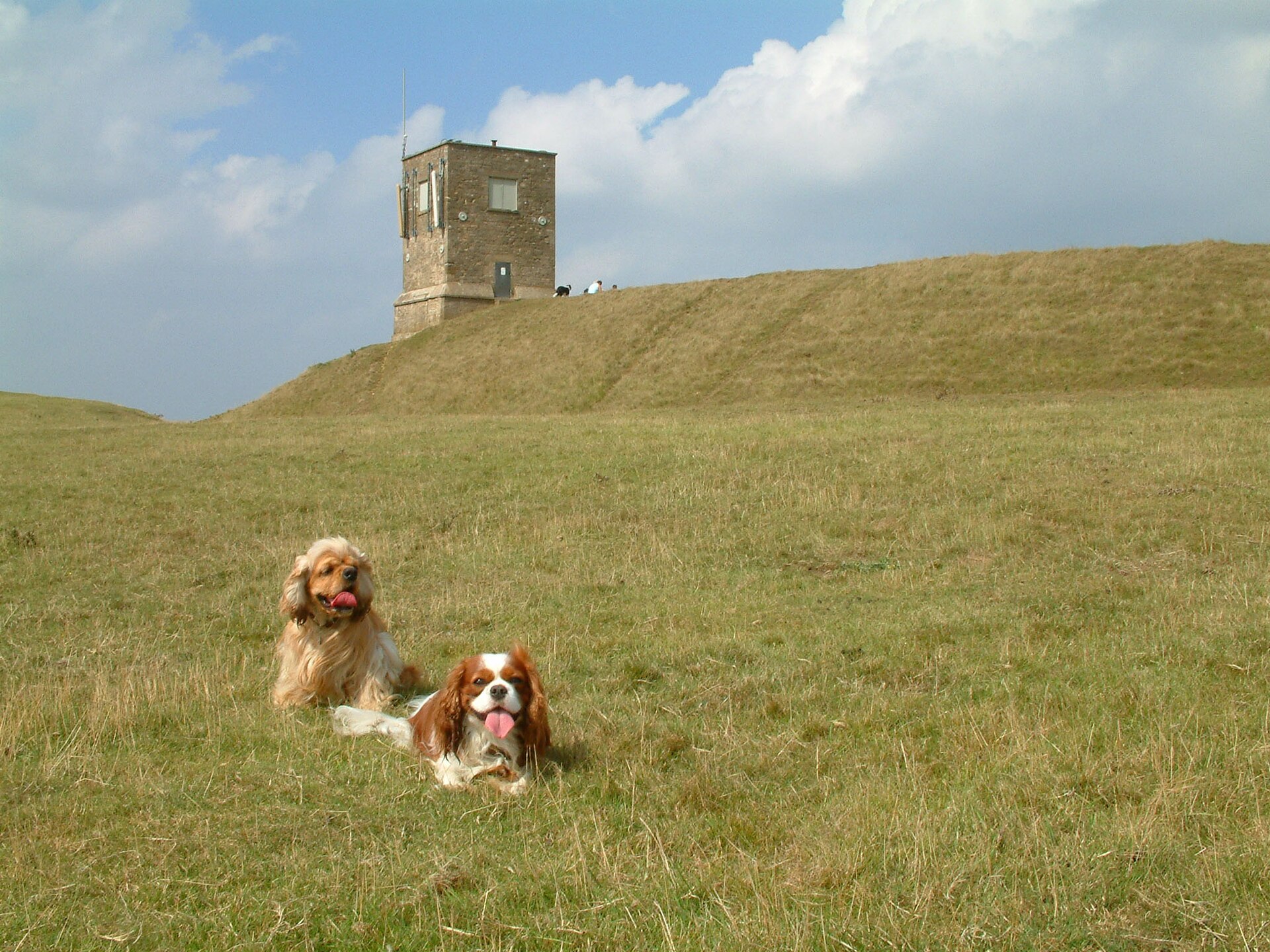
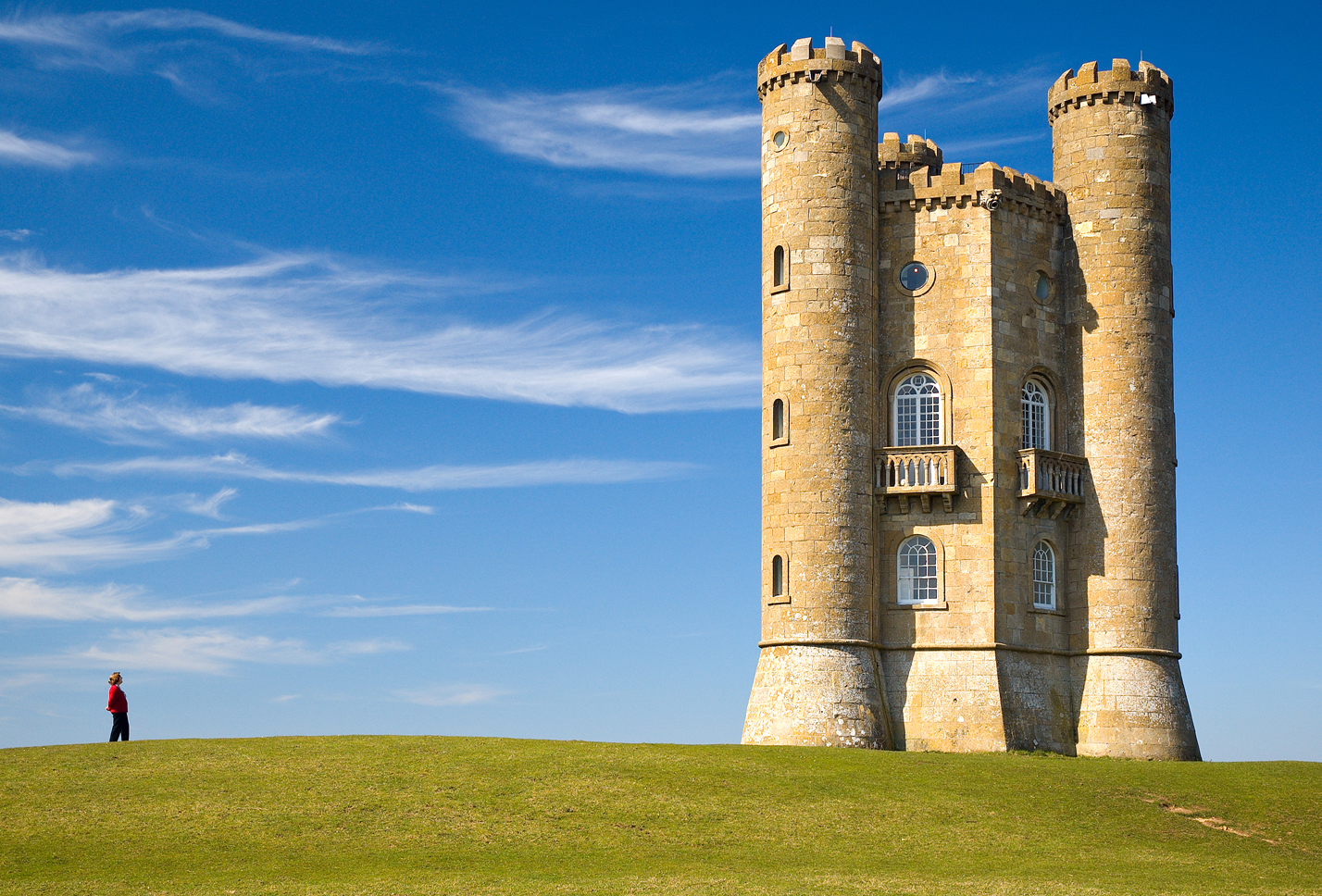
Built as an ornamental beacon for a countess, the tower went on to house a private printing press, a Pre-Raphaelite retreat, and a Cold War listeni…
Building or ruin · Roman
Cumbria
Six altars to the war-god Belatucadrus were found here, and a Roman tombstone still forms a ceiling slab inside the medieval castle built from the…
Fortified place · Iron Age
Orkney Islands
The Ayre site is a broch, a tall circular tower of unmortared stone found only in Scotland, on Orkney Mainland.
Fortified place · Iron Age
Orkney Islands
The Broch of Borwick is a tall circular tower of unmortared stone, a type of building found only in Scotland, whose remains illuminate changing com…
Fortified place · Iron Age
Orkney Islands
The Broch of Burrian is a tall circular tower of unmortared stone, a type of building found only in Scotland, on the rocky shore of North Ronaldsay.
Fortified place · Iron Age
Shetland Islands
On a small promontory jutting into the Loch of Clickimin, three-quarters of a mile south-west of Lerwick on the road to Sumburgh, stands one of the…
Fortified place · Iron Age
Shetland Islands
Very little survives above ground of the broch (a tall circular tower of unmortared stone, found only in Scotland) that once stood on a shoulder of…
Fortified place · Iron Age
Shetland Islands
A massive triangular lintel stone still spans the entrance of the Broch (a tall circular tower of unmortared stone, found only in Scotland) of Culs…
Fortified place · Iron Age
Shetland Islands
The Broch of West Burrafirth stands on a low rocky islet known as the Holm of Hebrista, within West Burra Firth on the west side of Shetland Mainla…
Fortified place · Medieval
North Ayrshire
A Norse-named stronghold on the Clyde approaches, seized and re-seized by Norwegian kings, Bruce's lieutenants, Campbell raiders and Cromwell's gun…
Sacred place · Medieval
Shropshire
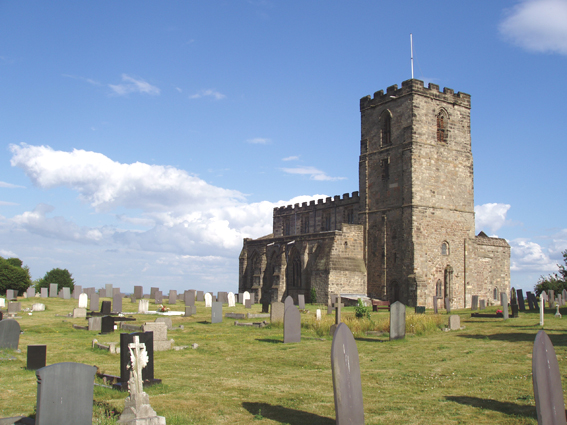
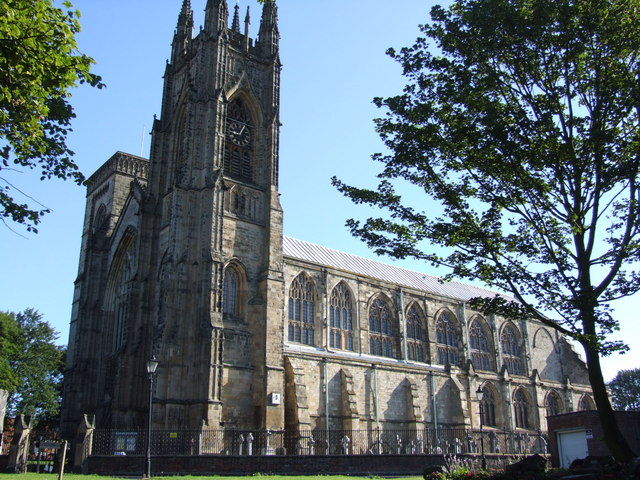
A college of canons founded before 1061, which lost half its land between 1066 and 1086: and whose church is still the parish church.
Briefer entries: recorded and worth knowing, with fuller pages to come.
Fortified place · Medieval
Cornwall
Bottreaux Castle survives chiefly as earthworks, but its motte (a steep artificial mound built to carry a timber tower) preserves the footprint of…
Fortified place · Medieval
Cambridgeshire
A Norman sheriff's earthwork (a bank, ditch or mound shaped from soil rather than built in stone) stronghold that burned in the 13th century and wa…
Fortified place · Iron Age
West Sussex
A South Downs ridge carrying a cross dyke, tumuli, long barrows, an Iron Age hillfort and four Bronze Age barrows: the interest is along it, not on…
Sacred place · Medieval
Wiltshire
A house of Augustinian canons set on the ridge above the south side of Dauntsey Vale, a mile and a half west of Lyneham.
Fortified place · Medieval
County Tyrone
Branny is a compact Tyrone townland whose protected hilltop enclosure and sheep-fold name preserve both ancient and pastoral landscape history.
Tomb or burial place · Prehistoric
County Cork
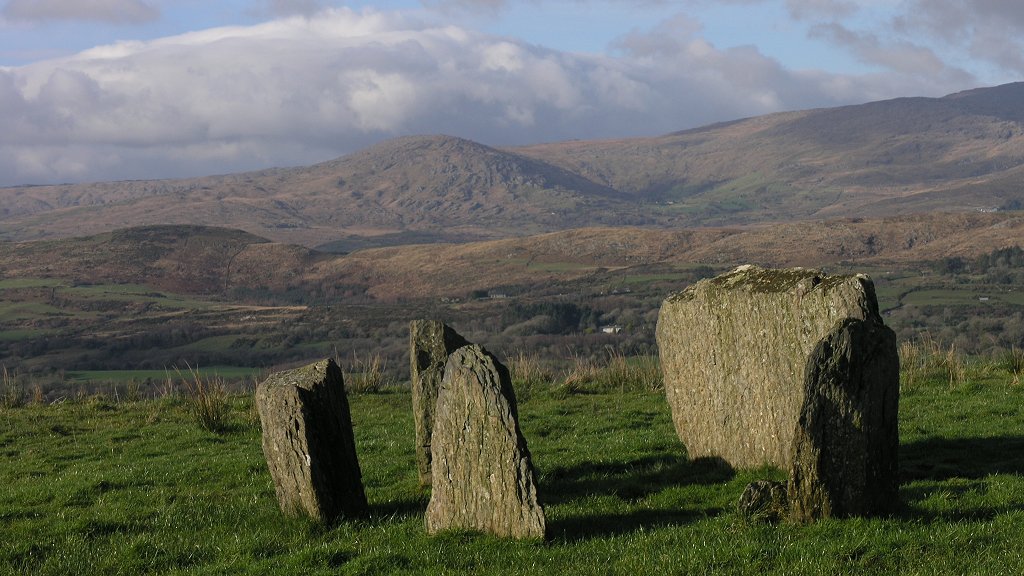
Breeny More is a National Monument axial stone circle with four boulder burials overlooking Bantry Bay, preserving a distinctive middle Bronze Age…
Fortified place · Iron Age
Devon
Bremridge Wood preserves an Iron Age (from about 800 BC until the Romans came) enclosure above the River Bray on land linked with a Domesday estate.
Building or ruin · Medieval
Falkirk
The Bridgeness Slab is the most detailed surviving Antonine Wall distance slab, combining a precise construction record with vivid Roman imagery of…
Sacred place · Medieval
Somerset
A Franciscan house founded by William Briwere in 1245 and dissolved in 1538.
Building or ruin · Medieval
South Ayrshire
Sold as a quarry to the builders of its replacement, then bought back before they could take it apart.
Fortified place · Medieval
Down
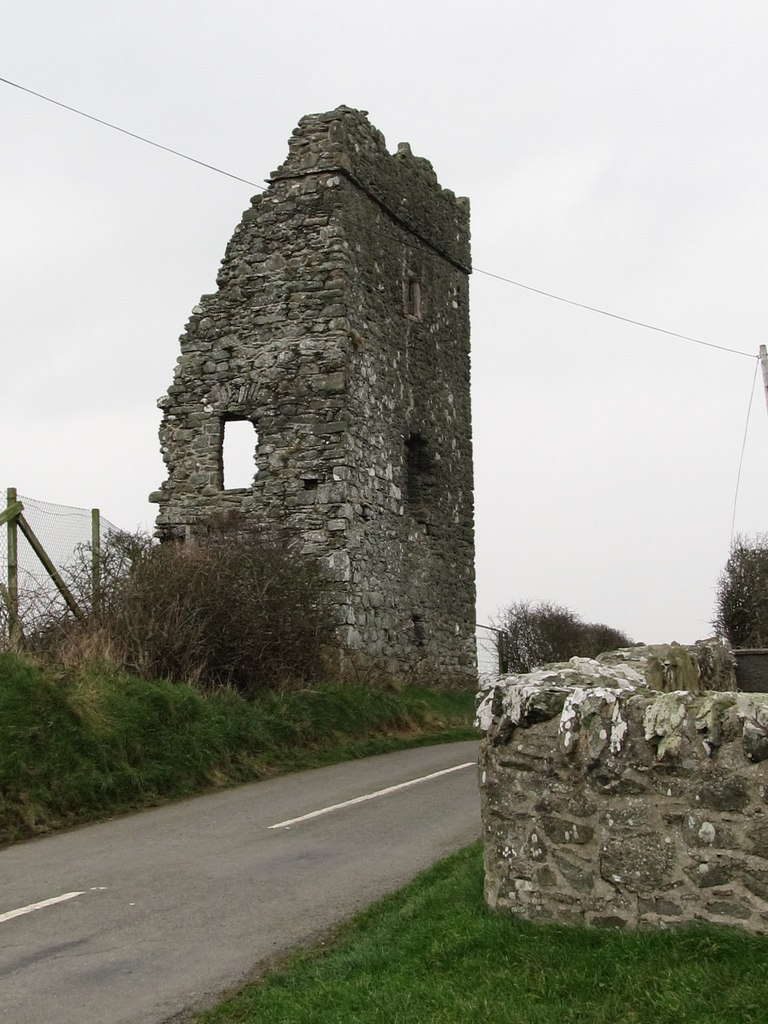
A heavily ruined late-medieval County Down tower house whose surviving east wall still records its vaulted floors, windows and parapet walk.
Sacred place · Medieval
Devon
Brightley was the short-lived first Cistercian religious house whose infertile land prompted a move to Thorncombe, creating the community that beca…
Fortified place · Medieval
Oxfordshire
A castle between Didcot and Wallingford, in Berkshire until the boundary changes of 1974.
Sacred place · Medieval
Northamptonshire
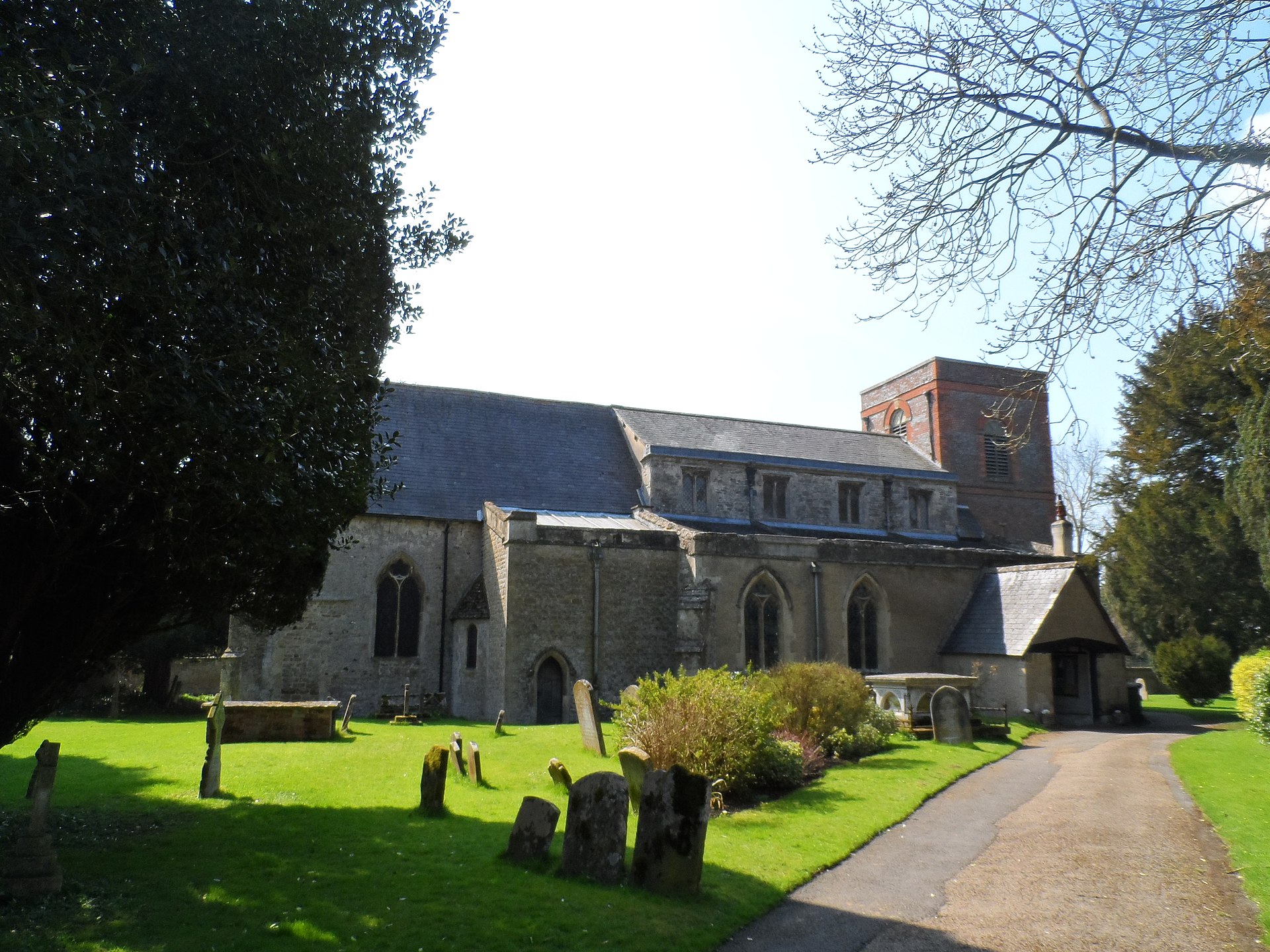
Brixworth’s lost monastic house is remembered through a church devastated in 876 and remade as All Saints’ in the tenth century.
No places match those filters.
Kinds of place
Ages





_destroyed_hillfort_in_Wales.jpg?width=800)


-_aerial_2018_(1)_(geograph_5773220).jpg?width=800)


.jpg?width=800)














.jpg?width=800)


.jpg?width=800)