Fortified place · Medieval
Kilmahew Castle
Argyll and Bute
A roofless tower house north of Cardross that gave its name to eighteen generations of Napiers, among them the shipbuilding dynasty that built the…
- Near Cardross
- Some walking
The directory
Page 26 of 47 in the full directory.
Browsing 100 places — search and the map cover the whole directory.
Fortified place · Medieval
Argyll and Bute
A roofless tower house north of Cardross that gave its name to eighteen generations of Napiers, among them the shipbuilding dynasty that built the…
Sacred place · Medieval
County Kerry
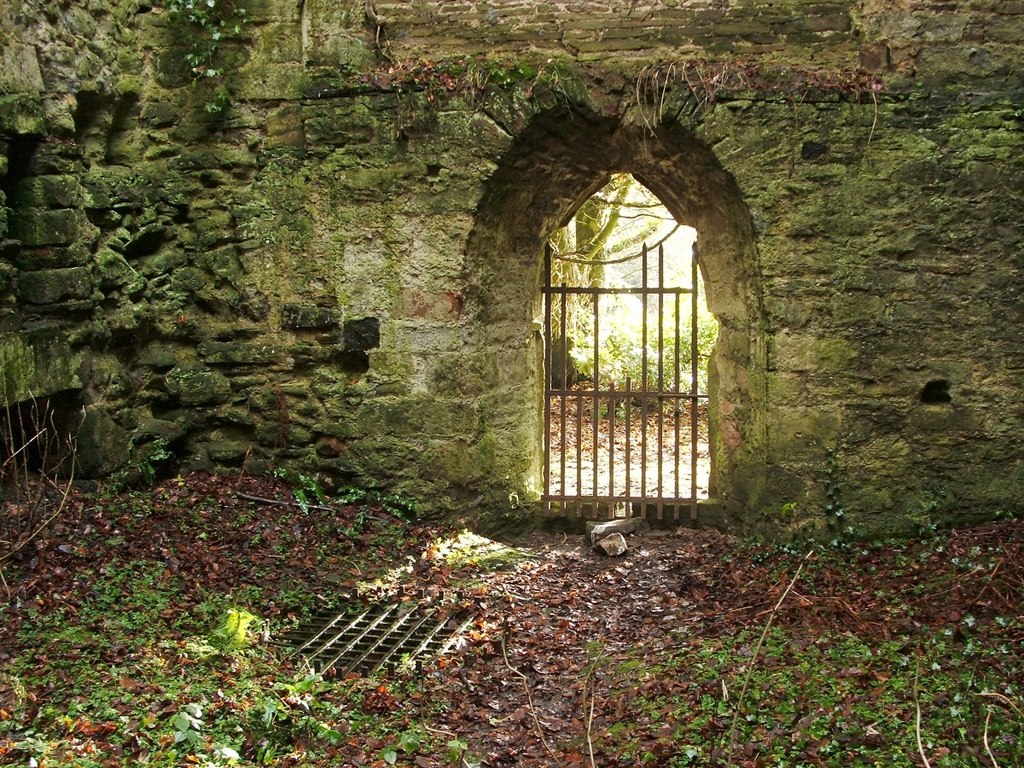
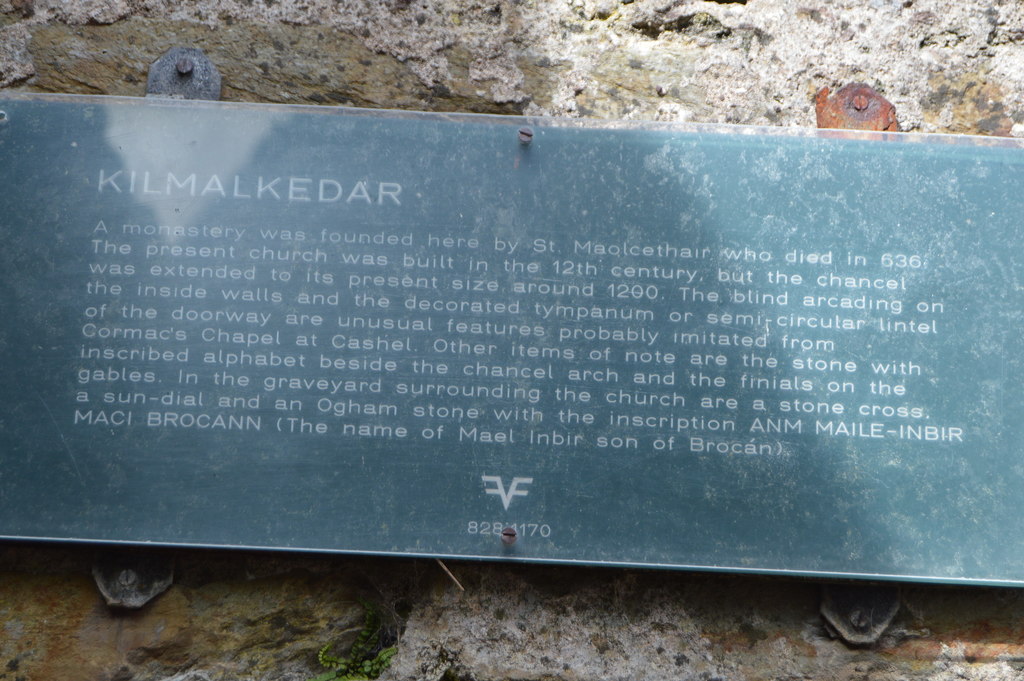
A hole pierces the east wall of the chancel (the part of a church around the altar) at Kilmalkedar, low and narrow. Local tradition gives it a name…
Fortified place · Medieval
Argyll and Bute
Its nickname, Crowner's Castle, preserves the memory of a hereditary legal office: coroner of Bute: held by one family for generations.
Sacred place · Medieval
County Kilkenny
Kilree preserves an early Christian enclosure, a distinctive round-tower foundation and a richly carved high cross, while local tradition and the a…
Fortified place · Medieval
County Galway
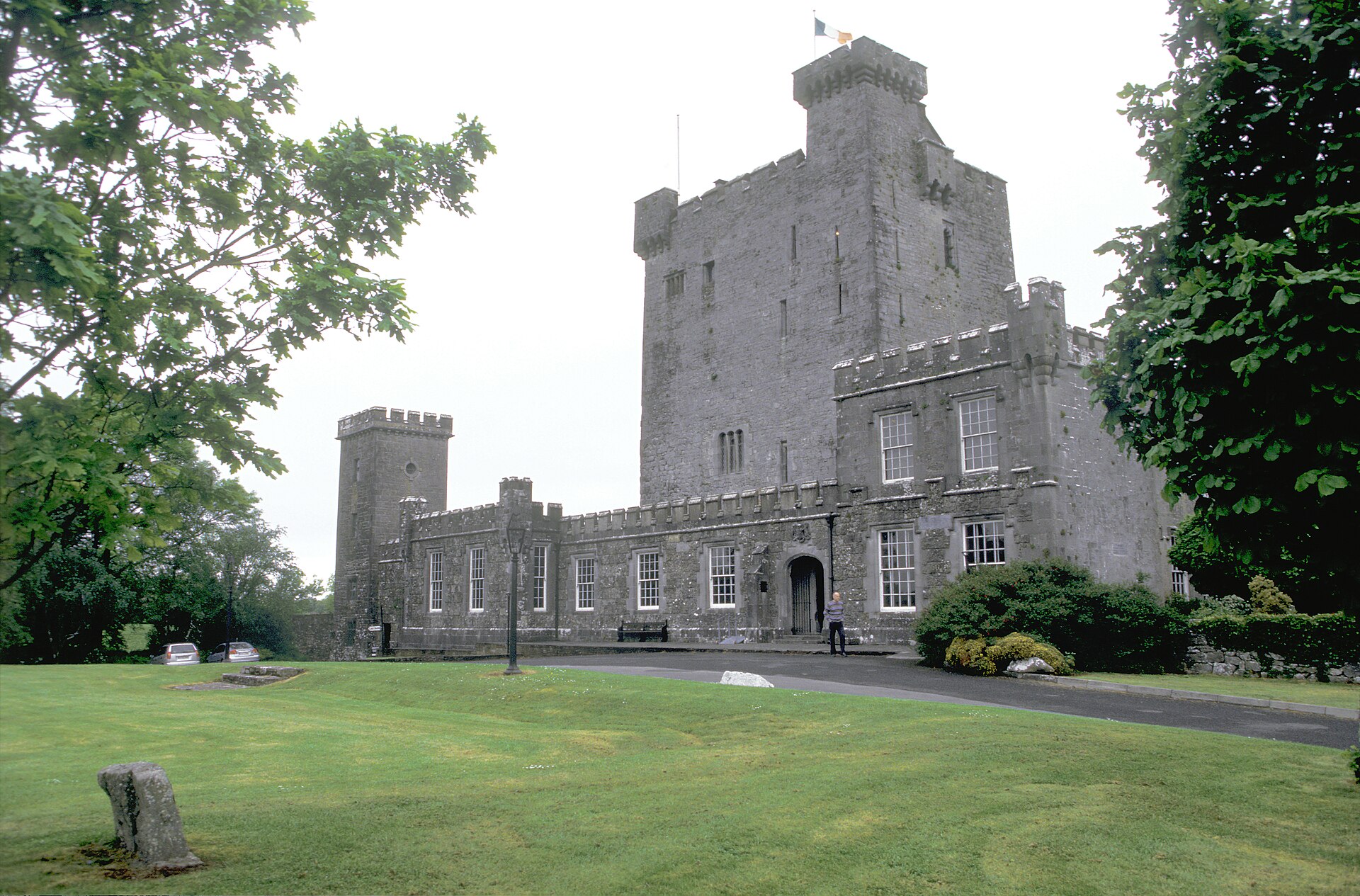
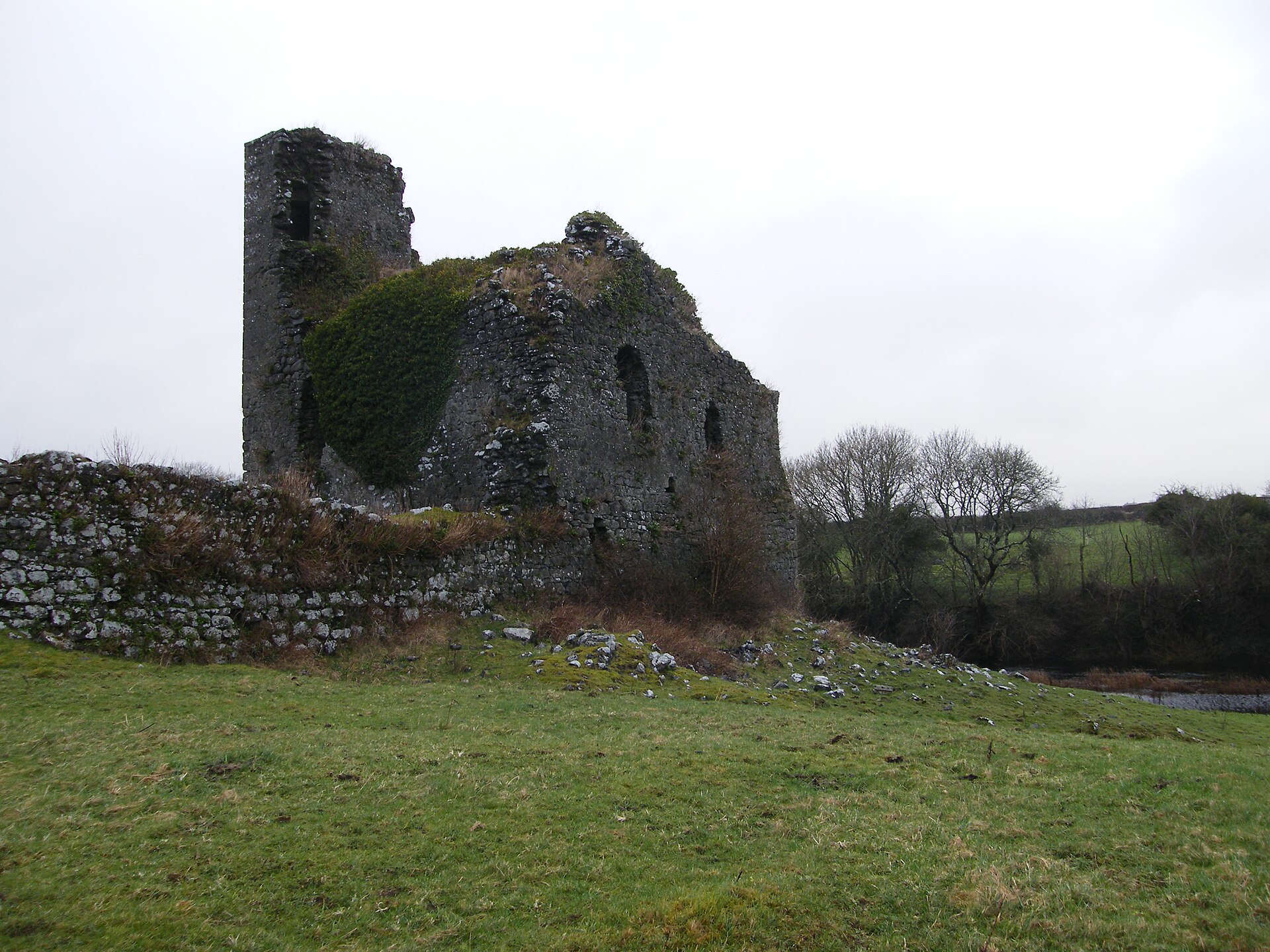
Kiltartan Castle preserves a late-thirteenth-century riverside tower house, its partial medieval fabric shaped by ruin during the Cromwellian conqu…
Fortified place · Medieval
North Yorkshire
Rebuilt in stone around 1190 without a keep, Kilton may be the first castle in northern England built that way: a design choice, not a deficiency,…
Sacred place · Medieval
Somerset
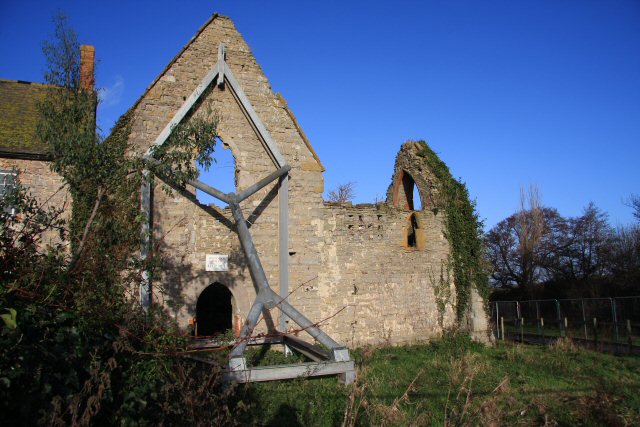
A chantry founded to pray for one man's soul, which became a barn, then a smugglers' store, and burned down in 1848 to hide the brandy.
Sacred place · Medieval
North Ayrshire
Kilwinning’s ruined monastery once held revenues from fourteen parishes, granges and baronial jurisdiction, leaving an unusually wide medieval impr…
Fortified place · Medieval
Cambridgeshire
A Norman stronghold turned ducal palace, remodelled by Vanbrugh and Hawksmoor, whose fenland damp is said to have hastened the death of a discarded…
Fortified place · Iron Age
Gloucestershire
Its Old English name preserves the memory of a person, Cynemær, otherwise lost to record: a fortress whose ramparts still outline the hilltop despi…
Sacred place · Medieval
County Galway
Ireland's only Carthusian monastery once stood here, a solitary order that left almost no other trace on the island before Franciscans remade the s…
Fortified place · Medieval
County Wicklow
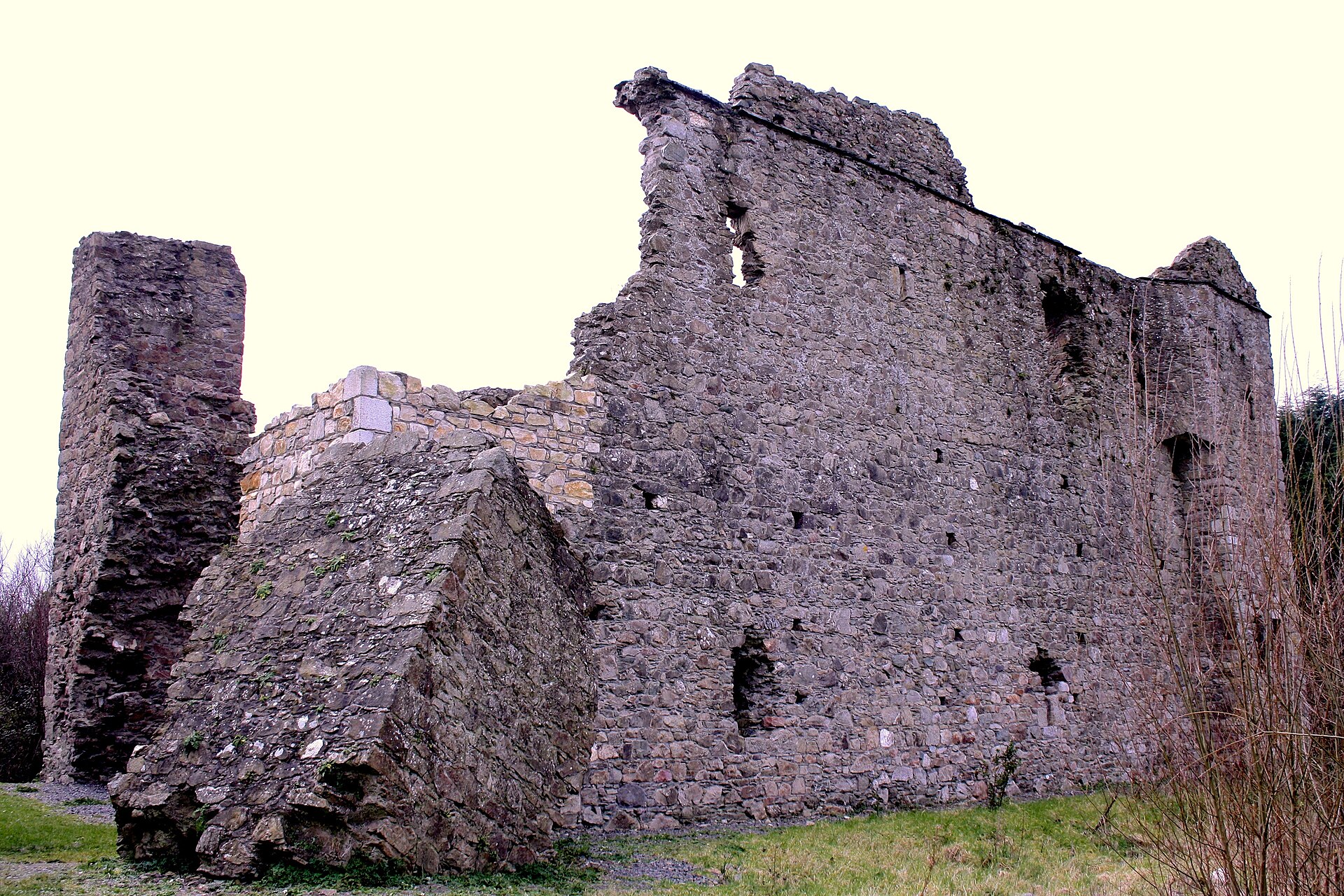
A late hall house whose ownership swung between Anglo-Norman knights, Gaelic raiders and an earl across three centuries, its ruined shell still tra…
Building or ruin · Prehistoric
Cornwall
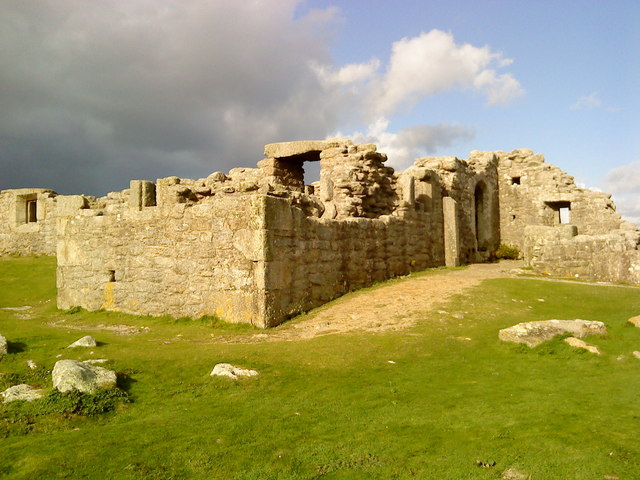
King Arthur's Hall is a Neolithic (the first farming age, roughly 4000–2500 BC) rectangular stone enclosure on Bodmin Moor whose unusual water-fill…
Sacred place · Prehistoric
Cumbria
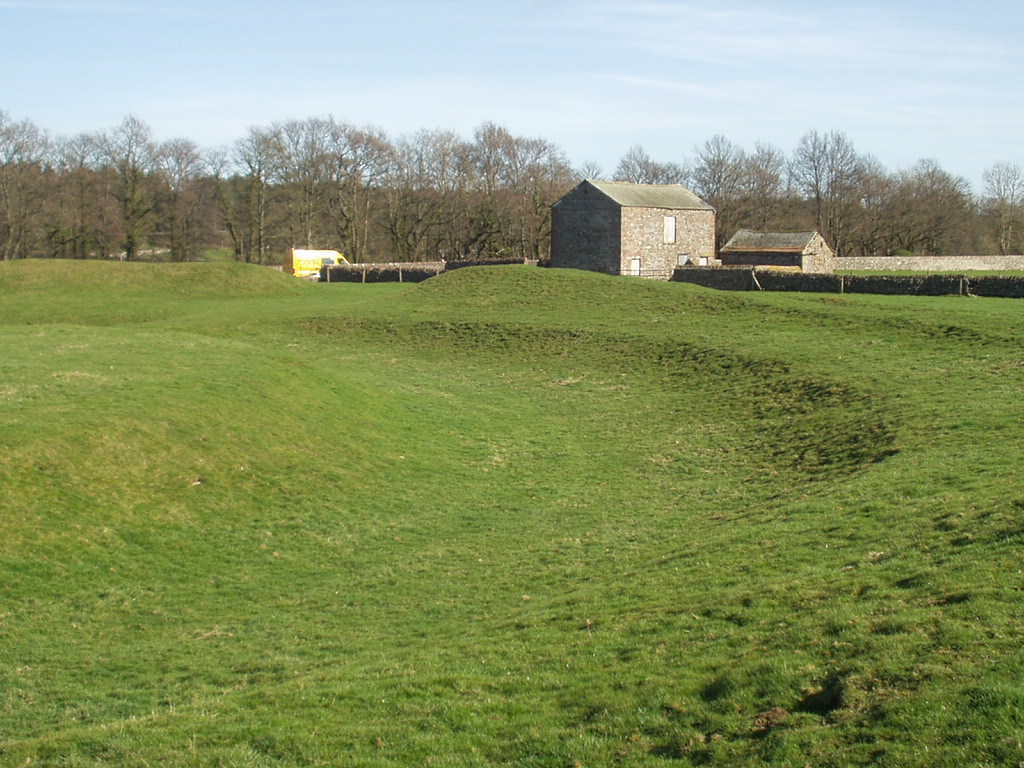
Despite its legendary name, this is a genuine Neolithic, the late Stone Age, henge, a bank and ditch enclosing a circular space, one half of a pair…
Building or ruin · Medieval
Cornwall
King Charles's Castle is a Tudor artillery fort on Tresco whose flawed high position exposed the limits of sixteenth-century coastal defence, befor…
Fortified place · Medieval
County Louth
A D-shaped stronghold whose east and west wings were raised two generations apart, yet still reads as a single act of control over Carlingford's ha…
Fortified place · Medieval
County Limerick
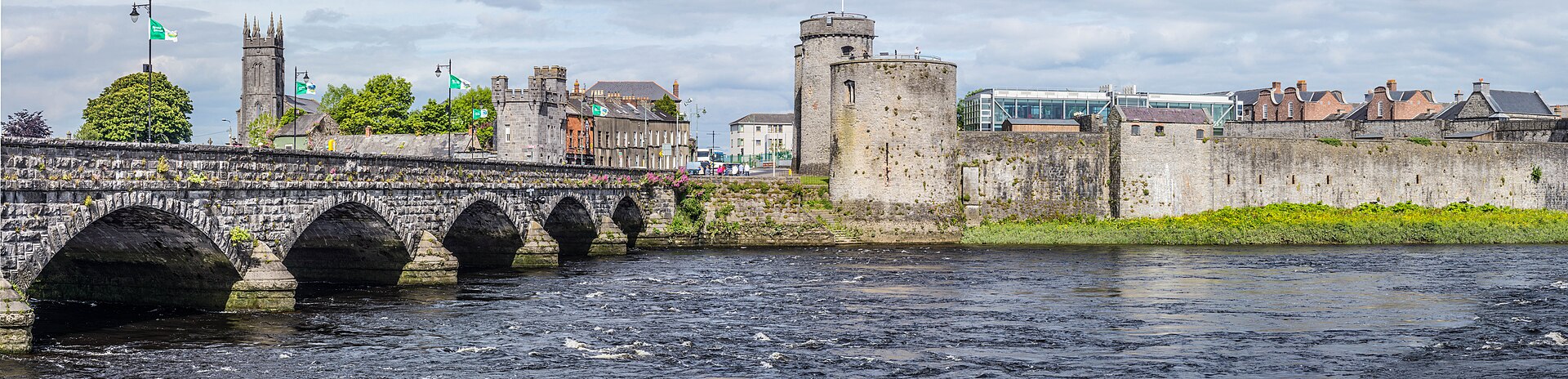
Beneath the Norman stonework lie the remains of a Viking stronghold founded in 922 and unearthed in 1900: a thousand years of contest for the Shann…
Fortified place · Iron Age
Hampshire
A small Iron Age hillfort, a defended hilltop settlement from the centuries before Rome arrived, quarried on one side yet still carrying two crisp…
Building or ruin · Medieval
Nottinghamshire
King John’s Palace gives Clipstone’s sheep-grazed ruins an outsized story of royal hunting, Parliament, and the last illness of Eleanor of Castile.
Fortified place · Medieval
Hampshire
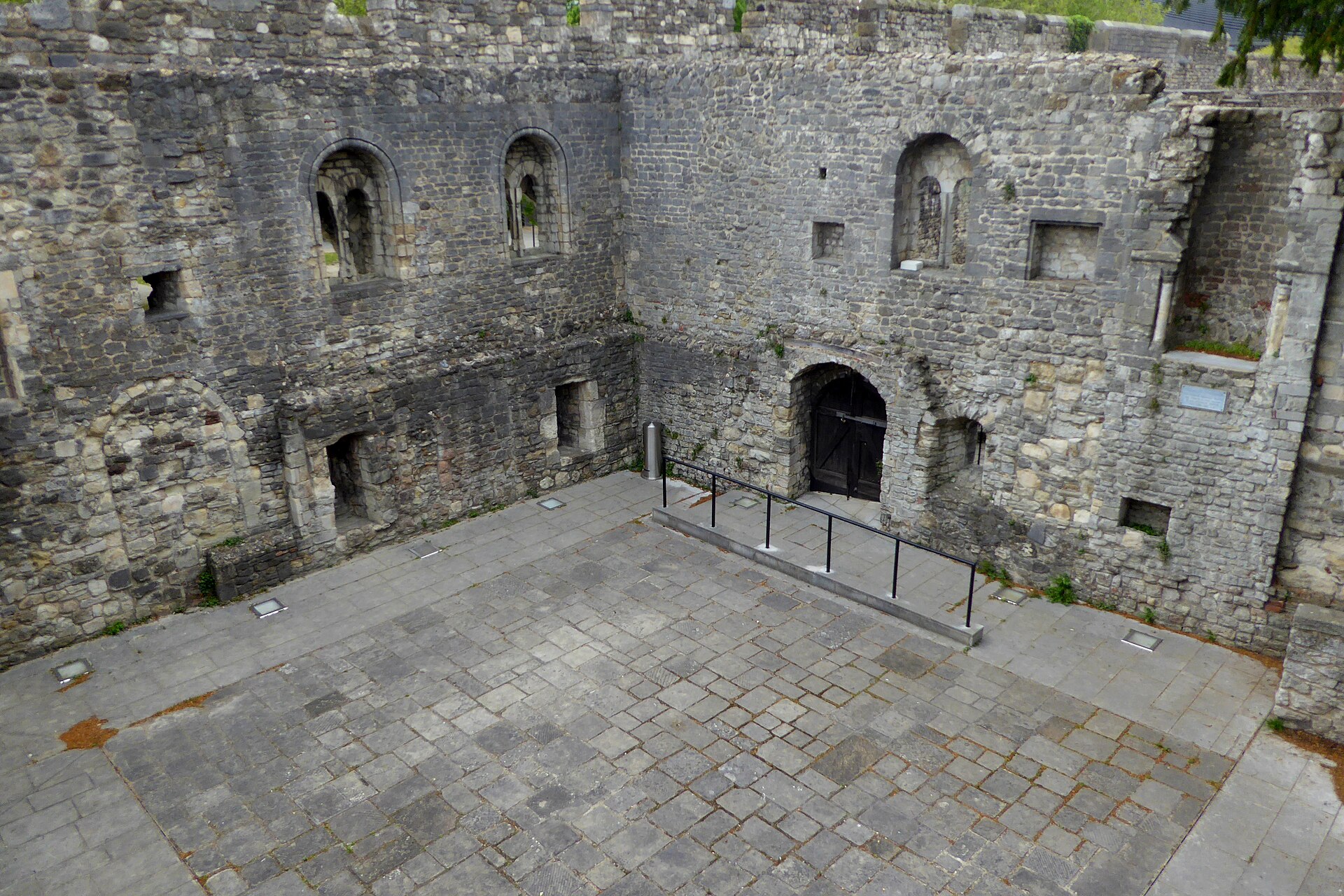
A merchant's wine store became a fortress by royal order, and its blocked archways may hold Britain's earliest surviving gunports.
Building or ruin · Pictish & early medieval
Leicestershire
King Lud’s Entrenchments is an unexcavated scheduled earthwork (a bank or ditch dug and heaped from the ground itself, with no masonry) within a cr…
Building or ruin · Medieval
Leicestershire
A Victorian schoolhouse built directly over a king's grave: the exact spot where DNA finally solved a five-century mystery in 2012.
Building or ruin · Roman
Lincolnshire
A working Roman road whose original engineering choices: kerbed gravel trenches, sand carriageway, deliberate north-south hauling of stone: can sti…
Building or ruin · Medieval
Bristol
Laid out on reclaimed marshland in 1650, the street still carries one of Bristol's densest runs of 17th-century merchant houses, several built usin…
Fortified place · Medieval
Down
King’s Castle is Ardglass’s largest medieval stronghold, its nineteenth-century reconstruction still serving a daily purpose as a nursing home afte…
Fortified place · Iron Age
Somerset
Possibly the settlement that Wells grew out of: an enclosed hilltop site of the Iron Age, roughly 800 BC until the Roman conquest, of two or three…
Fortified place · Iron Age
Somerset
Arrowheads from the Neolithic, the first farming age, roughly 4000-2500 BC, and a hoard of 1,139 coins have come off this hilltop.
Sacred place · Medieval
Hertfordshire
A Dominican friary (a house of friars, who worked among townspeople rather than withdrawing from them) founded on a king's battlefield vow and twin…
Sacred place · Medieval
Derbyshire
The only Benedictine nunnery in medieval Derbyshire, its prioresses fought off a rival abbot's control and a bailiff's threats to defend their inde…
Tomb or burial place · Medieval
Pembrokeshire
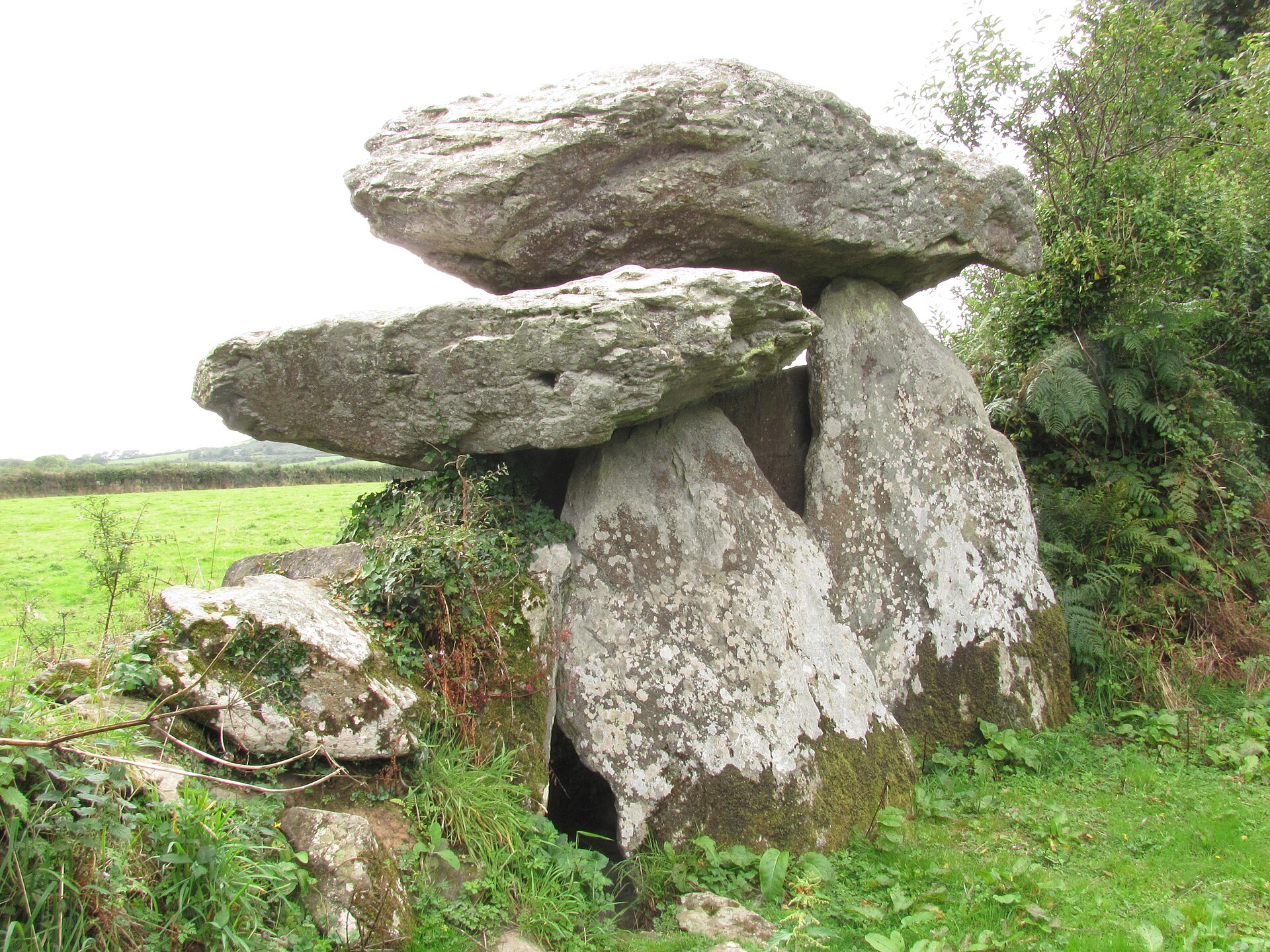
A late Stone Age burial chamber on high ground above Manorbier Bay, five miles east of Pembroke.
Tomb or burial place · Prehistoric
West Midlands
A prehistoric: from before written records reached Britain: burial mound beside a Roman road that later lent its name to a Civil War tradition and…
Fortified place · Medieval
Lincolnshire
A motte (a steep artificial mound built to carry a timber tower) and bailey (the walled yard below the castle mound) castle burnt on King John's or…
Fortified place · Medieval
Hertfordshire
A vanished royal residence of the Plantagenet kings survives only underground, its walls entirely gone but its footprint still protected in law.
Fortified place · Iron Age
Bristol
At its eastern tip survives a scheduled Iron Age (roughly 800 BC until the Roman conquest) hillfort (an Iron Age settlement defended by banks and d…
Fortified place · Iron Age
Somerset
A drystone wall possibly four metres high and two and a half thick, around an enclosure of only a third of an acre.
Fortified place · Medieval
Kent
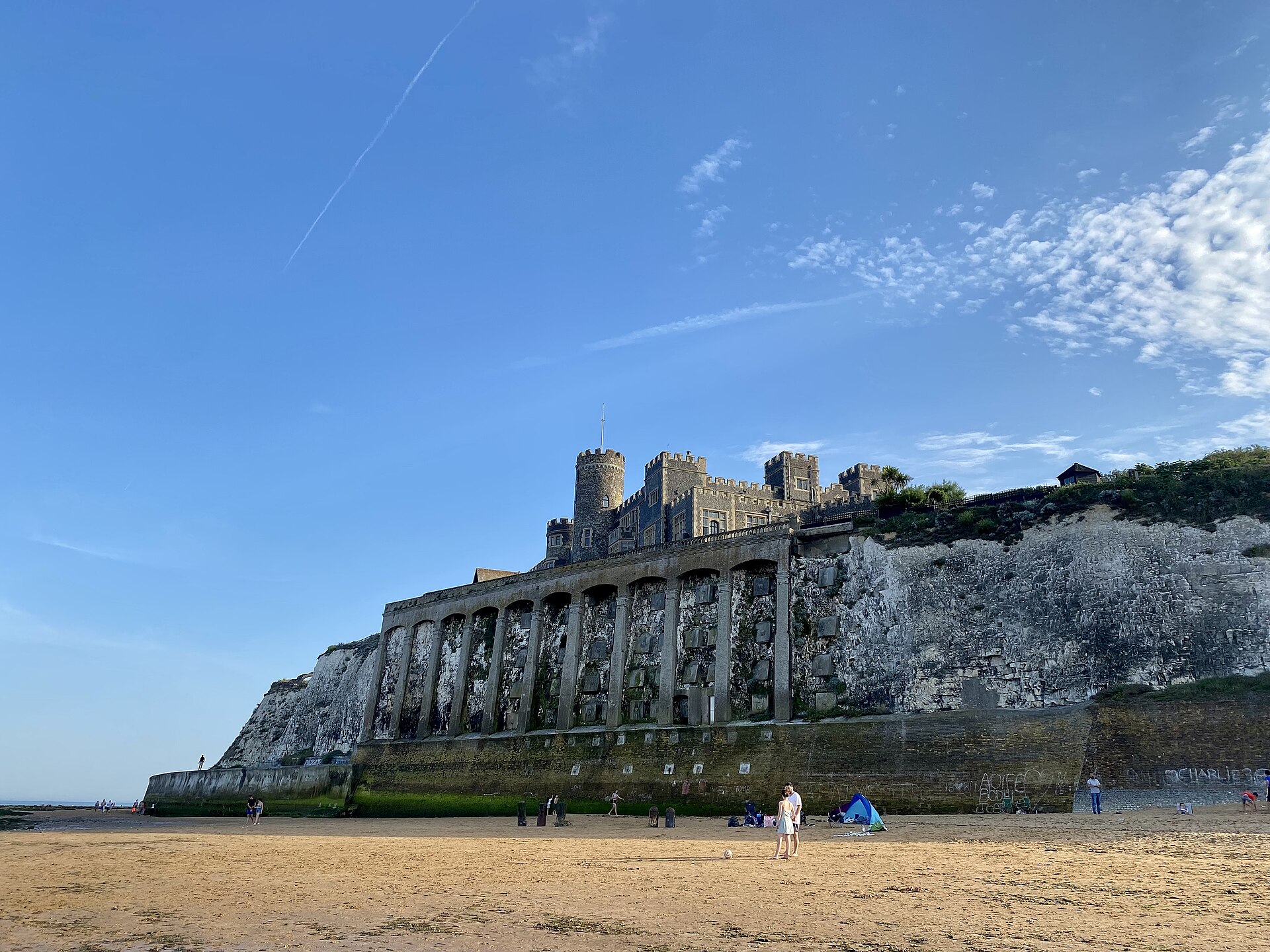
Built as a stable block in the 1760s, Kingsgate Castle’s rapid ruin and conversion into 32 flats expose the fragility of fashionable Gothic display.
Fortified place · Medieval
Hampshire
One of only two medieval gates left standing in Winchester, it carries a working parish church built into its own fabric: a gateway and a place of…
Fortified place · Medieval
Cheshire
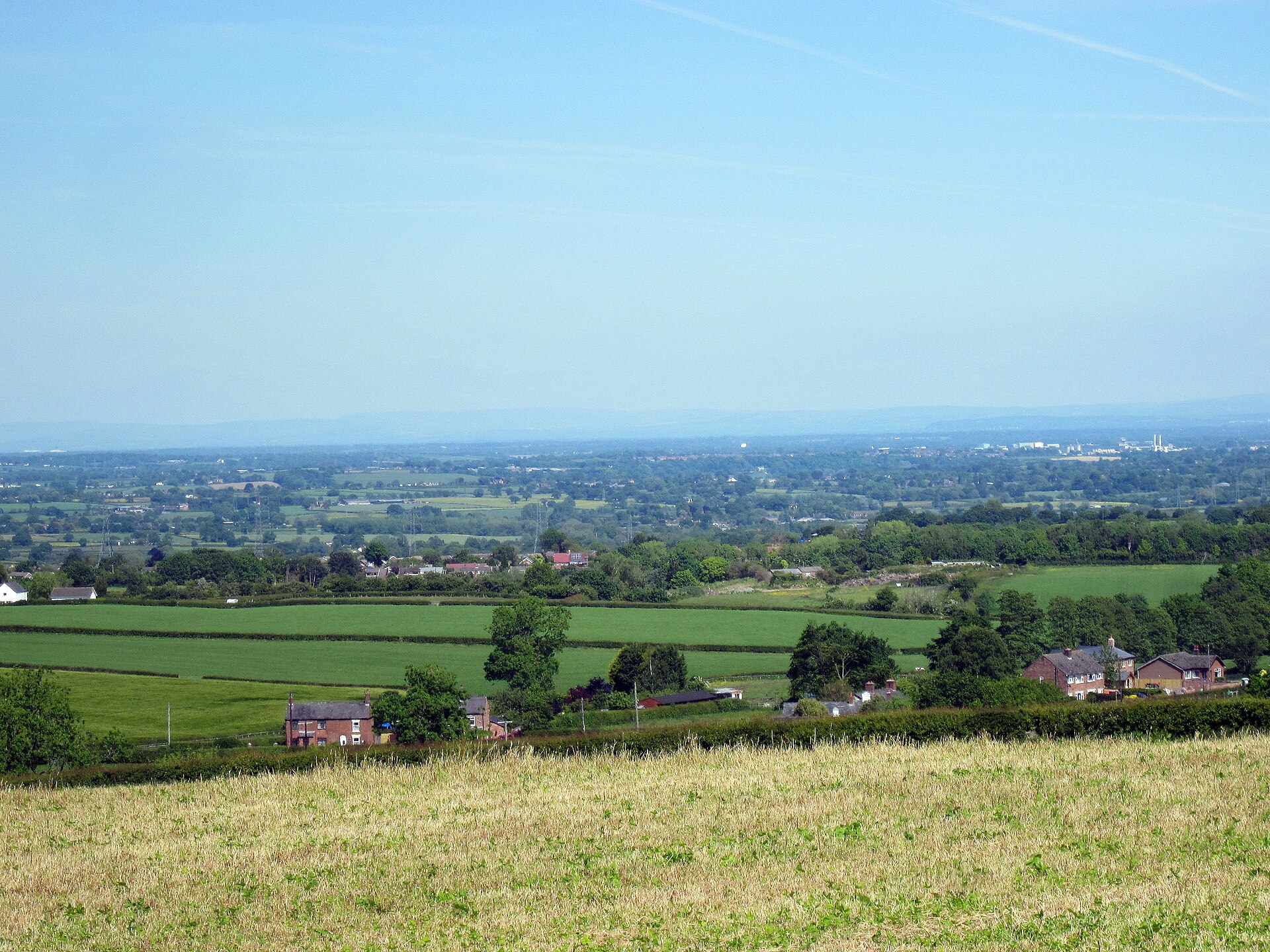
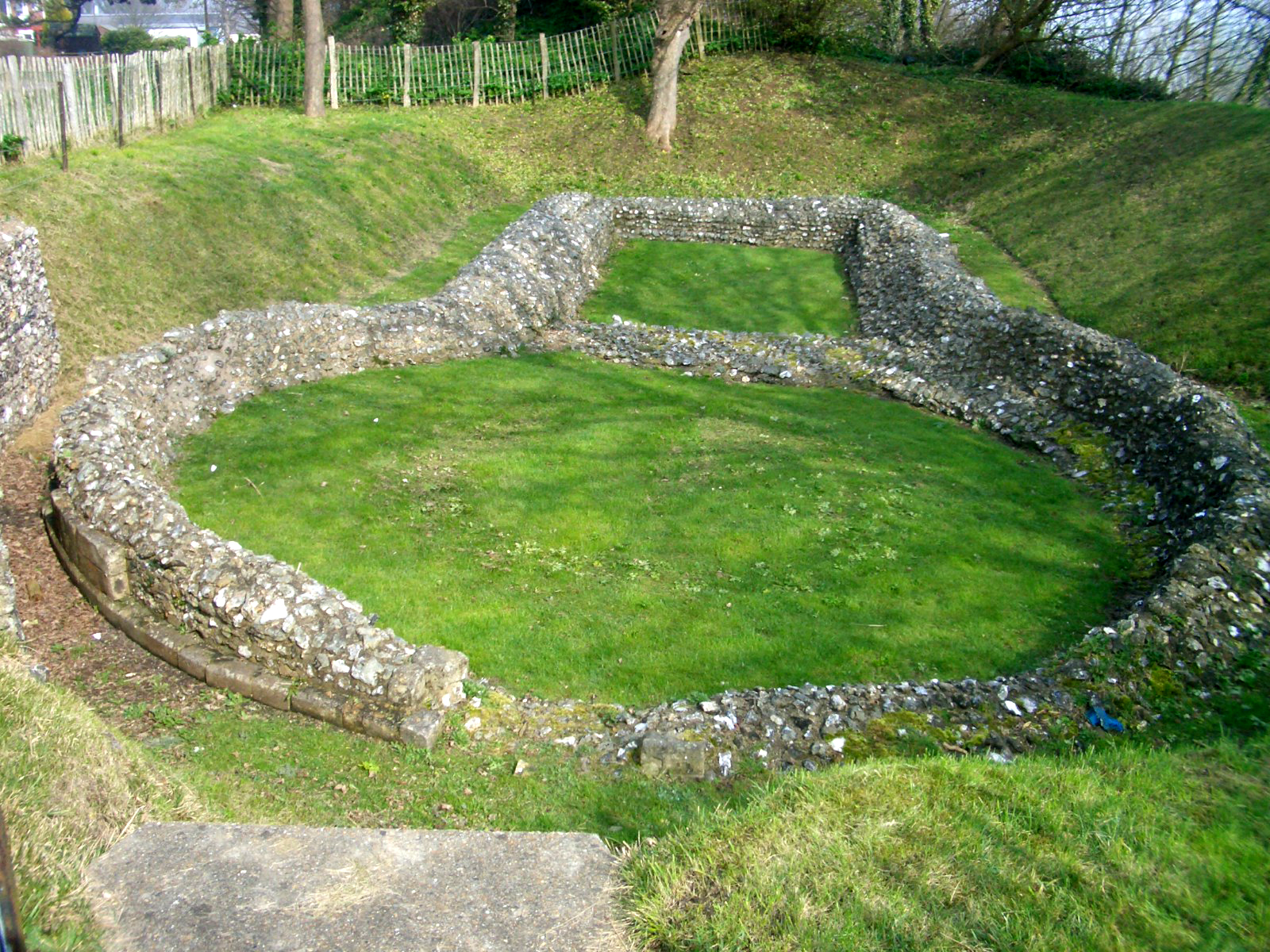
Kingsley Castle is a compact scheduled medieval motte (the great earth mound at the heart of an early castle) whose artificial black-soil mound sur…
Sacred place · Prehistoric
Dorset
Kingston Russell is Dorset’s largest surviving stone circle, an unexcavated Bronze Age (the period from about 2500 to 800 BC) monument whose fallen…
Fortified place · Medieval
Devon
Kingswear Castle is one of Britain’s earliest purpose-built artillery forts, guarding Dartmouth harbour across the Dart and later adapted from mili…
Sacred place · Medieval
Gloucestershire
Its abbey church vanished so completely that no one knows exactly where it stood: only a lavishly carved gatehouse survived the Dissolution (Henry…
Fortified place · Medieval
Herefordshire
A border stronghold fought over by three of Herefordshire's most powerful families before King John razed it in a single act of vengeance in 1215.
Sacred place · Medieval
Wiltshire
Its last Prioress, Dame Marie Denys, stepped into the role at the very moment Thomas Cromwell's commissioners began dismantling England's monasteri…
Fortified place · Medieval
County Mayo
A Burke tower house whose slit loops and drawbar-slotted door still speak to the priorities of its builders, deepened rather than replaced by a 157…
Fortified place · Medieval
Herefordshire
An Elizabethan skin conceals a Marcher castle begun under Henry I, and inside survives a solar ceiling of gilded green men and serpent hounds among…
Fortified place · Medieval
County Offaly
A working hotel built on ground rebuilt or replaced at least four times since 1213, its present owners include a founding member of the Wolfe Tones.
Sacred place · Medieval
Berkshire
Two attempts to establish a religious house here, two centuries apart, left only paperwork behind: no abbey (a monastery headed by an abbot) walls…
Fortified place · Iron Age
Staffordshire
A fort with a massive rampart on two sides and nothing built on the other two: because the escarpment already did the job.
Building or ruin · Medieval
Warwickshire
A potence: a pivoted ladder that swings round the interior: still lets a keeper reach every nesting box. The building still houses doves.
Sacred place · Medieval
Leicestershire
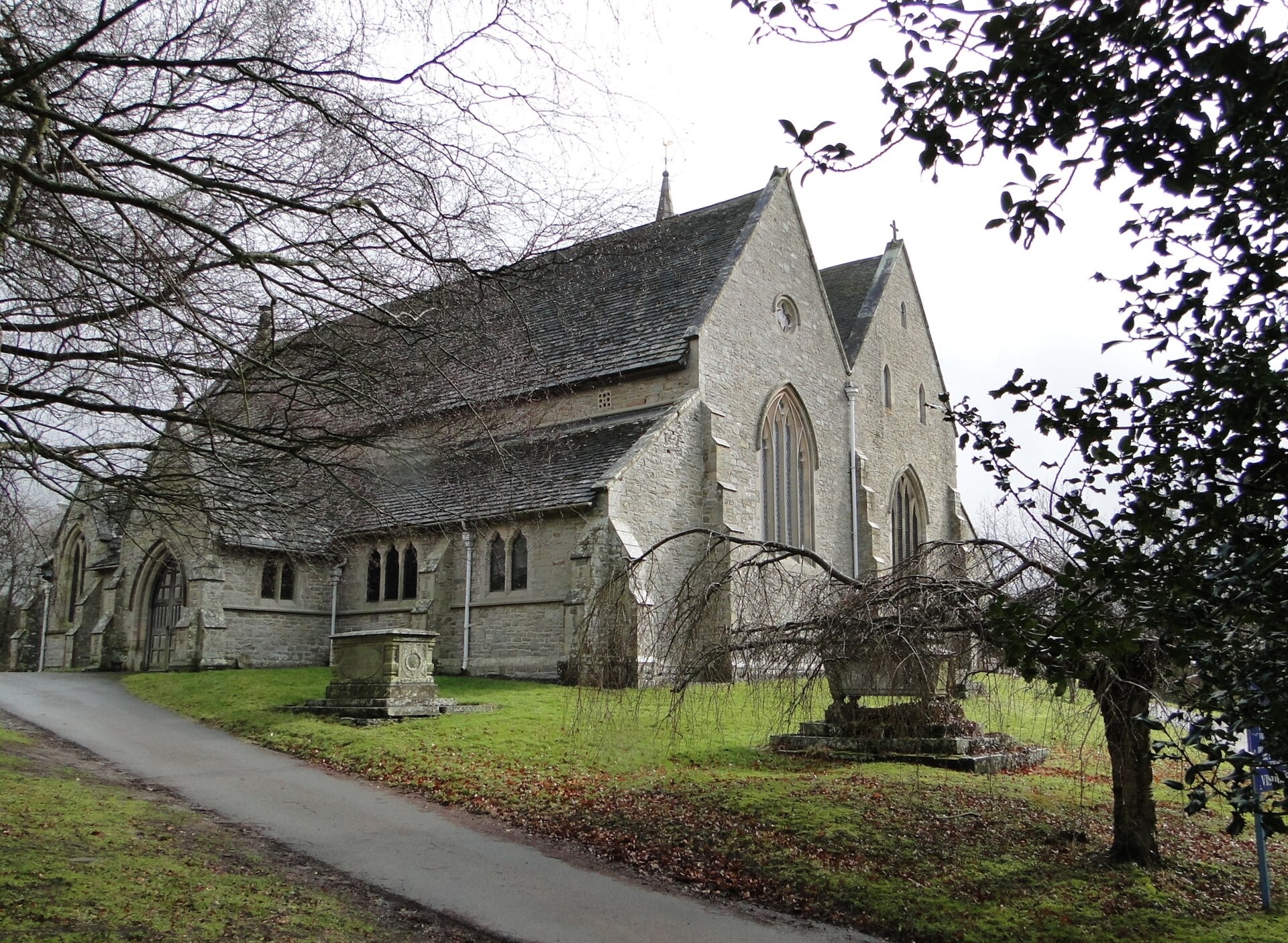
Kirby Bellars Priory preserves the transformation of Roger de Beler’s chantry college into an Augustinian house with wide parish responsibilities,…
Building or ruin · Medieval
Northamptonshire
A house begun to a French pattern book in 1570 that became one of England's earliest Elizabethan prodigy houses, then was slowly stripped and aband…
Fortified place · Medieval
North Yorkshire
Behind its Elizabethan stonework lies a real fugitive story: in 1597 a government searcher combed the house's vaults and secret passages and captur…
Fortified place · Medieval
Leicestershire
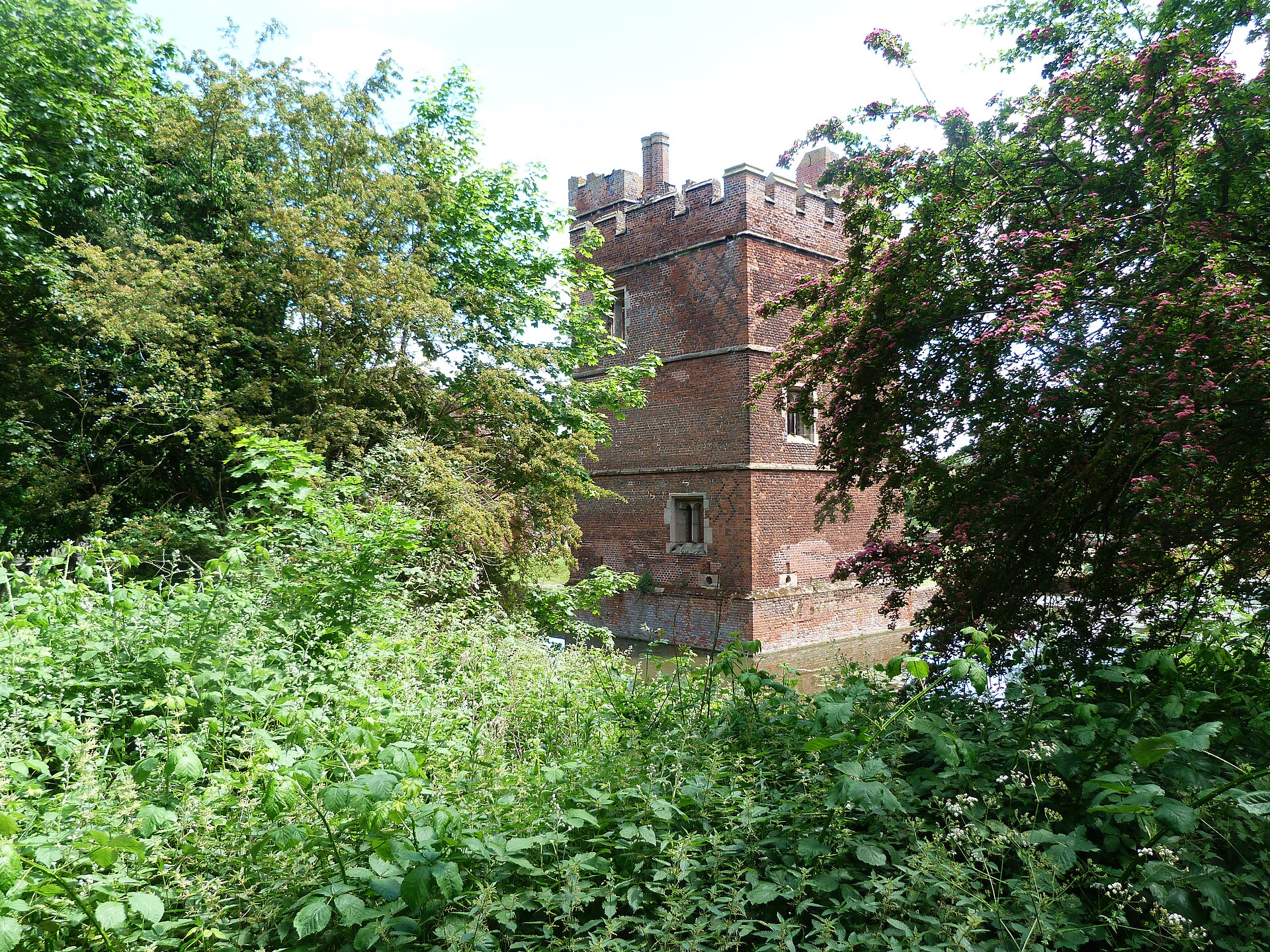
Kirby Muxloe is a rare, well-documented unfinished late-medieval castle whose decorative brick gatehouse and water-filled moat reveal elite ambitio…
Sacred place · Medieval
North Yorkshire
A rare, near-complete English Gothic gatehouse survives here, and the ruins later trained the armoured divisions that stormed the D-Day beaches.
Tomb or burial place · Prehistoric
Dumfries and Galloway
Kirkmadrine preserves three sixth-century Latin memorials naming early Christian priests, then traces continued devotion through later slabs and a…
Fortified place · Medieval
Cumbria
A licensed medieval stronghold whose finest fittings were stripped out and carried off wholesale to another castle, leaving only the moat and a lon…
Sacred place · Medieval
West Yorkshire
A ruined Cistercian house founded about 1152, now standing in a public park on the north bank of the Aire.
Sacred place · Medieval
Lincolnshire
Kirkstead Abbey preserves the fragment and earthworks of a major Cistercian foundation from Fountains Abbey, whose 1537 suppression followed the Li…
Sacred place · Prehistoric
Aberdeenshire
Its broken recumbent stone is the longest known of its kind in Scotland: the sole survivor of what were once three stone circles in this parish.
Carved stone · Pictish & early medieval
Angus
The stones' Pictish symbols were carved as the symbol tradition itself was dying out: among the last such carvings made anywhere before it vanished…
Fortified place · Medieval
Cambridgeshire
A brick Tudor gatehouse is all that survives of a house that was once the largest in Cambridgeshire and a likely wellspring for both Spenser's poet…
Fortified place · Medieval
Outer Hebrides
In 2001 the chief of Clan MacNeil leased Kisimul Castle to Historic Scotland for 1000 years, for an annual rent of £1 and a bottle of whisky. The a…
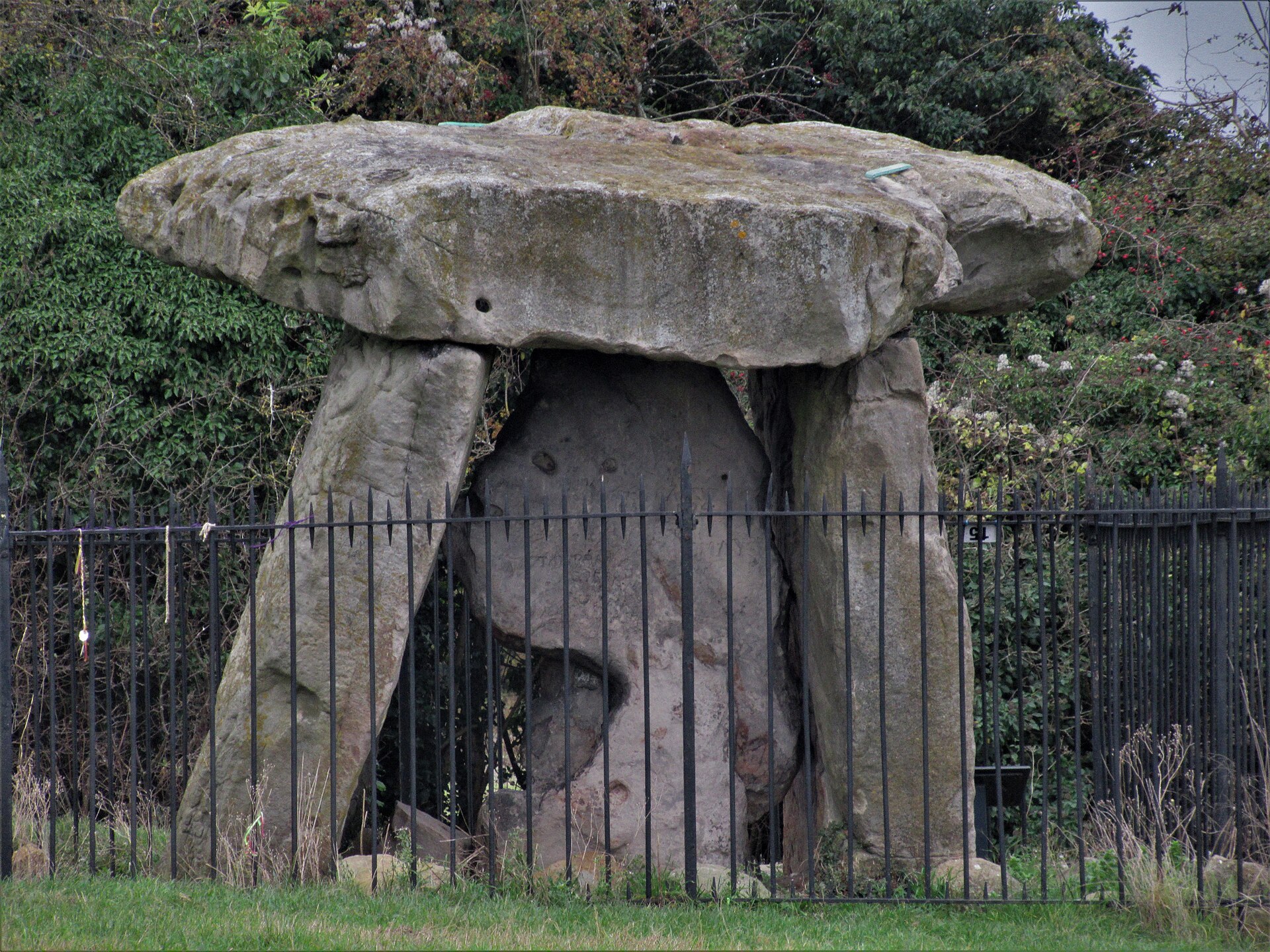
Tomb or burial place · Prehistoric
Kent
Kit’s Coty House preserves an Early Neolithic sarsen chamber near Aylesford, making a conspicuous fragment of Medway’s prehistoric: the time before…
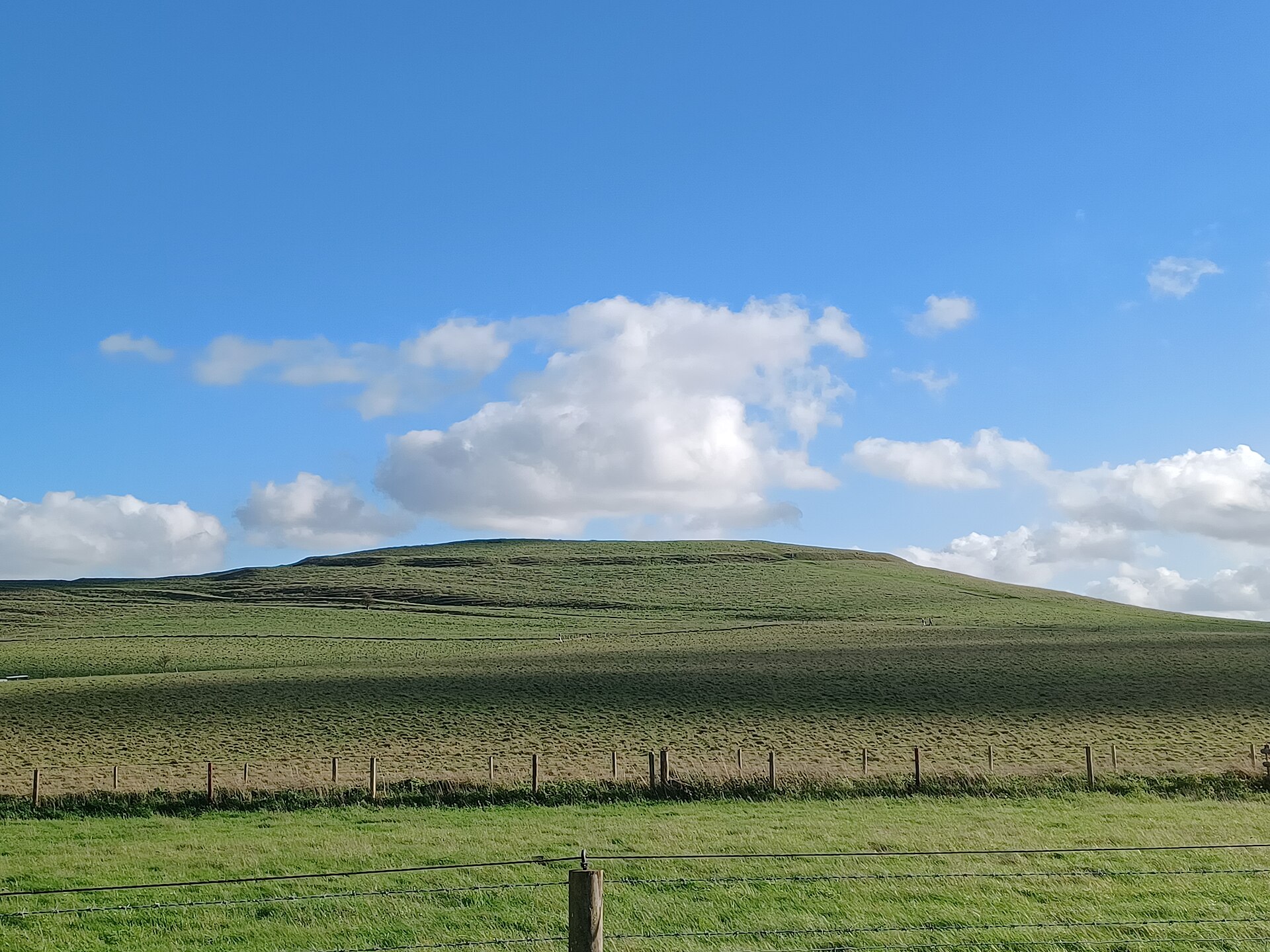
Ancient place · Prehistoric
Wiltshire
This was the first causewayed enclosure ever recognised and excavated, the discovery that let archaeologists define a whole class of Neolithic (the…
Settlement · Prehistoric
Orkney Islands
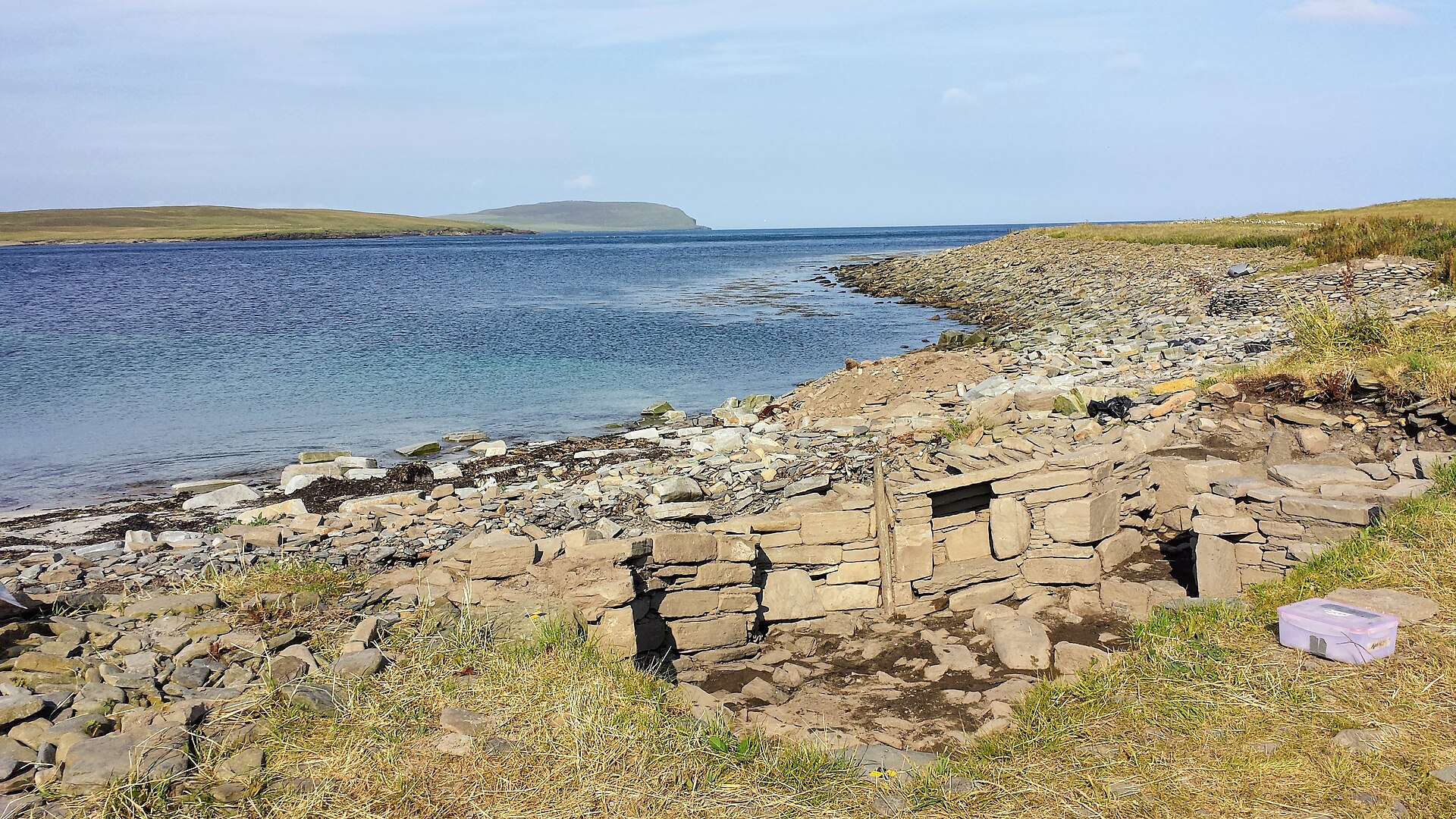
A farmstead of the first farming age on Papa Westray that may be the oldest standing house in northern Europe.
Fortified place · Medieval
North Yorkshire
A queen gave birth within its walls assisted by a relic said to be the Virgin's girdle, and a royal mistress later inherited the ruins outright.
Sacred place · Medieval
North Yorkshire
England's only Trinitarian priory: a monastery headed by a prior: in Yorkshire grew up around a fugitive hermit's riverside cave, even though its f…
Fortified place · Medieval
West Sussex
A motte castle: the earthen mound a castle was raised on: probably founded by William de Braose, still hosting reigning monarchs in the fourteenth…
Sacred place · Medieval
Kent
This rare round-plan church makes the uncertainty worth seeing: its architecture keeps the Templar legend alive while records point instead toward…
Sacred place · Prehistoric
Moray
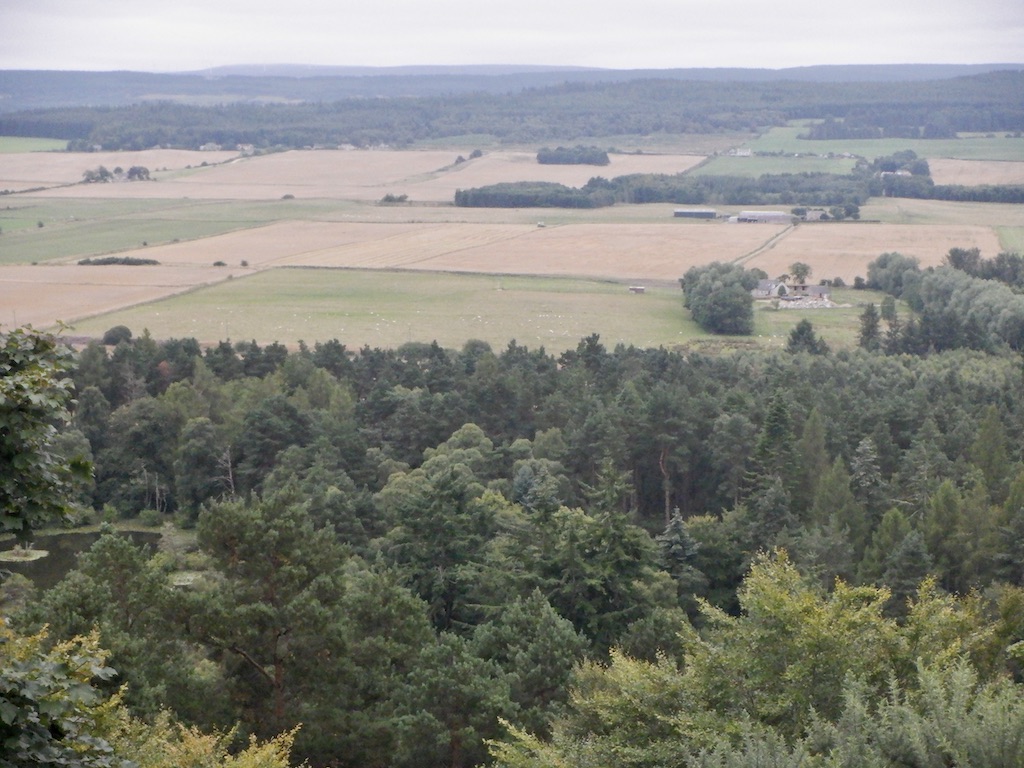
Six weathered boulders share a wooded hill with a much larger, older stronghold, one refortified deep into the Pictish (of the Picts, the people of…
Tomb or burial place · Prehistoric
County Waterford
The largest dolmen in County Waterford, its keyhole entrance and possible solstice alignment with Sugarloaf hill hint at ritual as much as burial.
Fortified place · Medieval
Shropshire
Knockin Castle preserves the earthwork (earth moved and shaped into banks and ditches rather than built up in stone) memory of a level-ground forti…
Tomb or burial place · Prehistoric
County Tyrone
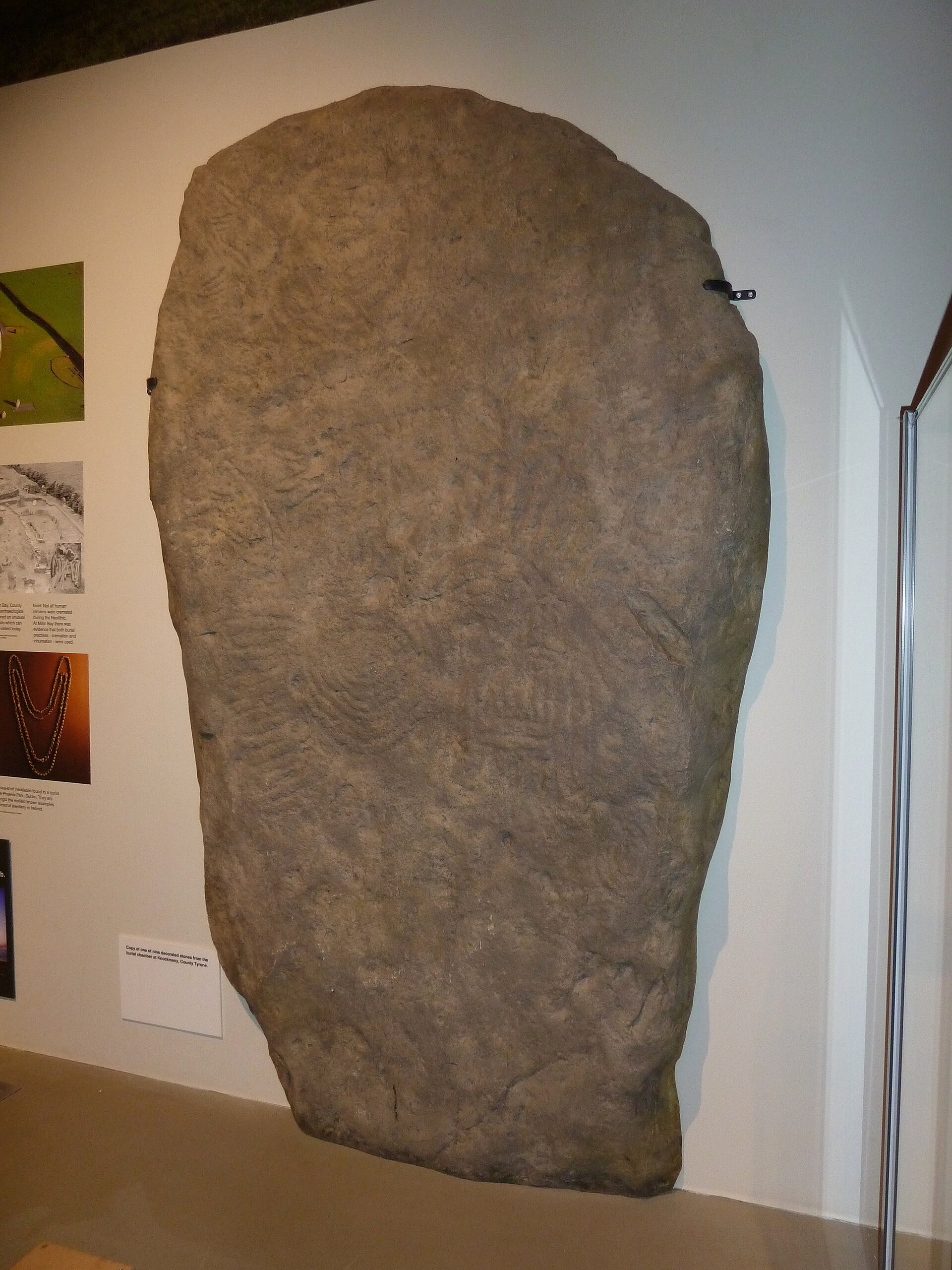
Three of its thirteen buried sandstone slabs carry rare megalithic art: concentric circles, spirals and zigzags: placing this hilltop grave in the…
Sacred place · Medieval
County Galway
Its chancel once held one of only four surviving medieval tempera wall-paintings in Ireland: a rarity conservators have worked to protect since the…
Fortified place · Iron Age
Hampshire
A single quiet ditch here is shadowed only fifty metres away by a separate cross-ridge dyke, with the ancient boundary of Grim's Ditch running thro…
Fortified place · Iron Age
Wiltshire
Interpreters still disagree on whether this was an Iron Age hillfort, a Roman summer camp, or a cattle enclosure: and the surrounding downs hide tw…
Ancient place · Prehistoric
Orkney Islands
Knowe of Swandro is a coastal archaeological site on Rousay, where a burial tomb, settlement remains and Viking-age buildings are being eroded by t…
Tomb or burial place · Prehistoric
Orkney Islands
Knowe of Yarso preserves a burial mound built around a stone chamber, bringing together material remains and documented history that illuminate Ork…
Tomb or burial place · Prehistoric
Orkney Islands
An unusually rich Bronze Age cemetery where imported gold and amber were buried with cremated people, evidence that Orkney elites reached far beyon…
Briefer entries: recorded and worth knowing, with fuller pages to come.
Sacred place · Medieval
Argyll and Bute
Within a six-mile radius of the village of Kilmartin, in Argyll north of Knapdale, stand more than 800 ancient monuments, of which some 150 date fr…
Carved stone · Pictish & early medieval
Argyll and Bute
A rare assembly of medieval West Highland grave slabs kept together under one roof, in the direct care of Historic Environment Scotland, rather tha…
Tomb or burial place · Prehistoric
County Kilkenny
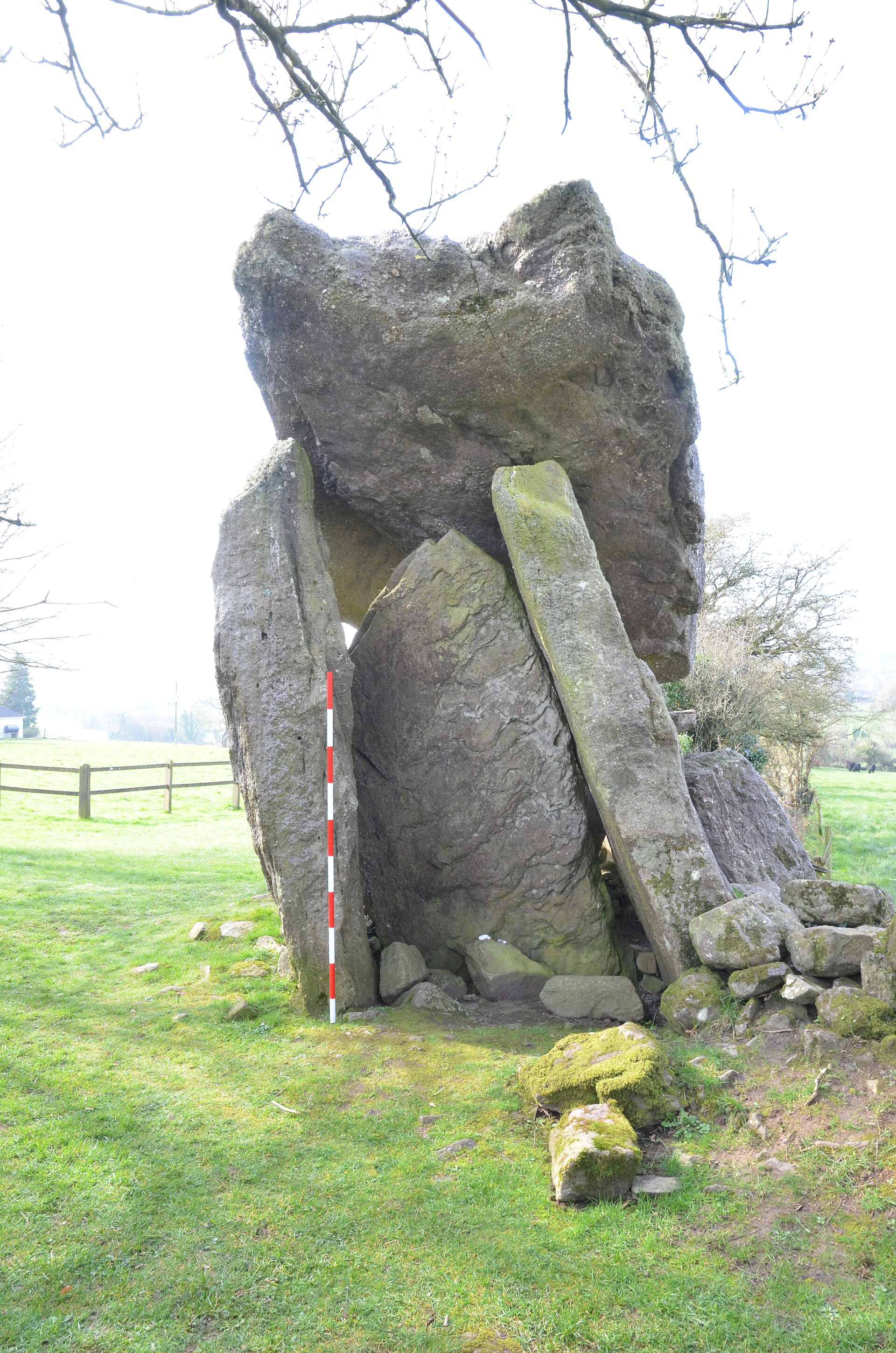
Kilmogue Portal Tomb is a National Monument whose granite-and-quartz structure, solstice-facing entrance and layered Irish name make a compact Neol…
Fortified place · Iron Age
North Ayrshire
Kilpatrick Dun is a substantial later Iron Age (the centuries before Rome arrived, from about 800 BC) fortified residence on Arran, with an eight-m…
Sacred place · Medieval
Herefordshire
Its monks were refugees from a Welsh raid on Llanthony Priory, and the earthworks of their short-lived home now lie behind a working farmhouse, tra…
Tomb or burial place · Prehistoric
County Dublin
A chamber sealed by a small door stone wedged between two entrance pillars, roofed by a single capstone estimated at around forty tonnes.
Fortified place · Medieval
County Tipperary
Kiltinan Castle is one of Ireland’s oldest inhabited castles, a thirteenth-century Butler stronghold later remodelled and repurposed as a prominent…
Fortified place · Medieval
Antrim
Kinbane Castle is a largely ruined sixteenth-century MacDonnell coastal castle whose narrow limestone headland, English siege damage and long MacAl…
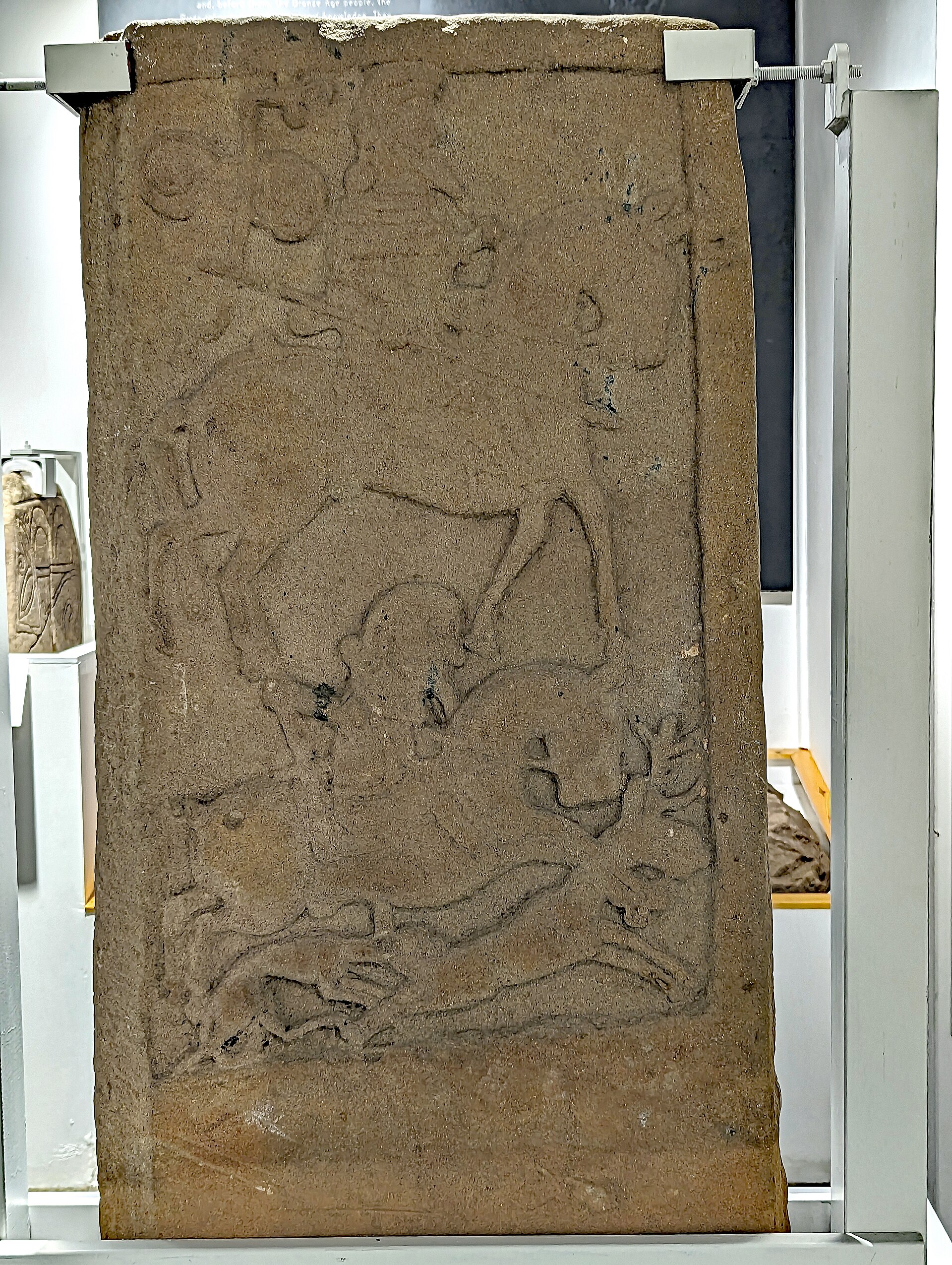
Carved stone · Medieval
Cornwall
King Doniert's Stone is a rare inscribed Cornish cross fragment whose ninth-century text may commemorate the documented King Dungarth, linking loca…
Building or ruin · Roman
Bristol
Bristol's only visible Roman bath suite survived here, along with mosaic floors and a hypocaust (underfloor heating system), buried beneath a 20th-…
Sacred place · Prehistoric
Cumbria
A prehistoric circle pulled down for farm gate-posts and pieced back together in 1925: its eleven stones now held not by original earth but by conc…
Sacred place · Medieval
Herefordshire
A supposed priory beside the River Lugg that most likely never existed: a rare case where the record itself, not the ruin, is the story.
Building or ruin · Pictish & early medieval
North Yorkshire
The Kirkdale Sundial is an unusually precise mid-eleventh-century Old English monument: it dates St Gregory’s rebuilding to Edward and Tostig’s tim…
Fortified place · Medieval
County Down
Kirkistown preserves a 1622 Plantation-era tower house and bawn, where rebuilding after about 1500 stands above a landscape associated with a lost…
Building or ruin · Pictish & early medieval
Cornwall
Kit Hill is East Cornwall's dominant country-park summit, where prehistoric barrows, a Civil War redoubt and extensive mining remains trace the cha…
Building or ruin · Roman
Northumberland
Knag Burn Gateway is an unusual later opening in Hadrian’s Wall, whose paired guard chambers and double gates show tightly controlled movement beyo…
Fortified place · Medieval
County Clare
Knappogue Castle is a restored late medieval tower house whose MacNamara, Cromwellian, aristocratic and modern tourism phases preserve a remarkably…
Tomb or burial place · Prehistoric
County Down
Knock Iveagh is a County Down hill whose summit cairn (a mound of piled stones, often covering a burial), inauguration tradition, and surrounding s…
Sacred place · Medieval
Antrim
Knocklayd is a prominent Antrim Hills summit whose quartz passage tomb, surrounding standing stones and extraordinary townland boundary make it bot…
Building or ruin · Medieval
County Fermanagh
Knockmore brings together Fermanagh scarpland geology, protected upland habitat and fifteen summit caves, including Lettered Cave’s inscriptions fr…
Tomb or burial place · Prehistoric
County Cork
A recumbent stone circle and radial cairn (a mound of piled stones, often covering a burial) paired with a leaning 3.7-metre portal stone, aligned…
No places match those filters.
Kinds of place
Ages










.JPG?width=800)












.jpg?width=800)






.jpg?width=800)