Building or ruin · Roman
Faversham Abbey
Kent
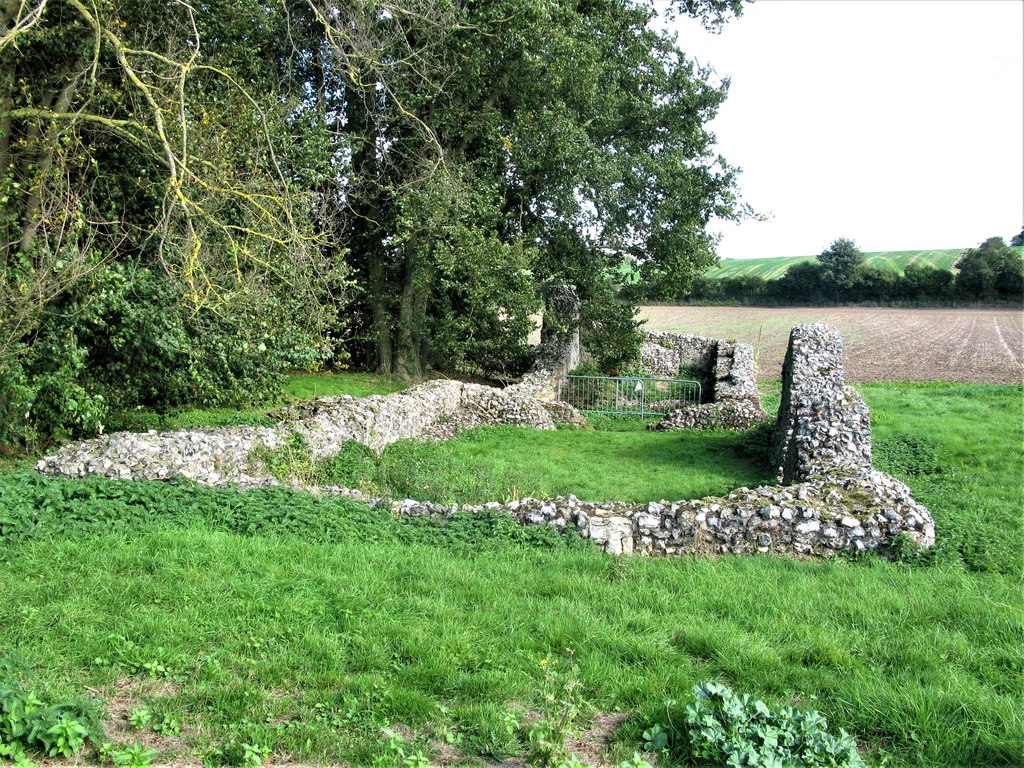
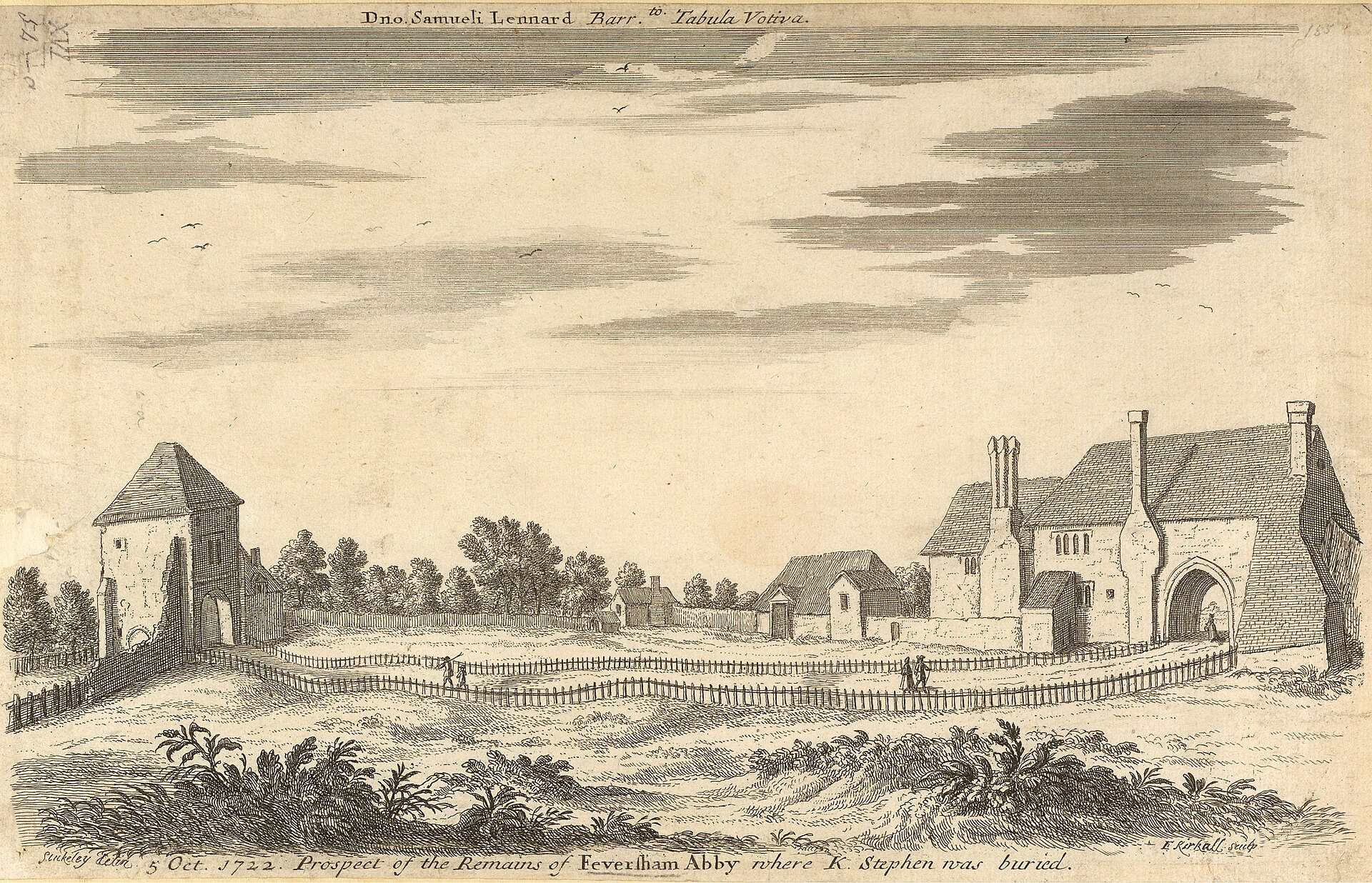
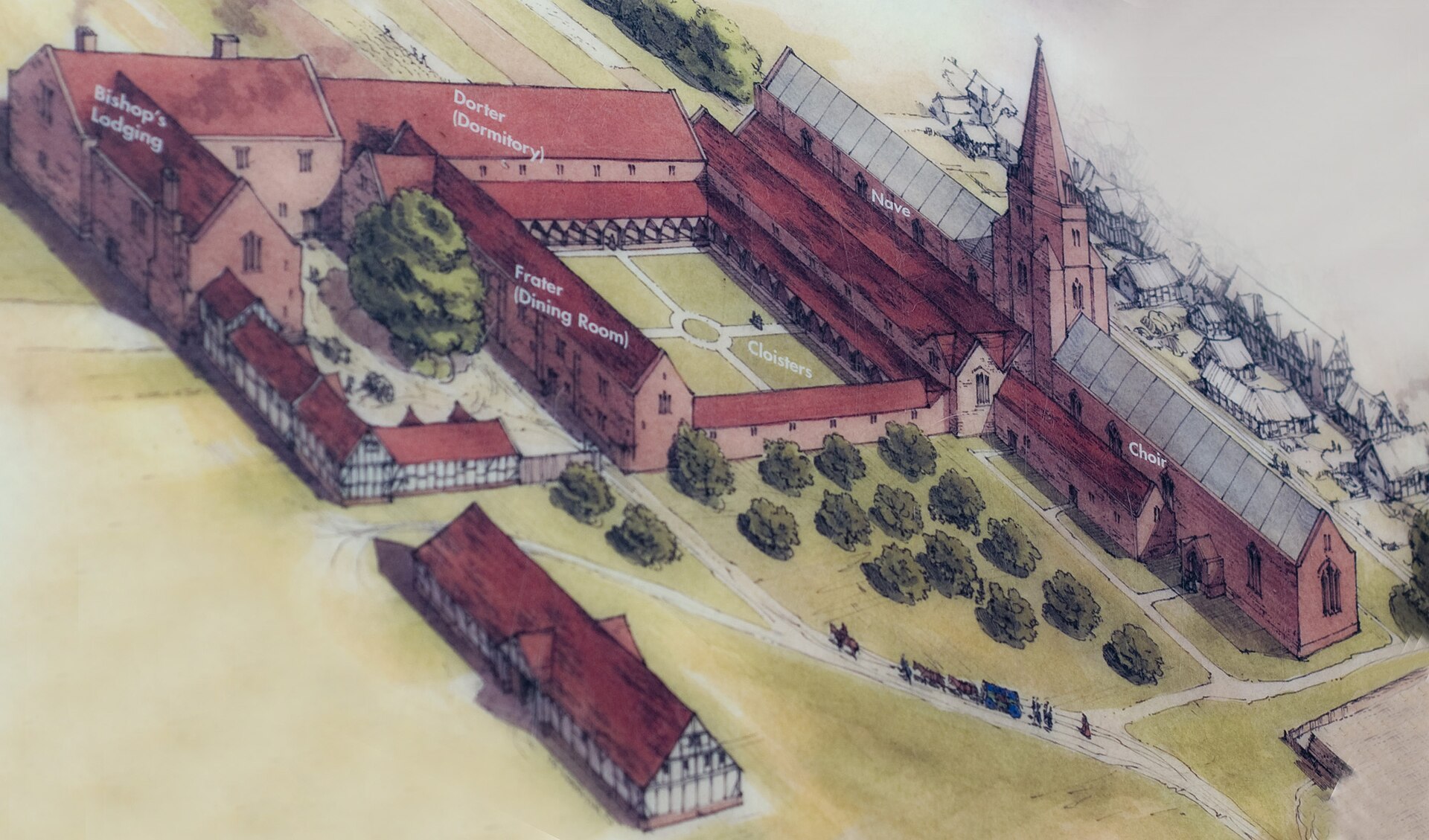
Faversham Abbey was a royal Cluniac-style foundation and the burial place of King Stephen’s family; although largely destroyed at the Dissolution (…
- Near Canterbury
The directory
Page 20 of 47 in the full directory.
Browsing 100 places — search and the map cover the whole directory.
Building or ruin · Roman
Kent
Faversham Abbey was a royal Cluniac-style foundation and the burial place of King Stephen’s family; although largely destroyed at the Dissolution (…
Building or ruin · Pictish & early medieval
Northamptonshire
A whole medieval village vanished here, yet its church furnishings survive scattered: in a London museum, in three neighbouring churches, and recas…
Fortified place · Medieval
County Galway
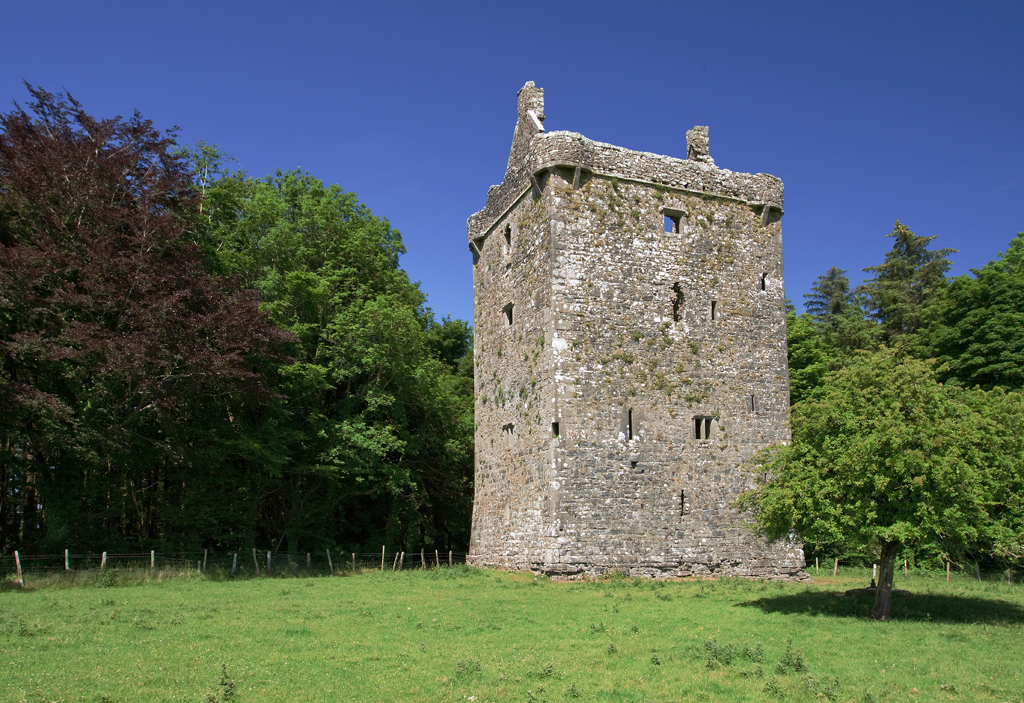
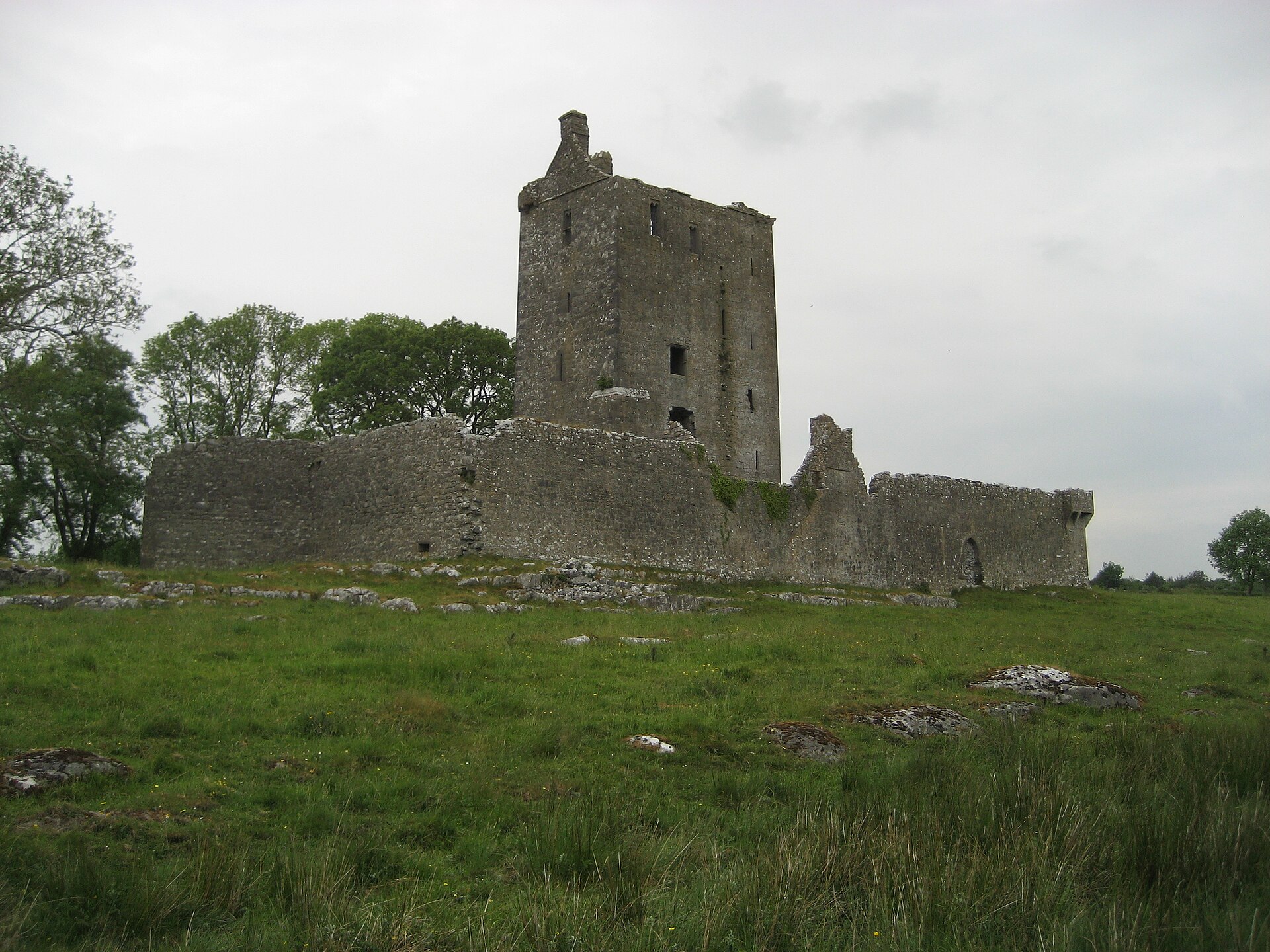
Feartagar Castle is a compact five-storey Burke tower house whose defensive details and intact internal stairs preserve the working form of a late-…
Fortified place · Medieval
Northumberland
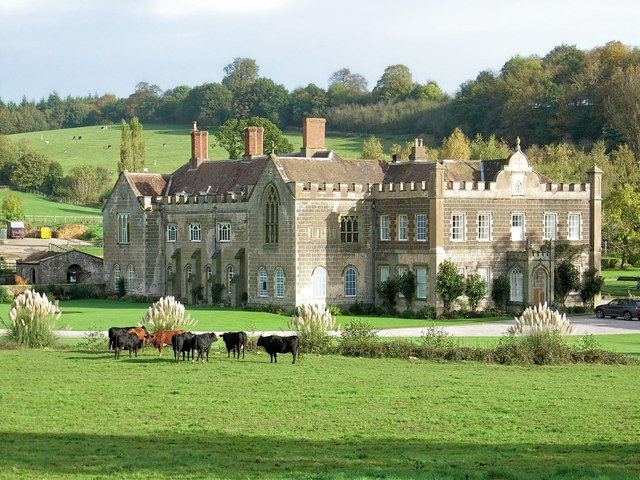
Featherstone Castle combines a fourteenth-century pele tower with a large Gothic country house, tracing a border manor’s adaptation through estate,…
Sacred place · Medieval
Nottinghamshire
Felley turns a tiny Augustinian community into a living landscape: monastic origins underlie the house and gardens visitors see today.
Crossing or structure · Roman
Cambridgeshire
A 24-mile Roman road built up on gravel to cross open marshland, with a cut section still visible today at Flag Fen where it crosses a much older B…
Fortified place · Medieval
Somerset
A castle on the only high ground for miles, whose builder is unknown: and where quarrymen once found twenty skeletons older than the castle itself.
Sacred place · Prehistoric
West Yorkshire
An Iron Age sword scabbard and a Roman coin were found in the inner ditch: the place appears to have been kept as a shrine for two thousand years a…
Fortified place · Iron Age
Powys
One of the largest hillforts in Wales, excavated to modern standards in the 1930s: and yielding a single sherd of pottery of the Iron Age, roughly…
Building or ruin · Medieval
Denbighshire
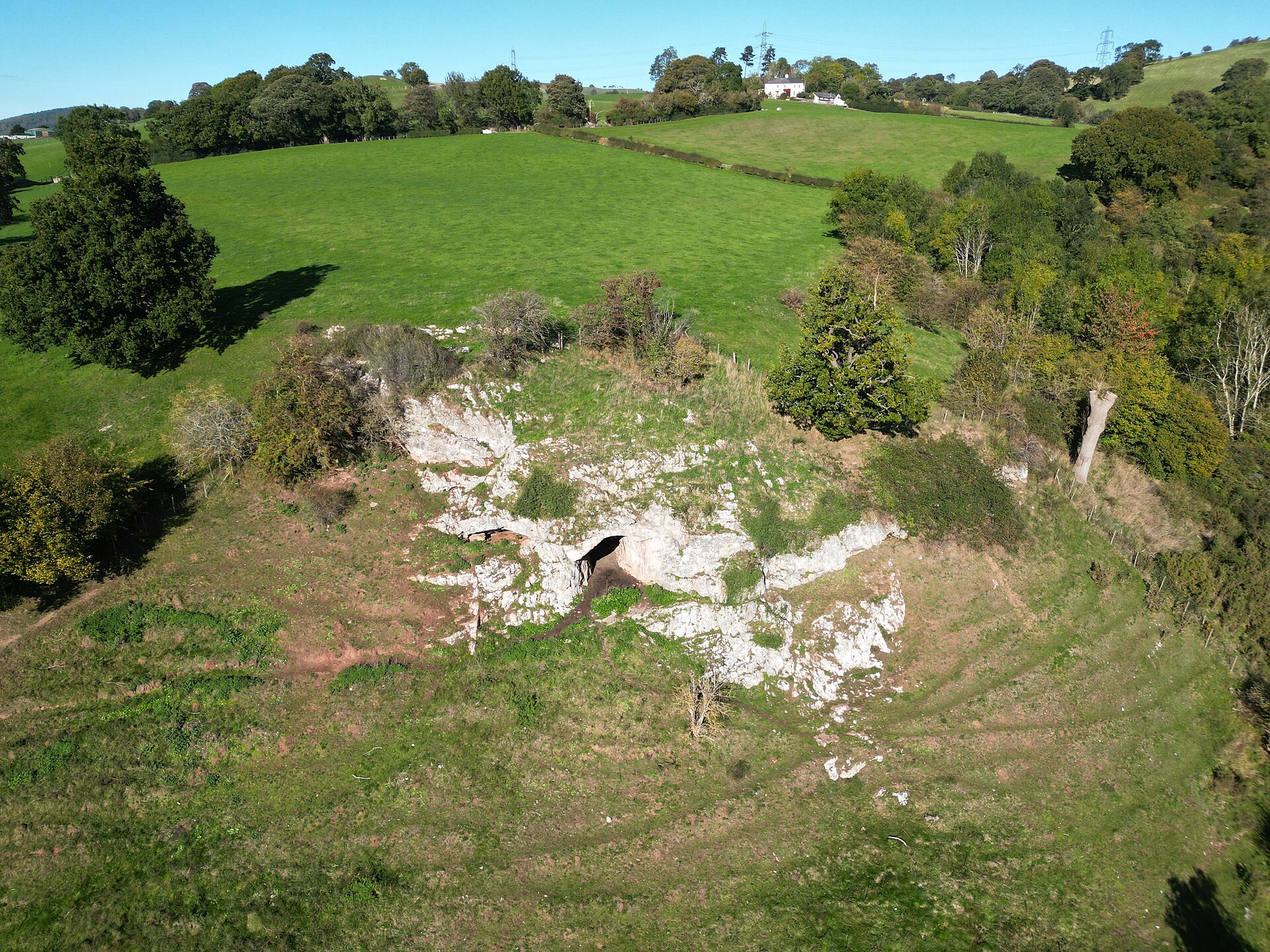
Stone tools recovered here, worked around 36,000 BC, gave archaeologists one of the first confirmed links between Ice Age hunters and the mammoth a…
Fortified place · Medieval
County Galway
Fiddaun is a mid-sixteenth-century O'Shaughnessy tower house whose notably intact inner bawn wall preserves the relationship between a defensive to…
Sacred place · Prehistoric
Wiltshire
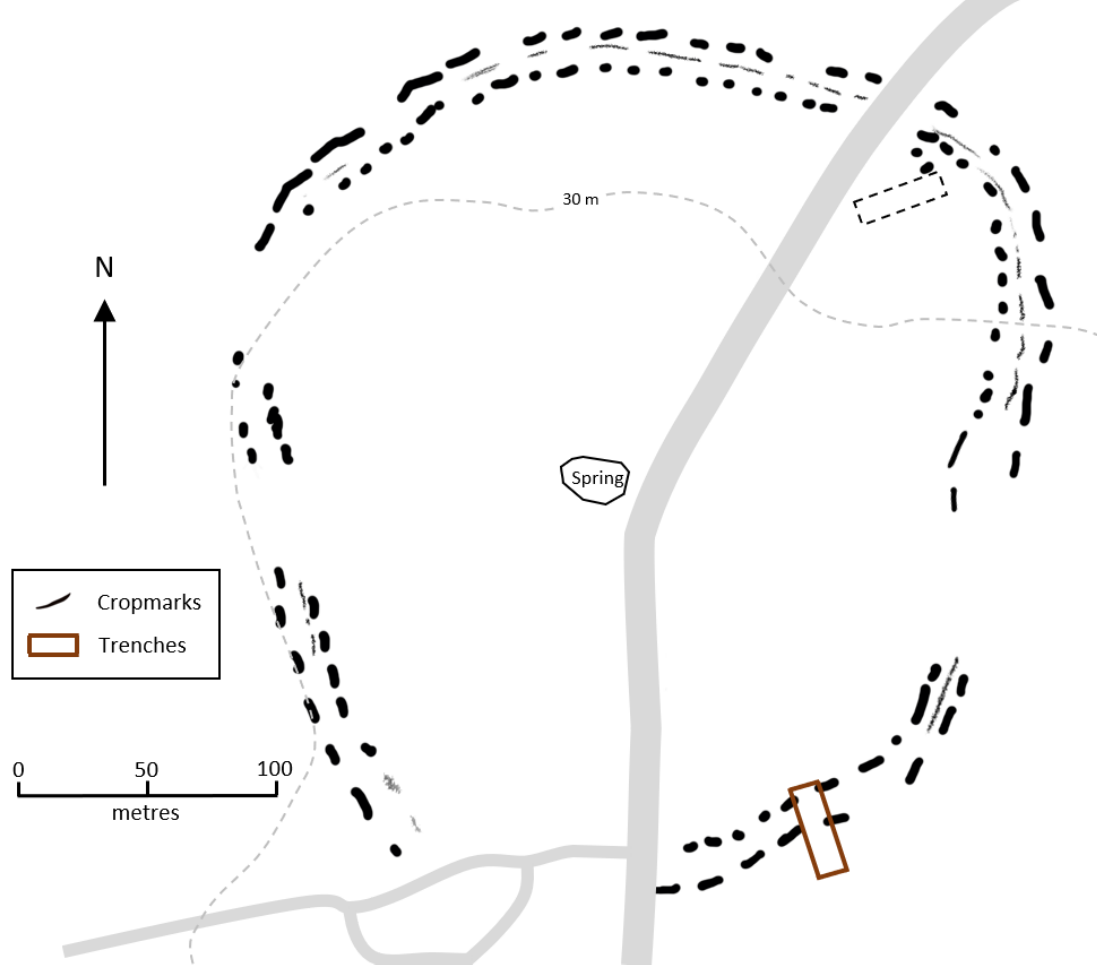
A monument that has resisted classification for a century: what looks like an Iron Age hillfort conceals an inner ditch many now read as the mark o…
Fortified place · Medieval
Angus
Finavon Castle combines the ruins of a 17th-century L-plan tower-house with excavated evidence of a larger medieval predecessor, preserving a long-…
Sacred place · Medieval
County Durham
A Grade I listed Benedictine priory: a monastery headed by a prior rather than an abbot: by the River Wear, developed from the hermitage of St Godr…
Fortified place · Medieval
Argyll and Bute
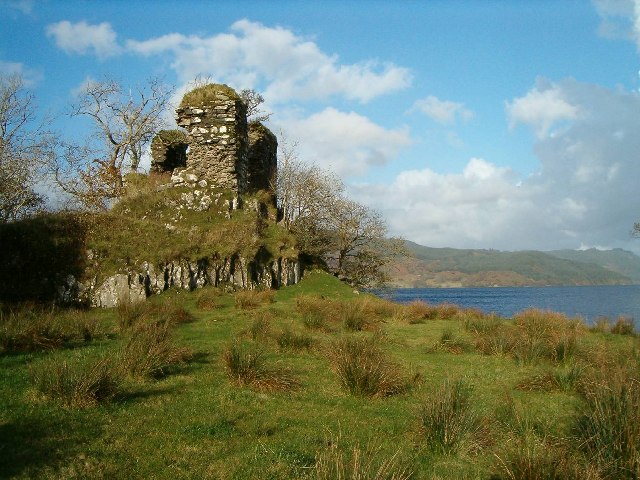
Known by three names and fought over twice in a single generation, its ruin marks a stronghold that changed hands between Scottish, English and Heb…
Fortified place · Medieval
Aberdeenshire
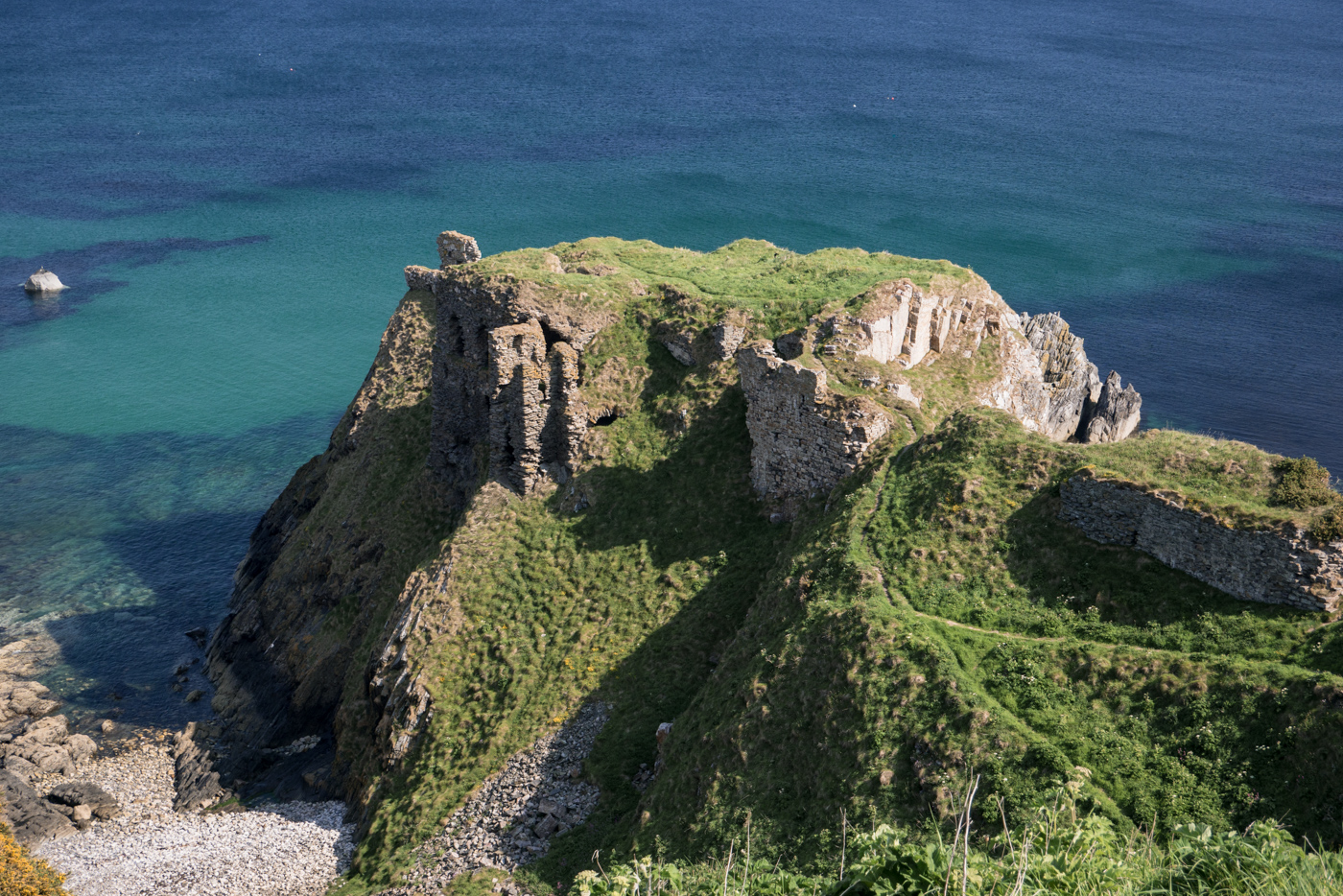
Besieged by Norwegian invaders in the 1260s and by Mary, Queen of Scots' own army in 1562, after a family plot to imprison and displace its own lai…
Sacred place · Medieval
Northamptonshire
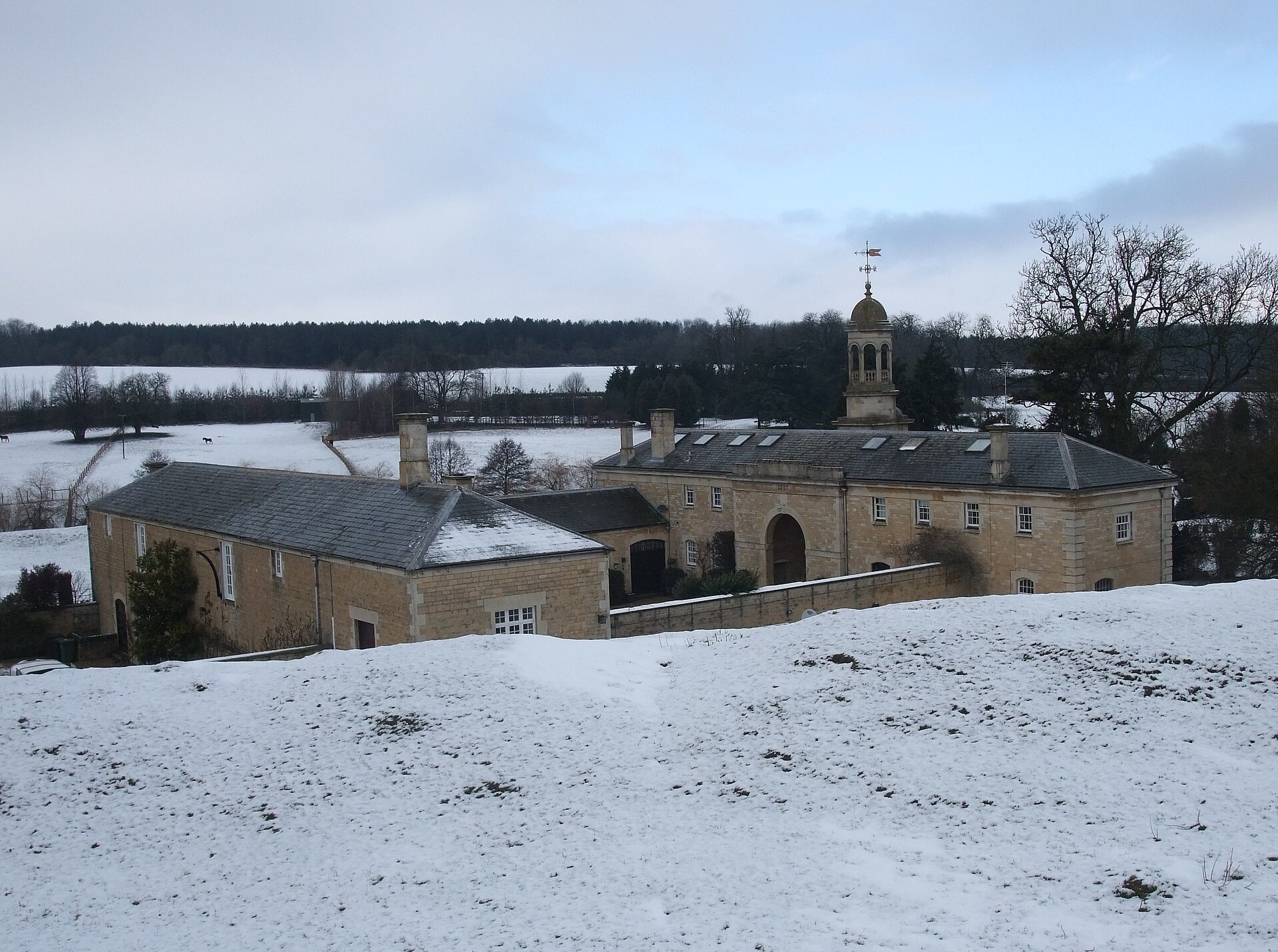
A single stable block is all that survives of a monastic site rebuilt as a country house, then demolished twice more, most recently in 1956.
Building or ruin · Prehistoric
County Down
Finnis souterrain (a stone-lined tunnel dug beneath a settlement) is a rare public-access ninth-century underground passage system whose dry-stone…
Sacred place · Prehistoric
Wiltshire
One of at least seven prehistoric circles reported south of Swindon, and the only one confirmed as a true double ring: destroyed twice over, by nin…
Fortified place · Medieval
Oxfordshire
One of Oxfordshire's earliest Norman earthworks, raised within a generation of the Conquest and now watched over as ground at risk from the very vi…
Tomb or burial place · Prehistoric
Dorset
The Five Marys preserves a linear cemetery of burial mounds dating the period from about 2500 to 800 BC above Chaldon Herring, with early excavatio…
Tomb or burial place · Prehistoric
Derbyshire
Excavations here recovered the remains of at least twelve Neolithic (the late Stone Age, about 4000–2500 BC in Britain) people, one of the fuller a…
Crossing or structure · Prehistoric
Cambridgeshire
More than 60,000 timbers, driven into the peat to carry a kilometre-long causeway across open water, with weapons and jewellery deliberately broken…
Fortified place · Medieval
East Riding of Yorkshire
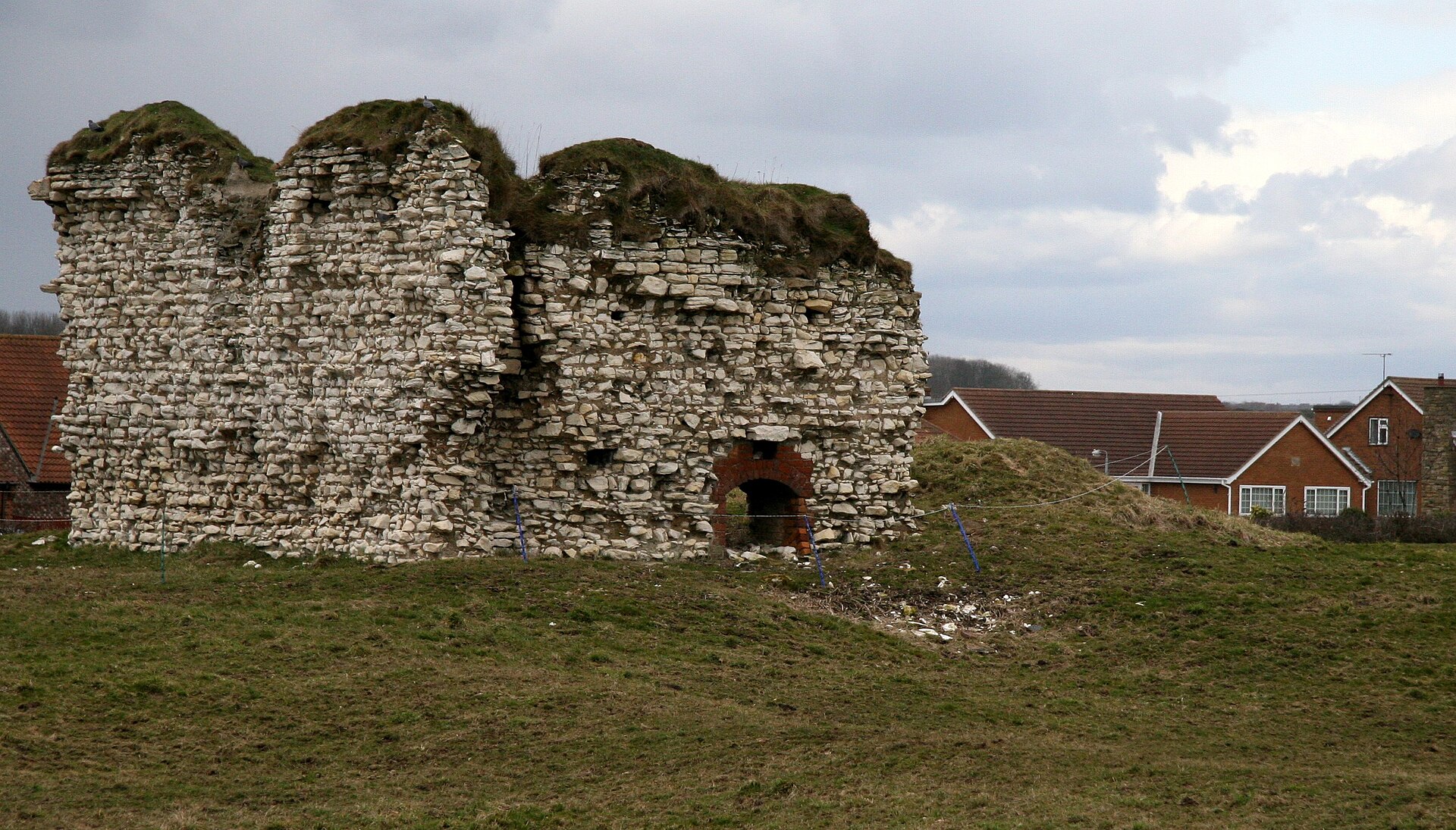
Flamborough Castle’s Danish Tower preserves the small but evocative remains of a medieval Constable family manor, later reduced to a farm building…
Sacred place · Medieval
Herefordshire
A Grade I listed monastic refectory: the monks' dining hall: that outlived its priory: a monastery headed by a prior: by farming, then by holiday l…
Sacred place · Medieval
Gloucestershire
A Cistercian house founded, tradition holds, on the very spot its founder's father was killed hunting: and one of the rare abbeys that lived on as…
Fortified place · Roman
Cambridgeshire
Radiocarbon dating shows the bank was built, abandoned and refortified across three separate phases: a frontier fought over repeatedly, not raised…
Fortified place · Medieval
Flintshire
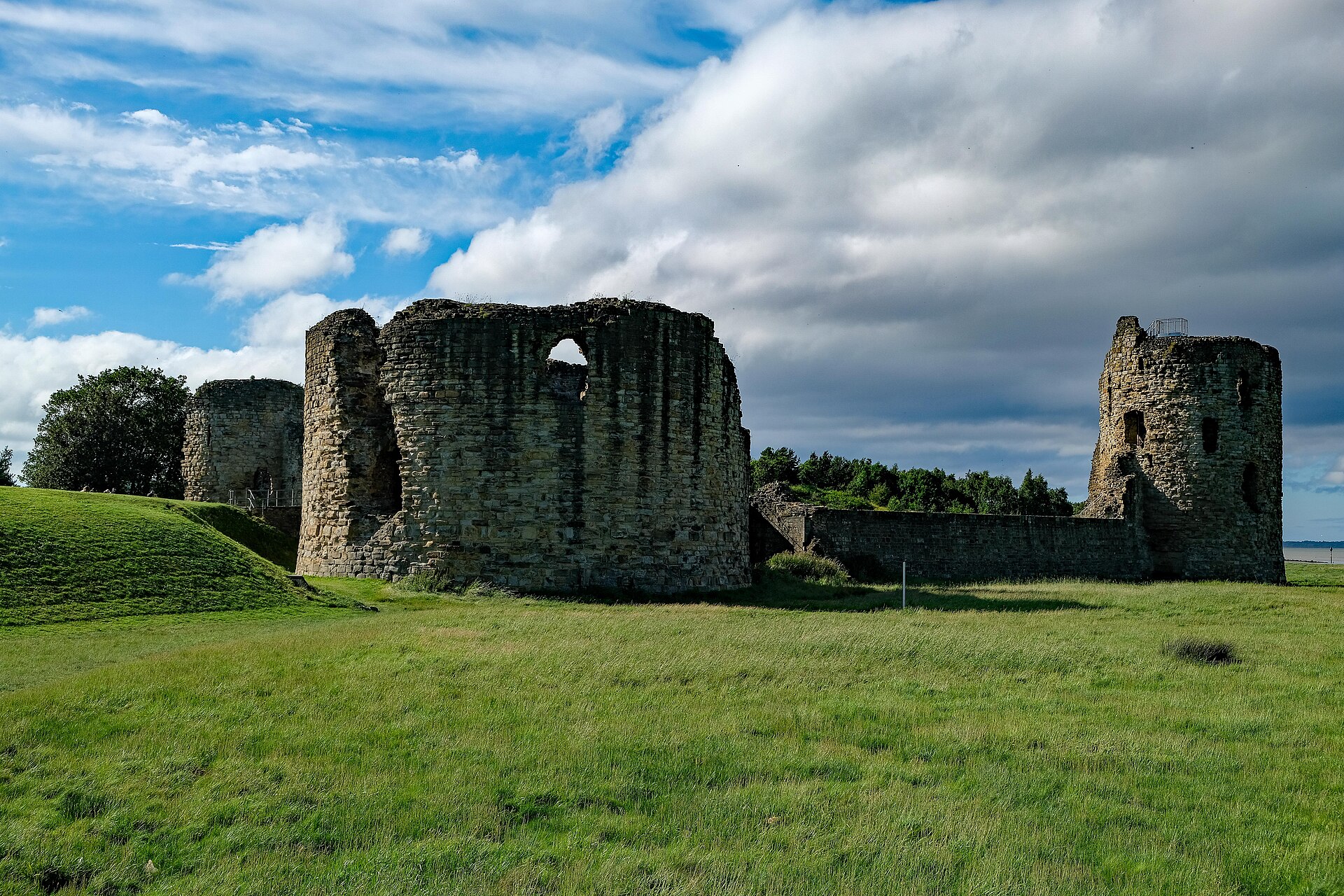
The first stone raised in Edward I's Iron Ring, its isolated corner keep is a design unmatched anywhere else the king built in Britain.
Sacred place · Medieval
Norfolk
Flitcham Priory records a medieval religious foundation in Norfolk associated with Sir Robert III Aguillon, preserving a named link between local l…
Fortified place · Medieval
Bedfordshire
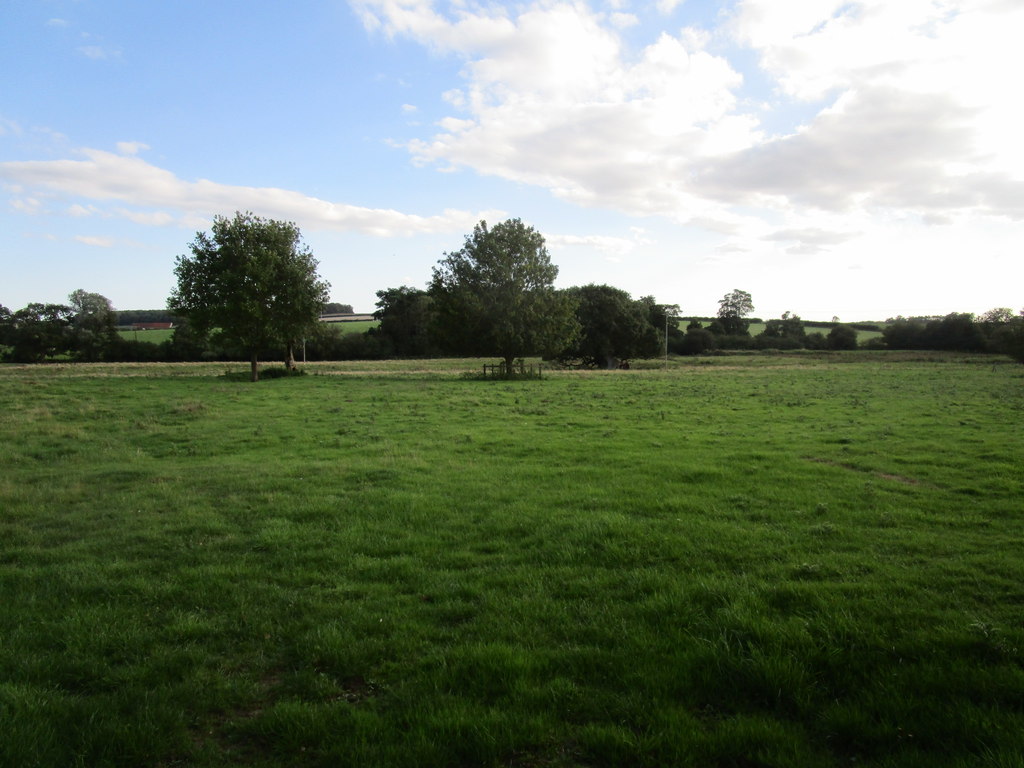
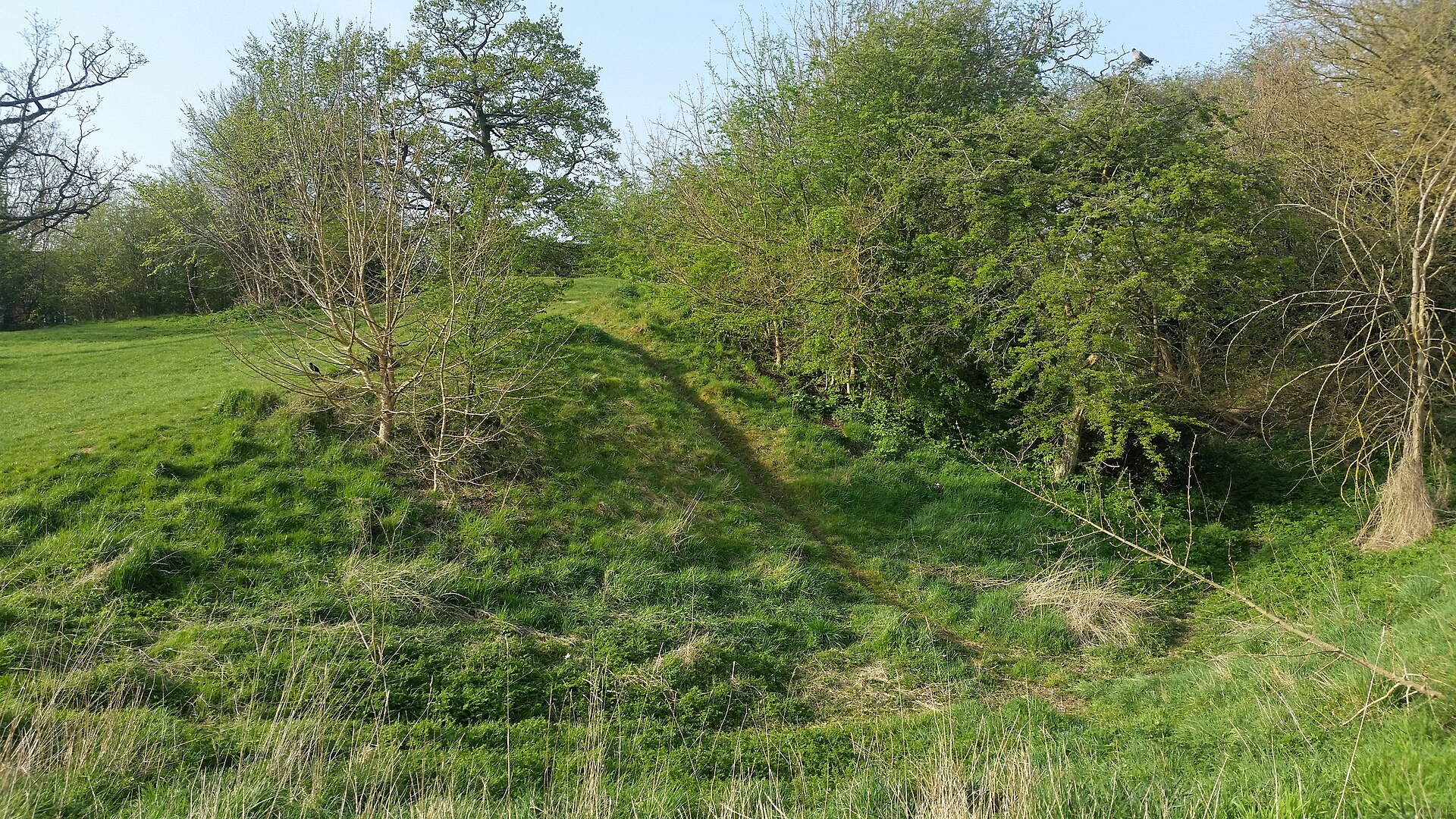
A Norman lord's timber stronghold, raised over a dispossessed Saxon estate, now survives only as a grass-covered mound on a village green.
Fortified place · Medieval
Scottish Borders
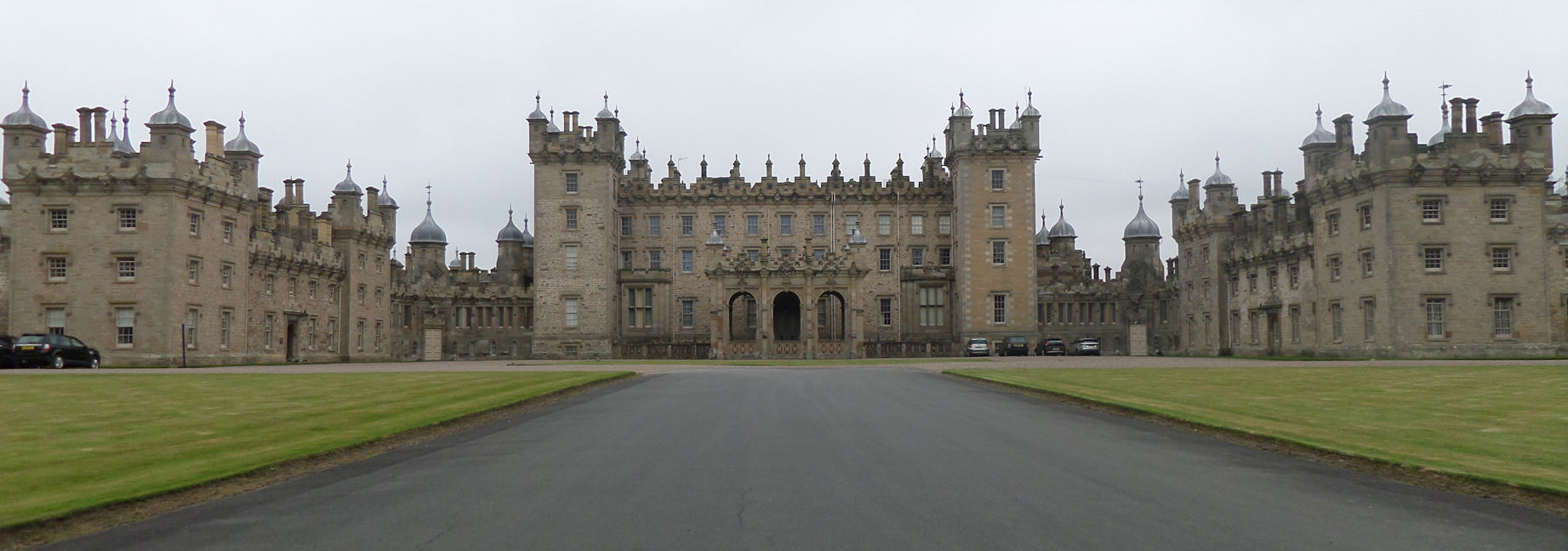
A family record stretching from medieval Reiver land to French tapestries brought from a New York estate: one house rebuilt twice over three centur…
Fortified place · Iron Age
Dorset
The coastal defended settlement dates from the centuries before Rome arrived, with visible ramparts and hut circles. More than half of the original…
Tomb or burial place · Prehistoric
Hampshire
Its disc barrow, a prehistoric: a period predating the written record in Britain: burial mound, ringing two burial mounds inside a single bank, has…
Fortified place · Iron Age
Pembrokeshire
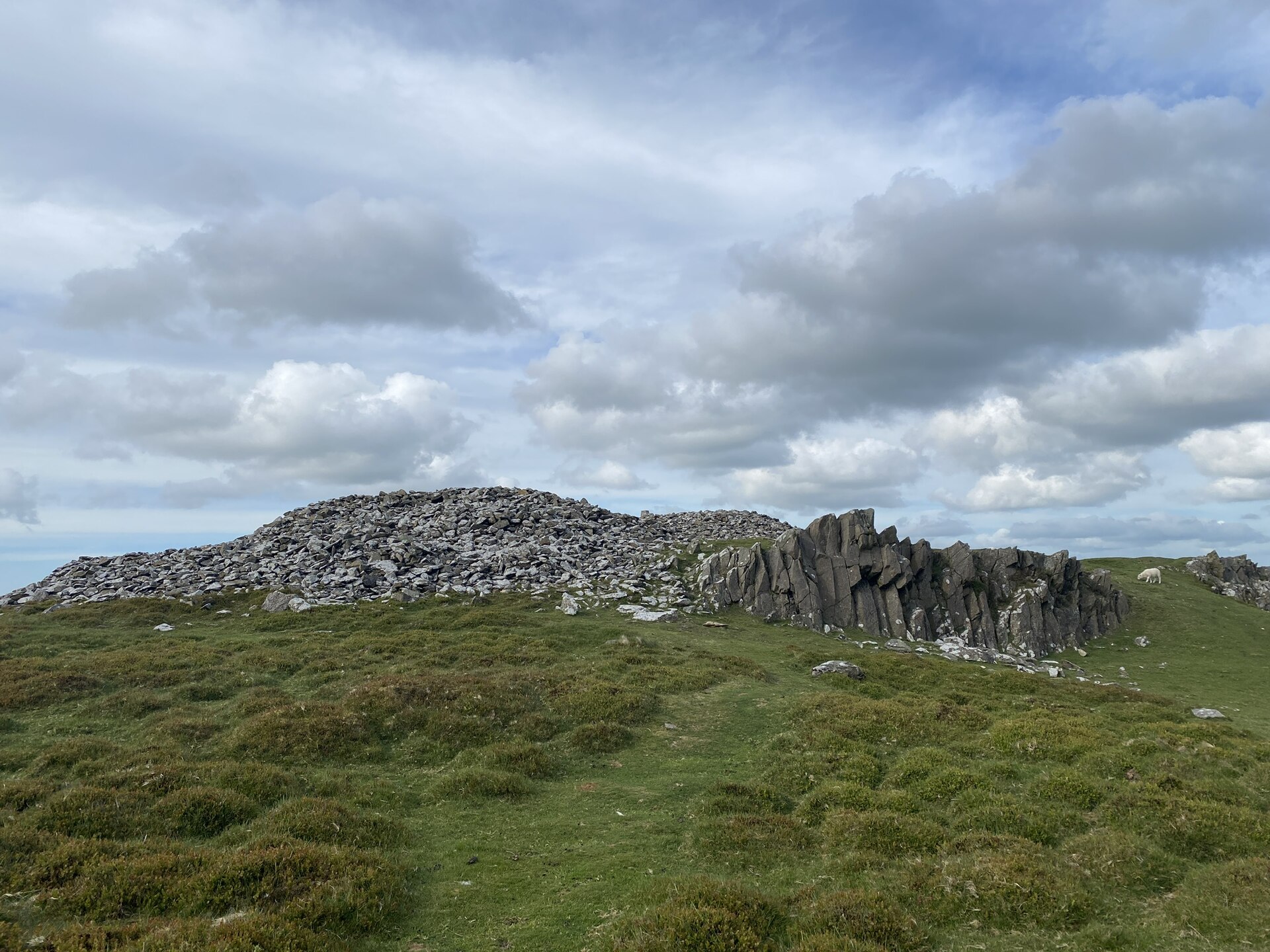
Two hundred and twenty-seven hut platforms spread beneath three summit cairns, a rare record of settlement under a defended hilltop.
Fortified place · Iron Age
Denbighshire
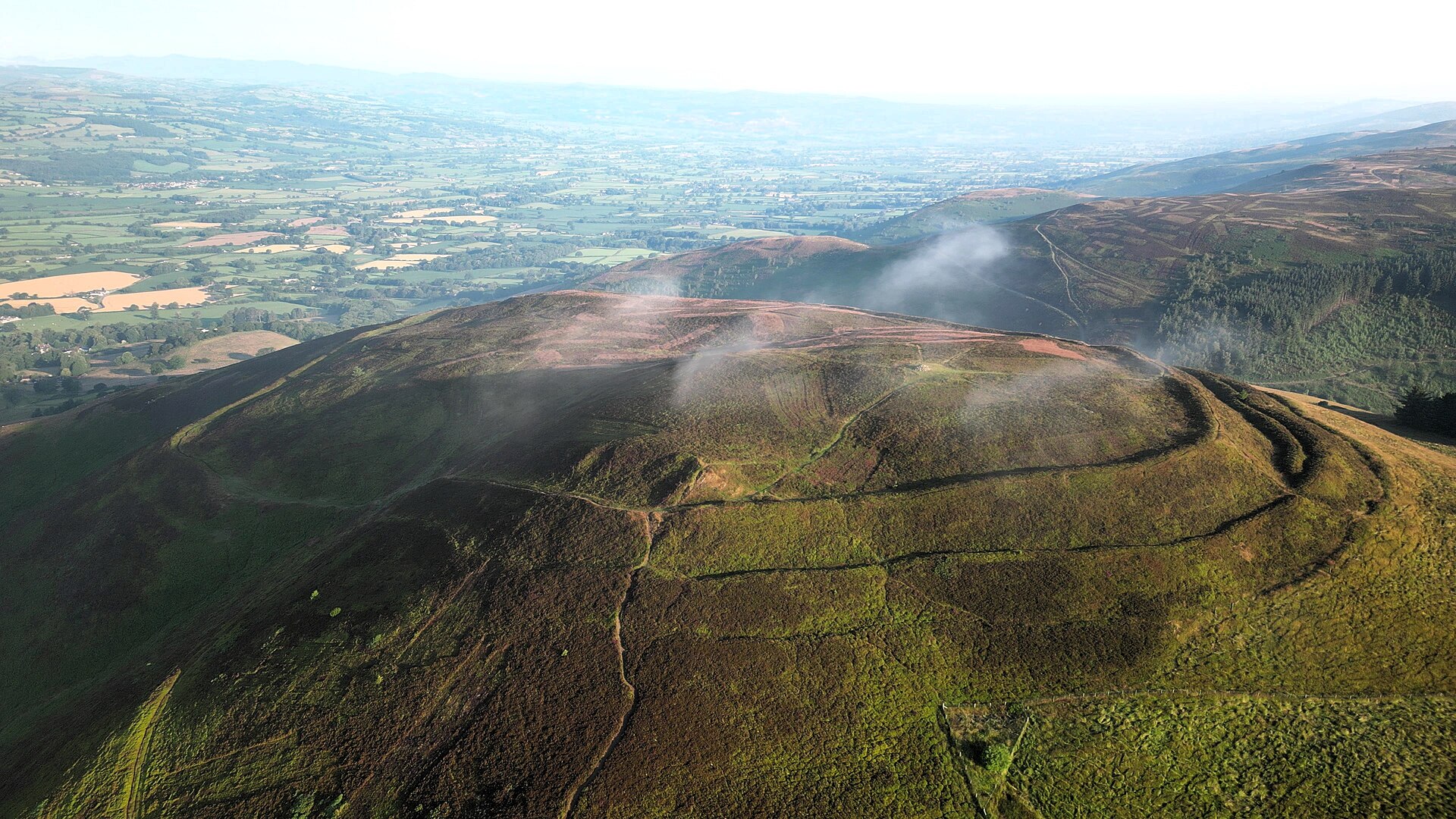
Legend remembers its summit as a tyrant king's stronghold destroyed by fire from heaven, but excavation shows a real community occupying the rampar…
Fortified place · Medieval
Kent
Folkestone Castle’s surviving Norman banks were investigated by Augustus Pitt Rivers in 1878, in work claimed as Britain’s first scientific excavat…
Building or ruin · Roman
Kent
Folkestone Roman Villa records a high-status Channel-coast estate built over an Iron Age (the centuries before Rome arrived, from about 800 BC) que…
Fortified place · Medieval
Lincolnshire
Folkingham Castle was the administrative centre of a Norman barony, retaining a castle mound-and-yard form later reshaped by the Beaumont family.
Fortified place · Medieval
Vale of Glamorgan
A castle whose thickest wall faces the side hardest to attack: and whose early history has had to be read out of its masonry rather than its docume…
Fortified place · Medieval
Northumberland
Ford Castle occupies a shallow River Till crossing where repeated Anglo-Scottish conflict turned a Heron fortress into a rebuilt Gothic mansion and…
Ancient place · Medieval
Northumberland
Ford Moss combines a deep raised peat bog with woodland, wildlife, a scheduled monument (legally protected as a site of national archaeological imp…
Sacred place · Medieval
Dorset
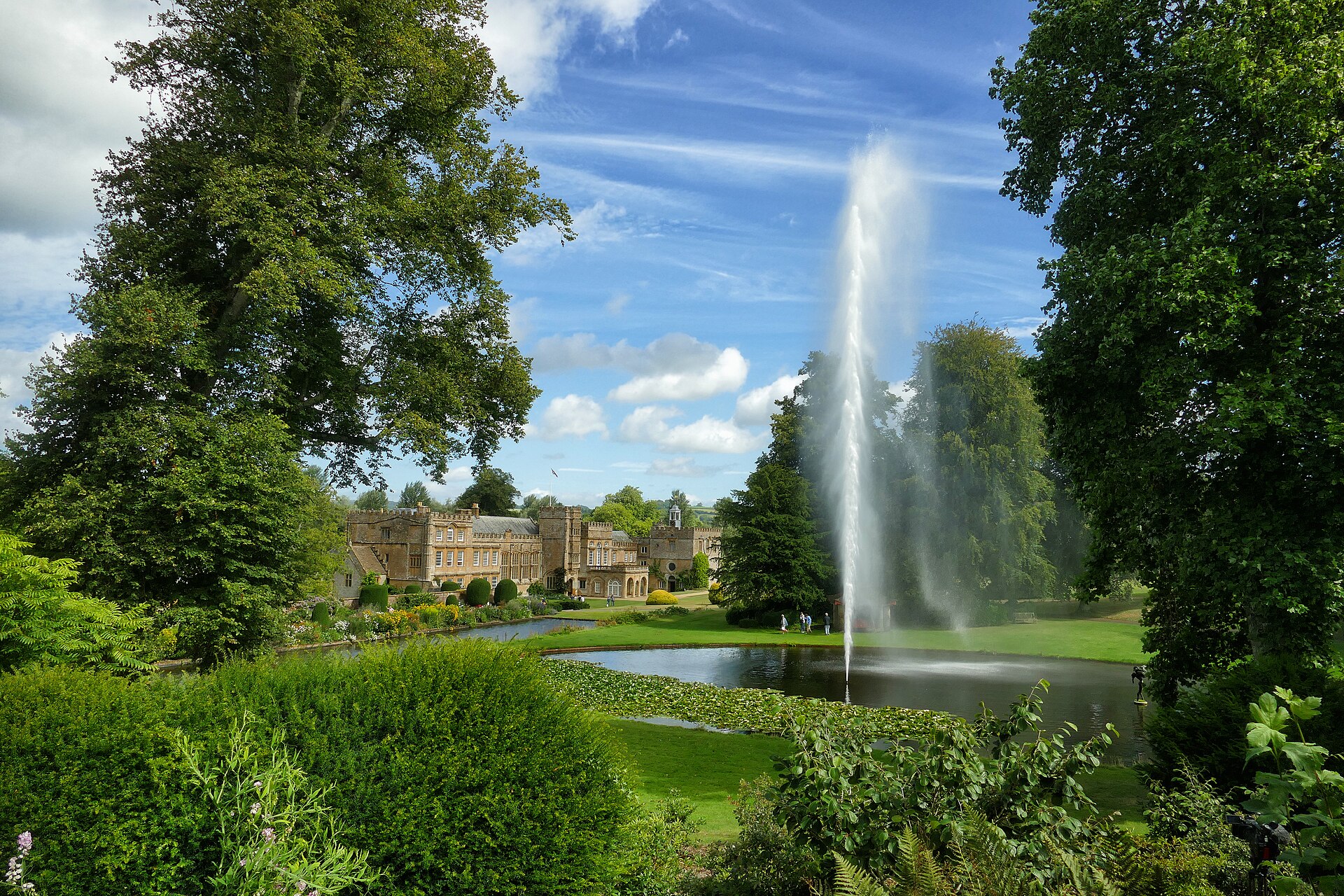
Forde Abbey preserves a Cistercian foundation transformed after 1539 into a privately owned house, retaining major monastic rooms, an important gar…
Carved stone · Pictish & early medieval
Aberdeenshire
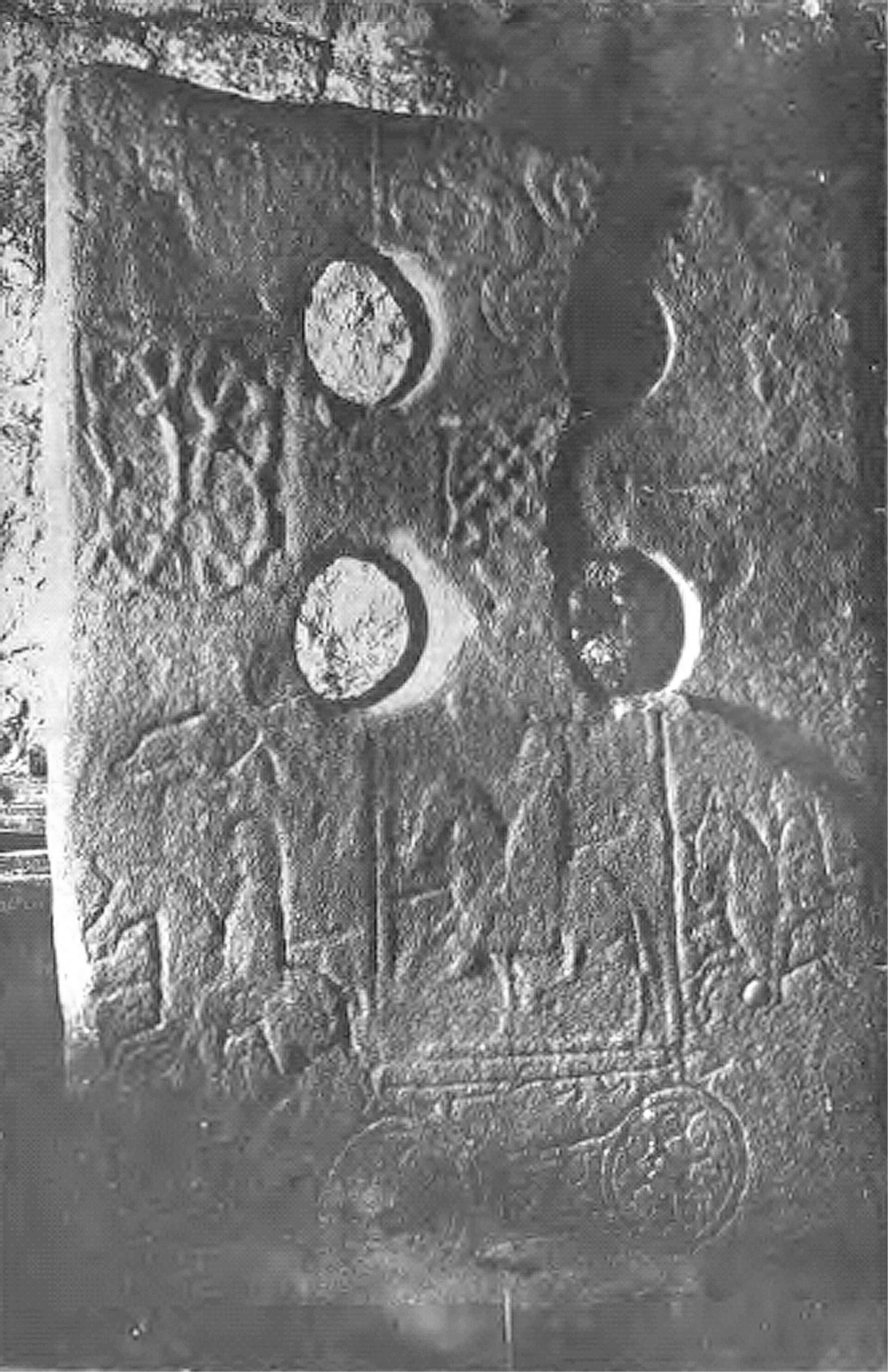
For generations the stone served as ordinary paving in the church floor, its carved face walked over underfoot before being rediscovered and stood…
Sacred place · Medieval
County Westmeath
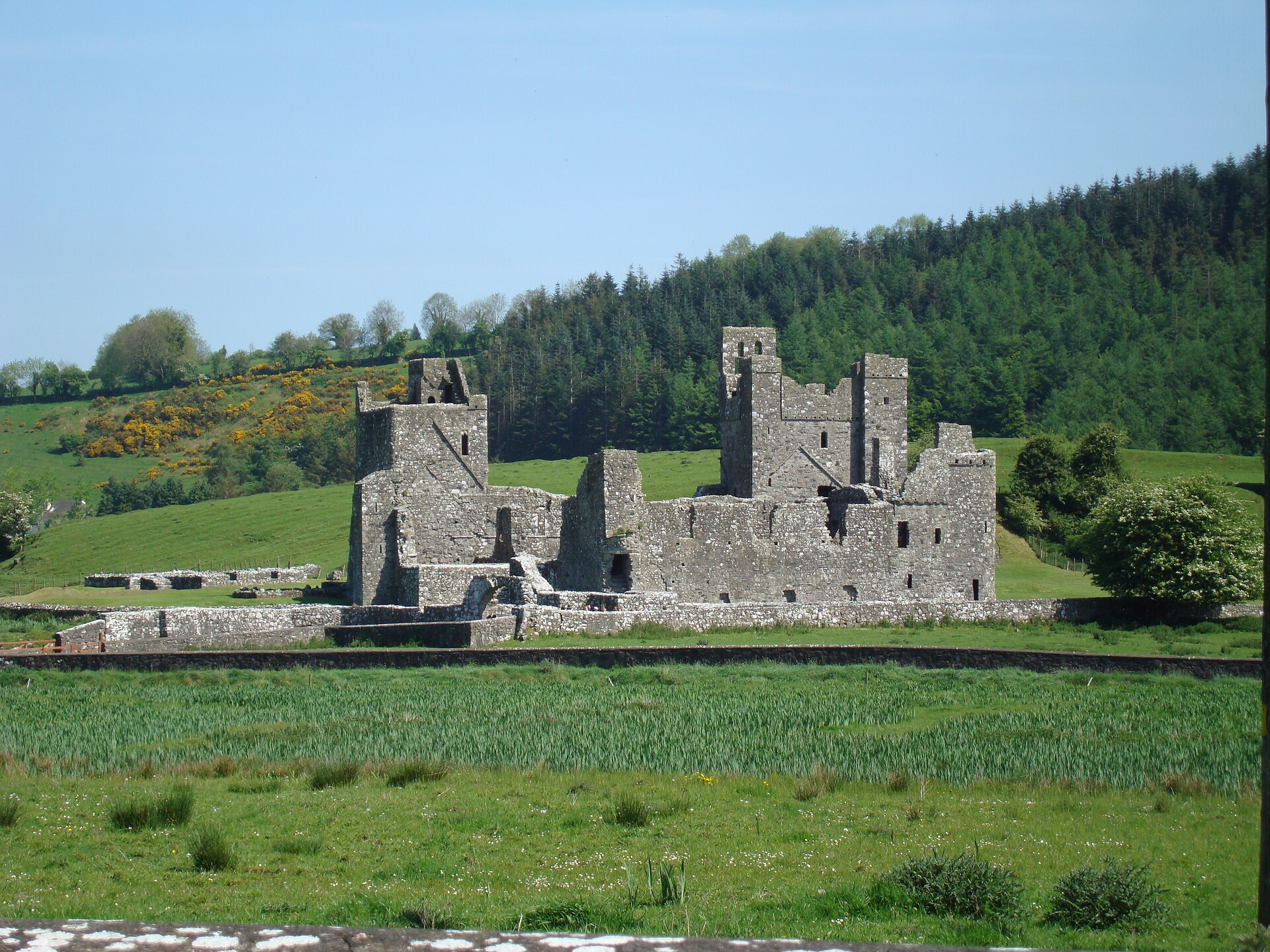
One of the largest surviving groups of Benedictine ruins in Ireland grew directly out of a 7th-century Gaelic monastery whose founder is still cred…
Building or ruin · Medieval
Highland
Completed in 1769 at more than double its original budget, it is one of the most sophisticated artillery fortifications ever built in Europe: and i…
Fortified place
Pembrokeshire
Eleven guns behind bomb-proof stone, built to cover the dockyard approach with a fort on the opposite shore - and left to fall down since 1918.
Fortified place · Medieval
East Riding of Yorkshire
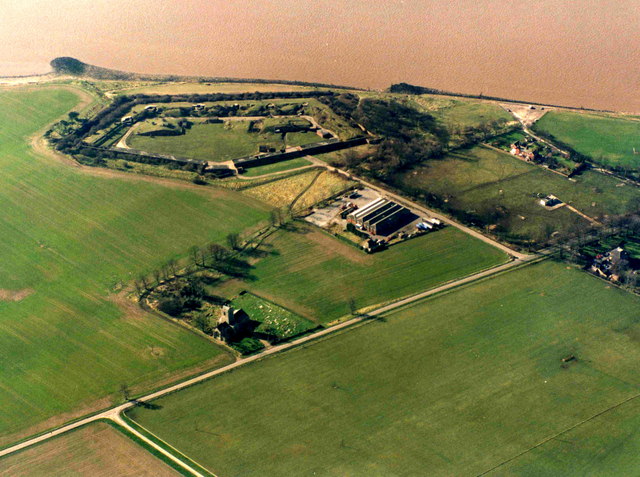
A pentagonal Palmerston Fort rearmed across four centuries of coastal defence, from Tudor guns to an Arctic convoy magazine to a museum that housed…
Fortified place · Iron Age
Wiltshire
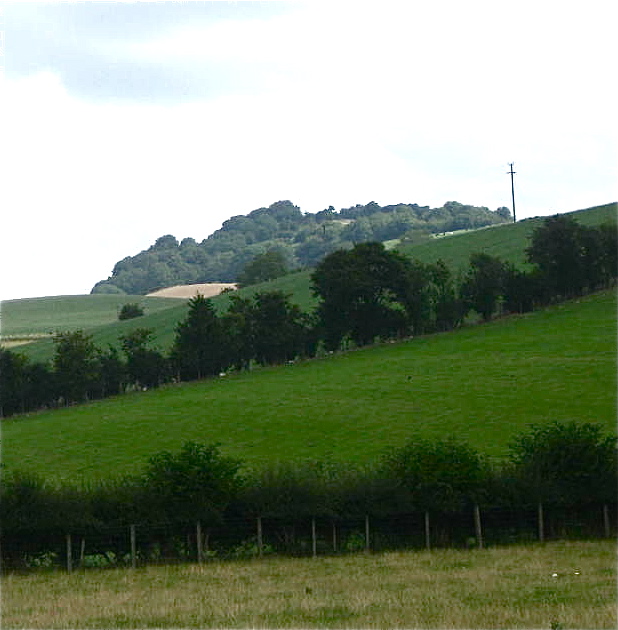
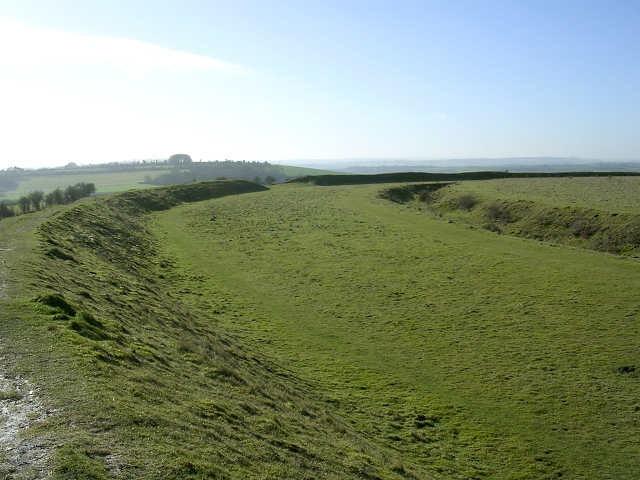
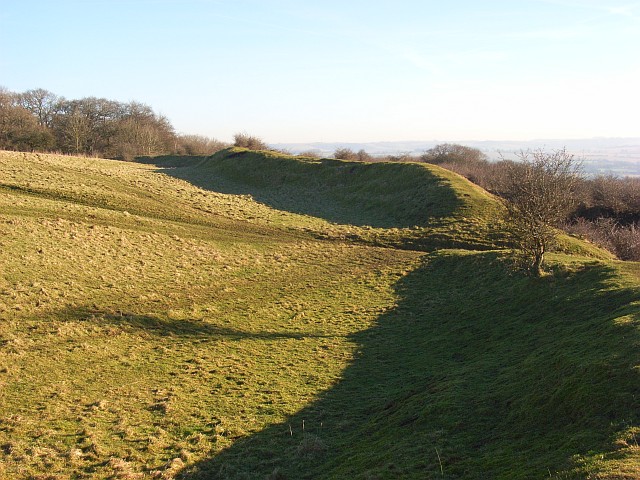
Defended on three sides by the slope alone. To the west the ground keeps rising, towards the summit the fort does not occupy.
Building or ruin · Roman
Nottinghamshire
Foss Dyke lets you follow a Roman waterway kept useful by medieval kings and later engineers, linking Lincoln’s Brayford Pool to the Trent.
Fortified place · Medieval
Northamptonshire
A royal birth and a queen's execution happened within the same walls: Richard III was born here in 1452, and Mary, Queen of Scots was beheaded here…
Sacred place · Medieval
North Yorkshire
Fountains Abbey grew from an expelled group of York monks into England’s richest Cistercian house; its ruins, water management and later parkland m…
Building or ruin · Medieval
North Yorkshire
Described as the most substantial Cistercian mill to survive anywhere, its gritstone walls carry three centuries of monastic milling, then sawing a…
Building or ruin
Wiltshire
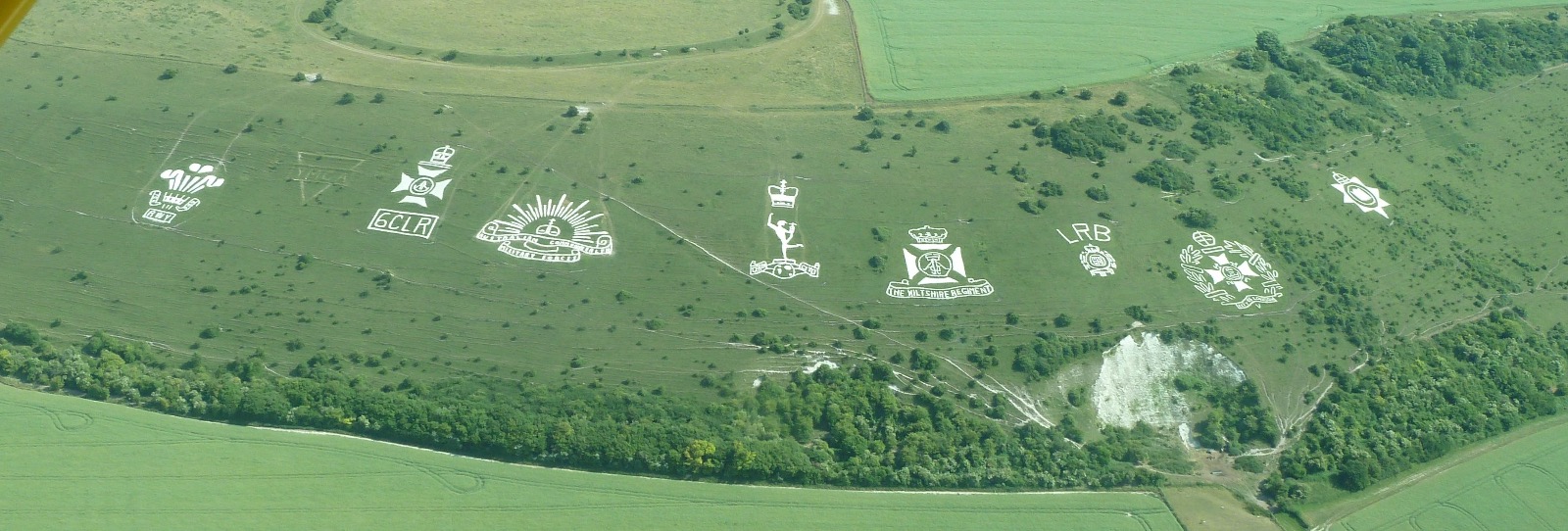
Nine surviving regimental emblems, cut into a Wiltshire chalk hillside by soldiers waiting to be sent to the trenches, still watch over the A30 as…
Building or ruin
Leicestershire
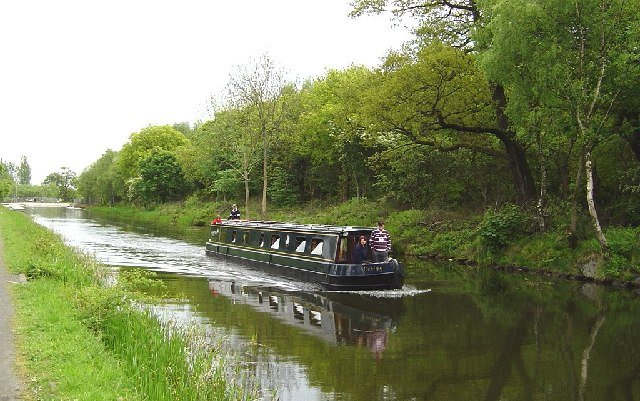
A steam-powered boat lift hauled loaded narrowboats up a 75-foot hillside in twelve minutes flat, cutting a journey that took locks over an hour: a…
Crossing or structure
Leicestershire
Two staircases of five locks apiece make this the largest such flight on the English canal system, and a failed steam-powered boat lift once tried…
Fortified place · Medieval
Suffolk
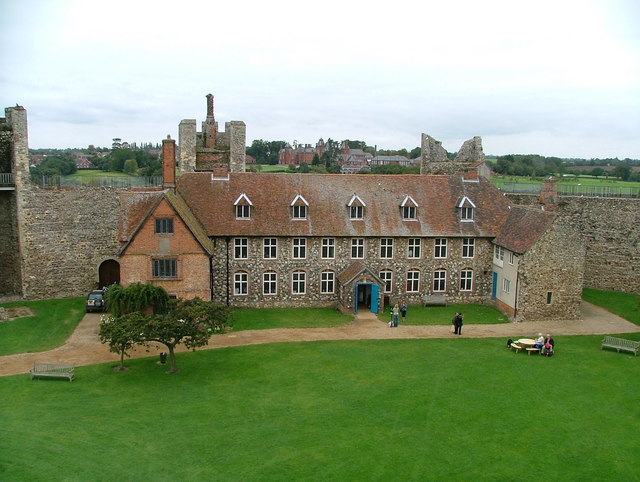
A Norman castle destroyed by Henry II after the revolt of 1173, then rebuilt by the Bigods.
Sacred place · Medieval
Staffordshire
A Grey Friars' house given oaks by two kings and dissolved in 1538: its only standing fabric now attached to the city library.
Sacred place · Medieval
Hampshire
The friars left almost nothing standing of their church, yet the pipe network they built to bring fresh water into the town still marks the ground…
Fortified place · Iron Age
Hampshire
A lone Durotrigian silver coin turned up in a nearby garden, hinting at trade contacts reaching west into Dorset from this quiet Avon-side promontory.
Building or ruin · Prehistoric
suffolk
Digging the ditches would have taken between 2,800 and 4,200 person-days. Ploughing has since levelled every bank, perhaps two thousand years ago.
Building or ruin · Medieval
Derbyshire
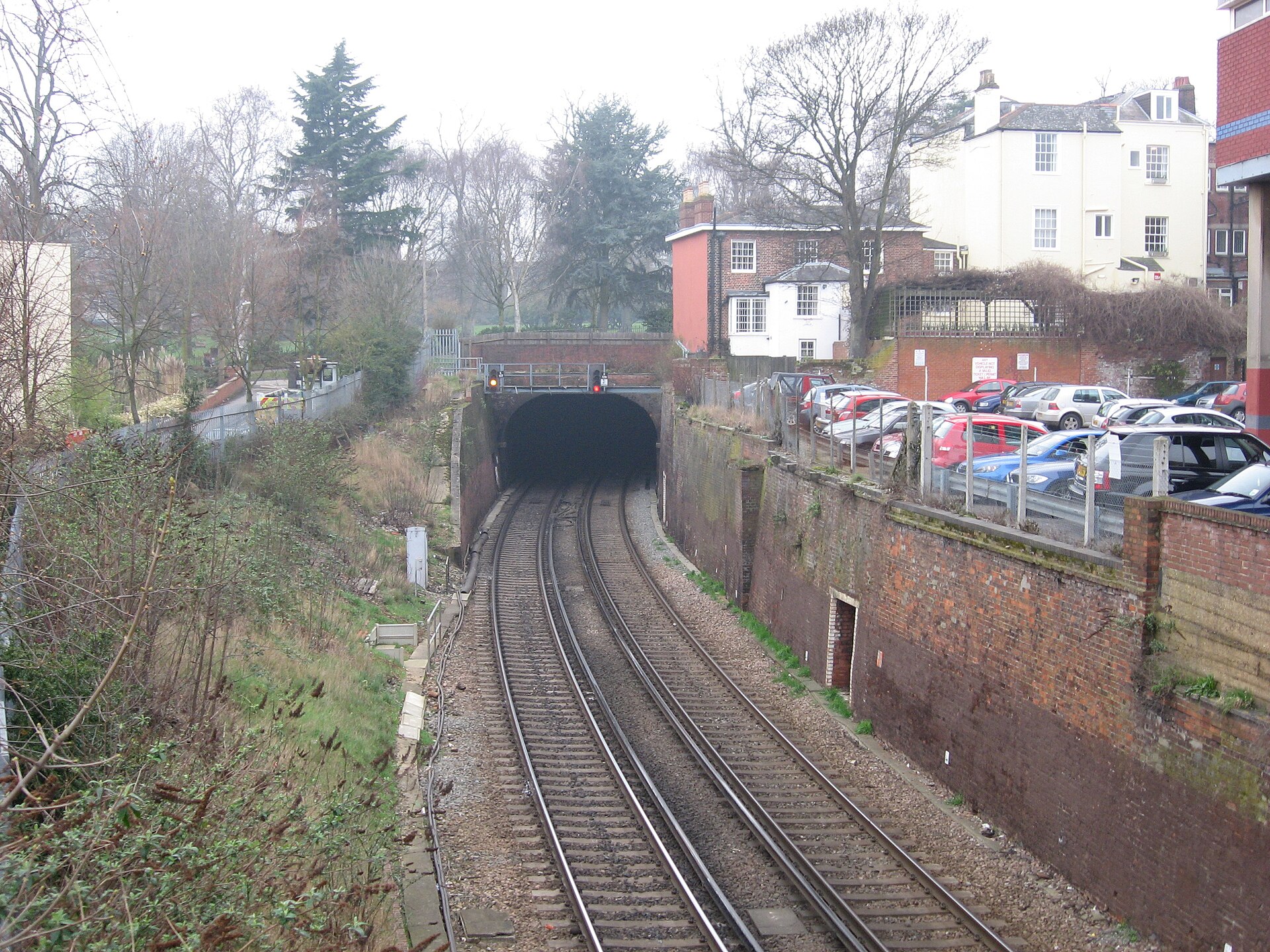
Believed to be the oldest surviving railway tunnel in the world, its stonework still carries the soot, tool-marks and sleeper-scars of the horse-dr…
Sacred place · Medieval
Devon
Frithelstock Priory preserves the history of an Augustinian foundation, its Dissolution (Henry VIII's closure of the monasteries in the 1530s)-era…
Fortified place · Medieval
Cheshire
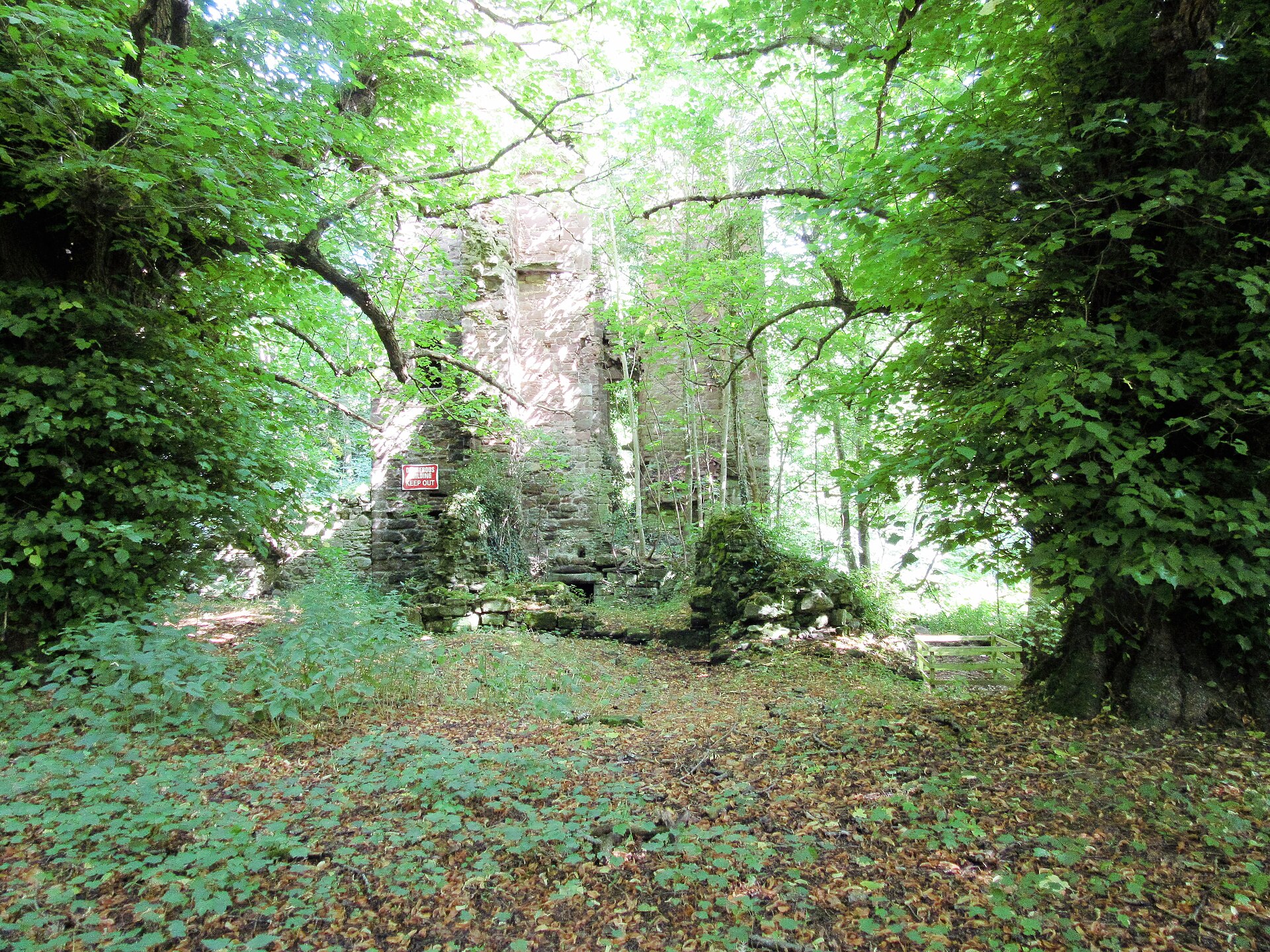
A castle so thoroughly erased that its walls now form the cellars of the house that replaced it: a stronghold known more through inheritance disput…
Building or ruin · Prehistoric
Greater London
Fulham Palace records more than a millennium of London bishops’ stewardship, combining medieval palace fabric, England’s largest domestic moat and…
Fortified place · Prehistoric
Shetland Islands
A stone wall over four kilometres long once ran the full north-south length of Fetlar, splitting the Shetland island into two almost equal halves.…
Sacred place · Medieval
Cumbria
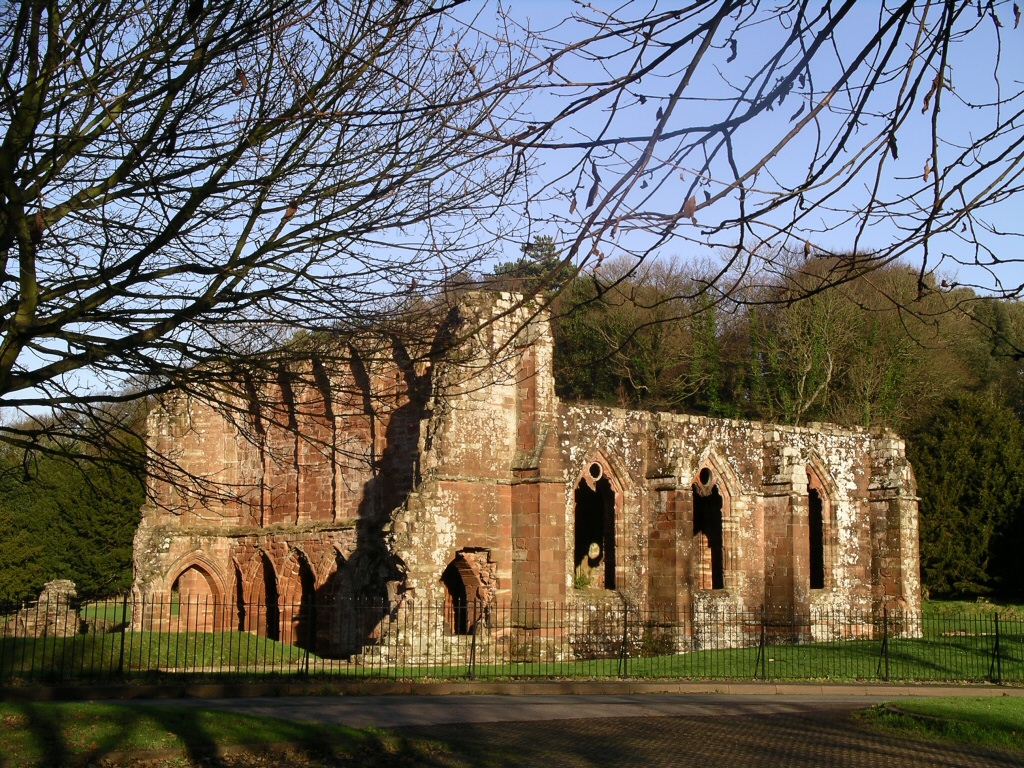
For three centuries this was the second-richest Cistercian house in England after Fountains, ruling Man and its bishops from a red sandstone valley…
Fortified place · Medieval
Aberdeenshire
Four towers raised by five different families across six centuries turn one facade into a physical timeline - a royal courtroom, a Civil War battle…
Building or ruin · Roman
Hertfordshire
A farmer's field near Hemel Hempstead once held the second-largest swimming pool in Roman Britain: outdone only by the great baths at Bath.
Fortified place · Iron Age
Monmouthshire
Gaer hillfort, a defended Iron Age: the centuries before Rome arrived: settlement on high ground, is a registered Celtic monument near Trellech, re…
Carved stone · Pictish & early medieval
Highland
A carved salmon and the broken remains of a bird - rare survivors of a Pictish (of the Picts, the people of northern and eastern Scotland from abou…
Fortified place · Medieval
County Kerry
A mural stairway rises through the thickness of the east wall of Gallarus Castle, climbing to vaulted ceilings on the third and fourth floors of th…
Sacred place · Medieval
County Offaly
A monastery twice devastated by Munster kings and twice rebuilt, its surviving grave slabs span four centuries, and ownership passed from an Irish…
Sacred place · Prehistoric
Cumbria
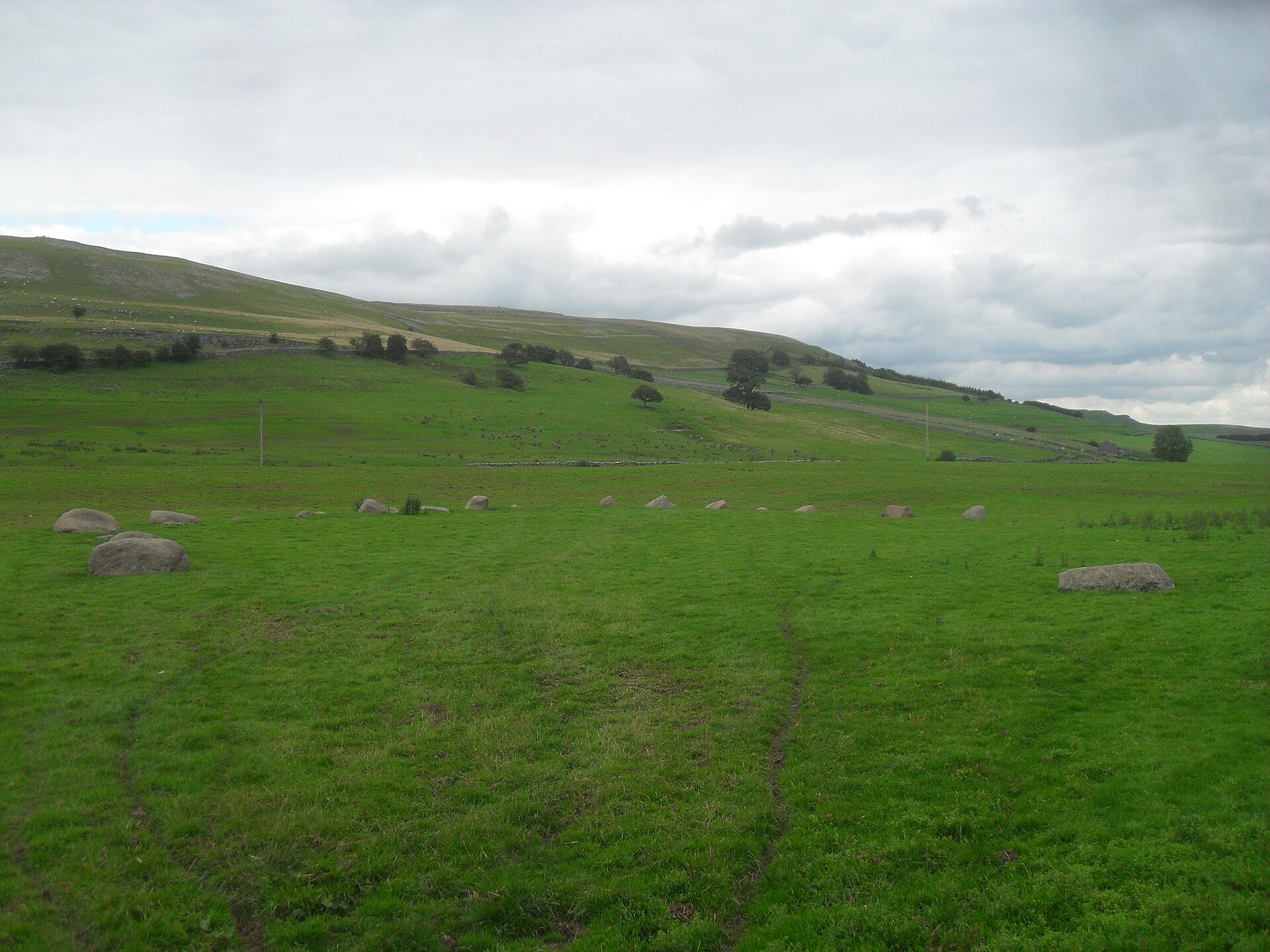
Some forty fallen pink granite stones still trace a full oval on the fellside, one of the largest stone circles in Cumbria despite two centuries of…
Briefer entries: recorded and worth knowing, with fuller pages to come.
Building or ruin · Roman
Kent
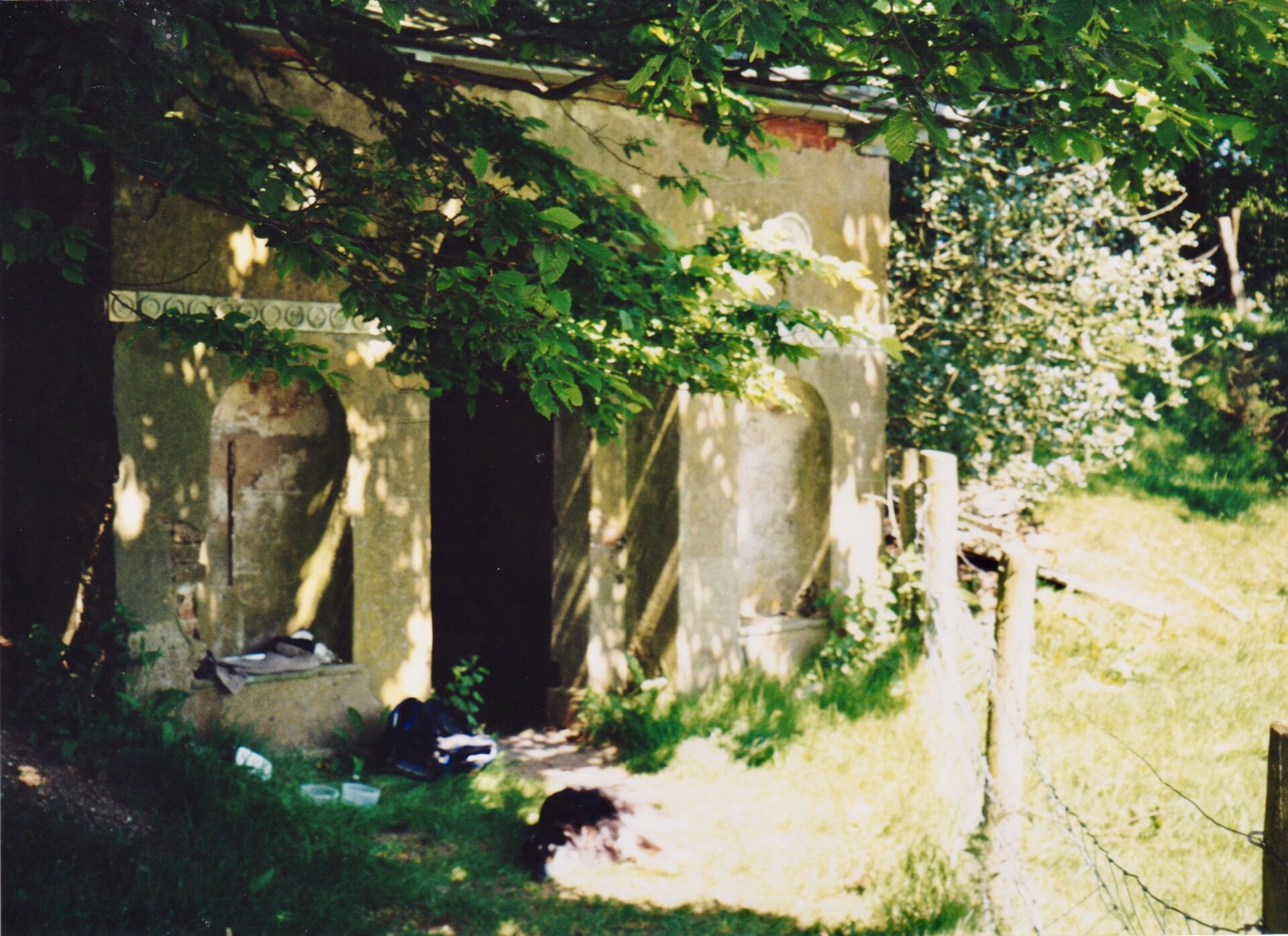
Faversham Stone Chapel incorporates an ancient shrine or mausoleum within a medieval church, recording a striking transition from a Romano-British…
Building or ruin · Medieval
County Tyrone
Favor Royal Demesne layers a Plantation-era manor, a derelict nineteenth-century house and two protected raths within a County Tyrone border townland.
Sacred place · Medieval
East Riding of Yorkshire
One of Yorkshire's wealthiest Templar houses, founded by a ransomed Crusader lord and erased so completely that only a buried field and a farm name…
Building or ruin · Roman
Northumberland
Featherwood Roman Camps preserve two large first-century marching camps on Dere Street, showing how Roman forces moved and maintained a route into…
Sacred place · Prehistoric
Cornwall
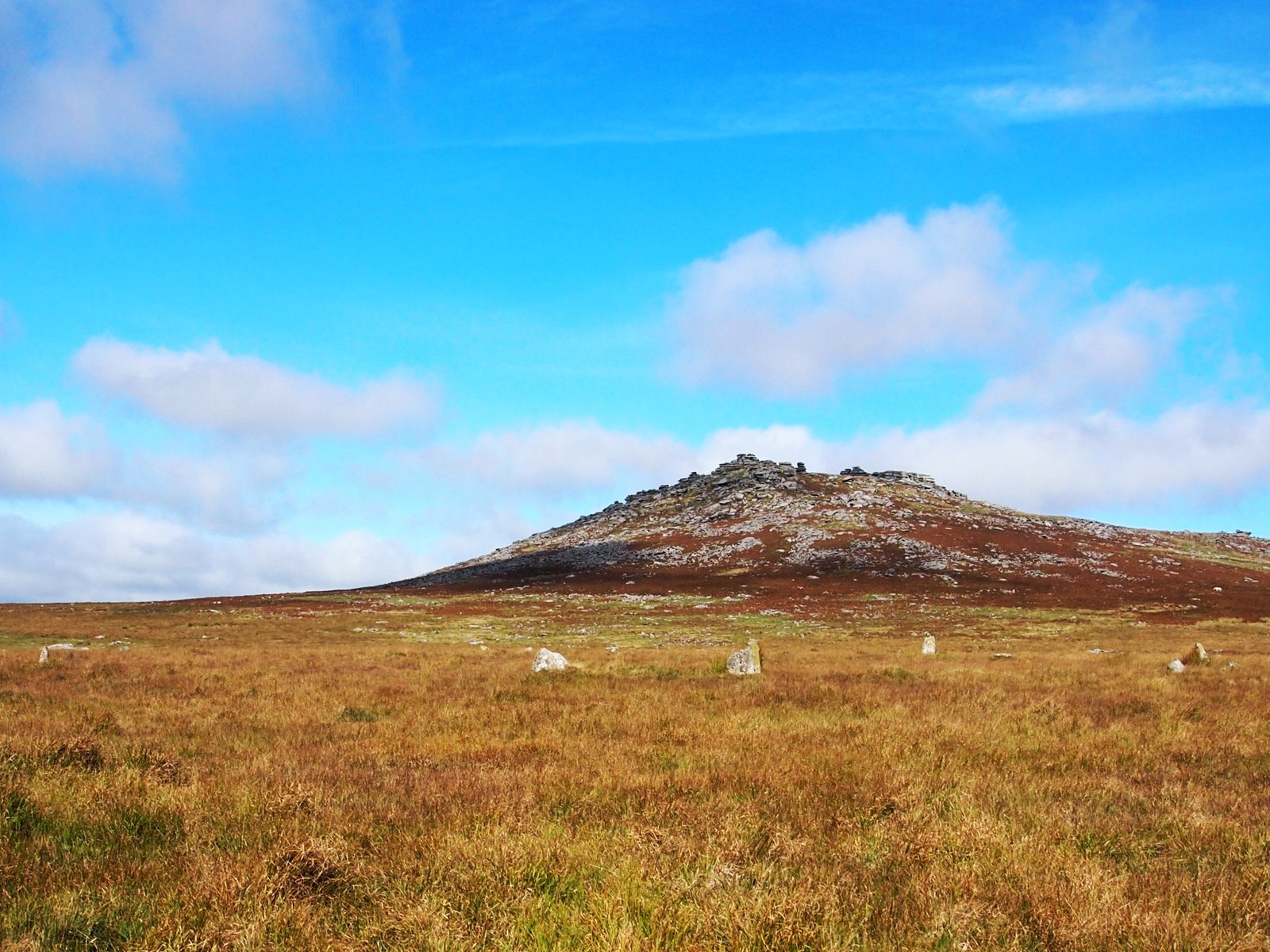
One of Cornwall's largest stone circles, set in a landscape of prehistoric (from the era before writing arrived in these islands) settlement and la…
Tomb or burial place · Prehistoric
shetland-islands
Haaf fishermen lit their böds with oil lamps made from whelk shells. One from here is in the Shetland Museum, collected by a man who argued about w…
Fortified place · Medieval
Warwickshire
Two castles, two scheduled monuments, and a herbicide spraying in about 2012 that cleared the ruins and took the biodiversity with it.
Fortified place · Iron Age
Derbyshire
A 2011 dig found a mass grave of only women and children in its ditch: the earliest known segregated burial of its kind in Iron Age (roughly 800 BC…
Tomb or burial place · Prehistoric
County Cavan
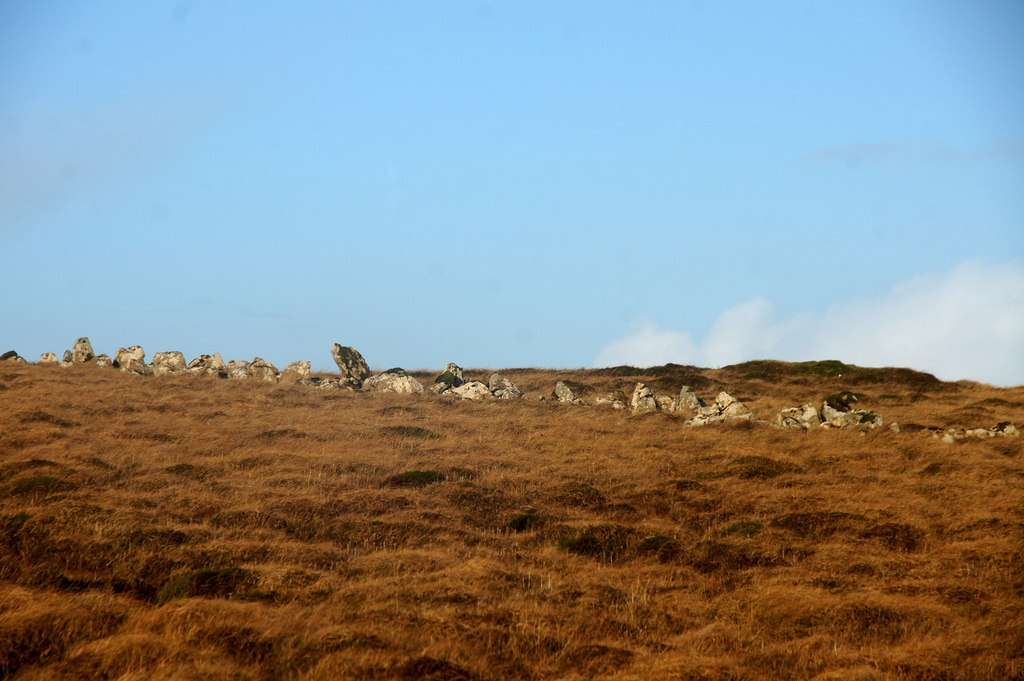
Finn McCools Fingers is a five-stone row on Shantemon mountain whose local name preserves a direct link between a physical monument and Fionn mac C…
Sacred place · Prehistoric
Dorset
Flagstones is a late Neolithic (the first farming period in Britain, roughly 4000–2500 BC) interrupted-ditch enclosure near Dorchester, with burial…
Sacred place · Medieval
Suffolk
A nunnery under a prioress following the Augustinian rule, in the north of the county.
Sacred place · Medieval
Kent
Folkestone Priory connects a possibly first English nunnery, founded by Saint Eanswith in the 640s, with a later Benedictine house whose repeated r…
Fortified place · Iron Age
oxfordshire
A tower with a sign warning that members of the public committing suicide from it did so at their own risk. It stands on an ancient ditched ring th…
Building or ruin · Roman
powys
Occupied from about AD 75 to the reign of Valentinian I: some three centuries: guarding a Severn crossing beside the historic ford at Rhydywhyman.
Sacred place · Medieval
Cambridgeshire
A Georgian manor house now stands on the footprint of a 300-year-old religious house, its Grade II listing the only formal recognition left of the…
Fortified place · Medieval
Gwynedd
Fort Williamsburg stands half a mile south-east of Glynllifon Hall in Llandwrog, Gwynedd, on ground that Cadw has called a location "without releva…
Sacred place · Medieval
Dorset
Frampton Priory records a Benedictine dependency of the Abbey (a religious community led by an abbot) of Saint-Étienne whose medieval site later be…
Sacred place · Medieval
Hampshire
Nothing survives above ground, yet for three centuries this was one of Winchester's working friaries: a house of preaching friars living among the…
Sacred place · Medieval
Essex
Frating Abbey is not evidenced as an abbey: the name belongs to a nineteenth-century farmhouse and later cartographic tradition, not a documented m…
Sacred place · Medieval
Lincolnshire
Freiston Priory was a Benedictine cell of Crowland Abbey, founded after a 1114 church gift and later developing into a priory before its 1539 Disso…
Sacred place · Prehistoric
County Tyrone
Freughlough’s Scheduled standing stone survives at the edge of a housing estate, bringing a protected prehistoric (from the era before writing arri…
Fortified place · Medieval
Dorset
Furzey Island combines a concealed modern oil-field installation with evidence that the wider former island landscape supported Iron Age (the centu…
Fortified place · Iron Age
Monmouthshire
At 427 metres above sea level, the summit of Gaer sits inside the earthwork (a bank or ditch dug and heaped from the ground itself, with no masonry…
Fortified place · Iron Age
Ceredigion
One of only around 300 Welsh hillforts formally protected by Cadw, out of an estimated 570 that survive across the country.
Fortified place · Medieval
Ceredigion
A ringwork: a castle enclosure ringed by a bank, built without a motte: on a steep Ceredigion hill whose timber defences repeatedly changed hands i…
Settlement · Medieval
Lincolnshire
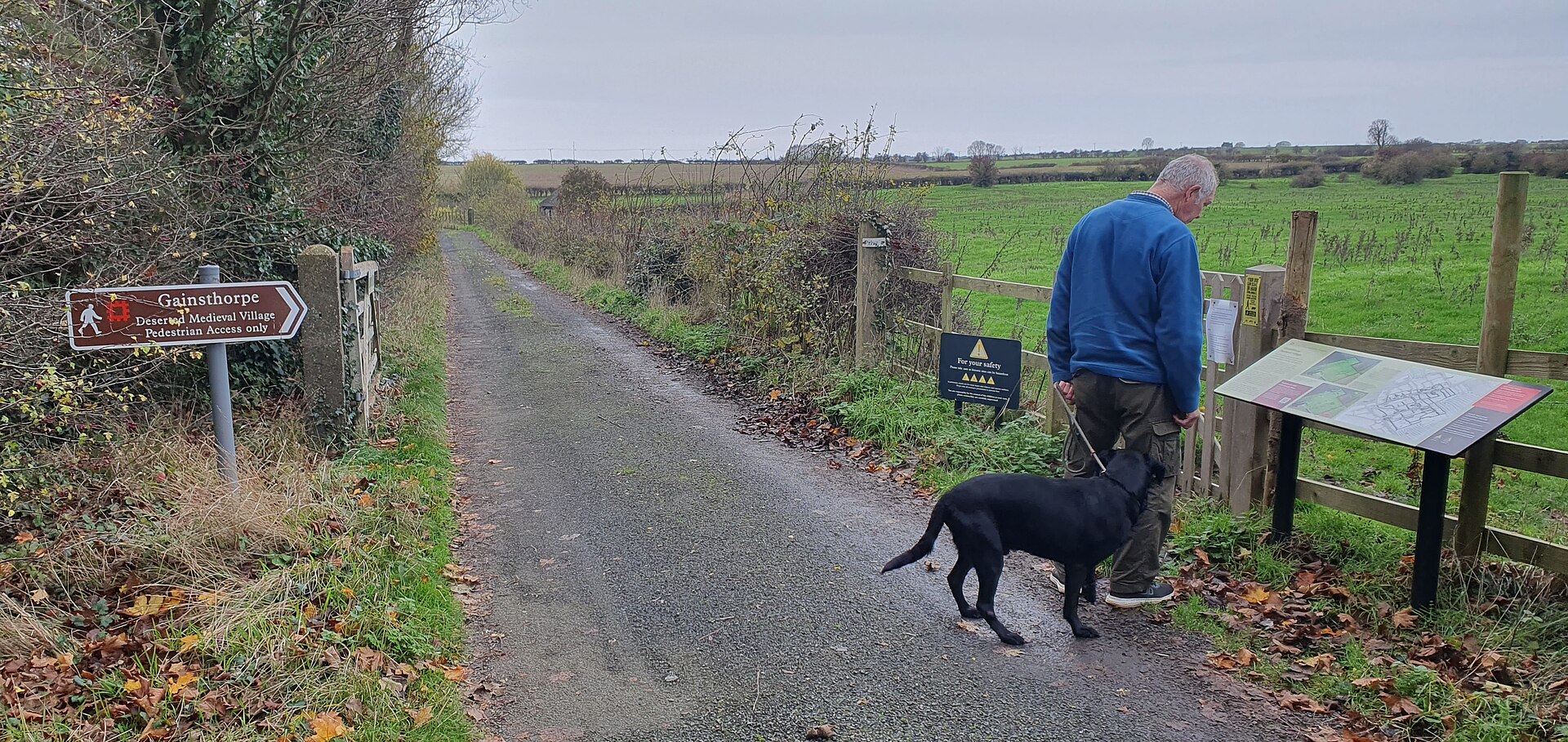
Gainsthorpe is a well-preserved deserted medieval village where sunken roads and raised tofts and crofts make a lost settlement plan visible in the…
No places match those filters.
Kinds of place
Ages





















.jpg?width=800)