A family record stretching from medieval Reiver land to French tapestries brought from a New York estate — one house rebuilt twice over three centuries to match each era's idea of status.
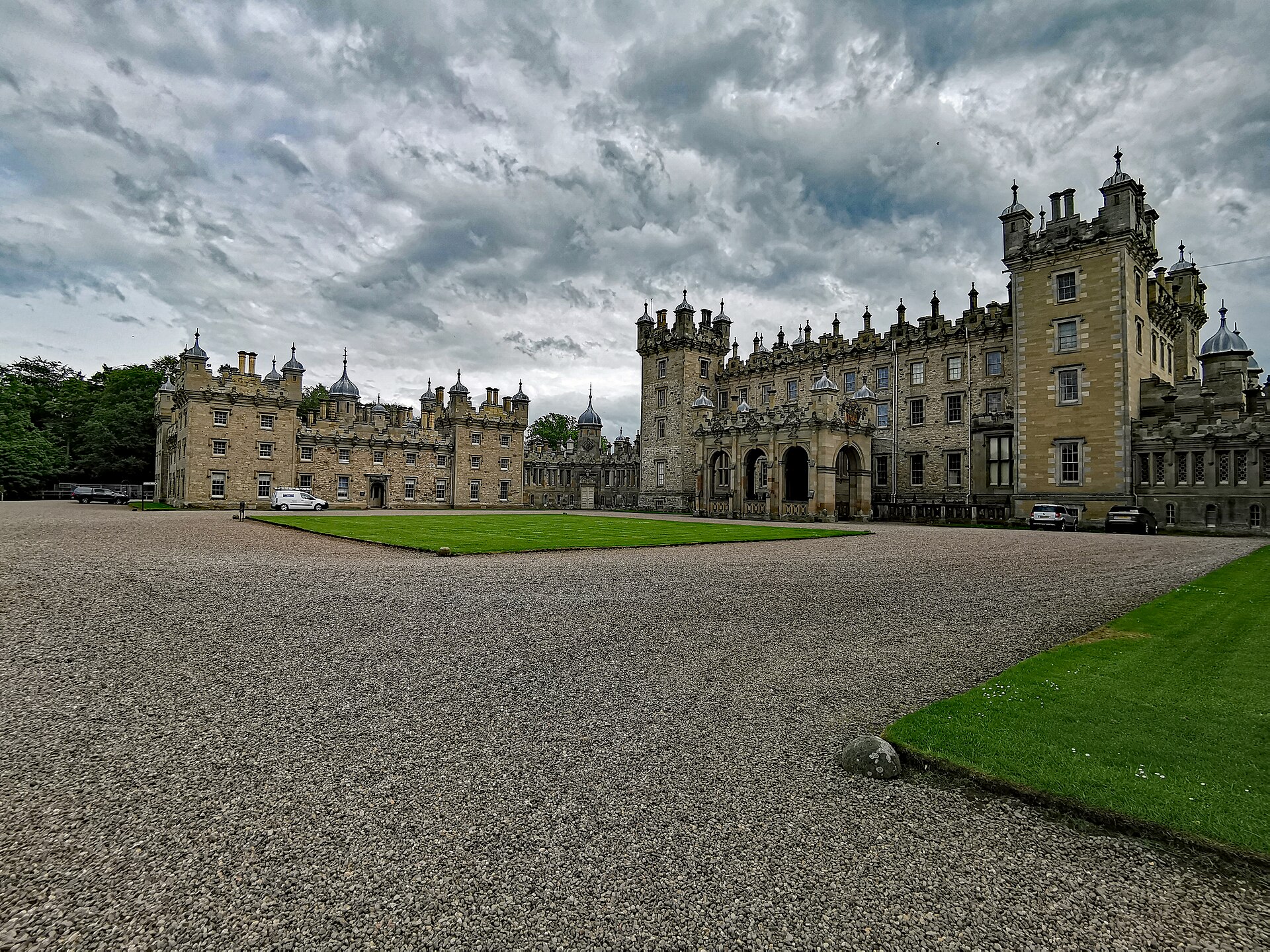
Turrets and battlements crown the roofline of Floors Castle, yet the building beneath that silhouette was never built to withstand a siege. What looks like a medieval stronghold above the River Tweed is in fact a Georgian mansion in a castle’s clothing: the fortified dressing was bolted on more than a century after the walls went up, for a family whose real power by then had nothing to do with holding a wall against attackers.
The Ker family, earls and later dukes of Roxburghe, had held land in this stretch of the Scottish Borders since the 12th century, in a region once notorious for the Reivers — raiders who crossed the border to rustle cattle and settle scores by force. William Adam built the first house here in the 1720s for John Ker, 1st Duke of Roxburghe, reportedly folding an earlier tower house into a plain mansion flanked by matching service wings. It was left to a later Duke, more than a hundred years on, to give the house the castle-like face it wears today.
That transformation, carried out in the 1830s by the architect William Henry Playfair, added the turrets and battlements now associated with the name. Later still, an American marriage brought French tapestries and paintings by Matisse and Sickert into the house, layering fresh wealth and taste onto a building that had already been rebuilt once to suit its owners’ ambitions. Floors stands today as a category A listed building, its grounds recognised in Scotland’s national inventory of significant designed landscapes, looking south across the Tweed toward the Cheviot Hills.
What follows is drawn from published sources, with each claim labelled by how firmly it is established.
The name
The name Floors is thought to derive either from "flowers" (or the French fleurs), or from the "floors", meaning terraces, on which the castle is built.
History
The Ker family, earls and later dukes of Roxburghe, had held land in this part of the Scottish Borders since the 12th century, though their origins beyond a likely Norman stock are not certain. For centuries the Anglo-Scottish border country, known as the Marches, was a lawless region where cattle rustling and murder were carried out by bands of raiders called Reivers, and any stronghold nearby needed genuine defences until order was restored in the early seventeenth century.
Before the Reformation the lands on which Floors stands belonged to the monks of Kelso Abbey, a few miles away on the River Tweed. When the abbey's estates were broken up, King James VI granted the land to Robert Ker of Cessford, a border laird born in 1570 who died in 1650 and who was later created the first Earl of Roxburghe, founding the family's local power on what had been church land.
Floors stands directly opposite the site of Roxburgh Castle, once one of medieval Scotland's most important fortresses and the place where King James II was killed by an exploding cannon during a siege in 1460. For centuries that vanished stronghold across the river, rather than Floors itself, was the true seat of military power in the area.
John, Earl of Roxburghe, helped secure the Union of the Parliaments of England and Scotland in 1707 and was created Duke of Roxburghe as a reward. Between 1721 and 1726 he commissioned the Scottish architect William Adam, father of the more celebrated Robert Adam, to design a new mansion on the site, said to incorporate an earlier tower house into a plain block with corner towers and two flanking service pavilions.
Around 1837 James Innes-Ker, the 6th Duke of Roxburghe, commissioned the fashionable architect William Henry Playfair to remodel and rebuild the plain Georgian house he had inherited. Playfair's turrets, battlements and enriched roofline gave Floors the castellated silhouette it carries today, in a style he repeated at Donaldson's College in Edinburgh, and it is this nineteenth-century reworking, not the original 1720s design, that most visitors now see.
In 1903 Henry Innes-Ker, the 8th Duke of Roxburghe, married the American heiress Mary Goelet, who brought Gobelins Manufactory tapestries from her family's Long Island home to Scotland. The tapestries were built into the ballroom during the 1930s, and Mary Goelet also added modern paintings by Walter Sickert and Henri Matisse to the family's collection, layering new transatlantic wealth onto an already twice-rebuilt house.
The castle has twice reached a wider audience beyond the Borders: it appeared in the 1984 film Greystoke: The Legend of Tarzan, Lord of the Apes, and again in 2020 in the television series An American Aristocrat's Guide to Great Estates, broadcast on the Smithsonian Channel and Amazon Prime Video. On 19 July 2022, a temperature of 35.1°C was recorded in the area, the hottest ever measured in Scotland.
People
-
William Adam
Scottish architect who designed and built the original 1720s mansion for John Ker, 1st Duke of Roxburghe.
-
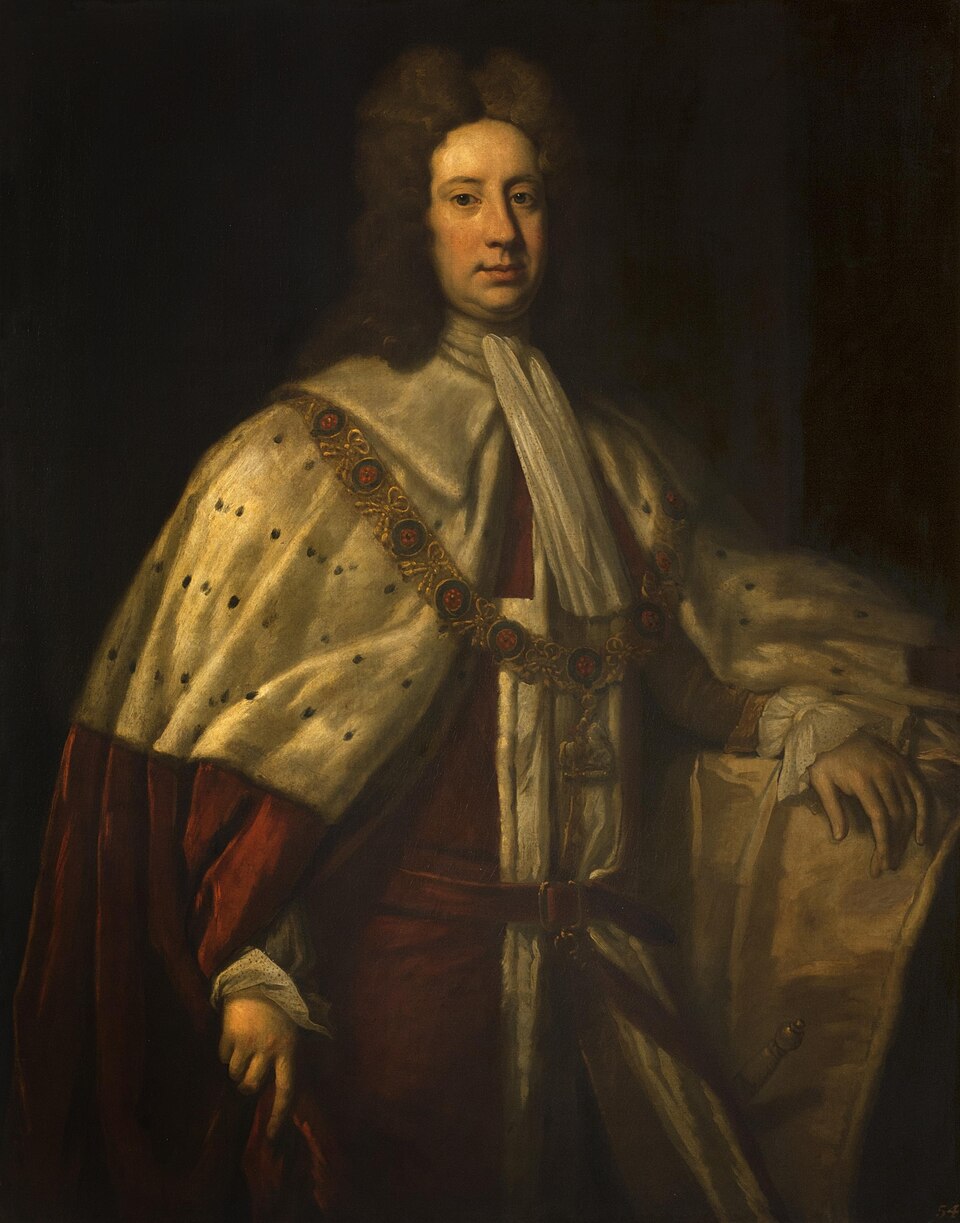
Portrait: anonymous / Wikimedia Commons / Public domain John Ker, 1st Duke of Roxburghe
Helped secure the 1707 Union and commissioned the original Floors mansion, built 1721–1726.
-
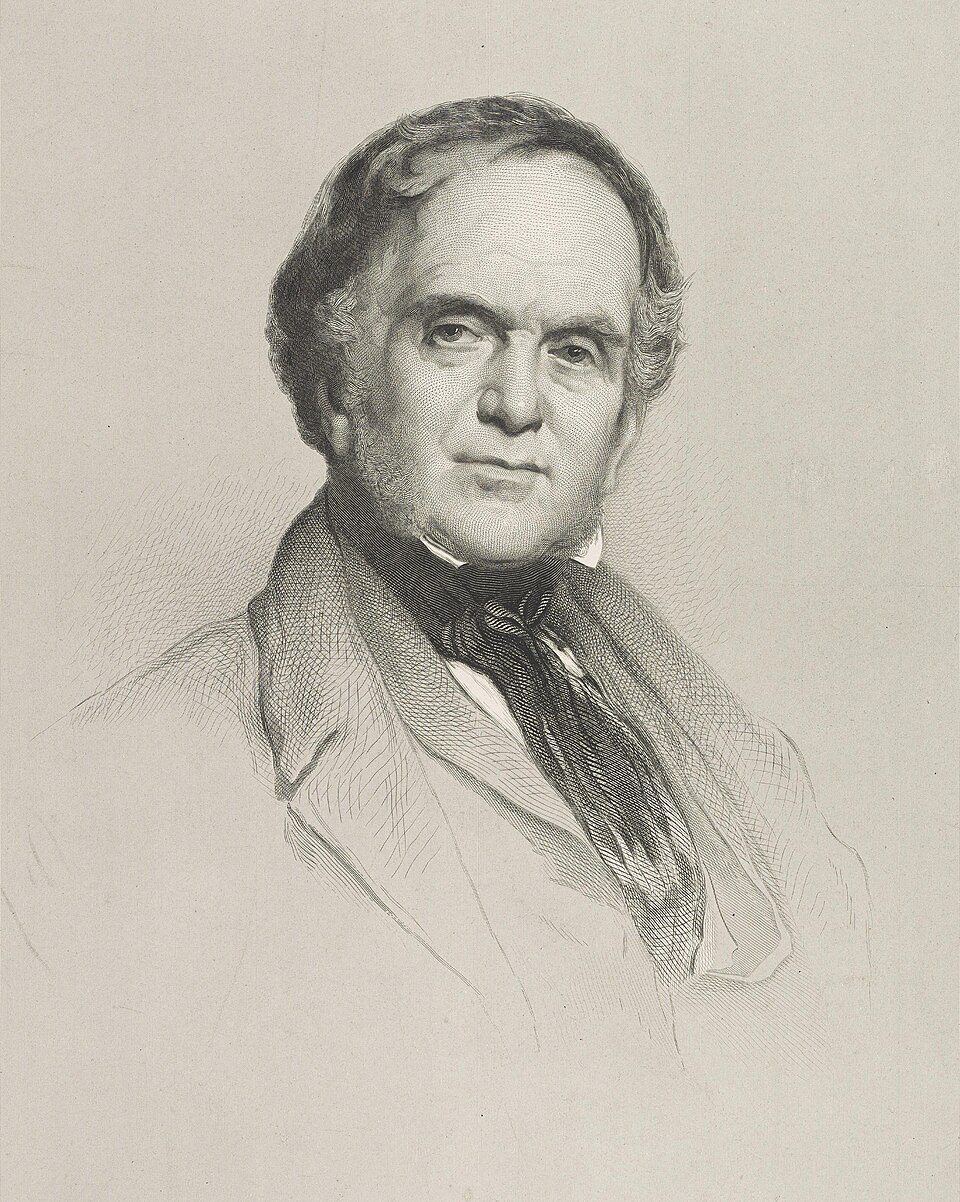
Portrait: John Talfourd Smyth / Wikimedia Commons / Public domain William Henry Playfair
Architect who remodelled the house around 1837, adding the turrets and battlements seen today.
-
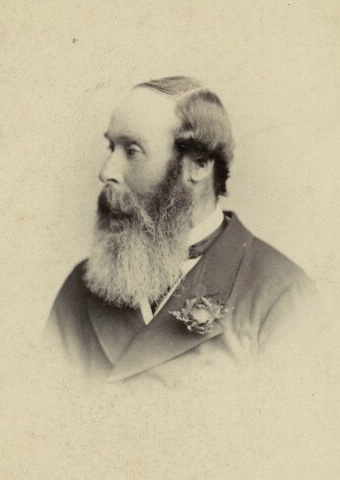
Portrait: Thomas Richard Williams / Wikimedia Commons / Public domain James Innes-Ker, 6th Duke of Roxburghe
Commissioned Playfair's nineteenth-century remodelling of the house.
-
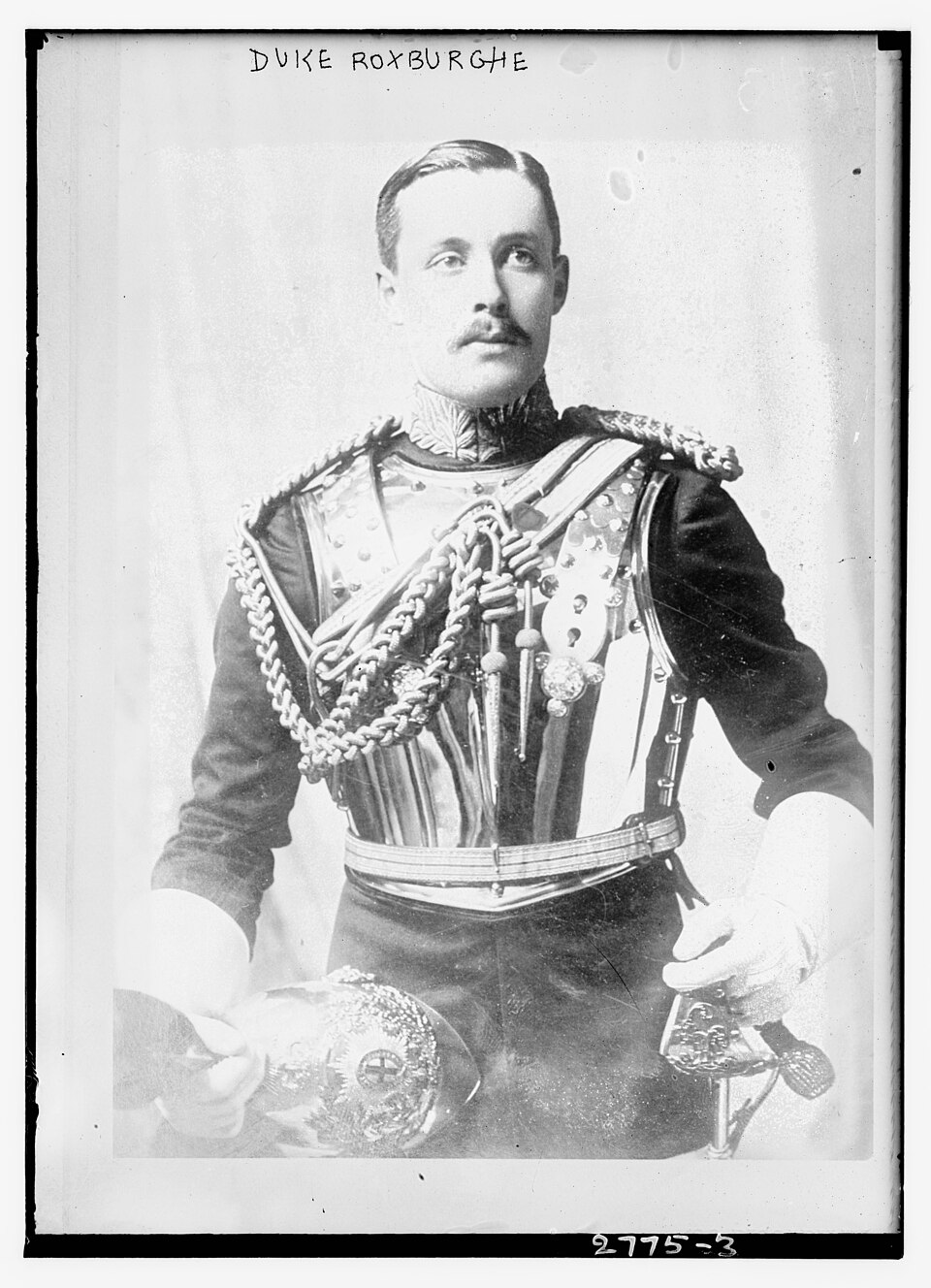
Portrait: Bain News Service, publisher / Wikimedia Commons / Public domain Henry Innes-Ker, 8th Duke of Roxburghe
Married the American heiress Mary Goelet in 1903, bringing new wealth and collections into the house.
-
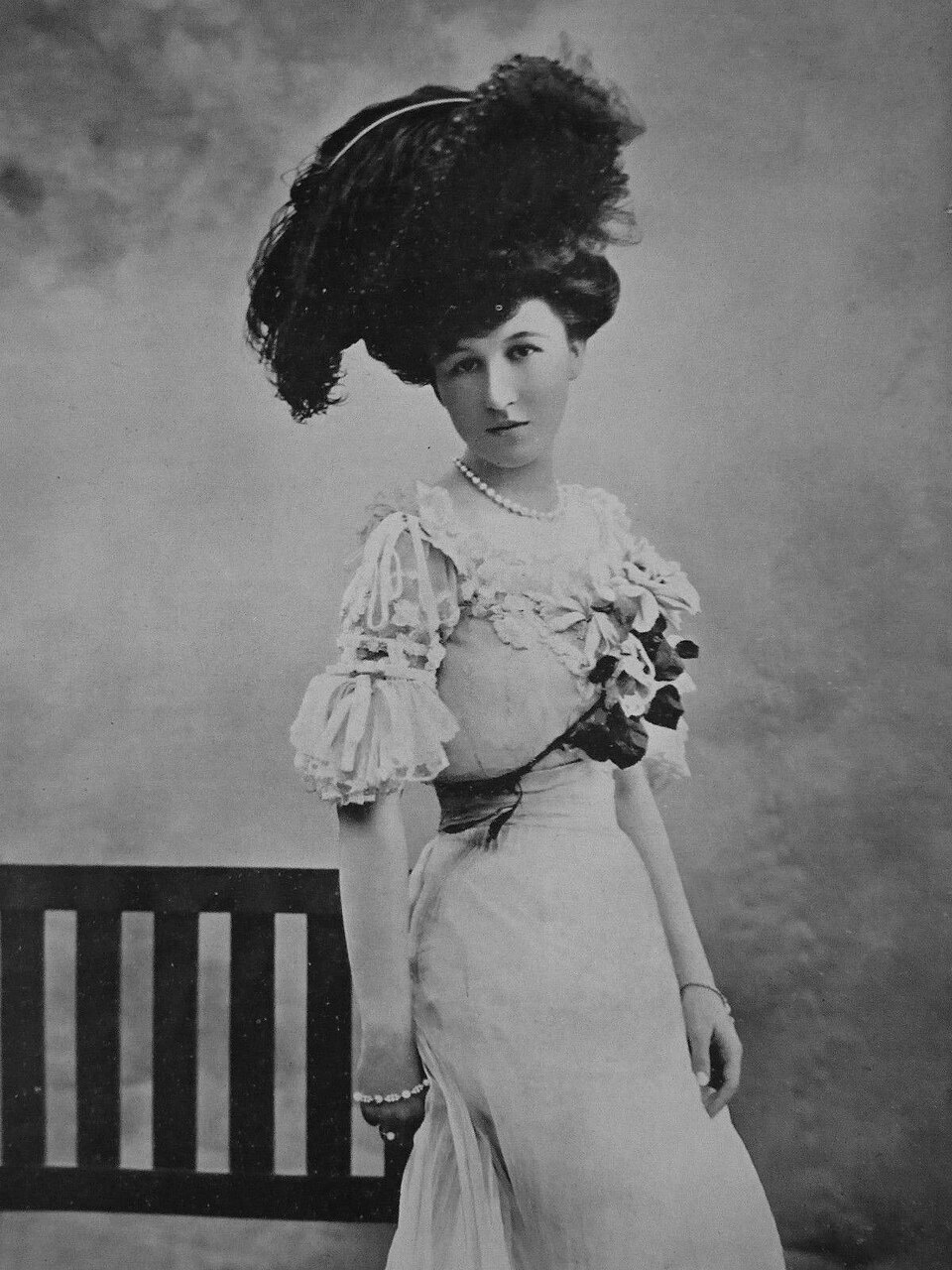
Portrait: Lallie Charles / Wikimedia Commons / Public domain Mary Goelet
American heiress whose marriage brought Gobelins tapestries and paintings by Sickert and Matisse into the Floors collection.
-
Robert Ker of Cessford, 1st Earl of Roxburghe
Received the former Kelso Abbey lands from King James VI after the Reformation, founding the family's estate.
Cultural influences
-
A Georgian house recast through Gothic Revival
William Henry Playfair’s 1830s remodelling gave William Adam’s Georgian mansion its battlements and turrets, using castellated architecture to project inherited Border power rather than meet a military need.
Connections
-
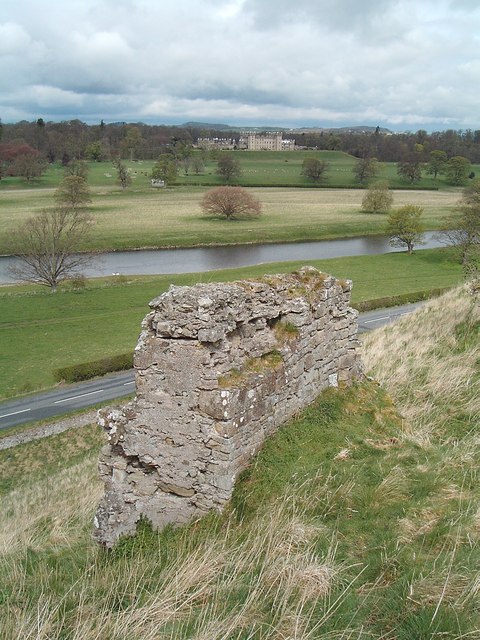
Photo: Steve Kent / Wikimedia Commons / CC BY-SA 2.0 Floors Castle stands directly opposite the site of this vanished medieval fortress, where King James II was killed during a siege in 1460.
-
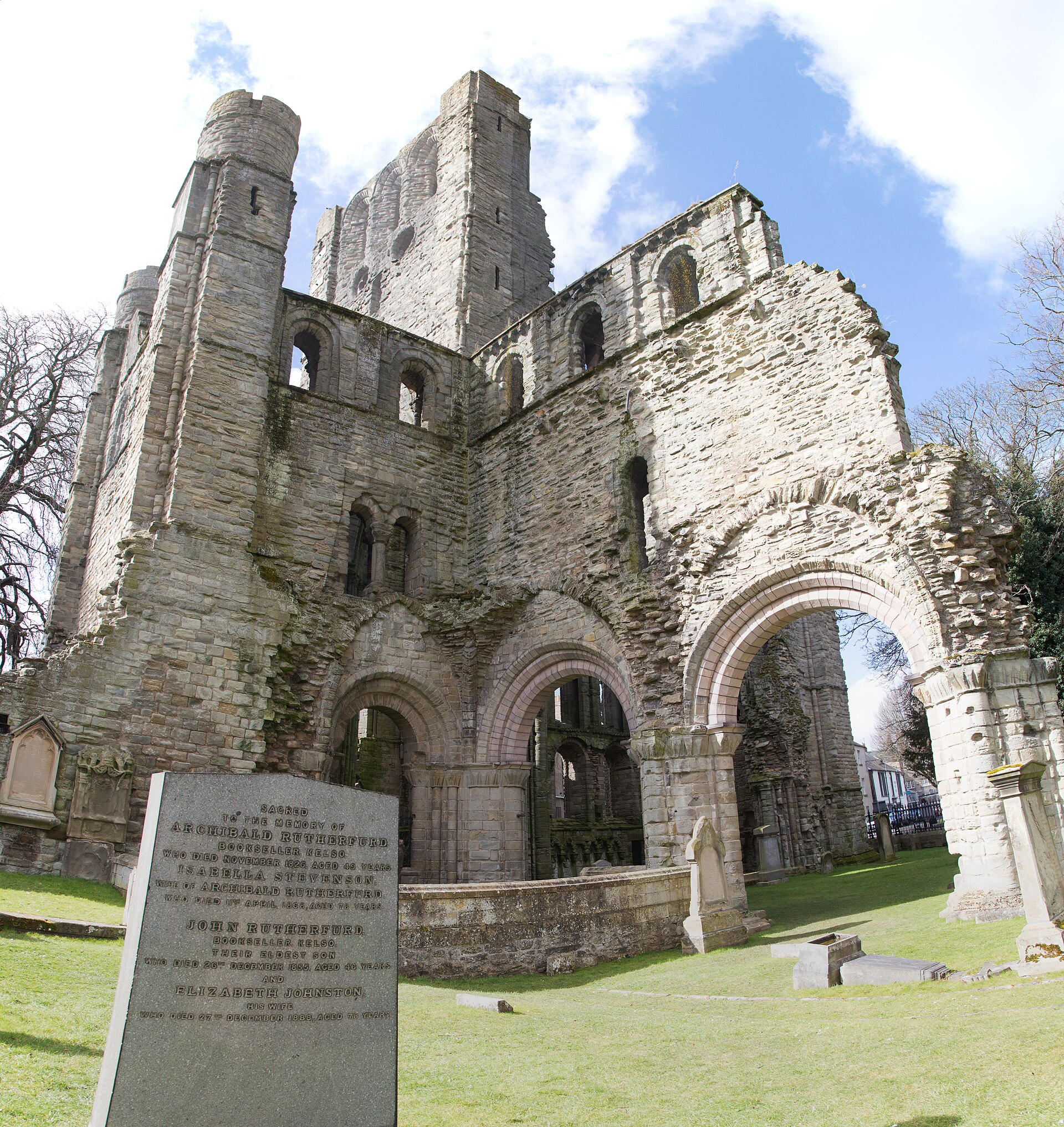
Photo: Tom Parnell from Scottish Borders, Scotland / Wikimedia Commons / CC BY-SA 2.0 The lands on which Floors Castle stands were held by the monks of Kelso Abbey until the Reformation, when they passed to the Ker family.
-
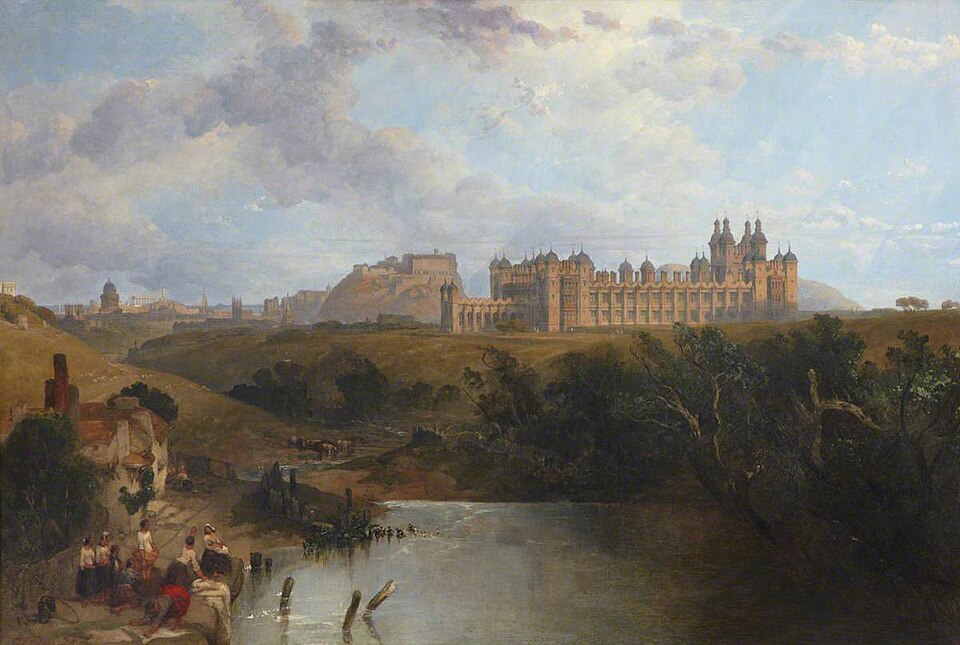
Photo: David Roberts / Wikimedia Commons / Public domain Donaldson's College, Edinburgh
Architect William Henry Playfair remodelled Floors Castle in a style similar to his design for this Edinburgh building.
-
Robert Adam
William Adam, who built the original Floors Castle mansion in the 1720s, was the father of the celebrated architect Robert Adam.
In culture
-
Greystoke: The Legend of Tarzan, Lord of the Apes (1984)
Floors Castle appeared in this feature film adaptation of the Tarzan story.
-
An American Aristocrat's Guide to Great Estates (2020)
The castle featured in this documentary series, broadcast on the Smithsonian Channel and Amazon Prime Video.
What to look for
-
Castellated skyline
Turrets and battlements added by William Playfair in the 1830s give the house its castle-like silhouette, disguising the plain Georgian block beneath.
-
Symmetrical service wings
Pavilions on either side of the main block originally housed the stables and kitchens, in the layout typical of grand 18th-century Scottish houses.
-
Ballroom tapestries
Gobelins Manufactory tapestries, brought from America by Mary Goelet, were built into the ballroom in the 1930s.
-
Modern paintings
The collection includes works by Walter Sickert and Henri Matisse, added by Mary Goelet after her 1903 marriage into the family.
-
Designed landscape and river setting
The grounds are listed in the Inventory of Gardens and Designed Landscapes and run down to the River Tweed, with views south to the Cheviot Hills.
Plan your visit
- Location
- 55.6048°N · 2.4601°W
- Access
- Paid entry — managed visitor site
- Time needed
- About 60 minutes
Opening & admission
Open to the public as a visitor attraction; check the official Floors Castle website for current admission charges and opening times.
- Grand country house and gardens on the River Tweed, overlooking the Cheviot Hills
Nearby places
Fortified place · Medieval
Roxburgh Castle
Scottish Borders
A grassy mound is nearly all that remains of what was once one of the most fought-over fortresses on the Anglo-Scottish border, changing hands at l…
Building or ruin · Medieval
Kelso Abbey
Scottish Borders
Kelso Abbey was founded at Roxburgh in 1128 by Tironensian monks from Tiron, near Chartres in France. The community had first entered Scotland c. 1…
- Near Kelso
- 2 min walk from car park
Fortified place · Medieval
Smailholm Tower
Scottish Borders
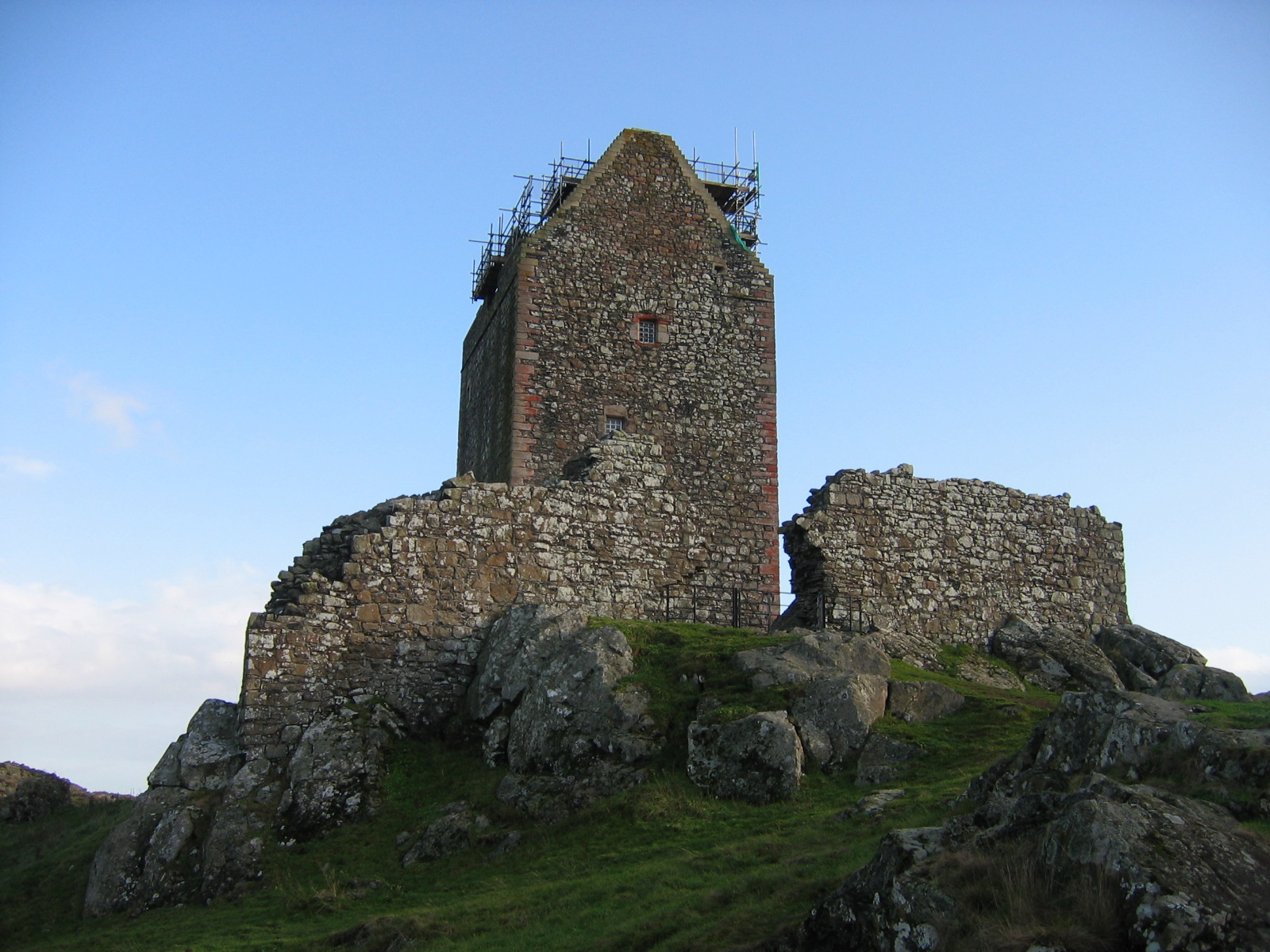
Smailholm Tower is a peel tower (a small border stronghold, built as a refuge against raiders) atop the crag of Lady Hill, around five miles west o…
- Near Smailholm
- 1 min walk from car park
Fortified place · Iron Age
Peniel Heugh
Scottish Borders
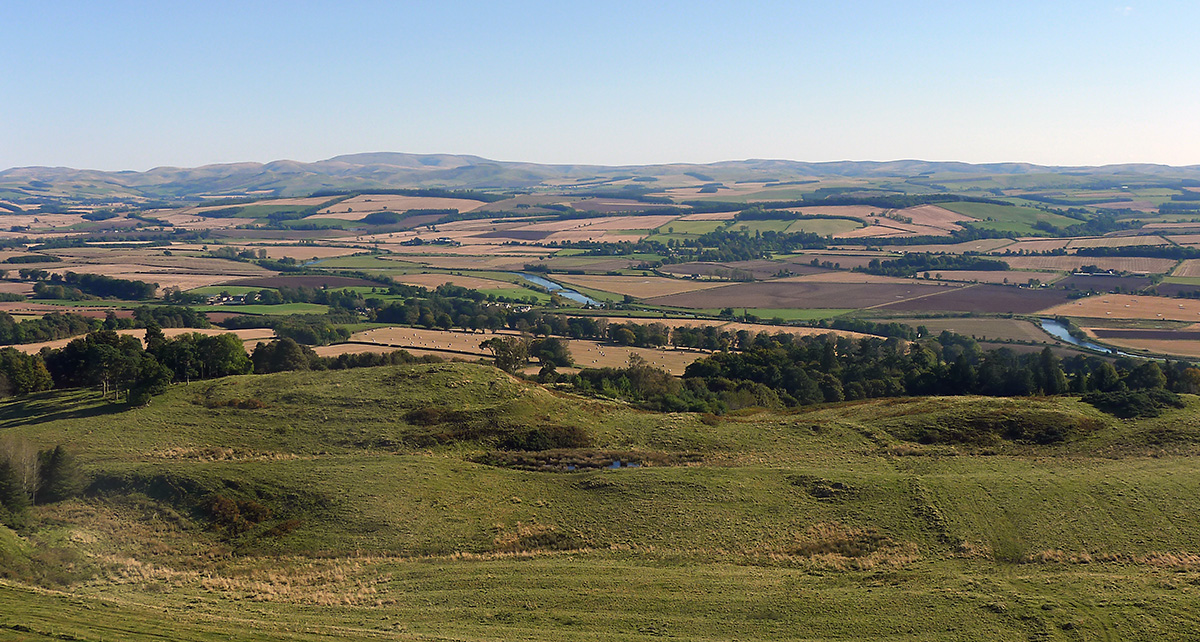
A 237-metre hill near Ancrum carrying both an ancient defended settlement and the Waterloo Monument.
- Some walking
Questions people ask
- Is Floors Castle a real medieval fortress?
- No. Despite its name and castellated appearance, Floors Castle is an 18th-century mansion; the turrets and battlements were added for effect in the 1830s.
- Who designed Floors Castle?
- William Adam built the original house between 1721 and 1726; William Henry Playfair remodelled it in the 1830s, adding its castle-like appearance.
- Where does the name "Floors" come from?
- It is thought to derive either from "flowers" (or the French fleurs), or from "floors" meaning the terraces on which the castle stands.
- What stood on the site before the current house?
- A tower house may have stood here before the 1720s; the surrounding lands were earlier held by the monks of Kelso Abbey until the Reformation.
- Has Floors Castle appeared on screen?
- Yes. It featured in the 1984 film Greystoke and in the 2020 television series An American Aristocrat's Guide to Great Estates.
Sources
- Wikipedia: Floors Castle
- Historic Environment Scotland — Canmore
Explore more: Fortified places · Medieval · Scottish Borders
The Ancient Codex, in your pocket
Get the Pocket Codex app
Carry the directory with you — Floors Castle and thousands of ancient places across Britain and Ireland, offline, wherever you roam.