Sacred place · Prehistoric
Cullerlie stone circle
Aberdeenshire
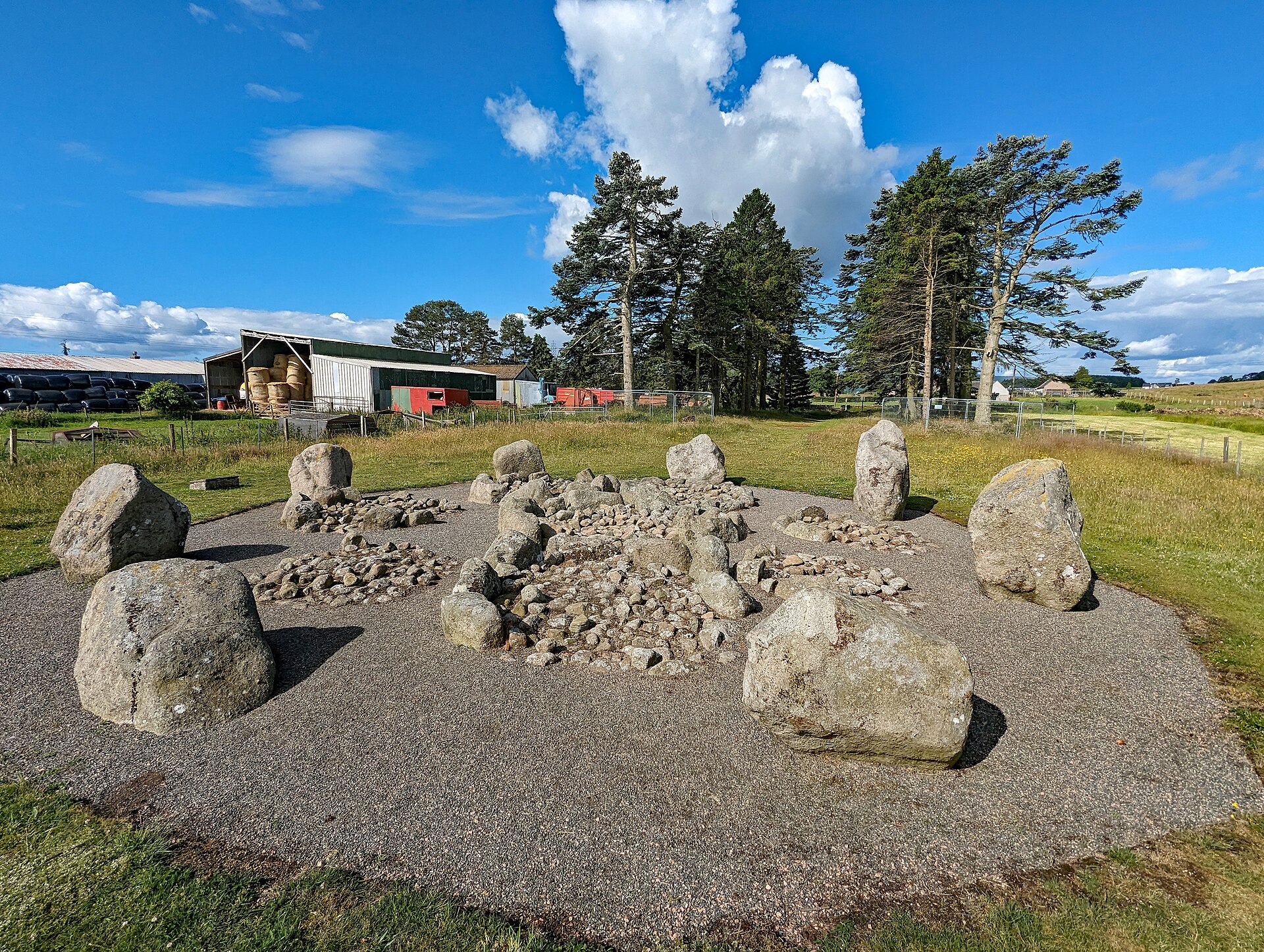
Each of its eight cairns is fenced by its own ring of kerbstones and holds cremated remains, making the circle a burial ground built inside a ring…
- Near Echt
- Easy path
The directory
Page 16 of 47 in the full directory.
Browsing 100 places — search and the map cover the whole directory.
Sacred place · Prehistoric
Aberdeenshire
Each of its eight cairns is fenced by its own ring of kerbstones and holds cremated remains, making the circle a burial ground built inside a ring…
Fortified place · Medieval
Somerset
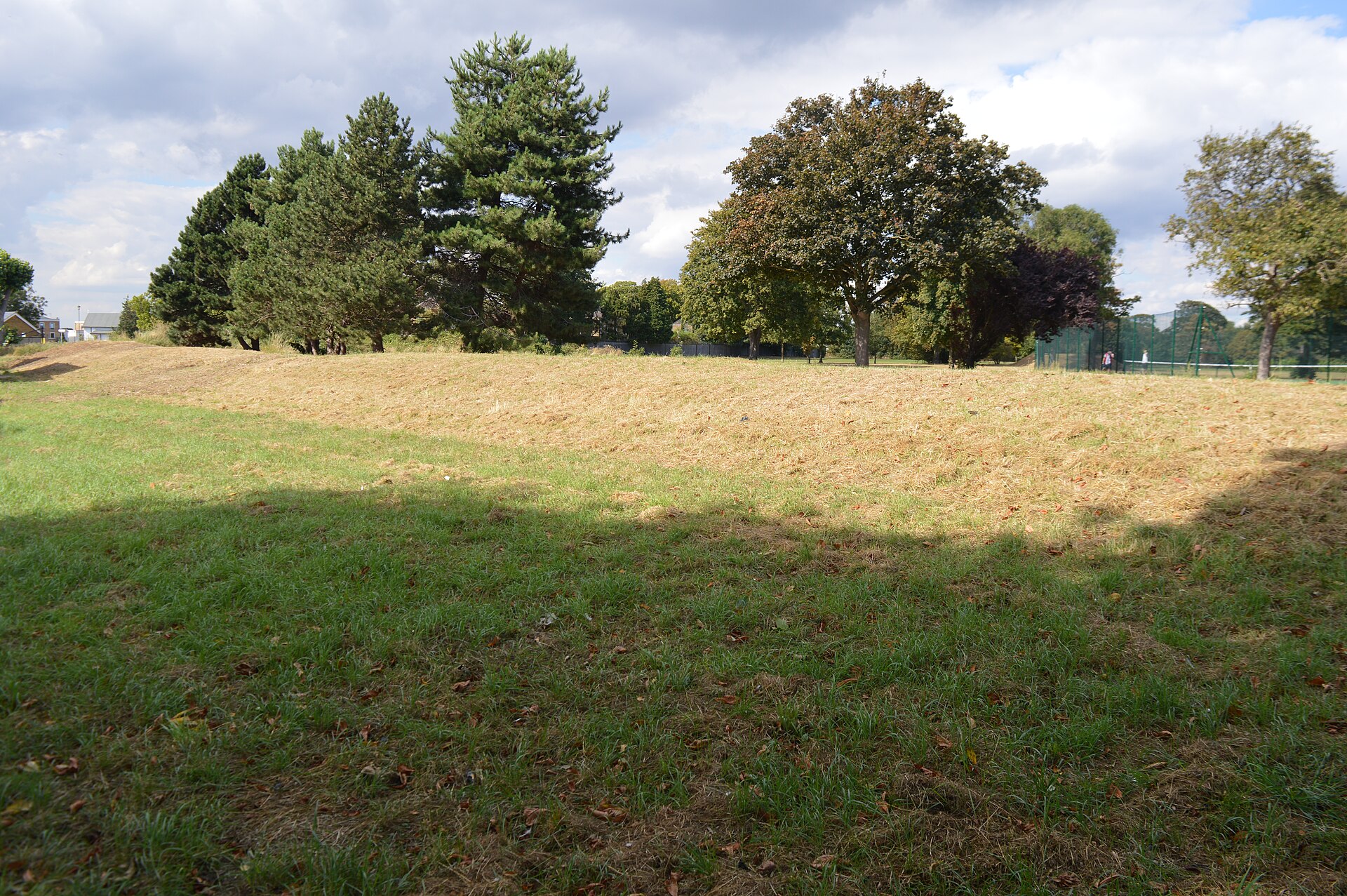
A ringwork castle whose date is uncertain by more than a century: and which was given a stone keep long after its bank was raised.
Fortified place · Medieval
South Ayrshire
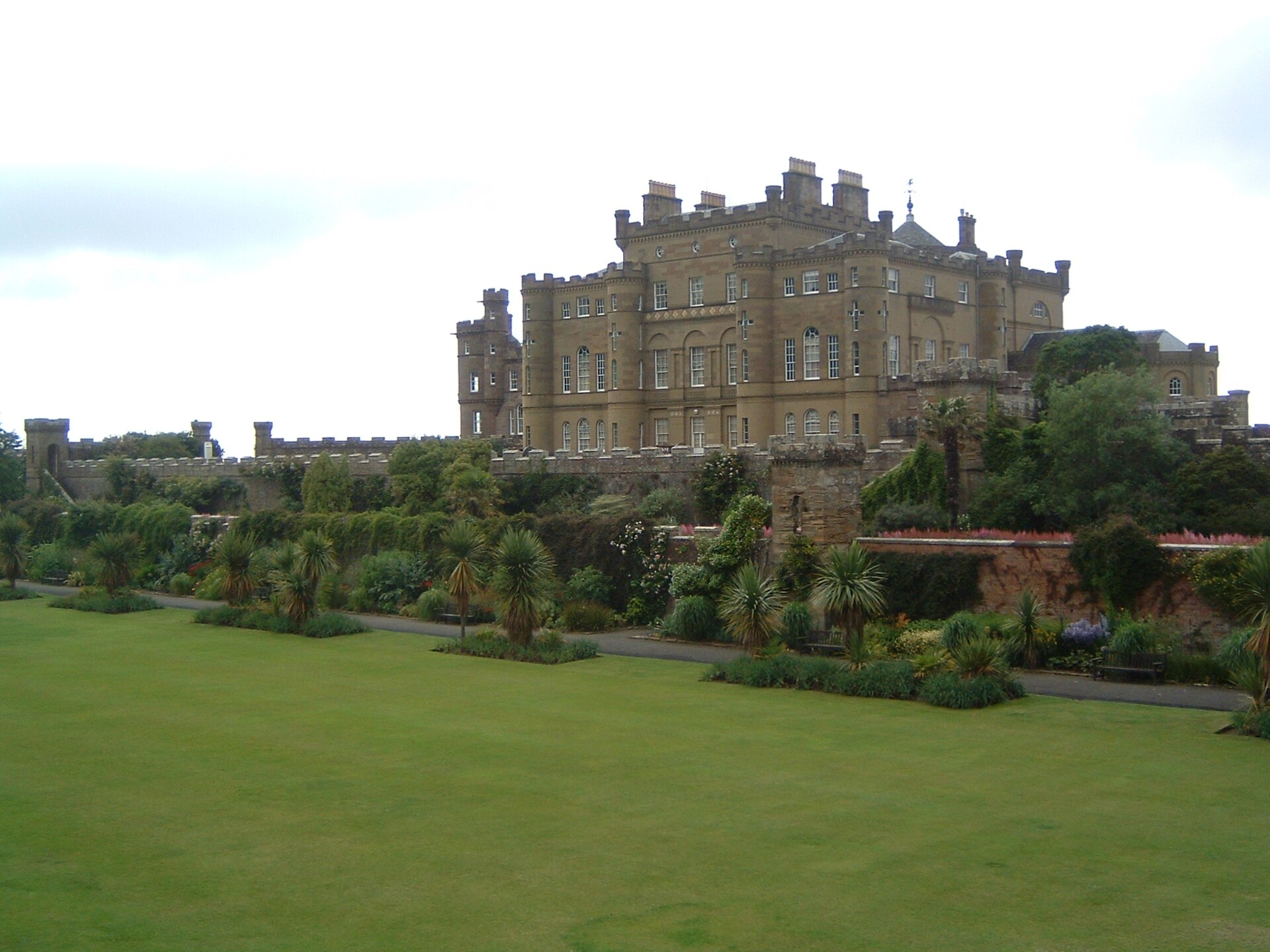
Eisenhower was given an apartment at the top of this castle in 1945, as a condition of the family handing it to the nation.
Tomb or burial place · Prehistoric
County Sligo
One of Sligo's Neolithic (the late Stone Age, roughly 4000–2500 BC in Britain) court cairns, its two burial galleries still stand intact even thoug…
Building or ruin · Roman
Wiltshire
A Roman crossroads town that spent lavishly on 4 m-thick walls and 17 towers at a time when almost no inland British settlement bothered to fortify…
Fortified place · Iron Age
Devon
Cunnilear Camp is a recorded hillfort above the River Yeo, a defended settlement on high ground dating from from about 800 BC until the Romans came…
Fortified place · Iron Age
Somerset
Quarrying and bulldozing took nearly all of it. Two and a half metres of bank survive on the south and west.
Ancient place · Prehistoric
Wiltshire
Ground-penetrating radar in 2010 found a hidden ditched enclosure with a possible timber circle beneath one of the barrows: briefly reported as Sto…
Building or ruin · Medieval
Greater London
The Curtain Theatre was London’s second playhouse and a leading Shakespearean venue, now archaeologically revealed as a rectangular theatre whose s…
Sacred place · Medieval
Powys
An abbey: a monastery headed by an abbot: begun on a cathedral's scale and abandoned once its nave, the long western body of the church, was up. It…
Building or ruin · Prehistoric
Ceredigion
A single hillside preserves nearly every phase of British metal mining in one place, from Bronze Age (roughly 2500–800 BC, when metal tools first s…
Fortified place
Merthyr Tydfil
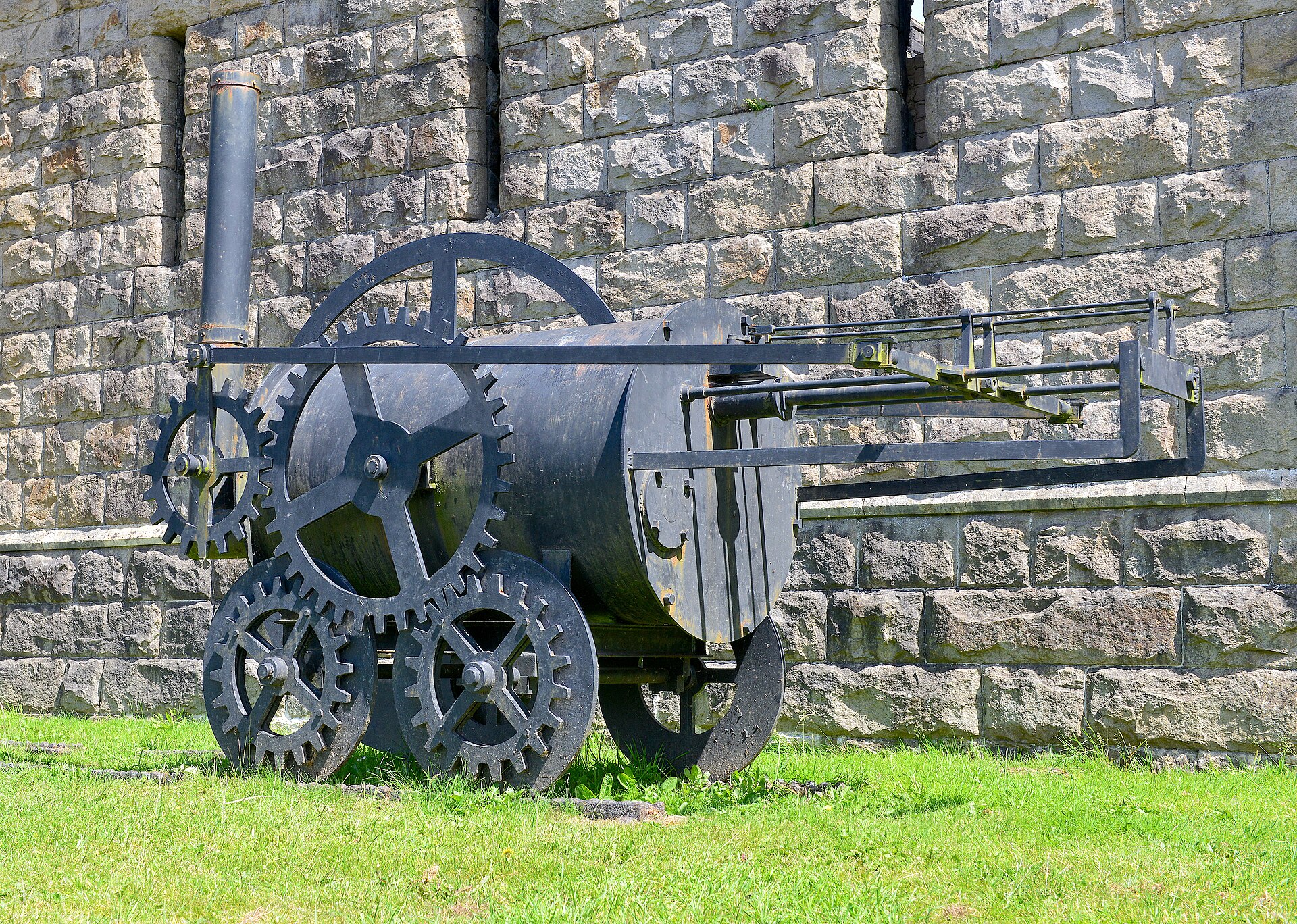
Cyfarthfa Castle embodies Merthyr Tydfil’s ironmaking wealth: a grand 1820s Crawshay mansion overlooking the works, later transformed into a public…
Fortified place · Medieval
Buckinghamshire
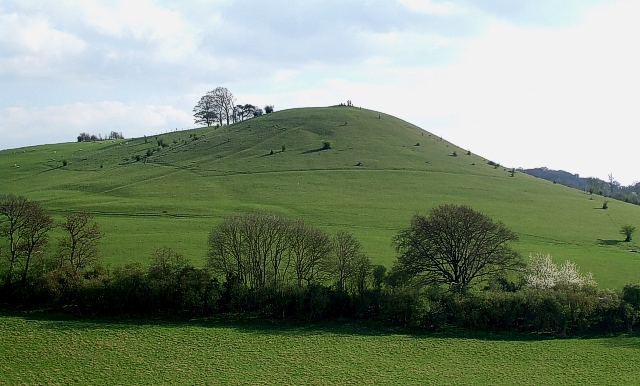
A 42-metre earthen mound in Buckinghamshire woodland carries the name of an ancient British king, a Victorian legend of raising the devil, and find…
Sacred place · Medieval
Gwynedd
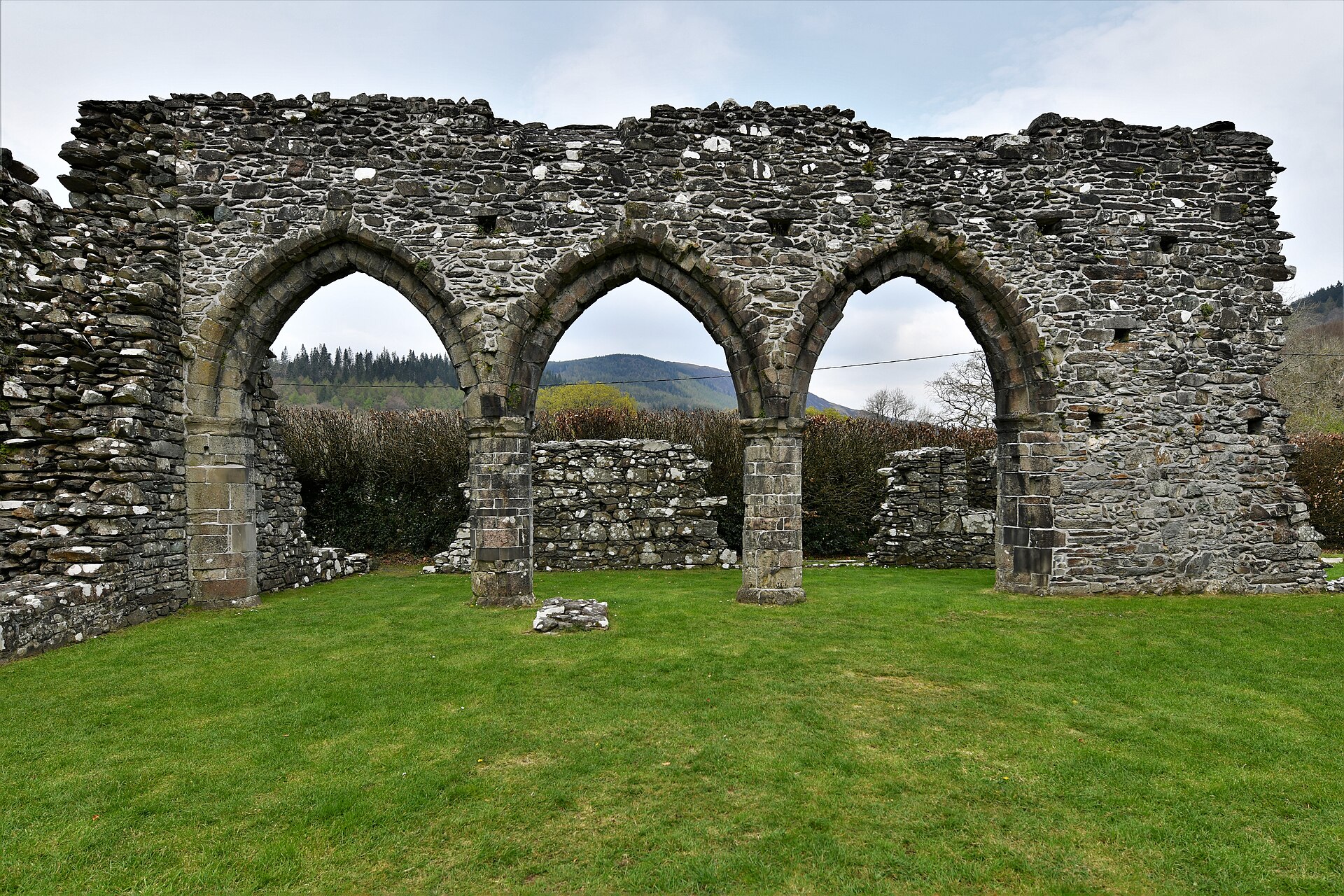
Cymer Abbey is a modest Cistercian foundation at the meeting of waters, whose plain surviving church reveals both regional monastic life and the pr…
Carved stone · Medieval
North Yorkshire
Dacre’s Cross preserves a fifteenth-century object whose contested history keeps the Battle of Towton, chapel, boundary and memorial traditions in…
Fortified place · Medieval
Fife
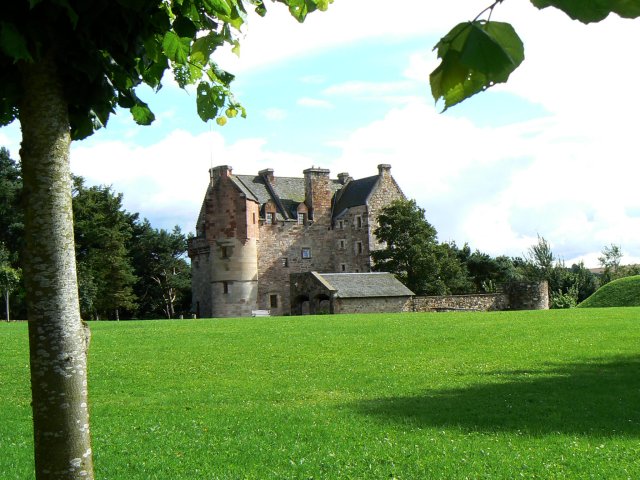
Dairsie gathers Fife’s ecclesiastical, royal and civil-war histories in one tower: a bishop’s estate, a besieged refuge for Mary’s jewels, and a re…
Fortified place · Medieval
County Durham
Excavations in the 1960s and 1980s traced a vanished medieval hall and its moat beneath the ground of an estate that changed hands four times acros…
Sacred place · Medieval
Derbyshire
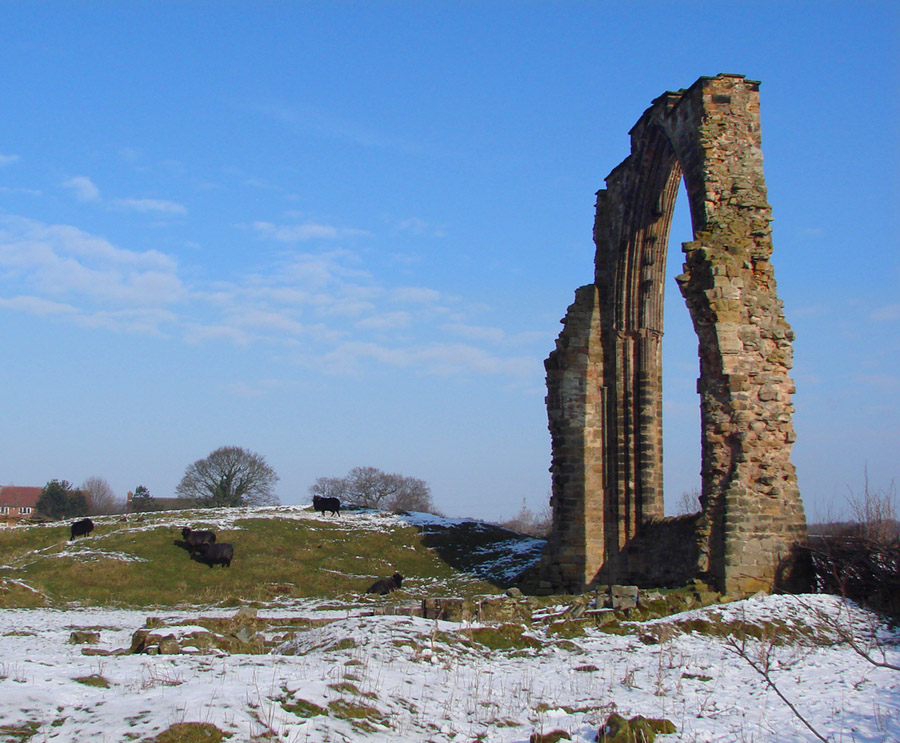
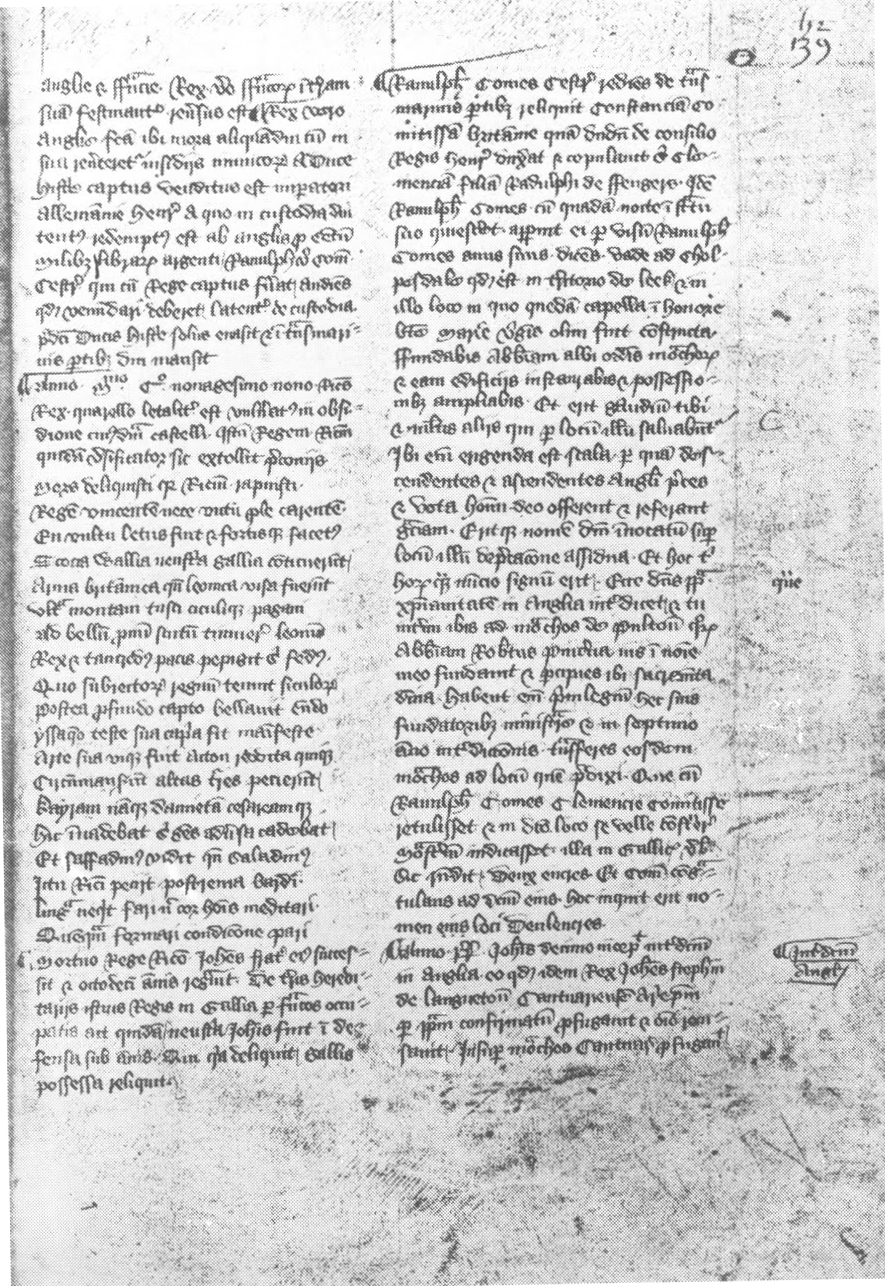
Three separate colonies of canons failed to survive here before Dale finally took root in 1204: and the chronicler who later told its story hid his…
Fortified place · Medieval
Pembrokeshire
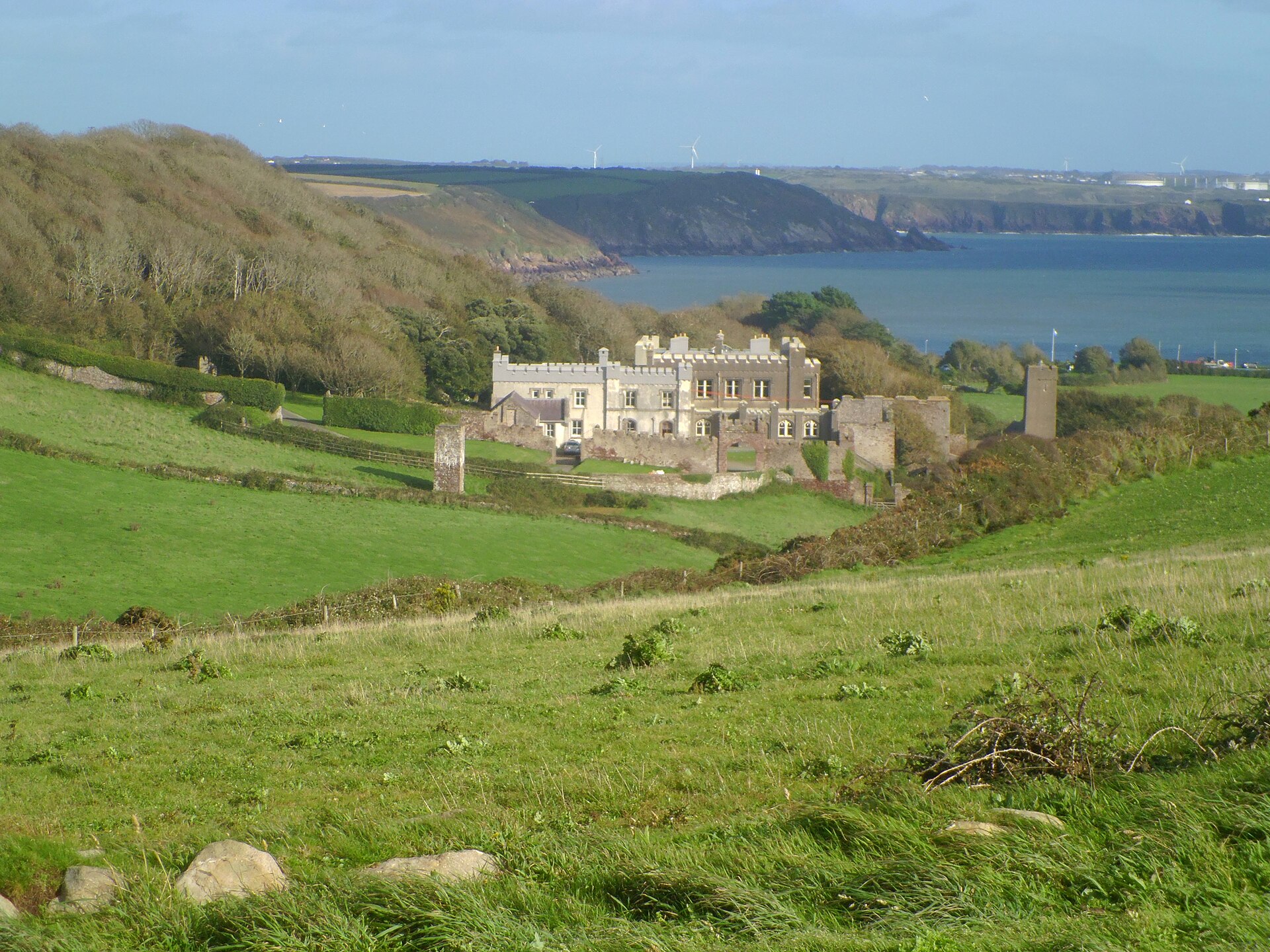
A fragment of medieval castle surviving inside a modern dwelling and farm, much of it removed in a 1910 remodelling.
Fortified place · Medieval
Northumberland
Dally Castle preserves the foundations of an early Northumberland hall house whose repeated medieval adaptations and later stone robbing reveal bot…
Fortified place · Medieval
Cumbria
A fortified merchant's house whose 500-year chain of owners runs from border reivers to a royalist commander's flight to a Scottish dye pioneer who…
Fortified place · Medieval
Cumbria
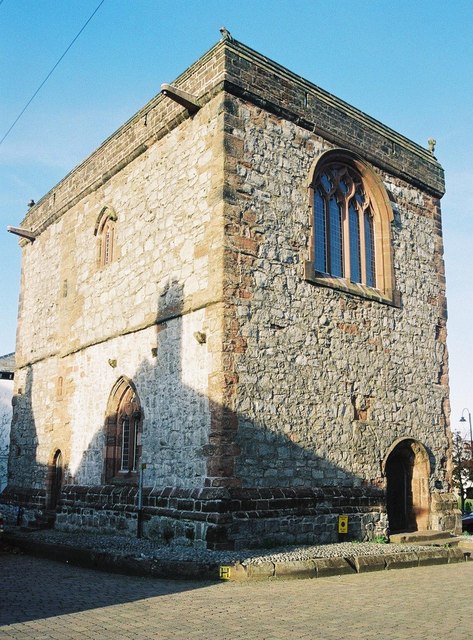
A monastery built its own courthouse and prison into a single fortified tower: and that tower kept dispensing justice for three centuries after the…
Building or ruin · Roman
West Yorkshire
Anglo-Saxon builders put up their own structures here out of the villa's stone, and a grave of the seventh century was cut into the same ground.
Fortified place · Medieval
North Yorkshire
A working manorial court still meets in its former great chamber, making Danby Castle one of the few English castles where medieval justice has nev…
Carved stone · Pictish & early medieval
Moray
A Pictish symbol stone whose carver broke with convention, spreading incised emblems across two adjacent granite faces: an arrangement thought to b…
Fortified place · Iron Age
Hampshire
Twenty seasons of excavation under Barry Cunliffe turned this single Hampshire hillfort, an Iron Age: the centuries before Rome arrived: settlement…
Tomb or burial place · Iron Age
East Riding of Yorkshire
More than seventy barrows and 114 recorded skeletons make this one of the largest known Arras Culture cemeteries, including one of Yorkshire's rare…
Fortified place · Medieval
County Meath
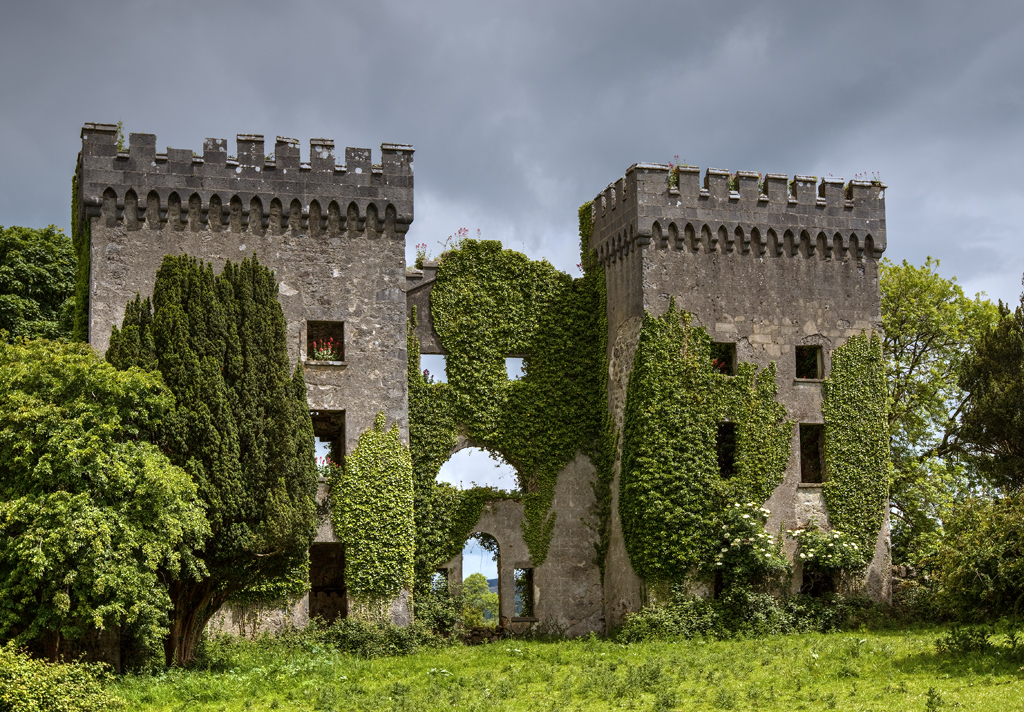
A ruined Georgian mansion where the future Duke of Wellington grew up amid a 600-acre landscaped estate, later the lair of a nationalist landlord t…
Fortified place · Iron Age
Essex
Danish Camp is a scheduled Middle Iron Age fortified settlement at Shoeburyness, whose surviving banks preserve domestic occupation and later coast…
Fortified place · Medieval
County Meath
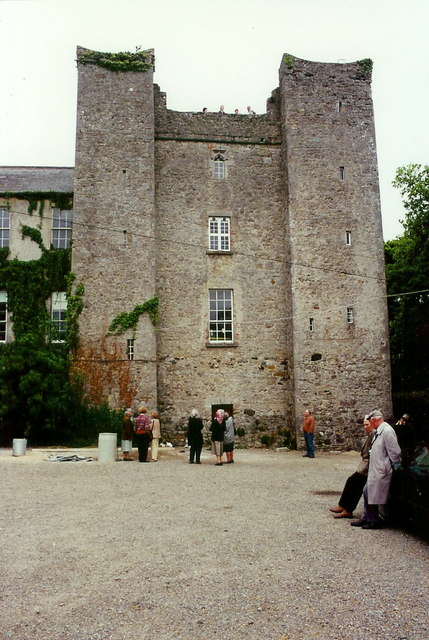
A tower house whose owners bred a Grand National-winning bloodline and supplied the bricks for one of Drogheda's landmark buildings: its story runs…
Crossing or structure · Medieval
Cheshire
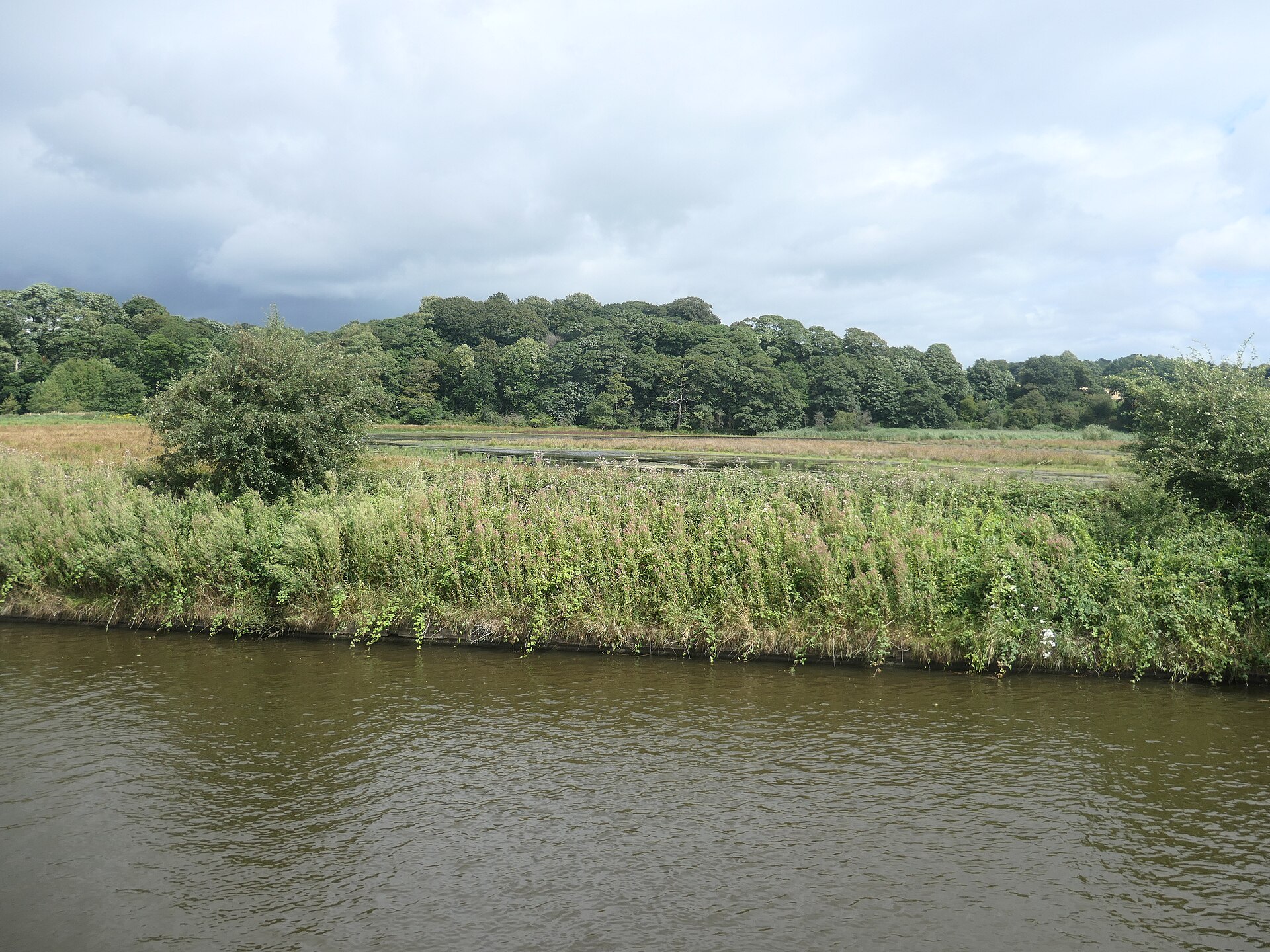
A sunken 18th-century sailing barge in a Cheshire lock is the only known pre-1840 survivor of a boat type that once worked every waterway in northw…
Sacred place · Medieval
Kent
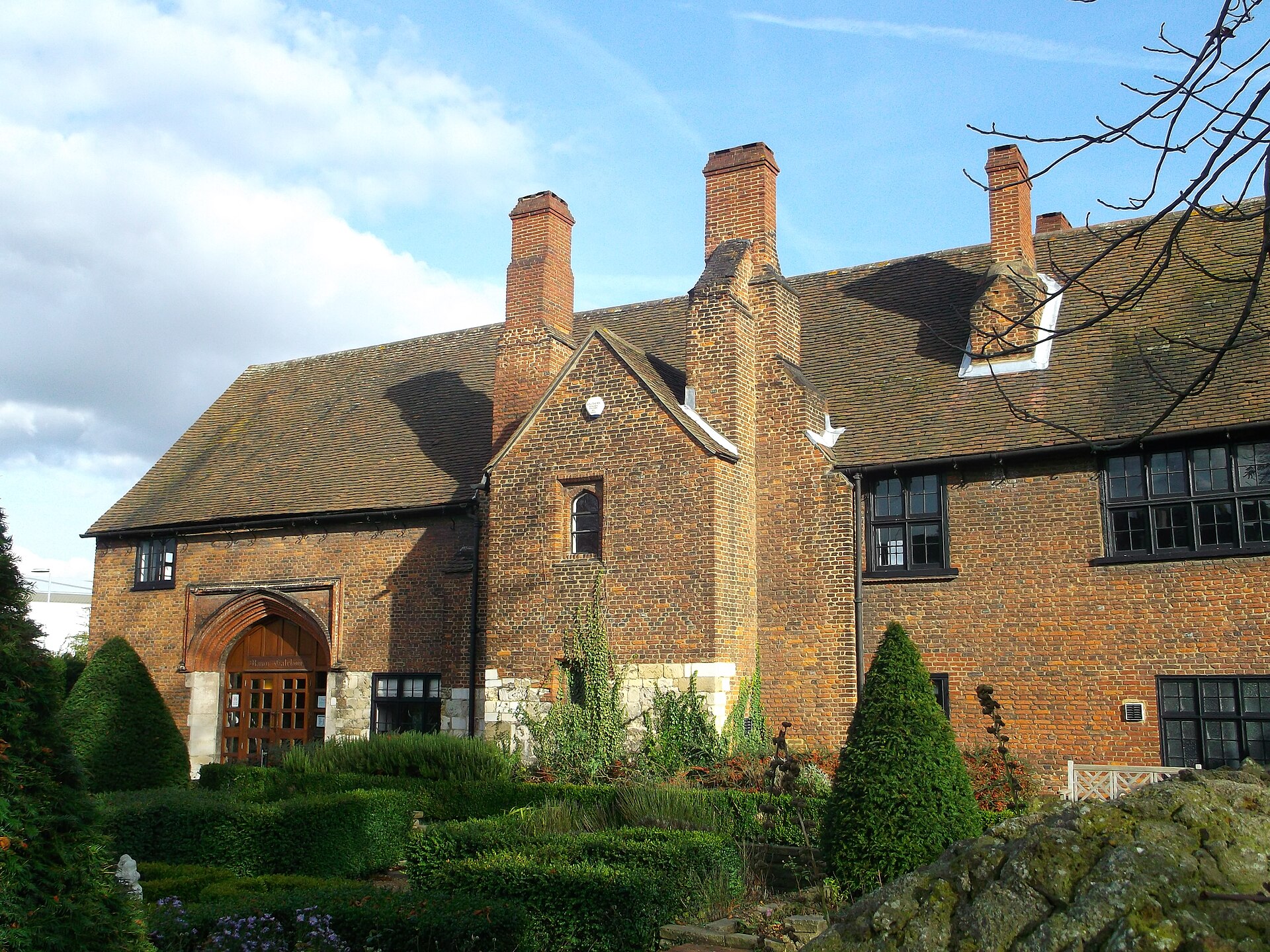
Dartford Priory was a royal Dominican nunnery whose foundation after Crécy and conversion into Henry VIII’s palace place it at the intersection of…
Fortified place · Medieval
Devon
Dartmouth Castle shows more than five centuries of changing coastal defence at the entrance to one of Devon’s most important historic harbours.
Sacred place · Medieval
Devon
Dartmouth Friary’s short life reveals a medieval dispute over worship, land and authority as Dartmouth’s residents sought a church nearer the water…
Fortified place · Medieval
County Louth
A Norman lookout raised above two rivers passed through only three families in over eight centuries, from the knight who first fortified it to the…
Sacred place · Medieval
Kent
Davington Priory preserves an unusually continuous monastic landscape where a Benedictine nunnery’s Norman nave (the main western space where the c…
Fortified place · Iron Age
Somerset
A sea-cliff enclosure west of Watchet, where earth banks still mark an ancient defensive position eighty metres above the Bristol Channel.
Sacred place · Prehistoric
Wiltshire
The last survivor of at least seven stone circles once raised south of Swindon, its five buried sarsens are the only physical evidence left for a l…
Fortified place · Medieval
Kent
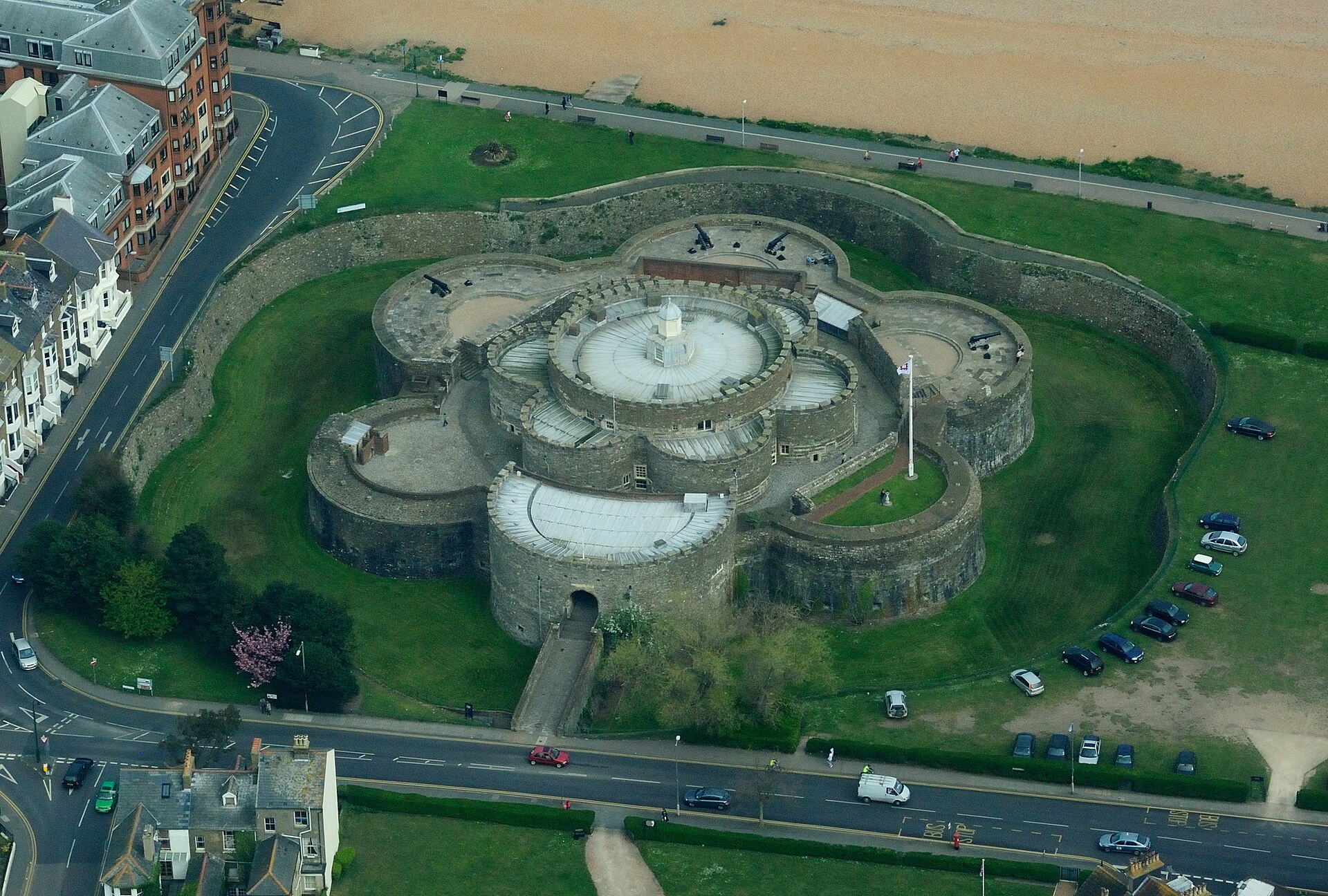
Deal Castle is Henry VIII’s great artillery fortress for the Downs anchorage, preserving an ambitious 66-gun bastioned design shaped by invasion fe…
Fortified place · Iron Age
Swansea
An Iron Age fort on the cliff above the cave it is named for, with the Wales Coast Path running straight through it.
Fortified place · Medieval
Oxfordshire
Extensive banks and ditches, all that survives of an eleventh-century timber castle.
Fortified place · Medieval
County Mayo
A Jacobite forfeiture cost the Bourkes their tower house; the Georgian mansion built beside it in 1791 was burnt in 1922, leaving only the older st…
Sacred place · Medieval
Lincolnshire
A small Benedictine cell whose parish church still stands as Grade I listed, though every trace of the monastic buildings themselves has vanished.
Building or ruin · Medieval
Aberdeenshire
Its earlier community is the one recorded in the margins of the Book of Deer, one of Scotland's oldest surviving manuscripts, making this ruin a ra…
Fortified place · Medieval
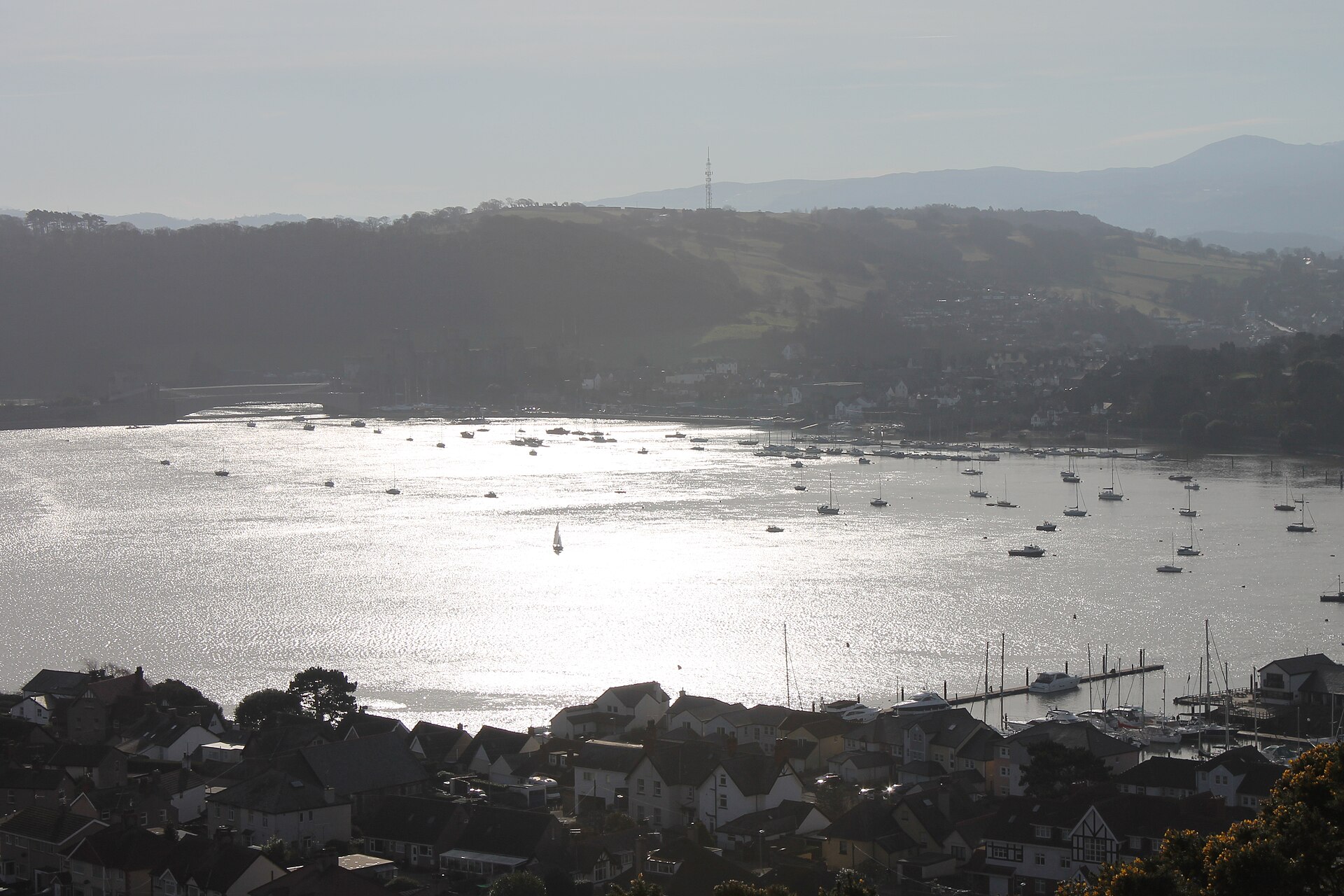
Conwy
Deganwy Castle commands the Conwy estuary from a volcanic outcrop and preserves the layered contest between Welsh princes and English power before…
Fortified place · Medieval
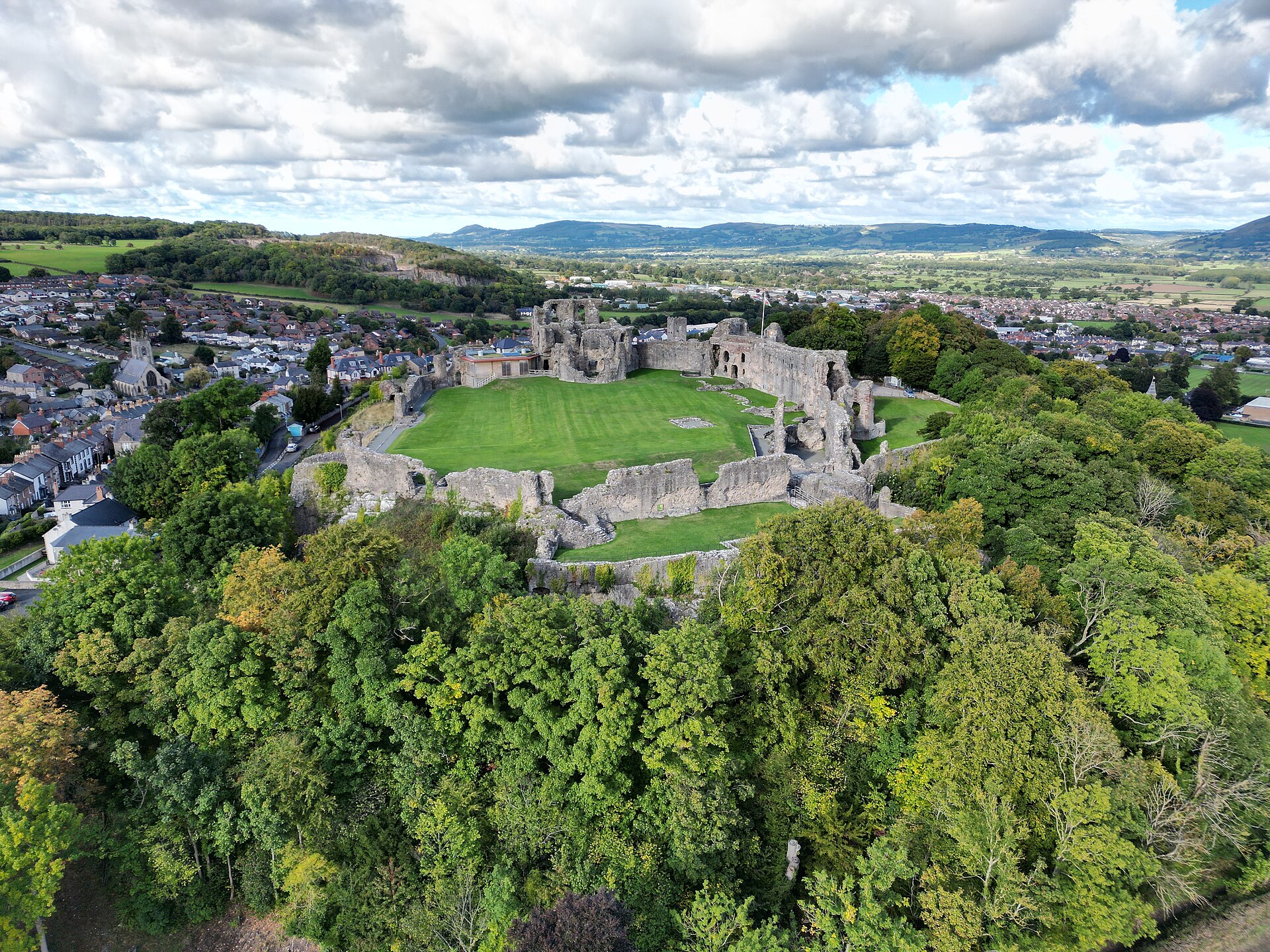
Denbighshire
A triangular gatehouse of three octagonal towers, once banded in coloured stone and topped by a royal statue, that a leading castle historian ranks…
Sacred place · Medieval
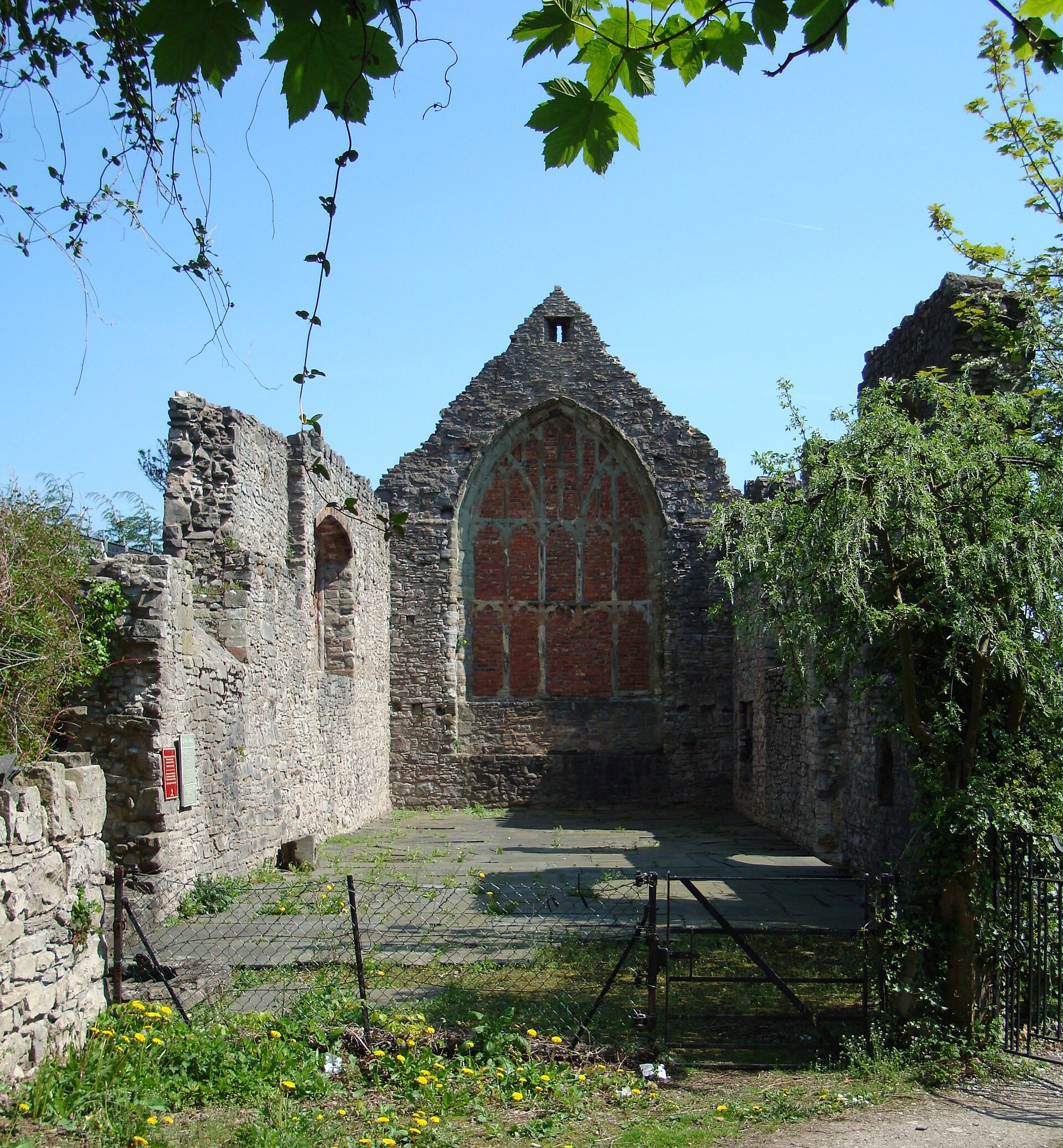
Denbighshire
A Carmelite friary, a house of friars who worked among townspeople rather than withdrawing from them, whose walls survived Henry VIII's closure of…
Fortified place · Iron Age
Devon
Denbury Hill is a prominent Devon hillfort, a settlement defended by banks and ditches on high ground, with visible defences and burial mounds. Its…
Fortified place · Medieval
Suffolk
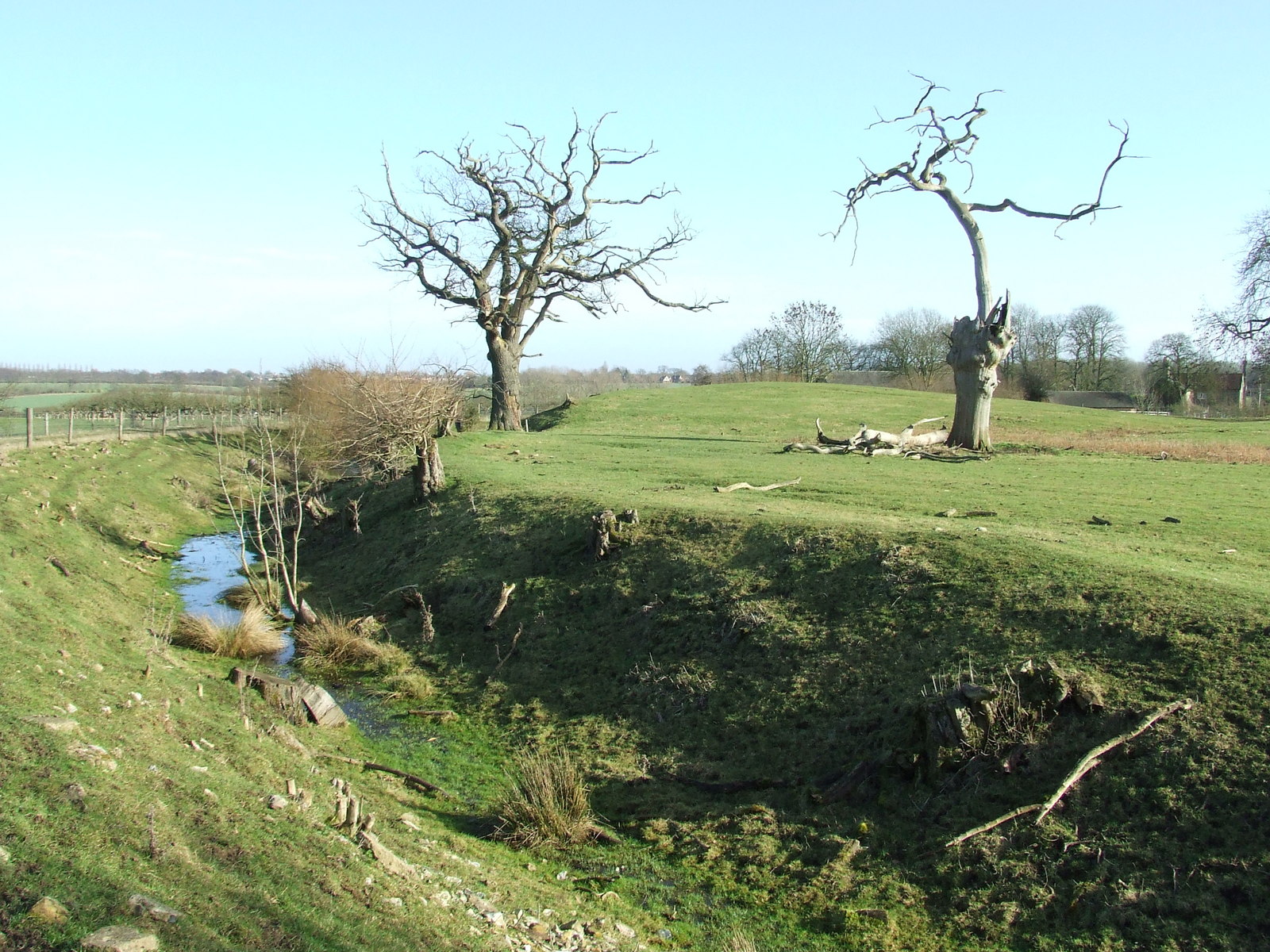
Henry II stripped the Suffolk nobles who had backed Stephen. Desning was slighted, but the hall inside its walled courtyard stayed in use for anoth…
Sacred place · Medieval
Derbyshire
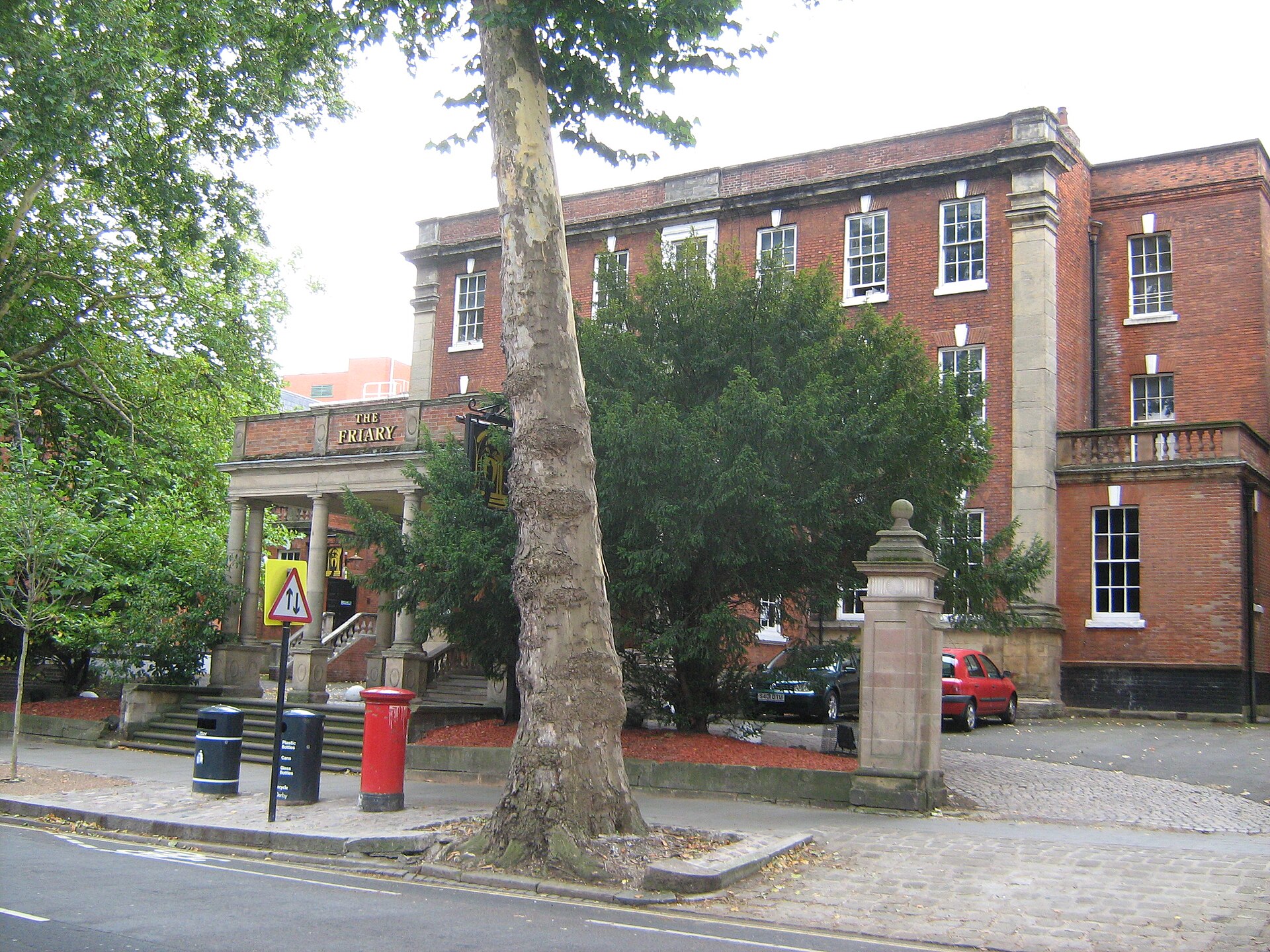
A Dominican priory, a monastery headed by a prior, patronised by kings for three centuries now lies beneath a Derby nightclub, its cellars said to…
Building or ruin · Roman
Derbyshire
Excavations showed Roman Derby extended beyond the fort at Little Chester into a civilian settlement across the river, still lying buried beneath t…
Fortified place · Medieval
County Galway
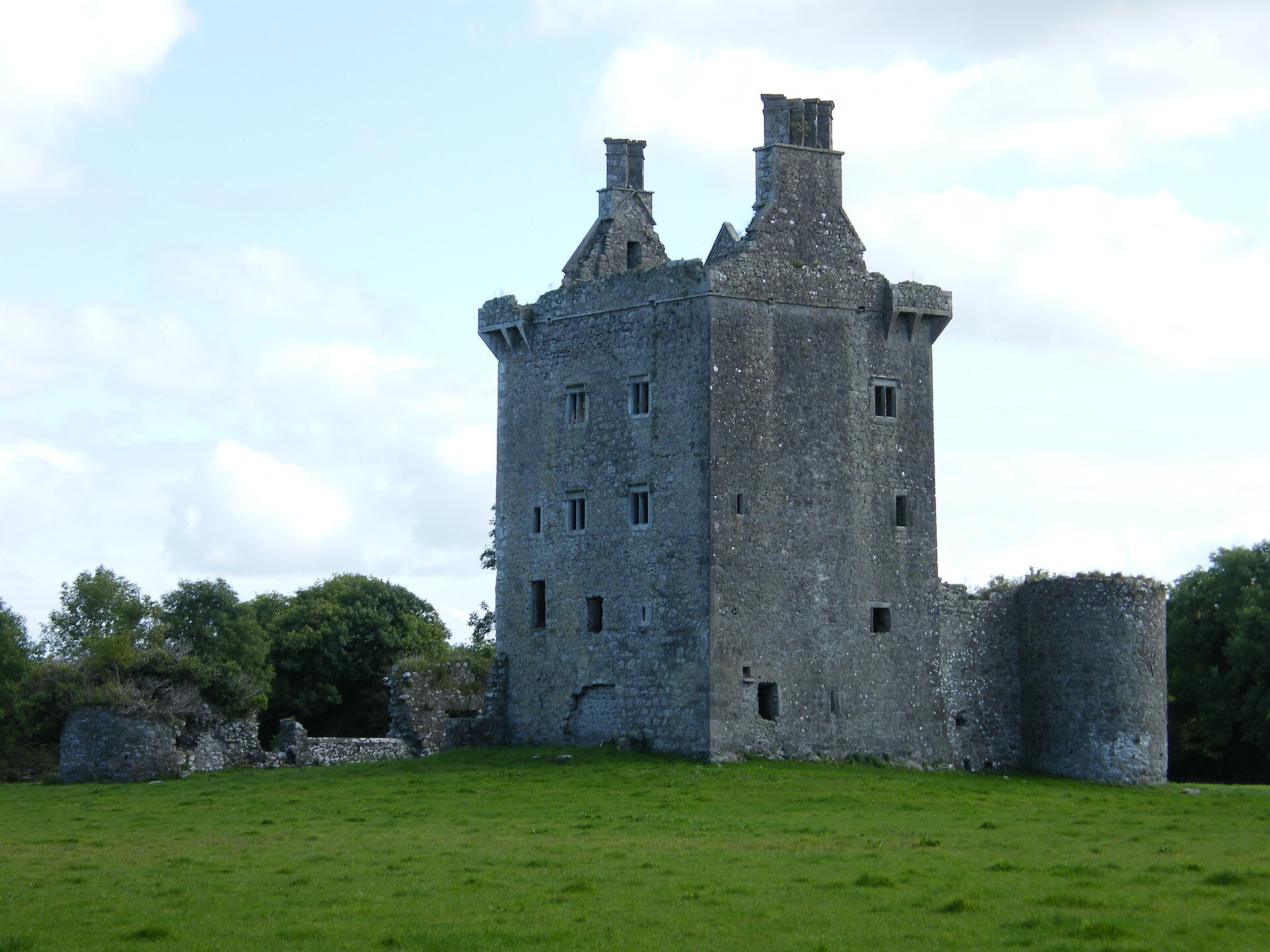
Built right at the close of nearly seven centuries of O'Madden lordship over this stretch of the Shannon, the tower house reads as one family's fin…
Sacred place · Medieval
County Tipperary
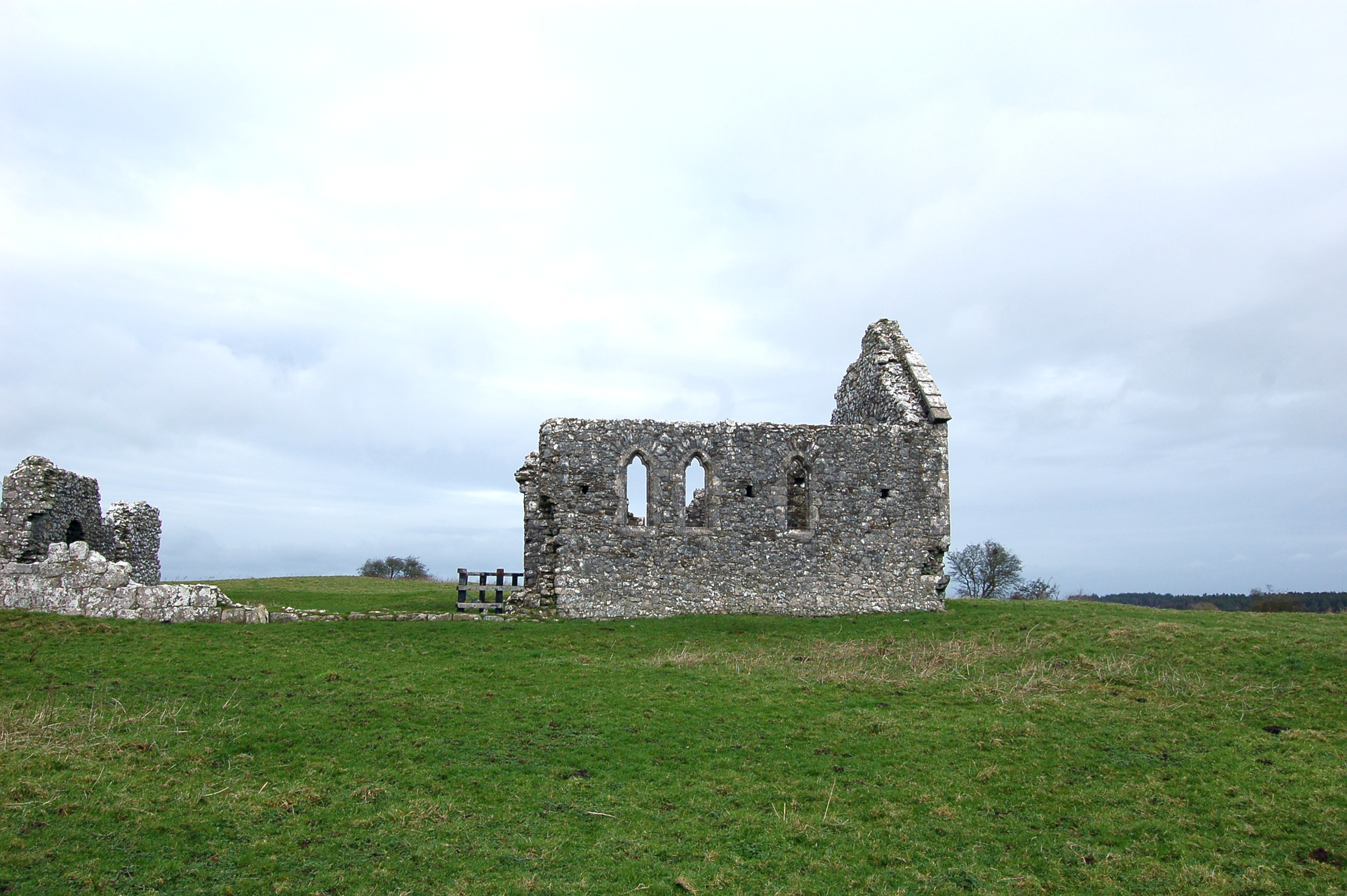
An early-medieval island monastery, buried in a Tipperary bog for over a thousand years, that gave up one of Ireland's finest hoards of gold and si…
Building or ruin · Roman
North Yorkshire
A single altar and a unique inscription about an inherited goldsmith's shop are almost all that name the people who actually lived and worked insid…
Building or ruin · Roman
Derbyshire
One fort site lived three separate military lives across nearly 300 years before becoming a walled industrial town supplying pottery, iron and lead…
Fortified place · Iron Age
Buckinghamshire
Three distinct phases of use lie stacked in one earthwork here: a prehistoric enclosure, a barrow reused as a Saxon assembly site, and a Norman rin…
Fortified place · Medieval
County Cork
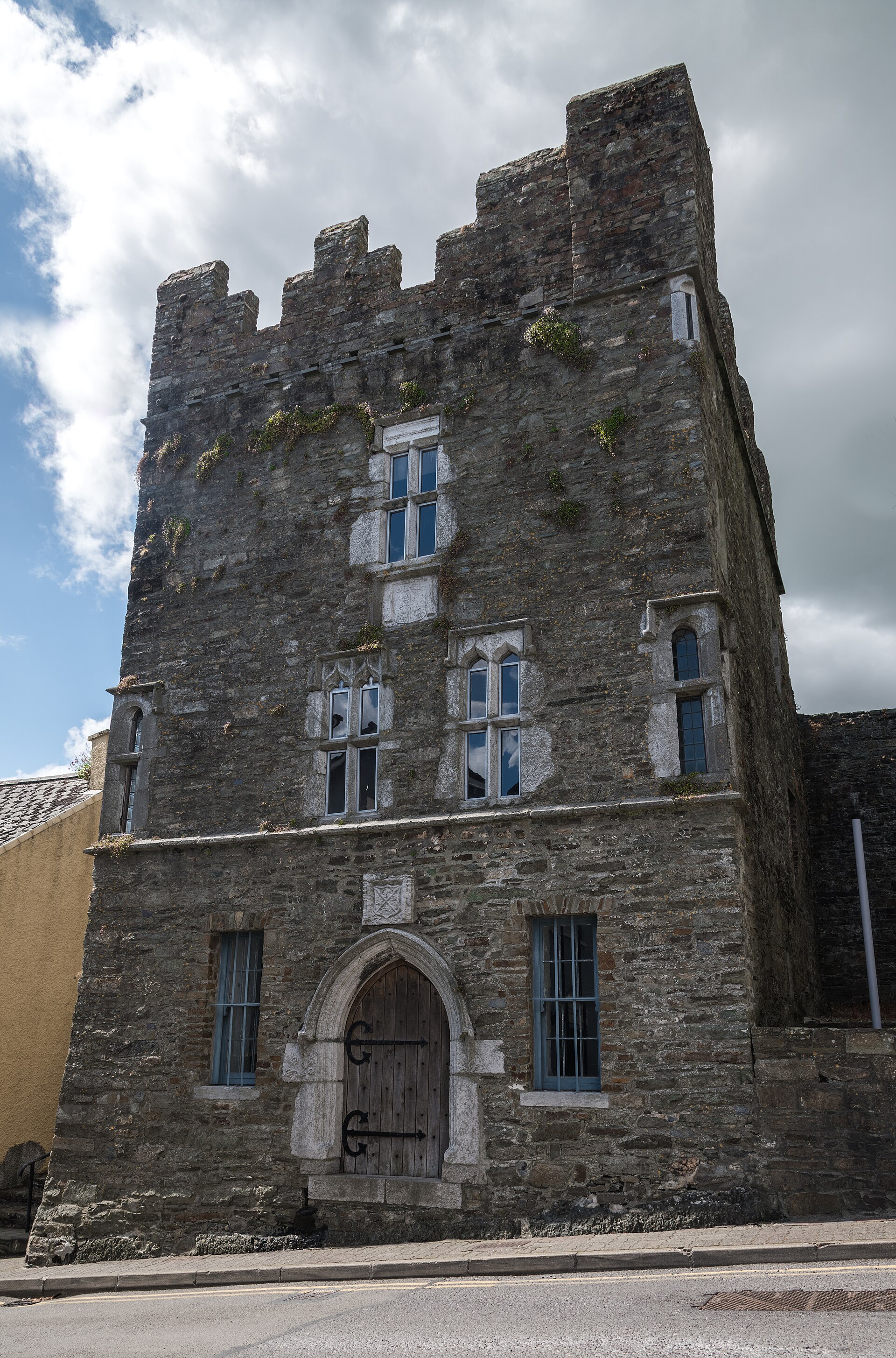
A Kinsale tower house built as a customs house around 1500, later used as a naval prison, town gaol, famine workhouse and wine museum.
Fortified place · Medieval
County Limerick
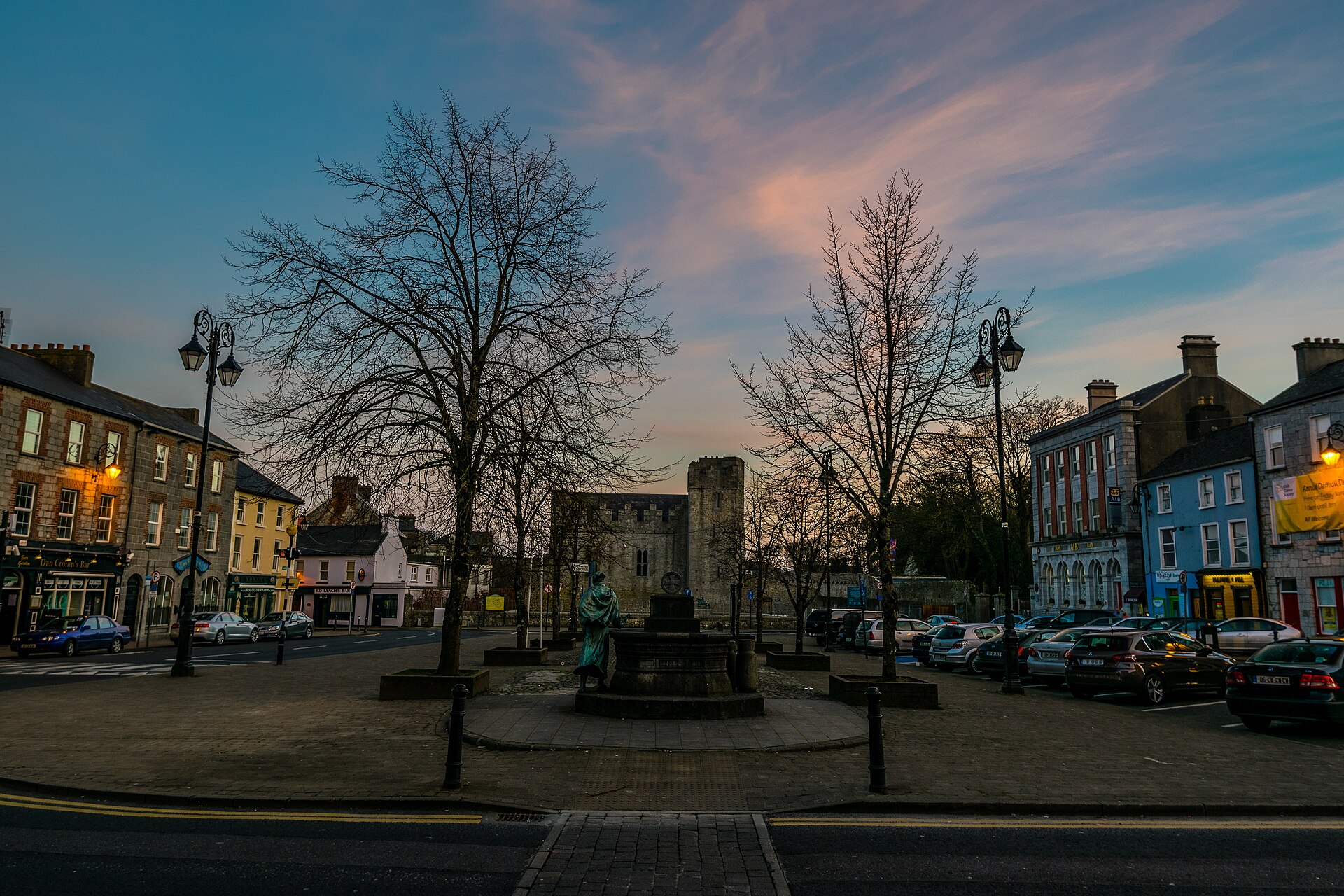
South of the main square at the western end of Newcastle West stand the ruins and restored remains of Desmond Hall and Castle, a set of medieval bu…
Building or ruin · Roman
Cheshire
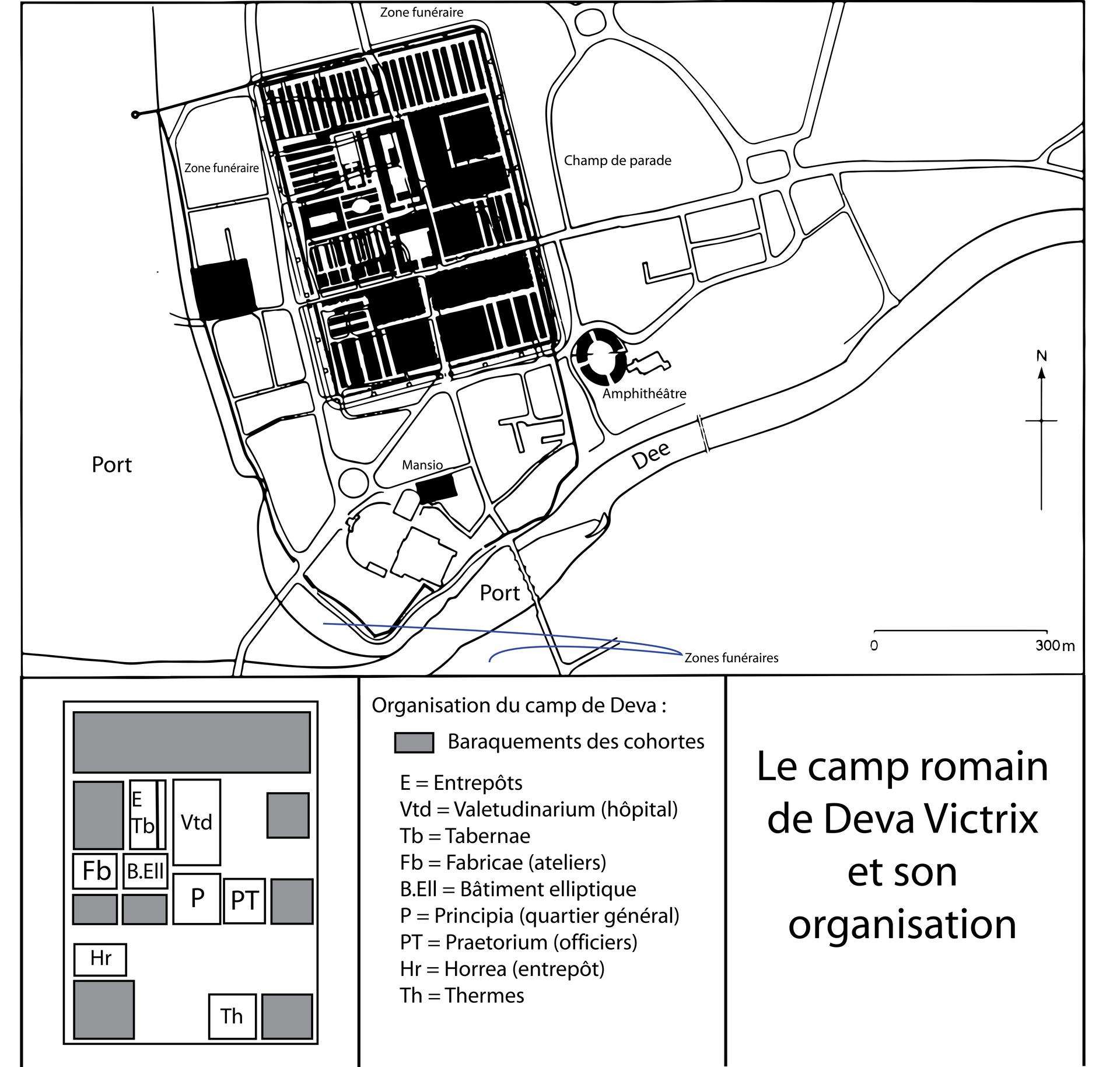
An oval building unlike any other found in the Roman Empire sat at its heart, and the fortress itself was built larger than York or Caerleon: hints…
Sacred place · Medieval
County Fermanagh
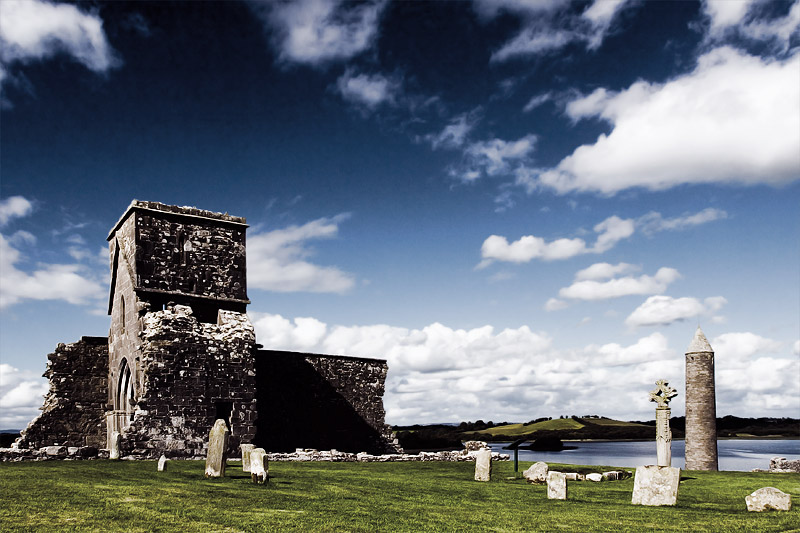
At its peak this remote lough island held as many as 1,500 monastic scholars, and its round tower, carved crosses and Viking-era history still stan…
Carved stone · Prehistoric
North Yorkshire
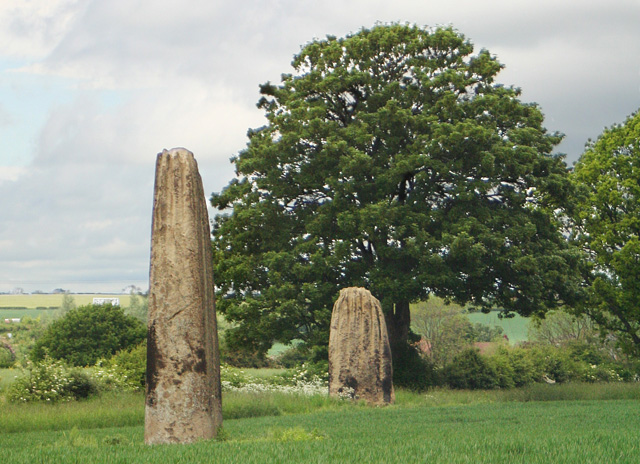
The Devil’s Arrows are among Britain’s tallest standing stones and an exceptional lowland Neolithic (the first farming period in Britain, roughly 4…
Fortified place · Iron Age
Hertfordshire
The surviving western ditch is one of the strongest candidates for the stronghold where Julius Caesar defeated the British king Cassivellaunus in 5…
Tomb or burial place · Prehistoric
West Sussex
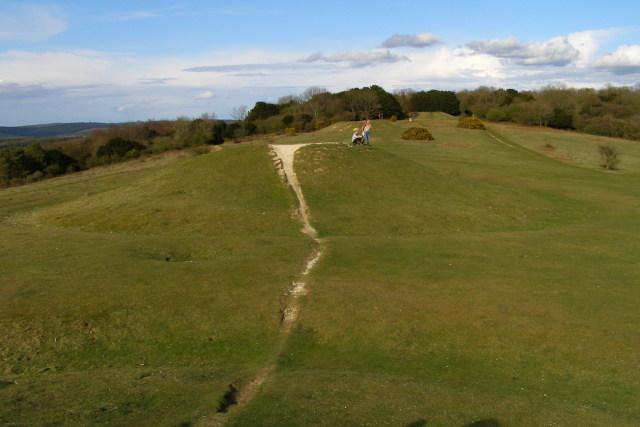
No records survive from the early excavations, so nobody knows exactly when these barrows were built: or what was taken out of them.
Tomb or burial place · Prehistoric
West Sussex
The line of five is aligned on sunset at midsummer. Local folklore has the Devil hopping along them until Thor threw a stone at him.
Tomb or burial place · Prehistoric
Northumberland
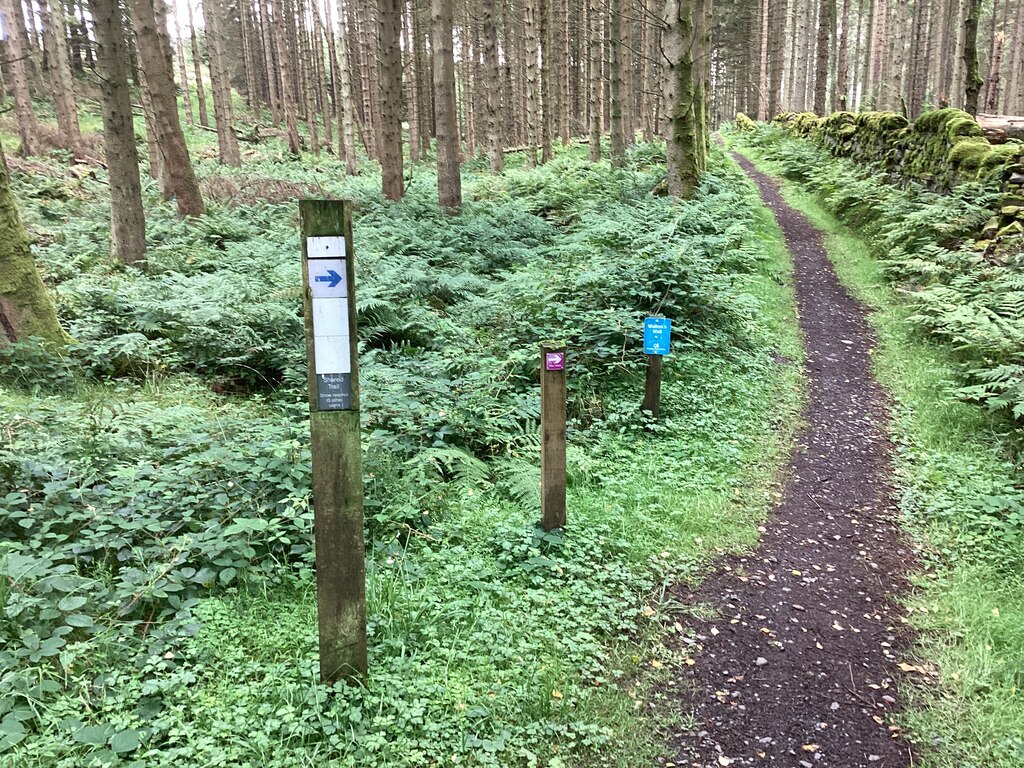
Devil’s Lapful is one of the few surviving long cairns in Northumberland, preserving a large Stone Age communal burial monument within Kielder Forest.
Sacred place · Prehistoric
Oxfordshire
A Late Neolithic henge (a prehistoric (from the era before writing arrived in these islands) earthwork (a bank, ditch or mound shaped from soil rat…
Fortified place · Medieval
Wiltshire
A flamboyant Victorian mansion of turrets and battlements sits directly over an 11th-century Norman stronghold that imprisoned a king's rival, a qu…
Sacred place · Medieval
Staffordshire
A Cistercian monastery founded by Ranulf, Earl of Chester at Poulton and moved near Leek in 1214.
Fortified place · Medieval
Northumberland
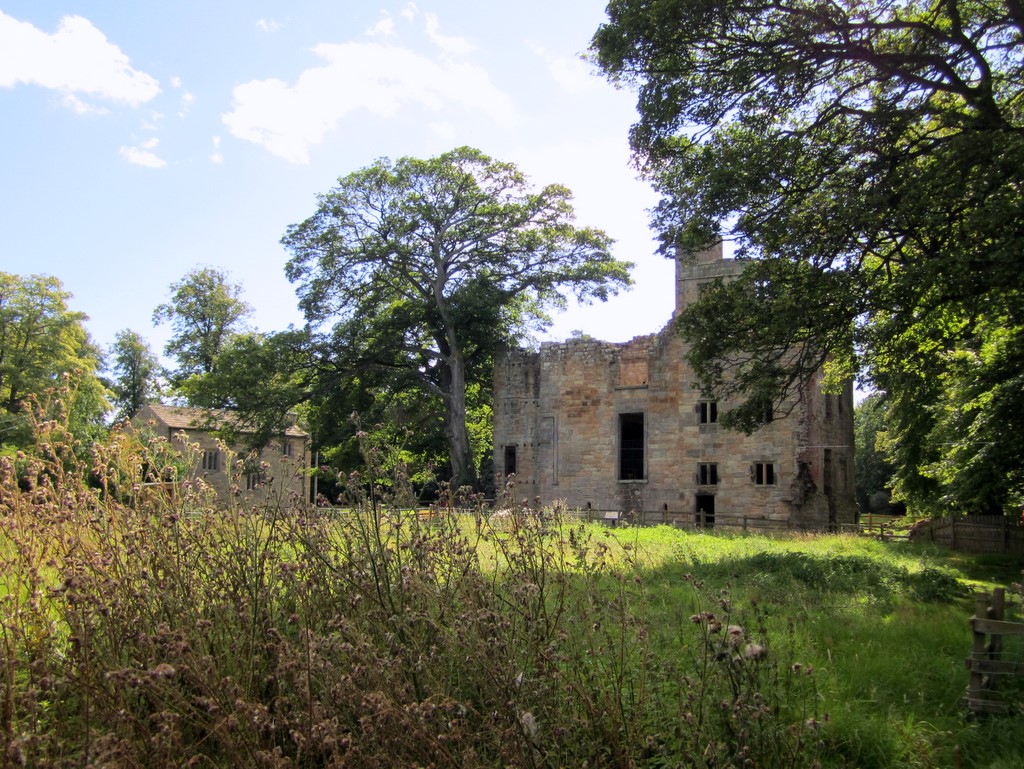
Dilston Castle’s surviving tower and chapel tell a concentrated story of Catholic recusancy, Jacobite rebellion, estate forfeiture, and later conse…
Fortified place · Medieval
Vale of Glamorgan
A small Tudor-styled gentry house of the 1790s, standing where the fortress of the last ruler of Morgannwg had been: its fields still called Caer W…
Tomb or burial place · Prehistoric
Isle of Anglesey
Din Dryfol preserves the visible core of a Neolithic (the late Stone Age, about 4000–2500 BC in Britain) passage grave (a Neolithic tomb reached by…
Settlement · Prehistoric
Isle of Anglesey
Roman-period pottery mended with iron clamps and evidence of on-site ironworking sit inside walls that still stand almost to their original height…
Fortified place · Iron Age
Gwynedd
Dinas Dinorwig is Arfon’s largest and most heavily defended hillfort (an upland enclosure defended by earthen banks), whose massive multi-phase ear…
Fortified place · Prehistoric
Gwynedd
Dinas Emrys is a post-Roman hillfort: a defended hilltop settlement: and later castle site where excavated ramparts and pool intertwine with the fo…
Fortified place · Iron Age
Vale of Glamorgan
A hillfort abandoned under Rome and reoccupied in the fifth century by a lord who employed a blacksmith and a jeweller: probably Irishmen looking f…
Fortified place · Iron Age
Herefordshire
Since 2016 the hillfort: a hilltop enclosure ringed by earth ramparts: has belonged to the community whose village gave it its name, and a 1951 tre…
Fortified place · Medieval
Carmarthenshire
The chief seat of a Welsh royal dynasty for centuries, sitting on a ridge above a hundred-foot drop to the River Towy, its ruins mark where the rul…
Fortified place · Medieval
Ceredigion
A timber castle above the Arth valley repeatedly built, captured and destroyed during the struggle between Welsh rulers and Anglo-Norman lords.
Fortified place · Iron Age
Somerset
An enclosure classed as an Iron Age hillfort and considered medieval: standing on the site of an earthwork, a bank and ditch dug and heaped from th…
Fortified place · Medieval
East Lothian
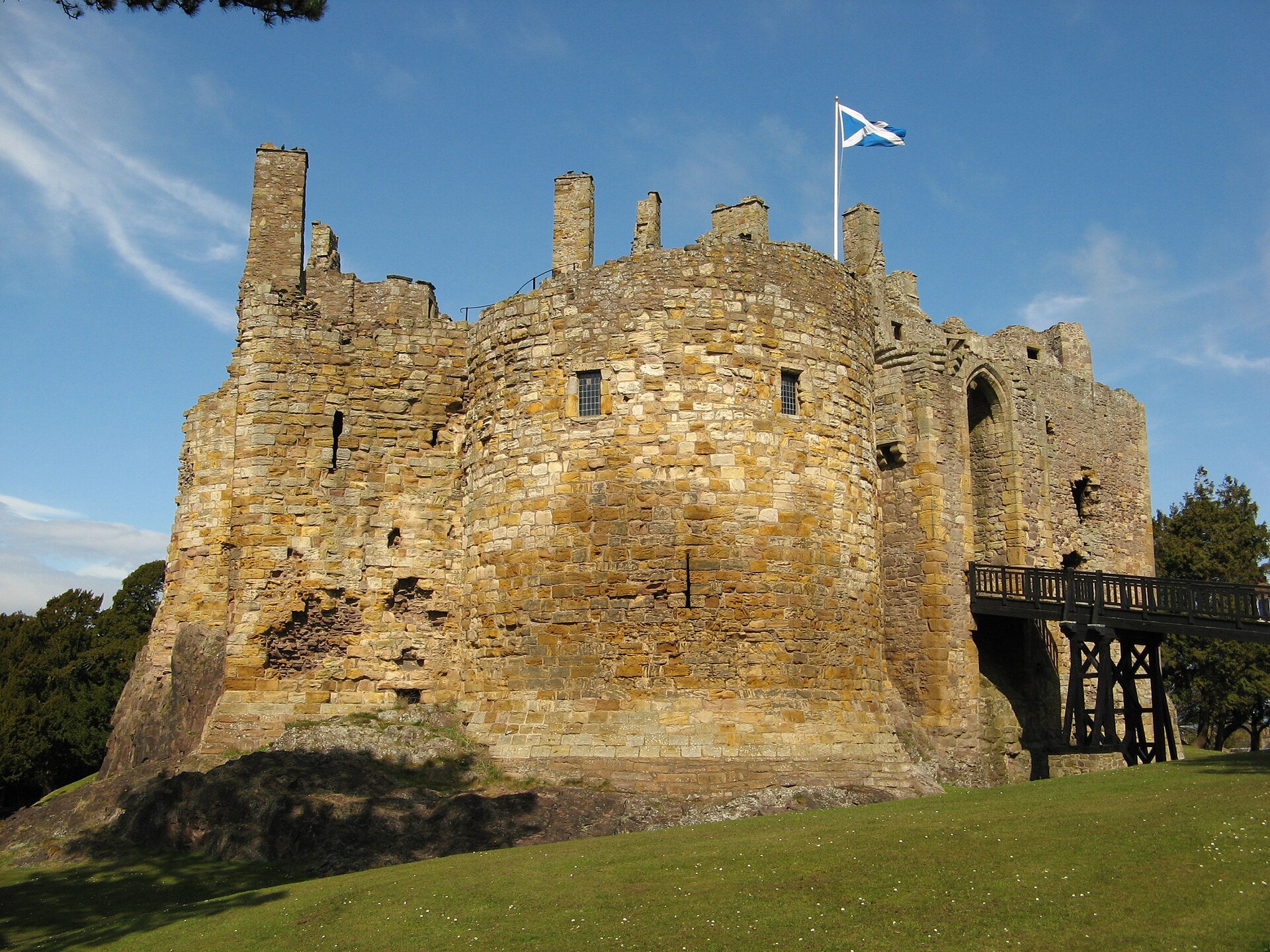
A thirteenth-century cluster keep of three joined round towers: among the earliest Scottish castles built with towers projecting beyond the walls,…
Sacred place · Medieval
county-limerick
A 20-metre round tower and a ruined church mark a small religious settlement whose story reaches from an early founder tradition to restoration in…
Sacred place · Medieval
Worcestershire
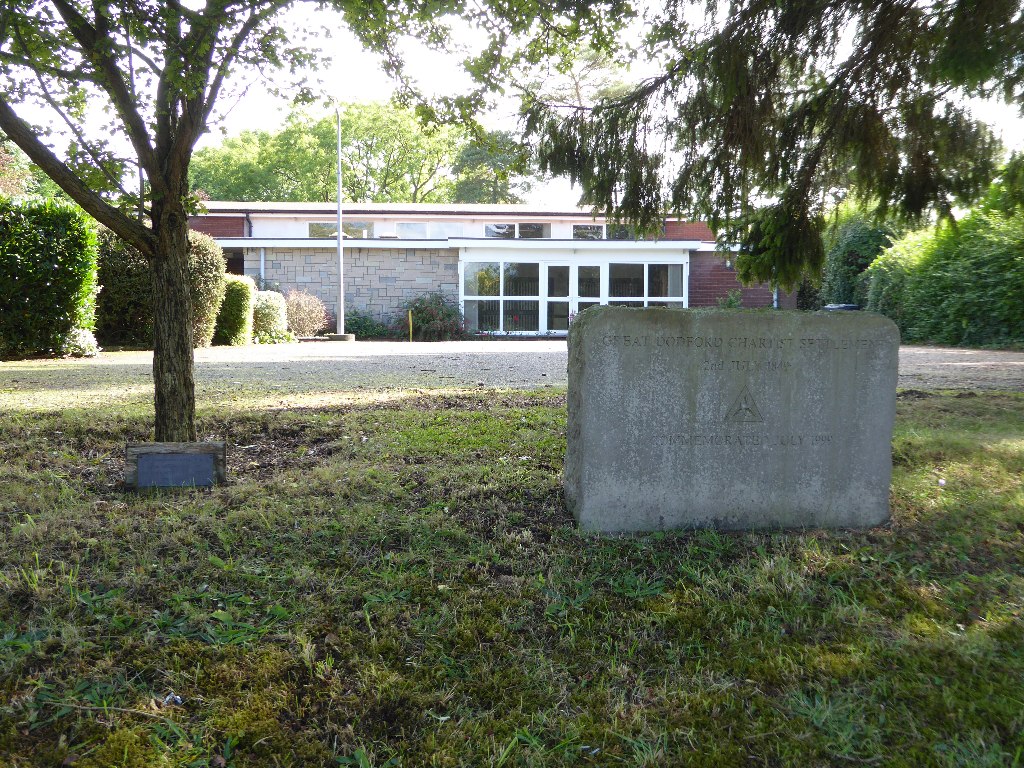
A modest Augustinian house so reduced by 1464 that a single canon remained, later reborn as a Chartist land colony for working-class smallholders.
Fortified place · Medieval
Cheshire
A mound and ditch outside Chester record two phases of fortification: an early castle enclosure later remade as a Norman castle for a Cheshire mano…
Briefer entries: recorded and worth knowing, with fuller pages to come.
Fortified place · Medieval
County Galway
A tower house rebuilt piecemeal by two very different Galway fortunes: a Tribes-of-Galway merchant family, then sugar-plantation wealth from Jamaic…
Fortified place · Medieval
Kent
Dane John Mound condenses Canterbury’s Roman, Norman and civic history: a Roman burial mound transformed into a motte (the great earth mound at the…
Tomb or burial place · Pictish & early medieval
Kent
Darenth Country Park protects a Saxon burial ground within a former hospital landscape, combining nationally important archaeology with chalk-grass…
Fortified place · Medieval
Norfolk
Denton Castle is a scheduled Norman castle mound and enclosed yard whose large ditched mound and horseshoe enclosure preserve a clear early post-Co…
Fortified place · Medieval
Isle of Man
Derby Fort is a Civil War-era gun battery on St Michael’s Isle that records how the Isle of Man defended Derbyhaven against seaborne threat; its ca…
Building or ruin · Roman
Northumberland
Dere Street was Rome’s principal northern communications and supply route from York through Corbridge and beyond Hadrian’s Wall into Scotland, with…
Fortified place · Medieval
County Tyrone
Derg Castle preserves a river-ford stronghold whose O’Neill–O’Donnell conflict, Plantation bawn and later erosion chart Castlederg’s medieval origi…
Sacred place · Medieval
County Down
Derry’s two shale-built church ruins preserve early Christian worship, layered buildings and a cemetery whose men, women and children complicate a…
Sacred place · Medieval
County Kerry
Three roofless stone buildings stand overgrown on Abbey Island, a tidal islet off the coast of Derrynane in County Kerry, reachable on foot across…
Sacred place · Medieval
County Tipperary
A circular earthwork in Tipperary bogland carries two rival identities: one of the oldest monastic foundations in Ireland, its true name still disp…
Crossing or structure · Roman
Northumberland
Devil’s Causeway is a 55-mile Roman road linking the Portgate near Corbridge with the Tweed estuary, connecting Hadrian’s Wall infrastructure to no…
Fortified place · Iron Age
Devon
Dewerstone combines a defensible promontory above the Plym, dating from from around 800 BC up to the Roman conquest, with Dartmoor’s enduring super…
Fortified place · Medieval
Norfolk
Dilham Castle preserves the fragmentary remains of a fifteenth-century fortified manor, linking a royal veteran’s local ambitions with Norfolk’s la…
Fortified place · Iron Age
Somerset
A defended hilltop south of Churchill, enclosed by a scarp.
Carved stone · Pictish & early medieval
Highland
A Pictish (of the Picts, the people of northern and eastern Scotland from about AD 300 to 900) symbol stone carved on both faces, possibly recut fr…
Fortified place · Iron Age
Cornwall
South Cornwall's highest headland, where an Iron Age (the centuries before Rome arrived, from about 800 BC) promontory fort (a coastal spur defende…
Sacred place · Medieval
Suffolk
Its charters are thought to hold the first known references to Flatford Mill. Wolsey dissolved the house in 1525 and spent its endowment on college…
No places match those filters.
Kinds of place
Ages









_49.jpg?width=800)



.jpg?width=800)






.jpg?width=800)